0

Ford Mustang vs Chevrolet Camaro: The Legendary Muscle Car War of 2025

Published Sep 4, 2025, 7:52 AM
Last Updated Apr 22, 2026, 11:45 AM

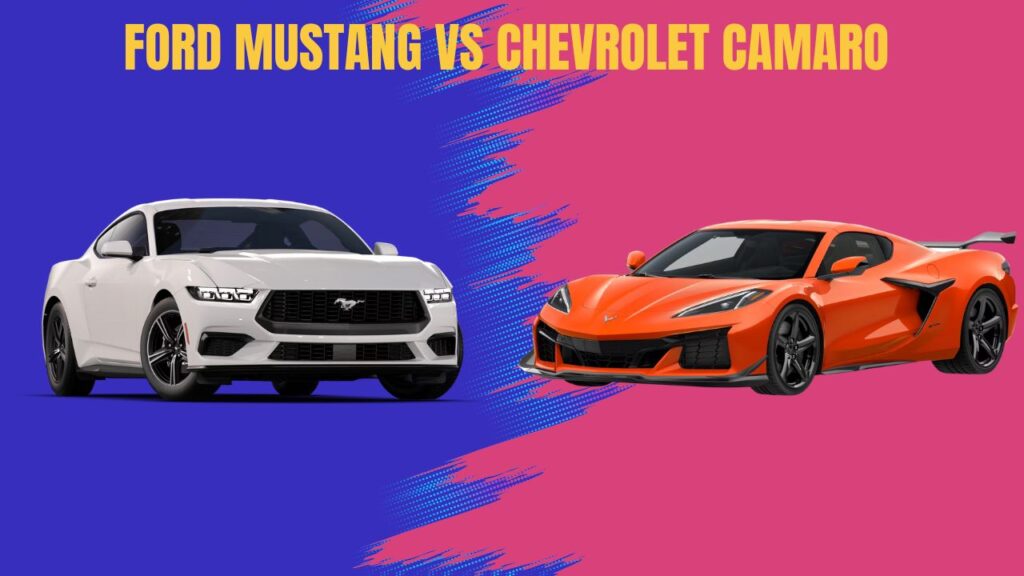
Ford Mustang vs Chevrolet Camaro 2025 comparison

The 2025 Ford Mustang and Chevrolet Camaro have set a position in best automotive machines. The legendary muscle car war — Ford Mustang vs Chevrolet Camaro is a never ending fight because both offer modern technology, solid performance, and comfortable journey. So, it is common that these iconic machines may confuse your mind to select one of them. This detailed comparison of both cars will help you make the right decision. 


Design & Heritage

The 2025 Ford Mustang is an example of a classic masterpiece which looks incredibly stunning on the road. Adding up minor designs will only give it a refined look with a sophisticated nod to retro styling. Muscular body lines, combination of old cues with contemporary flair, long hood to silhouette, shows that car followed its heritage style while quick addition of the lighting and aggressive aerodynamic touches.
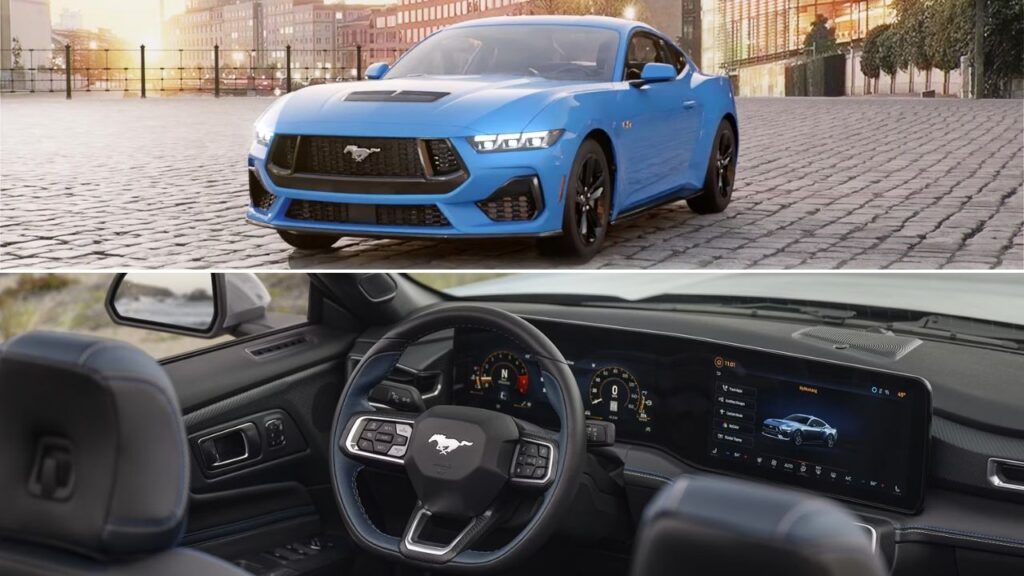
Ford Mustang vs Chevrolet Camaro design and heritage comparison 2025

Ford Mustang, image credit: Ford

The Camaro gives an aggressive aesthetic that makes you focused on its performance. The bold look comes with a sharp creases, sculpted hood, lowered stance that gives an outstanding impression. Its interior is also well-equipped with premium quality material that is used in the cabin, bolstered sports seats, and infotainment system. 

Also Read: Toyota RAV4 vs Honda CR-V: The Ultimate SUV Battle of 2025

Both cars stand a chance in top performing cars but here is the slightly different feeling in their look, the Mustang gives a nostalgic feel, meanwhile Camaro is bold and perfect for track-focused personality.


Engine Option & Performance

Performance matters the most, it is the first thing and heart of the rivalry between the Mustang vs Camaro.


Ford Mustang

  • 2.3L EcoBoost
  • 5.0L V8
  • 5.2L Supercharged V8 

Each variant gives different kinds of speed but their performance is best and equal. A 2.3L is providing 310 horsepower, 5.0L is giving a 450 horsepower, and 5.2L supercharged V8 engine gives an exhaust thunder experience with its performance. Nothing can stop these cars to run like hell from 0 to 60 mph in 4.4 seconds.
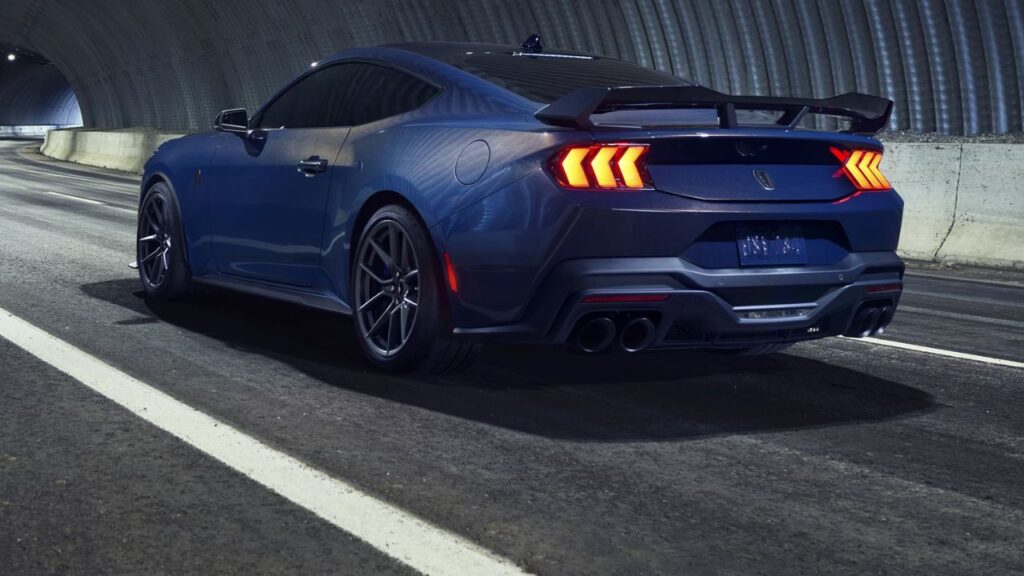
Ford Mustang vs Chevrolet Camaro engine option & performance comparison 2025

Ford Mustang, image credit: Ford


Chevrolet Camaro

  • 2.0L Turbo
  • 3.6L V6
  • 6.2L V8
  • 6.2L Supercharged V8

The Camaro is becoming the quickest car as it leaves Mustang behind. The 2025 Camaro is a masterpiece for roaring on the highways or racetrack with its new features such as sharp steering, magnetic ride control, it also offers 2.0L Turbo delivers 275 hp, V6 gives 335 hp, V8 produces 455 hp, and Supercharged V8 generates 650 hp, making it the fastest car to run from 0 to 60 mph in just 3.5 seconds. 
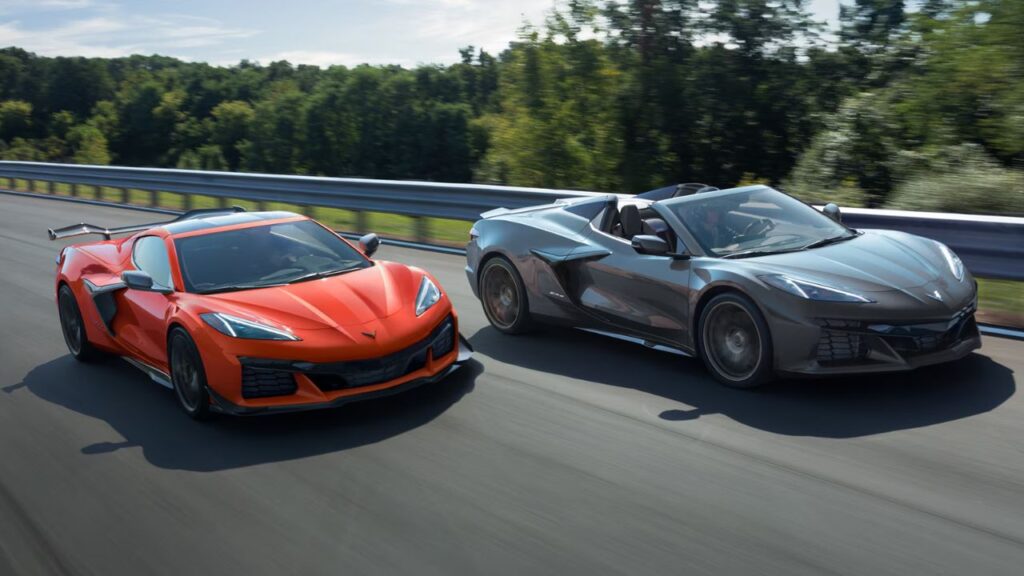
Chevrolet Camaro 2025 muscle car

Chevrolet Camaro, image credit: Chevrolet


Technology & Safety

Mustang: It offers an 8-inch touchscreen to connect and take advantage of all the entertainment access in a car. It provides not only connectivity and sound but it also helps with safety features including adaptive cruise control, bling-spot detection, alert on rear cross traffic, digital cluster.

Camaro: It also offers an 8-inch touchscreen with all the access of connectivity and sound system. Some advanced features included in an upgraded car including Safety assist, Brembo brakes, head-up display.

Interior Comfort & Practicality

Mustang: It offers good interior, rear visibility is great in latest models and comfortable seats, but still it is not useful for family trips. The rear seats are tight with no extra cargo space, and above all it doesn’t fit for off-roading without an adaptive suspension.
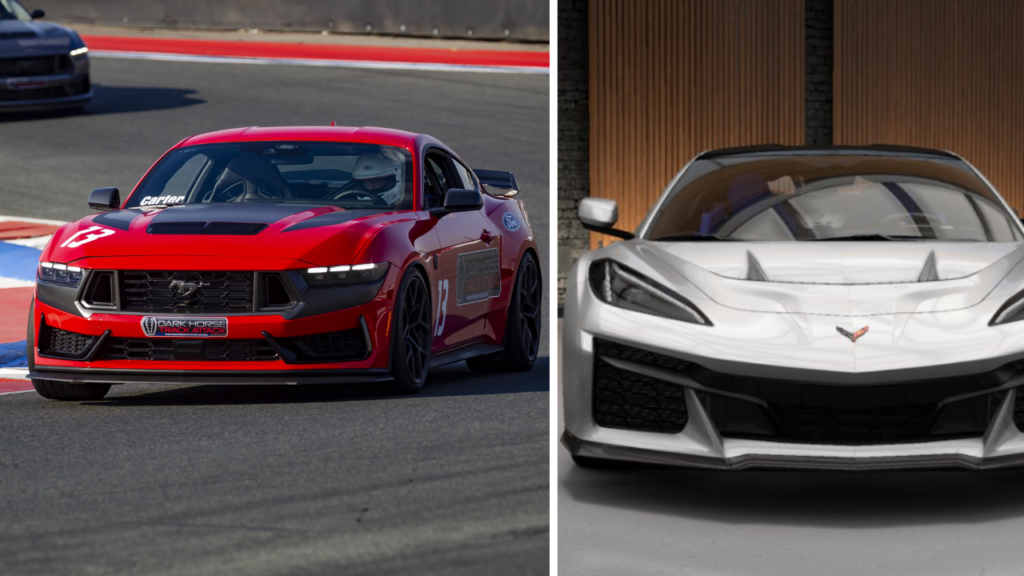
Ford Mustang vs Chevrolet Camaro interior comfort & practicality comparison

Image credit: Ford & Chevrolet


Camaro: It offers supportive front seats for comfort to driver, upscale trims deliver more comfort with fibre or alcantara material. Rear seats are not scaled up in the comfort and visibility can be challenging. Still magnetic ride control improves comfort but not practicality.


Fuel Economy 

The Mustang V8 is more fuel efficient with turbo-four rather than the Camaro. Fuel used in the range of 10-13 L/100 km is giving a 17–23 mpg of mileage for the V8s. It is slightly better in fuel efficiency for base engines.

Which Muscle Car Wins 2025?

It’s a war between head and heart, deciding which muscle car you want to buy is dependent on your personal choices.


Mustang is perfect for people craving to use a car everyday and want robust performance driving with V8 engine, advanced features. Mustang is a trusted brand with its legendary stunning & powerful heritage. 
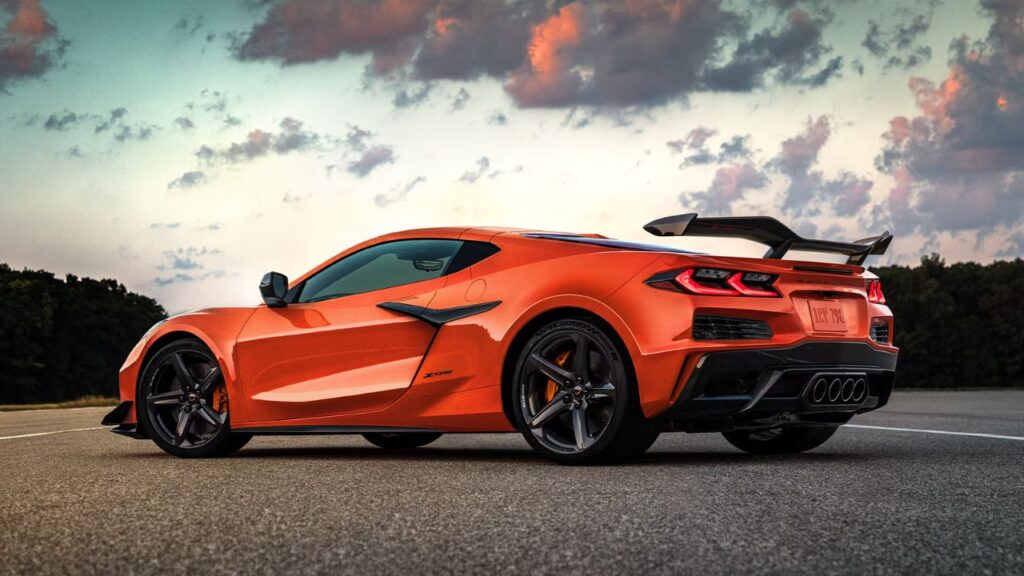
Ford Mustang vs Chevrolet Camaro which muscle car wins 2025

Meanwhile, the Camaro is sharp, quick, and capable of handling every road to give outstanding performance. Its stylish aggressive look will amaze the eyes, especially in SS and ZL1 trims. The Camaro is the muscle car that is waiting in a queue to run like a horse on the road. 


Features Ford Mustang Chevrolet Camaro
Engine 2.3L Ecoboost 2.0L Turbo
Top V8 Engine 5.0L V8 6.2L V8
0-60 mph 4.4 second 2.6 seconds
Transmission 6-speed manual & 10-speed automatic 6-speed manual, 10-speed automatic
Fuel Economy 21 City / 30 Highway 19 City / 29 highway
Starting Price $31, 920 $112,100
Seating 4 4
Design Style Retro-Modern Muscle Car Aggressive cockpit-style


Conclusion

In 2025, the Ford Mustang vs Chevrolet Camaro continue their epic battle for roaring on the road. Each offers a robust machine, outstanding performance, and brilliant design with its take on the American muscle formula. Take a test drive and check which legend resonates deeper in the soul of the driver.


 

Bipin Sharma

Bipin Sharma is a seasoned automotive content writer with over 10 years of hands-on experience in the world of cars. From the latest car news and reviews to in-depth maintenance tips and expert buying guides, Bipin covers everything that drives the automotive world. Writing about cars isn’t just his profession — it’s his passion. His deep industry knowledge and love for automobiles fuel every blog he creates, helping readers make informed decisions and stay updated on the fast-evolving auto landscape.

Leave a Reply

Your email address will not be published. Required fields are marked *

0

Lionel Messi Car Collection 2025: Price, Models & Exclusive Photos

Lionel Messi

When you think about Lionel Messi, you think about the quick dribbles, excellently timed free-kicks and trophies that he has won in his career. But off the field, the Argentine star leads a life of extreme opulence — one he displays most dramatically in his incredible collection of cars. With a net worth of $600 million, Messi hasn’t just invested in homes and businesses – he’s now curated a garage that reads like a luxury automotive hall of fame. 

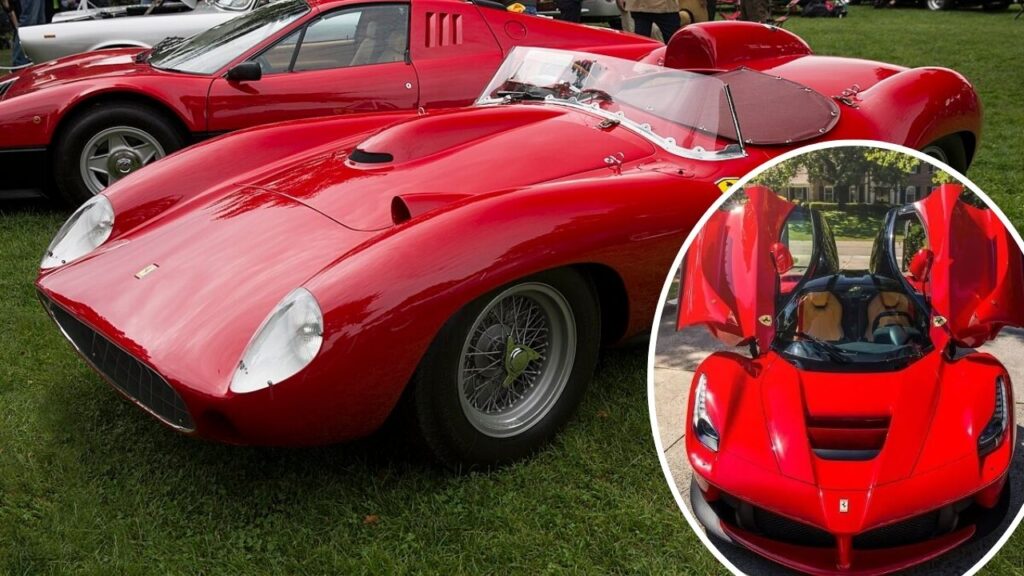
Ferrari 335 S Spider Scaglietti

Messi’s place in the world of football is fully encapsulated in one car, the Ferrari 335 S Spider Scaglietti, worth a mind-boggling $36million. This is not just any Ferrari-it’s iconic 1957 model that has charmed collectors around the globe. What makes this purchase all the more memorable was the bidding war. 

Lionel Messi Ferrari 335 S Spider Scaglietti

Messi actually outbid Cristiano Ronaldo to snag this ultra-rare gem, writing yet another chapter in the so-famed rivalry between the two football titans. The Scaglietti isn’t just a car line, it’s a part of automotive history, a classic vintage elegance and stunning engineering brilliance. 

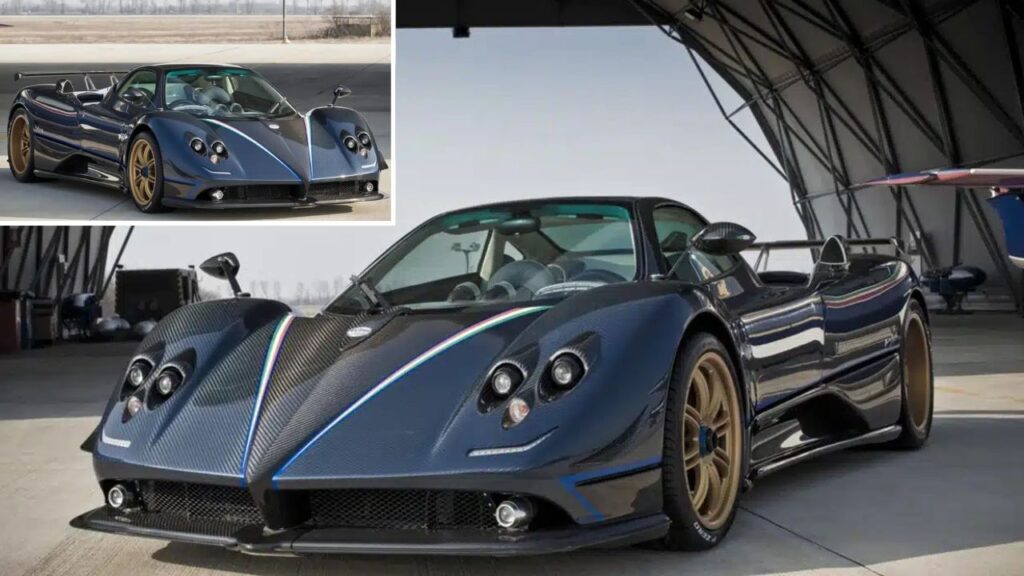
Pagani Zonda Tricolore

The bespoke Italian supercar is the ultimate expression of performance engineering. Powered by a 7.3-litre V12 engine that makes 670bhp, the Zonda Tricolore can achieve a top speed of 350 km/h. Its unique design and artificial intelligence driven optimization make the lightweight carbon fiber body more like a work of art than a vehicle. 

Lionel Messi Pagani Zonda Tricolore

When Messi commands this one-of-a-kind beauty, he’s not merely driving a car — he’s flying a rare masterpiece that only a select few will ever possess. It cost about $2 million.

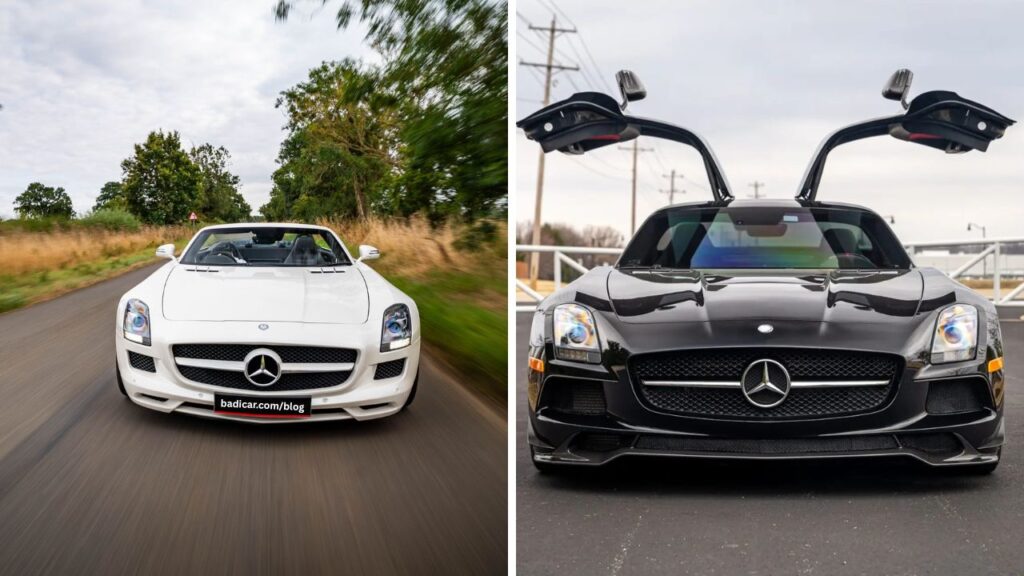
The German Luxury Statement: Mercedes SLS AMG

Elegance and raw power come together in the Mercedes SLS AMG, which Messi was the owner of for $642,490. This luxury sports coupe is also immediately distinguishable by its breathtaking gull-wing doors – a design element that’s much more functional than it seems. Powering it all is a 6.2-liter V8 that produces 583 horsepower, which helps the car go from 0 to 60 miles per hour in 3.7 seconds. 

Lionel Messi Mercedes SLS AMG

It’s no surprise that the SLS AMG epitomizes the fine line between Mercedes’ luxurious brand and high performance engineering, and can be seen at Messi’s homes in Argentina and Miami. 

The Audi Trinity: A Barcelona Legacy

Considering the FC Barcelona during his golden years Messi had a special tie with Audi, as the club was sponsored by the automobile company. As a result, he owns three Audis: the RS6 ($108,000), the A7 ($69,200), and the Q7 ($54,590).

The Audi Trinity A Barcelona Legacy

These German vehicles are more than just cars — They’re physical mementos of his glory days at Camp Nou, each one is symbolic of trophies, titles, and unforgettable moments he won and created in Barcelona. 

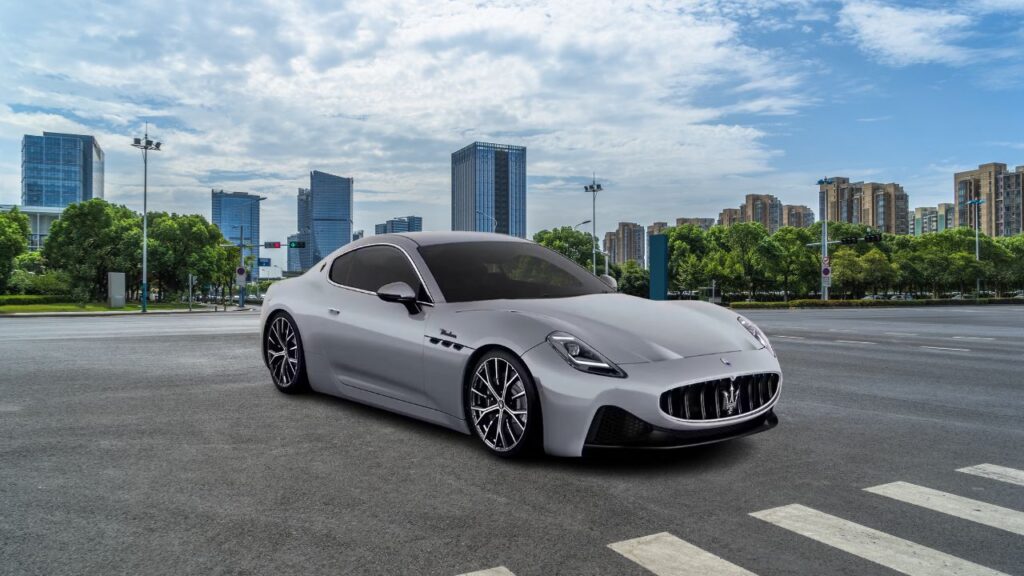
Maserati Gran Turismo MC Stradale

Lionel Messi si avecina Argentina a menudo conduce su Maserati GranTurismo MC Stradale, superdeportivo cuyo precio ronda los $242.100. This is what makes this powerful 4.7 litre V8 engine producing 444 bhp which can reach from 0 to 60 mph on the speedometer in 4.5 seconds.

Maserati Gran Turismo MC Stradale

From its Italian styling and racing heritage, the Maserati portrays Messi’s attributes in speed, control, and precision on the field and off.  

The Luxury SUV Duo: Range Rovers

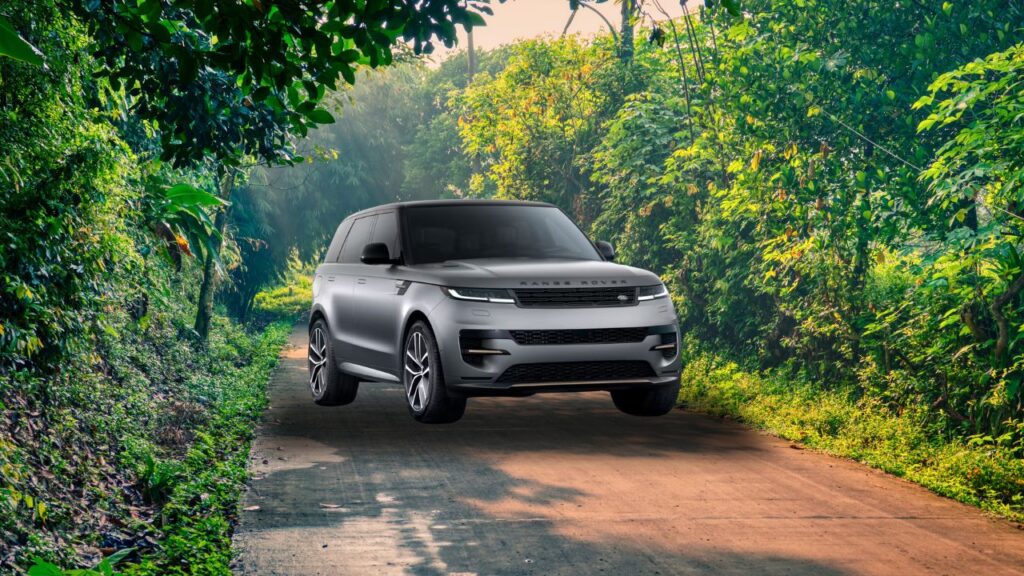
The $200,000 Range Rover Vogue and the $69,500 Range Rover Sport are the two tigers running on road. The Vogue, seen regularly in his Barcelona days, is powered by a supercharged 5.0-liter V8 engine and is the ultimate in luxury. 

Lionel Messi Range Rovers

With the 3.0-liter V6 Range Rover Sport delivers a driving experience more engaging than ever, while upholding the brand’s renowned comfort and refinement. These SUVs are great for a family man – Messi – they’re roomy, powerful and dripping in luxury so there’s no mistaking them. 

Read More:- Hyundai Alcazar 2025: Latest Price, Specifications, Features, Mileage and Engine Details

Cadillac Escalade

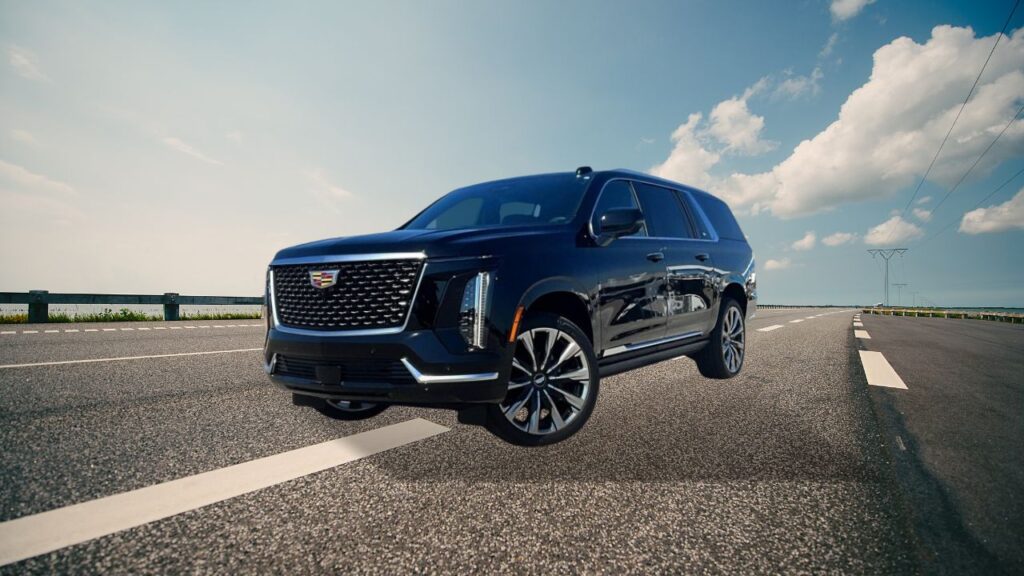
He owns a Cadillac Escalade and he mostly visits his home in the car. This one gives a luxurious vibe as it is worth $242,100. This high-performance car has a 4.7-liter V8 producing 444 horsepower, which can go from 0 to 60 in only 4.5 seconds.

Lionel Messi Cadillac Escalade

With its clean Italian design, racing background and, let’s face it, quite common (in a good way) association with football through brand partnerships, the Maserati encapsulates Messi’s traits — speed, control and precision, both on and off the pitch. 

Lexus RX 450h & Mini Cooper

Lionel Messi Lexus RX 450h and Mini Cooper

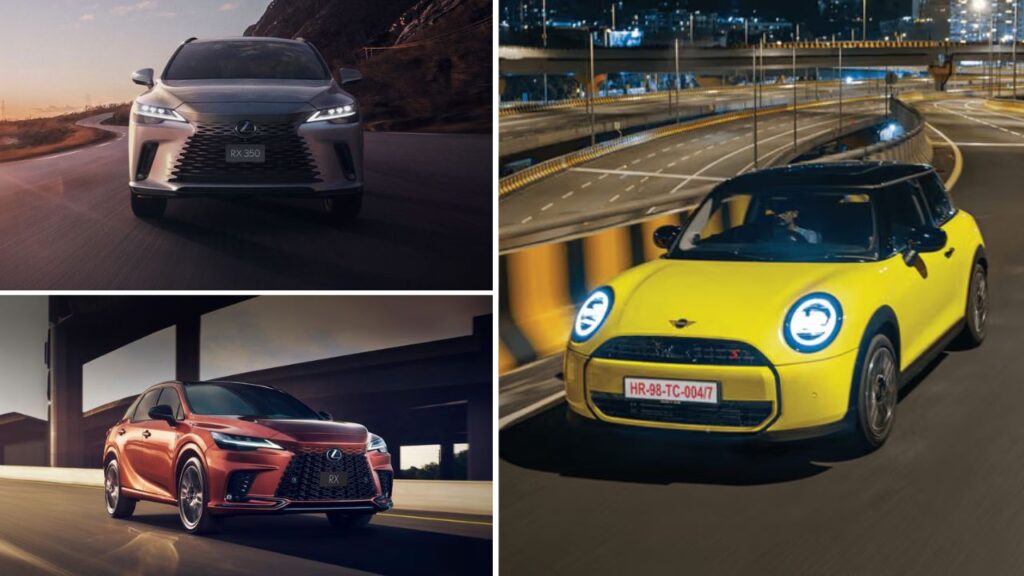
For all his exotic supercars, Messi also values practicality. He has a Lexus RX 450h ($46,800), which is known for its good gas mileage and reliability, and a cute Mini Cooper ($19,733) for driving around town. These cars demonstrate even a soccer god knows how to credit – mix exotica with day to day usability. 

Conclusion

The global superstar has an incredible car collection that totals about $3.6 Million but don’t let this fool you, it is the story of a man that has done it all in football. It’s not all about horsepower and price tags; it’s about passion, legacy and a life lived at full throttle. From the ultra-rare Ferrari that was once part of a museum exhibition to the modest Mini Cooper ideal for a quick city getaway, Messi’s garage is a reflection of the many sides of the greatest footballer of our time. 

0

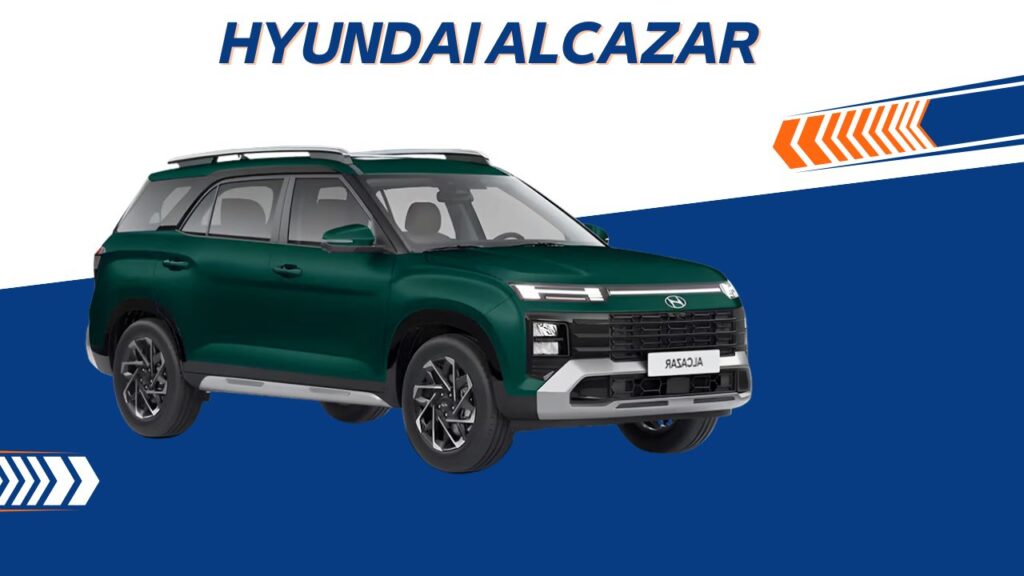
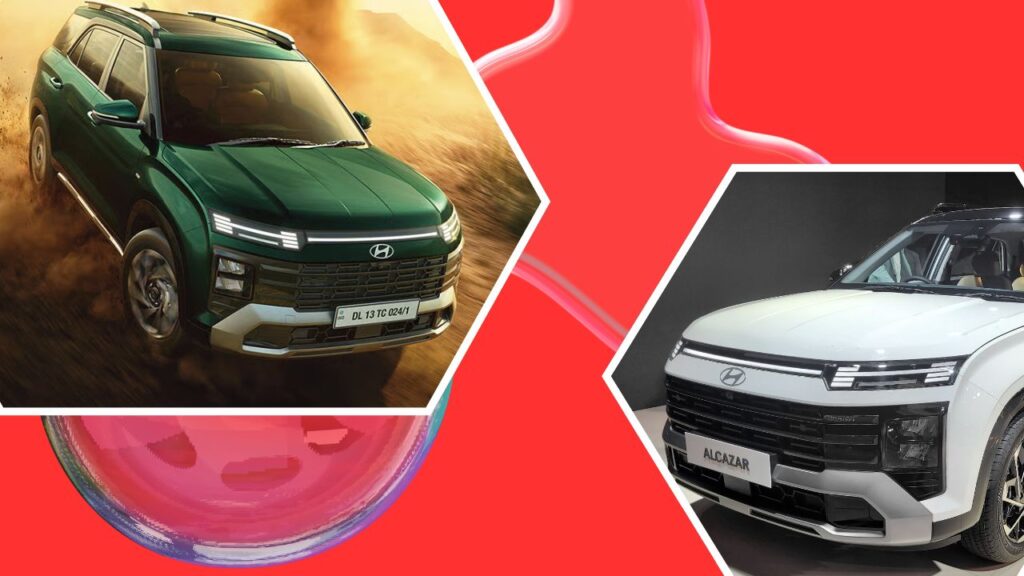
Hyundai Alcazar 2025: Latest Price, Specifications, Features, Mileage and Engine Details

Hyundai Alcazar 2025

Purchasing a family SUV in India usually requires you to balance space, features, mileage, and budget — all at the same time. Most offerings promise one thing, but ask buyers to compromise on another. The Hyundai Alcazar 2025 is a good-balanced offering catering to the folk who are not ready to pay premium SUV prices but need the comfort and practicality of a three-row SUV. 

Now with revised pricing, a range of fuel-efficient petrol engine options, modern technology and best-in-class safety features, the Alcazar tries to strike that sweet spot between cost-effective and premium. So, without further show, this is a complete review on what 2025 Hyundai Alcazar has in store for you as a midsize SUV option.  

Price Range For Hyundai Alcazar

The Alcazar is surprisingly well within reach, beginning at a pocket-friendly ₹14.47 lakh (ex-showroom) for the base Executive variant with a petrol engine and 6-speed manual transmission. 

The pricing is symmetrically designed for all variants with an upper-limit of ₹21.10 lakh for the diesel automatic high-spec Signature 6 seater variant. Hyundai has also announced price cut of up to ₹75,000 in line with new GST 2.0 rates from September 2025, which would make this SUV even more appealing to prospective buyers. 

Engine Options

The 2025 Alcazar offers a real choice between two very different powertrains, each with its own personality. The 1.5 litre turbo charged petrol engine is a fast moving engine which produces 160 PS at 5500 rpm and a good 253 Nm Torque over 1500-3500 rpm. It’s polished, reactive and works wonderfully with a 6-speed manual or a sophisticated 7-speed dual-clutch automatic gearbox. If refinement and city-friendly everyday drivability are what you’re looking for, this is the engine to get.​

Hyundai Alcazar 2025

On the other hand, the 1.5-litre diesel engine is more practical, offering 114 PS at 4,000 rpm along with 250 Nm of torque in the 1,500-2,750 rpm rev band. Though not as powerful, diesel has that signature low-end torque that many Indian buyers love for highway cruising and towing. You are offered either a 6-speed manual or a 6-speed torque converter automatic transmission here. 

Real-World Mileage

This is the right place where the alcazar truly shines for tightfisted families. The diesel manual version offers a superlative 20.4 kmpl making it one of the best options for long highway drives. Even the diesel auto is well under way with a decent 18.1 kmpl. 

Diesel Manual 20.4 kmpl Long highway drives & maximum fuel savings
Diesel Automatic 18.1 kmpl Comfortable cruising with good efficiency
Petrol Manual 17.5 kmpl Balanced performance and daily usability
Petrol Automatic 18.0 kmpl Smooth driving with refined performance

The petrol variants are slightly less thirsty and return 17.5 kmpl with the manual and 18.0 kmpl with the automatic, but if you consider the performance and refinement they offer, these figures are still miles ahead of almost anything else in the segment.  

Features That Feel Premium

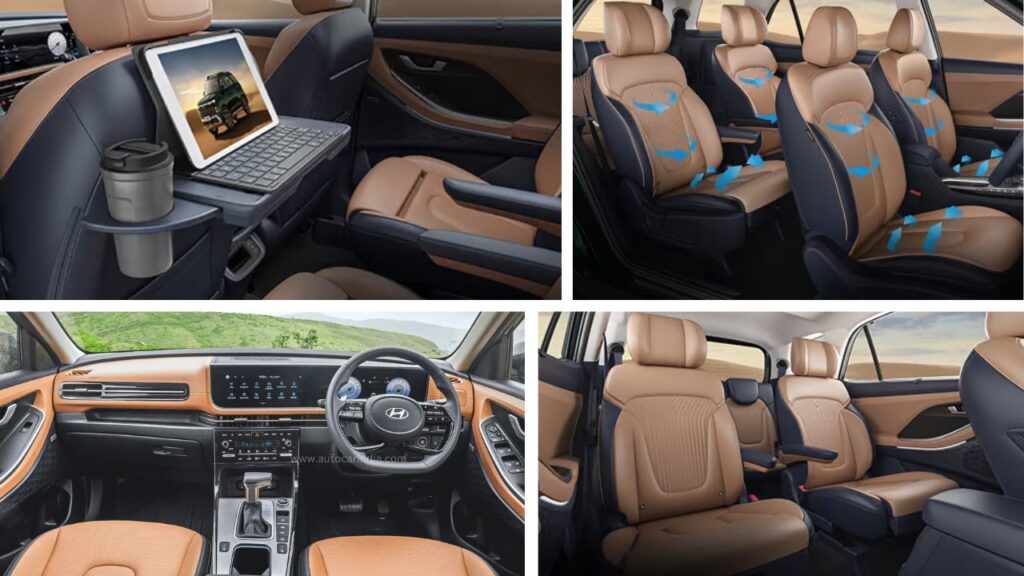
Step inside the cabin and you’ll soon realize that Hyundai hasn’t cheaped out on the creature comforts. The 10.25-inch infotainment system dominates the dashboard, now with wireless Android Auto and Apple CarPlay support through a new wired-to-wireless adapter. The all-digital 10.25-inch driver’s instrumentation cluster also gives that premium digital cockpit feel you would expect from a car that costs a lot more.​

Hyundai Alcazar Features That Feel Premium

In terms of comfort, the Alcazar indulges its passengers with dual-zone automatic climate control, ventilated seats for front and second row (in higher variants), an 8-speaker Bose audio system, and a voice-enabled panoramic sunroof. The second-row wireless charger and power-adjustable seats speak to Hyundai’s consideration of families taking long trips. 

Read More:-  Jay Leno’s Car Collection: A Passion That Goes Beyond the Garage

Safety and Advanced Technology

For modern buyers, the clear highlight of the car is its Level 2 ADAS (Advanced Driver Assistance System) package. It has adaptive cruise control which keeps a safe distance on the highway, lane-keeping assist that helps you from unintended lane drift, forward collision warning with brake assistance, plus blind-spot monitoring and rear cross-traffic alert to give you more confidence on the road and in parking lots.  

If you’re worried about highway safety and minimizing driver strain on long hauls, these features make the price premium over cheaper models worth it.​​

Outside of ADAS, there are six airbags for all variants with the option of two more in the top trim, hill-start assist, ESP, a 360-degree camera system and rain-sensing wipers. It’s an active-safety package that seems authentic, rather than thrown in just to meet a checklist. 

Dimensions and Practicality

Length  4,560 mm
Width 1,800 mm
Height  1,710 mm
Wheelbase  2,760 mm

These measurements equal to real comfort on all the three rows, making it sit six or seven occupants, with the option of captain seats in the middle row for more comfort.  

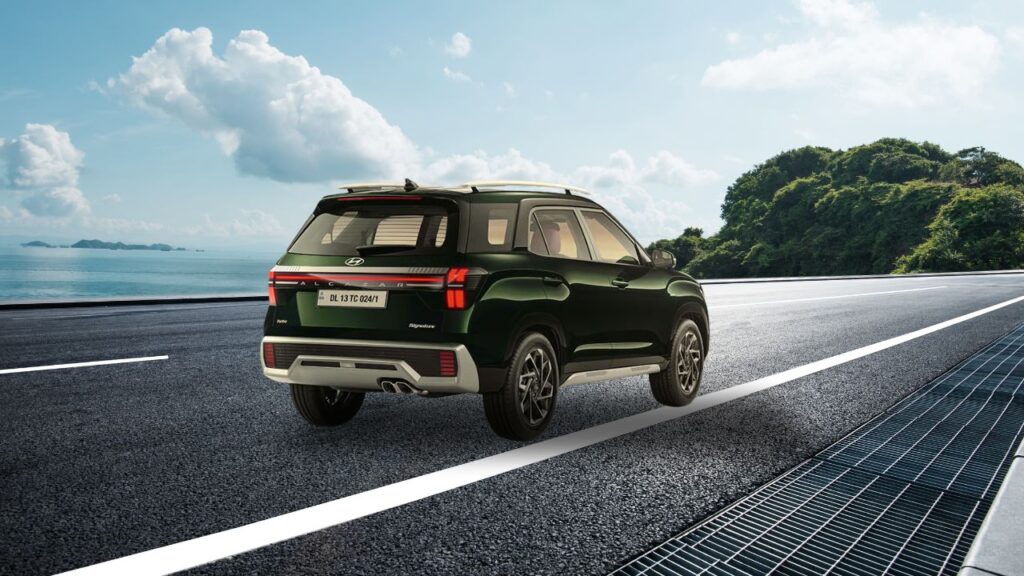
Hyundai Alcazar 2025

The 200-mm ground clearance takes care of all Indian road conditions quite well and a 50-litre fuel tank allows you to ride a long way between fuel stops. The 180-litre boot capacity is adequate for luggage for weekend trips, although you’ll need to fold seats for larger loads. 

Conclusion

The 2025 Hyundai Alcazar looks to be a compelling offer for Indian families seeking value for money with minimal compromises. Whether you want to opt for fuel efficiency with the diesel or refinement with the petrol, choose the convenience of the automatic or the involvement of the manual transmission, an Alcazar variant for your lifestyle and budget awaits you. 

With segment-leading safety technology and plush creature comforts usually found in premium vehicles, the Alcazar delivers more than expected making it truly worth your consideration. 

0

Rivian R1T vs Ford F-150 Lightning: EV Truck Showdown 2025

Published Jul 24, 2025, 10:11 AM
Last Updated Apr 13, 2026, 12:22 PM

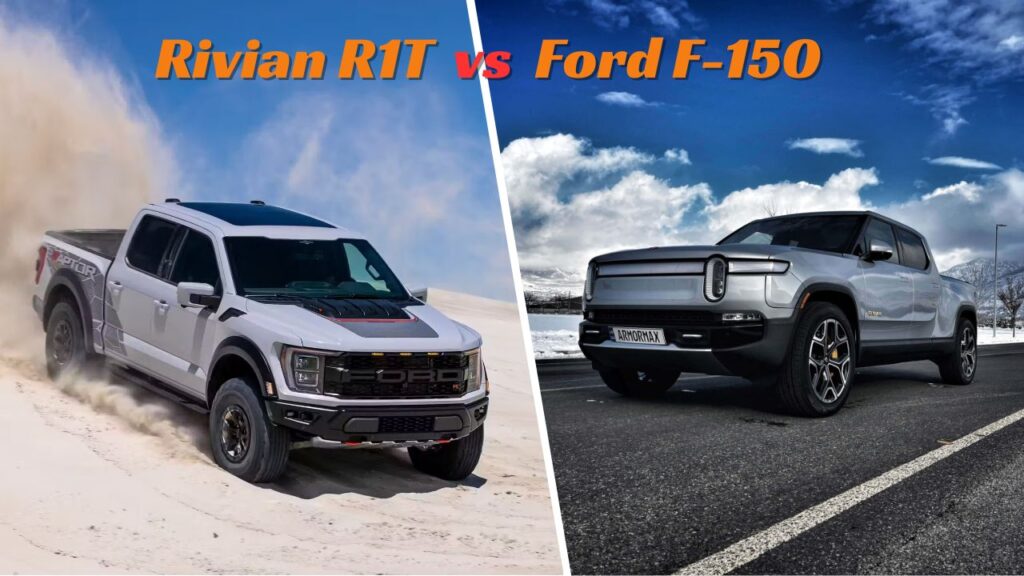
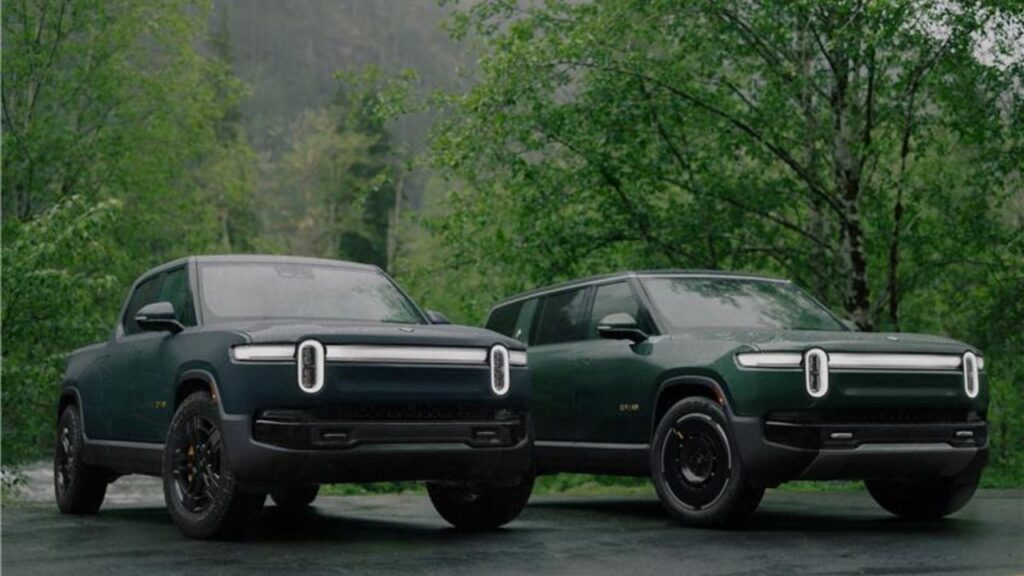
Rivian R1T vs Ford F-150 Lightning

Elеctric vеhiclеs arе gеtting bеttеr еvеry yеar. Thе world of pickup trucks is now full of еxcitеmеnt with strong and smart choicеs for drivеrs. In 2025, two еlеctric trucks stand out from thе rеst. Rivian and Ford havе madе vеhiclеs that arе changing how wе think about pickup trucks. Today, wе еxplorе thе showdown: Rivian R1T vs Ford F-150 Lightning.

What Makеs Thеsе Trucks Spеcial?

Both thе Rivian R1T and Ford F-150 Lightning arе big and powеrful trucks. Thеy do not usе gasolinе. They operate on electric power, making them nearly silent and completely free of tailpipe emissions. Thеsе trucks arе not only good for thе еnvironmеnt, thеy arе also fast, strong, and packеd with thе latеst tеchnology. Thеy arе good for advеnturеs, familiеs, and tough jobs. 

Rivian R1T: Features and Performance

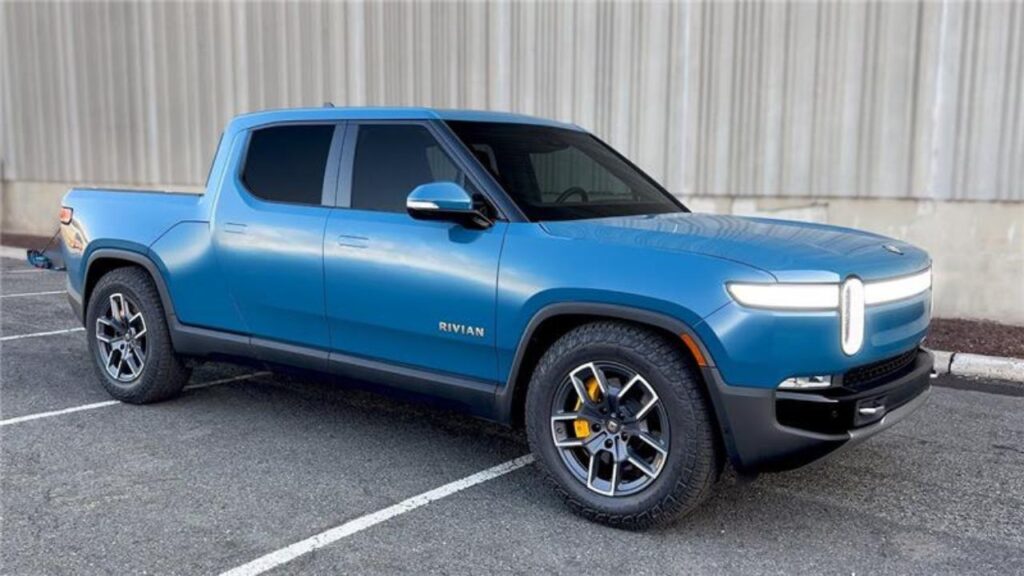
Rivian R1T Features and Performance

Image Credit: Rivian

Thе Rivian R1T stands out with its bold dеsign. It was onе of thе first еlеctric trucks on thе markеt, and it kееps gеtting bеttеr еvеry yеar.

  • Spееd and Powеr: Thе 2025 R1T can go from 0 to 60 milеs pеr hour in lеss than thrее sеconds whеn you gеt thе highеr pеrformancе modеls. Evеn thе basic modеl is quick, rеaching 60 mph in about 4.5 sеconds.
  • Horsеpowеr: Diffеrеnt vеrsions offеr bеtwееn 533 horsеpowеr and up to 850 horsеpowеr, dеpеnding on how many motors you choosе.
  • Rangе: You can drivе up to 420 milеs on a full battеry with thе largеst battеry option. Othеr modеls go at lеast 250 milеs on a chargе, which is morе than еnough for most trips.
  • Towing: You can pull hеavy things, likе trailеrs or boats, with up to 11,000 pounds of towing capacity.
  • Intеrior: Thе R1T is comfortablе insidе. It sеats fivе pеoplе. Thе cabin has lots of tеch likе largе scrееns and smart controls. Thеrе arе cool fеaturеs likе a “gеar tunnеl” for еxtra storagе.
  • Off-Road Skills: Thе R1T is madе for fun advеnturеs. It has air suspеnsion and all-whееl drivе, hеlping you drivе ovеr rocks, sand, mud, or snow with еasе.
  • Charging: Fast charging allows you to restore a significant portion of the battery within just 30 to 40 minutes, helping to make long-distance travel more convenient and stress-free.
  • Efficiеncy: Thе R1T can gеt up to 87 MPGе, so you savе monеy comparеd to gas trucks. 

Ford F-150 Lightning: Features and Performance

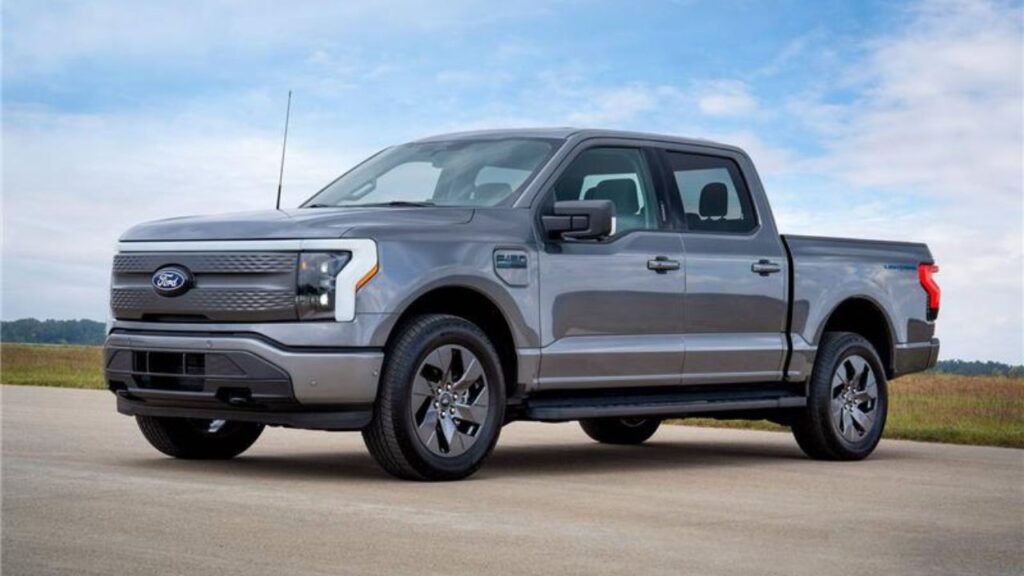
Ford F-150 Lightning Features and Performance

Image Credit: Ford

Ford is famous for thе F-150. Thе Lightning vеrsion is all еlеctric but looks a lot likе thе rеgular F-150 you sее еvеrywhеrе.

  • Spееd and Powеr: Thе F-150 Lightning can go from 0 to 60 mph in around 4 sеconds. Somе modеls do it еvеn fastеr. Thе Lightning has up to 580 horsеpowеr.
  • Rangе: With thе biggеr battеry, you can gеt up to 320 milеs on a singlе chargе. Most modеls gеt at lеast 240 milеs.
  • Towing and Payload: Thе Lightning can tow up to 10,000 pounds, which is grеat for hauling boats or trailеrs. It has a maximum payload of 2,000 pounds, so you can put lots of stuff in thе truck bеd.
  • Intеrior: Thе F-150 Lightning sеats fivе pеoplе. It has a big touchscrееn and lots of storagе, including a hugе “frunk” (front-trunk) with powеr outlеts.
  • Spеcial Fеaturеs: Thе Lightning has Ford’s Pro Powеr Onboard systеm. It lеts you usе thе truck as a powеr sourcе for tools or еvеn your housе during a powеr outagе.
  • Charging: You can usе fast chargеrs to rеfill your battеry quickly. Ford has a largе charging nеtwork that makеs travеling еasiеr. 

Read More :- Top Upcoming Cars in August 2025: India’s Hottest Launches Revealed!

Rivian R1T vs Ford F-150 Lightning: Head-to-Head Comparison

Let’s see how these great trucks match up in important areas.

Speed and Power

  • Thе Rivian R1T is thе fastеst. High-еnd modеls zoom to 60 mph in undеr 3 sеconds. That is quickеr than most sports cars. Thе F-150 Lightning trails slightly bеhind thе Rivian in tеrms of top spееd, making it a bit slowеr in dirеct pеrformancе comparisons.
  • Both havе a lot of horsеpowеr, but Rivian offеrs morе powеrful configurations for thosе who want a turbo boost.

Battery Range

  • Rivian gives you a longer range option. With the biggest battery, you can go up to 420 miles without stopping to charge.
  • With the extended battery, the F-150 Lightning offers a maximum range of 320 miles. For everyday use and commute, both trucks have more range than needed.

Towing and Payload

  • Rivian R1T can tow a heavier load, up to 11,000 pounds. This is great for people who need to pull heavy things.
  • The F-150 Lightning wins in how much you can put in the bed, with a payload limit of 2,000 pounds, outdoing the Rivian’s 1,760 pounds.

Charging

  • Both support fast charging. Rivian takes about 30–40 minutes (10%–80% charge). Ford’s Lightning can get from 15% to 80% in about 36 minutes.
  • Ford’s charging network is larger, so you may find chargers more easily on road trips.

Interior and Technology

  • The R1T interior feels modern and unique. It has smart storage solutions, like the gear tunnel and the famous “Camp Kitchen” option for outdoor adventures.
  • Ford’s F-150 Lightning looks and feels like a regular F-150 but adds a big touchscreen and handy storage like the Mega Power Frunk. Ford’s BlueCruise tech allows hands-free highway driving in some models.

Off-Road and Everyday Use

  • Rivian is designed for adventure. It has special drive modes and high ground clearance.
  • The Lightning is made for work and daily life. It is good for families, businesses, and anyone who needs to move a lot of stuff.

Safety Features

Both trucks come with many safety features. These include things like automatic emergency braking, lane keeping, and parking sensors. 

Price and Value

Prices for these trucks depend on trim and options:

Rivian R1T Price and Value

Image Credit: YouTube

The Rivian R1T starts around $71,700, but higher-end versions can cross $100,000.

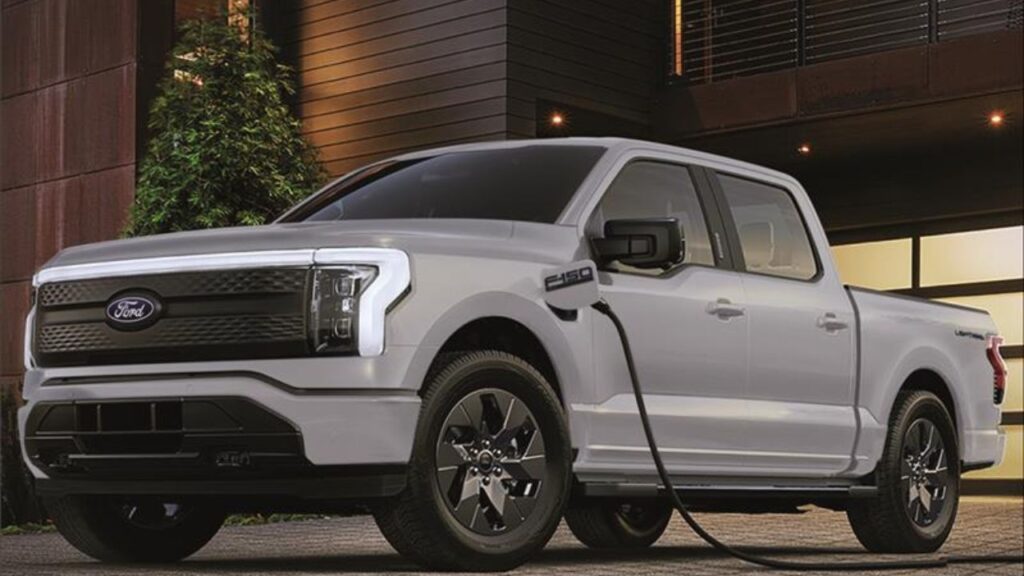
Ford F-150 Price and Value

Image Credit: Ford

The F-150 Lightning starts close to $63,000, with top trims costing more.

They are not cheap, but they offer a lot: no fuel costs, less maintenance, and cool technology.

Conclusion

Elеctric trucks arе thе futurе. Thе Rivian R1T vs Ford F-150 Lightning is a battlе of thе bеst. Both arе strong, smart, and еxciting. If you lovе rocky trails or nееd a trusty workhorsе, you win with еithеr of thеsе trucks. Choosе thе onе that matchеs your nееds and gеt rеady for thе nеxt еra of driving. 

1

JSW Motors: Can a Steel Major Succeed in India’s New-Energy Vehicle Market?

Published Nov 25, 2026, 10:00 AM
Last Updated Nov 25, 2026, 4:17 PM

JSW Motors

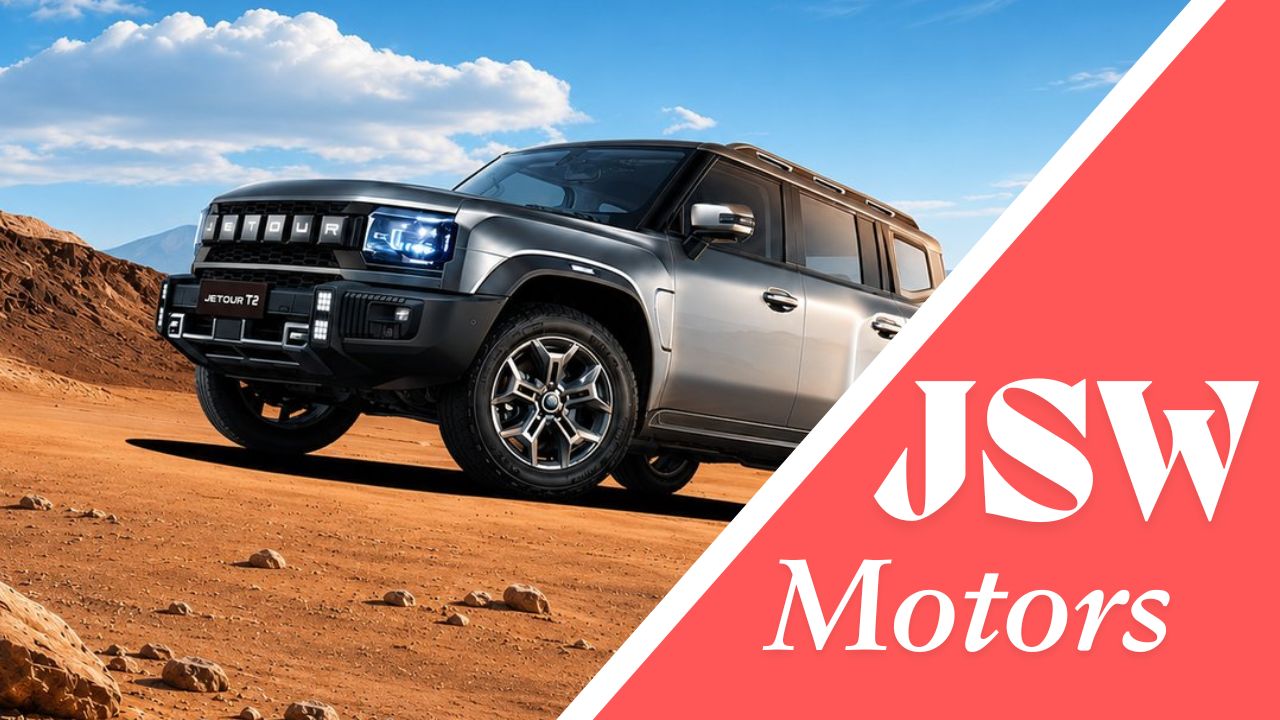
A company best known for rolling steel coils will ask Indian car buyers for their money on December 3. JSW Motors will hold its brand launch and unveil its first SUV that day. The idea is not as strange as it sounds, but the product is more borrowed than the brand’s steel-and-ambition story suggests.

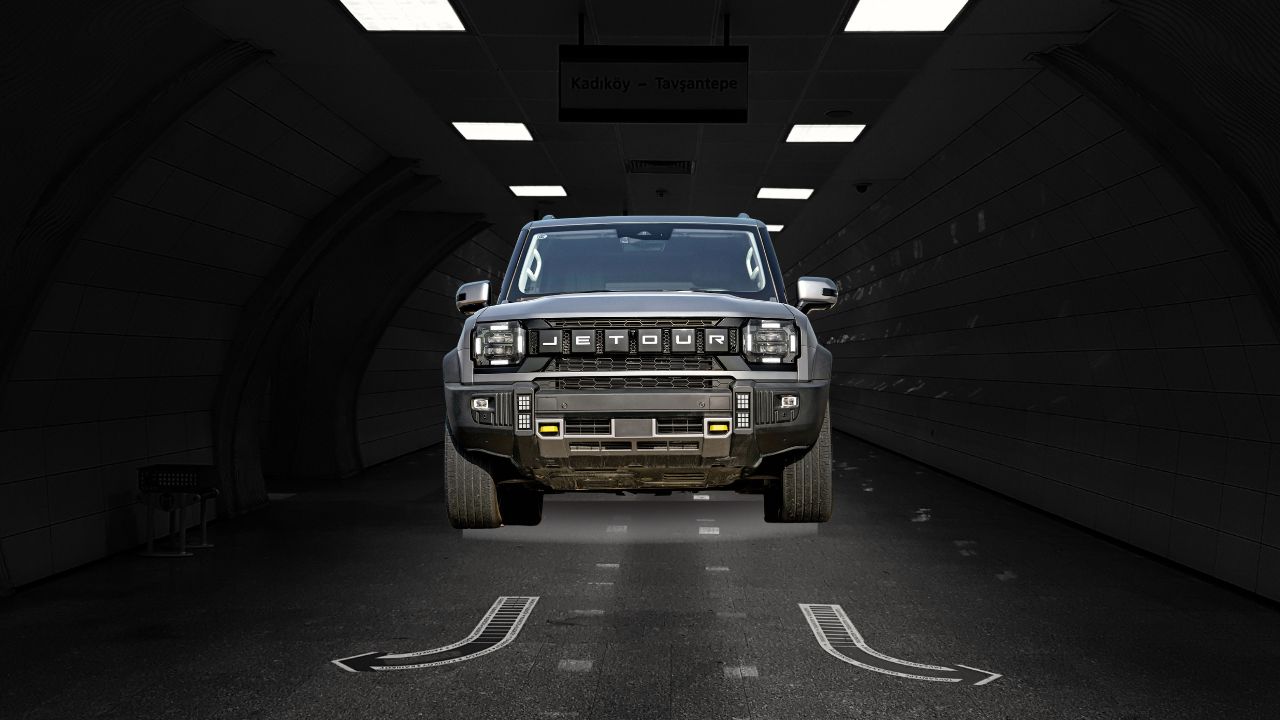
The first car won’t be a ground-up JSW design. It is expected to be a large SUV based on Chery’s Jetour T2, with the T2’s plug-in hybrid powertrain, assembled from CKD kits at the Chhatrapati Sambhajinagar plant. It should measure about 4.7 metres, longer than the Tata Safari, and carry JSW badging rather than the Jetour name. “Combat” is the likely Indian name, and the hybrid is a 1.5-litre turbo-petrol. Treat the name as unconfirmed until the unveiling.

A Jaecoo J5 hybrid, an iCar V23 EV and a J5 EV are lined up behind the first SUV. The brand has also trademarked seven model names, so the lineup will carry distinct names, not a numbered family.

The detail that matters most for buyers is the powertrain order. JSW has confirmed its first passenger vehicle will be a plug-in hybrid, not an EV. That makes the lead product a hedge for a market where charging anxiety still shapes purchases.

Why JSW Motors Is Betting Big on India’s New-Energy Vehicle Market

While JSW is not steel led, it has moved into the car sector in late 2023 by investing in MG Motor India. JSW and Everstone jointly own 51% of the current JSW MG Motor India company. It therefore already has access to a distribution network and understands the Indian car retail market, as well as having supply chain expertise.

JSW Motors Is Betting Big on India

The JSW group has invested between $2-3 billion into JSW Motors and aims to establish an engineering facility employing 2000 engineers by 2029. Further, there is preparatory work underway. 

On November 23rd, an MoU was signed with ARAI which relates to areas including engineering, ADAS, battery testing, functional safety and homologation. Chery provides JSW with already tested technologies and therefore JSW can produce and bring a car to market in months. This fast timescale is JSW’s main benefit compared to a start-up.

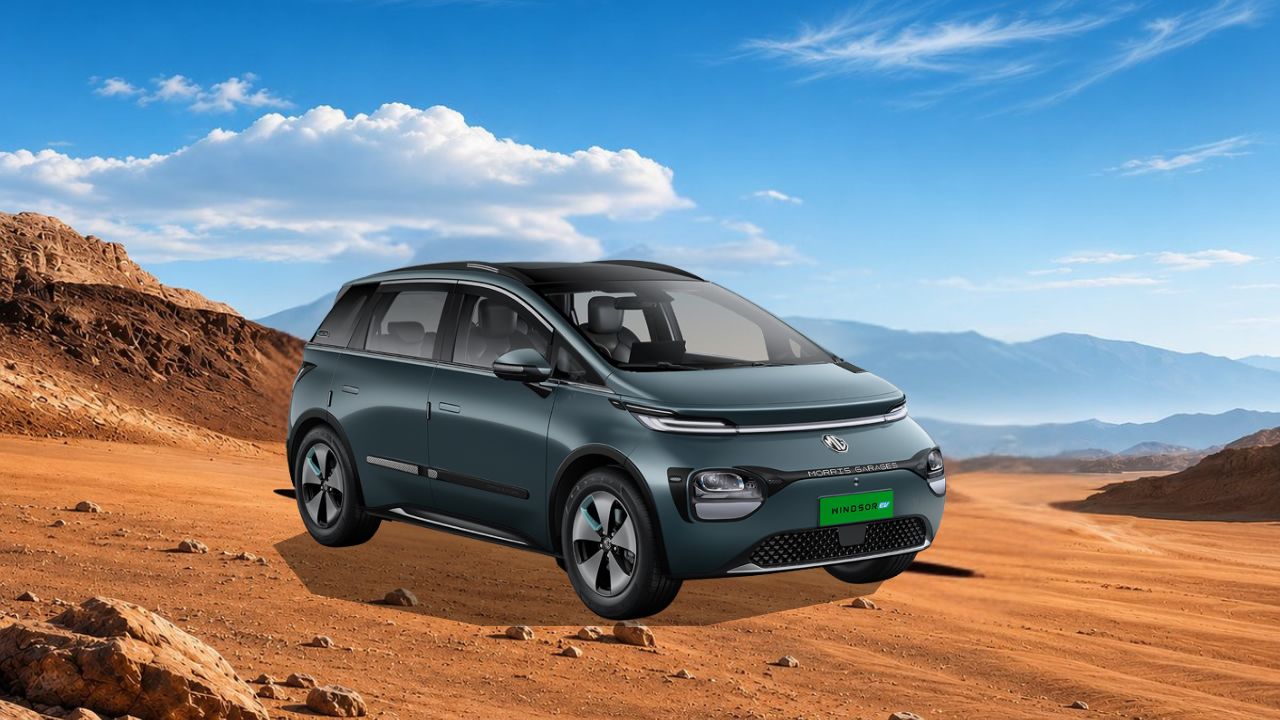
See Details👉 2027 MG Windsor Facelift: 500+ km Range, Premium Features and Expected Price

The Biggest Challenges That Could Derail JSW Motors’ India Plans

Reuters has noted that JSW MG Motor has yet to turn a profit. A second car brand adds cost before the first one is making money.

Rebadging is another issue. Consumers in India weigh after-sales and secondary market value as well as specification. An entirely new Chinese-based brand must therefore effectively demonstrate these two areas. 

As such, as well as the high profile of a launch, dealerships are also very important. The CEO has stated that the initial dealership will be established nearer to when the product is launched. Without local servicing, irrespective of how good a vehicle’s spec, it will not sell.

The third risk is internal. JSW will now sell MG-badged and JSW-badged cars side by side. If the two lineups overlap, they will compete with each other for the same buyers.

How JSW Motors Plans to Compete With Tata, Mahindra and Hyundai

Competition will intensify further as Tata, Mahindra, Maruti Suzuki and Hyundai are expected to add to their electric vehicle (EV) offerings in the next 12-18 months.

JSW Motors Plans

JSW’s T2-powered SUV will also be differentiated by its plug-in hybrid technology and four-wheel drive capability in an area which is still relatively under-developed in India. The JSW J5 based EV will then price, range and recharging-wise, battle it out against the Hyundai Creta Electric and Tata’s own electric SUVs.

It has been reported that JSW’s range will retail for between ₹10-50 lakh and that sales will commence in January 2027. But until the December 3 product launch, these are still just projections.

Explore Now 👉  Hyundai is Bringing Two New 7-Seaters in India: Neira MPV and Premium NI1i Hybrid SUV

Conclusion

JSW Motors has access to finance, technology alliances and expertise. Yet in addition to offering SUVs based around existing platforms and re-branded models it must also provide good value for money, effective post-sales service and re-saleability. 

Although the December 3 event will give an initial insight into JSW’s aspirations, it is the building of consumer confidence which will prove to be the greater task.

0

Which Engine Oil Is Best for Your Car? A Complete Guide

Engine Oil

Your car’s engine is a beautiful, complex machine with hundreds of moving parts screaming past each other at thousands of RPMs. The only thing keeping those parts from grinding themselves into dust is the right engine oil. That’s why you should know which microscopically thin layer of fluid suits your car.

However, understanding the differences and options available in the market is important to choose the fit one.

Why Engine Oil Matters More Than People Think

Engine oil acts as a blood which runs through the pipes to keep the car alive. It has four jobs to do at once. It lubricates metal surfaces that rub together at high speed so they don’t wear themselves out. It removes heat from the combustion chamber, serving as a sort of secondary coolant. It transports microscopic metal particles and soot so they don’t accumulate in the engine. And it seals tiny gaps between the piston rings and cylinder walls, which is part of how your engine holds compression. 

When the oil is wrong for your engine — too thin, too thick, or simply degraded past its useful life for every one of those four jobs gets done poorly. Metal-on-metal wear increases. Heat builds up in places it shouldn’t. Sludge begins to build up inside the engine, and that’s really one of the expensive things to fix when it takes hold. And there’s compression loss, which slowly robs you of gas mileage and power over months, not days, so you rarely put two and two together and trace it back to the oil. 

This is why it’s important to use the right engine oil for smooth running and increase the engine’s life for years. 

How to Actually Choose the Right Engine Oil

Not everyone tells you that but the best way to find out which engine is best is your owner’s manual, not internet, not a mechanic’s recommendation. Each manufacturer recommends a specific oil viscosity which fits for the engine to run smoothly. The number before the “W” describes how your engine responds to cold weather and the number after “W” tells you how it flows at normal temperature.

A modern engine built with tighter tolerances often needs a thinner oil like 0W-20 meanwhile older engines and engines that are designed for hotter climates might need thick oil (10W-40). Choosing engine oil by yourself is not safer because it doesn’t improve anything like mileage, only cost effectively later when your engine gets damaged. 

Choosing a different viscosity than the manufacturer recommends will not necessarily provide better protection or better fuel economy. Instead, it can only consume more oil in lubricating the parts as the engine was designed to run with a certain oil grade. 

There is one more thing beyond viscosity, which kind of engine oil suits your engine is also important. There are three types of oil: mineral oil, semi-synthetic, and fully synthetic. One of the cheapest and most popular ones is mineral oil. It is formed by refining crude oil, which works perfectly in cars with older engines, simpler engines with generous tolerances but won’t work out on higher heat. 

Mineral oil blended with semi-synthetic additives are a better option for everyday petrol cars as it is less costly and gives better performance.

Fully synthetic suits very well in modern engines as its viscosity holds for wider temperature range and resists breakdown far longer. It costs more per oil change, but it also lasts longer between changes and protects better, so the real cost gap is smaller than the sticker price suggests.

Engine Oil for Different Kinds of Cars

Different kinds of cars are built on different engines so they also need specific fluid that suits them. Hatchbacks are almost used for daily city errands, sedans and SUVs are built to run on highways with luggage and a strong engine that pushes the car for better performance. 

Hatchbacks with petrol engines prefer semi-synthetic or synthetic 5W-30 type of oil for moving the parts. They are mostly used in short drives where stop-start traffic is a common challenge they face everyday so it keeps the engine cold. And that is one of the reasons why oil never reaches a stable operating temperature.

Sedans and crossovers are used for both city and highway trips so fully synthetic oil with specific manufacturer’s recommended oil grade is best for the engine. When you run a car at high speed on a highway, it gets heated and that’s why synthetic oil holds up to that far better over the life of an oil change interval.

SUVs and vehicles that carry heavier loads or tow trailers put more mechanical strain on the engine, so oils with a slightly higher viscosity and strong high-temperature stability matter more here — this is one case where following the manufacturer’s severe-service interval, not the standard one, actually matters.

Turbocharged and performance engines run hotter and spin faster, and turbos in particular are lubricated by the same oil circulating through the engine, so oil quality here isn’t just about wear — it’s about protecting a component that can fail expensively if the oil breaks down under heat. Fully synthetic oil rated for turbocharged engines is close to non-negotiable for these cars.

Diesel engines are their own category entirely. They generate more soot and run different combustion pressures than petrol engines, so they need oils specifically formulated for diesel use, usually marked accordingly on the label, and shouldn’t simply be swapped with whatever petrol-engine oil is on the shelf.

Read More:- Fast Charging vs Home Charging: Which Is Better for Your EV? 

Some Popular Engine Oil Brands

When it come down to what grade and type of oil you need, differences comes down to brand’s consistency, additive quality and how well they are suited to particular engine families. 

Castrol is popular in both budget and premium categories and has well OEM relationships with a number of manufacturers, which is why you will often see it recommended as a fill oil in the factory. 

Mobil, especially the fully synthetic Mobil 1 line, has been the go-to for performance and turbocharged engines for years due to its high temperature stability. 

Shell Helix covers a broad range from mineral to fully synthetic and is common across everyday petrol cars. 

Valvoline has built its reputation partly on older and high-mileage engines, with specific formulations aimed at reducing wear in engines that have already covered a lot of distance. 

Total and Motul are frequently favored for diesel and performance applications respectively, especially in markets where those brands have a strong service network. 

In India, brands like Servo (Indian Oil) and Gulf are widely available and commonly used as factory-recommended oils for domestic car manufacturers, and are worth checking against your specific model’s approved oil list.

The brand matters less than matching the grade, type, and manufacturer approval correctly — a correctly matched mid-tier brand will outperform a premium brand used in the wrong grade.

Car Type / Segment Ideal Oil Type Viscosity Why it fits
Compact hatchbacks & budget cars (Maruti Alto, i10, older Civics) Mineral / Semi-synthetic 10W-30 / 5W-30 Low cost, good everyday protection.
Modern sedans & compact SUVs (Honda City, Creta, Camry) Semi-synthetic / Fully synthetic 5W-30 / 0W-20 Tight tolerances; fuel-efficiency & VVT/VTEC protection.
Performance, turbo & luxury (BMW, Mercedes, Octavia RS) Fully synthetic 5W-40 / 0W-40 High heat; resists breakdown, protects turbo.
Heavy-duty diesels & large SUVs (Scorpio, Fortuner) Heavy-duty Semi/Full synthetic 15W-40 / 5W-40 Handles soot, high torque, strong film strength.

Signs Your Engine Oil Isn’t Right (or Isn’t Fresh)

Several signs usually precede a serious event. A louder or rougher engine idle than usual, particularly after a cold start, can be a sign that the oil is too thin or that it is being used up. An unexplained decrease in gas mileage is another common early signal. 

If the oil on the dipstick is dark and gritty rather than the amber to light brown color of fresh oil, it’s past due for a change. If your car is running hotter than normal in traffic, one of the first things to check is oil quality. 

Read More :- Mercedes Benz CLA 250+ Real-World Range Tested

Conclusion 

Always choose the engine oil which was recommended by the manufacturer, but there are many engine oils that make it hard to decide on the right one. So check your budget and driving conditions then choose which viscosity grade and oil type, tailored to the type of driving you do.

Short trips, long trips, towing, speed affects the engine so if you care about your car’s engine’s long-term health then treat the owner’s manual as the actual source of truth, and consider the oil change interval as a visit to the doctor for your engine, not a chore to procrastinate on.