
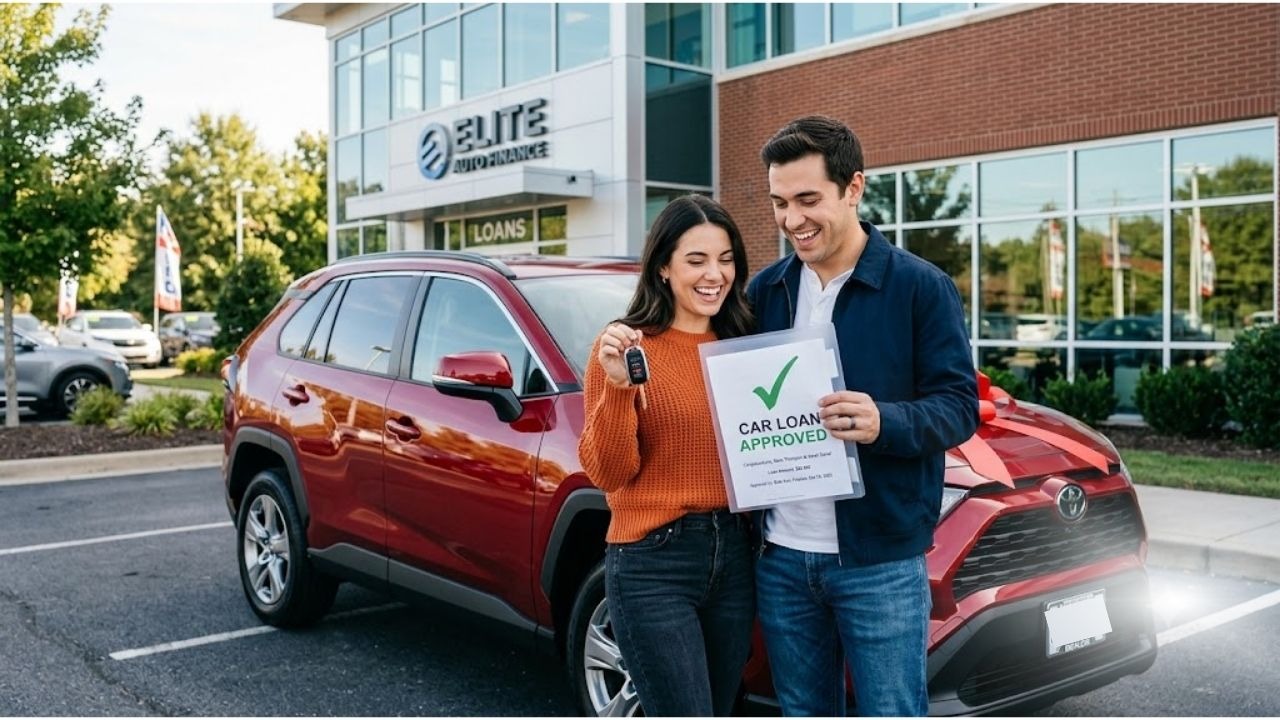
If you’re the customer still waiting on your bank to process a Car Loan application at that point, you’ve already lost the negotiation. A pre-approved Car Loan is how buyers who show up prepared to avoid that exact trap — they walk in already knowing what they can spend, and they can say yes to a deal in the same minute it’s offered.
Why Dealership Discounts Disappear Within Hours of a Launch
Manufacturers allocate a fixed number of units to each dealership for launch week, and dealers are told exactly how much discretionary discount they can offer per unit — usually a mix of a cash discount, an exchange bonus, and a corporate or loyalty benefit.
That pool isn’t infinite. Once a dealer hits their unit target for the day, or once regional sales managers pull back the discretionary discount because demand is running hot, the next customer gets a thinner deal, even if it’s the same model, same day, same showroom.
This is why sales staff push hard for on-the-spot booking. A customer who needs three days to arrange financing isn’t just slow — they’re a risk that the discount window closes before the deal is locked in. Dealers will visibly prioritize buyers who can commit immediately, because a confirmed sale protects their unit count against that day’s allocation.
See Full Detail: How to get a Car Loan in 2026
What a Pre-Approved Car Loan Actually Does for You
A bank or NBFC confirms your loan amount, tenure, and interest before choosing any car to buy is a pre-approved Car Loan. It’s built off your salary slips, ITR, credit score, and existing liabilities — not off a specific vehicle’s invoice.
A pre-approved Car Loan is a separate product of public, private banks, and NBFCs from a regular Car Loan which you can get through net banking or mobile app if you are an existing customer of SBI, HDFC, ICICI, or Axis bank with a clean repayment history.
If you are an existing user of the lender then it takes 24 to 48 hours which is faster than a fresh loan applicant tied to a specific vehicle which gets 3 to 7 working days for turnaround. As it requires the dealer’s proforma invoice and RC-related paperwork to be finalized first.
You walk into the dealership holding a sanction letter that states a loan amount, not a down-payment negotiation you still need to work out with your bank.
How Pre-Approved Car Loan Changes the Negotiation at the Dealership
Salespeople read pre-approved car buyers differently, and it shows in three specific ways.
First, you can accept a discount the moment it’s offered instead of asking for 24 hours to “check with the bank.” That single difference is often what determines whether you get the full launch-day offer or a reduced one revised after allocation tightens.
Second, you’re no longer dependent on the dealer’s in-house finance desk, which usually has a tie-up with one or two specific lenders. Dealer-arranged financing sometimes comes bundled with a lower cash discount, because the dealership earns a commission from the lender and factors that into the deal structure. Walking in with your own sanction means the dealer has one less lever to work with, which shifts some of that margin back into your discount.
Third, you gain a genuine comparison point. If the dealer’s finance partner offers a rate higher than your pre-approved one, you have a documented number to negotiate against — either they match it, adjust the on-road price, or you take your pre-approved Car Loan and simply pay the invoice amount directly.
Pre-Approved Car Loan vs. Dealer-Arranged Financing
| Pre-Approved Car Loan | Dealer-Arranged Financing | |
| Timing | Sanctioned before car selection | Processed after invoice is generated |
| Speed at dealership | Instant — can close deal same day | Can take 2–5 days for disbursal |
| Interest rate | Set by your own bank relationship/credit score | Often tied to dealer-lender tie-up, may include hidden margin |
| Negotiating leverage | High — dealer treats you like a cash buyer | Lower — dealer controls the finance terms |
| Best for | Buyers targeting launch-day or festive offers | Buyers with no existing banking relationship or lower credit score needing dealer-assisted approval |
Dealer-arranged loans can still make sense if your credit profile is thin or new-to-credit, since dealership finance desks sometimes have relationships with NBFCs willing to underwrite buyers a mainstream bank’s pre-approval algorithm would reject. Pre-approval works best for buyers who already have an established banking or credit history.
Documents and Eligibility for Pre-Approval Car Loan
Requirements are lighter than a standard Car Loan because there’s no vehicle to underwrite against yet, but lenders still check the same core financial profile:
- Salary slips for the last 3 months (salaried) or ITR for the last 2 years (self-employed)
- Bank statements, usually 6 months
- PAN and Aadhaar
- Existing loan or credit card statements, if any
- The CIBIL score above 700 is considered the best, 650–700 range scores also get approved but at a higher rate or lower loan-to-value ratio
Salaried applicants with an existing relationship with the lender (salary account, credit card, or a prior closed loan) tend to see faster pre-approval for Car Loan and sometimes a marginally better rate offer than a completely new-to-bank applicant, though this varies by lender’s internal scoring model and isn’t publicly documented as a fixed rule.
What Pre-Approval Car Loan Doesn’t Guarantee
Pre-approved Car Loan is not a blank cheque, and treating it like one is where buyers get caught out.
The sanctioned amount is based on your income and credit profile, not on the car you eventually pick. If you choose a variant that pushes the on-road price above what you’d planned, the gap between your sanctioned amount and the actual price is still yours to cover — either as a larger down payment or a fresh top-up application, which won’t move at launch-day speed.
Pre-approval also usually comes with a validity window, commonly 30 to 90 days depending on the lender. If your launch-day purchase slips past that window, you may need to reapply, and market interest rates could have moved in the interim.
Finally, the interest rate quoted at pre-approval stage is typically indicative, not final — it gets locked only once the loan is actually disbursed against a real invoice. If your credit score dips between pre-approval and disbursal (a missed credit card payment, a new loan taken elsewhere), the bank can reprice the offer.
Step-by-Step: Getting Pre-Approved Car Loan Before Launch Day
- Check pre-approval offers through your existing bank’s net banking or app first — many banks show a pre-qualified Car Loan offer directly on the dashboard for customers with a salary account or credit history with them.
- If nothing’s pre-qualified automatically, apply directly with 2–3 lenders in the week before the launch, not the day before — give the 24–48 hour processing window room to work.
- Ask explicitly for the sanction letter in writing, with the loan amount, tenure, and indicative rate stated.
- Confirm the validity window of the sanction and calendar a reminder before it lapses.
- On launch day, lead with the sanction letter when the salesperson opens finance discussions — this signals immediately that you’re not a financing risk and shifts the conversation straight to on-road pricing and discount stacking.
Conclusion
If you’re planning to buy on or near a launch date and you already have a reasonably clean credit history, yes — the two days it takes to get pre-approved is small compared to the discount you risk losing by being the customer who needs time to arrange financing. If your credit profile is new or thin, dealer-arranged financing may still be your realistic path in, discount trade-off included.
Either way, don’t walk into a launch-day showroom assuming you’ll sort financing after you’ve picked the car — by the time you’re ready to sign, the deal that made the car attractive in the first place may no longer be on the table.
