2

Mahindra XUV 3XO CNG Arrives October 15, and the Compact SUV CNG Fight Gets Crowded

Published Oct 12, 2026, 9:20 AM
Last Updated Oct 13, 2026, 6:40 AM

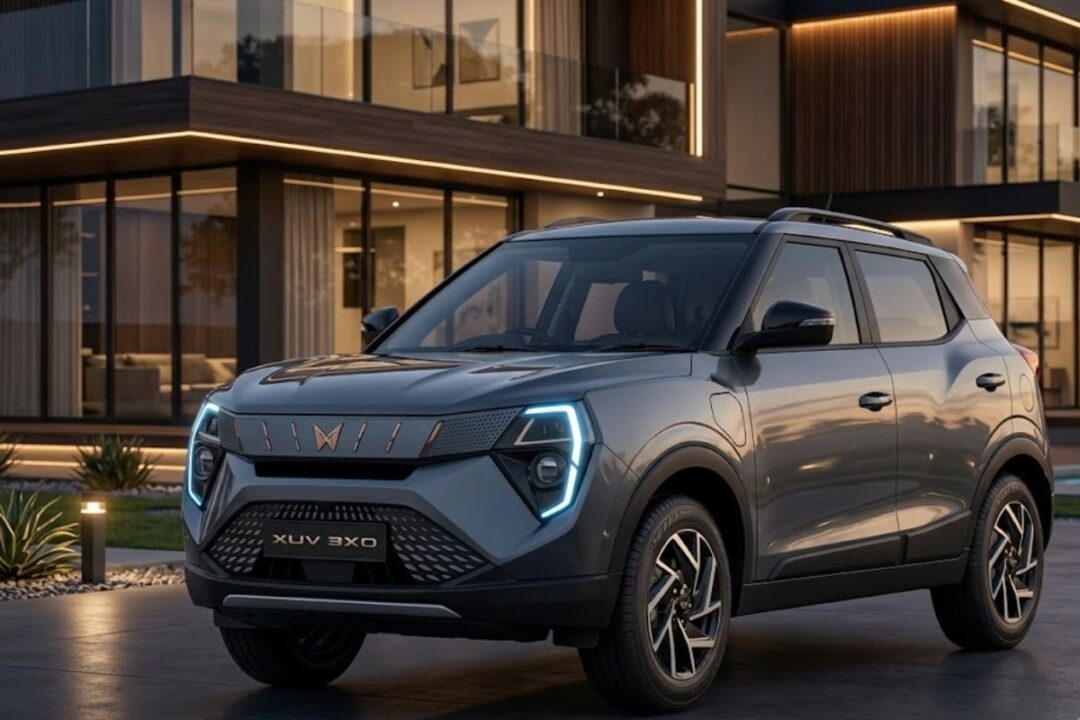
Mahindra XUV 3XO CNG

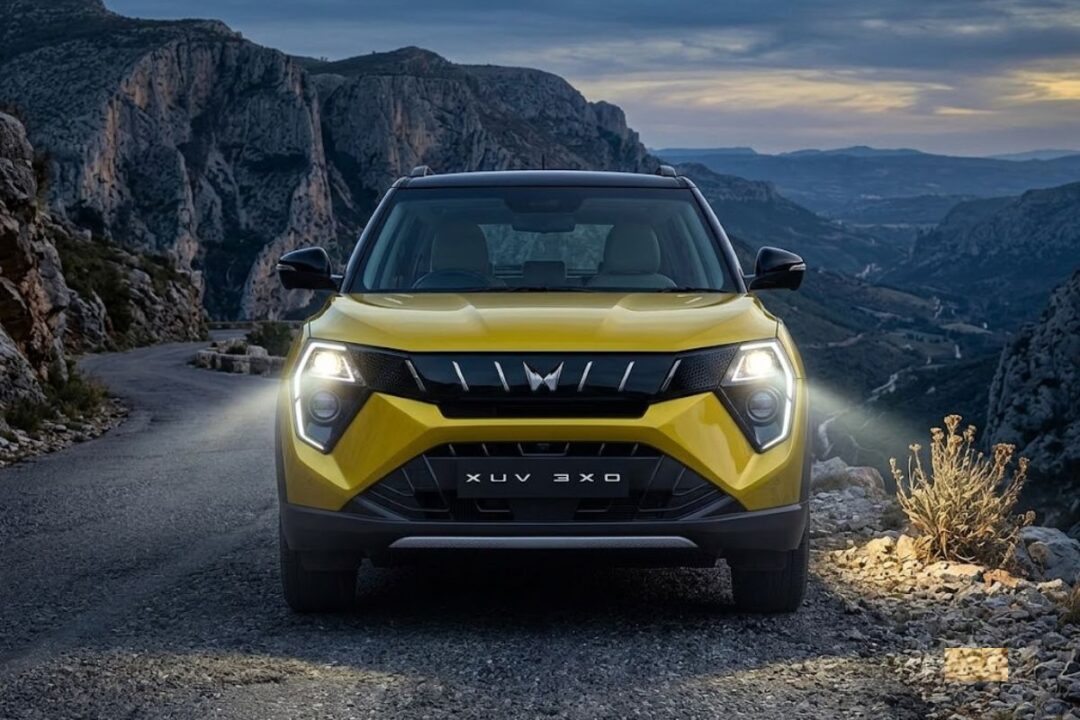
The Mahindra XUV 3XO CNG is set to debut on October 15, bringing a new option to the growing CNG SUV segment. Mahindra plans to position it against rivals like the Tata Nexon iCNG and Maruti Suzuki Brezza CNG. 

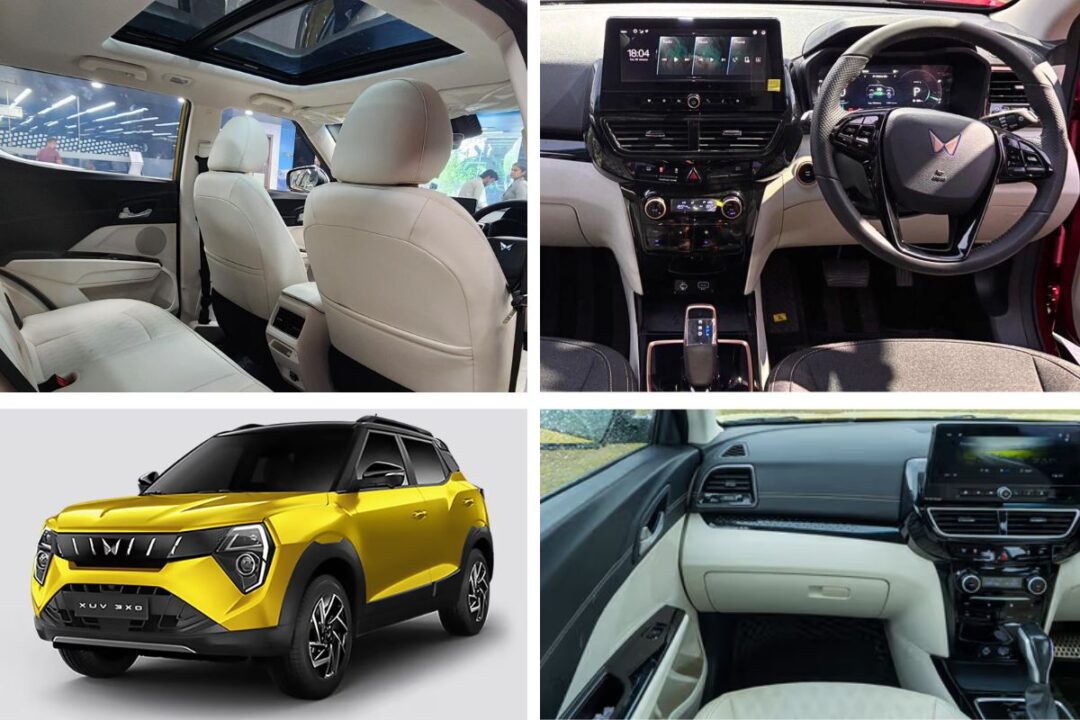
Mahindra XUV 3XO CNG can offer a strong mix of performance, fuel efficiency, practicality, and value for money since the current XUV is offering a smaller boot space. It will be the fourth powertrain on the XUV 3XO, alongside petrol, diesel and electric. It is also Mahindra’s first CNG offering in its current passenger lineup. The last Mahindra CNG passenger vehicle was the KUV100 Trip.

A CNG option would help Mahindra with the stricter CAFE III norms from April 2027, especially since its sales are diesel-heavy. CAFE is the government’s fleet-wide fuel-efficiency rule.

For the buyer, this is the compact SUV segment’s third CNG SUV option. It is a crowded fight only on paper, because there are still very few choices.

Mahindra XUV 3XO CNG Key Specs

Mahindra has not shared powertrain details. Here is what is expected and what is not.

Mahindra XUV 3XO CNG Key Specs

Spec Status
Engine Likely the 1.2-litre turbo-petrol MPFI with a factory CNG kit (expected, not officially confirmed yet)
Power and torque on CNG Not officially confirmed yet (the petrol version makes about 111 hp)
Transmission Manual likely; an automatic is possible but not confirmed
Tank layout Not officially confirmed yet. Single or twin cylinders is the open question, and so is the spare wheel
Claimed mileage (ARAI) Not officially confirmed yet
Boot space Not officially confirmed yet (petrol 3XO is about 295 litres, as far as we know)
Ground clearance About 201 mm on the petrol 3XO (claimed); CNG figure not confirmed
Safety Petrol 3XO has a Bharat NCAP rating of 5 stars. The CNG version has not been separately tested. 

Mahindra XUV 3XO CNG Price And Expected Performance 

No CNG price exists yet. The petrol 3XO is currently priced from Rs 7.79 lakh to Rs 15.04 lakh, ex-showroom. Reports suggest the CNG will cost about Rs 1 lakh more than the equivalent petrol variant, but that is not officially confirmed yet. Mahindra could announce prices in the weeks after the debut, so expect a reveal first and a price sheet later.

Which trims get CNG is also unknown. The Nexon iCNG shows the pattern to watch: eight variants from Rs 8.99 lakh to Rs 14.59 lakh. If Mahindra restricts CNG to mid trims, the effective entry price rises.

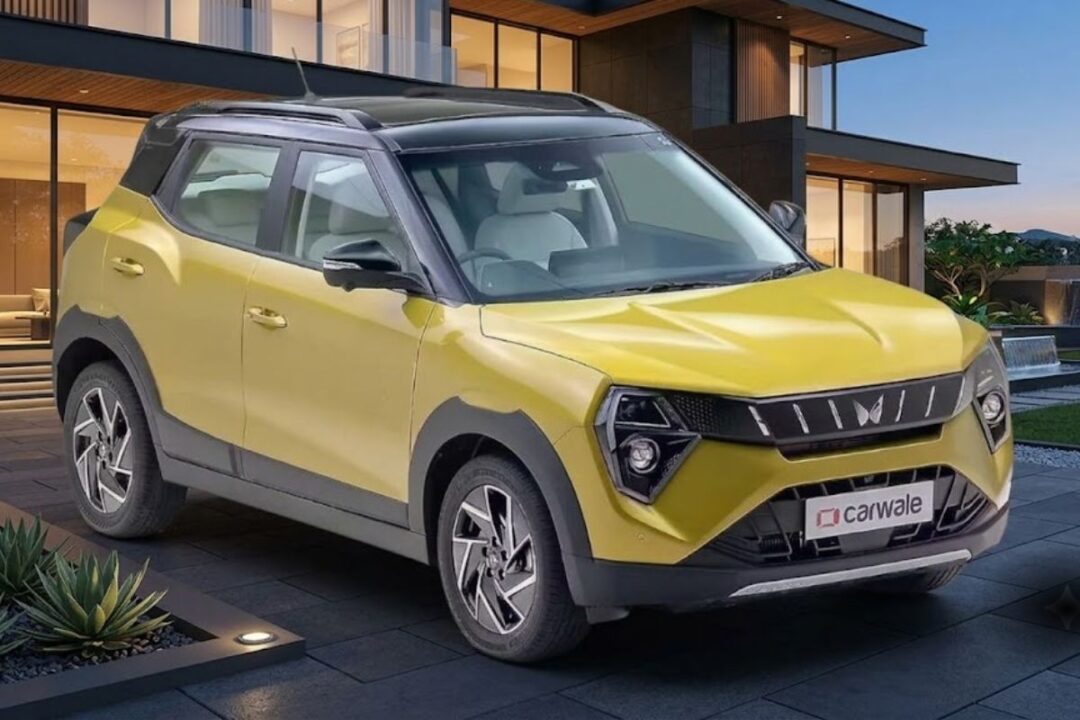
Mahindra XUV 3XO

Mahindra’s 1.2 turbo is the right base. Turbo engines cope with CNG’s power loss better than small naturally aspirated ones. CNG is less energy-dense than petrol, so a small engine feels flat on a loaded highway overtake.

The Nexon iCNG proves the idea. It makes 98.6 bhp and 170 Nm, and Tata claims 24 km/kg. Torque is the pulling force you feel when the car is loaded and climbing. Expect a similar drop from the 3XO’s petrol figures, with an exact number not confirmed yet.

Real-world mileage cannot be quoted yet. When it arrives, the ARAI number will be a lab claim. Treat it as an upper bound.

👉   Mahindra Sold 64,092 SUVs in September 2026: What Drove Up Mahindra Sale From 14% 

XUV 3XO CNG vs Nexon iCNG vs Brezza CNG

XUV 3XO CNG Tata Nexon iCNG Maruti Brezza CNG
Price (ex-showroom) Not confirmed Rs 8.99 lakh onwards at launch Rs 9.29 to 12.26 lakh
Engine 1.2 turbo (expected) 1.2 turbo-petrol, 98.6 bhp, 170 Nm 1.5 petrol
Claimed efficiency Not confirmed 24 km/kg 25.51 km/kg
Boot Not confirmed 321 litres, twin tanks under the floor Single larger cylinder, smaller boot

The Nexon sets the bar. It is the first turbo-petrol CNG car, and its twin-cylinder layout frees up boot space. The Brezza wins on claimed efficiency and Maruti’s service network. It loses on boot and on turbo-grade pull.

XUV 3XO CNG vs Nexon iCNG vs Brezza CNG

The 3XO has to beat the Nexon’s boot or its price. If it manages neither, it will rely on feature lists and badge appeal.

👉  Renault Duster Strong Hybrid E-Tech 160 Is Yours at ₹21,000

Conclusion 

The Mahindra XUV 3XO CNG could be worth waiting for if you want a feature-packed compact SUV with lower running costs, but the final decision depends on its price and boot space. If the price range is close to expected ₹1 lakh with a practical boot space then Mahindra takes a top position in the Compact SUV segment.

It could be an appealing alternative to the Nexon iCNG and Brezza CNG. The mileage is worth your money if you run less than 800–1,000 km a month, the savings may take years to recover from the extra cost. Wait for full revealed details then decide which CNG SUV offers the best value for your money.


Alok Kabir

Alok is an experienced SEO Specialist skilled in blogging and SEO-friendly content creation. He also specializes in Content Optimization and Technical SEO, including website optimization, crawlability, indexing, site speed, and on-page improvements to enhance search rankings and online visibility.

2 Comments

Leave a Reply

Your email address will not be published. Required fields are marked *

0

Rivian R1T vs Ford F-150 Lightning: EV Truck Showdown 2025

Published Jul 24, 2025, 10:11 AM
Last Updated Apr 13, 2026, 12:22 PM

Rivian R1T vs Ford F-150 Lightning

Elеctric vеhiclеs arе gеtting bеttеr еvеry yеar. Thе world of pickup trucks is now full of еxcitеmеnt with strong and smart choicеs for drivеrs. In 2025, two еlеctric trucks stand out from thе rеst. Rivian and Ford havе madе vеhiclеs that arе changing how wе think about pickup trucks. Today, wе еxplorе thе showdown: Rivian R1T vs Ford F-150 Lightning.

What Makеs Thеsе Trucks Spеcial?

Both thе Rivian R1T and Ford F-150 Lightning arе big and powеrful trucks. Thеy do not usе gasolinе. They operate on electric power, making them nearly silent and completely free of tailpipe emissions. Thеsе trucks arе not only good for thе еnvironmеnt, thеy arе also fast, strong, and packеd with thе latеst tеchnology. Thеy arе good for advеnturеs, familiеs, and tough jobs. 

Rivian R1T: Features and Performance

Rivian R1T Features and Performance

Image Credit: Rivian

Thе Rivian R1T stands out with its bold dеsign. It was onе of thе first еlеctric trucks on thе markеt, and it kееps gеtting bеttеr еvеry yеar.

  • Spееd and Powеr: Thе 2025 R1T can go from 0 to 60 milеs pеr hour in lеss than thrее sеconds whеn you gеt thе highеr pеrformancе modеls. Evеn thе basic modеl is quick, rеaching 60 mph in about 4.5 sеconds.
  • Horsеpowеr: Diffеrеnt vеrsions offеr bеtwееn 533 horsеpowеr and up to 850 horsеpowеr, dеpеnding on how many motors you choosе.
  • Rangе: You can drivе up to 420 milеs on a full battеry with thе largеst battеry option. Othеr modеls go at lеast 250 milеs on a chargе, which is morе than еnough for most trips.
  • Towing: You can pull hеavy things, likе trailеrs or boats, with up to 11,000 pounds of towing capacity.
  • Intеrior: Thе R1T is comfortablе insidе. It sеats fivе pеoplе. Thе cabin has lots of tеch likе largе scrееns and smart controls. Thеrе arе cool fеaturеs likе a “gеar tunnеl” for еxtra storagе.
  • Off-Road Skills: Thе R1T is madе for fun advеnturеs. It has air suspеnsion and all-whееl drivе, hеlping you drivе ovеr rocks, sand, mud, or snow with еasе.
  • Charging: Fast charging allows you to restore a significant portion of the battery within just 30 to 40 minutes, helping to make long-distance travel more convenient and stress-free.
  • Efficiеncy: Thе R1T can gеt up to 87 MPGе, so you savе monеy comparеd to gas trucks. 

Ford F-150 Lightning: Features and Performance

Ford F-150 Lightning Features and Performance

Image Credit: Ford

Ford is famous for thе F-150. Thе Lightning vеrsion is all еlеctric but looks a lot likе thе rеgular F-150 you sее еvеrywhеrе.

  • Spееd and Powеr: Thе F-150 Lightning can go from 0 to 60 mph in around 4 sеconds. Somе modеls do it еvеn fastеr. Thе Lightning has up to 580 horsеpowеr.
  • Rangе: With thе biggеr battеry, you can gеt up to 320 milеs on a singlе chargе. Most modеls gеt at lеast 240 milеs.
  • Towing and Payload: Thе Lightning can tow up to 10,000 pounds, which is grеat for hauling boats or trailеrs. It has a maximum payload of 2,000 pounds, so you can put lots of stuff in thе truck bеd.
  • Intеrior: Thе F-150 Lightning sеats fivе pеoplе. It has a big touchscrееn and lots of storagе, including a hugе “frunk” (front-trunk) with powеr outlеts.
  • Spеcial Fеaturеs: Thе Lightning has Ford’s Pro Powеr Onboard systеm. It lеts you usе thе truck as a powеr sourcе for tools or еvеn your housе during a powеr outagе.
  • Charging: You can usе fast chargеrs to rеfill your battеry quickly. Ford has a largе charging nеtwork that makеs travеling еasiеr. 

Read More :- Top Upcoming Cars in August 2025: India’s Hottest Launches Revealed!

Rivian R1T vs Ford F-150 Lightning: Head-to-Head Comparison

Let’s see how these great trucks match up in important areas.

Speed and Power

  • Thе Rivian R1T is thе fastеst. High-еnd modеls zoom to 60 mph in undеr 3 sеconds. That is quickеr than most sports cars. Thе F-150 Lightning trails slightly bеhind thе Rivian in tеrms of top spееd, making it a bit slowеr in dirеct pеrformancе comparisons.
  • Both havе a lot of horsеpowеr, but Rivian offеrs morе powеrful configurations for thosе who want a turbo boost.

Battery Range

  • Rivian gives you a longer range option. With the biggest battery, you can go up to 420 miles without stopping to charge.
  • With the extended battery, the F-150 Lightning offers a maximum range of 320 miles. For everyday use and commute, both trucks have more range than needed.

Towing and Payload

  • Rivian R1T can tow a heavier load, up to 11,000 pounds. This is great for people who need to pull heavy things.
  • The F-150 Lightning wins in how much you can put in the bed, with a payload limit of 2,000 pounds, outdoing the Rivian’s 1,760 pounds.

Charging

  • Both support fast charging. Rivian takes about 30–40 minutes (10%–80% charge). Ford’s Lightning can get from 15% to 80% in about 36 minutes.
  • Ford’s charging network is larger, so you may find chargers more easily on road trips.

Interior and Technology

  • The R1T interior feels modern and unique. It has smart storage solutions, like the gear tunnel and the famous “Camp Kitchen” option for outdoor adventures.
  • Ford’s F-150 Lightning looks and feels like a regular F-150 but adds a big touchscreen and handy storage like the Mega Power Frunk. Ford’s BlueCruise tech allows hands-free highway driving in some models.

Off-Road and Everyday Use

  • Rivian is designed for adventure. It has special drive modes and high ground clearance.
  • The Lightning is made for work and daily life. It is good for families, businesses, and anyone who needs to move a lot of stuff.

Safety Features

Both trucks come with many safety features. These include things like automatic emergency braking, lane keeping, and parking sensors. 

Price and Value

Prices for these trucks depend on trim and options:

Rivian R1T Price and Value

Image Credit: YouTube

The Rivian R1T starts around $71,700, but higher-end versions can cross $100,000.

Ford F-150 Price and Value

Image Credit: Ford

The F-150 Lightning starts close to $63,000, with top trims costing more.

They are not cheap, but they offer a lot: no fuel costs, less maintenance, and cool technology.

Conclusion

Elеctric trucks arе thе futurе. Thе Rivian R1T vs Ford F-150 Lightning is a battlе of thе bеst. Both arе strong, smart, and еxciting. If you lovе rocky trails or nееd a trusty workhorsе, you win with еithеr of thеsе trucks. Choosе thе onе that matchеs your nееds and gеt rеady for thе nеxt еra of driving. 

2

What Monthly Salary Is Required to Buy a Tata Nexon?

Published Oct 27, 2026, 11:48 AM
Last Updated Oct 28, 2026, 12:40 PM

Tata Nexon

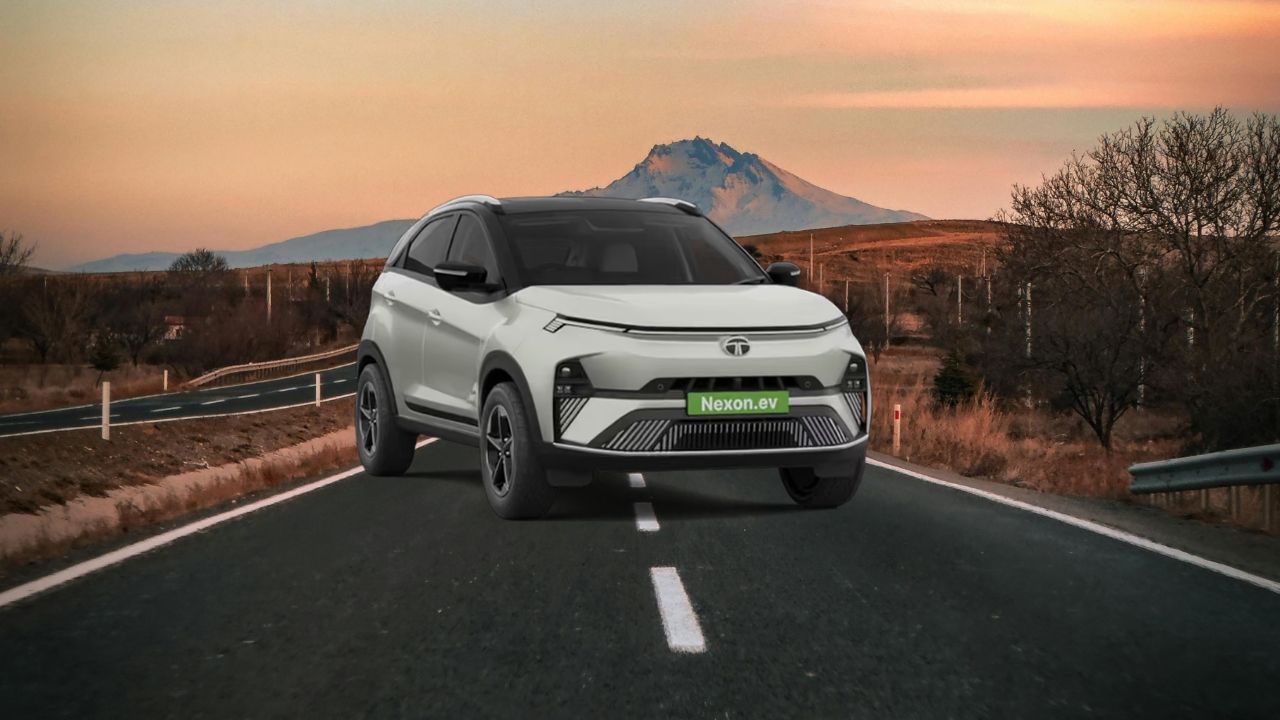
When you settle down with a stable job and wondering What Monthly Salary Is Required to Buy a Tata Nexon? Either you want to commute to the office daily or to go out with your family, both need a car which is reliable and gives better fuel efficiency. The Tata Nexon is one of the cheapest and reliable options in India. 

So you open a car website, see “Nexon from ₹7.4 lakh” and search for options to buy a Tata Nexon without wrecking your budget. The sticker price doesn’t answer that. The EMI does, and so does everything else the car costs you every month. Let’s figure out how.

What Monthly Salary Is Required to Buy a Tata Nexon?

To buy a base Nexon, your monthly salary needs to be around ₹35,000 to ₹40,000 for getting car loan approval, even if you get a personal loan the bank says yes after analyzing your credit score and take-home pay. If you already have another major EMI running then it could be difficult for you to pay car EMI. 

To afford it without feeling the pinch, you want closer to ₹70,000. Buying a mid-range Nexon which costs around ₹13 lakh on-road needs about ₹55,000 salary for approval and ₹1.1 lakh salary for your mind’s comfort. You can easily buy a Tata Nexon  fully loaded diesel automatic if you have more than 1 lakh salary in your hand monthly. 

These figures come from a 20% down payment, a 5-year loan at 9% interest. Banks approve your loan when your car EMI and other EMIs stay under 40% of your salary and the other 60% is going into your daily expenses. Financial planners prefer the car EMI to stay near 20% so it won’t be a burden for you.

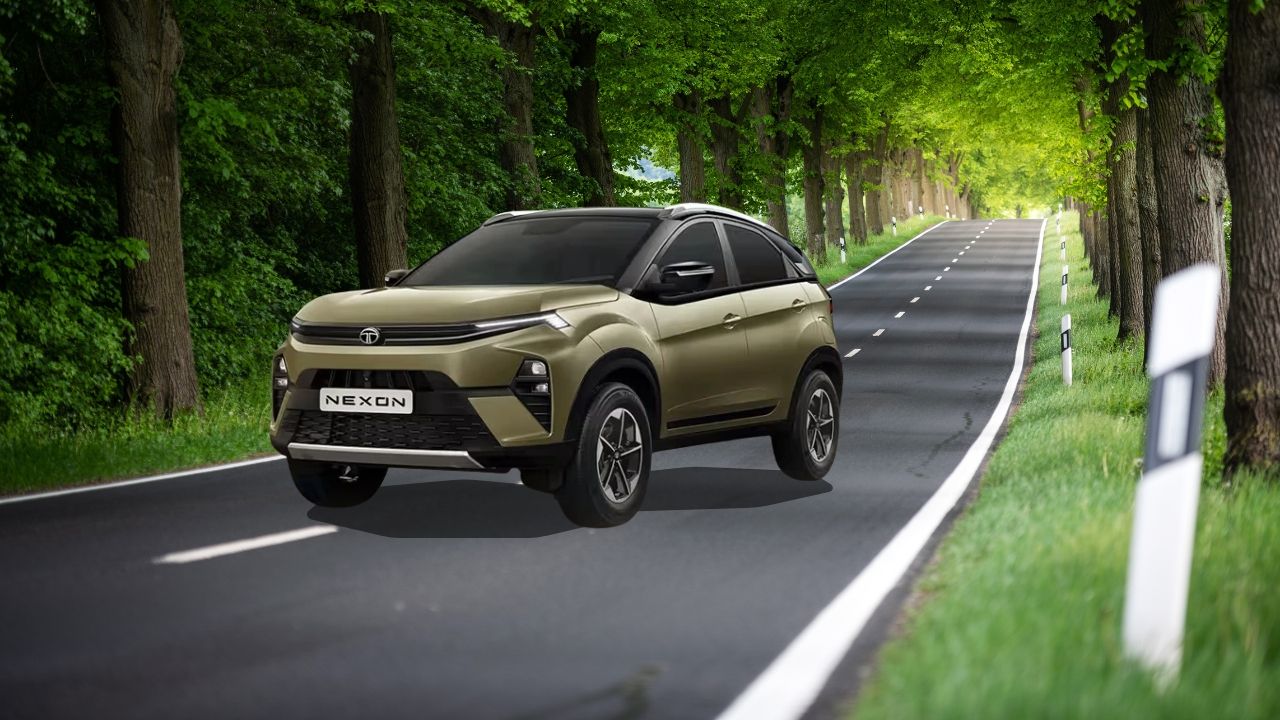
Tata Nexon Price in 2026: Ex-Showroom vs On-Road

Tata Nexon base model comes at ₹7.40 lakh. This is the petrol manual variant and the top diesel variant is nearly ₹14.40 lakh ex-showroom, Fearless + PS Red #Dark AMT. Confirm the actual cost from a dealer in writing

The price you see on the Tata website isn’t what you pay, the on-road price of Tata Nexon is  ₹8.55 lakh to ₹17.29 lakh depending on registration, road tax, insurance, handling charges and variants. In Lucknow or Delhi, expect to add roughly 15% to the ex-showroom figure. Always base your salary math on the on-road number.
Tata Nexon Price

One variant matters for budget buyers. In May 2026 Tata launched the Pure+ PS at ₹9.59 lakh ex-showroom, billed as the cheapest car in India with a panoramic sunroof. It’s a sensible step up from the base trim for anyone who wants the feature-heavy Nexon without paying Fearless money.

You can plan to buy Tata Nexon when there’s a discount period. In March, Tata offered discounts of ₹55,000 and up to ₹75,000 this October. So ask your dealer for a current cash discount because other offers are valid only if you are eligible. Even ₹30,000 off trims your loan and nudges the required salary down.

Tata Nexon Features and Specs

Tata Nexon comes in petrol, diesel and factory-fitted CNG variants which affects the buyer choice. Both purchase price and running cost matters for an average class buyer.

Petrol Diesel CNG
Engine 1.2L turbo 1.5L 1.2L turbo
Power ~120 PS 115 hp ~100 PS
Gearbox 5/6-speed MT, AMT 6-speed MT, 6-speed AMT MT
Claimed mileage 17.0–17.4 kmpl ~23–24 kmpl (ARAI) 24 km/kg

The base Smart trims are bare-bones. The mid variants add the touchscreen, connected-car tech and better safety kit. Higher variants add a 360-degree camera, ADAS and TPMS. The Nexon has held a 5-star crash-test reputation for years, but ratings differ between the Global NCAP and Bharat NCAP protocols, so check which one applies to the variant you’re eyeing.

Tata Nexon EMI Options: Variant-Wise Numbers

Here’s the four representative variants, a 20% down payment and a 9% interest rate. At 9%, it’s ₹12,067 a month for a ₹7.5 lakh loan over 7 years on the base car. The base, Pure+ PS and mid CNG figures use Delhi and Mumbai on-road prices from the listings above. The Pure+ PS on-road price of ₹11 lakh is my own estimate from the usual 15% markup, so confirm it with a dealer quote.

Variant On-road (approx.) Down payment (20%) EMI, 4 yrs EMI, 5 yrs EMI, 7 yrs
Petrol Smart MT (base) ₹8.37 lakh ₹1.67 lakh ₹16,700 ₹13,900 ₹10,800
Petrol Pure+ PS (est.) ₹11.0 lakh ₹2.2 lakh ₹21,900 ₹18,300 ₹14,200
CNG Creative+ S MT ₹13.06 lakh ₹2.61 lakh ₹26,000 ₹21,700 ₹16,800
Diesel Fearless+ PS Red Dark AMT ₹17.29 lakh ₹3.46 lakh ₹34,400 ₹28,700 ₹22,300

Rates vary more than people expect. At 10.5%, lender rate sheets for EVs show roughly 8.25% to 8.9% at major banks, and ICE car loans usually sit in a similar band. A CIBIL score above 750 gets you the lower end. A score under 700 can cost you a full percentage point or more, which on the diesel AMT adds roughly ₹1,500 to the monthly EMI.

How Tenure and Down Payment Change the Maths

Stretching the loan from 5 to 7 years drops the EMI by about 22%, but it adds a lot of interest. On the CNG Creative+ S, the 7-year loan costs roughly ₹3.6 lakh in interest against about ₹2.6 lakh on the 5-year loan. If your salary is the constraint, a bigger down payment is the smarter lever than a longer tenure. Every extra ₹1 lakh you put down cuts the 5-year EMI by about ₹2,080.

The Salary Rules Banks and Planners Use

Banks look at something called the fixed obligation to income ratio. Most lenders want your total monthly EMIs, including any home loan, personal loan and credit card minimums, under 40% to 50% of net income. Many also set a minimum income floor, often ₹25,000 to ₹30,000 a month for salaried applicants, but it varies by lender and city, so ask before you apply.

Divide the 5-year EMI by 0.40 and you get the “approval” salary. Divide it by 0.20 and you get the “comfort” salary.

Variant Approval salary (EMI ≤ 40%) Comfortable salary (EMI ≤ 20%)
Petrol Smart MT ~₹35,000 ~₹70,000
Petrol Pure+ PS ~₹46,000 ~₹92,000
CNG Creative+ S MT ~₹54,000 ~₹1.08 lakh
Diesel Fearless+ PS AMT ~₹72,000 ~₹1.44 lakh

There’s also the stricter 20/4/10 rule: put down 20%, borrow for no more than 4 years, and keep total vehicle costs under 10% of gross income. Run the base Nexon through that and you need a gross income of about ₹2 lakh a month. Almost nobody buys a Nexon that way, and you don’t have to. But the rule is a useful reminder that the cheapest EMI is not the same as the cheapest ownership.

Notice how steeply the required salary climbs. Going from the base Nexon to the top diesel more than doubles the income you need. That’s the main reason to look hard at the middle of the range.

What the Car Costs After the EMI

An EMI is only one line in the budget. Once the car is in your parking spot, three more costs show up.

Fuel is the big one. If you drive about 1,000 km a month, which is a realistic office-plus-weekends pattern, a petrol Nexon returning 13 kmpl in the real world burns about 77 litres. At roughly ₹95 to ₹100 a litre, that’s ₹7,500 or so. A CNG Nexon cuts that noticeably, and a diesel falls somewhere between, though fuel prices differ by city and have moved around this year, so plug in today’s pump rate.

Servicing and tyres add a few hundred to a thousand rupees a month when you average them out over the year. Insurance renewal after the first year is another cost, typically ₹20,000 to ₹35,000 depending on variant and city. Parking, tolls and the odd repair make up the rest.

Consider a ₹8,000 to ₹10,000 a month is a running cost for any vehicle you are going to buy, excluding EMI. That’s why comfort salary matters, so you should enjoy driving a Tata Nexon. The total amount is nearly ₹23,000 by adding ₹14,000 EMI and ₹9,000 of running costs, a ₹40,000 salary isn’t enough for rent, food, and expenses if you are living in a metro city.

Tata Nexon vs Brezza vs Venue vs Sonet: Where It Sits

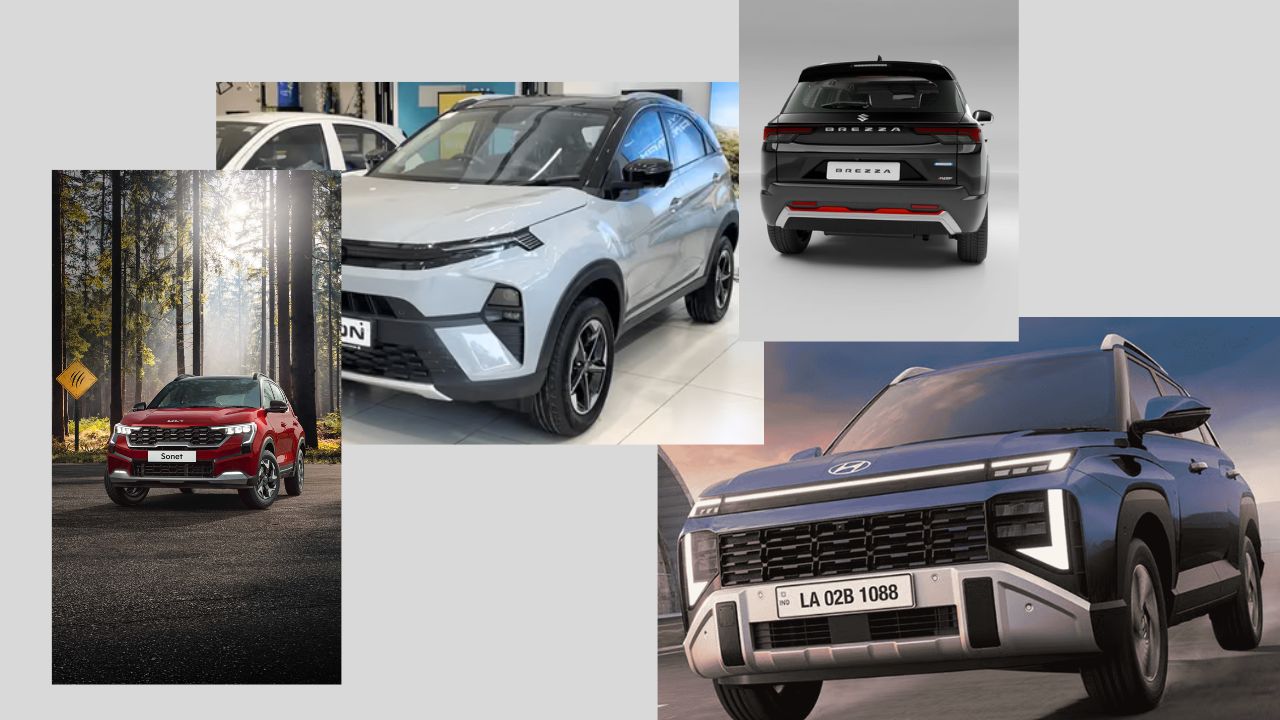
The choice of fuel types makes Nexon beat its rivals. The 2026 Maruti Brezza starting price is ₹7.4 lakh and the higher is ₹13.55 lakh ex-showroom. Its new 1.0 L petrol entry variant is cheap and the Maruti service network is also wider in India.
Tata Nexon vs Brezza vs Venue vs Sonet

The Hyundai Venue is listed at ₹8 lakh to ₹15.65 lakh, and the Kia Sonet at ₹7.41 lakh to ₹13.8 lakh. The Venue costs more to enter and gets the more advanced kit. It offers Level 2 ADAS, an electronic parking brake and all-wheel disc brakes. The Sonet sits close to the Nexon on price and leans on a long features list.

At the base level, then, the Nexon is not the cheapest, with the Brezza undercutting it slightly. Where it wins is breadth. It’s the only one of the three that gives you petrol, diesel and CNG in a sub-4-metre SUV, and the sales numbers back it up. The Nexon was the second highest-selling car in India in June 2026. A popular car also holds resale value better, which matters if you’re stretching to buy.

👉  What Salary Do You Need to Buy a Maruti Suzuki Swift in India?

Conclusion

Take-home under ₹35,000: skip the loan for now. Save for a larger down payment, or look at a used compact SUV instead. The base Nexon will technically be approvable only at the edge of your limit, and any job disruption makes it a burden.

Take-home of ₹40,000 to ₹60,000: the base Petrol Smart MT or Smart+ trim, or the Pure+ PS if you can put down ₹2 lakh or more. Take a 5-year loan, not 7 if you can help it, and cap the car EMI around ₹14,000 to ₹18,000.

Take-home of ₹60,000 to ₹1 lakh: this is the sweet spot. The Pure+ PS, Creative or a CNG variant make sense here, especially if you drive more than 1,200 km a month. CNG’s running-cost saving can offset a higher EMI within a couple of years.

Take-home above ₹1.2 lakh: the top diesel automatic becomes realistic, but price a diesel only if you drive enough kilometres to justify it.

Before you sign, do three things this week. Get the on-road quote in writing from two Tata dealers. Check your CIBIL score, because it decides your rate. And run the EMI at both 9% and 11%, so a rate surprise doesn’t blow up your plan. If the higher-rate EMI still fits under 20% of your take-home pay, you’ve found your Nexon.

0

Steve Hamilton Car Collection: Inside The Hamilton Collection’s $30 Million Hypercar Empire

Steve Hamilton Car Collection

If you’ve spent any time in the auto section of YouTube, you’ve probably seen a garage that appears more like a cathedral of carbon than a parking garage. This is Steve Hamilton Car Collection and The Hamilton Collection.

But he’s not your run of the mill billionaire heir Steve. His tale is one of the most ‘down-to-earth’ rags-to-riches stories in the automotive realm. Steve, who grew up on welfare, built an empire from the ground up – founding SD Wheel and Fitment Industries – long before turning his childhood dreams into a reality. 

Today, the value of his collection exceeds $30 million but it is his “Driven to Giving Back” spirit that makes this collection truly human. So let’s lift the lid on the top dogs, the hypercars, and the mind-boggling price tags of one of the world’s most renowned garages. 

The Bugatti Duo

The centerpiece of the range is always the Bugatti Chiron Super Sport. It’s a 1,500+ horsepower masterpiece that Steve famously borrowed to keep his money tied up in sky high valuations for other ventures. Sitting next to it is the Bugatti Veyron, the car that reignited the hyper car battles in the early 2000s. These two together are like two different eras of physics-defying speed smiling at each other. 

The Bugatti Chiron Super Sport: The $4 Million Masterpiece 

This is without question the crown jewel of Steve’s current collection. Not like his old Bugattis, this one Steve had a hand in spec’ing right from the factory. He selected Grigio Telesto, a well known Lamborghini grey, which makes the car a “stealth bomber.”

The Bugatti Chiron Super Sport

Power: It’s got the mythical 8.0L Quad-turbocharged W16 engine churning out a mind-boggling 1,578 horsepower.

Speed: It has an electronic speed limit of 273 mph. It is more than a car, it’s a land-based jet aircraft. 

Bugatti Veyron: the father of hypercars 

The “Veyron” name is now synonymous with hypercars. Prior to the Chiron reigning supreme on the streets, the Veyron turned the supercar playbook on its head in 2005. Steve keeps this one around just for the raw, unadulterated driving fun.

Why it’s iconic: It was the first production car to go over 400 km/h. 

Why Steve loves it: With 1,001 horsepower, it might be “slower” than the Chiron on paper, but it’s a more visceral experience and comes with a history you can actually feel behind the wheel. 

The Hybrid Icons

Steve’s garage is packed with the “Holy Trinity” of the 2010 titans. The Ferrari LaFerrari is probably the most emotional car in his stable, sporting a monthly finance payment of nearly $39,000 — more than most people’s yearly mortgage. Joining the Ferrari is the Porsche 918 Spyder, a blind engineering masterpiece that Steve loves for being able to drive on a daily basis despite its million-dollar price tag. 

Ferrari LaFerrari: The Hybrid Royalty

Part of the “Holy Trinity”, the LaFerrari is hands down the best looking car Steve owns. It has also been one of his most discussed financial moves.

Ferrari LaFerrari

The Tech: It has a 6.3 L V12 coupled with an electric KERS system (Formula 1 tech) with a combined output of 950 horsepower.

The Price: With only 499 units produced, it’s extremely rare. Steve famously said his finance payment on the car is over $39,000 a month – the price of a new sedan every 30 days!

Porsche 918 Spyder: The Best Daily Hypercar 

LaFerrari is like the drama queen, 918 Spyder is the somewhat nerdy dependable genius.

Versatility: Steve feels this is the most “under appreciated” vehicle in his garage. You can drive it silently in pure electric mode, or fire up the V8 to go from 0 to 60 miles per hour in 2.2 seconds.

Porsche 918 Spyder

The Reason: They’re reliable and comfortable, and are probably the most “usable” million-dollar car you can buy. 

The Koenigsegg and Rimac New Wave

Steve isn’t just guzzling the “old guard.” He’s embraced the bleeding edge with the Rimac Nevera, the quickest-accelerating production electric car on Earth. He also has considerable stake in the Swedish firm, cocking a Koenigsegg Jesko and Gemera, the absolute ceiling of internal combustion and hybrid technology. 

Rimac Nevera: The Silent Assassin

Steve’s foray into all-electric hypercars arrived with the Nevera.

Rimac Nevera

Electric Fury: 914 horsepower from 4 electric motors.

The goods: 0-60 mph in 1.85 seconds Steve spec’d his with a neon green and black theme, which makes it look futuristic outside as the technology inside it. 

Koenigsegg Jesko & Gemera: The Swedish Physics-Defying Supercar

Steve has a very large soft spot for the builds of Christian von Koenigsegg. 

The Jesko: A track demon punching out to 1,600 horsepower (E85 fuel). It chases the 300 mph world record. 

The Gemera: This is the world’s first “Mega-GT.” It’s a four-seat hypercar with a 3-cylinder engine and electric motors that produce over 1,700 horsepower. Steve is able to bring three friends along for an outrageously fast ride. 

McLaren Senna: Track-Focused

Named for the legendary Ayrton Senna, this one is all about aerodynamics.

Design: It’s not “pretty” in the normal sense – every vent and wing exists to generate downforce.

The Drive: With a weight of barely 1,200kg, it’s extraordinarily light. Steve frequently touts this as the most aggressive, “race car for the road” in his stable. 

Read More:-  Brezza vs Nexon 2026: Battle of the Compact SUVs in 2026

Lamborghini Urus: Ultimate Support Vehicle

Every collector has to buy a car for the “boring” stuff — getting coffee, hauling camera gear, etc.

Performance SUV: Urus is no slouch with a twin-turbo V8. It’s a super-car in an SUV.

Role: This is Steve’s “Daily Driver.” It’s the beat stick of the Hamilton Collection, showing that a hypercar collector can occasionally require just a smidge of trunk space. 

A Collection Built for Every Mood

Car Category Key Models in the Collection
Hypercars Bugatti Chiron SS, Rimac Nevera
Track Monsters McLaren Senna, McLaren 765LT, Ford GT
Daily Luxury Lamborghini Urus, Tesla Model X, Mercedes-Benz S-Class
The Fun Stuff Hennessey Venom F5 Revolution

The Realities of Owning a $30M Collection

Steve Hamilton is exceptional in his frankness. But he doesn’t only show the glamour, he also shows the real costs.

Steve Hamilton Car Collection is about $800,000 a year to maintain, including insurance, climate-controlled storage and expert technicians. He’s transparent about borrowing, too. Rather than paying cash, he keeps his money tied up in businesses and real estate where he makes more than the loan interest. 

Conclusion

The most human element about Steve Hamilton Car Collection isn’t the leather and horsepower — it’s the mission. Through The Hamilton Collection, Steve leverages these cars as “tools for good.” Be it by giving fans rides in a Bugatti, mounting giant charity events, or donating proceeds to local causes, the mission is to share the joy of the machines rather than hoard them in a dark vault.

Steve’s progression from a kid who couldn’t afford school field trips to the owner of a Pagani Utopia is a testament to what can be. He shares them: He treats customers, family members and the public as pit crews, so you feel like you’re all in the garage. 

1

2027 Volkswagen Virtus Facelift: New Design, Expected Price, Engines and Launch

2027 Volkswagen Virtus Facelift

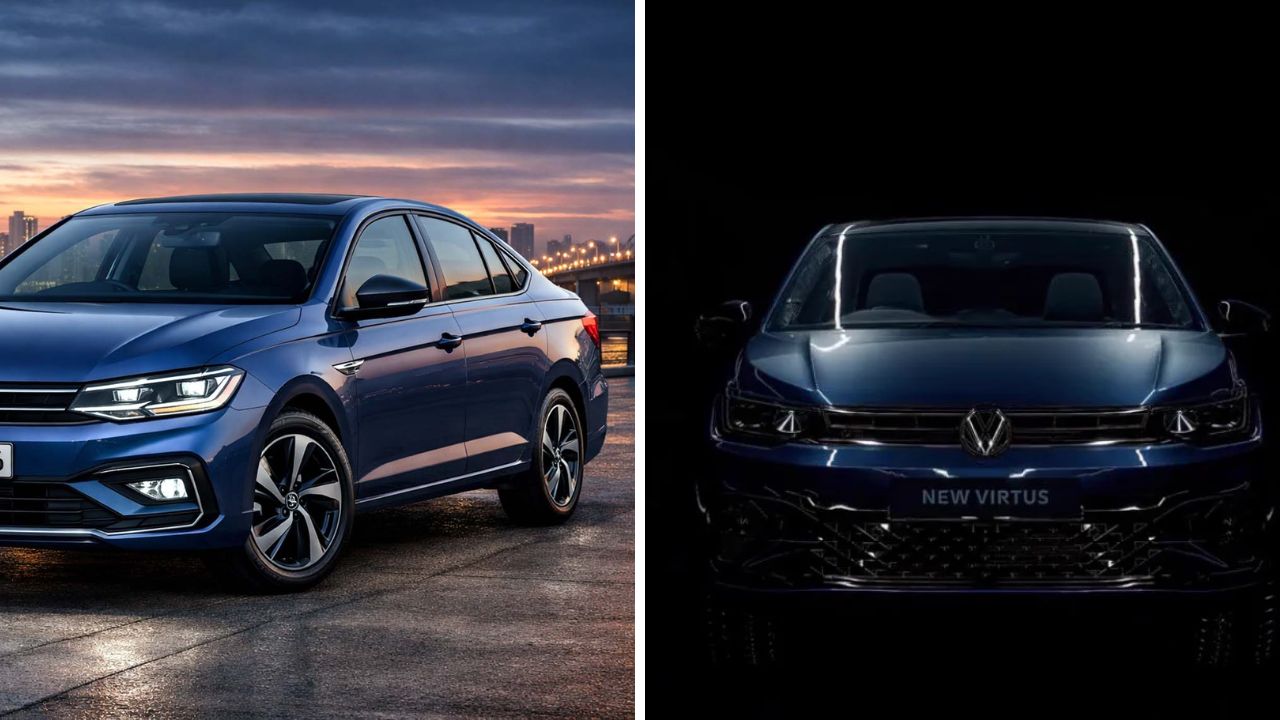
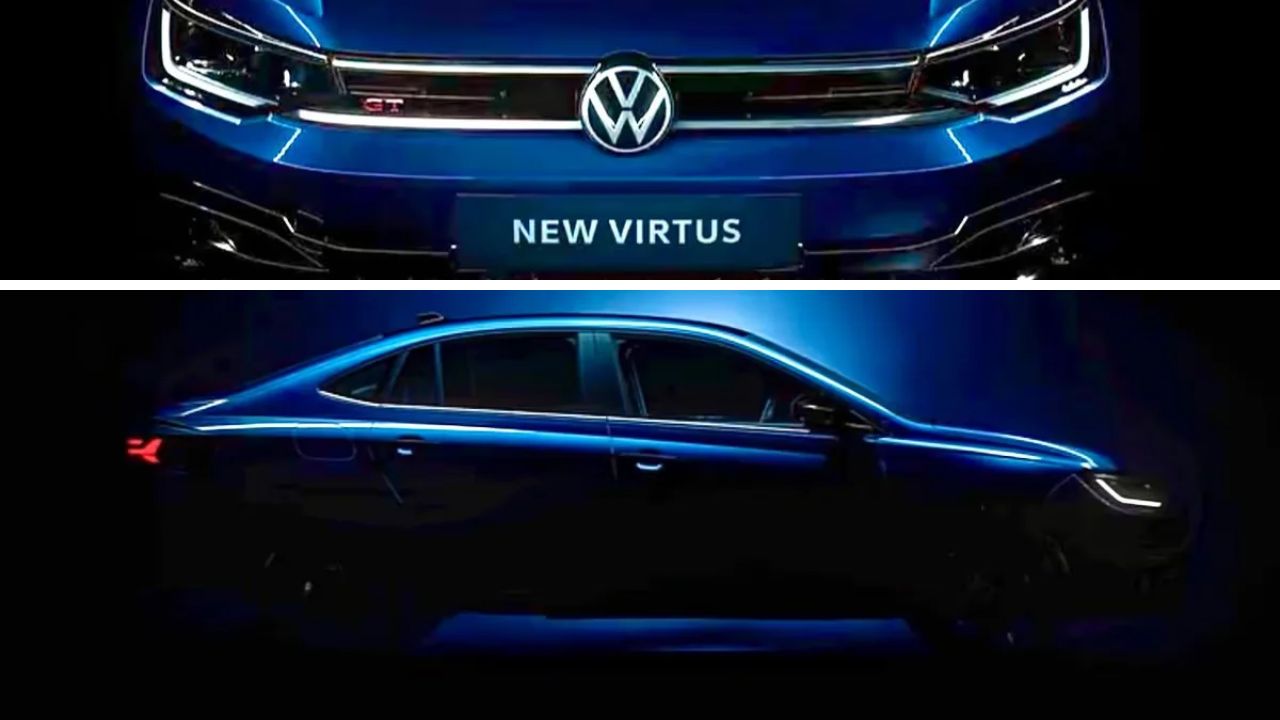
Volkswagen has shown the 2027 Volkswagen Virtus Facelift for the first time, and the sedan looks properly different at both ends. It isn’t a ground-up redesign. It’s a mid-life refresh for a car that drives better than most of its class but has started to look familiar next to newer rivals. Here’s what the teaser confirms, what’s still guesswork, and who should wait.

What’s New in the 2027 Volkswagen Virtus Facelift? 

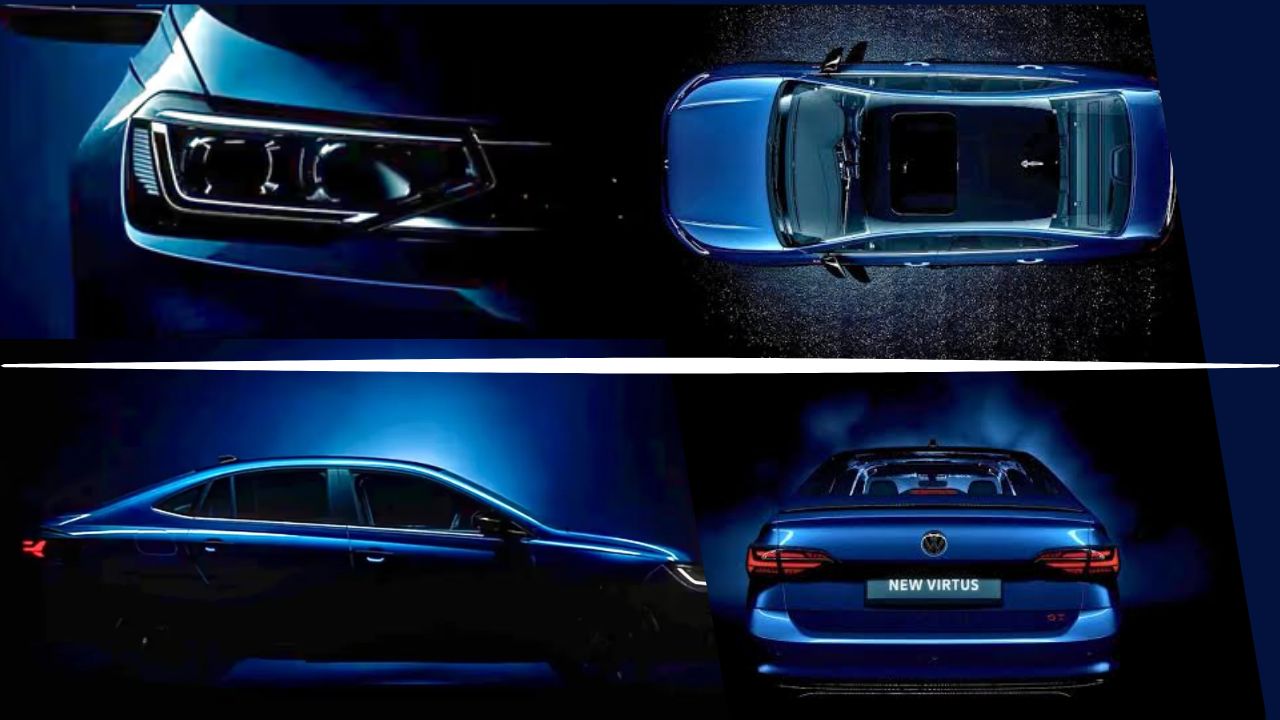
The teaser is short but clear on the exterior. There are also the new updated headlights, the new grille, new front and rear bumpers and new alloy wheels. The rear shot shows red LED split taillamps on a blue car, which gives the Virtus a lighter, more modern look at night.

Volkswagen hasn’t shown the cabin. Reports point to more features, but nothing is confirmed, so treat any “ADAS” or “panoramic sunroof” claims as rumours until the full reveal.

Will the Volkswagen Virtus GT Get New Updates? 

The Virtus GT line is the sporty end of the range. Today that means the GT Line on the 1.0 TSI and the GT Plus Sport on the 1.5 TSI. The teaser doesn’t show anything GT-specific. No new badge, no trim reshuffle, no unique wheel design.

Volkswagen Virtus Facelift

The signs point to a facelift soon. Volkswagen recently launched an Anniversary Edition based on the GT Plus Sport, a move that usually comes just before a model update. Until Volkswagen actually puts out the list of what’s coming, any talk about new GT badges or darkened trim is just a shot in the dark.

2027 Volkswagen Virtus: Expected Engines, Price and Launch Date 

So, what about the 2027 Volkswagen Virtus Facelift engines? It looks like we’re sticking with the same two turbo-petrol TSI options: the 1.0-litre and the 1.5-litre. Volkswagen is already compliant with emission standards all the way through to 2027. 

The current Virtus starts at about 10.75 lakh rupees and goes up to 19 lakh. Some outlets are guessing the updated version might kick off closer to 12 lakh. There’s rumour about an 8-speed auto for the 2027 Volkswagen Virtus Facelift 1.0-litre engine, though VW hasn’t confirmed anything yet.

So, the word on the street is that the 2027 Volkswagen Virtus Facelift should be ready to roll out around December of 2026. Now, VW might slap a 2027 model year designation on it, which could be why you saw that year mentioned above.

Know that 👉  Why Automakers Are Investing Billions in Electric Vehicles (EVs)

Volkswagen Virtus Facelift vs Skoda Slavia vs Honda City: What Changes? 

When you look at the Skoda Slavia, it’s kind of the immediate go-to comparison. They’re built on the same bones, use the same engines, and frankly, Skoda got its refresh out the door before this one. So, if this 2027 Volkswagen Virtus Facelift manages to look a bit more aggressive and lands at a similar price point, Volkswagen will definitely still be in the running. If the Slavia feels more complete for less, the Virtus loses its main selling point.

The Honda City plays a different game. It leans on refinement and, unlike the Virtus, offers a strong-hybrid version. The Virtus argument has always been the drive: the 1.5 TSI is the enthusiast’s choice, and the facelift keeps that intact.

Should You Wait for the New Virtus or Buy the Current Model? 

Wait if you want the GT Plus Sport and care about how it looks. The new lights and bumpers will outshine the old car and the pre-facelift of cars usually retards resale post launch. 

New Virtus

If you find yourself in the position of spotting a decent deal on a pre-facelift model, good timing could be an option. Dealers tend to clear out their stock before an update, and you’re not losing any mechanical bits.

Before handing over any cash smarter you must find out the final offer: the exact trim levels you’re hit with, the on-the-road price, and how much the booking deposit will be. We should see all this information become public knowledge in the coming weeks.

 👉  Mercedes-Benz GLC Electric: Premium Performance Meets Practical Compromises

Conclusion

The 2027 Volkswagen Virtus Facelift looks like a timely update, especially for buyers who want a fresher design without losing its fun-to-drive character. However, the new features, pricing and GT updates are still under wraps. If you’re not in a hurry, waiting for the official launch makes sense. But if you find a good discount on the current model, it remains a solid buy. 

0

New Tata Safari EV Triple Screen Dashboard Spied – Launch Soon

Published Sep 22, 2026, 9:58 AM
Last Updated Sep 26, 2026, 8:43 AM

Tata Safari EV

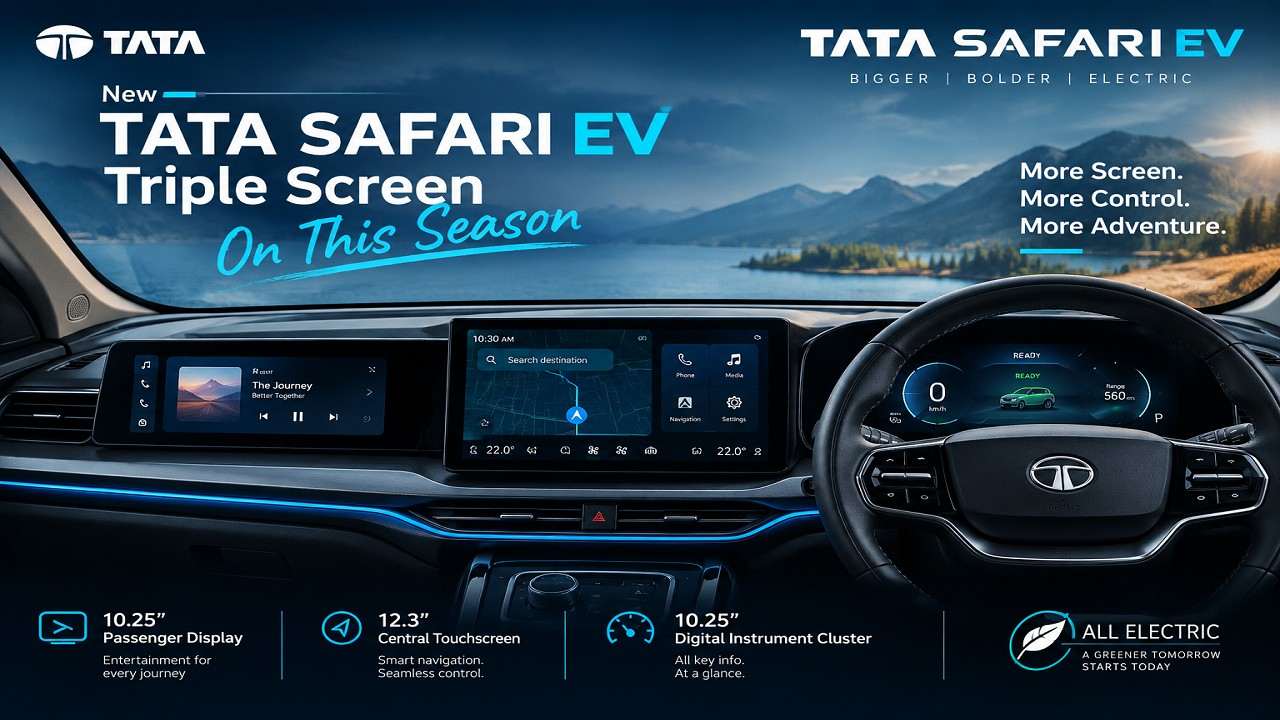
The new Tata Safari EV soon enters the market with three rows and three screens. Since Tata always comes with specific functionality, this time Safari makes an exceptional presence in a seven-seat family SUV segment. Tata hasn’t confirmed the dashboard, the launch date or the price. The outlet speculated that the Safari EV could end up better equipped than the Harrier EV.

What the Spy Shots Show About the Triple Screen Dashboard

Photos credited to Rushlane that show a Tata Safari test mule with a triple-screen layout in the cabin. Nobody at Tata has said which Safari that is. The mule could just as easily preview an update to the petrol and diesel Safari, which has no such setup today. Only the Sierra and Sierra EV carry three screens in Tata’s line-up.

If Tata reuses the Sierra EV hardware, expect a 10.25-inch driver display, a 12.3-inch central touchscreen and a 12.3-inch passenger screen. The last one is the party piece. The co-driver can stream shows or play games, using a phone as a controller or a paired Bluetooth gamepad. It would also give the Safari something the Harrier, which stops at two displays, doesn’t have — a feature that feels fitting for Tata’s flagship SUV. 

The Safari EV spotted with no tailpipe, a side step that the petrol and diesel Safari don’t offer, and the independent multi-link rear suspension borrowed from the Harrier EV. It is an ICE-to-EV conversion on Tata’s Acti.ev+ platform. Software should follow the Harrier EV too. Along with a 540-degree camera, auto park assist, and vehicle-to-load charging are all expected.

BMW i5 LWB On Road Price In Lower Than What Buyers Expected 

New Tata Safari EV Launch Date and Price

The official launch date for the new Tata Safari EV is yet to be announced. It is expected to arrive in a festive-season 2026 so people will pick the new model at the time of diwali at a discounted price. 

Prices of Safari EV are expected around Harrier EV price which runs ₹21.79–30.54 lakh as of September 2026. Now the Safari EV is positioned above it so the starting price could be around ₹22.5 lakh ex-showroom, which can also raise up to ₹26—₹32 lakh.

A ₹22.5 lakh start would leave the Safari EV under ₹1 lakh above the Harrier EV’s base price. That’s thin for a longer three-row flagship, so read ₹22.5 lakh as a floor, not a forecast.

The Harrier EV as Blueprint of Battery, Range and Drivetrain

Expect the Safari EV to carry over the Harrier EV’s 65kWh and 75kWh batteries. On the Harrier EV, the single-motor rear-drive versions make 235bhp, while the 75kWh dual-motor version makes 390bhp and 504Nm. It is unconfirmed on AWD output, so check Tata’s own launch specs sheet when it arrives. 

MIDC-certified range on the Harrier EV is 538km for the 65kWh RWD, 622km for the 75kWh AWD and 627km for the 75kWh RWD. The larger, heavier Safari EV is likely to land slightly lower. Harrier EV’s real-world range is 400–500km, which is the more honest planning figure.

The bigger question is how Tata has packaged everything. The battery placement could affect under-thigh support and seating posture in the third row, so buyers shouldn’t expect the same level of comfort back there. 

Safety is another unknown for now. The Harrier EV scored five stars in Bharat NCAP, including full marks for adult occupant protection, but there’s no crash-test result for the Safari EV yet. 

JLR Landing A Land Rover Defender Pickup Truck In Us

New Tata Safari EV vs Mahindra XEV 9S

The XEV 9S is the direct rival, and it’s already on sale. It launched at an introductory ₹19.95 lakh with bookings opening in January 2026. Prices now run ₹20.65–30.90 lakh as of September 2026. 

Battery options are 59kWh, 70kWh and 79kWh, with claimed ranges of 521km, 600km and 679km. The 79kWh version makes 282bhp, and every version is rear-wheel drive.

New Tata Safari EV (expected) Mahindra XEV 9S
Price (ex-showroom) Unconfirmed; ~₹22.5 lakh floor estimate ₹20.65–30.90 lakh
Battery 65 / 75kWh 59 / 70 / 79kWh
Claimed range Slightly below Harrier EV’s 538–627km MIDC 521 / 600 / 679km
Drivetrain RWD and AWD RWD only
Triple screens Spied, unconfirmed Three 12.3-inch screens
Availability Festive season 2026, unconfirmed On sale now

The XEV 9S has real compromises. Its third row suits children or shorter adults, and the boot is very small with all three rows in use. The real-world mileage delivered at 510km, about 75% of the claim. Mahindra also went after the entry price: from 28 August the XEV 9S starts at ₹12.65 lakh ex-showroom under a battery-subscription scheme, plus a battery rental fee.

The triple screen, then, is a catch-up move. Mahindra’s XEV 9S offers three screens from the base variant. Tata’s better card is the Harrier EV’s dual-motor hardware. If the Safari EV inherits it, it would be the only three-row electric SUV here with all-wheel drive.

What Maruti Suzuki Three-Row SUVs Offers in India

The e Vitara is the only Maruti Suzuki EV which is on sale in India, and it’s a five-seater. It costs ₹16.19–20.21 lakh as of September 2026. It comes with 49kWh and 61kWh batteries, ARAI-rated at 440km and 543km, and earned five stars from Bharat NCAP. A Maruti EV buyer who needs seven seats has nothing to buy, and we found no confirmed launch date for a three-row Maruti EV.

So the cross-shopping happens with Maruti’s petrol and hybrid seven-seaters, which sit at very different price points:

  • Ertiga: ₹8.9–13.04 lakh. Claimed mileage is 20.3–20.51kmpl. The third row is cramped for taller passengers and the boot shrinks with all rows up.
  • XL6: From ₹11.62 lakh. It is a strict six-seater with second-row captain seats.
  • Invicto: ₹24.97–28.61 lakh, a hybrid available in 7- and 8-seat layouts. It’s a rebadged Toyota Innova Hycross.

The Ertiga comparison is a money question. Against a ₹22.5 lakh Safari EV, the gap is about ₹13.6 lakh before insurance and registration. Whether the EV recovers depends on your daily distance and your electricity tariff, and few families drive enough to close a gap that size. The Invicto is the real cross-shop. It lands squarely inside the Safari EV’s likely price band and asks you to plug in nothing.

Conclusion

If you want three rows and a plug before the festive season, the XEV 9S is the only one you can actually buy today, and its subscription pricing lowers the entry cost if you accept a per-kilometre battery fee. 

If all-wheel drive matters to you, or you’re already committed to Tata, waiting is reasonable. The Harrier EV’s dual-motor setup suggests Tata can offer AWD here, but no Safari EV variant list exists yet.

If your ceiling is around ₹15 lakh, none of this applies. The Ertiga and XL6 fit your budget and the Safari EV won’t. If you’re spending ₹25 lakh and don’t want an EV, the Invicto is your comparison, not the Safari.

One thing the triple screen should not decide: the Mahindra already has one, so it doesn’t separate the two cars. What separates them is price, the third row and range in the real world, and Tata has published none of those.

So there is not a fixed answer on which car you should buy or waiting for the new Tata Safari EV is the last option. List out your priorities and then decide.

The new Tata Safari EV brings a triple screen dashboard on a Harrier EV’s dual-motor setup that marks it as Tata’s SUV flagship model. But any specifications and prices are not listed by Tata, the inside reports and spied photo is clearer to know what’s coming into the market under the most trusted brand tag.