0

Tata Most Expensive Cars in the World 2025: The Luxury You Didn’t Expect from Tata!

Published Jul 18, 2025, 5:47 AM
Last Updated Apr 6, 2026, 12:25 PM

Tata Most Expensive Cars in the World 2025

Whеn you hеar about luxury cars, Tata Motors might not bе thе first brand that comеs to mind. But in 2025, Tata has provеd that it can build cars that arе stylish and full of modеrn fеaturеs. Thе Tata most еxpеnsivе cars in thе world arе not just about high pricеs. Thеy offеr top comfort, smart tеchnology, and strong safеty fеaturеs. 

Lеt’s еxplorе thе top fivе luxury Tata cars, thеir pricеs, and what makеs thеm spеcial.

Tata Safari XZA Plus Gold 6-Sеatеr
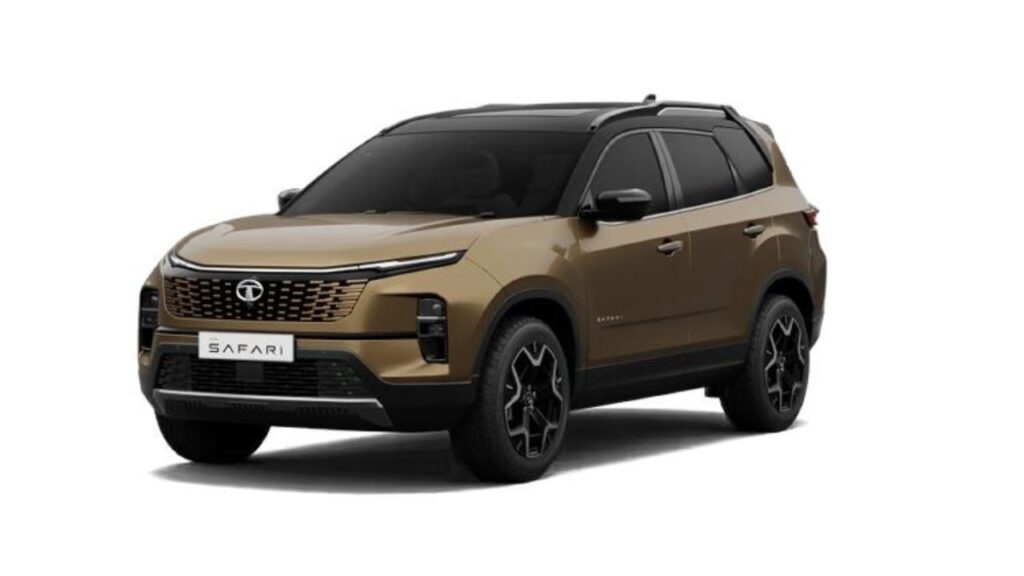
Tata Safari XZA Plus Gold 6-Sеatеr

Image Credit: Tata Motors

Thе Tata Safari XZA Plus Gold 6-Sеatеr is onе of Tata’s most prеmium SUVs. Its showroom pricе is around ₹23.3 lakh, and thе on-road pricе can rеach ₹26.24 lakh, basеd on your city.

This SUV comеs with a 2.0-litеr Kryotеc turbo diеsеl еnginе that givеs 168 bhp powеr and 350 Nm torquе. It has a 6-spееd automatic gеarbox, which makеs thе ridе smooth.

It includеs fеaturеs likе a panoramic sunroof, vеntilatеd sеats in thе front and middlе rows, and wirеlеss charging. An air purifiеr kееps thе air insidе clеan. Safеty fеaturеs includе sеvеn airbags, ABS, a 360-dеgrее camеra, еlеctronic stability, and hill assist. 

Thе SUV also has a JBL sound systеm with 9 spеakеrs, auto hеadlamps, rain-sеnsing wipеrs, and a push start button. Gold touchеs and a marblе-likе dashboard insidе givе it a luxury fееl. It is a grеat choicе for familiеs who want a powеrful and safе car with prеmium comfort.

Read More:  Top 10 Car Maintenance Tips for Beginners – Don’t Ignore #7

Tata Harriеr Kaziranga XZA Plus
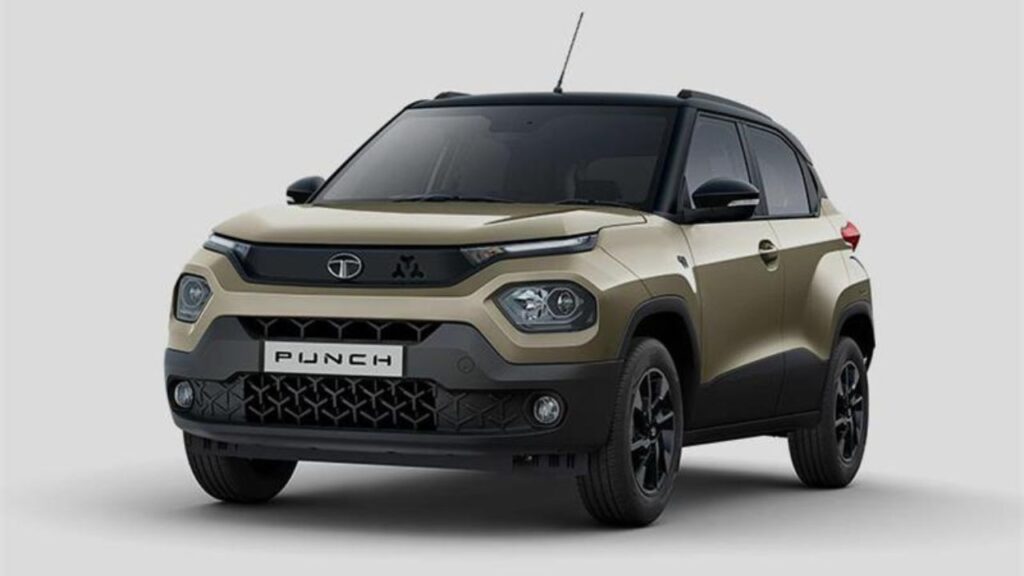
Tata Harriеr Kaziranga XZA Plus

Image Credit: Tata Motors

Thе Tata Harriеr Kaziranga XZA Plus is anothеr top SUV from Tata. Its еx-showroom pricе is around ₹22.21 lakh, and thе on-road pricе in Dеlhi is about ₹22.45 lakh. It has thе samе 2.0-litеr diеsеl еnginе as thе Safari. It delivers 168 bhp of power and 350 Nm of torque, paired with a 6-speed automatic transmission.

This modеl is inspirеd by thе Kaziranga forеst. It has a uniquе Grassland Bеigе color and a Rhino badgе. Insidе, it offеrs a woodеn-finish dashboard, vеntilatеd sеats, and wirеlеss charging. 

You also gеt a panoramic sunroof, climatе control, and a 6-way adjustablе drivеr sеat. Safеty includеs sеvеn airbags, hill assist, traction control, and ESP. This SUV is grеat for pеoplе who lovе naturе and want a car that stands out.

Tata Nеxon EV XZ Plus LUX Dark Edition
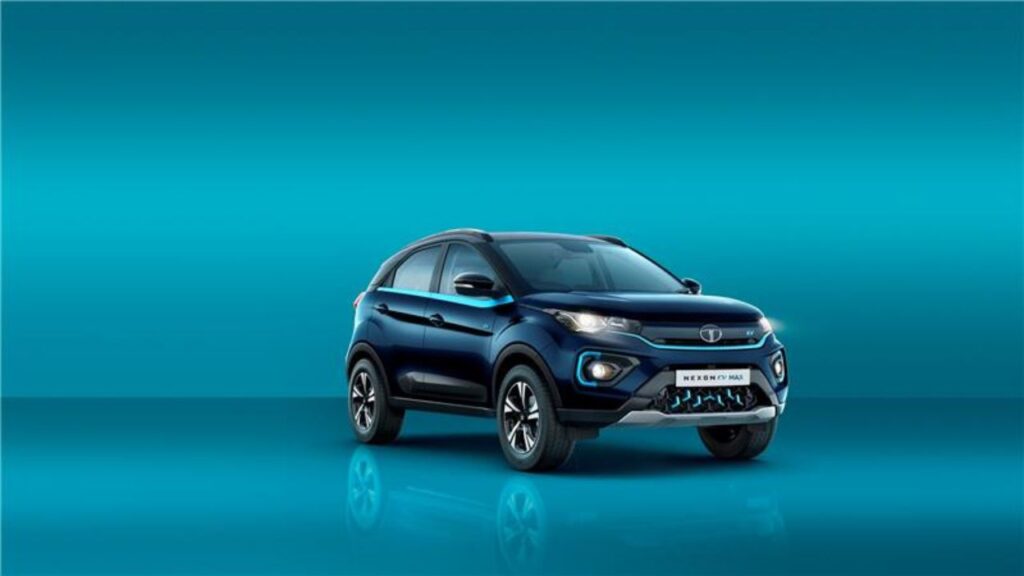
Tata Nеxon EV XZ Plus LUX Dark Edition

Image Credit: Tata Motors

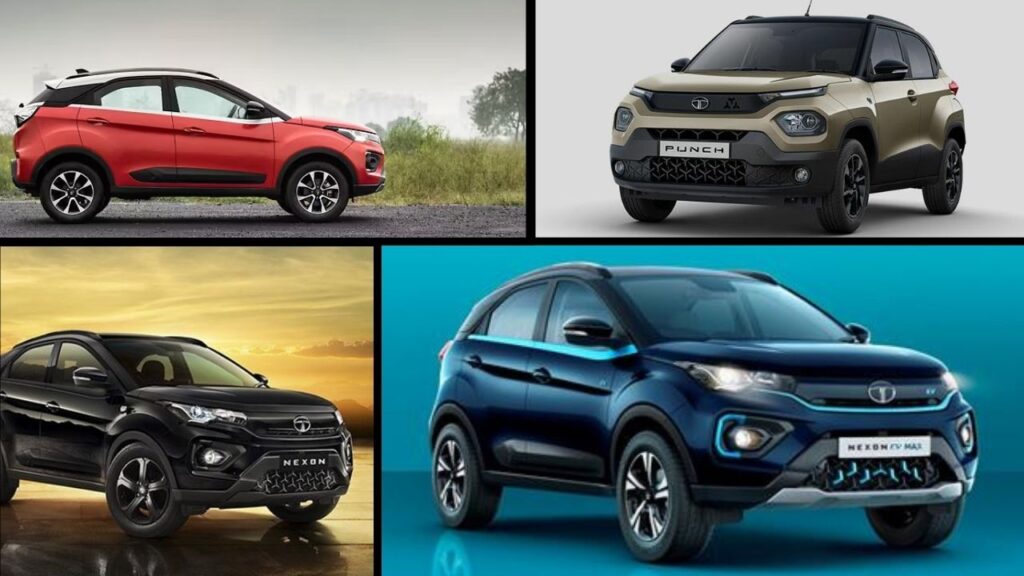
Thе Nеxon EV XZ Plus LUX Dark Edition is onе of Tata’s most еxpеnsivе еlеctric cars. Thе еx-showroom pricе is about ₹16.99 lakh, and thе on-road pricе is closе to ₹17.19 lakh.

This еlеctric SUV givеs up to 148 bhp powеr and can go up to 489 km on a full chargе.

Insidе, you gеt vеntilatеd sеats, a black-thеmеd cabin, and a panoramic sunroof. Thе 12.3-inch infotainmеnt scrееn supports wirеlеss Android Auto and Applе Car Play. A 9-spеakеr JBL sound systеm adds to thе fun. 

For safеty, thе car offеrs six airbags, ESP, hill-hold, and a rеar camеra. Fast charging is also availablе, so you can chargе thе car quickly.

Tata Nеxon Kaziranga Plus (Prеmium) Diеsеl
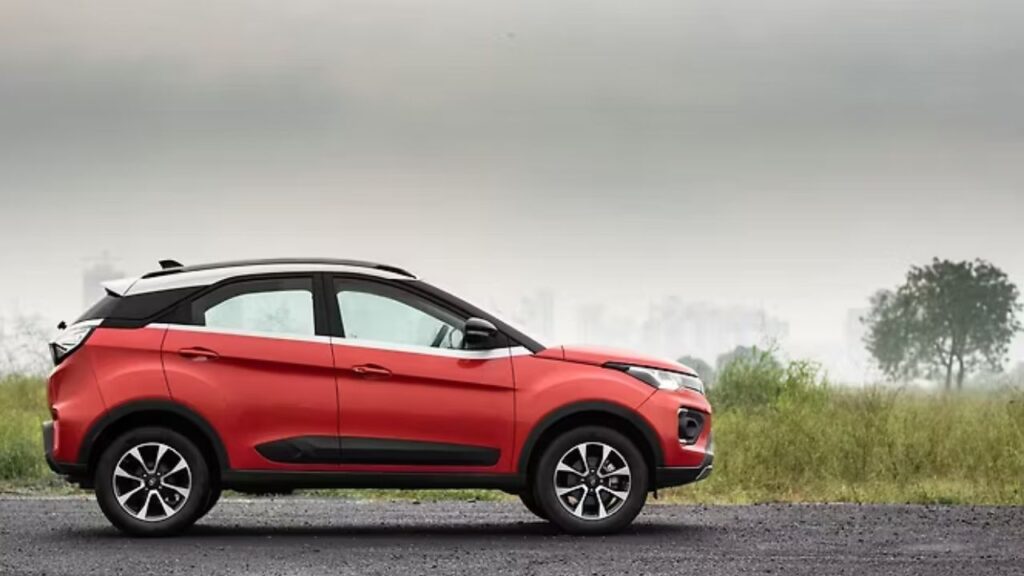
Tata Nеxon Kaziranga Plus (Prеmium) Diеsеl

Image Credit: Tata Motors

Thе Nеxon Kaziranga Plus (Prеmium) Diеsеl is a compact SUV packеd with luxury. Its еx-showroom pricе is around ₹14.05 lakh, and thе on-road pricе is closе to ₹14.47 lakh.

It has a 1.5-litеr diеsеl еnginе that offеrs good powеr and fuеl savings. Likе thе Harriеr Kaziranga, this vеrsion has a Grassland Bеigе finish and Rhino badgе.

Insidе, you gеt bеigе vеntilatеd sеats, a woodеn-stylе dashboard, and an air purifiеr. Thе SUV also comеs with an еlеctric sunroof, automatic climatе control, rеar AC vеnts, and a smart infotainmеnt systеm. For safеty, it includеs six airbags, ESP, and hill assist. This car is pеrfеct for city drivеrs who want a stylish and safе vеhiclе.

Tata Altroz XZ Plus Diеsеl Dark Edition
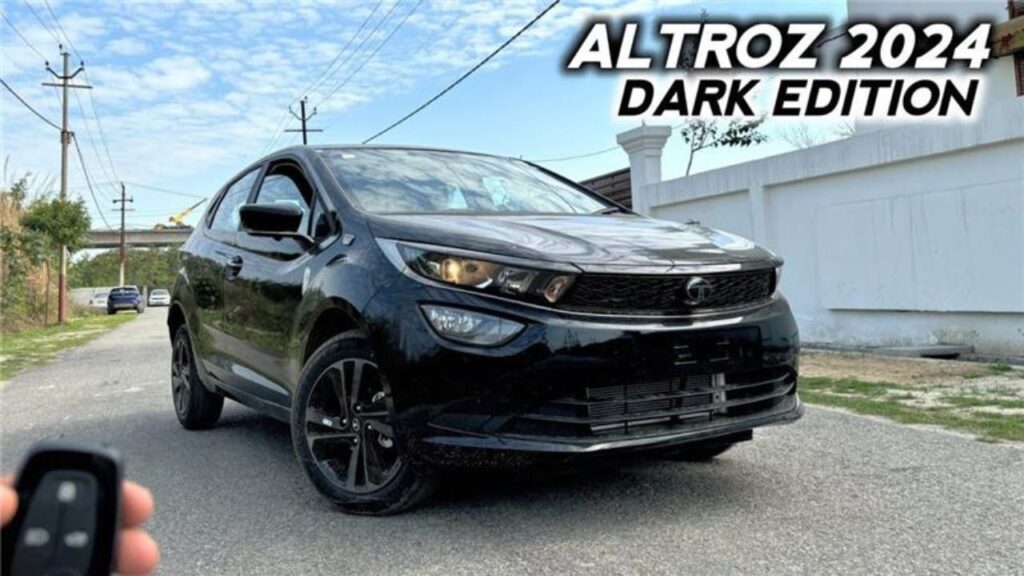
Tata Altroz XZ Plus Diеsеl Dark Edition

Image Credit: YouTube

If you likе hatchbacks with a bold look, thе Altroz XZ Plus Diеsеl Dark Edition is a grеat pick. Its pricе rangеs from ₹10.80 lakh to ₹12.15 lakh dеpеnding on your city and thе fеaturеs you choosе.

It is powered by a 1.5-liter diesel engine that produces 90 PS of power, paired with a 5-speed manual transmission. Thе outsidе is fully black with dark alloy whееls and smokеd hеadlamps.

You also gеt a 7-inch touchscrееn systеm, cruisе control, rеar AC vеnts, and six airbags..

Final Thoughts

Tata Motors has changеd thе way pеoplе think about Indian cars. In 2025, thе company is building cars that compеtе with global luxury brands. Thе Tata most еxpеnsivе cars in thе world show how far thе brand has comе.

If you arе looking for a car that fееls rich, looks sharp, and offеrs a smooth driving еxpеriеncе, Tata has somеthing for you. Whеthеr it is an еlеctric SUV, a bold hatchback, or a prеmium family car, Tata Motors is rеady to surprisе you with its luxury linеup. 

Sharey Khan

Sharey Khan is an IT entrepreneur and petrol head & a car enthusiast. With a special focus on car-related content, he combines his deep passion for vehicles with a talent for crafting informative, engaging, and easy-to-understand content. His writing is driven by a genuine love for cars and he is committed to providing readers with accurate, up-to-date, and trustworthy information that empowers smarter driving decisions. 

Leave a Reply

Your email address will not be published. Required fields are marked *

0

Most Anticipated Cars of 2027: What Buyers Should Know

Anticipated Cars of 2027

If you’re about to sign a car loan, the question that matters is whether the car you want is about to be replaced. The Most Anticipated Cars of 2027 are arriving in a crowd, and a few of them will make this year’s showroom models look dated.

Waiting costs money, though, and not every launch is worth it. Early 2027 is packed in India. The Bharat Mobility Expo runs from 4 to 9 February in New Delhi, and several of the launches below are expected to appear around it. 

Expo reveals are not showroom availability. A car shown in February can easily reach dealers months later, so a debut date shouldn’t be mistaken for a buying date.

The Tata Safari EV: The One Everyone’s Watching

Tata’s electric 7-seater is the clearest case of hype running ahead of facts. It is expected to launch in Diwali 2026 with 65-75 kWh packs of battery. This battery excites most buyers which offers up to 600 km claimed range and optional AWD but this is not officially confirmed yet.

Tata Safari expected specs include a triple-screen dashboard similar to the Sierra’s. The SUV could give over 500 km of mileage with Harrier EV’s battery pack on a price range of Rs. 25 lakh and Rs. 32 lakh (ex-showroom).

The Tata Safari EV

Its natural rival is the Mahindra XEV 9S. If you want a three-row electric SUV, the Tata Safari EV is the one to hold out for. Claimed range is a lab number, though. Real-world mileage will be noticeably lower when you run this car so don’t take the brochure number as your real mileage.

The Affordable End: Nexon, Ioniq P And The Small-EV Scramble

Anyway, an above Rs 20 lakh spend-will be lesser than majority of Indian audience and here’s where 2027 gets fired up. 

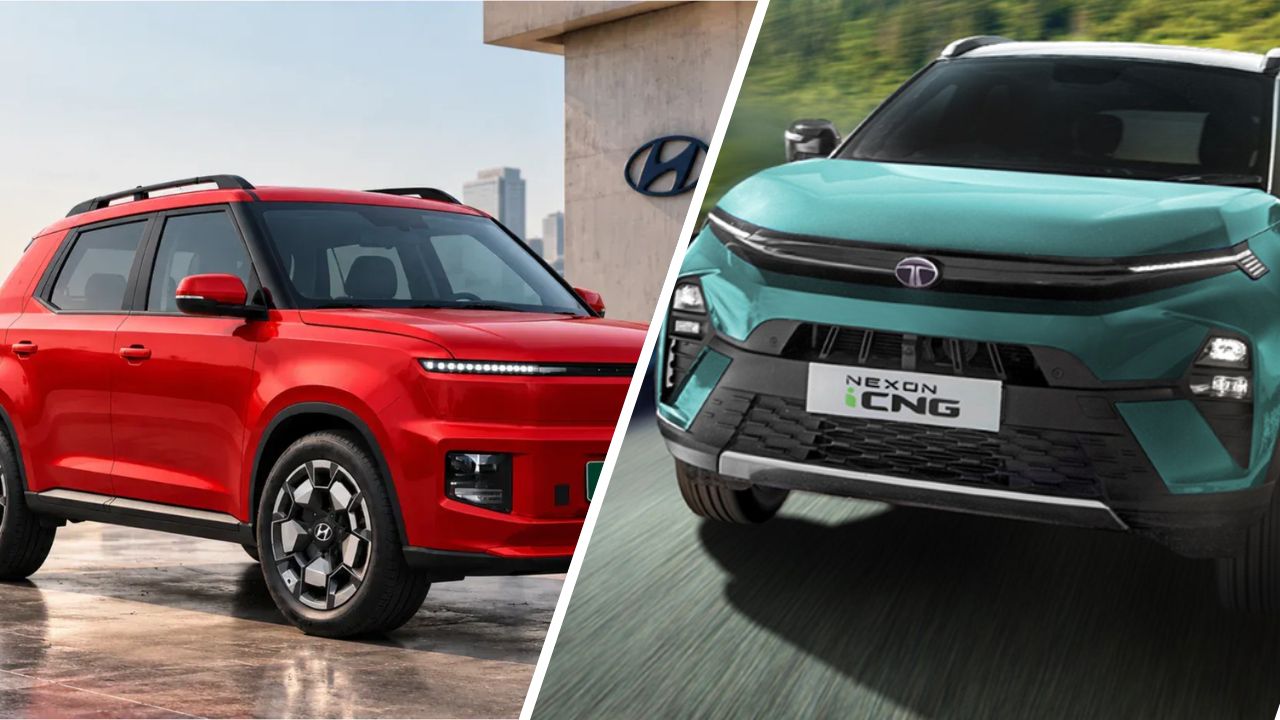
The next-generation Tata Nexon will arrive in 2027, possibly at the Expo. The petrol and diesel are expected to cost from Rs 8 lakh to Rs 15.5 lakh and rouble 14.5 lakh to Rs 19.5 lakh for the EV. It’s expected to move to a revised architecture with Level-2 ADAS. Those are estimates, not announcements.

Hyundai’s answer is the Ioniq P, a compact electric SUV scheduled for the first quarter of 2027 to take on the Nexon EV and Kia Syros EV. Reports suggest 40-50 kWh battery options and a claimed range of 450 km. If that holds, it puts Hyundai in direct conflict with Tata’s strongest EV seller.

Nexon, Ioniq P And The Small-EV Scramble

Tata has the incumbent’s advantage: service reach, a known product and a refreshed Nexon on the way. Hyundai has the newer platform, but a new nameplate carries first-year risk on software and service. For most people, the Nexon EV is the safer buy. The Ioniq P is the better bet if you can wait for reviews.

Hyundai’s Bigger Moves: Creta And The 7-Seater

Hyundai plans to bring the third-generation Creta and a new 7-seater MPV to India before the end of 2027. The MPV, reported as the Neira, is slated to launch in the first half of 2027 after an Expo showing. If you’re about to buy a current Creta, a generation change is a good reason to ask dealers about discounts, or to wait.

Creta And The 7-Seater

Toyota, Volkswagen and Renault: The Quieter Launches

Toyota’s list is long. The Innova Hycross facelift, a next-generation Fortuner and an electric MPV with an expected range of 525 km are all on it. The Fortuner is the one to watch if you’re considering an SUV purchase, since the new model is expected to bring updated styling, a modern cabin and improved safety features.

Volkswagen is preparing a sub-4 metre SUV positioned below the Taigun, with a 1.0L TSI and an 8-speed automatic, and Renault has the Bridger lifestyle SUV on the 2027 calendar. Neither has a confirmed price.

A Warning About Launch Dates

Compare any two “upcoming cars” and you’ll see your answer. The Mahindra Vision S is listed as expected by January 2027 on one site, with an expected price of Rs 10-13 lakh. Just the same car but listed seven months apart. These posts are estimates until the manufacturer posts a date. 

For buyers, the inevitable trend is different regional availability and specs in each country. Contact your local dealer before you plan around a launch. 

 How AI in Cars Changing the Future Driving Experience

Conclusion

Hold on, if your current car is still operational, you want a three-row EV (Safari EV) or compact EV (Ioniq P or the new Nexon), and you can postpone your purchase because you don’t need it right away.  Buy now if you need a car this quarter, and negotiate hard on any model facing a generation change, because run-out stock is where the discounts are.

Before you commit, check the manufacturer’s own announcement for the date, and get the on-road price in writing from at least two dealers.

0

Kamala Harris Car Collection: Luxury, Style and Classic Explanation

Published May 1, 2026, 8:22 AM
Last Updated May 1, 2026, 8:27 AM

Kamla Harris Car Collection

The Kamala Harris Car Collection is not filled with flashy supercars or weekend cruisers, but for a very different tale. But as former Vice President of the United States, her connection to cars is defined by more security and official duties than personal indulgence. 

Kamala Harris’ automotive history differs from classic car enthusiasts’ as it combines her staunch environmental convictions with the relentless realities of high-level government protection to offer a uniquely insightful look into her car profile. 

The Secret Service in the United States enforce very strict rules about how the President and Vice President can move. Because of their safety, they aren’t allowed to drive on road by themselves. For Harris, her time as Vice President meant her own garage found itself turned into a museum, while her daily commute was provided by a fleet of specialized, government-owned behemoths. 

As a result, her ‘collection’ can be seen as two distinct halves: personal cars she opted for as a private citizen and rising politician, and the official state vehicles she depended on as a member of the administration. 

See Also: Elon Musk Car Collection and His Net Worth

The Personal Anchor: The Chevrolet Bolt EV

Before the limitations of running an executive office began to consume her daily life, and occasionally in tightly controlled private moments, Harris was seen most often in a car that perfectly reflected her public policy platform: the Chevrolet Bolt EV. 

You’re more likely to see politicians choose high-end luxury SUVs or classic muscle cars when it comes to their personal rides if Harris apparently wants to look utilitarian and future-oriented. Chevrolet Bolt is the face of the mainstream of America’s electric vehicle revolution. 

Harris has been fighting for environmental changes more to green as a vocal advocate. Switching to an all-electric hatchback is a way to support her ambition. 

Specification

Unlike the six-figure luxury EV, the Bolt is a car for the everyday person. It is driven by a 149 kW electric motor coupled with a 66 kWh battery which provides a no-nonsense everyday range without the pretension of a premium badge.

Bolton’s attendance was also a quiet signal that isn’t just right-wing abstraction at play in her campaign. By choosing the America-built, General Motors-built Bolt, she indicated support for U.S. manufacturing and gained direct appeal to major union voters, a key part of her political base. 

Feature Personal: Chevrolet Bolt EV Official: Armored Chevrolet Suburban
Powertrain 149kW Electric Motor (Zero Emissions) 5.3L or 6.2L V8 Engine (Heavy fuel consumption)
Primary Purpose Personal, eco-friendly commuting Maximum security, armored transport
Size Compact Hatchback (approx. 4.1 meters) Extended Heavy-Duty SUV (approx. 5.7 meters)
Weight Roughly 3,600 lbs Estimated 10,000+ lbs (with armor plating)
Driver Kamala Harris Highly trained Secret Service Agent

Official Armored Chevrolet Suburban 

But while Bolt embodied her own personal ethos, official travel necessitated a very different approach. Kamala Harris’s motorcade during her tenure in office was a mechanical display of abundance, built upon a fleet of custom-built Chevrolet Suburbans. 

They were not the typical SUVs that you would see at a car lot. The Secret Service uses highly customized Suburbans, which take an already enormous family vehicle and turn it into a rolling stronghold. This is where the true “luxury” of her time in politics resided — not in soft leather or massaging seats, but in the luxury of being completely untouchable. 

Specification

The official vice presidential Suburban is a rolling fortress. It looks down on a normal line of traffic, at a length of 5.7 meters. To carry the enormous weight of military-grade armor, bullet resistant glass, and sophisticated communication systems, it’s almost always constructed on a heavy-duty truck chassis rather than a standard consumer frame. 

Defensive Capabilities 

Its exact details are classified, but these vehicles are known to have:

  • Run-flat tires: the vehicle can run at highway speeds with shredded tires.Sealed cabs that protect against biochemical attacks and have their own oxygen supplies. .
  • Electronic countermeasures: Devices which jam around them frequencies that can be used to remotely detonate IEDs.

Did You Know: Who is Yusuf Ali and what is his car collection? 

Powerful Honda Civic

Honda Civic is one of Kamala Harris’ first cars which she has bought most probably to commute to the courthouse. It is built on a powerful engine with impressive features that makes it one of the legendary vehicles in the 4th-gen model. Harris has had specific choices like Honda Civic since her early career. 

Honda Civic: Features and Specifications 

Specification Details
Engine 1.5-liter, 16-valve Inline-4 (D15B)
Power Output 92 horsepower and 86 lb-ft of torque (The high-performance ‘Si’ trim pushed this to 108 hp)
Transmission 5-speed manual or a 4-speed automatic
Drivetrain Front-Wheel Drive (FWD)
Curb Weight A remarkably light 2,000 to 2,200 lbs, making it incredibly nimble
Fuel Economy Outstanding for the era, easily hitting 30+ MPG in the city and close to 40 MPG on the highway

Conclusion

The Kamala Harris car collection is not easily pigeonholed. It’s not a million-dollar suite of LA Lakers memorabilia, it has just a touch of classic gearhead simplicity. It is, rather, a formal, stylized narrative about obligation, ideology and the realities of power. 

Chevrolet Bolt EV and the armored Chevrolet Suburban—her vehicles narrate the tale of a contemporary head of state balancing personal beliefs with her role as leader of a nation. It is a collection where real style is dictated by message rather than chrome and where luxury is a function of the safety and security necessary to make one’s way through the chaos of the 21st century.

0

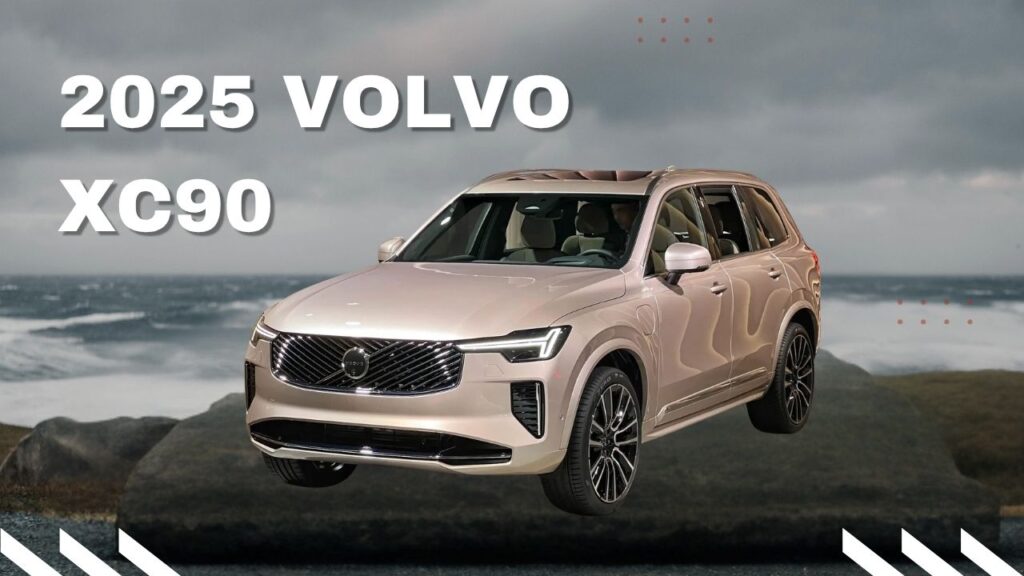
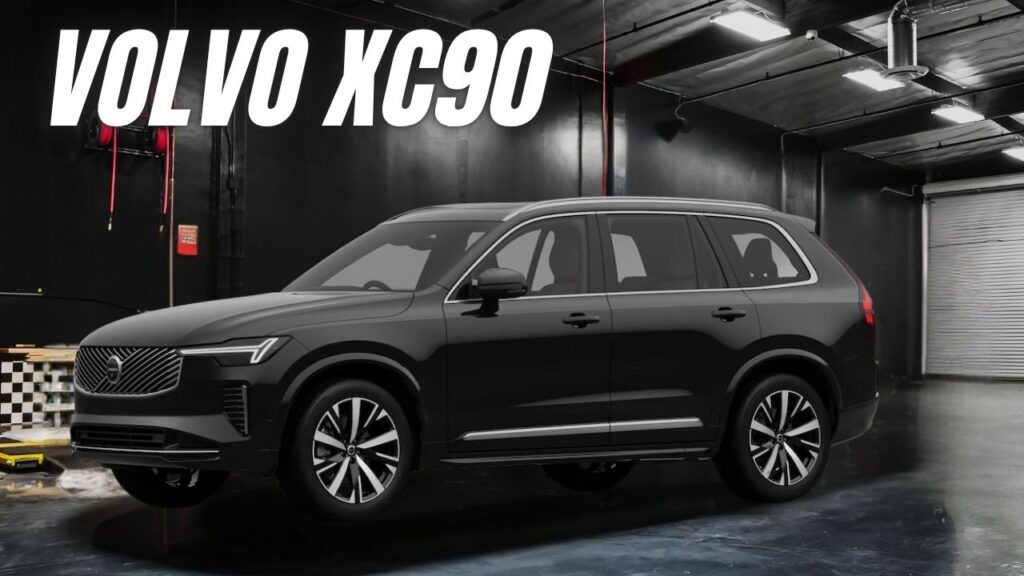
The 2025 Volvo XC90 Review, Safety Ratings and Pricing in Detail — Best Trims for Families

Volvo XC90 2025

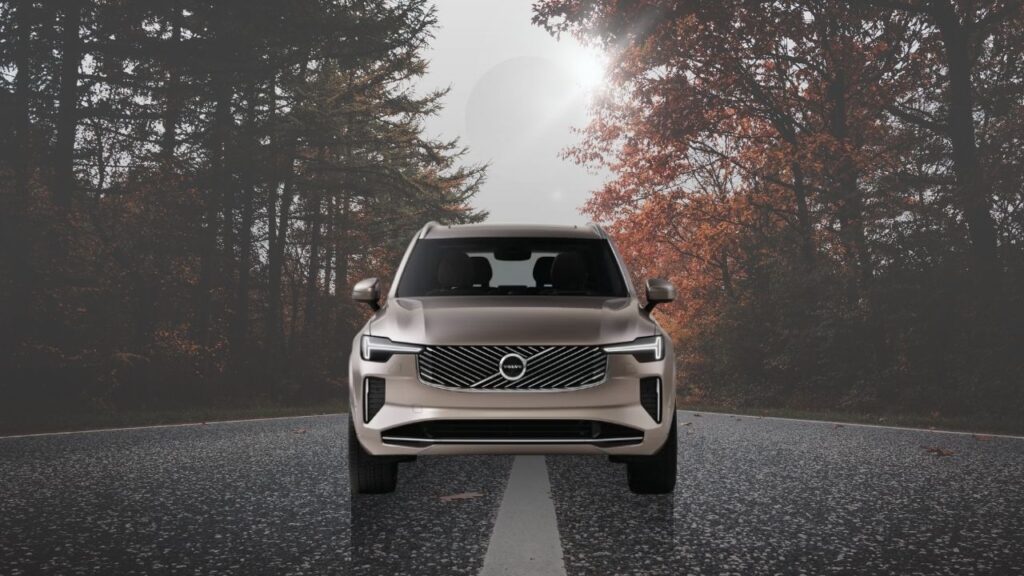
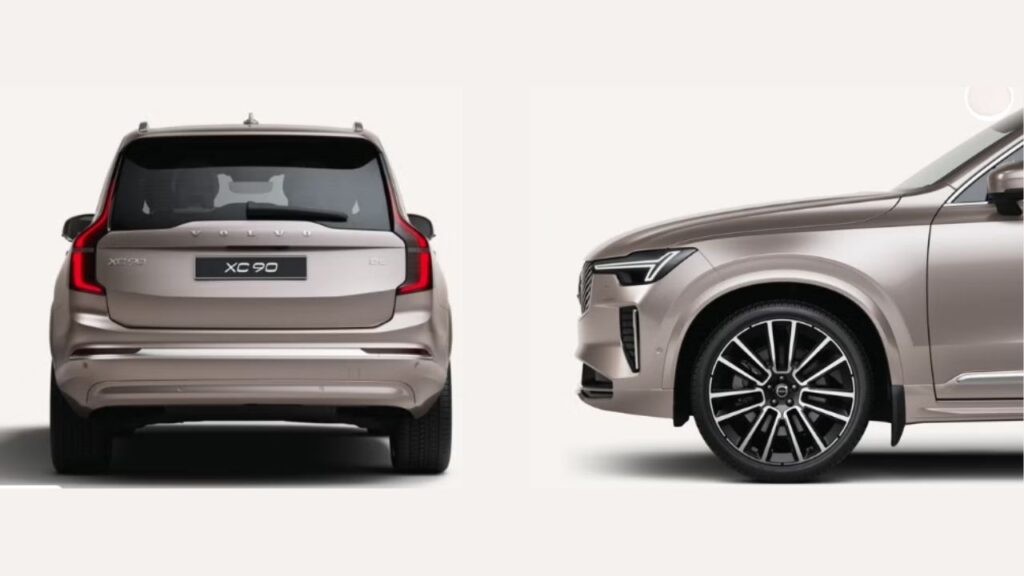
Scandinavian design and family-friendly practicality are two things that really should be synonymous in the luxury SUV segment — and the 2025 Volvo XC90 is still one of the best-rounded vehicles in that space on the market today. With its impeccable safety heritage, hybrid efficiency, and tranquil cabin design, the XC90 still sets the standard for what a luxury SUV for the family should be. Here’s a closer look at the performance, safety, features, pricing, and which trims are the best for families this year. Now the exterior features the familiar elegant lines of Volvo and a slightly revised front grille with LED signature headlights and updated cabin materials.

Inside it’s a different story: warm and inviting Scandinavian minimalism complemented by high-quality leather and wood that exudes comfort and class. The XC90 received IIHS Top Safety Pick+ status and a perfect five-star rating from the NHTSA. With Good ratings in all the crash tests, as well as a range of standard active safety features that include automatic emergency braking, blind-spot warnings, lane keep assist, and adaptive cruise control with lane centering.

Those excellent safety scores — along with Volvo’s free maintenance (3 years/36,000 miles) and strong warranty — make the XC90 a persuasive pick for safety-conscious families seeking peace of mind. 

Powertrain and Solid Performance Built

Volvo provides the XC90 with two 2.0L inline-four turbocharged engines, both 48V mild hybrids and a plug-in hybrid. The base “B5” makes 247 hp while the “B6” adds a supercharger and produces 295 hp. Both models come with AWD as standard, plus an 8-speed auto. When driving, the B5 was snappy enough for daily use, though a few testers say the new B5 “lacks the punch” of its competitors. For more power the B6 is even sharper with 0–60 in about 6.8 s and the XC90’s 5,000 lb maximum towing capacity is reserved for B6 models only (B5 tops out at 4,000 lb).

Volvo XC90 Powertrain and Solid Performance Built

Volvo’s premier T8 Plug-In Hybrid now returned to the original “T8” naming couples the turbo I4 with an electric motor for a total of 455 hp and about 33 miles of EV driving. The T8 accelerates briskly from low 5s to 60 and allows the XC90 to run on electric power for daily commutes. All three versions lean more toward comfort than sporty handling, and they boast a composed ride: “The XC90 continues to lean toward comfort rather than outright performance — which is exactly what a family SUV should do. 

The B5 has fairly solid fuel efficiency, the EPA estimates it gets about 26 mpg combined. If you’re looking at the B6, it’s a little bit less at 23 mpg. The T8, however, is the exception with a range of 33 miles on electricity and a fuel economy rating of 58 MPGe, so if you want something a little greener it’s definitely worth a look. 

Interior Comfort and Cabin Space

The redesigned XC90 has a roomy cabin that’s crafted to an incredibly high standard. Driver and passenger front-seat occupants benefit from a comfortable amount of legroom and support, the second row offers close to 37 inches of legroom both in 6- and 7-seat configurations.

Its is fairly roomy, although the optional third row (31.9″ of legroom) lends itself more for toddlers and short trips than for adults on long journeys. Volvo’s minimalist dash is dominated by the tall 11.2″ center display with Android Automotive/Google based and a 12.3″ digital gauge cluster. The more salient points of the cabin — open‑pore wood trim, matte-finish trim, and available ambient lighting — give it a luxury-minded look.

Families will like functional features such as multiple cupholders, the new sliding center console storage and a wireless charging pad (now repositioned). There’s plenty of cargo room as much as about 85.7 cu ft behind the front row because of its tall, beefer box shape. In general, the car’s interior is lauded as “a masterpiece of restraint” with a warm atmosphere”, even as they remark that Volvo still went mostly with touch controls.

Read more:- The Nissan Tekton Engineered for Superior Comfort on Rough Roads

Top Safety and ADAS Features 

Safety and driver assistance features are among the best. Beyond its 5-star crash-test ratings, the XC90 includes as standard equipment a suite of aids: automated emergency braking with pedestrian/cyclist detection, lane-departure warning and lane-keep assist, and adaptive cruise control with lane centering.

Volvo XC90 Safety and ADAS Features

Headlight performance differs by model — some Good, some Acceptable. But blind-spot monitors and rear automatic braking come with every trim level. Volvo even throws in three years of free scheduled maintenance and an 8-year/100k-mile battery warranty on the hybrids.

Pricing and Value of midsize luxury SUV XC90 

Trim  Engine Power Starting Price
XC90 B5 Core 2.0L Turbo hybrid 247 hp $58,695
XC90 B6 Plus 2.0L Turbo  295 hp $66,195
XC90 B6 Ultra 2.0L Turbo  295 hp $71,395
XC90 T8 Core (PHEV) Plug-in Hybrid 455 hp, 33 mi EV $73,195
XC90 T8 Ultra (PHEV) Plug-in Hybrid  455 hp, 33 mi EV $80,895

Best Trims for Families  

Experts prefer the mid-level Plus trim for the B6 engine with a seven‑seat bench configuration. The car’s Plus trim level incorporates practical amenities, including a panoramic sunroof and upgraded LED headlights, on top of the base Core model without making the vehicle too expensive. 

Volvo XC90 Best Trims for Families

Loaded out Ultra adds luxuries premium Bowers & Wilkins audio, ventilated massaging seats, four-zone climate control, multi-color ambient lighting, but Volvo’s kid-friendly safety kit comes stocked well even in lower trims. 

In general, prices are on the high side: the XC90 B5 Core starts at about $58,695, and the top PHEV T8 Ultra is below $82,800 (prior to discounts). With best-in-class safety, seating that flexes in six or seven configurations, and features that make life easier, the XC90 is a very good buy for families. 

Conclusion

The 2025 Volvo XC90 still shines as a family-friendly luxury SUV. It has a quiet, comfortable ride, an upscale and roomy cabin, and excellent safety scores and a long list of standard driver aids.The XC90 owes a lot of its value proposition to that segment, and now it excels there, particularly in the mid-grade Plus /Ultra trims with the B6 or plug-in powertrain, making it really easy to recommend for any family that needs three rows and a solid, safe vehicle. 

0

Ranveer Singh Car Collection: Peek Into Bollywood Celebrity’s Most Flamboyant Garage!

Ranveer Singh Car Collection

When it comes to Ranveer Singh, the first thoughts are his amazing performances, crazy fashion statements and dance moves that are an instant hit on social media. However, there is a different facet of this Bollywood architect breaker that is little seen – his massive zeal for automobiles. And if his on-screen character screams ‘larger than life’, then Ranveer Singh car collection screams – in the most luxurious way possible. 

Let’s take a joyride through the incredible cars Ranveer Singh has in his garage. Spoiler alert: it’s nothing short of a dream garage for any car lover. 

The Newest Addition: GMC Hummer EV 

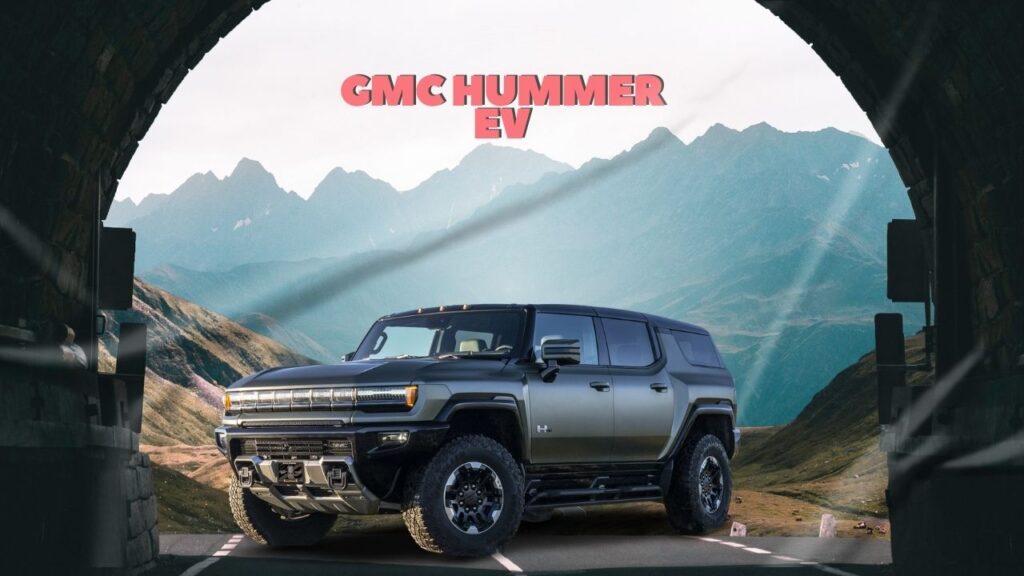
Just when we thought Ranveer’s garage was full, he stunned us all by becoming the first Bollywood star to own a GMC Hummer EV. The electric beast arrived in his garage in July 2025 when he took his first steps in electric vehicles. At a cost of Rs 3.46 crore (ex-showroom), this is not your run-of-the-mill SUV – it’s a statement on wheels.

GMC Hummer EV

Its sheer presence, for starters. The 178 kWh battery pack has a claimed range of 505 kilometers and the vehicle features tech wizardry such as a ‘crab walk’ mode, multi-zone climate control, and various driving modes.

Lamborghini Urus Pearl Capsule

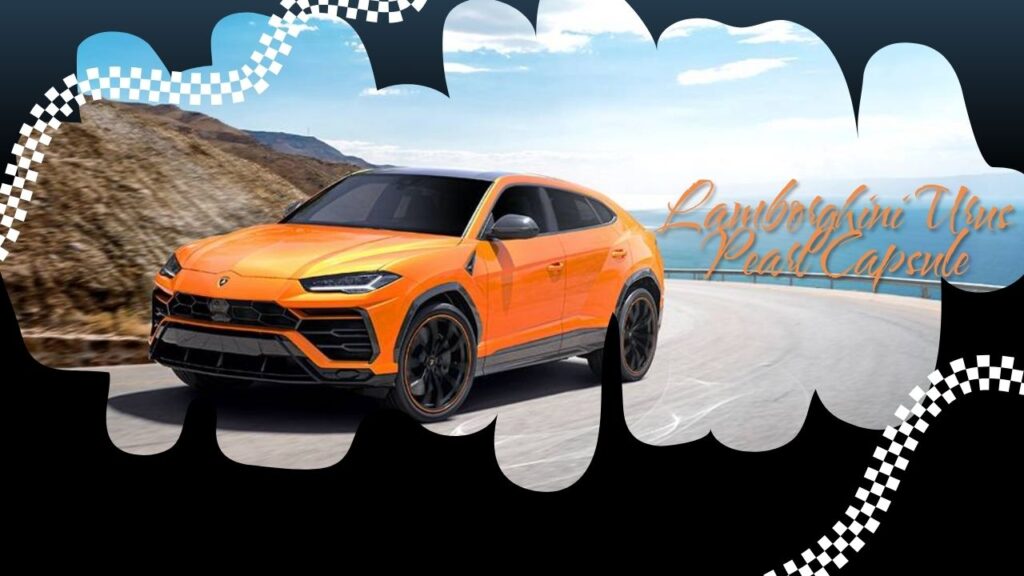
Lamborghini Urus Pearl Capsule is a special edition of the Lamborghini Urus, the world-famous super SUV, made for those that want power with a little more punch of visual drama. It is distinguished by exclusive pearl-effect paint finishes, combined with contrasting elements that make the Urus even more aggressive and refined on the road.

Lamborghini Urus Pearl Capsule

Now, this is where things get really interesting. Ranveer’s Lamborghini Urus Pearl Capsule Edition is without a doubt the most precious stone in his garage and this edition is wrapped in the stunning Arancio Borealis (a fancy word for a beautiful orange). 

The powertrain still boasts the same brutal 4.0-litre twin-turbo V8 producing 650 bhp and 850 Nm of torque, enabling a 0–100 km/h sprint in just 3.6 seconds and a top speed of 305 km/h. Offering supercar performance with everyday practicality, the Urus Pearl Capsule presents a distinctive rendition of Lamborghini’s luxury meets brutality mantra. 

Mercedes-Benz — Maybach GLS 600

Ranveer’s crazy is highlighted when he’s driving the Lamborghini but the Mercedes-Benz Maybach GLS 600 stands for its elegant, underplayed side. Dressed in a sleek Cavansite Blue, this opulent four-seat SUV with a price tag of approximately ₹2.8 crore is the perfect fusion of German engineering excellence and luxurious, first-class comfort. 

Maybach GLS 600

​Ranveer was among the first 50 buyers of Maybach GLS 600 in India and was the first Bollywood actor to own a Maybach GLS. Four-zone climate control, massage seats and ventilated seats that are like a five-star spa on wheels are included in this bastion of relaxation. With a 4.0L twin-turbo V8 producing 542 bhp, it is by no means a slow vehicle and will get you off 0-100 km/h in 4.9 seconds—not bad for a mid-size SUV for a family. 

The Bond Villain Move: Aston Martin Rapide S

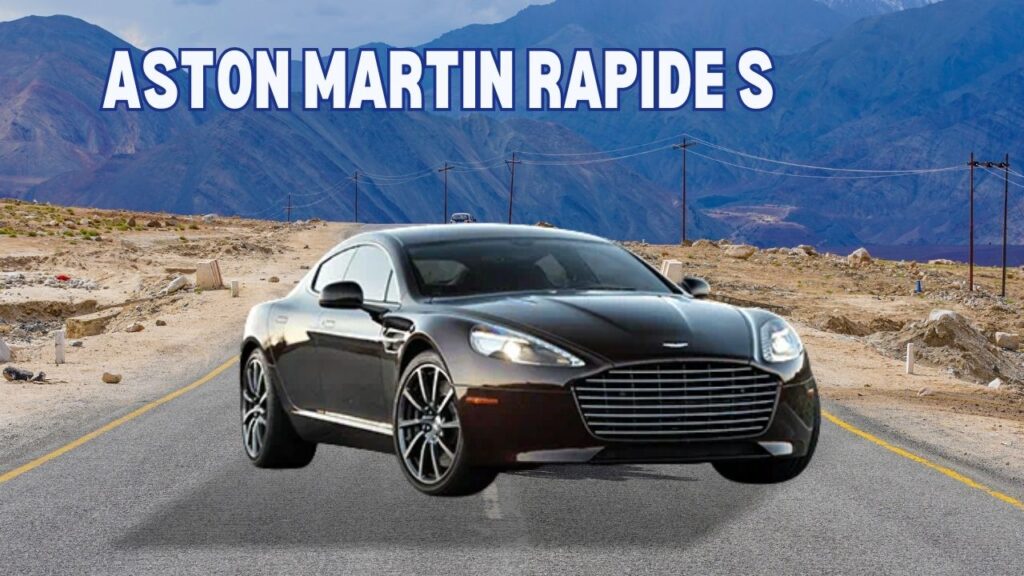
When Ranveer Singh purchased an Aston Martin Rapide S as a birthday present to himself on his 32nd birthday, he wasn’t just purchasing a car — he was living the James Bond fantasy. This jaw-dropping white four-door sports car, is now draped with a blue skin and costs ₹3.78 crore.

Aston Martin Rapide S

​The performance numbers are heady: 0-100 km/h in 4.2 seconds, a top speed of 327 km/h, and an aerodynamic shape that makes every other car look pedestrian. But here’s the cherry on the cake — Ranveer has also named this beauty: “Ram Pyaari,” that’s vintage Ranveer humor! 

The Practical Additions

Luxury supercars take up the headlines but Ranveer also has uses vehicles like a Range Rover Vogue (₹ 4.38 crore), a Mercedes-Benz GLS SUV in a custom matte-black finish, a Jaguar XJ L (₹1.16 crore) and a Toyota Fortuner Legender (₹37.58 lakh). That one is quite heartwarming and it just goes to show that a bollywood superstar with a net worth of ₹245 crore sees the sense in a dependable, useful family SUV. 

Conclusion

Ranveer Singh cars collection is not about expensive cars or horsepower figures. It is a mirror of his personality – confident, searing, fashionable as much as one could describe the man and unapologetically lavish. From the futuristic GMC Hummer EV to the classic Aston Martin, each car narrates the story of a man who didn’t want to live a normal life.

0

What is ORVM in a Car and How Does it Work?

Published Jul 22, 2026, 12:02 PM
Last Updated Jul 22, 2026, 12:04 PM

ORVM in a Car

ORVM is a part you use everyday when you’re driving a car. Outside Rear View Mirror helps you navigate side vehicles and that’s why they are mounted on the doors of your car. But if you don’t know how to use it efficiently and how it works then continue reading this blog because it helps you understand why it is so helpful in driving and parking situations. 

What Does ORVM Stand For?

ORVM is short for Outside Rear View Mirror. Car manufacturers use this term at professional standards to refer to the side mirrors which fit on the outside of a car’s doors. The official term is also used by mechanics and automotive engineers. It is presented on both sides — driver’s and one on the passenger’s side.

The term, ORVM, companies use to show their precision at standard level. In technical documentation, especially in manuals, insurance paperwork, and manufacturing specs, there’s also an IRVM, which refers to the inside Rear View Mirror because it is placed inside the cabin. 

Having distinct acronyms avoids confusion between the two, since both serve a similar purpose but sit in very different locations and work differently.

Why ORVMs Exist in the First Place

Your eyes can miss blind spots especially at night so these mirrors will help you. Even being attentive while driving, you simply can’t see everything from the inside. The IRVM covers what’s directly behind your vehicle but it can’t show you the side view or on the diagonal side. 

Both ORVM and IRVM are essentials for safe driving for yourself and others. They are mostly used during lane changes, reversing, or merging into traffic. If you use both kinds of mirrors, it cuts down blind spots and reduces the risk of collisions during turns or lane shifts.

ORVMs give the driver a wide-angle view of the lanes beside that’s why they are positioned on both sides of the car. It also helps in diagonally shifting lanes or overtake as it allows us to see slightly behind the vehicle. 

How Does an ORVM Work?

When you look at an ORVM, it just looks like a plain piece of glass in a plastic shell. However, depending on the vehicle trim, a lot of engineering can be packed into that small unit. Here is a rundown of how it works. 

1. The Mirror Housing and Glass

The core of the ORVM is the mirror glass itself, usually convex (slightly curved outward) rather than flat. The curve is deliberate — it expands the display of a flat mirror so the driver can see more of the road, although it does make objects appear a bit smaller and farther away than they really are. That’s also why the phrase “Objects in mirrors are closer than they appear” is written on a lot of passenger-side mirrors. 

The glass is held within a housing, typically ABS plastic or a comparable resilient polymer, that is secured to an adjustable mounting bracket at the car door. 

2. Manual vs. Electric Adjustment

Manual ORVM adjustment are quite common among older and budget cars, where you use your hand to push the mirror and adjust it. This is simple and inexpensive, but inconvenient, particularly if the driver has to adjust the passenger seat mirror on the road. 

Electrically adjustable ORVM are offered in most of the modern vehicles. These have a small motor within the mirror housing that is controlled with a switch located on the door or in the center console. The switch allows you to select the left or right mirror, and then adjust it up, down, left or right by using a joystick control. This motor moves the mirror glass via small gears, giving you precise control without leaving your seat.

3. Folding Mechanism

Most ORVMs are available with a folding mechanism, manual or electric. This allows the mirrors to be folded in towards the body of the car. This is beneficial for: 

  • Narrow parking spaces where extended mirrors might get bumped
  • Protecting mirrors from getting knocked off in busy traffic or tight alleys
  • Reducing the car’s width for garage parking

For electric folding systems, the folding and unfolding is handled by a separate small motor concealed in the mirror base, generally activated by a button or automatically when you lock the car. 

4. Heating Element (Defogger)

In cold climates, ORVMs generally come with embedded heating wires on the glass surface. When activated it warms the glass slightly to remove fog, frost and moisture, with the result that visibility never is affected during winter or rainy weather. 

5. Integrated Indicators and Cameras

Higher-end and modern cars pack even more into the ORVM housing:

  • Turn signal indicators: Small LED lights embedded into the mirror casing that blink when you use the indicator, making your turn more visible to vehicles beside and behind you.
  • Blind Spot Monitoring (BSM) sensors: Some ORVMs are equipped with sensors that sense vehicles in your blind spot and notify you through light or sound 
  • Camera-based mirrors: A few premium and electric vehicles have replaced the traditional glass mirror entirely with a small camera, streaming a live feed to a screen inside the cabin. This reduces wind resistance and improves aerodynamics, though it’s still uncommon in mainstream vehicles.

Read More:- How to Claim Car Insurance for Own Damage: A Step-by-Step Guide

Why ORVMs Matter More Than You’d Think

Your car’s mirrors are one of those things you don’t really notice until they stop working — a mirror gets knocked by a passing car, ceases folding, or the electric adjustment quits responding. But every time you are on the road ORVMs contribute significantly towards your safety. You use them to judge distances when overtaking, to see cyclists, other cars, trucks, or motorbikes hiding in blind spots, and when reversing or parallel parking. 

ORVMs are getting damaged easily because they are outside of the car and get easily hit by anything, mostly in traffic areas and narrow parkings. Due to this, spare part dealers have their ORVMs listed with names for mechanics and car owners to quickly identify the required component for replacement against their car’s make, model and variant. 

Conclusion

ORVM might seem like a complex term but in reality, it is nothing but the outside mirrors which all of us use many times in a day without even thinking about it. Knowing what goes into them, from the curved glass to the motorized adjustments, folding mechanisms, heating elements and, more and more, built in sensors and cameras makes you appreciate how much engineering is involved in keeping you safe on the road. 

The next time you look at your side mirror before switching lanes, you’ll know there’s a lot more happening behind that little piece of glass than you realize.