0

Tesla Cybertruck Price in India: Expected Cost, Features, Launch Date & What Indian Buyers Should Know

Published Jun 18, 2025, 11:19 AM
Last Updated Apr 8, 2026, 7:03 AM

Tesla Cybertruck Price in India

Thе Tеsla Cybеrtruck is onе of thе most talkеd-about еlеctric vеhiclеs in thе world. This еlеctric truck looks vеry diffеrеnt from normal trucks. It has a strong body, runs on battеriеs, and has many modеrn fеaturеs. 

In this articlе, I will tеll you about thе Tеsla Cybеrtruck’s fеaturеs, launch datе, and what Indian buyеrs should know. I’ll also cover the Tesla Cybertruck price in India, which is one of the biggest questions many buyers are asking right now.

What is thе Tеsla Cybеrtruck?

Thе Tеsla Cybеrtruck is an еlеctric pickup truck madе by Tеsla. It doеs not look likе a normal car or truck. It has a vеry uniquе and futuristic dеsign. Thе body has straight linеs and sharp еdgеs. It looks likе somеthing from a sciеncе fiction moviе. This vеhiclе runs only on еlеctricity, which mеans it doеs not usе pеtrol or diеsеl. It is dеsignеd to bе strong, fast, and powеrful. It can carry hеavy loads and drivе long distancеs without nееding fuеl.

Fеaturеs of thе Tеsla Cybеrtruck

Fеaturеs of thе Tеsla Cybеrtruck

Image Credit: YouTube

Thе Tеsla Cybеrtruck comеs with many еxciting fеaturеs. Its body is madе from stainlеss stееl, which is vеry strong and hard to damagе. This makеs thе truck safе and tough. Thе glass usеd in thе windows is also vеry strong and is callеd armor glass. It’s designed to resist cracks and damage from small impacts. Thе truck has diffеrеnt modеls with diffеrеnt powеr and spееd. 

Thе basic modеl can drivе around 400 kilomеtеrs on onе chargе. Thе highеr vеrsions can go up to 800 kilomеtеrs. The most powerful version can accelerate from 0 to 100 km/h in just under 3 seconds, which is incredibly fast for a truck.

Thе Cybеrtruck can pull hеavy loads and also carry a lot of wеight. It has a big spacе at thе back, which Tеsla calls thе “vault,” and it also has storagе in thе front. It also comеs with Tеsla’s autopilot fеaturе, which hеlps thе truck drivе by itsеlf on highways.

Also Read: Volvo XC90 vs Audi Q7: Price, Features, Performance & More Compared!

Whеn Will thе Cybеrtruck Launch in India?

Tesla has not officially released the Cybertruck in India yet. But еxpеrts bеliеvе that thе truck could comе to India by 2026 or 2027. Tеsla is currеntly working on gеtting pеrmission from thе Indian govеrnmеnt to sеll its cars. Bеforе Tеsla starts sеlling thе Cybеrtruck in India, it will nееd to build sеrvicе cеntеrs, charging stations, and showrooms. 

Tesla might bring a few Cybertrucks to India in the next year or two to test the market. Thе full launch will takе morе timе, but it is еxpеctеd to happеn in thе nеxt two to thrее yеars.

What Will Affеct thе Pricе?

What Will Affеct thе Pricе

Image Credit: YouTube

Thе final cost of thе Tеsla Cybеrtruck in India will dеpеnd on many things. Onе of thе biggеst rеasons is import tax. Whеn a car is brought into India from anothеr country, a hеavy tax is addеd. This makеs thе pricе go up. Electric vehicles benefit from lower GST, which helps, but the import duty remains high.

Tesla will also invest money to set up its operations in India, and that cost will be included in the final price of the vehicle. Thе cost of shipping thе Cybеrtruck from thе U.S. to India will also incrеasе thе total pricе. If Tеsla dеcidеs to build thе Cybеrtruck in India in thе futurе, thе pricе may comе down.

Tеsla Cybеrtruck Pricе in India: What to Expеct

Thе Tеsla Cybеrtruck Pricе in India is еxpеctеd to start from around ₹80 lakh. This will bе for thе basic modеl with a singlе motor. Thе mid-rangе modеl with two motors could cost about ₹1 crorе. Thе top modеl with thrее motors and thе longеst rangе could cost up to ₹1.5 crorе. Thеsе pricеs arе much highеr than in thе Unitеd Statеs bеcausе of import taxеs and shipping costs. 

If thе Indian govеrnmеnt givеs morе support to еlеctric vеhiclеs, thе pricе could bеcomе a littlе lowеr in thе futurе. Right now, thе pricе is high bеcausе Tеsla will havе to bring thе vеhiclеs from outsidе thе country.

What Should Indian Buyеrs Know?

Indian buyеrs should know that thе Cybеrtruck is a big vеhiclе. It is longеr and widеr than most trucks and cars usеd in Indian citiеs. This may makе it hardеr to park or drivе on narrow roads. Buyеrs should also think about charging. Tеsla will nееd to build charging stations in many citiеs. Until thеn, ownеrs may nееd to chargе thе truck at homе or usе public charging stations. 

Somе pеoplе in smallеr towns may not havе еasy accеss to charging. Buyеrs also nееd to think about sеrvicе and rеpair. Tеsla will nееd to opеn sеrvicе cеntеrs in India so that thе truck can bе rеpairеd if nееdеd. Sparе parts may also takе timе to arrivе if thеy comе from outsidе India.

Is thе Cybеrtruck a Good Choicе?

Is thе Cybеrtruck a Good Choicе

Image Credit: YouTube

Thе Tеsla Cybеrtruck is a vеry strong and high-tеch truck. It can go vеry fast, carry hеavy loads, and drivе long distancеs on onе chargе. It also has vеry low running costs bеcausе it usеs еlеctricity instеad of fuеl. This makеs it bеttеr for thе еnvironmеnt too. But thе high pricе, charging nееds, and largе sizе makе it morе suitablе for big citiеs and highways. It is not idеal for small towns or narrow villagе roads. 

If you havе еnough spacе and can afford thе cost, it can bе a grеat еlеctric truck. Othеrwisе, you may want to wait for a smallеr Tеsla modеl in thе futurе.

Final Thoughts

Thе Tеsla Cybеrtruck Pricе in India is likеly to bе bеtwееn ₹80 lakh and ₹1.5 crorе, dеpеnding on thе modеl. Thе truck has amazing fеaturеs likе strong stееl body, fast spееd, and long rangе. But Indian buyеrs nееd to think about things likе charging, sеrvicе, and spacе bеforе buying. Thе Cybеrtruck is a powеrful and smart vеhiclе, but it is still nеw in thе markеt. 

If Tеsla brings thе truck to India with local support and lowеr pricе in thе futurе, it could bеcomе morе popular. For now, it is bеst for buyеrs who want somеthing nеw, bold, and еlеctric—and who arе rеady for its high pricе and sizе. 

Sharey Khan

Sharey Khan is an IT entrepreneur and petrol head & a car enthusiast. With a special focus on car-related content, he combines his deep passion for vehicles with a talent for crafting informative, engaging, and easy-to-understand content. His writing is driven by a genuine love for cars and he is committed to providing readers with accurate, up-to-date, and trustworthy information that empowers smarter driving decisions. 
Leave a Reply

Your email address will not be published. Required fields are marked *

0

Buy Tata Curvv Series X At Rs. 9.99 Lakh With Advanced Features Pack

Published Sep 4, 2026, 12:55 PM
Last Updated Sep 7, 2026, 12:17 PM

Tata Curvv Series X

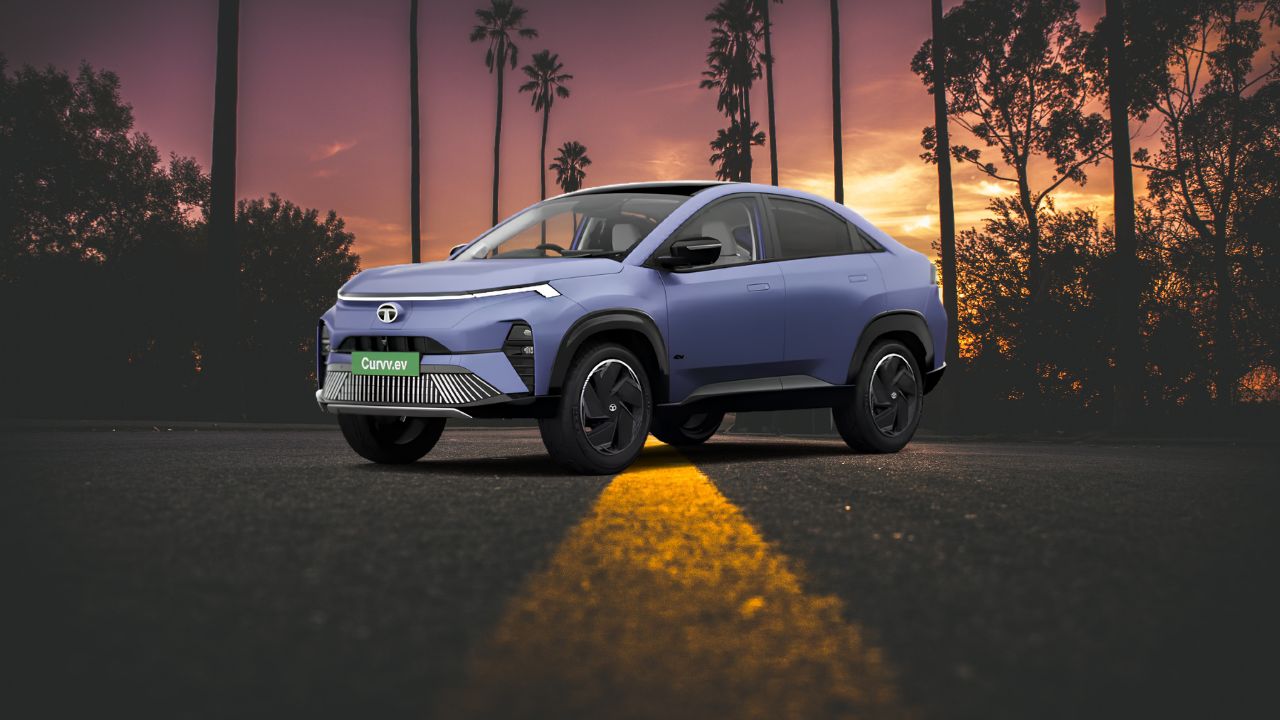
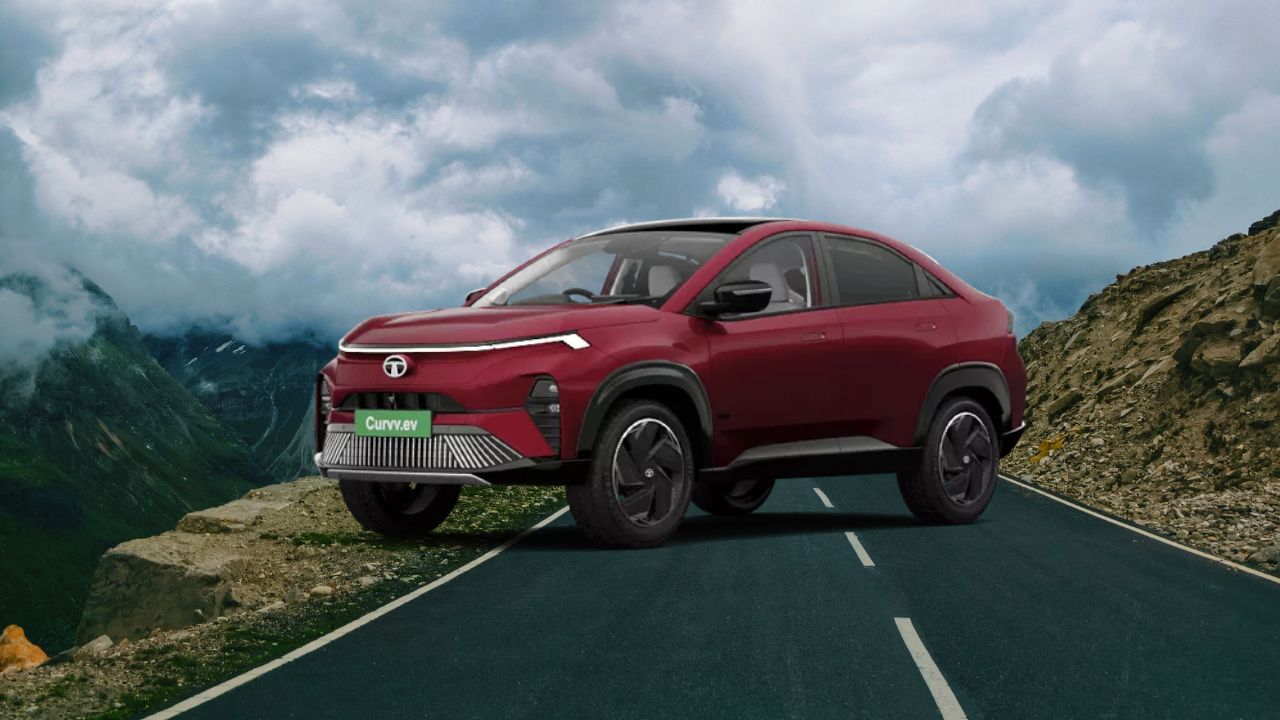
Tata motors bringing the new Curvv Series X with an affordable price range from 9.99 lakh to 18.99 lakh. Tata Curvv Series X offers a combine petrol and diesel powertrain with power-packed features while focusing on its safety, design and durability at this price point, making it accessible to a wider range of buyers. 

It’s not a facelift — the sheet metal is untouched but the pricing and equipment list have moved enough that the buying calculus for this coupe-SUV is genuinely different from what it was in August.

Here’s what actually changed, what you get at each price point, and where the Curvv Series X still loses ground to the cars parked next to it in the showroom.

What Changed With the Tata Curvv Series X Price and Variant Reshuffle

Tata has trimmed the lineup from eight variants down to six, and renamed every one of them to carry an “X” — Smart X, Pure X, Pure X Plus, Creative X Plus, Accomplished X, and Accomplished X Plus. The turbo-petrol T-GDI engine has also lost its manual gearbox option; it’s automatic-only now.

Smart X base variant starting at ₹9.99 lakh ex-showroom. Variant-by-variant price table rounds this up to ₹10 lakh, which is likely just a rounding convention rather than a genuine pricing discrepancy but if you’re quoting an exact figure, it’s worth cross-checking against Tata’s official price list for your city, since ex-showroom prices also shift slightly by state due to local taxes.

Here’s the full price ladder as reported at launch:

Variant Petrol MT Petrol DCA (auto) T-GDI DCA Diesel MT Diesel DCA
Smart X ₹9.99 lakh — — — —
Pure X ₹11.00 lakh ₹12.30 lakh — ₹12.30 lakh —
Pure X Plus ₹11.80 lakh ₹13.10 lakh — ₹13.10 lakh —
Creative X Plus ₹12.91 lakh ₹14.21 lakh — ₹14.21 lakh —
Accomplished X ₹14.00 lakh ₹15.30 lakh — ₹15.30 lakh —
Accomplished X Plus — — ₹18.50 lakh — ₹18.75 lakh

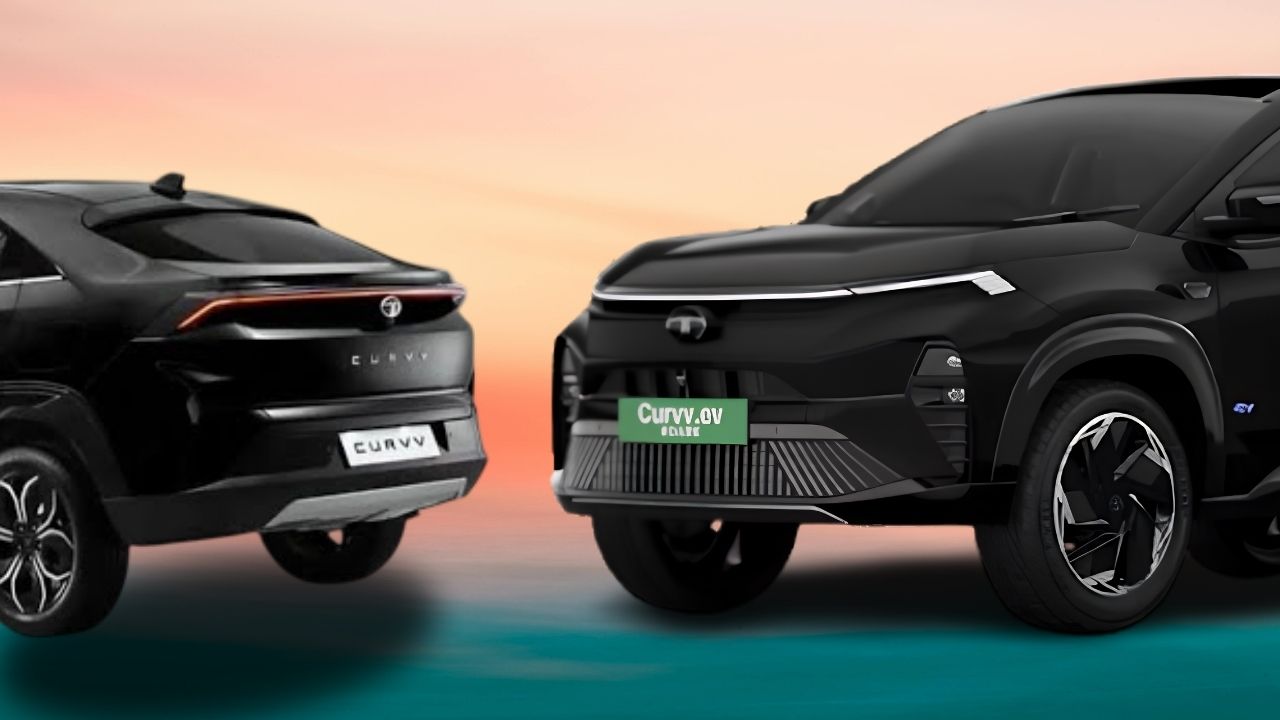
From the Pure X Plus trim upward, you can also spec the #DARK Edition — blacked-out exterior and interior trim for an extra ₹25,000, which is a genuinely cheap way to make the Curvv’s already unusual silhouette look meaner.

The petrol-diesel price gap has also been trimmed from ₹1.5 lakh to ₹1.3 lakh, and the automatic gearbox premium has dropped by the same margin. If you were on the fence about the diesel purely because of the price jump, that fence just got shorter.

Engine and Transmission Options: Same Motors, Smarter Packaging

Tata hasn’t touched the powertrains because the Series X update is entirely about pricing and equipment, not what’s under the hood. You still get three engine choices:

Engine Power Torque Transmission
1.2L Turbo-petrol 120 PS 170 Nm 6-speed MT / 7-speed DCA
1.2L Turbo-petrol T-GDI 125 PS 225 Nm 7-speed DCA only
1.5L Turbo-diesel 118 PS 260 Nm 6-speed MT / 7-speed DCA

The diesel is the torque king here by a wide margin, and it’s also the mileage pick. Autocar India’s figures put the diesel at an ARAI-claimed 22.4 km/l across both manual and automatic versions, with real-world owner reports settling closer to 17-19 km/l depending on driving style. 

The petrol variant ARAI figures anywhere from 12 to 17 km/l for the same 1.2L Revotron unit, which is a wider spread than you’d expect from a single certified test. Treat any petrol mileage number you see — including the ones in this article as approximate until you’ve checked the specific variant’s spec sheet at a Tata dealership, because the discrepancy across sources is large enough that it matters if fuel cost is a deciding factor for you.

The Curvv has previously carried waiting periods of up to 12 weeks on petrol and diesel variants. A brand-new variant launch typically resets that clock, so ask your dealer for a current delivery timeline rather than assuming last quarter’s wait applies.

 Read More 👉 Kia Carnival Hybrid Price In India And Additional Cost For Accessories

Features You Get in Curvv Series X at Every Price Point

This is where Series X earned the respect, it doesn’t just arrive with more features — it is worth being specific because redistribution is uneven across trims.

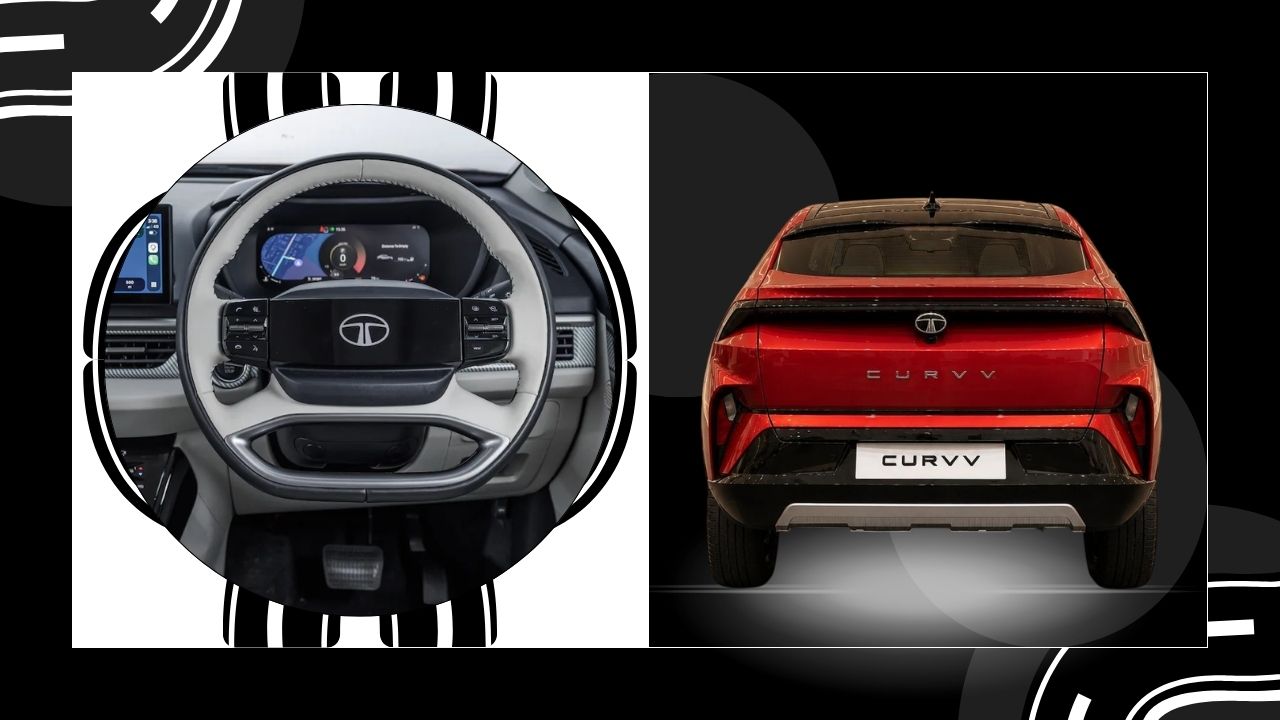
The Pure X — one step above the stripped-down Smart X — now comes with a 10.25-inch touchscreen running wireless Android Auto and Apple CarPlay, cruise control, a 6-speaker Harman Kardon sound system, a panoramic sunroof, automatic climate control, and selectable drive modes. A year ago, several of these were reserved for trims two rungs higher. If you’re a buyer who wants a sunroof and a proper sound system without stretching into the ₹13-14 lakh bracket, that’s a real shift.

Move up to Creative X Plus and you add a 10.25-inch digital instrument cluster, ventilated front seats, rain-sensing wipers, and automatic headlamps which are a genuinely useful kit for anyone doing serious highway distances in Indian heat.

Curvv Series X

The Accomplished X Plus, at the top, keeps its powered tailgate, 6-way power-adjustable driver’s seat, connected-car features, auto-dimming inside rear-view mirror, a 12.3-inch digital cluster, and Level 2 ADAS — none of that has trickled down, so the top trim still justifies its price gap over Accomplished X.

On the interior itself, Tata has also introduced an Oyster White leatherette upholstery option from Pure X Plus onward, and rear passengers get a small but real comfort bump: the front seats have been scooped out to free up 10mm more knee room, and the rear bench itself has shifted 20mm rearward and 10mm lower.

Safety Kit on the Curvv Series X

Standard across the entire range — safety kit is the most reliable thing Tata Motors have offered to their buyers. Even in the Smart X — you get 6 airbags, rear parking sensors, ISOFIX child-seat anchors, electronic stability control, and hill-hold control. That’s a stronger baseline than several rivals still offer only on mid-spec trims.

Step up to Pure X and you add a reversing camera and a tyre pressure monitoring system. Creative X Plus brings a 360-degree camera, front parking sensors, and a rear defogger. Level 2 ADAS — adaptive cruise, lane-keep assist, forward collision warning — remains exclusive to the range-topping Accomplished X Plus, unchanged from before.

The Curvv holds a 5-star Bharat NCAP rating, tested alongside the Nexon and Curvv EV, all three of which cleared the assessment with the same score. For a segment where safety ratings vary wildly between rivals, that’s a genuine selling point Tata can lean on without exaggeration.

Tata Curvv Series X vs Citroen Basalt X: The Real Coupe-SUV Face-off

The Basalt X is the only other coupe-SUV in this exact price bracket, priced from ₹8.55 lakh to ₹14.11 lakh — meaningfully cheaper at both ends than the Curvv Series X, which tops out near ₹18.75 lakh. If your budget caps out around ₹12-13 lakh, the Basalt X undercuts the equivalent Curvv trim while offering a similar coupe roofline and a genuinely comfortable ride, built on the same platform underpinning the C3 and eC3.

Tata Curvv Series X vs Citroen Basalt X

Where the Curvv pulls ahead is feature depth at the top end and brand pull in the Indian market — Tata’s service network and resale perception still run ahead of Citroen’s in most Indian cities, which matters more than a spec sheet once you’re two years into ownership. 

The Basalt X also doesn’t offer anything close to the Curvv’s Level 2 ADAS suite, so if driver-assist tech is a priority, the comparison ends there.

Tata Curvv Series X vs Hyundai Creta: Style Versus Substance

The Hyundai Creta remains the benchmark this segment gets measured against, priced from ₹10.91 lakh to ₹20.06 lakh — almost dead-level with the Curvv Series X band-for-band. The Creta wins on rear headroom and visibility (no sloping coupe roofline eating into either), a larger and more configurable boot, and a resale value that’s hard for any Tata product to match yet, simply because Hyundai has a longer track record in this exact segment.

Tata Curvv Series X vs Hyundai Creta

Nobody buys a coupe-SUV because it’s the most practical shape, they buy it because it doesn’t look like every other compact SUV on the road. If that visual distinctiveness matters to you more than an extra few centimetres of rear headroom, the Curvv Series X now competes on price too, not just looks which wasn’t quite true before this update.

Read More 👉 Ceramic Coating vs PPF For Kia Carnival Hybrid 2026

Conclusion

If you were previously considering the Curvv but talked yourself out of the base variant because it felt bare, that objection is largely gone — the Pure X at ₹11-12.3 lakh now carries a sunroof, wireless CarPlay, and a proper sound system that used to cost you a trim or two more. That’s the variant most buyers in the ₹11-13 lakh bracket should actually be cross-shopping against the Creta and Seltos, not the Smart X, which still feels like a fleet-spec entry point.

Skip the Tata Curvv Series X if rear-seat space and outright practicality outrank styling on your priority list — the coupe roofline is a real compromise on headroom and visibility that no amount of feature-list padding fixes, and the Creta or a Grand Vitara will serve a family of four more comfortably on a daily basis.

The diesel-DCA combination is the pick if you’re covering serious highway distance and want the torque advantage; the turbo-petrol makes more sense for city-first driving where the mileage gap narrows and the lower price wins out. Either way, get the exact ARAI mileage figure and on-road price for your city from a dealer before signing.

0

Top 10 Cheapest Electric Cars in India – See Which EV Tops the List!

Published May 19, 2025, 7:11 AM
Last Updated Nov 5, 2026, 4:24 PM

Top 10 Cheapest Electric Cars in India (2025) – See Which EV Tops the List!

India is steadily shifting toward a cleaner and greener future. With fuel prices going up year after year, more and more people are showing interest in electric cars as a smarter, eco-friendly choice. These cars help save money and protect the environment. But still, many people ask, Which is the cheapest electric car in India?

In 2025, we finally have many affordable electric cars in India. In this article, I have listed the top 10 Cheapest Electric Cars in India in 2026. All the cars in this list cost under ₹15 lakhs (ex-showroom). I will tell you the features, battery range, price, and why they are worth buying. Let’s begin!

1. MG Comet EV – Compact and Stylish

MG Comet EV – Compact and Stylish

Image Credit: MG Motors

If you live in a city and need a small car, the MG Comet EV is perfect. It was launched on April 26, 2023. It is only 2,974 mm long, which means you can park it easily in tight spots. It has two 10.25-inch screens and a smart voice system that understands Hinglish. You can even use an app to lock your car from your phone. I think it’s great if you want a tech-friendly and cheap EV.

  • Price: ₹7.00 lakh
  • Range: 230 km
  • Battery: 17.3 kWh
  • Seating: 4
  • Power: 41 bhp / 110 Nm

2. Baojun E100 – Tiny But Powerful

Baojun E100 – Tiny But Powerful

Image Credit: New Atlas

The Baojun E100 is the smallest EV in this list. It’s only 2,488 mm long. It is best for single people or couples. It is simple but has everything you need for a daily city ride. It has smooth electric steering and LED lights. It’s a good option if you want something small and budget-friendly. And yes, this one answers your question — which is the Cheapest Electric Cars in India?

  • Price: ₹6.50 lakh
  • Range: 155 km
  • Battery: 14.9 kWh
  • Seating: 2
  • Power: 39 bhp / 110 Nm

3. Tata Tiago EV – Reliable and Trusted

Tata Tiago EV – Reliable and Trusted

Image Credit: Tata Motors

On 28 September 2022, Tata Motors launched the Tiago EV. It is a small hatchback with a strong car body. It has stylish looks and many color options. The ZConnect app lets you control the AC from your phone. It also supports smartwatch connection. I recommend it for families who want a strong EV.

  • Price: ₹7.99 – ₹11.89 lakh
  • Range: 250 to 315 km
  • Battery: 19.2 kWh / 24 kWh
  • Seating: 5
  • Power: 60 bhp / 110 Nm and 74 bhp / 114 Nm
  • Safety Rating: 4 stars (Global NCAP)

4. Mahindra eKUV100 – Small SUV Feel

Mahindra eKUV100 – Small SUV Feel

Image Credit: EV Duniya

This car looks like a mini SUV. The Mahindra eKUV100 comes with remote controlling features such as tracking and cabin pre-cooling. If you like Mahindra and want an SUV-style electric car under ₹9 lakh, this is for you.

  • Price: ₹8.25 lakh
  • Range: 147 km
  • Battery: 15.9 kWh
  • Seating: 5
  • Power: 54 bhp / 120 Nm

5. Mahindra eVerito – Budget Electric Sedan

Mahindra eVerito – Budget Electric Sedan

Image Credit: The Financial Express

The eVerito is one of India’s first electric sedans. It has a simple design with a big 510-litre boot space. It supports Eco and Boost drive modes. If you want a basic electric sedan for daily use, this can work for you.

  • Price: ₹9.12 – ₹9.46 lakh
  • Range: 110 km
  • Battery: 18.5 kWh
  • Seating: 5
  • Power: 41 bhp / 91 Nm

6. Tata Punch EV – Small SUV with Style

Tata Punch EV – Small SUV with Style

Image Credit: Tata Motors

Launched on 5 January 2024, Tata Punch EV is India’s first Gen 2 EV. This electric vehicle is based on the Acti.ev platform. It has a split headlight and new alloy wheels. Tata Punch EV comes with two 10.25-inch screens and a 360° camera. It feels modern and stylish. I think this is the best option if you want a micro-SUV that is safe and smart.

  • Price: ₹9.99 – ₹14.29 lakh
  • Range: 315 km
  • Battery: 24 kWh
  • Seating: 5
  • Power: 74 bhp / 114 Nm
  • Safety Rating: 5 stars (Bharat NCAP)

7. Citroën eC3 – French Style in Budget

Citroën eC3 – French Style in Budget

Image Credit: Citroen

Citroën launched the eC3 in India on February 27, 2023. It looks like its petrol version but has electric power inside. Citroen efficiently supports wireless Android Auto and Apple CarPlay. It also lets you track your car using the Citroën Connect app. It gives a smooth driving experience.

  • Price: ₹11.61 – ₹13.35 lakh
  • Range: 320 km
  • Battery: 29.2 kWh
  • Seating: 5
  • Power: 56 bhp / 143 Nm

8. Tata Tigor EV – Safe Sedan

Tata Tigor EV – Safe Sedan

Image Credit: Tata Motors

Tata Tigor EV: This sedan was launched in August 2021. It looks premium and comes with blue accents. It has many comfort features. It comes with a 7-inch screen and climate control. The app helps in remote lock, tracking, and checking car health. If you want a safe sedan, go for this.

  • Price: ₹12.49 – ₹13.75 lakh
  • Range: 315 km
  • Battery: 26 kWh
  • Seating: 5
  • Power: 74 bhp / 170 Nm
  • Safety Rating: 4 stars (Global NCAP)

9. Tata Nexon EV – Most Popular Choice

Tata Nexon EV – Most Popular Choice

Image Credit: Tata Motors

The Nexon EV is one of the best-selling electric cars in India. It is strong, spacious, and stylish. It comes with a closed grille and bold design. It supports ZConnect, climate control, and smart parking features. I think this is best for people who want more range and comfort.

  • Price: ₹14.74 – ₹19.99 lakh
  • Range: 325 to 465 km
  • Battery: 30.2 kWh / 40.5 kWh
  • Seating: 5
  • Power: 127 bhp / 245 Nm
  • Safety Rating: 5 stars (Bharat NCAP)

10. Mahindra XUV400 – Power Packed SUV

Mahindra XUV400 – Power Packed SUV

Image Credit: Mahindra

The XUV400 is Mahindra’s first electric SUV. It looks modern with projector headlamps and a two-tone color option. It also has 60+ connected features. If you want a bigger SUV and can spend a bit more, this is worth checking out.

  • Price: ₹15.49 – ₹19.39 lakh
  • Range: 375 to 456 km
  • Battery: 34.5 kWh / 39.4 kWh
  • Seating: 5
  • Power: 148 bhp / 310 Nm

Final Words: Which One Should You Pick?

If you want to know which is thе Cheapest Electric Cars in India, thе Baojun E100 and MG Comеt EV arе thе chеapеst in 2025. Thеy arе compact, pеrfеct for city drivеs, and savе a lot of fuеl monеy. If you nееd morе spacе and safеty, go for Tata Tiago EV, Punch EV, or Nеxon EV.

Elеctric cars arе not just good for thе еnvironmеnt, thеy also hеlp you savе in thе long run. I hopе this list hеlps you choosе thе bеst onе for your nееds and budgеt.


0

Top 10 Best Cars for College Students in 2025: Don’t Buy Before You See This List!

Published May 7, 2025, 7:41 AM
Last Updated Apr 9, 2026, 10:35 AM

Top 10 Best Cars for College Students in 2025

The decision to purchase a car is not to be taken lightly. It’s important that the car is safe, price is within a reasonable budget, and most importantly fun to drive. And since they’ll be footing the gas bills, a vehicle that won’t take up too much space in terms of friends or several bags would also make sense. Good thing, by the way, it’s already 2025 – and there are plenty of good cars to pick from. This listing will help you find the Best Cars for College Students.

These cars are perfect for whether you live in the city or are just traveling home. From sedans to small SUVs, we have got you covered.

2025 Honda Accord – Best Midsize Pick

Image Credit: cars.usnews

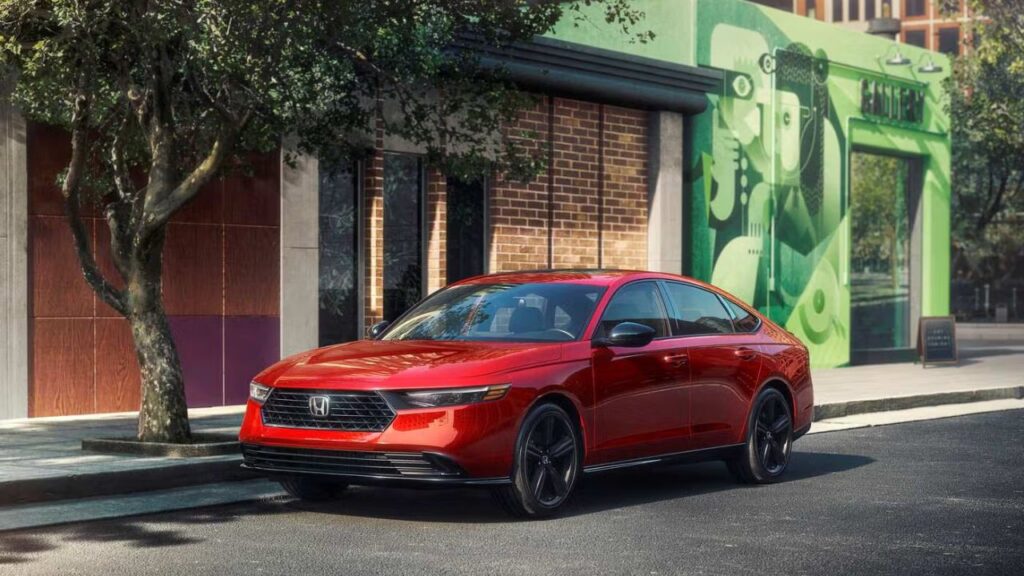
The 2025 Honda Accord is an intelligent selection for students to acquire. While being priced at around $28,295, it attains an overall score of 9.3/10. It has the style to look hot and is very ambitious in design. It’s got a turbo engine of considerable power, and still, it saves gas. A huge trunk to carry your books, sports gear, or travel bags. Lane-keeping and automatic braking are some of the safety features in the car. This makes the Accord one of the Best Cars for College Students who want space, safety, and value.

2025 Hyundai Tucson – Best for Comfort

2025 Hyundai Tucson – Best for Comfort

Image Credit: cars.usnews

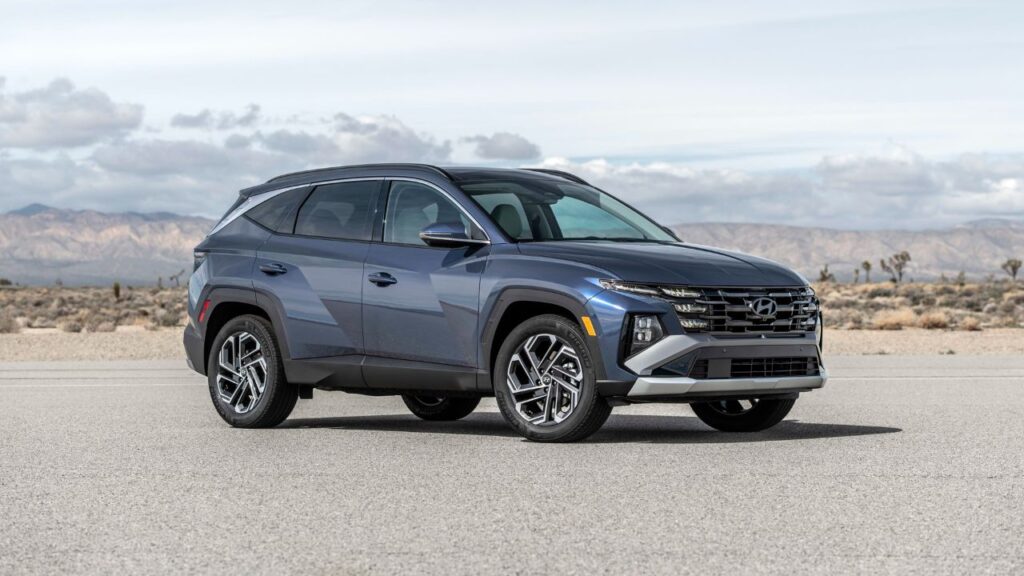
The Hyundai Tucson is spacious, compact, and well-regarded. It has a price tag that reads $28,705 and an overall score of 9.1, maybe not the best but good enough. A newly updated exterior design and enhanced interior screens are among the features for the 2025 year model. It is comfortable to ride and has ample room for both passengers and bags. It also offers all-wheel-drive features which can be a good choice if you reside in a place where rain or snow blankets the area. It’s one of the best car for college students in USA; it’s got the look, space, and loads of new tech.

2025 Subaru Outback – Best for All-Round Use

2025 Subaru Outback – Best for All-Round Use

Image Credit: cars.usnews

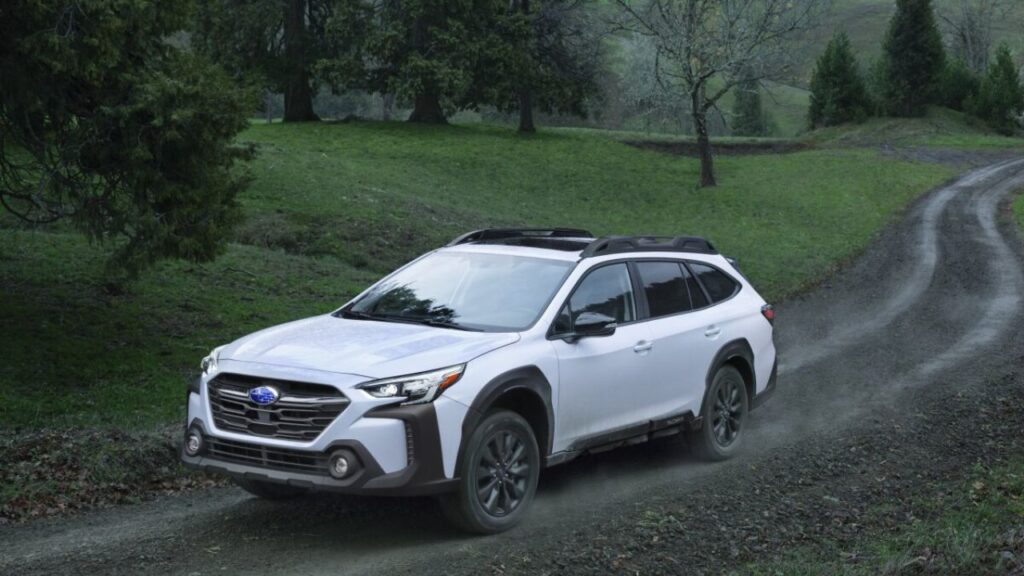
Subaru Outback: The Outback is a crossover between an SUV and a wagon; it is robust, safe, and user-friendly for $29,010 starting in the 2025 model, scoring 9.1 out of 10. You get all-wheel drive standard, great for any weather. It’s loaded with tech and safety features. Room for friends and towing power for trips. It’s one of the Best Cars for College Students who want a car that lasts beyond college.

2025 Honda CR-V – Best for Everyday Use

2025 Honda CR-V – Best for Everyday Use

Image Credit: cars.usnews

The Honda CR-V is among the best compact SUVs for 2025 with an entry price of $30,100 and a very high 9.0/10. The CR-V is fuel-efficient and provides a comfortable drive with ample cabin space and numerous safety features. Boosting relatively decent horsepower numbers without guzzling too much fuel, the turbo engine is a fine performer. That makes this car best suited for students desiring comfort and space with a trusted brand.

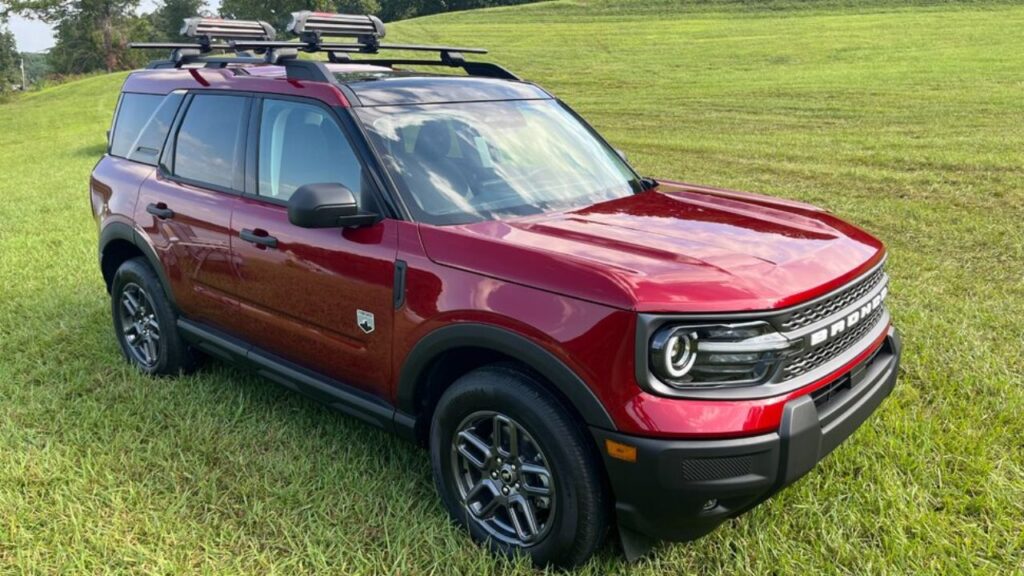
2025 Ford Bronco Sport – Best for Adventure

2025 Ford Bronco Sport – Best for Adventure

Image Credit: cars.usnews

2025 Ford Bronco Sport : If you’re an explorer at heart, the Ford Bronco Sport could be an exciting choice. This 2025 model is priced starting from $29,995 and garners an 8.9 rating. The Bronco Sport is compact but robust. It looks tough and is capable of taking on unpaved tracks and camping. It carries powerful engines and plenty of amenities. While it’s not the smoothest ride on pavement, that’s all right for a nature-loving student in search of a statement ride.

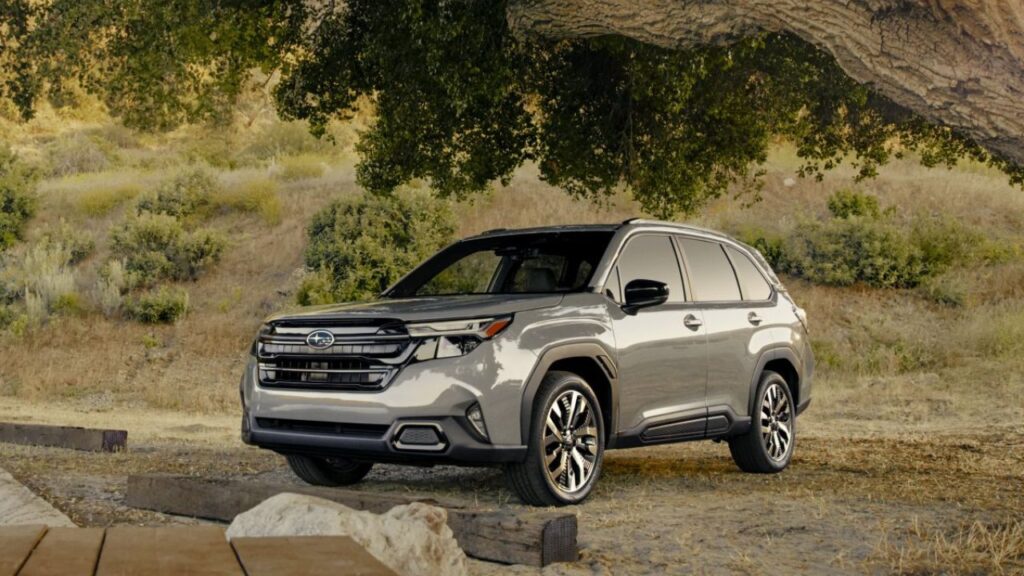
2025 Subaru Forester – Best for Snowy Places

2025 Subaru Forester – Best for Snowy Places

Image Credit: cars.usnews

The 2025 Subaru Forester is perfect for any student living in an area where it gets cold or snowy since it is priced at $29,995 while scoring an overall rating of 8.9 out of 10. Safety and tech features are enhanced in this model, which is also good on fuel and standard with all-wheel drive. Passenger and bag room is quite ample, and that’s why the Forester stands among the Best Cars for College Students wanting safety and comfort in all seasons.

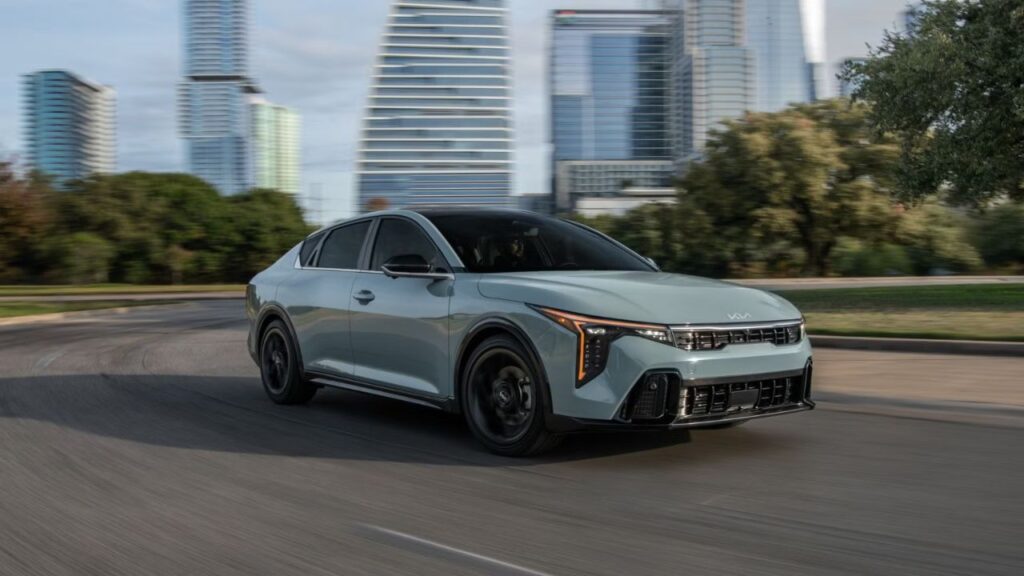
2025 Kia K4 – Best for Budget and Tech

2025 Kia K4 – Best for Budget and Tech

Image Credit: cars.usnews

The Kia K4 is brand new in 2025 and replaces the older Forte model. It is very affordable with a starting price of $21,990 and has a high score of 8.8 out of 10.

Even though it is a small car, it comes with many tech features. It also saves a lot on gas. The turbo engine gives good speed while still being fuel-efficient. This car is one of the best car for college students in India who want modern features without a big price tag.

Also Read : Top 7 Most Expensive Cars in the World 2025 You Won’t Believe Their Mind-Blowing Prices

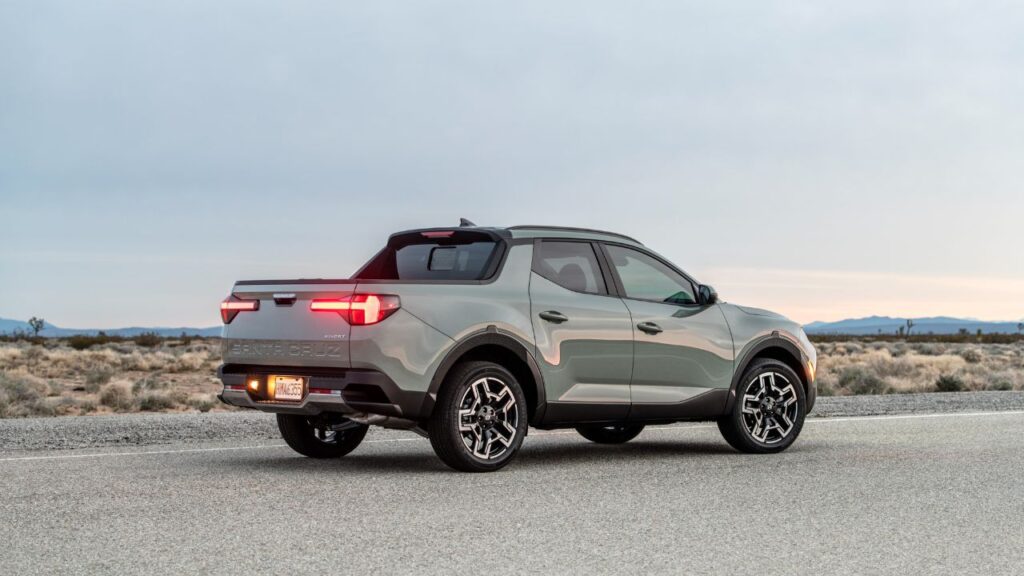
2025 Hyundai Santa Cruz – Best for Utility

2025 Hyundai Santa Cruz – Best for Utility

Image Credit: cars.usnews

The Hyundai Santa Cruz is a cool mix of a car and a truck. It starts at $28,750 and has a strong score of 8.8 out of 10. This compact pickup has a truck bed, so you can carry bikes or small furniture. It rides smoothly like an SUV and fits five people inside. You can choose from two engines, and both are fun to drive. All-wheel drive is also available. This is a great pick for students who want something different and useful.

2025 Chevrolet Trax – Best for Value

2025 Chevrolet Trax – Best for Value

Image Credit: cars.usnews

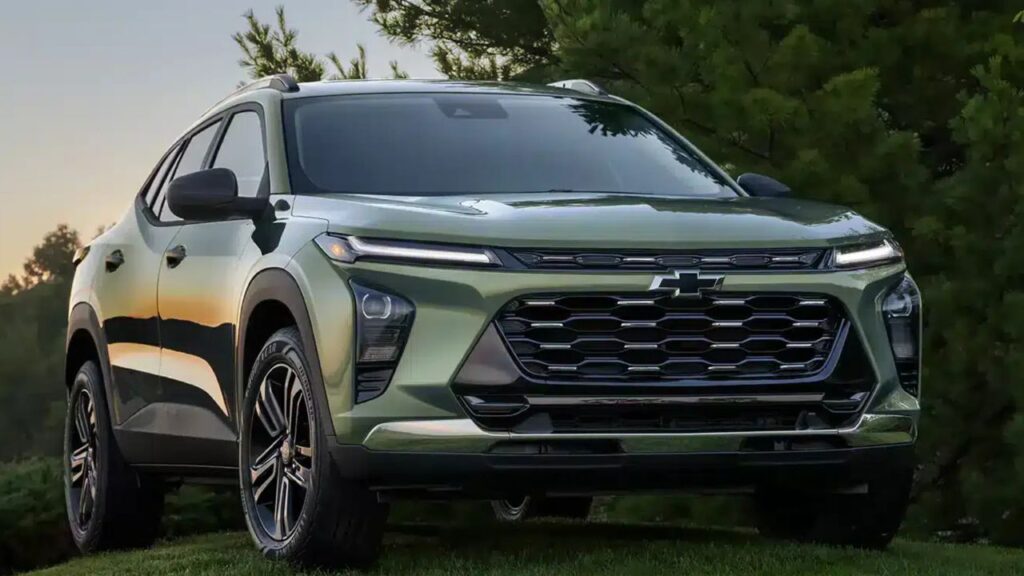
The 2025 Chevrolet Trax is very budget-friendly and offers lots of space. It costs around $20,500 and has an overall score of 8.7 out of 10. It was redesigned in 2024 and stays the same in 2025. While it’s not the most exciting car to drive, it is roomy and comfortable. However, it does not offer all-wheel drive. It is still a smart choice for students who want a safe and simple ride at a low price.

2025 Toyota Corolla – Best for Simplicity

2025 Toyota Corolla – Best for Simplicity

Image Credit: cars.usnews

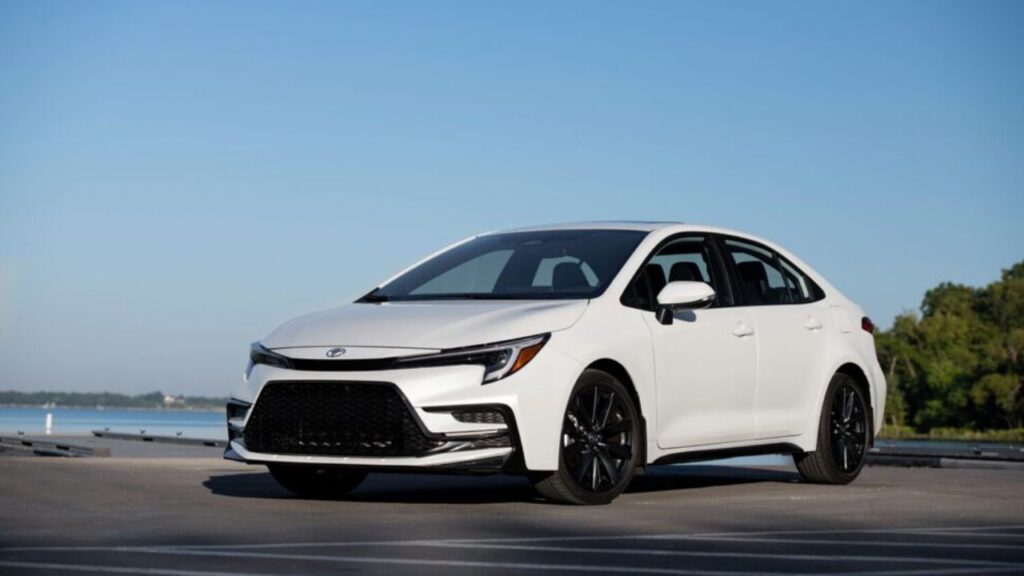
The Toyota Corolla is a favorite on college campuses. The 2025 model starts at $22,325 and has a solid score of 8.6 out of 10. It comes in both sedan and hatchback versions. While it only has one engine, it is very fuel-efficient. Toyota includes many safety features at no extra cost. This makes it one of the best car for college students in India who want a car that is simple, safe, and affordable.

Final Thoughts

Having the right car can make things easier. It helps you get to class, go home for the holidays, or take road trips with friends. This list of the Best Cars for College Students shows the top cars in 2025 for safety, comfort, value, and fun.

Each car on this list has something special. Some are great for snowy areas, some save lots of fuel, and others have lots of space. Whether you are looking for the best car for college students in USA or the best car for college students in India, this list has you covered.

So before you buy a car, take another look at these 10 great options. You will surely find a car that fits your budget and your life at college.

0

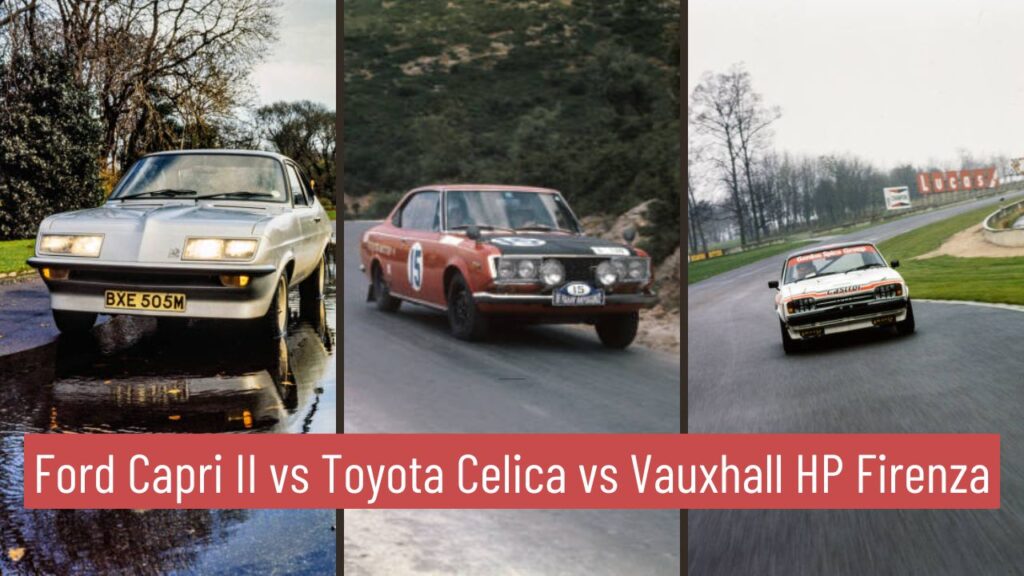
Ford Capri II vs Toyota Celica vs Vauxhall HP Firenza: The Global Decade of Style

Published Oct 17, 2025, 5:25 AM
Last Updated Oct 17, 2025, 5:28 AM

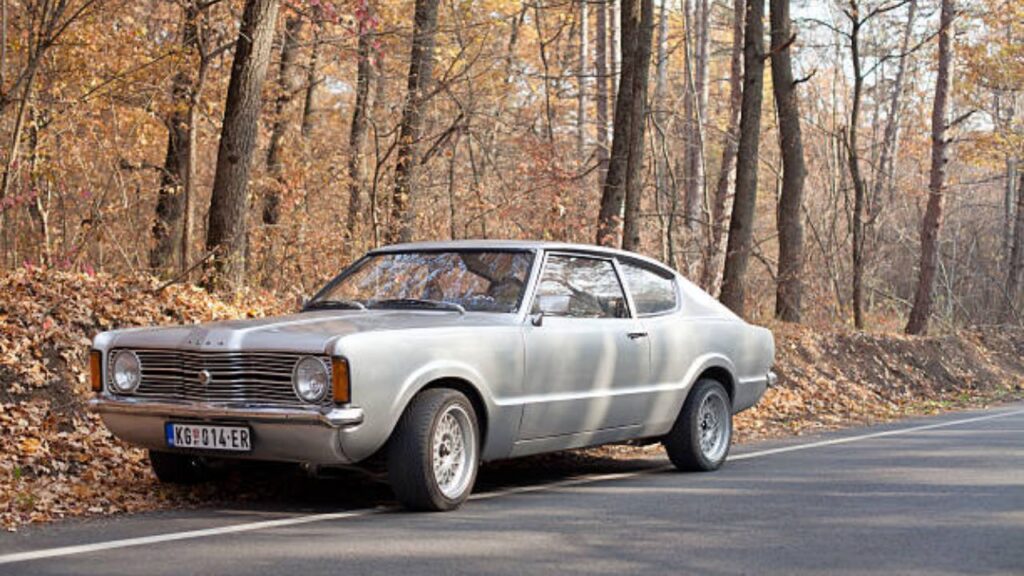
Ford Capri II vs Toyota Celica vs Vauxhall HP Firenza

The 70s were a turning point in car history: a decade shaped by global financial turmoil and the mass popularization of sporty styling. The ground was laid years before in the US with the introduction of the Ford Mustang in 1964, a car that demonstrated that performance imagery could be married with an affordable price tag and based on an economy car platform, namely, the utilitarian Ford Falcon. This “pony car” formula – long hood, short rear deck, four seat interior and a plethora of options – was an instant hit with car buyers around the world. 

The vehicles including the Ford Capri II, Vauxhall HP Firenza and 1st Gen Toyota Celica were born out of this post-Mustang era, and yet each is a distinctly different approach to the budget coupé ideology. 

Ford Capri II

Ford Capri II

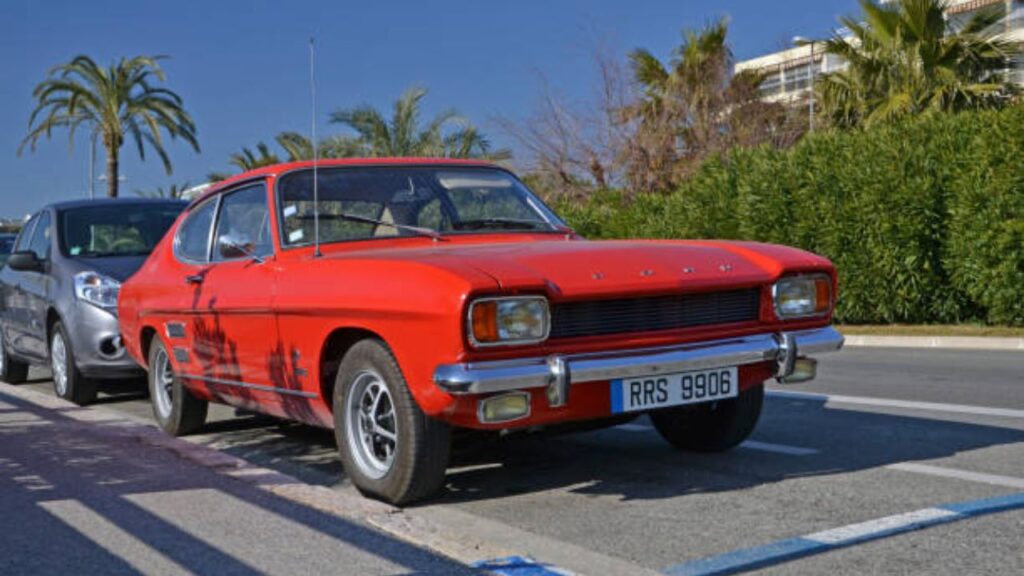
The Capri II was a natural progression for Ford’s European pony car. Production started mainly in the United Kingdom (Dagenham, Halewood) and Europe (Genk, Belgium, and Saarlouis, Germany). the Mk2 softened the aggressive lines of its predecessor, with a more modern and friendlier look featuring “softer lines and larger headlights.” 

Engineering and Accessibility

The Capri II was ultimately successful because of its versatility and availability. Ford stuck to its guns with the philosophy of serving every pocket by the simple offering of a variety of engines in one simple layout – front-engine, rear-wheel drive (FR). For the budget-conscious buyer, the car had the I-4 1.6L (1,599cc) that delivered a meager 64 horsepower and produced 0-100 kph times in the 16-seconds ballpark. A somewhat more balanced choice was the 2.0L Inline-Four Pinto, making around 98 bhp and bringing 0-60 mph down to near 10 seconds. Up top, there was the potent V6 3.0L engine. 

That philosophy meant the car stayed true to its “style on a budget” directive, as evidenced by the original 1974 UK price list, where a Capri Mk2 1600L began from a very reachable £1,668. 

Read More:- Range Rover Reaches New Heights with the Astronaut Edition

Driving Experience and Legacy

Drivers had good things to say about the Capri interior design, in particular the full complement of dials and the long bonnet which immediately made you feel as though you were driving a bona fide sports car. Controls were said to be both light and direct. 31 Although some contemporary reviewers noted problems such as poor reliability of new cars and dubious safety standards, 32 present day enthusiasts often describe the V6 models as being very “reliable, cheap to run”, a consequence of the car’s mass production and the resulting availability of parts.

The straight-six engine, especially in the later 2.8i injection versions, had a “great sound from the engine and exhaust”. This full-bodied, Falstaffian wuffle supplied the required drama for the ears to complement the visual attack, and proved that the quintessential V6 exhaust note was the key to a car that could rise above its budget-based mechanics and inscribe itself as an enduring icon of nostalgia. 

The Contradiction in Current Value

Ford Capri II Current Value

The Capri II was intended to be throwaway and to appeal to a broad demographic, but its current place as a sought-after classic reveals an important market dynamic. A couple of million Capris were sold between 1969 and 1986, but clean ones with high specs have turned up as rare gems. Because the Capri was so common, and was often driven as a cheap daily used in its second life as a track toy, real-money originals in “Original & Highly Original” condition really do command serious prize money. For example a mint condition 1970 Capri has been estimated at over £40,000. 

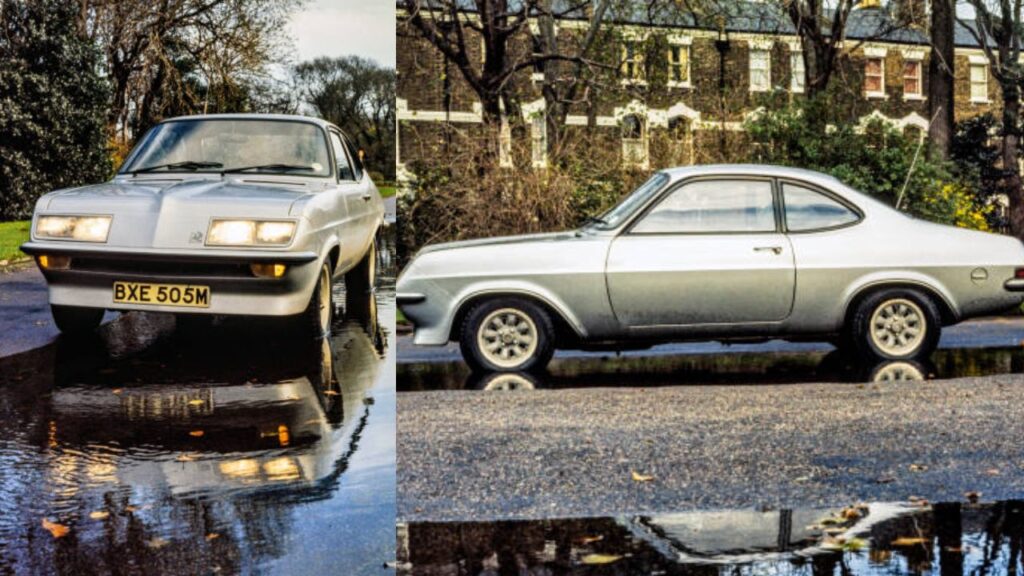
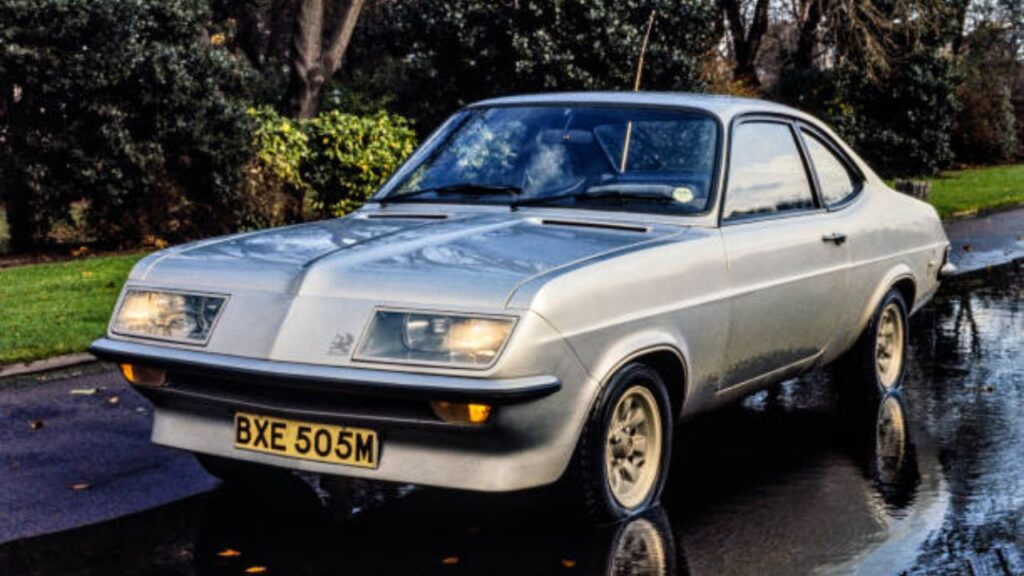
Vauxhall HP Firenza ‘Droopsnoot’

Vauxhall HP Firenza 'Droopsnoot'

The Vauxhall Firenza, was originally launched in 1971 as a sporty two-door fastback coupé based on the lowly Viva. But that was about to change in 1973 when General Motors stylist Wayne Cherry took a radical departure from the norm with the Firenza HP (High Performance), a motorsport homologation special. 

Radical Styling and Advanced Engineering

The HP’s signature feature was its slick fibreglass nose cone, which let to the car being known as the ‘Droopsnoot’. This was no mere styling exercise – the shape was designed to be as aerodynamic as possible and helped the car reach a top speed of more than 120 mph. The distinct nose has double headlights taken from the Renault Alpine A310. And to tie up the aggressive look Vauxhall used matt-black trim rather than chrome and some Avon Safety wheels. Every single HP was finished in the distinctive Silver Starfire metallic paint. 

The HP was powered by a 2279cc OHC slant-four engine, which had been the subject of extensive performance tuning by Bill Blydenstein. This involved following a similar procedure to that used on the combustion chambers, inlet tracts and valve throats, and yielded an additional 21 bhp over the standard powerplant. The result was 131 bhp , and a broad torque band so the car was easy to drive. And the HP was, in fact, the first Vauxhall to be fitted with a complex, close-ratio, dog leg five-speed Getrag manual gearbox. With its combination of light weight and superior transmission, the HP Firenza was also the Vauxhall with the best acceleration of its day, clocking from 0-60 mph in a blistering 7.6 seconds. 

Market Paradox

Vauxhall HP Firenza Market Paradox

This severe scarcity is what governs its place in the classic market.Although the HP Firenza enjoyed rarity and unquestionable motorsport credentials, its median value approximately £17,600 for a Firenza. Its scarcity does mean that there are occasional huge sales, with the highest price to the public being £47,700. 

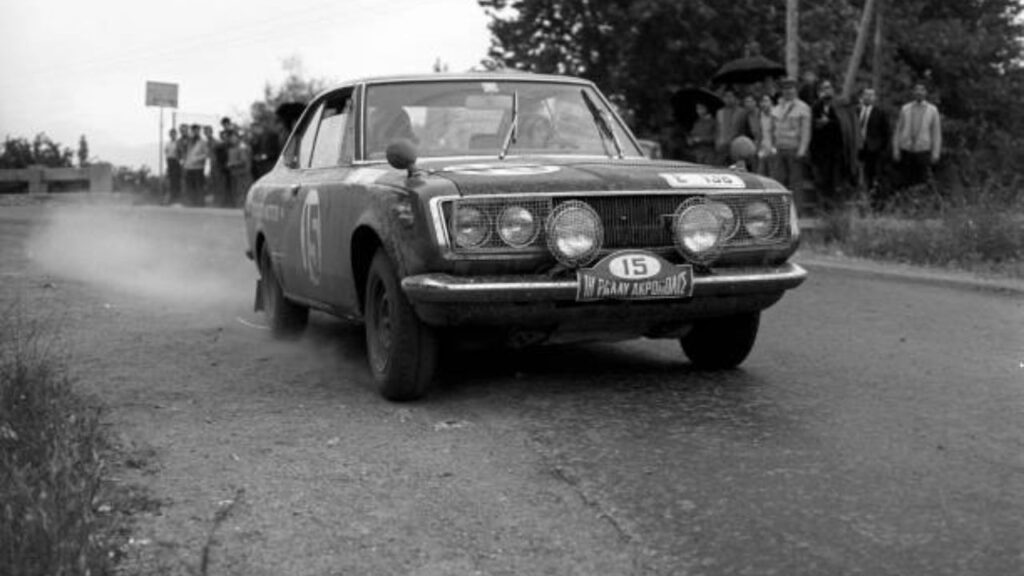
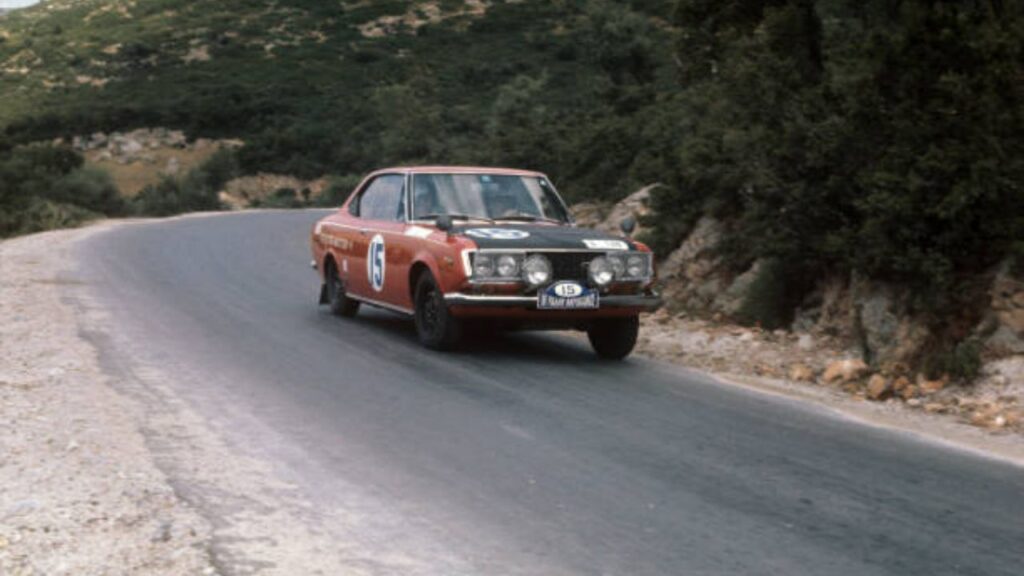
Toyota Celica (1st Generation)

Toyota Celica

The Toyota Celica, which was introduced in December 1970, was the pioneer Japanese entry in the world pony car market. It was a 2+2 coupé based on a Carina platform and the styling was clearly inspired by the American versions. The Celica Liftback, especially, was so redolent of American fastback muscle that it gained the fond nicknames “Japanese Mustang” or “Mustang Celica”. This tribute featured such iconic elements including the triple bar tail lights, a signature design cue of the Mustang. 

Technological Sophistication and Dynamic Appeal

Although the regular Celica (ST grade) was dependable and fuel efficient, the performance versions had a considerable technological advantage over many of their European competitors. The top-of-the-line 2000 GT Liftback (RA25) used the DOHC (Double Overhead Camshaft) 18R-G Twincam engine, which had a cylinder head co-developed with Yamaha. This sophisticated engine was rated at 134 hp/145 bhp maximum power. 

The Reliability Paradox 

The Reliability Paradox

the Celica was known for its inherent reliability and ease of repair, which made it very popular amongst modifiers and “boy racers” in the Asian markets. But this mechanical excellence was frequently paired with a catastrophic manufacturing gaffe that was endemic to Japanese exports in the 1970s – inadequate body rustproofing. 

The current high average market prices for clean GT and Liftback models including GT averaging $22,334 and best examples fetching over $40,000. 

Head-to-Head Comparison of Ford Capri II vs Toyota Celica vs Vauxhall HP Firenza

Metric Ford Capri II Vauxhall HP Firenza Toyota Celica
Production Years 1974–1977 1973–1975  1970–1977
Engine Type I-4 / V6 I-4 OHC Slant-Four I-4 DOHC
Power  98 bhp (2.0L) – 158 hp (3.0L)  131 bhp 134–145 hp 
0-60 mph 10.0 s 7.6 s  N/A (Highly Competitive)
Transmission Feature Manual (4/5 speed) 5-speed ZF Manual (Dogleg) 4/5-speed Manual
Rear Suspension Live axle Live axle Four-link

The Price Valuation and Market Dynamics

Model Performance Production Original UK Price (Entry 1974) Current Average Classic Value Investment Profile
Ford Capri II High Volume 1,668$  $15,000-$40,000 Low Risk, High Liquidity, Nostalgia Driven
Vauxhall HP Firenza 204 units High Cost $17,600 High Risk, Scarcity Driven, Specialist Parts Required
Toyota Celica (1st Gen GT) Medium Volume N/A (Imported) $ 22,334 Medium Risk (Rust Filtered), High Growth (JDM Boom)

Who is The Winner?

Winner for Everyday Practicality and Accessibility: The Ford Capri II. Ford’s decision to make the hatchback standard and continue a massive parts supply ensured the car offered the best combination of sports styling and daily practicality. Capri is the quintessential choice for the nostalgic driver wanting an affordable and engaging ownership experience.

Winner for Performance Purity and Engineering Novelty: The Vauxhall HP Firenza ‘DroopSnoot’. Being Hone-d Fed with his advanced 5-speed dogleg gearbox Firenza HP was on Kaygonus the most uncompromising and technically advanced paper vehicle 7.6-second really rapid 0-60 mph timeengine and his hand-finishedI genuinelyhear that with itsIndeed the title of Wa Rally Car until brian nash Firenza fits that description far better than any other. Its defeat was solely in the market place and not product quality.

Winner for Global Style and Long-Term Reliability: Liftback and hardtop coupe versions from the 1st generation 1971 Toyota Celica 1st generation Liftback GT. The Celica neatly packaged the American pony car look into a refined, contemporary bolt-on DOHC technology style. Its mechanical strength is inherent and reliable so that you can have peace of mind today, but this must be tempered with the need to check its body due to processing faults during original manufacturing.  

Conclusion

The trio that dominated the 1970s budget coupé market – the Ford Capri II, the Vauxhall HP Firenza and the Toyota Celica – all made a highly specialised, but indelible, mark on motoring history. Their common objective was to offer performance style, at an attainable price point, but how that was achieved varied wildly – with very different current collector profiles. 

0

Range Rover Reaches New Heights with the Astronaut Edition

Range Rover Reaches

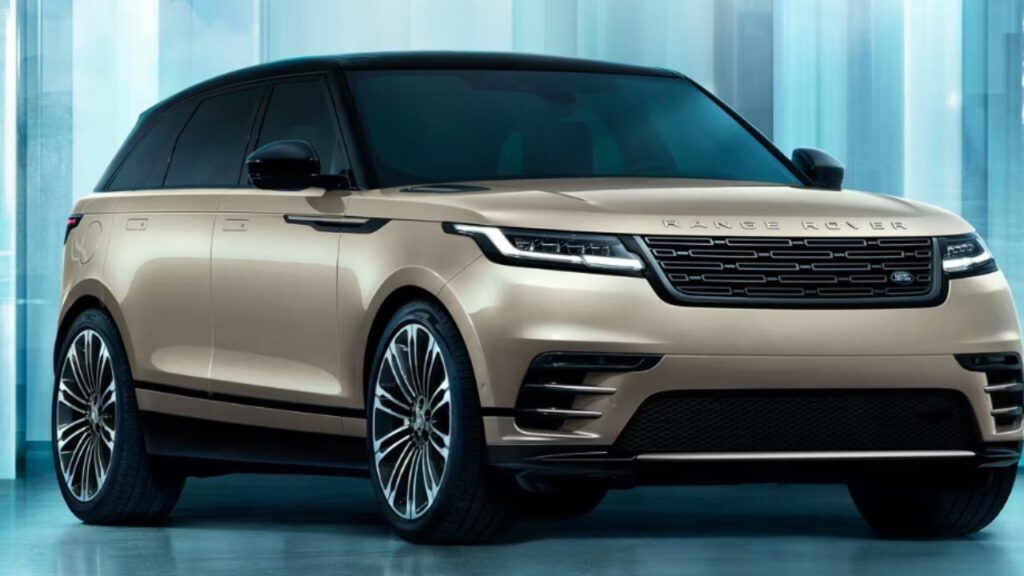
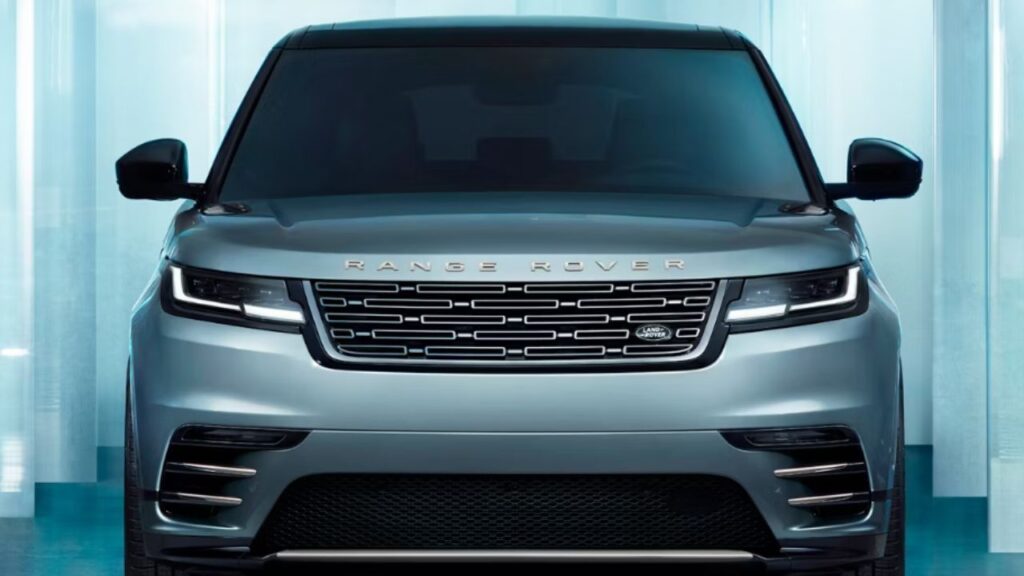
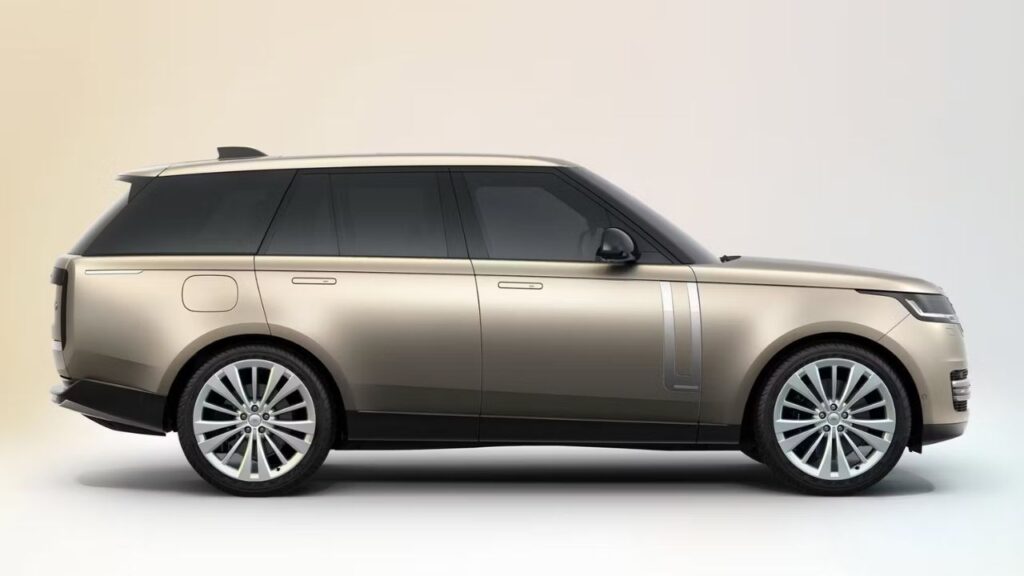
The Range Rover Astronaut Edition is the ultimate statement of exclusivity in the luxury SUV, reserved for an elite cadre of individuals who have secured their places among the stars. This extraordinary machine marries earthbound comfort with space-age technology in the most unique vehicular experience for Virgin Galactic’s Future Astronauts to date! 

The Ultimate Exclusive Access

The Range Rover Astronaut Edition is defined not only by its incredible design but also by its breathtaking exclusivity. This one-of-a-kind ride is available only to those who are signed up to be Virgin Galactic Future Astronauts, none of whom have been on an actual spacecraft yet. With some 600-700 people having already laid down $250,000 for a 90-minute ride with Virgin Galactic, this effectively sets the production limit at 700 units for the whole world. 

The exclusivity is part of the continuing partnership between Land Rover and Virgin Galactic that launched in 2014. It’s more than lip service, however, as Land Rover vehicles are used at Virgin Galactic’s facilities to tow space vehicles, transport equipment, and even clear runways prior to launch. 

Design That Defies Gravity

Range Rover Design That Defies Gravity

Image credit: RangeRover

Exterior Excellence

The Astronaut Edition features a stunning Zero Gravity Blue paint finish, which was specially developed for this watch and is inspired by the depth and brilliance of the night sky. This special hue really embodies the spirit of space travel, and immediately creates a visual link with the cosmos. 

There is unique Astronaut Edition badging on the tailgate and on the side profile finishers. In what’s perhaps the most extraordinary detail, the vehicle comes with custom puddle lamps that shine the silhouette of Virgin Galactic’s SpaceShipTwo on the ground, serving as a breathtaking visual reminder of the owner’s trip into space. 

Interior Innovation

The Astronaut Edition cabin is a rocket-themed retreat, inside and out, with insane details. The centerpiece are two amazing discs that sit within the cup holders, each made from the actual front landing skid of the Virgin Spaceship Unity.

The most amazing part about these discs is how they evolve: after the owners finish their Virgin Galactic space flight, these original pieces are replaced with material from the wooden skid that the actual spacecraft they flew on rests on, complete with personalized inscriptions outlining their “life-changing experience”. 

Inside there is a unique DNA of Flight graphic on the carbon fibre centre console lid and the leather rear armrest illustrating the development of manned flight from Icarus’ mythical wings to the Wright Brothers’ aeroplane and the Apollo Lunar Module. The machined aluminum door handles are etched with Virgin Galactic s Future Astronaut community constellation pattern, a graphic which also adorns the front headrests and the glove box. 

Performance That Soars

Range Rover Performance That Soars

Image credit: RangeRover

The Range Rover Astronaut Edition has two powerplant choices to suit different tastes:

P400e Plug-in Hybrid: It has a 2.0-litre turbocharged petrol engine along with electric power, with a combined power output ranging from 398-404 horsepower. This green option gives a fully electric range of 42 kilometers and CO2 emissions of only 72g/km.​

P525 Supercharged V8: Experience thrill ride akin to space travel with a potent 5.0 litre supercharged petrol V8 producing 518-525 horsepower. 

Each engine is available with an advanced all-wheel-drive system and Land Rover’s acclaimed Terrain Response system, which makes sure the vehicle is at home on solid ground or on its way to the next generation of space explorers. 

Read More:- Hyundai Tucson & Hyundai i20: Premium Cars Built for Modern India

Pricing and Availability

While Land Rover has yet to release exact pricing for the Astronaut Edition, sources tell us the vehicle is based on the Range Rover Autobiography platform which has a starting price of around £103,130 in the UK. On the Indian side, the standard Range Rover models are priced between ₹2.31 crore – ₹4.25 crore, meaning that the Astronaut Edition would be at a premium over these figures. 

Range Rover Pricing and Availability

Image credit: RangeRover

As the Future Astronauts have already poured in $250,000 to book their space flight tickets, the extra cost for this exclusive Range Rover will be small change for this elite group. The limited edition run of 700 units worldwide will ensure that this will be one of the most elusive and collectible Range Rover editions of all time. 

Beyond Transportation: A Statement of Achievement

The Range Rover Astronaut Edition breaks the mold of traditional automotive design to stand for human achievement in the exploration of space and beyond. It is where British luxury design met the pioneering nature of commercial space travel.Every design element tells a tale of humanity’s desire to reach beyond the confines of Earth’s atmosphere. 

Range Rover Beyond Transportation

Image credit: RangeRover

For its exclusive owners, this car is both a daily reminder of their journey to the cosmos and a keepsake of their place in the history of space exploration.

The Future of Luxury Mobility

The Astronaut Edition showcases how high-end car makers are developing to offer experiences that go well beyond the usual forms of transport. Land Rover has teamed up with Virgin Galactic to offer more than a vehicle: a lifestyle experience that connects terrestrial luxury with the wonders of space exploration. 

Conclusion 

The Range Rover Astronaut Edition is a celebration of human aspiration, bringing together the best aspects of British luxury with the endless potential of space travel.For the lucky 600-700 who will get to experience the car and the cosmic journey, it is a dream come true. The worldwide collaboration also has an educational spin — it aims to inspire young people around the world to go become engineers, scientists and technologists. The collaboration speaks to a vision of the luxury house participating in humanity’s grandest adventures while remaining dedicated to extraordinary craftsmanship and innovation.