0

Thar Roxx Accessories to Buy Online That Actually Worth Buying in 2026 

Published Aug 13, 2026, 12:59 PM
Last Updated Aug 31, 2026, 6:55 AM

Thar Roxx Accessories

Walk into a Mahindra dealership after booking a Thar Roxx and someone will hand you an accessories catalogue before you’ve even signed the delivery paperwork. You should check Thar Roxx Accessories to buy online because they offer you a long list — everything from a ₹300 alloy wheel hub cap to a ₹1.35 lakh paint protection job and almost nobody explains which of it actually matters. 

Add in the aftermarket sellers online pushing “off-road bumper guards” that are quietly illegal, and shopping for Thar Roxx accessories turns into a research project you didn’t sign up for. This guide sorts through what’s genuine in Thar Roxx Accessories Online to buy and what’s worth skipping.

Mahindra Genuine vs. Aftermarket Accessories: How to Spend Smart on Upgrades 

Mahindra sells its own accessory range through its dealer network and its official m2ALL online store. These are engineered to bolt onto the Thar Roxx without cutting or drilling anything, and they don’t touch your warranty. The trade-off is price — genuine parts routinely cost double or triple what a comparable aftermarket version runs.

That’s where sellers like Drivestylish, Carhatke, Elegantautoretail, and Automods.in come in. They stock everything from seat covers to LED light kits at lower prices, with faster shipping and a bigger range of styling options than any dealership carries. The catch is consistency — quality swings from vendor to vendor, and “genuine OEM” claims on aftermarket sites aren’t always verifiable, so it’s worth asking for a proper GST invoice before you pay.

Which route makes more sense partly comes down to which Thar Roxx you actually bought. The lineup runs six variants — MX1, MX3, AX3L, MX5, AX5L, and AX7L — priced roughly between ₹12.99 lakh and ₹23.09 lakh ex-showroom. Buyers on a loaded AX7L already have most creature comforts built in and are usually shopping for styling extras. Buyers on the MX1 or MX3 are often filling real gaps — floor mats, mud flaps, basic protection — that higher trims get standard.

Read More:-  Best Car Accessories for Thar Roxx You Should Buy in 2026

The Accessory Everyone Sells That You Legally Can’t Fit

Search “Thar Roxx accessories” on any marketplace and bull bars show up constantly, sometimes relabeled as “off-road bumper guards” to dodge the obvious red flag. They’re illegal. The Ministry of Road Transport and Highways banned bull bars and crash guards outright in a December 2017 circular, and fitting one violates Section 52 of the Motor Vehicles Act, 1988. Fines run ₹1,000 for a first offence up to ₹5,000 for repeat violations or for the seller who fitted it, under Sections 190 and 191.

The engineering reason matters more than the fine. A bull bar is bolted straight to the chassis, which means a collision transfers force directly into the frame instead of letting the factory crumple zone absorb it — and it can interfere with front airbag sensors. 

Several insurers will refuse or dispute a claim if a bull bar is fitted at the time of an accident. If what you actually want is protection for the bumper on gravel trails, a skid plate or a bumper-specific PPF section does the job without the legal exposure.

Best Thar Roxx Accessories to Buy in 2026

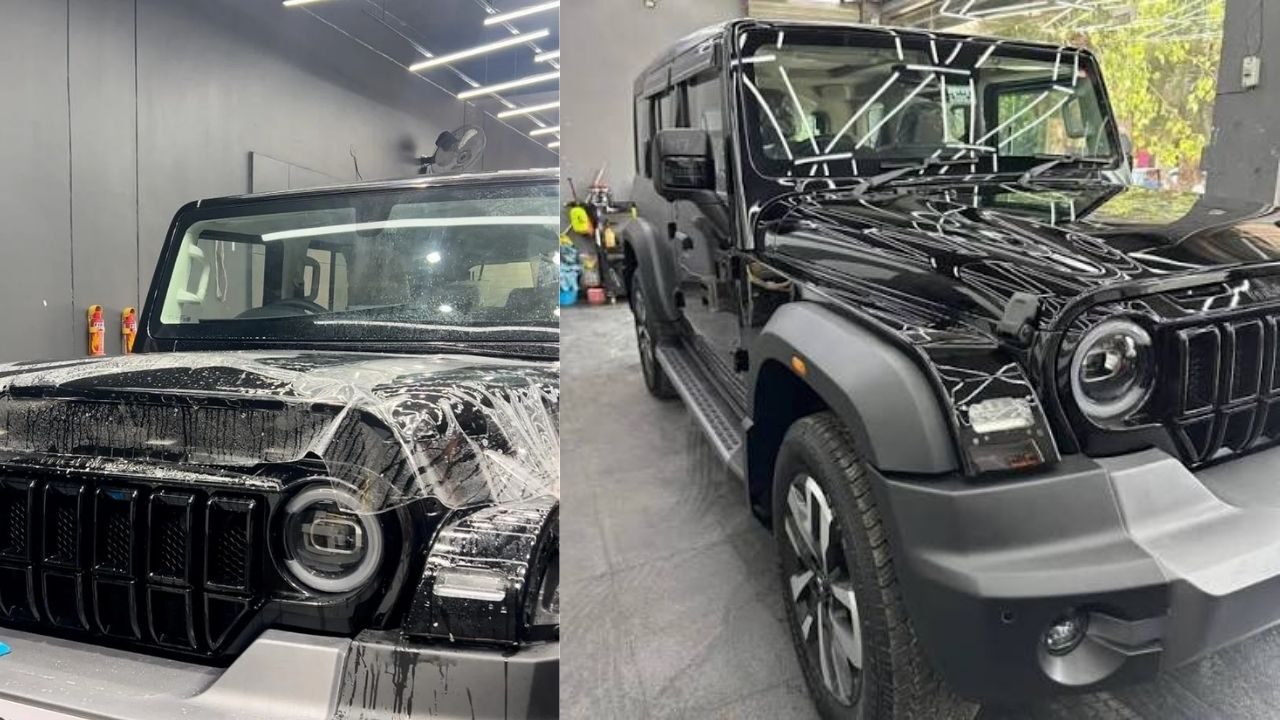
1. Paint Protection Film (PPF) — ₹1.35 lakh (8-year warranty) 
Thar Roxx Accessories

Full-body ceramic-infused film with a self-healing top coat. Genuinely protects resale value on a vehicle known for picking up stone chips on its flat panels and wheel arches — but at over a tenth of the base model’s price, it only pays off if you’re keeping the Roxx for five years or more.

Best for: owners planning a long-term hold.

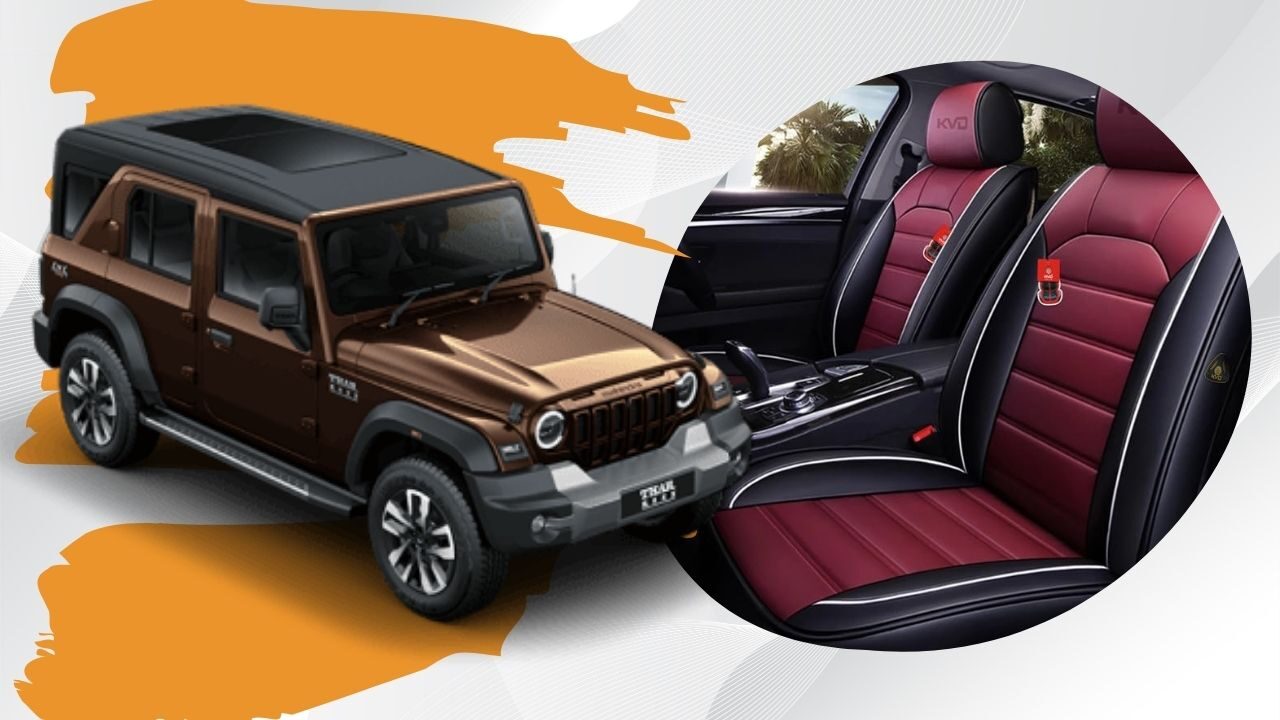
2. Bucket Seat Covers — ₹20,000 
Thar Roxx Accessories

Tailored fit, breathable fabric, factory-accurate stitching. The fit is a level aftermarket covers can’t quite match — but aftermarket seat covers run ₹2,000–₹10,000 for similar comfort if exact fit isn’t a dealbreaker for you.

Best for: buyers who don’t want any compromise on how it looks from the driver’s seat.

3. Dash Camera — ₹25,000  
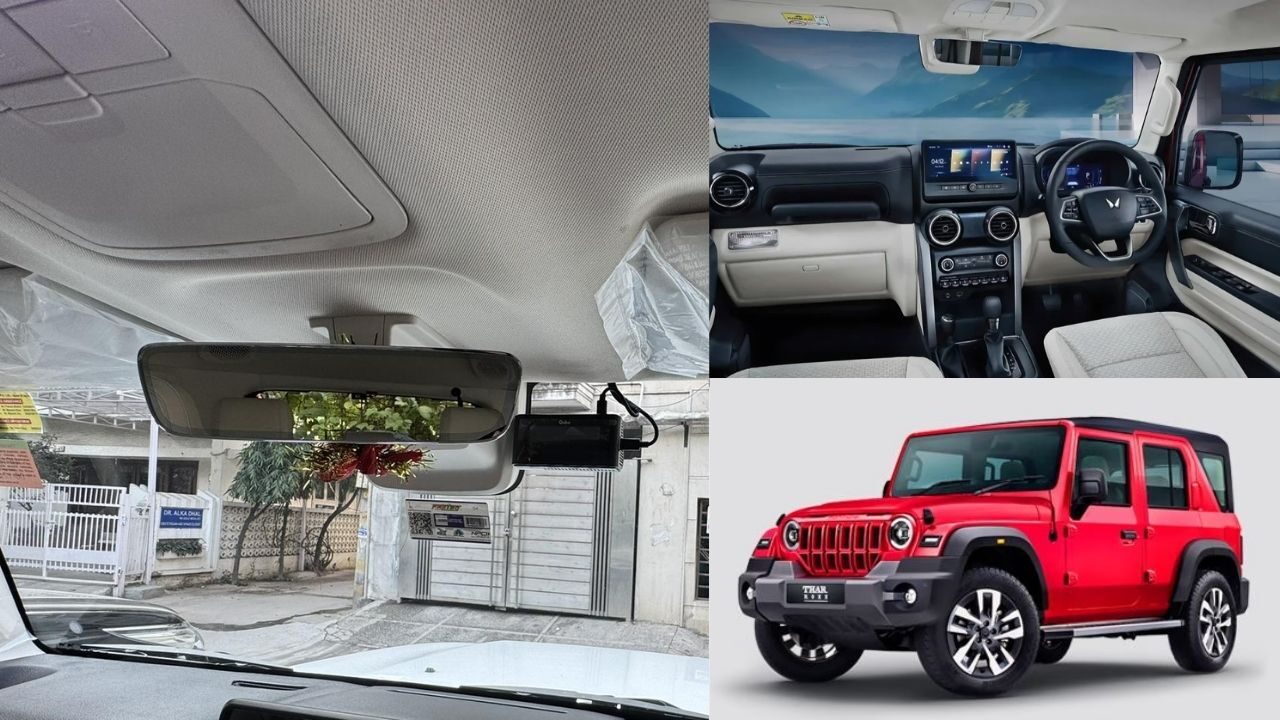
Dash Camera

Integrated wiring, factory-fit mounting, no visible cables. Clean installation and solid footage for insurance disputes — though standalone aftermarket dash cams do the same core job for ₹3,000–₹8,000, just with a visible cable run.

Best for: daily commuters who want accident evidence without a wiring mess.

4. GPS Tracking Device — ₹12,499  
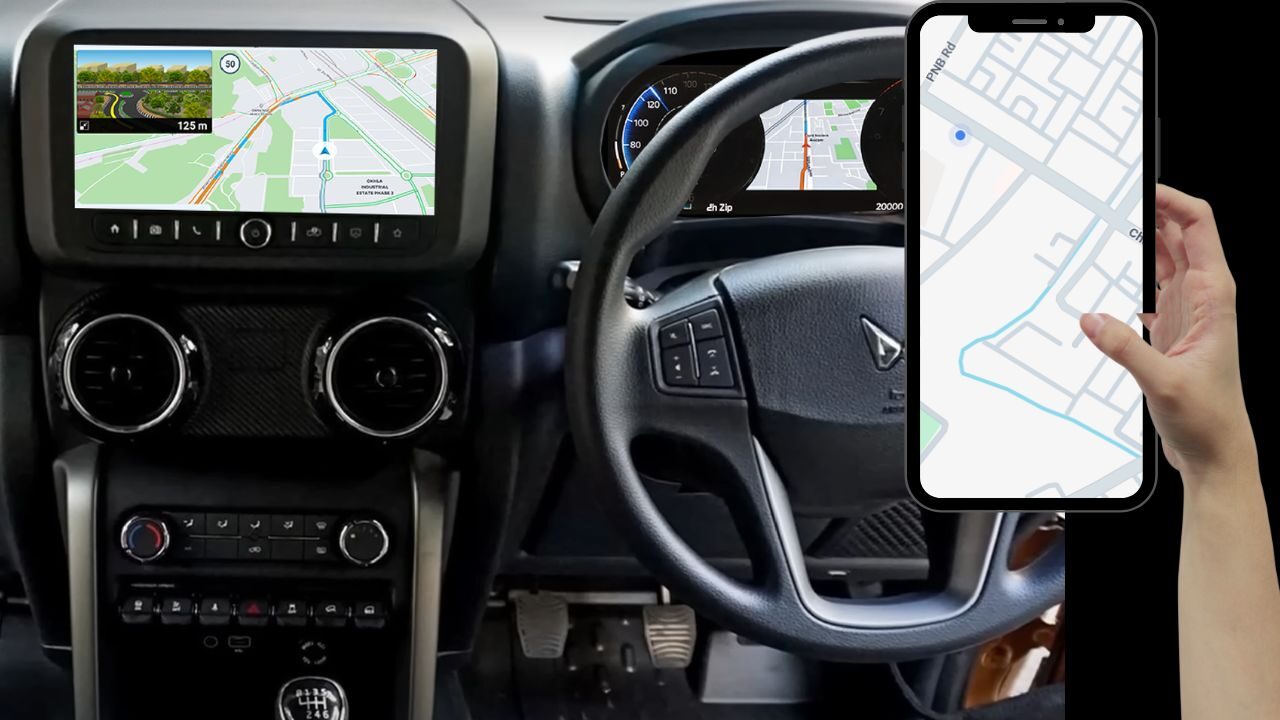
GPS Tracking Device

Real-time location tracking, geofencing. Useful if the vehicle gets shared across family members or parked in a theft-prone area — confirm whether there’s a recurring subscription fee before buying, since that’s not always advertised upfront.

Best for: shared vehicles or high-risk parking situations.

5. Carpet Mat Set / 7D Floor Mats — ₹3,950–₹9,999 
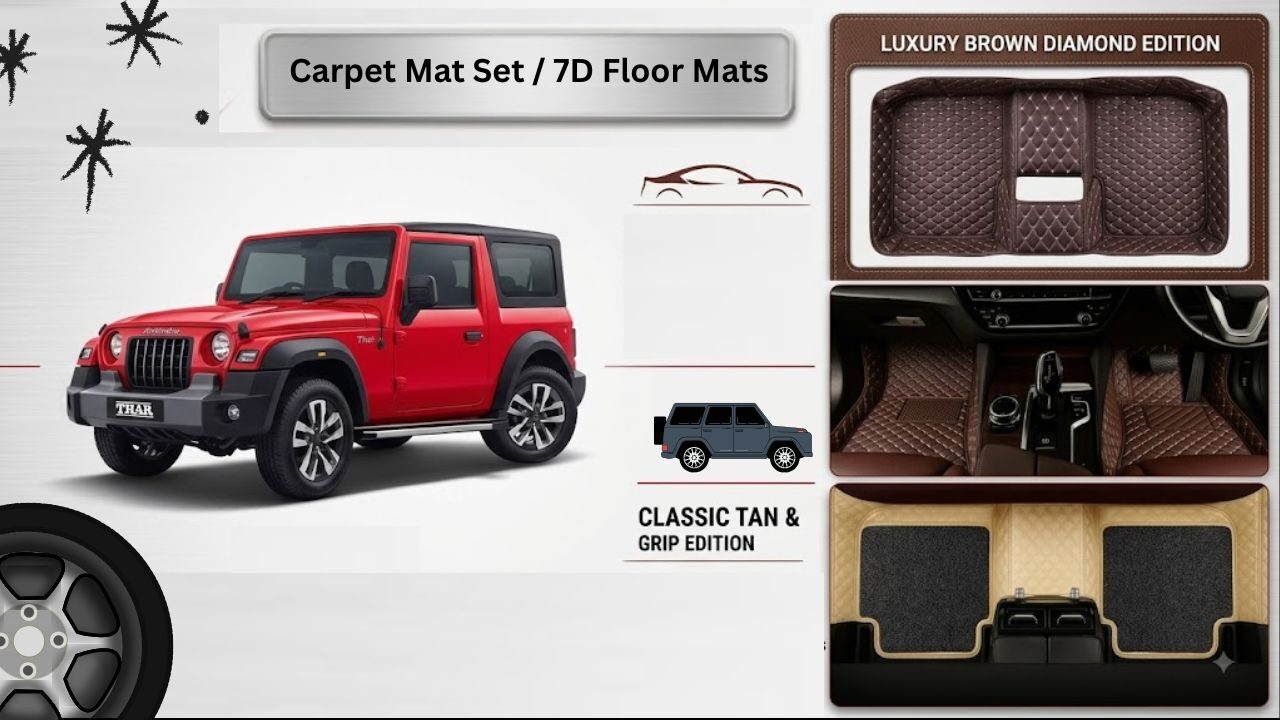
Carpet Mat Set

Raised edges, waterproof backing, model-specific fit. Real protection during monsoon months, which matters more on a vehicle that regularly sees mud and standing water — cheap aftermarket 7D mats can trap moisture underneath if the backing isn’t genuinely waterproof, so check reviews before buying the bargain option. 

Best for: monsoon-heavy regions.

Read More:-  Best Brake Pads for Cars: Top Options for Safe Driving

6. Roof Rails and Roof Carrier — indicative ₹10,000–₹30,000 (aftermarket range, confirm before buying) 
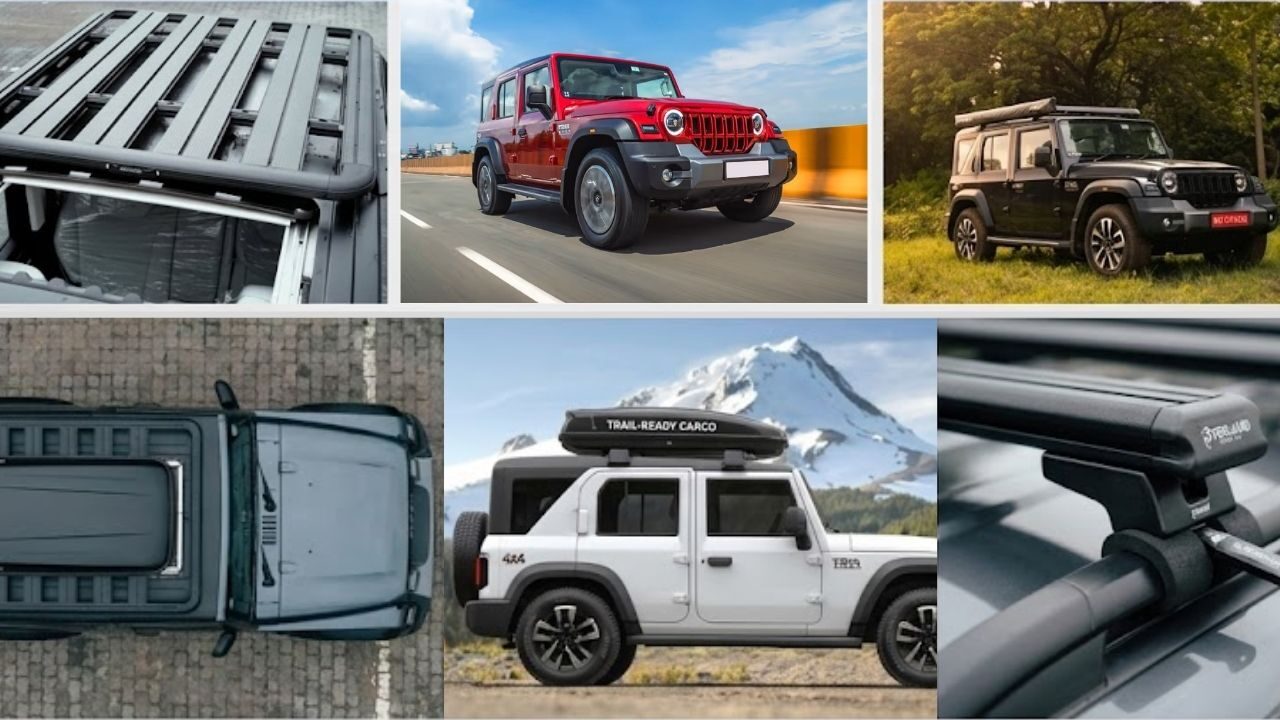
Roof Rails and Roof Carrier

Static or dynamic load-rated bars mounting to factory roof points. Turns the Roxx into a real camping and road-trip vehicle but load ratings vary a lot between sellers, so verify the actual rated capacity for your specific variant before strapping down gear. 

Best for: road-trippers and weekend campers.

7. Mud Flaps — ₹500–₹3,000 
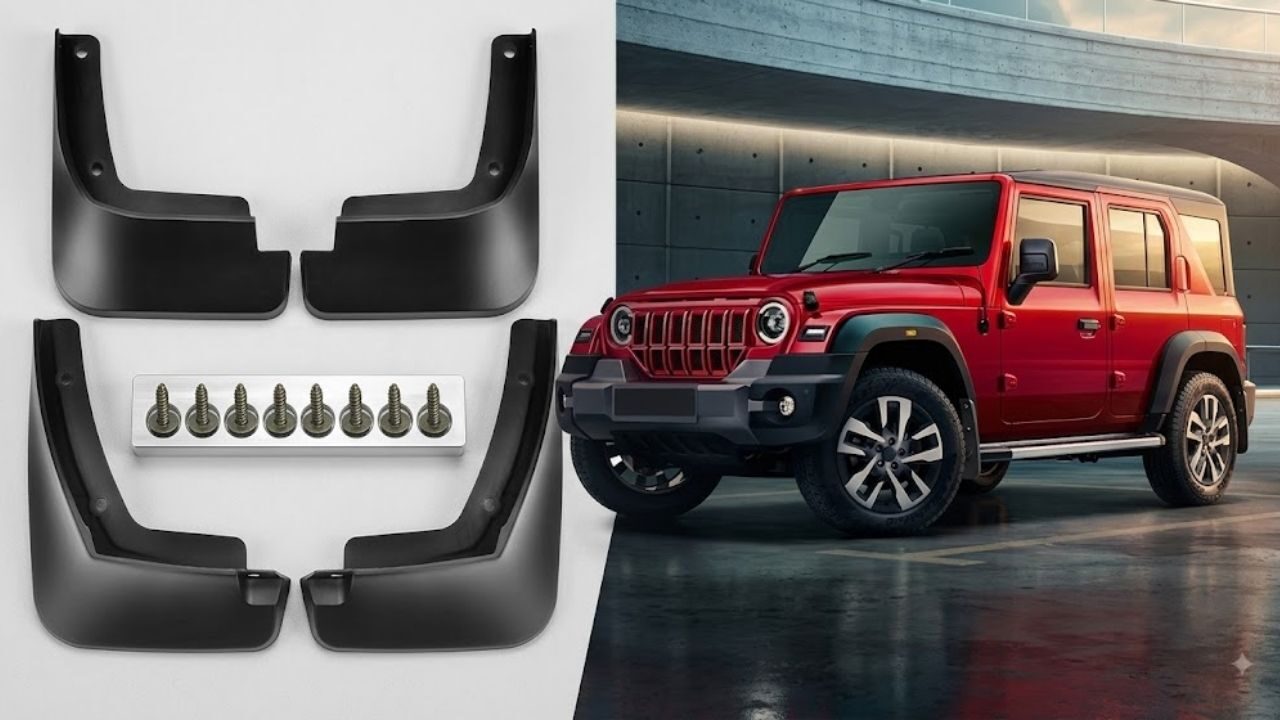
Mud Flaps

Front and rear sets, OEM or vehicle-specific fitted design. Cheap, effective protection against underbody rust from mud and rain splash — genuine Mahindra units cost noticeably more than near-identical fitted aftermarket versions from sellers like Carhatke or Techo. 

Best for: rural or muddy road driving, and as a low-cost first purchase.

8. Sill Guards — ₹1,175  
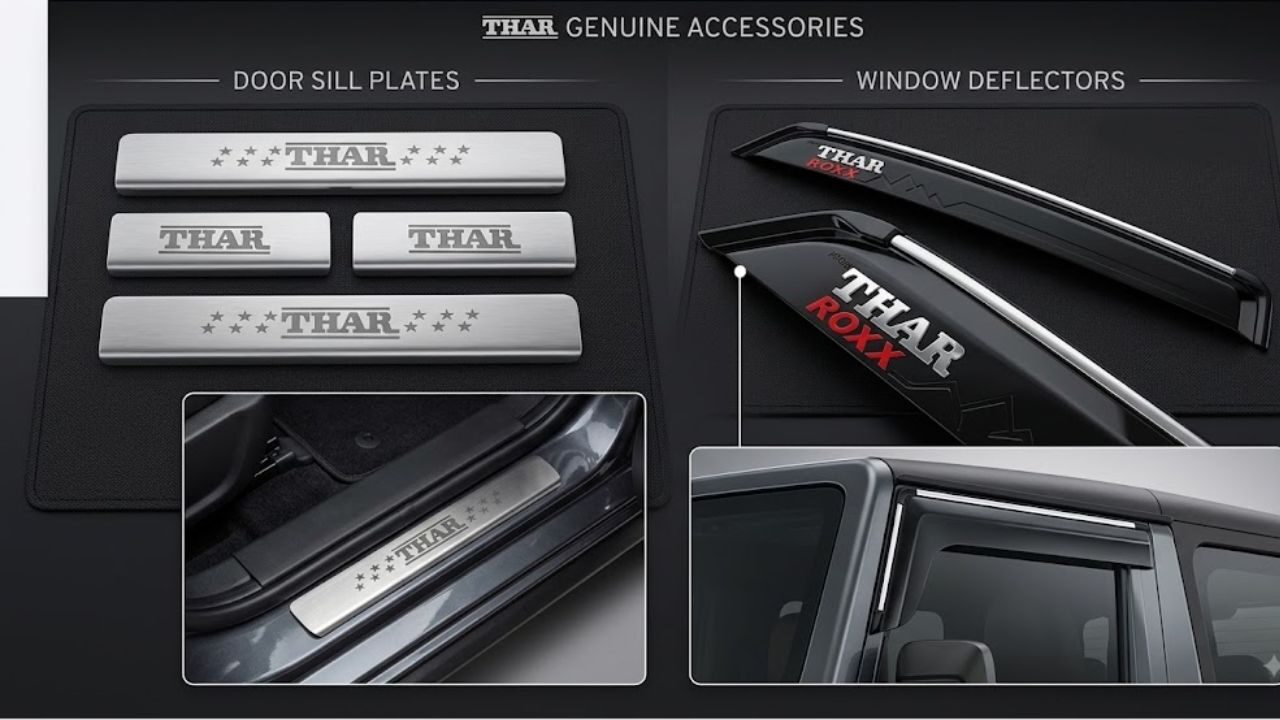
Sill Guards

Brushed-finish scuff protection along the door sills. Mostly cosmetic, but it’s an affordable way to stop shoe scuffs from wearing down the paint at the door edge. 

Best for: budget buyers who want one cheap, low-effort upgrade.

PPF vs Ceramic Coating: True Comparison For Best Paint Protection

These two get lumped together as “paint protection,” but they solve different problems.

Paint Protection Film Ceramic Coating
Price ₹1.35 lakh (genuine, 8-yr warranty) Roughly ₹15,000–₹40,000 depending on tier — get an exact quote, pricing varies a lot by shop
What it actually does Physical film barrier — absorbs stone chips and scratches Adds gloss and a hydrophobic layer — doesn’t stop physical impact
Best suited to Regular gravel or off-road driving Mostly city and highway driving

If you’re taking the Roxx onto gravel trails or rough terrain often, PPF’s physical protection is doing real work. If it’s mostly tarmac and you want the shine, ceramic coating gets you most of the visual benefit for a fraction of the cost.

Where to Actually Buy Thar Roxx Accessories Online

For anything that touches warranty — seat covers, dash cams, tracking devices — go through your dealership. For styling and protection extras, Drivestylish, Carhatke, Elegantautoretail, and Automods.in all stock Thar Roxx–specific parts with home delivery across India. 

Prices for the same item can differ meaningfully between these sellers, so for anything above ₹5,000, it’s worth checking at least two listings before you buy.

Which Thar Roxx Accessory Should You Actually Buy First?

If your budget is under ₹3,000, start with mud flaps and sill guards — cheap, functional, and genuinely useful on Indian roads. Between ₹3,000 and ₹15,000, floor mats and an aftermarket Dash Cam cover the two things most owners regret not having within the first year. 

From ₹15,000 to ₹50,000, seat covers, ceramic coating, or roof rails are where personal use cases should decide — road-trippers go roof rails, everyone else probably wants seat covers. Above ₹50,000, PPF only makes sense if you’re planning to keep the vehicle long enough to see the resale benefit.

And regardless of budget: skip the bull bar, no matter how many sellers have it listed as a “must-have.” It’s not protecting anything — it’s a fine waiting to happen.

Read More:-  How Often Should You Change Oil in Your Car? What Actually Matters in India

Conclusion

The best Thar Roxx accessories aren’t necessarily the most expensive ones. And you don’t have to buy everything you see online so here is the list that contains the genuine Thar Roxx accessories to buy online which can make your car more sensible. Practical upgrades like mud flaps, quality floor mats and a dash cam, are standard materials to buy when you buy Thar Roxx. 

All other accessories depend on your driving needs, PPF is worth it for owners who consistently take their vehicles off-road, whereas ceramic coating is the better value for average city and highway drivers. Roof rails and seat covers have everything to do with how you use the Roxx and nothing to do with what the dealership tells you you need. 

Compare original and aftermarket prices, check fitment and warranties, and avoid illegal bull bars altogether. 

Sharey Khan

Sharey Khan is an IT entrepreneur and petrol head & a car enthusiast. With a special focus on car-related content, he combines his deep passion for vehicles with a talent for crafting informative, engaging, and easy-to-understand content. His writing is driven by a genuine love for cars and he is committed to providing readers with accurate, up-to-date, and trustworthy information that empowers smarter driving decisions. 

Leave a Reply

Your email address will not be published. Required fields are marked *

0

The Luxury Sedan that Feels More Premium Than A Mercedes For Less

Published Apr 13, 2026, 11:47 AM
Last Updated Apr 17, 2026, 4:54 AM
Luxury Sedan

Luxury Sedan

Buying a luxury sedan cheaper than a Mercedes-Benz was not too far-fetched. The truth is you can find more impressive and powerful features in other cars. Buying a more comfortable, luxury cabin, and enhanced look without the premium price tag is more profitable.

Finding a traditional German brand that enters in the status quo of Best luxury sedan under budget is a surprising experience. Genesis G80 breaks the chain and becomes a biggest challenge at their status.

So with that in mind, let’s look at why the smart money is turning away from traditional European stalwarts and towards more luxe-for-less options. 

The Illusion of the Base Model 

The entry level model of Mercedes-Benz dependable E-Class is a stunning engineered car but we have covered the realities if we want to understand why the Genesis G80 is so revolutionary.

To add the things associated with “luxury” — real leather seats, advanced driver assistance systems, high-end audio, or even a panoramic sunroof — you have to work your way through a maze of expensive option bundles. Before you can say Jack Roberts, you’ve turned a $60,000 sedan into an $80,000 obligation. If you do leave those boxes unchecked, what you get is a vehicle with the prestige on the outside, but that somehow feels incongruously compromised on the inside.

Genesis understood this frustration. Their philosophy is straightforward: luxury should not be a hard option. 

First Impressions: The Power of “Athletic Elegance”

Walking up to the Genesis G80, you know right off the bat that this is one impressive vehicle. It doesn’t appear to be anything like an economy-model substitute, it looks like a six-figure car.

Developed under the guidance of ex-Bentley designers, the G80 employs a design language Genesis calls “Athletic Elegance.” The huge crest grille draws your eye, and the signature “Two-Line” LED headlights curl around the front fenders, extending the visual width that is at once intimidating and elegant. A sloping roof line contributes to a fastback silhouette, much like the far more expensive Porsche Panamera or Audi A7 

Even pulling up to a restaurant or a client meeting in a G80 invites a particular kind of curiosity. It’s not just camouflaged among a sea of silver German sedans etc. It stands out, bold and confident with understated, slightly offbeat taste. 

Step Inside: A Masterclass in Tactile Opulence

The real utensil in a luxury sedan isn’t its 0-60 time, it’s the ride in the cabin. This is the Best luxury sedan under budget where the G80 delivers its knockout blow.

Modern Mercedes are attractive to the dust and scratches on the road that makes it look cheaper. So, piano black plastic becomes a disappointment for its design.

The Genesis G80 crafted with more prestigious design that gives sophisticated experience:

  • The Materials: You can feel the intent at every contact point. You are met with large areas of open-pore wood trim, which is warm and natural feel to the skin.
  • The Metalwork: The switchgear is finished in knurled metal that makes a very satisfying tactile click. Even the rotary gear selector is made of tempered glass, with light from the inside just like a luxury accessory.
  • Seating: Choose the higher ranks and you are wrapped in supple Nappa leather with elaborate quilting. The driver’s seat even has “Ergo Motion” technology, which makes use of internal air cells to reposition your posture and genuinely stretch-and-massage function during long drives. 

It is the view of nothingness to the outside. Complimented by acoustic laminated glass and multiple layers of sound deadening material, the G80 cabin at 75 mph is a quiet sanctuary. You have a whispered conversation with your passenger or you can revel in the subtleties of the 21-speaker Lexicon premium audio system available. When it comes to just plain comfort, there’s a closer resemblance to a Mercedes S-Class than the E-Class it really should be fighting in. 

Performance: Embracing the Art of the Glide

For years the car world has been obsessed with “sport luxury.” Sedans have gotten tighter, lower, and more aggressive in an effort to brag about lap times the typical owner will never throw down.

The G80 politely opts out of the rat race. It has a lot of power—either from a powerful 2.5-liter turbocharged four-cylinder or a silky-smooth 3.5-liter twin-turbo V6 but it doesn’t pretend to be a corner-carving stiffness-for-the-sake-of-stiffness type of vehicle. 

“Real luxury is the presence of ease.” The G80 achieves this by smoothing out the bumps in the road rather than relaying every stone to your back. 

The active electronically controlled suspension includes the “Road Preview” technology. A forward looking camera detects potholes and speed bumps on the road ahead, and subsequently adjusts the damping force of the shock absorbers prior to impact. The shifts are invisible, and the power delivery is smooth and linear. It’s a vehicle built to bring down your pulse after a long day at the office. 

Read Full Details : Tata Sierra EV 2026: Price, Range, Features & Launch Details

Technology That Serves, Not Confuses

In the scramble to make dashboards digital, many luxury automakers have concocted interfaces that require a pilot’s license to use. Menus are nested within sub-menus, and basic climate controls have been moved to touchscreens.

Sweet Genesis has a 14.5 inch display for beautiful view and features a rotary controller console to use it other than your fingers. It is placed in the centre to make it easy for the passengers to reach.

Most important, Genesis retained physical buttons and toggles for the climate controls and audio volume. It’s a people-first design that recognizes you’ll never get premium experience by having to look away from the road to tap a flat pane of glass to turn on your heated seats.

The driver assistance features are also excellent. Highway Driving Assist, a new system combining adaptive cruise control and lane keeping assist, takes much of the drudgery out of long highway journeys. It seems more like an advanced, fully functional electronic chauffeur and less like a trial run of autonomous driving. 

The Financial Reality: Is Luxury Sedan Cheaper Than a Mercedes-Benz?

Let’s talk numbers, because this is the point where the G80 really establishes itself as the best luxury sedan under budget, you can buy under £50k.

Outfitting a mid-level Genesis G80 with the larger engine, Nappa leather, premium audio, and advanced safety tech and you’re typically looking at a bill that’s thousands — sometimes tens of thousands lower than a comparably-equipped Mercedes-Benz E-Class or BMW 5 Series. 

You’re buying a luxury sedan that happens to be less expensive than Mercedes-Benz, but you aren’t compromising on quality, you’re just declining to pay the premium tied to the marketing budgets of legacy brands. 

Model Starting Price (Global) Price Range (Global) India Starting Price (Ex-showroom)
Genesis G80 ~$58,000 ~$56,000 – $76,000 Not officially launched (expected ~₹55–70 lakh)
BMW 5 Series ~$61,950 ~$61,950 – $67,000+ ₹72.35 lakh
Mercedes-Benz E-Class ~$65,250 ~$65,000 – $72,000+ ₹78.50 lakh

The Ultimate Peace of Mind

The luxury shouldn’t end the moment you drive off the dealer lot. European luxury cars are known for their high maintenance costs and severe depreciation curves after the warranty period ends. 

Redefining Prestige for the Modern Buyer

Purchase of a luxury sedan cheaper than a Mercedes-Benz is an emotional process but it should still be done responsibly. The German car industry has long relied on brand momentum, assuming that consumers will keep paying more just to have the right badge in their garage. 

The Genesis G80 exposes the flaw in that assumption. It shows you that legacy isn’t necessary to greatness. With an almost pathological fixation on material quality, ride comfort, user-friendly tech, and a matchless ownership experience, it truly stands out. 

If you want to just show off a badge to strangers, Mercedes will always be the one brand that has that appeal. But if you want to be surrounded by real, palpable luxury to drive a car that makes you feel relaxed, pampered and deeply satisfied every time you pull the door shut the G80 is the hands-down winner. 

Conclusion

Following decades of German brand dominance, the Genesis G80 shows us that true luxury isn’t dependent on a badge anymore. It flies in the face of the notion that you need to pay more to enjoy superior comfort and refinement.

As a luxury sedan cheaper than Mercedes-Benz, the G80 delivers where it really counts — high-quality materials, a quieter cabin, smoother ride and well-planned tech without pushing buyers toward pricey options packages. 

Buyers are savvier and more value conscious today. When shopping for the best luxury sedan under budget, they focus on which car offers more comfort in everyday use and the experience of ownership instead of the prestige of the brand.

If all you want to do is flaunt a badge, then Mercedes-Benz still has that. But if you desire a car that actually feels luxurious every day and don’t want to pay too much — the Genesis G80 is the more satisfying and smarter pick. 

0

Hyundai Verna Facelift: New Features, Design, Interior, Safety, Engine, Mileage Updates Details

Published Dec 18, 2025, 10:33 AM
Last Updated Apr 24, 2026, 11:22 AM

Hyundai Verna Facelift

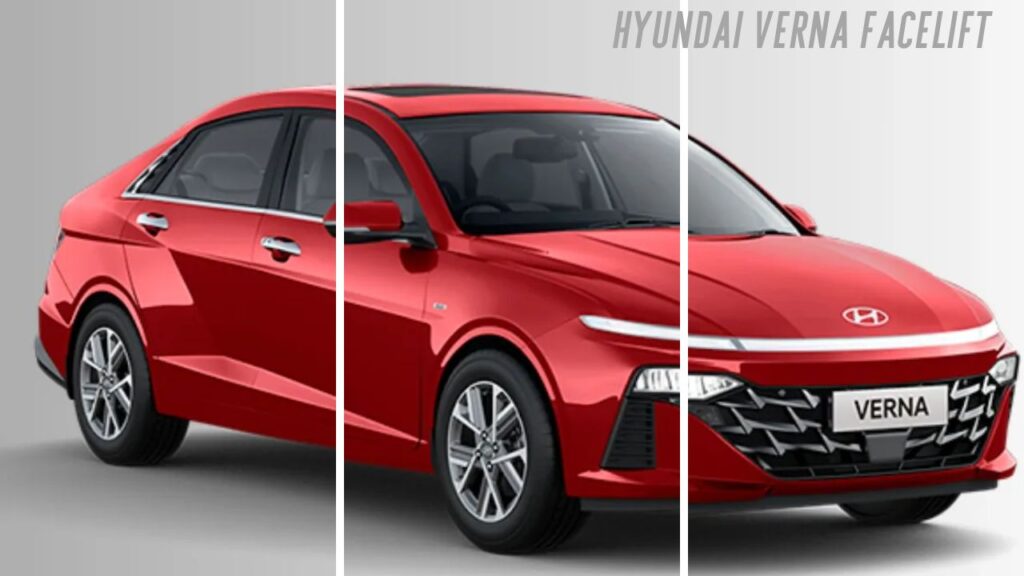
Hyundai Verna Facelift is debuting during midsize sedan segment decline as the SUVs take majority of sales. Reinventing the wheel didn’t really seem to be on Hyundai’s agenda this time around, and that’s a good thing — the Korean marque is simply evolving what already works, adding some fresh design cues, some new technology and new safety features. The end result is a sedan that is not only more modern, progressive and premium than ever, but also delivers an excellent balance of comfort, performance and reliability that made the Verna one of the best-selling cars in India.  

With crisper styling, upgraded interiors, new ADAS technology, powerful yet fuel-efficient engine choices, the Verna Facelift is all set to rekindle the faith of buyers that sedans still are a very solid proposition. 

A Fresh Face for the Modern Era

Hyundai Verna Facelift isn’t meant to be a reimagining of the entire car, rather it’s about smart updates and enhancements. A basketball hoop design replaces the previous horizontal slat grille now seen in Hyundai’s luxury designs such as the Sonata that inspires the new look. The LED light bar which has been a distinctive element for Verna is retained and revamped with upgraded lighting signatures resulting in a crisper and bolder look.​

A Fresh Face for the Modern Era

Coming to the sedan, the bonnet line has been reworked, and it adds to the overall cleaner-looking unified front-end. The bumper lines have been sharpened as well, making it look even sportier without losing none of its recognizable body. 

Inside, the Verna is treated to a new multi-layer dashboard and a revised center console that run the entire length of the cabin for a refreshed look from front to rear. New diamond-cut 16-inch alloys complete off the exterior transformation, a few variants with sleek blacked-out finishes options to add a little more sport. 

Impressive Interior That Meets Your Standards

Step into the revamped Verna and you will see that the cabin offers a good blend of upmarket features with day to day practicality. The overall design is still faithful to the winning formula of the present model, but Hyundai has added some meaningful enhancements. The infotainment system has been updated with a new touchscreen display, and there’s talk of dual 12.3-inch screens from the Venue. This would be a big boost for those who want to be connected and live the modern tech life.​

Impressive Interior That Meets Your Standards

The cabin now receives upgraded trim finishes and new colour schemes that further enhance the overall sense of luxury. Hyundai has updated the well-known beige and black dual-tone interior design with a more modern look without compromising the open and airy feel making the Verna suitable for daily drives as well as long highway drives. Comfort is still the name of the game, with ventilated and heated front seats providing convenience all year long, and the power-adjustable driver’s seat making it easy for drivers of all sizes to find a perfectly ergonomic driving position.  

Connectivity features have Verna strength from the beginning, and the facelift echoes this tradition. Over 65 intelligent services, such as remote start of the engine, climate control and car diagnostics are part of the package BlueLink connected features that you can access through your smartphone or voice assistants as Alexa and Google. That is the kind of technology that turns your car into a truly smart car instead of merely a way to get around. 

Safety That Keeps a Protection Promise 

Safety is not a bargainable parameter in automotive space these days, and the Verna Facelift reaffirms Hyundai’s adherence to this ideology. The sedan still has comprehensive airbag coverage with as many as six airbags for all-round protection – driver, passenger, sides, and curtains. Higher variants also receive optional seventh airbag arrangements.­

But what really makes the Verna stand out is its Level 2 ADAS technology – Hyundai SmartSense. The system features forward collision avoidance assist which brakes for you to avoid a crash, blind-spot collision warning, which notifies you of vehicles in your blind spots, and lane keeping assistance, which assists in staying centered in your lane on the highway. These are not gimmicks — these are real security blankets that could have a genuine impact on accident prevention. 

Other safety features available are all-wheel disc brakes on turbo models, electronic stability control, hill-start assist control, ABS with brake-force distribution, and a rear parking camera with dynamic guidelines. The rigid safety structure shows that Hyundai is serious about safeguarding its passengers. 

Read More:- Lionel Messi Car Collection 2025: Price, Models & Exclusive Photos

Engine Performance That Shouts

As for the mechanics, Verna Facelift is no different from what we know and it still sticks to the tried and tested formula. The Verna runs on a tried 1.5-litre naturally aspirated MPI petrol engine, offered in 6-speed manual and 6-speed Intelligent Variable Transmission (IVT) options and it produces 115 PS power and 144 Nm torque. Those looking for a livelier drive can opt for the sportier 1.5-liter turbo-GDI petrol, which makes a strong 160 PS and 253 Nm, available with either the 6-speed manual or an 8-speed dual-clutch automatic gearbox.  ​

Engine Performance That Shouts

The interesting speculation is that Hyundai will offer a 1.5-litre petrol-hybrid powertrain as part of their plan to roll out eight hybrid models in various segments by 2030 or oil price dependent world market demand)~ like Toyota? This could make the Verna a rival for the Honda City e:HEV and give the drivers a greener choice without compromising on power. 

Mileage Efficiency For Unstoppable Rides

Towing capacity is important for practical purposes. Interestingly, the 1.5L MPI petrol engine bodies 18.6 kmpl in MT and 19.6 kmpl in IVT auto. The turbocharged one bumps that up to 20.0 kmpl (stick) and 20.6 kmpl (DCT automatic), so it is also a fuel efficient option for those who can pay a bit more for performance. These numbers are a good compromise of power and fuel economy, which is essential for the common Joes on the road. 

Conclusion

The Hyundai Verna Facelift is more of an evolution rather than revolution. With understated styling updates, new technology, additional safety and tried and trusted mechanical dependability, Hyundai has created a saloon that feels up to date without giving up on its practical merits. Be you daily commuter, weekend warrior or intrepid family hauler, the Verna refreshed continues to defy its obsolescence and remains among the most sensible sedan options in India.  

0

Tata Launches BaaS Across Its Whole EV Range: Is the Lower Price Real?

Published Sep 29, 2026, 11:40 AM
Last Updated Sep 29, 2026, 12:17 PM

Tata Launches BaaS Across Its Whole EV Range

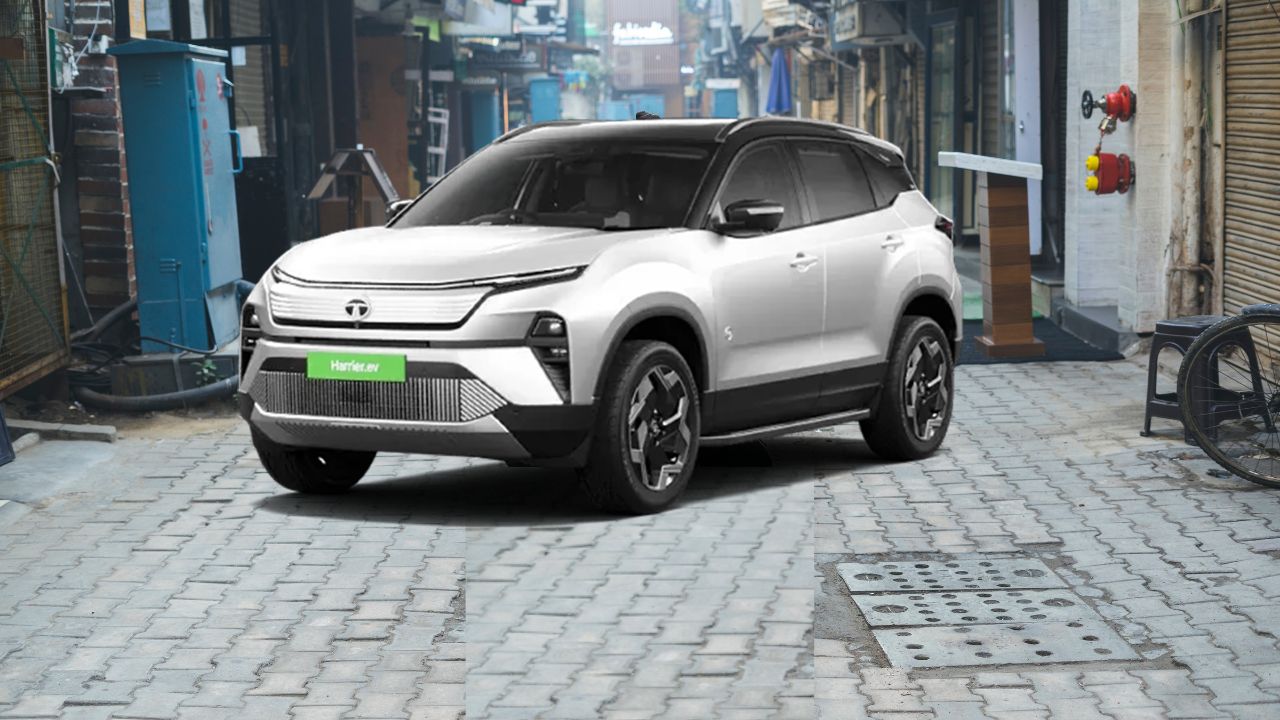
A Harrier.ev advertised at Rs 14.49 lakh looks like a different car from the Rs 21.79 lakh Harrier.ev on the regular price list. It isn’t because Tata launches BaaS. Tata Motors’ EV arm has moved the battery into a separate loan, so the sticker price falls while the battery cost still has to be paid. 

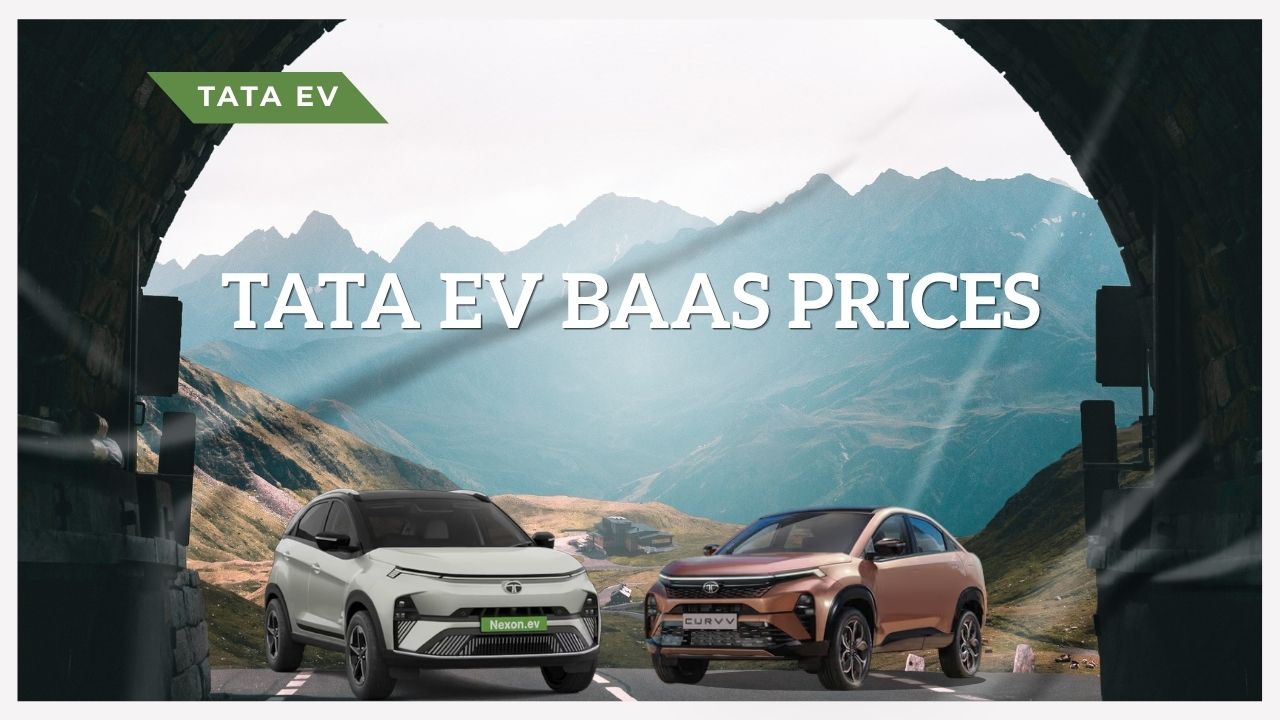
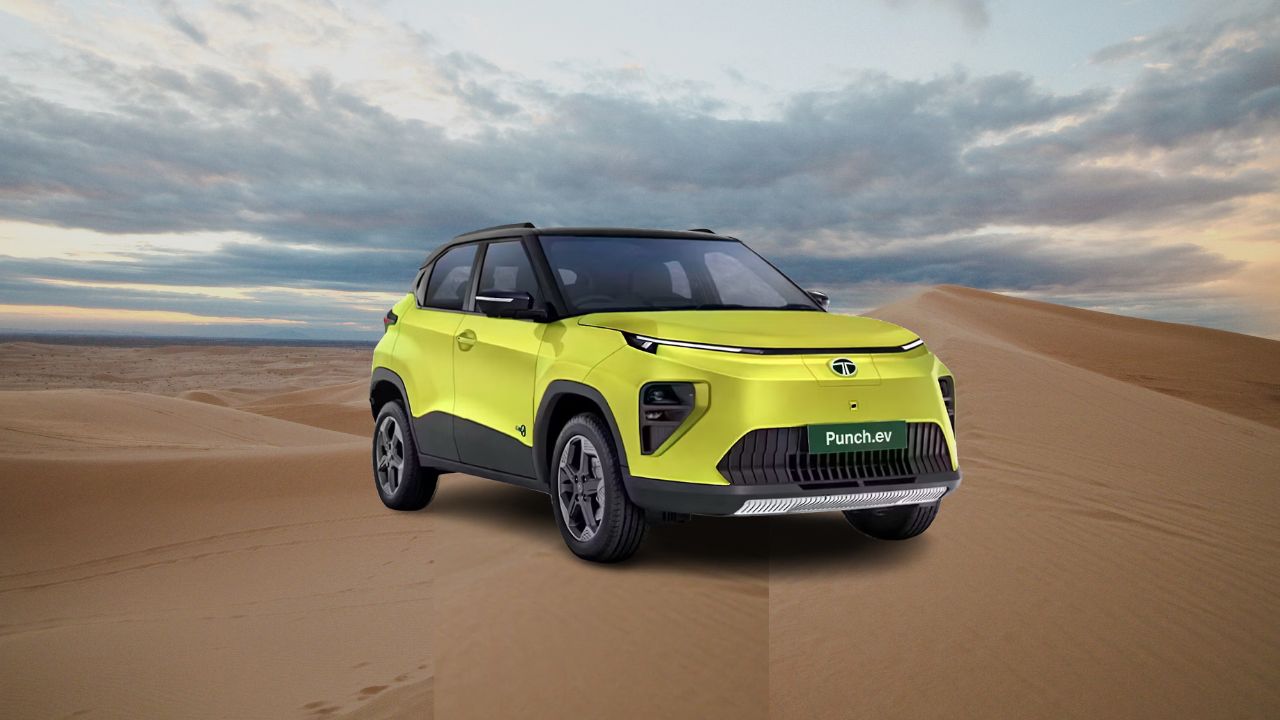
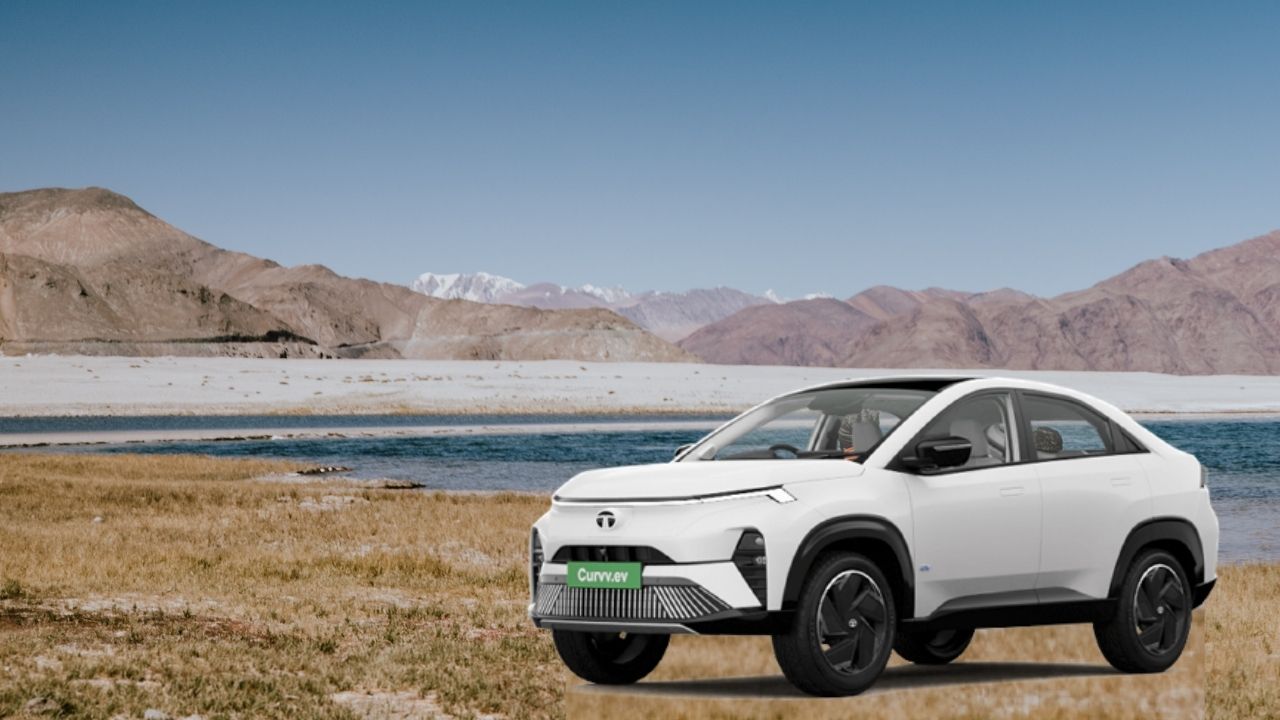
Tata.ev has extended Battery-as-a-Service to Nexon, Curvv, Sierra and Harrier, after launching it on the Tiago and Punch. Tata’s battery financing option now covers all six models, so it’s worth working out what you actually save.

Tata Launches BaaS For All EVs 

Buyers can still purchase any Tata EV with the battery included. Tata launches BaaS as an extra route, not a replacement. Tata calls it a dual-loan finance product: the vehicle and battery sit in separate loan accounts with flexible tenures, and multiple financiers are on board. The vehicle loan works like a normal car loan. The battery payment depends on battery size, down payment and tenure.

Tata’s Chief Commercial Officer, Vivek Srivatsa, said customers now want a choice in how they finance an EV as well as which one they buy. The company says the same vehicle technology, product experience and ownership support apply either way.

Tata Launches BaaS

Model-wise Tata EV BaaS Prices

Model BaaS vehicle price (ex-showroom) Regular starting price (with battery) Upfront saving vs regular price Battery usage cost
Tiago.ev ₹4.69 lakh ₹6.99 lakh ₹2.30 lakh ₹2.6/km
Punch.ev ₹6.59 lakh ₹9.79 lakh ₹3.20 lakh ₹2.6/km
Nexon.ev ₹8.99 lakh ₹14.34 lakh ₹5.35 lakh ₹4.4/km
Curvv.ev ₹10.99 lakh ₹17.19 lakh ₹6.20 lakh ₹5.0/km
Sierra.ev ₹11.99 lakh ₹18.79 lakh ₹6.80 lakh ₹5.5/km
Harrier.ev ₹14.49 lakh ₹21.79 lakh ₹7.30 lakh ₹5.9/km

The Harrier.ev’s ex-showroom price drops from Rs 21.79 lakh to Rs 14.49 lakh under BaaS. The prices apply to entry-level variants for personal users, and they exclude government levies, road tax, insurance and TCS. Tiago’s saving is the smallest and Harrier’s the largest, because a bigger battery means a bigger chunk moved out of the sticker price.

Battery capacity and claimed range for each model weren’t in the launch coverage that could verify, so check Tata’s own configurator before quoting specs in your budget.

See Full Detail :-   New Hyundai Flagship Models Arriving Soon to Dominate Indian SUV Market

How Battery Loan Charges Are Calculated

Tata quotes the battery cost per kilometre. The battery financing or usage cost starts at Rs 2.6 per km. Take a guess with these starting figures, as it’s not the rate for each model, so ask the dealer for the exact number on your variant.

Tata’s illustration assumes 60 km per day for most models and 44 km per day for the Tiago.ev. At Rs 2.6/km and 44 km a day, that works out to roughly Rs 114 a day, or about Rs 3,400 a month. Your real figure will differ with your driving and your financing terms.

Battery Loan Charges

The battery payment isn’t your running cost. Charging, maintenance and repairs are extra. Electricity still comes on top.

One warning applies to the whole scheme. The lower price is a separation of costs for financing purposes, not an equivalent discount on the complete vehicle. You are paying for the battery, just in a different account.

Tata BaaS For All EVs VS Rivals

Tata is catching up to a crowded field. Mahindra recently introduced BaaS for the XEV 9S and XEV 9e, and MG’s Hector Tomahawk EV starts at Rs 13.99 lakh plus a battery rental of Rs 4.90 per km. The same report says Hyundai’s Creta Electric, Kia’s Syros EV, Citroen’s e-C3X and Toyota’s Ebella also have BaaS options.

MG’s Rs 4.90/km is the clearest benchmark. At Tata’s 60 km/day assumption, that rate comes to about Rs 8,800 a month for battery rental alone. Tata hasn’t shared per-km rates for its larger SUVs yet, so it’s too early to say whether the Sierra or Harrier will be cheaper. 

Tata BaaS For All EVs VS Rivals

Tata’s edge is that all six models are covered, so you can stay in one brand whether you want a Rs 4.69 lakh hatchback or a Rs 14.49 lakh SUV.

The main test is how long you’ll keep the car and how far you’ll drive it. Take the Tiago.ev. The Rs 2.30 lakh upfront saving divided by Rs 2.6/km gives about 88,000 km. At 44 km a day, that’s around five and a half years. If the per-km figure is the entire battery payment and the tenure runs that long, the saving is really a deferral. That ignores interest and any structure that couldn’t be confirmed yet.

Which Kind of EV Buyers Opt For BaaS?

  • Tight upfront budgets: you can afford the monthly payments but not a large down payment.
  • Low-mileage drivers: you drive well under Tata’s daily assumptions, so a per-km battery charge costs you less.
  • Short-tenure owners: you plan to sell within a few years and won’t stay on the battery loan long.

If you drive heavily or keep cars for a decade, buying outright with the battery included will likely cost less over time.

Read  Also :-  Renault Duster Hybrid Launches in India on 17 October 

Conclusion 

Tata launches BaaS for EV across models — Tiago, Punch, Nexon, Curvv, Sierra and Harrier. EV buyers can now finance a car on two different routes, this lowers the sticker but not the car price. This is not a discount, it’s a way to make a broader financing option for EVs.

Before signing, ask the dealer for the total down payment across both loans, the total payable over both tenures, and the battery EMI in writing. Compare that with a standard single loan. If the BaaS total isn’t clearly lower for your usage, skip it.

And if your budget is tight, consider this as a chance to buy an EV under Battery-as-a-Service scheme. 

0

Mahindra XUV700 Facelift 2026 – New Features, Design Updates & Latest Details

Published Nov 25, 2025, 1:02 PM
Last Updated Apr 10, 2026, 7:21 AM

Mahindra XUV700 Facelift 2026

The Mahindra XUV700 has been the undisputed leader in the Indian SUV space ever since its launch in 2021. Now it’s time for the company to prepare a thrilling new edition to keep that trend very much alive and well. The 2026 refresh is set to include such an impressive array of updates that it’s expected to entice even more buyers. So, let’s take a look at what’s new, what’s changed and why this facelift is worth the wait. 

What’s the Big Deal with the Facelift?

A “facelift” in terms of cars, is when a vehicle is given a bit of a design and feature refresh to keep it looking up to date and competitive. The XUV700 facelift 2026 is not a mere patchwork-up. It brings massive changes on the outside and inside the SUV. Facelift is all set to keep Mahindra ahead in the war marred mid-size SUV segment which is their bread and butter where it faces competition from Tata Safari, MG Hector Plus, Hyundai Alcazar.

The good news is the update will make the XUV700 even more capable while still being the XUV700 that owners already love. The upcoming model is expected to debut in 2026, and judging from the spy shots of the prototype, we now have a peek at what is coming. 

Design Updates

The body of 2026 XUV700 facelift remains same but gets an all new front end- which will be a huge change in the new model. Here’s what’s changing:

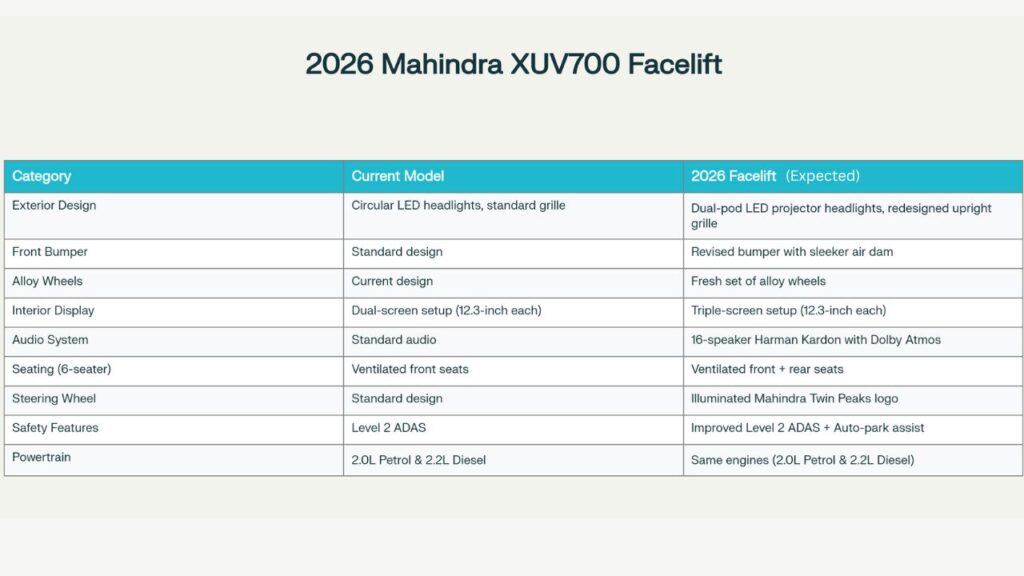
Front Fascia: The circular headlights are disappearing to give way to dual-pod LED projector headlights which look much sharper and modern. The new lamps will have a new design for the C-shaped LED DRLs, appearing more futuristic and aggressive. 

Grille: The grille at the front has been redesigned. It’s more upright and has more slats, which gives the XUV700 a new identity that is more premium and unique. The restyled design was inspired by Mahindra’s new electric SUVs such as the BE 6 and XEV 9e.​

Bumper Design: The lower part of the front bumper is restyled with a more streamlined air dam and a new lower lip on the bumper that gives a more refined finished look. The rear bumper gets revisions too in line with the new design language. 

Alloy Wheels: There will be new alloy wheel designs that match the contemporary exterior style.​

Mahindra XUV700 Facelift 2026 vs Current Model

Mahindra XUV700 Facelift 2026 vs Current Model – (Expected) Key Updates Comparison

Rear End : The rear receives minor changes that includes a new LED lightbar and restyled bumper. The dual tail light set up with vertical extensions mounted on both sides is also said to modernize its looks. 

Interior Features

It’s the interior of the new XUV700 that truly sizzles. Mahindra is bringing certain features from its electric SUVs to enhance the premium feel of the cabin and make it more tech-forward.

Triple Screen Setup: The transformed triple-screen dashboard setup, inspired by the Mahindra XEV 9e, is the most significant change in the interior. The instrument cluster, the infotainment screen, and the co-passenger entertainment screen – all three are 12.3 inches in size. This is the kind of arrangement you usually find in far more expensive SUVs, and it just adds to the value of the XUV700.​

Premium Audio System: The existing unit already a treat to ears but the 2026 gets premium 16-speaker Harman Kardon audio system with Dolby Atmos. This is the same audio system available in Mahindra’s EVs and will give you film-quality audio inside your SUV.​

Comfort Features: The 6-seater model would now receive rear ventilated seats in the second row, ideal for Indian summers. The revised version also introduces an auto-dimming internal rear-view mirror in the XUV700. You will also find one more wireless phone charger, so as you and your partner keep your phones charged on road trips. 

Steering Wheel: The steering wheel now sports an illuminated Mahindra Twin Peaks logo for a premium feel when you get in at night.​

Advanced Safety Tech: Among the most-discussed features is the auto-park assist feature, which can park the car itself in a tight spot —a high-end luxury car feature until now. 

Technology & Safety

Apart from the screens and the sound system, the facelift also makes the XUV700 smarter. The Level 2 ADAS (Advanced Driver Assistance System) will be enhanced with more functions and better performance. A digital key feature will enable you to unlock and start your car from your smartphone.​

Other anticipated technology upgrades include upgraded connected car features and a refreshed infotainment system with more touchscreen-based controls. Rear sun blinds and ambient lighting throughout the cabin which help to create a more premium feeling. 

Same Powerful Engines

Here’s the thing about the facelift — the engines remain the same because they’re already great. The XUV700 will get two power options.​

The 2.0-litre turbo Petrol engine is capable of producing 197 bhp @ 5,000 rpm and 380 Nm of torque between 1,750 and 3,000 rpm. Then there’s the 2.2-litre diesel, which delivers an economical punch for the purists. 

Either a 6-speed manual or 6-speed automatic gearbox can be had for both engines. So no mechanical changes just the engines that have been excellent in terms of reliability and performance. 

What Stays the Same?

The XUV700 facelift is packed with the features that already have you hooked. This includes the panoramic roof, 360-degree camera, ventilated front seats, dual-zone air conditioning, electronic parking brake and tire pressure monitoring system. You can still opt between the 6-seater and 7-seater variants. 

When Can You Buy It?

The update is said to come in 2026. Although the release date has not been confirmed, Mahindra is already shuttling the vehicle on roads in India, meaning that an official unveiling is drawing nearer. 

Conclusion

The Mahindra XUV700 facelift 2026 is turning out to be an impressive midcycle update that the manufacturer planned to bring to the buyers, including more features, better tech and an all-new look. It’s not an all-new design, which is good news, because customers already love the shape of the current XUV700’s body. Instead, it’s a smart refresh that transfers features from luxury cars and electric vehicles to this beloved SUV.

If you’re in the market for a mid-size SUV and can hold on a few months, wait for the 2026 refresh. Mahindra has undoubtedly heard the customers desires and has brought forth an update that emanates an improved comfort, more tech, a more premium feel—all with the same reliable engines and practical design that made the XUV700 such a hit. 

0

How to Get a Car Loan in 2026: Know Everything Before Purchasing 

Published Aug 17, 2026, 11:15 AM
Last Updated Aug 18, 2026, 4:49 AM

Get a Car Loan

You’ve picked the car, negotiated the on-road price, and the dealership’s finance desk is already pushing a “special tie-up rate” from their partner bank. It sounds convenient, but it isn’t always the lowest rate you can get. In 2026, car loan interest rates in India range from roughly 7.40% to 14% per annum for the same loan amount, and that difference can add up to tens of thousands of rupees over a five-year tenure. Knowing how to get a car loan in 2026 means knowing where that gap comes from and how to land on the right side of it.

The market has shifted in a few real ways this year. Public sector banks are leaning harder on repo-linked pricing, which keeps their floating rates unusually low for well-qualified borrowers. Several banks have quietly added “Green Car Loan” schemes for electric vehicles, shaving up to 0.5% off the standard rate but you often have to ask for it by name, because it isn’t always applied automatically. 

And private lenders have gone all-in on speed: some can disburse funds in under 48 hours for pre-approved customers, which matters if you’re trying to lock in a dealership discount that expires this weekend.

Why the Rate on the Loan Sheet Isn’t the Rate You’re Getting

Every bank advertises a “starting from” rate. Almost nobody actually gets it. Your real rate depends on four things: your CIBIL score, your income stability, your relationship with the lender (salary account, existing FD, prior loan history), and how much you’re putting down upfront.

On an ₹8 lakh loan over five years, the difference between a 9% rate and a 10.5% rate works out to roughly ₹600 extra per month and around ₹36,000 more in total interest paid. That’s the real cost of walking into the first bank the dealer recommends instead of comparing two or three.

CIBIL score is the single biggest lever here. Cross 750 and you’re in the best pricing band almost everywhere. Sit between 700 and 749 and expect to pay 0.25–0.50% more. Fall below 700 and you’re either looking at a materially higher rate or a straight rejection from PSU banks — which is usually when NBFCs enter the picture.

Eligibility Criteria Lenders Mostly Check

Most banks and NBFCs in India follow a similar checklist, even if the exact numbers vary:

  • Age: Typically 21 to 60 years for salaried applicants at loan application, extending to 65–70 for self-employed applicants, with the loan expected to close before the borrower turns roughly 60–65 in most bank policies (a few NBFCs stretch this further).
  • Income: Salaried applicants usually need a minimum annual income in the ₹2.5–3 lakh range, though this varies by lender and city tier. Self-employed applicants typically need two years of ITRs and stable business banking history.
  • Documentation for salaried applicants: three recent salary slips, six months of bank statements, and Form 16. Most banks process this category in one to three working days.
  • Documentation for self-employed applicants: two years of ITRs, business proof, and bank statements, with processing usually taking three to seven working days.
  • Credit score: 750+ for the best advertised rates; below 700 usually means a rate markup or a review by a senior underwriter.

Salary credited directly to a bank account matters more than people realize — lenders verify this through payslips and, occasionally, a call to your employer’s HR desk.

Step-by-Step Process of How to Get a Car Loan in 2026 

Start by pulling your CIBIL score before you go anywhere near a dealership — this single step tells you which pricing tier you’re actually shopping in, rather than the one the advertisement implies. From there, decide your down payment; putting down 20% or more instead of the minimum doesn’t just lower your EMI, it often unlocks a better rate because it reduces the lender’s loan-to-value exposure.

Car Loan

Next, get quotes from at least three lenders across the three categories — a PSU bank, a private bank, and an NBFC — rather than accepting the dealership’s in-house financing partner by default. Dealership tie-ups are convenient, but convenience is priced in. 

Once you have two or three sanction letters in hand, use them against each other; lenders will often match or beat a competing offer for a borrower they’ve already approved, especially if you hold a salary or savings account with them. Submit final documentation, get the loan sanctioned, and the amount is disbursed directly to the dealer, not to you.

Read More :-  Best Car Air Filters for Better Engine Performance & Save Your Repair Cost

Car Loan Options in India for 2026

Rates below are moved monthly and vary by credit profile, loan amount, and city — confirm the current number directly with the lender before trying to apply.

  1. State Bank of India (SBI) — Rates run roughly 8.70%–9.85% for new cars, with funding up to 90% of the on-road price and tenure stretching to 84 months. SBI waives foreclosure charges after 24 months, which is a real saving if you plan to prepay. The trade-off is processing speed: expect three to five working days, not 48-hour disbursal. 

Best for: salaried government and PSU employees who want the lowest realistic rate and don’t need same-week funding.

  1. Punjab National Bank (PNB) — One of the lower floating-rate options among public banks, typically in the 7.60%–10.70% band. Strong fit for salaried applicants with a clean credit history. The catch is that PNB’s process is more paperwork-heavy than most private banks. 

Best for: borrowers prioritizing the lowest headline rate over speed.

  1. Bank of Baroda — Its Baroda Car Loan covers up to 90% of a new vehicle’s cost, with a loan cap of ₹5 crore and tenure up to 84 months. Rates span roughly 7.60%–11.35% depending on profile. 

Best for: buyers financing a higher-value vehicle who still want PSU-level pricing at the low end.

  1. Canara Bank — Consistently among the cheapest PSU options, with rates starting near 7.45% for well-qualified applicants. It’s a strong choice if your CIBIL score clears 750 and you’re not in a hurry. 

Best for: high-CIBIL borrowers optimizing purely for the lowest interest cost.

  1. HDFC Bank — HDFC’s own published rack rate as of August 2026 starts from 9.40%, notably higher than some aggregator figures floating around from earlier in the year — a reminder to always check the lender’s own page rather than a comparison site’s cached number. What you’re paying for is speed: HDFC’s Xpress Car Loan offers near-instant pre-approval for existing customers and 100% on-road funding on select models. 

Best for: existing HDFC customers who want funds disbursed within hours, not days.

  1. ICICI Bank — Rates generally sit in the 8.35%–9.60% range for new cars, with a similarly fast digital approval process for pre-approved customers. 

Best for: tech-comfortable borrowers who’d rather apply and track everything through an app.

  1. Kotak Mahindra Bank — Typically priced around 8.99%–10.25%, positioned between the PSU banks and the fastest private lenders on both rate and speed. 

Best for: borrowers who want a middle ground without shopping for five different lenders.

  1. IndusInd Bank — The one private bank in this list still advertising an introductory rate as low as 8.00% on select models, with 100% financing against ex-showroom price and tenure extendable to seven years in some cases. 

Best for: buyers of specific IndusInd-partnered models chasing a rate closer to PSU territory with private-bank speed.

  1. Bajaj Finserv (NBFC) — Rates span a wide 7.50%–14% band, loan amounts up to ₹5 crore, and tenure extendable to 96 months — the longest on this list. Processing fees can run up to 2.95% of the loan amount, and prepayment charges (around 4.72% on the outstanding amount) are steeper than most banks. 

Best for: buyers with a strong credit file who got turned away or under-quoted by a bank, or who need funds faster than a PSU bank can deliver.

  1. Tata Capital (NBFC) — Starts around 9.99%, with loans up to ₹50 lakh and tenure up to 84 months, financing up to 100% of the car’s cost. Salaried applicants need a minimum annual income near ₹3 lakh; self-employed applicants can apply up to age 65. 

Best for: self-employed buyers who don’t fit a bank’s stricter documentation window but still want a recognizable NBFC name.

New Car vs Used Car Loans: The Rate Gap You Need to Know

If the brief calls for a used-car angle, don’t reuse the new-car rate table — it’s misleading. Used car loans run meaningfully higher, typically 11%–16% against 8.75%–10% for new cars, because resale value is harder to predict and repossession risk is higher for the lender. 

New Car vs Used Car Loans

Most banks also finance only 70–75% of the vehicle’s assessed valuation, not the price you agreed with the seller. Buy a three-year-old hatchback for ₹5 lakh that the bank values at ₹4.5 lakh, and your loan tops out around ₹3.37 lakh — the rest comes from your own pocket. 

Vehicle age matters too: most lenders won’t finance cars older than seven or eight years, and total loan tenure typically can’t outlast the car’s remaining useful life by their internal formula.

5-Ways to Lower Your Rate Before You Sign

  1. Push your CIBIL score above 750 if you have even a few weeks of runway before buying — it’s the single biggest rate lever available to you. 
  2. Put down 20% or more instead of the lender’s minimum; it lowers the loan-to-value ratio and lenders price that risk reduction in. 
  3. Choose a shorter tenure where your EMI comfortably fits your budget — shorter loans consistently carry lower rates, even if the monthly payment is higher. 
  4. Route your salary or maintain a savings relationship with the lender you’re applying to; a 0.10–0.25% relationship discount is common and rarely advertised. 
  5. And if you’re buying an EV, ask specifically about a Green Car Loan waiver — several banks in 2026 offer up to 0.5% off, but it’s opt-in, not automatic.

Which Lender Fits You For Car Loan

If your CIBIL score clears 750, you hold a salary account with a large PSU bank, and you can wait three to five working days. SBI, PNB, Bank of Baroda, or Canara Bank will save you the most money over a five-year term. If you need funds released within 48 hours to hold a dealership discount, HDFC Bank, ICICI Bank, or IndusInd Bank’s pre-approved route is worth the extra percentage point. 

If your CIBIL score sits under 700, or you’re self-employed without a clean two-year ITR history, Bajaj Finserv or Tata Capital will approve faster than a bank will — you’re paying for that flexibility in the rate, so treat it as a bridge, not a permanent home for the loan.

Read More :-  Thar Roxx Accessories to Buy Online That Actually Worth Buying in 2026 

Conclusion

Taking a car loan in 2026 isn’t just about finding a lender that will approve you — it’s about finding the rate and terms that make sense for your budget. Your CIBIL score, downpayment, loan tenure, existing relationship with bank, and choice of PSU bank, private lender or NBFC can affect the amount you pay. 

The wisest course of action is to get your credit score first, shop around to 3 or more lenders, negotiate with competing quotes, and don’t be fooled by the headline interest rate alone look at any processing and prepayment fees. A little due diligence before signing can save you thousands over the life of a loan. And when purchasing an EV, be sure to ask specifically about Green Car Loan discounts, as they are not automatically applied.