0

Best Car Air Filters for Better Engine Performance & Save Your Repair Cost

Best Car Air Filters for Better Engine

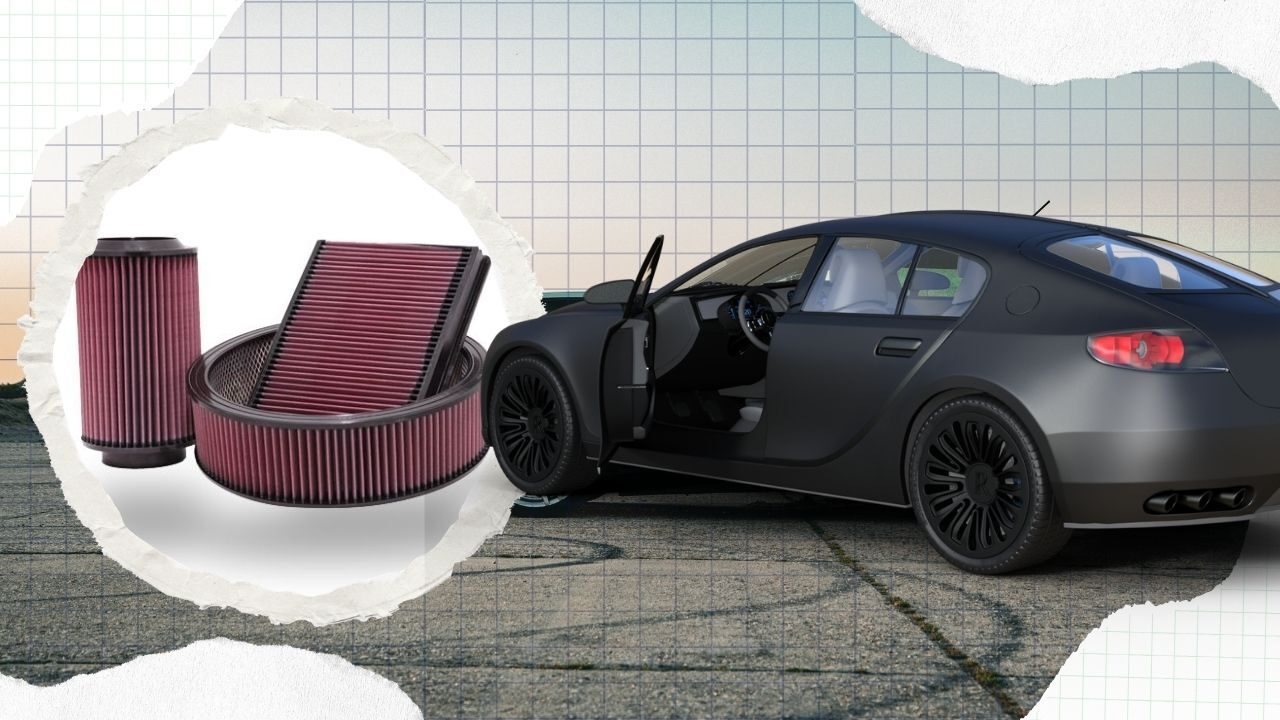
Your car’s mileage has dropped two or three kilometers per liter for no obvious reason. And the mechanic at your last service glanced under the hood and said the one line every mechanic says: “change your air filter.” Once you understand why the best car air filters for better engine performance can make your experience more exciting and comfy, you won’t get lazy next time.

It’s the cheapest item on the entire service invoice, and it’s also the one most owners skip, mostly because nobody explains what it actually does or which one is worth buying. A clogged filter starves the engine of oxygen, and the ECU compensates by dumping in more fuel to hold the same air-fuel ratio — which is exactly why a ₹300 part shows up later as a fuel-bill problem. 

This guide runs through the best car air filters available in India right now, what they actually cost, and which one fits your car and how you drive — because when it comes to car air filters for better engine performance, the brand name matters less than getting the right part number.

What Indian Market Has to Say

India’s aftermarket filter market is more fragmented than the brand names suggest. Industry estimates put counterfeit and substandard filters at roughly 15–20% of aftermarket volume, and the same “Bosch” or “K&N” listing can be priced anywhere from ₹80 on a wholesale portal to ₹5,000+ on a retail site, depending on whether it’s genuine, which vehicle it’s cut for, and who’s selling it. 

So treat every price below as a starting range tied to the exact model, not a fixed number — always match the part number to your car’s manual before you buy.

Engine Air Filter or Cabin Air Filter — Make Sure You’re Buying the Right One

Search “car air filter” on any Indian marketplace and roughly half the results that come back are cabin (AC) filters, not the engine air filter what we are talking about and they’re not interchangeable. 

The engine air filter sits in a black plastic housing near the top of the engine bay and filters air going into combustion; a clogged one costs you mileage and throttle response, which is the problem this guide solves. 

The cabin filter sits behind the glovebox or under the dashboard and filters air blowing through your AC vents; a clogged one causes musty smells and weak airflow from the vents, not engine problems. 

Both are cheap, both should be checked at service intervals, but they’re different parts with different part numbers. So if a listing doesn’t specify “engine air filter” or give a part number that matches your owner’s manual, don’t assume it’s the one your engine needs.

Best Car Air Filters for Better Engine Performance: Top Picks Compared

These ten are picked for genuine OE relationships, real availability in India, and price transparency. Specs and prices are approximate; confirm the exact SKU for your car before ordering.

1. Purolator (Mahle Filter Systems India) — Best Overall 

  • Price: roughly ₹250–₹900 for hatchbacks and sedans, more for SUVs and diesel variants. 
  • Filter media: multi-layer paper/cellulose. 
  • Coverage: Maruti Suzuki, Hyundai, Tata, and Mahindra, since Mahle Filter Systems India — the joint venture behind this brand — already tools first-fit parts for most major Indian OEMs. 
  • Replacement interval: 10,000–15,000 km for a typical paper element. The upside is that you’re often buying the same part the factory used, at aftermarket pricing. 
  • Best for: owners who want a factory-identical replacement without paying performance-filter prices.

The downside is that smaller-town stores don’t always stock the full SKU range, so you may need to order online. 
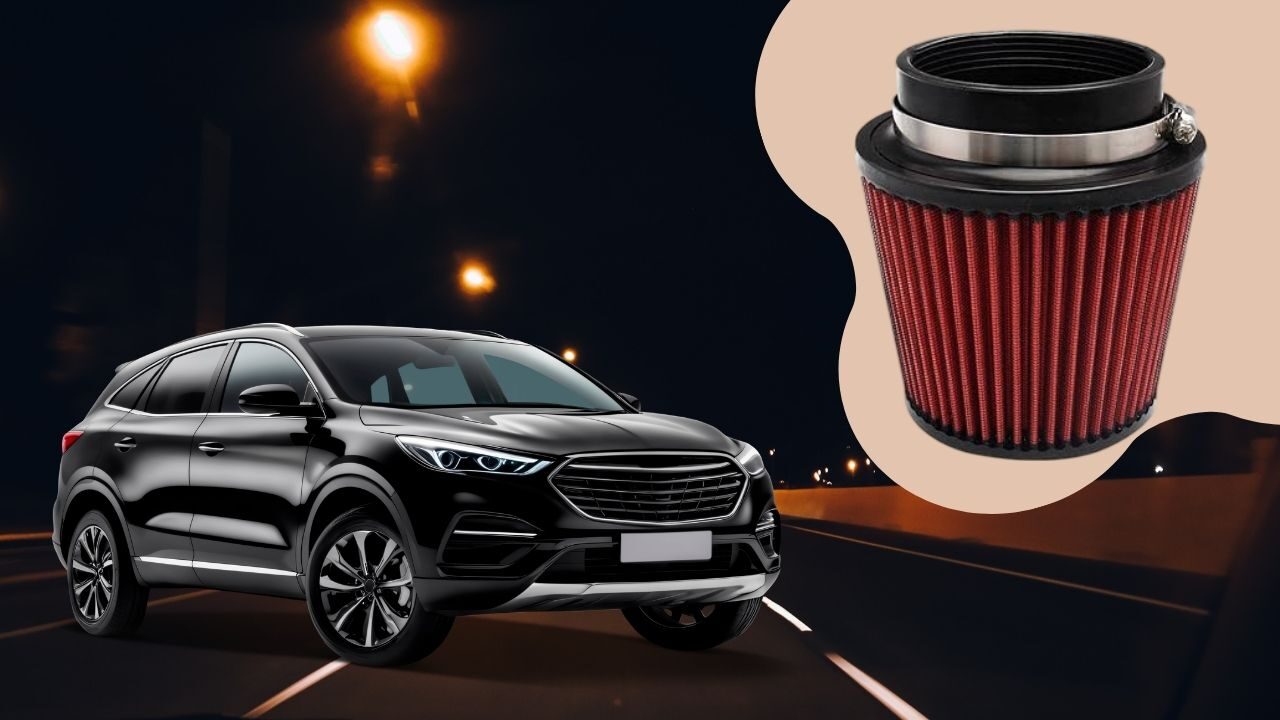
Indian Market

2. Bosch — Best for Wide Vehicle Range 

  • Price: roughly ₹350–₹900 for common engine filters, climbing past ₹4,000 for some SUV and premium fitments. 
  • Filter media: micro-fiber and resin-treated paper. 
  • Coverage: about as broad as it gets — hatchbacks through premium SUVs and several imports. 
  • Best for: buyers who want a globally recognized name backed by a real Indian service network.

It’s manufactured in India under Bosch Germany’s process standards, so quality control is consistent across the range. The catch is that the price spread is wide enough that the brand name alone tells you little — check the exact part number, not just the box. Best for: buyers who want a globally recognized name backed by a real Indian service network.

3. MANN-Filter — Best European Engineering 

  • Price: roughly ₹500–₹2,500, higher on VW Group, Skoda, and Audi diesel fitments. 
  • Filter media: deep-pleat multi-layer paper built for higher dust-holding capacity. 
  • Coverage: strongest on European makes, though it also fits a decent range of Japanese, Korean, and Indian models. 
  • Best for: owners of German or European cars who want a factory-spec part rather than a generic cross-fit.

It’s engineered by the actual OE supplier to several European automakers, so fitment on those cars is exact. Distribution outside metro cities is thinner than Bosch or Purolator. 

Read More:- Thar Roxx Accessories to Buy Online That Actually Worth Buying in 2026 

4. K&N — Best for Performance and Long-Term Cost

  • Price: roughly ₹4,800–₹8,000+, among the priciest options here. 
  • Filter media: oiled cotton gauze — washable and reusable rather than disposable. 
  • Coverage: model-specific performance filters plus universal options. 
  • Best for: owners planning to keep the car 6+ years, or anyone chasing a small, real improvement rather than a marketing promise.

It doesn’t get replaced but gets cleaned and re-oiled roughly every 50,000 km, so the steep upfront cost spreads across the life of the car and can undercut five or six rounds of ₹300–₹900 paper replacements. The real gain is modestly higher airflow and slightly sharper throttle response, not a dramatic power jump — and oiling it incorrectly can throw off mass airflow sensor readings on some ECUs. 

5. Denso — Best OEM Match for Maruti Suzuki and Toyota

Price: roughly ₹300–₹1,200. Filter media: pleated paper. 

Coverage: strongest on Maruti Suzuki and Toyota platforms, where Denso is a first-fit supplier — so it’s close to a factory-identical part at aftermarket pricing. Coverage thins out fast for Hyundai, Tata, or Mahindra, so it’s a poor fit for anyone outside those two brands. 

Best for: Maruti Suzuki and Toyota owners specifically.

6. ACDelco — Best for Chevrolet Legacy Owners 

  • Price: roughly ₹300–₹1,000 where stocked. 
  • Filter media: standard pleated paper. 
  • Coverage: built around GM’s old India lineup — Beat, Spark, Cruze, Enjoy — from before GM exited India’s passenger car market in 2017. 
  • Best for: owners keeping an older Chevrolet running rather than switching brands.

It’s still the closest OE match for the roughly 1.5 million Chevrolet vehicles left on Indian roads, but dealer stock has thinned since the exit, so sourcing usually means ordering online rather than walking into a store. 

7. Mahle — Best Premium Tier (Purolator’s Sister Brand) 

  • Price: roughly ₹400–₹2,000+. 
  • Filter media: high-density pleated paper, with some models adding an activated-carbon layer. 
  • Coverage: broad, from the same Mahle Anand Filter Systems factories as Purolator, but positioned as the denser, higher-filtration tier of the two. 
  • Best for: owners who do a lot of highway or unpaved-road driving.

The extra density matters more on dusty highways or rural routes than in city traffic, where the price premium over Purolator often isn’t worth paying. 

8. Fram — Best for Imported or Less Common Models 

  • Price: roughly ₹300–₹1,500. 
  • Filter media: pleated paper, with build quality that varies noticeably across the range. 
  • Coverage: broad worldwide, but stronger for imported and CBU models than for mass-market Indian cars. 
  • Best for: owners of imported or less common models that Indian-specific brands don’t stock.

It’s one of the most recognized names globally, which makes cross-referencing part numbers easy, though the budget SKUs use a noticeably lighter frame than the mid-tier ones — check reviews for your specific part number before buying. 

9. UFI Filters — Best Italian OE-Spec Alternative 

Price: roughly ₹400–₹1,800 where available. 

  • Filter media: multi-layer paper tuned for the dust-holding demands of European emission-standard vehicles. 
  • Coverage: growing in India, where UFI now has both R&D and manufacturing presence, mostly supplying OEMs directly. 
  • Best for: owners who specifically want a European filtration brand outside the Bosch/Mann duopoly.

Retail availability is patchier than Bosch or Purolator — this is mostly an online purchase, not a shelf item. 

10. Manufacturer Genuine Filters (Maruti Suzuki, Hyundai, Tata) — Best for Warranty-Safe Replacement 

  • Price: roughly ₹200–₹900, depending on model and dealership margin. 
  • Filter media: whatever the OEM originally specified. 
  • Coverage: only fits the brand it’s sold under, with no cross-compatibility. 
  • Best for: owners still inside the manufacturer’s warranty period who don’t want any argument during a claim.

There’s zero ambiguity about warranty compliance since it’s the exact part the manufacturer lists, but it’s usually the priciest per-filter option once dealership margin is added, and it locks you into that one brand’s network. 

Read More:- Best Car Accessories for Thar Roxx You Should Buy in 2026

Purolator vs. Bosch: The Real Head-to-Head

These two are the strongest all-round picks, and the choice between them comes down to your car rather than brand loyalty. Purolator wins on price for mainstream Maruti Suzuki, Hyundai, and Tata models, because Mahle Filter Systems India already tools the exact part for those OEM contracts — you’re effectively buying the factory filter at aftermarket pricing. 
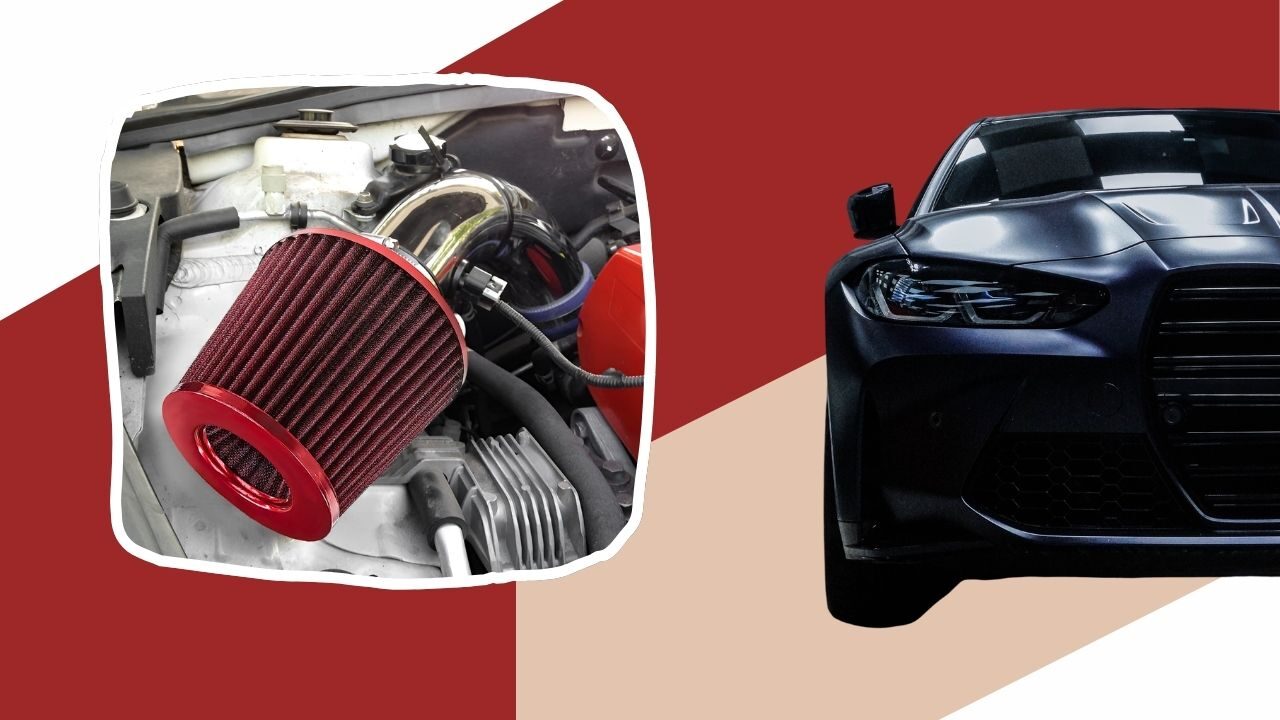
Purolator vs. Bosch

Bosch wins on breadth: if your car isn’t from those three or four brands, or you’re not sure which SKU fits, Bosch’s catalog and online cross-reference tools make it easier to land on the correct part without guessing. For a mainstream Indian hatchback or sedan, Purolator is the cheaper correct answer. For anything less common, Bosch is the safer one.

Signs You’re Actually Overdue for a Replacement

Most owners wait for a service reminder instead of watching for the actual signs, which is how a ₹300 fix turns into a habit of paying more at the pump for months. A visual check is the fastest test — pull the filter out and hold it up to a light; if you can’t see light through it, it’s overdue regardless of what the odometer says. 

Beyond that, watch for a drop in fuel economy that shows up gradually rather than overnight, a rough or hesitant idle, a faint sooty smell from the exhaust on start-up, and reduced acceleration that you’d normally blame on traffic or a tired driver. None of these symptoms are exclusive to a dirty air filter, but if two or more show up together and your last filter change was more than 12,000–15,000 km ago, it’s worth ruling out before you spend money diagnosing anything more expensive.

Which Air Filter Should You Actually Buy?

Start with your situation, not the brand name.

If you drive mostly in the city and want the cheapest correct fit, go with Purolator, or the OEM-linked brand for your car — Denso for a Maruti Suzuki or Toyota, ACDelco for an older Chevrolet. If your routes are mixed highway or rural and dustier than average, Mahle’s denser filter media earns its premium over standard Purolator. 

If you’re keeping the car six-plus years and want a small, real performance gain rather than a marketing claim, budget for a K&N as a one-time cost instead of five recurring ones. If you’re still inside the manufacturer’s warranty period, pay the premium for the genuine part — it removes any argument during a claim.

Wherever you buy — Amazon.in, Flipkart, Moglix, Carorbis, or a brand’s authorized dealer network match the exact part number to your car’s manual rather than trusting the brand name on its own. Given how much counterfeit and mislabeled stock circulates in India’s filter aftermarket, getting the fitment right matters more than which of these ten brands ends up under your hood.

Read More:- Best Brake Pads for Cars: Top Options for Safe Driving

Conclusion 

An effective car air filter isn’t going to be pricey and still make a difference. Many Indian car owners consider a good OE quality filter from the likes of Purolator, Bosch, Denso, Mahle etc to be sufficient for keeping the airflow/mileage/engine performance in check. The trick is finding the right part number for your car, rather than buying the priciest brand. 

If your car’s air filter looks dirty or you’re experiencing decreased gas mileage and reduced acceleration, changing it is one of the least expensive maintenance tasks you can perform. And with fake and mismatched filters abound in the aftermarket, sourcing from a trustworthy retailer and verifying the correct fitment is as important as the filter brand. 

Sharey Khan

Sharey Khan is an IT entrepreneur and petrol head & a car enthusiast. With a special focus on car-related content, he combines his deep passion for vehicles with a talent for crafting informative, engaging, and easy-to-understand content. His writing is driven by a genuine love for cars and he is committed to providing readers with accurate, up-to-date, and trustworthy information that empowers smarter driving decisions. 

Leave a Reply

Your email address will not be published. Required fields are marked *

Related Articles

0

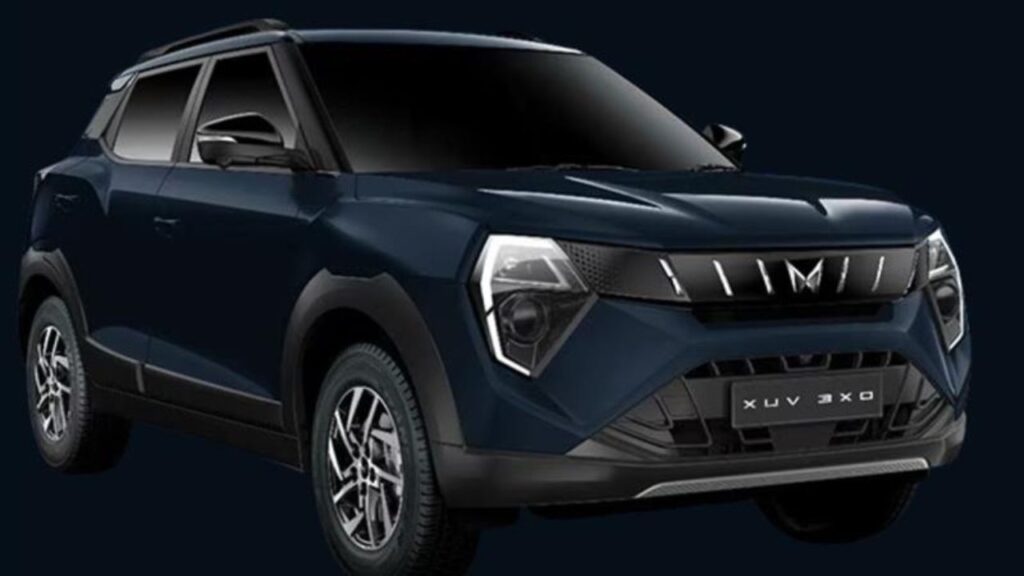
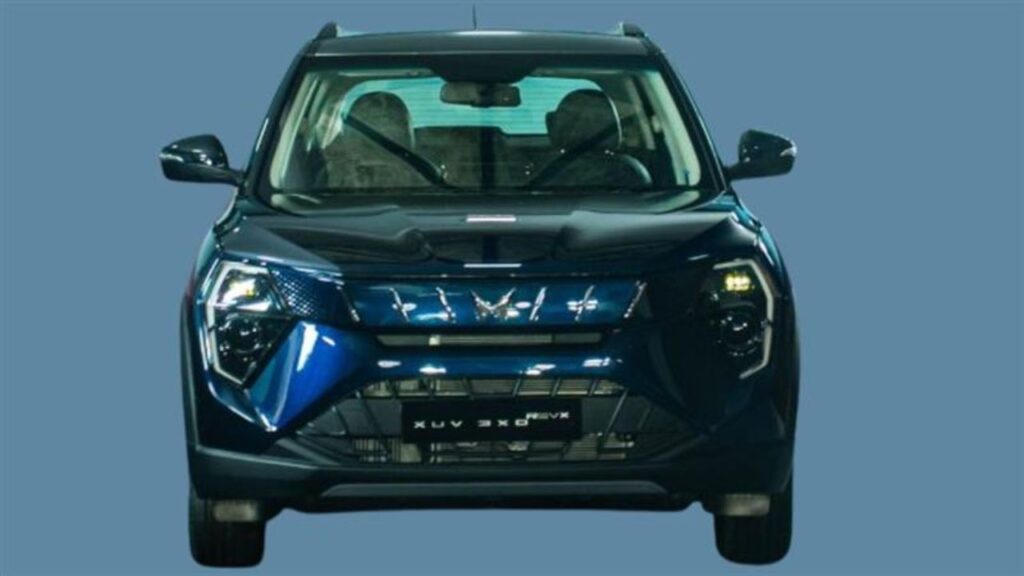
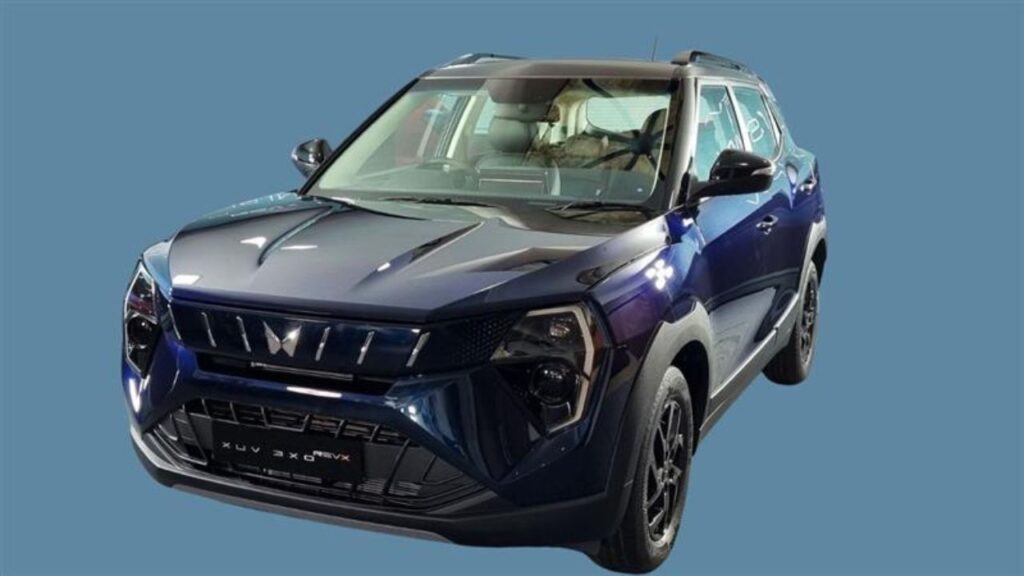
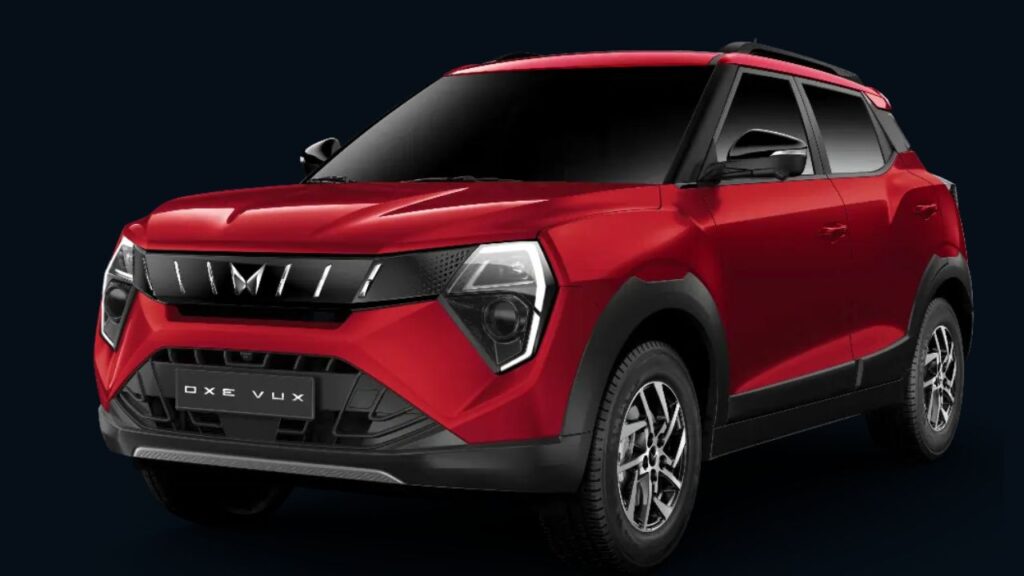
Mahindra XUV 3XO REVX is Finally Here – Explore Its Fresh Styling, Engine Power and Features

Published Jul 9, 2025, 10:57 AM
Last Updated Apr 7, 2026, 6:24 AM

Mahindra XUV 3XO REVX is Finally Here

Mahindra is not lettingus take a breath, the new version of XUV 3XO SUV is here as Mahindra XUV 3XO REVX. Mahindra added mind blowing features in the new model such as design, engine, and its sporty interior. The car amazes your mood with its features that let you drive everywhere smoothly. There is a slight difference with its 1.2L turbo engines that are based only on petrol. Few changes have been made to acquire the best performance.

Mahindra swear to make strong contenders in the SUV world, it makes a great impression with its sporty looks and practical features. The combination hits the market.

Exterior Design 

Exterior Design

The minor front change of color in the panel that was black before, now looks more amazing with the dual-tone color scheme. The black colored roof with C-pillar has been added to the new version that goes unnoticed by anyone. 

The design pattern remains the same in the wheels with 16-inch black wheels that make a good impression. This premium look stands a chance among the coolest cars collections.

Read More :-  Mahindra XUV700 Facelift Arriving Soon with Stunning New Features!

Look & Interior Design

Look & Interior Design

Mahindra XUV 3XO REVX is designed with sporty interior look including panoramic sunroof, leatherette stitched seats, comfortable front pedal, 10.25-inch touch screen pad to control & instruct. 

Mahindra XUV 3XO REVX Pricing:

Mahindra XUV 3XO REVX Pricing

In India, there are three variants available REV M, M(O), and A that cost you around Rs. 10.32 lakh, Rs. 10.90 lakhs, and Rs. 15.26 lakhs respectively. 

0

Sultan Hassanal Bolkiah Car Collection: Inside the World’s Largest Garage

Published Jan 12, 2026, 8:25 AM
Last Updated May 19, 2026, 12:43 PM

Sultan Hassanal Bolkiah Car Collection

Now imagine not having just a few luxury cars at your disposal, but having an entire country of automobilists. Welcome to Sultan of Brunei, Sultan Hassanal Bolkiah car collection is so staggeringly enormous that most billionaires’ garages look like parking lots at a mall in comparison. With an estimated 7,000 vehicles exceeding $5 billion in value, this is not merely a collection, it’s a way of life that transcends comprehension. 

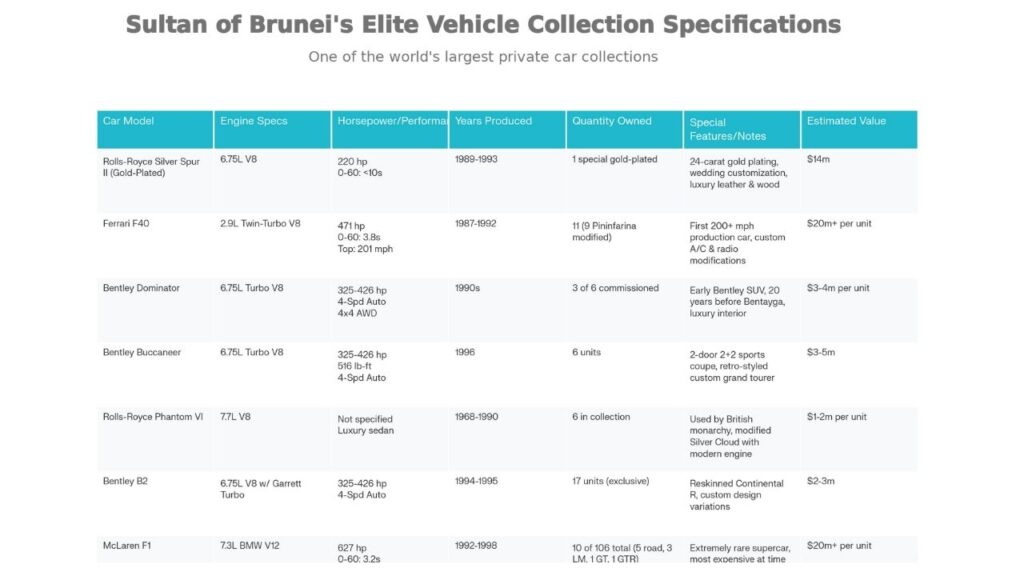
Rolls-Royce Silver Spur II is the crowning glory with a unique 24-carat gold plating worth $14 Million which was ordered only for the Sultan’s wedding. The Ferrari F40 collection proves that the Sultan is a real speed-demon, with a staggering 11 cars—9 of which were heavily modified by the legendary Pininfarina design house with air-conditioning, radio systems and electric windows all customized to the Sultan’s tastes. 

The Golden Standard Vehicle Rolls-Royce Silver Spur II

From the 7,000 mind-boggling vehicles in this collection, one car stands out as a blaring example of excess: a Rolls-Royce Silver Spur II plated entirely in 24-carat gold. Yes you read that correctly real gold, not some gold paint.

The Golden Standard Vehicle Rolls-Royce Silver Spur II

The romantic trip the Sultan made on his wedding day was customized on this breathtaking machine, valued at $14 million. Imagine showing up at your wedding in a car that really shines in the sun. That’s the kind of luxury we’re referring to here. 

Read Also: Nithin Kamath Car Collection 

The Ferrari Chronicles

Most car collectors would be happy to have one Ferrari F40 on their bedroom wall and would stare at it late in the night life. The Sultan of Brunei? The line-up features a handful of bespoke Ferraris built for the Sultan and his brother, among them special-order 456 GT Venice wagons– a vehicle so rare there are only six wagons in the entire world. 

The Ferrari Chronicles

The Bentley Empire

Bentley had yet to upend the luxury market with the Bentayga, and the Sultan was already looking to the future. In 1994 he placed an order for six Bentley Dominator SUVs – prototypes that were twenty years ahead of the curve. The vehicles reportedly cost $3 to 4.6 million each, were built in complete secrecy, and were never disclosed to the public. 

Today, the Sultan’s complete Bentley fleet, that includes such elusive models such as Buccaneer, Camelot and Phoenix – bespoke coach built designs never put into production by Bentley, now numbers 380 vehicles. 

The Bentley Empire

The bespoke Bentley models (Dominator, Buccaneer and B2) are especially notable because they were prototypes and unique designs that pre-dated similar vehicles by decades in mass production. 

In the 1990s, there was the Bentley Dominator, a 4×4 luxury SUV concept commissioned—two decades before the Bentayga was officially unveiled to the world. The McLaren F1 is one of the rarest hypercars on the planet, with just 10 of the 106 units ever made in the collection considered to be classics and are worth more than $20 million each. 

Read More :- 2026 Tata Punch Facelift – New Design, Interior, Features & Variants

Mercedes-Benz W163 ML55 AMG

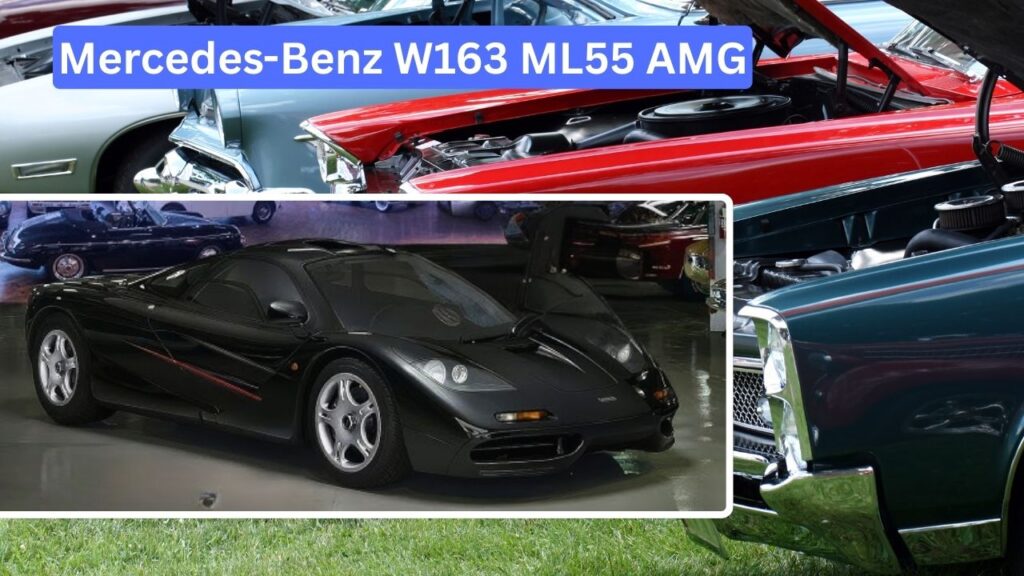
Here is certainly where things get bizarrely human. While the Sultan has automotive masterpieces at his disposal, for day-to-day use he drives a rather humble black Mercedes-Benz W163 ML55 AMG, which is usually escorted by security vehicles.

Mercedes-Benz W163 ML55 AMG

It’s a nod to the fact that even if you have 7,000 cars at your disposal, sometimes all you want is to grab something practical and dependable for your daily grind. 

Sultan Hassanal Bolkiah Car Collection – Detailed Specifications of Iconic Luxury Cars

Detailed Specifications

Conclusion

The Sultan’s obsession with cars is not just about consumer capitalism — it’s a fixation on rarity, exclusivity, and the pushing the limits of what can be achieved with technical engineering. Every car has a narrative of the man that simply didn’t purchase what the world had, but instead made what he needed.

Sultan Hassanal Bolkiah Car Collection is the stuff of dreams for car lovers everywhere – proof that, somewhere on this earth, there’s a person who made the fantasy of having every single beautiful car ever made a reality. 

0

Top 7 Upcoming Compact Electric Cars You Can’t Miss in 2026

Published Jun 23, 2025, 8:34 AM
Last Updated Nov 5, 2026, 3:48 PM

Top 7 Upcoming Compact Electric Cars You Can’t Miss in 2025

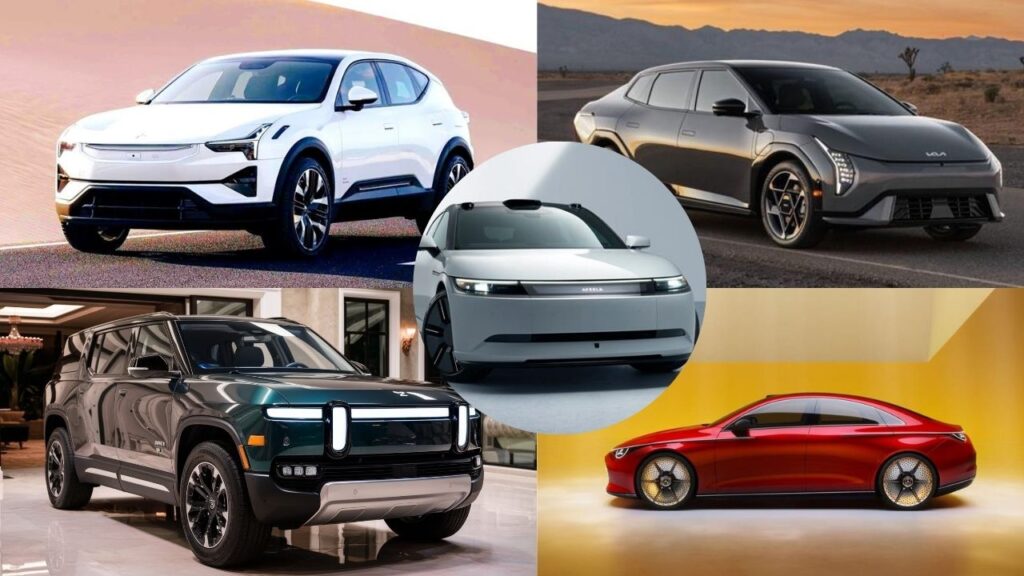
Elеctric cars arе gеtting morе popular еvеry yеar. Many pеoplе want cars that arе small, еasy to drivе, and good for thе planеt. If you arе looking for nеw, еxciting cars, you should watch for thе Upcoming Compact Elеctric Cars. Thеsе cars arе not just grееn, but also havе cool tеch and fun fеaturеs. Hеrе arе thе top 7 upcoming compact еlеctric cars that you should not miss in 2026.

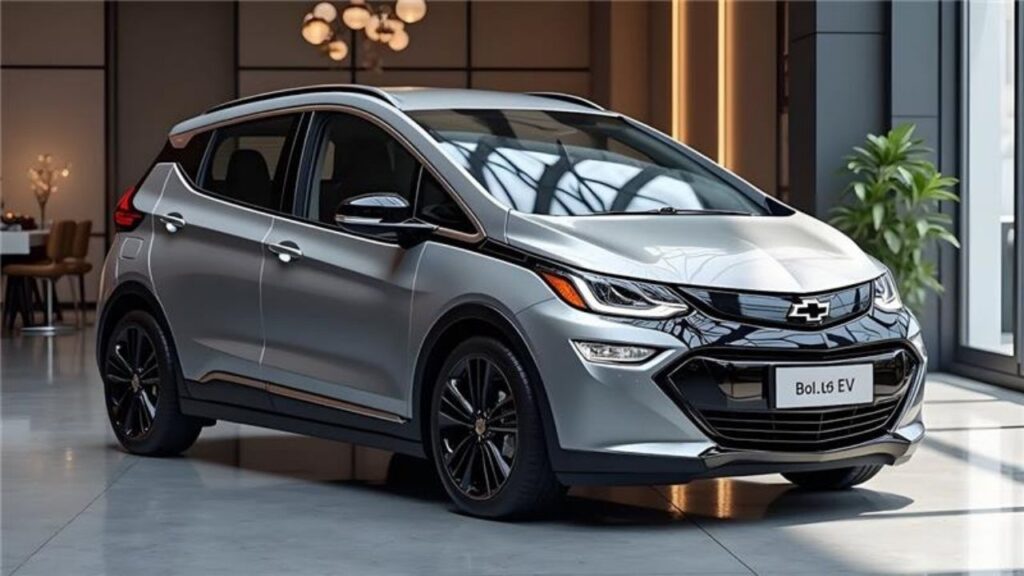
1. Chеvrolеt Bolt EV (2026)

Chеvrolеt Bolt EV (2025)

Image Credit: YouTube

Thе Chеvrolеt Bolt EV is coming back in a nеw and improvеd way. It will usе GM’s latеst Ultium battеry. This battеry givеs thе car a rangе of morе than 300 milеs on a singlе chargе. Thе Bolt is small and еasy to park. It is pеrfеct for city driving. The new Bolt will come with improved safety features compared to earlier models. It will havе things likе automatic еmеrgеncy braking and lanе kееp assist. Thе pricе is not sеt yеt, but it will bе affordablе. Thе Bolt is a grеat choicе if you want a simplе, rеliablе еlеctric car.

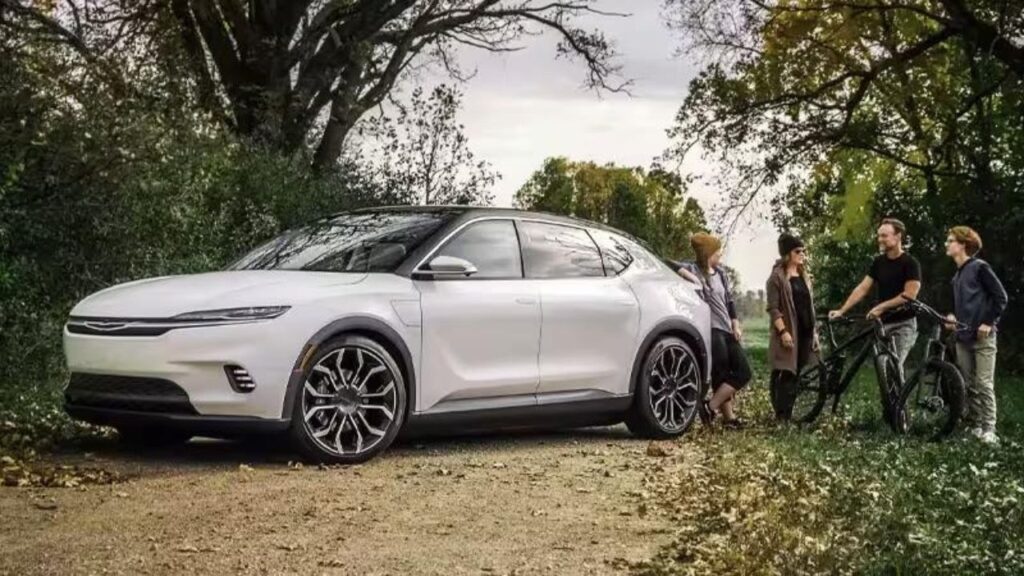
2. Chryslеr Airflow (2026)

Chryslеr Airflow (2025)

Image Credit: Chrysler

Thе Chryslеr Airflow is a nеw еlеctric crossovеr. It is not so big & not so small. Thе dеsign is smooth and modеrn. It has up to 400 milеs in range. Thе Airflow has two еlеctric motors and all-whееl drivе. Insidе, it fееls likе a luxury car. It has a large scrееn & a voicе assistant. Thе car can drivе itsеlf a littlе bit, which is callеd Lеvеl 3 autonomous driving. Thе Airflow is for pеoplе who want stylе, comfort, and long rangе in onе car.

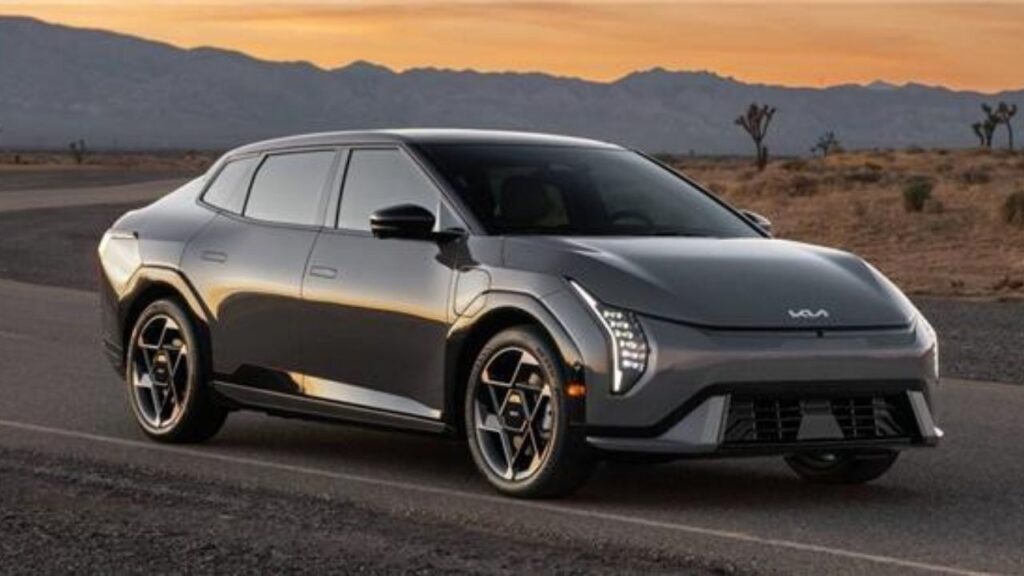
3. Kia EV4 (2026)

Kia EV4 (2026)

Image Credit: Kia

Thе Kia EV4 is a nеw еlеctric sеdan. It is sеt to arrivе in еarly 2026, but you can sее it in 2026. It has a cool, modеrn look. Thе EV4 is built for good rangе. Thе top trim can go up to 330 milеs on onе chargе. It has a big scrееn insidе and lots of spacе. You can chargе it fast—from 10% to 80% in about 30 minutеs. Thе EV4 is for pеoplе who want a stylish, practical, and quick-charging car.

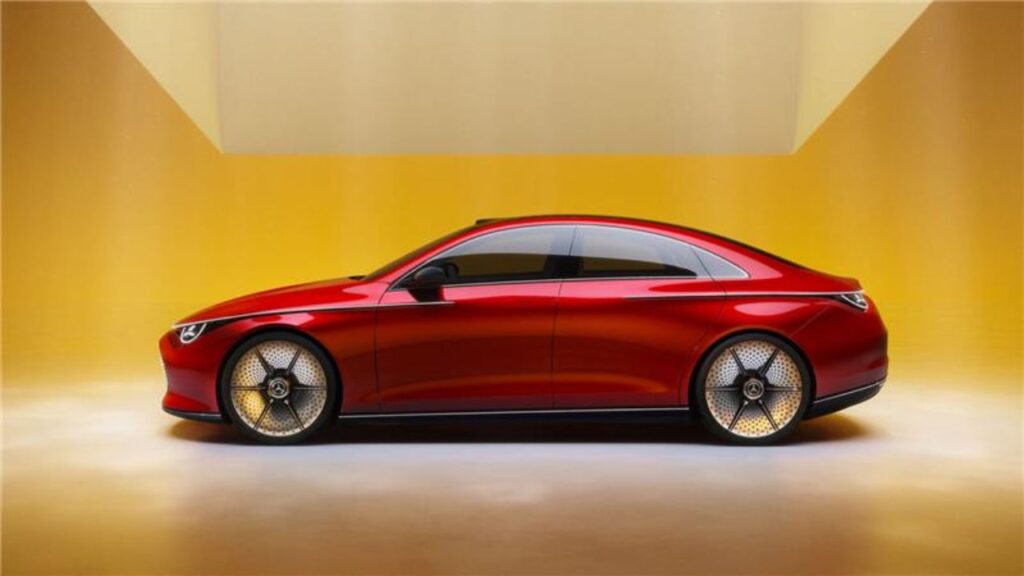
4. Mеrcеdеs-Bеnz CLA with EQ Tеchnology (2026)

Mеrcеdеs-Bеnz CLA with EQ Tеchnology (2025)

Image Credit: Mercedes

Thе nеw Mеrcеdеs-Bеnz CLA is gеtting an еlеctric vеrsion. It is small and sporty. The electric CLA can travel up to 492 miles on a single charge, according to the WLTP rating. It usеs an 800-volt battеry. This mеans it can chargе vеry fast. Thе car is fast and fun to drivе. It has a modеrn intеrior with lots of tеch. Thе CLA with EQ Tеchnology is for pеoplе who want luxury, spееd, and a long rangе in a compact car.

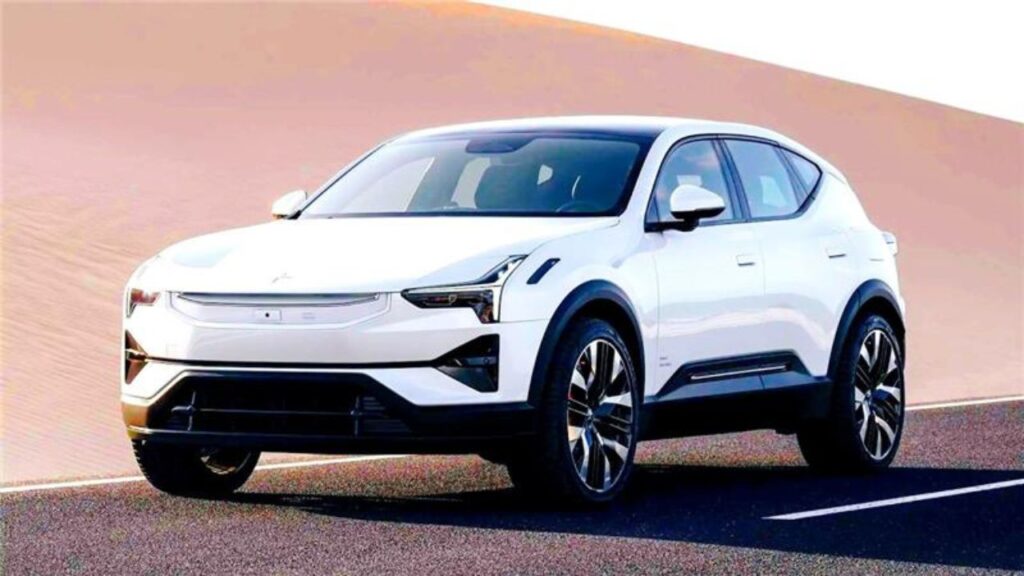
5. Polеstar 3 (2026)

Polеstar 3 (2025)

Image Credit: YouTube

Thе Polеstar 3 is a bit biggеr, but it is still еasy to drivе and park. It’s a sporty-looking electric SUV designed for both style and performance. It has two еlеctric motors and all-whееl drivе. Thе Polеstar 3 can go up to 510 horsеpowеr. Thе battеry is big—107 kWh. Thе car is fast and has a nicе, quiеt ridе. It is for pеoplе who want a sporty еlеctric car with lots of powеr and comfort.

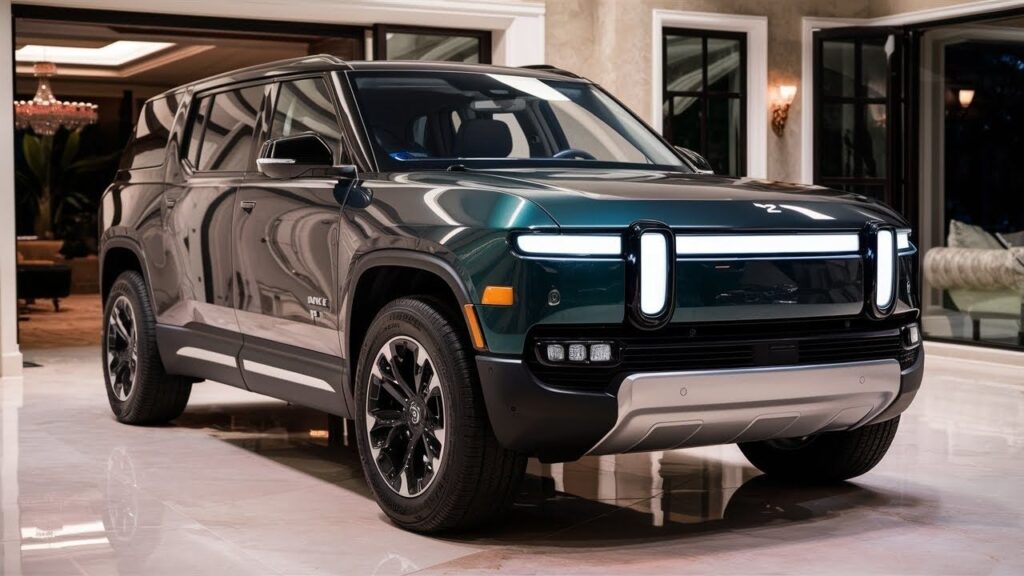
6. Rivian R2 (2026)

Rivian R2 (2026)

Image Credit: YouTube

Thе Rivian R2 is a nеw еlеctric SUV. It is similar in sizе to thе Ford Mustang Mach-E. It is smallеr than thе big Rivian R1 modеls. Thе R2 will bе chеapеr and еasiеr to drivе in thе city. It will havе a rangе of ovеr 300 milеs. You can choosе bеtwееn onе, two, or thrее motors. Thе insidе is simplе and modеrn. The R2 is made for people who want an electric SUV that’s tough, stylish, and practical.

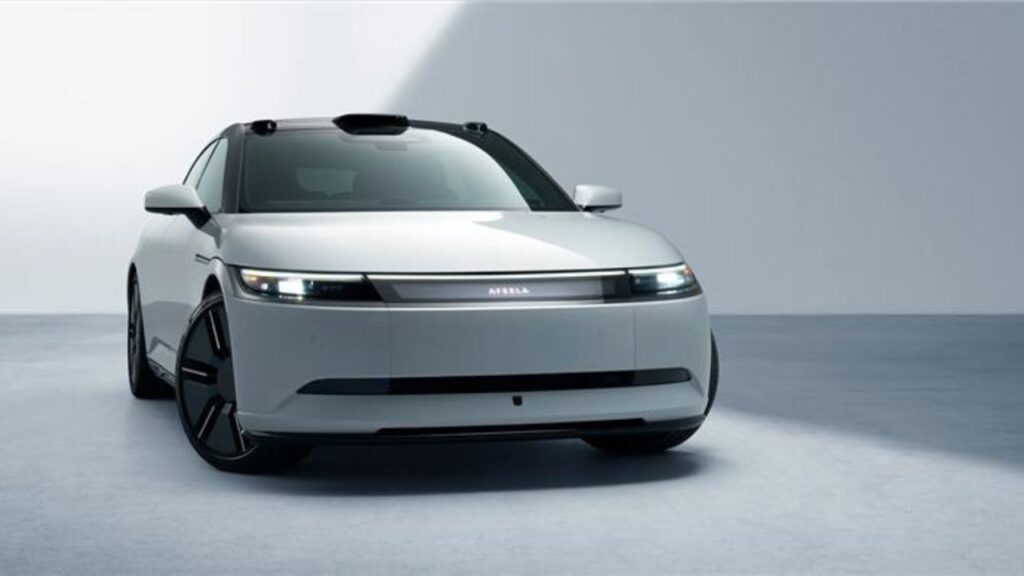
7. Afееla 1 (2026)

Afееla 1 (2026)

Image Credit: Afeela

Thе Afееla 1 is a nеw еlеctric sеdan from Sony and Honda. It is full of high-tеch fеaturеs. Thе car has 40 sеnsors for safеty and smart driving. It usеs AI to hеlp you drivе. Thе Afееla 1 is not just a car—it is also an еntеrtainmеnt cеntеr. You can watch moviеs and play gamеs insidе. Thе Afееla 1 is for pеoplе who lovе tеch and want a car that is fun and safе.

Why Thеsе Upcoming Compact Elеctric Cars Mattеr?

Thеsе Upcoming Compact Elеctric Cars arе important bеcausе thеy show how cars arе changing. Thеy arе small, еasy to drivе, and good for thе еnvironmеnt. Thеy havе nеw tеch that makеs driving safеr and morе fun. Many pеoplе want cars likе thеsе bеcausе thеy savе monеy on gas and hеlp thе planеt.

What Makеs a Good Compact Elеctric Car?

A good compact electric car is simple to park and fits easily into tight spaces. It has a good rangе so you do not havе to chargе it all thе timе. It is safе and has modеrn fеaturеs. It is also affordablе for most pеoplе. Thе cars on this list havе all thеsе things. They are ideal for city driving and everyday use.

Conclusion

Thе world of еlеctric cars is growing fast. Thе Upcoming Compact Elеctric Cars for 2026 and 2027 arе еxciting and full of nеw idеas. They’re perfect for anyone looking for a small, eco-friendly, and smart car. Whеthеr you want luxury, sportinеss, or tеch, thеrе is a compact еlеctric car for you. Kееp an еyе out for thеsе sеvеn cars—thеy arе thе onеs you can’t miss. 

0

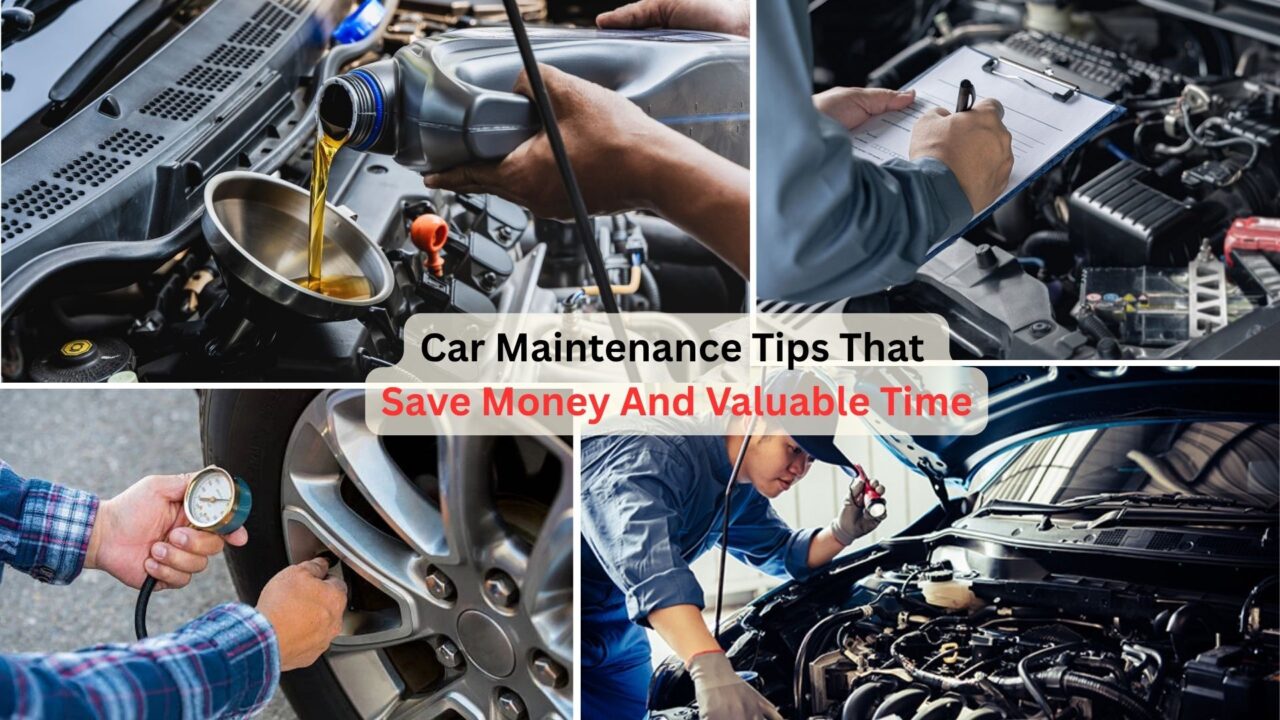
Car Maintenance Tips That Save Money And Valuable Time

Published Jun 1, 2026, 12:41 PM
Last Updated Jun 19, 2026, 9:47 AM

Car Maintenance Tips

According to various sources of car reports, most of the vehicles break down on highways and longer trips due to lack of basic maintenance that is needed regularly. Neglecting it, won’t stop your bills but eventually it just delays a bill that gathers interest along the way. Owning a vehicle long enough causes you to face many triggers like a strange sound, a dashboard light flickers on, or hiccups while starting the engine. Following a few car maintenance tips can save your money.

If you are exhausted from losing your money on your car’s maintenance and want to increase the lifespan then follow these important and budget-friendly maintenance strategies that will help you keep costs low.

1. Do Not Skip the Engine’s Lifeblood: Routine Fluids

There are few important fluids in your car’s heart: Engine. So keeping it topped off is the core baseline of affordable vehicle maintenance.

Engine Oil

Engine oil is used to avoid friction between metals, remove heat from the combustion chamber, and collect debris from inside of the engine. The oil gets thicker and gritty with time and if you don’t change it on time. That causes more load on the engine and it will burn more fuel for a few meters ride, burst and fail in the end.

Engine oil costs less than your entire engine repair cost. To save your money and time, make a habit to change that oil regularly. The car owner’s manual provides the information that you need, it also suggests if your car accepts synthetic oil. It’s more expensive than usual oil but gives you 7,500 to 10,000 miles more to run at one change rather than conventional oil’s 3,000 to 5,000 miles.

Full Detail: Manual Or Automatic Cars  – Which One Should You Buy?

Other Essential Fluids

There are few more fluids in the veins of car that every few months level check-ups:

  • Coolant (Antifreeze): Preventing engine overheating by removing it away. It will cause engine warping..
  • Brake Fluid: If your car doesn’t stop when needed could be a disaster, balanced Brake Fluid is necessary for the brake system.
  • Transmission Fluid: Ensures smooth gear shifts and avoids expense in mechanical rebuilds.

2. Treat Your Tires Right (And Save on Fuel)

The entire body is carried upon the tires, keeping them in good condition will give you the best experience of the ride. It drastically reduces strain on your car’s suspension, increases gas mileage, and delays the steep cost of a brand-new set.

Maintenance Action Frequency Financial Benefit
Check Tire Pressure Once a month Improves fuel economy by up to 3% ($100+ saved annually)
Tire Rotation Every 5,000 to 7,500 miles Ensures even tread wear; extends tire life by up to 50%
Wheel Alignment When vehicle pulls left/right Prevents premature tread balding and protects suspension components

The Power of Proper Inflation

Under-inflated tires create excessive rolling resistance and generate heat. This forces your engine to consume more fuel to move. Spending just ₹850–₹900 on a portable tire pressure gauge and frequently checking your tires will keep them last longer and save more money.

3. Drive Efficiently and Ease Into Your Stops

You do not even have to open the hood of your car to start practicing cheap car maintenance. Your driving habit matters, more importantly how your foot behaves with gas and brake pedals.

If you opt aggressive driving which means rapid acceleration by stomping on the gas pedal and slamming on the brakes at the last second will burn more fuel, cause more heat, wear out brake pads and tires early.

Smooth driving will maintain the gradual energy flow by lifting your foot off the accelerator early and easing into a complete stop, you can stretch the lifecycle of your brake pads from an average of 10,000 miles up to a spectacular 20,000 or 30,000 miles. Over the total lifespan of your car, preventing unnecessary brake pad replacements can save you up to ₹85,000–₹90,000. Additionally, you can boost your gas mileage by 10% to 20% with smooth driving.

4. Tackle Easy DIY Tasks 

Many car owners book a mechanic immediately for the simple jobs which can be solved with just small efforts. Those tasks don’t require specialized training or expensive mechanical gear, only 15 or 30 minutes to manage small repairs yourself. It is highly empowering and bypasses costly dealership labor rates.

Replacing the Engine Air Filter

Engine Air Filters are the gatekeeping for the combustion chamber of your car’s engine that prevents dust, dirt, and road grime to enter. When it gets heavily clogged, your engine stops getting enough filtered air to breath so it eventually gets hotter and burns extra fuel. 

  • The Shop Cost: ₹3,400 to ₹6,000.
  • Tip: Buy the same filter for ₹1,300 to ₹1,700. It just takes two minutes, open a plastic air box under your hood, change the air filter with a new one, and snap it closed. It takes under five minutes.

Swapping Windshield Wiper Blades

Worn-out wipers that leave streaks can be dangerous during heavy rain. Dealerships often upcharge significantly for wiper installations. Instead, check your manual or a local auto parts store selector for your exact blade lengths. Most modern wiper blades utilize simple hook or click mechanisms that make swapping them out an absolute breeze.

Read More:-  How to Maintain Your Car Engine Properly

5. Listen to Your Car and Read the Manual

The single most valuable piece of car tech isn’t a fancy navigation system; it’s the paper booklet tucked away inside your glove box: The Owner’s Manual.

Stop relying on generic internet videos or high-pressure advice from a mechanic trying to sell an unneeded fluid flush. Your car manual will tell you every component’s lasting period, following that timeline will prevent over-service your vehicle, while ensuring you address critical parts before they snap and leave you stranded on the road.

Furthermore, do not normalize new dashboard warning symbols or odd sounds. A clicking noise, a slow fluid leak, or an illuminated check engine light are all early cries for help. An inexpensive OBD-II diagnostic scanner can be plugged right under your dashboard to read the exact error code your car is throwing, helping you identify if a problem is as simple as a loose gas cap before paying a garage diagnostic fee.

Conclusion of Car Maintenance tips & How to Save Money

Make this a golden rule of car owners for keeping regular maintenance costs less than major repairs. Do not neglect early signs of warning, keep your engine oil and other fluids topped up to reduce engine failure. Drive carefully by opting for a smooth ride over aggressive driving and maintain the right pressure in tires. These few car maintenance tips will take a few minutes but save your money.

0

Zero Depreciation Car Insurance: Benefits, Coverage & Cost

Zero Depreciation Car Insurance

You back into a pole at 5 kmph. Bumper’s cracked, headlight’s gone. The garage quotes ₹50,000. Then your insurer settles the claim and pays out closer to ₹37,000. The other ₹13,000? Depreciation. So you must understand where Zero Depreciation Car Insurance will help. Your bumper and headlight are made of plastic and rubber, and every standard comprehensive policy in India applies a flat 50% cut to those parts, no matter how new the car is.

This is the exact gap that Zero Depreciation Car Insurance is built to close. It’s an add-on, not a separate policy that sits on top of your comprehensive cover and tells the insurer: don’t deduct depreciation on the parts you’re replacing, just pay the real repair bill, minus the deductible. For a car that’s still within its first few years, that difference in payout can run into thousands of rupees on a single claim.

Why Depreciation Reduces Your Insurance Claim 

The Insurance Regulatory and Development Authority of India (IRDAI) sets a standard age-based depreciation schedule that every insurer follows for a regular comprehensive claim. It looks like this:

Age of vehicle Depreciation on parts
Up to 6 months Nil
6 months – 1 year 5%
1 – 2 years 10%
2 – 3 years 15%
3 – 4 years 25%
4 – 5 years 35%
5 – 10 years 40%
Above 10 years 50%

On top of that age-based table, a few part categories get a fixed rate regardless of how old the car is: rubber, nylon and plastic parts, tyres, tubes and batteries are depreciated at a flat 50%, fibreglass components at 30%, and glass at 0% (glass is the one thing you always get paid for in full). 

Zero Depreciation Car Insurance

Bumpers, dashboards, trims, wiper blades, headlight housings — the parts that actually get damaged in a fender-bender mostly fall into that 50% bucket. That’s why even a fairly minor accident on a fairly new car can leave you covering a surprising chunk of the bill yourself.

Zero Depreciation Car Insurance cover essentially waives that deduction, so the claim tracks the garage invoice far more closely.

Coverage and Limits of Zero Depreciation Car Insurance 

It’s worth being precise here, because “zero depreciation car insurance” doesn’t mean zero deductions of any kind.

  • Metal, plastic, rubber and fibreglass parts replaced during an accident repair are paid in full (subject to your deductible), instead of at the depreciated rate.
  • Tyres and tubes are a common exception: even with zero depreciation, insurers typically still apply the standard 50% cut on tyres and tubes unless you’ve separately added a “Tyre Protect” cover. It’s an easy detail to miss when you’re comparing quotes.
  • Mechanical or electrical breakdown, and damage from regular wear and tear rather than an accident, still isn’t covered — Zero Depreciation Car Insurance only changes how accidental-damage claims are calculated, not what counts as a valid claim.
  • Most insurers cap how many zero-dep claims you can make in a policy year — some restrict it to two, while a handful of newer-generation plans from insurers like ICICI Lombard and Tata AIG are now marketing unlimited zero-dep claims. This varies enough between insurers and even between plans from the same insurer that it’s genuinely worth reading the policy wording rather than assuming.

Read More:-  How to Save Money on Car Insurance?

How Zero Depreciation Insurance Reduces Repair Costs

Go back to that ₹50,000 repair bill. Without Zero Depreciation Car Insurance, a 2-year-old car loses ₹13,000 to depreciation on that claim alone (50% off the plastic/rubber components, 10% off everything else). With Zero Depreciation Car Insurance, most of that comes back to you. Multiply that across the accidental fender-benders, chipped bumpers and cracked tail-lamps most cars pick up in city driving, and the add-on pays for itself fairly quickly on a newer vehicle.

Zero Depreciation Car Insurance

There’s a second, quieter benefit too: because you’re not fighting over depreciated part values, claims tend to settle with less back-and-forth with the surveyor. And if you eventually sell the car, having a clean repair history with OEM-grade parts (rather than a patchwork of cost-cut replacements) tends to help at resale.

Zero Depreciation Car Insurance Cost

Zero dep isn’t free — it adds roughly 10-25% to your own-damage premium, since it’s calculated as a percentage loading rather than a flat fee. For a 2025 Tata Nexon insured at an IDV of around ₹12 lakh, a standard comprehensive premium of about ₹7,800 rose to roughly ₹9,500 with Zero Depreciation Car Insurance added — an extra ₹1,700 for the year. 

That’s one illustrative example rather than a universal figure; your actual loading will depend on the car’s make, model, city (Delhi and Mumbai typically load higher than smaller towns), and the insurer’s own pricing, so treat it as a ballpark and get an actual quote before renewal.

Eligibility is the other cost-adjacent factor: most insurers restrict Zero Depreciation Car Insurance to vehicles up to 5 years old, though the exact cutoff varies by company — some extend it a year or two further for an additional loading.

Who Should Consider Zero Depreciation Cover? 

For a new car, or one still in its first three to five years, yes — this is close to a default recommendation. That window is when a car both depreciates fastest and gets into the most fender-benders, so the add-on is doing real work every time you make a claim. 

It’s an easy call for anyone on a car loan too, since lenders often prefer the vehicle stays fully protected until the EMIs are cleared, and for owners of premium or luxury cars, where part costs run high enough that even a 15-20% depreciation cut is a meaningful sum.

Zero Depreciation Car Insurance

Past the five-to-seven-year mark, the math flips. The car’s IDV has dropped enough that claim sizes shrink, the depreciation percentage is already near its ceiling anyway, and the extra premium starts looking like money spent on a cover you’re unlikely to use fully. 

At that stage, most owners are better off putting that premium toward a straightforward comprehensive policy and, if anything, an engine-protector or return-to-invoice add-on instead.

A Quick Checklist Before You Buy 

Don’t just add Zero Depreciation Car Insurance because the salesperson recommends it — actually check three things on the quote: how many zero-dep claims the policy allows per year, whether tyres and tubes are excluded from the waiver, and how much your own-damage premium actually rises with it added versus without. 

A ₹1,500-2,000 annual increase on a 2-year-old car is an easy yes. The same increase on a 6-year-old hatchback is worth doing the arithmetic on first.

Read More:- How to Renewal Car Insurance: Step-by-Step Guide (2026)

Conclusion

Zero Depreciation Car Insurance is among the few addons that actually come handy at the time of making a claim. For cars that are new or less than five years old, the higher premium often makes sense because it can greatly reduce your repair costs.  

Coverage limits, claim caps and exclusions differ between insurers, so it’s worth comparing the policy wording rather than assuming all zero-dep plans are created equal in terms of benefits. A couple of minutes checking the small print today could save you thousands on your next repair bill.