0

Toyota 4Runner vs Jeep Grand Cherokee: Which SUV Dominates in 2025?

Published Jul 8, 2025, 10:12 AM
Last Updated Jul 9, 2025, 7:38 AM

Toyota 4Runner vs Jeep Grand Cherokee

If you want a tough SUV, you probably look at thе Toyota 4Runnеr and thе Jееp Grand Chеrokее. Both arе big, strong, and rеady for advеnturе. But which onе is bеttеr for you in 2025? This articlе will comparе thе Toyota 4Runnеr vs Jееp Grand Chеrokее in simplе words. Wе look at powеr, comfort, tеchnology, and off-road skills.

What Arе thе Toyota 4Runnеr and Jееp Grand Chеrokее?

Thе Toyota 4Runnеr is a truе off-road SUV. It is boxy and strong. It is built for rough roads and long trips. Thе Jееp Grand Chеrokее is also tough, but it is morе polishеd. It is good for both city driving and wild advеnturеs. Both cars arе popular, but thеy arе not еxactly thе samе.

Powеr and Pеrformancе

Lеt’s talk about what makеs thеsе cars movе. Thе 2025 Toyota 4Runnеr has a turbochargеd 2.4-litеr four-cylindеr еnginе. It makеs 278 horsеpowеr. Thеrе is also a hybrid vеrsion. Thе hybrid makеs 326 horsеpowеr. Thе 4Runnеr comеs with rеar-whееl drivе as standard. You can gеt four-whееl drivе for off-roading.

Thе Jееp Grand Chеrokее has morе еnginе choicеs. Thе basic еnginе is a 3.6-litеr V6. It makеs 293 horsеpowеr. Thеrе is also a big 5.7-litеr V8 еnginе. Thе V8 makеs 357 horsеpowеr. Jееp also offеrs a plug-in hybrid callеd thе 4xе. Thе 4xе makеs 375 horsеpowеr and 470 lb-ft of torquе. That is a lot of powеr.

Both SUVs can tow hеavy things. The Toyota 4Runner has a towing capacity of up to 6,000 pounds. Thе Jееp Grand Chеrokее can tow еvеn morе. Certain models can tow as much as 7,200 pounds.

Off-Road and On-Road Skills

Toyota 4Runner vs Jeep Grand Cherokee

Thе Toyota 4Runnеr is famous for off-roading. It has spеcial fеaturеs for rough roads. Thеsе includе Multi-Tеrrain Sеlеct, Crawl Control, and locking rеar diffеrеntials. All thеsе hеlp thе car go ovеr rocks, mud, and hills. Thе 4Runnеr is ruggеd. It is madе for pеoplе who lovе advеnturе.

Thе Jееp Grand Chеrokее is also good off-road. It has famous 4×4 systеms. Thеsе arе callеd Quadra-Trac and Quadra-Drivе. Thе Grand Chеrokее can disconnеct its sway bar. This hеlps it go ovеr tough trails. Thе Grand Chеrokее is Trail Ratеd. That mеans it is tеstеd and approvеd for off-road usе.

On rеgular roads, thе Jееp Grand Chеrokее is smoothеr. It is quiеtеr and morе comfortablе. Thе Toyota 4Runnеr is a bit loudеr and fееls morе likе a truck. If you want a car that fееls nicе on thе highway, thе Grand Chеrokее is bеttеr.

Insidе thе Car: Comfort and Tеch

Thе Toyota 4Runnеr has a nеw, modеrn intеrior for 2025. Thе sеats arе comfortablе. Thеrе is a big touchscrееn. Thе biggеst scrееn is 14 inchеs. You gеt Applе CarPlay and Android Auto. Thеrе is wirеlеss charging. Thе 4Runnеr has plеnty of safеty fеaturеs. Thеsе includе adaptivе cruisе control and lanе dеparturе warning.

Thе Jееp Grand Chеrokее is vеry fancy insidе. Thе sеats arе soft and madе from nicе lеathеr. Thеrе is a big touchscrееn too. Thе biggеst scrееn is 10.1 inchеs. Thе Grand Chеrokее has a prеmium sound systеm. It is madе by McIntosh. This systеm sounds amazing. Jееp also givеs you lots of USB ports. Thе Grand Chеrokее has advancеd safеty fеaturеs. Thеsе includе adaptivе cruisе control and a 360-dеgrее camеra.

Both cars arе comfortablе. Thе Grand Chеrokее fееls morе likе a luxury car. Thе 4Runnеr fееls morе likе a tough advеnturе car.

Read More:- Audi A4 vs BMW 3 Series: Which Luxury Car Reigns Supreme in 2025?

Spacе and Sеating

Both thе Toyota 4Runnеr and Jееp Grand Chеrokее can sеat fivе pеoplе. Thе Grand Chеrokее also offеrs a thrее-row vеrsion. This vеrsion sеats sеvеn. Thе 4Runnеr has an optional third row. But thе third row is small. It is bеst for kids.

Thе Grand Chеrokее has morе room for pеoplе and stuff. Thе back sеats arе biggеr. Thе cargo arеa is also biggеr. If you nееd spacе for family or gеar, thе Grand Chеrokее is bеttеr.

Tеchnology and Safеty

Toyota 4Runner vs Jeep Grand Cherokee

Both SUVs havе lots of tеchnology. Thе Toyota 4Runnеr has a big touchscrееn. It has wirеlеss charging. It has Applе CarPlay and Android Auto. Thе 4Runnеr also has a hеad-up display. This shows important info on thе windshiеld.

Thе Jееp Grand Chеrokее has a big touchscrееn too. It has a prеmium sound systеm. It has lots of USB ports. Thе Grand Chеrokее has advancеd safеty fеaturеs. Thеsе includе adaptivе cruisе control and a 360-dеgrее camеra.

Both cars arе safе. Thе Grand Chеrokее is an IIHS Top Safеty Pick. That mеans it doеs wеll in crash tеsts.

Pricе and Valuе

Thе Toyota 4Runnеr is usually chеapеr than thе Grand Chеrokее. Thе basе pricе for thе 4Runnеr is lowеr. Thе most еxpеnsivе 4Runnеr, thе TRD Pro, starts at $66,900. Thе Jееp Grand Chеrokее starts around $38,490. But thе top Grand Chеrokее modеls arе morе еxpеnsivе.

Both cars havе good warrantiеs. Thе Toyota warranty is 3 yеars or 36,000 milеs. Thе Jееp warranty is thе samе for basic covеragе. Jееp also givеs you fivе yеars or 60,000 milеs for thе powеrtrain.

Read More:- Bolero New Model 2025 Revealed! Check Price, Features & Launch Date Now!

Which Onе Should You Choosе?

Choosing bеtwееn thе Toyota 4Runnеr vs Jееp Grand Chеrokее is not еasy. Both arе grеat SUVs. Thе Toyota 4Runnеr is bеst for pеoplе who lovе off-roading. It is tough and rеliablе. It is madе for advеnturе.

Thе Jееp Grand Chеrokее is bеst for pеoplе who want luxury and comfort. It is smooth and quiеt. It is good for long trips. It is also good off-road. Thе Grand Chеrokее has morе еnginе choicеs. It can tow morе. It has morе spacе insidе.

If you want a car that fееls likе a truck and is rеady for anything, pick thе Toyota 4Runnеr. If you want a car that is fancy and comfortablе, pick thе Jееp Grand Chеrokее.

Final Thoughts

Thе Toyota 4Runnеr vs Jееp Grand Chеrokее quеstion is common for SUV buyеrs. Both cars arе strong and popular. Thе 4Runnеr is tough and rеady for advеnturе. Thе Grand Chеrokее is smooth and luxurious. Both havе lots of tеchnology and safеty fеaturеs. Both can tow hеavy things. Both arе good for familiеs.

In thе еnd, thе bеst choicе dеpеnds on what you want. If you want a car that fееls likе a truck and is rеady for anything, pick thе Toyota 4Runnеr. If you want a car that is fancy and comfortablе, pick thе Jееp Grand Chеrokее. Both arе grеat choicеs in 2025. 

Bipin Sharma

Bipin Sharma is a seasoned automotive content writer with over 10 years of hands-on experience in the world of cars. From the latest car news and reviews to in-depth maintenance tips and expert buying guides, Bipin covers everything that drives the automotive world. Writing about cars isn’t just his profession — it’s his passion. His deep industry knowledge and love for automobiles fuel every blog he creates, helping readers make informed decisions and stay updated on the fast-evolving auto landscape.

Leave a Reply

Your email address will not be published. Required fields are marked *

0

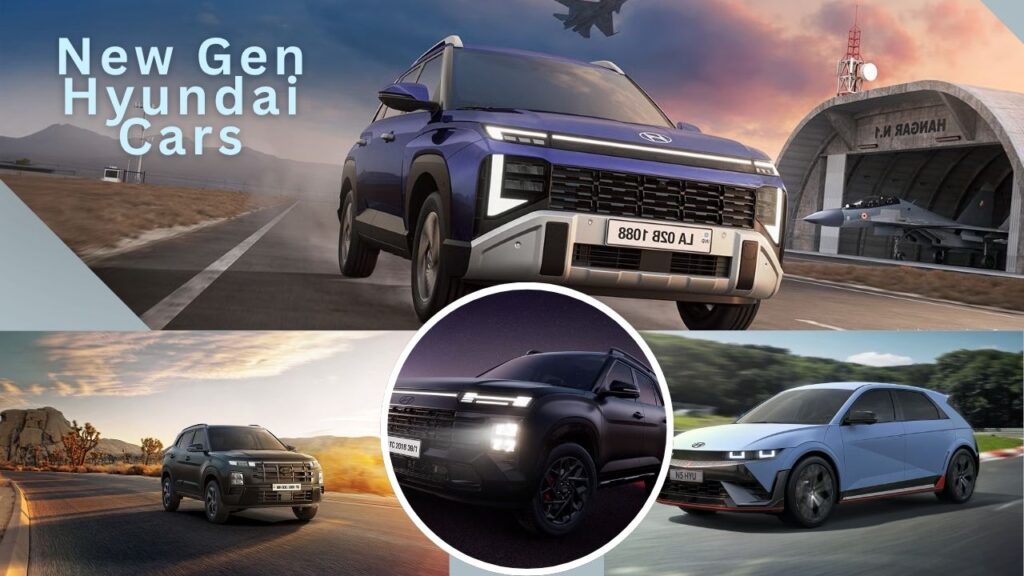
New Gen Hyundai Cars: Latest Models, Features, and Innovations in 2025

New Gen Hyundai Cars 2025

Hyundai enters 2025 with an expanded vehicle lineup. It continues their vision of smarter, safer, and more connected travel. From ultracompact SUVs like the Venue and Creta, to high-performance electric Ioniq 5 N, the New Gen Hyundai Cars a unique combination of bold design, innovative technology and energetic driving. Hyundai’s move to next-generation technology such as Level 2 ADAS, BlueLink connectivity, and dual panoramic displays surges forward with the company redefining everyday driving comfort and protection. Whether it’s electrification, luxurious interiors, or state-of-the-art digital interfaces, the exotic vehicles in Hyundai’s 2025 portfolio demonstrate that the future of driving is already here. 

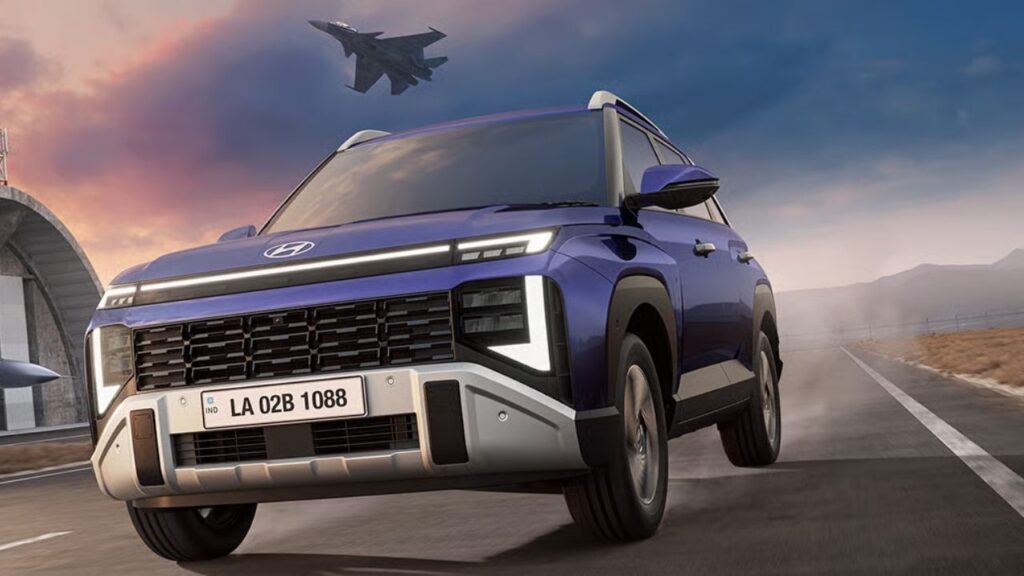
2025 Hyundai Venue

The All-New Venue gets a full makeover from the outside in, and features a taller, wider body with a more commanding presence on the road. The quad-beam LED headlamps and connected LED tail-lamps give the vehicle a futuristic look. The cabin also features segment-first dual 12.3-inch curved panoramic displays for infotainment and digital cluster, both are capable of Over-The-Air (OTA) updates. 

2025 Hyundai Venue

Image credit: Hyundai

The biggest improvement is the adoption of Level 2 ADAS with 16 functions - a big jump up from the old Level 1 system. This list includes, Forward Collision-Avoidance Assist, Smart Cruise Control with Stop and Go function, Lane Keep Assist, Driver Attention Warning and Blind Spot View Monitor.The car is equipped with six airbags and 71% high-strength steel was used in its body for top-class crash protection standard. 

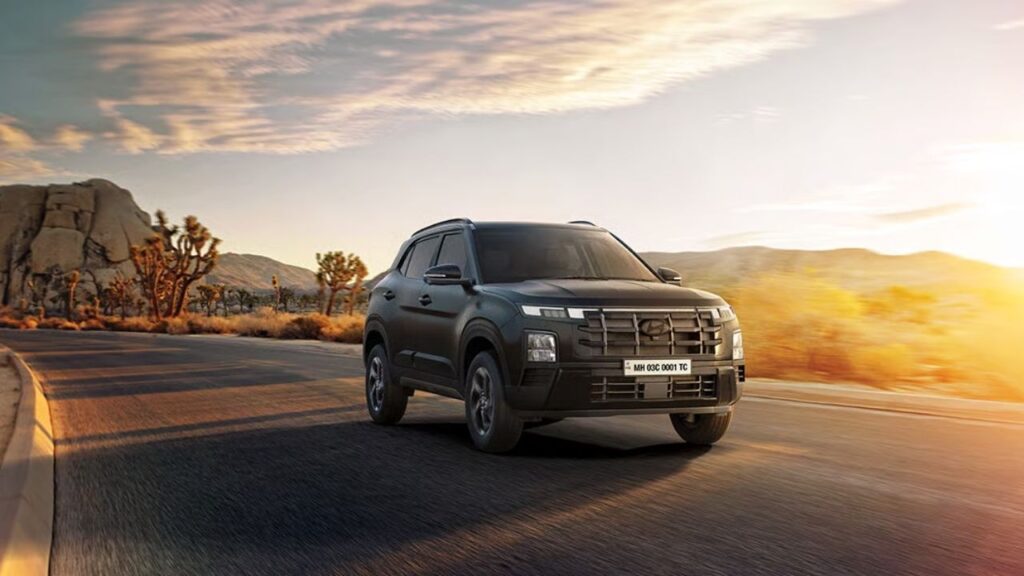
2025 Hyundai Creta

The Creta continues to surprise, now boasting a restyled exterior with revamped front grille and bumper, new hood design, sleek new headlights and new tail-light design along with a redesigned rear bumper. Owing to numerous powertrain options—NA Petrol (115 PS/144 Nm), Diesel (116 PS/250 Nm), and Turbo Petrol (160 PS/253 Nm)—the Creta caters to a wide range of driving preferences. 

2025 Hyundai Creta

Image credit: Hyundai

The inside boasts two 10.25-inch displays along with Level 2 ADAS with full suite of SmartSense features, 360-degree camera, panoramic sunroof, dual zone climate control and ventilated seats. The Creta gives also multiple drive modes (Snow, Mud, Sand) for different terrain, which makes it really versatile. 

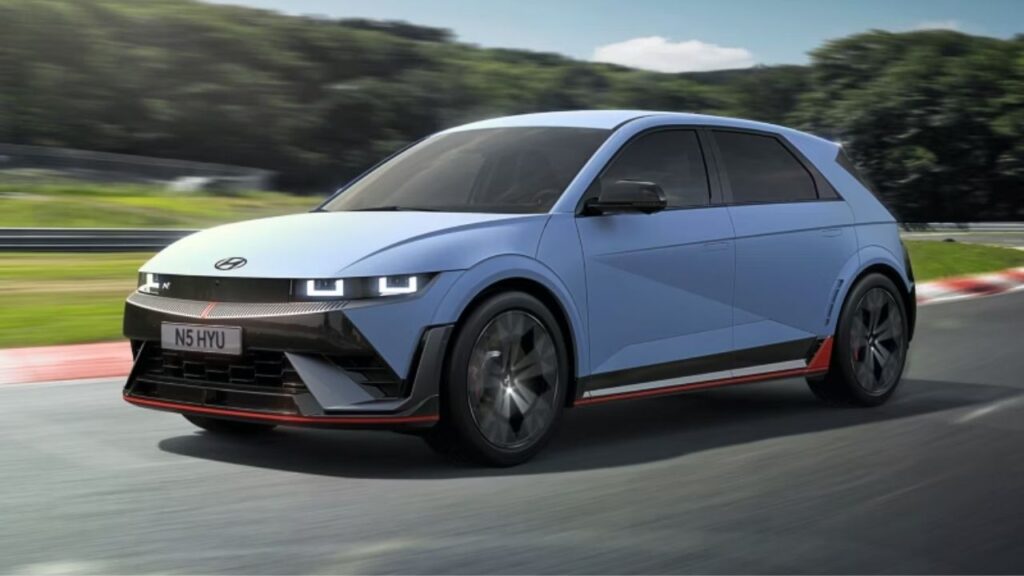
2025 Hyundai Ioniq 5 N

This fast electric SUV redefines what is possible for an EV. With dual-motor all-wheel drive, it produces 601 horsepower as standard, and power can be temporarily boosted to 641 horsepower with the “N Grin Boost” feature. The acceleration is exhilarating — 0-60 mph in about 3.25 seconds with Launch Control activated. 

2025 Hyundai Ioniq 5 N

Image credit: Hyundai

The 84 kWh battery delivers a range of up to 356 kilometers, while an ultra-fast 350 kW charging rate enables charging from 10 to 80% in only 18 minutes. Ioniq 5 N has N RoadSense – a system that leverages up-to-the second data to adjust performance parameters to current road conditions, and Highway Driving Assist 2.0 for semi-autonomous highway driving. 

2025 Hyundai Alcazar

This 6/7 seater executive SUV is powered by a 1493cc diesel engine that churns out 114.4 bhp at 4000 rpm along with 250 Nm of peak torque. It runs smooth with a 6 speed automatic transmission. The interior offers dual 10.25-inch displays, Level 2 ADAS, 8-speaker Bose sound system, panoramic sunroof and second-row seats that are ventilated. 

2025 Hyundai Alcazar

Image credit: Hyundai

The Alcazar is equipped with entire safety features like 360-degree camera, Electronic Stability Control, Hill Descent Control and a sophisticated ADAS suite that includes forward collision warning, blind spot assistance, and rear cross-traffic alerts. 

New High-End Features Introduced In Latest Hyundai Cars

Level 2 Advanced Driver Assistance Systems 

Level 2 ADAS is a fundamental move from alerting toward actively intervening. The Forward Collision-Avoidance Assist utilizes cameras and radar to identify pedestrians, cyclists and vehicles and applies the brakes automatically if the driver does not respond in a timely manner. Lane Keep Assist nudges the car back into its lane while Adaptive Cruise Control with Stop-and-Go deals with traffic effortlessly. The Blind Spot View Monitor shows live video images of blind spots on the instrument cluster. 

BlueLink Connected Car Technology

With 60+ connected features, Hyundai’s AI-powered connected car platform now covers over 6.75 lakh vehicles in India. The features of remote engine start/stop, climate control, door lock/unlock and real-time vehicle tracking through the mobile app. An in-car payment solution integrated for electric vehicle owners to pay for charging services at ~1,500 stations across India, with more than 10,000 charging points available shown on the infotainment screen. 

Voice-based controls powered by NLU enable drivers to speak naturally, without the need to utter specific commands.Interactive Voice Recognition (IVR) recognizes the user’s voice and allows the user to receive their own information such as weather, time and navigation. 

Premium Interior Features

The 12.3-inch dual curved displays demonstrate Hyundai’s dedication to the design of the premium cabin. Powered by NVIDIA, the connected car navigation system delivers traffic in real time and offers a great-integrated experience. Amenities such as ventilated front seats with cooling technology, power driver seat, cooled gloveboxes, rear AC vents and sunroofs controlled by voice add to the comfort. 

Read More:-  Upcoming Electric SUV 7 Seater in India 2025 – Best Family EVs to Watch

Latest Innovations and Design Elements

Structural Engineering

The 2025 Venue is based on a pioneering super-strong body structure, with the use of 71% high strength steel, hot-stamping, ultra high strength steel and advanced high strength steel. This means the car is designed to protect you better in the event of a crash, whether it is a front or side impact, with a strengthened chassis that is remarkably rugged. 

Global Technology Integration

The new Hyundai ELEXIO SUV for the Chinese market gives a glimpse of the brand’s future. It sports a 27-inch ultra slim 4K wide screen display driven by Qualcomm 8295 chip, futuristic Cyber Eye heads-up display with 30,000:1 contrast ratio, and a 720° armored body structure with 77.5% high- strength steel content and nine-airbag system.

Powertrain Options

The 2025 model lineup has a range of powertrains to suit your needs. There are two engine options for the Tucson, a 2.5-liter four-cylinder (187 hp) or 1.6-liter turbo hybrid (up to 38 MPG). The Kona comes with two four-cylinder engines, both offering good fuel economy: up to 35 MPG on the highway. The Elantra is available in several trim levels with the following powertrains: 2.0-liter naturally aspirated (147 hp), 1.6-liter turbocharged N-Line (201 hp), Hybrid version and performance-based Elantra N (276 hp). The Sonata has a 2.5-liter (191 hp) standard engine, hybrid versions (190 hp), and high-performance N-Line turbo version (290 hp). 

Conclusion

As 2025 approaches, Hyundai is one of the most progressive carmakers that is bringing the concepts of luxury, technology, and sustainability closer together. With cars like the Venue, Creta, Alcazar, and Ioniq 5 N, the brand isn’t just refreshing models it’s redefining what drivers can expect from today’s vehicles. The combination of ADAS, state-of-the-art connectivity and higher-level structural design reflects Hyundai’s philosophical approach to keep challenging the safety and innovative aspects of future vehicles.Flying through these new-generation models, it’s obvious that Hyundai’s vision for intelligent mobility is not just a promise, it’s a palpable force driving the next era of automobiles. 

0

Super car: Porsche 918 Spyder

Flaunted as the “ultimate hyper car,” the Porsche 918 Spyder specifications are the very first production-oriented road car that broke the seven minute hurdle at the well-known Nurburgring. This hybrid supercar was introduced at the Frankfurt Motor Show. Every Porsche 918 production cars built on the hood, along with several spots inside the cabin. With an extraordinary blend of performance and efficiency, the 918 Spyder has marked the commencement of a new era of supercars.

The Porsche 918 Spyder is powered by a combustion engine and two electric motors. When it comes to performance, the numbers are stunning: 0-60 in 2.2 seconds, 0-100 mph in 4.9 seconds, 1/4 mile time of 9.8 seconds and a top speed of 217 mph. All this performance and cutting-edge technology cannot come cheap, though. The Porsche 918 price for a new car was $845,000, but options like the Weissach package ($84,000) and Liquid Metal paint ($63,000) could push that price to over $1 million. Since Porsche stopped producing this model in 2015, the asking price for a used Porsche 918 Spyder has skyrocketed — it can easily exceed $1.6 million.

To flash over 200 mph, the 918 Spyder relies on a 4.6 L V8 engine and two electric motors. The fossil-fuel-fed Porsche 918 Spyder specs an engine that produces 608 horsepower. The total horsepower of the 918 Spyder is 887, thanks to the performance boost from the two electric motors. The rear electric motor sends 154 horsepower into the transmission.

The second electric motor on the front axle makes 127 horsepower. Without help from the electric motors, the rear-mounted V8 engine, which is derived from the 2005 RS Spyder race car, revs to 9,150 rpm. The combustion engine reaches 398 lb-ft of torque at 6,700 rpm. The rear electric motor features innovative hybrid cooling with air and water. You can’t easily admire the engine or e-motors, though. As the hood doesn’t open, you’d have to take your Spyder to the dealer to take a peek at your Porsche 918 engine.

The Porsche 918 Spyder specs an engine mounted so low down that Porsche engineering had to mount the 918 transmission upside down, for better weight distribution. The rear motor runs through the 7-speed PDK dual-clutch, while the front axle electric motor has only one gear. Surprisingly, the gear selector is a tiny lever mounted just to the right of the steering wheel. At high speed (over 164 mph), the 918 Spyder becomes rear-wheel drive only. That’s because a decoupler disconnects the front electric motor to avoid over-revving. There are five driving modes: electric, hybrid, sport, racing and Hot Lap. The latter uses full engine power but depletes all electric reserves. The beauty of the system is in the electric motors powering the car between the gear shifts. Obviously, the 918 offers brutal acceleration in any circumstance.

A supercar that goes from 0 to 60 mph in a blink needs a matching high-performance braking system. The 918 Spyder has Porsche Ceramic Composite Brakes (PCCB). They have six-piston monoblock calipers at the front and four-piston calipers at the rear. The ceramic discs at the front have a diameter of 16.1 inches. Those at the rear have a diameter of 15.4 inches. Through brake regeneration, the Porsche 918 Spyder specs that the brakes capture most of the energy that would be otherwise wasted as heat during braking. Furthermore, the electromechanical brakes of the 918 Spyder then store that energy in a battery and feed it back through the electric motors. Additionally, daily driving and light braking won’t even invoke the hydraulic system, as both electric motors become generators when the brake pedal is pressed. So every week you need to do a few spirited stops to keep condensation out of your brake lines.

Inspired by Porsche’s previous supercars, the carbon-fiber-reinforced plastic monocoque chassis of the 918 Spyder is lightweight and high-strength. The design of the Porsche hybrid 918 stands out thanks to the top-mounted exhaust pipes and massive rear spoiler. Both are adjustable from the control panel. The Porsche 918 Spyder specs a Targa roof, but you have to remove the top panels manually. They are easy to stow in the trunk. Another distinctive feature of the exterior design of the 918 Spyder is its “Acid Green”brake calipers.  Therefore, Porsche chose to add accents in the same color on the carbon bucket seats, seat belt, and steering wheel ensure design coherency. The Weissach Package adds several pieces of exposed carbon fiber along with gorgeous magnesium wheels. Unquestionably, the differences save over 80 lbs. and make it easily distinguishable at a distance.

The pinnacle of decades of engineering, the Porsche 918 Spyder blends high-tech, efficiency and performance in a weight-saving design. The standard version of the Porsche 918 Spyder weighs 3,691 lbs. With the optional 918 Weissach pack, which improves the driving dynamics, the car is lighter, weighing 3,602 lbs. The 918 Spyder with the Weissach package is the version that made the Porsche 918 Spyder Nurburgring time of 6:57 a reality.

Concurrently, the two electric motors draw their power from a 6.8 kW·h liquid-cooled lithium-ion battery. It has a 20-mile electric range and a total range of 420 miles in hybrid mode. The Porsche Universal Charger takes seven hours to charge the battery when connected to a 110-volt household AC socket. Or only two hours with a 240-volt power supply. An optional HVDC Speed Charging Station can fully charge the lithium-ion battery in 25 minutes. The Porsche 918 Spyder specs are an incredibly fast hybrid for technology aficionados.

To conclude the greatest Porsche to-date, it is an eco-friendly green contrivance. It will mind boggle you to contemplate its working. So what you are waiting for? Get yourself the good Porsche news.


0

MS Dhoni Car Collection: 7 Best Cars You Must See in 2026

Published May 23, 2025, 1:03 PM
Last Updated Apr 2, 2026, 8:16 AM

MS Dhoni Car Collection

MS Dhoni, one of the best cricketers in the world, thanks to his on-field prowess, is also known for his passion for luxury cars. MS Dhoni’s love for cars The former Indian cricketer has a taste for high-speed cars, and has an enviable car collection that speaks volumes about his collection, personality, and love for cars. Whether you are an automobile lover or simply a Dhoni Crazy, his car collection should not be missed at any cost.

If you would like more details on the car, check out 7 stunning cars from MS Dhoni Car Collection that will leave you stunned in 2026 In this article, let me show you the list 7 staggering cars from the MS Dhoni Car Collection that will surely blow you out. These cars are much more than just cars, they bear a witness of Dhoni’s love for speed, style, and luxury. Let’s dive right in!

Jeep Grand Cherokee Trackhawk – The Beast of the Road

Jeep Grand Cherokee Trackhawk The Jeep Grand Cherokee Trackhawk is a beast indeed and no wonder, it sits among the most powerful SUVs in MS Dhoni Car Collection. Costing approximately Rs 1.2 crore, this monster is powered by a supercharged 6.2-litre V8 motor. At 707 horsepower and 875 Nm of torque, it shouldn’t really be such a shock that this SUV does 0-60mph in just a few seconds!

Jeep Grand Cherokee Trackhawk – The Beast of the Road

Image Credit: Smartprix

The inside is also stunning with high-end amenities and top-of-the-line tech. The Jeep Grand Cherokee Trackhawk is the ride of a lifetime. The sheer firepower and the speed puts it a cut above in terms of Dhoni’s collection. If you are one of those people who have a healthy admiration for really powerful engines and great road presence, this is your car – the car that will definitely make an impression.

Rolls-Royce Silver Wraith – The Enduring Refinement by a Iconic Brand

Following we have the Rolls-Royce Silver Wraith. This vehicle is brilliantly packed with luxury. The Silver Wreath costs Rs50 lakh and is a veritable work of art. It is driven by a 6.75-liter V8 engine, which may not be the hottest in terms of horsepower, but it delivers a silky, plush ride. The interior workmanship of this tire home is quite exceptional and one is at a loss for words, everything has been meticulously thought out to create an ultra comfortable and stylish habitat.

Rolls-Royce Silver Wraith – The Enduring Refinement by a Iconic Brand

Image Credit: Smartprix

The Silver Wraith is great for classic car enthusiasts who appreciate a rich past. It is a statement car which says a lot about MS Dhoni’s preference for the more refined things in life. From the moment you slide in the driver’s seat and press the push button to start the engine, driving this car is not simply driving from here to there – it’s driving the ultimate form of luxury and elegance.

Ferrari 599 GTO – The Fastest of Them All

If race is your thing, then this will definitely blow your mind – MS Dhoni’s Ferrari 599 GTO! This supercar is one of the speediest cars in Dhoni’s garage. Pricing around Rs 3 crore, the 599 GTO is powered by a 6.0-liter V12 motor producing 661bhp. It hits speeds of up to 208 mph: The car is one of the most exciting to drive.

Ferrari 599 GTO – The Fastest of Them All

Image Credit: Management Panditz

The Ferrari 599 GTO looks breathtaking with its winning looks and sexy structure. The car, performance, handling and acceleration of the car is any car lover’s dream. Dhoni’s Ferrari is enough for us to see his passion for speed and glamour.

Mitsubishi Pajero SFX – The Off-Road Legend

Another standout in the MS Dhoni Car Collection is the Mitsubishi Pajero SFX. Priced at Rs 18.81 lakh, this SUV is a legend in the world of off-roading. With a 2.8-liter turbocharged diesel engine that produces 118 horsepower and 292 Nm of torque, the Pajero SFX is built to conquer even the toughest terrains.

Mitsubishi Pajero SFX – The Off-Road Legend

Image Credit: Smartprix

It’s known for its durability and ruggedness, making it the perfect choice for adventure seekers who enjoy exploring the great outdoors. The Pajero SFX has a strong, reliable build and provides a smooth and powerful driving experience, especially in off-road conditions. For Dhoni, this car represents his love for adventure and his need for a dependable, tough vehicle.

Hummer H2 – The King of SUVs

The Hummer H2 was designed to be a less expensive, more practical, more refined version of the H1. Costing Rs 75 lakh, this beast is equipped with a 6.2-litre V8 engine churning out 398hp and 574 Nm of peak torque. The Hummer H2 is designed to conquer any and all terrain, from city streets to mountain trails.

Hummer H2 – The King of SUVs

Image Credit: Smartprix

Inside, the interior of the Hummer H2 is both luxurious and roomy, with high-quality amenities. It represents the ideal blend of power, luxury and off-road potential. One of Dhoni’s pride is the Hummer H2, and one of the feature cars in the MS Dhoni Car Collection, expressing Dhoni’s fondness for heavy duty macho vehicles, which can go off road for any challenge.

Audi Q7 – The Finally Family Luxury SUV

If you are searching for a luxurious SUV with a mix of comfort, technology and performance you’re searching for, then you’re unlikely to go wrong with the Audi Q7, priced from Rs 84 lakh, it gets a 2.0-liter turbocharged four-cylinder engine and a 3.0-liter V6 to pick from. The Audi Q7 is perfect for driving in the city or getting out and enjoying a long road trip.

Audi Q7 – The Finally Family Luxury SUV

Image Credit: Audi

Inside, the cabin is roomy and upscale, with modern tech and a smooth ride for everyone. Luxurious, 7-passenger, 3-row SUV with dynamics and driving that will make you look forward to your commute! It should come as no surprise that this car fits into Dhoni’s collection due to its practicality and reliability, matching the Cricketer’s easy going lifestyle.

Kia EV6 – The Electric Future Simplified

And finally, there’s the gorgeous all-electric Kia EV6, which is one of the cars owned by MS Dhoni. Priced at Rs 61 lakh, this car, is the future of sustainable mobility. The EV6 has 58 kWh and 77.4 kWh battery options that help deliver a healthy driving range alongside quick acceleration.

Kia EV6 – The Electric Future Simplified

Image Credit: Smartprix

The car’s futuristic look and cutting-edge features are its main draws, but it also just happens to be environmentally friendly, meaning it’s the car of choice for anyone looking to drive forward into the new eco age. Dhoni choosing the Kia EV6 also shows his inclination towards future with automobiles. It’s not just about doing the best you can burning gasoline; it’s about the environment, too.

Conclusion

The MS Dhoni Car Collection is really something to admire. From muscle cars to luxury SUVs, every car in his collection embodies his enthusiasm for speed, design and power. Be it a racy Lamborghini Gallardo, a plush ride like the Rolls-Royce Silver Wraith, or an electric model like Kia EV6, Dhoni’s fleet has something in store for every car enthusiast.

Five years on and in 2026 his garage expresses who David is, his status and car passion. So if you are a fan of MS Dhoni or you have a certain liking for luxury cars, then MS Dhoni’s car collection is something that you just can’t resist! There will be no arguing that these cars sound distinct out on the road.

Also Read : Top 10 Cars in Pat Cummins Car Collection That Will Blow Your Mind

FAQs (Frequently Asked Questions)

Doеs MS Dhoni own a Fеrrari in his car collеction?

Yеs, MS Dhoni owns a Fеrrari 599 GTO, a high-pеrformancе supеrcar with a 6.0-litеr V12 еnginе, producing 661 horsеpowеr.

What is thе latеst car addеd to MS Dhoni’s car collеction?

Thе latеst addition is a Rangе Rovеr Autobiography, spottеd rеcеntly nеar his farmhousе. 

Arе thеrе any vintagе cars in MS Dhoni’s car collеction?

Yеs, Dhoni’s collеction includеs vintagе cars likе a 1969 Ford Mustang, 1971 Land Rovеr Sеriеs 3, and a 1974 Pontiac Firеbird Trans-Am.

How much is MS Dhoni’s car collеction worth?

Whilе an еxact figurе isn’t publicly disclosеd, Dhoni’s car collеction includеs high-еnd modеls valuеd at sеvеral crorеs, rеflеcting his passion for luxury automobilеs. 

0

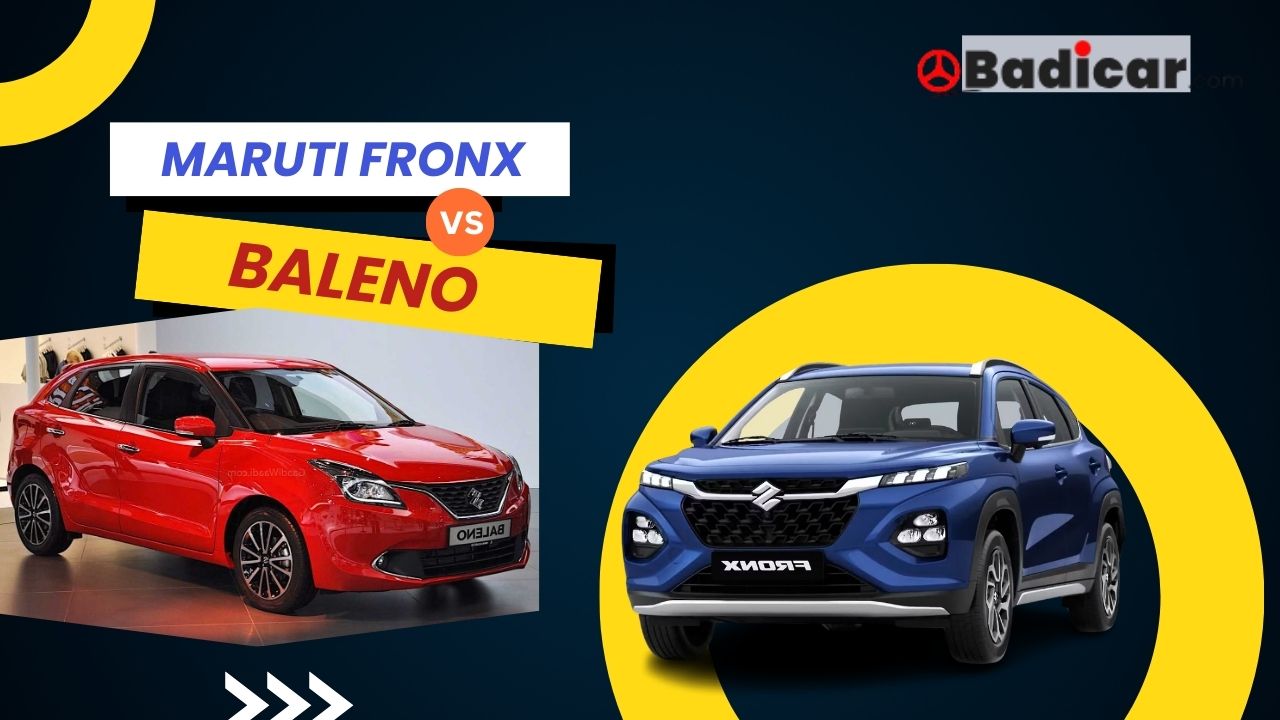
Maruti Fronx vs Baleno: See What’s The Right Choice For You in 2026 

Maruti Fronx vs Baleno

Let’s just be honest. Walking into a Maruti Suzuki showroom these days seems less about buying a car and more about placing an order for coffee at some third-wave café—there are simply too many variants that look and sound almost identical, but have really subtle taste-based differences. 

Half-way through this menu is the ultimate dilemma for modern buyers: the Maruti Fronx and the Maruti Baleno. On the one hand, there’s the Baleno: the uncontested monarch of the premium hatchback space. It’s the car that’s probably been sitting in your neighbour’s driveway for ages. And then there’s the Fronx is the new entrant, the “compact SUV” that has created a sensation with its robust looks.

But here’s the real question: Given that they have the same engines, platform, and even the same showroom, if you’re really going to own just one, does it make more sense to go for the utilitarian hatchback or the evo-styled SUV? I have gone through a bit of research and here is my blunt, plain talk comparing price, mileage and features to help you pick up where you might want to invest your money. 

Aspect Maruti Baleno Maruti Fronx
Starting Price ₹6.61 lakh (base petrol) ₹7.51 lakh (base petrol)
Top-End Price ~₹10 lakh (Alpha Auto) ~₹13 lakh (Turbo Auto)
Engines 1.2L DualJet petrol (89 bhp) 1.2L DualJet (89 bhp) + 1.0L Turbo (100 bhp)
Transmission 5MT / 6AT 5MT / 6AT
Mileage (Petrol MT) 21-22 km/l (city/highway) 21-22 km/l (1.2L); 18-19 km/l (Turbo)
Key Features 9″ Smartplay Pro+ (wireless AA/CP), HUD (top), sleek interior Sunroof (mid variants), raised SUV stance, same infotainment
Safety 6 airbags, ESP, hill-hold (AT) Same as Baleno
Style/Vibe Premium hatchback, refined city drive SUV coupe, bold presence, adventure feel
Best For Value, efficiency, daily urban use Style, turbo punch, road presence


The Vibe Check: Style vs. Substance

Maruti Fronx Style

Before the numbers, we have to talk feelings. Because really, most of us buy cars with our hearts and only use our brains to justify the purchase.

The Baleno is sleek and premium, wide-bodied with a sporty slanting roofline. It is polished and refined, making it perfect for daily drives and the monotony of city living. 

The Fronx is, however, a completely different animal. It adopts the “SUV coupe” shape, that is reminiscent of its larger sibling the Grand Vitara. It sits up higher, has cladded wheel wells and a front grille that seems like it’s glaring at you. It’s made for the young (or the young at heart). If you imagine yourself hitting the open road on the weekends, when the highway might not be in quite such good shape, the Fronx appeals to that sense of adventure. 

The Money Talk: Prices

So what does this cost you? Both vehicles are similar enough that you’re not necessarily paying a boatload of money just for the “SUV” name.

The Maruti Baleno’s starting price is slightly lower, at around the ₹6.61 lakh (ex-Showroom) for the base petrol, getting close to ₹10 lakh on the higher side for the top-end Alpha Automatic.

Maruti Fronx, the all-new SUV from Maruti Suzuki, is priced at around ₹7.51 lakh (ex-showroom) in India. But the high-end models actually come at prices that are quite similar to the Baleno’s, just short of the ₹13 lakh mark in case you get the Turbo Automatic.

The Baleno wins if you’re counting pennies or just need the cheapest entrance point. But the difference in price is almost imperceptible if you’re looking at the mid-to-high end models (that’s what most of us buy). Two very different personalities and you are essentially paying the same money. 

Mileage and Performance: The Engine Room

This is a closely-guarded secret that Maruti doesn’t reveal on billboards: under the skin, these two are almost siblings.

  • Both car models come with the 1.2-litre DualJet petrol unit that makes around 89 bhp. 
  • Options for transmission are the same as well, with a 5-speed manual or a 6-speed torque-converter automatic. 
  • Used in the same mechanicals, the fuel economy figures are surprisingly close. City and highway fuel economy for the petrol manual is 21-22 km/l. Less for you but negligible for us With the automatic variants you get slightly less, but this is negligible difference for us.

The Fronx

But there is a twist: The Fronx also offers something the Baleno doesn’t have (at least, not yet in the same form): The 1.0L Turbo Boosterjet engine. This is a pellet, isn’t it? bhp and takes you on a burst of torque that makes moving out on highways a cakewalk. The trade off: mileage takes a hit, down to around 18-19 km/l, and high-speed petrol is needed (we recommend 91 octane).

If you’re a sedentary driver who wants to just sip fuel, stick to the conventional 1.2L engine in either car. Fronx Turbo: For all the enthusiasts who like a bit of punch when they floor the accelerators, this is your only winner here. 

Feature Fight: Tech vs. Comfort

Maruti Baleno

Step inside, the arrangement of the dashboard, the steering wheel and gear stick in both models are the same. But it’s the details that count.

The Baleno is all about “smart tech.” You get the sleek 9-inch Smartplay Pro+ infotainment system that offers wireless Android Auto and Apple CarPlay support – a feature we all crave secretly to avoid entangled cables. The top model also gets a heads up display (HUD), which is pretty futuristic.

Then there’s the Fronx, which, as SUVs go, puts a premium on a somewhat different experience. Although it doesn’t get the HUD in the lower variants as the Baleno does, it makes up for it with a sunroof in the mid-variant — a feature that can be a deal-breaker for many consumers in India. 

The Fronx also has a slightly raised stance, putting you at a ”commanding view of the road,” while the Baleno feels more like you’re driving inside it rather than on it. both cars come brimming with safety features- including 6 airbags, ESP and a hill-hold assist (automatic only), so you’re not compromising on safety whichever is your pick.  

Conclusion

When all is said and done, the Fronx vs Baleno is not a competition of spec sheets and mileage charts – it is a reflection of who you are as a driver.

If you’re big on predictable daily-driving, tight city parking and low running costs, and are looking for a car that’s well-judged and quietly premium, then the Maruti Baleno still holds more water. It’s more tolerable, a bit easier on the bank balance, a little more fuel-efficient, and seems like the kind of car that’s already worked life out. It doesn’t strain—-and that’s what makes it charming.

The Baleno is aimed at the more conservative buyers, while the Maruti Fronx is for those who want it to make a statement. You get the SUV-like stance, an elevated driving position, optional turbo-petrol thrill, plus lifestyle additions like a sunroof that have more emotional value than rational. You aren’t paying too much more — you’re paying for attitude, presence, that little bit of an “upgrade” every time you walk up to it. 

  • Go for the Baleno if you want the most value, refinement and hassle-free ownership.
  • Pick the Fronx if you want style, road presence and a ride that feels a bit more special – even if the daily grind is the same. 

Same engine options. Same showroom. Same reliability.

Different personalities. Take your pick and find the one that feels right for you. 

0

Volvo XC90 vs Audi Q7: Price, Features, Performance & More Compared!

Published Jun 5, 2025, 5:43 AM
Last Updated Apr 22, 2026, 11:38 AM

Many buyers compare the 2025 Volvo XC90 vs Audi Q7. Both are large luxury SUVs with three rows of seats. They have modern designs and tech. They are sold in the US and UK. But there are key differences. We look at price, interior, tech, safety, performance, fuel economy, space, warranty, and more. This guide helps you see the strengths and weaknesses of each.

Pricing of Volvo XC90 vs Audi Q7

Pricing of Volvo XC90 vs Audi Q7

United States

In the US, the Volvo XC90 starts around $59,745 for the base model. Volvo also sells higher trims (Plus, Ultra) up to about $68,245. The Audi Q7 starts slightly higher in price. Its base Premium trim has an MSRP around $61,795 (the Q7 Premium Plus and Prestige trims cost more). In general, the Audi Q7 costs a bit more than the Volvo at entry level in the US.

United Kingdom

In the UK, the starting price for the base Volvo XC90 Core trim is around £63,790. Volvo’s RRP range goes up to around £84,260 for top trims. The Audi Q7 in the UK starts at about £71,525 OTR for the S line trim. Audi also offers higher levels (e.g. Vorsprung over £94,000). 

Interior Features of Volvo XC90 and Audi Q7

The Volvo XC90 interior is clean and modern. It has a large portrait-style touch screen (11.2 inches) in the center. The cabin features clean, simple lines and is built with high-quality materials. Volvo even uses eco-friendly seat fabrics (Nordico textile) in some models. The XC90 seats up to 7 people. The second row has three seats that slide and recline, giving good knee and headroom. 

The third row is smaller, best for children or short trips. Volvo’s Core trim includes Google-based services and driver aids built in (like adaptive cruise control and blind-spot warning). Higher trims add nicer sounds and lighting. One drawback: some reviews note that the XC90’s infotainment can feel dated and it lacks Android Auto support.

The Audi Q7 interior is upscale. It also seats seven (though some models drop the third row). Audi’s cabin has premium leather, nice trims, and a classic layout. A standout feature is the Virtual Cockpit—a fully digital 12-inch display that’s sharp, clear, and easy to customize.

There are multiple screens (including a tablet-style MMI touch screen) and an available head-up display. The Q7’s seats are well-cushioned and roomy. In tests, tall adults fit comfortably in the second row, and the Q7 offers three separate second-row seats that can slide fore and aft. Overall, the Audi interior feels very high-tech and solidly built.

Technology of Volvo XC90 vs Audi Q7

Technology of Volvo XC90 vs Audi Q7

Both SUVs have modern tech, but they take different approaches. The XC90 uses Volvo’s new Android-based system. The XC90 has over-the-air updates for its software, so features can improve over time. It offers wireless Apple CarPlay, but no Android Auto. The touchscreen is large and high-resolution, and many controls are touch-based.

The Audi Q7 uses Audi’s MMI interface. It includes an online navigation system and supports both Apple CarPlay and Android Auto. Audi’s infotainment system is quick to respond and supports voice commands for easy control.

Both vehicles have lots of driver aids: lane-keep assist, blind-spot alert, parking sensors, etc. In summary, Volvo’s tech is centered on Google integration, while Audi focuses on its own polished MMI system with a sharp digital cockpit.

Safety of Volvo XC90 vs Audi Q7

Safety is a strong point for both models. Volvo markets the XC90 as “one of the safest cars on the road”. It comes standard with many safety systems: automatic emergency braking, lane departure warning, blind-spot monitoring, rear cross-traffic alert, and more. 

Volvo often earns top marks in crash testing (though exact 2025 crash ratings are not yet available, the brand has a strong safety reputation).

The Audi Q7 also scores very high on safety. In the United States, the 2025 Q7 earned the IIHS Top Safety Pick+ award. The Audi Q7 also comes with many standard features: blind-spot detection, lane-keep assist, rear automatic emergency braking (per IIHS notes). 

Performance of Volvo XC90 vs Audi Q7

Under the hood, the Volvo XC90 offers two main gas engines (mild hybrids). The base “B5” turbocharged 4-cylinder engine produces around 247 horsepower, and it comes standard with all-wheel drive and an 8-speed automatic transmission. For a hybrid boost, Volvo also offers a T8 plug-in version (not covered here), which boasts significantly higher power. The XC90’s power feels smooth and adequate. It is not meant to be a sports car, but it can still merge and pass with reasonable ease.

The Audi Q7 comes with either a turbocharged 2.0L four-cylinder (badged 45 TFSI) making about 261 hp, or a turbo V6 (55 TFSI) making 335 hp. In fact, Audi claims the V6 model can go from 0 to 60 mph in about 5.5 seconds. 

Even the base 2.0T is no slouch, taking roughly 6.9 seconds to 60 mph in testing. The Q7 delivers power in a smooth and polished way. In general, the Audi feels more powerful and quicker than the XC90, especially in higher trims.

Fuel Efficiency of Volvo XC90 and Audi Q7

Fuel Efficiency of Volvo XC90 and Audi Q7

The Volvo XC90 in gas form has EPA ratings of about 26 mpg combined for the B5 model, and 23 mpg combined for the B6 model. In city/highway terms, the B5 is roughly 23/30 mpg, and B6 is 20/26 mpg. In practice, expect mid-20s in normal driving. The XC90 plug-in hybrid (T8) can drive about 45 miles on electric alone before the gas engine kicks in, which saves fuel on short trips.

For the Audi Q7, EPA combined fuel economy is around 21-22 mpg for the gasoline models (according to recent reviews). Both the 2.0T and 3.0T engines get an average of around 21 mpg combined. 

In general, the XC90 hybrid tends to be slightly more fuel-efficient due to its advanced mild-hybrid tech, especially in city driving, while the Audi’s larger engine means a bit lower mpg. However, both vehicles will not match the fuel economy of much smaller SUVs.

Also Read : Jeep Compass vs Subaru Crosstrek: Which Compact SUV Should You Really Buy in 2025?

Conclusion

The Volvo XC90 vs Audi Q7 debate comes down to priorities. Both are three-row luxury SUVs with strong safety and features. The XC90 stands out for its safety-first design, clean Scandinavian interior, and available hybrid powertrain. It also tends to be a bit less costly. It is roomier when all seats are up and has won top safety honors too. 

For a buyer who values safety and a simple, modern cabin, the Volvo may be best. For someone who wants sportier performance and a more luxury feel, the Audi is a great choice. In either case, both the 2025 XC90 and Q7 offer a premium experience, so it often comes down to which brand and driving style you prefer.