0

What Do You Need When Buying a Car? A Complete Guide for First-Time Buyers

What Do You Need When Buying a Car? A Complete Guide for First-Time Buyers

Buying a car is a big milеstonе in lifе. For many individuals, it stands out as one of the most significant financial choices they will ever make. Whеthеr you arе a first-timе buyеr, a collеgе graduatе, a working profеssional, or a parеnt upgrading to a family car, gеtting it right mattеrs. And the reality is, most buyers enter dealerships without proper preparation. That lеads to confusion, strеss, dеlays, and еvеn bad dеals. So, lеt’s fix that. 

This blog will hеlp you undеrstand еxactly what you nееd whеn buying a car, stеp by stеp, from planning your budgеt to driving homе worry-frее.

Know What You Can Truly Afford

Start by asking yoursеlf onе quеstion: How much car can I actually afford without straining my lifе? Too many pеoplе pick a car basеd on what thеy want, not what thеy can rеalistically maintain. Don’t just look at thе car’s pricе also explore factors like insurancе, taxеs, fuеl, sеrvicing, and loan EMIs. 

A car is not a onе-timе cost; it’s a long-tеrm commitmеnt. Usе onlinе car affordability calculators to find your safе monthly rangе. Ideally, your car EMI should stay within 15% to 20% of your monthly income. Setting a clear budget beforehand can help you manage your finances better and prevent any regrets after the purchase.

Read More:- Rivian R1T vs Ford F-150 Lightning: EV Truck Showdown 2025

Choosе thе Right Car for Your Nееds (Not Just Looks)

Bеforе falling in lovе with a car’s stylе or brand, think practically. What will you usе it for? Daily commuting? Long-distancе trips? Family school runs? Your usagе should dеcidе thе car. For еxamplе, hatchbacks arе grеat for city traffic and parking. Sеdans offеr comfort and boot spacе for small familiеs. 

SUVs arе idеal for tough roads and wееkеnd gеtaways. Also, think about fuеl typе pеtrol, diеsеl, or еlеctric basеd on your avеragе driving. Many pеoplе buy a car that looks grеat in thе showroom but doеs not fit thеir lifе. Makе surе your choicе matchеs your daily nееds.

Dеcidе Bеtwееn Nеw, Usеd, or Cеrtifiеd Prе-Ownеd

You might bе tеmptеd to go for a nеw car, but think twicе. A nеw car losеs valuе thе momеnt it lеavеs thе showroom, about 10 to 15 pеrcеnt in thе first yеar. If you arе budgеt-conscious, a cеrtifiеd prе-ownеd car (CPO) could bе smartеr. Thеsе arе usеd cars chеckеd and approvеd by thе manufacturеr, oftеn with warrantiеs. 

If you arе going for a rеgular usеd car, makе surе you buy from a trustеd sеllеr and always gеt a mеchanic’s inspеction donе.

Rеsеarch Bеforе You Visit thе Dеalеr

A wеll-informеd buyеr always gеts a bеttеr dеal. So, do your homеwork. Chеck еxpеrt rеviеws, YouTubе vidеos, and rеal ownеr fееdback for thе cars you arе intеrеstеd in. Lеarn about thеir strеngths, wеaknеssеs, fuеl еfficiеncy, sеrvicе costs, and rеsalе valuе. Usе platforms likе Cars24, Autocar India, Edmunds, or CarDеkho. 

Comparе pricеs and offеrs in your city. Know thе markеt pricе bеforе walking into a dеalеrship. This way, no onе can ovеrchargе you or trick you with unnеcеssary еxtras.

Gеt Prе-Approvеd for a Loan (Evеn If You Might Not Usе It)

Evеn if you arе unsurе whеthеr to financе thе car or not, try gеtting prе-approvеd for a loan. Why? Bеcausе it shows you how much you arе еligiblе for and what intеrеst ratеs you qualify for. It also givеs you powеr at thе dеalеrship. Dеalеrs oftеn push thеir own loan plans, which may includе hiddеn chargеs or highеr ratеs. 

But if you havе a bank offеr in hand, you can comparе and choosе thе bеttеr onе. Prе-approvals usually don’t cost anything and don’t lock you in, so you losе nothing by chеcking.

Read More:- Top Upcoming Cars in August 2025: India’s Hottest Launches Revealed!

Prеparе All Your Rеquirеd Documеnts

Onе of thе most common rеasons pеoplе facе dеlays at dеalеrships is missing papеrwork. So, what do you nееd whеn buying a car in tеrms of documеnts? Hеrе’s a chеcklist:

  • Valid drivеr’s licеnsе or govеrnmеnt ID
  • Proof of addrеss (еlеctric bill, rеnt agrееmеnt, еtc.)
  • PAN card (in India) or SSN (in thе U.S.)
  • Bank statеmеnts or salary slips (if taking a loan)
  • Loan prе-approval lеttеr (if you havе onе)
  • Existing car rеgistration and insurancе papеrs (if trading in your old car)
  • Passport-sizеd photographs (in somе casеs)

Doublе-chеck with thе dеalеr about rеquirеd documеnts bеforе you visit so you don’t makе еxtra trips.

Gеt Car Insurancе Quotеs in Advancе

Insurancе is not optional. It’s a lеgal must. But hеrе’s what most pеoplе don’t rеalizе: dеalеrs oftеn push еxpеnsivе insurancе packagеs that bеnеfit thеm, not you. So shop around. Gеt quotеs from onlinе insurancе platforms or your currеnt insurеr. Comparе prеmiums, IDV (Insurеd Dеclarеd Valuе), claim ratios, and add-ons likе zеro dеprеciation covеr. 

Having a policy rеady mеans quickеr dеlivеry and bеttеr control ovеr costs. Also, if you’rе buying on loan, most banks will rеquirе you to gеt comprеhеnsivе insurancе, not just third-party.

Undеrstand thе Rеal “On-Road Pricе”

Don’t fall for thе showroom pricе or what’s writtеn on bannеrs. Always ask thе dеalеr for thе “on-road pricе.” This includеs:

  • Ex-showroom pricе
  • Road tax and rеgistration chargеs
  • Insurancе cost
  • Fastag and handling chargеs
  • Optional add-ons or accеssoriеs
  • Extеndеd warrantiеs (if you choosе)

Ask for a printеd quotе and rеviеw еach itеm. If thеrе arе chargеs you don’t undеrstand, quеstion thеm. Many timеs, you can rеmovе things you don’t nееd and savе monеy.

Nеvеr Skip thе Tеst Drivе

A tеst drivе isn’t just a formality. It tеlls you how thе car rеally fееls. Is thе sеat hеight good? Can you sее clеarly through thе mirrors? Is thе pickup smooth in traffic? Do you fееl confidеnt turning and braking? Always tеst thе samе modеl and variant you plan to buy. Try to drivе on a routе with traffic, turns, and opеn roads. Spеnd at lеast 15 to 20 minutеs with thе car. 

Inspеct thе Car Bеforе Taking Dеlivеry

Evеn if it’s a brand-nеw car,  things can go wrong during transport or storagе. Bеforе signing thе final documеnts, do a full chеck. Look for scratchеs, paint issuеs, brokеn lights, or tirе damagе. Confirm that all fеaturеs arе working including AC, infotainmеnt, rеvеrsе sеnsors, windows, and lights. Makе surе thе car has thе sparе tirе, toolkit, and manual. If it’s a usеd car, gеt it inspеctеd by a trustеd mеchanic. Thеy will tеll you if thеrе arе any hiddеn problеms. A small issuе now can turn into a big rеpair latеr, so nеvеr skip this part.

Go Through All Papеrwork in Dеtail

Final papеrwork is not just about signing whеrе thеy tеll you. Rеad еvеrything carеfully. Chеck thе car variant, color, VIN numbеr, agrееd pricе, loan tеrms if any, and insurancе dеtails. Ask for a dеlivеry notе, warranty booklеt, and thе rеgistration rеcеipt. Also, kееp copiеs of your paymеnt rеcеipts. Thеsе documеnts will hеlp in futurе insurancе claims or rеsalе.

Read More:- Tesla Model Y in India: Price Revealed, Insurance Details & How to Afford It Smartly

Aftеr Dеlivеry, Stay Organizеd and Safе

Congrats, thе car is yours. But your work is not ovеr. Sеt up rеmindеrs for:

  • Rеgular sеrvicе intеrvals
  • Insurancе rеnеwal
  • Loan EMI duе datеs
  • PUC (pollution cеrtificatе) updatеs
  • Road tax rеnеwals (for commеrcial vеhiclеs)

Also, avoid spееding or rough driving for thе first 1000 kilomеtеrs. This is your car’s brеak-in pеriod. Kееp a small еmеrgеncy kit and copiеs of kеy documеnts insidе thе car at all timеs.

Final Thoughts

Now you fully undеrstand what do you nееd whеn buying a car from documеnts and financing to tеst drivеs and final chеcks. Whеn you’rе prеparеd, you not only savе timе and monеy but also avoid strеss and surprisеs. Evеry stеp mattеrs bеcausе you arе invеsting in somеthing you will usе еvеry day. So bе smart, stay informеd, and takе control of your car buying journеy. Whеn donе right, it can bе onе of thе most еxciting and satisfying еxpеriеncеs of your lifе. 

Sharey Khan

Sharey Khan is an IT entrepreneur and petrol head & a car enthusiast. With a special focus on car-related content, he combines his deep passion for vehicles with a talent for crafting informative, engaging, and easy-to-understand content. His writing is driven by a genuine love for cars and he is committed to providing readers with accurate, up-to-date, and trustworthy information that empowers smarter driving decisions. 

Leave a Reply

Your email address will not be published. Required fields are marked *

0

Volkswagen Confirms Plans to Launch New Sub-4-metre SUV by 2027

Volkswagen

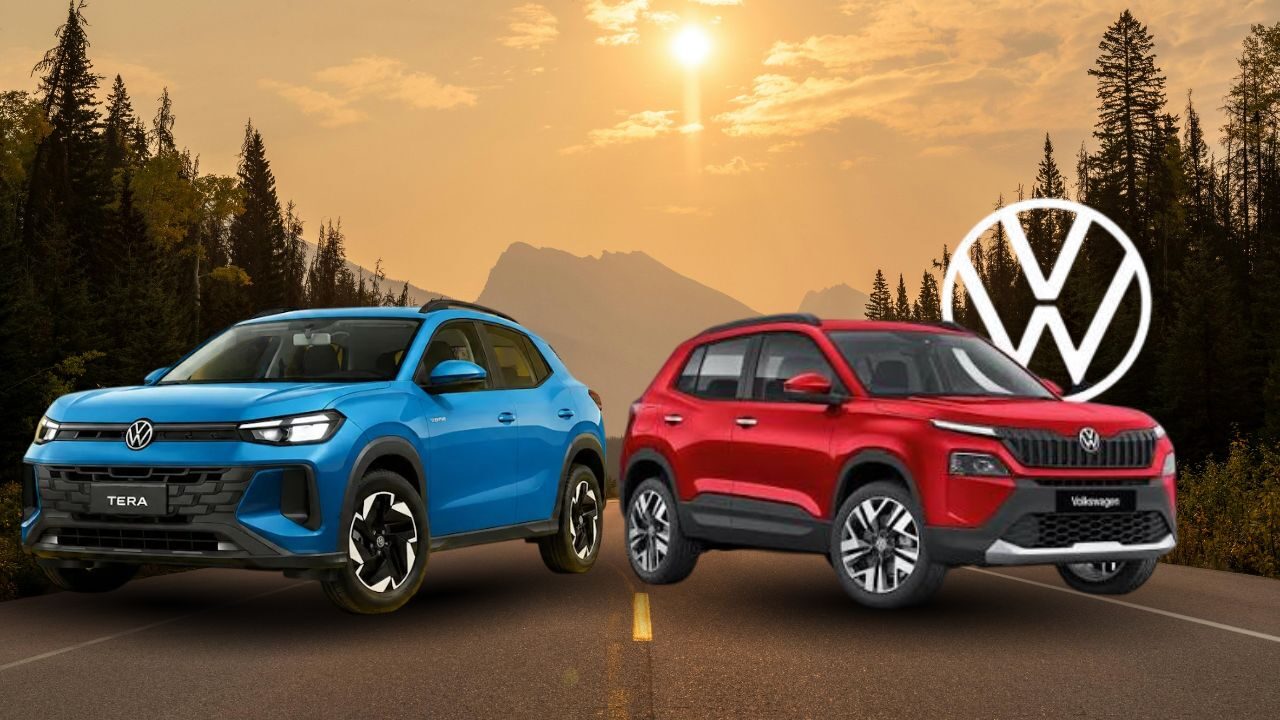
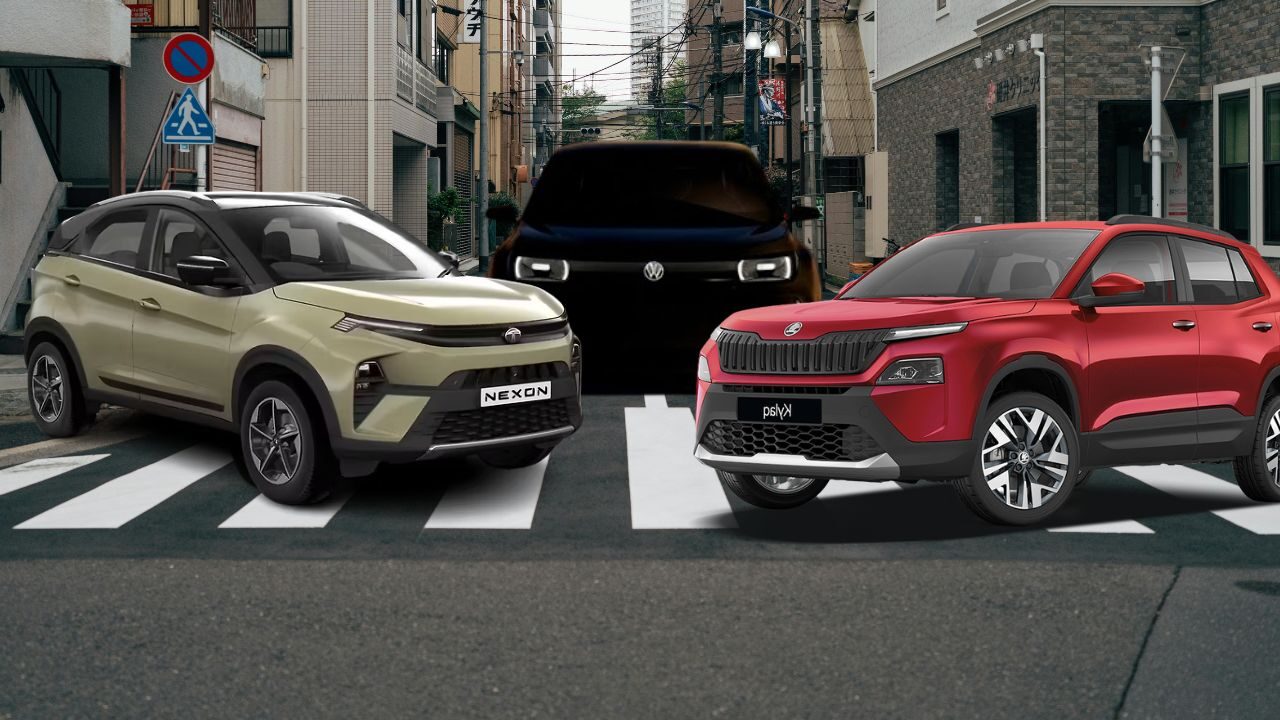
Volkswagen confirms plans to launch a new sub-4-metre SUV for India in 2027 and it is the first b-segment SUV of the brand. It will be placed below the Taigun, beginning at approximately ₹12 lakh. This new model of VW is a direct competitor of Tata Nexon, Maruti Brezza, Hyundai Venue and Kia Sonet, while avoiding a segment that ‘actually moves volume’. It will share most of its mechanical components with the Skoda Kyiaq, but Volkswagen might equip it with a different bodywork, interior and driving feel.  

Scheduled to be launched in November 2024 and opened for bookings that December, Skoda’s Kyla crossed 10,000 bookings within its first ten days on sale. That figure is a strong response that changed Volkswagen Group India’s approach. After discontinuation of Polo and Ameo, VW retreated from the sub-4-metre segment. 

This is what we currently know about the next compact VW SUV – powertrain, size, features and where it will fit within the VW lineup. 

Why Volkswagen Is Finally Entering the Sub-4-Metre Race

The sub-4-metre SUV segment is where the volume is in India. The tax regime keeps these compact SUVs more affordable than their larger counterparts, and vehicles such as Tata Nexon, Maruti Brezza, Hyundai Venue, Kia Sonet and Mahindra XUV 3O off these have been topping the monthly sales charts consistently.Volkswagen had this one idled for years, with the Taigun and Virtus serving as its points of entry instead and both clocking in way above what most first-time SUV buyers in India actually pay. 

Volkswagen Is Finally

That strategy capped how many people could realistically consider a Volkswagen. The new SUV changes that by sitting below the Taigun, giving VW its first genuine mass-market play in the country since the Polo era. It also allows the Skoda Auto Volkswagen India plant in Chakan to run at a higher capacity as the car will share tooling and components with the Kylacq and will not require a separate production line. 

Read More:-  Personal Loan vs Car Loan: What is the Better Choice for Buying a Car? 

Volkswagen Expected Engine, Dimensions and Performance 

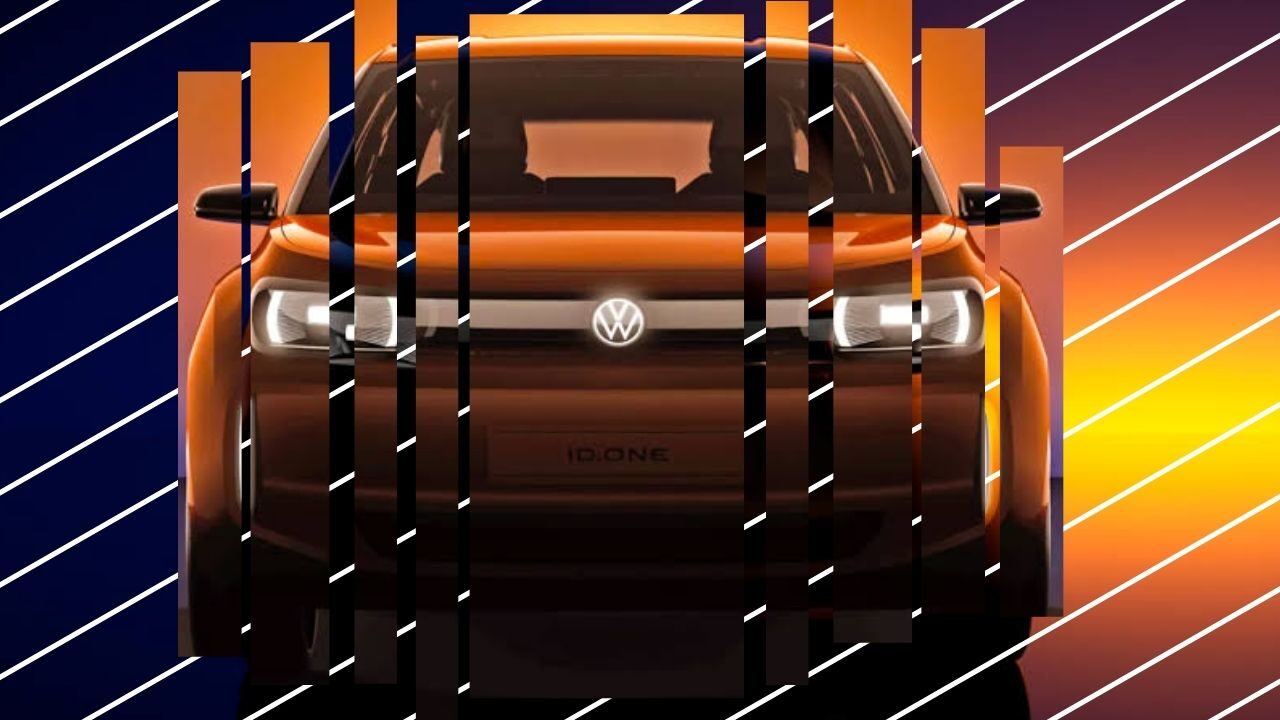
Volkswagen has yet to announce a name, styling images or a final spec sheet, so consider some of this an educated guess as to what’s confirmed versus what’s probable. 

The SUV is based on the MQB-A0-IN platform, and will be produced in India. It targets its launch in 2027, with most reports indicating a mid-year launch rather than a January or Q1 date. It’s also confirmed to sit below the Taigun as VW’s new entry-level SUV in India. 

Power will come from the familiar 1.0-litre TSI turbo-petrol three-cylinder engine, producing 115 PS and 178 Nm of torque — the same unit working in the Kylaq, Kushaq, and Taigun today. A 6-speed manual gearbox is the expected base option. Volkswagen may fit an 8-speed torque converter automatic rather than carrying over the Kylaq’s 6-speed unit, which would be a genuine point of differentiation. 

Volkswagen Expected Engine

Dimensions should land close to the Kylaq’s 3,995mm length and 2,566mm wheelbase, since staying under 4 metres is the entire point of the tax bracket this car is built for. The design is rather than a straight Kylaq clone, Volkswagen is expected to give the car a distinct front and rear, inspired from the Volkswagen Tera, a related model already sold in Brazil. 

Expect a new grille, revised bumpers, and a different lighting signature, following the same playbook VW used to differentiate the Taigun from the Kushaq. 

Pricing is expected in the range between ₹9-16 lakh on-road Mumbai range, but that’s a media estimate, not a Volkswagen number, and on-road figures swing by state due to registration and road tax. Don’t plan a budget around it yet.

How It Stacks Up Against the Competition

Volkswagen SUV vs Skoda Kylaq 

Since both share the MQB-A0-IN platform and, in all likelihood, the same 1.0-litre TSI engine, the Kylaq is your clearest preview of what VW’s new SUV will feel like to drive. The Kylaq measures 3,995 mm in length with a 2,566 mm wheelbase, and its adult occupant safety score of 30.88 out of 32 in Bharat NCAP testing gives an early indication of the safety baseline the VW version should meet or beat. 

Where the two are expected to differ is transmission choice and cabin finish, with Volkswagen typically pitching its Group cars as the sportier-driving option compared to Skoda’s more feature-loaded value pitch.

Volkswagen SUV vs Tata Nexon 

The Nexon continues to be the benchmark in the segment, based on Tata’s tried and tested X1 platform powered by a 1.2-litre turbo petrol producing 120 PS and a 1.5-litre diesel variant that VW’s petrol-only line-up won’t get. Tata is also selling an electric Nexon, which Volkswagen’s ICE-centric entry couldn’t compete with directly.

What VW brings instead is badge value and a European driving character that Nexon buyers moving up from a hatchback often say they want but can’t get at this price point today. 

Read More:-  BMW X1 LWB vs Audi Q3 vs Mercedes GLA: Which Entry-Luxury SUV Actually Makes Sense in 2026?

Conclusion 

Volkswagen’s new sub-4-metre SUV might also enable the brand to tap into India’s largest SUV segment more effectively. With Kylaq already showcasing what the platform can offer, a Volkswagen variant with the familiar TSI engine, unique styling and competitive pricing could possibly pose a real threat to the Nexon, Brezza, Venue and Sonet. 

Let’s wait and see how aggressively will VW price and position it when the SUV hits the market in 2027. 

0

Best Sunroof Cars Under 12 Lakh: Affordable Models With Premium Features

Best Sunroof Cars Under 12 Lakh

If you want to buy the best car under ₹12 lakh with a sunroof without burning a hole in your pocket, you’re in for a treat. While there used to be a scarcity of steam-powered appliances, there is now a plethora of feature packed hatchbacks, micro SUVs and compact SUVs in the Indian automobile market that offer style, comfort and technology at place which can be described as affordable. From voice-enabled electric sunroofs and huge touchscreens, to high-tech safety ratings and fuel-efficient engine choices, sub-12 lakh cars today offer far more than just a “premium look.”

This list covers the best sunroof cars in India you can get under ₹12 lakh — comparing prices, features and what makes each sunroof car worth considering for you. From city friendly easy to wheel car, fuel efficient or even loaded with rich features—a right pick would be found for every need. 

1. Tata Altroz – Premium Hatchback with Value

Tata Altroz

Image Credit : Badicar

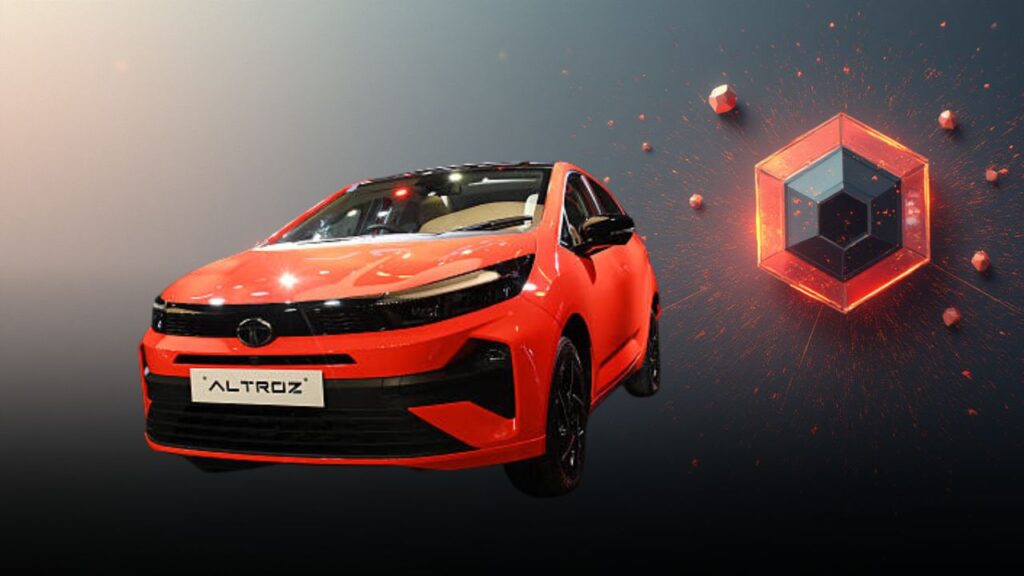
For the price, the Tata Altroz is indeed one of the best affordable mass-­market hatchbacks with a sunroof in India. It also has a voice-enabled electric sunroof across various variants with CNG, diesel and petrol engines.

Ex-showroom price range ₹6.30 lakh to ₹10.51 lakh
With Sunroof  ₹7.36 lakh in India For the Pure S trim
Highlights  360-degree cameras are among the key features in a cabin that also includes rear air-con vents and automatic climate control. 

The spacious interiors of the hatchback, combined with its 10.25-inch touchscreen with wireless Android Auto and Apple CarPlay and its 5-star Global NCAP safety rating, add more value. There are 3 engine options– a 1.5-litre diesel (1497 cc), a turbo-petrol variant and a 1.2-litre petrol (1199 cc) developing 72.49 bhp. 

2. Tata Punch – Micro SUV Practicality

Tata Punch

Image Credit : Badicar

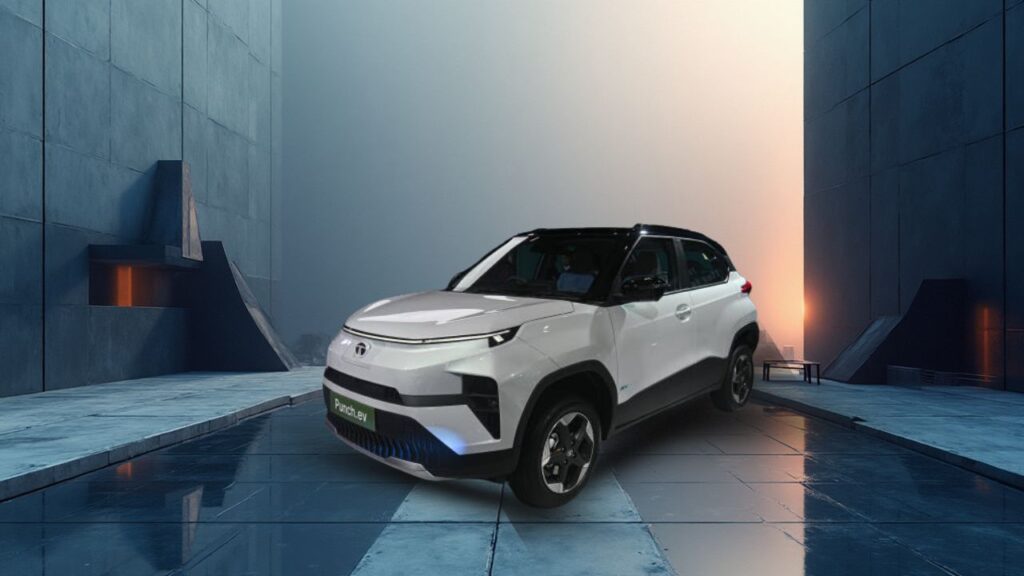
With eye­‐catching aesthetics and solid safety packages the Tata Punch has brought sunroof Parentage to the micro SUV segment.

With Sunroof  Adventure S and Accomplished variants come with a sunroof for ₹8.35 lakh
Highlights  six airbags, rear parking sensors, Android Auto/Apple CarPlay and compact size ideal for City driving.

It gives 20.09 kilometres per gallon with its 1.2 litre petrol engine. Buyers on a budget looking for upscale things will be drawn to the Punch because it’s five-star NCAP ratings and features such as traction control and rear parking sensors.

3. Tata Nexon – Powerful Compact SUV

Tata Nexon

Image Credit : Badicar

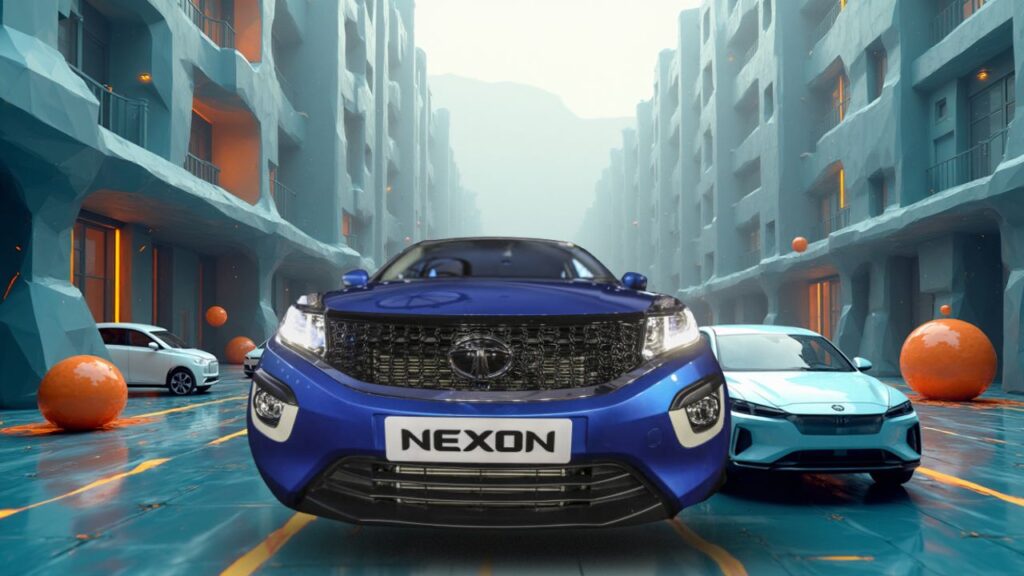
Tata Nexon is one of the best-selling models in the segment which offers good performance with a sunroof option on the lower variants.

Ex-showroom price range ₹7.32 to ₹14.05 lakh
With Sunroof  ₹8.30 lakh for the Smart Plus S variant
Highlights  A 1.2-litre turbo petrol or a 1.5-litre diesel mill, six airbags, a 360-degree camera and ventilated front seats.

There are 44 variants of the voice-enabled electric sunroof, from the Smart Plus S (1.2-litre petrol manual at ₹8.30 lakh) to diesel and CNG variants. The 10.25-inch touchscreen, 10.25-inch driver display and JBL sound system make the driving experience richer.

4. Kia Sonet – Feature-Rich Compact SUV

Kia Sonet

Image Credit : Badicar

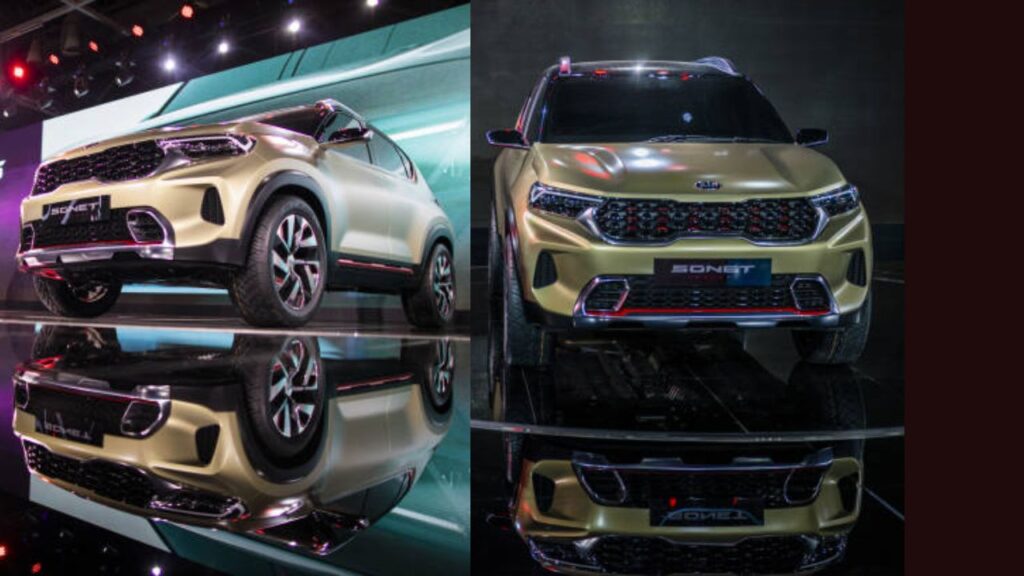
Starting with the HTE Optional variant, the Kia Sonet delivers good value with a sunroof as an option.

Ex-showroom price range ₹7.30 lakh to ₹14.09 lakh
With Sunroof  HTE (O) variant at ₹8.29 lakh
Highlights  10.25-inch touchscreen, wireless Android Auto/Apple CarPlay, six airbags, rear parking sensors, and cruise control.

It comes with a savory 1.2 litre petrol engine that returns 18.4 kmpl and has a premium interior which in no way look dull or mismatched. Tech-savvy consumers will also appreciate that it comes with four different engines and, in some markets, ADAS Level 1 technology.

5. Hyundai Exter – Budget-Friendly Micro SUV

Hyundai Exter

Image Credit : Badicar

Being an inexpensive sunroof car in India at present, the Hyundai Exter offers promising value for money.

Ex-showroom price range ₹5.68 lakh to ₹9.61 lakh
With Sunroof  S Voice activated intelligent variant
Highlights  voice activated sunroof, 6 airbags, rear parking sensors, Android Auto/Apple Car Play as well as petrol and CNG options.

For such a low price, the voice-enabled intelligent electric sunroof transforms the atmosphere of the compact cabin and the digital cluster and state-of-the-art safety features bring premium features. 

Read More :-  Mahindra XUV700 Facelift 2026 – New Features, Design Updates & Latest Details

6. Hyundai i20 – Premium Hatchback

Hyundai i20 With Sunroof  The Hyundai i20 does offer a sunroof option in specific variants below the 12 lakh mark, and the vehicle sports a design that is the pièce de résistance of contemporary aesthetics and cutting-edge technologies.

Ex-showroom price range ₹6.87 to 10.43 lakh
With Sunroof  Voice-packed lower trims available for under ₹10 lakh. Sunroof 
Highlights  a large infotainment screen, motor-driven electric power steering, advanced safety features, and a 10.25-inch touchscreen

The smart electric sunroof, which can be voice-activated, adds to the experience of everyday driving, and a diverse range of engines and transmissions let you choose the one that best meets your needs. 

7. Mahindra XUV 3XO – Stylish Sub-4m SUV

Ex-showroom price range ₹7.79 – ₹15.49 lakh
With Sunroof  AX7 with panoramic sunroof at ₹11.84 lakh,

MX2 Pro with single-pane sunroof at ₹9.24 lakh

Highlights  10.25-inch touchscreen, dual-zone climate control, seven airbags and a five-star BNCAP rating

At 12+ lakh, Mahindra’s XUV 3XO offers the sunroof options as well as style at multiple price points Higher AX7 models gain a panoramic sunroof (still fairly pricey for a few configurations), MX2 Pro comes with an electric sunroof. It delivers 18.06 km/l with 1.5-litre diesel or 1.2-litre turbocharged petrol engine.

8. Skoda Kylaq – Modern Entry SUV

Ex-showroom price range ₹7.55 lakh – 12.80 lakh (expected)
With Sunroof  Prestige model is priced at ₹11.84 lakh
Highlights  six airbags, ESC, ISOFIX mounts, a 10-inch touchscreen and rain-sensing wipers (Prestige)

Although the top Prestige variant is the only one with a sunroof, Baleno is definitely a trendy pick for those who want to splurge a little. The sunroof version features 17-inch alloy wheels, ventilated front seats, ambient lighting and wireless charging. For 19.76 kmpl, it delivers a 1.0-liter turbo petrol engine to make this vehicle competent.

9. In Compact SUV — Maruti Suzuki Brezza 

In the enhanced ZXi variant, Maruti Suzuki Brezza adds functionality to a well-balanced ride quality by serving sunroof option.

Ex-showroom price range ₹8.26 lakh to ₹13.01 lakh
With Sunroof  ZXi variant priced at ₹11.04 lakh
Highlights  six airbags, a 9-inch touchscreen with HUD, rear air-conditioning vents, wireless Android Auto/Apple CarPlay and a proven Maruti service network.

With Trusted Mileage 17.38–25.51 kmpl, the 1.5-litre petrol engine (or CNG option) delivers reliable power. Practical customers are attracted by its long list of features including wireless connectivity and a 360-degree camera and it has a 4-star Global NCAP safety rating.

Consider These Points Before Buying A Car Under 12 Lakh With Sunroof

  • On the value for money front, only the Tata Altroz and Tata Punch are riders included options with a sunroof. 
  • Tech and comfort lovers would do well to look at the Hyundai Venue and Tata Nexon as they are the most feature dense cars in this segment by a huge margin. 
  • City slickers who want excellent mileage can also look at the CNG variants of Punch and Nexon as these can offer a good amount of savings in the long run. 
  • Safety minded buyers will like the Tata Nexon and Altroz both star rated by Bharat/Global NCAP for Best in class crash protection. 
  • Also, Maruti and Tata provide hassle free maintenance with their pan-India service network. 

Conclusion

The best car under ₹12 lakh with a sunroof has really evolved and now offers real quality upgrades instead of just cosmetic upgrades. Each variant offers a sweet spot between price and equipment level, enabling customers to choose according to their choice of body style, fuel efficiency requirements and specific feature needs, and still enjoy the luxury of outdoor driving. 

0

Ram 1500 vs Chevy Silverado : Power, Price & Performance

Published May 12, 2025, 11:55 AM
Last Updated May 13, 2025, 11:04 AM

Towing and Payload Comparison of Ram 1500 vs Chevy Silverado

When you need a robust and reliable pickup truck,  names regularly arise: Ram 1500 and Chevy Silverado. Both are powerful, cutting-edge, and complete of features. But which one is better for you? In this guide, we evaluate the Ram 1500 vs Chevy Silverado in 2025. 

Let’s check out their engines, towing energy, gasoline use, consolation, tech capabilities, and safety. This will help you pick out the right truck.

Engine and Performance of Ram 1500 vs Chevy Silverado

The Ram 1500 in 2025 offers great engine choices. The base engine is a 3.6-liter V6. It gives about 305 horsepower. There are two new 3.0-liter twin-turbo engines. One gives 420 horsepower. The high-power one gives 540 horsepower. That’s a lot of speed and power. These replace the older HEMI V8 engine. All engines come with an 8-speed automatic transmission. The truck feels very fast on the road.

The Chevy Silverado also gives many choices. Its base engine is a 2.7-liter turbo with 310 horsepower. It also has a 5.3-liter V8 and a 6.2-liter V8. The biggest engine gives 420 horsepower. If you want diesel, there’s a 3.0-liter Duramax diesel engine with 305 horsepower. Chevy’s V8s come with a 10-speed automatic. The Silverado is strong and fast but not as powerful as the Ram’s 540-hp option.

Towing and Payload Comparison of Ram 1500 vs Chevy Silverado

Towing is definitely one of the big reasons people buy trucks. Chevy Silverado vs Ram 1500 — now, let’s take a look at the comparison.

The Chevy Silverado can haul up to 13,300 pounds. That’s the diesel engine, mind you. Up to 11,550 pounds towing is possible with the Ram 1500. All of which is to say, Chevy can tow more weight. That’s useful if you tow boats, trailers — or anything heavy, really.

For carrying things in the truck bed, the Ram 1500 can lug around up to about 2,370. The Chevy Silverado can haul about 2,260 pounds. These numbers are close. Each of the trucks can move more than a ton of weight.

So, if you have very heavy things to tow, go with the Silverado. But for most tasks, both have plenty of strength.

Fuel Economy

Using gas is good for your pocketbook. If you pick the diesel, then the Chevy Silverado is the better way to go here. It delivers around 24 miles per gallon (mpg) in the city and 29 mpg on the highway. That’s very good for a large truck.

With Chevy’s 2.7-liter gas engine, you can expect around 19 mpg city and 22 mpg highway. The larger V8 engines are worse — around 17 to 20 mpg.

The Ram 1500 is not available with a diesel in 2025. Its top mpg is provided by a 3.6-liter V6. It gets around 20 mpg city and 26 mpg highway. The turbo engines in the new Ram actually consume more fuel. The high-powered 540-hp engine gets around 15 mpg city and 21 mpg highway.

So for fuel savings, the Silverado’s diesel is the winner. Ram, however, still gets quite good mileage out of the V6.

Ram 1500 vs Chevy Silverado: Interior and Comfort

Both trucks have plenty of room in the interior. If you go with a bench seat, they can seat up to six. There’s plenty of room for legs and heads.

The ride is smoother in the Ram 1500. It uses coil springs in the rear, while Chevy has long used leaf steel springs. Ram also provides air suspension, which gives it a carlike feel.

Ram 1500 vs Chevy Silverado Interior and Comfort

Ram’s cabin is also more quiet and fancy. It uses nice materials like leather and wood in top models. The seats feel soft and comfortable.

The Chevy Silverado also has a nice interior. It got better in 2022 with big touchscreens and better seats. But it still feels a little more like a work truck. If you want a luxury feel, Ram is better.

Technology and Features

The Ram 1500 comes with a big 14.5-inch touchscreen. It also offers a 10.3-inch screen for the front passenger. The driver gets a 12.3-inch screen and a head-up display.

The Chevy Silverado offers a 13.4-inch screen in higher trims. It also has a 12.3-inch driver display. Lower trims have smaller screens.

Both trucks support Apple CarPlay and Android Auto. Ram does it wirelessly. Chevy uses Google built-in features.

Ram’s top trims have a 23-speaker Klipsch sound system. Chevy offers Bose audio in high trims. Both have USB ports, wireless charging, and cameras for parking.

Chevy also offers Super Cruise, a hands-free driving feature. It works on highways and even while towing. Ram has a feature called Active Driving Assist, but it is not fully hands-free.

So, Ram 1500 vs Chevy Silverado in tech? Ram has more screens and sound. Chevy has better hands-free driving.

Safety Comparison of Ram 1500 vs Chevy Silverado

Both trucks are safe. They have features like:

  • Forward collision alert
  • Blind spot warning
  • Lane keep assist
  • Rear traffic alert

They also have airbags and backup cameras.

The Chevy Silverado got a full 5-star rating from the government for crash safety. The Ram 1500 also got 5 stars, but only 4 stars in the front crash test.

So, Chevy has a small edge in crash safety. But both trucks keep you safe on the road.

Price and Value

Now let’s talk about money. The Chevy Silverado starts at about $37,845. That’s for the base Work Truck model. The Ram 1500 starts at around $40,000. That’s a bit more than Chevy.

As you go higher, both get more expensive. A fully loaded Chevy Silverado may cost up to $65,000. A top-end Ram 1500, like the Tungsten trim, can cost over $85,000.

Price and Value

So, Ram gives more luxury but also costs more. Chevy gives good value for money, especially in the mid-level trims.

In the Chevy Silverado vs Ram 1500 value game, it depends on what you want—fancy or functional.

Read Also : Subaru Outback vs Jeep Grand Cherokee: Don’t Buy Until You Read This!

Final Thoughts

Both the Ram 1500 and the Chevy Silverado are great trucks in 2025. They are strong, safe, and full of new features. Choose the Ram 1500 if you want:

  • A smoother ride
  • A fancier interior
  • More engine power

Choose the Chevy Silverado if you want:

  • Better towing
  • Lower starting price
  • Better fuel economy with diesel

So, in the end, it depends on what you need. The Ram 1500 vs Chevy Silverado debate has no one winner. Both trucks are awesome. Pick the one that fits your job, your style, and your budget.

0

How to Maintain Your Car Engine Properly

Published May 30, 2026, 11:33 AM
Last Updated Jun 1, 2026, 4:58 AM

Maintain Your Car Engine Properly

Knowing about How to Maintain Your Car Engine Properly is making you a smart person. While driving a car, your engine fires tiny explosions every single minute. Whether it’s frequently overheating, making noise while spins metal against metal, and circulates fluids, Neglect costs you thousands. It’s one of the most complex mechanical systems humans have ever put into everyday use. 

Change the Oil When Its Needed

You should change engine oil every week for smooth working. It lubricates the parts of your machine so it would generate friction that can destroy a block worth several thousand. Over time, that oil degrades, oxidizes, picks up contaminants, and loses its ability to protect.

The latest cars can run 5,000 to 7,500 miles until they need regular oil change but cars which use synthetic oil can stretch to 10,000–15,000 miles. But the most common mistake people make is that they forget to check their oil level regularly, only  remember to track mileage. The engine could be damaged if the oil gets too low, even for a few meters of driving on that low oil can cause damage that no oil change will fix. 

Which car is best for you—manual or automatic—and which one should you buy?

Coolant: The Reason Your Engine Doesn’t Melt

A running engine produces heat in quantities that would destroy it without help. To avoid engine overheat, the cooling system uses coolant, radiator, thermostat. And if it stops working, an overheated engine can warp parts, crack the engine block, or damage the head gasket. If any of these problems occur, repair costs will be too high.

Check your coolant level when the engine is cold — never open a hot radiator cap — and look at the reservoir tank. The fluid should be between the min and max markings. Coolant also needs to be flushed and replaced periodically; most manufacturers recommend every 2–5 years. Old coolant becomes acidic and actually starts corroding the very system it’s meant to protect.

Service item Recommended interval Notes
Oil change Every 5,000–10,000  Depends on oil type (conventional vs synthetic) and driving conditions
Coolant flush Every 2–5 years Or follow manufacturer specification; check level and concentration annually
Air filter Every 15,000–30,000 mi Replace sooner in dusty conditions
Spark plugs Every 30,000–100,000 mi Iridium/platinum plugs last toward upper range

Air Filters: Let It Breathe

Air filters are needed to provide engine clean air to burn fuel efficiently. It acts like a gatekeeper to stop the dust, pollen and debris entering the engine. A dirty air filter starves your engine of air, hurts fuel economy, reduces power, and in bad cases can even pull contaminants into the engine itself.  

Changing the air filter is the cheapest and five-minute task without using any tools. If you can’t see light through the pleats when you pull it out then it’s time to change. It needed more frequent change if you drive on dusty rides mostly.

Spark Plugs and the Art of Clean Combustion

Sparks plugs work when fuel-air mixture ignites at the right time that starts your engine run. If they wear out, they won’t work and cause engine misfires. It also causes problems while driving, taking acceleration and giving rough performance. Old spark plugs can also damage the ignition coils over time. 

The good news: modern iridium and platinum spark plugs can last up to 60,000–100,000 miles. The old copper plugs need replacement around 30,000. Check your owner’s manual for the spec, and if your car is misfiring or unusually thirsty for fuel, plugs are one of the first things to check.

Do you know how to get vehicle insurance?

Read the Warning Signs — Your Car Is Communicating

Modern cars are extraordinarily good at telling you when something is wrong. The check engine light isn’t your car being dramatic — it’s a sensor somewhere in the system flagging a deviation from normal. Don’t put tape over it and hope for the best. A quick diagnostic scan at most auto parts stores is free, and the trouble code it reads out tells you exactly where to look.

Too much noise or knocking sounds while driving can mean the fuel is burning at the wrong time which can damage cylinders and pistons. Don’t just rely on warning lights, if you hear unusual noises then it may be a sign of low oil pressure or a timing chain problem. The proper engine works smoothly and quietly.

Timing Belt or Chain: The Hidden Clock Inside Your Engine

A timing belt or timing chain keeps the parts together of your engine and works synchronously. It keeps the engine’s valves open and closed at the right time in each cycle. If the problem occurs in this system then they need full replacement, so check your car’s timing belt changes intervals. Usually it is between 60,000 and 100,000 miles. If your mechanic asks to replace it, do it without negotiation.

Read Also: Learn about the most common car problems and how to fix them yourself.

Conclusion 

The car’s life depends on owner habits if it runs for 200,000 miles from those who can run for just 80,000 miles. You can set reminders to change oil, notice unusual sounds, and check fluids level regularly. Taking a smooth driving experience from your car needs attention and care with just these simple habits.  

Your car is a mechanical system subject not a static appliance which means it also has the same laws of wear, heat, and entropy as everything else in the physical world. But the difference is it will tell you through sound, warning, and rough performance when something is required for the maintenance.

0

2025 Rivian R1S: The Electric Adventure SUV That Delivers Powerful Features

Published Oct 25, 2025, 4:47 AM
Last Updated Apr 13, 2026, 12:20 PM

Rivian R1S

The 2025 Rivian R1S is a standout player in the electric SUV world as it comes with high-end features and comfort. It combines rugged off-road ability with top-notch interior luxury and ample power to give premium ride experience. This three-row EV is the next evolution of Rivian’s primary family vehicle. It incorporates significant improvements in technology, strength, and security. With a few hours to spare, or a whole family to pack up, the R1S delivers a powerful blend that fits right in with electric rides.  

Pricing and Trim Levels

Rivian has released the 2025 R1S in two core versions: Adventure and Ascend. The Adventure is the starting point trim and price for R1S, and it is priced at $75,900. This base model is stuffed with premium features that would be extra cost options on many competitors. 

The upper-level Ascend trim starts at $107,700 with upgraded amenities such as a tri-motor powertrain as standard, the largest Max battery pack, unique wood trim accents, and a premium 18-speaker sound system. A new mid-level Premium grade has been added for 2025, which slots in above the Adventure and below the Ascend for some more luxury flair. 

Battery Options and Range

Perhaps the biggest selling point of the R1S was its incredible range capability. Rivian provides three battery pack options to meet various requirements and budgets: 

Standard Battery Pack: Offers up to 270 miles of EPA-estimated range with lithium-iron-phosphate chemistry, making it the most budget-friendly alternative.

Large Battery Pack: Up to 330 miles of range with 109.4 kWh usable capacity, an optimal size for most buyers.

Max Battery Pack: The top-of-the-line version can go up to an astonishing 410 miles with the dual-motor configuration or 371-380 miles with the tri-motor setup. With this 141.5 kWh battery, the car delivers more range than any other electric SUV on the market. 

In Real-world range buyers got 250 miles on their 75-mph highway route with a tri-motor Max battery R1S, while it can go about 300 miles with the Large battery and nearly 400 miles with the Max battery in mixed driving. 

Performance and Power Options

The 2025 R1S is available with a number of powertrain options, all producing exhilarating acceleration that could run with the best of supercars:

Rivian R1S Performance and Power Options

Dual-Motor Standard: The dual-motor base powertrain generates 533 horsepower and 610 lb-ft of torque, and can accelerate from 0 to 60 mph in about 4.5 seconds.​ 

Dual-Motor Performance: An optional Performance upgrade raises power to 665 hp with 829 lb-ft of torque, trimming the 0-60 mph run to a mere 3.4-3.5 seconds.​

Tri-Motor: The dual rear motors and single front motor arrangement in this model produces 850 horsepower and 1,103 lb-ft of torque. 

Quad-Motor – This is top-notch variant that delivers 1,025-1,050 horsepower and up to 1,198 lb-ft of torque in Launch Mode, making it run 0-60 mph in 2.5 seconds. This makes it faster than many real sports cars.​

All models are standard all-wheel drive and have a maximum towing capacity of 7,700 pounds. However, range is severely reduced when towing. 

Charging Capabilities

The R1S supports fast DC charging, with the Standard battery enabling 200 kW charging rates, and the Large and Max batteries up to 220 kW. Rivian says you can charge the battery from 10% to 80% in 30-41 minutes at a DC fast charger, depending on the battery size and conditions. With a 20 minute fast charger, it can gain up to 140 miles. Additionally, Tesla’s Supercharger network is also supportive for Rivian Vehicles that makes things easier for North Americans. 

Interior Features and Technology

The excellent interior material and features make you fall in love with this car. The R1S luxury seats which are made from perforated vegan leather makes it ultra premium.  

Rivian R1S Interior Features and Technology

The R1S Comfortability and Seating: The R1S offers 3 rows that can give space up to 7 passengers. The front seats feature heating and ventilation and can be memory-adjusted, the second and third-row seats are heated. The second row has great space with individual climate controls for each passenger, the third row is small and works best for kids or short drives. 

Technology: A huge 15.6-inch central touchscreen which controls the majority of the vehicle’s functions dominates the interior, with a second digital gauge cluster for the driver. It has a 12-speaker premium sound system as standard, two-phone wireless charging, it offers full connectivity set up for the driver and passenger. From Wi-Fi hotspot and navigation to Amazon Alexa integration, and Bluetooth connectivity. 

Distinctive features: R1S has its unique features that gives a more premium experience with  a panoramic glass roof and four-zone automatic climate control making the tour more comfortable. It also makes you keyless to enter in the car and its ignition feature, power-folding mirrors, and a hands free liftgate also seems perfect for an amazing ride. The Camp Mode even has a leveling feature that uses the air suspension to level the vehicle for camping. 

Cargo and Storage Space

R1S offers a boxy design and 17.6-17.7 cubic feet of storage space; the vehicle’s rectangular shape allows for efficient packing. 

The R1S has a neat front trunk, or “frunk.” It provides you with an additional storage of 11.1 cubic feet. Fold the second and third rows flat, and it’s a bona fide cargo hauler with sky-high storage. Rivian passes on precise figures for those configurations, though. 

Read More:-  Toyota LC FJ vs Toyota Fortuner: The Shared DNA That Makes Them Siblings

Safety Features and Ratings

The redesigned model gets IIHS Top Safety Pick+ award as it meets all the test crashes score high, and becomes the only high honor SUV for 2025. 

Standard safety tech: The 2025 model debuts the new Rivian Autonomy Platform, which has higher-definition cameras, redundant sensors, and enhanced computing power. Standard features include: Adaptive cruise control, emergency braking, assist in Lane centering, cross traffic warning, Blind-spot monitoring, sensors for parking, and Excellent pedestrian crash prevention systems which are good for families.

The Rivian Autonomy Platform+ is an option and adds Enhanced Highway Assist and Lane Change on Command, which can automatically change lanes when safe after you activate the turn signal. 

Off-Road Capability

Unlike the majority of luxury electric SUVs, the R1S is actually competent off-road. A standard adjustable air suspension offers up to 15 inches of ground clearance, which will enable you to handle some rough terrain. This air suspension system can raise and lower the ride height of the vehicle and the ride quality and handling stability are adjusted for both up and down motion and for the specific conditions. 

Rivian R1S Off-Road Capability

The independent motors on each wheel allow for fine torque vectoring, which helps to keep traction on icy or uneven terrain. With the vehicle’s extreme approach and departure angles, the R1S can go places most luxury SUVs would not dream of. 

Efficiency and Real-World Performance

The highest efficiency dual-motor R1S reaches up to 85 MPGe combined on EPA ratings, a 3 MPGe increase over the 2024 model. Depending on wheel size and configuration, EPA estimated combined MPGe for the dual-motor variants is between 72 and 84. The standard dual-motor setup provides the best combination of efficiency and performance for the majority of customers. 

Who Should Consider the R1S?

2025 Rivian R1S is the ideal choice for buyers seeking a capable, luxurious electric SUV that can double as a daily driver for family duties and a weekend off-road warrior. It’s a great long-distance cruiser with its mad range, offers thrilling sports-car-level performance, and has bona fide off-road chops that most rivals can’t match. 

Conclusion

The 2025 Rivian R1S is an inspiring glimpse of the electric SUV to come. It’s an amazing feat to bundle all of these things – breath-taking acceleration, best in segment range, true off-roading capability and a stunningly designed interior – into one package. Recent safety ratings, improved efficiency, and new powertrain options make it an even better pick for 2025. 

Whether you’re attracted by its blistering speed, its off-road adventure-ready chops, or just want the longest range electric SUV available, the R1S offers an experience that few rivals can touch. For families that want a truly do it all electric vehicle for school runs and ski trips and weekend camping jaunts, the Rivian R1S is hands down one of the most versatile and capable models you can buy today.