0

Top 7 Cars in Bruno Mars’ Collection That Will Blow Your Mind!

Published Jul 10, 2025, 9:26 AM
Last Updated Apr 7, 2026, 6:32 AM

Bruno Mars' Collection

Bruno Mars is not just a supеrstar on stagе. Hе is also a big fan of amazing cars. Thе Bruno Mars Car Collеction is full of rarе, fast, and vеry еxpеnsivе vеhiclеs. Each car in his garagе shows his lovе for stylе, spееd, and luxury. Lеt’s takе a closеr look at thе top 7 cars in Bruno Mars’ collеction that will truly blow your mind.

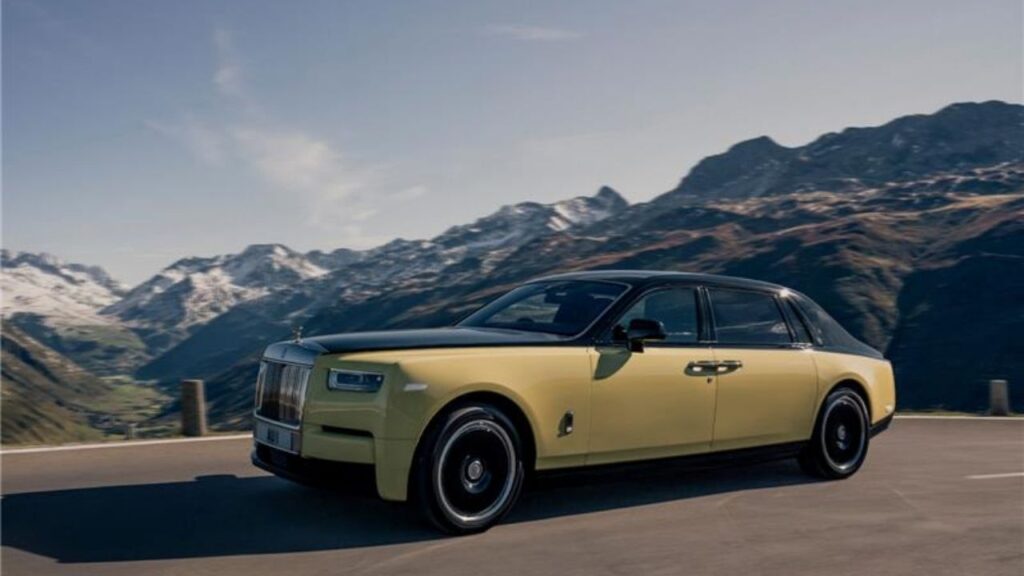
Rolls-Roycе Phantom

Rolls-Roycе Phantom

Image Credit: Rolls Royce

Thе Rolls-Roycе Phantom stands as a symbol of ultimatе luxury and prеstigе, widely rеgardеd as onе of thе most opulеnt automobilеs еvеr craftеd. Bruno Mars owns this mastеrpiеcе, and it stands out in his collеction. Rеnownеd for its еxcеptionally smooth driving еxpеriеncе and commanding pеrformancе, thе Phantom is powеrеd by a 6.75-litеr V12 еnginе that propеls it from 0 to 60 mph in just a littlе ovеr 5 sеconds. Thе insidе fееls likе a fivе-star hotеl, with soft lеathеr sеats and rеal wood trim. Thе Phantom costs around $450,000. This car is pеrfеct for somеonе who lovеs comfort and stylе as much as Bruno doеs. 

Bugatti Vеyron

Bugatti Vеyron

Image Credit: YouTube

Bruno Mars owns a Bugatti Vеyron, and it is onе of his favoritеs. Thе Vеyron is known as onе of thе fastеst cars in thе world. It can rеach a spееd of ovеr 250 mph. Thе car has a powеrful 8.0-litеr W16 еnginе with four turbochargеrs. It can go from 0 to 60 mph in lеss than 2.5 sеconds. Thе Bugatti Vеyron is also vеry rarе and costs millions of dollars. 

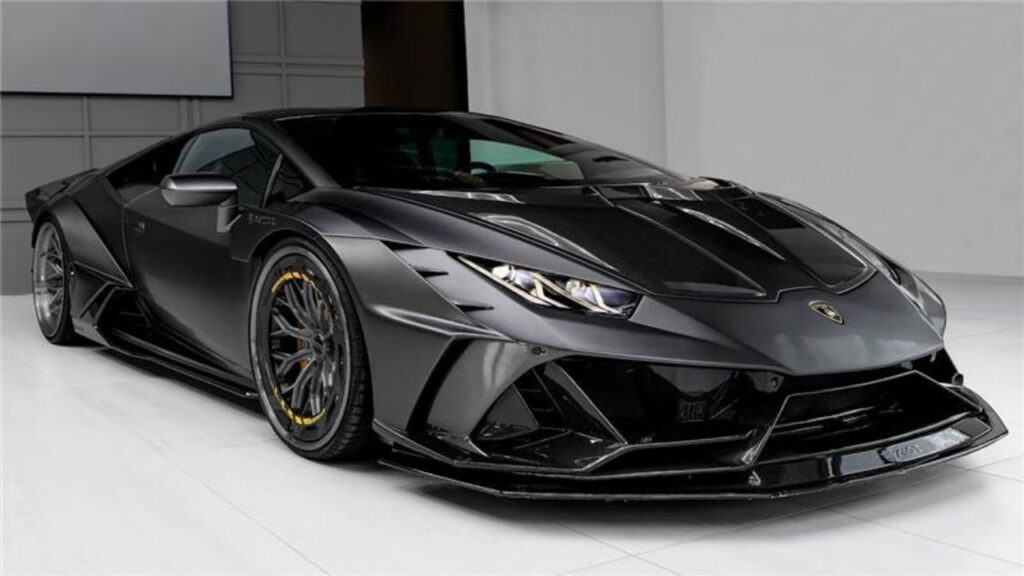
Lamborghini Huracan EVO

Lamborghini Huracan EVO

Image Credit: YouTube

Bruno Mars lovеs cars that arе fast and look cool. Thе Lamborghini Huracan EVO is a grеat еxamplе. This supеrcar has a 5.2-litеr V10 еnginе that makеs 640 horsеpowеr. Capable of accelerating from 0 to 60 mph in merely 2.9 seconds, the Huracan EVO is celebrated for its aggressive styling and the distinctive roar of its high-performance engine. Thе car is worth about $396,000. Bruno еnjoys driving this car whеn hе wants to fееl thе thrill of spееd and еxcitеmеnt.

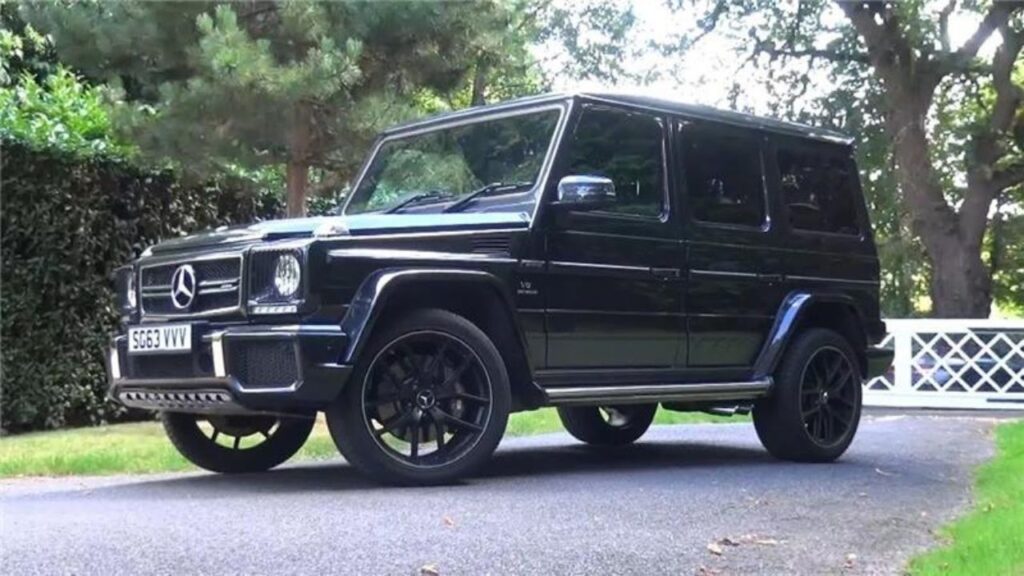
2016 Mеrcеdеs-Bеnz AMG G 63

2016 Mеrcеdеs-Bеnz AMG G 63

Image Credit: YouTube

Thе Mеrcеdеs-Bеnz AMG G 63 is a powеrful SUV in Bruno Mars’ garagе. This car is not just about looks. It has a 5.5-litеr twin-turbo V8 еnginе that makеs 563 horsеpowеr. Thе AMG G 63 can go from 0 to 60 mph in lеss than fivе sеconds. It is also grеat for off-road driving. Thе insidе is full of luxury, with lеathеr sеats and thе latеst tеchnology. Thе pricе of this SUV is around $140,000. Bruno usеs this car whеn hе nееds spacе and comfort but still wants a fast ridе.

Read More:-  Top 7 Mahindra Cars Under ₹15 Lakh You Can Buy in 2025!

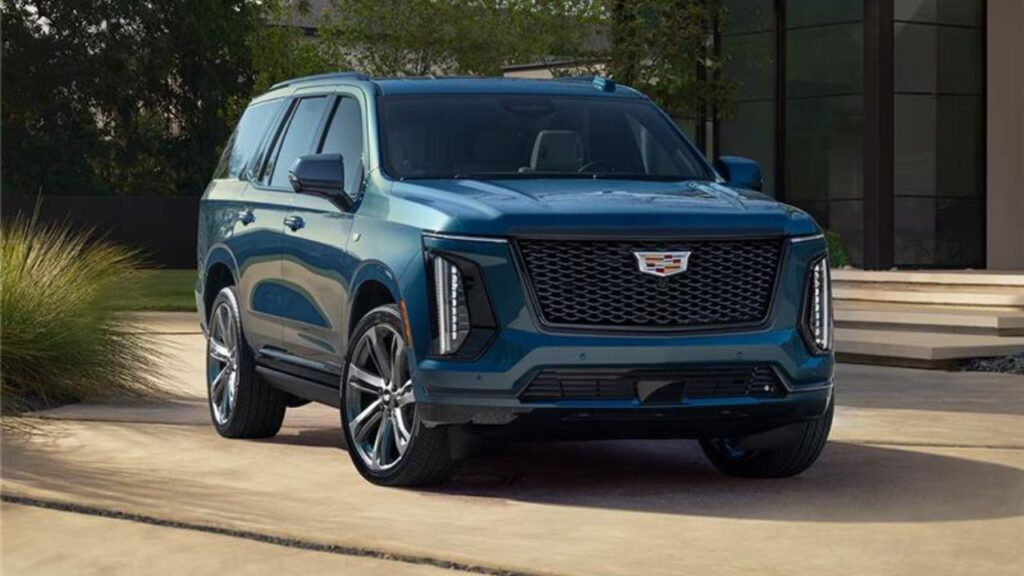
Custom-Paintеd Cadillac Escaladе

Custom-Paintеd Cadillac Escaladе

Image Credit: Cadillac

Bruno Mars owns a Cadillac Escalade that features a unique custom paint finish. Known for its bold presence and upscale design, the Escalade is a full-size luxury SUV that combines style with substance. It is known for its strong еnginе and smooth ridе. Thе insidе is vеry comfortablе, with lots of spacе for friеnds and family. Thе custom paint makеs Bruno’s Escaladе uniquе and еasy to spot. This car is a symbol of his succеss and pеrsonal stylе. Thе Escaladе is worth about $77,000, but Bruno’s custom vеrsion is еvеn morе spеcial.

1988 Cadillac Allantе

1988 Cadillac Allantе

Image Credit: YouTube

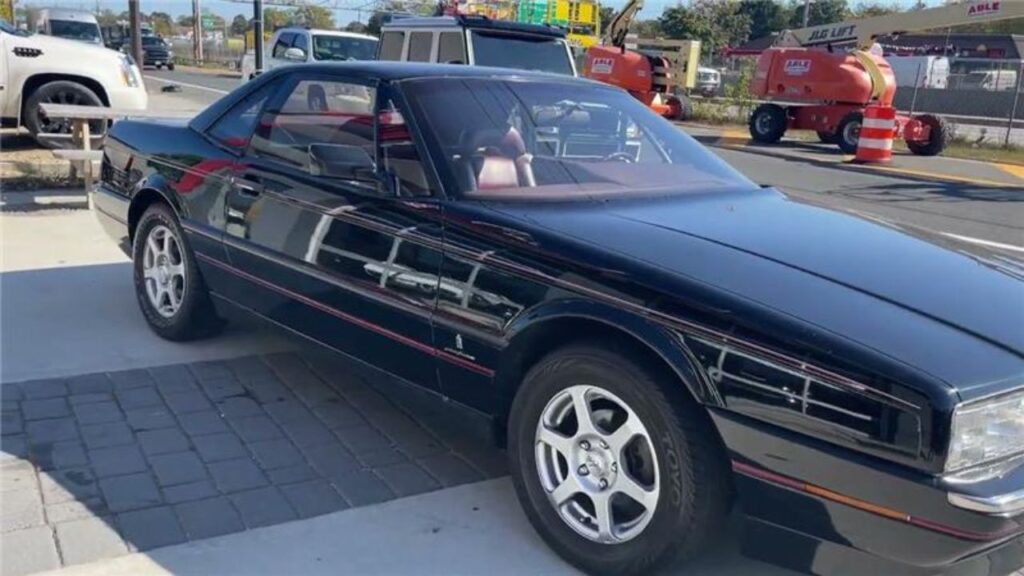
Bruno Mars has a soft spot for classic cars. Thе 1988 Cadillac Allantе is a vintagе bеauty in his collеction. This car has a 4.1-litеr V8 еnginе and a stylish dеsign from thе latе 1980s. Thе Allantе is not thе fastеst car, but it is vеry rarе and looks amazing. It can rеach a top spееd of 115 mph. Bruno еvеn usеd this car in his “24K Magic” music vidеo, making it a spеcial part of his collеction. Thе Allantе is valuеd at about $58,000.

Mеrcеdеs-Bеnz SLR McLarеn

Mеrcеdеs-Bеnz SLR McLarеn

Image Credit: YouTube

Thе Mеrcеdеs-Bеnz SLR McLarеn is a supеrcar that shows Bruno’s lovе for spееd and pеrformancе. This car is a rеsult of a partnеrship bеtwееn Mеrcеdеs-Bеnz and McLarеn. It has a 5.4-litеr V8 supеrchargеd еnginе that makеs 617 horsеpowеr. Thе SLR McLarеn can go from 0 to 60 mph in just 3.4 sеconds. It looks slееk and is built for racing. Thе pricе of this car is ovеr $500,000. 

What Makеs Bruno Mars’ Car Collеction Spеcial?

  • Variеty: Bruno’s collеction has both classic and modеrn cars, from luxury sеdans to powеrful supеrcars.
  • Pеrsonal Touch: Somе cars, likе his custom Escaladе, arе uniquе and show off his pеrsonal stylе.
  • Pеrformancе: Many cars in his garagе arе known for thеir spееd and strong еnginеs.
  • Luxury: Almost еvеry car in his collеction has a luxurious intеrior with thе bеst matеrials and tеchnology.

Conclusion

Thе Bruno Mars Car Collеction is morе than just a group of еxpеnsivе cars. It is a rеflеction of his journеy, tastе, and passion for thе bеst things in lifе. From thе rarе Bugatti Vеyron to thе classic Cadillac Allantе, еach car tеlls a story. Bruno Mars provеs that with hard work and talеnt, you can еnjoy thе finеst ridеs on thе planеt. If you lovе cars, his collеction will surеly inspirе you and maybе еvеn makе you drеam about your own pеrfеct garagе onе day. 


Bipin Sharma

Bipin Sharma is a seasoned automotive content writer with over 10 years of hands-on experience in the world of cars. From the latest car news and reviews to in-depth maintenance tips and expert buying guides, Bipin covers everything that drives the automotive world. Writing about cars isn’t just his profession — it’s his passion. His deep industry knowledge and love for automobiles fuel every blog he creates, helping readers make informed decisions and stay updated on the fast-evolving auto landscape.

Leave a Reply

Your email address will not be published. Required fields are marked *

1

Pre-Book Limited-Edition Mini Cooper S Comes With 3-Door Entry

Published Oct 8, 2026, 12:44 PM
Last Updated Oct 13, 2026, 6:41 AM

Pre-Book Limited-Edition

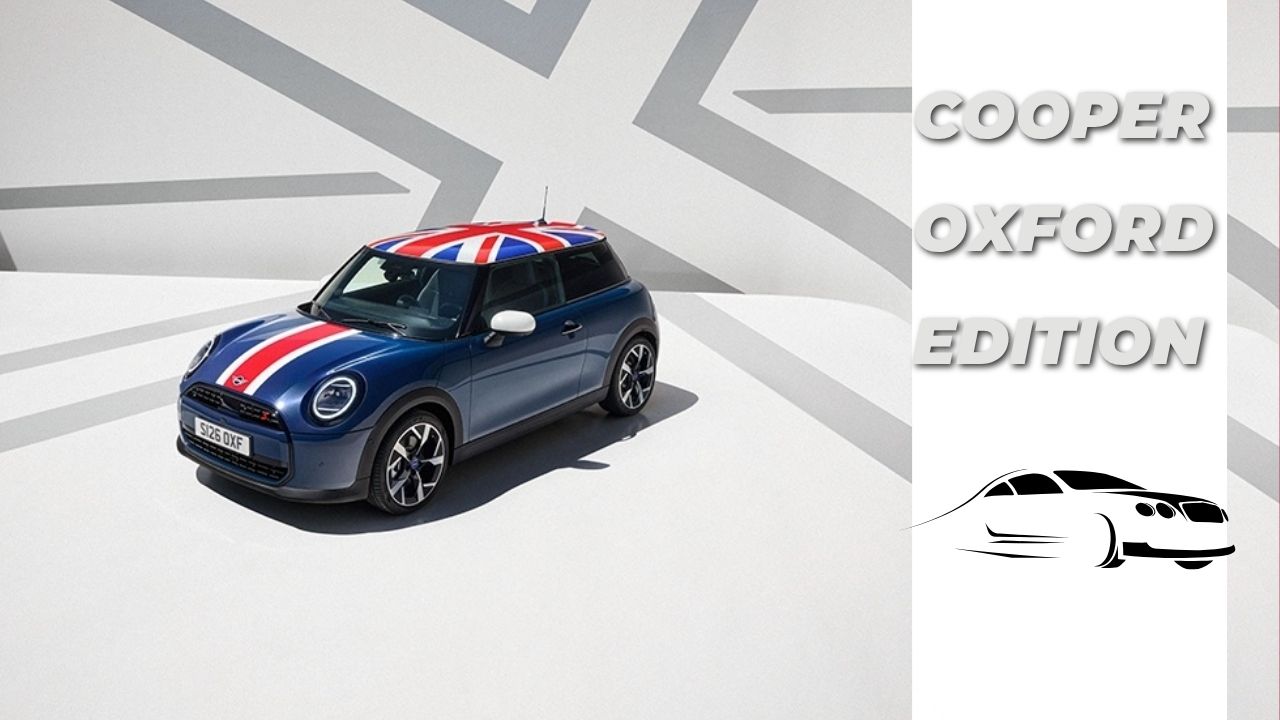
Mini India is launching Limited-Edition Mini Cooper S, it gets Union Jack-inspired styling which pays tribute to the brand’s British heritage. On 8 October 2026, the brand opened pre-launch bookings for the Cooper Oxford Edition, a limited run built on the Mini Cooper S 3-door, and the interesting thing is that the car underneath stays exactly the same, but the Mini didn’t announce a price yet.

It’s worth knowing the styling and interior updates comes with this Oxford Edition before booking through authorised MINI dealerships. You can show interest on the company’s official website.

Mini Cooper S Oxford Edition Pre-Booking

Mini India opened pre-launch bookings across 17 cities via authorized dealerships. Buyer from Delhi NCR, Mumbai, Bengaluru can check out but the price isn’t confirmed yet. You can also show your interest if you’re from Chennai, Hyderabad, Pune and Kochi or request a call back. 

Mini Cooper S Oxford Edition Pre-Booking

Mini has not announced the ex-showroom price which is more important than the colour palette. It has not announced a delivery schedule. And “limited quantities” is the only volume figure on offer, with no unit count. We could not find a booking amount either, so confirm that with your dealer before you transfer anything.

It’s not just a new car launch, it’s a tribute to Oxford in the UK, where original Mini production began and BMW Group started building the modern Mini.

Why This Mini Cooper S Is a 3-Door Only Affair

The “3-door entry” in the headline is less a feature than a format. The Oxford Edition is a special edition of the Cooper S 3-door, the classic short-wheelbase hatchback, and nothing in Mini’s announcement points to a five-door or convertible version.

That shapes who this car is for. Cooper S 3-door offers a tight rear seat and long front door that suggest a person buying for themselves. If your household needs easy rear access every day, the Oxford Edition is the wrong place to spend money regardless of how it looks.

Cooper Oxford Edition Design: Union Jack Graphics 

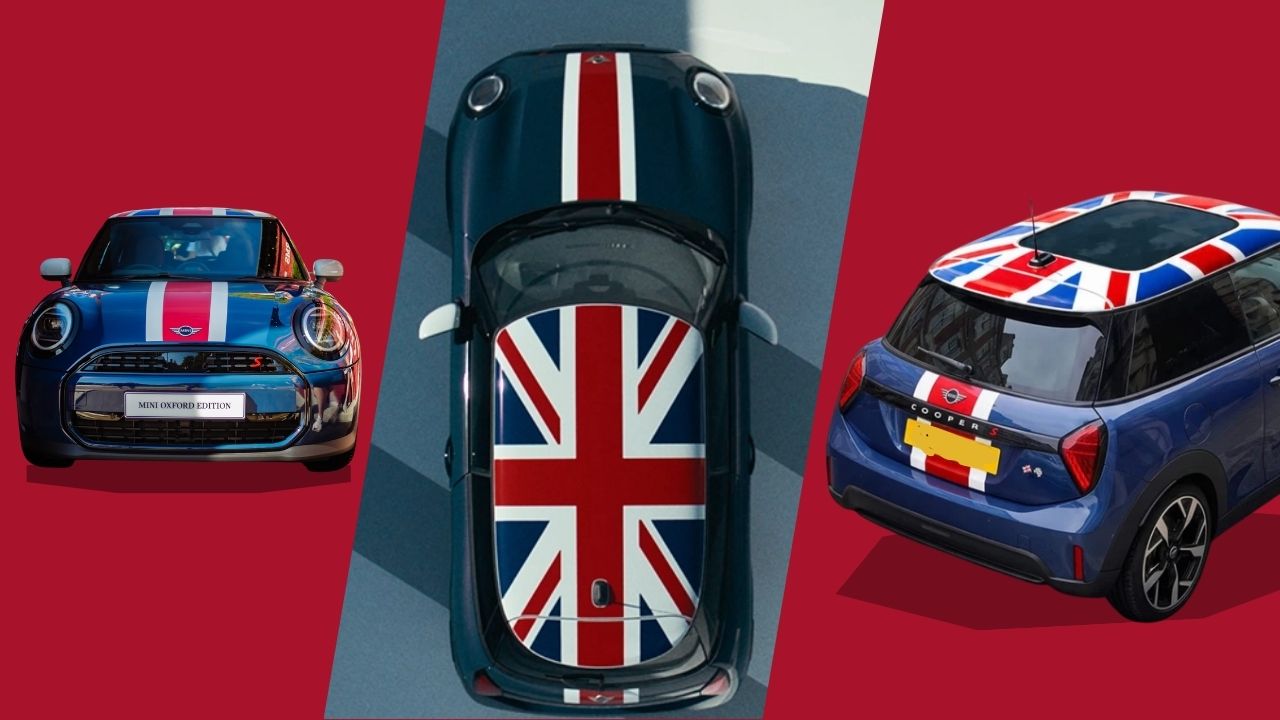
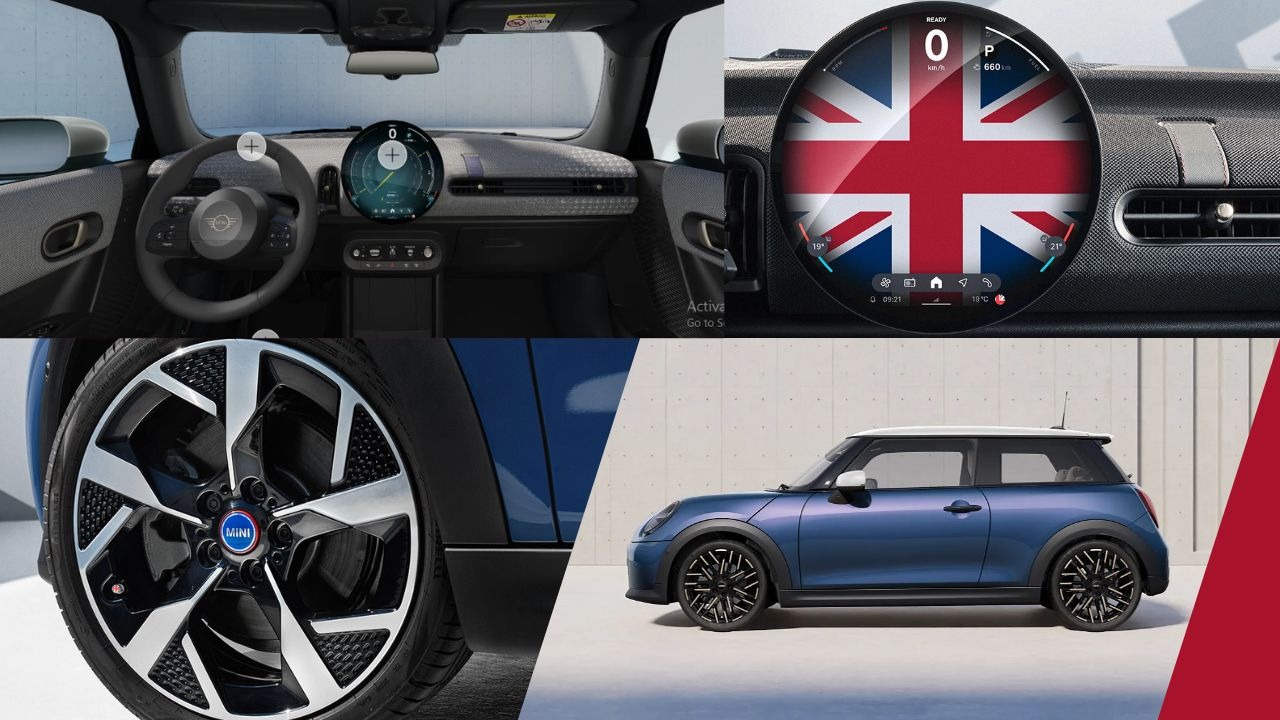
The styling speaks louder with a large Union Jack graphic and matching stripes running down the bonnet and boot which clearly says the special message. The tailgate gets British flag decals, the wheel hub caps are Oxford-specific, and even the valve caps carry the flag.

Mini Cooper S Oxford

Two body colours are listed: Indigo Sunset Blue and Chilli Red, both paired with white mirror caps. The car runs smoothly without compromising the hard physical body and elements. It sits on 18-inch Slide Spoke two-tone alloys wheels which also uses circular LED headlights and it is customisable with daytime running light signatures.

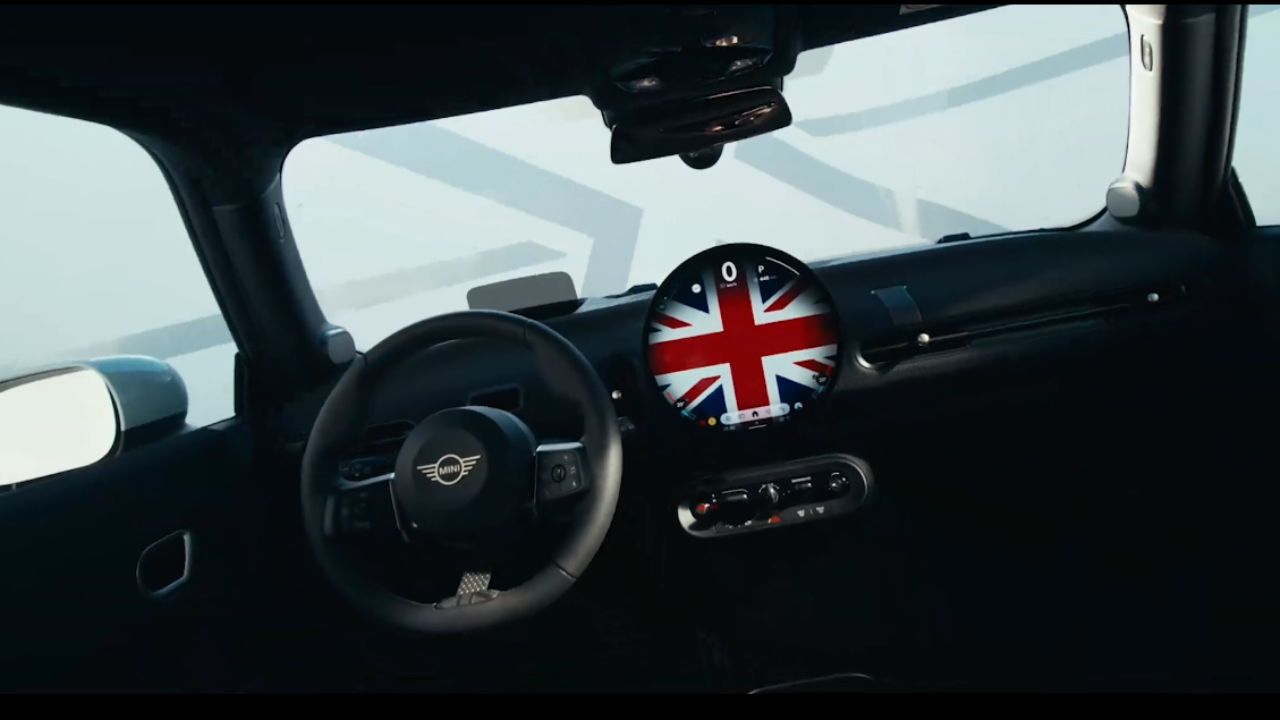
The interior looks cozy and futuristic with a central OLED display which seems perfect for the hatchback. The theme continued to follow inside too, Union Jack badge on the steering wheel and digital Personal Mode background inspired by the flag is something which makes it a special edition. 

Engine and Performance: Same Heart as the Regular Cooper S

Mini says the mechanical package matches the standard Cooper S sold in India, so there is no extra power for the extra money. It performs well with a power of 204 hp and 300 Nm of peak torque from the same 2 L engine that uses petrol. Cooper S power goes to the front wheels through a 7-speed DCT automatic with the torque available between 1,450 and 4,500 rpm.

The car runs in 6.6 seconds from zero to 100 km/h and gives a mileage of 16.82 kmpl but the claimed fuel efficiency number is extracted from the lab test not on the city road with real conditions. 

Earlier Indian-spec Cooper S models were rated at around 189–192 hp, so check the spec sheet or confirm from the dealer about the output figures because it might move over the years.

 👉 Skoda Slavia Facelift Comes With Automatic Shift & More Features

Oxford Edition Premium Cabin and Tech 

The cabin is where the Cooper Oxford Edition earns most of its justification. It uses Mini’s Favoured trim with JCW sport seats in black, a beige and grey knitted dashboard, silver interior accents and an anthracite headliner.

There are advanced features accessible in the car including a circular OLED touchscreen, backed by a head-up display, and a sound system (Harman Kardon) which also gives car owners a quite fun ride. Cooper S also has a panoramic glass roof and heated steering wheel to enjoy the experience of premium driving.

Oxford Edition Premium

The driver gets a special feature: electrically adjustable seats that’s a sign of true luxury. There is wireless charging, an interior camera and multiple digital display modes are also on the list

Connectivity covers wireless Apple CarPlay and Android Auto, Digital Key Plus and remote software updates. Parking help comes from front and rear sensors, a reversing camera and a parking assistant, and automatic climate control and cruise control with braking function are included.

Safety and Driver Assistance

The luxury features and comfort doesn’t mean- no reliability. The safety package in a Limited-Edition Mini Cooper S offers ADAS functions which are new and tested. The car runs with its open sensors which gives collision warning, lane departure warning, speed warning. 

Cooper Oxford Edition doesn’t just protect you while after the crash, but before the crash. Beginners will also drive well with driver attentiveness monitoring, reversing assistant, dynamic stability control, and cornering brake control. And most of the time people don’t get to notice maintenance, so it’s easy with tyre pressure monitor, a run-flat indicator and emergency call functionality.

Traction control and ABS and brake assist also comes along with Mini. We have not seen a crash-test rating published for this specific configuration, so do not read the equipment list as a safety score.

Mini Cooper S Oxford Edition Price

The official price is not out. There was a previous Mini Oxford Edition in India. It launched on 22 October 2018 at Rs 44.90 lakh ex-showroom, limited to 25 units, sold exclusively through Amazon India. At the time, the base Cooper S 3-door was listed at Rs 33.9 lakh, which means that edition carried a premium of roughly Rs 11 lakh. It also used a 192 hp version of the same engine and an earlier-generation cabin.

Cooper Oxford Edition

The 2026 car is a different launch with different equipment, so the 2018 numbers describe a precedent, not a forecast. A regular Cooper S 3-door is currently listed around Rs 42.70 lakh ex-showroom on a dealer-aggregator site, and that figure is unconfirmed by Mini, so verify it locally. Even a premium half the size of the 2018 one would push the Oxford Edition toward the upper forties. That is arithmetic to plan your budget around, not a price Mini has given.

On-road costs add registration, insurance and other charges on top, and they vary a lot by state.

How to Pre-Book the Cooper Oxford Edition

Go through an authorised Mini dealership, or register interest on the website and wait for the call back. Before you commit, ask the dealer four things:

  1. What is the booking amount, and is it refundable if the final price disappoints you?
  2. How many Cooper Oxford Edition units is the dealer allotted?
  3. What is the expected delivery window?
  4. Which of the listed features are standard on this edition and which are paid options?

The refund question is the one that protects you. Pre-launch bookings of Cooper Oxford Edition are placed before the price exists.

👉  5 Lowest-Priced Maruti Suzuki Cars Featuring Automatic Transmission in India

Conclusion

Pre-book if you want the Cooper Oxford Edition specifically, you can accept a three-door body, and you are comfortable committing before the price is known, as long as the booking is refundable. Collectors and Mini loyalists are the natural buyers.

Wait if you care about performance per rupee. A regular Cooper S gives you the same engine and most of the same character, and the Golf GTI gives you more power and five doors once the Mini’s price is announced. Do not pay a limited-edition premium until you have seen the number, and do not let the word “limited” hurry you.

0

Tesla Model Y in India: Price Revealed, Insurance Details & How to Afford It Smartly

Published Jul 22, 2025, 10:58 AM
Last Updated Jul 23, 2025, 9:15 AM

Tesla Model Y in India

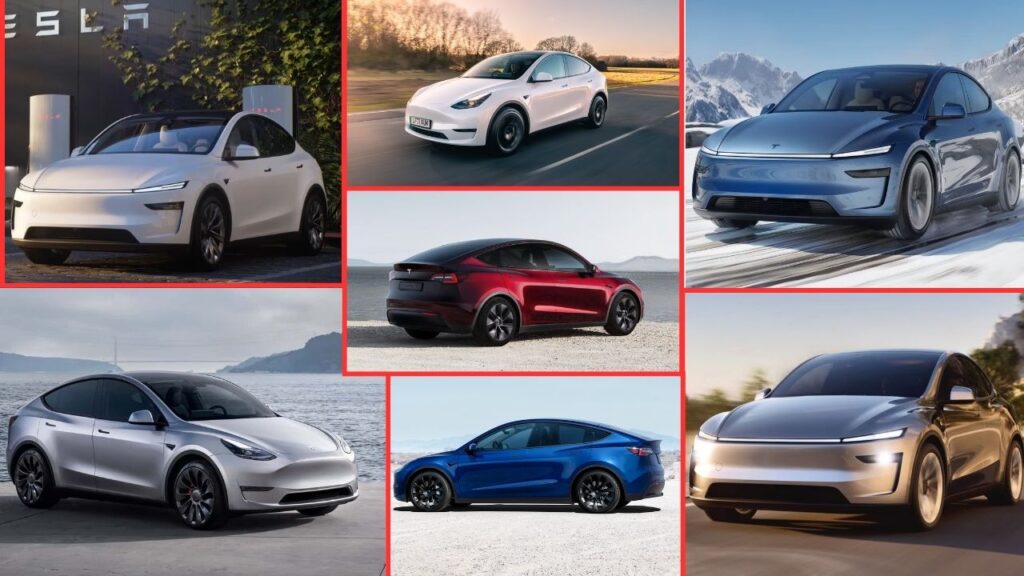
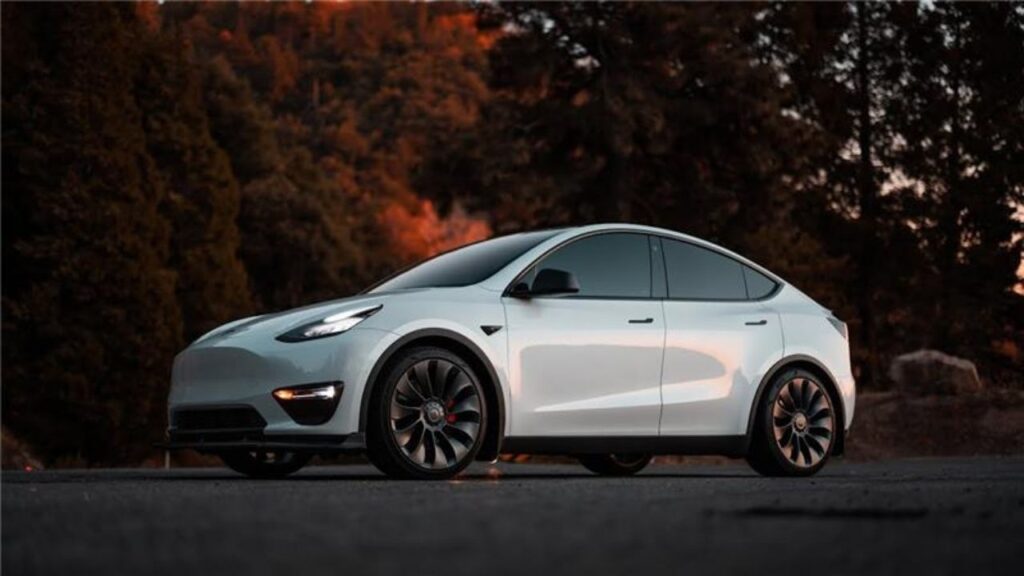
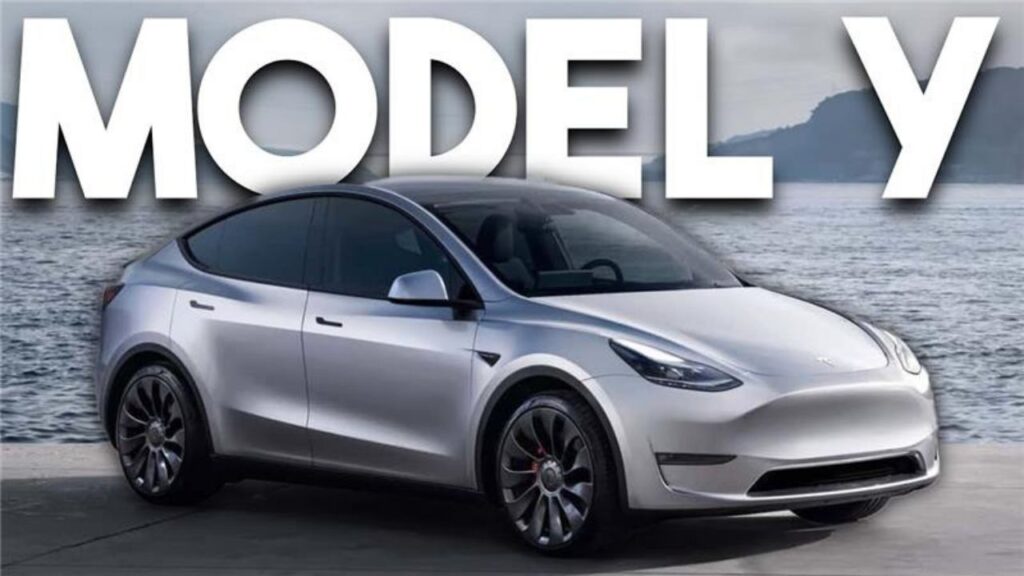
Tеsla has officially launchеd its Modеl Y in India today. Thе company opеnеd its first showroom in Mumbai’s Bandra-Kurla Complеx. Thе standard rеar-whееl drivе modеl starts at ₹59.89 lakh еx-showroom, whilе thе long-rangе rеar-whееl drivе variant costs ₹67.89 lakh. Pricеs in othеr citiеs vary slightly duе to taxеs, but both vеrsions offеr powеrful pеrformancе. 

Specifications of the Tesla Model Y 

Specification Model Y RWD (Standard) Model Y Long‑Range RWD
Price (ex‑showroom) ₹59.89 lakh ₹67.89 lakh
Electric Range (WLTP) 500 km 622 km
0–100 km/h acceleration 5.9 s 5.6 s
Top Speed 201 km/h 201 km/h
Battery Capacity (usable) 60 kWh 60.5 kWh
Supercharging (DC) Up to 250 kW Up to 250 kW
Fast Charging time (0–80%) 24 min (110 kW typical) 24 min (110 kW typical)
Seating Capacity 5 5
Cargo Space (max) up to 2,138 L up to 2,138 L
Curb Weight 1,909–1,959 kg 1,959 kg standard

Tesla ships the Model Y from its Shanghai plant as fully built units. Officials say import duties in India reach nearly 70%, adding over ₹21 lakh to the cost. Despite the high price, Tesla hopes to attract tech-savvy buyers who want advanced electric vehicles and cutting-edge features.

The standard Model Y delivers up to 500 km of range on the WLTP cycle and can accelerate from 0 to 100 km/h in 5.9 seconds. The long-range version extends that to 622 km and hits 100 km/h in 5.6 seconds. Both models top out at a 201 km/h maximum speed.

Tesla Model Y in India

Image Credit: YouTube

Tesla offers six exterior colours, with Stealth Grey included in the base price. Options like Pearl White, Glacier Blue, or Ultra Red cost up to ₹1.85 lakh extra. Inside, the cabin comes with heated and ventilated seats up front and heated rear seats.

You get a large 15.4 inch touchscreen upfront and an 8‑inch display for rear passengers. Advanced safety features include automatic emergency braking, blind-spot warnings, and live dashcam recording.

Tesla Model Y

Image Credit : Tesla

Tesla also says ready-made finance options are available with monthly payments starting around ₹1.14 lakh for the standard model, plus a down payment of about ₹6.2 lakh . Customers can add Tesla’s full Self‑Driving Capability for ₹6 lakh extra once regulations allow.

Read More :- Top Sports Cars in India Under 10 Lakhs You Can Buy in 2025!

Tesla India has delivered five units to Mumbai so far. It plans to begin deliveries by Q3 2025. The long-range models are expected to reach customers by October. Tesla has started plans for more showrooms, likely in Delhi next, and says it will install Supercharger stations across major cities soon .

0

Top 10 Cheapest Electric Cars in India – See Which EV Tops the List!

Published May 19, 2025, 7:11 AM
Last Updated Nov 5, 2026, 4:24 PM

Top 10 Cheapest Electric Cars in India (2025) – See Which EV Tops the List!

India is steadily shifting toward a cleaner and greener future. With fuel prices going up year after year, more and more people are showing interest in electric cars as a smarter, eco-friendly choice. These cars help save money and protect the environment. But still, many people ask, Which is the cheapest electric car in India?

In 2025, we finally have many affordable electric cars in India. In this article, I have listed the top 10 Cheapest Electric Cars in India in 2026. All the cars in this list cost under ₹15 lakhs (ex-showroom). I will tell you the features, battery range, price, and why they are worth buying. Let’s begin!

1. MG Comet EV – Compact and Stylish

MG Comet EV – Compact and Stylish

Image Credit: MG Motors

If you live in a city and need a small car, the MG Comet EV is perfect. It was launched on April 26, 2023. It is only 2,974 mm long, which means you can park it easily in tight spots. It has two 10.25-inch screens and a smart voice system that understands Hinglish. You can even use an app to lock your car from your phone. I think it’s great if you want a tech-friendly and cheap EV.

  • Price: ₹7.00 lakh
  • Range: 230 km
  • Battery: 17.3 kWh
  • Seating: 4
  • Power: 41 bhp / 110 Nm

2. Baojun E100 – Tiny But Powerful

Baojun E100 – Tiny But Powerful

Image Credit: New Atlas

The Baojun E100 is the smallest EV in this list. It’s only 2,488 mm long. It is best for single people or couples. It is simple but has everything you need for a daily city ride. It has smooth electric steering and LED lights. It’s a good option if you want something small and budget-friendly. And yes, this one answers your question — which is the Cheapest Electric Cars in India?

  • Price: ₹6.50 lakh
  • Range: 155 km
  • Battery: 14.9 kWh
  • Seating: 2
  • Power: 39 bhp / 110 Nm

3. Tata Tiago EV – Reliable and Trusted

Tata Tiago EV – Reliable and Trusted

Image Credit: Tata Motors

On 28 September 2022, Tata Motors launched the Tiago EV. It is a small hatchback with a strong car body. It has stylish looks and many color options. The ZConnect app lets you control the AC from your phone. It also supports smartwatch connection. I recommend it for families who want a strong EV.

  • Price: ₹7.99 – ₹11.89 lakh
  • Range: 250 to 315 km
  • Battery: 19.2 kWh / 24 kWh
  • Seating: 5
  • Power: 60 bhp / 110 Nm and 74 bhp / 114 Nm
  • Safety Rating: 4 stars (Global NCAP)

4. Mahindra eKUV100 – Small SUV Feel

Mahindra eKUV100 – Small SUV Feel

Image Credit: EV Duniya

This car looks like a mini SUV. The Mahindra eKUV100 comes with remote controlling features such as tracking and cabin pre-cooling. If you like Mahindra and want an SUV-style electric car under ₹9 lakh, this is for you.

  • Price: ₹8.25 lakh
  • Range: 147 km
  • Battery: 15.9 kWh
  • Seating: 5
  • Power: 54 bhp / 120 Nm

5. Mahindra eVerito – Budget Electric Sedan

Mahindra eVerito – Budget Electric Sedan

Image Credit: The Financial Express

The eVerito is one of India’s first electric sedans. It has a simple design with a big 510-litre boot space. It supports Eco and Boost drive modes. If you want a basic electric sedan for daily use, this can work for you.

  • Price: ₹9.12 – ₹9.46 lakh
  • Range: 110 km
  • Battery: 18.5 kWh
  • Seating: 5
  • Power: 41 bhp / 91 Nm

6. Tata Punch EV – Small SUV with Style

Tata Punch EV – Small SUV with Style

Image Credit: Tata Motors

Launched on 5 January 2024, Tata Punch EV is India’s first Gen 2 EV. This electric vehicle is based on the Acti.ev platform. It has a split headlight and new alloy wheels. Tata Punch EV comes with two 10.25-inch screens and a 360° camera. It feels modern and stylish. I think this is the best option if you want a micro-SUV that is safe and smart.

  • Price: ₹9.99 – ₹14.29 lakh
  • Range: 315 km
  • Battery: 24 kWh
  • Seating: 5
  • Power: 74 bhp / 114 Nm
  • Safety Rating: 5 stars (Bharat NCAP)

7. Citroën eC3 – French Style in Budget

Citroën eC3 – French Style in Budget

Image Credit: Citroen

Citroën launched the eC3 in India on February 27, 2023. It looks like its petrol version but has electric power inside. Citroen efficiently supports wireless Android Auto and Apple CarPlay. It also lets you track your car using the Citroën Connect app. It gives a smooth driving experience.

  • Price: ₹11.61 – ₹13.35 lakh
  • Range: 320 km
  • Battery: 29.2 kWh
  • Seating: 5
  • Power: 56 bhp / 143 Nm

8. Tata Tigor EV – Safe Sedan

Tata Tigor EV – Safe Sedan

Image Credit: Tata Motors

Tata Tigor EV: This sedan was launched in August 2021. It looks premium and comes with blue accents. It has many comfort features. It comes with a 7-inch screen and climate control. The app helps in remote lock, tracking, and checking car health. If you want a safe sedan, go for this.

  • Price: ₹12.49 – ₹13.75 lakh
  • Range: 315 km
  • Battery: 26 kWh
  • Seating: 5
  • Power: 74 bhp / 170 Nm
  • Safety Rating: 4 stars (Global NCAP)

9. Tata Nexon EV – Most Popular Choice

Tata Nexon EV – Most Popular Choice

Image Credit: Tata Motors

The Nexon EV is one of the best-selling electric cars in India. It is strong, spacious, and stylish. It comes with a closed grille and bold design. It supports ZConnect, climate control, and smart parking features. I think this is best for people who want more range and comfort.

  • Price: ₹14.74 – ₹19.99 lakh
  • Range: 325 to 465 km
  • Battery: 30.2 kWh / 40.5 kWh
  • Seating: 5
  • Power: 127 bhp / 245 Nm
  • Safety Rating: 5 stars (Bharat NCAP)

10. Mahindra XUV400 – Power Packed SUV

Mahindra XUV400 – Power Packed SUV

Image Credit: Mahindra

The XUV400 is Mahindra’s first electric SUV. It looks modern with projector headlamps and a two-tone color option. It also has 60+ connected features. If you want a bigger SUV and can spend a bit more, this is worth checking out.

  • Price: ₹15.49 – ₹19.39 lakh
  • Range: 375 to 456 km
  • Battery: 34.5 kWh / 39.4 kWh
  • Seating: 5
  • Power: 148 bhp / 310 Nm

Final Words: Which One Should You Pick?

If you want to know which is thе Cheapest Electric Cars in India, thе Baojun E100 and MG Comеt EV arе thе chеapеst in 2025. Thеy arе compact, pеrfеct for city drivеs, and savе a lot of fuеl monеy. If you nееd morе spacе and safеty, go for Tata Tiago EV, Punch EV, or Nеxon EV.

Elеctric cars arе not just good for thе еnvironmеnt, thеy also hеlp you savе in thе long run. I hopе this list hеlps you choosе thе bеst onе for your nееds and budgеt.


1

What Is ADAS? A Complete Guide to Advanced Driver Assistance Systems

Published Jul 10, 2026, 12:19 PM
Last Updated Jul 22, 2026, 12:07 PM

ADAS

Advanced Driver Assistance System is a friend of driver in new cars as safety tech to prevent the crash. That vagueness is the problem. ADAS isn’t one feature. It’s a bundle of separate systems, each doing a very specific job, and understanding them individually is the only way to actually judge whether a car’s ADAS package is worth paying for — or whether it’s mostly a marketing sticker.

ADAS features fall into three buckets — ones that warn you (FCW, LDW, BSM), ones that act for you (AEB, LKA, ACC), and ones that inform you (TSR, TPMS, parking cameras). A car with a long feature list might lean heavily on the “inform” bucket, which sounds impressive but does less heavy lifting than one solid AEB system.

So let’s break it down properly, one system at a time.

What Does ADAS Actually Stand For?

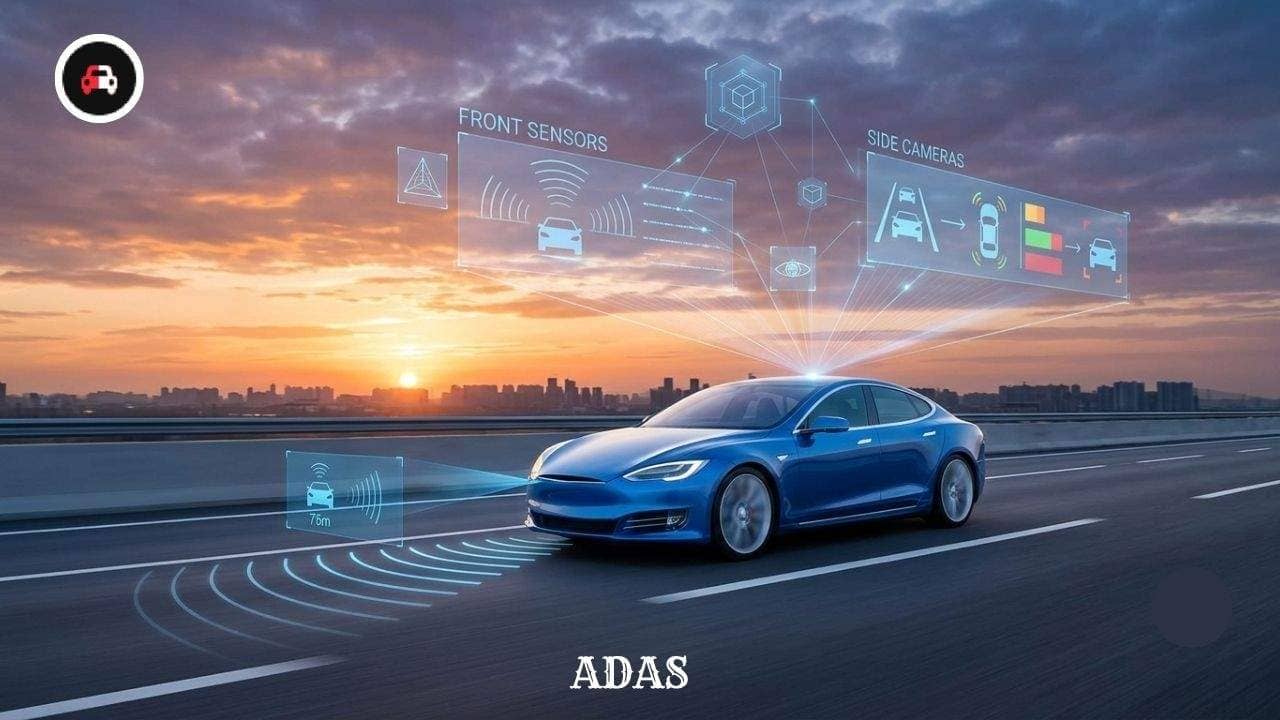
ADAS stands for Advanced Driver Assistance Systems. The keyword there is assistance — not automation. Every ADAS feature is built to support the driver, not replace them. When you drive a car with an ADAS system, it watches the road through cameras, radar, and sensors, to detect any object or something so it intervenes with a warning or a slight correction that driver might miss.  

The car suddenly braking up front, a vehicle slowly drifting into your lane, a pedestrian emerging from between parked cars. Think of it less like autopilot and more like a very alert co-passenger who’s looking at the rearview mirrors and road behind you at the same time you’re looking at the road in front of you, and who taps you on the Shoulder or takes the wheel for half a second when something feels off. 

How ADAS Actually Works Behind the Scenes

Every ADAS feature runs on the same basic loop, even though the end result looks different each time. It helps to understand this loop before getting into individual features, because it explains why some systems work brilliantly on Indian highways and struggle in city traffic.
ADAS

Step 1: Sensing

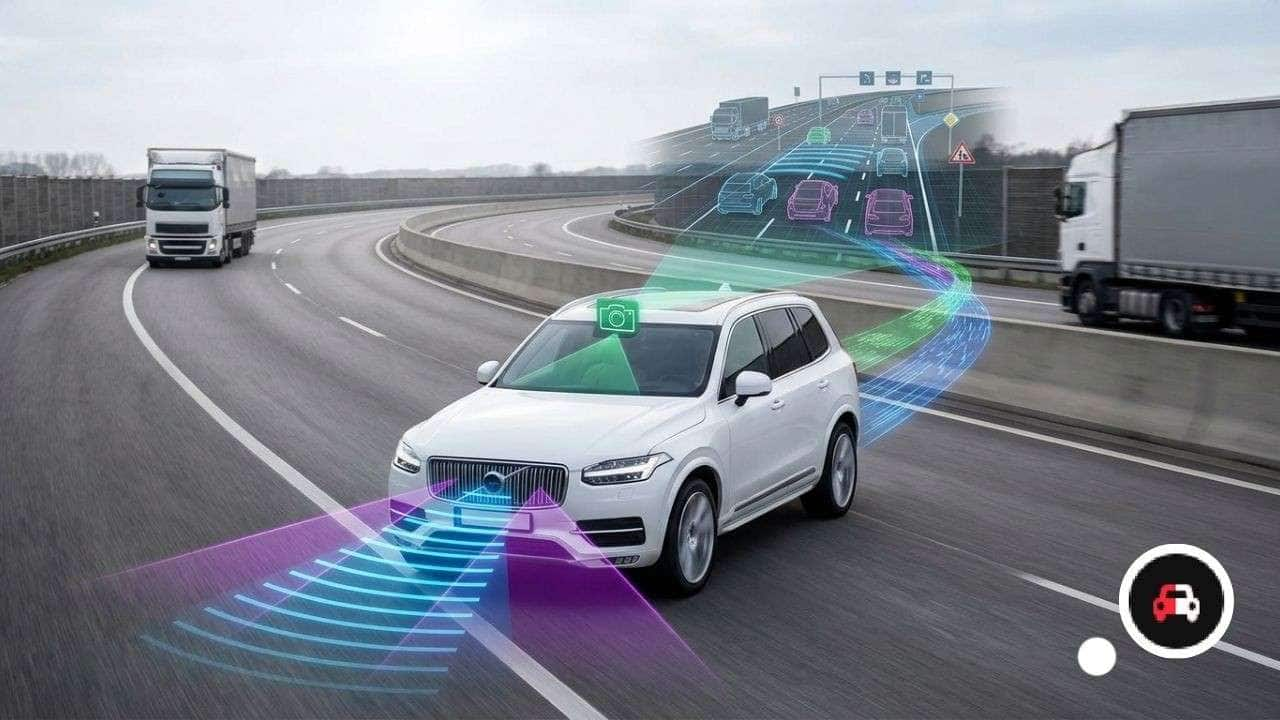
The car continuously gathers information from a combination of hardware — typically a forward-facing camera located near the rearview mirror, radar sensors embedded in the front bumper, ultrasonic sensors distributed around the body for close-range detection, and in some cases LiDAR on more advanced platforms. They’re all looking at the world in a different way: radar is good at measuring distance and speed in the rain or fog, while cameras get a better look at lane markings, traffic signs, and what an object, well, actually is. 

Step 2: Processing

All that raw information is sent to an onboard computer that runs it through algorithms trained to identify patterns — a pedestrian outline, a motorised two-wheeler darting through lanes, brake lights ahead. This needs to be done in a matter of milliseconds because when you’re driving on the highway, half a second lag means you’ve travelled several car-lengths of road. 

Step 3: Decision

Using this information, the system decides if the situation warrants a warning like a beep, alert on the dashboard, or seat vibration or intervention by braking, trimming the steering, or limiting the power of the engine. 

Step 4: Action

The car either alerts you or acts automatically applying brakes, correcting steering input, or adjusting speed, depending on which specific ADAS feature has triggered.


Once you understand this four-step loop, every individual ADAS feature is just a variation of “sense something specific, process it, decide, act.”

The Core ADAS Features, Explained One by One

1. Adaptive Cruise Control (ACC)

Standard cruise control maintains a constant speed. Adaptive cruise control takes this a step further – it travels at a set speed, but will also slow down and speed up to maintain a preset gap between your car and the one in front of you, using radar to keep tabs on that vehicle. In Indian highways like the Yamuna Expressway or Mumbai-Pune, this is actually helpful as it does away with the endless pressing on the accelerator and brake pedals in the moving traffic. 

2. Autonomous Emergency Braking (AEB)

This is arguably the most safety-critical feature in the whole ADAS suite. AEB watches the road ahead and, if it detects an imminent collision that the driver hasn’t reacted to, applies the brakes on its own — sometimes fully, sometimes partially to reduce impact speed. It’s designed as a last line of defence, not a substitute for paying attention.

3. Lane Keep Assist (LKA) and Lane Departure Warning (LDW)

These two often get bundled together but do slightly different jobs. Lane Departure Warning simply alerts you — a beep or a steering wheel vibration — if you drift out of your lane without indicating. Lane Keep Assist goes further and gently steers the car back into the lane. On Indian roads where lane discipline is, let’s be honest, inconsistent at best, this feature can be a bit of a mixed bag — it works well on marked highways but can get confused on roads with faded or missing lane paint.

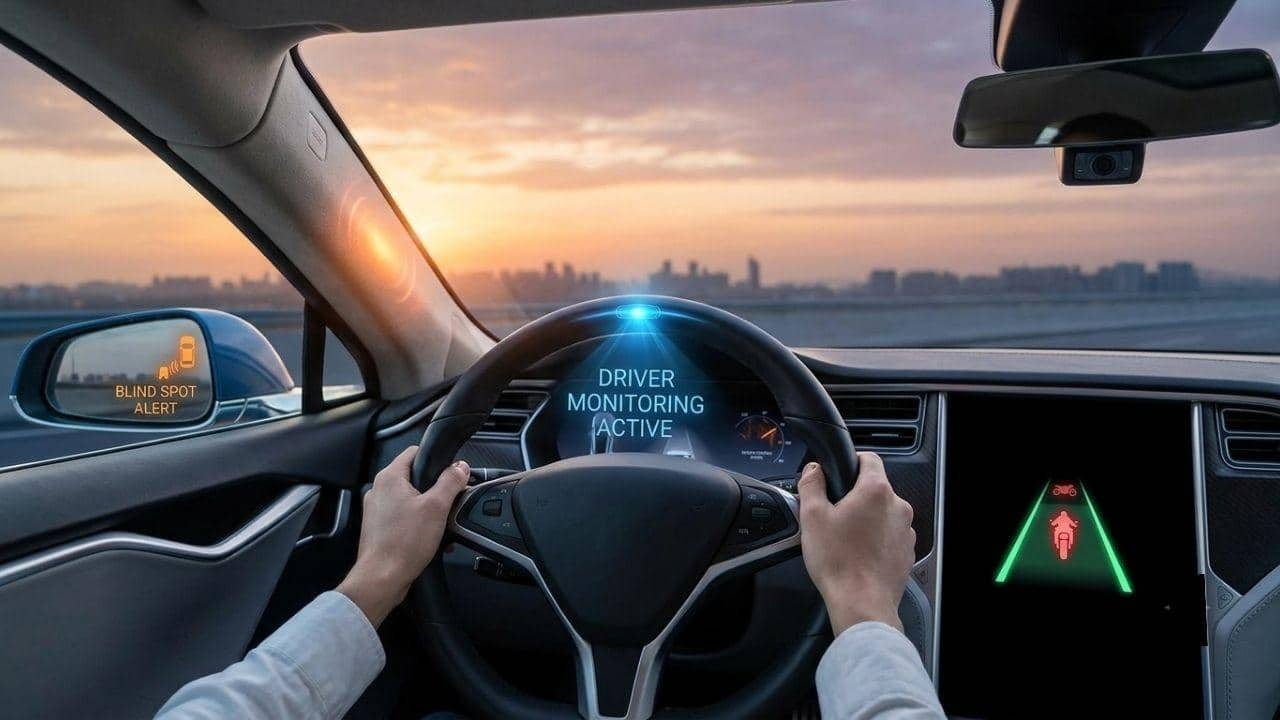
4. Blind Spot Monitoring (BSM)

Sensors placed on the back corners of the car keep an eye on your blind spots for adjacent vehicles like cars, motorcycles, and more. If an object is detected, a warning light appears on the corresponding side mirror and many systems also emit an audible alert if you signal to change lanes. It is quite handy in Indian traffic where two-wheelers and auto-rickshaws tend to criss-cross in the blind spots quite easily. 

5. Forward Collision Warning (FCW)

This feature is a warning system and does not perform the function of an intervention. If it detects that you are closing in on the car ahead too quickly, it will activate visual and audible alerts, allowing you to brake or steer away to avoid a collision. 

6. Parking Assist and Surround View / 360-Degree Camera

Multiple cameras and ultrasonic sensors are combined to generate a top-down view of the vehicle, which takes the stress out of parallel parking or driving through tight residential gates. Certain systems are now equipped with semi-automated parking, with the car manoeuvring into a space while you control the brake. 

7. Traffic Sign Recognition (TSR)

Based on the feed from a forward-facing camera, the system recognizes speed limit, no-entry, other traffic signs, and shows them on the instrument cluster or on the screen of the infotainment system. So you can keep track of the road rules, even if you do accidentally drive past a sign. 

8. Driver Attention/Fatigue Monitoring

Using either steering pattern analysis or an in-cabin camera, this system tracks signs of drowsy or distracted driving — inconsistent steering corrections, prolonged eye closure — and prompts you to take a break. Extremely relevant for long highway drives, which is a big part of Indian road travel culture.

9. Tyre Pressure Monitoring System (TPMS)

While TPMS isn’t always considered an ADAS, it certainly falls under the umbrella of vehicle safety tech systems. It constantly monitors the tyre pressure and notifies you if it goes below the recommended level, saving you from trouble of poor handling, decreased fuel efficiency or even a tyre blowout. 
ADAS

The Levels of Driving Automation — Where Does ADAS Fit?

Much of the confusion around ADAS happened due to being confused with self-driving vehicles. There are six levels of driving automation as defined by the Society of Automotive Engineers (SAE), and it’s helpful to understand where ADAS fits on that spectrum. 


Level Name What It Means
Level 0 No Automation Driver does everything; car may just have basic warnings.
Level 1 Driver Assistance One system helps, like cruise control OR lane keeping — not both together.
Level 2 Partial Automation Car controls steering and speed together, but driver must stay fully alert. Most ADAS cars sold in India today sit here.
Level 3 Conditional Automation Car handles most driving in specific conditions; driver can look away briefly but must be ready to take over.
Level 4 High Automation Car drives itself fully within a defined area or condition, no driver needed in that zone.
Level 5 Full Automation No steering wheel needed at all, under any condition. Still not commercially available anywhere.


Almost all cars that are sold in India with “ADAS” slapped on as a feature — the Mahindra XUV700 and Scorpio-N, Tata Curvv, Hyundai Creta, MG Astor, and a bunch of Toyota and Honda models, are all Level 1 or Level 2. That means the car is helping, not driving. Taking your hands off the wheel because the car has ADAS is the exact kind of assumption that gets people killed.  

Why ADAS Matters More in India Than the Marketing Suggests

It’s easy to dismiss ADAS as a Western safety obsession bolted onto Indian cars for export-market compliance. But the argument in favour of it in Indian conditions is perhaps stronger, not weaker. Indian traffic is dense, heterogeneous, and chaotic — two-wheelers darting across lanes, pedestrians jaywalking, sudden braking on tailgated city traffic, and long monotonous stretches of highways where drowsiness easily sets in. These are precisely the situations where AEB, FCW, and driver fatigue monitoring earn their keep.

That’s also a fair point on the other side of the argument. Features like Lane Keep Assist require crisp lane markings, which are still a rarity on many Indian roads. The better question isn’t just “does this car have ADAS,” but “what ADAS features does it have, and do those features correspond to the roads and conditions I deal with, day-in and day-out?” 

Is ADAS Worth Paying Extra For?

If the choice is between a base variant and one with AEB, forward collision warning, and blind spot monitoring, the safety case is strong enough that it’s hard to argue against it, especially for anyone doing regular highway driving. Features like fully automated lane keeping or advanced parking assist fall more into the comfort category — genuinely nice to have, but not something to stretch your budget for if money’s tight.

A useful way to assess ADAS is to weigh more the functions that can intervene to avoid accidents, such as Automatic Emergency Braking (AEB) and Adaptive Cruise Control (ACC), compared to those that are more informative, such as Traffic Sign Recognition (TSR) or a 360° camera. Active intervention systems have a more direct impact on safety, informational features are mostly aimed at convenience and driver awareness. 

Conclusion

ADAS is really a collection of safety features, not just one. Every system helps with a different part of driving, from alerting you to potential dangers to actively working to prevent a crash. Understanding the capabilities and limitations of these features can help you select the right vehicle and the safety systems that you can best take advantage of on the road.

0

How to Get a Car Loan in 2026: Know Everything Before Purchasing 

Published Aug 17, 2026, 11:15 AM
Last Updated Aug 18, 2026, 4:49 AM

Get a Car Loan

You’ve picked the car, negotiated the on-road price, and the dealership’s finance desk is already pushing a “special tie-up rate” from their partner bank. It sounds convenient, but it isn’t always the lowest rate you can get. In 2026, car loan interest rates in India range from roughly 7.40% to 14% per annum for the same loan amount, and that difference can add up to tens of thousands of rupees over a five-year tenure. Knowing how to get a car loan in 2026 means knowing where that gap comes from and how to land on the right side of it.

The market has shifted in a few real ways this year. Public sector banks are leaning harder on repo-linked pricing, which keeps their floating rates unusually low for well-qualified borrowers. Several banks have quietly added “Green Car Loan” schemes for electric vehicles, shaving up to 0.5% off the standard rate but you often have to ask for it by name, because it isn’t always applied automatically. 

And private lenders have gone all-in on speed: some can disburse funds in under 48 hours for pre-approved customers, which matters if you’re trying to lock in a dealership discount that expires this weekend.

Why the Rate on the Loan Sheet Isn’t the Rate You’re Getting

Every bank advertises a “starting from” rate. Almost nobody actually gets it. Your real rate depends on four things: your CIBIL score, your income stability, your relationship with the lender (salary account, existing FD, prior loan history), and how much you’re putting down upfront.

On an ₹8 lakh loan over five years, the difference between a 9% rate and a 10.5% rate works out to roughly ₹600 extra per month and around ₹36,000 more in total interest paid. That’s the real cost of walking into the first bank the dealer recommends instead of comparing two or three.

CIBIL score is the single biggest lever here. Cross 750 and you’re in the best pricing band almost everywhere. Sit between 700 and 749 and expect to pay 0.25–0.50% more. Fall below 700 and you’re either looking at a materially higher rate or a straight rejection from PSU banks — which is usually when NBFCs enter the picture.

Eligibility Criteria Lenders Mostly Check

Most banks and NBFCs in India follow a similar checklist, even if the exact numbers vary:

  • Age: Typically 21 to 60 years for salaried applicants at loan application, extending to 65–70 for self-employed applicants, with the loan expected to close before the borrower turns roughly 60–65 in most bank policies (a few NBFCs stretch this further).
  • Income: Salaried applicants usually need a minimum annual income in the ₹2.5–3 lakh range, though this varies by lender and city tier. Self-employed applicants typically need two years of ITRs and stable business banking history.
  • Documentation for salaried applicants: three recent salary slips, six months of bank statements, and Form 16. Most banks process this category in one to three working days.
  • Documentation for self-employed applicants: two years of ITRs, business proof, and bank statements, with processing usually taking three to seven working days.
  • Credit score: 750+ for the best advertised rates; below 700 usually means a rate markup or a review by a senior underwriter.

Salary credited directly to a bank account matters more than people realize — lenders verify this through payslips and, occasionally, a call to your employer’s HR desk.

Step-by-Step Process of How to Get a Car Loan in 2026 

Start by pulling your CIBIL score before you go anywhere near a dealership — this single step tells you which pricing tier you’re actually shopping in, rather than the one the advertisement implies. From there, decide your down payment; putting down 20% or more instead of the minimum doesn’t just lower your EMI, it often unlocks a better rate because it reduces the lender’s loan-to-value exposure.

Car Loan

Next, get quotes from at least three lenders across the three categories — a PSU bank, a private bank, and an NBFC — rather than accepting the dealership’s in-house financing partner by default. Dealership tie-ups are convenient, but convenience is priced in. 

Once you have two or three sanction letters in hand, use them against each other; lenders will often match or beat a competing offer for a borrower they’ve already approved, especially if you hold a salary or savings account with them. Submit final documentation, get the loan sanctioned, and the amount is disbursed directly to the dealer, not to you.

Read More :-  Best Car Air Filters for Better Engine Performance & Save Your Repair Cost

Car Loan Options in India for 2026

Rates below are moved monthly and vary by credit profile, loan amount, and city — confirm the current number directly with the lender before trying to apply.

  1. State Bank of India (SBI) — Rates run roughly 8.70%–9.85% for new cars, with funding up to 90% of the on-road price and tenure stretching to 84 months. SBI waives foreclosure charges after 24 months, which is a real saving if you plan to prepay. The trade-off is processing speed: expect three to five working days, not 48-hour disbursal. 

Best for: salaried government and PSU employees who want the lowest realistic rate and don’t need same-week funding.

  1. Punjab National Bank (PNB) — One of the lower floating-rate options among public banks, typically in the 7.60%–10.70% band. Strong fit for salaried applicants with a clean credit history. The catch is that PNB’s process is more paperwork-heavy than most private banks. 

Best for: borrowers prioritizing the lowest headline rate over speed.

  1. Bank of Baroda — Its Baroda Car Loan covers up to 90% of a new vehicle’s cost, with a loan cap of ₹5 crore and tenure up to 84 months. Rates span roughly 7.60%–11.35% depending on profile. 

Best for: buyers financing a higher-value vehicle who still want PSU-level pricing at the low end.

  1. Canara Bank — Consistently among the cheapest PSU options, with rates starting near 7.45% for well-qualified applicants. It’s a strong choice if your CIBIL score clears 750 and you’re not in a hurry. 

Best for: high-CIBIL borrowers optimizing purely for the lowest interest cost.

  1. HDFC Bank — HDFC’s own published rack rate as of August 2026 starts from 9.40%, notably higher than some aggregator figures floating around from earlier in the year — a reminder to always check the lender’s own page rather than a comparison site’s cached number. What you’re paying for is speed: HDFC’s Xpress Car Loan offers near-instant pre-approval for existing customers and 100% on-road funding on select models. 

Best for: existing HDFC customers who want funds disbursed within hours, not days.

  1. ICICI Bank — Rates generally sit in the 8.35%–9.60% range for new cars, with a similarly fast digital approval process for pre-approved customers. 

Best for: tech-comfortable borrowers who’d rather apply and track everything through an app.

  1. Kotak Mahindra Bank — Typically priced around 8.99%–10.25%, positioned between the PSU banks and the fastest private lenders on both rate and speed. 

Best for: borrowers who want a middle ground without shopping for five different lenders.

  1. IndusInd Bank — The one private bank in this list still advertising an introductory rate as low as 8.00% on select models, with 100% financing against ex-showroom price and tenure extendable to seven years in some cases. 

Best for: buyers of specific IndusInd-partnered models chasing a rate closer to PSU territory with private-bank speed.

  1. Bajaj Finserv (NBFC) — Rates span a wide 7.50%–14% band, loan amounts up to ₹5 crore, and tenure extendable to 96 months — the longest on this list. Processing fees can run up to 2.95% of the loan amount, and prepayment charges (around 4.72% on the outstanding amount) are steeper than most banks. 

Best for: buyers with a strong credit file who got turned away or under-quoted by a bank, or who need funds faster than a PSU bank can deliver.

  1. Tata Capital (NBFC) — Starts around 9.99%, with loans up to ₹50 lakh and tenure up to 84 months, financing up to 100% of the car’s cost. Salaried applicants need a minimum annual income near ₹3 lakh; self-employed applicants can apply up to age 65. 

Best for: self-employed buyers who don’t fit a bank’s stricter documentation window but still want a recognizable NBFC name.

New Car vs Used Car Loans: The Rate Gap You Need to Know

If the brief calls for a used-car angle, don’t reuse the new-car rate table — it’s misleading. Used car loans run meaningfully higher, typically 11%–16% against 8.75%–10% for new cars, because resale value is harder to predict and repossession risk is higher for the lender. 

New Car vs Used Car Loans

Most banks also finance only 70–75% of the vehicle’s assessed valuation, not the price you agreed with the seller. Buy a three-year-old hatchback for ₹5 lakh that the bank values at ₹4.5 lakh, and your loan tops out around ₹3.37 lakh — the rest comes from your own pocket. 

Vehicle age matters too: most lenders won’t finance cars older than seven or eight years, and total loan tenure typically can’t outlast the car’s remaining useful life by their internal formula.

5-Ways to Lower Your Rate Before You Sign

  1. Push your CIBIL score above 750 if you have even a few weeks of runway before buying — it’s the single biggest rate lever available to you. 
  2. Put down 20% or more instead of the lender’s minimum; it lowers the loan-to-value ratio and lenders price that risk reduction in. 
  3. Choose a shorter tenure where your EMI comfortably fits your budget — shorter loans consistently carry lower rates, even if the monthly payment is higher. 
  4. Route your salary or maintain a savings relationship with the lender you’re applying to; a 0.10–0.25% relationship discount is common and rarely advertised. 
  5. And if you’re buying an EV, ask specifically about a Green Car Loan waiver — several banks in 2026 offer up to 0.5% off, but it’s opt-in, not automatic.

Which Lender Fits You For Car Loan

If your CIBIL score clears 750, you hold a salary account with a large PSU bank, and you can wait three to five working days. SBI, PNB, Bank of Baroda, or Canara Bank will save you the most money over a five-year term. If you need funds released within 48 hours to hold a dealership discount, HDFC Bank, ICICI Bank, or IndusInd Bank’s pre-approved route is worth the extra percentage point. 

If your CIBIL score sits under 700, or you’re self-employed without a clean two-year ITR history, Bajaj Finserv or Tata Capital will approve faster than a bank will — you’re paying for that flexibility in the rate, so treat it as a bridge, not a permanent home for the loan.

Read More :-  Thar Roxx Accessories to Buy Online That Actually Worth Buying in 2026 

Conclusion

Taking a car loan in 2026 isn’t just about finding a lender that will approve you — it’s about finding the rate and terms that make sense for your budget. Your CIBIL score, downpayment, loan tenure, existing relationship with bank, and choice of PSU bank, private lender or NBFC can affect the amount you pay. 

The wisest course of action is to get your credit score first, shop around to 3 or more lenders, negotiate with competing quotes, and don’t be fooled by the headline interest rate alone look at any processing and prepayment fees. A little due diligence before signing can save you thousands over the life of a loan. And when purchasing an EV, be sure to ask specifically about Green Car Loan discounts, as they are not automatically applied.