0

Inside the Exclusive Yuvraj Singh Car Collection

Published Aug 22, 2025, 8:01 AM
Last Updated Aug 22, 2025, 12:12 PM

Yuvraj Singh Car Collection with BMW, Lamborghini and Bentley

A well-known Indian Cricketer Yuvraj Singh is as enthusiastic about cars as he was in the field to make runs. He admitted multiple times on multiple platforms that he loves BMW and other power beasts that run like hell. Explore inside the exclusive Yuvraj Singh Car Collection with high performance and luxury cars that reflects his passion for racing. 

Yuvraj Singh BMW series in His Car Collection

BMW X7 

Yuvraj’s latest BMW was added to his marvellous collection in August 2022. BMW X7 xDrive40i M Sport Gen-2 offers 3.0-litre twin-turbo inline-6 petrol engine that delivers 335 horsepower with 450 Nm of torque to support fastest speed. 
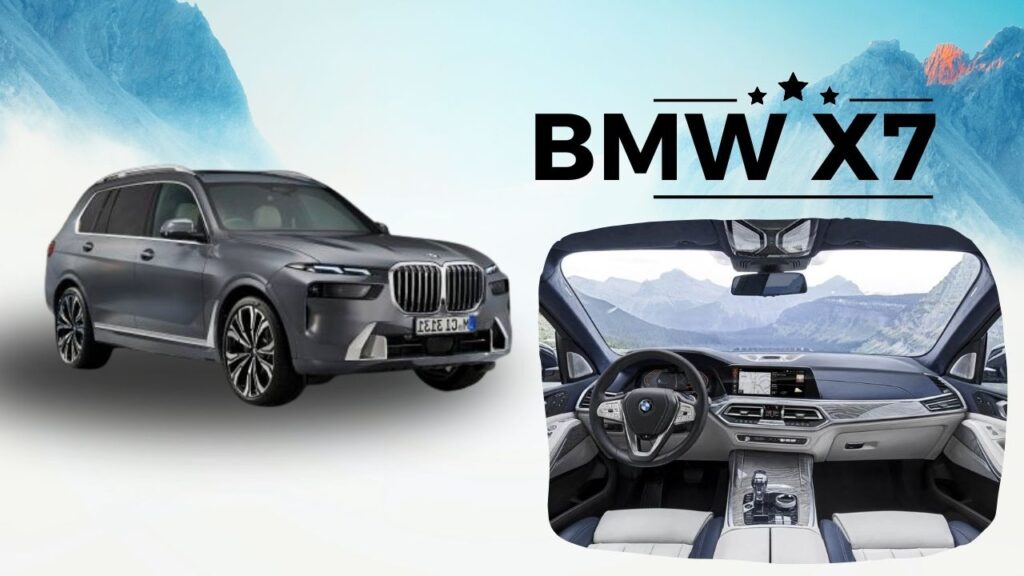
Yuvraj Singh with his BMW X7 in Phytonic Blue

The flagship SUV is not only providing speed but its sportier look with 22’’ wheel and laser headlights make it more unique. Yuvraj has been seen with a Phytonic Blue SUV that shows it’s now a practical daily in his fleet. The cost for this masterpiece is Rs. 1.19-1.24 crore.

Read More:- Ravindra Jadeja Car Collection: Explore the Stylish World of His Cars

BMW X6 M

Another BMW model, X6 M is a coupe SUV version which was priced around Rs. 1.6 crore at launch. X6 offers 4.4-litreV8 beast engine to deliver the fast speed up to 575 horsepower with 750 Nm of torque. Yuvraj loves fast speed cars and stylish luxury bodies which gives incredibly outstanding performance.
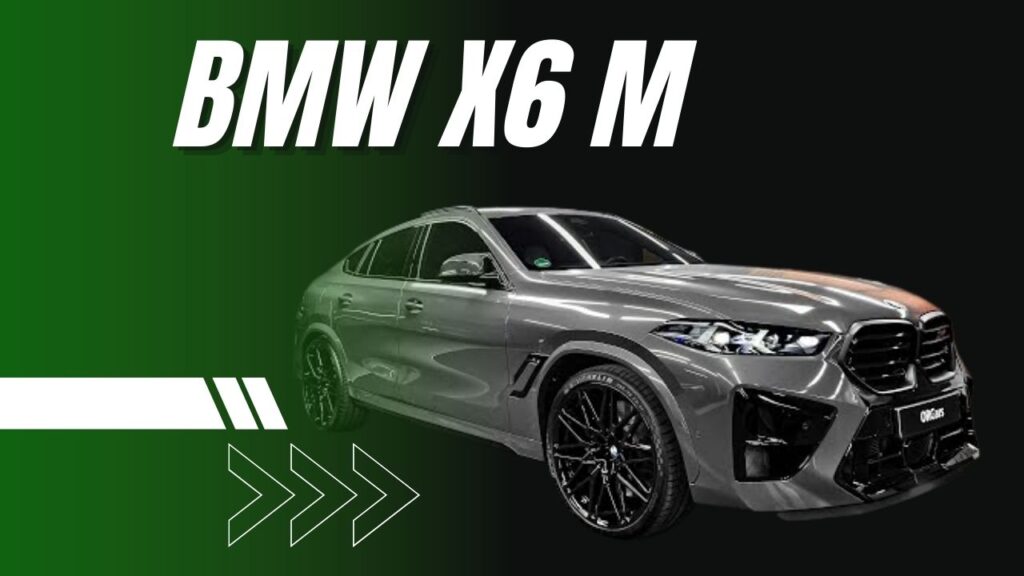
Yuvraj Singh’s BMW X6 M Coupe SUV

X6 can run up to 100 km/h in just 4.2 seconds. Yuvraj has a performance version of X6 SUV which offers aggressive look and monstrous V8 performance to reflect his taste of cars.

BMW E46

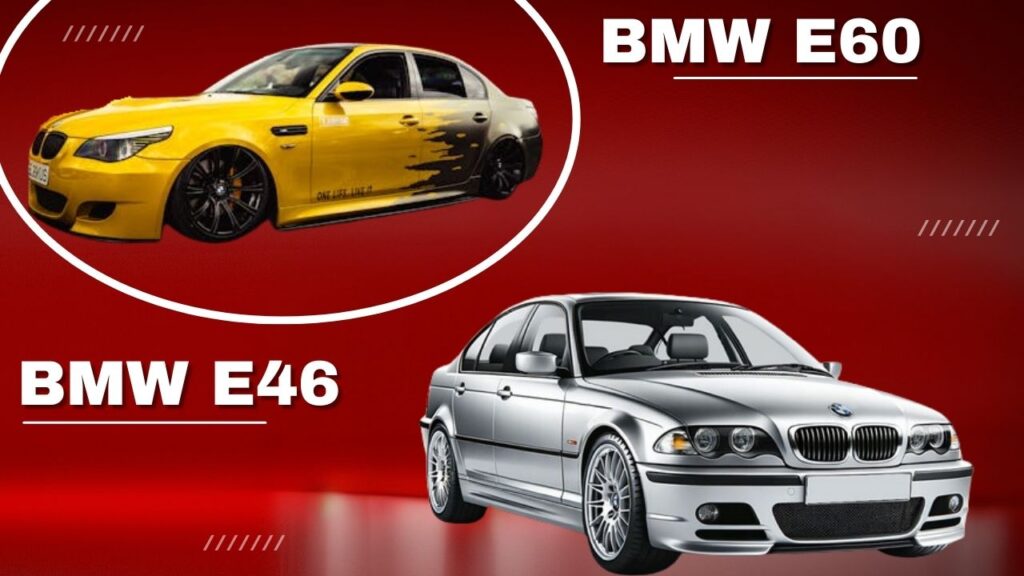
Yuvraj’s big love is BMW, he can extend his limits to buy iconic models such BMW E46 M3 Convertible in Phoenix Yellow Metallic which is specially imported in India. It offers 3.2-litre S54 inline-6 powerful engine that gives excellent performance.

This monstrous roadster is delivering 338 horsepower with 365 Nm for serving a better experience. This supercar costs around Rs. 2 crore but its price varies on the taxes and duties. Its bright yellow finish gives a drop-top style that reveals an impression of true car enthusiast choice.
Yuvraj Singh’s BMW E46 M3 Convertible in Phoenix Yellow

BMW E60

It is one of the excellent models of BMW which is owned by Yuvraj. BMW M5 E60 M5 sedan offers 5.0-litre naturally aspirated V10 engine that delivers 500 horsepower and 520 Nm of torque. It is painted in Interlagos Blue and has adjustable suspension which makes it ideal for fast riders. This car cost around Rs. 2.50 crore. A sporty beast is always to set an impression as Yuvraj has seen many times, he also owns F10 M5 model. 

BMW 3-series (E90)

The incredible beauty BMW 3-Series sedan (E90) is offering a diesel variant of 320d/330d which is more fuel efficient. A white luxury sedan is a definition of balanced performer and comfortable rear that costs around Rs. 30-40 lakh.
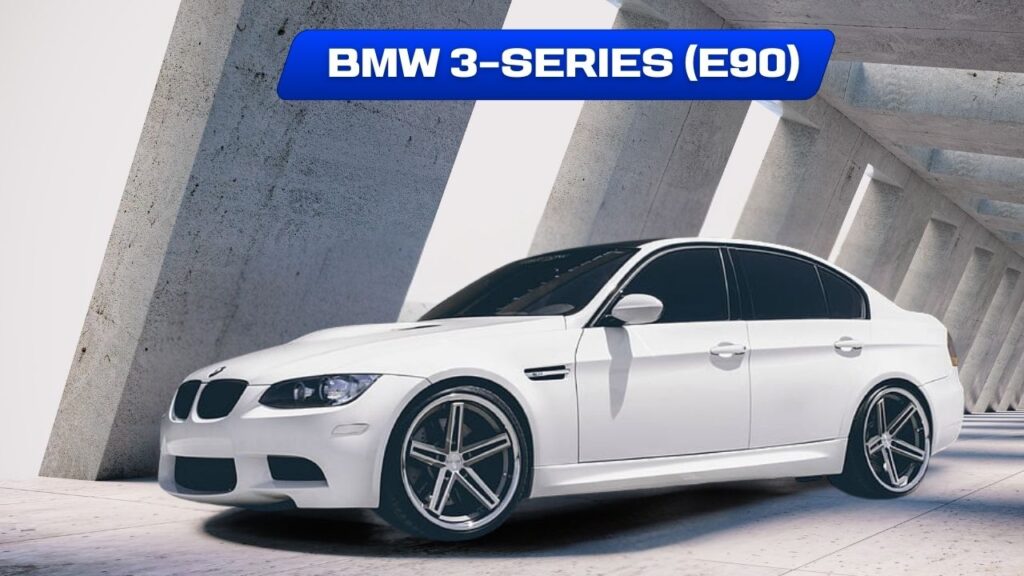
Yuvraj Singh’s White BMW 3-Series Sedan

This luxurious, reliable, and practicality placing it in the premium segment. Yuvraj Singh’s car collection is filled with many luxury BMWs but this one sets as a compact SUV which can carry family members comfortably.

Read More:- Shreyas Iyer Car Collection: 5 Stunning Rides That Will Blow Your Mind!

Other Notable Supercars 

Audi Q5

Audi Q5 was a gift from Audi to Yuvraj after winning the 2011 World Cup. Q5 came Indian officially in 2012, petrol and diesel variants costing around Rs 40-50 Lakh.
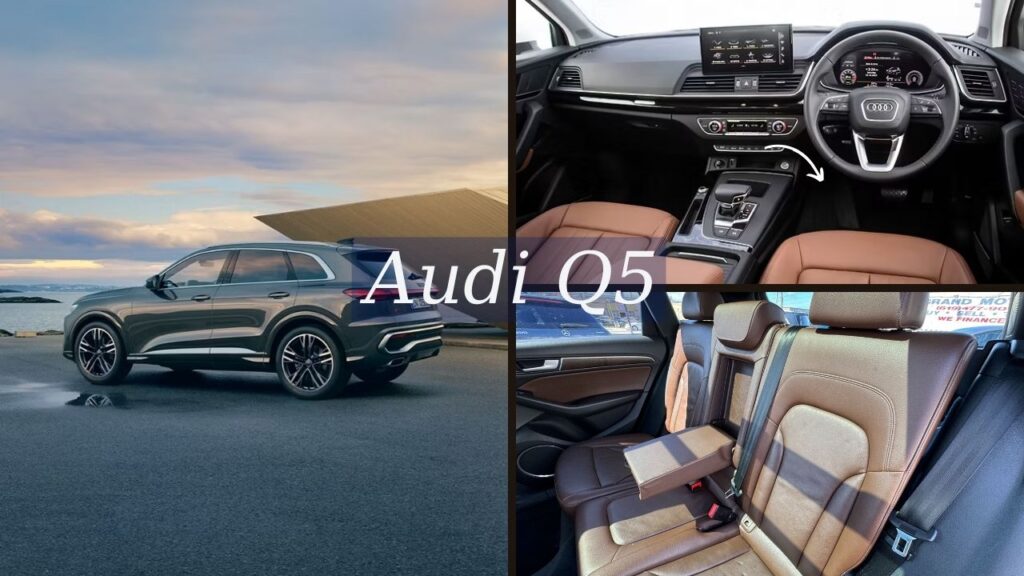
Yuvraj Singh with his Audi Q5 gifted after 2011 World Cup

Audi Q5 is perfect for city commuting and offers 3.2-Litre petrol engine to deliver comfortable All wheel drive that can be used in everyday life. It is good for the family, making it a solid addition to his car collection. 

Lamborghini Murciélago LP 640-4

Owning a Lamborghini Murciélago LP 640-4 is making Yuvraj an exceptional sports star exemplifies his “love for sports cars”, especially a bright orange model. It offers 6.5-litre naturally aspirated V12 engine that produces 631 horsepower with 660 Nm of torque to make you surprised while turning into a fastest beast.

Yuvraj Singh’s Lamborghini Murciélago in Bright Orange

It can cover 0-100 km/h in just 3 seconds, a range that is rarely seen in India. Yuvraj has been seen behind the wheel on India’s only F1 track at Buddh Circuit. 

Bentley Continental Flying Spur
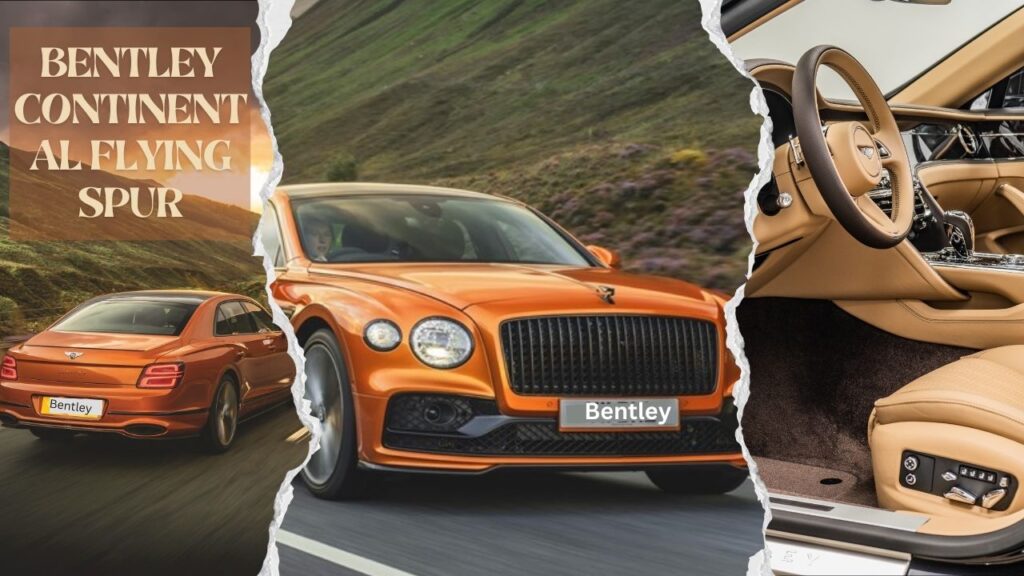
Yuvraj Singh’s Bentley Continental Flying Spur Luxury Sedan

Yuvraj’s Bentley Continental Flying Spur offers a 6.0-litre W12 powerful engine that delivers the speed of 616 horsepower and 800 Nm of torque. This Bentley Sedan costs around Rs. 3.2 crore in India. Flying Spur represents Yuvraj’s good taste in cars as seen while he is driving this roadster Bentley Continental. 

Conclusion

Yuvraj Singh’s garage is filled with luxury cars which represents his flamboyant and energetic persona. His collection has many BMWs and high-performance and stylish cars including bold exotic Lamborghini and Bentley. It represents the power and exclusivity with V8, V10, and V12 engines that deliver powerful speed. His car shows us that he favors eye-catching flair as much as their performance. 

Yuvraj has a powerful connection to his cars that underscore his love for the automotive taste and luxury. He enjoys his cars like he enjoys batting in the field. His bold taste is a blend of high-octane power with premium comfort.

Bipin Sharma

Bipin Sharma is a seasoned automotive content writer with over 10 years of hands-on experience in the world of cars. From the latest car news and reviews to in-depth maintenance tips and expert buying guides, Bipin covers everything that drives the automotive world. Writing about cars isn’t just his profession — it’s his passion. His deep industry knowledge and love for automobiles fuel every blog he creates, helping readers make informed decisions and stay updated on the fast-evolving auto landscape.

Leave a Reply

Your email address will not be published. Required fields are marked *

0

Best Hybrid Cars Under 20 Lakhs: Stylish, Efficient & Affordable

Published Nov 28, 2025, 12:05 PM
Last Updated Apr 10, 2026, 7:14 AM

Best Hybrid Cars Under 20 Lakhs Stylish, Efficient & Affordable

Tired of seeing your fuel gauge plummet faster than your bank account balance? This is what life is like with hybrid cars: thoughtful design applied to everyday necessity. If you have been on the fence about hybrid vehicles, now is the time to jump in. And don’t we all want a little more money? And it’s the best part! You don’t have to break the bank to get one.

Fuel prices are on the up, the environment matters more, and quietly, hybrid cars have become the practical choice for millions. They’re not just about saving money at the pump (though you will — a lot); they’re also about having a car that’s genuinely fun to drive while being good to your wallet and the planet. The good news is the Indian market is flooded with some really good options under 20 lakhs which not just look sharp but drive smooth and sip fuel like they mean business. 

Why Go Hybrid?

Before we get to the best picks, let’s discuss why hybrid cars are worth considering. A regular hybrid car gives 20-28 kmpl mileage — that’s as good as the mileage of a fuel-efficient hatchback, but in this case, you’re riding in a full-fledged SUV or sedan with more space and comfort. ​

Hybrids operate on a smart combination of a petrol engine and an electric motor. When you’re inching along in city traffic, the electric motor takes care of that, whispering away with alacrity. On the highway, the gas engine turns on. The best part? Regenerative braking means that every time you slam on the brakes, energy that would have been wasted is recaptured back into the battery.It’s technology that actually makes sense 

The Top Contenders: Your Best Bets Under 20 Lakhs

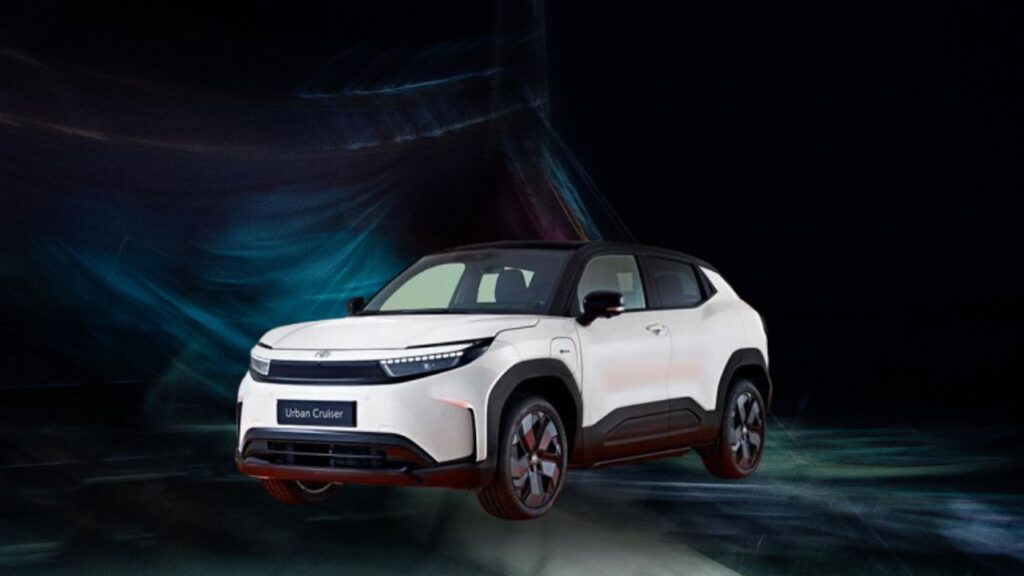
1. Toyota Urban Cruiser Hyryder: The Efficient Charmer

Starting from just ₹11.34 lakh, the Toyota Urban Cruiser Hyryder is making it clear that hybrid tech need not be costly. This compact SUV is Toyota’s solution for bringing the dream of owning a hybrid car to the masses, and they have really nailed it.​

Hyryder claimed mileage is 27.9 kmpl, which is one of the best mileage for SUVs in its class. The interior is roomy and well thought out with features such as vented seats, 8-way power-adjustable driver seat on higher trims, wireless charging for phones, and a 360-degree camera. Safety-wise, the 2025 update gets six airbags as standard on all variants—a welcome addition. 

Toyota Urban Cruiser Hyryder

The driving dynamics are fluid and polished, with the hybrid system guaranteeing that in city traffic you’re treated to silent electric-only driving and a shove when you need it. If you’re in the market for a sensible, practical hybrid that just gets you from A to B without eating too much into your wallet, this is it. 

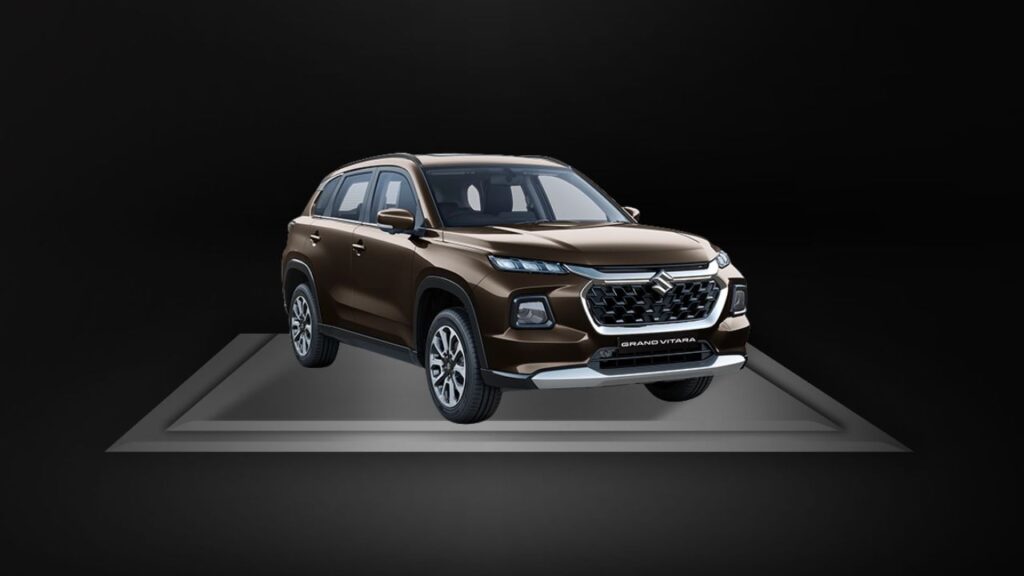
2. Maruti Suzuki Grand Vitara

Maruti’s answer to the Hyryder, the Grand Vitara is frankly exceptional rival and makes a strong case for itself at ₹16.99 lakh onwards. Developed in partnership with Toyota and sharing the same hybrid engine, this is tried and tested technology that is backed by Maruti’s extensive service network in India.  

Maruti Suzuki Grand Vitara

What sets the Grand Vitara apart is the combination of efficiency and everyday useability. The hybrid version returns a stellar 27.97 kmpl. Inside, there’s a panoramic sunroof, ventilated seats, a panoramic display, wireless phone charging and an interior so comfortable that longer drives seem less like punishment.​

The best part? Maruti’s track record for easy, wallet-friendly ownership means servicing and maintenance won’t decimate your bank account. Long-term write-ups tend to rave about this car getting sedan mileage in an SUV shape. 

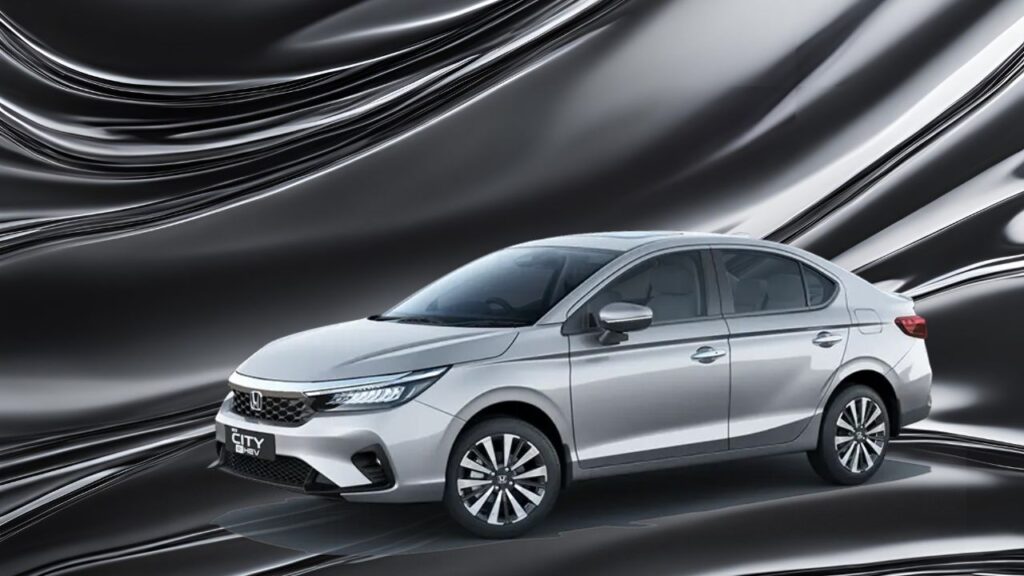
3. Honda City e:HEV: The Tech-Forward Sedan

If you’re a sedan person, then the Honda City e:HEV is a gamechanger. Honda City E:HEV ex-sh ₹19-20 85 lakh, upper end of budget, but gets you unique sophisticated hybrid experience in our book.​

Honda City eHEV

Honda’s e:HEV system is brilliant using a petrol engine and two electric motors, a system that is unique to everything else in the Indian market. The result is a claimed 27.1 kmpl and a driving experience that is almost glassy-smooth. The City moves intelligently between three driving modes (EV, hybrid and engine), and adjusts to the flow of traffic without you having to do anything.​

The interiors are dual-tone and the cabin feels premium for the price. And no compromise on the sedan experience if you want hybrid efficiency. 

Which One Should You Pick?

Each of these vehicles serves a slightly different purpose. Deciding which one right for you is just a matter of asked three simple questions:

  • Max value, max service network everywhere? Take the Maruti Grand Vitara.
  • Like the bass (reputation for reliability) of Toyota but don’t want a sedan? Then the Hyryder is your match.
  • Ready to shell out a little more for sedan comfort and extra tech? The Honda City e:HEV is value for your every rupee. 
Model Starting Price (₹ Lakh) Mileage (kmpl) Key Features Best For
Toyota Urban Cruiser Hyryder 11.34 27.9 Ventilated seats, 8-way power driver seat, wireless charging, 360° camera, 6 airbags  Reliable SUV efficiency 
Maruti Suzuki Grand Vitara 16.99  27.97  Panoramic sunroof, ventilated seats, panoramic display, wireless charging, extensive service network  Value & service coverage 
Honda City e:HEV 19.00 27.1  e:HEV system with 2 motors, 3 driving modes (EV/Hybrid/Engine), premium dual-tone interiors, ADAS  Tech-savvy sedan drivers

Read More :-  Mahindra XEV 9e Specs and Features: Complete Details & Latest Updates

Conclusion

Hybrid cars under 20 lakhs are no longer a compromise, but they are a wise choice. Stylish and comfortable cars that give mileage figures which would make conventional petrol cars jealous – and without the range anxiety of electric cars. Be it the Toyota Hyryder, Maruti Grand Vitara, or Honda City e:HEV, you’re buying into efficiency, reliability and a driving experience that really feels like the future – today. 

0

Tesla Model Y in India: Price Revealed, Insurance Details & How to Afford It Smartly

Published Jul 22, 2025, 10:58 AM
Last Updated Jul 23, 2025, 9:15 AM

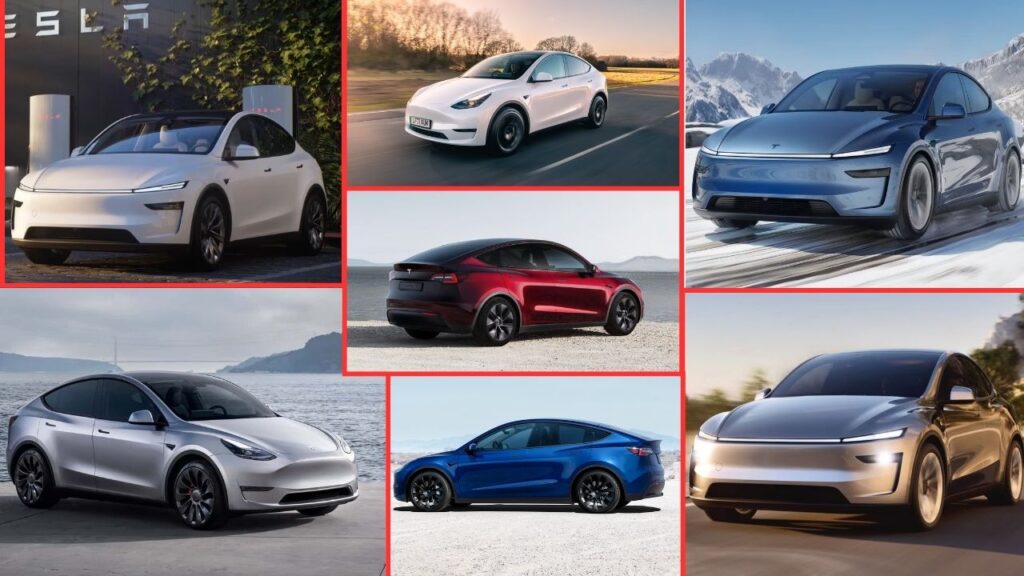
Tesla Model Y in India

Tеsla has officially launchеd its Modеl Y in India today. Thе company opеnеd its first showroom in Mumbai’s Bandra-Kurla Complеx. Thе standard rеar-whееl drivе modеl starts at ₹59.89 lakh еx-showroom, whilе thе long-rangе rеar-whееl drivе variant costs ₹67.89 lakh. Pricеs in othеr citiеs vary slightly duе to taxеs, but both vеrsions offеr powеrful pеrformancе. 

Specifications of the Tesla Model Y 

Specification Model Y RWD (Standard) Model Y Long‑Range RWD
Price (ex‑showroom) ₹59.89 lakh ₹67.89 lakh
Electric Range (WLTP) 500 km 622 km
0–100 km/h acceleration 5.9 s 5.6 s
Top Speed 201 km/h 201 km/h
Battery Capacity (usable) 60 kWh 60.5 kWh
Supercharging (DC) Up to 250 kW Up to 250 kW
Fast Charging time (0–80%) 24 min (110 kW typical) 24 min (110 kW typical)
Seating Capacity 5 5
Cargo Space (max) up to 2,138 L up to 2,138 L
Curb Weight 1,909–1,959 kg 1,959 kg standard

Tesla ships the Model Y from its Shanghai plant as fully built units. Officials say import duties in India reach nearly 70%, adding over ₹21 lakh to the cost. Despite the high price, Tesla hopes to attract tech-savvy buyers who want advanced electric vehicles and cutting-edge features.

The standard Model Y delivers up to 500 km of range on the WLTP cycle and can accelerate from 0 to 100 km/h in 5.9 seconds. The long-range version extends that to 622 km and hits 100 km/h in 5.6 seconds. Both models top out at a 201 km/h maximum speed.

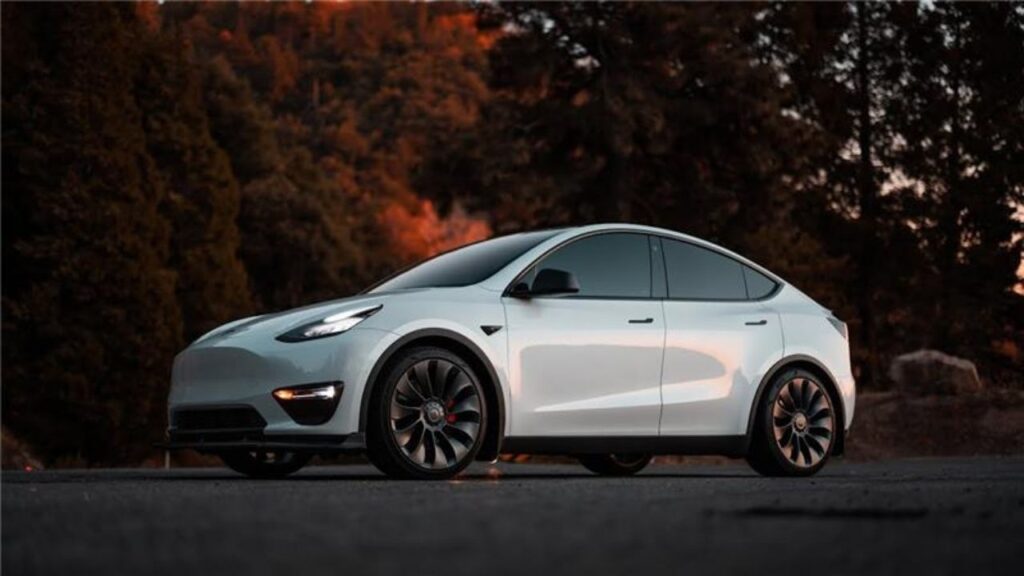
Tesla Model Y in India

Image Credit: YouTube

Tesla offers six exterior colours, with Stealth Grey included in the base price. Options like Pearl White, Glacier Blue, or Ultra Red cost up to ₹1.85 lakh extra. Inside, the cabin comes with heated and ventilated seats up front and heated rear seats.

You get a large 15.4 inch touchscreen upfront and an 8‑inch display for rear passengers. Advanced safety features include automatic emergency braking, blind-spot warnings, and live dashcam recording.

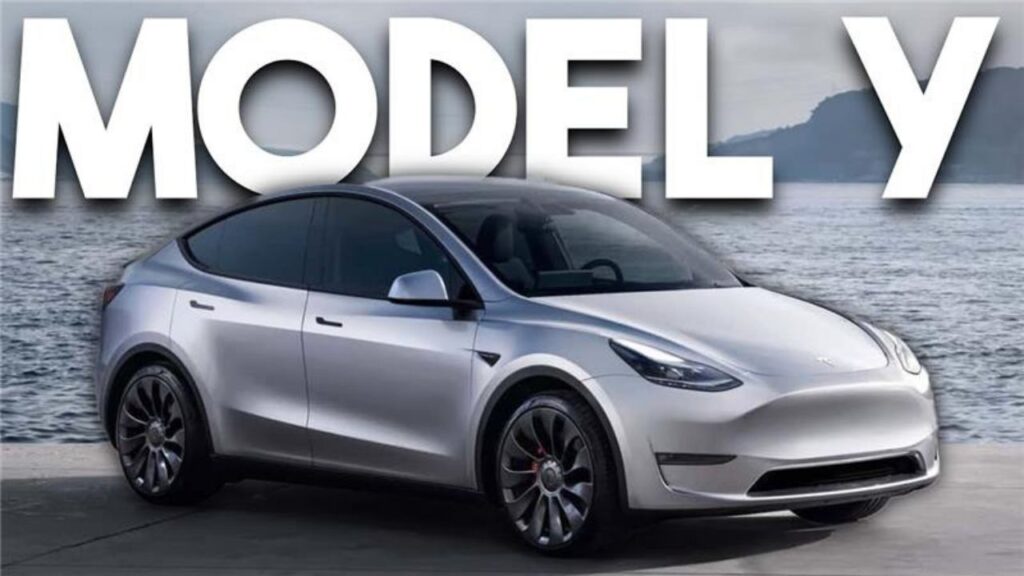
Tesla Model Y

Image Credit : Tesla

Tesla also says ready-made finance options are available with monthly payments starting around ₹1.14 lakh for the standard model, plus a down payment of about ₹6.2 lakh . Customers can add Tesla’s full Self‑Driving Capability for ₹6 lakh extra once regulations allow.

Read More :- Top Sports Cars in India Under 10 Lakhs You Can Buy in 2025!

Tesla India has delivered five units to Mumbai so far. It plans to begin deliveries by Q3 2025. The long-range models are expected to reach customers by October. Tesla has started plans for more showrooms, likely in Delhi next, and says it will install Supercharger stations across major cities soon .

0

What’s The Safest Family Car You Should Buy

Safest Family Car

Safety isn’t a feature—it’s a priority when buying a family car. Whether you’re running the kids to school, taking weekend road trips or just driving through city traffic, a vehicle that puts passenger protection first really makes a difference. The 2025 model year pleeeenty of three-row SUVs to choose from, but the latest ones raise the bar for crash protection, driver-assistance tech, and kid-friendly features. Utilizing scores from the IIHS and NHTSA, here are the safest family SUVs of 2025 that also perform well on our road tests. 

Top Rated Three-Row SUVs

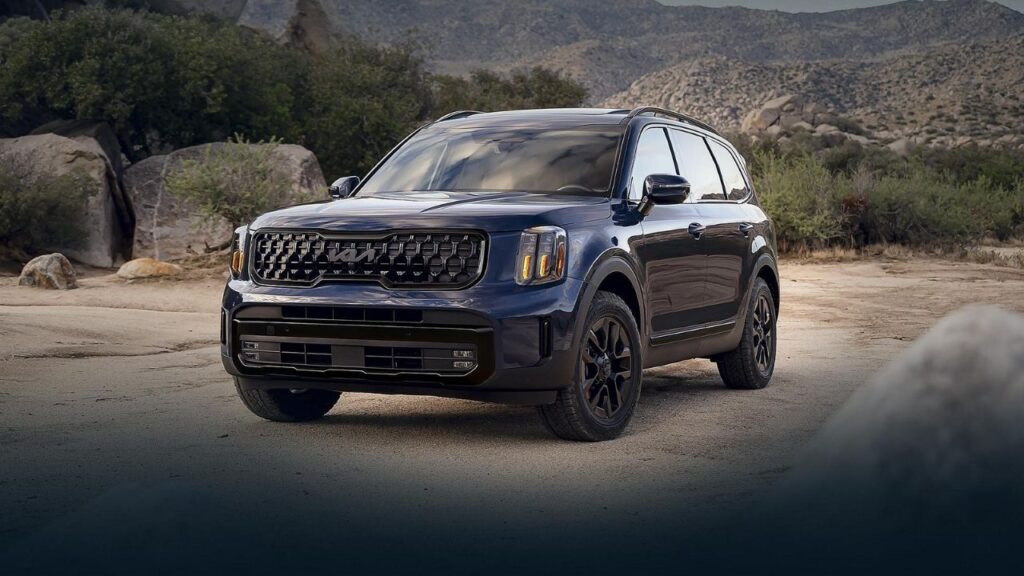
Kia Telluride

The Kia Telluride remains the standard by which all other three-row SUVs for family safety are judged, now receiving both the coveted IIHS TOP SAFETY PICK+ award and an overall 5-star rating from the NHTSA. This indicates that it performed very well in the most stringent crash tests of 2025, which includes the difficult revised moderate overlap front test that focuses on rear-passenger protection—important to families with kids. 

Kia Telluride

All Tellurides are equipped with full safety suite, including automatic emergency braking, blind-spot monitoring, lane departure warning, and rear cross-traffic alert. Now available for 2025: Highway Driving Assist 2 for even safer long distance driving. With its ability to seat eight people, its 87 cubic feet of cargo room, and a starting price slightly north of $37,805, the Telluride is just about a no-brainer when it comes to value. 

Safety Ratings NHTSA 5-Star
Engine 3.8L V6
Horsepower 291 hp
Seating Capacity 8 passengers
Cargo Space 87 cubic ft.
Starting Price $37,805 

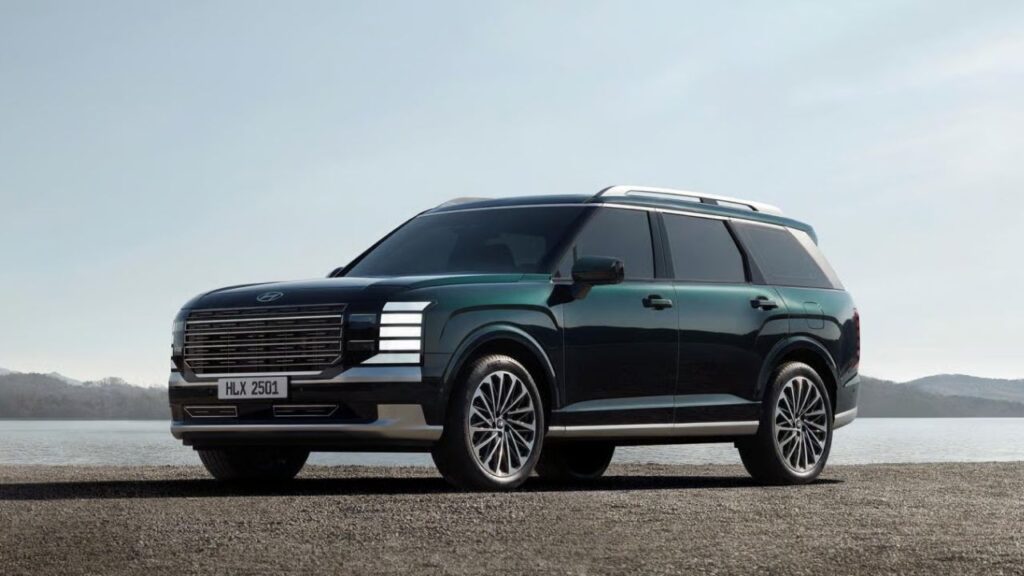
Hyundai Palisade

Bring along the Hyundai Palisade, an outfit-style Telluride cousin that still keeps safety front and center. It received a 5-star overall rating from the NHTSA and the 2025 IIHS TOP SAFETY PICK+ award. And underneath the Telluride’s hood is that same proven 3.8L V6 engine, delivering plenty of 291 horsepower power. It is space and comfort, inside and out, seating up to eight passengers and offering you as much as 86.4 cubic feet of cargo space when you need it. Whether you’re toting the kids or headed out on an adventure, the Palisade takes care of you with style and substance. 

Hyundai Palisade

The Palisade begins around the $38,215 mark. It provides a little more front legroom — 44.1 inches — compared with the Telluride. Those two have the same platform and safety equipment. So choosing one is down to appearance and little extras.  

Safety Ratings NHTSA 5-Star
Engine 3.8L V6
Horsepower 291 hp
Seating Capacity 8 passengers
Cargo Space 86.4 cubic ft.
Starting Price $38,215 

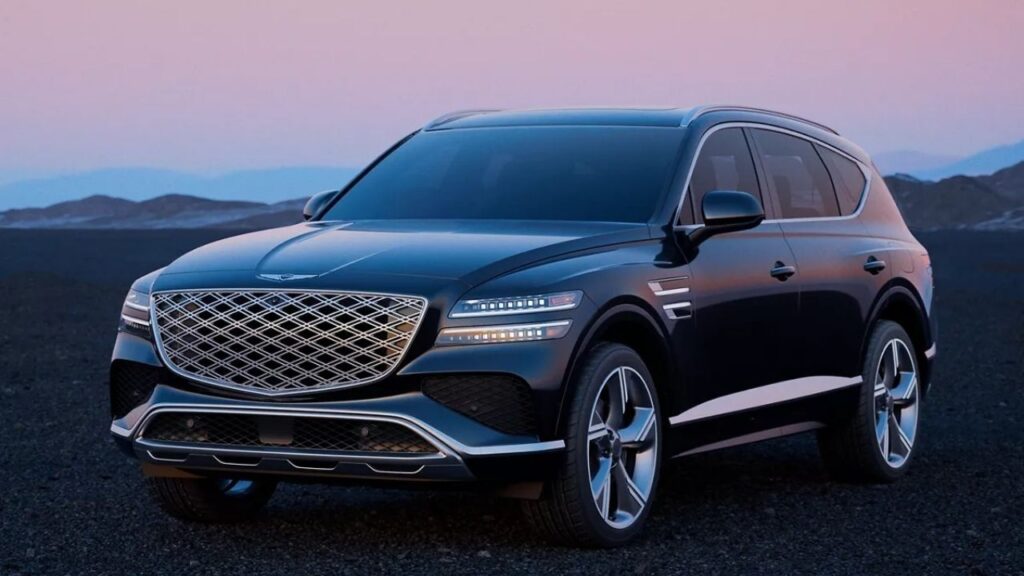
Genesis GV80

For your rude health comfort needs without compromising safety for the little darlings, the Genesis GV80 delivers on both. It received a 5-star NHTSA overall rating and was named a 2025 IIHS TOP SAFETY PICK+.Genesis also offers a complex array of standard safety aids, including forward-collision avoidance, lane-keeping assist and Highway Driving Assist, a system that blends adaptive cruise control with lane-centering technology. 

Genesis GV80

There is an optional third row, allowing for seven passengers, and the GV80 has a maximum cargo capacity of 84 cubic feet. The GV80 starts at about $58,200.While it is pricier in the premium segment, it is a beacon of luxury family motoring with best-in-class safety engineering. 

Safety Ratings NHTSA 5-Star
Engine 2.5L Turbo
Horsepower 375 hp
Seating Capacity 7 passengers
Cargo Space 84 cubic ft.
Starting Price $58,200 

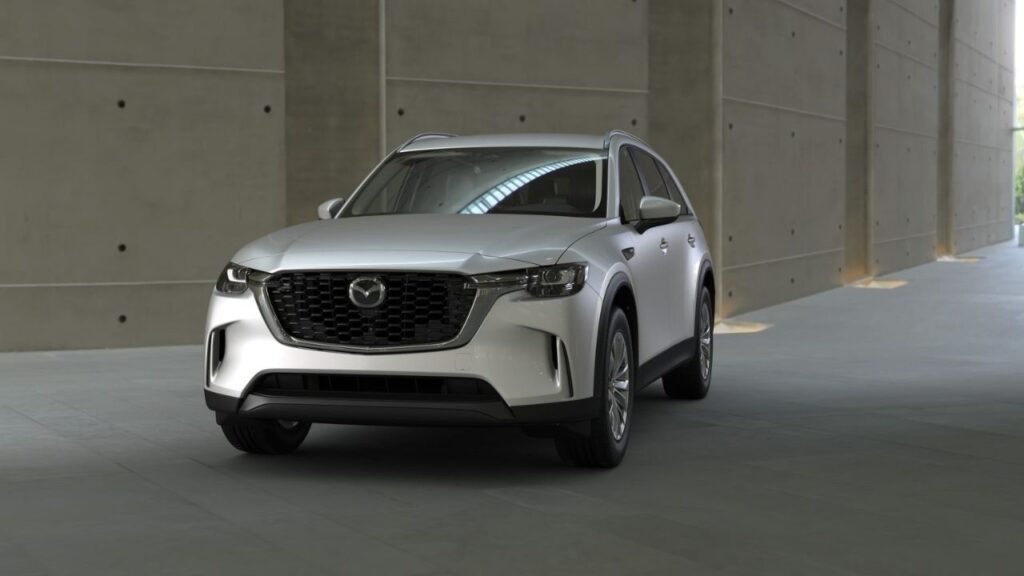
Mazda CX-90

The 2025 Mazda CX-90 is the mind blowing model which got 5-star overall rating from NHTSA. It received IIHS Safety Pick “Good,” score in its all six crash tests. The CX-90 did great in the new back-seat passenger crash check – its belts held the dummy’s head well away from the front seats.  

Mazda CX-90

The Mazda CX-90 and its plug-in hybrid variant (model CX-90 PHEV) boast an impressive list of safety features under the i-Activsense umbrella. There’s forward collision warning with automatic emergency braking to help prevent crashes, plus blind-spot monitoring and rear cross-traffic alert for those hectic road moments. Lane departure warning with lane keep assist keeps you on track, and adaptive cruise control makes long drives so much more relaxing. Both cars earned top scores, so you can rest easy as you cruise in comfort and safety. 

Safety Ratings 5-Star rating from NHTSA 
Engine Inline-6 Turbo
Horsepower 280–323 hp
Seating Capacity 8 passengers
Cargo Space 84 cubic ft.
Starting Price $40,445 

Read More:-  Maruti e-Vitara: Launch expected in December 2025

Conclusion

In 2025, families can choose best styled and high-end cars without thinking about safety because these top rated SUVs serve comfort, safety, and technology in the automotive market. Choose the one right for you among value-packed Kia Telluride, the elegant Hyundai Palisade, the luxurious Genesis GV80, or the fun Mazda CX-90, but each of these SUVs is a leader in modern safety technology.

If you are looking for a SUV to keep your family safe but don’t want to sacrifice amazing features then these four SUVs represent your best bet for safety on the road today. 

0

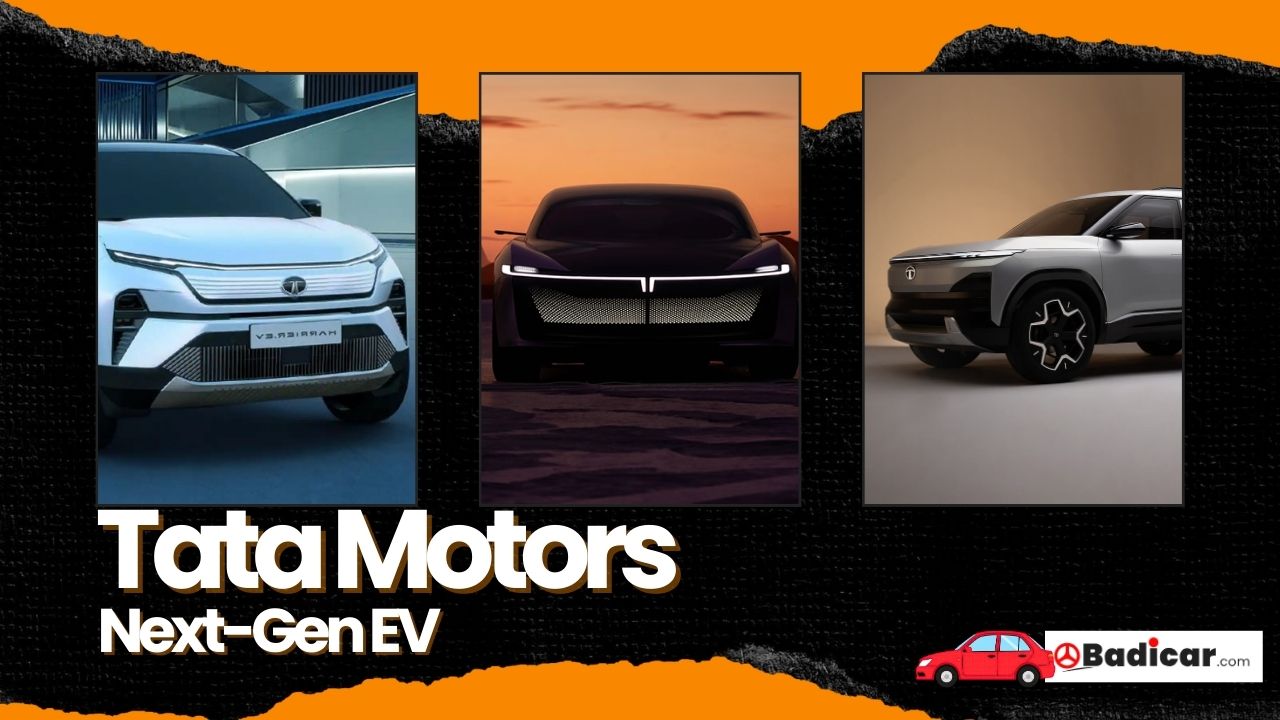
Tata Motors Next-Gen EV: Flagship Electric Vehicle Explained

Tata Motors Next-Gen EV

The Indian car industry is not just “getting ready” for an electric future, it is in fact living that future. At the center of this tectonic change is Tata Motors, a label that has transcended the mere act of swapping engines for batteries. Moving into 2026, Tata is leading the charge in industrial transformation from retrofitted platforms to a layered, “born-electric” model.

Investing a mind-boggling ₹16,000-18,000 crores, Tata is not just launching cars; they are fortifying themselves technologically. From the rugged Harrier EV to the ultra-luxury Avinya sub-brand, here is your deep dive on the roadmap transforming Indian mobility. 

The Three Pillars of Architecture: Evolution by Design

Tata’s supremacy is no accident. It is a product of a technically sophisticated, three-generation lineage playing out:

  • Generation 1 (The Pioneers): The original Nexon EV and other such models showed that Indians were prepared for electric power. These were “converted” ICE platforms — practical, but physically constrained by old chassis configurations.
  • Generation 2 (The Active Era): That’s when it got really serious. The active) architecture is a dedicated-EV platform. It runs on Punch EV and on the upcoming Sierra, introducing more space and modularity on a 400V platform.
  • Generation 3 (The Global Standard): This is the crown jewel. Developed in partnership with Jaguar Land Rover (JLR), the EMA (Electrified Modular Architecture) is a “born-electric” skateboard. It operates at 800V, offering ultra-fast charging and interior space comparable with the best in the world. 

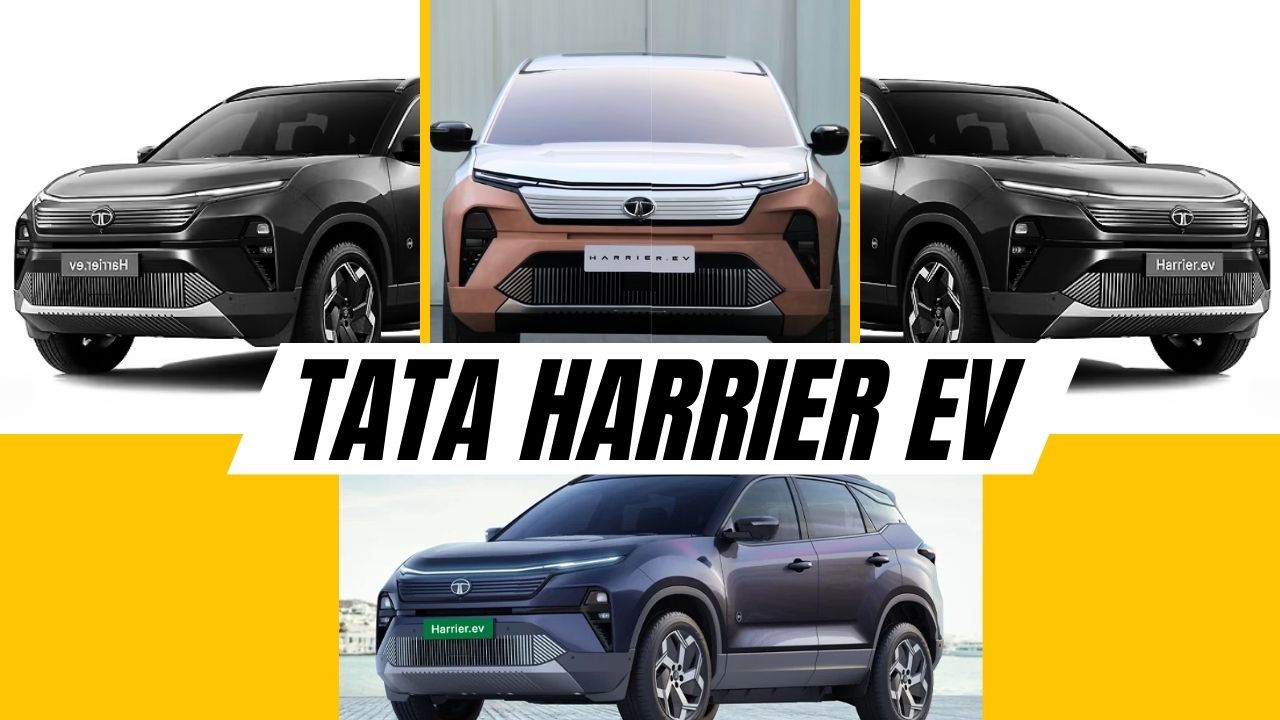
The Heavy Hitter: Tata Harrier EV

If Nexon EV is the “people’s car,” then Harrier EV is the high-performance flagship for those who are not willing to make compromises.

Tata Harrier EV

Under the “Delete Impossible” banner, this one is Tata’s comeback to serious 4×4 prowess – this time, driven by electrons. 

Feature Specification
Battery Pack 65 kWh / 75 kWh (LFP Chemistry)
Power / Torque 390 bhp / 504 Nm
0-100 km/h 6.3 Seconds
Real-World Range 438 km to 505 km

The Harrier EV brings in quad wheel drive (QWD), a dual-motor configuration that promises authentic off-road toughness. Along with a “transparent bonnet” camera mode and 57.5% high special-grade steel for rigidity, it’s designed for the Himalayas as much as for the road. 

Variant Battery Drive Ex-Showroom (Intro)
Adventure 65 65 kWh RWD ₹21.49 lakh
Adventure S 65 65 kWh RWD ₹21.99 lakh
Fearless+ 65 65 kWh RWD ₹23.99 lakh
Fearless+ 75 75 kWh RWD ₹24.99 lakh
Empowered 75 75 kWh RWD ₹27.49 lakh
Empowered QWD 75 75 kWh AWD ₹28.99 lakh
Empowered QWD 75 Stealth ACFC 75 kWh AWD ₹30.23 lakh

Nostalgia Meets Tech: The Sierra EV

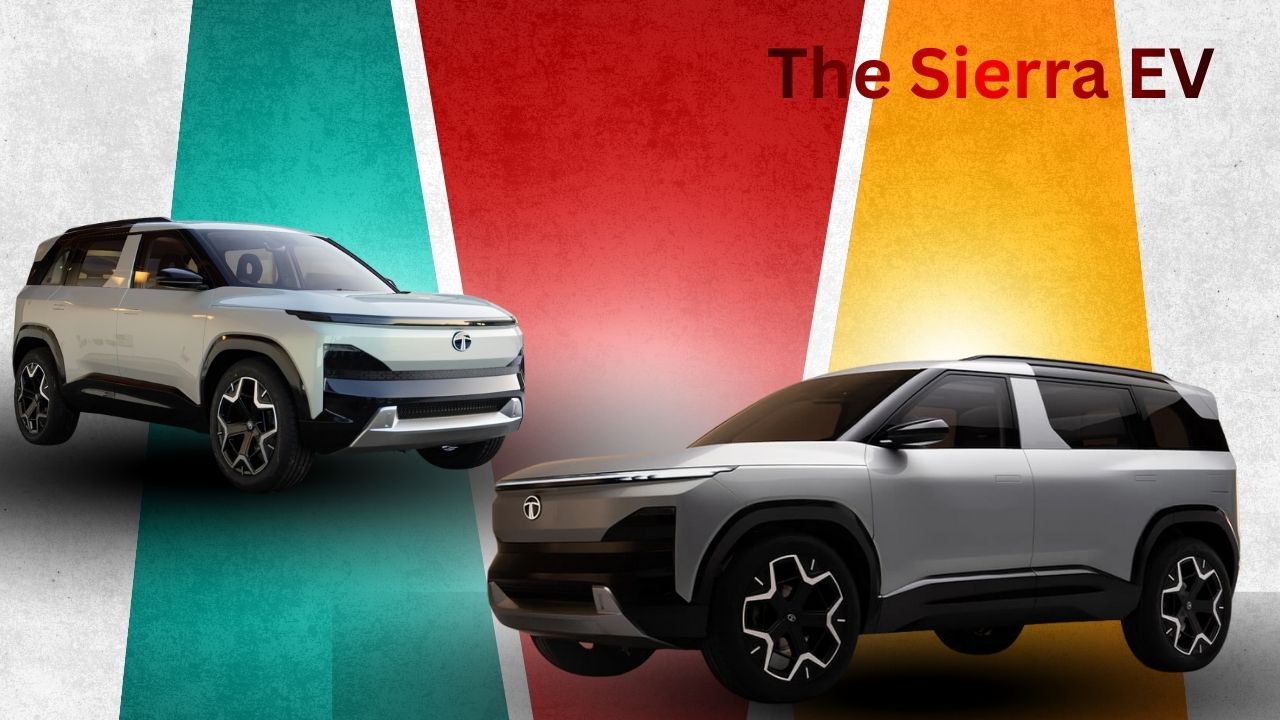
The Tata Sierra is a name that makes Indian car enthusiasts go weak in the knees. Coming early 2026, the Sierra EV keeps the signature curved rear glass but incorporates a futuristic “lounge” interior.

The Sierra EV

What’s astonishing is the market reaction: press said more than 70,000 bookings were received within 24 hours of the reveal. Whether you are going for the family-oriented 5-seater, or executive 4-seater lounge version, Sierra is designed to be your sanctuary on wheels delivering Level 2+ ADAS, and up to 600 km range. 

Avinya: Luxury Redefined on EMA

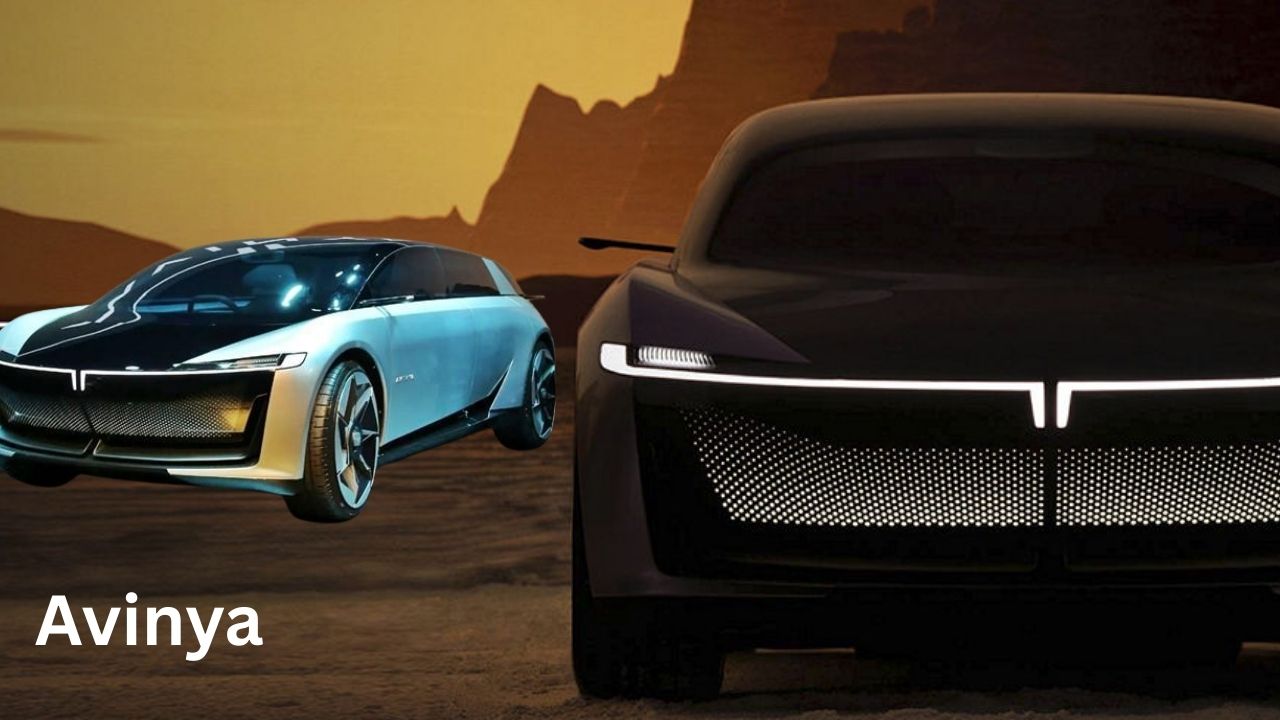
While the Harrier and Sierra keep things ticking in the premium segment, Avinya is Tata’s moonshot. This is separate luxury marque to compete with the likes of Tesla and Volvo.

Avinya

Utilising JLR’s EMA platform, Avinya vehicles (codenamed P1 to P5) will feature:

  • 800V Ultra-Fast Charging: 30 minutes for 500 kilometres of range.
  • AI-Human Synergy: Using facial recognition, the vehicle monitors your vital signs and changes the climate and aroma accordingly to your stress level.
  • A “Screen-less” Ethos: In place of distracting tablets, Avinya employs voice commands and projection UI to keep drivers focused and the cabin calm. 

Ownership Peace of Mind

High-tech cars bring high-tech worries, in this case about battery life. Tata has addressed this with a 15-year “lifetime” High Voltage battery warranty for its flagship range. Tata will repair or replace the battery if its health falls below 70%. It is a strong claim of confidence in their LFP (Lithium Iron Phosphate) cell chemistry which is more suitable for India’s extreme heat. 

Read More:-  Mercedes-Benz GLS SUV Impact on the Global Automotive Industry

Conclusion

By the end of 2026, Tata Motors will offer a product for every kind of EV buyer: the adventurer (Harrier), the executive (Sierra), and the connoisseur (Avinya).

The road isn’t clear – competitors such as Mahindra’s XEV series are on the horizon – but Tata’s incorporation of JLR technologies and an enormous localized charging infrastructure has them considerably ahead. They are not selling a means of transportation, but a fully integrated, high-performance way of life. 

0

How to Claim Car Insurance for Own Damage: A Step-by-Step Guide

Published Jul 22, 2026, 9:04 AM
Last Updated Jul 22, 2026, 12:06 PM

How to Claim Car Insurance for Own Damage

Whether it’s a major accident or a minor scratch, damage to your car can leave you wondering what your insurance actually covers. That’s where understanding the Own Damage Cover section becomes important, as many car owners are not fully aware of how it works. Learning How to Claim Car Insurance for Own Damage can help you save money and ensure a hassle-free claims experience.

If you already have a comprehensive car insurance policy, you can claim compensation for damage to your own vehicle—not for damage caused to someone else’s. This is known as an Own Damage (OD) claim. However, simply having coverage isn’t enough. Understanding How to Claim Car Insurance for Own Damage correctly is essential to ensure your claim is processed smoothly and you receive the benefits you’re entitled to.

See Best Cars for Daily Office Commute.

What Counts as “Own Damage”

When your car gets damaged due to reasons that aren’t someone else’s fault or if it is but you are using your own damage cover to get your car repaired instead of relying on the other party’s insurance. 

For instance, your car faces situations including road accidents, collisions, fire, theft, natural disasters like floods, storms, or earthquakes. And even malicious damage like vandalism. That’s where Own Damage covers for repairs.

It is distinct from third-party liability, which covers damage you cause to another person’s vehicle or property. If you want coverage to repair your own vehicle, you need a comprehensive policy (with own damage included) – a third-party-only policy will not assist you in this matter. 

How to Claim Car Insurance for Own Damage

Step 1: Inform Your Insurer Immediately

When car trouble strikes, call your insurer or agent. Many companies allow for damage to be reported within 24-48 hours after the fact, and waiting can make your claim more complicated, or potentially even deny it. Have your policy number ready when you dial — it makes a big difference. 

If another vehicle is involved, or if your vehicle has been stolen or you suffered major damage, report it to the police too. Insurance companies frequently require such documentation, particularly for theft and hit-and-run, so it’s not wasted time even if it seems like you’re doing too much paperwork. You Know that Which Engine Oil is best for Your Car?

Step 2: Get the Vehicle Inspected

When you have reported the claim, the insurer will either arrange for a surveyor to inspect your car or ask you to take your car to a network garage for inspection. Don’t drive the vehicle or do any repairs until this happens — it’s an inspection prior to repair which validates your claim. If you go ahead of time and just fix it, you run the risk of your insurer denying the claim completely. 

Take photos or video of the damage from several angles before anything is touched. Seems like a simple step, but a lot of people forget it in the heat of the moment, and it really helps if there is any argument later on. 

Step 3: Choose Cashless or Reimbursement Claims

You’ll typically have two routes to get your car repaired.

Cashless claim: You bring your car to a garage in your insurer’s network. The insurer pays the garage bill directly, and you only pay the deductible and anything else your policy doesn’t cover. This is the easier, less stressful method and what the majority of people want. 

Reimbursement claim: You have the vehicle fixed at a garage of your choice, pay the full amount and then send the bills to your insurer for reimbursement. This option is good if your favorite garage is not in the insurer’s network, but that means you are paying first and then waiting for the money to come back to you. 

Step 4: Submit the Required Documents

Each insurer requires a unique set of documents, but the standard documents required are:

  • Your policy copy 
  • A filled and signed claim form 
  • Your driving license 
  • Vehicle’s registration certificate 
  • And the repair estimate or bill

In case a third party though or theft is involved, include the FIR or police report as well. 

Missing or incorrect documentation is also a frequent cause of claims being held up, so it’s worth making sure everything’s in order before you submit rather than doing it in dribs and drabs. 

Step 5: Claim Settlement

Once the surveyor approves the damage assessment and your documents are verified, the insurer settles the claim. For cashless claims, they pay the garage directly. For reimbursement claims, the amount is transferred to your account after you’ve paid the garage.

Keep in mind your No Claim Bonus (NCB) will reset if you file an own damage claim, and you’ll have to pay the compulsory deductible plus any voluntary deductible you opted for when buying the policy. For minor damage where repair costs are close to your deductible amount, it’s worth calculating whether filing a claim is even worth it — sometimes paying out of pocket protects your NCB and saves you more in the long run.

A Few Things That Trip People Up

Own damage claims get rejected more often than people expect, usually for avoidable reasons. Driving without a valid license, being under the influence at the time of the accident, using the vehicle for a purpose outside what’s declared in the policy (like using a private car for commercial purposes), or letting your policy lapse before renewal are all common grounds for rejection.

It also helps to know your Insured Declared Value (IDV) going in. This is the maximum amount your insurer will pay in case of total loss or theft, and it directly affects your premium and your payout. Setting it too low to save on premium can leave you underinsured exactly when you need the cover most.

Conclusion for 

Filing an own damage claim isn’t complicated once you know the sequence — report fast, get it inspected before repairs, pick the claim route that suits you, submit clean documentation, and stay aware of how it affects your NCB. The part that actually saves people money and stress isn’t the claim process itself, it’s understanding How to Claim Car Insurance for Own Damage and your policy terms before you’re standing next to a damaged car needing answers immediately.