0

Mahindra Thar vs Maruti Jimny: Which SUV Dominates Off-Road?

Published Aug 21, 2025, 11:35 AM
Last Updated Apr 2, 2026, 8:08 AM

The powerful SUV that roars on rough roads, Mahindra Thar vs Maruti Jimny raises a debate which makes people confused. While selecting your new SUV totally varies on the buyer preferences to its requirement. The Brawler of the Bunch – Mahindra That is delivering a powerful ride with high range of power and sleek design.

While the Maruti Jimny is small but gives excellent speed with powerful engines to make you fall in love with your ride. It will be perfect for new off-roaders to be comfortable with their narrow navigates to prevent any hard time on rough roads. 

Exploring each SUV engine capabilities, speed, design, safety details and price is important for the buyers. So, check it out here before buying, it’s not about which is best —but it’s about which one is right for you.

Mahindra Thar: The Brawler of the Bunch

The strong and powerful Mahindra Thar is a wonderful SUV which gives you an amazing experience on the road. Its sheer strength is its biggest asset.

The Powerful Engine of Mahindra Thar

Thar offers both diesel and petrol engines with high 300 Nm torque. A 1.5L for diesel and 2.0L for petrol engine fuel efficiency. It produces 118 hp-150hp that wonderfully tackles steep inclines, and deep mud and sandy dunes. 

Variants & Body Styles

The Thar launched its first model in 2010 that became a major success for Mahindra. It is upgraded from the traditional 3-door model to 5-door Thar ROXX edition. The new Roxx offers more space and premium styling which makes this vehicle an iconic design.

Transmissions and Off-Road Features

With 6-speed manual and 6-speed torque-converter automatic transmission make this beast ready for any off-road trips. Its advanced features include independent front suspension and multi-link rear setup gives an excellent approach for tackling any situation. 

Features & Comfort

Mahindra Thar is offering advanced infotainment system, cruise control function, and roof-mounted speakers. For safety purposes, it is best on rough road trips with its rollover mitigation, descent control. Also, providing full coverage during crash with ABS with EBD and ISOFIX mounts that scored 4-star from Global NCAP safety rating.

Pricing and Value

The Mahindra Thar price is around $15,500 but it depends on variant and option preferences. The new ROXX MX5 diesel MT 4WD variant can be around $28,000. Its sales are rising day-by-day as it served an outstanding performance that surged to 80% sales.

Read More :- Kia Seltos vs MG Hector: Which SUV Offers More For Your Money?

Maruti Jimny: The Nimble Mountain Goat

The Maruti Jimny or Mountain Goat, has been called by both names. It’s best for beginners who wanted a mountain trip due to its body which is small, light, and agile for off-roading. 

The Powerful Engine of Maruti Jimny

Maruti Suzuki Jimny has a powerful 1.5-litre petrol engine which produces 105 horsepower with 134 Nm of torque to ride smoother and confidently. It turns from lower to high speed with 5-speed manual or 4-speed torque-converter automatic transmission. Its fuel efficiency is 16.94 kmpl in manual and 16.39 kmpl in automatic.

Variant & Pricing

This 5-door Maruti Suzuki Jimny first came in 2023 now its price is $17,225. It’s available in the market but it also exports from India to other countries. 

Safety Features

It offers well-equipped safety features to prevent big impact on passengers with 6-airbags, ABS with EBD, descent control, and LSD to tackle slippery roads. Hill control systems for off-roading safety that makes it perfect for the people who want to go on trips.

Suspension and Ride Comfort

It has 3-link rigid axle suspension to provide excellent grip that makes a good impact on users with a comfortable ride. The mind-blowing 4×4 system and low-range transfer case is giving an amazing experience. It also has Brake LSD traction control which automatically applies brakes to slippery roads. 

Feature Mahindra Thar (2025) Maruti Jimny (2025)
Engine Petrol & Diesel options Petrol only
Power More powerful Less powerful
Drive Type 4-wheel & Rear-wheel drive 4-wheel drive only
Mileage Lower (around 9-16km/l) Higher (around 16km/l)
Seats 4 people 4 people
Space Bigger, more boot space Smaller, less boot space
Ground Clearance Higher (226mm) Lower (210mm)
Price Starts at ₹11.5 lakh Starts at ₹12.7 lakh
Top Features Convertible top, off-road features Easy drive, cruise, safety
Best For Adventure, off-road lovers City use, family trips

The Final Verdict: Who Wins Off-Road? 

If a buyer wants an extreme brute off-roading partner then nothing is better than Mahindra Thar which is expert in crawling on mountain roads, muddy, steepy inclined roads. It offers a higher ground clearance with powerful engines that are ready to rock the party.

While Maruti Jimny is a narrow, technical trail which gives twists and turns that makes it perfect for sandy lands. The Maruti Jimny lighter weight model swiftly tackles slippery land and makes it an excellent choice for beginners. 

Ultimately both off-roaders offer a tough body, 4×4 system and powerful engines but the choice is yours. Select the powerful brawler or mountain goat that depends on your personal preferences.

Sharey Khan

Sharey Khan is an IT entrepreneur and petrol head & a car enthusiast. With a special focus on car-related content, he combines his deep passion for vehicles with a talent for crafting informative, engaging, and easy-to-understand content. His writing is driven by a genuine love for cars and he is committed to providing readers with accurate, up-to-date, and trustworthy information that empowers smarter driving decisions. 

Leave a Reply

Your email address will not be published. Required fields are marked *

0

Mahindra Bolero Neo 2025 – Latest Price in India, Variants, Mileage and Key Features

Published Nov 4, 2025, 7:13 AM
Last Updated Apr 22, 2026, 11:51 AM

Mahindra Bolero Neo 2025

For the Indian buyer, eyeing a reliable SUV but not willing to pinch too many pockets, the Mahindra Bolero Neo was always the safe bet. With the 2025 overhaul, the Indian manufacturer has given the thick-skinned little workhorse a new lease on life while retaining its basic characteristics. If you are in the market for a utilitarian, value-for-money SUV to serve your family or business, here’s all you need to know about the new Bolero Neo. 

Pricing That Won’t Break Your Budget

The 2025 model of the Mahindra Bolero Neo is one of the cheapest cars in its segment owing to the pricing being actually quite aggressive. The Bolero Neo is within reach of middle-class Indian families as it is priced at ₹8.49 lakh for the base N4 variant and goes up to ₹9.99 lakh for the new top-end N11. Ex-showroom prices of the five variants are as follows: 

There are excellent feature upgrades as you move up the ladder without a shocking price jump, thanks to a clever pricing decision. When a budget between ₹9.74 upto ₹11.45 lakh for the N4 and the N11 respectively is considered, that’s what you’ll need to calculate as on-road price (inclusive of insurance, registration and other taxes) based on your location. 

Five Variants to Suit Every Need

Mahindra has segmented the Bolero Neo 2025 into five variants to meet the needs of different buyers: 

Mahindra Bolero Neo Five Variants to Suit Every Need

Credit: autoMahindra

N4(₹ 8.49 lakh): The no-nonsense all-rounder starting point hero. With halogen headlamps, fabric upholstery, power steering, manual air conditioning, dual airbags with ABS and steel wheels, it is indeed a practical machine. Perfect for one who likes practicality over indulgence.    

N8 (₹9.29 lakh): The N8 is a rung above the base variant and introduces four speakers, a basic infotainment system, steering-mounted controls, a rear wiper and defogger, plastic wheel caps and wheel arch cladding.  

N10 (₹9.79 lakh): Now, the starts to get interesting. This mid-level variant has some modern styling elements such as chrome strips, 16-inch alloy wheels, LED DRLs and a unique spoiler. It offers front armrests, a substantial 9-inch touchscreen infotainment along with a 6-speaker Sony sound system and much more comfort. 

N11, or ₹9.99 lakh: The newly introduced N11 is the new flagship, which brings high-end features that allow it to compete against much pricier SUVs. It brings some features and styling to the N10. 

The top of the line N10(O) (₹10.49 lakh) with mechanical locking differential and other performance centric enhancements is also the highest priced variant in the standard Bolero Neo range. 

Engine and Performance: Proven Reliability

Mahindra Bolero Neo Engine and Performance Proven Reliability

Credit: autoMahindra

The 1.5-litre mHawk100 diesel engine that powers the vehicle has been refined over years of real-world serve on Indian roads. This 3-cylinder turbocharged motor makes 100 hp and 260 nm of torque. It gets a slick five-speed manual gearbox. 

It was specifically developed for Indian roads. The mHawk100 marries efficient combustion with impressive low end torque output, vital for running in city traffic and over craggy mountain terrain. This equilibrium can be felt in the ability of the Neo to take on stop-start urban traffic and cruising on the open road without ever feeling underpowered. 

Read More:-  Affordable CNG Cars Under 20 Lakhs in India

Fuel Efficiency That Actually Matters

Fuel economy of the Bolero Neo is a real attraction point in a day and age when the cost of gas looks like going up every other week. Your mileage may vary based on driving habits and road conditions but ARAI certified 17.29 km/l can deliver 16-17 km/l on highway and 13-15 km/l in city. With a 50-litre fuel tank, you can go for more than 800 kilometres on a full tank, which is great for long road trips as you don’t have to stop for filling up frequently. 

Design: Modern Yet Unmistakably Bolero

Mahindra Bolero Neo Design Modern Yet Unmistakably Bolero

Credit: autoMahindra

The Bolero Neo 2025 smartly tweaks and does not radically reinvent itself. The redesigned front facial now sports a horizontal chrome slatted grille that looks sleek and modern which makes the Neo look more sophisticated. The new 16-inch dark-grey alloy wheels enhance the look instantly and the new bumpers are fitted with silver skid inserts adding to the rugged aesthetic. 

Conclusion

The 2025 Mahindra Bolero Neo remains an embodiment of utilitarian, reliable and tough appeal in the compact SUV space. Powered by a refined mHawk100 diesel engine, offers great mileage and comes in a feature-packed variants range, it really offers the perfect combination of value for money and performance. Mahindra has found a way to bring the Bolero Neo into the 21st century without compromising its DNA – a tough, plain-vanilla SUV made for both cities and villages. 

0

Ceramic Coating vs PPF For Kia Carnival Hybrid 2026 

Published Sep 2, 2026, 12:55 PM
Last Updated Sep 2, 2026, 12:57 PM

Ceramic Coating vs PPF

Book a Kia Carnival Hybrid 2026 and within days someone at the dealership will hand you a laminated sheet pushing a “protection package.” Debating between Ceramic Coating vs PPF for Kia Carnival Hybrid is normal if you don’t know it properly. Ceramic here, PPF there, sometimes both bundled for a number that quietly adds four to five percent onto an already steep on-road price. 

Before opting for the one which someone you know suggests best, try understanding what ceramic coating and PPF is for, why it is used, and how it can protect your car. As it depends on how you’ll drive a 5.2-metre MPV, not which one people use the most.

When Does the Kia Carnival Hybrid 2026 Launch And Can You Book One Yet?

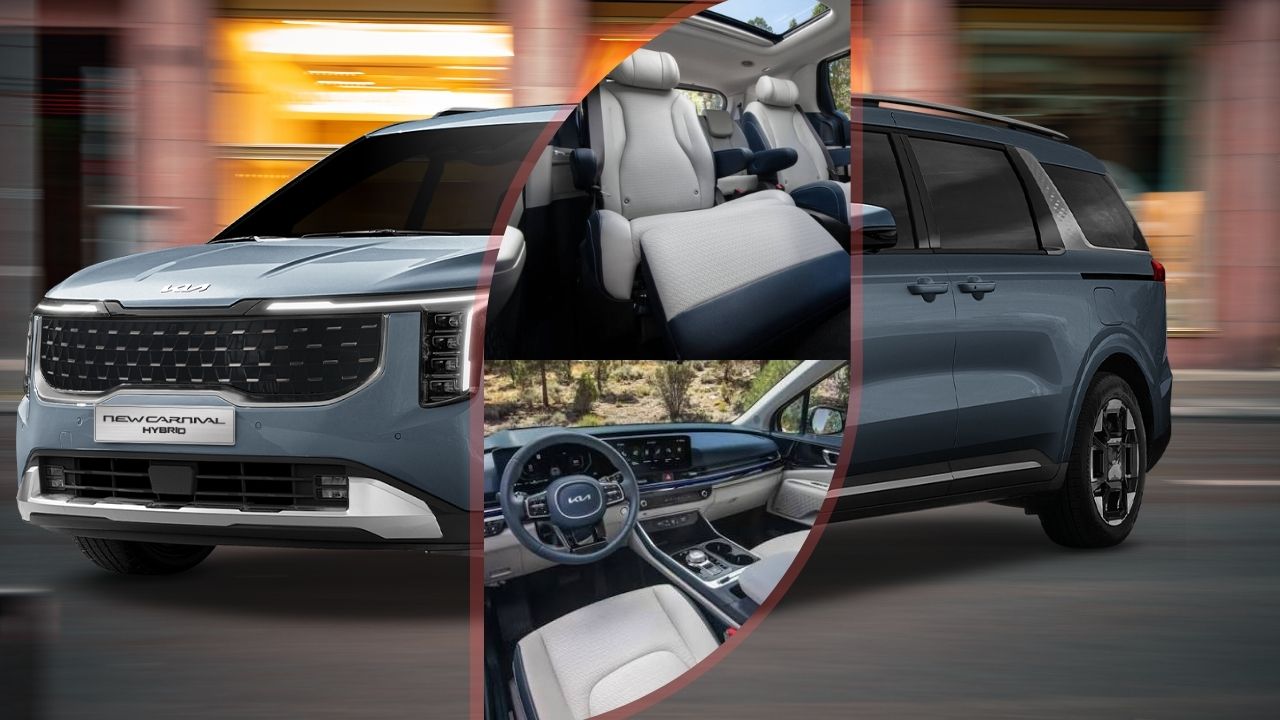
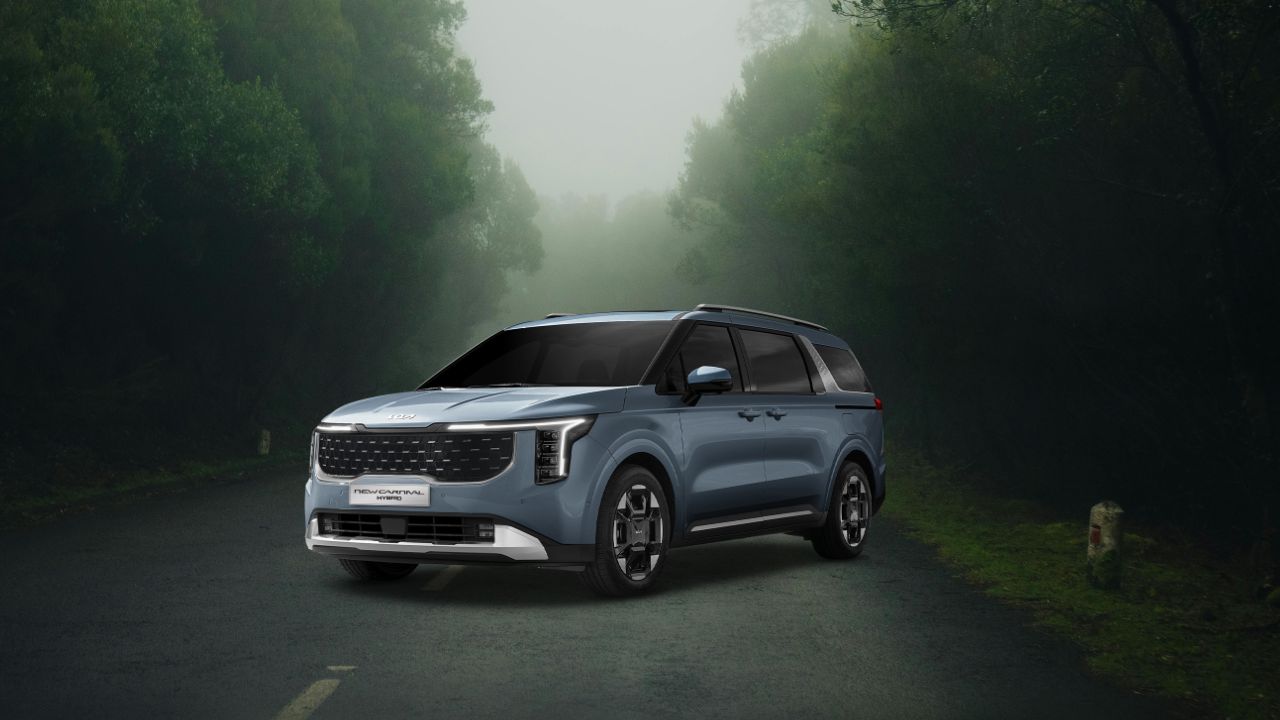
Kia Carnival Hybrid will sit in the Indian showrooms on September 4, 2026, it will join the existing diesel-powered Carnival as a more fuel-efficient option, it increases the fuel efficiency to run on road fluently. It becomes possible with the hybrid powertrain bringing electrification to Kia’s premium MPV lineup. 

Powertrain and Performance

It offers a powertrain of 1.6-litre turbo-petrol engine paired with a 54kW electric motor. While the current Carnival uses a 2.2-litre diesel engine paired with an eight-speed automatic gearbox. The best thing is having three levels of regenerative braking which help in recovering energy under braking, and also a six-speed automatic gearbox for a powerful performance.

Internationally, this setup is rated around 242hp and 367Nm, and reports suggest the India-spec car should land close to those figures — though Kia hadn’t published official India output numbers as this was written, so treat that as a strong expectation rather than a confirmed spec.

Interior Features

Inside the door, dual 12.3-inch screens, an 11-inch head-up display, a Bose sound system, let the driver experience the futuristic behaviour with a digital rear-view mirror, Kia Connect, wireless smartphone pairing, a shift-by-wire selector, and a dual sunroof.  

Kia Carnival Hybrid 2026

Higher trims are expected to carry more comfy seats for a wonderful ride as it is powered, ventilated, heated second-row “relaxation” seats with a reclining function and ottomans — the same lounge-style seating that’s made the diesel Carnival popular with chauffeur-driven buyers.

Price for Kia Carnival Hybrid

Pricing is the one piece still genuinely up in the air. The current diesel Carnival sells as a single fully-loaded trim at roughly ₹59.65 lakh ex-showroom, imported via the CKD route. 

The hybrid is widely expected to undercut that meaningfully, some reports point to a sub-₹50 lakh starting price tied to local assembly, which would also make it Kia’s first locally built Carnival — but nothing is official yet. 

The Carnival Hybrid will still cost meaningfully more than a Toyota Innova Hycross (which tops out around ₹30 lakh) and undercut the Toyota Vellfire (which starts above ₹1.2 crore). That price bracket matters for the coating decision below — you’re not protecting a family hatchback here.

What Are Ceramic Coating and PPF, and Why Would a Carnival Need Either?

Ceramic coating is a very thin protective layer that chemically bonds with your car’s clear coat. A 0.5 to 2 microns thick coating makes the paint hydrophobic which means it rolls off the water easily, prevents UV rays oxidation, birds drop and water spots, and protects the color and gloss from fading. 

However, it couldn’t protect the car from any physical damage like stone or road debris from chipping the paint. Even a “9H” ceramic coating can’t prevent it so don’t mistake ceramic coating for a protective shield, for that, you’ll need something like PPF (Paint Protection Film) instead. 

PPF is a thermoplastic urethane film, which is applied over the paint. A 150 to 200 microns thick invisible skin protects the Kia Carnival Hybrid from physical damages as it absorbs the impacts of stone chips, minor scratches, door-edge dings before it reaches the underneath paint. 

Good-quality PPF also comes with a self-healing top layer. Minor scratches and light swirl marks will fade automatically when the car comes in contact with a bit of heat through sunlight or warm water. It’s a mechanical barrier, not a chemical one.

Both have different jobs, ceramic coating protects your paint chemically, while PPF protects it physically. There’s no Ceramic Coating vs PPF because where you’re taking your car matters: 

First, size: at 5.2 metres with a long, flat bonnet and large sliding-door panels, there’s simply more surface exposed to highway grit and sun. 

Second, use case: MPVs in this segment usually run on highways most of the time and take longer trips that’s why it catches more physical damage, especially front bumper and bonnet are constantly exposed to road debris and receiving stone chips so PPF is a good option. 

Combine that with a car priced near or above ₹50 lakh, and resale-value protection stops being a nice-to-have.

How Should You Decide Based On Driving

Neither one “wins” outright — they solve different problems, and picking based on price alone is how most owners end up under-protected in the one area that actually costs money to fix.

A single stone chip that turns into a bumper respray typically runs ₹18,000 to ₹35,000 in India for a proper job and that’s before you factor in the resale hit from a car showing a repainted panel. Ceramic coating does nothing to prevent that chip in the first place; it just makes the rest of the car easier to keep clean and glossy in between. PPF does prevent it, at a meaningfully higher upfront cost.

On Driving

For a Carnival Hybrid specifically, the decision comes down to how the car will actually be used:

If it’s doing regular highway runs, airport pickups, or interstate trips — which is a realistic profile for a car this size then PPF on the high-impact zones (bonnet, front bumper, fenders, mirrors, door edges) paired with ceramic coating over the rest of the body is the setup that actually matches the risk. The film takes the physical hits but the ceramic keeps everything else looking new and easy to wash.

If the car will mostly stay in city traffic with covered parking and short trips, ceramic coating alone is a reasonable, cheaper call when you’re optimizing for gloss, easier maintenance, and UV protection rather than impact resistance you’re unlikely to need as often.

Skipping both because “it’s just paint” is the one option that doesn’t hold up on a car in this price bracket — the incremental cost of even the front-PPF-plus-ceramic combo is a small fraction of what you’d pay to sell the car with visible stone-chip scarring on the nose.

Ceramic Coating vs PPF Prices for the Kia Carnival Hybrid In India

Kia Carnival Hybrid is a three-row SUV, larger size cars get either coating surely expensive so expect higher quotes. 

A full-body ceramic coating will cost nearly ₹25,000 to ₹45,000, depending on the body size of the vehicle. Premium 9H or graphene-based coatings can cost more, but they last closer to five years rather than two. 

Full-body PPF can cost around ₹1.5 lakh to ₹2.8 lakh for a large MPV like the Carnival. The price depends on the size of the car, if you want to settle down at ₹40,000 to ₹70,000 then opt for front-end PPF which covers the bonnet, bumper, fenders, and mirrors. 

A front-PPF-plus-full-ceramic combo, which is what most owners in the highway-use category actually end up choosing, lands somewhere around ₹70,000 to ₹1.15 lakh all-in.

Read More 👉  EMI vs Lease: Which Is Better If You Plan to Upgrade Your Car Every 3 Years 

Conclusion

If you’re buying this MPV for genuine highway and long-distance duty — which, given the segment, most buyers are — front-end PPF plus full-body ceramic is the combination that matches how the car will actually get used, not just what protects the paint on paper. If it’s a city car with a garage to sleep in, ceramic alone is a defensible way to save money without leaving anything meaningful on the table. 

Either way, get the pricing in writing before the coating add-on gets bundled into your finance paperwork at the dealership — that’s where most buyers end up overpaying, not in the choice between the two products themselves.

0

Best Fuel Efficient Cars in India 2026 for Daily Use

Published Jul 1, 2026, 12:56 PM
Last Updated Jul 2, 2026, 4:50 AM

Top Fuel Efficient CarsFuel efficiency has become one of the biggest priorities for Indian car buyers in 2026 as petrol and diesel prices continue to rise. As fuel costs keep increasing, buyers are paying closer attention to how much a vehicle will cost to run every day. Whether they are choosing a hatchback, sedan, or SUV, Fuel Efficient Cars have become the preferred option for reducing daily running expenses. As a result, finding the most fuel-efficient cars in India is now a top priority for many buyers.
Additionally, figuring out the car’s fuel economy through official ARAI mileage figures is old. Now people are calculating on fuel efficiency that is conducted in real-world road conditions and traffic because these factors have an impact on fuel consumption. That laboratory-tested number can only give you hints but it depends on the driving habit.

Let’s see what are those factors and which are the most Fuel Efficient Cars India in 2026 for daily use.

Impacts of Different Engines on Car’s Fuel Efficiency

The Evolution of More Efficient Petrol Engines 

The Indian car market is still dominated by naturally aspirated petrol engines while there are electric vehicles, hybrids, and CNG models. Car makers have been honing these engines for years to make them more fuel efficient without sacrificing reliability or driving up maintenance costs. 

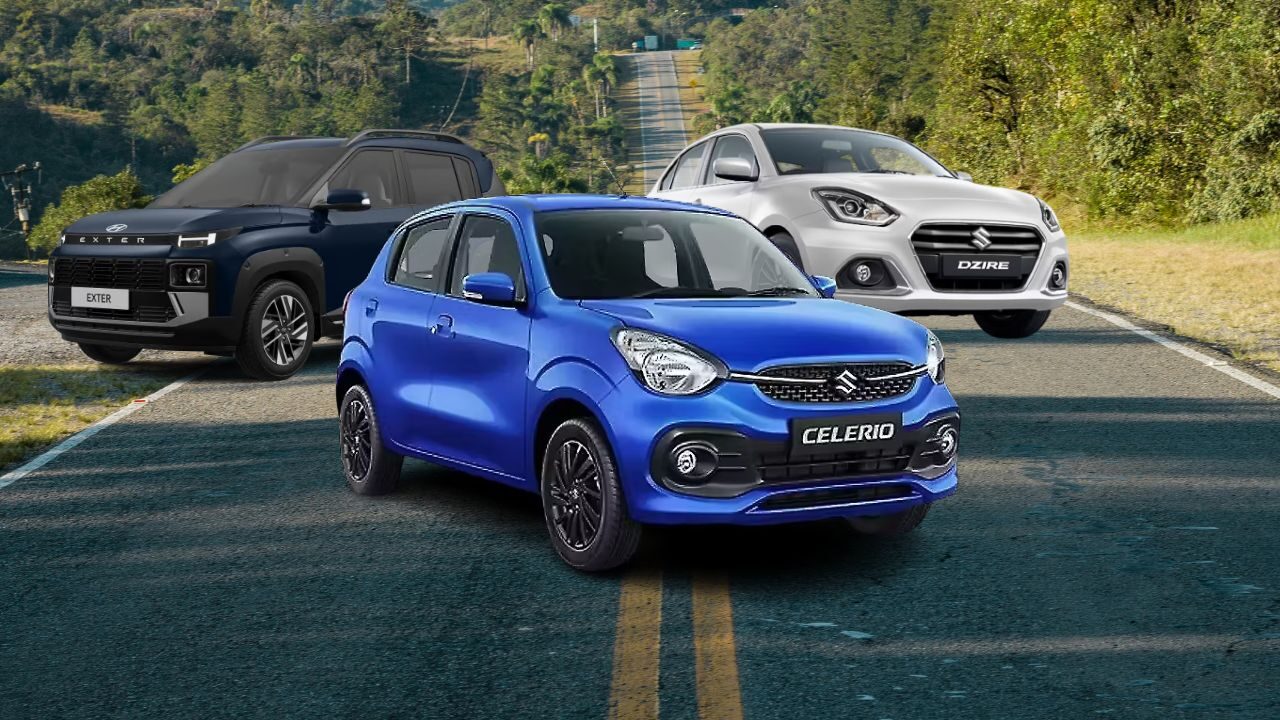
  1. 1. Maruti Suzuki Celerio is a proven example which is still the most fuel efficient petrol car in India. The Celerio is based on Maruti Suzuki’s new light-weight HEARTECT platform which enables the 1.0-litre K10C petrol engine to be more peppy without being more thirsty as the car weighs in at a mere ~760 kg.  

Celerio gives 26.68 kmpl but 19–21 kmpl of mileage in city and 24 kmpl on highways claimed by the owner which makes it one of the most fuel-efficient petrol cars for daily use. 

  1. The latest Swift and Dzire have also been a game changer for Maruti Suzuki. Rather than sticking with the old four-cylinder K-Series engine, the company launched the brand new 1.2-litre, three-cylinder Z12E petrol engine for the 2025 and 2026 editions. Although power output has dropped slightly to 82 HP and 112 Nm of torque, the priority now is fuel economy and smoother running at lower speeds. 

The latest Swift weighs nearly 90 kg less than the previous generation which improves efficiency. These changes open real-world driving experiences more comfortably and reliably. The Swift Manual, rated at 24.80 kmpl by ARAI, but the real mileage is around 17–19 kmpl. If the driver is taking Swift on highway with steady driving, it delivers 22 kmpl while the AMT version gives 16–18 kmpl in city traffic as the early gear shifts making engine speed low.

Owners commonly report that the Maruti Suzuki Dzire delivers 15–17 kmpl in heavy city traffic which makes it also the best fuel efficient car. It becomes the most fuel-efficient compact sedan available in India. It gives 20–22 kmpl on highways.

Vehicle Model Powertrain ARAI Claim (kmpl) Real-World City (kmpl) Real-World Highway (kmpl)
Maruti Suzuki Celerio 1.0L K10C Petrol MT 26.68 19 – 21 23 – 24
Maruti Suzuki Swift 1.2L Z12E Petrol MT 24.80 15 – 17 20 – 22
Maruti Suzuki Dzire 1.2L Z12E Petrol MT 24.79 14 – 16 19 – 21
Toyota Glanza / Baleno 1.2L Petrol MT 22.94 15 – 17 19 – 21
Tata Altroz 1.2L Revotron Petrol MT 19.33 12 – 14 16 – 18

These models highlight the fact that lighter platforms, modern engine design and better engineering are allowing petrol cars to still remain as a viable and economical option for Indian buyers. 

CNG Cars are the Most Cost-Effective Choice for Daily Driving 

CNG cars continue to offer the lowest running costs in India. After petrol engines, car buyers mostly choose CNG cars if they want efficiency but there is one major drawback was the large gas cylinder that occupied large space. Fortunately, manufacturers have solved this problem with smarter packaging solutions.          

  1. Tata Motors has brought in a dual-cylinder CNG system, wherein the conventional single 60-litre cylinder is replaced with two smaller 30-litre cylinders placed under the boot floor. This design enables more space for luggage without impacting fuel capacity. Take the Tata Punch iCNG, for instance, it provides close to 210 litres of usable boot space, which is a whole lot more practical for everyday family use. 

It offers a 1.2-litre three-cylinder Revotron engine that produces 72 hp and 103 Nm of torque. Tata Punch iCNG has a claimed mileage of 26.99 km/kg. In city roads the Punch returns approximately 20-21km/l and on highways. 

  1. Hyundai is also bringing a Hy-CNG Duo system to market in the Hyundai Exter. Smart placement of the cylinders under the floor means the Exter still manages to hold an impressive 391 litres of boot space, which is among the largest for CNG cars in the segment. This makes it a great choice for buyers who want to combine cheap running costs with day-to-day usability.

The Hyundai Exter is equipped with the 1.0L Kappa naturally aspirated engine that generates 68 hp and 95 Nm of torque. Its four-cylinder design provides smoother acceleration, less vibration and quieter operation, a boon especially when travelling in busy city streets. The Hyundai Exter Hy-CNG carries an ARAI mileage rating of 27.10 km/kg, the Exter gets a realistic mileage of 22-23 km/kg on city roads and 31 km/kg on highways. 

Selection between them often depends on priorities – the Exter provides more refinement and boot space, while the Punch impresses with its solid build, compliant suspension and a five-star Global NCAP safety score. 

Read More:-  Car Loan Interest Rates in India 2026 – Compare Banks and EMI Options 

Strong Hybrids are Redefining Fuel Efficiency 

If your budget lies between ₹15–25 lakh, strong hybrid cars are best for you. They are equipped with latest technology features, spacious cabin, and excellent design which represent your style without consuming high fuel. 

Few models such as Toyota Urban Cruiser Hyryder, Maruti Suzuki Grand Vitara, and Honda City e:HEV are the best hybrid models of this year. It is built on a petrol engine combined with an electric motor and a battery pack to provide a level of real-world efficiency that is miles ahead of the traditional petrol cars. 

These systems automatically transition between electric and petrol power based on the current driving conditions to make the most efficient use of energy. When the battery is out of charge, the petrol engine fires up automatically, and the electric motor and petrol engine work concurrently. It makes the car the best option for both city and highway driving. 

Strong hybrids can run on electric power alone at low speeds, allowing the vehicle to move through traffic with minimal fuel consumption. Because the electric motor takes care of a lot of the driving at lower speeds, the petrol engine can stay off for long stretches, reducing fuel consumption. 

  1. The Honda City e:HEV is as competitive as it gets when it comes to hybrid sedans in India. It offers a dual-motor hybrid system powered by a 1.5-litre Atkinson-cycle petrol engine that seamlessly switches between engine, electric and engine+electric drive modes to prioritize which mode to deliver power.

Honda SENSING The Electronics Room TSR (Traffic Sign Recognition) Detects traffic signs such as speed limit and stop signs (depending on region). It makes a lot of sense over the normal petrol sedans like the Volkswagen Virtus and Hyundai Verna which give around 12-14 kmpl in city driving as the monthly fuel bill can soak the City e:HEV. 

  1. Both Toyota Hyryder & Maruti Grand Vitara are available with both mild-hybrid and strong-hybrid powertrains. This version offers 14–17 kmpl in real-world driving. In city driving, a strong-hybrid model gives 20–24 kmpl of mileage. And their electric power at low speeds, they are much more efficient than petrol or diesels of a similar size, particularly in stop-start traffic. 
  2. Toyota has now also introduced hybrid technology in the Innova Hycross as well that returns 14-15 kmpl in real-world driving which is an impressive number for a big three-row MPV that tips the scales at close to two tonnes. 
Vehicle Model Powertrain Architecture ARAI Claim (kmpl) Real-World Mixed Average (kmpl)
Honda City e:HEV 1.5L Strong Hybrid e-CVT 27.26 22.0 – 24.0
Toyota Hyryder 1.5L Strong Hybrid e-CVT 27.97 21.5 – 23.0
Maruti Grand Vitara 1.5L Strong Hybrid e-CVT 27.97 21.5 – 23.0
Toyota Innova Hycross 2.0L Strong Hybrid e-CVT 21.10 14.6 – 15.0

Which Fuel Efficient Cars Should You Buy in 2026?

Fuel efficiency depends on how owners use their cars but some recommendations are mentioned below to make you guess what you need:

For high-mileage city drivers: there are a lot of options but the two undeniable ones are Cruiser Hyryder and Grand Vitara are the most strong hybrid. Because they can operate on electric power in stop-and-go traffic, they are the most efficient at falling below 20 kmpl in city driving while providing the drivers with a smooth automatic riding experience. 

For budget-conscious buyers: There are petrol cars which are upgraded with CNG engines like Celerio and Wagon R, are the best if your budget is under Rs 9 lakh. They provide the lowest running cost. A 26-30 km/kg is a real-world efficiency that makes them the most fuel efficient cars to own. 

For families prioritizing safety: Tata Punch iCNG has five-star Global rating and also provides low running costs without sacrificing boot space. 

For premium sedan buyers: Honda City e:HEV is good for daily use, with advanced safety features and good fuel economy it becomes the perfect sedan in the market.

Conclusion  of Best Fuel Efficient Cars

Choosing the most Fuel Efficient Cars in India in 2026 is no longer just about looking at the highest ARAI mileage figure. Calculating fuel economy based on daily running costs and driving cost are the right way to know the fuel consumption.

The most Fuel Efficient Cars for you is the one that fits with your driving style and helps you save fuel. Whether it’s petrol, CNG, or hybrid cars, buyers should choose the one which continues to deliver excellent real-world mileage.

2

Skoda Slavia Facelift Comes With Automatic Shift & More Features

Published Oct 6, 2026, 10:24 AM
Last Updated Oct 6, 2026, 11:37 AM

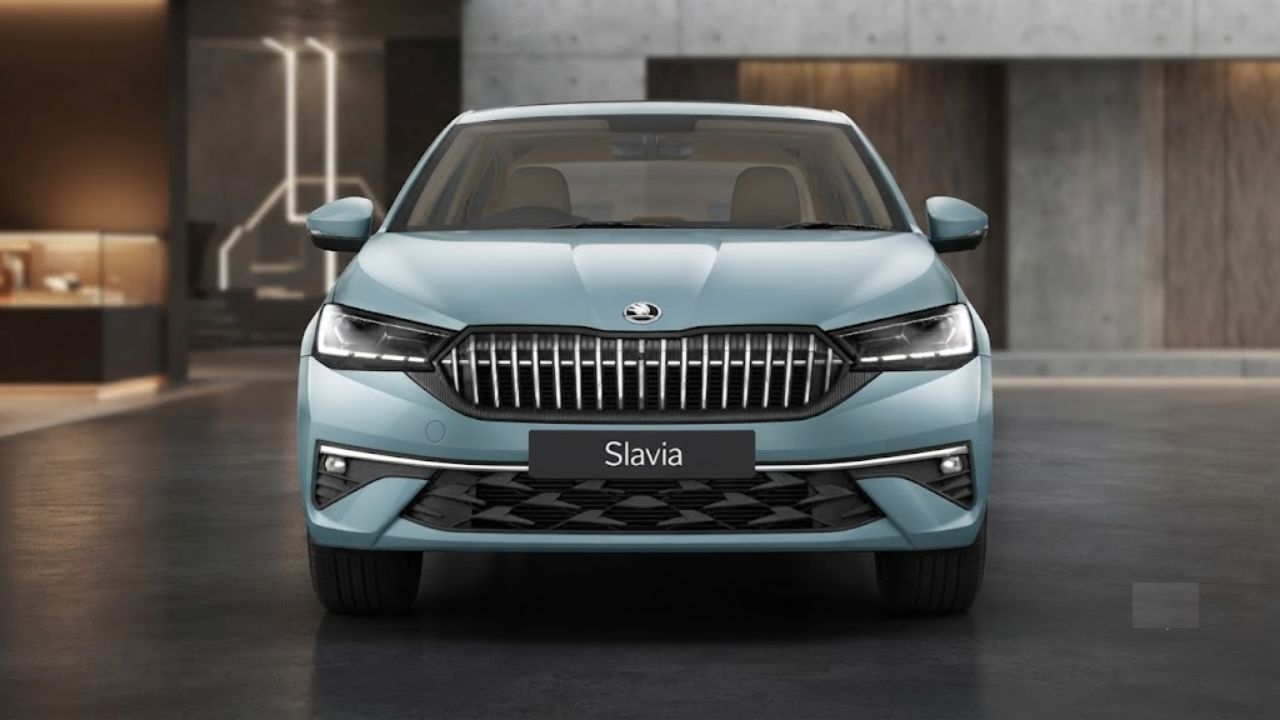
Skoda Slavia Facelift

Skoda has launched the updated Slavia in India. Prices run from Rs. 9.99 lakh to Rs. 18.84 lakh, ex-showroom, and deliveries begin next week. It brings not only just design but advanced features and gearbox updates too. 

The facelift keeps the Slavia’s silhouette, so it won’t look like a new car from a distance. But a new automatic gearbox, a longer features list and a rear massage function make it more than a cosmetic update.

Skoda Slavia Facelift Price and Variants

Six trims carry over: Classic, Classic Plus, Signature, Sportline, Prestige and Monte Carlo. Prices are ex-showroom.

Variant 1.0 TSI MT 1.0 TSI AT 1.5 TSI DCT
Classic Rs 9.99 lakh – –
Classic Plus Rs 10.99 lakh Rs 12.49 lakh –
Signature Rs 13.94 lakh Rs 14.94 lakh –
Sportline Rs 14.34 lakh Rs 15.34 lakh –
Prestige Rs 15.89 lakh Rs 16.89 lakh Rs 18.59 lakh
Monte Carlo – Rs 17.29 lakh Rs 18.84 lakh

Look at the jump from Classic Plus (Rs 10.99 lakh) to Signature (Rs 13.94 lakh). That is nearly Rs 3 lakh for one step, and it’s where most of the equipment story begins. Confirm variant-wise equipment at the showroom before you commit. Classic Plus AT is the cheapest way to enter into the new gearbox.

 👉  Festive Car Discounts 2026: What You’ll Really Save After Price Hikes 

What Brings Facelifted Version of The Skoda Slavia 

The Slavia Design Update 

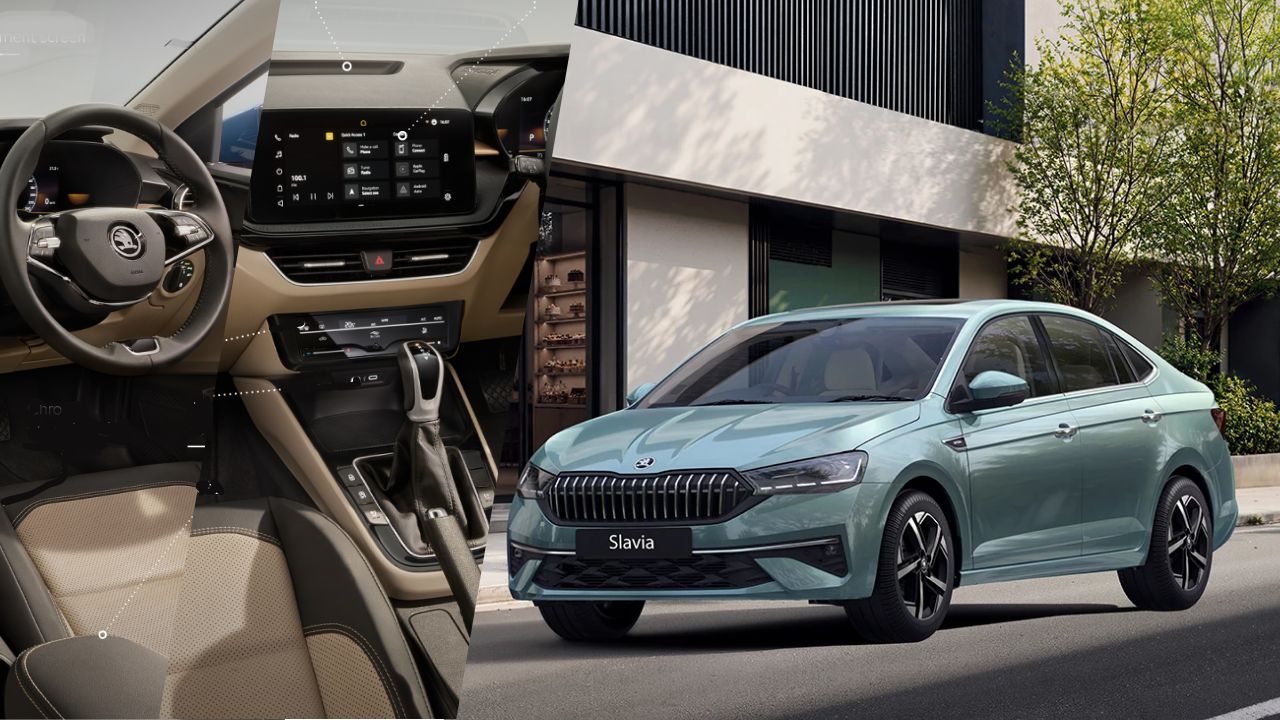
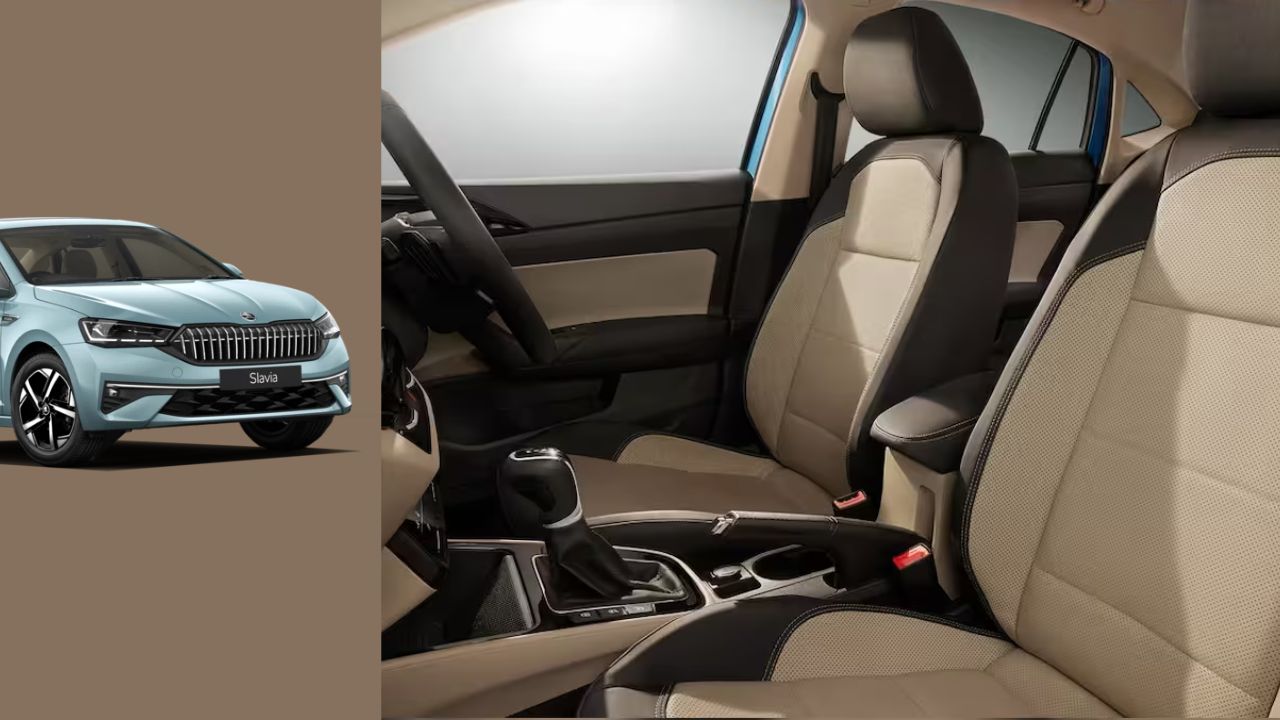
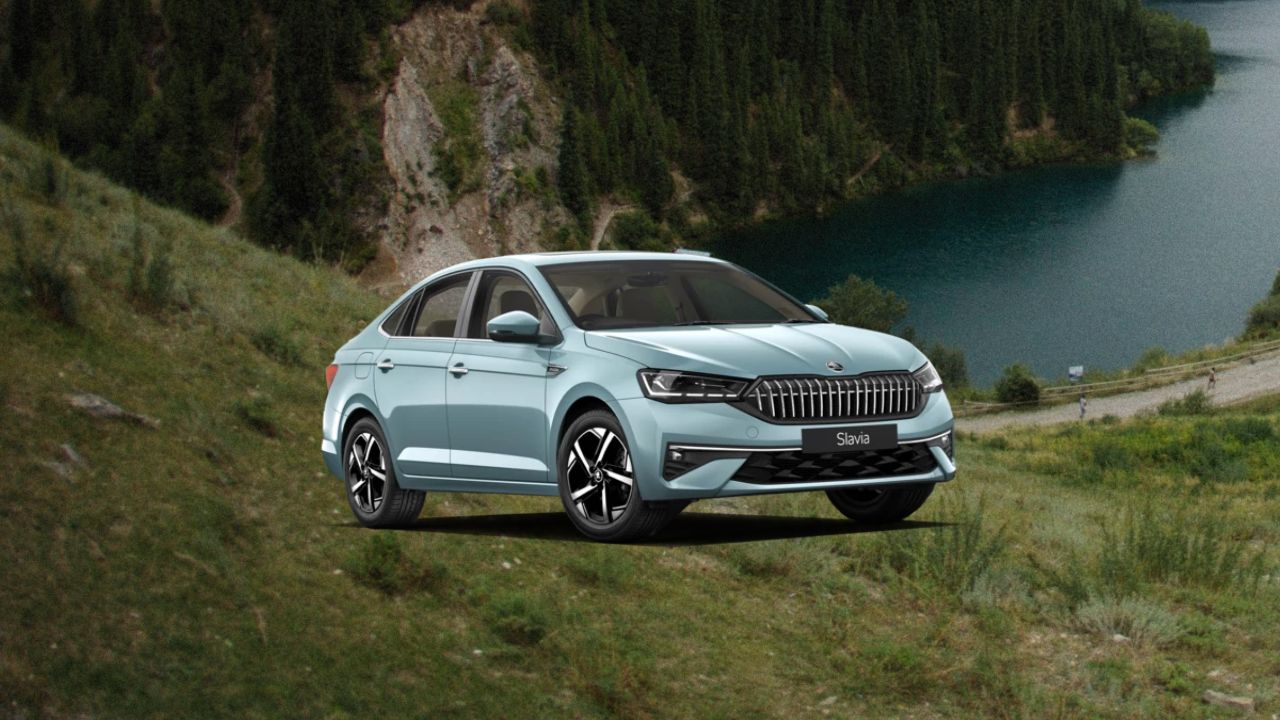
This is a facelift, not a new car. The silhouette is untouched. Up front you get revised L-shaped LED DRLs, a redesigned bumper, LED fog lamps with a cornering function and a faux carbon-fibre insert below the grille. The tail lamps get new internal elements and dynamic turn indicators. A carbon-look strip now links the two units across the tailgate, and 16-inch dual-tone alloys are new.

The Slavia Design Update 

There are ten paint shades, including Arctic Silver and Cappuccino Beige. Beige deliveries only begin in December 2026, so don’t pick it if you need the car for Diwali.

Inside: Bigger Screens, a Quirky Headline Feature

The dual-tone black-and-beige cabin and two-spoke steering wheel stay. What’s new is the equipment list:

  • 10.25-inch digital driver’s display
  • 10.1-inch touchscreen with wireless Android Auto and Apple CarPlay, plus Google Assistant
  • Rear seat massaging function
  • 360-degree camera
  • Single-pane sunroof, wireless charger and cruise control

Six airbags, ESC, hill-hold and tyre-pressure monitoring are on the safety sheet. ADAS is missing, and that matters because some rivals now offer it. The Slavia’s 5-star Global NCAP rating was earned under an older test protocol, so treat it as a strong result but not a like-for-like score against newer-protocol cars.

The 8-Speed Automatic Is the Real Upgrade

Skoda Slavia facelift brings new updates in the engine but the engine itself is old. The biggest mechanical change is the gearbox. The new 8-speed torque converter finds a way through the old 6-speed automatic on the 1.0 TSI. 

With 1.5L TSI, it stays on 7-speed DSG and rear disc brakes also given that makes the ride more smooth and comfortable. The fuel efficiency also makes better figures as the driving becomes more smooth. The facelift comes with the same engine which exists in the current model so expect the same 115 PS and 150 PS of power from the upgrade too.

Skoda Slavia Facelift vs Volkswagen Virtus and Hyundai Verna

Skoda Slavia Facelift vs Volkswagen

Skoda appeal will come down to how its pricing stacks up against the Virtus and Verna. That sounds right to me. The Virtus shares its platform and engines with the Slavia, so the real contest there is Skoda’s features and pricing against Volkswagen’s. 

Skoda offers turbo-petrol engines and a rear massage function which Verna doesn’t offer yet, so if you are looking for a car with more comfortable features then Slavia is a better choice. In the price range of Rs 12 lakh to Rs 21.36 lakh, there is one more brand that offers space and refinement, not speed is the Honda City. check the price each and every car from the dealer.

Should You Buy the Skoda Slavia Facelift?

Buy the Skoda Slavia Facelift if the driving feel matters as it provides ADAS, comfortable seats, and large screen.

Pick your variant like this:

  • Under Rs 11 lakh: Classic Plus MT at Rs 10.99 lakh. The Classic at Rs 9.99 lakh is a starting price, not a recommendation.
  • City commuters: Classic Plus AT at Rs 12.49 lakh, if the equipment suits you.
  • Feature seekers: the Signature AT at Rs 14.94 lakh is the first step where the new tech is likely to appear. Confirm it first.
  • Enthusiasts: the 1.5 TSI Monte Carlo DCT at Rs 18.84 lakh is the one that justifies a Skoda badge.

 👉  5 Lowest-Priced Maruti Suzuki Cars Featuring Automatic Transmission in India

Conclusion

The Skoda Slavia facelift is more than a visual update. The new 8-speed automatic, added cabin features, 360-degree camera and rear seat massage function give it a stronger case against the Volkswagen Virtus and Hyundai Verna. The engines remain familiar, but the gearbox update should make the 1.0 TSI easier to live with in daily city traffic.

At Rs. 9.99 lakh to Rs. 18.84 lakh, the Slavia still covers a wide price range. The Classic Plus AT looks like the sensible starting point for an automatic, while the 1.5 TSI DCT remains the pick for buyers who want stronger performance. Before booking, check the exact variant-wise equipment and dealer quote, since the nearly Rs. 3 lakh jump between some trims makes choosing the right version important.

0

Lexus RX 350h Exquisite Grade: Price, Features & Specifications

Lexus RX 350h price in India

Lexus has introduced a new RX 350h Exquisite Grade model which is aimed at providing an easy access into the premium hybrid range. The model is being offered in India at Rs. 89.99 lakh (ex-showroom), which is a premium yet balanced way to combine luxury with performance. It gives customers the opportunity to enjoy the brand’ renowned quality and innovation, without having to make concessions on must-have features. 

A Smart Price for New RX 350h  Premium Expectations

Here is where Exquisite Grade starts to get interesting. This new variant makes way for the existing Luxury trim as the entry level offering, and is priced Rs 89 lakh, the Luxury trim. For Indian buyers who want finer things in life but do not have (unlimited) budgets, this is big news. 

You get all the features that made the now outgoing Luxury trim so desirable, but at a price that’s a little easier to swallow. If you want the optional Mark Levinson premium audio system than that takes the price to Rs 92.02 lakh. Whichever way you slice it, you’re getting a truly opulent hybrid SUV without breaking the bank. 

Read More :- BYD Sealion 7 Prices in India: Expected Cost, Features & Launch Updates

The Hybrid Powertrain in RX 350h

The RX 350h Exquisite can only be had with a refined 2.5-litre hybrid system—and frankly, that’s all you’d want. This naturally aspirated four-cylinder engine pairs excellently with a self-charging electric motor, making for a total combined output of 246 horsepower and 238 Nm of torque. Don’t be intimidated by the numbers; this hybrid arrangement is surprisingly quick. The car accelerates from 0-100 km/h in only 7.9 seconds, so it’s fast enough for daily use without the guilt of chugging gas like a 20-year-old SUV. 

The Hybrid Powertrain in RX 350h

The efficiency is the star feature here. Due to Lexus’ well established hybrid technology and said electric motor integration, the RX 350h manages to achieve a remarkable 18.6 kilometers per liter (WLTP certified) – a number that really makes a difference when running the numbers for long-term ownership costs. Combined with an eCVT automatic transmission designed for smooth, effortless shifting, this powertrain makes driving a luxurious SUV responsibly a new experience. 

Refine Interior That Meets Modern Technology

Step inside Lexus, and you can tell right away that the brand gets the fact that luxury isn’t just about the price of the materials—it’s about the design details. The interior is dominated by a 14-inch touchscreen infotainment system, which is one of the largest in its class and sits within the driver-centric ‘Tazuna’ cockpit layout. Now, you’re spending less time wrestling with menus and more time driving. 

Refine Interior That Meets Modern Technology

What constitutes comfort is different for everyone, which is why the Exquisite comes with 10-way power front seats with memory functions. They remember your preferred seating position, so each time you sit down the car is adjusted to your liking. Add heating and ventilation – front and rear – and you end up with a cabin that can cater to your physical well-being all 12 months of the year, whether you’re baking in the summer sun or freezing your knuckles off come winter. Power recline on the rear seats means your passengers get pampering too. 

Lexus RX That Meets Modern Technology

The ambiance is important, and that’s what makes the ambient lighting system so welcoming. Set your mood with adjustable lights and all of a sudden, that night road trip becomes therapy. The three-zone climate system allows you, your co-driver and the rear-seat travellers to each have their own preferred temperatures. No more fighting over it being too hot or too cold! 

Technology & Safety Provide by New RX 350h

What truly sets the RX 350h apart is the serious level of safety Lexus delivers. The Elegant Grade features Level 2 ADAS (Advanced Driver Assistance Systems), which actively assists in driving safety. There is also a 360-degree camera that provides a bird’s-eye view when parking or driving in confined spaces.

Technology & Safety Provide by New RX 350h

The pre-collision system, lane departure alert and blind spot monitoring all team up to be your invisible co-pilot, imparting gentle guidance away from potential hazards.​ Connected car technology lets you stay connected to your car even when you are not in it. An optional smartphone app allows you to remotely perform select functions—such as starting the air conditioning on a hot day before you get to your car. 

Practical Dimensions & Cargo Space

With 192.5 inches in overall length and 112.2 inches in wheelbase, the RX 350h Exquisite delivers a bold presence on the road, yet does not feel cumbersome. The 29.6 cu. ft. of cargo space with the rear seats up expands to a massive 46.2 cu. ft when you fold them down — ideal for weekend escapes or a run for emergency supplies. Ground clearance is a sonorous 8.2 inches, so you’re not grinding undercarriage on every speed bump.

Read More :- Best Sedan Under 20 Lakhs: Luxury Buys with Premium Features

Conclusion

The Lexus RX 350h Exquisite Grade is an intelligent combination of luxury, efficiency and value. It’s not attempting to be all things to all people, but rather recognizes that consumers are more discerning and want greatness without bells and whistles. Whether you’re attracted by its smooth hybrid powertrain, ease-of-use interior technology or surprisingly affordable price, this SUV lives up to the promise of luxury living — one planned kilometer at a time.