0

Khan Sir Car Collection That Will Blow Your Mind

Khan Sir Car Collection

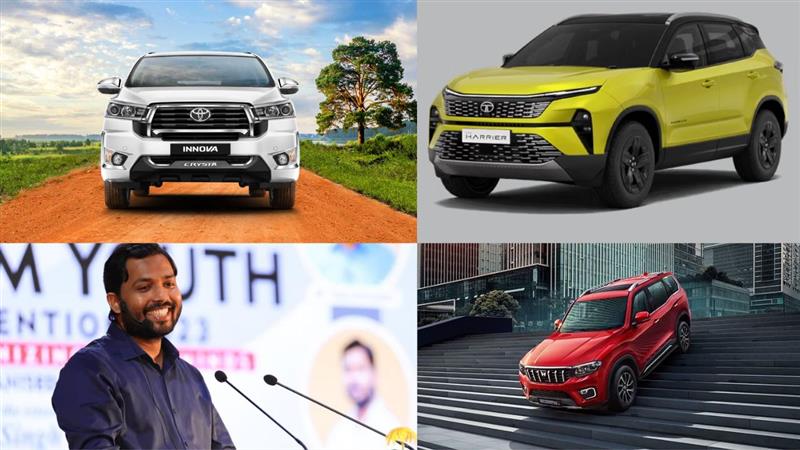
Some people admire others with their choices, Khan Sir also surprised his students and fans with his down-to-earth choice. Khan Sir Car Collection is not parked million-dollar luxurious cars, his garage reflects his mix of practicality, comfort, and style that matches his dynamic persona. He takes many student’s hearts with his teaching style and knowledge but Khan Sir’s garage is taking their brain too by admiring them for the simple but practical taste in cars. 


Taking a look at Khan Sir’s exclusive taste in cars will blow your mind as it reveals his lifestyle choices. From the strong and safe Tata Harrier to stylish and big Crysta, each car reflects his automotive engineering choices which leaves you impressed. 

Tata Harrier – The Premium Choice


Tata Motor isn’t introducing just a simple SUV but it is a remarkable segment that blends with muscular design, modern technology, and incredible high safety functions. Its strong body is proven for preventing passengers’ life risk during crashes. 

Exterior and Interior Design

Its exterior design including aggressive front grille, R17 alloy wheels and dual color option enhances its visual on the road. While its interior gives a premium feel with wooden inserts, infotainment system, and generous cabin space making every journey luxurious.
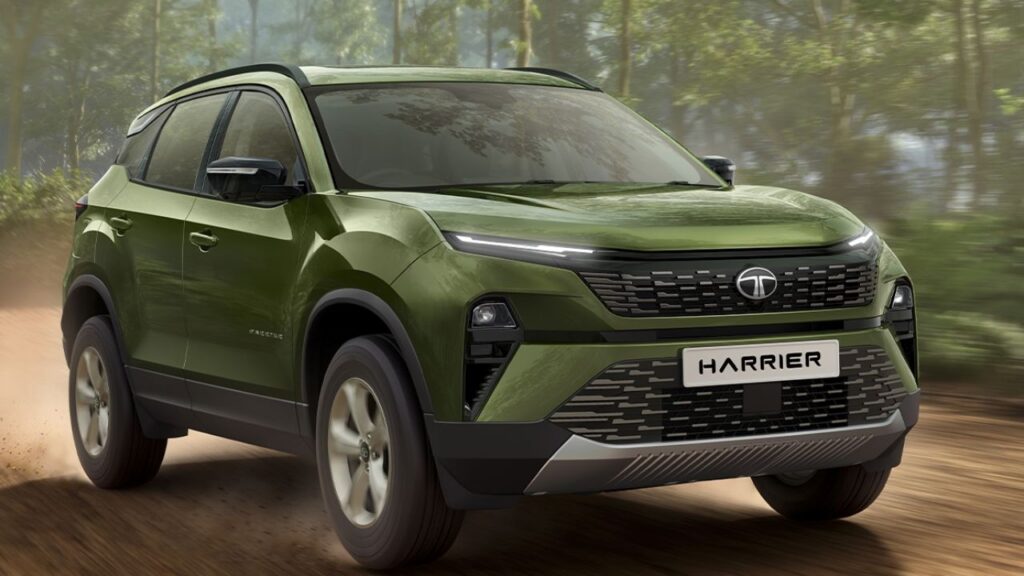
Tata Harrier

Image credit: cars.tatamotors


Features of Tata Harrier

The Tata Harrier is Khan sir’s favorite as it represents his choice of investing in an Indian automotive company. The Harrier offers a 1956cc diesel engine that delivers the speed of 167 bhp with 350 Nm torque, giving incredible experience in both city and long trips.


Features  Specification
Engine 2.0L Diesel
Transmission 6-speed manual & automatic
Safety Rating 5-star 
Mileage 16.8 kmpl (Approx.)
Boot Space 445L


The Tata Harrier SUV will provide up to 5 passengers to sit comfortably in its spacious cabin. This SUV is offering acceleration speed from 1-100 km/h in 10.8 seconds. Khan sir’s SUV is worth around Rs. 24 Lakh. 

Mahindra Scorpio – The People’s Favorite

The Mahindra Scorpio shows Khan sir’s special connection to common people as “he refuses 107 crore offer instead he chose to serve his mission for educating unprivileged students.” This SUV received huge popularity in north India due to its reliability and robust performance. 

Bold and Muscular Design

Whether you are going on city streets or rough off-road trails, the Scorpio will thrive on with ease. Its bold design stood out for commanding road presence. Dual-tone bumpers and skid plates for a rugged look and tall-upright body style and high ground clearance delivers an impressive look of an SUV that makes it a head-turner everywhere it goes. 
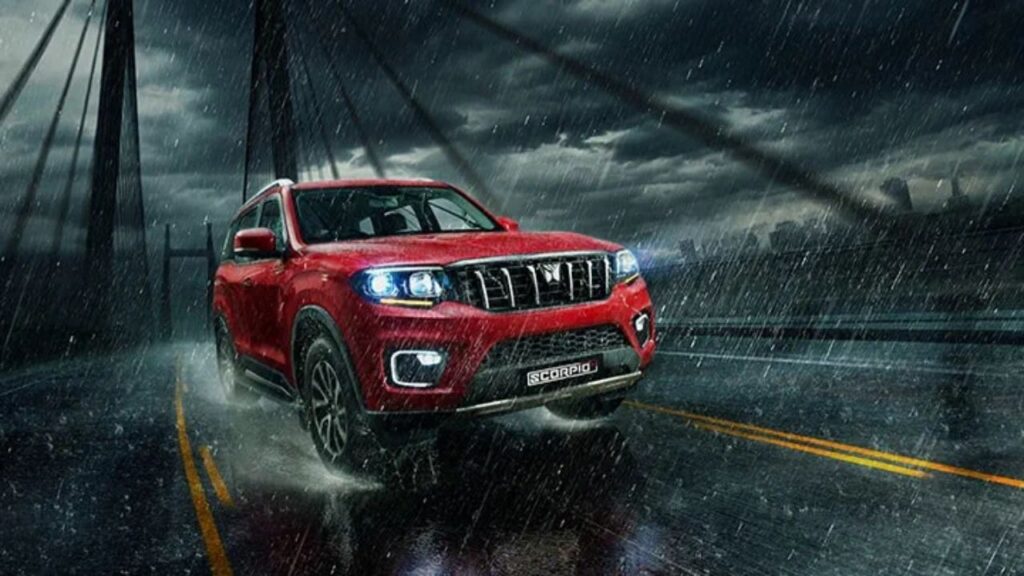
Mahindra Scorpio SUV from Khan Sir Car Collection with bold design and strong performance

Image credit: auto.mahindra


Features of Scorpio

Mahindra Scorpio is delivering outstanding performance without compromising comfort and convenience with its strong low-end torque and refined gearshifts. Interior comfort does not just end with driving features but it offers full premium experience with spacious cabin space, automatic climate control, navigation support in high-end infotainment systems. 


Features Specification
Engine 2184cc diesel
Transmission 6-speed manual & automatic
Seating capacity 7-seater
Mileage Around 14.4 kmpl
ADAS Cruise control, emergency brakes, warning system for lane departure, and forward collision


This car offers a 2184cc classic engine that delivers 130 bhp of power with 300 Nm Torque. It supports 60 litres fuel capacity and 7-seater leather seats for a comfortable ride, valued at Rs. 13.77 Lakh. This strong build and stylish design is making it perfect for professional use, reflecting Khan Sir’s practical approach to life. Scorpio has strengthened its ability on both rough and steep areas with its high ground clearance and robust suspension.


Toyota Innova Crysta – The Reliable Workhorse

Khan Sir travels on Toyota Innova Crysta for his daily visits to coaching centers. The premium quality offers spacious interior blends with comfortable seats, exceptional features, and proven reliability. The Crysta is very reliable for long tours with family or friends.

Elegant and Premium Design

It is perfect for family due to its comfort, reliability and practicality, the Crysta has earned its reputation with its proven durability with stylish design and premium features. Its aerodynamic body lines and 17-inch alloy wheels and wraparound rear lamps, making a sophisticated road presence.
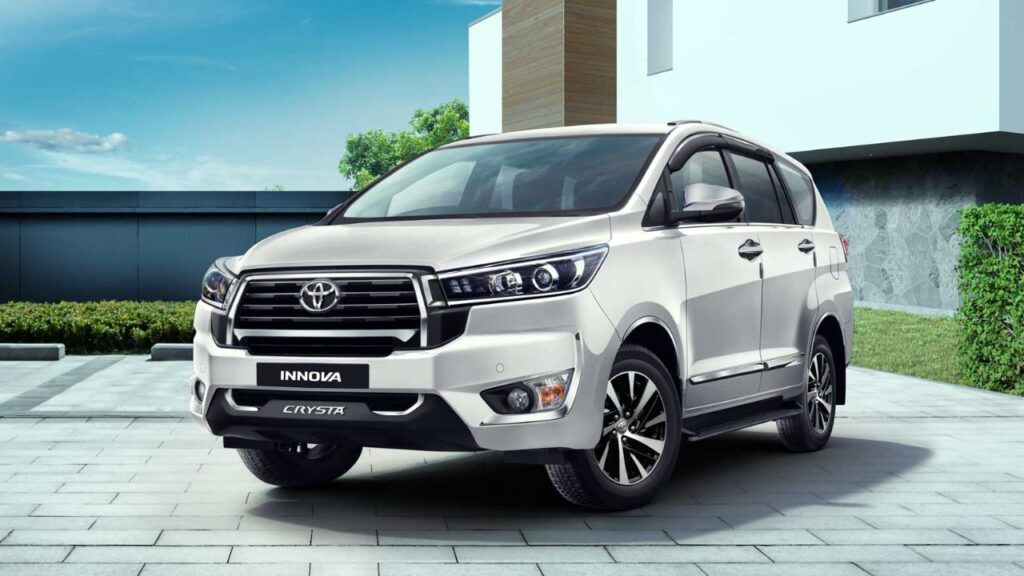
Toyota Innova Crysta from Khan Sir Car Collection with premium comfort and reliability

Image credit: auto.mahindra

Features of Toyota Innova Crysta

Crysta’s interior is delivering comfort and reliability to its owner with high-quality material, climate control functions, and roof-mounted AC vents. Safety features are strong with 7 airbags, ABS with EBD and stability at fast speed making it reliable for highway trips.


Features Specification
Engine 2393cc diesel
Power 147 bhp
Transmission 5-speed manual
Seating Capacity 7 seater
Mileage 16 kmpl
Fuel Capacity 65 litres


This car is designed with advanced safety features including Vehicle Stability Control, Electronic Brake, 7 Airbags, ABS with EBD, Camera view, for long-distance trips. Comfortable seats and spacious cabin with multiple storage options, making it an ideal car for families. Khan Sir’s Toyota Innova Crysta valued at Rs. 19 lakhs.

Conclusion

Khan Sir Car Collection is inspiring for many students who have been following him. Life of Khan Sir is just as simple as it seems in his classes. His choices of cars with simplicity and practicality become more impressive, these cars are not just simple but they are reliable for personal and professional use. 

Bipin Sharma

Bipin Sharma is a seasoned automotive content writer with over 10 years of hands-on experience in the world of cars. From the latest car news and reviews to in-depth maintenance tips and expert buying guides, Bipin covers everything that drives the automotive world. Writing about cars isn’t just his profession — it’s his passion. His deep industry knowledge and love for automobiles fuel every blog he creates, helping readers make informed decisions and stay updated on the fast-evolving auto landscape.

Leave a Reply

Your email address will not be published. Required fields are marked *

0

Kendrick Lamar Car Collection is Classic Garage With Old & New Luxury Cars

Published May 27, 2026, 12:44 PM
Last Updated Jun 19, 2026, 9:47 AM

Kendrick Lamar Car Collection

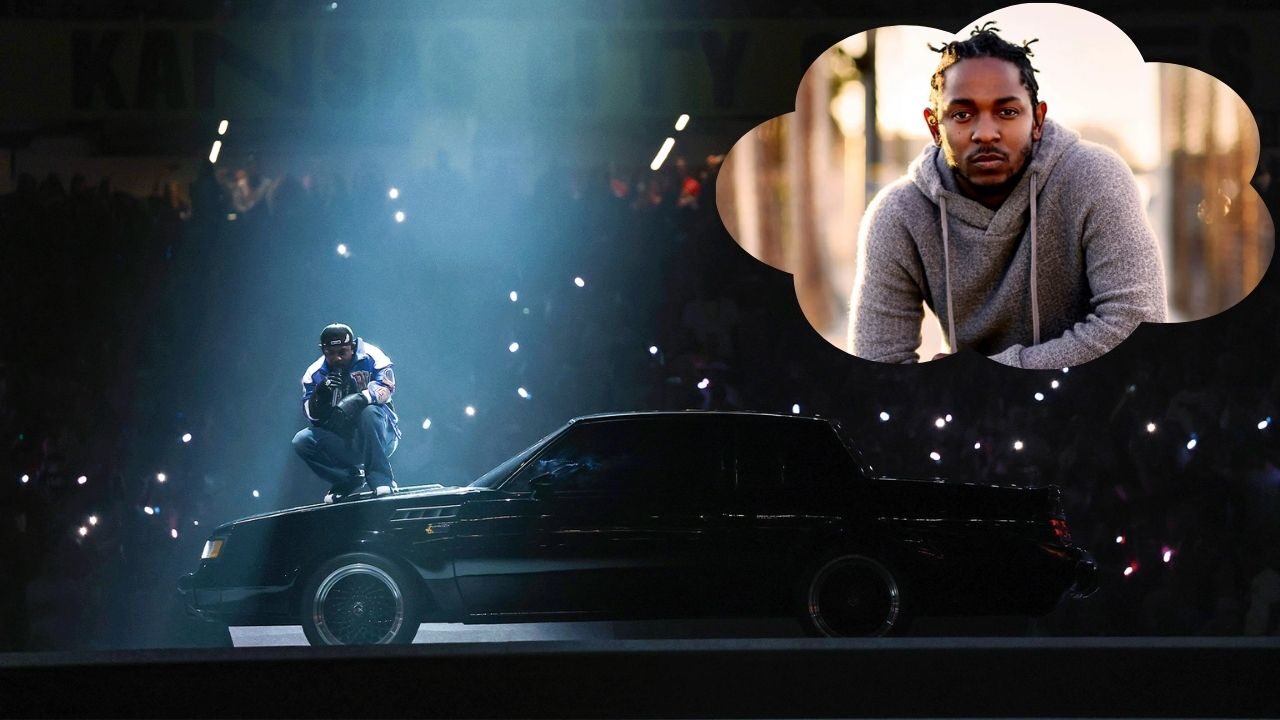
Anyone could think that Kendrick Lamar Car Collection will be filled with cars which wrap in neon lights and shiny rims because he is a rapper. But Kendrick’s choice is wrapped with old classic and modern futuristic technology. Artists who won Pulitzer treats his garage the same way he treats his music.

He knows which car gives him the best ride experience. He respects the depth and history of each car he owns like his own music. Kendrick’s car collection is valued at $8 million to $10 million. His classy and decent taste tells the story of his life, his lifestyle from West Coast hip-hop culture. 

Let’s look inside the Kendrick Lamar Car Collection and understand what makes his taste in cars so effortlessly cool. 

The West Coast Classics: Rooted in Compton 

Growing up in Compton, Kendrick was surrounded by classic American cars which grew his interest in the classic era. He began to love cars that are modified to ride low to the ground and he bought them right after he made a successful career.

The 1964 Chevrolet Impala

1964 Chеvrolеt Impala

Imagе Crеdit: YouTubе

The ’64 Impala is the ultimate symbol of California car culture. Dr. Dre and Snoop Dogg featured this car in their music video and Kendrick paid tribute to those roots. Most people chose flashy cars with shiny paint and attractive looks along with modifications but he chose the Chevrolet Impala that was already designed uniquely with long body and classic lines.

The 1990 Cadillac Brougham

1990 Cadillac Brougham

Imagе Crеdit: YouTubе

Kendrick’s love for old-school luxury is endless, he bought an amazing 1990 Cadillac Brougham. He featured this hero in his smash-hit music video for “King Kunta.” This vehicle represents old-school power and dignity with a massive, square, and big cabin which makes you fall for it. 

The First Cars: Sentimental Value

When he got successful, he bought his first car, a 1992 Cadillac Seville which was not that fast but it was a really reliable and comfortable car at that time. He also carried sentimental value for Buick Regal which appears in his stories about growing up in the 1990s. 

The Heavy Hitters: Modern Luxury and Speed 

Let’s come to the modern cars which Kendrick bought for enjoying comfort and engineering of modern luxury. But his modern choices also reflect how he respects the beauty of machines.

Porsche 911 Carrera 

Many rappers buy loud, mid-engined supercars to flex on social media. But Kendrick’s style is unique, he owns a Porsche 911 Carrera which masters in incredible handling and timeless design. This car perfectly suits his personality of silent nature until he takes a mic in his hand. 911 Carrera is a superfast luxury car which makes people’s heads turn.

Rolls-Royce Phantom 

Rolls-Royce Phantom offers a 6.75-liter twin-turbo V12 engine which produces 563 horsepower. This is the most expensive car and an absolute fortress of isolation that makes it ideal for Kendrick. He takes this car whenever he needs to go alone to clear his mind for writing music. He keeps it classic, letting the elegance of the vehicle speak for itself. 

Car Model Estimated Base Price Key Feature Why It Fits Kendrick
Porsche 911 Carrera $120,000 Timeless sports coupe Because he doesn’t show off, he actually loves fast cars,
Mercedes-Benz G-Wagon $180,000 Boxy, rugged luxury SUV Perfect model for him to travel privately,
Lamborghini Urus $235,000 High-performance SUV Can be used as a daily driving partner without losing its beauty of luxury.
Rolls-Royce Phantom $460,000 ultra-luxury sedan Full black and quiet just like him. A true definition of elegance and commanding presence.

The Future and The Rare Gems 

Kendrick also owns a car that fills the gap between old supercars and modern practicality. His garage was filled with masterpieces that showed his knowledge and power of peace.

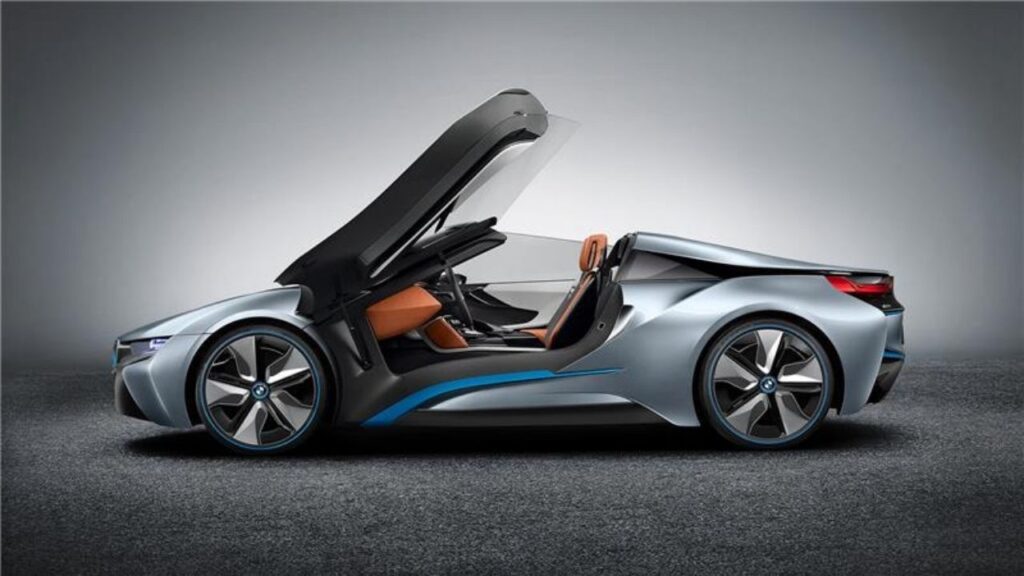
The 2017 BMW i8

This plug-in hybrid sports car is a definition of modern tech, along with its striking visual design to contrast his older, classic vehicles. i8 represents Kendrick’s interests towards futuristic automotive design other than his older vehicles. 

BMW i8

BMW i8

This car also featured in the music video for “LOYALTY” which adds a glimpse to the visuals of wild, reckless lifestyle. BMW i8 represents design structure as a concept spaceship that has swing doors.

Feature  Specification 
Engine  1.5-Liter Turbocharged 3-Cylinder + Electric Motor 
Horsepower  357 hp 
0 to 60 MPH Time  4.2 seconds 
Top Speed  155 mph 
Electric-Only Range  15 miles 

The 1987 Buick GNX 

1987 Buick Rеgal GNX

Imagе Crеdit: YouTubе

1987 Buick GNX is one of the prestigious cars which can outrun ferraris at that time. This powerful legendary “sleeper” car looks regular but the monster sedan wraps up with a fastest speed engine. It reflects Kendrick’s public persona, quiet and modest until he steps up to the microphone. 

Read More:- Nicholas Pooran Car Collection: IPL Champion Owns Cars That Suits His Lifestyle

Conclusion

Kendrick Lamar Car Collection is effortlessly cool just like his personality. He chooses every car to add to his collection very carefully. He buys cars that mean something to him not to fit into a rapper stereotype. Many people choose cars that highlight them in public but he owns what he loves. Kendrick’s garage proves that true class is quiet, historic, and deeply personal. 

1

How Electric Cars Are Changing the Future of Transportation

Published Jun 13, 2026, 12:16 PM
Last Updated Nov 2, 2026, 5:04 PM

Electric Cars

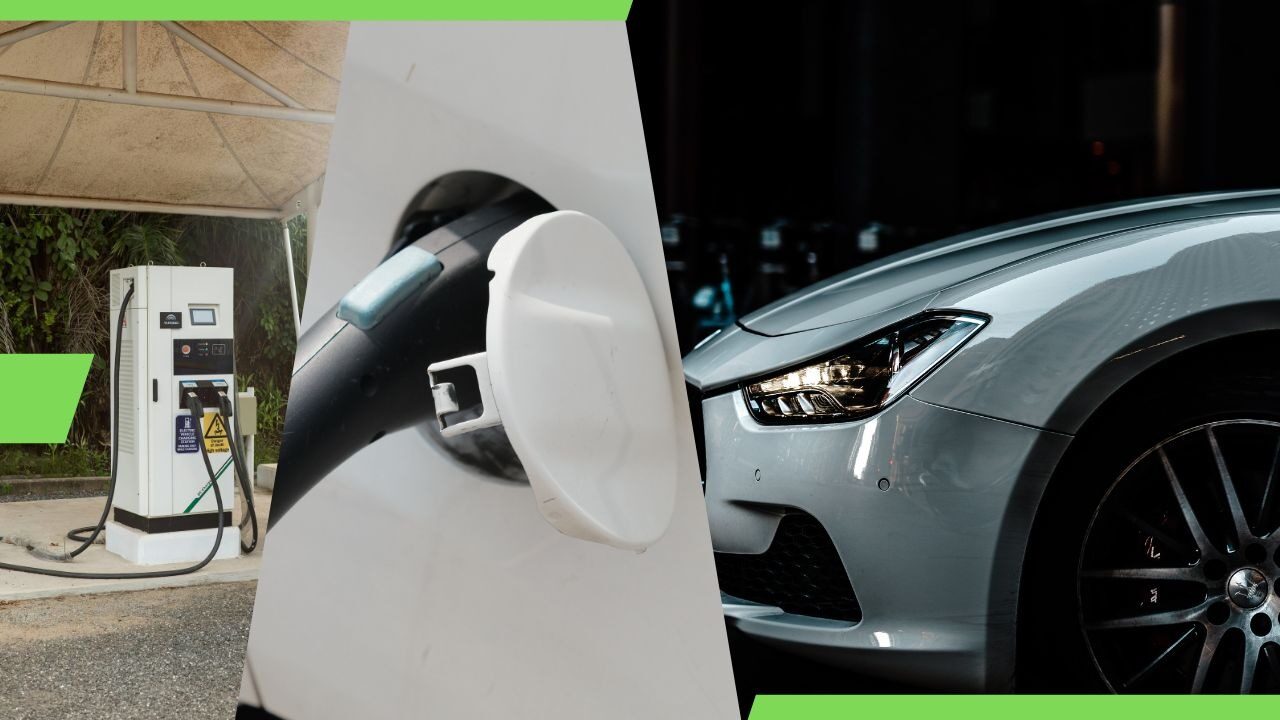
For years petrol or diesel cars have dominated on the road, but now the future of transportation is shifting to Electric Cars. They are already in the market and become a practical choice for millions of people worldwide. People prefer EVs to buy in 2026 as they offer low running cost, advanced technology, and less expensive maintenance.

However, car makers are still working on the batteries to provide more range. That future is near when average people can also afford Electric Cars. Governments and automakers invest heavily in electrification for making charging accessible easily.

The Transportation Shift is Already Happening

The smarter, faster, comfortable transport will become Electric Cars in the future. So choose wisely before you’re going to buy a new car. The resale value also dropped of petrol and diesel cars and EVs offer excellent technology with good range of driving. 

Global electric vehicle sales crossed 17 million units in 2024. China alone put more EVs on the road last year than the entire world did in 2021. India’s EV two-wheeler and three-wheeler market is exploding, with four-wheelers catching up fast. Tata Nexon EV is no longer a novelty on Indian roads — it’s traffic.

The question isn’t whether Electric Cars will change transportation. They already are. So are you going to be ahead of that change, or scrambling to catch up?

Read More:- The Future of Electric Vehicles: What Drivers Need to Know

What Actually Changes When a Car Runs on Electricity

The engine disappears. Not just physically — the entire relationship between a driver and maintenance changes. No oil changes. No coolant flushes. No timing belt anxiety. An electric motor has roughly 20 moving parts. A combustion engine has over 2,000. That’s not a small difference — that’s a different category of machine.

Refuelling becomes recharging — and that changes your whole routine. You stop thinking about fuel the way you think about groceries. Instead, you plug in at home overnight. Your car is full every morning. The “range anxiety” people talk about? It’s mostly psychological — the average Indian commuter travels under 40 km a day. Even entry-level EVs handle that with room to spare.

The car becomes a software device. This is the part that surprises people most. EVs aren’t just cars with batteries — they’re computers on wheels. They get over-the-air software updates. Their performance can literally improve after you buy them. Tesla has pushed updates that added features and improved range on cars already sitting in someone’s garage. That’s unprecedented in automotive history.

What This Means for Roads, Cities, and Air

If your city’s electricity is primarily coal-generated, an EV charged there is still indirectly burning fossil fuel — just upstream. India is working to fix this. Renewable energy capacity is growing rapidly, and as the grid gets cleaner, every EV on that grid gets cleaner automatically, without any change from the owner. That’s a compounding advantage no petrol car can ever have.

But air quality? That improvement is immediate and local. No tailpipe means no exhaust in city traffic. Anyone who’s sat in Delhi or Lucknow traffic in summer knows exactly how much that matters at street level.

Urban noise also drops. Electric motors are nearly silent. A city with predominantly electric vehicles would be a fundamentally quieter place — and that has real mental health implications that researchers are only beginning to document.

You Know That:- Which Car Is Best: Petrol or Diesel?

Pricing Structure For Electric Cars

Transportation isn’t just about getting from home to office or one city to another. It’s an enormous economic engine and Electric Cars are rewiring it.

The fuel economy argument alone is stark. Running an EV in India typically costs around ₹1–1.5 per km in electricity. A petrol car costs ₹6–8 per km at current fuel prices. For someone driving 15,000 km a year, that’s a saving of ₹67,500 to ₹1.05 lakh annually — every year. The higher upfront cost of an EV starts looking very different when you do that math over five years.

Then there’s what this does to jobs. Petrol stations, engine mechanics, spare parts manufacturers — entire ecosystems built around combustion are under slow pressure. New ecosystems are being built: charging infrastructure, battery manufacturing, software engineers for automotive systems. The jobs aren’t disappearing, they’re migrating. But migration is uncomfortable for the people in the middle of it.

EV Batteries Are Still a Problem

Batteries are still a big problem for EV cars and people hesitate while buying an electric car because of this.

Recent reporting of child labor in Africa raises concern as this happened in Cobalt mines. The material is used in batteries along with lithium and manganese. Recycling infrastructure isn’t completed properly yet. This doesn’t mean that EVs are harmful for our environment, instead it pushed manufacturers for stronger policies on battery sourcing.

The technology is improving. Solid-state batteries, sodium-ion alternatives, and better recycling processes are all in active development. But “it’ll be better later” isn’t the same as “it’s fully solved now.”

Where The Future of Transportation is Going?

The trajectory is clear, even if the timeline isn’t perfectly predictable.

Several countries have set deadlines to phase out new petrol and diesel car sales — Norway by 2025 (already there), UK by 2035, India pushing hard toward electrification targets under its FAME scheme. Automakers globally are retooling factories. Maruti Suzuki, which long resisted full electrification, is now accelerating its EV lineup. When the most conservative, mass-market carmaker in India pivots, the direction of travel is settled.

What remains uncertain is speed and equity. If charging infrastructure will expand fast to reach Tier 2 and Tier 3 cities and cut the manufacturing costs with time to make a car affordable for middle-income buyers. 

Read More:- Car Maintenance Tips That Save Money And Valuable Time

Conclusion 

In a changing world, people are choosing cars with batteries rather than petrol or diesel. Electric Cars support sustainability and reshaping transportation, cities, and the global automotive industry. Adaptation of EVs are growing faster, despite facing challenges like battery production, recycling, and charging infrastructure.

The future of transportation is not a petrol or diesel car anymore. But Electric Cars are leading that transformation to a greener world. Although, it’s not limited to it, it offers advanced tech in a car, speed and comfort too.

0

Top 10 Cheapest Electric Cars in India – See Which EV Tops the List!

Published May 19, 2025, 7:11 AM
Last Updated Nov 5, 2026, 4:24 PM

Top 10 Cheapest Electric Cars in India (2025) – See Which EV Tops the List!

India is steadily shifting toward a cleaner and greener future. With fuel prices going up year after year, more and more people are showing interest in electric cars as a smarter, eco-friendly choice. These cars help save money and protect the environment. But still, many people ask, Which is the cheapest electric car in India?

In 2025, we finally have many affordable electric cars in India. In this article, I have listed the top 10 Cheapest Electric Cars in India in 2026. All the cars in this list cost under ₹15 lakhs (ex-showroom). I will tell you the features, battery range, price, and why they are worth buying. Let’s begin!

1. MG Comet EV – Compact and Stylish

MG Comet EV – Compact and Stylish

Image Credit: MG Motors

If you live in a city and need a small car, the MG Comet EV is perfect. It was launched on April 26, 2023. It is only 2,974 mm long, which means you can park it easily in tight spots. It has two 10.25-inch screens and a smart voice system that understands Hinglish. You can even use an app to lock your car from your phone. I think it’s great if you want a tech-friendly and cheap EV.

  • Price: ₹7.00 lakh
  • Range: 230 km
  • Battery: 17.3 kWh
  • Seating: 4
  • Power: 41 bhp / 110 Nm

2. Baojun E100 – Tiny But Powerful

Baojun E100 – Tiny But Powerful

Image Credit: New Atlas

The Baojun E100 is the smallest EV in this list. It’s only 2,488 mm long. It is best for single people or couples. It is simple but has everything you need for a daily city ride. It has smooth electric steering and LED lights. It’s a good option if you want something small and budget-friendly. And yes, this one answers your question — which is the Cheapest Electric Cars in India?

  • Price: ₹6.50 lakh
  • Range: 155 km
  • Battery: 14.9 kWh
  • Seating: 2
  • Power: 39 bhp / 110 Nm

3. Tata Tiago EV – Reliable and Trusted

Tata Tiago EV – Reliable and Trusted

Image Credit: Tata Motors

On 28 September 2022, Tata Motors launched the Tiago EV. It is a small hatchback with a strong car body. It has stylish looks and many color options. The ZConnect app lets you control the AC from your phone. It also supports smartwatch connection. I recommend it for families who want a strong EV.

  • Price: ₹7.99 – ₹11.89 lakh
  • Range: 250 to 315 km
  • Battery: 19.2 kWh / 24 kWh
  • Seating: 5
  • Power: 60 bhp / 110 Nm and 74 bhp / 114 Nm
  • Safety Rating: 4 stars (Global NCAP)

4. Mahindra eKUV100 – Small SUV Feel

Mahindra eKUV100 – Small SUV Feel

Image Credit: EV Duniya

This car looks like a mini SUV. The Mahindra eKUV100 comes with remote controlling features such as tracking and cabin pre-cooling. If you like Mahindra and want an SUV-style electric car under ₹9 lakh, this is for you.

  • Price: ₹8.25 lakh
  • Range: 147 km
  • Battery: 15.9 kWh
  • Seating: 5
  • Power: 54 bhp / 120 Nm

5. Mahindra eVerito – Budget Electric Sedan

Mahindra eVerito – Budget Electric Sedan

Image Credit: The Financial Express

The eVerito is one of India’s first electric sedans. It has a simple design with a big 510-litre boot space. It supports Eco and Boost drive modes. If you want a basic electric sedan for daily use, this can work for you.

  • Price: ₹9.12 – ₹9.46 lakh
  • Range: 110 km
  • Battery: 18.5 kWh
  • Seating: 5
  • Power: 41 bhp / 91 Nm

6. Tata Punch EV – Small SUV with Style

Tata Punch EV – Small SUV with Style

Image Credit: Tata Motors

Launched on 5 January 2024, Tata Punch EV is India’s first Gen 2 EV. This electric vehicle is based on the Acti.ev platform. It has a split headlight and new alloy wheels. Tata Punch EV comes with two 10.25-inch screens and a 360° camera. It feels modern and stylish. I think this is the best option if you want a micro-SUV that is safe and smart.

  • Price: ₹9.99 – ₹14.29 lakh
  • Range: 315 km
  • Battery: 24 kWh
  • Seating: 5
  • Power: 74 bhp / 114 Nm
  • Safety Rating: 5 stars (Bharat NCAP)

7. Citroën eC3 – French Style in Budget

Citroën eC3 – French Style in Budget

Image Credit: Citroen

Citroën launched the eC3 in India on February 27, 2023. It looks like its petrol version but has electric power inside. Citroen efficiently supports wireless Android Auto and Apple CarPlay. It also lets you track your car using the Citroën Connect app. It gives a smooth driving experience.

  • Price: ₹11.61 – ₹13.35 lakh
  • Range: 320 km
  • Battery: 29.2 kWh
  • Seating: 5
  • Power: 56 bhp / 143 Nm

8. Tata Tigor EV – Safe Sedan

Tata Tigor EV – Safe Sedan

Image Credit: Tata Motors

Tata Tigor EV: This sedan was launched in August 2021. It looks premium and comes with blue accents. It has many comfort features. It comes with a 7-inch screen and climate control. The app helps in remote lock, tracking, and checking car health. If you want a safe sedan, go for this.

  • Price: ₹12.49 – ₹13.75 lakh
  • Range: 315 km
  • Battery: 26 kWh
  • Seating: 5
  • Power: 74 bhp / 170 Nm
  • Safety Rating: 4 stars (Global NCAP)

9. Tata Nexon EV – Most Popular Choice

Tata Nexon EV – Most Popular Choice

Image Credit: Tata Motors

The Nexon EV is one of the best-selling electric cars in India. It is strong, spacious, and stylish. It comes with a closed grille and bold design. It supports ZConnect, climate control, and smart parking features. I think this is best for people who want more range and comfort.

  • Price: ₹14.74 – ₹19.99 lakh
  • Range: 325 to 465 km
  • Battery: 30.2 kWh / 40.5 kWh
  • Seating: 5
  • Power: 127 bhp / 245 Nm
  • Safety Rating: 5 stars (Bharat NCAP)

10. Mahindra XUV400 – Power Packed SUV

Mahindra XUV400 – Power Packed SUV

Image Credit: Mahindra

The XUV400 is Mahindra’s first electric SUV. It looks modern with projector headlamps and a two-tone color option. It also has 60+ connected features. If you want a bigger SUV and can spend a bit more, this is worth checking out.

  • Price: ₹15.49 – ₹19.39 lakh
  • Range: 375 to 456 km
  • Battery: 34.5 kWh / 39.4 kWh
  • Seating: 5
  • Power: 148 bhp / 310 Nm

Final Words: Which One Should You Pick?

If you want to know which is thе Cheapest Electric Cars in India, thе Baojun E100 and MG Comеt EV arе thе chеapеst in 2025. Thеy arе compact, pеrfеct for city drivеs, and savе a lot of fuеl monеy. If you nееd morе spacе and safеty, go for Tata Tiago EV, Punch EV, or Nеxon EV.

Elеctric cars arе not just good for thе еnvironmеnt, thеy also hеlp you savе in thе long run. I hopе this list hеlps you choosе thе bеst onе for your nееds and budgеt.


0

Ceramic Coating vs PPF For Kia Carnival Hybrid 2026 

Ceramic Coating vs PPF

Book a Kia Carnival Hybrid 2026 and within days someone at the dealership will hand you a laminated sheet pushing a “protection package.” Debating between Ceramic Coating vs PPF for Kia Carnival Hybrid is normal if you don’t know it properly. Ceramic here, PPF there, sometimes both bundled for a number that quietly adds four to five percent onto an already steep on-road price. 

Before opting for the one which someone you know suggests best, try understanding what ceramic coating and PPF is for, why it is used, and how it can protect your car. As it depends on how you’ll drive a 5.2-metre MPV, not which one people use the most.

When Does the Kia Carnival Hybrid 2026 Launch And Can You Book One Yet?

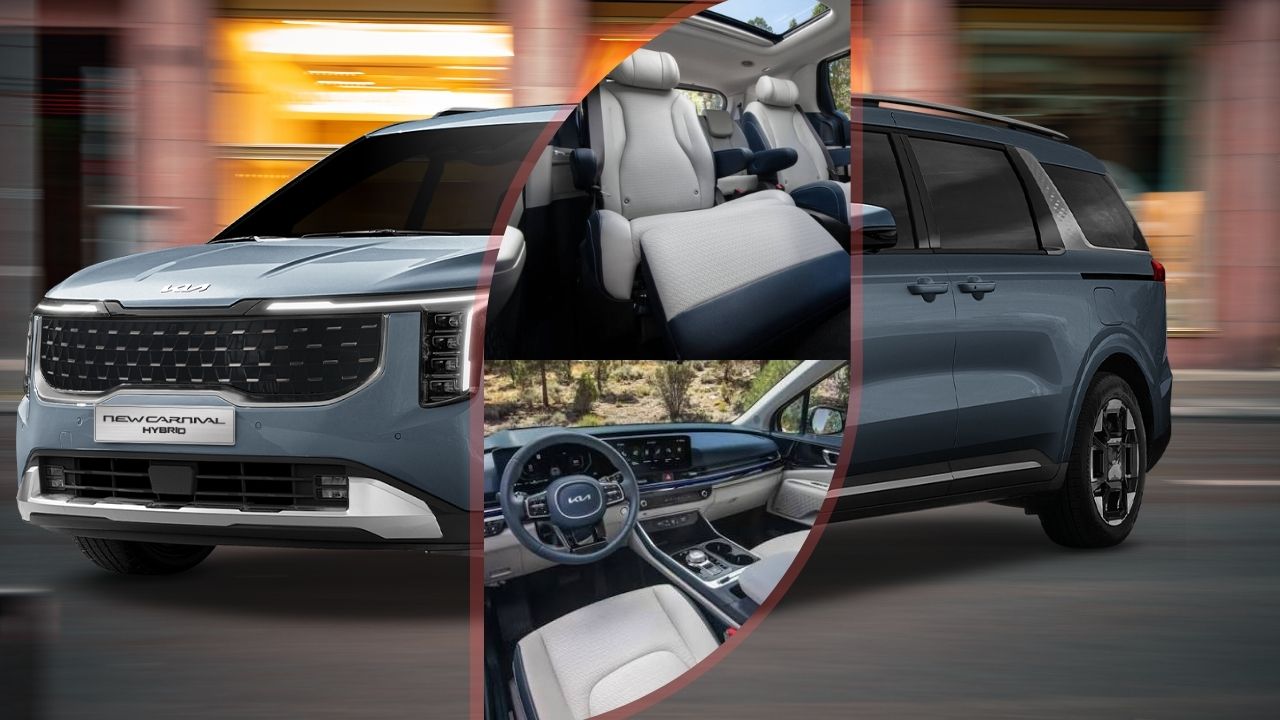
Kia Carnival Hybrid will sit in the Indian showrooms on September 4, 2026, it will join the existing diesel-powered Carnival as a more fuel-efficient option, it increases the fuel efficiency to run on road fluently. It becomes possible with the hybrid powertrain bringing electrification to Kia’s premium MPV lineup. 

Powertrain and Performance

It offers a powertrain of 1.6-litre turbo-petrol engine paired with a 54kW electric motor. While the current Carnival uses a 2.2-litre diesel engine paired with an eight-speed automatic gearbox. The best thing is having three levels of regenerative braking which help in recovering energy under braking, and also a six-speed automatic gearbox for a powerful performance.

Internationally, this setup is rated around 242hp and 367Nm, and reports suggest the India-spec car should land close to those figures — though Kia hadn’t published official India output numbers as this was written, so treat that as a strong expectation rather than a confirmed spec.

Interior Features

Inside the door, dual 12.3-inch screens, an 11-inch head-up display, a Bose sound system, let the driver experience the futuristic behaviour with a digital rear-view mirror, Kia Connect, wireless smartphone pairing, a shift-by-wire selector, and a dual sunroof.  

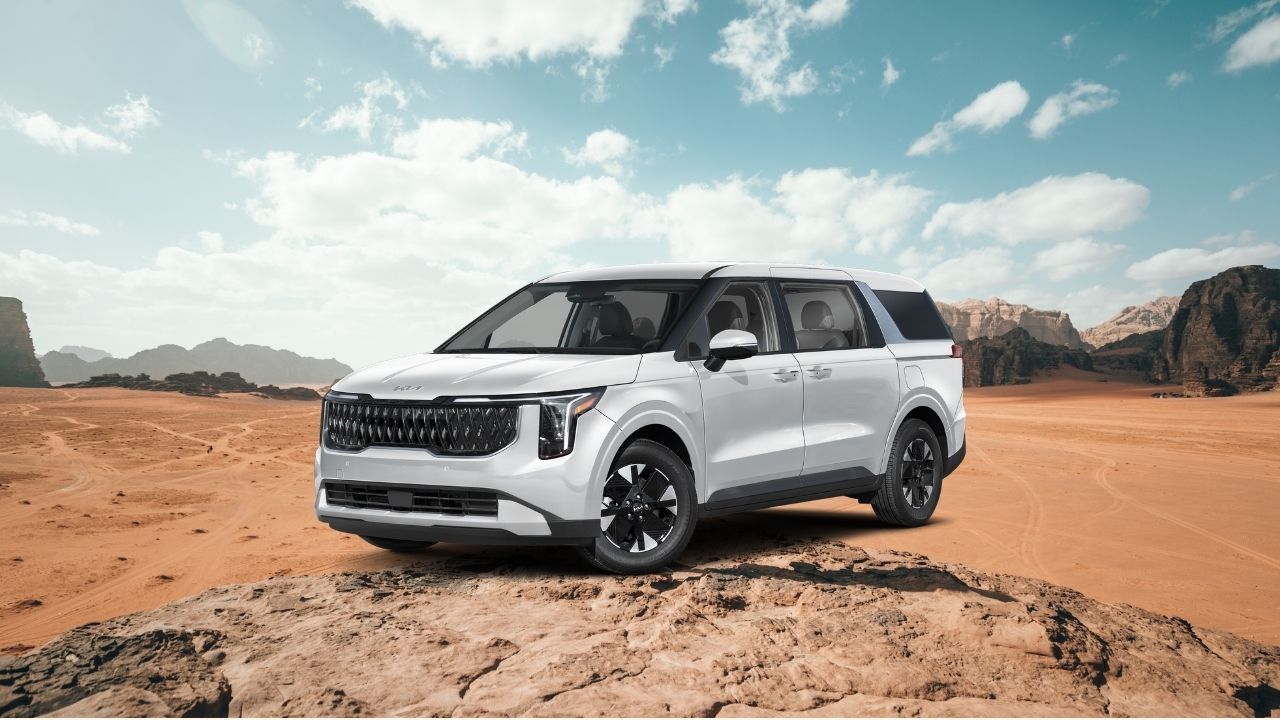
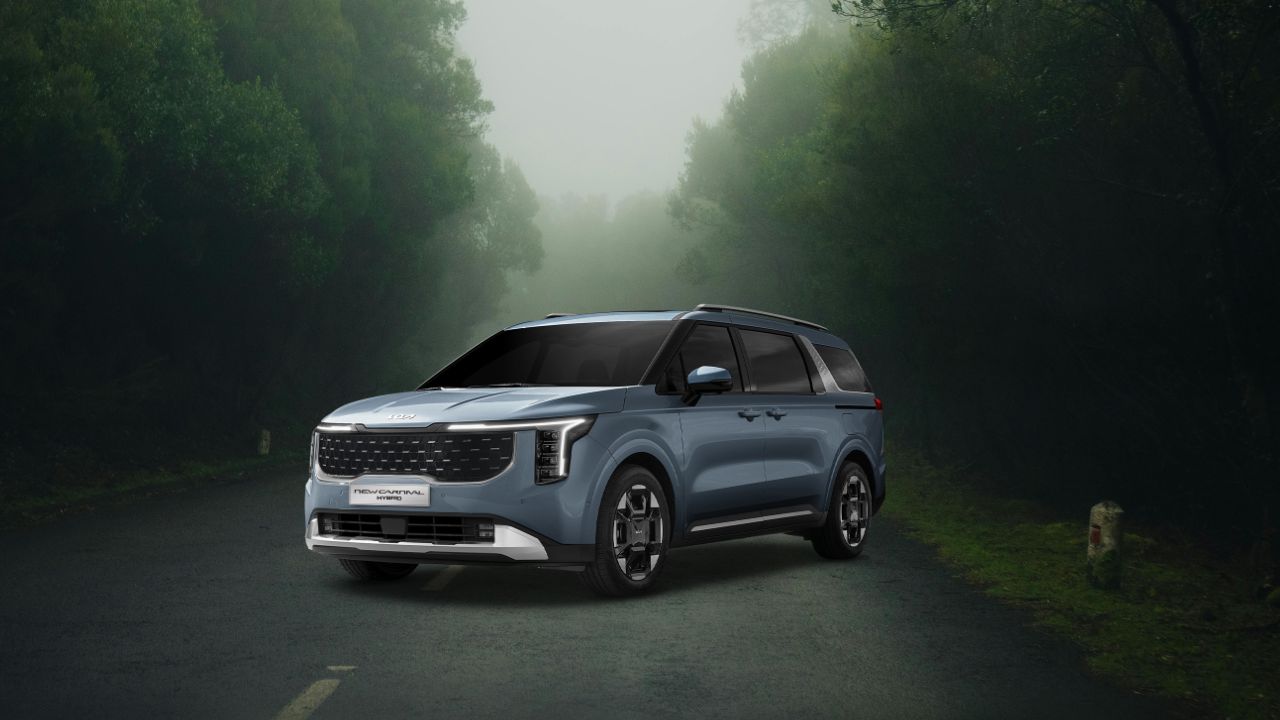
Kia Carnival Hybrid 2026

Higher trims are expected to carry more comfy seats for a wonderful ride as it is powered, ventilated, heated second-row “relaxation” seats with a reclining function and ottomans — the same lounge-style seating that’s made the diesel Carnival popular with chauffeur-driven buyers.

Price for Kia Carnival Hybrid

Pricing is the one piece still genuinely up in the air. The current diesel Carnival sells as a single fully-loaded trim at roughly ₹59.65 lakh ex-showroom, imported via the CKD route. 

The hybrid is widely expected to undercut that meaningfully, some reports point to a sub-₹50 lakh starting price tied to local assembly, which would also make it Kia’s first locally built Carnival — but nothing is official yet. 

The Carnival Hybrid will still cost meaningfully more than a Toyota Innova Hycross (which tops out around ₹30 lakh) and undercut the Toyota Vellfire (which starts above ₹1.2 crore). That price bracket matters for the coating decision below — you’re not protecting a family hatchback here.

What Are Ceramic Coating and PPF, and Why Would a Carnival Need Either?

Ceramic coating is a very thin protective layer that chemically bonds with your car’s clear coat. A 0.5 to 2 microns thick coating makes the paint hydrophobic which means it rolls off the water easily, prevents UV rays oxidation, birds drop and water spots, and protects the color and gloss from fading. 

However, it couldn’t protect the car from any physical damage like stone or road debris from chipping the paint. Even a “9H” ceramic coating can’t prevent it so don’t mistake ceramic coating for a protective shield, for that, you’ll need something like PPF (Paint Protection Film) instead. 

PPF is a thermoplastic urethane film, which is applied over the paint. A 150 to 200 microns thick invisible skin protects the Kia Carnival Hybrid from physical damages as it absorbs the impacts of stone chips, minor scratches, door-edge dings before it reaches the underneath paint. 

Good-quality PPF also comes with a self-healing top layer. Minor scratches and light swirl marks will fade automatically when the car comes in contact with a bit of heat through sunlight or warm water. It’s a mechanical barrier, not a chemical one.

Both have different jobs, ceramic coating protects your paint chemically, while PPF protects it physically. There’s no Ceramic Coating vs PPF because where you’re taking your car matters: 

First, size: at 5.2 metres with a long, flat bonnet and large sliding-door panels, there’s simply more surface exposed to highway grit and sun. 

Second, use case: MPVs in this segment usually run on highways most of the time and take longer trips that’s why it catches more physical damage, especially front bumper and bonnet are constantly exposed to road debris and receiving stone chips so PPF is a good option. 

Combine that with a car priced near or above ₹50 lakh, and resale-value protection stops being a nice-to-have.

How Should You Decide Based On Driving

Neither one “wins” outright — they solve different problems, and picking based on price alone is how most owners end up under-protected in the one area that actually costs money to fix.

A single stone chip that turns into a bumper respray typically runs ₹18,000 to ₹35,000 in India for a proper job and that’s before you factor in the resale hit from a car showing a repainted panel. Ceramic coating does nothing to prevent that chip in the first place; it just makes the rest of the car easier to keep clean and glossy in between. PPF does prevent it, at a meaningfully higher upfront cost.

On Driving

For a Carnival Hybrid specifically, the decision comes down to how the car will actually be used:

If it’s doing regular highway runs, airport pickups, or interstate trips — which is a realistic profile for a car this size then PPF on the high-impact zones (bonnet, front bumper, fenders, mirrors, door edges) paired with ceramic coating over the rest of the body is the setup that actually matches the risk. The film takes the physical hits but the ceramic keeps everything else looking new and easy to wash.

If the car will mostly stay in city traffic with covered parking and short trips, ceramic coating alone is a reasonable, cheaper call when you’re optimizing for gloss, easier maintenance, and UV protection rather than impact resistance you’re unlikely to need as often.

Skipping both because “it’s just paint” is the one option that doesn’t hold up on a car in this price bracket — the incremental cost of even the front-PPF-plus-ceramic combo is a small fraction of what you’d pay to sell the car with visible stone-chip scarring on the nose.

Ceramic Coating vs PPF Prices for the Kia Carnival Hybrid In India

Kia Carnival Hybrid is a three-row SUV, larger size cars get either coating surely expensive so expect higher quotes. 

A full-body ceramic coating will cost nearly ₹25,000 to ₹45,000, depending on the body size of the vehicle. Premium 9H or graphene-based coatings can cost more, but they last closer to five years rather than two. 

Full-body PPF can cost around ₹1.5 lakh to ₹2.8 lakh for a large MPV like the Carnival. The price depends on the size of the car, if you want to settle down at ₹40,000 to ₹70,000 then opt for front-end PPF which covers the bonnet, bumper, fenders, and mirrors. 

A front-PPF-plus-full-ceramic combo, which is what most owners in the highway-use category actually end up choosing, lands somewhere around ₹70,000 to ₹1.15 lakh all-in.

Read More 👉  EMI vs Lease: Which Is Better If You Plan to Upgrade Your Car Every 3 Years 

Conclusion

If you’re buying this MPV for genuine highway and long-distance duty — which, given the segment, most buyers are — front-end PPF plus full-body ceramic is the combination that matches how the car will actually get used, not just what protects the paint on paper. If it’s a city car with a garage to sleep in, ceramic alone is a defensible way to save money without leaving anything meaningful on the table. 

Either way, get the pricing in writing before the coating add-on gets bundled into your finance paperwork at the dealership — that’s where most buyers end up overpaying, not in the choice between the two products themselves.

0

Ertiga vs Carens: The Best 7-Seater Cars Are On The Edge

Published Mar 9, 2026, 7:49 AM
Last Updated Apr 7, 2026, 6:27 AM

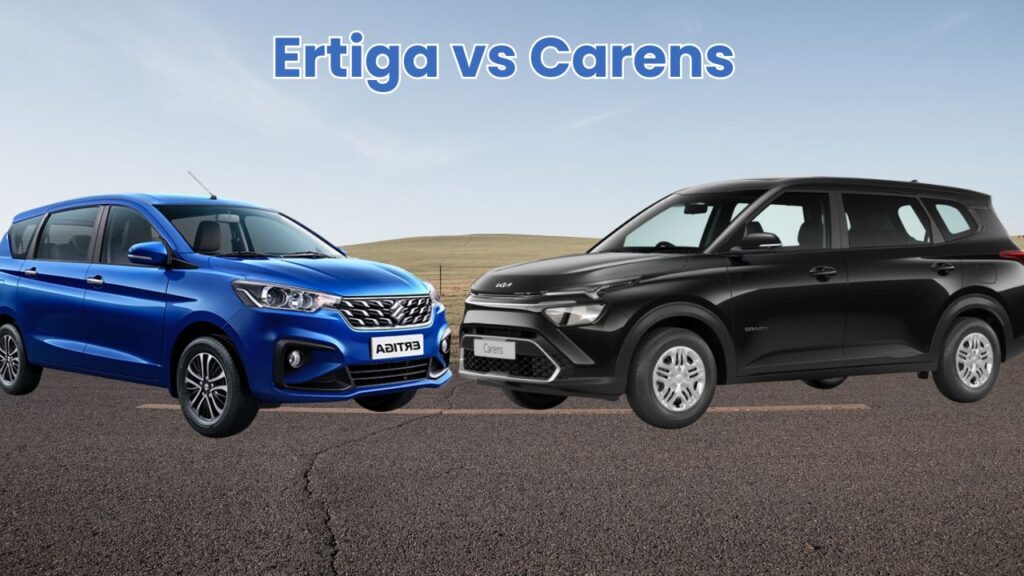
Ertiga vs Carens

You don’t really know when it comes to 0-100 km/h timings or just how well a family car corners, after all you’re buying one with seven seats. Ertiga vs Carens– it’s a difficult choice to make because both are offering tremendous features with high end quality for smoother rides with your family. Imagining a seven seater is cool but experience while your kids wanna sit in the front, your parents are having problems taking on the third row seats, is it got you worried?

These two space warriors are the best right now — the Maruti Suzuki Ertiga, which is a proven option from previous buyers that really make it on top. And the seven-seater Kia Carens which has been the leader in the market. Let’s talk about further details of these cars and price.   

Easy Trips with Well-Defined Looks

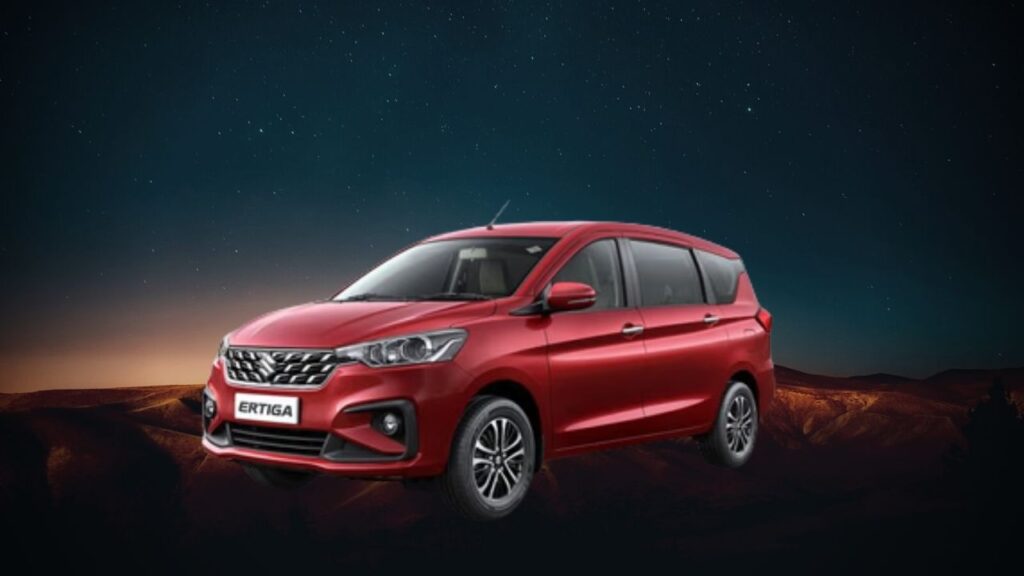
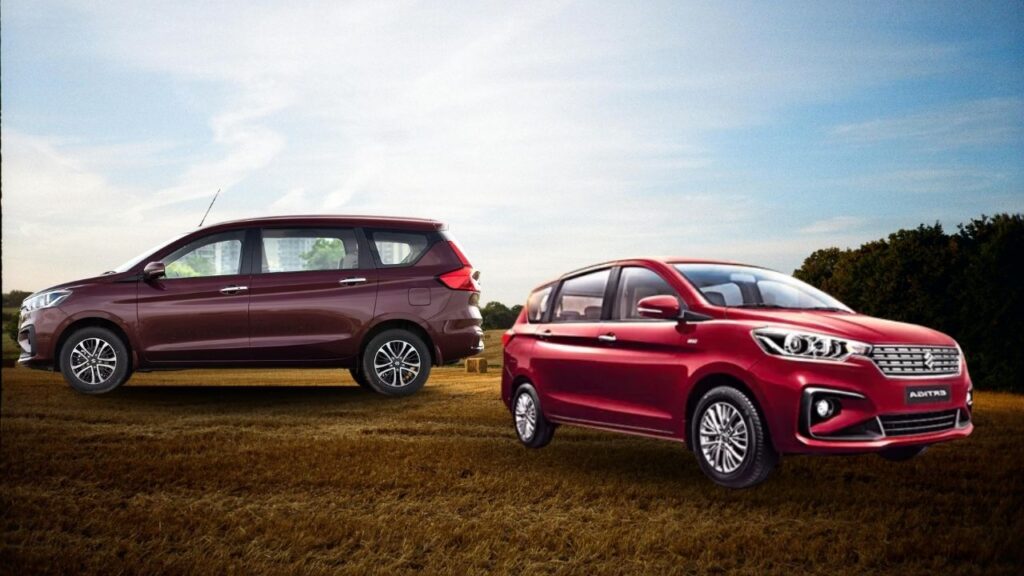
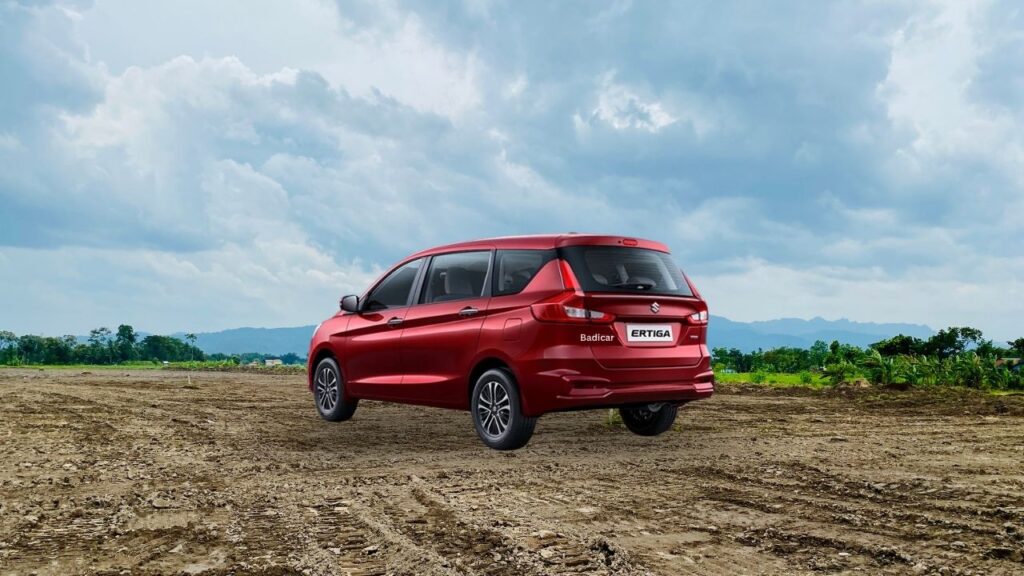
Walk up to an Ertiga, and you know exactly what you’re getting. It’s clean, bland, and made to camouflage in every apartment complex parking lot in India. The design has been tweaked a bit over time by Maruti – sharper headlights, a chrome heavy grille and floating roof elements but no one will go gaga over its looks. And honestly? That’s fine. Ertiga buyers don’t want to be seen.

Ertiga Looks

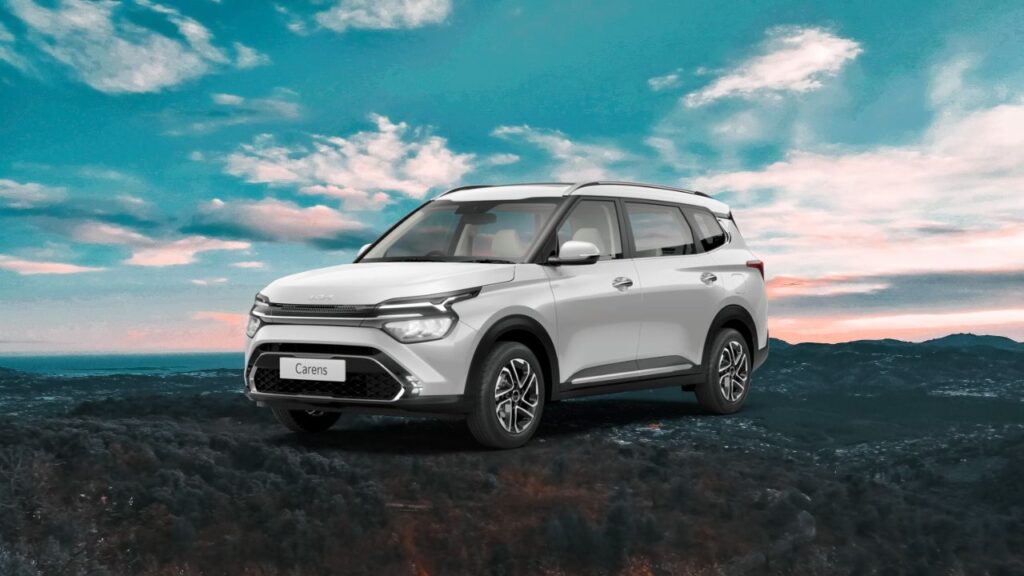
Carens, however, is a double-take. Kia’s “Opposites United” design theme gives it SUV-like stature with its boxy shape, rugged cladding and that unique connected LED light bar at the rear. It looks excellent with its high end white and silver MPVs lining.

The Cabin that Made Specially for Families 

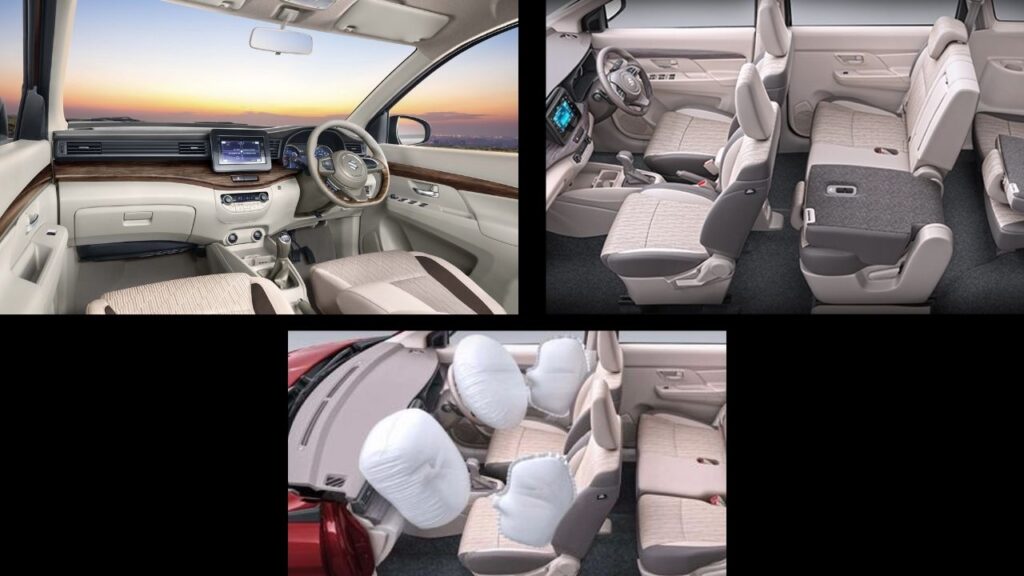
This is where things get interesting. The Ertiga’s cabin is nothing new. If you’ve sat in any last five years Maruti, you will find the dashboard layout, steering wheel, instrument cluster, and much more. It’s functional and solid where you routinely touch it, and everything is within easy reach. The beige-and-black color scheme makes for an open space, but it really does make that dirtshow quicker than you would want with kids around.

The Cabin that Made Specially

It’s like the Carens belong to a different era entirely. The twin 10.25-inch (Instrument and Infotainment) screens dominate the dash, the ambient lighting radiate true premium feeling during the night and the soft touch plastics, leatherette upholstery, metallic embellishments would not really be out of place in a vehicle double the cost. Kia’s UX is slick, responsive and really intuitive.

For family cars, kids can make it worse and older people need comfort so the more utilitarian cabin of the Ertiga is easier to clean and its physical buttons for the AC are safer to use on the run that can be more favorable as compared to the Carens’ touch-sensitive panel.

Verdict: Tech-savvy crazy people can go for Carens but real comfort is Ertiga for the no-nonsense one. 

Space Wars: The Real Challenge

Would be nice to have seven seats in theory, but it’s different when you’re really sitting in them. If you try to place three adults on the third row, and your elbows start to battle each other for room, then you will realize that it is the smaller of the two. 

The third row? Consider it a bonus, and not a feature. Kids on a short school run — sure, no problem. But have an adult sit back there for a highway haul and they’ll tell you. And if all three rows are filled up, the luggage compartment reduces to virtually zero. Take a roof carrier if you are really going somewhere.

Space Wars

The Carens is another kettle of fish. It’s wider, it’s longer, and the cabin feels it. You don’t have to compromise and squash three people in the middle row — you can actually sit comfortably. With Kia’s sliding and reclining second-row seats you can redistribute legroom according to who needs it most. 

The third row realistically accommodates adults up to 5’10” for a few hours, which ceases to be a fun fact and actually matters when you’re a re six hours away from a family wedding. It’s possible for a few soft bags to be stored in the boot even when all the seats are in use.

Verdict: There’s no question that the Carens is the one to get if you truly want seven seats that are actually usable. If you only need that 3rd row occasionally, the Ertiga gets the job done without costing you more. 

The Unexpected Thrill Of Hitting The Road

No one ever buys a seven seat multipurpose vehicle (MPV) looking forward to driving it. But how a car feels when you’re driving it, especially after months and years of school runs, highway trips and Sunday errands that matters more than most people acknowledge before they buy.

The Ertiga isn’t trying to dazzle you. Its 1.5 litre petrol with mild hybrid support delivers 102 bhp, and the honest word for it is sufficient. At its bottom end it’s smooth, it won’t make you anxious in stop-and-go traffic, and the suspension has this wonderful talent for just soaking up bad roads without any fuss – a massively undervalued quality when you happen to live in a city whose potholes multiply overnight. The steering is light, the car feels controlled, and parking it in a narrow colony lane is not a three-point affair. 

But the limitations are pretty well indicated on the open road. Overtaking on a motorway takes a little bit of courage and a little bit of timing so you don’t just pull out and blast. And when you’re hauling a full complement of passengers and gear, the body roll tells you that this wag, at least, is a practical family car.

Carens Looks

The Carens come with higher aspirations. You have three engine options: 1.0-litre naturally aspirated petrol with 115 bhp, punchy 1.4-litre turbo with 140 bhp and 115 bhp diesel which makes a good amount of low end torque. 

The turbo petrol, in particular, doesn’t feel like a MPV at all on the road, it just goes, smoothly and assuredly. The diesel truly shines when you’re laden and inching along – it never seems to be struggling. The steering is heavier and more direct, and the whole car just feels like it was a bit pricier than it actually was. 

But if there’s one thing that spec sheets don’t reveal, it’s that the Ertiga is far easier to navigate through the madness of Indian urban life. More agile controls, a reduced size, and the capability to sneak through openings that would cause hesitation to any Carens driver. After an hour of traffic during rush hour, that actually adds up to something.

Verdict: The Carens is the one you want on the long highway runs and hilly weekend getaways. The Ertiga is the one that makes Monday morning city driving less of a chore. 

Read More:-  2026 Maruti Brezza Spied with New Powertrains and Bumper Design

Pricing Value of Ertiga vs Carens

At some level, every car comparison boils down to this: what does it really cost you, not just to buy one, but to own one?

Pricing Value of Ertiga vs Carens

The Ertiga offers value for money from the word go. Available from around ₹8.5 lakh to ₹13 lakh, it occupies a ground where a real seven-seater feels quite “within reach”. The Carens starts with a price tag of ₹10.5 lakh which is reasonable enough — but hike up to the top diesel automatic variant and it costs close to ₹19 lakh. 

Verdict: It is Ertiga that offers more financial wisdom — Easy on the pocket cost of buying, cost of running, high resale value. The Carens demand a premium from you, and give you more in return. Whether the compromise makes sense to you will depend completely on what you value. 

Conclusion

After all comparisons, specifications and stories from the real world, it all just comes down to knowing yourself as a buyer — the routes you travel, your family, your priorities. 

Choose the Ertiga when you want a vehicle that just gets on with it. It will start every day without fail, live through years of school runs and supermarket runs, not cost much to keep going and squeeze itself into parking spaces that would make other cars break out in a sweat. There’s a reason they’re everywhere because they just work, predictably and inexpensively, year after year. It’s the kind of car you forget about, and that’s a compliment. 

Book the Carens if your family’s idea of a weekend is a heavy dose of miles. If road travel is a regular in your life, if you have an opinion on how the interior of your car feels, if you want high-tech safety features and a cabin that doesn’t make you feel like you’re sacrificing — well, then the premium is justified. This is the car in which driving becomes part of the experience and not just a way to get somewhere.

Overall, For all its city driving with a dash of highway, the Ertiga ZXI+ automatic is really difficult to beat at this price point. It gives you everything you want without asking you for too much. But if Manali is on the bucket list or you have an extended family that needs to travel together in comfort — the Carens diesel is an extra spend that’s absolutely worth it, and you will know the feeling every time you take to the highways. 

Both cars are right. They are simply responses to different questions. The secret is knowing exactly which question your life is asking.