0

New GST Pricing For Popular Cars in India: September Updates on Latest Car Price Drop 

New GST Car Price Drop September 2025 in India

This September, car prices drop down with a huge difference under the new GST slabs. From the brands Hyundai, Kia, Honda, Toyota, Tata, Volkswagen, Skoda, Mahindra, Renault, to luxurious cars MG, BMW, AUDI And Mercedes-Benz Prices Dropped. This gives big relief to the car automobile industry, this benefit applies to all car segments in India. Check out every brand’s big price reduction which is going to be applicable after 22 September 2025. 

GST rates have reduced from 28% to 18% on all 1200cc engines with <4m length. Large Sedans and SUVs get 40% flat due to fluctuation from 50% GST. Here’s the breakdown of each brand price reduction detail under the GST 2.0.

Read More :- Best Cars for Mountain Roads: Drive Smoothly on Snow, Hills & Winding Terrains

Latest Price Drops After GST 2.0

Brand Model(s) Maximum Saving (₹)
Tata Tiago – 85,000; Altroz/Harrier/Safari – 1–1.55 lakh; Nexon – 1.50 lakh 1.55 lakh
Mahindra Thar – 1.35 lakh; Scorpio N – 1.45 lakh; XUV700/3XO – 1.56 lakh 1.56 lakh
Hyundai Tucson – 2.40 lakh; Alcazar – 75,000; Creta – 72,000; i20 N Line – 1.08 lakh; Verna – 60,000 2.40 lakh
Kia Carnival – 4.49 lakh; Syros – 1.86 lakh; Sonet – 1.64 lakh; Seltos – up to 45% cut 4.49 lakh
Renault Triber – 96,000; Kiger – 80,195; Kwid – 55,000 96,000
Honda City/Amaze – 72,000; Elevate – 58,400 72,000
MG Astor – 54,000; Hector – 3 lakh; Gloster – 3 lakh 3.00 lakh
Volkswagen Virtus/Taigun – 66,000; Tiguan R-Line – 3.27 lakh 3.27 lakh
Skoda Kodiaq – 3 lakh; Kylaq – 1.19 lakh; Others – up to 3.28 lakh 3.28 lakh
Toyota Glanza – 85,000; Fortuner – 3.49 lakh; Vellfire – 2.78 lakh; Lexus – up to 20 lakh 20.0 lakh
BMW 2 Series – 1.6 lakh; 5 Series – 4.15 lakh; XM – 6 lakh; M2/M4/M5 – 10 lakh 10.0 lakh
Audi A4 – 2.64 lakh; A6 – 3.64 lakh; Q7 – 6.15 lakh; Q8 – 7.83 lakh 7.83 lakh
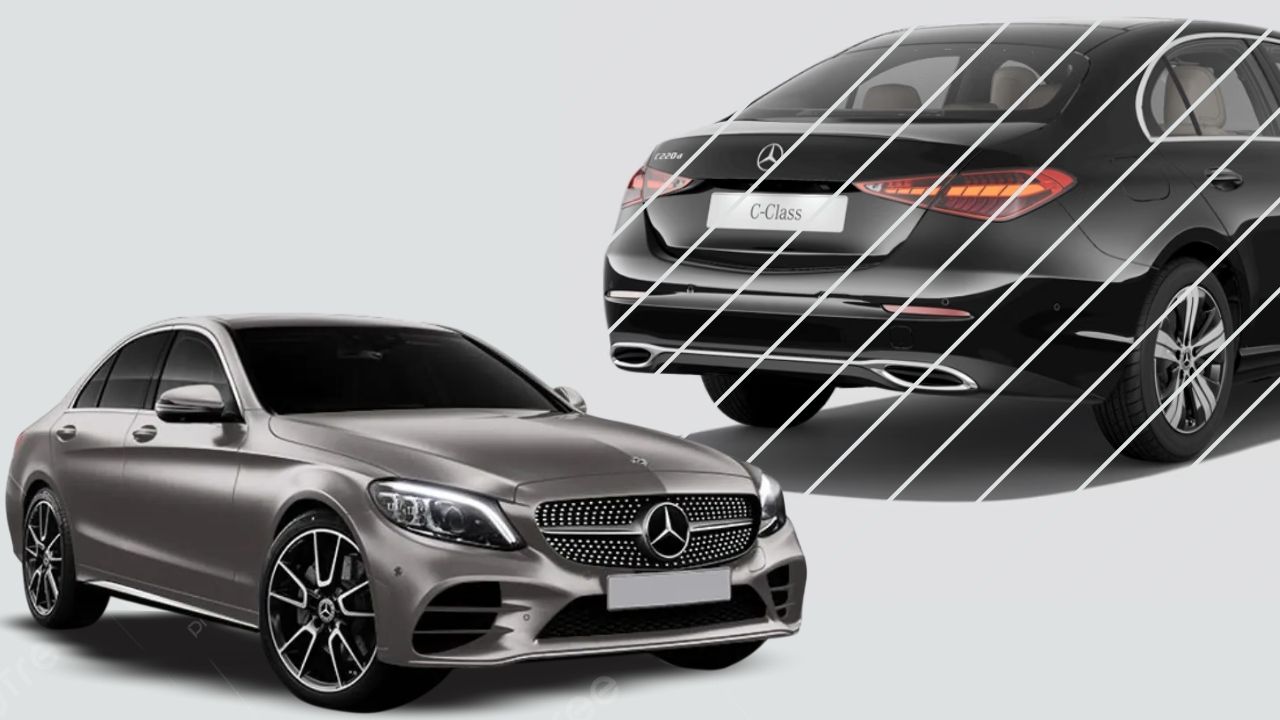
Mercedes-Benz A-Class – 2.6 lakh; C-Class – 3 lakh; E-Class – 4 lakh; GLA – 3 lakh; S-Class – 10 lakh+ 25.0 lakh

Tata 

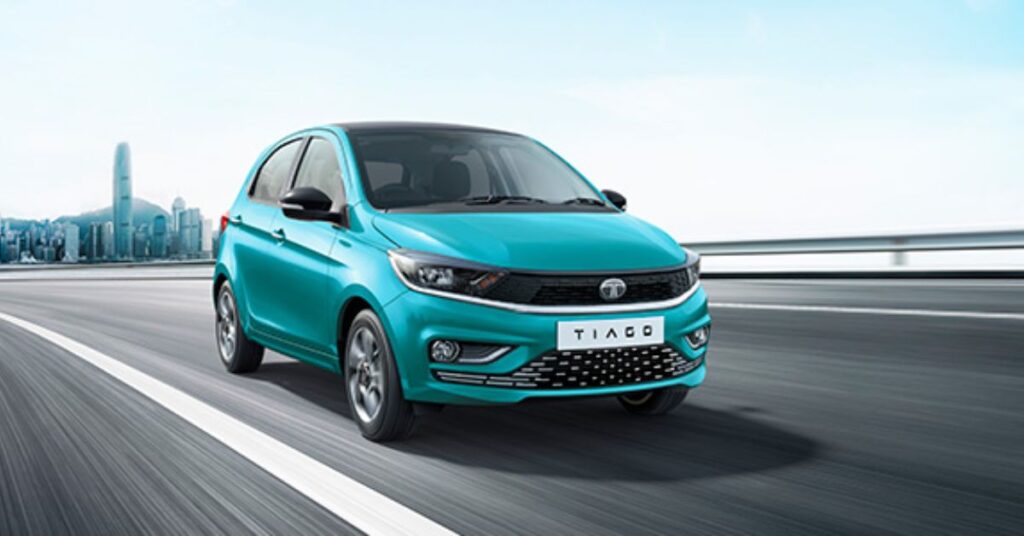
Tata Motors Cars Price Drop After GST September 2025

Image credit: Tatamotors

The Tata latest models price is dropped which creates an opportunity for buyers to save up to Rs 1.55 lakh. The Tata Altroz, Tata Harrier, and Tata Safari price has been reduced by more than 1 lakh due to revised GST rates. Small cars like Tiago save up to 11% with new GST rates which means you can purchase Tata Tiago with Rs. 85,000 off. The Tata Nexon price has been reduced up to Rs 1.50 lakh. 

Mahindra
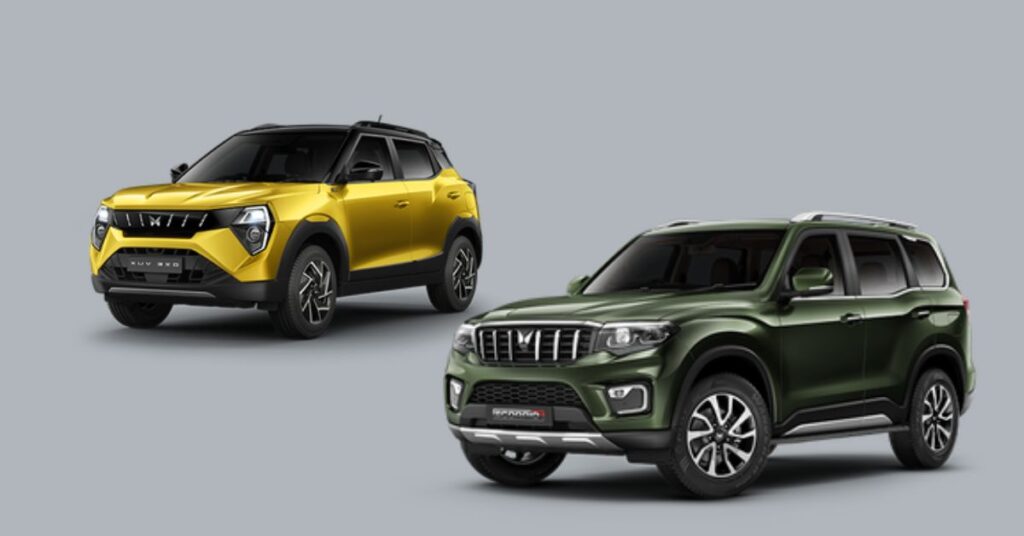
Mahindra Cars Price Drop After GST 2.0 Reform

Image credit: Mahindra

Mahindra also dropped its price on its popular models like Thar Roxx, Scorpio N, 3XO, and XUV700. Customers can get more than 1 lakh saving on these cars. The maximum saving up to Rs 1.56 lakh for XUV 3XO, Thar save up to Rs 1.35 lakh and Scorpio N save up to 1.45 lakh. Mahindra has passed the benefit early for its customers which creates a great opportunity for buyers in India.

Hyundai
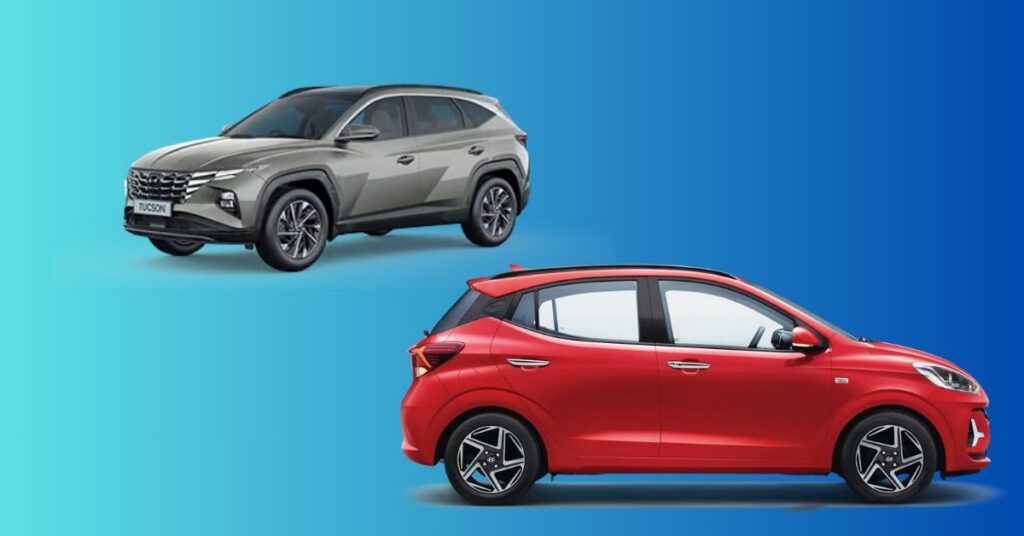
Hyundai Cars Discounted Prices in India GST 2025

Image credit: Hyundai

This one reduced more than 2 lakh on its significant models like Alcazar and Creta. Customers have to wait till 22 September 2025 for purchasing Hyundai cars at a lower price. Tucson, mid-size SUV gets a huge price cut up to 2.4 lakh under new GST slabs. Other popular cars like Alcazar save up to 75,000, i20 N Line save up to 1.08 lakh and Creta save up to 72,000. The least saving is up to 60,000 for Verna. 

Kia
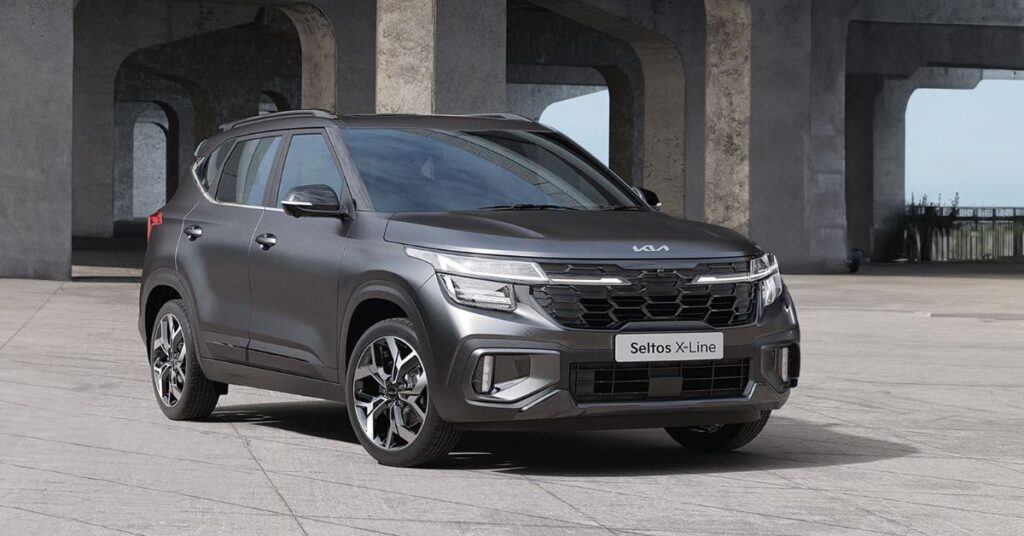
Kia Cars Price Cut September 2025 GST Updates

Image credit: Kia

Kia is also a Korean automaker which is offering up to Rs. 4.49 lakh on Kia Carnival but other models like Syros and Sonet also offer huge savings. Buyers can save up to Rs 1.86 lakh on Syros and Rs. 1.64 lakh on Sonet. Seltos and other models also offer up to 45% saving under the revised GST slabs. 

Read More:- Donald Trump Car Collection: A Look Inside His Garage

Renault
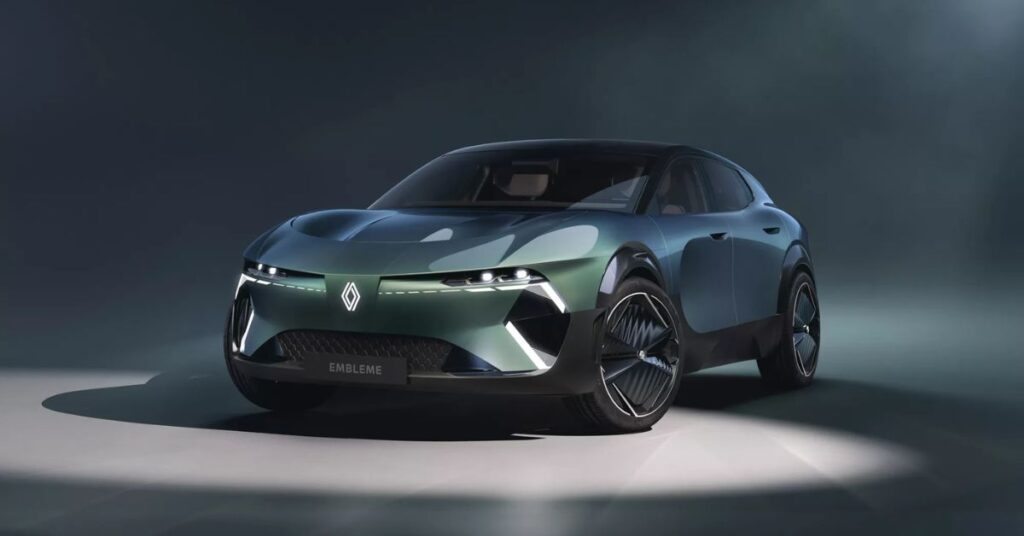
Renault Cars Price Drop After GST Reduction in India

Image credit: Renaultgroup

Renault also gave a huge saving on its triber, Kwid, and Kiger up to 96,000. You must remember that the price fluctuation also depends on the vehicle’s variant. Buyer can save up to Rs. 80,195 on Renault Kiger but it is applicable after 22 september 2025 purchase. The Renault Triber also reduced its price over 96,000 which is a maximum saving than the Renault Kwid which only benefits up to Rs 55,000.

Honda
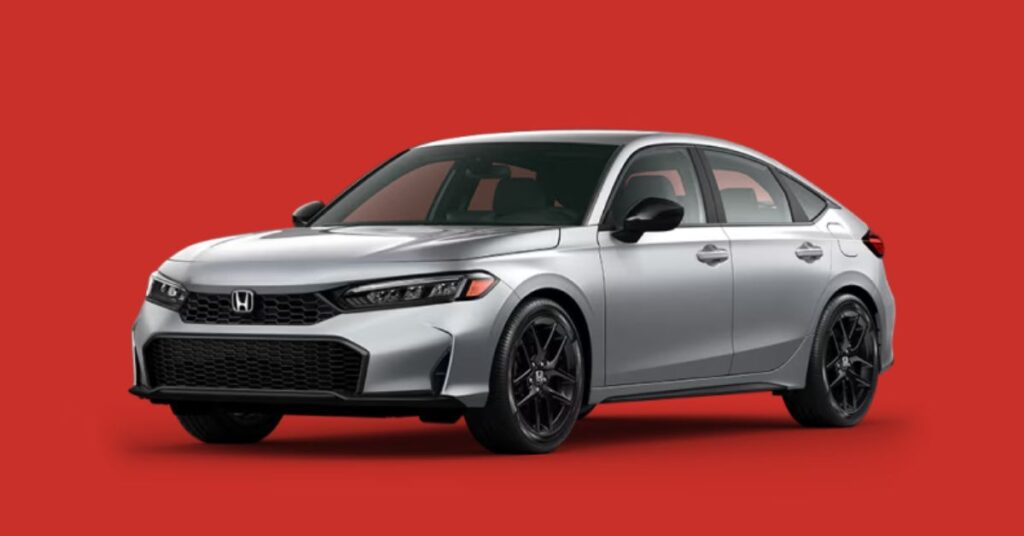
Honda Cars New Price After GST Update India

Image credit: Honda

Honda offers up to 3.5% price cut on Honda Amaze, Honda City, and Honda Elevate which save up to 72,000 after 22 september 2025 purchase. However, elevate has only offered up to 58,400 as a benefit for their buyers. Please note that the benefit also depends on the variant and powertrain of the car you selected.

MG
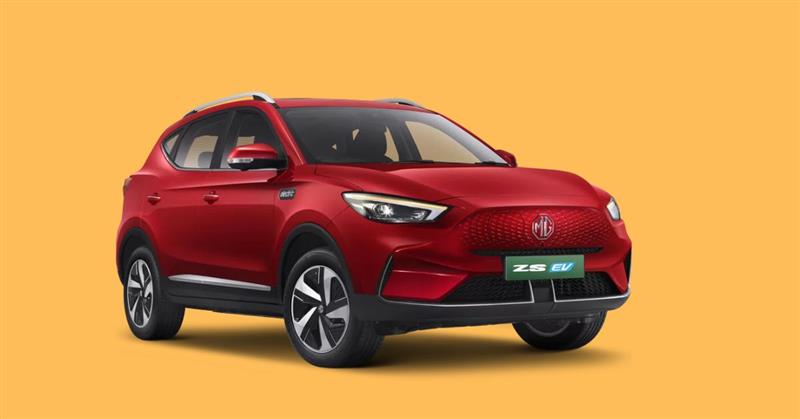
MG Cars Price Reduction September 2025 India

Image credit: MG motors

MG Astor, MG Hector, and Gloster have now come with a huge saving up to Rs. 3 lakh. These models are built on ICE, making it perfect for every ride. Astor can save up to Rs 54,000 and Gloster can save up to 3 lakh, also offering 100% on-road funding.

Volkswagen
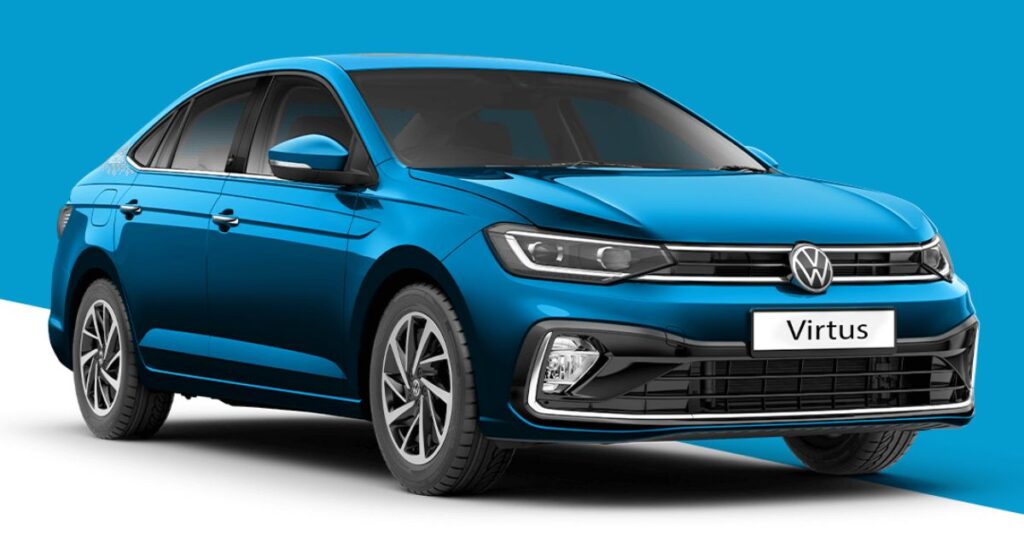
Volkswagen Cars Price Cut After GST Reform India

Image credit: Volkswagen

The Volkswagen offer huge benefit up to Rs 3.27 lakh which opens up the opportunity for buyers. The new GST rates cut the price for flagship models like Virtus, Taigun, and Tiguan R Line, SUV with over 1500 cc engine. Most models like Virtus and Taigun get over 66,000 GST benefits and Tiguan save over 3 lakh under the revised GST rates.

Skoda
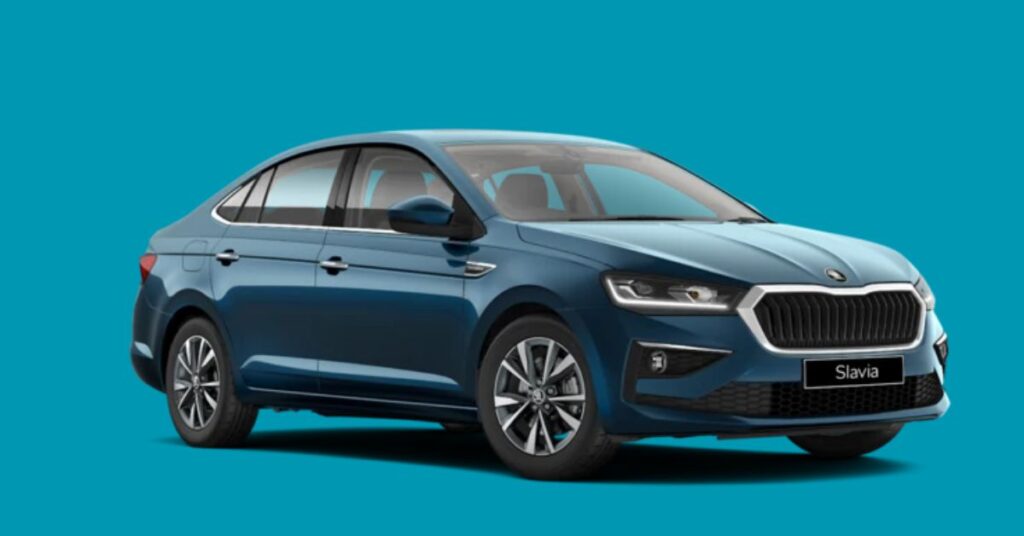
Skoda Cars Discounted Price September 2025 GST

Image credit: Skoda

Skoda has reduced the price up to Rs 3.28 lakh on its most of the models. Customers can get a huge benefit on their purchase after 22 September 2025 when the new price is applicable on cars like Skoda Kodiaq and Kylaq up to Rs. 3 lakh and 1.19 lakh. The reduced prices also depend on the variant of the Skoda.

Toyota
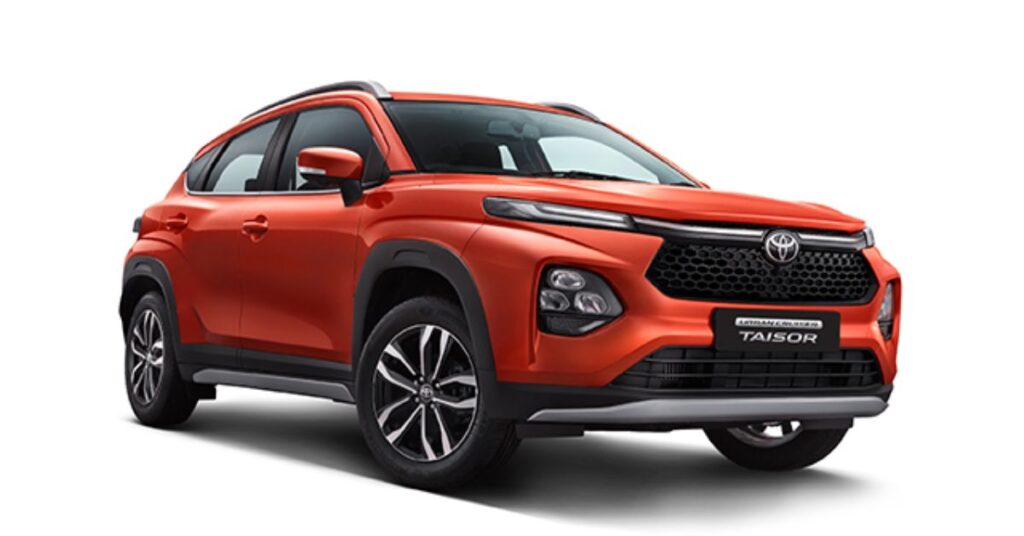
Toyota Cars Price Reduction India GST 2025

Image credit: Toyota

Toyota has become more affordable with its new revised price, the huge price cut received of 5.77 lakh for Lexus. According to the GST 2.0 reform, it received a massive price reduction up to Rs. 20 lakh. The price reduction up to 85,000 for Glanza, 3.49 lakh for Fortuner, and brand’s flagship Vellfire also received a huge price cut up to Rs 2.78 lakh.

BMW
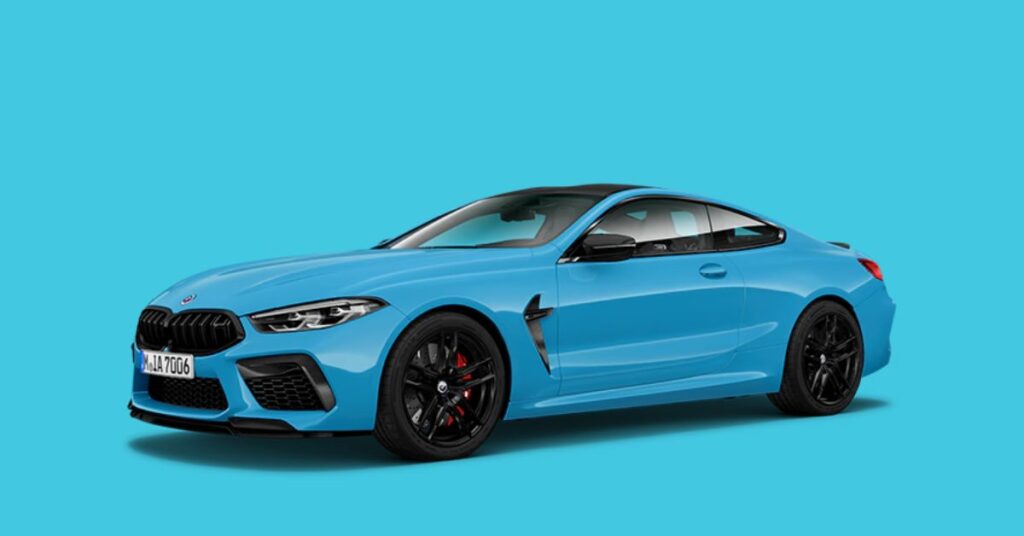
BMW Cars Price Drop After GST 2.0 in India

Image credit: BMW

The luxurious BMW also reduced its price up to Rs. 8.9 lakh under the GST 2.0 reform. There are several modern and excellent models which got a huge price cut like BMW 2 series got up to 1.6 lakh, BMW 5 series saves up to 4.15 lakh and M2/M4/M5 saves up to 10 lakh after 22 September 2025. The massive price cut is up to 6 lakh on XM models which opens up a huge opportunity for BMW lovers.

Read More:- Hyundai Ioniq 5 vs Tesla Model Y: Which EV Wins in 2025?

AUDI 
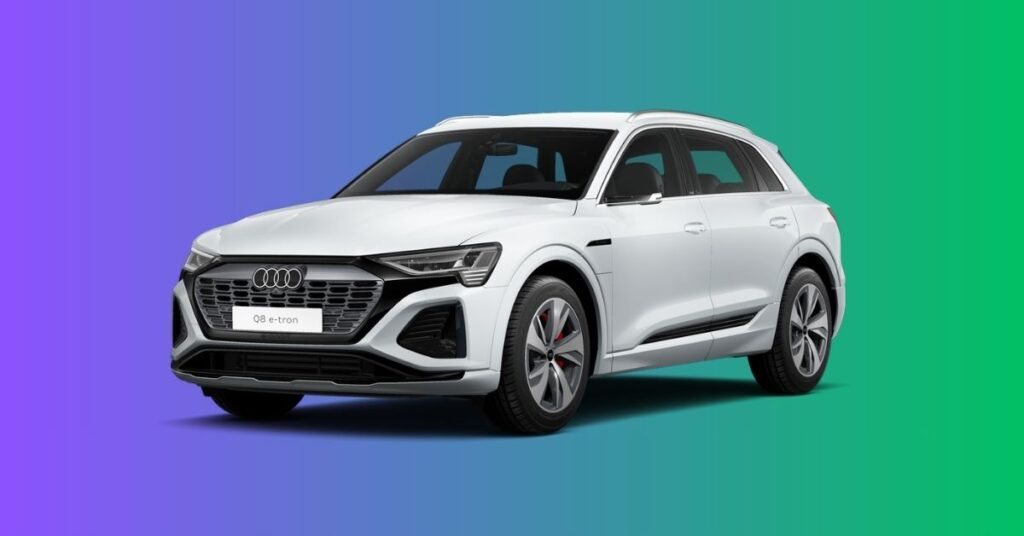
Audi Cars Price Reduction September 2025 GST

Image credit: AUDI

AUDI is offering a huge saving of its flagship model Audi Q8 for up to Rs 7.83 lakh. While other models of AUDI such as Q7 get 6.15 lakh, A6 saves 3.64 lakh and A4 offers 2.64 lakh. These models received massive savings from under the new GST slabs. The new AUDI prices make a big difference in the market.

Mercedes-Benz
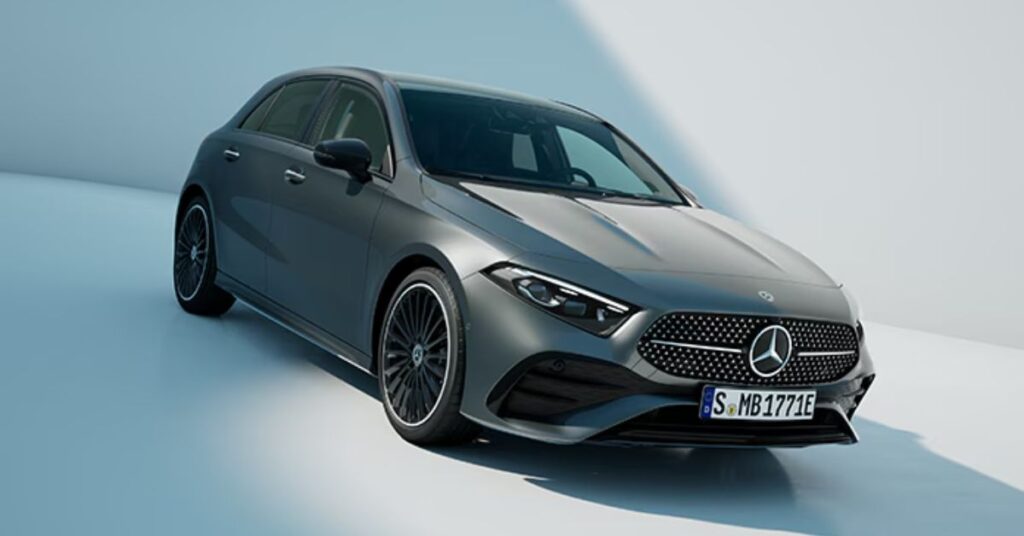
Mercedes-Benz Cars Discounted Price After GST 2.0

Image credit: Mercedes-Benz

The biggest difference in price is made for Mercedes-Benz under the new GST slabs which can save you up to Rs 25 lakh. The most selling models like C-Class can save up to 3 lakh, E-Class gets you up to 4 lakh benefit, S-Class offers over 10 lakh benefit but the price fluctuation varies on the variant of the car. GLA offers Rs 3 lakh and an A-Class sedan also offers 2.6 lakh. 

Conclusion

The latest cars’ prices dropped down which makes a big difference in the Indian market. Buyers can get a massive benefit on these cars purchase but the new price is applicable after 22 September 2025. The new price fluctuation is reflected by the new GST reform that leads to the car prices slashed with a huge difference.

Sharey Khan

Sharey Khan is an IT entrepreneur and petrol head & a car enthusiast. With a special focus on car-related content, he combines his deep passion for vehicles with a talent for crafting informative, engaging, and easy-to-understand content. His writing is driven by a genuine love for cars and he is committed to providing readers with accurate, up-to-date, and trustworthy information that empowers smarter driving decisions. 

Leave a Reply

Your email address will not be published. Required fields are marked *

0

New 2026 Nissan Murano Review – Features, Design, Performance & Pricing

New 2026 Nissan Murano

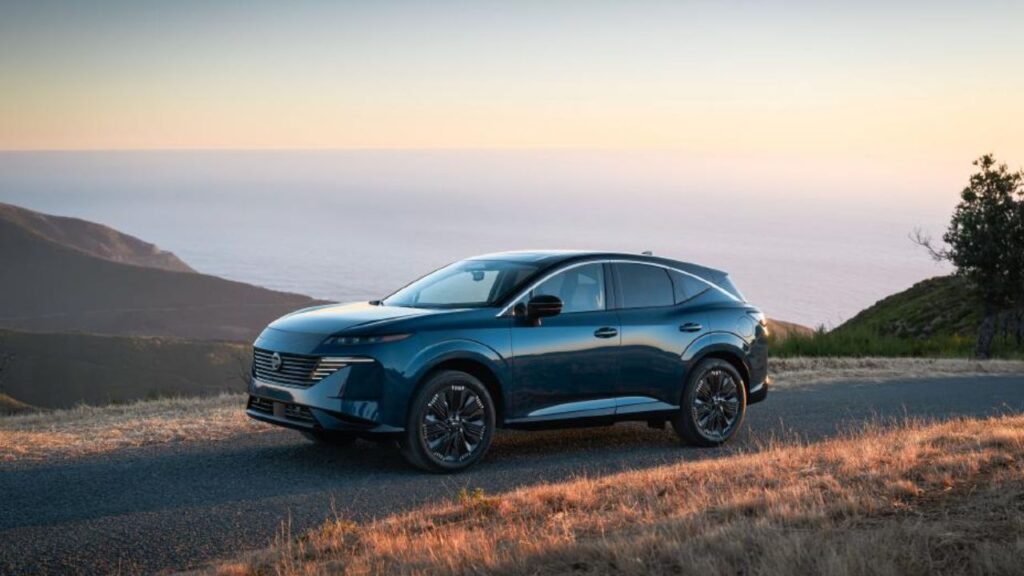
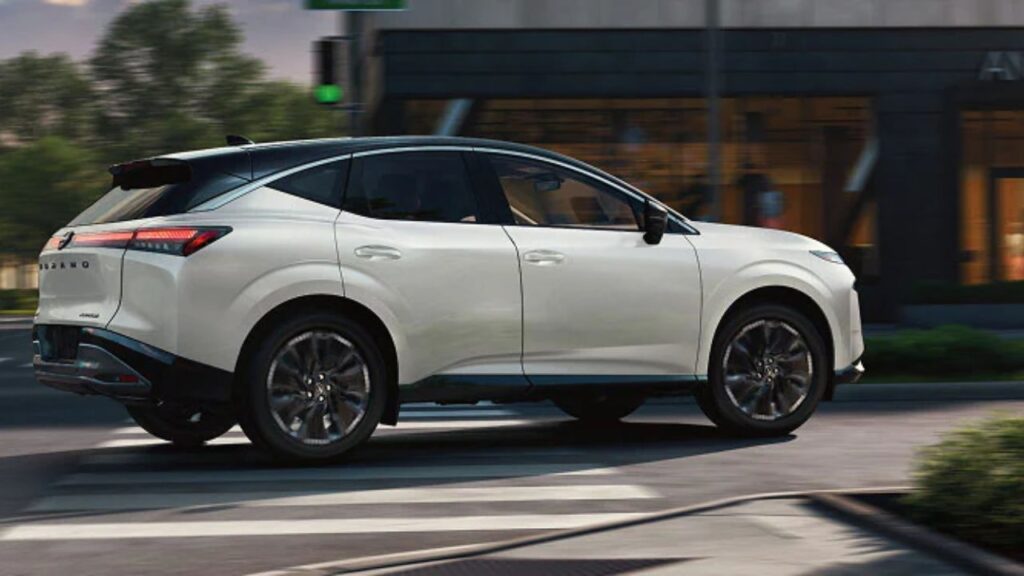
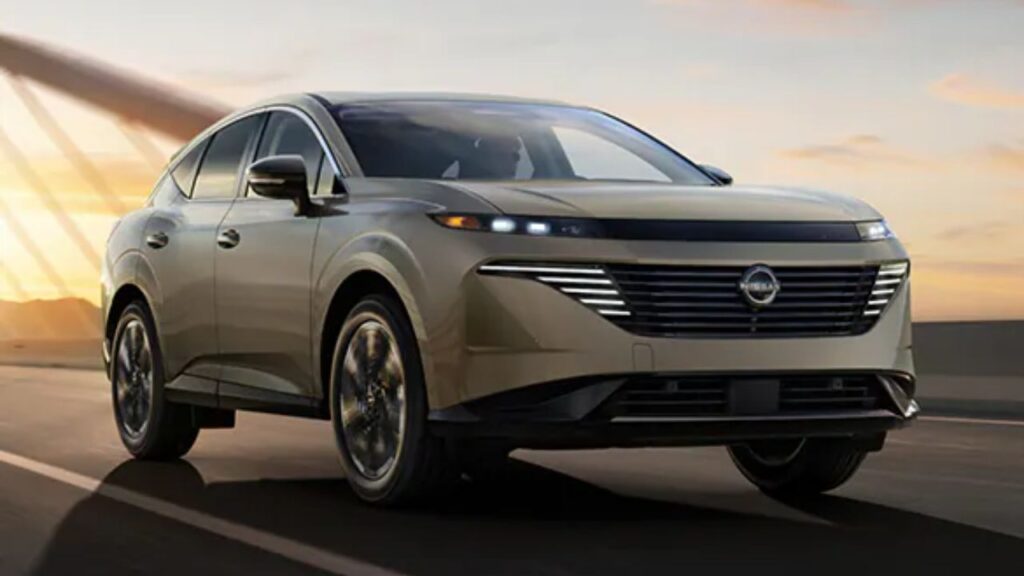
The 2026 Nissan Murano stands out as one of the most competent mid-size crossovers available this year — sleek, modern and designed for families and daily commuters who want comfort without the astronomical luxury-brand price tag. 2026 Nissan Murano has also completely relooked with a radical new design, enhanced technology, a refined turbocharged powertrain and an upgraded interior that elevates it into near-luxury territory.  

With its enhanced dynamics and advanced safety features such as ProPILOT Assist 2.1, the 2026 Murano is built for those who want modern luxury in a familiar package that includes Nissan reliability. So, let’s take a look at what makes this axle-driven SUV a great pick for 2026 and how it compares in today’s overly crowded crossover segment. 

Design That Commands Attention

The 2026 Nissan Murano has a bold and upscale look that immediately draws attention. The design incorporates sporty and aerodynamic lines with super slim LED headlights and a unique full-width LED taillight bar that extends all the way to the rear. These modern additions give the Murano a high-end look that could fool you into thinking it costs a lot more. The vehicle rides on available 21-inch wheels that add a layer of sleekness to its contemporary look. With its 8.3-inch ground clearance, the Murano delivers a commanding road presence and the Murano also provides high levels of visibility for all day driving and parking. 

2026 Nissan Murano

2026 Nissan Murano | Image credit Nissanusa

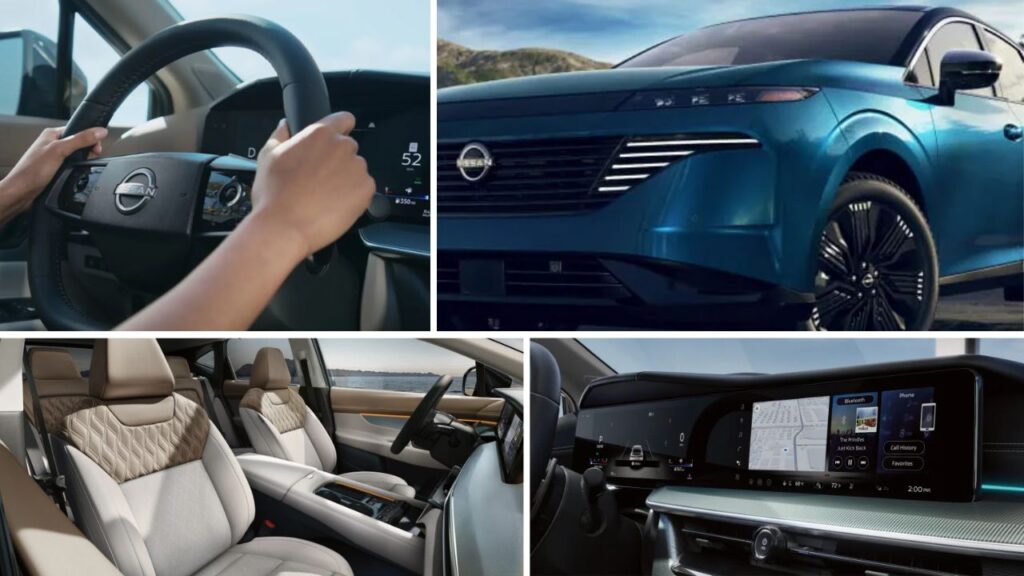
And the interior The cabin provides a spa-like environment with every detail thoughtfully considered. Nissan refers to it as the “zen” interior experience, which includes high-end materials, soft-touch surfaces and intuitive ergonomic design. The two 12.3-inch color screens, one as the instrument cluster and the other as a touchscreen for the infotainment system, form a modern, clean dashboard design. 

Up to 64 color options are available for ambient interior lighting, letting you tailor the cabin atmosphere to your mood. The (optional) Nissan’s famous Zero Gravity seats offer outstanding all-day comfort, with ventilated and massaging front seats available on upper trims that are more akin to the experience of a premium spa than sitting in a car seat. 

Read More :- Renault and Nissan Alliance Guide – History, Benefits & Future Vision

Powerful Performance Built for Comfort

Powering the 2026 Murano is Nissan’s 2.0-liter four-cylinder VC-Turbo engine that produces 241 horsepower and 260 lb-ft of torque. This engine is mated to an exceptional 9-speed automatic transmission that offers quick, controlled shifting that is as refined as it is powerful. All trims are fitted with the now standard Intelligent All-Wheel Drive, which offers better traction and stability in different weather conditions. 

2026 Nissan Murano Fuel Economy

2026 Nissan Murano Fuel Economy

The Murano is the fastest car with top speed of 120 mph and it takes you from 0 to 60 mph in an estimated 8.0 to 8.3 seconds. This isn’t the most powerful in the segment, but the emphasis is here on smooth, assured motivation rather than pure performance thrills. This new, refined nine-speed automatic replaces the previous model’s continuously variable transmission to give a more responsive and composed driving experience. 

EPA fuel-economy estimates are 21 city/27 highway/23 combined mpg. These figures put the Murano towards the mid-range in the mid-size luxury crossover segment, although Nissan has suggested a hybrid powertrain could be an option some time in the future. The 18.7-gallon fuel tank offers plenty of range for long road trips. A modest 1,500-pound towing capacity is good for a few small trailers and jet skis, but some competitors easily outpull it. 

Spacious Interior with Practical Cargo Solutions

The Murano offers 32.9 cubic feet of space behind the rear seats, which is plenty for bags of groceries, suitcases and sports equipment. the 60/40 split rear bench seats folded down, the capacity climbs up to 63.5 cu. ft. to transport bigger items such as furniture or camping gear.A power liftgate is standard to expedite loading and an upper-trim power, motion-activated liftgate brings real convenience. 

Spacious Interior inside of 2026 Nissan Murano

Spacious Interior inside of 2026 Nissan Murano | Image credit Nissanusa

Passenger room is just as impressive, with 44.3 inches of front legroom and 36.3 inches of legroom in the rear. The cabin is authentically roomy and calm, allowing long jaunts to be enjoyed by all passengers. Although the Murano is technically a five-passenger model, the copious spacing makes it feel much roomier than many rivals. 

Read More :- Discover the New Kia Telluride – Bold Design, Advanced Tech & Premium Comfort for 2025

Trim Levels: Finding Your Perfect Match

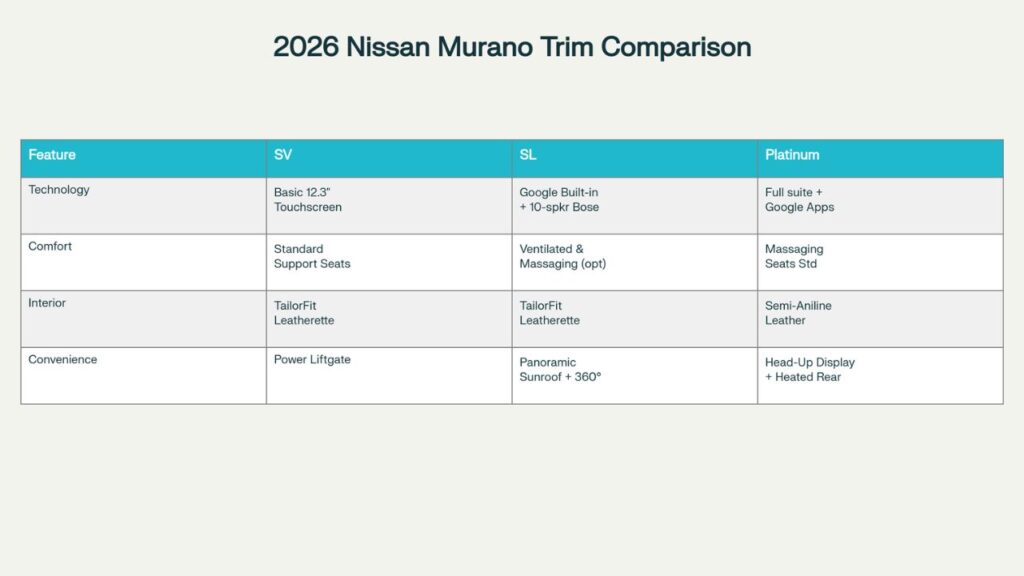
There are three well-equipped trim levels for the 2026 Murano: SV, SL, and Platinum. That makes for an easy decision — each price point really does add value, not gimmicks.

2026 Nissan Murano Trim Feature Comparison

2026 Nissan Murano Trim Feature Comparison

SV (Base) – From $41,670: The premise is astonishingly robust. It has a 12.3-inch touchscreen infotainment system featuring wireless Apple CarPlay and Android Auto, 20-inch black alloy wheels, dual-zone automatic climate control, a digital instrument cluster, and wireless smartphone charging. Power windows, locks and mirrors are standard, as is a solid infotainment system through NissanConnect. 

SL (Mid-Range) – From $46,760: Value, at its most debatable but quite apparent best You get Google Built-in for easy navigation and voice control, a high-end 10-speaker Bose audio system, a panoramic sunroof to bring that open-air feeling inside, a 360-degree Intelligent Around View Monitor to park with confidence, built-in Wi-Fi hot spot connectivity, and ventilated and massaging front seats (optional).

Platinum (Premium) – From $49,800: The high end is first-class luxury All the semi-aniline leather upholstery which actually feels premium, massaging front seats for more comfort than you deserve, a head-up display to ensure critical information remains in your line of sight, the rear seats heat up for passenger comfort, a hands-free power liftgate, and power-folding mirrors which make tight parking a little less difficult. 

Advanced Safety Technology That Protects Your Family

All 2026 Murano models are now equipped with Nissan Safety Shield 360, a robust driver-assistance system focused on keeping hazards out of your path. That system includes features such as automatic emergency braking with pedestrian detection, applying the brakes when an obstacle or person is detected in front of you, blind spot warning that notifies you of vehicles in your blind spot, and lane keeping assist to reduce the risk of unintended lane departures.​

Safety Technology That Protects Your Family

image credit: Nissanusa

The headline feature for 2026 is the optional ProPILOT Assist 2.1, which is only available on the Platinum trim and can be purchased in the Platinum Technology package. It is an advanced system that enables drivers to go hands-free on certain highways when conditions are right. Utilizing cameras, radar sensors, and HD mapping information, ProPILOT Assist 2.1 controls the steering, speed and braking, but keeps your eyes on the road. Lane Change Assist can even suggest passing and assist when passing slower vehicles ahead of you, making long highway drives much less tiring. 

Other safety enhancements include Invisible Hood View, which allows the driver greater visibility while parking in tight spaces, a built-in 360-degree exterior camera system, intelligent lane intervention and speed limit assist that notifies the driver of posted speed limits. If the driver is deemed distracted, the system will softly slow the vehicle to a stop, putting safety first with no compromises. 

Read More :-  New Tata Sierra 2025 – Price, Features, Launch Date, and Electric SUV Details

Connectivity and Entertainment for Modern Life

The Murano confidently steps into the modern day with two-key USB hubs for Apple CarPlay and Android Auto being part of the package. Google Built-in is available on SL and Platinum models allowing you to use native Google Maps navigation, Google Assistant voice control, and Google Duo video calling. The optional Bose premium audio system produces a warm, enveloping sound that makes listening to music an experience rather than just background noise.​

Connectivity and Entertainment for Modern Life

image credit: Nissanusa

Murano has also added a built-in Wi-Fi hot-spot capability so passengers can use it as a mobile office or entertainment center to stream, work or browse while stopped (or in traffic). Among the new features are Amazon Alexa integration and in-dash navigation for those who like their systems a little less mobile-device dependent. 

Conclusion

The 2026 Nissan Murano is for those who want a luxury-feeling SUV for less. Unless you’re interested in a straight-line performance car, like the Tesla Model 3 Performance, and care about the interiors, and want the newest and most advanced active safety features, this is your car. The Murano is a good choice for families who need that extra space, commuters who drive long distances, and anyone seeking a more serene driving experience than its competitors can provide.

The only possible downside is the limited towing capacity of 1,500 pounds (still enough to tow a small camper in some regions), but we welcome the Honda Passport’s greater capabilities option and also superior fuel economy (which could be improved further should Honda choose to offer a hybrid option). But for those whose priorities lie in comfort, style and overall practicality on a day-to-day basis, such shortcomings matter less than the car’s comprehensive refinement. 

0

What is ORVM in a Car and How Does it Work?

ORVM in a Car

ORVM is a part you use everyday when you’re driving a car. Outside Rear View Mirror helps you navigate side vehicles and that’s why they are mounted on the doors of your car. But if you don’t know how to use it efficiently and how it works then continue reading this blog because it helps you understand why it is so helpful in driving and parking situations. 

What Does ORVM Stand For?

ORVM is short for Outside Rear View Mirror. Car manufacturers use this term at professional standards to refer to the side mirrors which fit on the outside of a car’s doors. The official term is also used by mechanics and automotive engineers. It is presented on both sides — driver’s and one on the passenger’s side.

The term, ORVM, companies use to show their precision at standard level. In technical documentation, especially in manuals, insurance paperwork, and manufacturing specs, there’s also an IRVM, which refers to the inside Rear View Mirror because it is placed inside the cabin. 

Having distinct acronyms avoids confusion between the two, since both serve a similar purpose but sit in very different locations and work differently.

Why ORVMs Exist in the First Place

Your eyes can miss blind spots especially at night so these mirrors will help you. Even being attentive while driving, you simply can’t see everything from the inside. The IRVM covers what’s directly behind your vehicle but it can’t show you the side view or on the diagonal side. 

Both ORVM and IRVM are essentials for safe driving for yourself and others. They are mostly used during lane changes, reversing, or merging into traffic. If you use both kinds of mirrors, it cuts down blind spots and reduces the risk of collisions during turns or lane shifts.

ORVMs give the driver a wide-angle view of the lanes beside that’s why they are positioned on both sides of the car. It also helps in diagonally shifting lanes or overtake as it allows us to see slightly behind the vehicle. 

How Does an ORVM Work?

When you look at an ORVM, it just looks like a plain piece of glass in a plastic shell. However, depending on the vehicle trim, a lot of engineering can be packed into that small unit. Here is a rundown of how it works. 

1. The Mirror Housing and Glass

The core of the ORVM is the mirror glass itself, usually convex (slightly curved outward) rather than flat. The curve is deliberate — it expands the display of a flat mirror so the driver can see more of the road, although it does make objects appear a bit smaller and farther away than they really are. That’s also why the phrase “Objects in mirrors are closer than they appear” is written on a lot of passenger-side mirrors. 

The glass is held within a housing, typically ABS plastic or a comparable resilient polymer, that is secured to an adjustable mounting bracket at the car door. 

2. Manual vs. Electric Adjustment

Manual ORVM adjustment are quite common among older and budget cars, where you use your hand to push the mirror and adjust it. This is simple and inexpensive, but inconvenient, particularly if the driver has to adjust the passenger seat mirror on the road. 

Electrically adjustable ORVM are offered in most of the modern vehicles. These have a small motor within the mirror housing that is controlled with a switch located on the door or in the center console. The switch allows you to select the left or right mirror, and then adjust it up, down, left or right by using a joystick control. This motor moves the mirror glass via small gears, giving you precise control without leaving your seat.

3. Folding Mechanism

Most ORVMs are available with a folding mechanism, manual or electric. This allows the mirrors to be folded in towards the body of the car. This is beneficial for: 

  • Narrow parking spaces where extended mirrors might get bumped
  • Protecting mirrors from getting knocked off in busy traffic or tight alleys
  • Reducing the car’s width for garage parking

For electric folding systems, the folding and unfolding is handled by a separate small motor concealed in the mirror base, generally activated by a button or automatically when you lock the car. 

4. Heating Element (Defogger)

In cold climates, ORVMs generally come with embedded heating wires on the glass surface. When activated it warms the glass slightly to remove fog, frost and moisture, with the result that visibility never is affected during winter or rainy weather. 

5. Integrated Indicators and Cameras

Higher-end and modern cars pack even more into the ORVM housing:

  • Turn signal indicators: Small LED lights embedded into the mirror casing that blink when you use the indicator, making your turn more visible to vehicles beside and behind you.
  • Blind Spot Monitoring (BSM) sensors: Some ORVMs are equipped with sensors that sense vehicles in your blind spot and notify you through light or sound 
  • Camera-based mirrors: A few premium and electric vehicles have replaced the traditional glass mirror entirely with a small camera, streaming a live feed to a screen inside the cabin. This reduces wind resistance and improves aerodynamics, though it’s still uncommon in mainstream vehicles.

Read More:- How to Claim Car Insurance for Own Damage: A Step-by-Step Guide

Why ORVMs Matter More Than You’d Think

Your car’s mirrors are one of those things you don’t really notice until they stop working — a mirror gets knocked by a passing car, ceases folding, or the electric adjustment quits responding. But every time you are on the road ORVMs contribute significantly towards your safety. You use them to judge distances when overtaking, to see cyclists, other cars, trucks, or motorbikes hiding in blind spots, and when reversing or parallel parking. 

ORVMs are getting damaged easily because they are outside of the car and get easily hit by anything, mostly in traffic areas and narrow parkings. Due to this, spare part dealers have their ORVMs listed with names for mechanics and car owners to quickly identify the required component for replacement against their car’s make, model and variant. 

Conclusion

ORVM might seem like a complex term but in reality, it is nothing but the outside mirrors which all of us use many times in a day without even thinking about it. Knowing what goes into them, from the curved glass to the motorized adjustments, folding mechanisms, heating elements and, more and more, built in sensors and cameras makes you appreciate how much engineering is involved in keeping you safe on the road. 

The next time you look at your side mirror before switching lanes, you’ll know there’s a lot more happening behind that little piece of glass than you realize. 


0

Maruti Dzire ZXI+ Specs Overview with Features, Performance, Safety and Design

Maruti Dzire ZXI+ Specs

If you thought compact sedans were being pushed out by SUVs, the all-new 4th Gen Maruti Dzire will make you think again. For years the Dzire has been the go-to option for Indian families – dependable, economical and practical. But with the new 2025 Maruti Dzire ZXI+ model specifically, the company has transformed from simply being “practical” to genuinely “desirable.”

Securing a 5-star safety rating, coming equipped with a sunroof (finally!) and a tech-packed cabin, the all-new Dzire ZXI+ isn’t just a commuter; it’s a statement. Let’s take a closer look at what makes this the talk of the town. 

Design: Sophistication Meets Sportiness

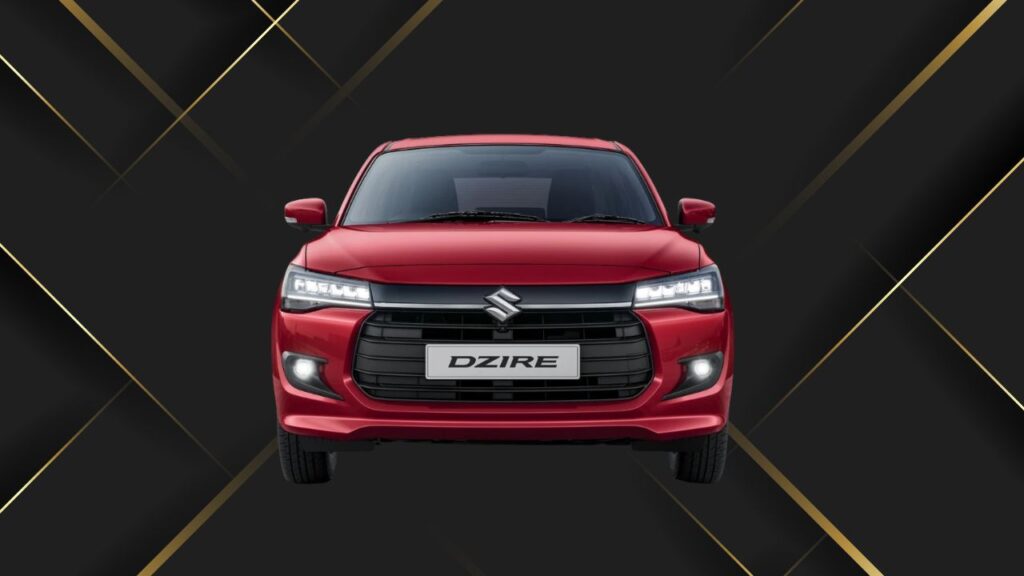
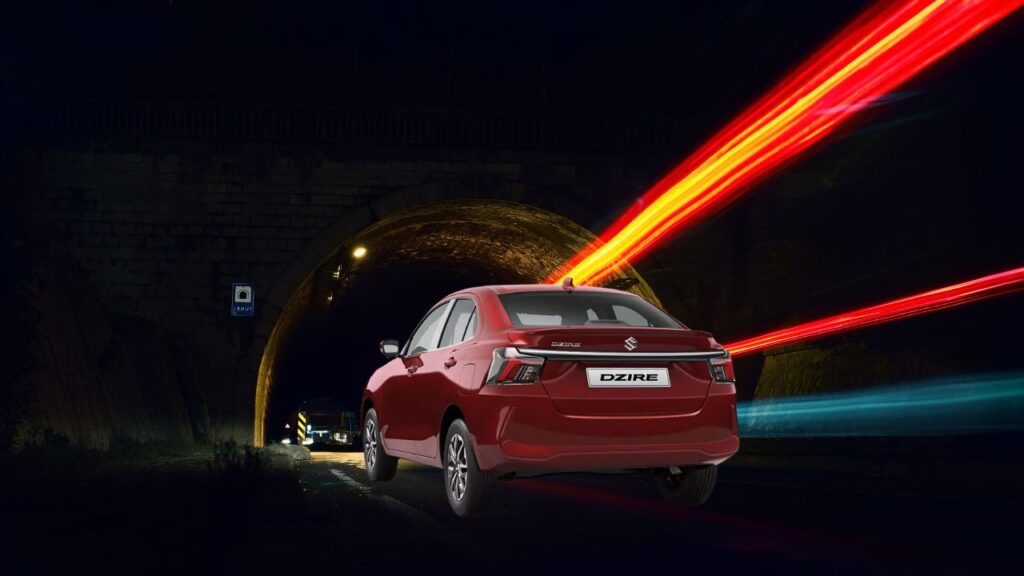
The first thing you will realize is that the “swift-with-a-boot” is no more. The new Dzire has its own unique character. The front end features a huge aggressive grille with what Maruti terms LED Crystal Vision Headlamps on either side. They’re not just bright – they make the car look like it’s standing tall with a premium wide stance that simply grabs attention.

Maruti Dzire ZXI+ Specs Design

Now turn to the side and the two-tone, precision machined aluminum wheels bring a bit of flair. But where the real drama is at the back. 3D Trinity Rear Lamps. These lamps are a crucial design detail and appear contemporary & crisp particularly at night. And yes, there’s a shark-fin antenna on the roof to round out that sleek, sedan profile.  

Color Options:

Maruti hasn’t cut corners with the palette. Whether you are after the classy Splendid Silver, the striking Gallant Red or even the dark Bluish Black, there is a color for every character. Nutmeg Brown is my personal favorite – it screams luxury. 

Interior & Features: A Tech-Lover’s Paradise

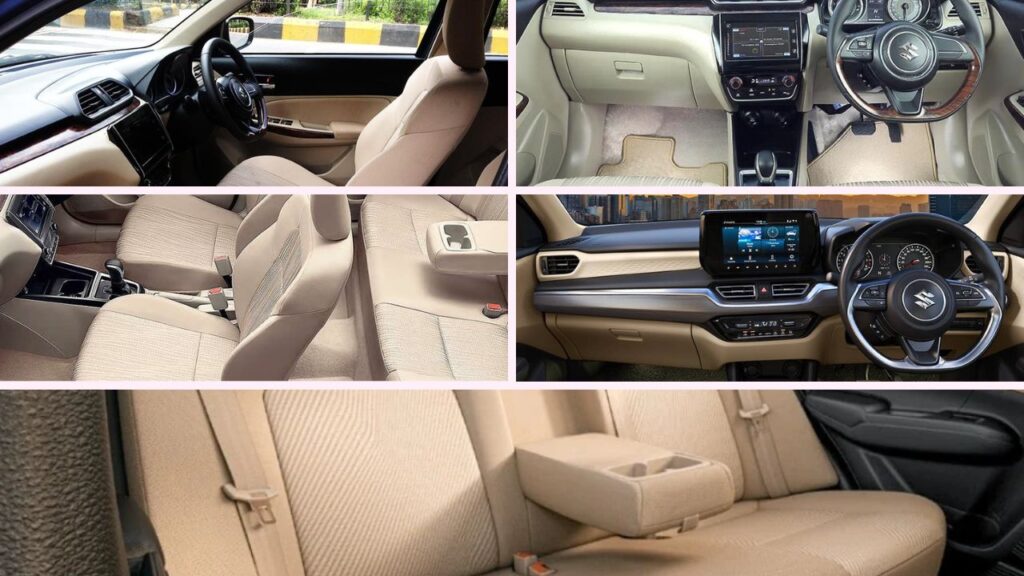
Step inside the ZXI+ variant and you are greeted by a cabin that feels light years above its price point. The beige and black, dual tone dashboard, with silver accents and a wood-finish insert, looks spacious and premium.

The Electric Sunroof is a segment-first for Dzire and truly revolutionizes the cabin experience, illuminating it with the sun.

Maruti Dzire ZXI+ Specs Interior & Features

The highlight is the floating 9-inch SmartPlay Pro+ Infotainment System. It’s buttery smooth and supports wireless Apple CarPlay and Android Auto. Coupled with the Arkamys Surround Sense sound system, your daily commute playlist just got a massive upgrade. 

Comfort highlights for the ZXI+ owner:

The convenience and usability of the Suzuki is modern. With the wireless charger you don’t need to deal with tangled cables and parking in tight spots is easier thanks to the 360-degree camera. The cruise control makes long highway drives comfortable. Moreover, Suzuki Connect puts you in the driver’s seat by enabling you to keep an eye on the fuel level, location and more from your smartphone.

Performance: The Efficiency Champion

Under the bodywork is what the car is really about the all new 1.2L Z-Series (Z12E) Petrol Engine. While it now has three cylinders, that shouldn’t scare you away. Maruti has tuned this engine for better low-end torque and driveability in city conditions.

Power: ~82 bhp

Torque: 112 Nm

The fuel economy is where the real magic lies. The AGS (Automatic) variant claims an impressive 24.79 kmpl which is further pushed to 25.71 kmpl by the AGS (Automatic). In an era of ever increasing fuel prices, these figures really are miraculous. The idle start-stop system engages effortlessly to preserve fuel at stoplights.

Maruti Dzire ZXI+ Performance

For city people, the AGS (Auto Gear Shift) in the ZXI+ is crisp and perfectly geared for stop-and-go traffic, so you don’t have to worry about clutch work sans the heavy fuel penalty of traditional automatics. 

Safety Features of Dzire ZXI+

The new Maruti Dzire is a 5-Star Global NCAP Safety Rating holder for adult occupants making it a strong safety contender. The remarkable feat dispels earlier worries about its body strength and makes it one of the toughest in its class.

The ZXI+ variant further adds to safety with the following features:

  • 6 Airbags: All variants of Kia Seltos come with 6 airbags as standard.
  • ESP (Electronic Stability Program) & Hill Hold Assist: Improves traction on slippery surfaces and stops you from rolling backward while moving up hill.
  • ISOFIX Child Seat Anchors: A safe way to securely attach child seats.
  • TPMS (Tyre Pressure Monitoring System): It alerts you in advance for any issues related to tyre pressure to help you prevent inconvenient interruptions.

Maruti Dzire is here with new features to provide you the most hassle-free driving. 

Dzire ZXI+ Specs Overview Table

Feature Specification
Engine 1.2L Z-Series 3-Cylinder Petrol
Transmission 5-Speed MT / 5-Speed AGS
Mileage (Claimed) 24.79 kmpl (MT) / 25.71 kmpl (AGS)
Boot Space 382 Liters
Ground Clearance 163 mm
Infotainment 9-inch SmartPlay Pro+
Airbags 6 (Standard)
Safety Rating 5-Star (Global NCAP)
Key Features Sunroof, 360° Cam, Wireless Charger

Read More:- Maruti Suzuki e-Vitara to Feature Advanced Safety and Premium Equipment

Conclusion

The Maruti Dzire ZXI+ is not just a “safe bet” and a “cab favourite” anymore. It is a refined, loaded family sedan which nowadays doesn’t even need compromising on safety or style. With the ZXI+, the best of both worlds are yours: the dependability of the Maruti efficiency and service network, in a package that looks premium and makes you feel secure.

So, if you intend to buy a sedan which checks all your boxes – mileage, features, safety and looks, the new Dzire ZXI+ is definitely the one to beat in 2025. It’s not just a want anymore; it’s a smart choice. 

0

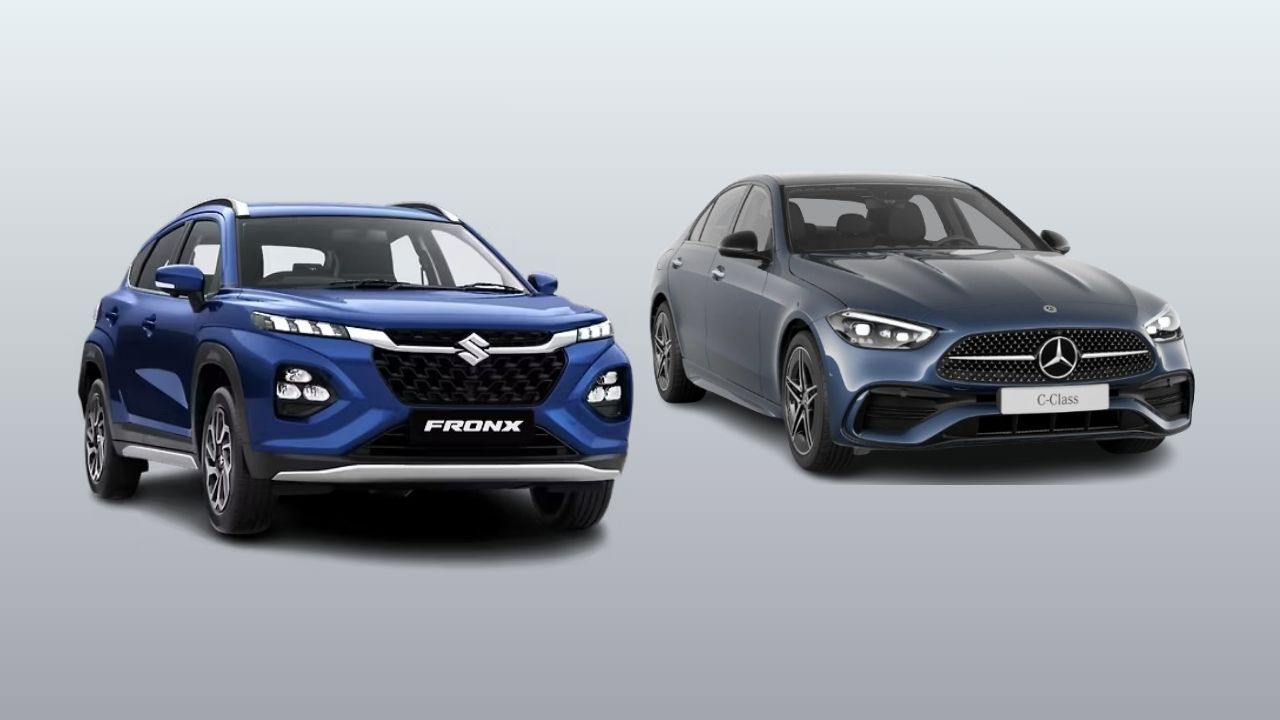
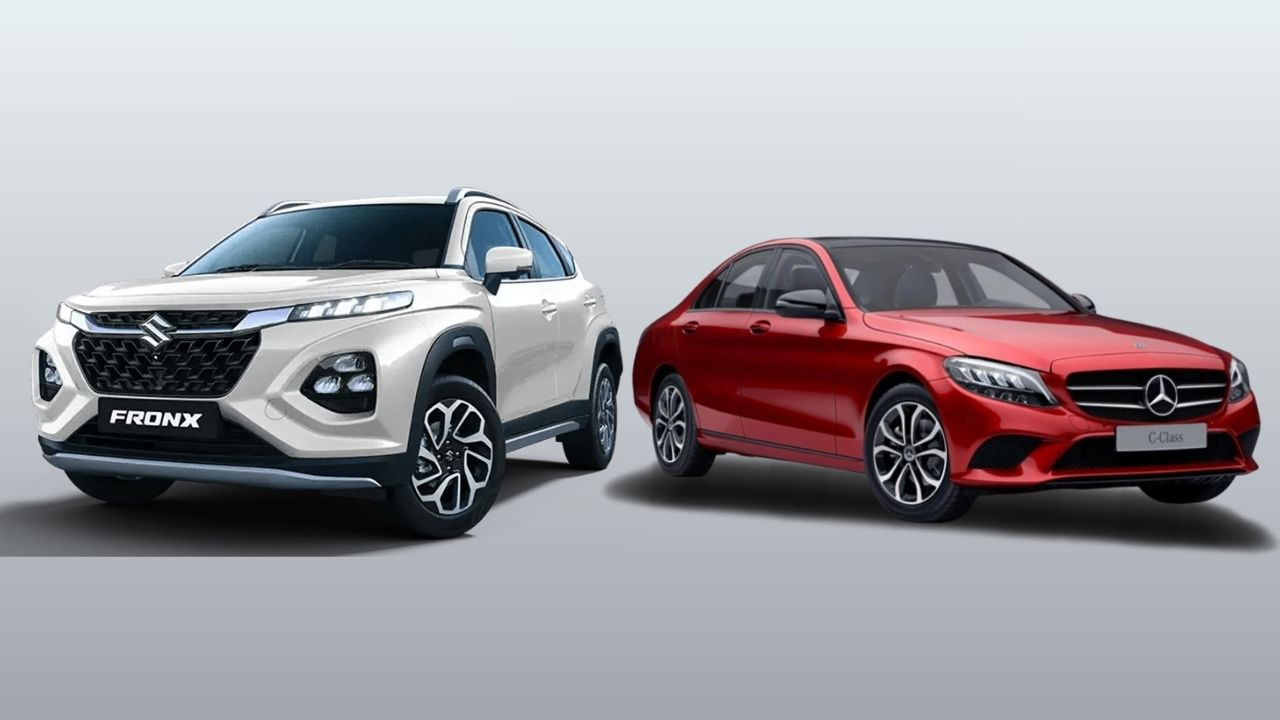
This Used Luxury Car Costs the Same as a Top-Spec Maruti Fronx

Published Sep 12, 2026, 11:35 AM
Last Updated Sep 15, 2026, 6:22 AM

Used Luxury Car Costs

A luxury car usually comes with a luxury-sized price tag, but the used-car market can flip that equation pretty quickly. That same used luxury car price will depreciate 3x lower after a few years later. There are German luxury sedans that, after a few years of depreciation, can come within the same price territory as a new Maruti Fronx. 

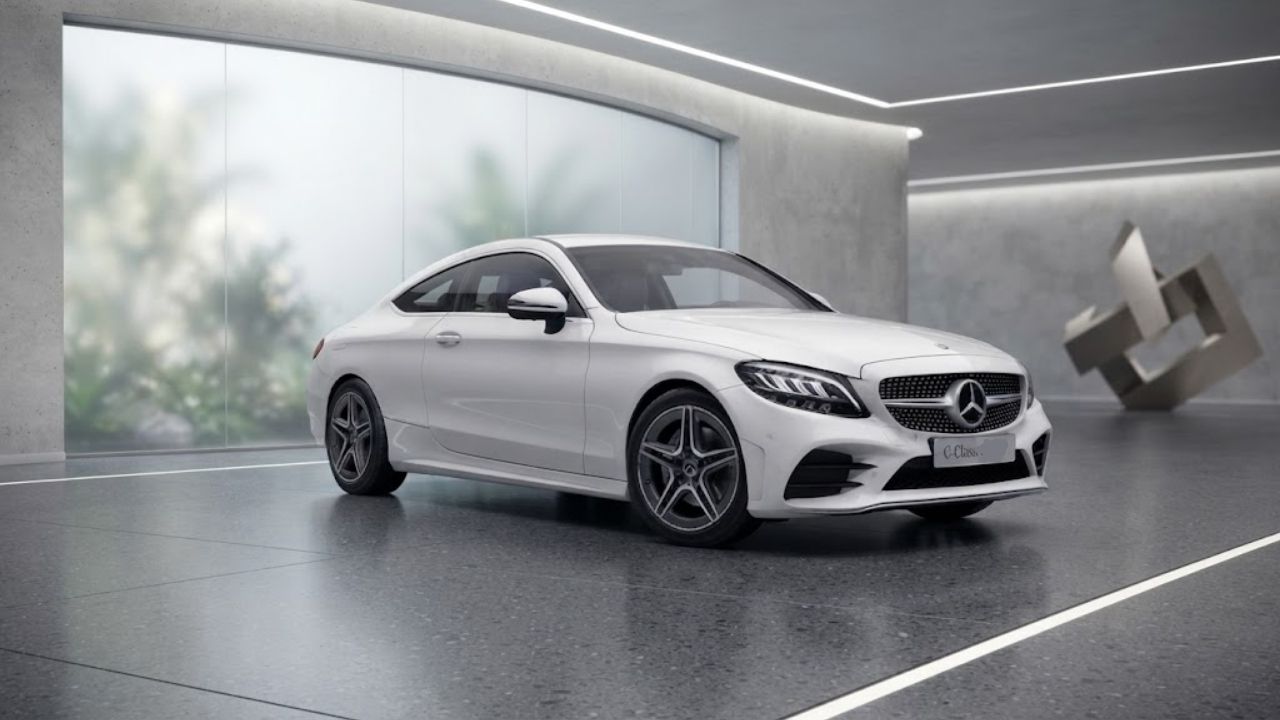
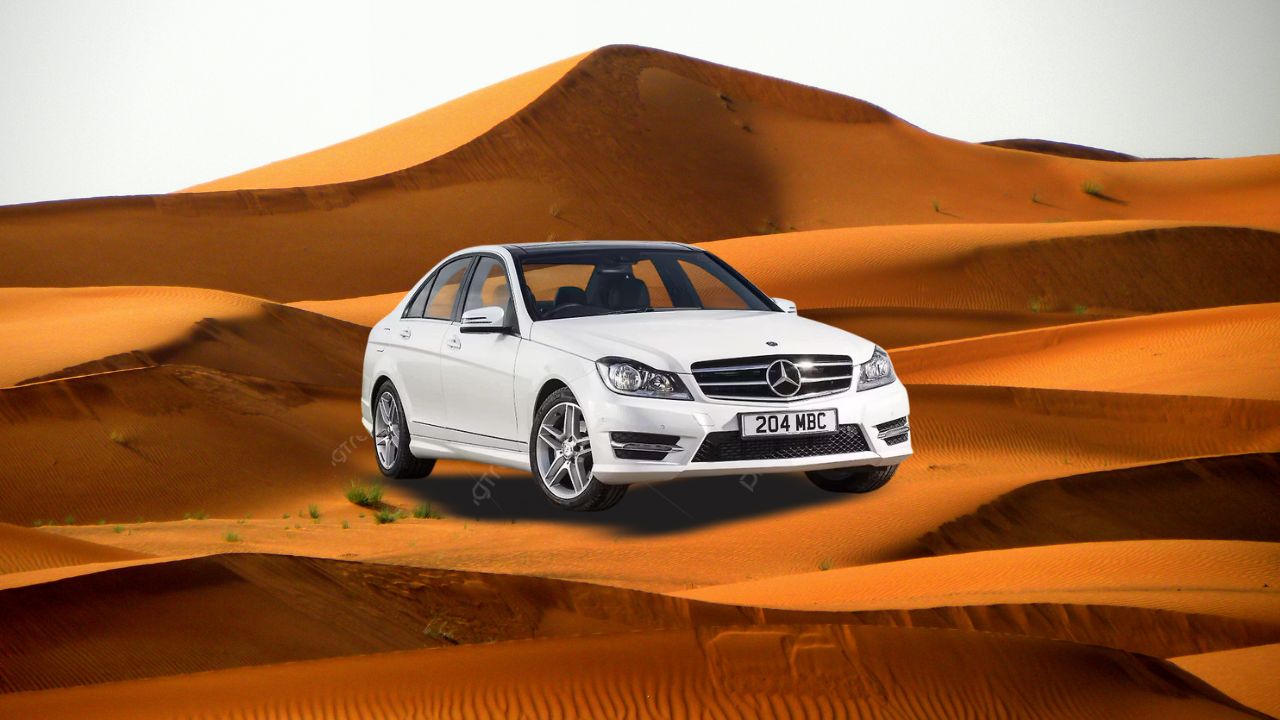
You can drive home a Mercedes-Benz C 220d Edition C instead. Same budget as Maruti Fronx. A three-pointed star instead of an “S” badge. That’s not a hype — it’s what eight years of depreciation does to a German diesel sedan that once cost more than three Fronxes put together.

This isn’t an argument that the used luxury car automatically wins. It’s a look at what you’re actually trading and what nobody tells you about when you take that trade.

Why a ₹43 Lakh Luxury Car Now Sits Next to a ₹14 Lakh Hatchback-SUV

Like any German Luxury Cars, Mercedes-Benz price comes three times down from the original price of ₹43.54 lakh ex-showroom. It reached nearly a Fronx Alpha cost today, starting at 7.57 lakh ex-showroom when one of the first owner of Edition C advertised C 220d Edition C at ₹7.90 lakh in Chandigarh.

It came with the design Hyacinth Red paint option (a first for the C-Class in India), gloss-black five-twin-spoke alloys, a black front apron spoiler and rear spoiler, open-pore black ash wood trim inside, stainless-steel sports pedals, and a Garmin Map Pilot navigation system as standard — kit that, at the time, most rivals charged extra for.

Nine years later, that same car — now with a typical 50,000–75,000 km on the odometer — is listed on used-car platforms with the exact number swinging hard based on mileage, ownership history, and whether it’s the diesel Avantgarde or a lower petrol trim. 

The 220d Edition C which runs around 55,000–65,000 km in its life is priced the same as the Maruti Fronx. However, well-maintained used car prices can be negotiable so the mentioned price are starting price point not a fixed price from the owner

What the Mercedes-Benz C 220d Edition C Offers

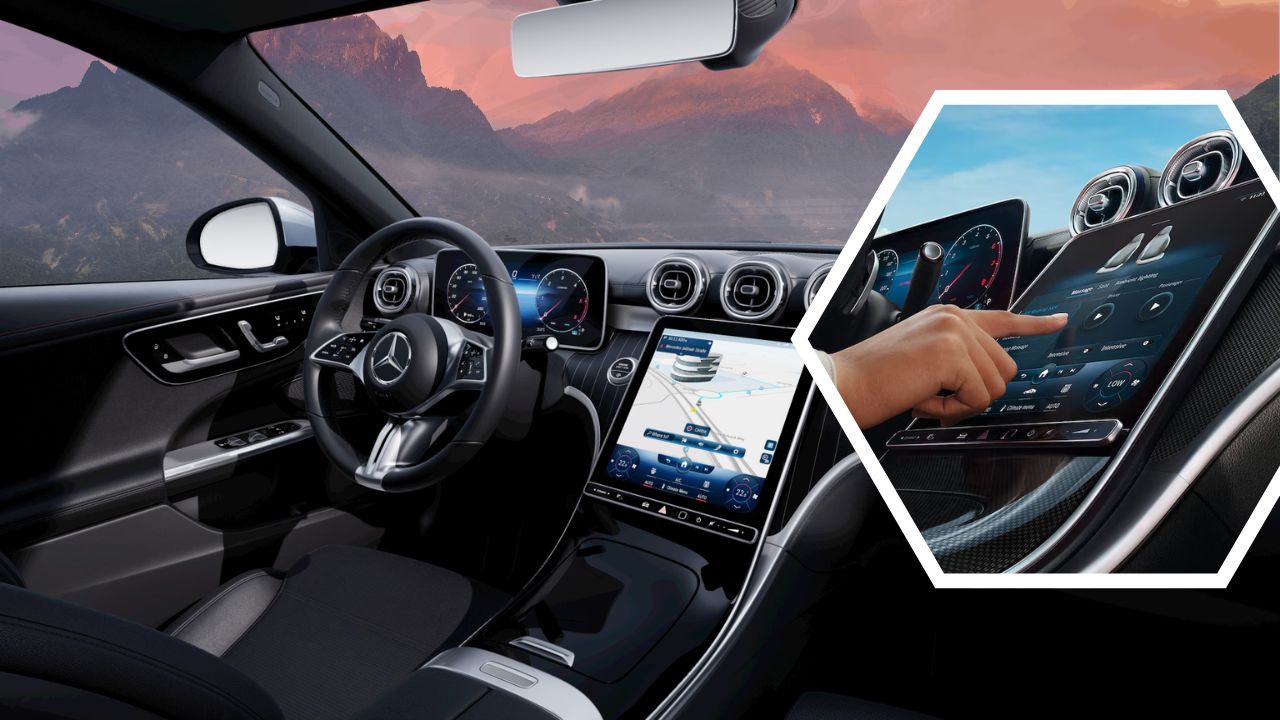
C 220 d offers a 2.2-litre four-cylinder turbo-diesel engine which produces power of 170 bhp and 400 Nm of torque. The 2,143 cc diesel engine paired with 7G automatic transmission so inspect the exact gearbox generation before you commit to confirm.

What makes this edition rare is its styling features, the AMG-style body that represents an aura. It introduced a next level look and cabin comfort as it was made of sports seats with contrast stitching, ambient lighting, split-folding rear seats

It offers 170bhp of power and 400Nm of torque with a torque-converter automatic gearbox so it doesn’t run but roaring on the road.

Mercedes-Benz C 220d Edition C Offers

What 400 Nm torque figure means on the road?

The 400 Nm of torque in a diesel car is rarely seen on Indian roads, and it arrives low in the rev range. That’s the reason why W205 diesel earned a reputation as an effortless highway cruiser rather than a usual car which takes a lot to get moving.

Benz 220d Edition C offers enough boot space for trips to become possible —  close to 480 litres. This space is perfectly great for even a family luggage too so that makes it noticeably larger than a compact SUV at this price point.

Diesel Torque vs Turbo-Petrol Efficiency Comparison

Spec Mercedes-Benz C 220d Edition C (2017, used) Maruti Fronx Alpha Turbo DT AT (2026, new)
Engine 2.2L 4-cyl turbo-diesel (OM651) 998cc 3-cyl turbo-petrol (Boosterjet)
Power 170 bhp 99 bhp @ 5,500 rpm
Torque 400 Nm 147.6 Nm @ 2,000–4,500 rpm
Transmission Automatic (torque converter) 6-speed torque-converter automatic
Drivetrain Rear-wheel drive Front-wheel drive
Claimed mileage 23 kmpl (ARAI, when new) 20.01 kmpl (ARAI)
Ground clearance Sedan-standard, sub-150mm 190mm
Boot space ~480 litres 308 litres
Price bracket (India, 2026) ₹11–17 lakh (used, condition-dependent) ₹11.98 lakh (ex-showroom) / ₹14.24 lakh (on-road, Delhi)

The Fronx’s 1.0-litre Boosterjet turbo-petrol is not equally powerful as the 220d Edition of Mercedes because it roughly produces 20 bhp of power and 20+ Nm of torque, even though it’s a less powerful option in its own segment. So it’s just a lightweight compact SUV which is reasonably efficient, and supported by Maruti’s extensive service network.

Diesel Torque vs Turbo-Petrol Efficiency Comparison

The C 220d, however, is running more than double the torque of the Fronx from an engine designed for autobahn cruising, wrapped in a body with genuine ground clearance and NVH refinement the Fronx simply can’t match. What the Fronx wins on is ground clearance for Indian roads, warranty backing, and a service bill you won’t flinch at.

Read More:-  Buy Tata Curvv Series X At Rs. 9.99 Lakh With Advanced Features Pack

What Is The Ownership Costs of German Luxury Car?

Every “buy a used luxury car for cheap” phrase doesn’t mean that the car has no value at all. This comparison will clarify that confusion without being more complex. 

A Mercedes-Benz authorized service visit on a W205 C-Class typically costs several times what a Fronx service costs at a Maruti dealership — parts like sensors, suspension bushes, and the diesel’s injectors are imported or semi-imported, and labour rates at luxury-brand service centres run considerably higher than mass-market ones. 

Based on many luxury used car services platforms for out-of-warranty annual running in India, one can expect the maintenance cost on the Mercedes-Benz C 220d Edition C is much higher than usual car services. 

Before buying any used Mercedes-Benz C 220d Edition C, insist on seeing recent oil-level and oil-condition checks, not just a service stamp. Insurance on a nine-year-old luxury sedan is also not cheap to insure comprehensively given the cost of replacement parts, even though the car’s depreciated value is low — get an actual quote before you commit.

German Luxury Car

Fuel Economy of Mercedes-Benz C 220d Edition C

The diesel engine favours the fuel bill, and it’s worth every ride. Since Diesel in Delhi is priced at ₹95.20 a litre against ₹102.12 for petrol as of early September 2026.

A used 220d realistically returning something like 16–18 kmpl in mixed real-world driving — down from its 23 kmpl ARAI-rated figure when new — works out to roughly ₹5,300–₹6,000 for 1,000 km. 

The Fronx Boosterjet AT, rated at 20.01 kmpl on paper but more realistically in the 14–16 kmpl range in everyday city-and-highway use, costs closer to ₹6,400–₹7,300 for the same 1,000 km at current petrol prices. 

Treat both real-world figures as estimates rather than guaranteed numbers — actual mileage depends heavily on driving style, AC use, and traffic conditions — but the direction is clear: the diesel’s torque advantage doesn’t come with a fuel-cost penalty here.

How to Buy on Finance

Not only new cars but used cars can also be bought on finance. But don’t take it blindly, see which benefits you the most. 

A new Fronx qualifies for a car loan with a 90% of loan value and 7-years of tenure. A 8 – 9% of interest rate applies depending on the lender and your credit score. 

While second hand Mercedes falls in a different lending category altogether because most banks and NBFCs cap used-car loan tenures at around five years, often giving only 70–80% of the car’s assessed value with a higher interest up to 14%.

Paying cash is the best option in buying a luxury used car but if you’re opting for financing then remember this factor in your head. The used luxury car’s lower purchase price doesn’t mean your EMI also gets lower. 

Resale is the other side of this. A Fronx has a well-understood depreciation curve and a large buyer pool. A nine-year-old luxury diesel sedan has a much smaller pool of buyers who want exactly this car, which means it can sit longer on used-cars platforms than a mass-market hatchback-SUV would.

How a Similarly-Priced Used BMW 320d Stacks Up

If the used luxury car route appeals to you, the C 220d Edition C isn’t the only option in this exact price band. A used 2016–2017 BMW 320d Sport Line or Luxury Line, with comparable 60,000–70,000 km on the clock, typically trades in a similar ₹12–17 lakh range on OLX and Cars24 listings. 

One of the sources documented buying an eight-year-old 320d with just 50,000 km for around ₹16 lakh — pointing out it undercut the on-road price of a Hyundai Creta or Kia Seltos at the time.

BMW 320d Stacks Up

The F30-generation 320d gets BMW’s 2.0-litre diesel, producing around 190 bhp in most Indian-spec versions — giving it a clear power advantage over the C 220d’s 170 bhp. It also brings the sharper steering and rear-wheel-drive setup that made this generation of the 3 Series particularly engaging to drive. 

Where the Mercedes tends to have an edge is outright cabin refinement and that Edition C’s extra kit list. If outright driving involvement matters more to you than plush cabin trim, the 320d deserves a test drive before you commit to the Mercedes on badge alone.

Read More:-   Tata Nexon On-Road Price Lucknow — Best Compact SUV At This Price Point

Should You Buy the Used Mercedes Over the New Fronx?

Buy the Mercedes-Benz C 220d Edition C if: you do most of your driving on highways rather than potholed city roads where ground clearance matters, you have a maintenance buffer set aside beyond the purchase price, you value cabin refinement and highway comfort over warranty peace of mind, and you’re buying from a verified seller with a complete, checkable service history.

Buy the Fronx instead if: this is your only car and you can’t absorb a large unplanned repair bill, you need Maruti’s service network because you’re outside a metro with easy access to Mercedes-authorized centres, you drive on broken or flooded roads where 190mm of ground clearance genuinely matters, or you want the safety net of a manufacturer warranty on a car that’s never had another owner’s driving habits baked into it.

There’s no wrong answer here — but there is a wrong way to make this decision, and that’s comparing only the purchase price. The Fronx’s ₹14.24 lakh is close to the entire cost of ownership for the next several years. The C 220d’s similar sticker price is closer to the entry fee.

Reliable Platforms to Buy Used Luxury Cars

There are verified platforms online like Spinny and Cars24 who sell German luxury cars after inspection and full history, which matters far more on a nine-year-old luxury diesel than it does on a new hatchback. Since they both run their own inspection and certification process, you don’t have to worry and run your inspection.

While OLX and CarDekho owners list their used cars and you have to deal with them directly. So, it’s hard to inspect a nine-year old diesel luxury car regardless of what the seller claims. 

Luxury Cars

Ask specifically for: full service history from an authorized Mercedes-Benz workshop (not just a bill folder), confirmation of the exact transmission fitted, evidence of timely DPF and injector servicing, and a check on whether the car has ever been in an accident — a repainted panel on a nine-year-old car isn’t automatically a red flag, but undisclosed structural repair is.

Read More:-  Kia Carens CNG, Clavis CNG & Carnival Hybrid Pre-Bookings Open In India

Conclusion

If your comparison stops at “same price,” the Fronx and the Mercedes-Benz C 220d Edition C look like a toss-up. Run the comparison through five years of ownership instead, and the decision splits along one honest question: can you comfortably absorb a ₹40,000–₹80,000 repair bill if the Mercedes throws up a problem in year three of your ownership? 

If yes, the used luxury car is a genuinely compelling way to own a proper German sedan for hatchback-SUV money. If that number would hurt, the Fronx’s lower ceiling — even with its weaker engine and smaller boot — is the financially safer three-lakh-kilometre bet.

0

How to Find the Best Used Car Near Me: A Step-by-Step Guide

Published Apr 23, 2025, 8:02 AM
Last Updated Nov 5, 2026, 4:05 PM

Buying a car is a big step. For many people in India, a car means comfort, freedom, and a better lifestyle. But buying a brand-new car is expensive. This is why many people look for a Used Car Near Me instead. Used cars are cheaper and can still be in very good condition.

In this guide, you will learn how to find the best Used Car Near You. You will also learn expert tips that will help you avoid bad deals. We will talk about prices, quality, paperwork, and more. So let’s get started.

Why Do People Choose Used Cars?

A used car is not always old or broken. Many used cars are in great shape. Some people sell their cars because they move to a new city. Some want a new model. And others want to upgrade to a bigger car. That means you can find a good used vehicle near you if you search the right way.

Used cars are much cheaper than new cars. The price of a new car drops fast after it is used. This is called depreciation. A new car loses 15% to 30% of its value in just one year. But a used car has already gone through that. So you do not lose much when you buy it.

Where Can I Find a Used Car Near Me?

There are many ways to find a used car near you. You can ask your friends or neighbors. You can check online. You can visit a nearby dealer. You can also check special websites that sell only used cars.

Let us look at all the places where you can find one.

1. Direct Owner Sale

Some people sell their cars directly. You may see signs on cars in your neighborhood. Or your friend may tell you about someone selling their car. This way is cheap because you don’t pay any dealer. But there is also a risk.

The seller may not tell you the full truth about the car. The car may have problems. So always bring a trusted mechanic when you go to check the car.

2. Local Used Car Dealers

This is a common way to find a used car nearby. These dealers have many cars in one place. You can look at them all and choose one. The dealer also handles paperwork. But the prices are a bit high. Also, not all dealers are honest. Some may hide car problems. So ask many questions and check the car well.

3. Online Classifieds

Websites like OLX and Quikr show many used cars for sale. These sites are easy to use. You can filter by city, price, and model. Just search “Used Car Near Me” and many options will show up.

But be careful. Some listings may be fake. Always meet the seller in a safe place. Check the car before you decide anything. Don’t send money before seeing the car.

4. OEM Certified Dealers

OEM means Original Equipment Manufacturer. Brands like Maruti, Hyundai, and Mahindra sell certified used cars. These cars go through full checks. The company also gives you a warranty. That means if something goes wrong, they will help you fix it.

The cars cost more. But you get peace of mind. If you want a safe choice, try an OEM brand dealer.

5. Online Used Car Retailers

This is a new and smart way to find a used car near you. Companies like Spinny, Cars24, and CarDekho let you buy used cars online. You can book a test drive, choose a car, and even get a loan—all from your phone.

These platforms inspect each car using a 200-point checklist. They also offer warranties, return options, and fixed resale value. They are safe, easy to use, and very transparent. This is one of the best options for busy people who want to buy from home.

How to Choose the Right Car for Your Needs

Before you buy, think about why you want the car. Do you drive a lot? Do you have a big family? Do you live in a city or a village?

If you are single and live in the city, a small hatchback is a smart choice. If you have a big family or love road trips, an SUV or sedan may be better. Don’t just buy a car because it looks nice. Pick one that matches your lifestyle.

Check the Car Carefully Before You Buy


When you find a car you like, don’t rush. You must test it. Here’s how to do it the right way.

Start the car. The engine should start quickly and sound smooth. Drive it for at least 5 kilometers. Try city roads and open roads. Watch how it feels. The gears should shift easily. The clutch should not feel too hard. The brakes should stop the car in a straight line.

Check if the steering is firm. It should not shake. Also, check if the air conditioning works well. Drive on a slope to test the cooling.

After driving, park the car and look under it. There should be no oil leaks. Check the tires. They should not be too worn out. A new set of tires costs a lot. If tires are bad, you can ask for a price cut.

Look for Certified Used Cars

Certified used cars are checked fully before they are sold. The seller gives a report and sometimes even a warranty. This means if something breaks, they will help fix it.

Companies also offer a 5-day return policy. If you don’t like the car, you can return it and get your money back. That is why more people now search for a certified used car near you.

Check All the Documents Required

Paperwork is very important. Even if the car looks perfect, do not buy it without checking documents. You must ask for these:

  • Registration Certificate (RC): This shows who owns the car. The engine number and chassis number must match the car.
  • Insurance: This helps you know if the car had any accidents. You also need it to transfer ownership.
  • Pollution Certificate (PUC): This proves that the car is safe for the environment.
  • Road Tax Receipts: These show if the tax has been paid.
  • No Objection Certificate (NOC): If the car had a loan, the NOC shows it is now fully paid.

Without these, you may face trouble later. Always double-check every document.

Get the Car Checked by a Mechanic

Even if the seller says the car is fine, bring a trusted mechanic. A mechanic can find hidden problems. They can check the engine, brakes, suspension, battery, and more. This step will save you from buying a car with hidden faults.

If the car is in good shape, your mechanic will say so. If not, you can ask the seller to fix the problems or lower the price.

Compare Car Loan Options

If you need a loan, compare banks and NBFCs. The interest rate on a used car loan is higher than a new car loan. But it is still better than paying a huge amount all at once.

Try to make a big down payment. This will lower your loan amount and interest. Some online used car sellers offer loan help. This makes the process easier. When you search for a budget used car near you, check if loan help is also available.

Transfer Ownership the Right Way

Once you pay, the seller must give you all papers to transfer the car to your name. You need to visit the RTO office for this. You will need:

  • The original RC
  • Sale transfer forms 29 and 30 signed by buyer and seller
  • NOC from the financer, if there was a loan
  • Insurance documents
  • Your ID and address proof

Once the car is in your name, you become the full owner. Now the car is truly yours.

Why Online Retailers Are the Future of Used Cars

Platforms like Spinny, CarDekho, and Cars24 have changed the game. You can search “best Used Car Near Me” and find hundreds of good cars in seconds. You can also:

  • Book test drives
  • Get warranties
  • Return the car if not satisfied
  • Get loan and insurance help
  • See service history

These features make them more trusted than local dealers. The only drawback is that some cities may not have these services yet.

Conclusion

Buying a used car near you can save you a lot of money. But you must be smart. Do your research. Always test the car. Check all the documents. Ask many questions. And don’t rush.

If you are careful, you will find a great deal. Whether you choose a dealer, online retailer, or a direct owner, follow these expert tips.

Soon, you’ll be driving your own car—one that fits your needs, budget, and dreams.