0

Jay Leno’s Car Collection: A Passion That Goes Beyond the Garage

Published Dec 15, 2025, 12:08 PM
Last Updated Apr 8, 2026, 7:28 AM

Jay Leno's Car Collection

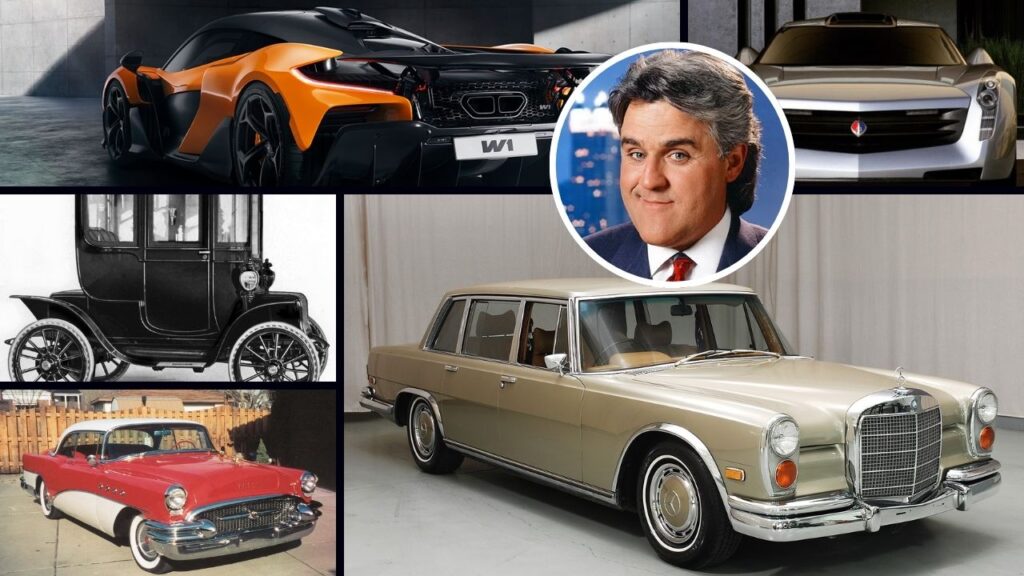
When you think of Jay Leno, most of which are his notoriously large smile and decades of being one of the world’s best late-night comedians on The Tonight Show. But to gear-heads across the globe, Jay is something else entirely – a man who has made his childhood dreams come true by building one of the most spectacular automotive collections the world has ever seen. Before you dismiss, let’s check out Jay Leno’s Car Collection in a massive 122,000-square-foot garage near Burbank Airport. 

The Story Behind the Collection

What sets Jay Leno’s collection apart is not only its size or its estimated value of 52 to 100 million dollars. It’s the philosophy behind why he collects them. Unlike many rich collectors who lock up their treasures and let them gather dust, Jay is different. He drives them on a regular basis, takes adventures in them, and even makes a wildly popular YouTube show, “Jay Leno’s Garage,” where he lets his passion for cars take center stage. His mantra: “These cars are made to be driven.” 

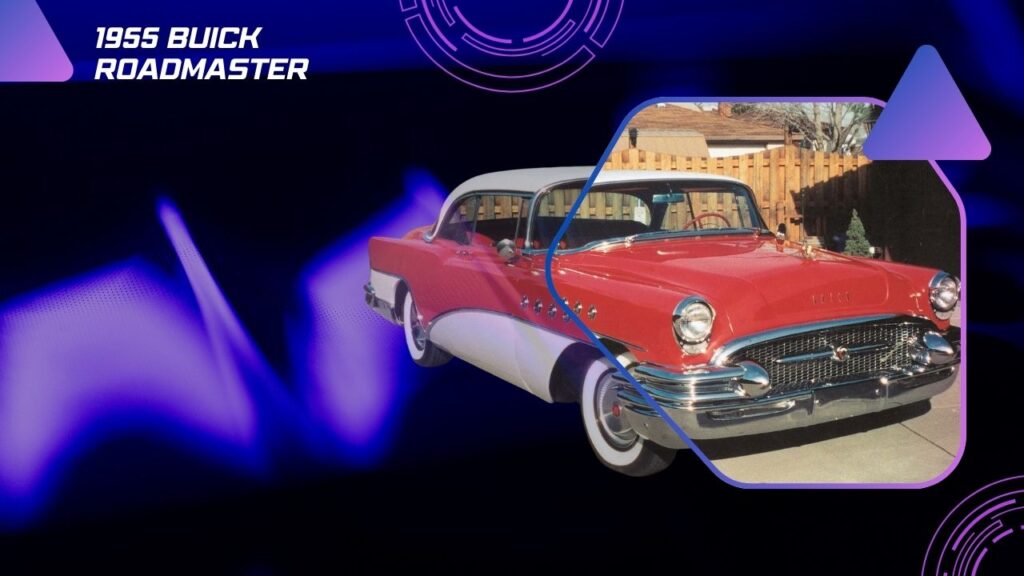
1955 Buick Roadmaster 

Jay at sixteen had bought a 1934 Ford pickup truck. It was his first car ever. He swapped it for a Datsun 1600 by the time he was done with his first couple of gigs. The big shift hit when he moved to California There in the early ’70s he picked up a 1955 Buick Roadmaster for a mere $350. Jay happily named it “Rosebud.” It’s one of his top treasures. He spent time and money to make it run like a modern beast. All while maintaining it classic, old-school style. 
1955 Buick Roadmaster

That one purchase sent him on a path that would see him become the third most-googled car collector in the world, behind only Cristiano Ronaldo and Bill Gates. 

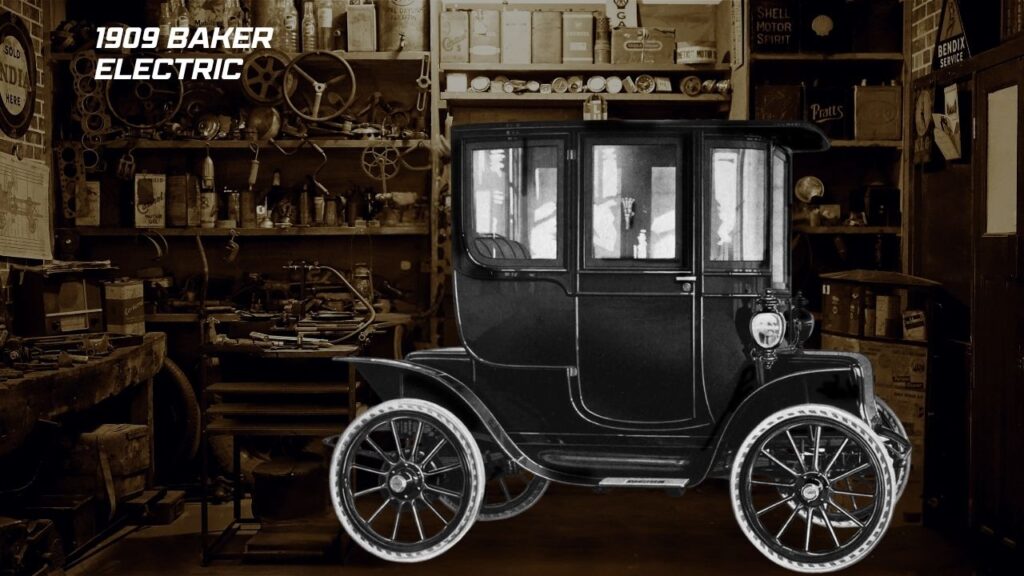
1909 Baker Electric That Predates The Titanic Itself

Baker Electrics of 1909 boasted thick lead-zinc or nickel-iron batteries, series-wound motors that could withstand great overloads, and top speeds of 14-25 mph with ranges up to records such as 201 miles on a charge by 1910.
1909 Baker Electric

Controls included a rudder-style tiller for steering, and throttle was controlled by a twist lever, eliminating the hazards of hand-cranking gasoline engines then in vogue. 

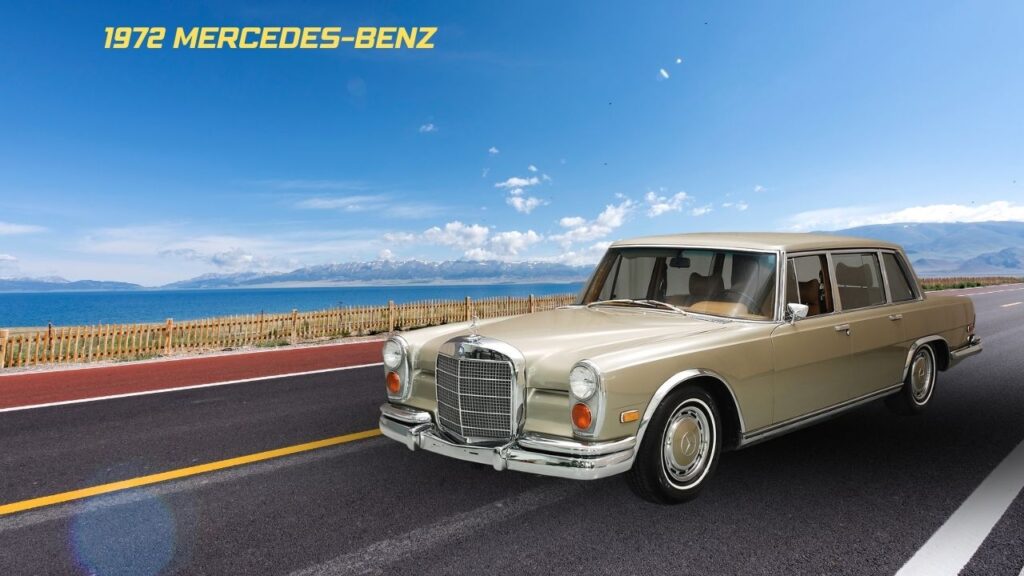
Jay Leno’s Favorite Car: 1972 Mercedes-Benz 600 Kompressor

The 1972 Mercedes-Benz 600 Kompressor is a unique, one-off W100 “Grosser” limousine owned by Jay Leno with a non-factory supercharger on the standard 6.3-litre V8 engine. This upgrade takes the power from the OEM 250 hp and 369 lb-ft to well in excess of 525 hp, and that power will get you to well in excess of 130 mph in a vehicle that weighs over 6,000 pounds with a load. 
1972 Mercedes-Benz 600 Kompressor

Built between 1963 and 1981 with approximately 2,677 units made, the base 600 was the quintessential luxury treat for dignitaries with hydraulic everything – from doors to windows.  

2026 McLaren W1 Hypercar

A 4.0-liter twin-turbo V8 is mated to a 342-hp electric motor. They produce a combined 1,258 horsepower and 988 lb-ft of torque. This arrangement allows the car to achieve 217 mph with a 0-60 mph time of 2.7 seconds. The dry weight is 3,084 pounds giving a power-to-weight ratio of about 2.5 pounds per hp. It is a real engineering tour de force.
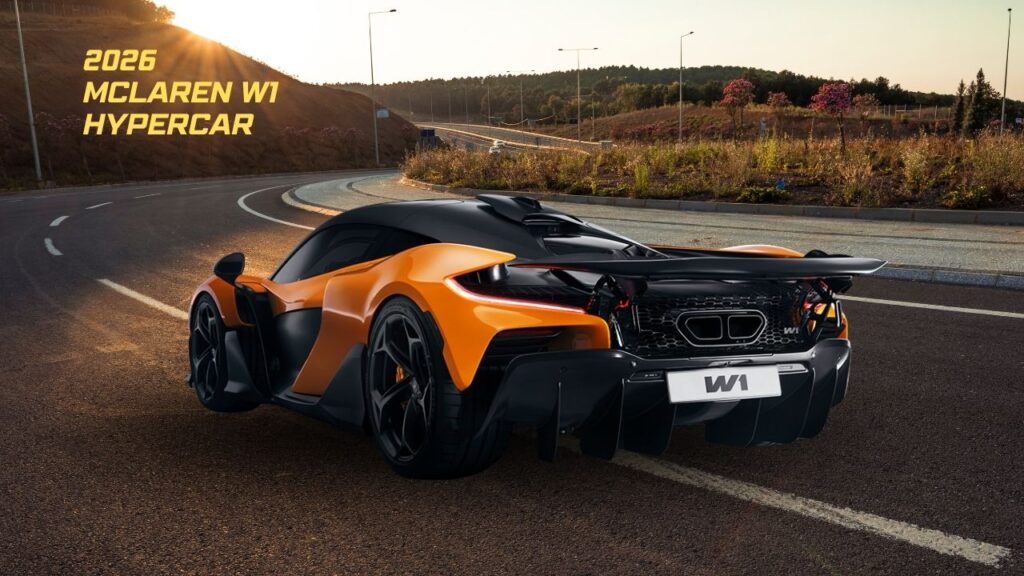
2026 McLaren W1 Hypercar

The 1.38kWh high-performance hybrid battery of McLaren’s High-Performance Hybrid Powertrain is both 88 lbs lighter than that of the P1’s hybrid system and twice as powerful. 


Another Remarkable Piece is The 2006 GM EcoJet 

A Honeywell LT101 gas turbine, commonly found in helicopters, is mid-mounted, producing 650 horsepower and around 400-583 lb-ft of torque, with a few tuned variants making 750 hp. The 2006 GM EcoJet then powers the rear wheels through a four-speed automatic transaxle borrowed from a C5 Corvette, which is required since the turbine needs to be under constant load and without a manual clutch. 
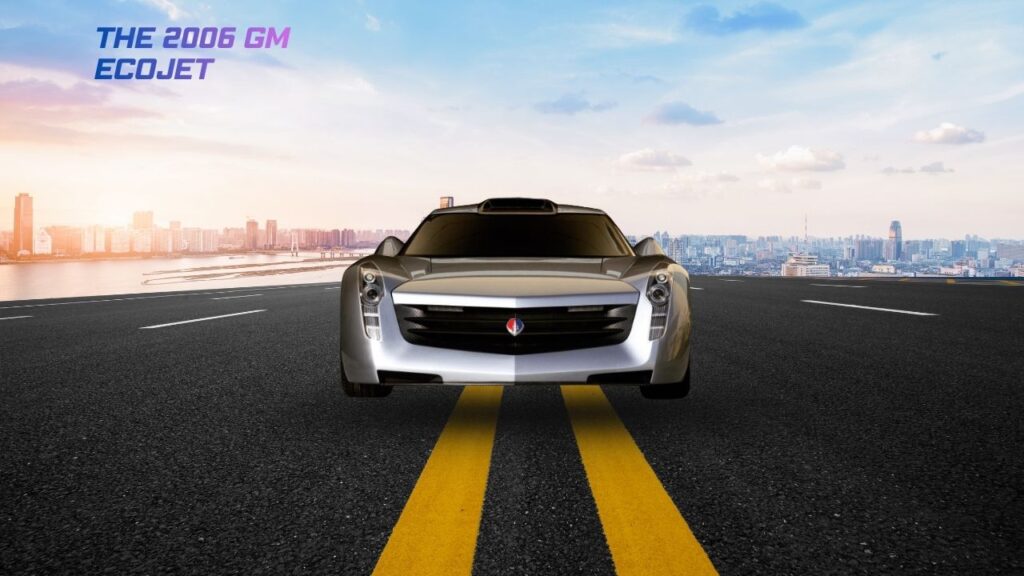
The 2006 GM EcoJet 

The engine rides the high r.p.m.s (something near to 48,000), and that produces so much baseline power it makes braking a challenge. Jay Leno is the owner and driver of the prototype and demonstrates its road-worthiness, ignoring jet quirks such as scant engine braking. 

Jay Also Owns Incredibly Rare Machines: The 1992 Lotus Carlton 

The 1992 Lotus Carlton (or Lotus Omega in continental Europe) is a sports saloon produced by Lotus Engineering based on the Vauxhall Carlton/Opel Omega with a twin-turbo 3.6 litre inline-6 engine. Manufactured between 1990 and 1992 in limited quantities (roughly 950 units due to homologation requirements), it gave supercar speed in an everyday four-door package, and earned a reputation as one of the quickest saloons of its time. 

Read More:-  Erica Kirk Luxury Car Collection Featuring Rare Supercars and Premium Models

What Sets Jay apart From Other Collectors

Jay is picky about some brands. Notably, he has no Ferraris in his garage, just because he didn’t like “having to jump through all these VIP hoops” to become a Ferrari owner. He’d just as soon spend his money on cars that really excite him or that have significant chapters in the history of the automobile. 

What really pushes Jay Leno’s collection over the edge from just stuff to real collection is his dedication to preservation and education. He doesn’t just drive his cars, but also films them for his show, where millions learn about automotive history, engineering and the stories behind these machines. 

Conclusion

Jay Leno’s Car Collection is not just a testament to his wealth — it’s a living testament to car culture and automotive enthusiasm. In an age when technology is advancing at the speed of light and miracles from yesterday are taken for granted today, Jay’s garage is a place that celebrates mechanical art. His collection spans the story of human ingenuity from the earliest cars to the hypercars of the future – and it is all owned by one man who actually loves every single vehicle in his care. 

Bipin Sharma

Bipin Sharma is a seasoned automotive content writer with over 10 years of hands-on experience in the world of cars. From the latest car news and reviews to in-depth maintenance tips and expert buying guides, Bipin covers everything that drives the automotive world. Writing about cars isn’t just his profession — it’s his passion. His deep industry knowledge and love for automobiles fuel every blog he creates, helping readers make informed decisions and stay updated on the fast-evolving auto landscape.

Leave a Reply

Your email address will not be published. Required fields are marked *

0

Tesla vs Ford Electric Cars : Who’s Winning the 2025 EV Race?

Published May 9, 2025, 6:40 AM
Last Updated May 9, 2025, 9:33 AM

Tesla vs Ford Electric Cars 2025

The year is 2025, and electric cars are gaining popularity. The preference for cars that are clean, fast and easy to use, is increasing rapidly. There are two companies main players making big strides in this new paradigm. They are Tesla and Ford. In some ways, they are racing against each other for best electric vehicle technology leadership. Therefore, we will compare Tesla vs Ford electric cars, and explain who is winning the race in 2025. We will address; their cars, prices, technology, range and more. By the end of this post, you will be able to understand buyers that hold brand loyalty, and help you decide which brand is better for your needs.

Why Tesla and Ford Are Competing in the EV Space?

Though Tesla and Ford are very different companies, they do have a fact in common; they are both making large efforts to lead the charge into the electric vehicle world. Tesla is well known for making only electric cars, and actually entered the EV space from the get-go. Ford is an older company that was first created to make gas cars, but now is spending tremendous amounts of money towards building electric vehicles; this will allow Ford to leapfrog into the EV space and become a significant competitor to Tesla. When comparing Tesla vs Ford electric cars, we are talking about two major players that are driving the future of driving.

Tesla Electric Cars in 2025

Tesla is now well-known everywhere as a leader in intelligent, environmentally friendly, high-performance battery electric vehicles (BEV). Tesla also offers several BEV models in 2025 to fit various requirements. Ideal for daily trips, the Tesla Model 3 is a reasonably priced battery electric vehicle with an approximately 358-mile range. With enough of room for families, the Tesla Model Y is a small SUV having approximately 330 miles range.

Tesla Electric Cars in 2025

Image Credit: Tesla.com

With more than 370 miles of range and amazing speed, the Tesla Model S provides a more upscale experience acting as a luxury sedan. A full-size SUV, the Tesla Model X boasts upward-opening doors, lots of loading space, and great comfort. Every Tesla electric vehicle has smart features like Autopilot, with software upgrades that regularly enhance the car without physically bringing it into the service center.

Ford Electric Vehicles for 2025

Over the last several years, Ford has gotten more electric vehicle commitment. Ford has assembled a number of models enjoying positive note in 2025. Sporty electric SUV with a 312-mile range, the Ford Mustang Mach-E has appealing design. Among the most often sold Ford electric vehicles is the Ford Mustang Mach-E. For truck enthusiasts, the Ford F-150 Lightning is a significant event.

Ford Electric Vehicles for 2025

Image Credit: Ford.com

Dependent on the model, this electric variant of America’s best-selling truck has a range of roughly 240 to 320 miles. Ford is also introducing the Ford Explorer EV in 2025. With a maximum of 374 miles, this family SUV is quite outstanding. Ford is also introducing intelligent driving technologies like BlueCruise, which lets some roads drivers go hands-free.

Sales comparisons between Ford and Tesla

Tesla is definitely ahead when we consider sales figures. Tesla sold roughly 128,000 electric vehicles in the United States during January through March of 2025. Ford sold roughly 22,500 electric vehicles during that period. These figures demonstrate Tesla’s continued leadership in the electric vehicle sector. Ford, meanwhile, is expanding fast and introducing additional designs each year. Additionally expanding factories and battery enhancements is Ford. Thus, while Tesla is currently leading, Ford is really working to close the gap.

Tesla vs. Ford Electric Vehicle Battery Range

Battery range is the distance a car can cover on a single full charge. When purchasing an electric vehicle, people consider this among the most crucial factors. Tesla has always been strong in this area. One charge of the Tesla Model S might take it more than 370 miles. Though the Model Y offers roughly 330 miles, the Tesla Model 3 delivers around 358 miles. Ford is also enhancing its battery range. The 312-mile range of the Mustang Mach-E The F-150 Lightning offers 320 miles maximum. With an expected range of up to 374 miles, the new Ford Explorer EV would be somewhat more thanTesla’s top model. This indicates that in terms of range, Ford electric vehicles are developing and providing fierce rivalry for Tesla electric cars.

Network of Charging and Convenience

One of the main components of owning an electric vehicle is charging. Tesla has a sizable worldwide Supercharger network. Fast and simple to use, these charging docks Approximately 30 minutes will allow Tesla drivers to charge their vehicles to 80%. Tesla boasts more than 50,000 Superchargers by 2025. This simplifies Tesla drivers’ travel. Ford collaborates with public chargers like Electrify America; she does not have her own charging network. Also available to Ford drivers are some Tesla Superchargers. Tesla still has the advantage in network size and charging speed.

Technology and Feature Comparison

Tesla vs Ford Electric Cars

Tesla is famous for its sophisticated technology features. It provides Autopilot, a self-driving capability. Tesla vehicles have entertaining features like Dog Mode, which keeps your pet cool while you artist. Like your smartphone, the vehicles receive updates over the air. These revisions enhance the car and introduce new features. Additionally including intelligent capabilities is Ford. Ford’s version of self-driving, BlueCruise, runs on several main routes. Ford trucks provide features like built-in power outlets for running lights or tools. Although Ford is rapidly catching up and providing practical tools for everyday use, Tesla still sets the standard in technology.

Tesla and Ford electric vehicle price comparison

When people purchase cars, price is a major consideration. Tesla provides a decent price range. Starting prices for the Model 3 are about $40,000, among the most affordable electric vehicles available. Starting price for the Model Y is roughly $47,000. Starting around $90,000 for high-end consumers, the Model S and Model X exceed $100,000. Prices for Ford vehicles are somewhat higher or comparable. Starting price for the Mustang Mach-E is approximately $45,000. Starting price for the F-150 Lightning is $55,000. The expected price range for the new Explorer EV is $50,000 to $60,000. Tesla might provide more value in certain categories, but Ford is aiming at consumers who want tough SUVs and trucks.

Service to Customers and Ownership Experience

While some users complain about build quality and service delays, Tesla cars are enjoyable, high-tech. Tesla sells cars directly, therefore there are no nearby dealers to assist rapidly in many locations. Conversely, Ford has been around for a long and has a sizable dealership network. This means that if something goes wrong, one may more easily look for assistance. Ford’s service arrangement still appeals to many consumers. New electric vehicle users depend a lot on a supportive service team, and Ford has the edge here.

Read Also : Top 10 Mistakes to Avoid When Buying a Car

The Future of Tesla and Ford in Electric Vehicles

Tesla is not slowing down. It is working on new projects like the Cybertruck and a low-cost electric car. These models could help Tesla grow even faster. Ford is also building more EV plants, making new batteries, and hiring thousands of workers to build electric cars. The company plans to make millions of electric vehicles in the next few years. Both companies are focused on cleaner energy and want to help the world switch to electric cars. While Tesla electric cars are still leading today, Ford electric cars are getting stronger and more competitive every year.

Final Thoughts

When we look at everything — sales, battery range, price, charging, features, and service — Tesla is still ahead in most areas. It sells more cars, offers better tech, and has the best charging network. But Ford is making big moves. Its cars now offer good range, smart features, and better service. So, in the race of Tesla vs Ford electric cars, Tesla wins in 2025. But Ford is catching up fast. In a few years, it may become a close fight.


0

2026 Tata Punch Facelift – New Design, Interior, Features & Variants

Published Jan 10, 2026, 11:23 AM
Last Updated Apr 11, 2026, 11:05 AM

2026 Tata Punch Facelift

If you’re thinking of getting into the micro-SUV game, then January 13, 2026 will be a date you want to mark on your calendar. Tata Motors is introducing a few major upgrades to the people’s favourite Punch, and the 2026 Tata Punch Facelift is meant to make it even more alluring than before. Let’s take a look at why this new generation is a breakthrough in the cheap SUV segment. 

A Fresh Look of 2026 Tata Punch Facelift

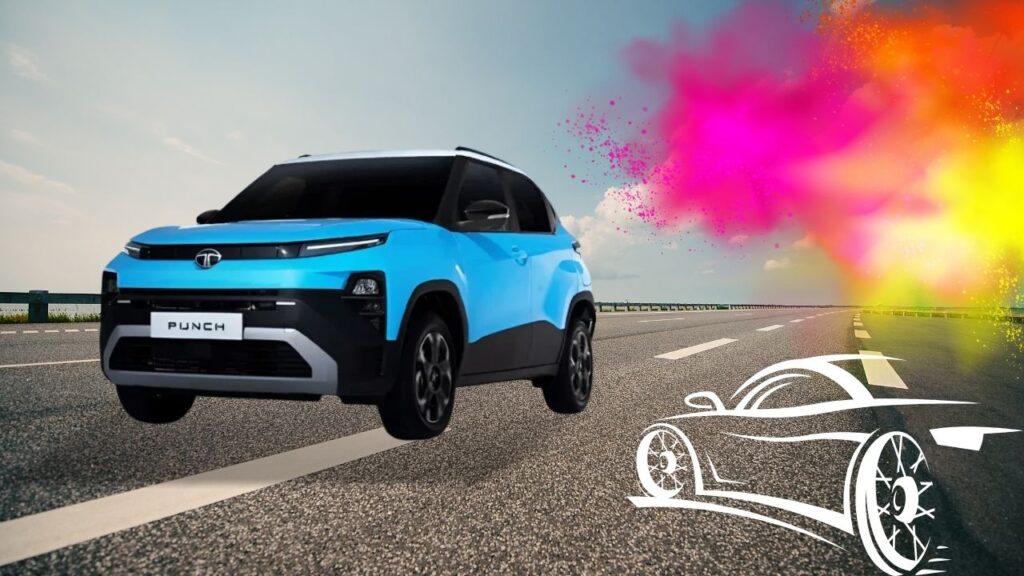
The 2026 Tata Punch Facelift isn’t just a few tweaks here and there refresh―it’s an evolution in an unignorable way. The exterior is inspired by the Punch EV, lending it a futuristic and sophisticated look. Once again, you’ll notice the new LED DRLs (Daytime Running Lights) with stylish and minimalistic black surroundings that look premium without making your wallet cry. The front fascia gets a new bumper with attractive dual-tone finish and split headlamp layout that is really sharp.

A Fresh Look of 2026 Tata Punch Facelift

​Now on to the rear and the Punch offers a very cool connected LED tail-light design that visually links both ends of the car. There is also a black trim across the tailgate, which lends the SUV a more unified and premium look. The revised alloy wheel designs complete the exterior makeover with its rugged micro-SUV feel, but with a contemporary taste, nevertheless. 

Tata Really Impressed Everyone with it’s Upgraded Interior

Step inside the Tata Punch, the cabin still manages to feel spacious, but it does so with a cleaner, more contemporary design language that is used in other Tata products. You will be surprised by the new 2−spoke steering wheel which is more premium to touch and the HVAC controls which have been repositioned and are now touch activated—taking design cues from the more upscale Tata products.

The seats are upholstered now in a fashionable dual-tone black & blue colour theme instead of the single-tone of the previous model. It may be a small thing, but it really makes the cabin look better. Its everything nicer, more premium materials and better seat fabric which helps the Punch feel like it punches above its weight. 

Read More:- Manny Khoshbin Car Collection: Luxury & Hypercars Garage

Modern Features of New Tata Punch Facelift

A highlight is the new infotainment system. You get an 8-inch or the larger 10.25-inch screen with updated graphics and a more user-friendly UI depending on which version you’re taking. The top-tier model takes an additional step forward with a 7-inch digital instrument cluster, delivering a connected and technology-focused driving experience for drivers. 

​Wireless Apple CarPlay and Android Auto are now standard from the Pure+ trim and above, which is fantastic if you’re the type who likes to have your phone integrated with your car. The Pure+ variant also brings in a 8-inch touchscreen, USB Type-C fast charging (at a mind-boggling 65W of power), and even a height-adjustable driver’s seat for those long hauls. 

The Adventure model introduces some pretty amazing technology such as the 360-degree surround- view camera system—a feature that was not available before, and makes parking in tight spaces easier than ever. You’ll also get a blind-spot monitor, perfect for those times when you could use a little extra confidence on busy city streets.

​Top-spec Helps+ S version dazzles with voice-assisted power sunroof, wireless smartphone charger and an auto-dimming interior rear-view mirror. But perhaps the best part is that it features iRA connected car technology, which enables you to remotely lock/unlock your car, keep track of vehicle diagnostics, set up geo-fencing alerts and even call for roadside assistance through your smartphone.

New Punch Facelift Really Stands Out in Safety Technology

For the first time in the sub-4m micro-SUV segment, it comes equipped with ADAS (Advanced Driver Assistance Systems). This isn’t just a marketing hype — ADAS can really help reduce accidents with features like collision warnings and emergency braking assistance.

The Punch already has a door-busting 5-star Global NCAP rating from its predecessor, and Tata has further strengthened this with six airbags as standard across all variants. This is a big deal because you get real protection right from the base Smart variant, not just the top trims. 

In addition, the SUV is equipped with modern safety features including Electronic Stability Control (ESC) and Tyre Pressure Monitoring System (TPMS). At the higher end, the variants get LED fog lamps with cornering function that automatically turn to illuminate the road as they take a turn. From Adventure variant upwards, a 360-degree camera and blind-spot monitoring system boosts driver confidence, more so in jam-packed traffic scenarios. 

Six Beautiful Colors to Choose From

Six Beautiful Colors to Choose From

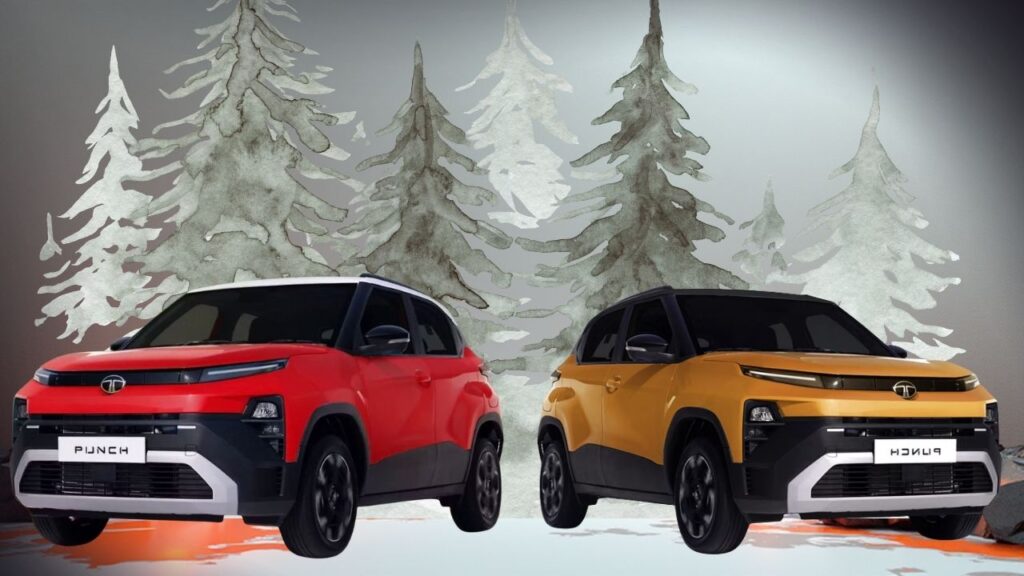
Tata has provided you with a few fantastic options in conceivable Punches to choose from. The six color palette includes Cyantific (a vibrant cyan blue), Bengal Rouge(the eye-opening red), Caramel (rich and refined), Daytona Grey (sleek and modern), Coorg Clouds (elegant beige) and Pristine White. A few of them are shared with the newly introduced Tata Sierra, so you know they’re premium offerings. 

Multiple Variants to Fit Every Budget

The Tata Punch is intelligently offered in six variants : Smart, Pure, Pure+, Adventure, Accomplished, and Accomplished+ S. If you want bare‐minimum features or want everything including the kitchen sink, there is a Punch for you.

Multiple Variants to Fit Every Budget

​The entry level Smart variant is packed with the essentials to keep you and your loved ones safe in six airbags, LED headlamps, drive modes, and remote keyless entry. Each step up you get real features, nothing fluffy. The step-up philosophy means you’re paying for features you really use, and really want. 

Engine Options: Power and Efficiency

The trusted 1.2-litre Revotron NA Revotron naturally aspirated petrol engine (88PS, 115Nm) is retained with both 5-speed manual and 5-speed AMT options, so if you loved the previous Punch’s performance, this is still your old companion.

​However, this is the exciting part: Tata has introduced a 1.2-litre turbo-petrol engine option which could produce close to 120PS and 170Nm of peak torque, mated to a 6-speed manual transmission. That delivers a modest bump in performance for those wanting a little more zip out of their Punch. Also, the CNG variant retains its 73.5PS and 103Nm tune for cost-conscious buyers. 

Conclusion

2026 Tata Punch Facelift is what you expect from a mid-cycle refresh: well-thought-out updates to design, useful features added, more advanced safety technology and the same bang-for-your-buck that we’ve grown to expect. Whether you’re an existing Punch owner looking to move up, or a first-time SUV buyer, this facelift certainly makes a strong case for this micro-SUV.

Segment-first ADAS technology, spacious cabin, six beautiful colour options, smart variant distribution across multiple price points, the new Punch makes a smart choice in a highly competitive market. 

0

Mini Countryman S ALL4 – Stylish, Powerful & Premium Compact SUV

Published Nov 8, 2025, 12:25 PM
Last Updated Apr 24, 2026, 11:25 AM

Mini Countryman S ALL4

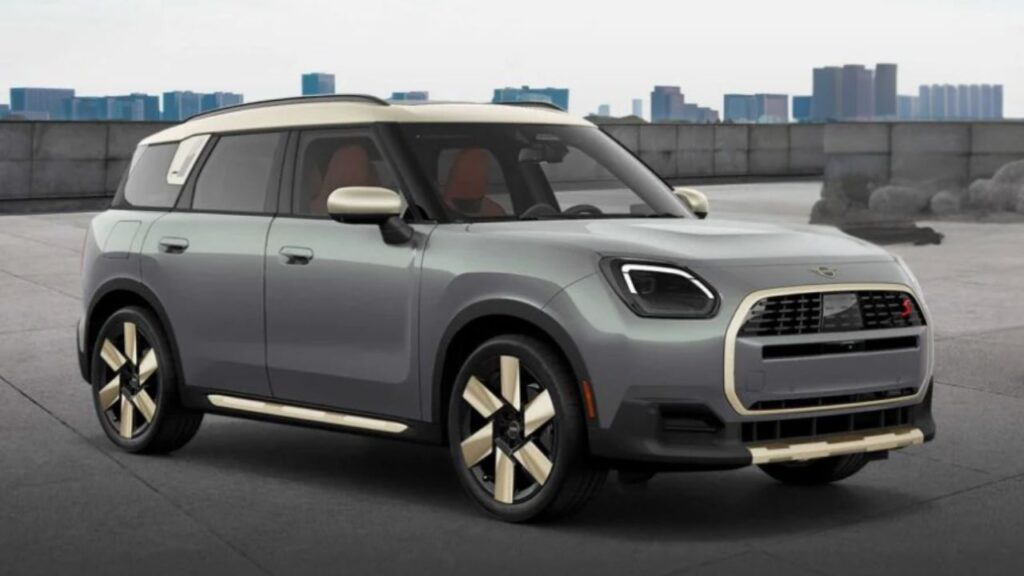
The 2025 Mini Countryman S ALL4 pushes the boundaries of what a compact luxury SUV can be infusing British quirkiness, German precision engineering, and contemporary innovation into one distinctive, fun-to-drive package. The new Countryman is more than just eye candy, it’s a grown-up Mini with serious power, premium interiors, and tech that rivals much larger luxury SUVs. City streets or winding country roads, the Countryman S ALL4 offers a cathartic experience thanks to its turbocharged power, all-wheel grip, and unmistakable character. An ideal balance of function, fun, and high-end design showing that compact SUVs can be useful and exciting.  

Performance That Packs a Real Punch

What makes this little dynamite stick so special is its sheer exhilaration on the road. The Mini Countryman S ALL4 gives you a turbo 2.0-liter four-cylinder engine that generates 241 horsepower and a robust 295 pound-feet of torque that lets you experience the powerful ride. The B48, shared with BMW, goes beyond good fuel use. It is quick and fun to push on. It has a zippy feel that isn’t overwhelming, and gets to 60 mph in about 6.2 seconds. While that might not sound earth-shattering on paper, driving in the real world tells another story. The throttle feel is immediate and exhilarating, so driving on a daily basis is genuinely fun rather than a functional necessity. 

What really distinguishes this driving experience is the seven-speed dual-clutch automatic transmission combined with the standard all-wheel drive ALL4 system. This is not just a question of winter performance although it performs brilliantly in synoptic conditions and it is a matter of power distribution, which instills confidence, which means you can drive controlled in almost any situation. The steering is crisp and well weighted, and the road feel is real, which makes taking the turns on the winding roads an absolute joy. 

Sophisticated Design Of Mini Countryman S ALL4

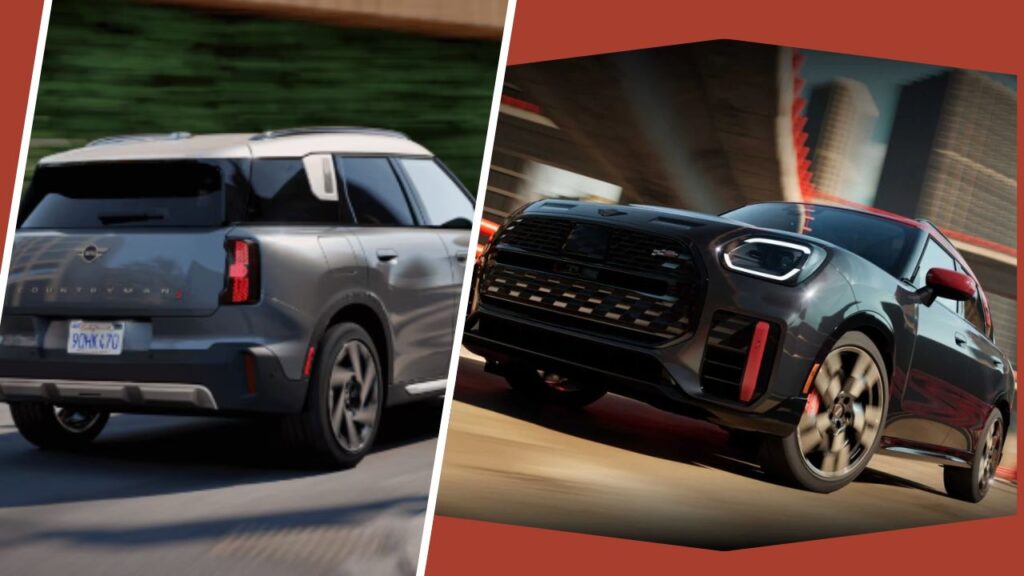
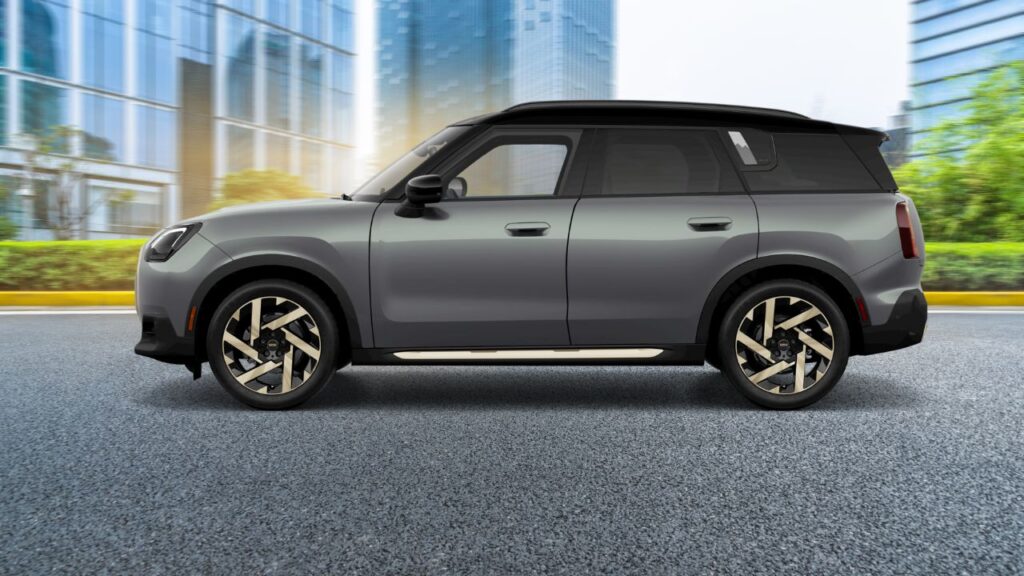
The clean surfaces, widened wheel arches reinforcing the athletic stance and the unmistakable proportions characterise the new, modern and puristic design language. The bold grille and dynamic headlight design that blends into a sculpted bonnet give the compact car the presence of a much bigger car. 

Sophisticated Design Of Mini Countryman S ALL4

New Mini Countryman S ALL4 | Image credit: miniusa

The standard 18 or 19-inch wheels can be customized according to your taste, and the general appearance is definitely upscale without superfluous decorations. Inside, the cabin carries this premium tone further with good materials, contemporary trim finishes and a design language that’s both current and aspirational. The elevated seating position provides outstanding visibility, offering a utilitarian matrix with that iconic “go-kart” feeling that Mini owners have adored for decades. 

Interior Luxury & Technology That Impresses

Step inside, the technology and luxury interior which build up from good material can surprise you as it belies the car’s affordable price tag. The 9.4-in round OLED infotainment screen is not only functional but it’s truly intuitive and visually stunning. This is your headquarters for your connectivity experience, and it includes wireless Apple CarPlay and Android Auto at no cost. 

Interior Luxury & Technology That Impresses

Mini Countryman S ALL4 Luxury & Technology | Image credit: miniusa

With the MINI Head-Up Display you’ll be able to see important driving information at a glance in your direct line of sight, helping you keep your eyes on the road. With navigation, the optional Augmented Reality nav makes route guidance go from confusing to crystal clear. The interior light, the various ambient settings and the high quality of the upholstery make for a really premium-feeling environment for a compact car. 

Technology is not just infotainment. The MINI Intelligent Personal Assistant can be used for voice commands to cover the climate control and adding stops to the navigation. Digital Key Plus, based on ultra-wideband technology, automatically unlocks your vehicle as you walk towards its truly futuristic convenience which you will never be able to be without once you get used to it. 

Read More :-  New Gen Hyundai Cars: Latest Models, Features, and Innovations in 2025

Space That Surprises

With big space inside, the exterior of the Countryman S ALL4 is small which gives you a comfortable freedom to park anywhere without compromising inside space. Driver and passenger comfort are assured with 40.7 inches of headroom and 40.4 inches of legroom. Two more adults can fit in the rear reasonably, while 25 cubic feet of rear cargo space expands to 56.2 cubic feet with the rear seats down. Practicality is actually quite good for a car this size. 

Safety & Confidence on Every Drive

Safety & Confidence on Every Drive

Mini Countryman S ALL4 Safety & Confidence | Image credit: miniusa

Safety systems are broad and complex. Multi-airbag, Dynamic Stability Control, ABS and a 360-degree parking camera are now standard and making those tight city spaces more manageable. Blind spot detection, auto park assist and available active safety features to help keep you protected beyond passive crashworthiness to active accident prevention. 

Pricing & Value Proposition

Starting at $38,900 the 2025 Mini Countryman S ALL4 (base Signature Plus trim) rises to $46,095 in the well-equipped Iconic trim. This is real value, you get all-wheel-drive capability, premium technology, unique styling, and fun driving dynamics at a price point that beats many rivals that have less character and fewer features. 

Conclusion

Mini Countryman S ALL4 is a perfect example of what today’s compact luxury is all about. It’s not enough for the car to be good; it has to live up to the expectation that ordinary cars could be fun, solidly built, and capable of going places. On the road or on the weekend trail, this vehicle demonstrates that premium need not include massive size or a shut down of personality. The Countryman S ALL4 is well worth a look for shoppers who want a small SUV that’s as practical as it is fun to drive. It’s more than just a ride, it’s a thrill once every journey. 

0

Pre-Approved Car Loan Gains Dealership Discounts on Launch Day

Car Loan

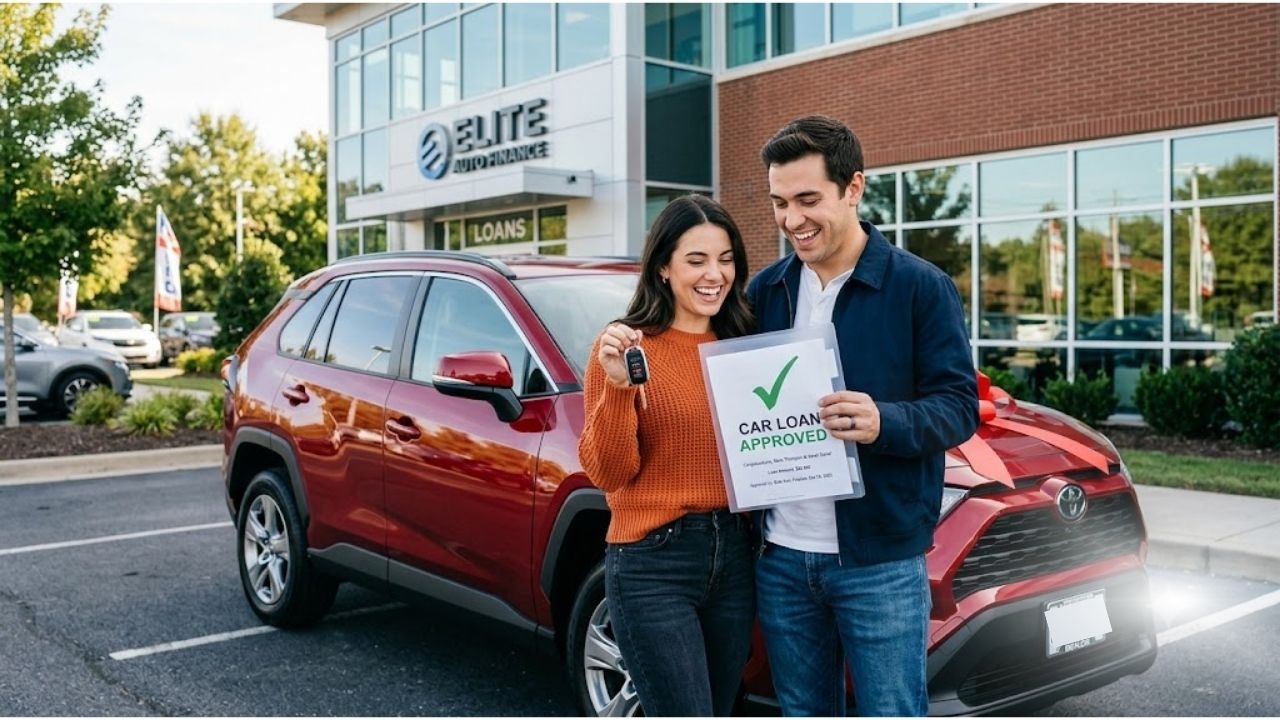
If you’re the customer still waiting on your bank to process a Car Loan application at that point, you’ve already lost the negotiation. A pre-approved Car Loan is how buyers who show up prepared to avoid that exact trap — they walk in already knowing what they can spend, and they can say yes to a deal in the same minute it’s offered.

Why Dealership Discounts Disappear Within Hours of a Launch

Manufacturers allocate a fixed number of units to each dealership for launch week, and dealers are told exactly how much discretionary discount they can offer per unit — usually a mix of a cash discount, an exchange bonus, and a corporate or loyalty benefit. 

That pool isn’t infinite. Once a dealer hits their unit target for the day, or once regional sales managers pull back the discretionary discount because demand is running hot, the next customer gets a thinner deal, even if it’s the same model, same day, same showroom.

This is why sales staff push hard for on-the-spot booking. A customer who needs three days to arrange financing isn’t just slow — they’re a risk that the discount window closes before the deal is locked in. Dealers will visibly prioritize buyers who can commit immediately, because a confirmed sale protects their unit count against that day’s allocation.

See Full Detail: How to get a Car Loan in 2026

What a Pre-Approved Car Loan Actually Does for You

A bank or NBFC confirms your loan amount, tenure, and interest before choosing any car to buy is a pre-approved Car Loan. It’s built off your salary slips, ITR, credit score, and existing liabilities — not off a specific vehicle’s invoice. 

A pre-approved Car Loan is a separate product of public, private banks, and NBFCs from a regular Car Loan which you can get through net banking or mobile app if you are an existing customer of SBI, HDFC, ICICI, or Axis bank with a clean repayment history. 

If you are an existing user of the lender then it takes 24 to 48 hours which is faster than a fresh loan applicant tied to a specific vehicle which gets 3 to 7 working days for turnaround. As it requires the dealer’s proforma invoice and RC-related paperwork to be finalized first.

You walk into the dealership holding a sanction letter that states a loan amount, not a down-payment negotiation you still need to work out with your bank.

How Pre-Approved Car Loan Changes the Negotiation at the Dealership

Salespeople read pre-approved car buyers differently, and it shows in three specific ways.

First, you can accept a discount the moment it’s offered instead of asking for 24 hours to “check with the bank.” That single difference is often what determines whether you get the full launch-day offer or a reduced one revised after allocation tightens.

Second, you’re no longer dependent on the dealer’s in-house finance desk, which usually has a tie-up with one or two specific lenders. Dealer-arranged financing sometimes comes bundled with a lower cash discount, because the dealership earns a commission from the lender and factors that into the deal structure. Walking in with your own sanction means the dealer has one less lever to work with, which shifts some of that margin back into your discount.

Third, you gain a genuine comparison point. If the dealer’s finance partner offers a rate higher than your pre-approved one, you have a documented number to negotiate against — either they match it, adjust the on-road price, or you take your pre-approved Car Loan and simply pay the invoice amount directly.

Pre-Approved Car Loan vs. Dealer-Arranged Financing

Pre-Approved Car Loan Dealer-Arranged Financing
Timing Sanctioned before car selection Processed after invoice is generated
Speed at dealership Instant — can close deal same day Can take 2–5 days for disbursal
Interest rate Set by your own bank relationship/credit score Often tied to dealer-lender tie-up, may include hidden margin
Negotiating leverage High — dealer treats you like a cash buyer Lower — dealer controls the finance terms
Best for Buyers targeting launch-day or festive offers Buyers with no existing banking relationship or lower credit score needing dealer-assisted approval

Dealer-arranged loans can still make sense if your credit profile is thin or new-to-credit, since dealership finance desks sometimes have relationships with NBFCs willing to underwrite buyers a mainstream bank’s pre-approval algorithm would reject. Pre-approval works best for buyers who already have an established banking or credit history.

Documents and Eligibility for Pre-Approval Car Loan

Requirements are lighter than a standard Car Loan because there’s no vehicle to underwrite against yet, but lenders still check the same core financial profile:

  • Salary slips for the last 3 months (salaried) or ITR for the last 2 years (self-employed)
  • Bank statements, usually 6 months
  • PAN and Aadhaar
  • Existing loan or credit card statements, if any
  • The CIBIL score above 700 is considered the best, 650–700 range scores also get approved but at a higher rate or lower loan-to-value ratio

Salaried applicants with an existing relationship with the lender (salary account, credit card, or a prior closed loan) tend to see faster pre-approval for Car Loan and sometimes a marginally better rate offer than a completely new-to-bank applicant, though this varies by lender’s internal scoring model and isn’t publicly documented as a fixed rule.

What Pre-Approval Car Loan Doesn’t Guarantee

Pre-approved Car Loan is not a blank cheque, and treating it like one is where buyers get caught out.

The sanctioned amount is based on your income and credit profile, not on the car you eventually pick. If you choose a variant that pushes the on-road price above what you’d planned, the gap between your sanctioned amount and the actual price is still yours to cover — either as a larger down payment or a fresh top-up application, which won’t move at launch-day speed.

Pre-approval also usually comes with a validity window, commonly 30 to 90 days depending on the lender. If your launch-day purchase slips past that window, you may need to reapply, and market interest rates could have moved in the interim.

Finally, the interest rate quoted at pre-approval stage is typically indicative, not final — it gets locked only once the loan is actually disbursed against a real invoice. If your credit score dips between pre-approval and disbursal (a missed credit card payment, a new loan taken elsewhere), the bank can reprice the offer.

Step-by-Step: Getting Pre-Approved Car Loan Before Launch Day

  1. Check pre-approval offers through your existing bank’s net banking or app first — many banks show a pre-qualified Car Loan offer directly on the dashboard for customers with a salary account or credit history with them.
  2. If nothing’s pre-qualified automatically, apply directly with 2–3 lenders in the week before the launch, not the day before — give the 24–48 hour processing window room to work.
  3. Ask explicitly for the sanction letter in writing, with the loan amount, tenure, and indicative rate stated.
  4. Confirm the validity window of the sanction and calendar a reminder before it lapses.
  5. On launch day, lead with the sanction letter when the salesperson opens finance discussions — this signals immediately that you’re not a financing risk and shifts the conversation straight to on-road pricing and discount stacking.

Conclusion

If you’re planning to buy on or near a launch date and you already have a reasonably clean credit history, yes — the two days it takes to get pre-approved is small compared to the discount you risk losing by being the customer who needs time to arrange financing. If your credit profile is new or thin, dealer-arranged financing may still be your realistic path in, discount trade-off included. 

Either way, don’t walk into a launch-day showroom assuming you’ll sort financing after you’ve picked the car — by the time you’re ready to sign, the deal that made the car attractive in the first place may no longer be on the table.

0

How to Calculate Average of Car With Explained Methods and Formula

Published Jun 9, 2026, 1:14 PM
Last Updated Jun 10, 2026, 4:21 AM

Knowing How to Calculate Average of Car will help you figure out why your car seems to gulp fuel way too fast or just wanted to know if your car provides good value or not. You don’t need a special divide or tool to calculate that, just follow easy steps with patience to find the exact car average. 

What Does “Car Average” Actually Mean?

Car Average means fuel efficiency, how many kilometres your car travels on 1 litre of petrol or diesel. So, here is an example, if your car gives 15 km/l, it means 1 litre of fuel lets you drive 15 kilometres. 

If the number is getting higher then your car is giving you great mileage and saving your money on fuel. Every car brand shows an “official” mileage figure but real-world average can be different because of your driving style and road conditions. That’s why calculating the average of a car by yourself is a good idea.

See Also: How to Remove Scratches from Car

How to Calculate Average of Car — The Formula


Mileage (km/l) = Distance Travelled ÷ Fuel Used

Example: You drove 450 km and used 9 litres → Average = 450 ÷ 9 = 50 km/l


A simple How to Calculate Average of Car Formula is enough to find the right numbers your car makes using distance and fuel used.

Tank-to-Tank Method 

1.Fill Your Tank Completely

Fill the tank to the top when you go to the petrol pump. Don’t let them stop filling until the nozzle clicks and stops automatically. 

2.Note Your Odometer Reading

Check your dashboard, it shows the total distance, write it down somewhere. For example: 12,500 km.

3.Drive Normally

Use your car as you did before whether city driving, highway, office trips. Let the fuel drop to lower before you return to the pump.

4.Fill Up Again Completely

Again fill the tank to the top with fuel at the petrol pump and note exactly how many litres were put in. For example: 9.5 litres.

5.Note the New Odometer Reading

Check the total distance on the dashboard (odometer) again. If it shows 12,950 km. subtract the first reading to the current reading and you get the travel distance to put into the formula.

6.Apply the Formula

Mileage = 450 km ÷ 9.5 litres = 47.4 km/l — that’s your real-world car average!

Useful: DIY Car Care Tips

Other Ways to Calculate Car Average

Trip Meter Method

Reset the trip meter to zero after a full tank fill. After refueling next time, divide the trip meter reading by litres added. Same formula, less maths.

Mileage Tracking Apps

Apps like Fuelio, Drivvo, and Road Trip track every fill-up and calculate your rolling average automatically over weeks and months.

Car’s MID Display

Maruti, Hyundai, Tata cars have a Multi-Information Display (MID) that shows mileage of the car. But it’s not an exact average number. 

Pro tip: For finding the most reliable results of the car’s average, calculate over 2-3 full tanks. A single tank result can give you wrong numbers because of unusual driving. One long highway trip or a week of only short city rides will give you totally different numbers.

What Affects Your Car’s Average?

You might calculate 17 km/l one month and only 12 km/l the next — without changing anything obvious. Here are the main factors that affect how to calculate average of car in real conditions:

Factor What Happens Impact
City vs Highway Stop-and-go city traffic burns more fuel than smooth highway driving High
AC Usage Running AC constantly can reduce mileage by 10–20% High
Tyre Pressure Under-inflated tyres burn more fuel to move forward while creating high resistance. Medium
Driving Speed Best efficiency is usually between 60 ⁣− ⁣80 km/h. It drops the mileage point after surpassing the 100 km/h. High
Engine Health Dirty air filter, old spark plugs, or low engine oil all reduce mileage Medium
Car Load More passengers or heavy luggage means the engine works harder Low–Mid
Gear Usage Driving in the wrong gear wastes fuel Medium
Fuel Quality Low-quality fuel reduces efficiency and can damage the engine Medium

How to Improve Your Car’s Average

Once you understand How to Calculate Average of Car then the next obvious thing you do is improve it. And these tips will help you to do that.

  • Service on Time: You can follow the regular check ups tips by yourself to keep the engine running efficiently.
  • Check Tyre Pressure: Your tyre pressure must meet the mentioned manufacturer’s recommended level (usually printed on the door frame).
  • Avoid Sudden Braking: Rapid acceleration and brake will cause more fuel to burn while the machine works hard to give sudden output. So, slow down gradually.
  • Use AC Wisely: Turn off AC when parked. At speeds below 40 km/h, opening windows is more efficient than AC. 
  • Constant Speed on Roadway: If your car gives cruise control, use it or keep at 70-80 km/h of speed on roadways. 
  • Remove Extra Weight: Don’t put unused items in a boot because every extra 50 kg reduces mileage slightly.

The City Mileage vs Highway Mileage

When you calculate the mileage of a car, it makes a huge difference from where you’re driving. The most popular car averages be like: 

Standard cars like Maruti Swift or Hyundai Grand i10 should give a mileage of 16 km/l in city and 22 km/l on highway. However, real mileage varies with driving style and road conditions. 

If your numbers are lower than the ARAI figure advertised by the company then it’s not a big surprise because it was tested in lab conditions. Real world driving always provides 20–30% lower than the official figure due to roads, traffic, and AC usage.

Conclusion of How to Calculate Average of Car

Understanding How to Calculate Average of Car is one of the simplest and most useful things you can do as a car owner. It takes less than 5 minutes and tells you a lot about your car’s health, your driving habits, and how much money you’re spending on fuel every month. Try it on your next full tank and see how your car is really doing.