0

Tesla vs Ford Electric Cars : Who’s Winning the 2025 EV Race?

Published May 9, 2025, 6:40 AM
Last Updated May 9, 2025, 9:33 AM

Tesla vs Ford Electric Cars 2025

The year is 2025, and electric cars are gaining popularity. The preference for cars that are clean, fast and easy to use, is increasing rapidly. There are two companies main players making big strides in this new paradigm. They are Tesla and Ford. In some ways, they are racing against each other for best electric vehicle technology leadership. Therefore, we will compare Tesla vs Ford electric cars, and explain who is winning the race in 2025. We will address; their cars, prices, technology, range and more. By the end of this post, you will be able to understand buyers that hold brand loyalty, and help you decide which brand is better for your needs.

Why Tesla and Ford Are Competing in the EV Space?

Though Tesla and Ford are very different companies, they do have a fact in common; they are both making large efforts to lead the charge into the electric vehicle world. Tesla is well known for making only electric cars, and actually entered the EV space from the get-go. Ford is an older company that was first created to make gas cars, but now is spending tremendous amounts of money towards building electric vehicles; this will allow Ford to leapfrog into the EV space and become a significant competitor to Tesla. When comparing Tesla vs Ford electric cars, we are talking about two major players that are driving the future of driving.

Tesla Electric Cars in 2025

Tesla is now well-known everywhere as a leader in intelligent, environmentally friendly, high-performance battery electric vehicles (BEV). Tesla also offers several BEV models in 2025 to fit various requirements. Ideal for daily trips, the Tesla Model 3 is a reasonably priced battery electric vehicle with an approximately 358-mile range. With enough of room for families, the Tesla Model Y is a small SUV having approximately 330 miles range.

Tesla Electric Cars in 2025

Image Credit: Tesla.com

With more than 370 miles of range and amazing speed, the Tesla Model S provides a more upscale experience acting as a luxury sedan. A full-size SUV, the Tesla Model X boasts upward-opening doors, lots of loading space, and great comfort. Every Tesla electric vehicle has smart features like Autopilot, with software upgrades that regularly enhance the car without physically bringing it into the service center.

Ford Electric Vehicles for 2025

Over the last several years, Ford has gotten more electric vehicle commitment. Ford has assembled a number of models enjoying positive note in 2025. Sporty electric SUV with a 312-mile range, the Ford Mustang Mach-E has appealing design. Among the most often sold Ford electric vehicles is the Ford Mustang Mach-E. For truck enthusiasts, the Ford F-150 Lightning is a significant event.

Ford Electric Vehicles for 2025

Image Credit: Ford.com

Dependent on the model, this electric variant of America’s best-selling truck has a range of roughly 240 to 320 miles. Ford is also introducing the Ford Explorer EV in 2025. With a maximum of 374 miles, this family SUV is quite outstanding. Ford is also introducing intelligent driving technologies like BlueCruise, which lets some roads drivers go hands-free.

Sales comparisons between Ford and Tesla

Tesla is definitely ahead when we consider sales figures. Tesla sold roughly 128,000 electric vehicles in the United States during January through March of 2025. Ford sold roughly 22,500 electric vehicles during that period. These figures demonstrate Tesla’s continued leadership in the electric vehicle sector. Ford, meanwhile, is expanding fast and introducing additional designs each year. Additionally expanding factories and battery enhancements is Ford. Thus, while Tesla is currently leading, Ford is really working to close the gap.

Tesla vs. Ford Electric Vehicle Battery Range

Battery range is the distance a car can cover on a single full charge. When purchasing an electric vehicle, people consider this among the most crucial factors. Tesla has always been strong in this area. One charge of the Tesla Model S might take it more than 370 miles. Though the Model Y offers roughly 330 miles, the Tesla Model 3 delivers around 358 miles. Ford is also enhancing its battery range. The 312-mile range of the Mustang Mach-E The F-150 Lightning offers 320 miles maximum. With an expected range of up to 374 miles, the new Ford Explorer EV would be somewhat more thanTesla’s top model. This indicates that in terms of range, Ford electric vehicles are developing and providing fierce rivalry for Tesla electric cars.

Network of Charging and Convenience

One of the main components of owning an electric vehicle is charging. Tesla has a sizable worldwide Supercharger network. Fast and simple to use, these charging docks Approximately 30 minutes will allow Tesla drivers to charge their vehicles to 80%. Tesla boasts more than 50,000 Superchargers by 2025. This simplifies Tesla drivers’ travel. Ford collaborates with public chargers like Electrify America; she does not have her own charging network. Also available to Ford drivers are some Tesla Superchargers. Tesla still has the advantage in network size and charging speed.

Technology and Feature Comparison

Tesla vs Ford Electric Cars

Tesla is famous for its sophisticated technology features. It provides Autopilot, a self-driving capability. Tesla vehicles have entertaining features like Dog Mode, which keeps your pet cool while you artist. Like your smartphone, the vehicles receive updates over the air. These revisions enhance the car and introduce new features. Additionally including intelligent capabilities is Ford. Ford’s version of self-driving, BlueCruise, runs on several main routes. Ford trucks provide features like built-in power outlets for running lights or tools. Although Ford is rapidly catching up and providing practical tools for everyday use, Tesla still sets the standard in technology.

Tesla and Ford electric vehicle price comparison

When people purchase cars, price is a major consideration. Tesla provides a decent price range. Starting prices for the Model 3 are about $40,000, among the most affordable electric vehicles available. Starting price for the Model Y is roughly $47,000. Starting around $90,000 for high-end consumers, the Model S and Model X exceed $100,000. Prices for Ford vehicles are somewhat higher or comparable. Starting price for the Mustang Mach-E is approximately $45,000. Starting price for the F-150 Lightning is $55,000. The expected price range for the new Explorer EV is $50,000 to $60,000. Tesla might provide more value in certain categories, but Ford is aiming at consumers who want tough SUVs and trucks.

Service to Customers and Ownership Experience

While some users complain about build quality and service delays, Tesla cars are enjoyable, high-tech. Tesla sells cars directly, therefore there are no nearby dealers to assist rapidly in many locations. Conversely, Ford has been around for a long and has a sizable dealership network. This means that if something goes wrong, one may more easily look for assistance. Ford’s service arrangement still appeals to many consumers. New electric vehicle users depend a lot on a supportive service team, and Ford has the edge here.

Read Also : Top 10 Mistakes to Avoid When Buying a Car

The Future of Tesla and Ford in Electric Vehicles

Tesla is not slowing down. It is working on new projects like the Cybertruck and a low-cost electric car. These models could help Tesla grow even faster. Ford is also building more EV plants, making new batteries, and hiring thousands of workers to build electric cars. The company plans to make millions of electric vehicles in the next few years. Both companies are focused on cleaner energy and want to help the world switch to electric cars. While Tesla electric cars are still leading today, Ford electric cars are getting stronger and more competitive every year.

Final Thoughts

When we look at everything — sales, battery range, price, charging, features, and service — Tesla is still ahead in most areas. It sells more cars, offers better tech, and has the best charging network. But Ford is making big moves. Its cars now offer good range, smart features, and better service. So, in the race of Tesla vs Ford electric cars, Tesla wins in 2025. But Ford is catching up fast. In a few years, it may become a close fight.


Sharey Khan

Sharey Khan is an IT entrepreneur and petrol head & a car enthusiast. With a special focus on car-related content, he combines his deep passion for vehicles with a talent for crafting informative, engaging, and easy-to-understand content. His writing is driven by a genuine love for cars and he is committed to providing readers with accurate, up-to-date, and trustworthy information that empowers smarter driving decisions. 

Leave a Reply

Your email address will not be published. Required fields are marked *

0

Mahindra XUV 3XO REVX is Finally Here – Explore Its Fresh Styling, Engine Power and Features

Published Jul 9, 2025, 10:57 AM
Last Updated Apr 7, 2026, 6:24 AM

Mahindra XUV 3XO REVX is Finally Here

Mahindra is not lettingus take a breath, the new version of XUV 3XO SUV is here as Mahindra XUV 3XO REVX. Mahindra added mind blowing features in the new model such as design, engine, and its sporty interior. The car amazes your mood with its features that let you drive everywhere smoothly. There is a slight difference with its 1.2L turbo engines that are based only on petrol. Few changes have been made to acquire the best performance.

Mahindra swear to make strong contenders in the SUV world, it makes a great impression with its sporty looks and practical features. The combination hits the market.

Exterior Design 

Exterior Design

The minor front change of color in the panel that was black before, now looks more amazing with the dual-tone color scheme. The black colored roof with C-pillar has been added to the new version that goes unnoticed by anyone. 

The design pattern remains the same in the wheels with 16-inch black wheels that make a good impression. This premium look stands a chance among the coolest cars collections.

Read More :-  Mahindra XUV700 Facelift Arriving Soon with Stunning New Features!

Look & Interior Design

Look & Interior Design

Mahindra XUV 3XO REVX is designed with sporty interior look including panoramic sunroof, leatherette stitched seats, comfortable front pedal, 10.25-inch touch screen pad to control & instruct. 

Mahindra XUV 3XO REVX Pricing:

Mahindra XUV 3XO REVX Pricing

In India, there are three variants available REV M, M(O), and A that cost you around Rs. 10.32 lakh, Rs. 10.90 lakhs, and Rs. 15.26 lakhs respectively. 

0

Hyundai Creta On-Road Price In Lucknow: Get Details Before Entering Into a Showroom

Published Sep 9, 2026, 12:56 PM
Last Updated Sep 11, 2026, 10:42 AM

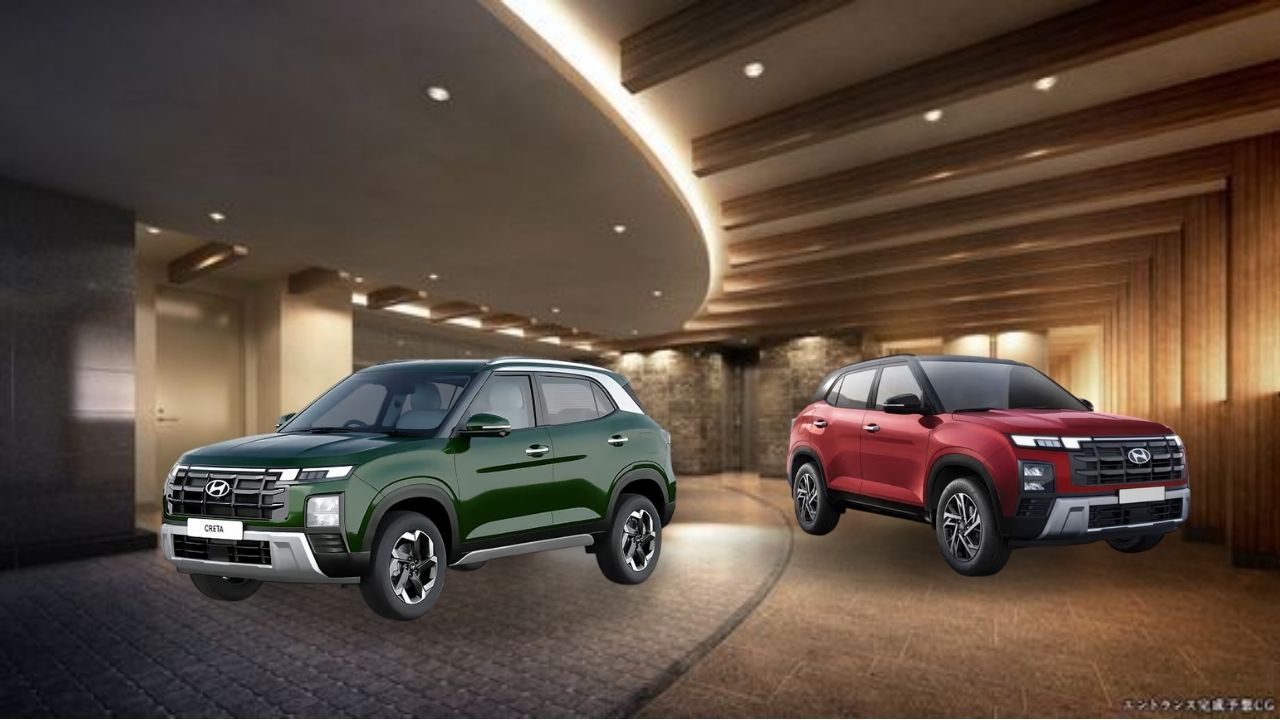
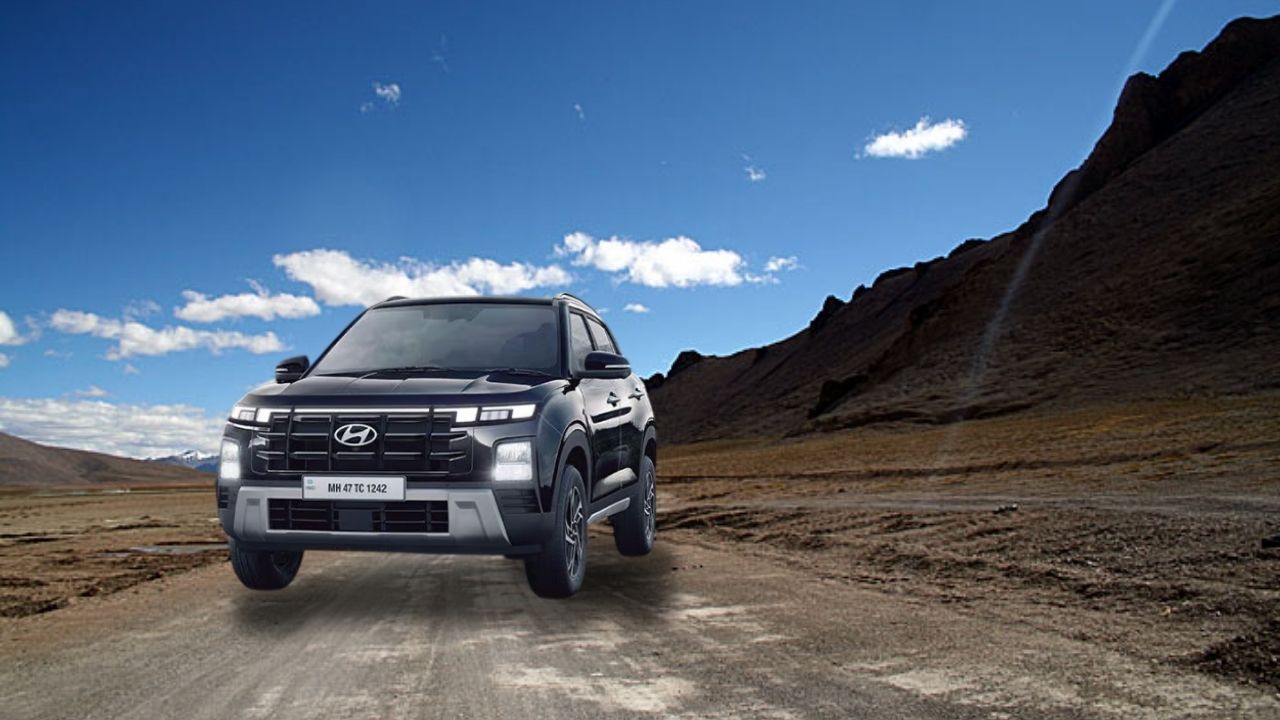
Hyundai Creta

Creta sits in a Hyundai’s showroom at a price ₹10.91 lakh, that’s the manufacturer rate. The Hyundai Creta On-Road Price in Lucknow for the base petrol variant currently sits between roughly ₹12.4 lakh and ₹12.9 lakh, depending on which dealer’s insurance quote you’re comparing, and it climbs past ₹23 lakh for the fully loaded King Knight diesel automatic.

Creta has become the biggest selling model at this price point. The starting price of petrol base variant can go high by including your location’s RTO, other statutory charges, Insurance and FASTag/accessories cost. If you’re considering the Creta N Line, price starts at ₹16.93 lakh that goes up to ~₹24.11 lakh.

Here’s the breakdown that actually matters if you’re deciding whether to book one this month.

Hyundai Creta On-Road Price in Lucknow

The Creta’s ex-showroom range in September 2026 runs from ₹10.91 lakh for the base Petrol E manual to ₹20.11 lakh for the top-spec Diesel King Knight automatic. Add Uttar Pradesh’s road tax, insurance, and registration charges, and the on-road numbers land like this for the base E variant, according to dealer-aggregator listings pulled this month:

  • Ex-showroom price: ₹10,90,700
  • RTO and road tax: ₹1.09 lakh to ₹1.45 lakh
  • Insurance: roughly ₹51,700 to ₹52,400
  • Final on-road price: ₹12.44 lakh to ₹12.88 lakh

That’s a wider spread than you’d expect for the same car in the same city. As it comes down to how each platform calculates UP’s road tax slab and whether the quote includes optional add-ons like a dashcam accessory or an extended warranty bundled in by the dealer. Treat every online on-road calculator as a starting estimate, not a final number — the only figure that matters is the one on your actual invoice from a Lucknow dealership.

At the top end, the King Knight Diesel AT ranges from about ₹22.4 lakh to ₹23.4 lakh on-road, again depending on the aggregator and the exact insurance IDV selected.

Why UP’s RTO Charges Add So Much to the Sticker Price

Uttar Pradesh applies road tax as a percentage of the ex-showroom price, and that percentage rises in slabs as the car gets more expensive — which is why the RTO component isn’t a flat add-on. For the base Creta E, dealers report RTO charges anywhere from ₹1.09 lakh to ₹1.45 lakh; for pricier variants like the diesel Sierra-rivalling trims, the RTO line alone can cross ₹1.7 lakh.

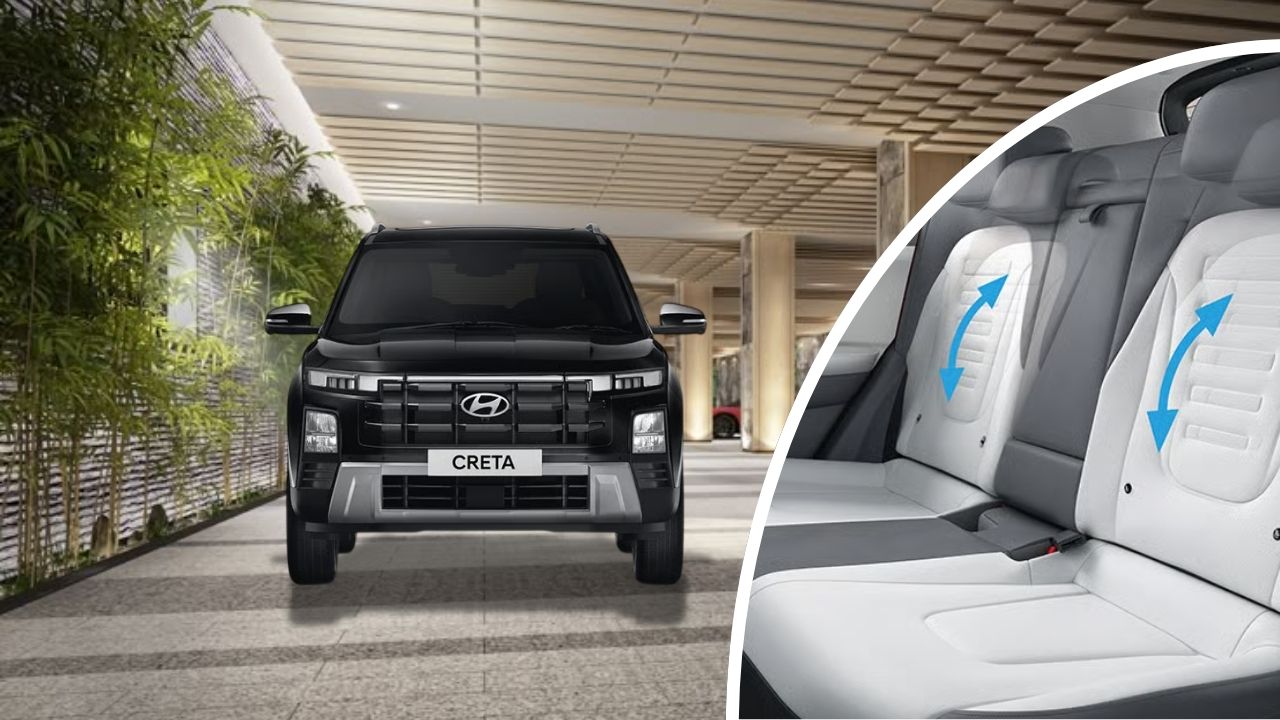
Creta E

First-time SUV buyers can get confused easily from the charges: Tax Collected at Source (TCS). Under Section 206C(1F) of the Income Tax Act, any motor vehicle priced above ₹10 lakh attracts 1% TCS, collected upfront by the dealer and adjustable against your income tax later. On a ₹11.49 lakh car, that’s roughly ₹11,490 added purely because the ex-showroom price crossed the ₹10 lakh threshold — and since every Creta variant sits above that line, every single Creta buyer in Lucknow pays this. 

Add FASTag issuance (around ₹600), hypothecation charges if you’re financing (₹1,500 or so), and a registration smart-card fee, and you can see why the gap between showroom quote and final on-road number feels so large.

Read More 👉  Maruti Suzuki September 2026 Offers: Save Money On Your New Car

Creta Variant-Wise Price Breakdown 

The Creta lineup has grown to many variants but most of the special editions narrow it down depending on the availability and most buyers choices:

Variant (Fuel / Transmission) Ex‑Showroom (₹) RTO + Others (₹) Insurance (₹) On‑Road Lucknow (₹) Approx.
E 1.5 Petrol MT 10,79,000 ~1,45,000 ~50,000 12.74 lakh 
EX 1.5 Petrol MT 11,90,000 ~1,55,000 ~55,000 14.00 lakh
EX (O) 1.5 Petrol MT 12,70,000 ~1,65,000 ~58,000 14.93 lakh
EX(O) Diesel AT  ₹16.08 lakh  ~1.9–2.0 lakh  ~0.55–0.65 lakh  ₹18.3 lakh 
S 1.5 Petrol MT 13,50,000 ~1,75,000 ~60,000 15.85 lakh 
S 1.5 Diesel MT 14,00,000 ~1,80,000 ~62,000 16.42 lakh 
S (O) 1.5 Petrol MT 14,40,000 ~1,85,000 ~64,000 16.89 lakh 
S (O) 1.5 Diesel MT 14,90,000 ~1,90,000 ~66,000 17.46 lakh 
S (O) 1.5 Petrol CVT 15,30,000 ~1,95,000 ~68,000 17.93 lakh
S (O) 1.5 Diesel AT 15,80,000 ~2,00,000 ~70,000 18.50 lakh
SX 1.5 Turbo Petrol MT 16,20,000 ~2,05,000 ~72,000 18.97 lakh
SX 1.5 Turbo Petrol DCT 16,80,000 ~2,10,000 ~74,000 19.64 lakh
SX (O) 1.5 Turbo Petrol DCT 17,40,000 ~2,15,000 ~76,000 20.31 lakh
King 1.5 Diesel AT 19,78,000 ~2,40,000 ~85,000 23.03 lakh
King 1.5 Diesel AT DT (dual‑tone) 19,93,000 ~2,42,000 ~86,000 23.21 lakh
King Knight Edition 1.5 Diesel AT 20,11,000 ~2,45,000 ~87,000 23.43 lakh

The EX(O) diesel automatic is where most serious buyers end up — it’s the point where you get the automatic gearbox and diesel refinement without stepping into King-edition territory, and 

The Creta Specs & Features That Matter Before You Sign

Creta offers three engine types — petrol, diesel, and turbo-petrol GDI. A 1.5L engine of  turbo-petrol GDI pairs with 7-speed DCT in the higher trims that gives a better mileage on off-road driving. While ARAI-claimed mileage ranges from 17.4 to 21.8 kmpl depending on engine and gearbox. So both diesel and petrol engines offer good efficiency.

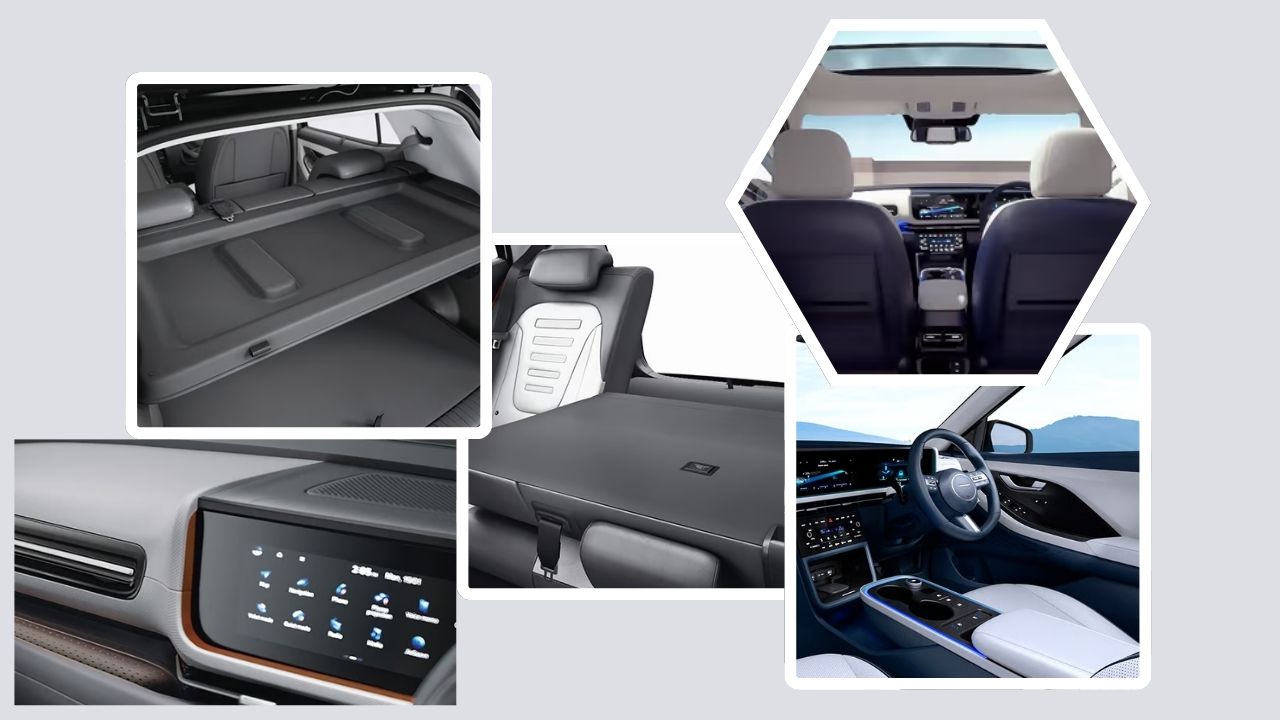
Creta Specs & Features

Exterior of Creta’s Body And Space

The body size of Creta is fit and comfy for family trips, not just from the inside but from the outside it could smoothly run, turn and be parked in rush places. The measurements are:

Length 4,300mm
Width 1,790mm
Height 1,635mm
Wheelbase  2,610mm

Numbers that translate into a genuinely usable 433-litre boot, enough for a family’s weekend luggage without folding the rear seats. 

Safety Features of Creta

Standard safety functions like airbags, ABS with EBD, and cam are always given in SUVs. Creta base E variant carrying these safety features but the higher trims of Creta offers more than this. It offers Hyundai’s Level 2 ADAS suite which includes blind-spot collision warning, smart cruise control, lane-keeping assist, and alerts along with panoramic sunroof for instrument cluster, and dual 10.25-inch display for infotainment.

Revised Price Change 

Hyundai revised Creta pricing multiple times through late 2025 and into 2026, first cutting prices by up to ₹72,145 following a GST rate change, then raising select variant prices again early in the year. Confirm the exact ex-showroom figure with your Lucknow dealer before budgeting — these numbers move.

Read More 👉 Buy Tata Curvv Series X At Rs. 9.99 Lakh With Advanced Features Pack

Creta Rivals In The Same On-Road Price Range 

The Creta doesn’t have the segment to itself anymore. Kia’s Seltos and Tata’s newly relaunched Sierra are the two cars Lucknow buyers cross-shop it against most.

Model Ex-showroom (base) On-Road in Lucknow (base) On-Road (top variant)
Hyundai Creta E ₹10.91 lakh ₹12.44 – 12.88 lakh ₹22.4 – 23.4 lakh
Kia Seltos HTE ₹10.99 – 11.00 lakh ₹12.54 – 13.25 lakh ₹25.1 – 25.2 lakh
Tata Sierra Smart+ ₹11.49 lakh ₹13.17 – 13.52 lakh ₹24.3 – 24.8 lakh

The Creta comes in cheapest at the entry level by a meaningful margin — roughly ₹40,000 to ₹80,000 less than the Seltos and Sierra on-road. But that gap narrows sharply once you move up the range, and by the time you’re comparing top-spec diesel automatics, the Seltos and Sierra actually list higher purely because they offer trims Hyundai doesn’t match feature-for-feature at the same price point. 

The current-generation Creta honest review notes it’s starting to feel dated next to newer rivals like the Seltos and Sierra, which now offer more contemporary feature packages at similar money — a point worth weighing if you’re deciding between “cheapest to buy” and “best value at the top of the range.”

What you actually experience inside the cabin of Creta, Kia Seltos, and Tata Sierra is shared in a competitive manner below:

Feature Hyundai Creta (top trims) Kia Seltos 2026 (mid–top) Tata Sierra 2026 (mid–top)
Screens Dual 10.25″ (cluster + infotainment) Large “Trinity” panoramic display (digital cluster + big screen) Triple‑screen concept (digital cluster + big screen + passenger display on top)
Infotainment 10.25″, wireless AA/CarPlay, connected car Large screen, wireless AA/CarPlay, connected car, ambient lighting integration Big screen, wireless AA/CarPlay, iRA 5G (EV), in‑car UPI, gaming on some variants
Seats Leatherette, ventilated front, 6‑way driver adjust Semi‑leatherette to leatherette, ventilated front, 8–10‑way powered driver (GTX/X‑Line) Leatherette (top), ventilated front, 6‑way powered driver, reclining rear + Boss Mode
Sunroof / roof Single‑pane sunroof (top), dual‑tone options Large panoramic sunroof (higher variants), dual‑tone themes Panoramic glass roof (top), “lounge‑like” glassy cabin
AC Dual‑zone auto, rear AC vents Dual‑zone auto, rear AC vents Dual‑zone auto (top), rear AC vents
Audio Multi‑speaker, Bose on top Multi‑speaker, upgraded audio on higher trims Up to 12‑speaker JBL + Dolby Atmos (top)
Ambient lighting Multi‑colour (top trims) 64‑colour, multiple interior themes Ambient lighting, premium cabin themes
Key convenience Wireless charger, 360° cam, ADAS (top) Wireless charger, 360° cam, ADAS L2+, memory seats (GTX/X‑Line) Wireless charger, 360° cam, ADAS L2+, HUD (top), Boss Mode
Rear seat Split‑fold, adjustable headrests, rear AC Split‑fold, armrest + cupholders, good recline Reclining rear, Boss Mode for extra legroom, big boot (622 L)

The Sierra also throws in a detail the Creta doesn’t disclose as transparently: some dealer quotes bundle in an accessories package (around ₹28,000) into the on-road figure by default. Always ask your Creta dealer whether their on-road quote includes any mandatory accessory bundle — if it doesn’t, budget separately for basics like mud flaps, seat covers, and a dashcam if you want them.

Is Creta Worth Buying Right Now?

If you need a mid-size SUV in Lucknow this month and want the lowest possible entry price with Hyundai’s wide service network — 12 dealerships in the city, more than either Kia or Tata currently run — the Creta E or EX Summer Edition makes practical sense. It undercuts the Seltos and Sierra at the bottom of the range, and Hyundai’s resale value in this segment has historically held up well across UP’s used-car market.

However, if the budget reaches up to ₹18-20 lakh for a loaded automatic, you could consider Seltos and Sierra because the price gap is scattered. These two come in newer tech and styling than Creta’s. 

Creta Worth

Hyundai’s third-generation Creta with a redesigned body and a hybrid powertrain is confirmed to launch in 2027, but if someone is buying right now, they get Creta’s old model rather than the start of a new one.

Still want to buy Hyundai Creta then buy the EX(O) diesel automatic now while GST-linked pricing still holds, get on-road quote from multiple dealers before booking, and separately check TCS and RTO pricing — a ₹20,000-30,000 discrepancy in that breakdown is common enough to be worth catching before you sign.

Read More 👉  Kia Carnival Hybrid Price In India And Additional Cost For Accessories

Conclusion

Hyundai Creta On-Road Price In Lucknow starting at ₹12.4 lakh including taxes charges according to city, insurance, and other charges or accessory cost can increase the actual amount in which you can own Creta.

Find a Hyundai dealer and get an exact quote for a car before signing anything. Choose the color and variant of a car then find 2-3 dealership quotes to confirm. As the highest variant can cost you around 24 lakh.

0

Best Dash Cam for Cars | Top Features, Reviews & Buying Guide

Published Aug 5, 2026, 10:32 AM
Last Updated Aug 5, 2026, 10:35 AM

Best Dash Cam for Cars

Your claim is denied because you can’t prove the other driver ran the red light. It happens more than most people think and it is the largest reason why Indian car owners are now actually considering dash cams rather than treating them as an accessory-store impulse buy. So if you’re looking for the Best Sash Cam for Cars in India today, then you must have to know that it depends on where you park, how much footage quality do you really need and if you’re buying for evidence or because you want real 24/7 security. 

Why a Dash Cam Matters More in India Than It Used To

There is no provision in the Motor Vehicles Act, 1988 or the Central Motor Vehicles Rules, 1989 which prohibits use of dash cam in private vehicles. What has changed is what the footage means in the eyes of the law. Section 63, Full text of Bharatiya Sakshya Adhiniyam, 2023 Electronic records (such as dash cam video) are now admissible in court provided the device was operating properly and the recording was made in the normal course of business. That is a radical change from a few years ago, when video was considered a luxury and not something an insurance company or a traffic court would actually look at. 

Add that up to increasing hit-and-run incidents and chaotic lane discipline in cities such as Bengaluru, Mumbai, Uttar Pradesh and Delhi, and a dash cam is no longer optional. A handful of newer cars — the Hyundai Exter and Venue among them, now come factory-fitted with one, which tells you where the industry is heading even for owners who have to retrofit.

What Actually Determines the Best Dash Cam for Cars

Before comparing models, three things separate a dash cam that survives an Indian summer from one that dies in a year.

  1. Supercapacitor over battery. A dashboard behind glass can cross 70°C in peak May heat. Lithium-battery dash cams swell and fail under that kind of sustained heat; capacitor-based units don’t have that failure mode and handle parking mode far more reliably.
  2. Sensor quality beats raw resolution. A 4K camera with a weak sensor can produce inferior night footage to a well-designed 1080p or 2.5K camera. Sony’s STARVIS 2 sensor can be found on almost all the best-rated units in 2026 and is the one spec that you should be prioritizing over megapixels.
    Best Dash Cam for Cars
  3. Parking mode isn’t automatic. Almost every model needs a separate hardwire kit, typically ₹1,500–2,500, to monitor your car while it’s off. Without it, most dash cams only record while the ignition is on.
  4. One more line item people under-budget for: the memory card. A dash cam writing continuous loop footage needs a high-endurance card, not a standard one — Kingston Canvas Go Plus (₹600–900) or SanDisk High Endurance (₹700–1,200), 128GB minimum if you want more than 3–4 hours before overwriting. Format it monthly through the camera’s menu, or you risk corrupted files exactly when you need them.

Top Dash Cam Picks in India, by Budget

Model Price (approx.) What it’s for
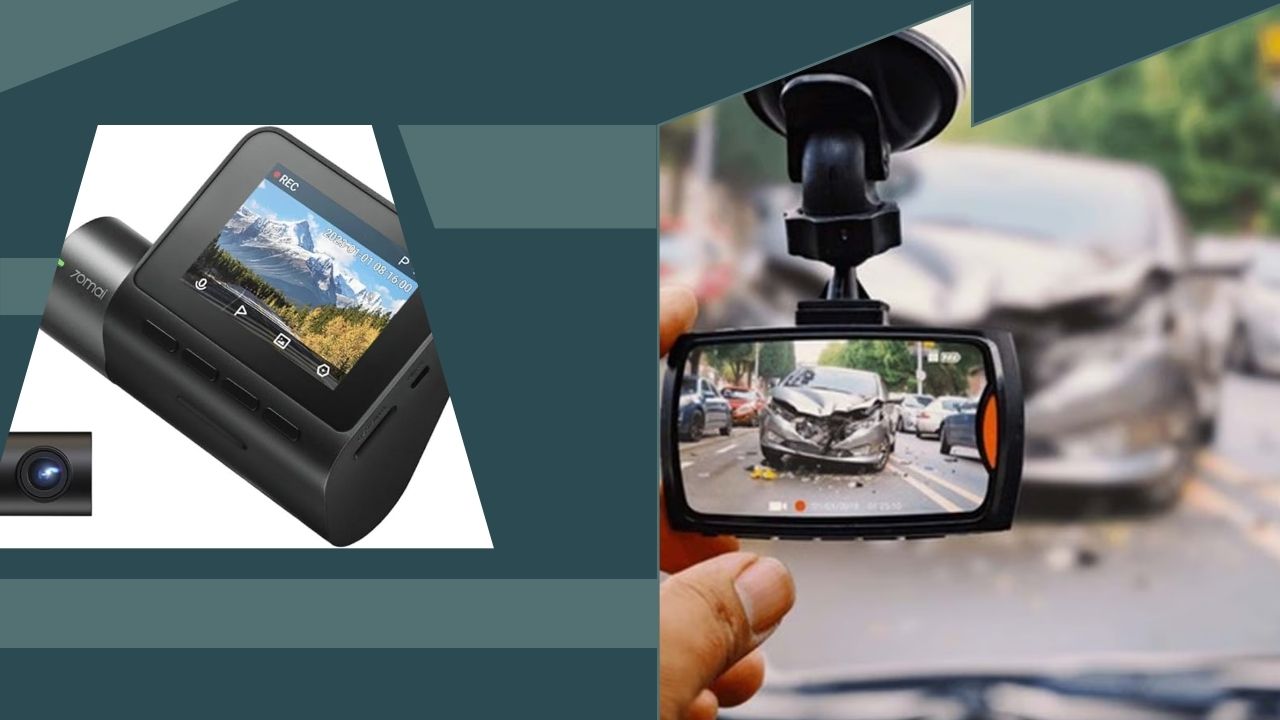
70mai A200 ₹4,999 First-time buyers; voice control, 1080p single-channel
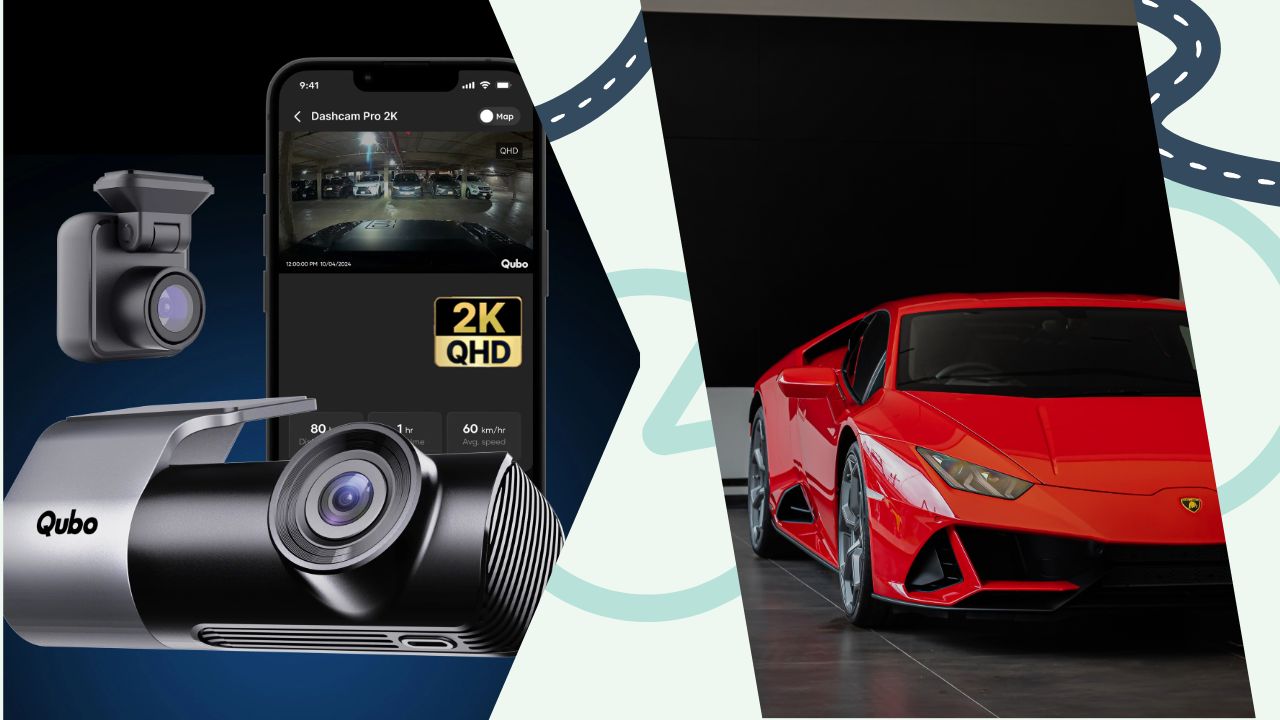
Qubo Dashcam Pro 3K STARVIS 2 Dual ₹4,499–₹12,990 Best overall value; 3K front + 1080p rear, built-in GPS
70mai A510 HDR 3K Dual ₹11,439 Tightest budget for dual-channel with STARVIS 2
REDTIGER F7NT 4K Dual ₹12,990–₹13,550 True 4K front, WiFi + GPS, 64GB card included
Viofo A229 Plus Price varies by retailer — check current listing Three-channel (front/rear/cabin), STARVIS 2, capacitor-based

Prices above are pulled from current Indian retail listings as of mid-2026 and shift with Amazon sales and festive discounting, so treat them as a range rather than a fixed number — check the best dash cam for cars listing before you decide.

70mai A200 — around ₹7,499

This is the one to buy if you’ve never owned a dash cam and don’t want to think too hard about it. Single-channel, 1080p, and honestly that’s plenty for reading a number plate within 10 metres in daylight. The party trick is voice control — say “Hey 70mai” and it starts recording or snaps a photo, which matters more than it sounds like it should when you’re stuck in Mumbai signal traffic and don’t want to take a hand off the wheel. It ships with a 32GB card, which is nowhere near enough — budget an extra ₹800 or so for a proper 64GB or 128GB card on day one, because 32GB gets overwritten in a few hours of driving.

Read More :-  How Often Should You Service Your Car? | Complete Maintenance Guide

Qubo Dashcam Pro 3K STARVIS 2 Dual — ₹4,499 to ₹12,990 

Qubo (Hero Group’s electronics arm) sells this at a few different tiers, which is why the range is wide — check which configuration you’re actually looking at before comparing it to anything else. At the upper end you get 2.7–3K front resolution paired with a 1080p rear camera, a Sony STARVIS 2 sensor for low light, built-in GPS logging, and a small onboard display so you can review footage without pulling out your phone. It’s the pick that shows up most often as “best overall” in Indian buying guides this year, mainly because the night footage holds up on the kind of unlit stretches you get on Bengaluru’s outer ring roads.

70mai A510 HDR 3K Dual — around ₹11,439

The tightest dual-channel option under ₹12,000, and it carries the same STARVIS 2 sensor as the pricier picks on this list. Where it seems to fall a little short, based on how it’s reviewed, is heat resilience — it reads as a better fit for someone who parks in a garage or covered spot than someone leaving a car in direct sun all day, so if you’re in that second category, weigh it against the REDTIGER below before deciding.

REDTIGER F7NT 4K Dual — ₹12,990 to ₹13,550

True 4K on the front camera (not upscaled), 1080p on the rear, and it uses a supercapacitor instead of a battery — which is the detail that actually matters if your car bakes on a Delhi or Chennai street through May and June. Batteries swell and die under that kind of sustained heat; capacitors don’t. It also comes with WiFi, built-in GPS, and a 64GB card already in the box, so there’s no immediate add-on cost like there is with the 70mai A200.

Viofo A229 Plus  

Price isn’t stable enough across retailers to quote a single number, so check the current listing before you commit. This is the outlier on the list because it adds a third channel: front, rear, and cabin-facing, all recording at once. Sony STARVIS 2 sensor, capacitor-based, GPS with a speed overlay baked into the footage. The cabin channel is the reason to consider it at all — if you drive for a ride-hailing platform or just want a record of what happened inside the car during a dispute, none of the other four models on this list cover that angle.

70mai A200 vs Qubo Dashcam Pro 3K

The A200 wins on simplicity and price — 1080p footage is enough to read a number plate within 10 metres in daylight, and “Hey 70mai” voice commands are genuinely useful in heavy traffic where you don’t want to touch a screen. The Qubo pulls ahead the moment you care about night driving or rear coverage: its 3K front feed and dual-channel setup handle Bengaluru’s poorly lit ring roads noticeably better, and the built-in display lets you review footage without pulling out your phone.

REDTIGER F7NT 4K vs Viofo A229 Plus

The REDTIGER is the better pick if front-camera sharpness is your priority — true 4K with a supercapacitor means it survives a car parked in direct sun without the battery swelling. The Viofo A229 Plus goes a step further with a third, cabin-facing channel, which matters if you drive for a ride-hailing platform or want a passenger-side record for disputes. It costs more and is harder to find at a stable price point, so it’s the enthusiast pick rather than the default recommendation.

Installation and the Costs Nobody Mentions Upfront

Mount it behind the rearview mirror. That’s not just a preference — it’s the placement least likely to obstruct your view or run into any ambiguity if footage is ever questioned. Most dash cams ship with a cigarette-lighter adapter for basic operation, but hardwiring to the fuse box is what actually gives you parking mode and low-voltage cutoff protection, so the camera stops drawing power before your battery drains. 

Best Dash Cam for Cars

Professional installation runs ₹1,000–1,500 in Delhi and Mumbai, and ₹500–800 in smaller cities like Indore or Kochi. Budget for the hardwire kit and the card separately — they rarely come bundled, and skipping them is how people end up with a dash cam that only half-works.

Which Dash Cam for Cars Should You Actually Buy?

If you drive daily in city traffic and just want proof when something goes wrong, the 70mai A200 or Qubo Dashcam Pro covers it without overspending. If you park on the street or in a public lot overnight, don’t skip the supercapacitor models with parking mode — the REDTIGER F7NT 4K is the stronger buy here. 

And if you’re driving for hire, ferrying passengers, or simply want the most complete legal record possible, the three-channel Viofo A229 Plus is the only option on this list built for that specific job. Match the camera to how you actually park and drive, not to whichever spec sheet has the biggest number on it.

Read More:-   How Often Should You Change Oil in Your Car? What Actually Matters in India

Conclusion 

The Best Sash Cam for Cars in India is not necessarily the one with the best resolution but the one that fits your driving habits, the place where you park and of course your budget. A good sensor, supercapacitor design, proper parking mode and a high-endurance memory card will make a bigger impact on your daily life than just picking the 4K tag. 

A dual-channel dash cam provides most private car owners with an adequate balance of cost and car insurance protection. If you park your car outside regularly, a supercapacitor unit with hardwired parking mode is definitely worth the extra money. 

For commercial drivers or those who desire the most complete evidence, a three channel system offers the best coverage. Consider a dash cam a safety and evidence tool, rather than just an accessory — it can save you much more than its purchase price when an accident or insurance claim gets complicated. 

0

Jeff Bezos’ Insane Car Collection: From Humble Hyundais to Hypercar Royalty

Published Mar 10, 2026, 11:14 AM
Last Updated Mar 10, 2026, 11:15 AM

Jeff Bezos Car Collection

Amazon founder Jeff Bezos, one of the richest people in the world, is known for his financial prowess, space travel with his company Blue Origin and ownership of The Washington Post. Jeff Bezos car collection is also very well known when it comes to supercars and practicality of automobiles. That’s more than 20 cars valued at over $100 million ranging from rare hypercars to customized beasts. So let’s get rolling and take a look at Bezos’ car collection, compiled from auctions and sightings. 

The Everyday Heroes

Hyundai Sonata LX 

It turns out not all billionaires want to show off in a Lamborghini. Bezos keeps it real with three Hyundais that say “normal guy” and hide his status. The gem is his 2006 Hyundai Sonata LX, purchased used for next to nothing back in Amazon’s scrappy early days. Spotted alongside his yacht in 2020, this silver sedan has travelled a serious distance, think 300,000+ and still appears ready for a Costco jaunt. 

Coupe 3.8 & G80 Sedan

Both cars are masters in their performance with a 3.8-liter V6 engine that enables you to drive at 348 horsepower. Bezos takes a simple ride from 0 to 60 with a coupe in under five seconds, and can go anywhere on rear-wheel drive.

G80 Sedan

Luxury meets tech in the smooth-riding G80. These are not garage queens, Bezos drives them, demonstrating you don’t need a Ferrari to have fun. Under $100K between them but they’re absolute treasures for their humility. 

Vintage Vibes: Classic American Muscle

Cadillac Fleetwood

Jeff Bezos is something of a classic Americana and iconic cars guy, you can tell just by looking at his impressive collection. At the head of the line is a 1967 Cadillac Fleetwood Eldorado, the quintessential Detroit golden era icon. With a potent 429-cubic-inch V8, graceful fins and so much chrome that it almost hurts your eyes, this “land yacht” certainly cuts through the seas. 

With this Eldorado, bought at auction, you have the audacious swagger of the 1960s, the kind of cruising along Miami Beach in style though in its hardtop construction it denies the option of a convertible breeze.

Classic Porsche

The luxurious iconic Porsche 911 from 1994 is an excellent luxury model with its simplicity styled and reliable performance, it offers classic ride with air-cooled flat-six engine. It’s a unique vintage of wines that are mostly found in the hands of billionaires and superstars. Bezos owns this cool and smartest toy and parked it in his garage.

1996 Accord

1996 Accord of Honda is on the top of the list of Jeff Bezos Car Collection. He owns this powerful vehicle in 1997 as he was seen behind the wheel. This wasn’t “just for the cameras” — Bezos really piloted this straight-laced sedan for a number of years as his net worth blastoffed into the billions. 

1996 Accord

The Honda Accord also became a metaphor for Bezos’s penny-pinching mentality during Amazon’s early days, suggesting that rather than splurge on personal luxuries, he invested in the company. 

The 1996 Honda Accord was by no means a high-performance or luxurious car – it was a 4 door sedan powered by a 4 cylinder engine, had cloth seats and just some basic features. And yet Bezos drove it with pride, and more than once, parked it in Amazon’s early office lot in Seattle. 

The Supercar Sanctuary

Huayra BC

Huayra BC

Jeff Bezos Car Collection is incomplete without mentioning Pagani models. Huayra BC is one of the best hypercar that offers excellent speed and design, this 2017 edition unique gem has only 20 road-legal units in the world.

Mercedes-AMG

Mercedes-AMG offers a twin-turbo 6.0-liter V12 powerful engine to run at top speed of 238 mph which generates 789 horsepower. Bezos owns this automotive marvel that drives from 0 to 60 mph in under three seconds, also features a svelte carbon-fiber body and is a fixture at his mansions, for about $3.4 million. 

Zonda HP

Zonda HP is a unique model of Pagani which offers a 7.3-liter V12 engine without a windscreen, it can generate up to 791 horsepower and. It was then purchased by Bezos after being sold at auction for $18 million to construct a Pagani museum. When riding in the wind, it can hit 217 mph. 

Ferrari F50 

The F50 gives 202 mph and it makes it possible with a 4.7-liter Formula One-derived V12 engine built on 349 units that was introduced in 1995. It offers mind-boggling 509 horsepower with 8500 rpm.

Ferrari F50 

This masterpiece captures the pure matter of Enzo Ferrari’s idea, focusing on the raw driving experience with no power steering and virtually no modern conveniences. Jeff Bezos’ copy of the F50, estimated to be worth $5-6 million, stands as a shining beacon of a car that never really left exclusive.  

Bugatti’s Veyron and Chiron

Bugatti has a special place in Bezos life as it builds on refine engineering to serve speed and luxury ride. The fastest car aka Veyron has 16.4 L quad turbocharged engine (W16) that produces 1001 hp for solid ride up to 253 mph. Together with the very first sold for around $2 million, it has also appreciated in value as a collectible. 

Its replacement, the Bugatti Chiron, raises the bar for performance even higher with 1,500 horsepower and a top speed of 261 mph, pushing the limits of power and luxury to levels not previously thought possible – for a price of over $3 million. The two are fantastic examples of automotive technology and luxury. 

Exotics Wild Cars

Jeff Bezos Car Collection is another level of reflection of his personality which reveals his love for speed, innovation and exclusivity. 

McLaren P1

One of his favorite cars that he owns is the 903 horsepower McLaren P1, a hybrid hypercar which is capable of using advanced Formula 1 aerodynamics as it can go from 0-60 mph in just 2.8 seconds. This track-friendly machine is not only crafted to perform optimally with valuable engineering but it’s an artistic masterpiece worth $1.5 million.

Aston Martin

Aston Martin

Another standout in his stable is his Aston Martin Valkyrie AMR Pro, a $4 million + Le Mans inspired one-off design. This extremely rare car, 40 units only, is the embodiment of pure Formula 1 technology adapted to the road and powered by a 6.5 litre V12 engine producing over 1,000 horsepower.

Bezos’ Battista

In buying the Pininfarina Battista, a hypercar that is pushing the boundaries of what it means to be fast and sustainable, Bezos also joined the electric revolution. It offers 1900 horsepower on four electric motors that are worth $2.5 million and it can go beyond the 300 mph mark. 

Read More:- Ertiga vs Carens: The Best 7-Seater Cars Are On The Edge

Aventador SVJ

Bezos’ garage has a Lamborghini Aventador SVJ that expresses his personality and courage to hold 759 horsepower of a V12 engine. It offers scissor doors and vintage style luxury ride with $600,000 raging bull is the quintessence of Italian automotive art. 

Conclusion

There are fewer details and a smaller, more manageable car collection to analyze when it comes to Jeff Bezos than many other billionaires, but his evolution from penny-pinching businessman with a lackluster Honda Accord to globe-spanning magnate with keys to the most extravagant and elusive vehicles on the planet is still plainly visible. 

But for all of this, Bezos has been surprisingly practical and understated in his car choices, which speaks to his singular view on wealth and consumption. He’ll be remembered either for his Honda Accord or his possible Pagani, but Jeff Bezos Car Collection mirrors the man too closely to be indulged. 

0

How to Save Money on Car Insurance?

Published Jul 25, 2026, 7:52 AM
Last Updated Jul 25, 2026, 7:59 AM

Save Money on Car Insurance

Car insurance is one of those expenses that most people don’t think about until the renewal reminder shows up. If you’re wondering How to Save Money on Car Insurance?, the good news is that cheaper insurance doesn’t always mean weaker protection. Many insurers offer the same level of coverage at more competitive rates. There are a number of proven ways to lower your car insurance premiums without compromising on the coverage you need.

Whether you are buying a new policy or renewing an existing one, learning How to Save Money on Car Insurance? and making a few smart decisions—such as comparing quotes, taking advantage of discounts, and choosing the right coverage—can help you save a significant amount each year.

Why Car Insurance Costs Vary

Two people driving the same car model in the same city can end up with completely different premiums. That’s because insurers don’t price car insurance on the vehicle alone — they price the risk you represent as a driver. Your claim history, the area you park in overnight, how old the car is, and even which insurer you’re comparing against all shift the number. 

This is exactly why shopping around matters: a premium that looks “standard” from one insurer can be 20-30% higher than what a competitor offers for the same coverage.

Understand the Factors That Affect Your Premium

Before you can lower your car insurance bill, you need to know what’s driving it up. The main factors include:

  • Insured Declared Value (IDV) — a higher IDV means higher premium, since it’s the maximum payout in case of total loss or theft.
  • Car’s age and make — older cars usually cost less to insure, but expensive parts (German sedans, for instance) push premiums up regardless of age.
  • Location — metro cities with higher accident and theft rates typically carry higher premiums than smaller towns.
  • Engine capacity — bigger engines are taxed at a higher premium slab.
  • Claim history — every claim you make resets your No Claim Bonus clock and signals higher risk to the insurer.

Once you have identified which of these are relevant to you, it is much easier to see where you are being overcharged. 

Compare Car Insurance Quotes Before Buying

This is the one most powerful habit you can have to lower your car insurance cost, and yet almost no one bothers to do it, they just renew with the same company year after year out of laziness. Different insurers assess risk in different ways, so the difference between the cheapest and most expensive quote for the same level of cover can be significant. 

How to Save Money on Car Insurance

Use an online aggregator to fetch quotes from a minimum of four or five insurers before you buy, and check each one for the same IDV and coverage type — else you will not be comparing apples to apples. Five minutes of comparison can save you thousands over the policy year.

Choose the Right Coverage for Your Needs

Third-party car insurance is compulsory in India and the damage caused to another party is covered under it, the repairs of your own car can be claimed under your ‘own damage’. Comprehensive car insurance policy provides coverage for both theft and natural calamities besides accidents. 

If your car is relatively new or still has a lot of value, you’ll want to consider full coverage despite the extra cost. But if you drive an older car and mostly drive it on short trips around town, a third-party policy with a couple of targeted add-ons could be all the coverage you really require. 

If your car is new or still holds significant value, comprehensive coverage is worth the extra premium. But if you’re driving an older car that’s mostly used for short local trips, a third-party policy with a few targeted add-ons might be all you actually need. The goal isn’t to get the lowest price policy—it’s to get the policy that best aligns with your car’s actual risk. 

Increase Your Voluntary Deductible

A voluntary deductible is the amount you commit to paying from your own pocket prior to your insurer’s involvement for a claim. Choosing a higher voluntary deductible on top of the mandatory one reduces your premium since you are taking on more of the risk of small claims.  

It works great if you’re a cautious driver who never or very rarely makes claims. Just be sure the deductible is a figure you could easily lay out in cash if you got in a crash. 

Read More :- Hypothecation in Car Insurance: Everything You Need to Know

Take Advantage of No Claim Bonus (NCB)

No Claim Bonus is a discount which accumulates on every claim free year, it starts at 20% after the first year and goes up to a maximum of 50% by the fifth year. It’s linked to you and not the car, so it transfers even if you sell your old car and get a new one. 

If you’ve gone a few years without a claim, make sure your insurer is actually applying your full NCB at renewal — it’s worth checking the math yourself rather than assuming it’s automatic.

Avoid Making Small Insurance Claims

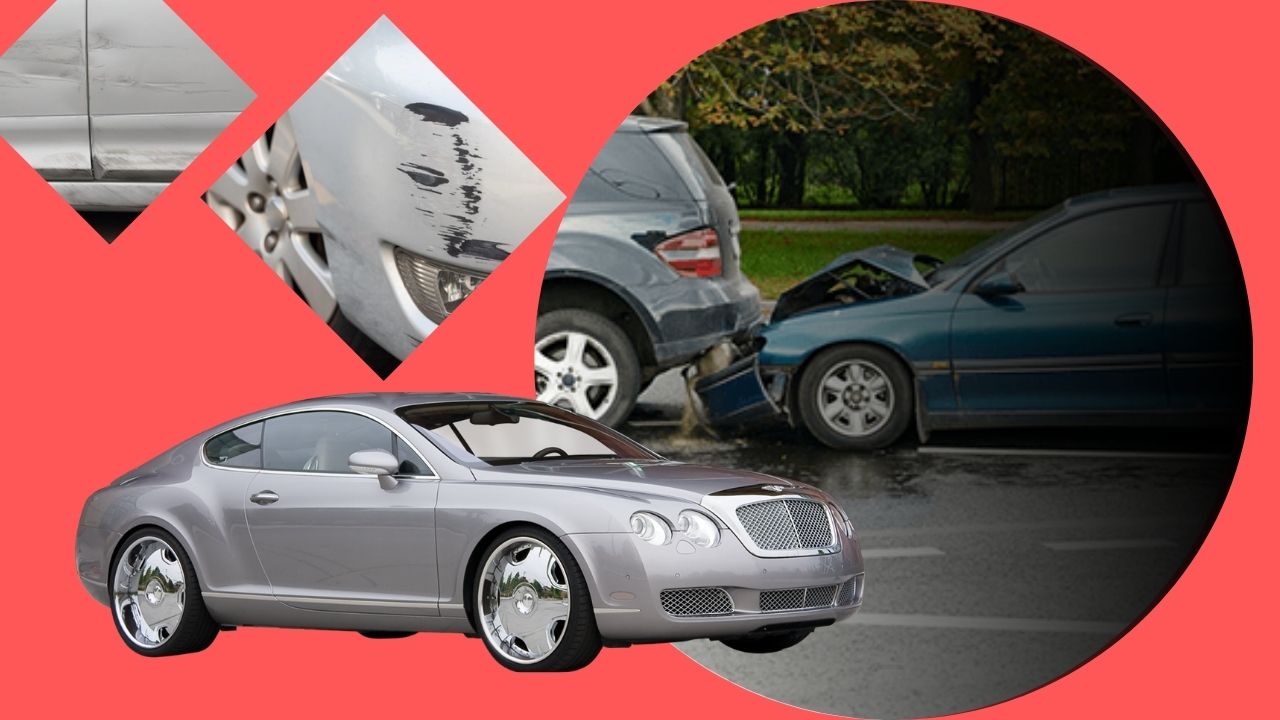
Making a claim for a tiny scratch or a little dent might seem like you’re making the most of what you paid for, but it usually ends up costing you more in the long run. A minor claim will reset your No Claim Bonus, and losing even 20% of your discount can mean more than what the claim is worth. 

For low-cost repairs, it’s usually cheaper to pay out of pocket and preserve your NCB streak. Save your claims for the incidents that actually justify losing the bonus — major accidents, theft, or significant damage.

Install Safety and Anti-Theft Devices

Insurers offer premium discounts — typically around 2.5% on the own-damage component — for cars fitted with ARAI-approved anti-theft devices. Airbags, ABS, and approved security systems can also nudge your premium down, since they lower the insurer’s risk of a large payout. If your car doesn’t already have these, the discount plus the added safety often justifies the upfront cost.

Renew Your Car Insurance on Time

Letting your policy lapse, even briefly, is one of the costliest mistakes a car owner can make. A lapsed policy means you lose your No Claim Bonus, and you may need a fresh vehicle inspection before the insurer will issue a new one — sometimes at a higher premium because you’re now treated as a higher-risk case. 

How to Save Money on Car Insurance

Set yourself a reminder a few weeks ahead of your renewal date so you can shop around rather than renewing in a hurry with the first renewal reminder you receive. 

Bundle Insurance Policies for Extra Savings

A lot of insurers provide you with a discount, if you have more than one policy with them — like car and two-wheeler, or car and home insurance. Bundling lowers the insurer’s cost to acquire you, and they typically share some of that savings with you. 

Just be sure to check the bundled price against the cost of purchasing the individual policies offered separately online; the discount really should be significant enough to beat the alternative, not just offer a convenience. 

Maintain a Good Driving Record

A spotless driving record is one of the silence-but-punch-packaging punches to keep your auto coverage affordable in the long run. Less claims means more NCB and some insurers even offer good driver/telematics based discounts for driving within speed limits and driving habits, monitored via an app or a device installed on the vehicle. Even without telematics, consecutive claim-free years establish a record that carriers will reward at renewal. 

Remove Unnecessary Add-Ons

Add-ons such as zero depreciation cover, engine protection, and roadside assistance are helpful, but only if they are reflective of the way you use your vehicle. Zero depreciation coverage is a good idea for a new car that is in its first few years; on an eight-year-old vehicle it adds very little value. 

Review each of your policy add-ons one by one and remove those that aren’t applicable to your current situation that alone can shave a noticeable amount off your premium. 

Read More :- What is ORVM in a Car and How Does it Work?

Opt for Pay-As-You-Drive Insurance (If Available)

If you drive only occasionally — a car for weekends, or one that’s used primarily for quick trips — pay-as-you-drive coverage can be a lot cheaper than a traditional annual policy. Premiums are based on actual kilometers driven, so that compensates low-mileage drivers instead of subsidizing high-mileage drivers. Not every insurer offers it yet, but if your car is mostly parked, it’s certainly worth asking. 

Review Your Policy Every Year

The value of your car declines every year which is why your IDV needs to be recalculated at every renewal, ensuring your old car at its original value is like paying for protection that you no longer need. 

Reviewing your policy once a year also allows you to re-evaluate add-ons, see if you’re eligible for a new discount, and make sure your NCB has been credited properly. Consider renewal a decision point, not a formality. 

Common Mistakes That Increase Car Insurance Costs

A handful of habits help drive up what people pay for car insurance annually: rolling over with the same insurer without comparing quotes, claiming for small damage and losing NCB, letting the policy lapse, over-insuring a veteran car at an outdated IDV, and not reading the fine print on add-ons that are no longer valid. 

Tips to Get the Best Car Insurance Deals

Getting the best car insurance deal isn’t about finding one trick — it’s about stacking several small decisions correctly. Review quotes from different insurers at each renewal, protect your NCB by not making small claims, select a voluntary deductible that you can afford and remove any add-ons that you are not using. Renew on time, keep your driving record clean, and revisit your IDV annually instead of letting it auto-renew at last year’s number.

Conclusion

Car insurance costs feel fixed until you actually sit down and question each line item — and that’s usually where the savings show up. None of the steps here require switching to a bare-minimum policy that leaves you exposed; they’re about paying for exactly the coverage your car needs, at a price that reflects your actual risk. Next renewal, take the twenty minutes it needs to compare, adjust, and ask your insurer the questions most people never bother asking.