0

Ranveer Singh Car Collection: Peek Into Bollywood Celebrity’s Most Flamboyant Garage!

Ranveer Singh Car Collection

When it comes to Ranveer Singh, the first thoughts are his amazing performances, crazy fashion statements and dance moves that are an instant hit on social media. However, there is a different facet of this Bollywood architect breaker that is little seen – his massive zeal for automobiles. And if his on-screen character screams ‘larger than life’, then Ranveer Singh car collection screams – in the most luxurious way possible. 

Let’s take a joyride through the incredible cars Ranveer Singh has in his garage. Spoiler alert: it’s nothing short of a dream garage for any car lover. 

The Newest Addition: GMC Hummer EV 

Just when we thought Ranveer’s garage was full, he stunned us all by becoming the first Bollywood star to own a GMC Hummer EV. The electric beast arrived in his garage in July 2025 when he took his first steps in electric vehicles. At a cost of Rs 3.46 crore (ex-showroom), this is not your run-of-the-mill SUV – it’s a statement on wheels.

GMC Hummer EV

Its sheer presence, for starters. The 178 kWh battery pack has a claimed range of 505 kilometers and the vehicle features tech wizardry such as a ‘crab walk’ mode, multi-zone climate control, and various driving modes.

Lamborghini Urus Pearl Capsule

Lamborghini Urus Pearl Capsule is a special edition of the Lamborghini Urus, the world-famous super SUV, made for those that want power with a little more punch of visual drama. It is distinguished by exclusive pearl-effect paint finishes, combined with contrasting elements that make the Urus even more aggressive and refined on the road.

Lamborghini Urus Pearl Capsule

Now, this is where things get really interesting. Ranveer’s Lamborghini Urus Pearl Capsule Edition is without a doubt the most precious stone in his garage and this edition is wrapped in the stunning Arancio Borealis (a fancy word for a beautiful orange). 

The powertrain still boasts the same brutal 4.0-litre twin-turbo V8 producing 650 bhp and 850 Nm of torque, enabling a 0–100 km/h sprint in just 3.6 seconds and a top speed of 305 km/h. Offering supercar performance with everyday practicality, the Urus Pearl Capsule presents a distinctive rendition of Lamborghini’s luxury meets brutality mantra. 

Mercedes-Benz — Maybach GLS 600

Ranveer’s crazy is highlighted when he’s driving the Lamborghini but the Mercedes-Benz Maybach GLS 600 stands for its elegant, underplayed side. Dressed in a sleek Cavansite Blue, this opulent four-seat SUV with a price tag of approximately ₹2.8 crore is the perfect fusion of German engineering excellence and luxurious, first-class comfort. 

Maybach GLS 600

​Ranveer was among the first 50 buyers of Maybach GLS 600 in India and was the first Bollywood actor to own a Maybach GLS. Four-zone climate control, massage seats and ventilated seats that are like a five-star spa on wheels are included in this bastion of relaxation. With a 4.0L twin-turbo V8 producing 542 bhp, it is by no means a slow vehicle and will get you off 0-100 km/h in 4.9 seconds—not bad for a mid-size SUV for a family. 

The Bond Villain Move: Aston Martin Rapide S

When Ranveer Singh purchased an Aston Martin Rapide S as a birthday present to himself on his 32nd birthday, he wasn’t just purchasing a car — he was living the James Bond fantasy. This jaw-dropping white four-door sports car, is now draped with a blue skin and costs ₹3.78 crore.

Aston Martin Rapide S

​The performance numbers are heady: 0-100 km/h in 4.2 seconds, a top speed of 327 km/h, and an aerodynamic shape that makes every other car look pedestrian. But here’s the cherry on the cake — Ranveer has also named this beauty: “Ram Pyaari,” that’s vintage Ranveer humor! 

The Practical Additions

Luxury supercars take up the headlines but Ranveer also has uses vehicles like a Range Rover Vogue (₹ 4.38 crore), a Mercedes-Benz GLS SUV in a custom matte-black finish, a Jaguar XJ L (₹1.16 crore) and a Toyota Fortuner Legender (₹37.58 lakh). That one is quite heartwarming and it just goes to show that a bollywood superstar with a net worth of ₹245 crore sees the sense in a dependable, useful family SUV. 

Conclusion

Ranveer Singh cars collection is not about expensive cars or horsepower figures. It is a mirror of his personality – confident, searing, fashionable as much as one could describe the man and unapologetically lavish. From the futuristic GMC Hummer EV to the classic Aston Martin, each car narrates the story of a man who didn’t want to live a normal life.

Bipin Sharma

Bipin Sharma is a seasoned automotive content writer with over 10 years of hands-on experience in the world of cars. From the latest car news and reviews to in-depth maintenance tips and expert buying guides, Bipin covers everything that drives the automotive world. Writing about cars isn’t just his profession — it’s his passion. His deep industry knowledge and love for automobiles fuel every blog he creates, helping readers make informed decisions and stay updated on the fast-evolving auto landscape.

Leave a Reply

Your email address will not be published. Required fields are marked *

0

Sultan Hassanal Bolkiah Car Collection: Inside the World’s Largest Garage

Published Jan 12, 2026, 8:25 AM
Last Updated May 19, 2026, 12:43 PM

Sultan Hassanal Bolkiah Car Collection

Now imagine not having just a few luxury cars at your disposal, but having an entire country of automobilists. Welcome to Sultan of Brunei, Sultan Hassanal Bolkiah car collection is so staggeringly enormous that most billionaires’ garages look like parking lots at a mall in comparison. With an estimated 7,000 vehicles exceeding $5 billion in value, this is not merely a collection, it’s a way of life that transcends comprehension. 

Rolls-Royce Silver Spur II is the crowning glory with a unique 24-carat gold plating worth $14 Million which was ordered only for the Sultan’s wedding. The Ferrari F40 collection proves that the Sultan is a real speed-demon, with a staggering 11 cars—9 of which were heavily modified by the legendary Pininfarina design house with air-conditioning, radio systems and electric windows all customized to the Sultan’s tastes. 

The Golden Standard Vehicle Rolls-Royce Silver Spur II

From the 7,000 mind-boggling vehicles in this collection, one car stands out as a blaring example of excess: a Rolls-Royce Silver Spur II plated entirely in 24-carat gold. Yes you read that correctly real gold, not some gold paint.

The Golden Standard Vehicle Rolls-Royce Silver Spur II

The romantic trip the Sultan made on his wedding day was customized on this breathtaking machine, valued at $14 million. Imagine showing up at your wedding in a car that really shines in the sun. That’s the kind of luxury we’re referring to here. 

Read Also: Nithin Kamath Car Collection 

The Ferrari Chronicles

Most car collectors would be happy to have one Ferrari F40 on their bedroom wall and would stare at it late in the night life. The Sultan of Brunei? The line-up features a handful of bespoke Ferraris built for the Sultan and his brother, among them special-order 456 GT Venice wagons– a vehicle so rare there are only six wagons in the entire world. 

The Ferrari Chronicles

The Bentley Empire

Bentley had yet to upend the luxury market with the Bentayga, and the Sultan was already looking to the future. In 1994 he placed an order for six Bentley Dominator SUVs – prototypes that were twenty years ahead of the curve. The vehicles reportedly cost $3 to 4.6 million each, were built in complete secrecy, and were never disclosed to the public. 

Today, the Sultan’s complete Bentley fleet, that includes such elusive models such as Buccaneer, Camelot and Phoenix – bespoke coach built designs never put into production by Bentley, now numbers 380 vehicles. 

The Bentley Empire

The bespoke Bentley models (Dominator, Buccaneer and B2) are especially notable because they were prototypes and unique designs that pre-dated similar vehicles by decades in mass production. 

In the 1990s, there was the Bentley Dominator, a 4×4 luxury SUV concept commissioned—two decades before the Bentayga was officially unveiled to the world. The McLaren F1 is one of the rarest hypercars on the planet, with just 10 of the 106 units ever made in the collection considered to be classics and are worth more than $20 million each. 

Read More :- 2026 Tata Punch Facelift – New Design, Interior, Features & Variants

Mercedes-Benz W163 ML55 AMG

Here is certainly where things get bizarrely human. While the Sultan has automotive masterpieces at his disposal, for day-to-day use he drives a rather humble black Mercedes-Benz W163 ML55 AMG, which is usually escorted by security vehicles.

Mercedes-Benz W163 ML55 AMG

It’s a nod to the fact that even if you have 7,000 cars at your disposal, sometimes all you want is to grab something practical and dependable for your daily grind. 

Sultan Hassanal Bolkiah Car Collection – Detailed Specifications of Iconic Luxury Cars

Detailed Specifications

Conclusion

The Sultan’s obsession with cars is not just about consumer capitalism — it’s a fixation on rarity, exclusivity, and the pushing the limits of what can be achieved with technical engineering. Every car has a narrative of the man that simply didn’t purchase what the world had, but instead made what he needed.

Sultan Hassanal Bolkiah Car Collection is the stuff of dreams for car lovers everywhere – proof that, somewhere on this earth, there’s a person who made the fantasy of having every single beautiful car ever made a reality. 

0

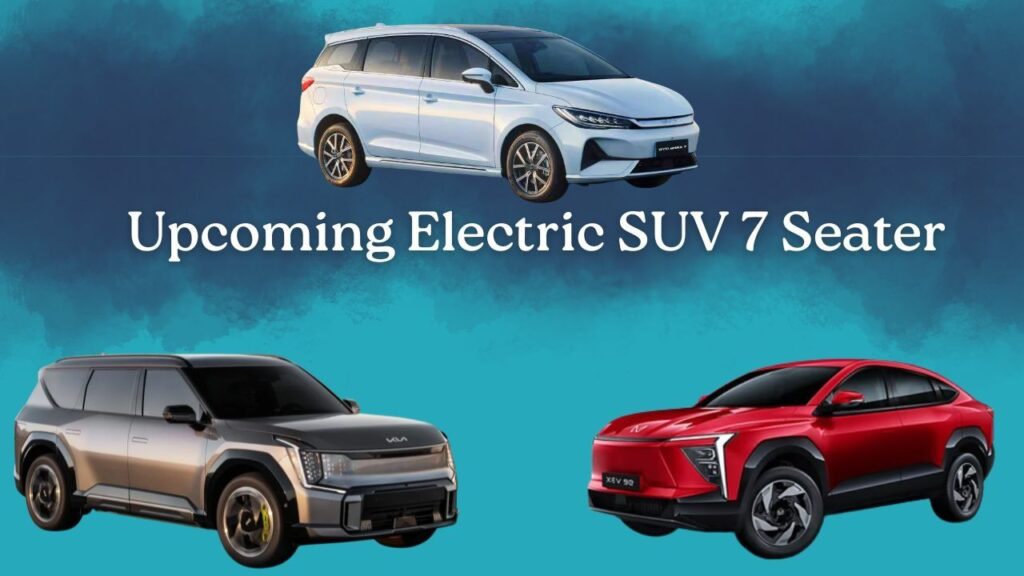
Upcoming Electric SUV 7 Seater in India 2025 – Best Family EVs to Watch

Published Nov 5, 2025, 4:56 AM
Last Updated Apr 13, 2026, 12:16 PM

upcoming electric suv 7 seater

The auto industry is being reshaped, and electrification is at the forefront. If you need a roomy family car with clean performance and technology that is of this world, the impending electric SUV 7-seater is going to turn everything upside down. Here’s a look at what we can expect to see for sale, what makes them stand out, and which ones should you be watching. 

Why 7-Seater Electric SUVs Matter Now More Than Ever

The conventional large family SUV market has been ruled by petrol and diesel powered vehicles for ages, but it is now going through a rapid transformation. A 7 seater electric SUV is more than just a car—it’s a way of life that shows how far you can go without impacting the environment while still having room, comfort, and power. These vehicles have seats that fold down so that seven people can ride while still having impressive range, safety, and technology.

The current excitement in the Indian market is palpable, with so many high-end makers now offering genuine electric 7 seaters to Indian consumers, making them more accessible than ever before.

Mahindra XEV 9S: Launch in India Soon

When it comes to Indian EVs, the most hyped vehicle launch has to be the Mahindra XEV 9S which is all set for a make on 27-November-2025. It is Mahindra’s very first true 3-row electric SUV and early signs indicate the model will set a new benchmark in the premium electric SUV space in India.
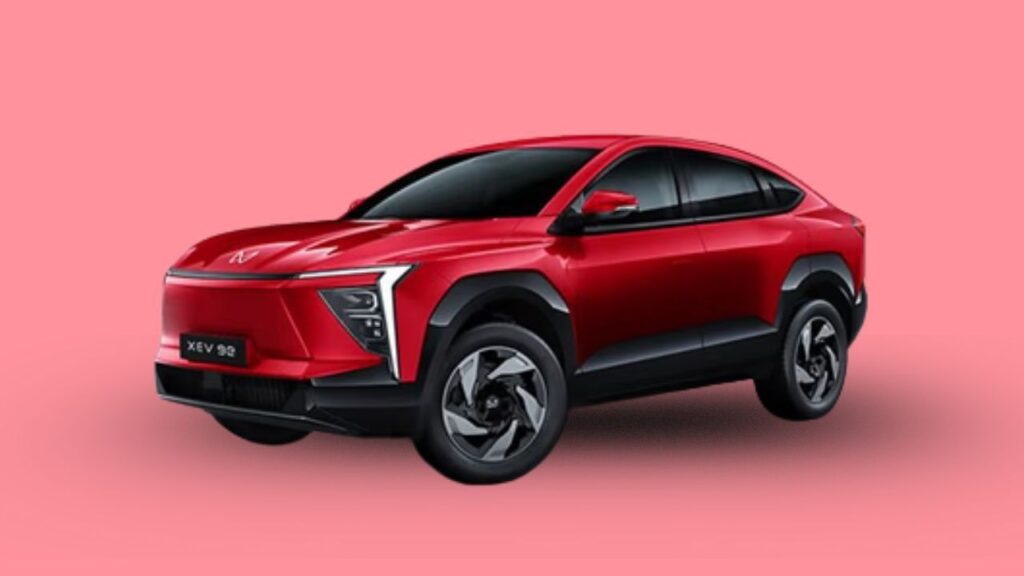
Mahindra XEV 9S

General Features and Specifications of Mahindra XEV 9S:

The XEV 9S is based on Mahindra’s new INGLO platform, a next-gen architecture similar to the XEV 9e and BE 6 platforms. In other words, you are getting more proven technology in a bigger box. 

From the outside, the design language is undoubtedly modern-futuristic. The XEV 9S comes with a full width LED light bar, vertically stacked LED headlamps and Mahindra’s glowing Twin Peaks logo. Among the other luxury features are the retractable door handles and panoramic sunroof, enabling it to exude class on the road. 

Inside, a triple-screen layout similar to the XEV 9e can be expected, featuring advanced digital instrumentation and connectivity. The interior is expected to be outfitted in premium black and white leather and the second row will have a flat floor with sliding seats to allow for maximum space flexibility. 

Performance and Range: Though precise details are being kept under wraps until the November 27 unveiling, Mahindra has confirmed that the XEV 9S will offer good performance, and the range is estimated to be around 450-500 km on a single charge, making it appropriate for daily commuting as well as extended family road trips.

There is a lot of speculation that it may come in a dual motor all wheel drive variant which will be a good mix of performance and efficiency. 

Anticipated Cost 

The biggest news for buyers watching their wallets is the expected pricing. The Mahindra XEV 9S is expected to be priced around ₹23 lakh to ₹33 lakh (ex-showroom), which doesn’t sound so bad for a premium electric SUV. Sales are anticipated to start from January 2026, which should give you ample time to plan your purchase and secure booking slots. 

BYD eMAX 7
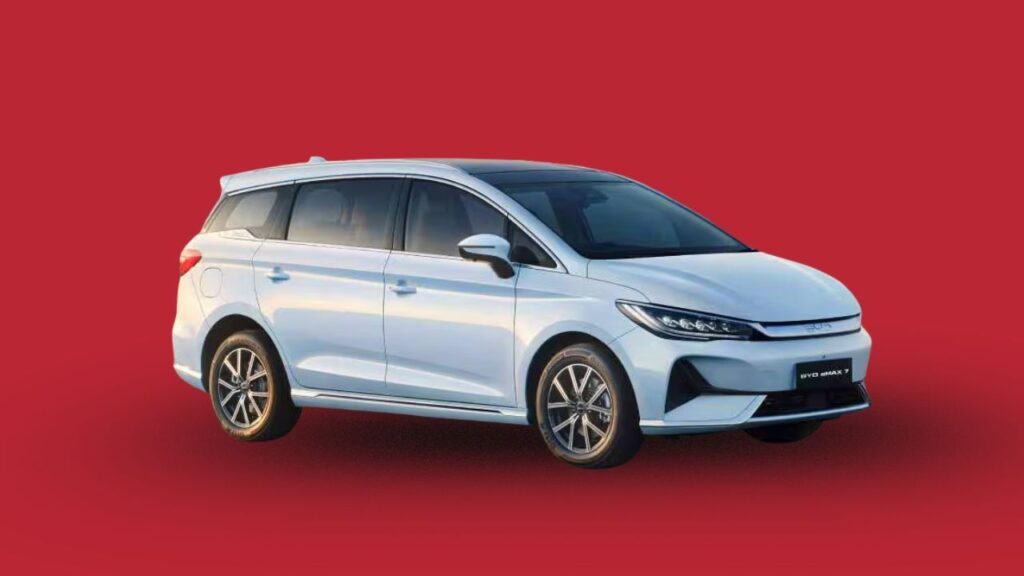
BYD eMAX 7

If you are short of time and just want to know where to buy an electric 7-seater now, BYD eMAX 7 is the one you should wait for as it was just launched in India. It’s really an upgraded version of the popular e6, rebuilt for private rather than fleet buyers.

Specifications and Features of BYD eMAX 7:

Two packages are offered in the BYD eMAX 7, that are e base and e-PLUS. The standard model has a 55.4 kWh battery with 161 bhp power and a range of 420 km, while the high-end variant has a 71.8 kWh battery with a range of 530 km and a power of 201 bhp. 

Each variant can accelerate from 0-100 km/h in the same 8.6 seconds, which is good enough for some family-friendly fun. Inside, there’s a rotating 12.8-inch infotainment screen that’s both functional and attractive. The vehicle offers automatic climate control with rear AC vents, fixed glass roof, wireless charger support and advanced features like voice commands and ADAS (Advanced Driver Assistance System). 

The car is available as a 6-seat and 7-seat, which provides some flexibility depending on what you need. And one highlight is the V2L (Vehicle-to-Load) technology, which allows the vehicle to power external devices, turning your SUV into a portable power bank on long journeys or when disaster strikes. 

Price and availability

The BYD eMAX 7 is priced from ₹26.90 lakh for the base 6-seater Premium variant to ₹29.90 lakh for the top-spec 7-seater Superior variant. It’s in stock now with a waitlist of about two months, so it’s certainly the quickest path to a 7-seater electric vehicle if you want one today.

Kia EV9: The Ultra-Premium Option

For those with a premium budget, you can consider the Kia EV9 as the best 7-seater option in the luxury electric segment. Now priced at ₹1.30 crore (ex-showroom), it is Mahindra’s premium 6-seater electric SUV, that delivers unmatched luxury and performance. 
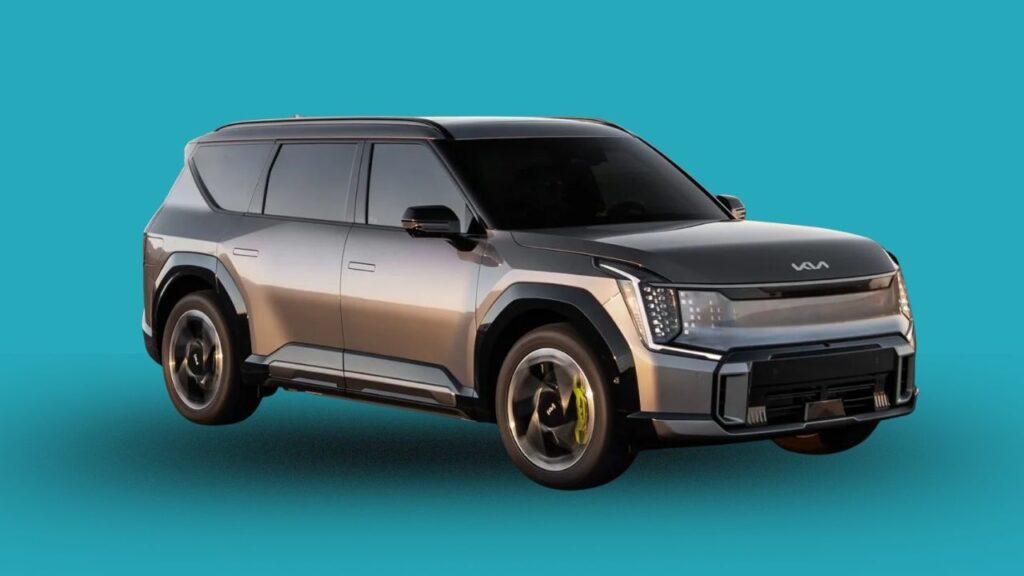
Kia EV9

Premium Features: The EV9 is equipped with a massive 99.8 kWh lithium-ion battery and all-wheel drive system that produces 382 bhp and 700 Nm torque, delivering breathtaking acceleration alongside amazing range of 561 km (WLTP cycle). 

The interior is really what makes this whole thing. Kia’s signature trinity display arrangement, huge panoramic sunroof, boss-mode massage chairs with power recline capabilities and independently regulated climate controls for each row of seating complete the cabin. It’s got one of the longest wheelbases for its class of 3.10 meters which makes the third-row passengers sit pretty. 

Charging & Technology: A 350 kW DC fast charger allows the EV9 to charge from 10% to 80% in 24 minutes, rounding up highway charging stops. 

Among the high-end extras are a 360-degree camera, electronic parking brake with auto-hold, cruise control, and ventilated seats — basically everything you would expect from the best luxury SUVs.

Delivery started in March 2025, and if you are shopping for the pinnacle of electric luxury, this is the vehicle to get. 

What Makes Luxurious Electric MPV Special 

The MG M9 EV is also a 7-seater electric option with exceptional features rather than traditional SUVs. It launched at Rs. 69.9 lakh in July 2025.

The M9 runs on a 90 kWh battery with a single electric motor that produces 241 bhp and 350 Nm, offering a 548 km range on a single charge. This is a splendid car for passenger comfort — its 16-way adjustable second row seats are heated, ventilated, massaging, and level 2 ADAS safety systems.

Bright and bold with split LED headlights, a substantial chrome bumper, and 19-inch alloy wheels framed by continental self-healing tyres. There is a 12.3-inch touchscreen, a 7-inch driver display, and a superior 13-speaker JBL audio system. 

Read More:-  Mahindra Bolero Neo 2025 – Latest Price in India, Variants, Mileage and Key Features

Volkswagen ID Buzz LWB: ENTRE THE INTERNATIONAL LWB VERSION

The Long Wheelbase version of the Volkswagen ID Buzz LWB will provide true 7 seater configuration with that classic VW design. The Indian prices are likely to be in the region of ₹49.65 lakh to ₹61.25 lakh, making it one of the cheapest premium options.

Highlights of Volkswagen ID Buzz LWB: 

The ID Buzz LWB is 4,962 mm long with a 3,239 mm wheelbase. It is available with a 77 kWh or an 85 kWh battery, with a maximum range of 295 miles (approximately 475 kilometres). It boasts a 12.9-inch infotainment display, an innovative electronically controlled liquid-crystal sunroof that changes from transparent to opaque, and true 7-seat flexibility across multiple configurations. 

What To Expect: The Usual Pleasantries

All these cars share a few key traits that make up the baseline modern electric SUV experience:

Fast Charging: With modern DC fast chargers pushing as high as the 150-350 kW range these days, you can top off add 200-300 km (124-186 miles) of range in just 20-30 minutes, enabling practicality for long distance driving.

Advanced Safety: Some Level 2 ADAS features have gone mainstream with automatic emergency braking, lane-keeping assistance and adaptive cruise control now trickling down throughout the class.

Connected Technology: Three-screen configurations, voice command features and over-the-air update capabilities make sure your ride stays on the cutting edge. 

Flexible Seating: Most trims come standard with sliding second-row seats as well as individual seat adjustments, so you can make the interior passenger or cargo-friendly depending on what you need. 

Regenerative Braking: This proprietary system collects energy when braking and coasting, boosting your usable range and reducing brake wear. 

Conclusion

Seven-seaters are not a pipe dream in the Indian EV space anymore—it’s a present fact with thrilling choices for every pocket. Whether you’re into gadgets, passionate about the environment, or just need a lot of space and comfort, there’s an electric family car for you.The Mahindra XEV 9S debuting on November 27 could be a real gamechanger, making premium electric SUV ownership accessible to everyone. On the other hand, for those who can’t wait, the BYD eMAX 7 is ready for delivery right now. Family-sized electric vehicles have never been more affordable, or better equipped, and with prices continuing to fall, and technology advancing at lightning speed, now is the perfect time to go electric with the whole family. 

0

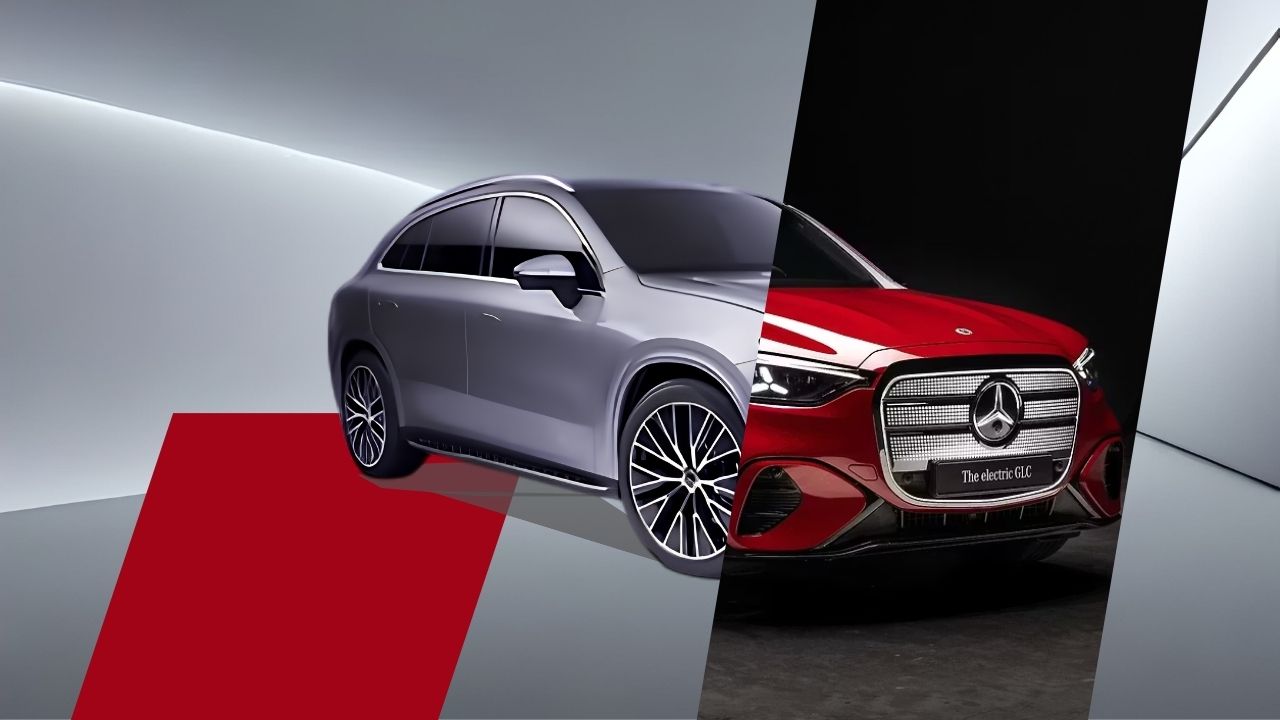
Mercedes-Benz GLC Electric Comes With 715 km Range 

Mercedes-Benz GLC Electric

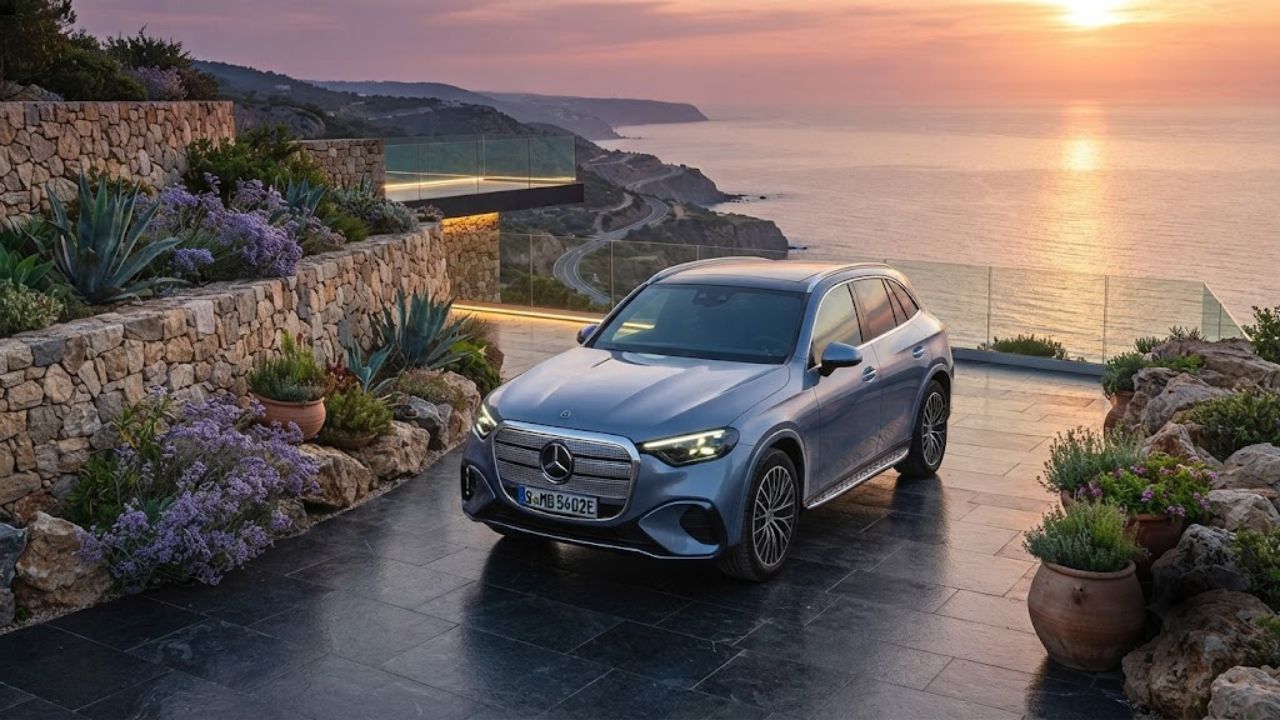
The Mercedes-Benz GLC Electric coming to India on 4 November 2026, it reaches faster than usual right after six months of its European debut. Bookings are expected to open in the first week of October, with local assembly at its Chakan plant in Pune. If you’re weighing a ₹80-lakh-plus electric SUV, first understand a few factors. Does it look like it’s worth the money, does it go far enough, and is it better than what BMW is about to bring?

Mercedes-Benz GLC Electric Design: A German Luxury Car Rethought

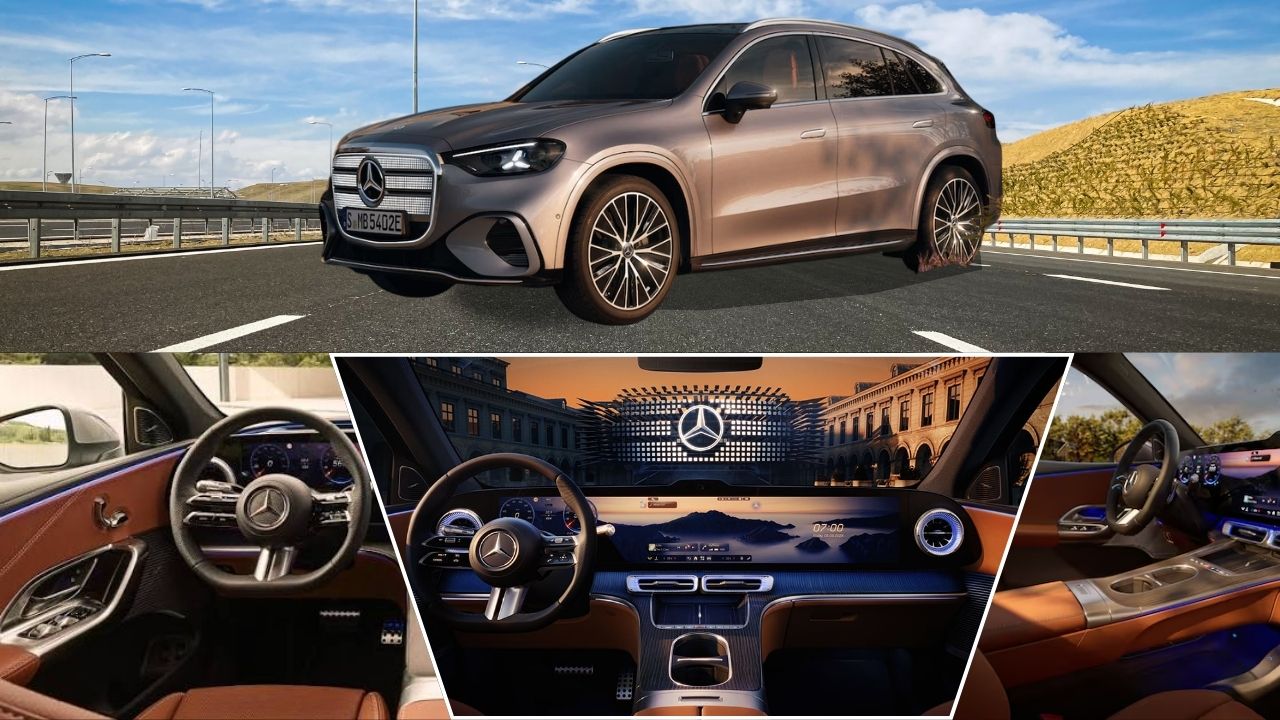
The GLC Electric carries Mercedes’ newest design language. The front gets a reworked grille and the rear gets a full-width light bar. The proportions stay familiar for an SUV, which matters commercially: this is a stylish car that still reads as a GLC from 50 metres away. It measures 4,845 mm long, 1,913 mm wide and 1,644 mm tall. India gets the standard-wheelbase version, with a 2,972 mm wheelbase.

The cabin leans hard on screens. A MBUX Hyperscreen spans the dashboard, though sources disagree on its size. It is somewhere between 33.1—39 inches, so check Mercedes’ India brochure. The India-bound variant listing shows a Burmester sound system, front-only massage seats, a fixed glass sunroof, over-the-air updates and blind spot monitoring. Treat that as the expected equipment list until Mercedes publishes the final one.

Electric Performance: Power, Range and Charging

The GLC 400 4Matic version is coming to India which runs on all-wheel drive and two motors. This Mercedes luxury vehicle delivers 483 hp of power and 800 Nm of torque, reaching over a 100 km/h time of 4.3 seconds. It offers a 360 kW with two-speed transmission sitting on the rear axle only.

A 4.3-second sprint puts an SUV of this size in performance-car territory, and it is quicker than any petrol GLC below the AMG versions.

Mercedes-Benz GLC Electric Design

The battery is 94 kWh, good for a claimed 715 km on the WLTP cycle. Two caveats apply. That is a European test figure, and the US EPA rating is a lower 300 miles (about 480 km). India’s ARAI number, which we don’t have yet, will be what Mercedes advertises locally. Real highway range with the AC on will be lower still.

Charging is where the 800-volt architecture pays off. Peak DC charging is 330 kW, and Mercedes quotes 10 to 80 percent in about 22 minutes on a compatible 800V charger. On a 400V charger, speed is capped at around 100 kW. Most Indian public fast chargers won’t deliver anything close to 330 kW, so in practice you’ll charge slower than the headline. At home, the 11 kW AC onboard charger takes roughly 8.5 hours for a full charge. That suits overnight charging in a house or society with a dedicated point.

Read More 👉  Renault Duster Hybrid Launches in India on 17 October 

Mercedes-Benz GLC Electric Price in India

Mercedes has not announced a price. Most outlets expect ₹80 to ₹90 lakh ex-showroom, while Autocar India’s estimate runs higher, at ₹87 to ₹95 lakh. Local assembly should help. For reference, European pricing starts at €71,281. The final figure will be confirmed on 4 November, so treat everything above as an estimate.

GLC Electric vs BMW iX3: The Rival That Matters

GLC Electric vs BMW iX3

The BMW iX3 is the obvious comparison, and on paper it is the stronger EV. It has a 108.7 kWh battery and up to 805 km of WLTP range with 400 kW charging. The GLC counters with more power and a quicker sprint. The iX3 50 xDrive makes 469 bhp and 645 Nm and reaches 100 km/h in 4.9 seconds.

GLC 400 4Matic iX3 50 xDrive
Power / torque 483 hp / 800 Nm 469 hp / 645 Nm
0-100 km/h 4.3 s 4.9 s
Battery 94 kWh 108.7 kWh
WLTP range 715 km up to 805 km
Peak DC charging 330 kW 400 kW
India status Launch 4 Nov 2026 Expected 2027

The iX3’s India timing and price are unclear. Expected for a February 2027 launch at ₹65 to ₹70 lakh, the long-wheelbase version arrives in 2027. The BMW may end up cheaper and longer-legged, but Mercedes will have a few months on sale before it arrives.

Read More 👉  Tata Launches BaaS Across Its Whole EV Range: Is the Lower Price Real?

Conclusion 

If you are planning to book a Mercedes-Benz GLC Electric in early October, and the price announcement is on 4 November. Book only after you’ve seen the ARAI range figure and the final variant equipment list.

You’ll get a Mercedes badge and cabin, have a reliable home charger, and mostly drive in and around a city. The GLC Electric is more of a family SUV than a luxury sedan. If a sedan was on your shortlist, its extra ride height and boot space are the trade.

Wait if you regularly do long highway runs. The 330 kW peak charging speed is unlikely to be usable on most Indian routes, and the iX3 may offer more range for less money.

0

Kendrick Lamar Car Collection is Classic Garage With Old & New Luxury Cars

Published May 27, 2026, 12:44 PM
Last Updated Jun 19, 2026, 9:47 AM

Kendrick Lamar Car Collection

Anyone could think that Kendrick Lamar Car Collection will be filled with cars which wrap in neon lights and shiny rims because he is a rapper. But Kendrick’s choice is wrapped with old classic and modern futuristic technology. Artists who won Pulitzer treats his garage the same way he treats his music.

He knows which car gives him the best ride experience. He respects the depth and history of each car he owns like his own music. Kendrick’s car collection is valued at $8 million to $10 million. His classy and decent taste tells the story of his life, his lifestyle from West Coast hip-hop culture. 

Let’s look inside the Kendrick Lamar Car Collection and understand what makes his taste in cars so effortlessly cool. 

The West Coast Classics: Rooted in Compton 

Growing up in Compton, Kendrick was surrounded by classic American cars which grew his interest in the classic era. He began to love cars that are modified to ride low to the ground and he bought them right after he made a successful career.

The 1964 Chevrolet Impala

1964 Chеvrolеt Impala

Imagе Crеdit: YouTubе

The ’64 Impala is the ultimate symbol of California car culture. Dr. Dre and Snoop Dogg featured this car in their music video and Kendrick paid tribute to those roots. Most people chose flashy cars with shiny paint and attractive looks along with modifications but he chose the Chevrolet Impala that was already designed uniquely with long body and classic lines.

The 1990 Cadillac Brougham

1990 Cadillac Brougham

Imagе Crеdit: YouTubе

Kendrick’s love for old-school luxury is endless, he bought an amazing 1990 Cadillac Brougham. He featured this hero in his smash-hit music video for “King Kunta.” This vehicle represents old-school power and dignity with a massive, square, and big cabin which makes you fall for it. 

The First Cars: Sentimental Value

When he got successful, he bought his first car, a 1992 Cadillac Seville which was not that fast but it was a really reliable and comfortable car at that time. He also carried sentimental value for Buick Regal which appears in his stories about growing up in the 1990s. 

The Heavy Hitters: Modern Luxury and Speed 

Let’s come to the modern cars which Kendrick bought for enjoying comfort and engineering of modern luxury. But his modern choices also reflect how he respects the beauty of machines.

Porsche 911 Carrera 

Many rappers buy loud, mid-engined supercars to flex on social media. But Kendrick’s style is unique, he owns a Porsche 911 Carrera which masters in incredible handling and timeless design. This car perfectly suits his personality of silent nature until he takes a mic in his hand. 911 Carrera is a superfast luxury car which makes people’s heads turn.

Rolls-Royce Phantom 

Rolls-Royce Phantom offers a 6.75-liter twin-turbo V12 engine which produces 563 horsepower. This is the most expensive car and an absolute fortress of isolation that makes it ideal for Kendrick. He takes this car whenever he needs to go alone to clear his mind for writing music. He keeps it classic, letting the elegance of the vehicle speak for itself. 

Car Model Estimated Base Price Key Feature Why It Fits Kendrick
Porsche 911 Carrera $120,000 Timeless sports coupe Because he doesn’t show off, he actually loves fast cars,
Mercedes-Benz G-Wagon $180,000 Boxy, rugged luxury SUV Perfect model for him to travel privately,
Lamborghini Urus $235,000 High-performance SUV Can be used as a daily driving partner without losing its beauty of luxury.
Rolls-Royce Phantom $460,000 ultra-luxury sedan Full black and quiet just like him. A true definition of elegance and commanding presence.

The Future and The Rare Gems 

Kendrick also owns a car that fills the gap between old supercars and modern practicality. His garage was filled with masterpieces that showed his knowledge and power of peace.

The 2017 BMW i8

This plug-in hybrid sports car is a definition of modern tech, along with its striking visual design to contrast his older, classic vehicles. i8 represents Kendrick’s interests towards futuristic automotive design other than his older vehicles. 

BMW i8

BMW i8

This car also featured in the music video for “LOYALTY” which adds a glimpse to the visuals of wild, reckless lifestyle. BMW i8 represents design structure as a concept spaceship that has swing doors.

Feature  Specification 
Engine  1.5-Liter Turbocharged 3-Cylinder + Electric Motor 
Horsepower  357 hp 
0 to 60 MPH Time  4.2 seconds 
Top Speed  155 mph 
Electric-Only Range  15 miles 

The 1987 Buick GNX 

1987 Buick Rеgal GNX

Imagе Crеdit: YouTubе

1987 Buick GNX is one of the prestigious cars which can outrun ferraris at that time. This powerful legendary “sleeper” car looks regular but the monster sedan wraps up with a fastest speed engine. It reflects Kendrick’s public persona, quiet and modest until he steps up to the microphone. 

Read More:- Nicholas Pooran Car Collection: IPL Champion Owns Cars That Suits His Lifestyle

Conclusion

Kendrick Lamar Car Collection is effortlessly cool just like his personality. He chooses every car to add to his collection very carefully. He buys cars that mean something to him not to fit into a rapper stereotype. Many people choose cars that highlight them in public but he owns what he loves. Kendrick’s garage proves that true class is quiet, historic, and deeply personal. 

0

ROI of Commercial Vehicles in India: Costs, Profits & Business Returns

ROI of Commercial Vehicles in India

Every vehicle owner remembers the first time they were tricked by a low EMI. The vehicle looked affordable, the loan tenure looked comfortable, and six months later the same person was staring at a fuel bill that had quietly become their biggest monthly expense. The ROI of Commercial Vehicles in India is not a purchase decision. It is a cash flow decision which comes along with a vehicle. And treating it any other way is how companies wind up with a money-losing asset rather than a money-making one. 

Prices of diesel are remaining at ₹96-₹98 per litre in most Indian cities while a few like Andhra Pradesh have crossed the ₹105 mark. For owners of trucks, tempos and pickups, that number has an immediate bearing on profitability, since fuel costs can make up 40 to 55% of a commercial vehicle’s lifetime operating cost. The initial purchase price, although significant, is generally a more fixed and predictable cost. That is why the first thing every buyer should assess isn’t the sticker price, it’s how much the car will cost to operate on a daily basis.  

What “Cost” Actually Means for a Commercial Vehicle

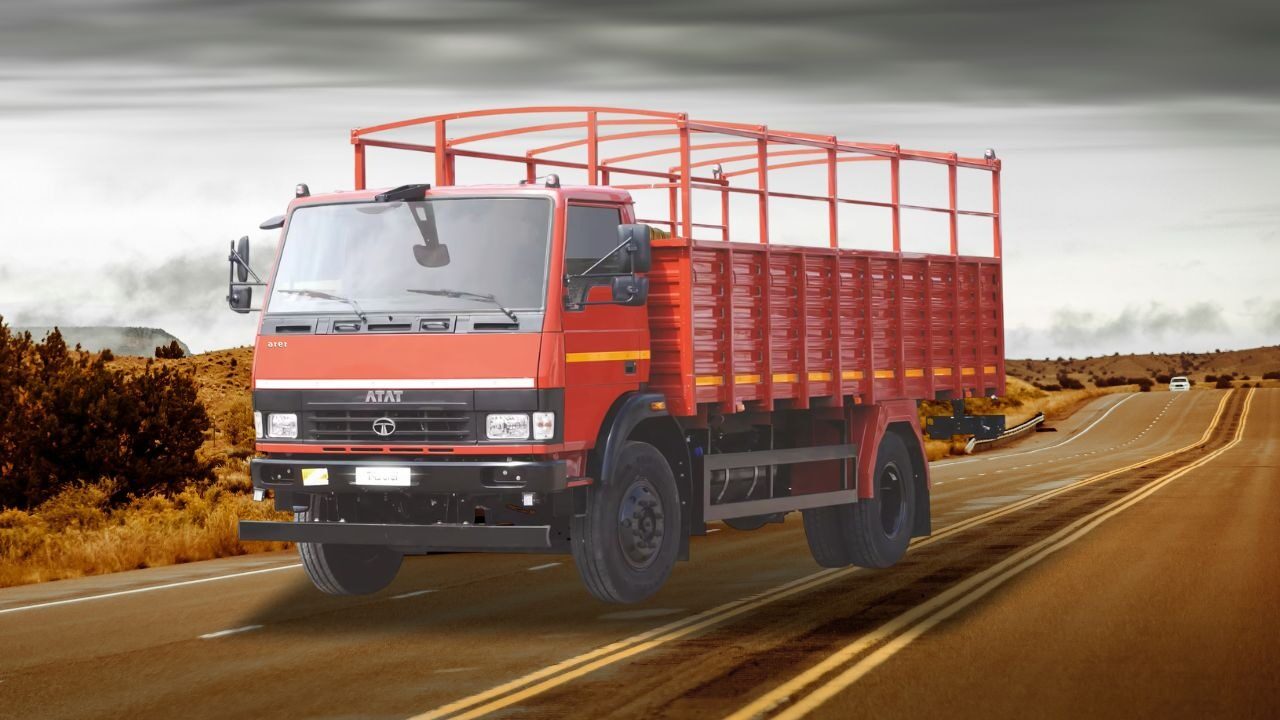
The ex-showroom price is just the beginning in terms of commercial vehicle budgeting. For instance, India’s best-selling mini truck for last-mile deliveries, Tata Ace, is priced from ₹3.99 lakh to ₹6.69 lakh (ex-showroom) based on the variant. The Ashok Leyland Dost range meant for heavier loads begins from ₹6.68 lakh to ₹ 10.34 lakh, with the ROI of Commercial Vehicles in India and ROI of Commercial Vehicles in India variant priced higher. 

However, the total cost you pay once after including the cost of the registration, insurance, and state roads taxes is higher. Additional charges like these typically add 8 to 12% to the sticker price, so it’s important to plan for more than the sticker price. 

Where ROI of Commercial Vehicles in India Lost

The bigger expense begins after the vehicle hits the road. Fuel, driver salaries, regular maintenance, tire replacement, insurance, permits and unforeseen repairs all contribute to the cost of monthly operations, and unlike EMI, these costs can fluctuate widely. 

Tires and engine components of long distance or heavy-duty vehicles are under greater stress and wear out faster. Therefore, a model with a lower purchase price may cost you more during the life of the product. This is why experienced fleet managers look at cost per kilometre rather than the bare purchase price, since it gives a more accurate sense of fuel efficiency, maintenance, depreciation and other operating costs.

Where the Profit Actually Comes From

ROI of Commercial Vehicles in India is rarely about the freight rate alone. It comes from utilisation, which is a polite way of saying: how many days a month is the vehicle actually earning instead of sitting idle. A truck that runs 24 days a month will always beat a cheaper truck that runs 15 days a month, even if the second one has a lower EMI. Idle time is the single biggest silent killer of ROI of Commercial Vehicles in India, whether it’s caused by a breakdown, a driver shortage, or simply poor route planning.

The second lever is load efficiency. Businesses that consistently run at 60 to 70% of a vehicle’s rated payload capacity are effectively paying full fuel and maintenance costs for a fraction of the earning potential. Matching the vehicle class to the actual cargo pattern, rather than buying one size up “just in case,” is one of the most underrated ROI decisions a business owner makes. A Bada Dost bought for loads that a standard Dost could easily handle is dead capital sitting on four wheels.

The third lever, and the one almost nobody talks about, is resale value. Tata and Ashok Leyland vehicles tend to hold value better in the Indian secondary market simply because spare parts and service networks are everywhere, which matters enormously when a five-year-old truck needs to be sold to fund the next purchase. A vehicle that’s cheap to maintain throughout its life is also, almost always, the one that resells for a fair price later.

The Financing Trap Nobody Warns You About

Commercial vehicle loans in India typically run at interest rates a couple of points higher than passenger vehicle loans, reflecting the higher risk lenders associate with commercial use. A longer tenure lowers the EMI on paper but stretches interest payments across more months, which quietly increases the total cost of ownership. 

The smarter approach, and one that experienced fleet owners follow without exception, is to size the loan against realistic monthly earnings rather than against the maximum EMI a bank is willing to approve. Banks will always approve more than a business can comfortably repay, because the risk sits with the borrower, not the lender.

Note: Diesel prices, vehicle pricing, and interest rates change frequently and vary by state and lender. Always confirm current on-road prices, fuel rates, and loan terms with authorised dealers and banks before making a purchase decision.

BS6 Compliance and the Long-Term Cost Angle

Every new commercial vehicle sold in India today runs on BS6 emission regulation, which has pushed upfront vehicle costs compared to the older BS4 generation but has also improved fuel efficiency in most modern engines. 

For a business calculating ROI over a five to seven year holding period, this trade-off usually works in the buyer’s favour, since better mileage compounds into meaningful fuel savings over tens of thousands of kilometres. The mistake to avoid is buying an older, non-compliant vehicle secondhand purely to save on the initial price, since resale restrictions and rising fuel costs can erase that saving within a couple of years.

Read More:-  Best Cars for Daily Office Commute: Top Comfortable & Fuel-Efficient Cars

Diesel, CNG, or Electric: The ROI Angle, Not the Trend Angle

CNG variants of vehicles like the Dost and Ace are gaining traction in Indian cities specifically because CNG remains meaningfully cheaper than diesel per kilometre, even after accounting for the lower fuel efficiency compared to diesel engines. For businesses running fixed intracity routes with reliable access to CNG stations, this can genuinely lower the cost per kilometre. 

Electric commercial vehicles are still a smaller piece of the market, and while running costs are lower, the higher upfront price and patchy charging infrastructure outside major metros mean the ROI case only works cleanly for businesses with short, predictable routes and access to depot charging. This isn’t a case of one fuel type being universally better. It’s a case of matching fuel type to route pattern, which is the same discipline that governs every other part of this decision.

The Real Formula for Business Owners

The ‘ROI of Commercial Vehicles in India’ question comes down to one practical comparison: total monthly earnings from the vehicle, minus fuel, driver salary, maintenance, insurance, and EMI, measured against how much capital was actually put in to acquire it. 

A vehicle that looks expensive but stays on the road every working day, carries near its full rated load, and holds resale value will consistently outperform a cheaper vehicle that spends a third of its life in the workshop. 

In Indian commercial transport, the businesses that make money aren’t the ones that bought the cheapest truck. They’re the ones that bought the right truck for their actual freight pattern and ran it hard, every single day, for years.

Conclusion 

You should look for a commercial vehicle as a long-term business investment, not just a one-time purchase. The ROI could improve if you choose the right payload capacity, use recommended fuel, and try not to exceed the speed. Before making a decision, compare the total cost of ownership to understand the exact ROI of Commercial Vehicles in India. 

The most profitable commercial vehicle is the one which delivers lower cost per kilometre, spends more time on the road, and has strong resale value.