0

Hyundai Exter Facelift: Smarter Looks, Bigger Tech, Same City-Friendly Charm

Published Jan 31, 2026, 8:26 AM
Last Updated Apr 8, 2026, 7:20 AM

Hyundai Exter facelift

Hyundai Exter Facelift refresh is a smart play with no radical redesign, just some sharper styling, a tech-loaded cabin, plus practical upgrades that really matter. It stays true to being small, affordable, and ready for the city, while quietly levelling up to take on rivals like Punch and Fronx. 

Exterior Refresh: Subtle but Sharp

There’s no need to wait for car overhaul—Hyundai is playing it relatively safe and just cleaning up its looks. Spy shots reveal new alloy wheels as the first element catching the eye, together with a sportier stance. The front grille could be a bolder mesh style, the tail lights could be sharpened brighter with smoked accents, a redesigned rear spoiler brings that little bit extra for highway runs.

The full reveal is obscured by camouflage, but rumors point towards chunkier wheel arch cladding and redesigned side sills for a rougher look, inspired by the Venue’s rugged charm. 

Colors Options? New choices, such as a deeper Abyss Black or starlight Titan Grey, may be included in the range. Measuring less than 4 meters in length (to be exact, 3.8 m long), it’s compact and cute enough to be rested in the city, while vowing a firm stance on rough roads. 

Read More:-  Creta vs Seltos: The Battle of Korean Siblings That’s Tearing Car Buyers Apart

Interior Upgrades: Space and Smarts

This is the brightest point of the facelift – Hyundai is addressing real-world complaints. Cabin space increases up a notch, with whispers of some clever packaging to provide more rear legroom and a driver armrest for those long drives to Delhi or Agra. Split folding rear seats (60:40 format) also mean easier cargo hauls for weekend getaways. 

Tech also jumps forward in Hyundai Exter facelift. Imagine a giant 12.9-inch touchscreen powered by Android Auto OS (AAOS) — Hyundai’s first-wide market offering through which you can access third-party apps like maps or music without any hiccups. 

Placed alongside a 9.9-inch digital driver’s display, it is a cockpit upgrade that feels premium without the Venue price tag. Voice-enabled sunroof is also given and Ventilated seats? Possibly in top trims. Add Alexa integration, wireless charging, and a dual-camera dashcam and it’s a gadget lover’s dream. 

Comfort features such as a cooled glove box, plenty of USB ports and ambient lighting make things cosy. Considering the dimensions (under 4 meters) and the price (starting about ₹6-11 lakh), the interior feels well above its league for a sub-4-meter SUV. 

Powertrain

It offers 1.2-litre petrol engine to generate 82 bhp and 113.8 Nm of torque. With a slick 5-speed manual or an AMT on the flipside, it produces lively city dynamics and a claimed 19–20 kmpl fuel efficiency, gentle on your pocket and perfect for daily rides. 

Powertrain

Hyundai Exter facelift offers 68 bhp/95.2 Nm twin-jet unit with 5-speed manual comes back, and CNG-AMT tandem could make an appearance to take on competitors such as the Punch. No turbo or hybrid, yet, but Hyundai’s idle start-stop and battery saver are making this one clean. ARAI claims hold strong, which is a good thing considering the fuel prices in India. 

Safety Suite: Leveling Up

Safety is not a second thought. It retains the existing Exter’s 5-star Global NCAP rating with the addition of six airbags, ESC, hill assist and TPMS. Facelift Eyes adds ADAS goodies in the form of forward collision warning, lane keep assist, adaptive cruise, and blind spot alerts in top variants is rare for this price point.

Driving Experiencing on the Road

From the test mules, the Hyundai Exter facelift is expected to drive like the original – light steering for on U-turns, good high speed stability and suspension that absorbs bumps without feeling too soft. That extra cabin space? It’ll make a difference on family outings, cramming five with bags in no strain.

Driving Experiencing on the Road

Idle in mixed traffic 16-18 kmpl petrol, on CNG is good. It’s not a rocket, but overtakes feel confident, and the AMT eases the stop-go misery. 

Pricing Strategy for Hyundai Exter facelift

Expected to be priced around ₹6.5 — 11.5 lakh (ex-showroom) for Hyundai Exter facelift, the will be positioned below the facelifted Venue and bring in handsome volumes by stealing sales from Tata Punch, Maruti Brezza, and Mahindra XUV3OO. Pro Pack variants with extras such as dashcams sweeten the deal. 

Conclusion

With updated styling, a surprisingly premium cabin, robust safety features and familiar running gear, the Hyundai Exter facelift seems like a comprehensive package rather than a cursory update. If Hyundai prices it right, this sub-4-meter SUV has all the makings of the new value king of its segment. 

Sharey Khan

Sharey Khan is an IT entrepreneur and petrol head & a car enthusiast. With a special focus on car-related content, he combines his deep passion for vehicles with a talent for crafting informative, engaging, and easy-to-understand content. His writing is driven by a genuine love for cars and he is committed to providing readers with accurate, up-to-date, and trustworthy information that empowers smarter driving decisions. 

Leave a Reply

Your email address will not be published. Required fields are marked *

0

New Gen Renault Duster Spied With More Detailed Design Changes

Renault Duster

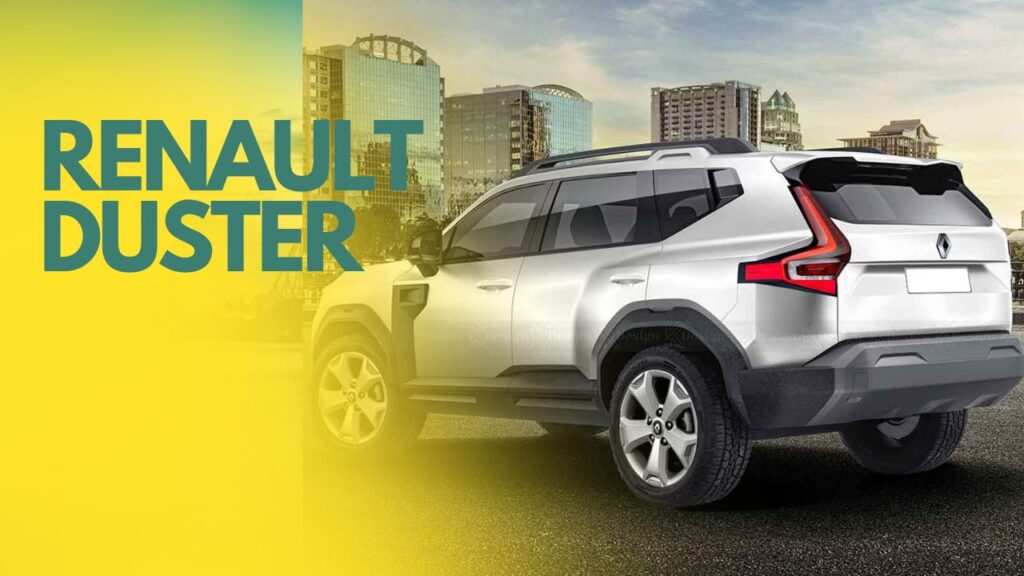
So buckle up, because after a four-year wait, Renault is reviving one of the best-selling compact SUVs in India and it’s coming with a full makeover. The new-generation Renault Duster, which will be unveiled on 26 January 2026, is more than just a cosmetic refresh. Spy images from Indian roads show that Renault has reborn this much-loved SUV for the modern buyer, and the changes are staggering to say the least. 

A Bolder Face Meets Modern Tech

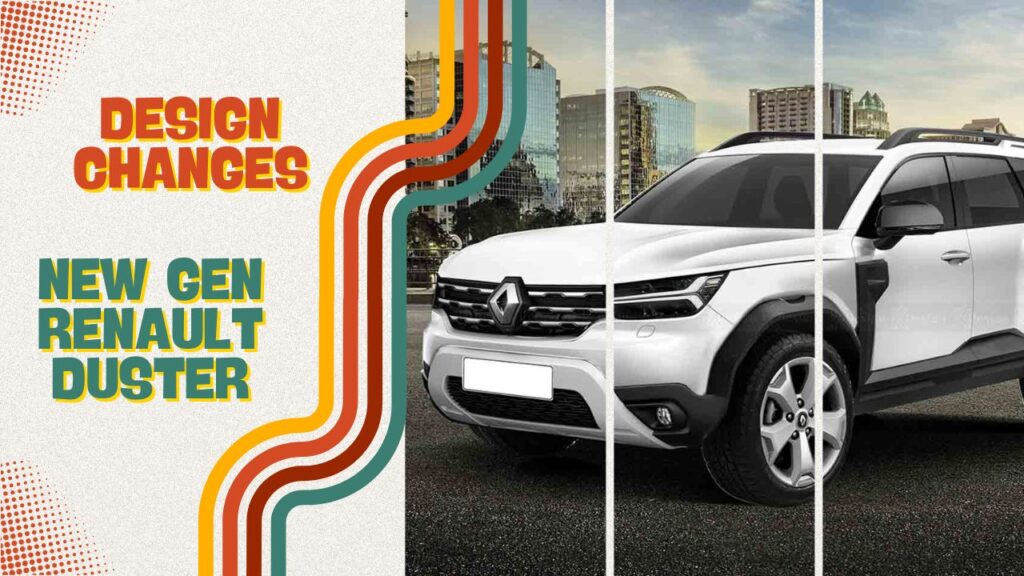
The first thing that catches your eye in the spy shots is the front end, which is all new. There are none of those simple, round headlights anymore. The new Duster comes with eye-catching street LED headlights with signature eyebrow-shaped LED DRLs (daylight running lamps), providing it a futuristic stance. This is especially intriguing because Renault is going India-specific here, the global model gets Y-shaped LED DRLs, but we get this unique eyebrow motif.

The front bumper is entirely new with triple slatted air intake with the rugged appearance of the SUV being maintained with some sophisticated touches. The fog lamps are nicely placed on either side in a narrow air dam that also contribute to the visual weight and presence. Face it: this is an SUV, and it has no regrets about it. 

The Rear Gets a Connected Heart

This is where Renault is looking to tailor to tastes in India. The global screen is made up of Y-bloop patterns tail lamps, but the Indian version has a special something that connect the tail lamps not just outfitted with a LED light strip that runs across the tailgate and connects the 2 tail lamps. This is a trend that is really building steam in India, and Renault knows what the buyers want. It’s a small touch, but it makes the rear profile look a lot more premium and contemporary.

The Rear Gets a Connected Heart

The roofline gains a notched spoiler for a sporty touch, while a roof spoiler and rear wiper enhance practicality. The overall silhouette is still squat and muscular—classic Duster DNA—but the proportions are more sophisticated, more mature. 

The Tech That Makes It Feel Premium

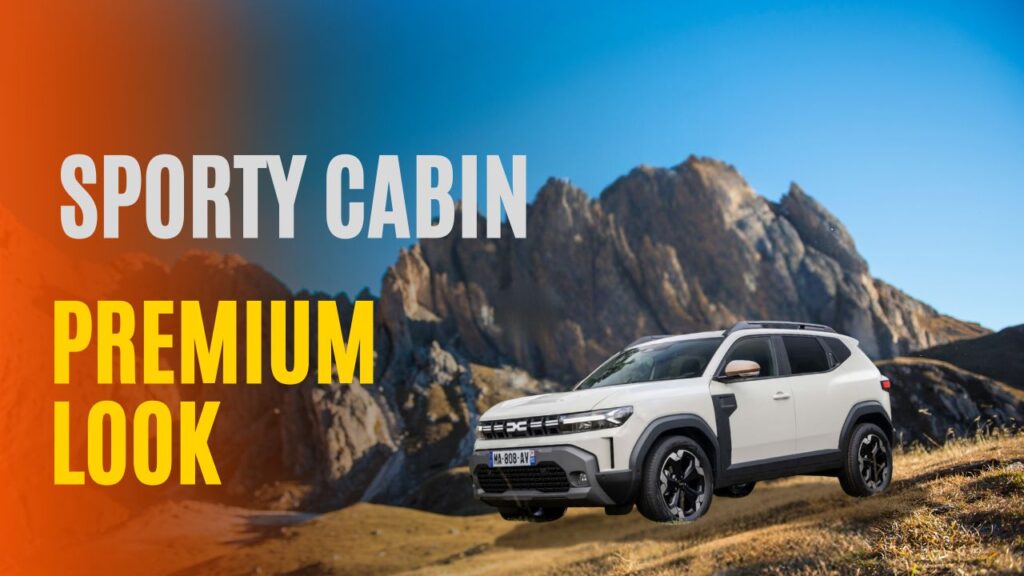
On the inside, the new Duster boldly enters the 21st century. The black-themed cabin is sporty with green stitching accents – a visual treat that instantly communicates a younger, more premium feel. That is a telling one-two punch that shows you Renault is not seeking to beat competitors on price, they’re going after buyers who want substance as well as style.

Now, the tech package is where things start to get really interesting. 

It features a 10.1-inch touchscreen infotainment system as well as a 7-inch digital driver’s display, giving you the triple-screen dashboard layout seen in far more expensive SUVs. With Android Auto and Apple CarPlay wireless, your smartphone integration is frictionless. Besides wireless phone charging, dual-zone automatic climate control and ventilated front seats that come on the higher trims, the Duster suddenly seems like a car built for comfort in the real world. 

Read More :- Rinku Singh Car Collection: From Maruti Swift to Fortuner Legender

Safety Meets Smart Features

Here’s something that really pops out: the new Duster will also be the first Renault in India to come equipped with an ADAS Level 2 suite. The radar sensor can be clearly seen in the spy shots below, which confirms this massive leap in safety. Pair that with a 360-degree camera rig (camera modules can be seen on the test vehicles), and you have features that are actually useful for Indian road conditions – be it getting out of tight parking spaces or highway driving.

Six airbags, electronic stability control, blind-spot detection, lane-keeping assist and tyre pressure monitoring complete a comprehensive safety package. That’s the sort of feature set which makes you wonder how safety standards have advanced in the compact SUV category. 

Under the Bonnet—Power Meets Efficiency

The India version of the Duster is also expected to be powered by a 1.5-litre diesel engine from Renault’s global range. If you are looking for a more frugal option, there is a 1.0-litre turbocharged petrol variant from the Kiger family. Transmission options will include a manual, CVT and a dual-clutch automatic, allowing buyers a degree of choice no matter the budget or driving style.

Under the Bonnet—Power Meets Efficiency

There’s also talk of a hybrid version being introduced within a year of the launch — a wise move in a time when efficiency is becoming more important to buyers in India. 

Additional Details That Matter

What truly captivates you when you see the spy shots is how well the India-spec Duster has been aligned. The rear door handles that are mounted on the C-pillar help in giving the profile a neater, more premium look. Large wheel-arch cladding and skid plates keep reminding you that this SUV still has a bit of a soft underbelly. A power tailgate, until now reserved for pricier models, is another practical feature signaling greater convenience.

The 17-inch or 18-inch (depending on the variant) alloys sport new designs that are exclusive to the Indian market, while roof rails and dual-tone ORVMs with turn indicators on them complete the exterior package. 

Read More:- Nissan Cars Launching Two Titans Together in India: Nissan Gravity MPV and Tekton SUV

Conclusion

The all-new Renault Duster is an interesting indicator of how Renault views the Indian market. But rather than just shelling out the global vehicle like they used to, they’re making real thị trường, arm-level compromises to it. The eyebrow DRLs, connected taillamps, interior styling, and premium features, hint that Renault has its finger on the pulse of what Indian buyers will want in 2026.

This isn’t just a return, it’s a reimagination. It will rival the Hyundai Creta, Kia Seltos and MG Hector, but with its own design language, well-rounded tech package and that undeniably rugged character, it is doing its bit to tell Indian car buyers why they once fell in love with the Duster. 

The release date is January 26, 2026. So mark your calendars – this is a comeback story for the ages. 

0

Toyota Overtakes Honda Why It Matters Most Right Now: Toyota vs Honda Affordable Cars

Toyota Vs Honda

Deciding the right car for you is more  between The battle between Toyota vs Honda for the auto crown is renowned. For the better part of a century, these two Japanese behemoths have been fighting for supremacy in garage floors worldwide. Consumers have long seen them as interchangeable titans of reliability, fuel efficiency and value. But the car world is changing. If you want to know which is the best cheap car Toyota vs Honda for you then the answer is not so clear cut. 

Recent figures show a big change in the market. Toyota is no longer just challenging, it is actively surpassing Honda in the one thing that matters most to today’s buyer: price. In an era when car prices have ballooned, Toyota has kept its entry-level models aggressively priced, and the sales figures tell a depressing tale for Honda. 

So let’s take a closer look at the Toyota vs Honda sales by 2026, compare their best-selling budget cars and determine which firm really has your back-pocket cash this year. 

Toyota vs Honda Sales 2026

If we look at past number shifts, both Toyota and Honda stand firmly in the market. Honda Civic and Toyota Corolla have traded the number one spot in the compact car segment.

The first quarter of 2025 showed that Honda became reliable and the best car because of its sales by 20,344 but after one year, in 2026’s first quarter Toyota beat it up with its sales and kicked Honda out of its position. 

Toyota didn’t just close the gap in Q1 2026, they rocketed past Honda by 4,050 units.

It’s quite a turnaround. The change is mostly attributed to bulls on their flagship affordable cars. The Toyota Corolla experienced a healthy increase in sales of 12.8% in light of sales in the first quarter of 2026, moving it up to 9th position across the best-selling cars. In doing so, it passed the Honda Civic, which fell to 13th place. 

Why is Toyota Winning the Numbers Game?

The explanation for Toyota’s rise isn’t necessarily a flashy redesign or some new technology but an economic reason. In 2026, everything changes and people are squeezed by rising interest. That’s become an advantage of Toyota, they provide good vehicles at an affordable price.

Read Also: 2026 Honda Accord Vs. Toyota Camry Hybrid

The Price War: Toyota vs Honda Affordable Cars

As we review Toyota vs Honda affordable cars, the price is the final deciding factor for most families and first time buyers. This is where Toyota is knocking it out of the park.

The 2026 Toyota Corolla is an unbelievably good value at just $23,125 (₹18.5 lakh to ₹25.5 lakh). By comparison, the base Honda Civic listed at more. The Corolla is Rs. 1.46 lakh less than the base Civic. In the realm of affordable cars, a Rs. 1.39 lakh gap is not merely pocket change; it’s usually what determines whether a buyer can stretch to make their monthly financing or lease payments. 

The Massive Hybrid Gap

Though the base gas models are somewhat more expensive, it’s really in the hybrid market that Toyota is well ahead of Honda.

With fuel costs still up in the air, more consumers are turning to hybrids. Each brand has great hybrid engines, however pricing strategies couldn’t be more different. The price difference between the Corolla Hybrid and the Civic Hybrid has reportedly soared to a massive Rs. 4.61 lakh. 

Market Insight: A difference of nearly Rs. 4,66,387 in the compact hybrid class is huge. At the cost of a base Civic Hybrid, a buyer can get a fully loaded Corolla Hybrid or that money can be saved to cover years of insurance and fuel costs. Toyota’s scale, which allows it to produce hybrid technology at a cost far below its competitors, is reaping huge rewards in 2026. 

Head-to-Head Comparison: Price and Features

For a clearer view of the best value cars Toyota vs Honda, here is a comparison of their best selling affordable models in 2026. 

Category Toyota Model & Starting Price Key Toyota Features Honda Model & Starting Price Key Honda Features
Compact Sedan Corolla (Rs 21.5 lakh) Standard Toyota Safety Sense 3.0, 8-inch touchscreen, excellent fuel economy, unmatched base value. Civic (Rs 22.9 lakh) Premium interior materials, engaging driving dynamics, standard Apple CarPlay/Android Auto.
Compact Hybrid Corolla Hybrid (Rs 23.1 lakh) Astounding 50+ MPG, AWD option available, incredible value-to-price ratio. Civic Hybrid (Rs 27.7 lakh) 200 horsepower, seamless power delivery, refined and quiet cabin experience.
Subcompact SUV Corolla Cross (Rs 22.7 lakh) Spacious cargo area, practical design, very affordable entry into the crossover market. HR-V (Rs 23.7 lakh) Magic Seat flexibility (in spirit), upscale cabin design, superior handling for an SUV.

Where Honda Still Wins: The Balanced View

If you glance at sales numbers and price tags, Toyota has made Honda a has-been in the affordable car world. But experts understand the lowest-price vehicle isn’t necessarily the best vehicle for everybody.

So in an attempt to be fair, Honda still destroys Toyota with Driving Dynamics and Interior Quality. 

1. The Joy of Driving

You can enjoy driving a Honda Civic as it builds as a regular commuting vehicle with Sports features. So, if you are more crazier about riding the best car then Honda Civic is a lot better than the Toyota Corolla. With completely sharper steering, rigid chassis, and suspension tuning for smooth rides that makes sense of bending a Sports DNA. It handles like a nailed-down and assured Civic. It may makes your dull with its appliance-like appearance which left Corolla more adequate for daily commuting. 

2. Premium Interior Feel

The 2026 Honda Civic or HR-V interior is an exceptional design which might introduce you to the new look honeycomb mesh dashboard accent, high-resolution digital displays, and tactile climate control knobs which are so easy to use. All these features make you feel the expensive ride.

Whereas the Toyota Corolla interior is fully functional with advanced tech and durable as it uses hard plastic. Honda Civic premium provides a comfortable ride in daily traffic with an airy cabin which is good for adults, you just have to add an extra $1,570.

Read Also:   New BMW M4 2028 Coupe Digitally Enters The BMW Neue Klasse M4 Era

Which Brand Should You Choose in 2026?

It depends on your choice and preferences to buy a car in 2026, because both Toyota and Honda are affordable cars which really become your buddy in rides. 

If you’re looking to save money on purchase price and over the long term Toyota is just a good bet. It is particularly difficult to look past their hybrids, which can save you nearly ₹462,000. Toyota cars are designed for people who just want their vehicle to be a dependable, straightforward means of getting from point a to point b without a lot of fuss and bother.

Conversely, if you actually like driving, Honda is the superior choice. Their cars usually feel a little bit more responsive and fun to drive. And they place a lot more focus on interior styling, comfort, and general cab quality. 

Conclusion

The 2026 Toyota vs Honda sales data makes for an interesting tale in shifting automotive economics. Toyota has expertly read the audience. With the combination of reliability and hard-to-beat prices that Honda simply can’t compete with at the moment in the hybrid market in particular Toyota has earned its turnaround in sales. 

Honda, however, never lost its soul. They’re still the best-driving, best-looking, best-value cars you can buy. The line between the two has become more than a simple heads or tails, rather it depends on what matters most to you, greatest dollars saved or driving enjoyment. Either way, you’re still driving home a winner.

0

This Used Luxury Car Costs the Same as a Top-Spec Maruti Fronx

Published Sep 12, 2026, 11:35 AM
Last Updated Sep 15, 2026, 6:22 AM

Used Luxury Car Costs

A luxury car usually comes with a luxury-sized price tag, but the used-car market can flip that equation pretty quickly. That same used luxury car price will depreciate 3x lower after a few years later. There are German luxury sedans that, after a few years of depreciation, can come within the same price territory as a new Maruti Fronx. 

You can drive home a Mercedes-Benz C 220d Edition C instead. Same budget as Maruti Fronx. A three-pointed star instead of an “S” badge. That’s not a hype — it’s what eight years of depreciation does to a German diesel sedan that once cost more than three Fronxes put together.

This isn’t an argument that the used luxury car automatically wins. It’s a look at what you’re actually trading and what nobody tells you about when you take that trade.

Why a ₹43 Lakh Luxury Car Now Sits Next to a ₹14 Lakh Hatchback-SUV

Like any German Luxury Cars, Mercedes-Benz price comes three times down from the original price of ₹43.54 lakh ex-showroom. It reached nearly a Fronx Alpha cost today, starting at 7.57 lakh ex-showroom when one of the first owner of Edition C advertised C 220d Edition C at ₹7.90 lakh in Chandigarh.

It came with the design Hyacinth Red paint option (a first for the C-Class in India), gloss-black five-twin-spoke alloys, a black front apron spoiler and rear spoiler, open-pore black ash wood trim inside, stainless-steel sports pedals, and a Garmin Map Pilot navigation system as standard — kit that, at the time, most rivals charged extra for.

Nine years later, that same car — now with a typical 50,000–75,000 km on the odometer — is listed on used-car platforms with the exact number swinging hard based on mileage, ownership history, and whether it’s the diesel Avantgarde or a lower petrol trim. 

The 220d Edition C which runs around 55,000–65,000 km in its life is priced the same as the Maruti Fronx. However, well-maintained used car prices can be negotiable so the mentioned price are starting price point not a fixed price from the owner

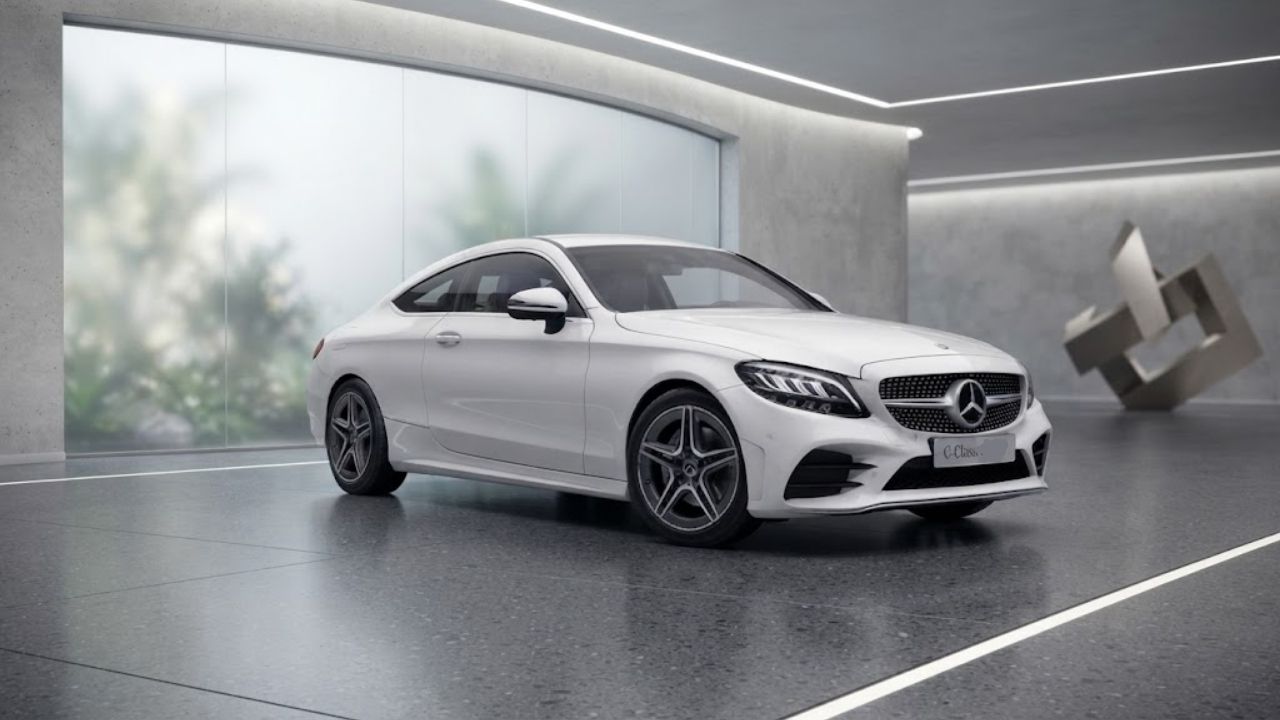
What the Mercedes-Benz C 220d Edition C Offers

C 220 d offers a 2.2-litre four-cylinder turbo-diesel engine which produces power of 170 bhp and 400 Nm of torque. The 2,143 cc diesel engine paired with 7G automatic transmission so inspect the exact gearbox generation before you commit to confirm.

What makes this edition rare is its styling features, the AMG-style body that represents an aura. It introduced a next level look and cabin comfort as it was made of sports seats with contrast stitching, ambient lighting, split-folding rear seats

It offers 170bhp of power and 400Nm of torque with a torque-converter automatic gearbox so it doesn’t run but roaring on the road.
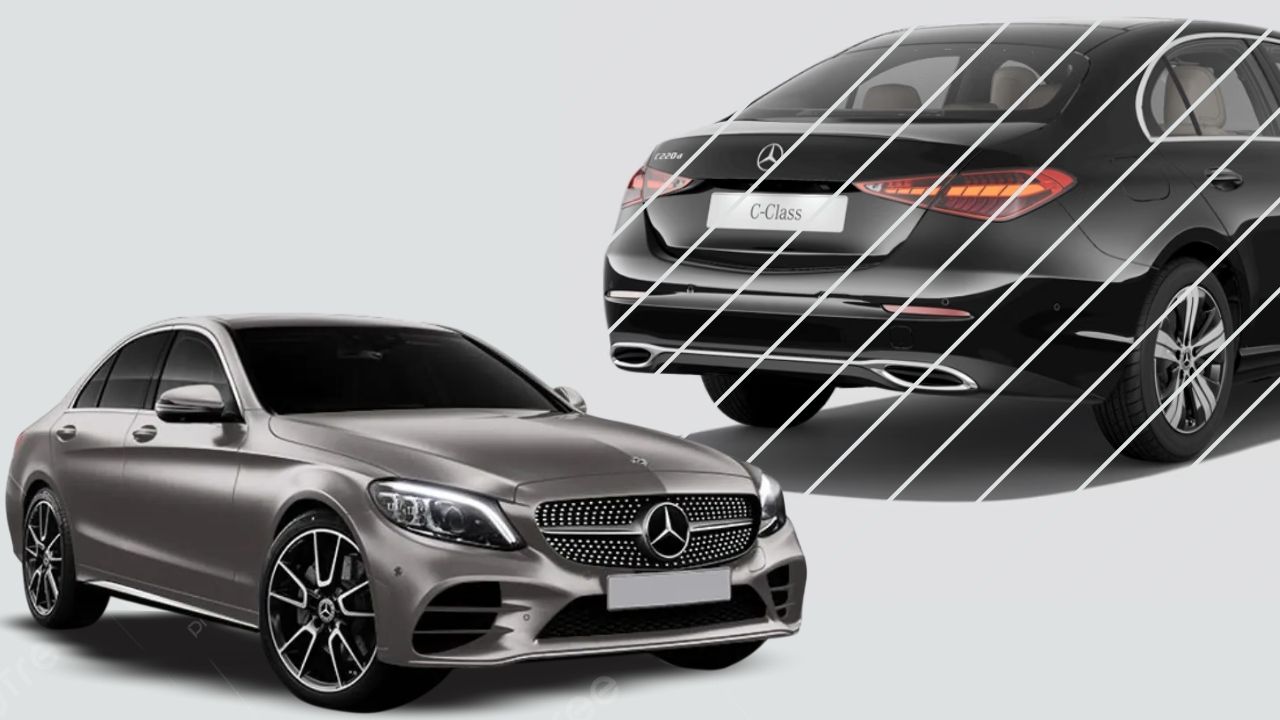
Mercedes-Benz C 220d Edition C Offers

What 400 Nm torque figure means on the road?

The 400 Nm of torque in a diesel car is rarely seen on Indian roads, and it arrives low in the rev range. That’s the reason why W205 diesel earned a reputation as an effortless highway cruiser rather than a usual car which takes a lot to get moving.

Benz 220d Edition C offers enough boot space for trips to become possible —  close to 480 litres. This space is perfectly great for even a family luggage too so that makes it noticeably larger than a compact SUV at this price point.

Diesel Torque vs Turbo-Petrol Efficiency Comparison

Spec Mercedes-Benz C 220d Edition C (2017, used) Maruti Fronx Alpha Turbo DT AT (2026, new)
Engine 2.2L 4-cyl turbo-diesel (OM651) 998cc 3-cyl turbo-petrol (Boosterjet)
Power 170 bhp 99 bhp @ 5,500 rpm
Torque 400 Nm 147.6 Nm @ 2,000–4,500 rpm
Transmission Automatic (torque converter) 6-speed torque-converter automatic
Drivetrain Rear-wheel drive Front-wheel drive
Claimed mileage 23 kmpl (ARAI, when new) 20.01 kmpl (ARAI)
Ground clearance Sedan-standard, sub-150mm 190mm
Boot space ~480 litres 308 litres
Price bracket (India, 2026) ₹11–17 lakh (used, condition-dependent) ₹11.98 lakh (ex-showroom) / ₹14.24 lakh (on-road, Delhi)

The Fronx’s 1.0-litre Boosterjet turbo-petrol is not equally powerful as the 220d Edition of Mercedes because it roughly produces 20 bhp of power and 20+ Nm of torque, even though it’s a less powerful option in its own segment. So it’s just a lightweight compact SUV which is reasonably efficient, and supported by Maruti’s extensive service network.
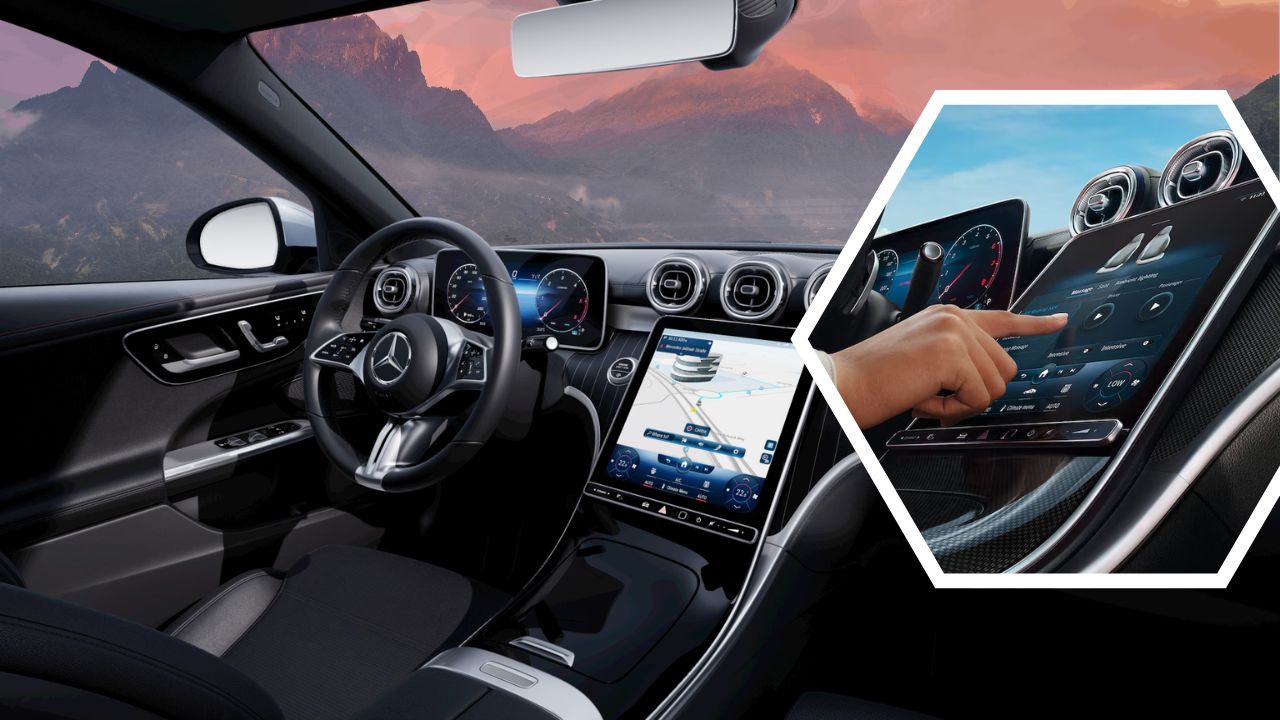
Diesel Torque vs Turbo-Petrol Efficiency Comparison

The C 220d, however, is running more than double the torque of the Fronx from an engine designed for autobahn cruising, wrapped in a body with genuine ground clearance and NVH refinement the Fronx simply can’t match. What the Fronx wins on is ground clearance for Indian roads, warranty backing, and a service bill you won’t flinch at.

Read More:-  Buy Tata Curvv Series X At Rs. 9.99 Lakh With Advanced Features Pack

What Is The Ownership Costs of German Luxury Car?

Every “buy a used luxury car for cheap” phrase doesn’t mean that the car has no value at all. This comparison will clarify that confusion without being more complex. 

A Mercedes-Benz authorized service visit on a W205 C-Class typically costs several times what a Fronx service costs at a Maruti dealership — parts like sensors, suspension bushes, and the diesel’s injectors are imported or semi-imported, and labour rates at luxury-brand service centres run considerably higher than mass-market ones. 

Based on many luxury used car services platforms for out-of-warranty annual running in India, one can expect the maintenance cost on the Mercedes-Benz C 220d Edition C is much higher than usual car services. 

Before buying any used Mercedes-Benz C 220d Edition C, insist on seeing recent oil-level and oil-condition checks, not just a service stamp. Insurance on a nine-year-old luxury sedan is also not cheap to insure comprehensively given the cost of replacement parts, even though the car’s depreciated value is low — get an actual quote before you commit.
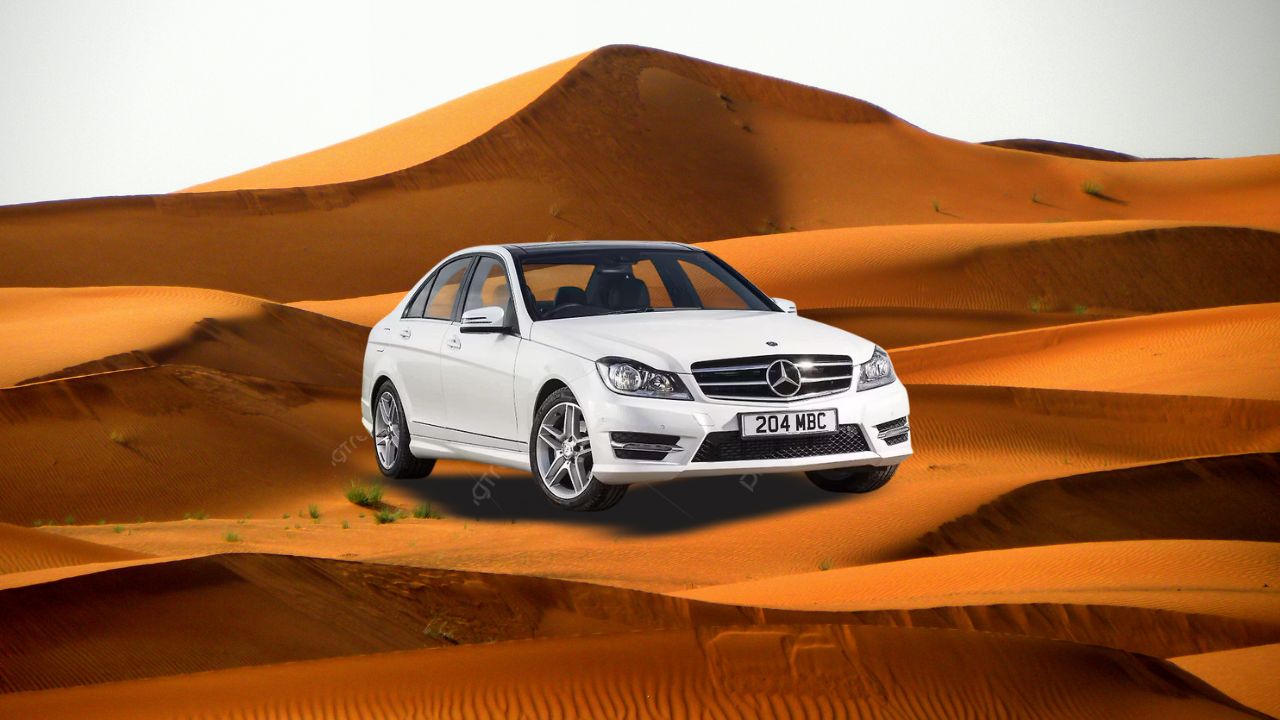
German Luxury Car

Fuel Economy of Mercedes-Benz C 220d Edition C

The diesel engine favours the fuel bill, and it’s worth every ride. Since Diesel in Delhi is priced at ₹95.20 a litre against ₹102.12 for petrol as of early September 2026.

A used 220d realistically returning something like 16–18 kmpl in mixed real-world driving — down from its 23 kmpl ARAI-rated figure when new — works out to roughly ₹5,300–₹6,000 for 1,000 km. 

The Fronx Boosterjet AT, rated at 20.01 kmpl on paper but more realistically in the 14–16 kmpl range in everyday city-and-highway use, costs closer to ₹6,400–₹7,300 for the same 1,000 km at current petrol prices. 

Treat both real-world figures as estimates rather than guaranteed numbers — actual mileage depends heavily on driving style, AC use, and traffic conditions — but the direction is clear: the diesel’s torque advantage doesn’t come with a fuel-cost penalty here.

How to Buy on Finance

Not only new cars but used cars can also be bought on finance. But don’t take it blindly, see which benefits you the most. 

A new Fronx qualifies for a car loan with a 90% of loan value and 7-years of tenure. A 8 – 9% of interest rate applies depending on the lender and your credit score. 

While second hand Mercedes falls in a different lending category altogether because most banks and NBFCs cap used-car loan tenures at around five years, often giving only 70–80% of the car’s assessed value with a higher interest up to 14%.

Paying cash is the best option in buying a luxury used car but if you’re opting for financing then remember this factor in your head. The used luxury car’s lower purchase price doesn’t mean your EMI also gets lower. 

Resale is the other side of this. A Fronx has a well-understood depreciation curve and a large buyer pool. A nine-year-old luxury diesel sedan has a much smaller pool of buyers who want exactly this car, which means it can sit longer on used-cars platforms than a mass-market hatchback-SUV would.

How a Similarly-Priced Used BMW 320d Stacks Up

If the used luxury car route appeals to you, the C 220d Edition C isn’t the only option in this exact price band. A used 2016–2017 BMW 320d Sport Line or Luxury Line, with comparable 60,000–70,000 km on the clock, typically trades in a similar ₹12–17 lakh range on OLX and Cars24 listings. 

One of the sources documented buying an eight-year-old 320d with just 50,000 km for around ₹16 lakh — pointing out it undercut the on-road price of a Hyundai Creta or Kia Seltos at the time.
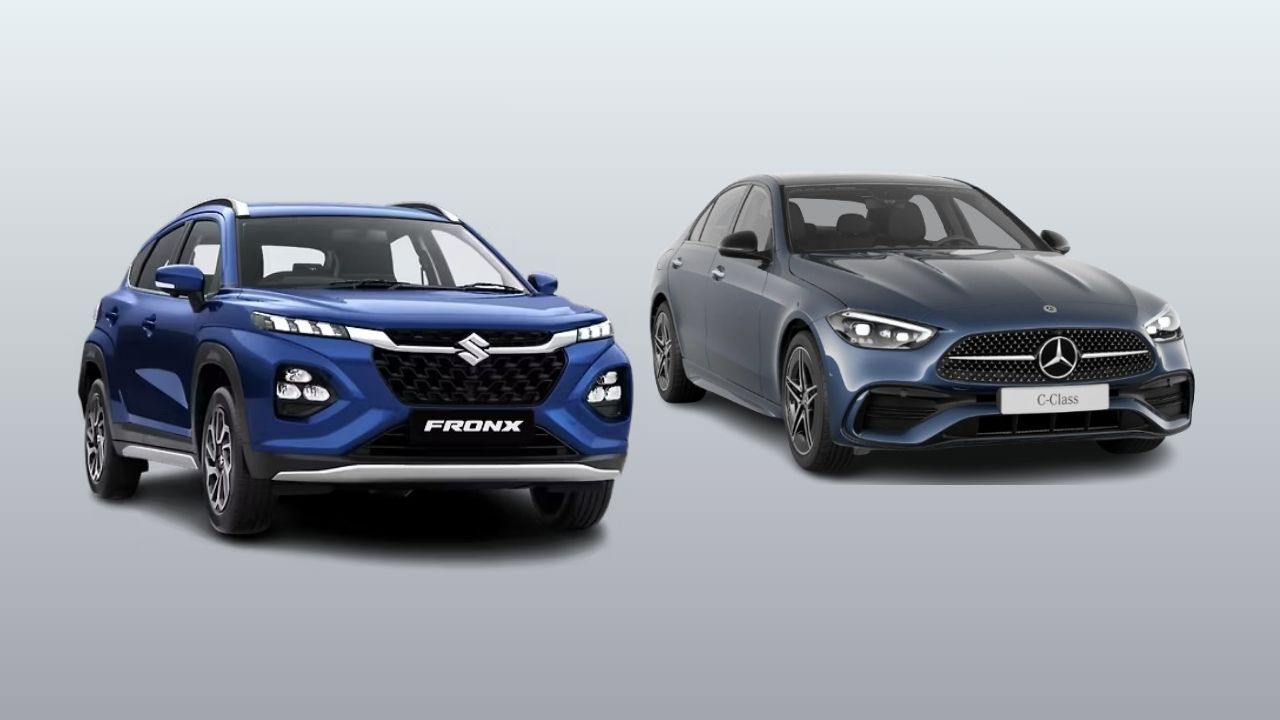
BMW 320d Stacks Up

The F30-generation 320d gets BMW’s 2.0-litre diesel, producing around 190 bhp in most Indian-spec versions — giving it a clear power advantage over the C 220d’s 170 bhp. It also brings the sharper steering and rear-wheel-drive setup that made this generation of the 3 Series particularly engaging to drive. 

Where the Mercedes tends to have an edge is outright cabin refinement and that Edition C’s extra kit list. If outright driving involvement matters more to you than plush cabin trim, the 320d deserves a test drive before you commit to the Mercedes on badge alone.

Read More:-   Tata Nexon On-Road Price Lucknow — Best Compact SUV At This Price Point

Should You Buy the Used Mercedes Over the New Fronx?

Buy the Mercedes-Benz C 220d Edition C if: you do most of your driving on highways rather than potholed city roads where ground clearance matters, you have a maintenance buffer set aside beyond the purchase price, you value cabin refinement and highway comfort over warranty peace of mind, and you’re buying from a verified seller with a complete, checkable service history.

Buy the Fronx instead if: this is your only car and you can’t absorb a large unplanned repair bill, you need Maruti’s service network because you’re outside a metro with easy access to Mercedes-authorized centres, you drive on broken or flooded roads where 190mm of ground clearance genuinely matters, or you want the safety net of a manufacturer warranty on a car that’s never had another owner’s driving habits baked into it.

There’s no wrong answer here — but there is a wrong way to make this decision, and that’s comparing only the purchase price. The Fronx’s ₹14.24 lakh is close to the entire cost of ownership for the next several years. The C 220d’s similar sticker price is closer to the entry fee.

Reliable Platforms to Buy Used Luxury Cars

There are verified platforms online like Spinny and Cars24 who sell German luxury cars after inspection and full history, which matters far more on a nine-year-old luxury diesel than it does on a new hatchback. Since they both run their own inspection and certification process, you don’t have to worry and run your inspection.

While OLX and CarDekho owners list their used cars and you have to deal with them directly. So, it’s hard to inspect a nine-year old diesel luxury car regardless of what the seller claims. 
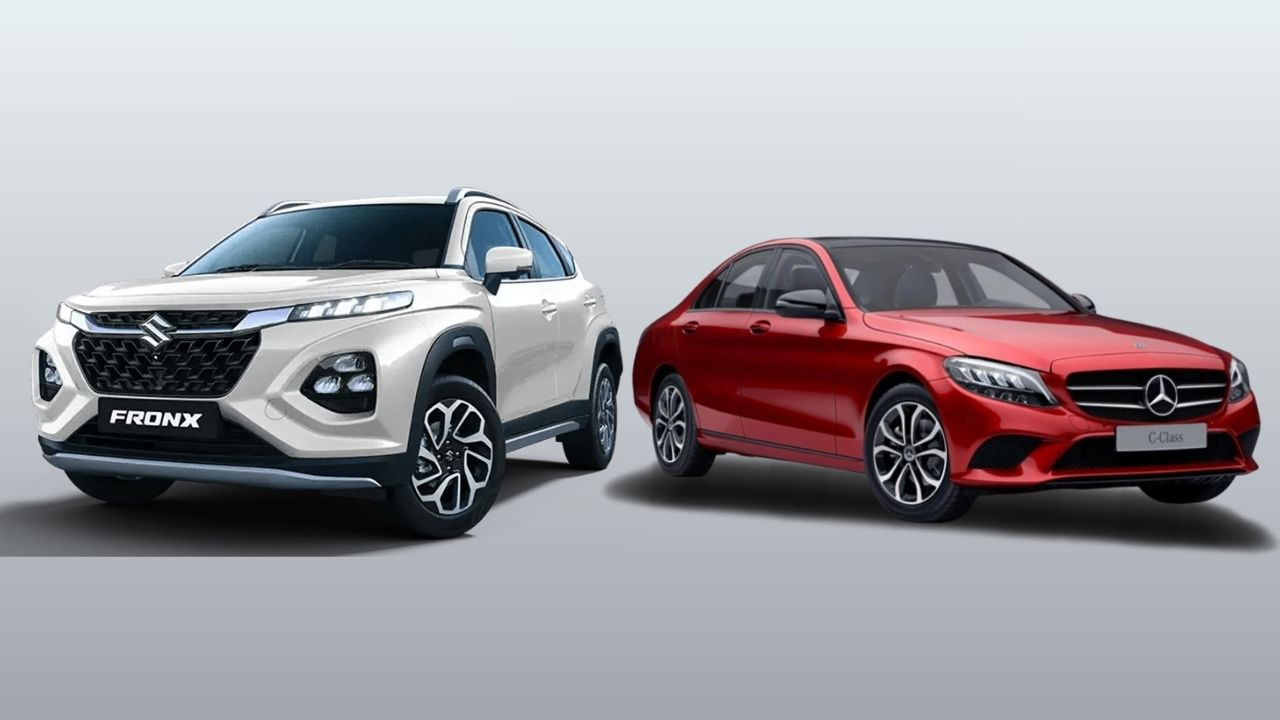
Luxury Cars

Ask specifically for: full service history from an authorized Mercedes-Benz workshop (not just a bill folder), confirmation of the exact transmission fitted, evidence of timely DPF and injector servicing, and a check on whether the car has ever been in an accident — a repainted panel on a nine-year-old car isn’t automatically a red flag, but undisclosed structural repair is.

Read More:-  Kia Carens CNG, Clavis CNG & Carnival Hybrid Pre-Bookings Open In India

Conclusion

If your comparison stops at “same price,” the Fronx and the Mercedes-Benz C 220d Edition C look like a toss-up. Run the comparison through five years of ownership instead, and the decision splits along one honest question: can you comfortably absorb a ₹40,000–₹80,000 repair bill if the Mercedes throws up a problem in year three of your ownership? 

If yes, the used luxury car is a genuinely compelling way to own a proper German sedan for hatchback-SUV money. If that number would hurt, the Fronx’s lower ceiling — even with its weaker engine and smaller boot — is the financially safer three-lakh-kilometre bet.

0

Maruti Suzuki Discount Feb 2026: Swift, Fronx & Brezza Offers Explained

Maruti Suzuki Discount

Maruti Suzuki Discount, India’s largest carmaker, has planned its product strategy around this transition very carefully and has a vehicle for every niche segment of the market. The three protagonists —the 4th Gen Maruti Suzuki Swift, the Maruti Suzuki Discount Fronx and the Maruti Suzuki Brezza, form the crux of this strategy. Each caters to a particular customer requirement: hyper-efficiency, aspirational styling and utilitarian ruggedness, respectively. 

The February 2026 Opportunity Window

By February 2026, the manufacturers are offering heavy discounts to clear stocks before the end of the financial year and to accommodate new models, such as the much-awaited Brezza facelift. Let’s get more details about these cars and their prices. 

Maruti Suzuki Fronx The Push for Turbo

The cumulative benefits on the Fronx Turbo variants go up to up to ₹30,000 which includes cash discount, exchange bonus, and corporate offer. In contrast, the hot selling 1.2L NA variants have no cash discount, and only exchange offers are used to lure buyers. This gap indicates that 1.2L Fronx is selling organically on the basis of perceived reliability and cheaper maintenance, but Turbo need financial nudge to move away from showroom floors. 

Maruti Suzuki Swift Defending the Realm

Even though the Swift is a new generation model, the discounts are hefty of up to ₹48,000. This aggressive positioning is in response to the onslaught of “Micro-SUVs” from the likes of the Tata Punch and Hyundai Exter. Maruti wants to keep the first-time buyer, who can be tempted by the charm of an SUV body style, by providing a strong financial value proposition on the Swift. 

Maruti Suzuki Brezza The Facelift Paradox

The Brezza is a strange beast. With a full model change coming in mid March 2026, some hefty clearance discounts ($1,000 or more) would not be unexpected. However, the benefits are limited to a paltry ₹30,000. 

Which means two things: The current Brezza still sells in good numbers due to its tried and tested 1.5L engine; and Maruti is confident of a seamless transition to the facelift without having to slash the current model’s brand equity. 

On-Road Price of the Market

Model & Variant Ex-Showroom RTO & Taxes Insurance Other Charges On-Road Price
Swift LXi (Base) ₹5.79 Lakh ₹46,312 ~₹33,463 ~₹23k ₹6.82 Lakh
Swift ZXi+ AMT (Top) ₹8.80 Lakh ~₹70k ~₹44k ~₹30k ₹10.25 Lakh
Fronx Sigma (Base) ₹6.85 Lakh ~₹55k ~₹37k ~₹38k ₹8.15 Lakh
Fronx Alpha Turbo AT ₹11.98 Lakh ~₹1.20L ~₹50k ~₹50k ₹13.79 Lakh
Brezza LXi (Base) ₹8.26 Lakh ~₹66k ~₹42k ~₹31k ₹9.66 Lakh
Brezza ZXi+ AT (Top) ₹13.01 Lakh ~₹1.30L ~₹59k ~₹58k ₹15.48 Lakh

Design, Comfort, and Practicality Comparison

Exterior Dimensions Comparison and Road Presence

Dimension Swift Fronx Brezza
Length (mm) 3860 3995 3995
Width (mm) 1735 1765 1790
Height (mm) 1520 1550 1685
Ground Clearance 163 mm 190 mm 198 mm
Boot Space 265 L 308 L 328 L

The roads in India, especially in the budding suburbs or incessant monsoon waterlogging, need clearance. The Brezza (198mm) and Fronx (190mm) offer some peace of mind the Swift (163mm) can’t provide. 

Interior Ergonomics and Space

Maruti Brezza 

  • The tall ceiling and large glass windows make the cabin feel spacious. 
  • The seating is upright (Command Position), allowing for clear and wide visibility over the bonnet edges, which is very useful in traffic. 

Maruti Brezza

  • The back seat is wide, and the stiff H-point (hip point) means senior citizens can slide off rather than squat down, for this reason it’s the most “Senior Citizen Friendly” car of the three.

Maruti Fronx 

  • The interior styling is neuter, yet trendy, using the layered dashboard design adopted from the Baleno laden with rich textures. But the “Coupe” roofline is its achilles heel. 
  • Rear headroom is very limited and passengers who are taller than 6ft will literally be having their heads rubbed by the headliner. 

Maruti Fronx 

  • The rising window line, which becomes sharply upward slanting in the rear, is a bit claustrophobic in the back seat compared to the Brezza.

Maruti Swift

  • The cabin sports a black theme all around. 
  • The driver’s seat is low-slung and provides a «go-kart» driving experience that automotive enthusiasts love. But the back seat is only really usable for two adults and a kid. 

Maruti Swift

  • The narrow rear windows and dark color scheme can make the back seat seem tighter than it really is. 

Boot Utility

  • Brezza: 328 Liters. The shape is square and practical, accommodating two large suitcases along with two duffle bags. The lip of the loading is flat.
  • Fronx: 308 Liters. “This is unlike most boots which are difficult to load due to a high loading lip you have to lift heavy bags a long way up to put them inside.”
  • Swift: 265 Liters. Good just for weekend bags or a week’s worth of groceries. A lengthy airport run will mean folding down the back seats. 

Technology and Features

All three vehicles feature a sleek 9-inch HD touchscreen and wireless Apple CarPlay & Android Auto, making day-to-day connectivity effortless. 

  • HUD (Fronx & Brezza): This feature is especially useful to stay focused when driving at high speeds, for a safer and more convenient experience.
  • The 360° camera in the Fronx and Brezza, however, makes maneuvering in cramped parking spaces a breeze. 
  • Sunroof (Brezza only): A big emotional win for families – and a genuine purchase trigger in India. 

Brezza and Fronx seem much more premium with the Arkamys “Surround Sense” quiet number, clear vocals, better balance, and deeper richness of audio output. Swift does deliver plenty of bang for the buck, but its sound is drier and less enveloping. 

Safety Suite

Standard Safety: To its credit, Maruti Suzuki Discount has made 6 Airbags, ESP (Electronic Stability Program) and Hill Hold Assist a standard fitment in all variants of the 3 cars for 2026. This broadening of safety has made even the lowest-spec Swift LXi a lot safer than the previous model.

Platform Safety: The Brezza is based on the Global C platform, which has previously achieved 4stars in crash tests. The Swift and Fronx are manufactured on the Heartect platform which is designed for light-weighting (for better mileage) but is known to perform poorly in crash ratings (usually 1-2 stars in the earlier tests, with updated 2026 scores).

Future Sensors (ADAS): The imminent Brezza Facelift (March 2026) is speculated to bring Level 2 ADAS (Advanced Driver Assistance Systems), such as Blind Spot Monitoring and Autonomous Emergency Braking. At present, none of the three models is equipped with ADAS. 

Fuel Efficiency

The Maruti Suzuki Discount is the obvious winner when it comes to fuel efficiency — this is the car for people who drive a lot, day in, day out. For those with high usage such as sales professionals, office commuters, and daily highway travellers, the savings in fuel costs alone on a monthly basis make it the wisest financial choice.

The Fronx is just right — not too heavy, not too efficient. It’s for people who want SUV styling, good space and mileage, but who think most other options are just too unbalanced. A genuine “best of both worlds” solution.

The Brezza is for comfort-first shoppers. It eats up fuel, yes, but space, stability, features, and family comfort are what you get in return. It’s not about saving money here — it’s about living better inside the car.” 

Ride and Handling

Suspension Tuning

  • Fronx: Brightened up slightly on the stiff side in order to back its ‘sporty’ stance. It corners well with little body roll but in some situations could feel jittery, such as when driving over sharp potholes or expansion joints.
  • Brezza: Tuned with comfort in mind. It soaks up bad roads beautifully and shields occupants from every bump. But in high speed tight corners, entire body rolls because of its height. It’s not a car to be hustled around corners.
  • Swift: Suspension is soft, great for city speeds. However, at very high speeds on highway (100+ kmph) it has a “floaty” feeling and is not as planted as Brezza or Fronx. 

Read More:-  Latest Hyundai Cars Offers on Verna, Exter & i20 in India

Conclusion:- Maruti Suzuki Discount

The Maruti Suzuki Discount is your best buddy if you are a victim of the busy road on your daily commute. If you are a socialite and want to make an entry, the Fronx makes your look impressive! But for the weekend jaunts with the entire family, the Brezza is the only car that can cut the mustard. 

As of February 2026, the Brezza VXi is the best overall value as it delivers SUV qualities at a price, which cuts into the market of smaller premium hatchbacks. 

1

What Is ADAS? A Complete Guide to Advanced Driver Assistance Systems

Published Jul 10, 2026, 12:19 PM
Last Updated Jul 22, 2026, 12:07 PM

ADAS

Advanced Driver Assistance System is a friend of driver in new cars as safety tech to prevent the crash. That vagueness is the problem. ADAS isn’t one feature. It’s a bundle of separate systems, each doing a very specific job, and understanding them individually is the only way to actually judge whether a car’s ADAS package is worth paying for — or whether it’s mostly a marketing sticker.

ADAS features fall into three buckets — ones that warn you (FCW, LDW, BSM), ones that act for you (AEB, LKA, ACC), and ones that inform you (TSR, TPMS, parking cameras). A car with a long feature list might lean heavily on the “inform” bucket, which sounds impressive but does less heavy lifting than one solid AEB system.

So let’s break it down properly, one system at a time.

What Does ADAS Actually Stand For?

ADAS stands for Advanced Driver Assistance Systems. The keyword there is assistance — not automation. Every ADAS feature is built to support the driver, not replace them. When you drive a car with an ADAS system, it watches the road through cameras, radar, and sensors, to detect any object or something so it intervenes with a warning or a slight correction that driver might miss.  

The car suddenly braking up front, a vehicle slowly drifting into your lane, a pedestrian emerging from between parked cars. Think of it less like autopilot and more like a very alert co-passenger who’s looking at the rearview mirrors and road behind you at the same time you’re looking at the road in front of you, and who taps you on the Shoulder or takes the wheel for half a second when something feels off. 

How ADAS Actually Works Behind the Scenes

Every ADAS feature runs on the same basic loop, even though the end result looks different each time. It helps to understand this loop before getting into individual features, because it explains why some systems work brilliantly on Indian highways and struggle in city traffic.

ADAS

Step 1: Sensing

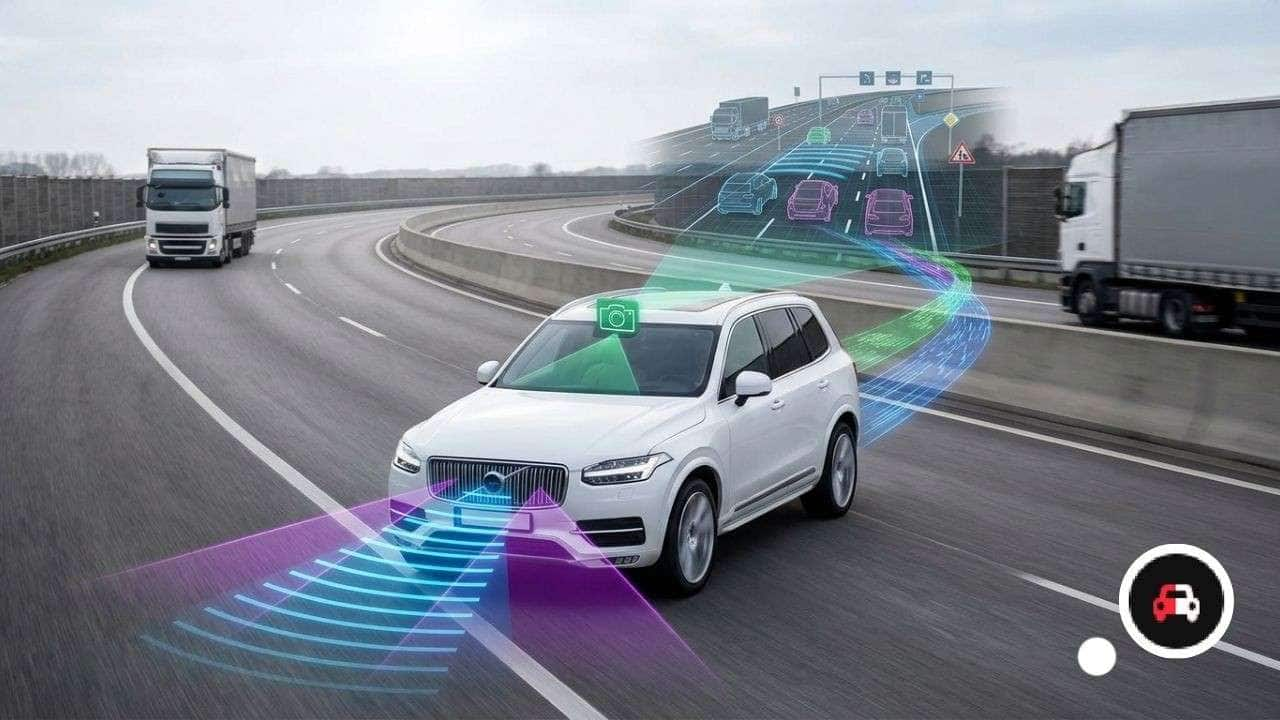
The car continuously gathers information from a combination of hardware — typically a forward-facing camera located near the rearview mirror, radar sensors embedded in the front bumper, ultrasonic sensors distributed around the body for close-range detection, and in some cases LiDAR on more advanced platforms. They’re all looking at the world in a different way: radar is good at measuring distance and speed in the rain or fog, while cameras get a better look at lane markings, traffic signs, and what an object, well, actually is. 

Step 2: Processing

All that raw information is sent to an onboard computer that runs it through algorithms trained to identify patterns — a pedestrian outline, a motorised two-wheeler darting through lanes, brake lights ahead. This needs to be done in a matter of milliseconds because when you’re driving on the highway, half a second lag means you’ve travelled several car-lengths of road. 

Step 3: Decision

Using this information, the system decides if the situation warrants a warning like a beep, alert on the dashboard, or seat vibration or intervention by braking, trimming the steering, or limiting the power of the engine. 

Step 4: Action

The car either alerts you or acts automatically applying brakes, correcting steering input, or adjusting speed, depending on which specific ADAS feature has triggered.


Once you understand this four-step loop, every individual ADAS feature is just a variation of “sense something specific, process it, decide, act.”

The Core ADAS Features, Explained One by One

1. Adaptive Cruise Control (ACC)

Standard cruise control maintains a constant speed. Adaptive cruise control takes this a step further – it travels at a set speed, but will also slow down and speed up to maintain a preset gap between your car and the one in front of you, using radar to keep tabs on that vehicle. In Indian highways like the Yamuna Expressway or Mumbai-Pune, this is actually helpful as it does away with the endless pressing on the accelerator and brake pedals in the moving traffic. 

2. Autonomous Emergency Braking (AEB)

This is arguably the most safety-critical feature in the whole ADAS suite. AEB watches the road ahead and, if it detects an imminent collision that the driver hasn’t reacted to, applies the brakes on its own — sometimes fully, sometimes partially to reduce impact speed. It’s designed as a last line of defence, not a substitute for paying attention.

3. Lane Keep Assist (LKA) and Lane Departure Warning (LDW)

These two often get bundled together but do slightly different jobs. Lane Departure Warning simply alerts you — a beep or a steering wheel vibration — if you drift out of your lane without indicating. Lane Keep Assist goes further and gently steers the car back into the lane. On Indian roads where lane discipline is, let’s be honest, inconsistent at best, this feature can be a bit of a mixed bag — it works well on marked highways but can get confused on roads with faded or missing lane paint.

4. Blind Spot Monitoring (BSM)

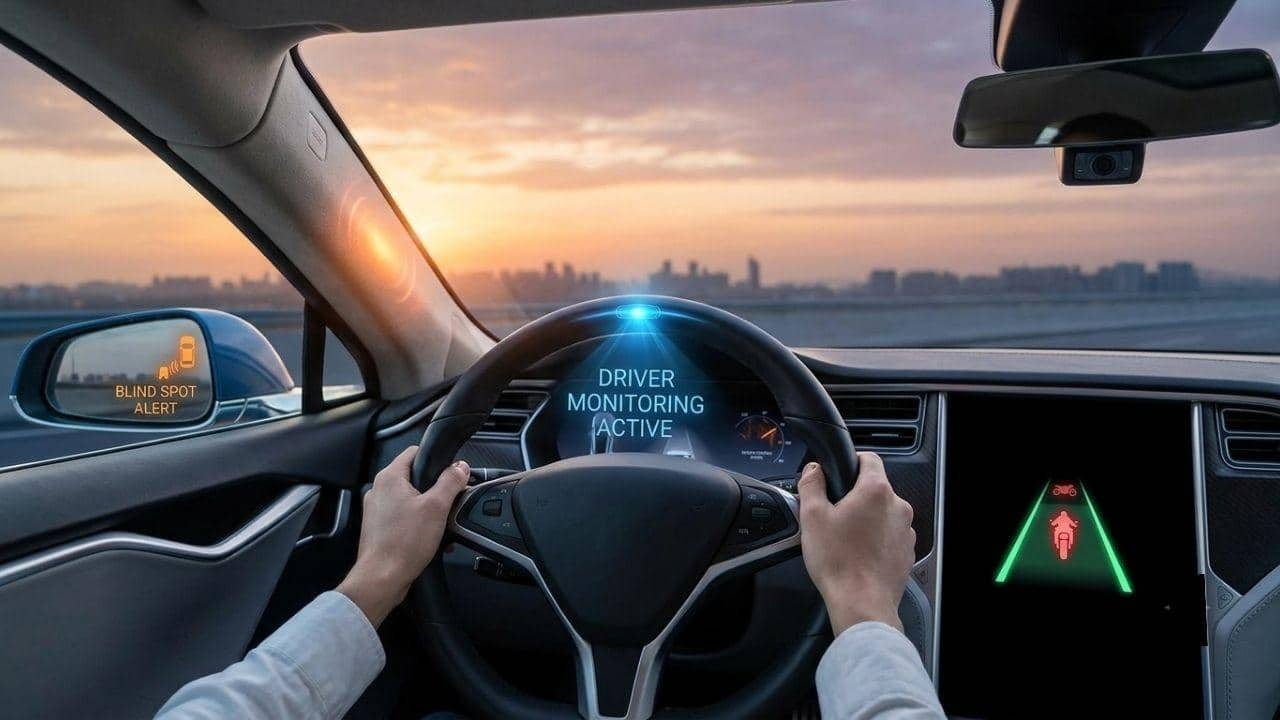
Sensors placed on the back corners of the car keep an eye on your blind spots for adjacent vehicles like cars, motorcycles, and more. If an object is detected, a warning light appears on the corresponding side mirror and many systems also emit an audible alert if you signal to change lanes. It is quite handy in Indian traffic where two-wheelers and auto-rickshaws tend to criss-cross in the blind spots quite easily. 

5. Forward Collision Warning (FCW)

This feature is a warning system and does not perform the function of an intervention. If it detects that you are closing in on the car ahead too quickly, it will activate visual and audible alerts, allowing you to brake or steer away to avoid a collision. 

6. Parking Assist and Surround View / 360-Degree Camera

Multiple cameras and ultrasonic sensors are combined to generate a top-down view of the vehicle, which takes the stress out of parallel parking or driving through tight residential gates. Certain systems are now equipped with semi-automated parking, with the car manoeuvring into a space while you control the brake. 

7. Traffic Sign Recognition (TSR)

Based on the feed from a forward-facing camera, the system recognizes speed limit, no-entry, other traffic signs, and shows them on the instrument cluster or on the screen of the infotainment system. So you can keep track of the road rules, even if you do accidentally drive past a sign. 

8. Driver Attention/Fatigue Monitoring

Using either steering pattern analysis or an in-cabin camera, this system tracks signs of drowsy or distracted driving — inconsistent steering corrections, prolonged eye closure — and prompts you to take a break. Extremely relevant for long highway drives, which is a big part of Indian road travel culture.

9. Tyre Pressure Monitoring System (TPMS)

While TPMS isn’t always considered an ADAS, it certainly falls under the umbrella of vehicle safety tech systems. It constantly monitors the tyre pressure and notifies you if it goes below the recommended level, saving you from trouble of poor handling, decreased fuel efficiency or even a tyre blowout. 

ADAS

The Levels of Driving Automation — Where Does ADAS Fit?

Much of the confusion around ADAS happened due to being confused with self-driving vehicles. There are six levels of driving automation as defined by the Society of Automotive Engineers (SAE), and it’s helpful to understand where ADAS fits on that spectrum. 


Level Name What It Means
Level 0 No Automation Driver does everything; car may just have basic warnings.
Level 1 Driver Assistance One system helps, like cruise control OR lane keeping — not both together.
Level 2 Partial Automation Car controls steering and speed together, but driver must stay fully alert. Most ADAS cars sold in India today sit here.
Level 3 Conditional Automation Car handles most driving in specific conditions; driver can look away briefly but must be ready to take over.
Level 4 High Automation Car drives itself fully within a defined area or condition, no driver needed in that zone.
Level 5 Full Automation No steering wheel needed at all, under any condition. Still not commercially available anywhere.


Almost all cars that are sold in India with “ADAS” slapped on as a feature — the Mahindra XUV700 and Scorpio-N, Tata Curvv, Hyundai Creta, MG Astor, and a bunch of Toyota and Honda models, are all Level 1 or Level 2. That means the car is helping, not driving. Taking your hands off the wheel because the car has ADAS is the exact kind of assumption that gets people killed.  

Why ADAS Matters More in India Than the Marketing Suggests

It’s easy to dismiss ADAS as a Western safety obsession bolted onto Indian cars for export-market compliance. But the argument in favour of it in Indian conditions is perhaps stronger, not weaker. Indian traffic is dense, heterogeneous, and chaotic — two-wheelers darting across lanes, pedestrians jaywalking, sudden braking on tailgated city traffic, and long monotonous stretches of highways where drowsiness easily sets in. These are precisely the situations where AEB, FCW, and driver fatigue monitoring earn their keep.

That’s also a fair point on the other side of the argument. Features like Lane Keep Assist require crisp lane markings, which are still a rarity on many Indian roads. The better question isn’t just “does this car have ADAS,” but “what ADAS features does it have, and do those features correspond to the roads and conditions I deal with, day-in and day-out?” 

Is ADAS Worth Paying Extra For?

If the choice is between a base variant and one with AEB, forward collision warning, and blind spot monitoring, the safety case is strong enough that it’s hard to argue against it, especially for anyone doing regular highway driving. Features like fully automated lane keeping or advanced parking assist fall more into the comfort category — genuinely nice to have, but not something to stretch your budget for if money’s tight.

A useful way to assess ADAS is to weigh more the functions that can intervene to avoid accidents, such as Automatic Emergency Braking (AEB) and Adaptive Cruise Control (ACC), compared to those that are more informative, such as Traffic Sign Recognition (TSR) or a 360° camera. Active intervention systems have a more direct impact on safety, informational features are mostly aimed at convenience and driver awareness. 

Conclusion

ADAS is really a collection of safety features, not just one. Every system helps with a different part of driving, from alerting you to potential dangers to actively working to prevent a crash. Understanding the capabilities and limitations of these features can help you select the right vehicle and the safety systems that you can best take advantage of on the road.