0

Toyota Overtakes Honda Why It Matters Most Right Now: Toyota vs Honda Affordable Cars

Toyota Vs Honda

Deciding the right car for you is more  between The battle between Toyota vs Honda for the auto crown is renowned. For the better part of a century, these two Japanese behemoths have been fighting for supremacy in garage floors worldwide. Consumers have long seen them as interchangeable titans of reliability, fuel efficiency and value. But the car world is changing. If you want to know which is the best cheap car Toyota vs Honda for you then the answer is not so clear cut. 

Recent figures show a big change in the market. Toyota is no longer just challenging, it is actively surpassing Honda in the one thing that matters most to today’s buyer: price. In an era when car prices have ballooned, Toyota has kept its entry-level models aggressively priced, and the sales figures tell a depressing tale for Honda. 

So let’s take a closer look at the Toyota vs Honda sales by 2026, compare their best-selling budget cars and determine which firm really has your back-pocket cash this year. 

Toyota vs Honda Sales 2026

If we look at past number shifts, both Toyota and Honda stand firmly in the market. Honda Civic and Toyota Corolla have traded the number one spot in the compact car segment.

The first quarter of 2025 showed that Honda became reliable and the best car because of its sales by 20,344 but after one year, in 2026’s first quarter Toyota beat it up with its sales and kicked Honda out of its position. 

Toyota didn’t just close the gap in Q1 2026, they rocketed past Honda by 4,050 units.

It’s quite a turnaround. The change is mostly attributed to bulls on their flagship affordable cars. The Toyota Corolla experienced a healthy increase in sales of 12.8% in light of sales in the first quarter of 2026, moving it up to 9th position across the best-selling cars. In doing so, it passed the Honda Civic, which fell to 13th place. 

Why is Toyota Winning the Numbers Game?

The explanation for Toyota’s rise isn’t necessarily a flashy redesign or some new technology but an economic reason. In 2026, everything changes and people are squeezed by rising interest. That’s become an advantage of Toyota, they provide good vehicles at an affordable price.

Read Also: 2026 Honda Accord Vs. Toyota Camry Hybrid

The Price War: Toyota vs Honda Affordable Cars

As we review Toyota vs Honda affordable cars, the price is the final deciding factor for most families and first time buyers. This is where Toyota is knocking it out of the park.

The 2026 Toyota Corolla is an unbelievably good value at just $23,125 (₹18.5 lakh to ₹25.5 lakh). By comparison, the base Honda Civic listed at more. The Corolla is Rs. 1.46 lakh less than the base Civic. In the realm of affordable cars, a Rs. 1.39 lakh gap is not merely pocket change; it’s usually what determines whether a buyer can stretch to make their monthly financing or lease payments. 

The Massive Hybrid Gap

Though the base gas models are somewhat more expensive, it’s really in the hybrid market that Toyota is well ahead of Honda.

With fuel costs still up in the air, more consumers are turning to hybrids. Each brand has great hybrid engines, however pricing strategies couldn’t be more different. The price difference between the Corolla Hybrid and the Civic Hybrid has reportedly soared to a massive Rs. 4.61 lakh. 

Market Insight: A difference of nearly Rs. 4,66,387 in the compact hybrid class is huge. At the cost of a base Civic Hybrid, a buyer can get a fully loaded Corolla Hybrid or that money can be saved to cover years of insurance and fuel costs. Toyota’s scale, which allows it to produce hybrid technology at a cost far below its competitors, is reaping huge rewards in 2026. 

Head-to-Head Comparison: Price and Features

For a clearer view of the best value cars Toyota vs Honda, here is a comparison of their best selling affordable models in 2026. 

Category Toyota Model & Starting Price Key Toyota Features Honda Model & Starting Price Key Honda Features
Compact Sedan Corolla (Rs 21.5 lakh) Standard Toyota Safety Sense 3.0, 8-inch touchscreen, excellent fuel economy, unmatched base value. Civic (Rs 22.9 lakh) Premium interior materials, engaging driving dynamics, standard Apple CarPlay/Android Auto.
Compact Hybrid Corolla Hybrid (Rs 23.1 lakh) Astounding 50+ MPG, AWD option available, incredible value-to-price ratio. Civic Hybrid (Rs 27.7 lakh) 200 horsepower, seamless power delivery, refined and quiet cabin experience.
Subcompact SUV Corolla Cross (Rs 22.7 lakh) Spacious cargo area, practical design, very affordable entry into the crossover market. HR-V (Rs 23.7 lakh) Magic Seat flexibility (in spirit), upscale cabin design, superior handling for an SUV.

Where Honda Still Wins: The Balanced View

If you glance at sales numbers and price tags, Toyota has made Honda a has-been in the affordable car world. But experts understand the lowest-price vehicle isn’t necessarily the best vehicle for everybody.

So in an attempt to be fair, Honda still destroys Toyota with Driving Dynamics and Interior Quality. 

1. The Joy of Driving

You can enjoy driving a Honda Civic as it builds as a regular commuting vehicle with Sports features. So, if you are more crazier about riding the best car then Honda Civic is a lot better than the Toyota Corolla. With completely sharper steering, rigid chassis, and suspension tuning for smooth rides that makes sense of bending a Sports DNA. It handles like a nailed-down and assured Civic. It may makes your dull with its appliance-like appearance which left Corolla more adequate for daily commuting. 

2. Premium Interior Feel

The 2026 Honda Civic or HR-V interior is an exceptional design which might introduce you to the new look honeycomb mesh dashboard accent, high-resolution digital displays, and tactile climate control knobs which are so easy to use. All these features make you feel the expensive ride.

Whereas the Toyota Corolla interior is fully functional with advanced tech and durable as it uses hard plastic. Honda Civic premium provides a comfortable ride in daily traffic with an airy cabin which is good for adults, you just have to add an extra $1,570.

Read Also:   New BMW M4 2028 Coupe Digitally Enters The BMW Neue Klasse M4 Era

Which Brand Should You Choose in 2026?

It depends on your choice and preferences to buy a car in 2026, because both Toyota and Honda are affordable cars which really become your buddy in rides. 

If you’re looking to save money on purchase price and over the long term Toyota is just a good bet. It is particularly difficult to look past their hybrids, which can save you nearly ₹462,000. Toyota cars are designed for people who just want their vehicle to be a dependable, straightforward means of getting from point a to point b without a lot of fuss and bother.

Conversely, if you actually like driving, Honda is the superior choice. Their cars usually feel a little bit more responsive and fun to drive. And they place a lot more focus on interior styling, comfort, and general cab quality. 

Conclusion

The 2026 Toyota vs Honda sales data makes for an interesting tale in shifting automotive economics. Toyota has expertly read the audience. With the combination of reliability and hard-to-beat prices that Honda simply can’t compete with at the moment in the hybrid market in particular Toyota has earned its turnaround in sales. 

Honda, however, never lost its soul. They’re still the best-driving, best-looking, best-value cars you can buy. The line between the two has become more than a simple heads or tails, rather it depends on what matters most to you, greatest dollars saved or driving enjoyment. Either way, you’re still driving home a winner.

Bipin Sharma

Bipin Sharma is a seasoned automotive content writer with over 10 years of hands-on experience in the world of cars. From the latest car news and reviews to in-depth maintenance tips and expert buying guides, Bipin covers everything that drives the automotive world. Writing about cars isn’t just his profession — it’s his passion. His deep industry knowledge and love for automobiles fuel every blog he creates, helping readers make informed decisions and stay updated on the fast-evolving auto landscape.

Leave a Reply

Your email address will not be published. Required fields are marked *

0

Verna vs Slavia vs Virtus: Which Midsize Sedan Should You Buy in 2026?

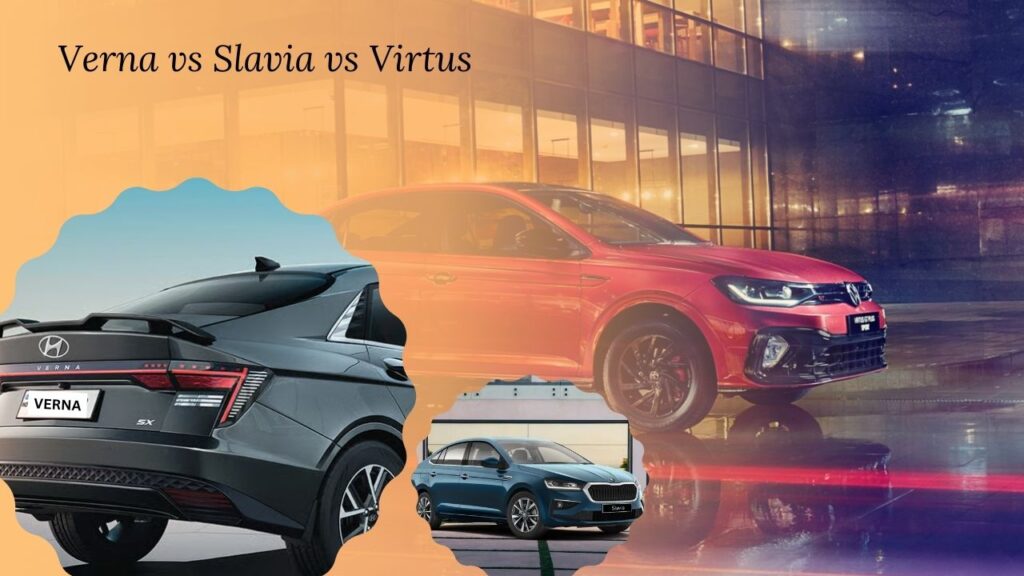
Verna vs Slavia vs Virtus

The Indian auto sector in 2026 is a study in contradictions. “SUV-ification” of the market looked absolute just a few years ago, but now we are seeing a refined “Sedan Renaissance.” This is not a comeback to the budget in Verna vs Slavia vs Virtus, it’s a tactical move by a discriminating band of buyers becoming fatigued with the sacrifices required by high-riding crossovers, the “boaty” body roll and aerodynamic drag.

The C-segment is now a bitter triangular war between the Hyundai Verna, the Skoda Slavia, and the Volkswagen Virtus. They each represent a different view on what a modern car must be. 

The Contenders: A High-Speed Comparison

As we move into early 2026, the market matured. Buyers in hubs like Delhi, Mumbai and Uttarpradesh, where one requires a vehicle that can effortlessly run on the Smooth streets but also negotiate the narrow lanes of India, want more than just ground clearance. They want engineering purity. Let’s see what we can get from Verna vs Slavia vs Virtus.

Feature Hyundai Verna Skoda Slavia VW Virtus
Vibe The Radical Technocrat The Bohemian Traditionalist The Teutonic Titan
Top Engine 1.5L Turbo GDi (160 PS) 1.5L TSI EVO (150 PS) 1.5L TSI EVO (150 PS)
Best For Tech & Features Elegant Comfort Driving Dynamics
Safety 5-Star GNCAP + ADAS 5-Star GNCAP 5-Star GNCAP

Hyundai Verna: The Digital Disruptor

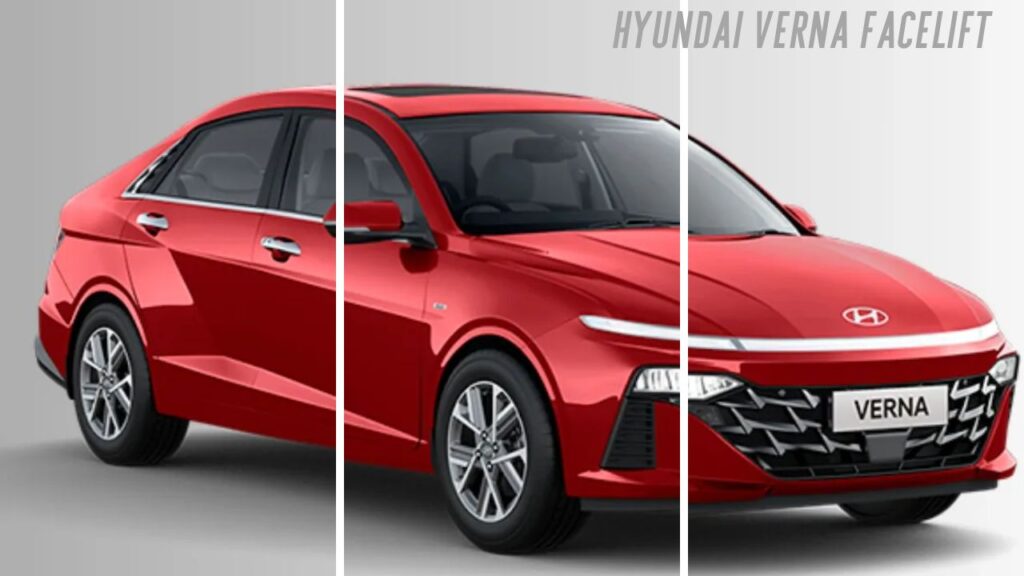
The BN7 Verna is the segment agitator. Its “Sensuous Sportiness” design language with that iconic horizon LED bar – makes it look like an alien from outer space. On the inside, the cabin is like a digital temple.

Hyundai Verna Facelift

Tech Edge: With Level 2 ADAS (Advanced Driver Assistant Systems), the Verna is currently the “brains” in the segment. For a driver in India battling thick winter fog, alerts such as collision warnings aren’t gadgets—they are safety essentials.

Too bad it’s so thick: The 1.5L Turbo GDi is a beast, cranking out 160 PS. It’s the king of the drag-strip, although its DCT (Dual Clutch Transmission) needs a light foot during stop-and-go traffic to keep from overheating.

The European Twins: Slavia & Virtus 

While the Verna talks about the “wow, I want to buy this car” as the Volkswagen Group siblings talk about “feel.” Based on the MQB-A0-IN platform, these vehicles deliver a tank-like structure to make an undeniable performance. 

Skoda Slavia: Elegant Yet Functional

Slavia is the “mini-Octavia.” It’s wider than its competitors, with more shoulder room. Skoda’s “Simply Clever” features — smart-phone pockets, a dedicated recess on the dashboard for a deity — reflect that it deeply understands the Indian consumer. 179 mm of ground clearance settles the SUV advantage for majority of buyers.

Volkswagen Virtus: The Driver’s Choice

The Virtus, especially in the GT Plus Sport trim, is for the enthusiast. It has a “chrome-delete” theme, red brake calipers and is aimed at a younger, performance-focused audience. On the Highways & Expressway, the low-slung Virtus feels surprisingly planted as it crosses the hundred mark. 

When is The Right Time to Buy?

February 2026 is when the big overhauls are scheduled to begin. 

Buy Now: If you want a deal. Verna dealerships (such as SAS or Beeaar Hyundai) are giving out close to ₹1 Lakh worth of benefits to make space for the 2026 refresh. Likewise, purchasing a “MY25” Slavia at Speedworks Skoda will save you a lot.

Wait: If you want ADAS on European cars. By late 2026, the Slavia and Virtus facelift is due with Level 2 ADAS and 360-degree cameras. 

Read More:-  5 Upcoming compact SUVs in India 2026-27 – Hyundai to Renault

Which One You Should Buy?

Deciding among Verna vs Slavia vs Virtus is difficult when you want the best, you can buy:

The tech-savvy family: Go for the Hyundai Verna. It’s the most comfortable three adults in the back, seats are the best ventilated, and the Bose sound system is unparalleled for those long drives.

The Purist: Go for the VW Virtus. Its better steering feedback and composure at high speed make it the best driver’s car under ₹25 Lakh.

The Pragmatic Professional: Go for the Skoda Slavia. It trades prestige and space for a design that’s more classic, and which will still look good five years from now.

Not only is the sedan making it out to 2026, it’s the best-selling passenger car in America by a longshot. 

Conclusion

A clear transition is taking place in 2026, though SUVs still hog the limelight and headlines, sedans are quietly making a comeback. The Verna vs Slavia vs Virtus are more than just competitors, they are three different outlooks on contemporary car production – technology-fueled opulence, engineering purity, and balanced sophistication. This “Sedan Renaissance” feel is not one of nostalgia being driven by aging buyers, but rather they are now mature buyers who value comfort, control, refinement and driving feel rather than just sheer ride height. 

1

Everything On Mahindra XUV 3XO CNG: Top The Compact SUV Segment

Published Oct 15, 2026, 1:10 PM
Last Updated Oct 16, 2026, 10:42 AM

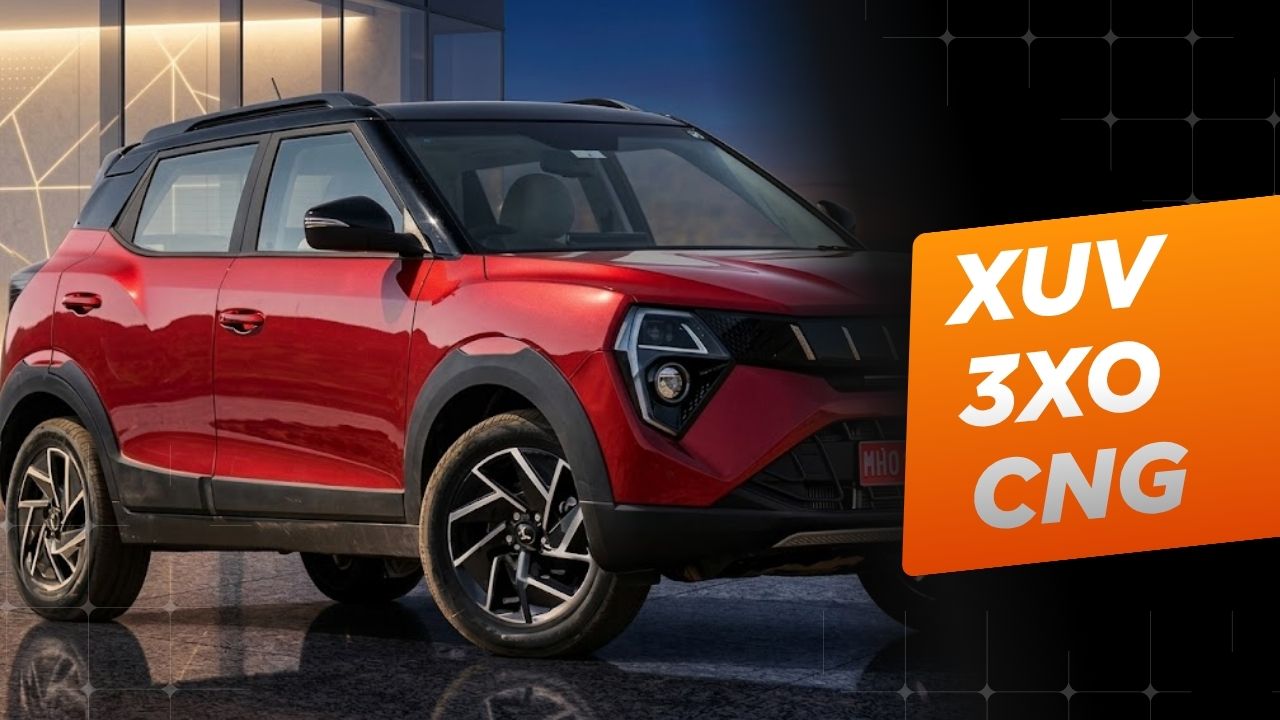
Mahindra XUV

Mahindra XUV 3XO CNG comes with a 112 PS and claimed 24.7 km of mileage at Rs 9.99 lakh, available in four variants.

CNG cars mostly give good mileage but performance is always lower than petrol cars. Now Mahindra promises the same 112 PS and 200 Nm on CNG, it uses a 1.2 L turbo engine to hit at that power. Mahindra XUV 3XO CNG comes at Rs 9.99 lakh (ex-showroom) which might solve the problem especially when you put your foot down and the car struggles to pick up speed.

If it does then it’s going to change the entire CNG compact SUV segment at this price mark. There’s one thing that you won’t get in the Mahindra XUV 3XO CNG is the boot space. Keep going down for every detail before you make up your mind to buy this car.

Mahindra XUV 3XO CNG Engine: The Power Claim That Matters

It offers 1.2 L petrol engine and 6-speed manual transmission to use it for getting 112 PS at 5,000 rpm and 200 Nm. Gas carries less energy per unit volume than petrol to work the engine, so CNG conversions usually lose power. A little drop in that is normal but Mahindra avoided to lose that power.

It fixed it with a 10-bar CNG injection system and revised turbocharger calibration so it takes the gas faster and runs the engine quickly. Mahindra XUV 3XO CNG claimed to reach from zero to 100 km/h in 11.8 seconds. It reaches somewhere that its rivals still struggle to get there because in this segment the CNG cars are less powerful. 

However, the real-time figures are still under wraps as the test drive with real conditions is not done yet. So treat the no-power-loss claim as promising rather than proven. 3XO gives you power to switch between petrol and CNG with a button but also switches to petrol automatically when the CNG runs low. The instrument cluster shows both average and instantaneous efficiency.

Mahindra XUV 3XO CNG Mileage and the Real Running-Cost 

Mahindra XUV 3XO CNG mileage is 24.7 km/kg but it’s a claimed figure not a real-time running calculation. The regular petrol version rated at 18.89 km/l and diesel manual at 20.6 km/l. The fuel cost is different in different city/state if we take Delhi as an example, fuel cost is Rs 86.98 per kg for CNG, Rs 102.12 per litre for petrol and Rs 95.20 per litre for diesel. So the total running costs are based on fuel prices and driving patterns.

Fuel Claimed mileage Running cost per km
CNG 24.7 km/kg about Rs 3.52
Diesel 20.6 km/l about Rs 4.62
Petrol 18.89 km/l about Rs 5.41

Mahindra claims 24.7 km for one kg in CNG and 18.89 km in petrol and 20.6 km in diesel. Now if we calculate these three different fuel options, you are saving ₹1.89 against petrol and ₹1.10 against diesel in CNG version.

Now if you are spending an extra cost of around ₹89,100 se ₹99,500 on buying XUV 3XO CNG than petrol version then understand where you are saving your money.

If you are driving 1,500 km every month, you are saving ₹2,835 on the CNG version which means you can recover your ₹90,000 extra purchasing price in 2 years and 8 months. 

But if you are driving only 800 km every month then you can only save ₹1,512 in months which extends your time. The extra ₹90,000 money will recover in 5 years.

Overall, if you drive daily and cover more kilometres each month, choosing the CNG version could save you money. But if you drive only around 800 km a month, it will take much longer to recover the extra cost.

These figures are based on the company’s claimed mileage and Delhi fuel prices. So the real-world mileage may differ from these, depending on the city fuel rates.

The CNG Version 270-Litre Boot Is Where Buyer Should Consider

The XUV 3XO CNG provides a capacity of 60 litres with twin cylinders but Mahindra fit them under the boot floor to make the layout clean and maintain the space for luggage and leaves the spare wheel underneath the car. These are Mahindra’s reasons for splitting gas into two smaller cylinders. 

The regular XUV 3XO offers 364 litres which means the CNG version eats up 94 litres space, that’s roughly the space a couple of cabin bags would fill. Boot capacity matters when a buyer is looking for a family car that regularly loads a stroller and luggage for a long weekend. Otherwise, it is perfect for daily errands and grocery runs.

Mahindra has also retuned the dampers, springs and anti-roll bar to cope with the extra rear weight. The layout is still MacPherson struts at the front and a twist-beam at the rear. Whether the retune fully preserves the regular car’s ride is something only a proper drive will show.

Mahindra XUV 3XO CNG Launched Four Variants and Prices

The CNG model is officially called the XUV 3XO ZNG, it is a factory-fitted system, not a dealer retrofit, and it joins the existing petrol, diesel and electric versions of the compact SUV, which first arrived in April 2024 as a facelift of the XUV300.

Mahindra XUV 3XO CNG test drives began on launch day. Bookings open on October 20, 2026, through Mahindra dealerships and the company website, and deliveries are scheduled to start the same day. If you want one in the first batch, that is your date.

Four variants are on sale: MX Edge, RevX Edge (O), AX5 and RevX A. The MX Edge is new to the lineup. The other three have petrol-manual siblings already on sale.

Variant Ex-showroom price
MX Edge Rs 9.99 lakh
RevX Edge (O) Rs 10.79 lakh
AX5 Rs 11.19 lakh
RevX A Rs 12.27 lakh

On-road price of Mahindra XUV 3XO CNG is different from the Rs 9.37 lakh, the amount goes higher when you enter a showroom. You have to pay roughly 1–2 lakh more because registration charges and insurance vary by state. Different cities have different RTO charges so ask your dealer to give you the actual price in writing.

The RevX Edge (O) and AX5 are not a simple step up the ladder, even though the AX5 costs Rs 40,000 more. They offer different features.

MX Edge is the base, and it is better equipped than a base car usually is. It offers a 10.25-inch touchscreen, and connectivity experience with wireless Android Auto and wired Apple CarPlay. You can enjoy every drive with premium features. It’s not hard to park with a rear parking camera. You get cruise control, rear AC vents, 60:40 split rear seats for passengers to sit comfortably. The driver also gets the real perks with engine start-stop, steering modes and reverse sensors.

RevX Edge (O) adds a panoramic sunroof, auto headlamps and wipers, power-folding mirrors, keyless entry with push-button start, a height-adjustable driver’s seat, black leatherette seats, a dual-tone roof and a rear centre armrest.

AX5 takes a different route. Instead of the sunroof and cosmetics, it gives you twin 10.25-inch screens, six speakers, 16-inch diamond-cut alloys, a single-pane sunroof, LED projector headlights, connected-car features with Alexa, online navigation, wireless Android Auto and Apple CarPlay, dual-zone automatic climate control, 65W USB-C charging, TPMS and a rear wiper with washer and defogger.

RevX A builds on the AX5 and adds the panoramic sunroof, Dolby Atmos audio, leatherette seats, the dual-tone roof and 16-inch black alloys.

One caution on the top variant. The RevX A petrol uses Mahindra’s more powerful direct-injection turbo engine, while the RevX A CNG uses the 112 PS CNG engine. They are positioned the same but are not equal on output, so do not read the Rs 99,500 gap as a like-for-like cost of CNG.

Six Airbags Safety Along With Sensors

Every variant gets six airbags, electronic stability control, ISOFIX child-seat anchors, four disc brakes, three-point belts and belt reminders for all seats, and reverse parking sensors. The CNG system also has integrated leak detection, and if it senses a leak it moves the engine to petrol automatically.

The regular XUV 3XO earned five stars from Bharat NCAP for both adult and child occupant protection. Mahindra says the CNG shares the same underlying architecture and showed the cylinder installation after a crash test at the launch event. 

What it has not announced is a separate Bharat NCAP result for the XUV 3XO CNG version. Until that appears, the five-star rating belongs to the petrol and diesel cars, not strictly to this one.

Mahindra XUV 3XO CNG vs Tata Nexon CNG vs Maruti Brezza CNG

XUV 3XO CNG Tata Nexon CNG Maruti Brezza CNG
Price (ex-showroom) Rs 9.99-12.27 lakh Rs 9.24-13.66 lakh Rs 9.35-11.71 lakh
Engine 1.2L turbo 1.2L turbo 1.5L non-turbo
Power 112 PS 100 PS 88 PS
Torque 200 Nm 170 Nm 122 Nm
Claimed mileage 24.7 km/kg 24.01 km/kg 26.90 km/kg
CNG capacity 60L 60L 55L
Boot space 270L 321L 328L

Against the Nexon CNG, the XUV 3XO CNG has 12 PS and 30 Nm more, and a slightly higher claimed mileage, but it gives up 51 litres of boot. Against the Brezza CNG, the gap in performance is wider: 24 PS and 78 Nm in the Mahindra’s favour. The Brezza answers with the best claimed mileage here, 26.90 km/kg, and the biggest boot at 328 litres, helped by an underbody cylinder.

So the three cars make three different arguments. The XUV 3XO CNG is the one to drive. The Brezza CNG is the one to run cheapest and load fullest. The Nexon CNG sits in the middle. Nexon’s price range starts about Rs 75,000 lower than the 3XO’s, so check which variants each brand actually offers at the budget you have in mind.

Conclusion

Buy a Mahindra XUV 3XO CNG if you drive roughly 1,200 km or more a month and want CNG running costs without feeling like you are driving a CNG car. The turbo engine’s torque matters most on highways and in loaded overtakes, and that is the 3XO’s whole case. If you buy, the RevX Edge (O) is the sensible pick for most people, since a panoramic sunroof and keyless entry at Rs 10.79 lakh matter more in daily use than the AX5’s second screen.

Independent mileage tests, a Bharat NCAP result for the CNG and real owner reports on the no-power-loss claim will all arrive within a few months of deliveries starting on October 20. A small wait costs you nothing, and the first month of reviews will tell you whether 112 PS on CNG is real or just a brochure number.

0

BMW M4: Price, Specs, Performance & Complete Review of the Iconic Sports Coupe

BMW M4

Performance and everyday usability blended and balanced, few cars do it better than the BMW M4 when it comes to. Derived from decades of motorsport DNA and designed to exhilarate, the M4 is not merely a rapid coupe – it is a declaration of intent from BMW. Twisties, racecourses, or just city streets, the M4 provides an experience that is both raw and polished no matter where you are on your driving journey. 

It’s a machine where precision craftsmanship meets emotional motive — a car not built simply to be driven, but to be felt. And at the heart of everything is the perfect balance of power, control and cutting-edge technology that defines a modern performance car. 

Powertrain and Performance

The incredible twin-turbo 3.0 liter inline six engine S58 that powers every M4. It is considered to be the classic revolution of M4 of luxury and sports premium vehicle that crawls with 473 and 543 horsepower with 406 to 479 lb-ft of torque. 

  • The M4 Coupe delivers the high power of 473 with the manual, it provides the speed that covers 60 mph within 4.1 seconds with 406 lb-ft of torque. 
  • If you picked Competition, you will experience the high power of 503 hp and 479 lb-ft of torque in a sprint which falls to a blistering 3.8 seconds. 
  • The top variant of BMW M4 is M4 CSL that gives an incredible speed of 543hp and 240 pounds less than the standard car. 

This engine is special not only because of the figures but also because of the character differences. S58 Smooth And Potent Power As the Miles Go By The S58’s smooth and linear power delivery, combined with its willingness to rev all the way to its 7,200 RPM redline, makes throwing stuff at the engine just as easy as it is to throw stuff at it. A twin-turbo setup which nearly eliminates latency ensures power is always at your fingertips. 

Last but not least, the sound is a mechanical symphony BMW virtuosos have meticulously composed from exhaust bark to intake scream, particularly in the more aggressive driving settings. 

Various driving tactics are dictated by choices of transmissions. The 6-speed manual with its throw shortcuts and solid mechanical engagement is a love letter to purists, just like the standard M4. In the meantime, during your daily drive, you can take advantage of the automated operation and shifts so fast they can go toe-to-toe with many dual-clutch transmissions on the 8-speed M Steptronic automatic with double clutch included in Competition variants. 

Chassis Dynamics

The chassis is the result of decades of expertise from the Motorsport division. Double-joint spring strut suspension, specially-tuned for M duty, up front and at the rear, a five-link arrangement handles the tremendous power output with a degree of subtlety that belies the raw strength of this machine. 

In particular, the Active M Differential in the M4 is worth mentioning. This active limited-slip diff modulates electronically the lockup from 0 to 100%, in real time according to road surface, throttle, wheel slip. The end result is traction that seems to defy physics and that allows you to apply power earlier and harder than you ever thought possible. 

BMW M4 Chassis Dynamics

The steering well, which is usually a victim of modern electric power steering systems, is still very good. The M4’s variable sport steering delivers true feedback and weights up naturally as lateral acceleration forces begin to rise. It’s exact without being darty, informative without being exhausting on long drives.

For those who want to go even further, M Carbon Ceramic Brakes provide confidence-inspiring, fade-free stopping power for pure track perfection. These big stoppers — gold calipers for their visual identity deliver repeatable performance lap after lap, though they bring a hefty price tag and some tradeoffs in cold weather performance and brake dust containment. 

Design: Aggression Meets Elegance

The divisive large grille introduced with the current generation is now a signature feature of the car, for better or worse. In the flesh, the proportions are more pleasing than photographs indicate, particularly from a rear three-quarter view where the M4’s bulging haunches and wide track draw the eye and suggest serious sporting intent.

The carbon fiber roof isn’t just for looks—it lowers the car’s center of gravity and weight. The M gills to the right of the front wheels, the quad exhaust tips, and the race-inspired rear diffuser are real, functional aerodynamic elements that lend the M4 visual flair that distances it from the less powerful 4-Series models. 

Interior 

The M Sport seats offer substantially more lateral support for spirited driving yet are very comfortable even on long journeys. The use of carbon fiber, ambient lighting and premium material all made the atmosphere full of undeniable luxury. 

BMW M4 Interior

The curved screen Cluster iDrive 8 system combines infotainment and instrument digitization in one user interface – although there could be a learning curve, especially when it comes to the gestures and menu structure. 

Technology and Driver Aids

Today’s sports cars have as much silicon as they do steel, so the M4 is no exception. M Drive Professional also adds track-centered functions such as a drift analyzer, lap timer and a 10-step traction control system. The Head-Up Display displays essential information right on the windshield, the Harman Kardon sound system makes your music endless, the driving pleasure.

Safety has not been compromised. Active Blind Spot Detection, Lane Departure Warning, Frontal Collision Warning with City Collision Mitigation and Speed Limit Information are standard. The available Driving Assistance Professional Package brings semi-autonomous features to highway driving, cruising and more. 

Pricing and Value

BMW M4 Coupe starting cost is  $78,800 which can go up to $83,400 with more premium customization and $89,400 for ultra luxury BMW M4 Competition Convertible that will provide undeniable experience. BMW M4 CSL limited production will cost you around £134,900.

These are the starting figures before options, and M4 buyers have been known to wheel and deal on options and add-ons. Popular choices, such as the Executive Package (which includes laser headlights, gesture control and parking assistant), the M Carbon Exterior Package and upgraded leather upholstery all add significant amounts to the price for Competition models. 

The CSL, with its razor-sharp focus and production run of only 1,000 units worldwide, commands a healthy premium but is a completely different value proposition—it’s a collectors car as much as a drivers car. 

Read More:- Audi SQ8 Launched in India: New Engine, High Performance & Design

Conclusion

The BMW M4 still isn’t perfect. Even on the setting for comfort, the ride can be harsh over rough pavement. The gas mileage while good for a performance car (about 16 city/23 highway mpg) means a lot of trips to the pump if you drive like you mean it. And yes, that grille still riles.

But if you fall in with the right attitude, these compromises stop mattering. At this range of price, M4 is giving the best experience that builds a real connection between driver and machine. 

In an era when the production car landscape is increasingly dominated by EVs and tech that requires no input from the driver, the BMW M4 is a love song to the things that make I4-powered performance cars magical. It’s not transport, it is passion folded into sheet metal, carbon fiber, and engineering excellence. 

0

Buy Tata Curvv Series X At Rs. 9.99 Lakh With Advanced Features Pack

Published Sep 4, 2026, 12:55 PM
Last Updated Sep 7, 2026, 12:17 PM

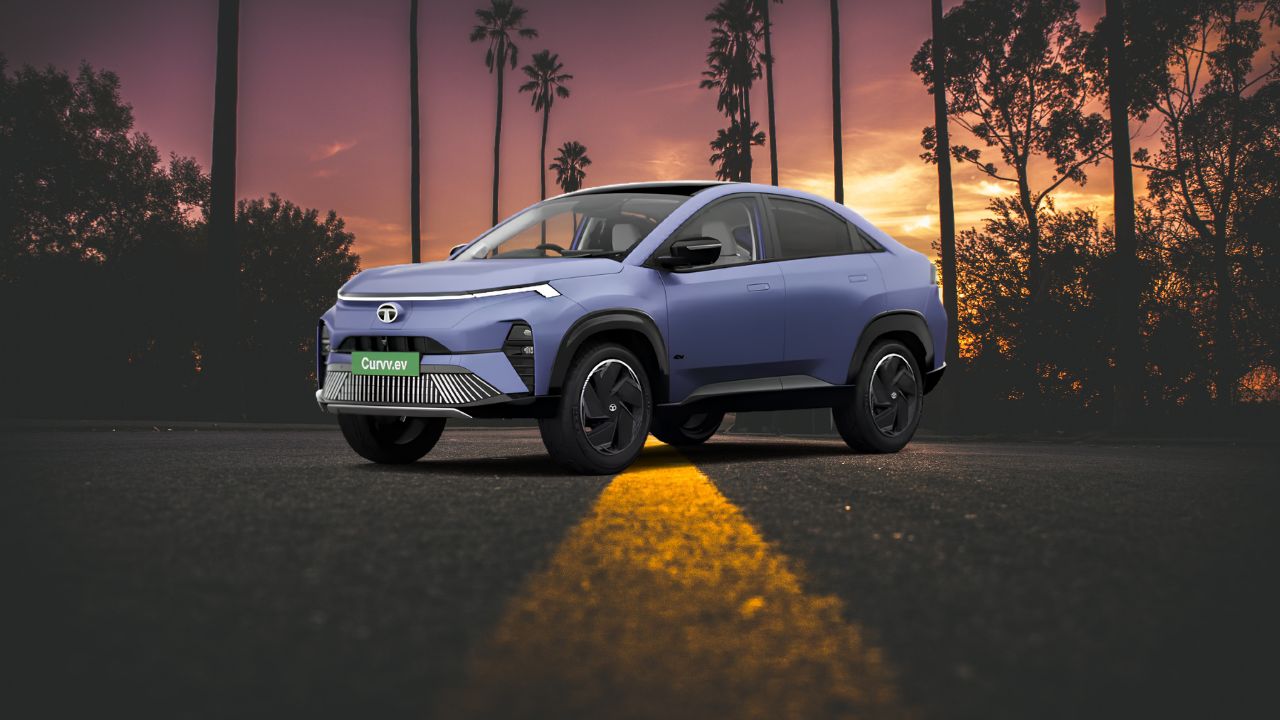
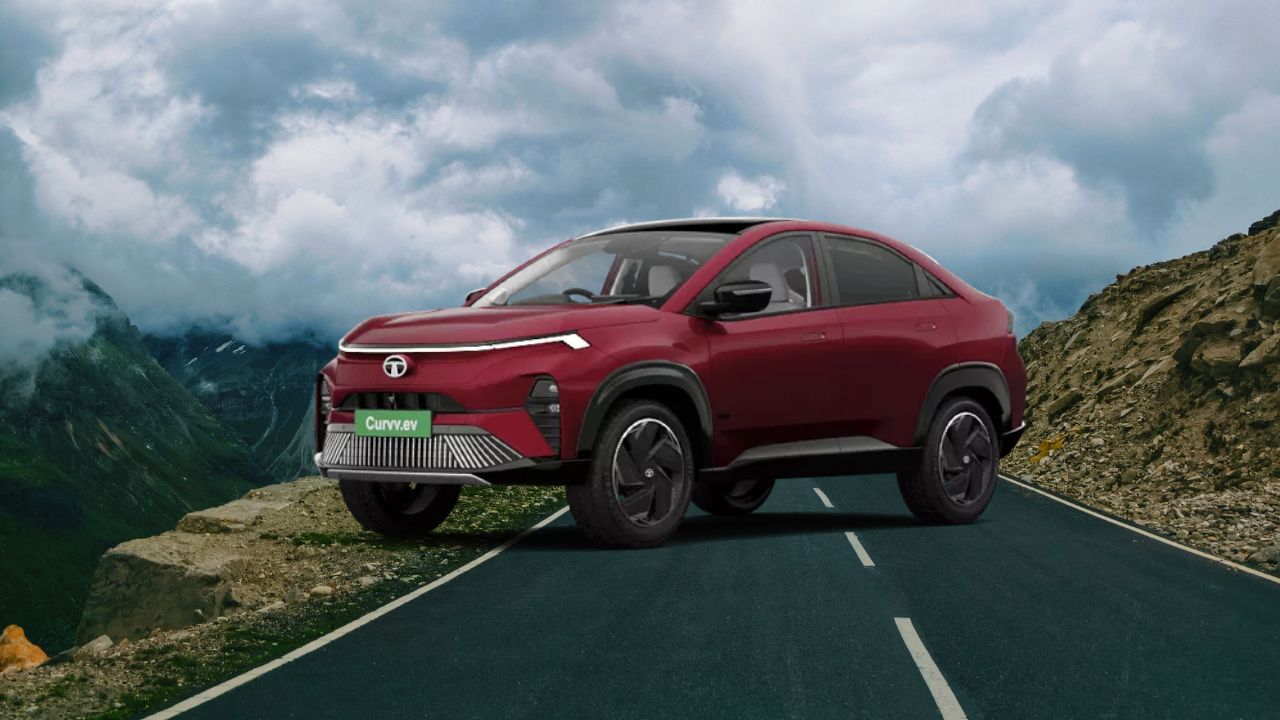
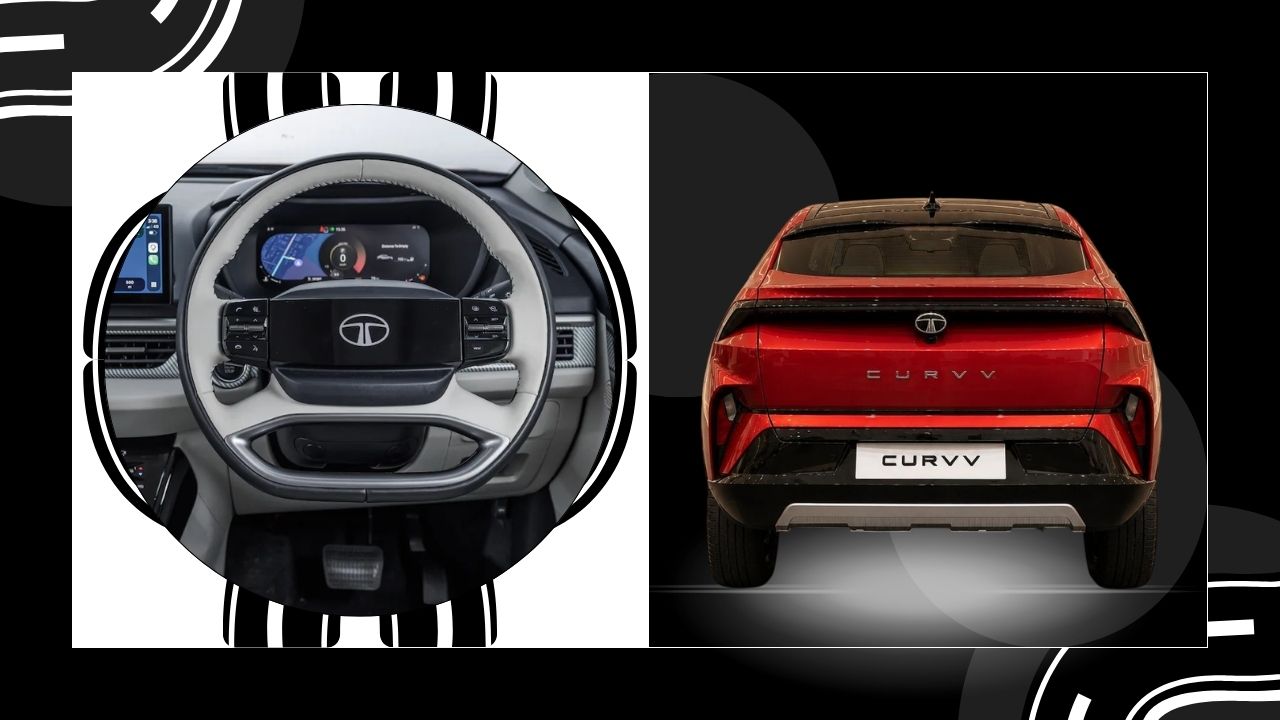
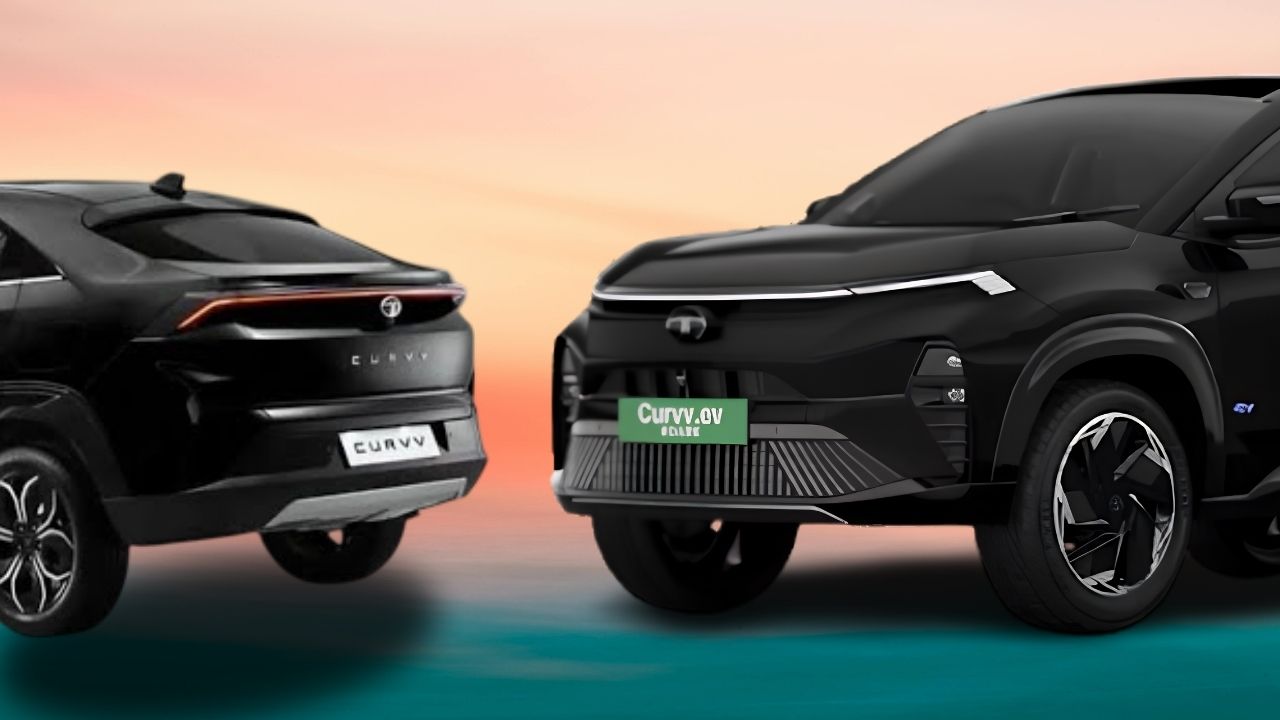
Tata Curvv Series X

Tata motors bringing the new Curvv Series X with an affordable price range from 9.99 lakh to 18.99 lakh. Tata Curvv Series X offers a combine petrol and diesel powertrain with power-packed features while focusing on its safety, design and durability at this price point, making it accessible to a wider range of buyers. 

It’s not a facelift — the sheet metal is untouched but the pricing and equipment list have moved enough that the buying calculus for this coupe-SUV is genuinely different from what it was in August.

Here’s what actually changed, what you get at each price point, and where the Curvv Series X still loses ground to the cars parked next to it in the showroom.

What Changed With the Tata Curvv Series X Price and Variant Reshuffle

Tata has trimmed the lineup from eight variants down to six, and renamed every one of them to carry an “X” — Smart X, Pure X, Pure X Plus, Creative X Plus, Accomplished X, and Accomplished X Plus. The turbo-petrol T-GDI engine has also lost its manual gearbox option; it’s automatic-only now.

Smart X base variant starting at ₹9.99 lakh ex-showroom. Variant-by-variant price table rounds this up to ₹10 lakh, which is likely just a rounding convention rather than a genuine pricing discrepancy but if you’re quoting an exact figure, it’s worth cross-checking against Tata’s official price list for your city, since ex-showroom prices also shift slightly by state due to local taxes.

Here’s the full price ladder as reported at launch:

Variant Petrol MT Petrol DCA (auto) T-GDI DCA Diesel MT Diesel DCA
Smart X ₹9.99 lakh — — — —
Pure X ₹11.00 lakh ₹12.30 lakh — ₹12.30 lakh —
Pure X Plus ₹11.80 lakh ₹13.10 lakh — ₹13.10 lakh —
Creative X Plus ₹12.91 lakh ₹14.21 lakh — ₹14.21 lakh —
Accomplished X ₹14.00 lakh ₹15.30 lakh — ₹15.30 lakh —
Accomplished X Plus — — ₹18.50 lakh — ₹18.75 lakh

From the Pure X Plus trim upward, you can also spec the #DARK Edition — blacked-out exterior and interior trim for an extra ₹25,000, which is a genuinely cheap way to make the Curvv’s already unusual silhouette look meaner.

The petrol-diesel price gap has also been trimmed from ₹1.5 lakh to ₹1.3 lakh, and the automatic gearbox premium has dropped by the same margin. If you were on the fence about the diesel purely because of the price jump, that fence just got shorter.

Engine and Transmission Options: Same Motors, Smarter Packaging

Tata hasn’t touched the powertrains because the Series X update is entirely about pricing and equipment, not what’s under the hood. You still get three engine choices:

Engine Power Torque Transmission
1.2L Turbo-petrol 120 PS 170 Nm 6-speed MT / 7-speed DCA
1.2L Turbo-petrol T-GDI 125 PS 225 Nm 7-speed DCA only
1.5L Turbo-diesel 118 PS 260 Nm 6-speed MT / 7-speed DCA

The diesel is the torque king here by a wide margin, and it’s also the mileage pick. Autocar India’s figures put the diesel at an ARAI-claimed 22.4 km/l across both manual and automatic versions, with real-world owner reports settling closer to 17-19 km/l depending on driving style. 

The petrol variant ARAI figures anywhere from 12 to 17 km/l for the same 1.2L Revotron unit, which is a wider spread than you’d expect from a single certified test. Treat any petrol mileage number you see — including the ones in this article as approximate until you’ve checked the specific variant’s spec sheet at a Tata dealership, because the discrepancy across sources is large enough that it matters if fuel cost is a deciding factor for you.

The Curvv has previously carried waiting periods of up to 12 weeks on petrol and diesel variants. A brand-new variant launch typically resets that clock, so ask your dealer for a current delivery timeline rather than assuming last quarter’s wait applies.

 Read More 👉 Kia Carnival Hybrid Price In India And Additional Cost For Accessories

Features You Get in Curvv Series X at Every Price Point

This is where Series X earned the respect, it doesn’t just arrive with more features — it is worth being specific because redistribution is uneven across trims.

The Pure X — one step above the stripped-down Smart X — now comes with a 10.25-inch touchscreen running wireless Android Auto and Apple CarPlay, cruise control, a 6-speaker Harman Kardon sound system, a panoramic sunroof, automatic climate control, and selectable drive modes. A year ago, several of these were reserved for trims two rungs higher. If you’re a buyer who wants a sunroof and a proper sound system without stretching into the ₹13-14 lakh bracket, that’s a real shift.

Move up to Creative X Plus and you add a 10.25-inch digital instrument cluster, ventilated front seats, rain-sensing wipers, and automatic headlamps which are a genuinely useful kit for anyone doing serious highway distances in Indian heat.

Curvv Series X

The Accomplished X Plus, at the top, keeps its powered tailgate, 6-way power-adjustable driver’s seat, connected-car features, auto-dimming inside rear-view mirror, a 12.3-inch digital cluster, and Level 2 ADAS — none of that has trickled down, so the top trim still justifies its price gap over Accomplished X.

On the interior itself, Tata has also introduced an Oyster White leatherette upholstery option from Pure X Plus onward, and rear passengers get a small but real comfort bump: the front seats have been scooped out to free up 10mm more knee room, and the rear bench itself has shifted 20mm rearward and 10mm lower.

Safety Kit on the Curvv Series X

Standard across the entire range — safety kit is the most reliable thing Tata Motors have offered to their buyers. Even in the Smart X — you get 6 airbags, rear parking sensors, ISOFIX child-seat anchors, electronic stability control, and hill-hold control. That’s a stronger baseline than several rivals still offer only on mid-spec trims.

Step up to Pure X and you add a reversing camera and a tyre pressure monitoring system. Creative X Plus brings a 360-degree camera, front parking sensors, and a rear defogger. Level 2 ADAS — adaptive cruise, lane-keep assist, forward collision warning — remains exclusive to the range-topping Accomplished X Plus, unchanged from before.

The Curvv holds a 5-star Bharat NCAP rating, tested alongside the Nexon and Curvv EV, all three of which cleared the assessment with the same score. For a segment where safety ratings vary wildly between rivals, that’s a genuine selling point Tata can lean on without exaggeration.

Tata Curvv Series X vs Citroen Basalt X: The Real Coupe-SUV Face-off

The Basalt X is the only other coupe-SUV in this exact price bracket, priced from ₹8.55 lakh to ₹14.11 lakh — meaningfully cheaper at both ends than the Curvv Series X, which tops out near ₹18.75 lakh. If your budget caps out around ₹12-13 lakh, the Basalt X undercuts the equivalent Curvv trim while offering a similar coupe roofline and a genuinely comfortable ride, built on the same platform underpinning the C3 and eC3.

Tata Curvv Series X vs Citroen Basalt X

Where the Curvv pulls ahead is feature depth at the top end and brand pull in the Indian market — Tata’s service network and resale perception still run ahead of Citroen’s in most Indian cities, which matters more than a spec sheet once you’re two years into ownership. 

The Basalt X also doesn’t offer anything close to the Curvv’s Level 2 ADAS suite, so if driver-assist tech is a priority, the comparison ends there.

Tata Curvv Series X vs Hyundai Creta: Style Versus Substance

The Hyundai Creta remains the benchmark this segment gets measured against, priced from ₹10.91 lakh to ₹20.06 lakh — almost dead-level with the Curvv Series X band-for-band. The Creta wins on rear headroom and visibility (no sloping coupe roofline eating into either), a larger and more configurable boot, and a resale value that’s hard for any Tata product to match yet, simply because Hyundai has a longer track record in this exact segment.

Tata Curvv Series X vs Hyundai Creta

Nobody buys a coupe-SUV because it’s the most practical shape, they buy it because it doesn’t look like every other compact SUV on the road. If that visual distinctiveness matters to you more than an extra few centimetres of rear headroom, the Curvv Series X now competes on price too, not just looks which wasn’t quite true before this update.

Read More 👉 Ceramic Coating vs PPF For Kia Carnival Hybrid 2026

Conclusion

If you were previously considering the Curvv but talked yourself out of the base variant because it felt bare, that objection is largely gone — the Pure X at ₹11-12.3 lakh now carries a sunroof, wireless CarPlay, and a proper sound system that used to cost you a trim or two more. That’s the variant most buyers in the ₹11-13 lakh bracket should actually be cross-shopping against the Creta and Seltos, not the Smart X, which still feels like a fleet-spec entry point.

Skip the Tata Curvv Series X if rear-seat space and outright practicality outrank styling on your priority list — the coupe roofline is a real compromise on headroom and visibility that no amount of feature-list padding fixes, and the Creta or a Grand Vitara will serve a family of four more comfortably on a daily basis.

The diesel-DCA combination is the pick if you’re covering serious highway distance and want the torque advantage; the turbo-petrol makes more sense for city-first driving where the mileage gap narrows and the lower price wins out. Either way, get the exact ARAI mileage figure and on-road price for your city from a dealer before signing.

0

The Garage of Dreams: Inside C.J. Roy Car Collection

Published Mar 28, 2026, 12:50 PM
Last Updated Apr 2, 2026, 7:51 AM

C.J. Roy car collection

C.J. Roy car Collection was never a statement about expensive cars but it was a statement about his life, passion and success. From the ultra-luxe Rolls-Royce cars to the world-record shattering hypercar models like the Bugatti Veyron, his garage had it all. Each car had a particular story — of dreams realized, risks taken, and a love for driving that never grew old. 

Twelve Rolls-Royce Motor Cars

In his garage, Roy parked his twelve luxury and priciest Rolls-Royce. Roy’s passion for his cars is shown as he owns this Phantom VIII, which is the most luxurious automobile in existence.

Twelve Rolls-Royce Motor Cars

It’s more than just a car — it’s a status symbol and class statement. In fact, everything is handcrafted and the infamous Spirit of Ecstasy on the front give it more royal touch.

Owning a single Rolls-Royce may be special, but holding a collection of twelve really highlights his passion for the marque. “These aren’t just cars to me — they’re about comfort, style and the ultimate road experience.” 

The Speed Demon: Bugatti Veyron

C.J Roy’s Rolls-Royce cars showed his taste for luxury. The Bugatti Veyron was a statement of his need for speed. It was previously considered to be the fastest street-legal car in the world. Over 400 km/h which most cars can only dream to reach! 

He even greets people without any rush, with a friendly “Take care friends, have a beautiful evening,” before taking off with phenomenal speed. The shot, with his palatial home in the background, conveys both accomplishment and modesty.

Bugatti Veyron

The Veyron itself is a masterpiece. It has a 16 cylinder massive engine and generates more than 1,000 horsepower. It’s not just a car — it’s designed for extreme performance.

That he owns a Veyron makes his thinking crystal clear: he didn’t just buy ordinary cars, he purchased one of the truly extraordinary cars. 

The Swedish Interloper: Koenigsegg Agera

Roy wasn’t stopped with just one fast car, he had a Koenigsegg Agera too. This is an extremely rare hypercar created by a niche Swedish car manufacturer, which produces some the most technically progressive cars under the sun.

The Agera is ultralight, has insane power, and remains ultra-rare. There are just a handful. Have one and you’re instantly part of an elite club. What sets this car apart is how it bends limits. 

Having a Koenigsegg Agera in his garage collection demonstrates Roy wasn’t merely snapping up the popular luxury cars, he was hunting for the truly extraordinary and unique. 

The Italian Stallions: Lamborghini Fleet

Every supercar collection needs a Lamborghini. That’s Roy, in a nutshell. He had various Lambo models under his roof. A car that really blew me away was the 2015 Huracán. Roy himself said it was his childhood dream.  

Lamborghini Fleet

Lamborghinis are raucous, extravagant, and brash with electric energy. They’re made to roar, not purr. The Huracán houses a potent V10 engine capable of high revs. It’s quick, but there’s the thrill of actually driving one. Roy craved that buzz. Driving beats just hauling on the road wherever you ride. He soaked up every moment behind the wheel.  

The British Precision: McLaren 720S

If you add a McLaren 720S to the equation, Roy has genuine engineering purity. Emotion is what makes Lamborghini spark. Physics, McLaren nails it. Carbon fiber expertise, aero tricks and the fact a road car lapped tracks at speeds quicker than race cars from decades ago is celebrated by the 720S. 

The Sentimental Journey

Maybe the most sentimental thing about C.J. Roy Car Collection was that he always bought back his first luxury car – a Mercedes-Benz S-Class. Most collectors pursue the new, the rare, the appreciating asset. Roy chased memories. 

That S-Class was the original and only beginning for him, the first station on a path that would someday take him to piloting the world’s most exclusive autos. Keeping it, or buying it back, was a statement about that man who never forgot where he came from even as he ascended to the stratosphere. 

The Legacy of C.J. Roy Car Collection

C.J. Roy died in early 2026, and he left not only a thriving business for his heirs but also an amazing car collection that reflected his life.

For him, these cars were more than just expensive assets — they had a place in his story. Each one of his cars reflected his personality, achievement and love for cars,” said Chandran.

From his homes in Dubai and Bengaluru, his fleet remains a beacon that can guide through any circumstances. Whether it was the luxury of Rolls-Royce, the speed of Bugatti, the rarity of Koenigsegg, or the thrill of Lamborghini – every car had a different meaning.

More than anything, C.J. Roy car Collection is a dream. Story of a boy from a normal middle class family in Kerala who made it big and cherished it to the fullest. And at the finish line, there was an uncomplicated satisfaction: driving, turning on a big motor and rattling around.  

Read More:-  Pagani Zonda: The Most Expensive and Powerful Supercar in Just Rs 120 Crores

Conclusion

C.J. Roy Car Collection isn’t just a boast of affluence, it’s a testament to his will and his passion. Every car — Rolls-Royce and Bugatti, Koenigsegg and Lamborghini and even his very first Mercedes, marks a turning point in his life. Originally from humble beginnings in Kerala, he progressed to possess some of the most uncommon cars in the world. 

That tale inspires me. Above all the drama and glamour, his passion for driving his own car was palpable. It makes his collection unique. It shapes his legacy.