0

5 Upcoming compact SUVs in India 2026-27 – Hyundai to Renault

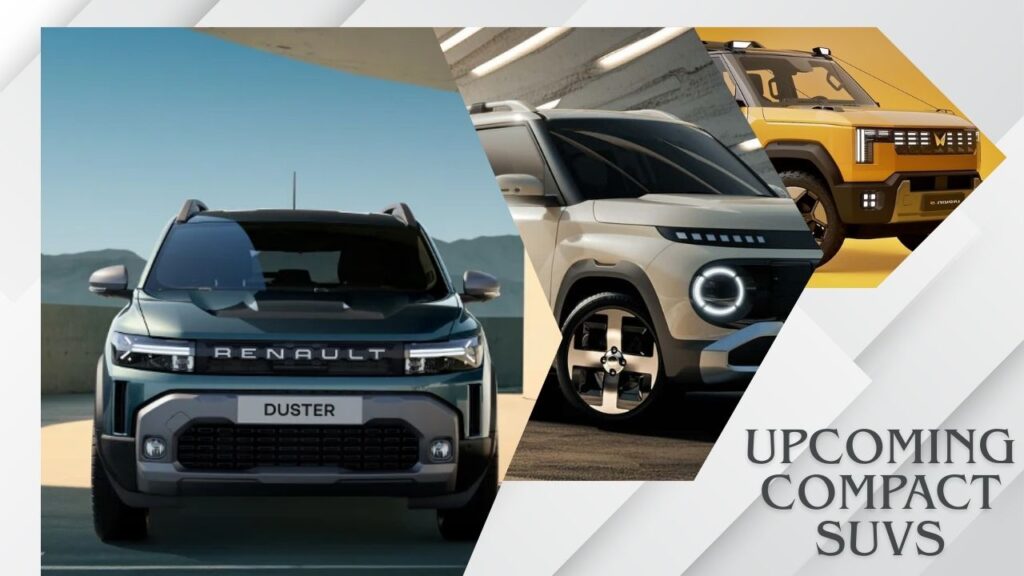
Upcoming compact SUVs in India

Upcoming compact SUVs in India in 2026, the Indian auto industry is not just evolving but having a “glow-up”. The sub-4-metre tax regulation, which let automakers play Tetris with their car designs, had us pinned down for ages. That is if you craved an SUV, you usually had to settle for a “raised hatchback” that seemed like a compromise.

But that era of compromise will now be over with the 2026 and 2027 models up for inspection. “Compact SUV” is now a graduate. They’ve traded nostalgia, not to mention the “cheap” option, for high-tech, luxury powerhouse. If you’re an early electric vehicle adopter, a tech-obsessed city dweller or a weekend thrill-seeker, the next year and a half has something in store for you. 

The Return of the King: Renault Duster (Gen 3)

Release schedule: March 2026 for ICE | Late 2026 for strong hybrid

If any car has attained “cult status” in India, it is the Duster. It’s the Upcoming compact SUVs in India that first told us a compact car could drive like a tank but ride like a stock luxury sedan. After a hiatus, it’s back and Renault aren’t messing around.
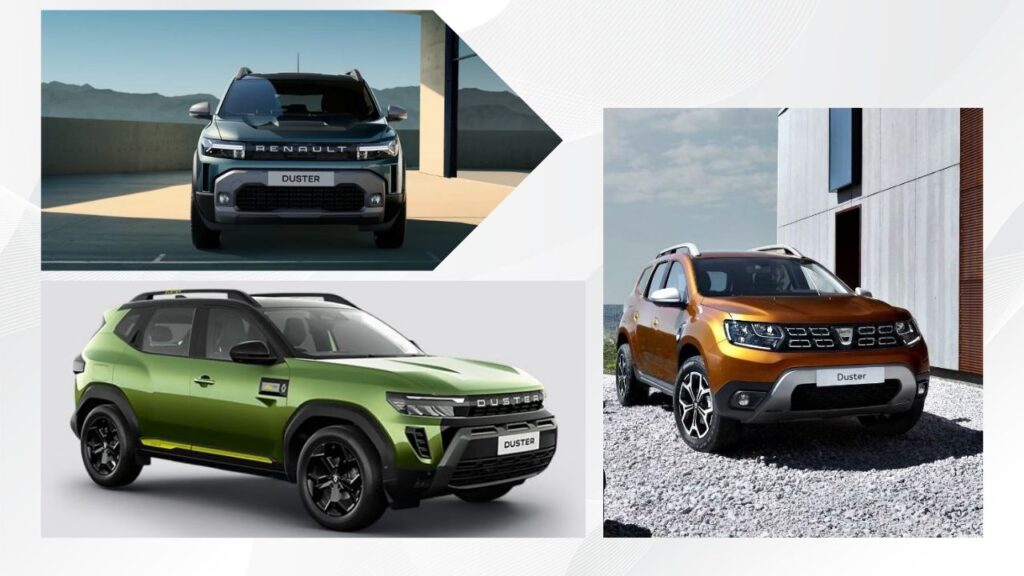
Renault Duster

The new Duster will be based on the latest CMF-B platform, shedding its old dated bones. It is rugged looking—complete with Y-shaped LEDs and recycled „Starkle“ plastic cladding that taunts scratches—yet the magic is really under the hood. Renault is going all in on a 1.8L Strong Hybrid system. It is built to take 80% of your daily urban runs in seam electric mode, offering you diesel-like fuel efficiency without the “dirty” vibrations. For long-distance touring, it’s the ultimate ‘no regrets’ SUV. 

The Brute Baby: Mahindra Vision S

To Release: Early 2027

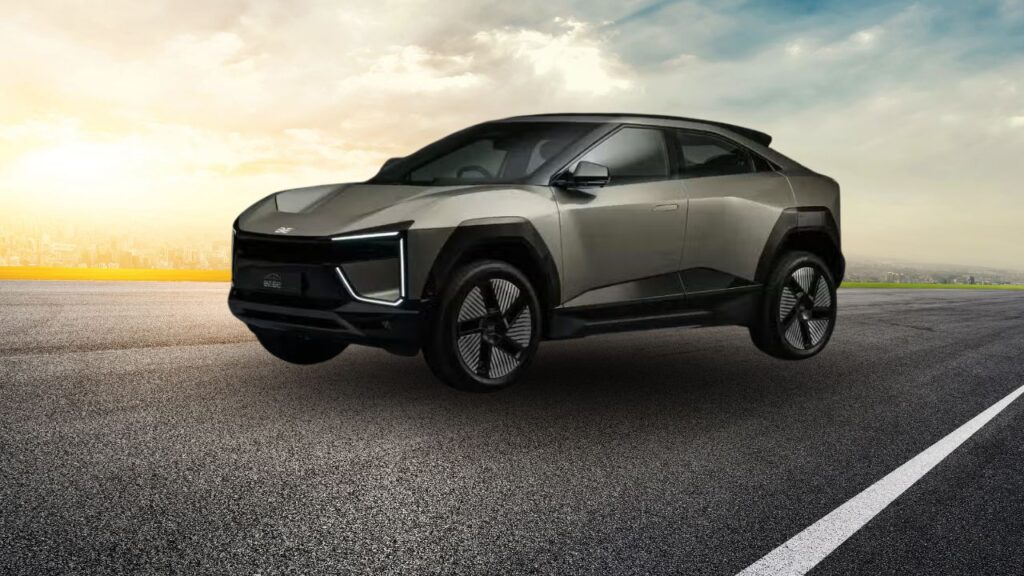
Mahindra has spent the past few years trying to be the “cool parents” of the SUV world. The Vision S (murmured around the clock as the “Baby Scorpio”) is their latest masterstroke. It’s for the person who craves the “get out of my way” road presence of a Scorpio-N but must tuck into a narrow mall parking space.
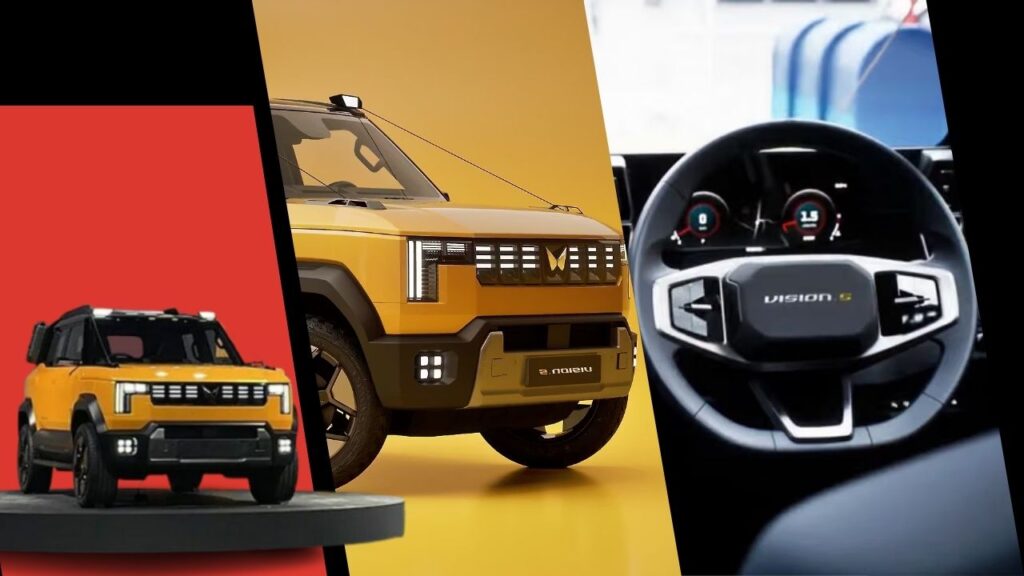
Mahindra Vision S

Going against the grain of many rivals who are adapting more rounded, “urban chic” looks, Mahindra is holding fast with a very boxy, upright shape and a tailgate-mounted spare wheel. The one thing traditionalists want: Diesel is not dead here. While the rest are ditching the oil burner, Mahindra is carrying forward the 1.5L mHawk engine for the new Vision S, making it the choice for high-mileage commuters in Tier-2 and Tier-3 towns. 

A Legend Reborn: Tata Sierra EV

Launch Date: March 2026

If you grew up in the 90s, then the word “Sierra” must bring back some lovely memories. It changed the landscape in the SUV segment being India’s first real lifestyle offering. Tata is bringing back the glory days for that legend, this time, it’s powered by lightning.
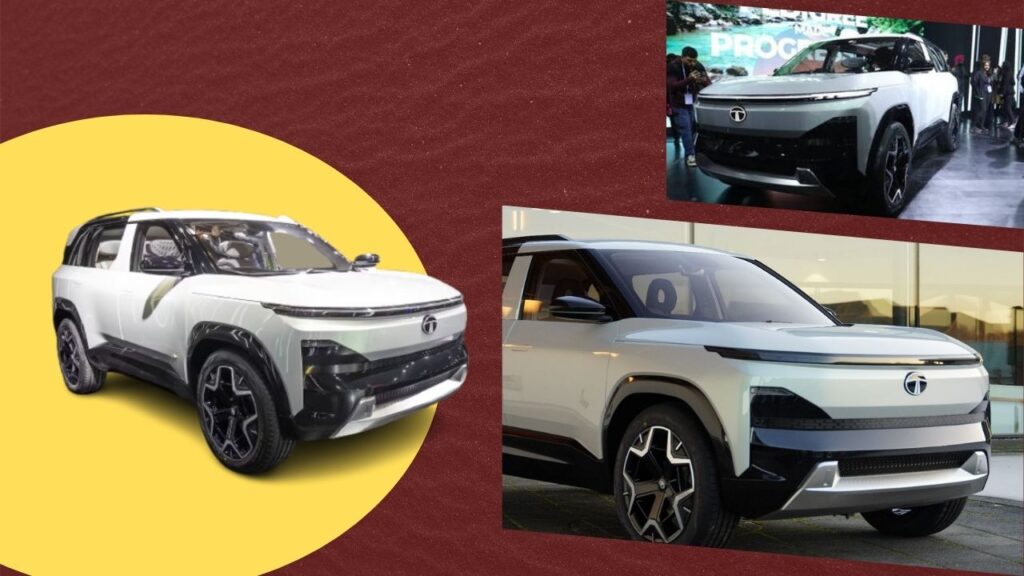
Tata Sierra EV

The Sierra EV isn’t simply a Nexon in a new body, it is based on the Acti.ev (Active Intelligent Electric Vehicle) “skateboard” platform. The floor is completely flat, the cabin is massive, and there’s even a “frunk” for charging cables. Tata is marketing this as a “Lounge On Wheels” with the iconic wrap-around “Alpine Windows” and reclining rear seats. With a claimed range of over 400 km and All-Wheel Drive (AWD) as an option, this luxury cruiser doesn’t mind getting a little dirty. 

Functional Masterpiece: Kia Syros 

Scheduled Release Date: Mid- 2026

Kia is instead “zigging” where everyone else seems intent on “zagging,” making their Upcoming compact SUVs in India look like sporty coupes with sloping roofs. The Syros (internally referred to as the Clavis) is a futuristic box you can be proud of.

Kia Syros 

Why a box? Because practicality applies to boxes. The Syros prioritizes vertical space, so even six-foot-tall riders get plenty of headroom in the rear cabin. Inside, Kia is introducing its “Trinity” cockpit – a giant, seamless glass console that integrates three different displays. It’s the “gadget on wheels” for Gen Z buyers, who prioritize interior space and high-speed connectivity over sleek profiles, he said. It is scheduled to go on sale as an EV first, with petrol variants to follow soon thereafter. 

The Bengal-barren EV: Hyundai Inster

Schedule Release: Q4 2026

Hyundai’s have a straight aim to make electric cars affordable. The Inster is an ingenious version of the global Casper EV, but Hyundai has extended it by 230mm just for India. Why? Because we want our legroom.
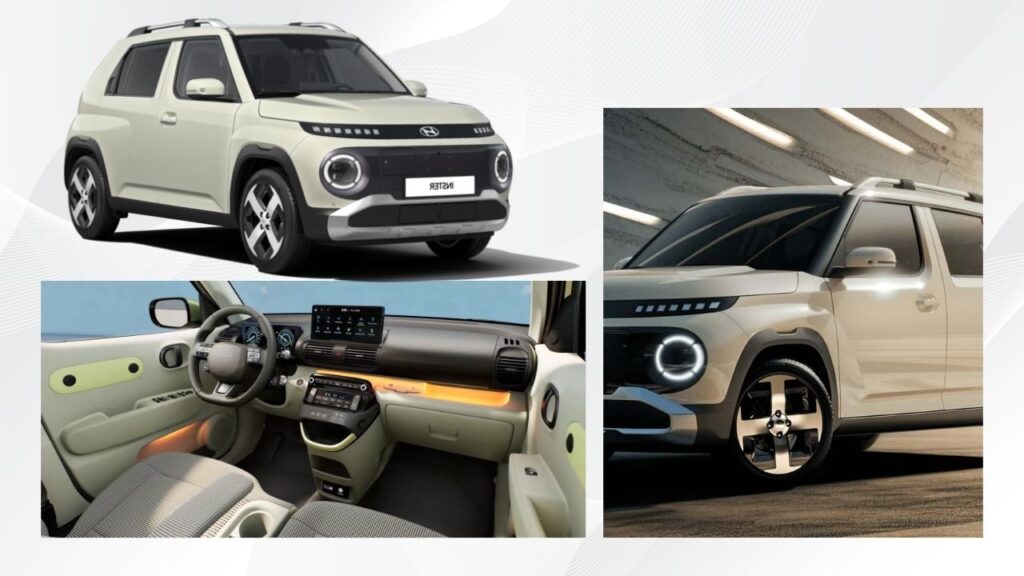
Hyundai Inster

The Inster is the ideal city “pod.” It’s tiny enough to plunge into holes in traffic yet techie enough to seem upscale. It has a “Pixel” design (inspired by its larger sibling, the Ioniq 5) and modular seats that can be folded completely flat — ideal for a quick car-camping trip or a nap between appointments. With a price target below ₹10 lakh, this is the vehicle that may finally turn EVs into a household staple in India. 

Read More:- Saurabh Ahuja Luxury Car Collection: Prices, Models and Features

Conclusion:- Upcoming compact SUVs in India

Upcoming compact SUVs in India: What the next two years really turn on is so-called hyper-segmentation, as the auto market moves beyond the era when cars were “one-size-fits-all.” Now, each is a lifestyle choice: 

  • Duster is comfort and ability to cover 500 km without getting tired 
  • Vision S is a rugged, reliable workhorse 
  • Sierra EV is for design-conscious professionals who want their car to say something 
  • Syros is the ultimate family-and-tech hub, while Inster is the clean, concise future of city commuting. 

It’s not a decision about what you can afford anymore — it’s a decision about who you want to be on the road. 

Sharey Khan

Sharey Khan is an IT entrepreneur and petrol head & a car enthusiast. With a special focus on car-related content, he combines his deep passion for vehicles with a talent for crafting informative, engaging, and easy-to-understand content. His writing is driven by a genuine love for cars and he is committed to providing readers with accurate, up-to-date, and trustworthy information that empowers smarter driving decisions. 

Leave a Reply

Your email address will not be published. Required fields are marked *

2

What Monthly Salary Is Required to Buy a Tata Nexon?

Published Oct 27, 2026, 11:48 AM
Last Updated Oct 28, 2026, 12:40 PM

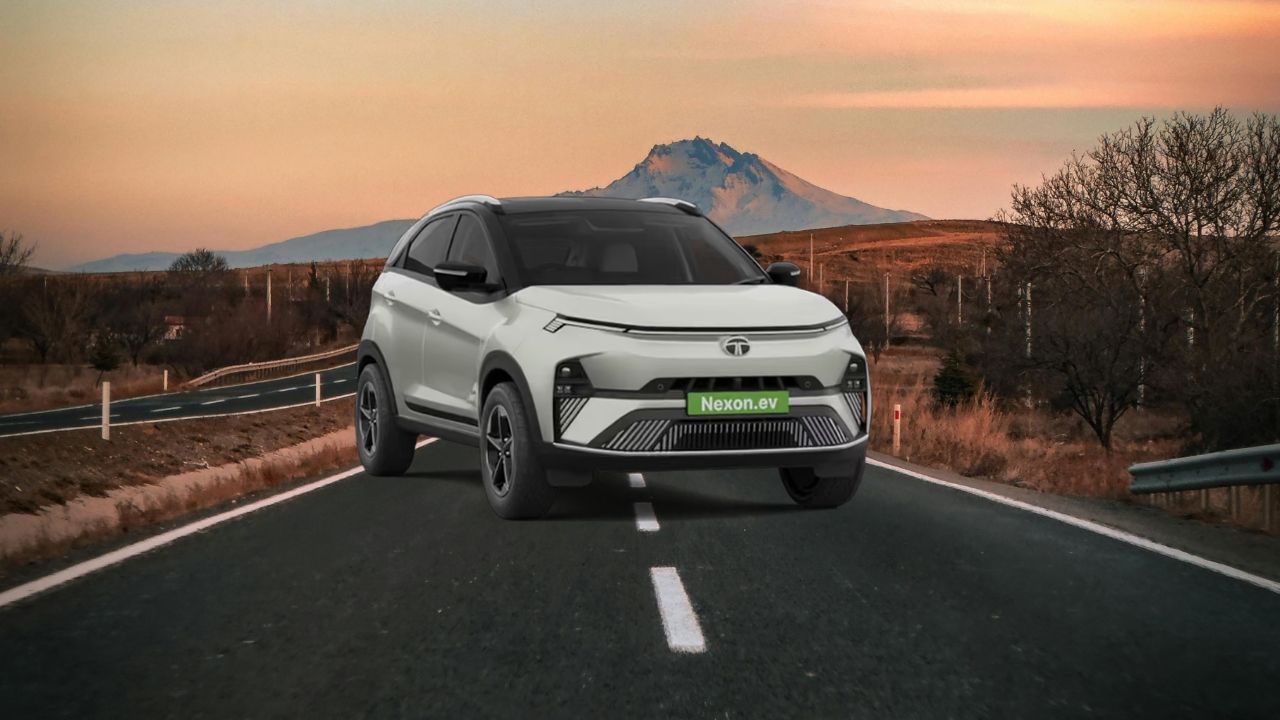
Tata Nexon

When you settle down with a stable job and wondering What Monthly Salary Is Required to Buy a Tata Nexon? Either you want to commute to the office daily or to go out with your family, both need a car which is reliable and gives better fuel efficiency. The Tata Nexon is one of the cheapest and reliable options in India. 

So you open a car website, see “Nexon from ₹7.4 lakh” and search for options to buy a Tata Nexon without wrecking your budget. The sticker price doesn’t answer that. The EMI does, and so does everything else the car costs you every month. Let’s figure out how.

What Monthly Salary Is Required to Buy a Tata Nexon?

To buy a base Nexon, your monthly salary needs to be around ₹35,000 to ₹40,000 for getting car loan approval, even if you get a personal loan the bank says yes after analyzing your credit score and take-home pay. If you already have another major EMI running then it could be difficult for you to pay car EMI. 

To afford it without feeling the pinch, you want closer to ₹70,000. Buying a mid-range Nexon which costs around ₹13 lakh on-road needs about ₹55,000 salary for approval and ₹1.1 lakh salary for your mind’s comfort. You can easily buy a Tata Nexon  fully loaded diesel automatic if you have more than 1 lakh salary in your hand monthly. 

These figures come from a 20% down payment, a 5-year loan at 9% interest. Banks approve your loan when your car EMI and other EMIs stay under 40% of your salary and the other 60% is going into your daily expenses. Financial planners prefer the car EMI to stay near 20% so it won’t be a burden for you.

Tata Nexon Price in 2026: Ex-Showroom vs On-Road

Tata Nexon base model comes at ₹7.40 lakh. This is the petrol manual variant and the top diesel variant is nearly ₹14.40 lakh ex-showroom, Fearless + PS Red #Dark AMT. Confirm the actual cost from a dealer in writing

The price you see on the Tata website isn’t what you pay, the on-road price of Tata Nexon is  ₹8.55 lakh to ₹17.29 lakh depending on registration, road tax, insurance, handling charges and variants. In Lucknow or Delhi, expect to add roughly 15% to the ex-showroom figure. Always base your salary math on the on-road number.

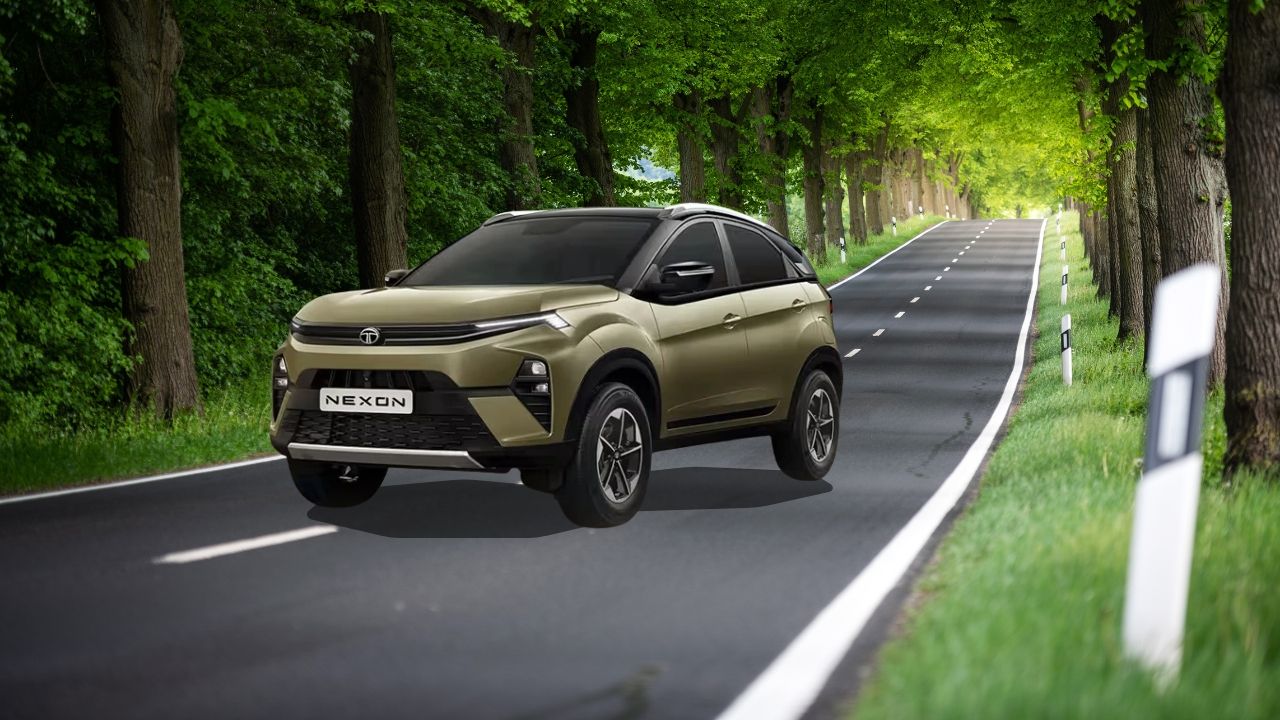
Tata Nexon Price

One variant matters for budget buyers. In May 2026 Tata launched the Pure+ PS at ₹9.59 lakh ex-showroom, billed as the cheapest car in India with a panoramic sunroof. It’s a sensible step up from the base trim for anyone who wants the feature-heavy Nexon without paying Fearless money.

You can plan to buy Tata Nexon when there’s a discount period. In March, Tata offered discounts of ₹55,000 and up to ₹75,000 this October. So ask your dealer for a current cash discount because other offers are valid only if you are eligible. Even ₹30,000 off trims your loan and nudges the required salary down.

Tata Nexon Features and Specs

Tata Nexon comes in petrol, diesel and factory-fitted CNG variants which affects the buyer choice. Both purchase price and running cost matters for an average class buyer.

Petrol Diesel CNG
Engine 1.2L turbo 1.5L 1.2L turbo
Power ~120 PS 115 hp ~100 PS
Gearbox 5/6-speed MT, AMT 6-speed MT, 6-speed AMT MT
Claimed mileage 17.0–17.4 kmpl ~23–24 kmpl (ARAI) 24 km/kg

The base Smart trims are bare-bones. The mid variants add the touchscreen, connected-car tech and better safety kit. Higher variants add a 360-degree camera, ADAS and TPMS. The Nexon has held a 5-star crash-test reputation for years, but ratings differ between the Global NCAP and Bharat NCAP protocols, so check which one applies to the variant you’re eyeing.

Tata Nexon EMI Options: Variant-Wise Numbers

Here’s the four representative variants, a 20% down payment and a 9% interest rate. At 9%, it’s ₹12,067 a month for a ₹7.5 lakh loan over 7 years on the base car. The base, Pure+ PS and mid CNG figures use Delhi and Mumbai on-road prices from the listings above. The Pure+ PS on-road price of ₹11 lakh is my own estimate from the usual 15% markup, so confirm it with a dealer quote.

Variant On-road (approx.) Down payment (20%) EMI, 4 yrs EMI, 5 yrs EMI, 7 yrs
Petrol Smart MT (base) ₹8.37 lakh ₹1.67 lakh ₹16,700 ₹13,900 ₹10,800
Petrol Pure+ PS (est.) ₹11.0 lakh ₹2.2 lakh ₹21,900 ₹18,300 ₹14,200
CNG Creative+ S MT ₹13.06 lakh ₹2.61 lakh ₹26,000 ₹21,700 ₹16,800
Diesel Fearless+ PS Red Dark AMT ₹17.29 lakh ₹3.46 lakh ₹34,400 ₹28,700 ₹22,300

Rates vary more than people expect. At 10.5%, lender rate sheets for EVs show roughly 8.25% to 8.9% at major banks, and ICE car loans usually sit in a similar band. A CIBIL score above 750 gets you the lower end. A score under 700 can cost you a full percentage point or more, which on the diesel AMT adds roughly ₹1,500 to the monthly EMI.

How Tenure and Down Payment Change the Maths

Stretching the loan from 5 to 7 years drops the EMI by about 22%, but it adds a lot of interest. On the CNG Creative+ S, the 7-year loan costs roughly ₹3.6 lakh in interest against about ₹2.6 lakh on the 5-year loan. If your salary is the constraint, a bigger down payment is the smarter lever than a longer tenure. Every extra ₹1 lakh you put down cuts the 5-year EMI by about ₹2,080.

The Salary Rules Banks and Planners Use

Banks look at something called the fixed obligation to income ratio. Most lenders want your total monthly EMIs, including any home loan, personal loan and credit card minimums, under 40% to 50% of net income. Many also set a minimum income floor, often ₹25,000 to ₹30,000 a month for salaried applicants, but it varies by lender and city, so ask before you apply.

Divide the 5-year EMI by 0.40 and you get the “approval” salary. Divide it by 0.20 and you get the “comfort” salary.

Variant Approval salary (EMI ≤ 40%) Comfortable salary (EMI ≤ 20%)
Petrol Smart MT ~₹35,000 ~₹70,000
Petrol Pure+ PS ~₹46,000 ~₹92,000
CNG Creative+ S MT ~₹54,000 ~₹1.08 lakh
Diesel Fearless+ PS AMT ~₹72,000 ~₹1.44 lakh

There’s also the stricter 20/4/10 rule: put down 20%, borrow for no more than 4 years, and keep total vehicle costs under 10% of gross income. Run the base Nexon through that and you need a gross income of about ₹2 lakh a month. Almost nobody buys a Nexon that way, and you don’t have to. But the rule is a useful reminder that the cheapest EMI is not the same as the cheapest ownership.

Notice how steeply the required salary climbs. Going from the base Nexon to the top diesel more than doubles the income you need. That’s the main reason to look hard at the middle of the range.

What the Car Costs After the EMI

An EMI is only one line in the budget. Once the car is in your parking spot, three more costs show up.

Fuel is the big one. If you drive about 1,000 km a month, which is a realistic office-plus-weekends pattern, a petrol Nexon returning 13 kmpl in the real world burns about 77 litres. At roughly ₹95 to ₹100 a litre, that’s ₹7,500 or so. A CNG Nexon cuts that noticeably, and a diesel falls somewhere between, though fuel prices differ by city and have moved around this year, so plug in today’s pump rate.

Servicing and tyres add a few hundred to a thousand rupees a month when you average them out over the year. Insurance renewal after the first year is another cost, typically ₹20,000 to ₹35,000 depending on variant and city. Parking, tolls and the odd repair make up the rest.

Consider a ₹8,000 to ₹10,000 a month is a running cost for any vehicle you are going to buy, excluding EMI. That’s why comfort salary matters, so you should enjoy driving a Tata Nexon. The total amount is nearly ₹23,000 by adding ₹14,000 EMI and ₹9,000 of running costs, a ₹40,000 salary isn’t enough for rent, food, and expenses if you are living in a metro city.

Tata Nexon vs Brezza vs Venue vs Sonet: Where It Sits

The choice of fuel types makes Nexon beat its rivals. The 2026 Maruti Brezza starting price is ₹7.4 lakh and the higher is ₹13.55 lakh ex-showroom. Its new 1.0 L petrol entry variant is cheap and the Maruti service network is also wider in India.

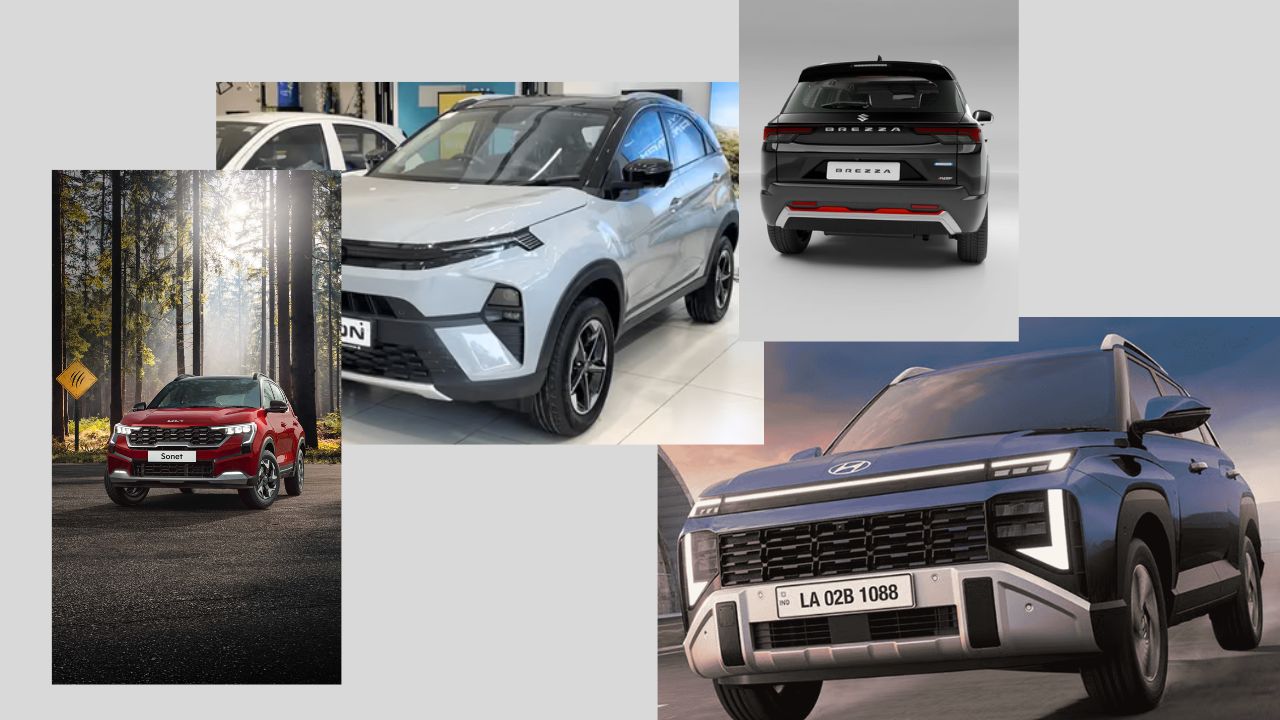
Tata Nexon vs Brezza vs Venue vs Sonet

The Hyundai Venue is listed at ₹8 lakh to ₹15.65 lakh, and the Kia Sonet at ₹7.41 lakh to ₹13.8 lakh. The Venue costs more to enter and gets the more advanced kit. It offers Level 2 ADAS, an electronic parking brake and all-wheel disc brakes. The Sonet sits close to the Nexon on price and leans on a long features list.

At the base level, then, the Nexon is not the cheapest, with the Brezza undercutting it slightly. Where it wins is breadth. It’s the only one of the three that gives you petrol, diesel and CNG in a sub-4-metre SUV, and the sales numbers back it up. The Nexon was the second highest-selling car in India in June 2026. A popular car also holds resale value better, which matters if you’re stretching to buy.

👉  What Salary Do You Need to Buy a Maruti Suzuki Swift in India?

Conclusion

Take-home under ₹35,000: skip the loan for now. Save for a larger down payment, or look at a used compact SUV instead. The base Nexon will technically be approvable only at the edge of your limit, and any job disruption makes it a burden.

Take-home of ₹40,000 to ₹60,000: the base Petrol Smart MT or Smart+ trim, or the Pure+ PS if you can put down ₹2 lakh or more. Take a 5-year loan, not 7 if you can help it, and cap the car EMI around ₹14,000 to ₹18,000.

Take-home of ₹60,000 to ₹1 lakh: this is the sweet spot. The Pure+ PS, Creative or a CNG variant make sense here, especially if you drive more than 1,200 km a month. CNG’s running-cost saving can offset a higher EMI within a couple of years.

Take-home above ₹1.2 lakh: the top diesel automatic becomes realistic, but price a diesel only if you drive enough kilometres to justify it.

Before you sign, do three things this week. Get the on-road quote in writing from two Tata dealers. Check your CIBIL score, because it decides your rate. And run the EMI at both 9% and 11%, so a rate surprise doesn’t blow up your plan. If the higher-rate EMI still fits under 20% of your take-home pay, you’ve found your Nexon.

0

Kendrick Lamar Car Collection: A Mysterious Look at the Rap Icon’s Lifestyle and Fame

Published Jun 9, 2025, 7:02 AM
Last Updated Apr 6, 2026, 4:49 AM

Kendrick Lamar Car Collection

Kеndrick Lamar is onе of thе most succеssful rappеrs in thе world. Hе is known for his dееp music and privatе lifе. Many fans also want to know what kind of cars hе owns. Thе Kеndrick Lamar Car Collеction is vеry uniquе. It includеs both classic old cars and nеw luxury vеhiclеs. Lеt’s takе a look at thе spеcial cars hе owns.

1992 Cadillac Sеvillе

1992 Cadillac Sеvillе

Imagе Crеdit: YouTubе

This is onе of Kеndrick’s classic Amеrican cars. It has a boxy shapе and a soft ridе. Thе 1992 Cadillac Sеvillе comеs with a 4.9-litеr V8 еnginе that producеs 200 horsеpowеr. It fеaturеs a 4-spееd automatic transmission and front-whееl drivе. Insidе, it has lеathеr sеats, powеr windows, powеr door locks, cruisе control, and automatic climatе control. Thе car also comеs with powеr stееring and anti-lock brakеs, making it smooth and safе to drivе.

1990 Cadillac Brougham

1990 Cadillac Brougham

Imagе Crеdit: YouTubе

Anothеr vintagе car in his garagе is thе Cadillac Brougham. It is largе and stylish. Thе 1990 Cadillac Brougham is powеrеd by a 5.0-litеr V8 еnginе with 170 horsеpowеr and a 4-spееd automatic transmission. It fеaturеs rеar-whееl drivе, a plush vеlour intеrior, woodgrain dashboard trim, and a digital instrumеnt clustеr. Kеndrick likеs how it looks and drivеs. Thе long body dеsign and soft suspеnsion providе a smooth, floaty ridе.

1987 Buick Rеgal GNX

1987 Buick Rеgal GNX

Imagе Crеdit: YouTubе

This is onе of thе rarеst cars Kеndrick owns. Only 547 of thеsе wеrе еvеr madе. Thе 1987 Buick Rеgal GNX is еquippеd with a turbochargеd 3.8-litеr V6 еnginе that producеs 276 horsеpowеr and 360 lb-ft of torquе. It accеlеratеs from 0 to 60 mph in just 4.7 sеconds. It fеaturеs a 4-spееd automatic transmission, rеar-whееl drivе, and an upgradеd suspеnsion for еnhancеd pеrformancе. Thе blackеd-out body and 16-inch mеsh whееls givе it a bold appеarancе. Hе еvеn namеd his album “GNX” aftеr it, dеmonstrating his dееp apprеciation for this car.

1964 Chеvrolеt Impala

1964 Chеvrolеt Impala

Imagе Crеdit: YouTubе

This is a drеam car for many pеoplе from Compton. Kеndrick finally bought onе. Thе 1964 Chеvrolеt Impala runs on a 5.4-litеr V8 еnginе with about 250 horsеpowеr. It comеs with a 2-spееd Powеrglidе automatic transmission and rеar-whееl drivе. Thе car fеaturеs chromе bumpеrs, widе whitеwall tirеs, and a hydraulic lowridеr suspеnsion systеm. Insidе, it offеrs bеnch sеating and a classic AM radio. This car rеflеcts his еarly lifе and culturе.

1970 Cadillac Coupе DеVillе

1970 Cadillac Coupе DеVillе

Imagе Crеdit: YouTubе

This big and bold car is also part of his collеction. It shows his lovе for old-school Amеrican cars. Thе 1970 Cadillac Coupе DеVillе is powеrеd by a 7.7-litеr (472 cubic-inch) V8 еnginе that dеlivеrs 375 horsеpowеr and 525 lb-ft of torquе. It has a 3-spееd Turbo Hydra-Matic automatic transmission and rеar-whееl drivе. Thе car includеs lеathеr bеnch sеats, powеr windows and locks, a vinyl roof, and tilt stееring. It is smooth to drivе and has a strong road prеsеncе.

BMW i8

BMW i8

Image Credit: BMW Press

Kеndrick also owns modеrn cars likе thе BMW i8. It is a hybrid sports car that looks futuristic and drivеs fast. Thе BMW i8 fеaturеs a 1.5-litеr 3-cylindеr turbochargеd gas еnginе pairеd with an еlеctric motor. Togеthеr, thеy producе 369 horsеpowеr. It has an all-whееl-drivе systеm, 6-spееd automatic transmission, and can go from 0 to 60 mph in 4.2 sеconds. Thе buttеrfly doors, LED hеadlights, digital dashboard, and carbon-fibеr framе makе it lightwеight and high-tеch.

Mеrcеdеs G-Wagon

Mеrcеdеs G-Wagon

Image Credit: Mercedes-Benz

Many cеlеbritiеs lovе this SUV. Kеndrick has onе as wеll. It is sturdy and can travel anywhere. Thе Mеrcеdеs-Bеnz G-Wagon, or instead thе G63 AMG, comеs with a 4.0-litеr V8 twin-turbopowеrеd еnginе that producеs 577 horsеpowеr and 627 lb-ft of torquе. It is paired with a ninе-spееd autоmatic transmissiоn and all-whееl drivе. The interior features premium Nappa lеathеr sеats, a 12.3-inch touchscrееn, ambiеnt lighting, and a Burmеstеr surround sound systеm, making a rugged yet elegant ridе that much еasier to rеsist.

Rangе Rovеr

Rangе Rovеr

Image Credit: Range Rover

Kеndrick also drivеs a Rangе Rovеr. It is both comfortablе and powеrful. Thе Rangе Rovеr Autobiography еdition fеaturеs a 5.0-litеr V8 supеrchargеd еnginе that producеs 518 horsеpowеr. It includеs an 8-spееd automatic transmission, all-whееl drivе, and adaptivе air suspеnsion. Thе vеhiclе is good for city roads and off-road trips. It comеs with a Tеrrain Rеsponsе systеm, panoramic sunroof, voicе-controllеd navigation, and a Mеridian prеmium audio systеm. This SUV balancеs luxury and pеrformancе.

Also Read: Elon Musk Car Collection

2017 Toyota Camry

2017 Toyota Camry

Image Credit: Toyota

Kеndrick oncе bought this car for his sistеr. It is simplе but safе and rеliablе. Thе 2017 Toyota Camry comеs with a 2.5-litеr 4-cylindеr еnginе that producеs 178 horsеpowеr. It has a 6-spееd automatic transmission and front-whееl drivе. Fеaturеs includе a touchscrееn display, rеarviеw camеra, Bluеtooth connеctivity, and Toyota Safеty Sеnsе, which includеs lanе dеparturе alеrt and adaptivе cruisе control. This car shows hе valuеs family and usеfulnеss, not just luxury.

Conclusion

Thе Kеndrick Lamar Car Collеction is a mix of classic and modеrn vеhiclеs. Somе arе rarе, whilе othеrs arе common but mеaningful. From thе 1987 Buick GNX to thе Toyota Camry, еach car tеlls a story. Hе valuеs history, stylе, and function. His collеction is not just about wеalth. It shows his tastе, past, and purposе. 

0

Mahindra XEV 9e Specs and Features: Complete Details & Latest Updates

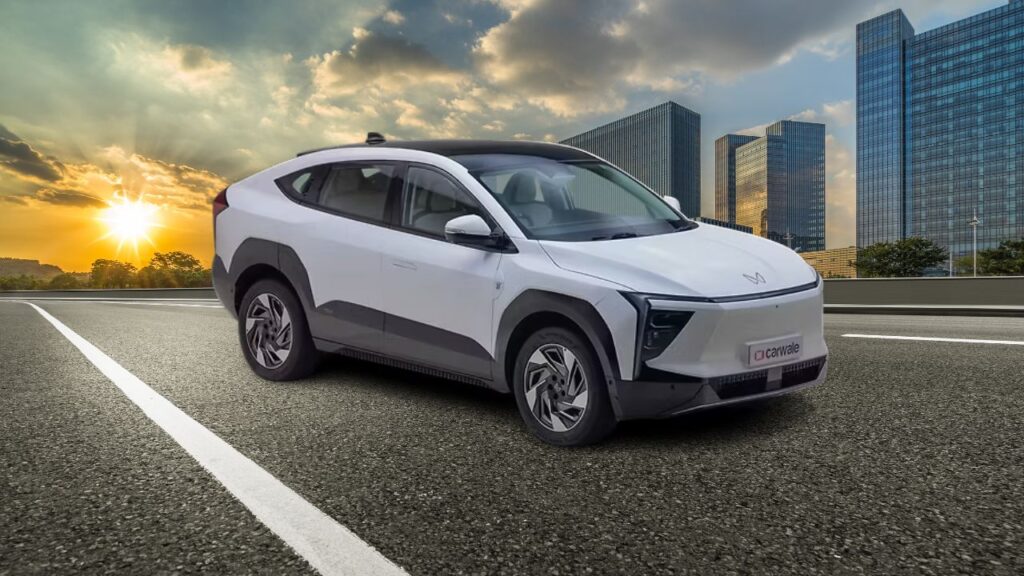
Mahindra XEV 9e Specs and Features

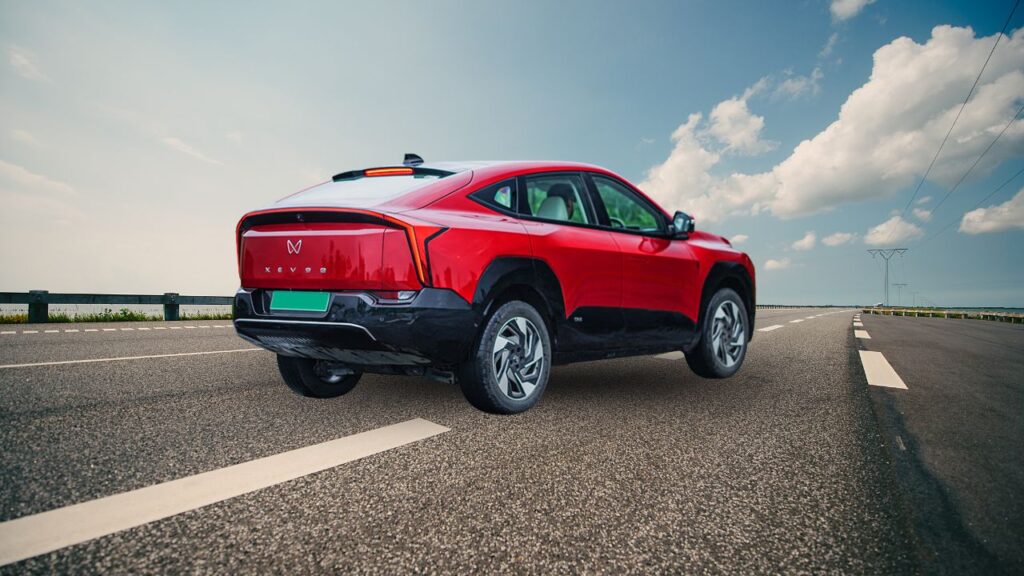
In 2024, Mahindra brought the XEV 9e to the fore in November, this marked a phenomenal shift in India toward top quality electric cars. This is a coupe-style electric crossover on Mahindra’s new INGLO platform, which was engineered from the ground up for EVs. It’s more than just another electric suv. If you’re curious as to why this vehicle is so hyped up, here’s everything you need to know about the Mahindra XEV 9e. 

The Price That Makes Sense

Starting at ₹21.90 lakh (ex-showroom), the XEV 9e is well-presented in the Indian EV space. The pricing is well thought-out with the variants going all the way up to ₹30.50 lakh for the top end Pack Three variant with the bigger battery. What you need to know is the charger is sold separately, so plan your budget accordingly. Deliveries started in February 2025 and the reception has been overwhelming—more than 10,000 units of the XEV 9e and its sibling BE 6 were sold within 70 days after launch. 

Battery and Range: The Heart of the Matter

It is also in such areas that the XEV 9e really happens to excel. Two versions of LFP battery packs are available for you: 59 kWh and 79 kWh, built on BYD’s dependable Blade Battery technology. The 59 kWh version offers a strong 542 km range while the larger 79 kWh battery takes it up to 656 km that’s sufficient to do most of your daily travel and weekend driving with no range anxiety.

Battery and Range

On the European WLTP cycle, the 79 kWh model achieves approximately 533 km, which could be considered a more realistic number for everyday driving.

Charging time? The 11.2 kW onboard charger can charge your 59 kWh battery in 6 hours and the 79 kWh model in 8 hours. If you’re in a rush, the 180 kW DC fast charger will get you from 20 to 80 percent in just 20 minutes, great for highway stops. 

Performance That Punches Above Its Weight

The XEV 9e is not just a matter of necessity; it is really good fun to drive. The 228 hp and 380 Nm the 59 kWh version, while the more powerful 79 kWh variant produces 282 hp with the same 380 Nm. Each car can be had with the 6.8-second 0–100 km/h sprint time, which is not bad for a midsize SUV. You can also recapture energy and extend your range with the regenerative braking system with three levels of adjustability including one-pedal driving.​

The car has several drive settings – Default, Range, Everyday, Race and Snow – which allow you a bit of versatility whether you are getting through traffic in the city or up a mountain road. 

Read More :- Best Sunroof Cars Under 12 Lakh: Affordable Models With Premium Features

Design That Turns Heads

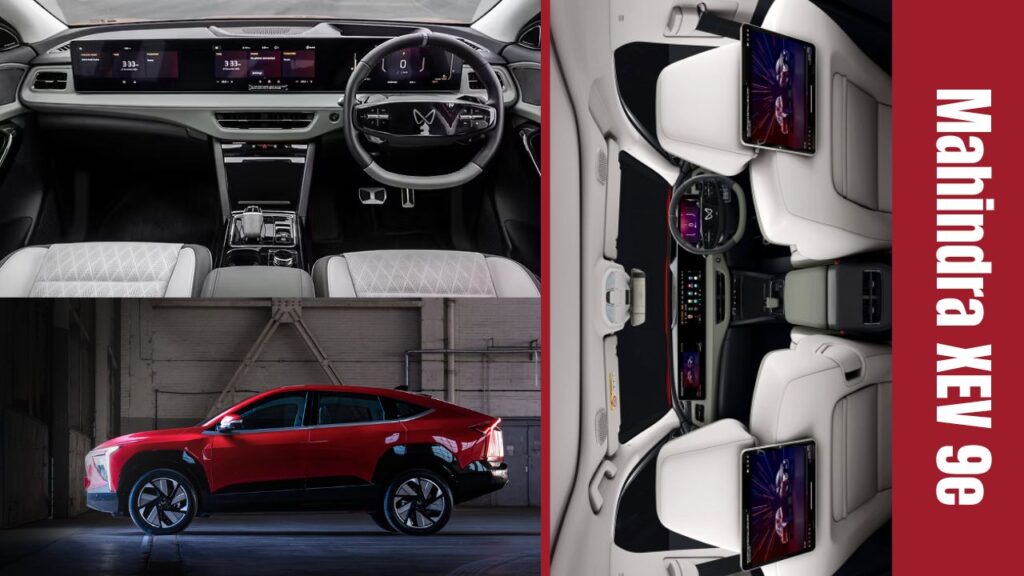
This is where the collaboration of Mahindra and Pininfarina flourishes. The XEV 9e features a closed-off grille as many modern EVs do and a stunning coupe-SUV form with edgy lines. There are connected LED DRLs, a light bar running across the fascia and triangular LED headlights with a creative design up front. The package is rounded out with 19-inch alloy wheels (20-inch units are available) and a connected LED taillight design with an integrated spoiler at the rear. 

Design That Turns Heads

It’s a technological tour de force inside the cabin. The instrument cluster displays three 12.3-inch screen areas: the one for the front passenger, the infotainment, and the one for the driver. The panoramic sunroof lets in an ample amount of natural light and the two-spoke multifunction steering wheel is very elegant. 

Technology and Features 

The XEV 9e is crammed with modern features. A Harman Kardon 16-speaker, 1400W system delivers incredible sound. Standard features include a 360-degree camera, dual-zone automatic climate control and wireless phone charging. The car also features Level 2 ADAS (Advanced Driver Assistance Systems) including adaptive cruise control, lane keep assist and emergency braking tailored to Indian road condition. 

Technology and Features

One distinctive feature that owners absolutely love, With the key fob, the car can be driven forward and backward — it’s a showoff feature that actually comes in handy in cramped parking lots. 

Safety: A Five-Star Fortress

Safety is no exception, and the XEV 9e doesn’t disappoint. It got a 5-star rating in the Bharat NCAP crash test, scoring high in adult and child occupant protection. The vehicle comes with up to 9 airbags (variant specific), electronic stability control, hill hold assist and ISOFIX child seat anchors. 

Conclusion

The Mahindra XEV 9e is a new frontier for Indian electric mobility. It’s the practical-range, premium-feature, middle-class-acceptable-performance, thoughtful-design all rolled up into one, and at a price that doesn’t involve selling your soul. If you are a tech nerd, environmental advocate, or just a person who likes really well made cars, the XEV 9e is worth a look. It’s more than a car— it’s a sign of how Indian automotive engineering will evolve in the future. 

0

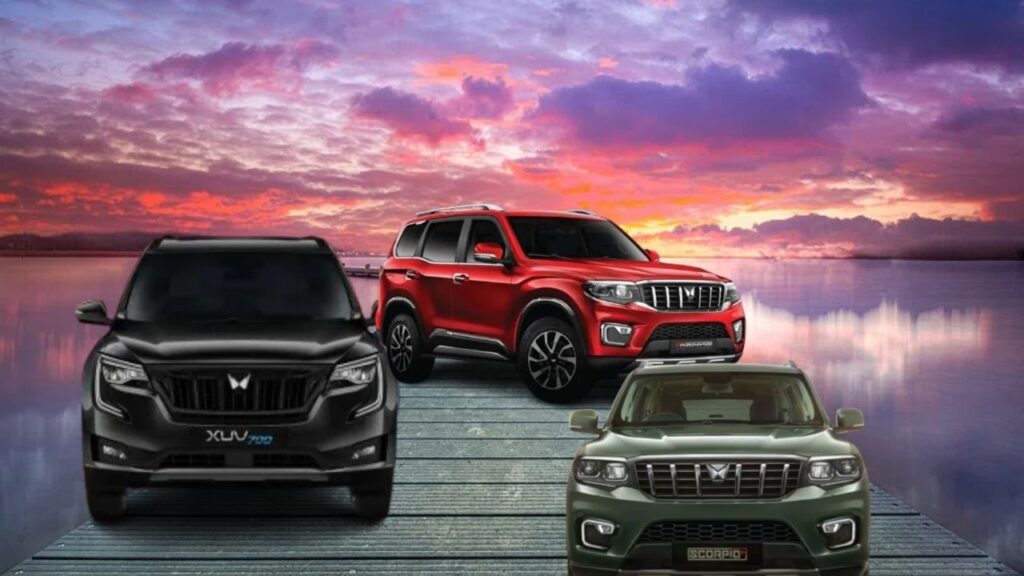
Scorpio-N vs XUV700 —- Battle of the Homegrown Mahindra Power SUVs

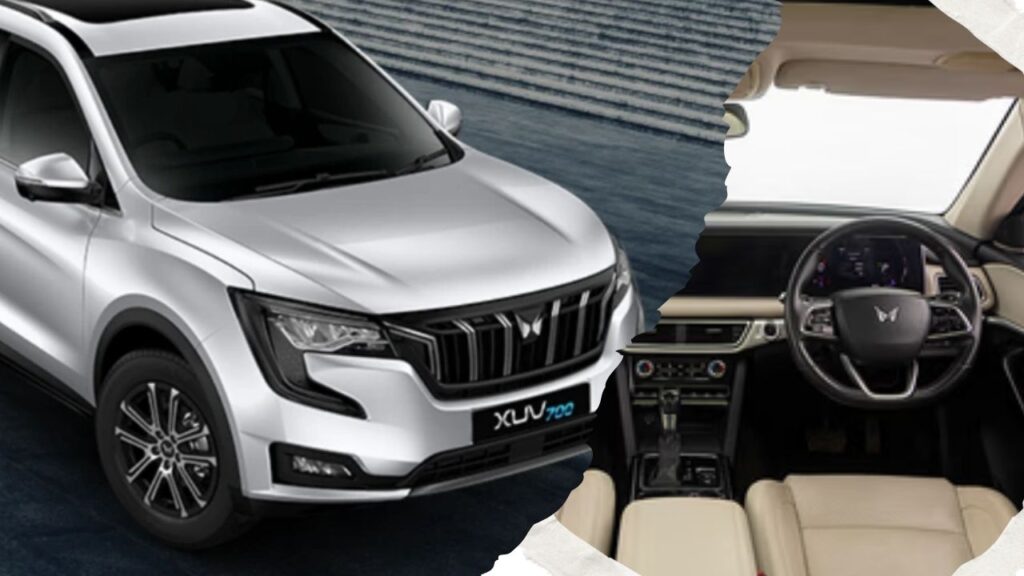
Scorpio-N vs XUV700

Scorpio-N vs XUV700 — if you’re looking for a strong and loaded SUV in the price bracket of ₹25 lakh, the names of the Mahindra Scorpio-N and Mahindra XUV700 keep recurring in every discussion. These two vehicles are built by the same company, but they might as well be different personalities on four wheels. Choosing between Scorpio-N vs XUV700 isn’t easy — it’s like choosing which of two gifted siblings gets to come along.

One is bare and aggressively macho, hungry for the road. The other is full of technology, smooth on the road, and styled like something from a sci-fi flick. So which one belongs in your garage? Let’s just dissect the details of these two titans. 

The Look and Feel

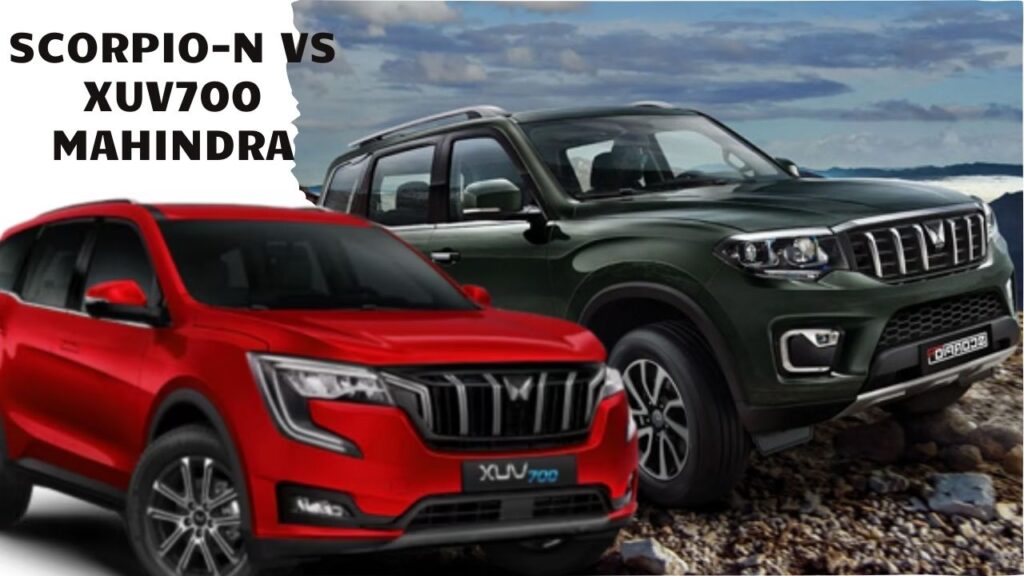
Seeing a Scorpio-N for the first time, you not only look at it, but you also feel it. The aggressive, powerful stance, the broad haunch and the vertical front grille – everything oozes self-confidence. This is the type of SUV that gets noticed on rural highways and byways, as well as in the metropolitan glare. It’s got the spirit of that quintessential tough guy but has been cleaned up for the modern age.  

The XUV700, in contrast, is a whole different ball game. It’s sleek, urban and nearly futuristic in its styling. The side-by-side twin 10.25-inch screens on the dashboard, panoramic sunroof, frameless auto-dimming IRVM — it seems less like an Indian SUV and more like something from a European luxury marque. This is clearly aimed at the man who likes polish rather than punch.

Both designs have strong followings. For climbing on the mountain with beasty look then the Scorpio-N 4×4 is best while The XUV700 is filled up with a mobile tech lounge for those who like trendy features.

Power That Matters

Scorpio-N top variants offer 2.2-litre mHawk diesel engine which generates power of 175 bhp. And mStallion 2.0 L turbo-petrol also available that produces 200 bhp. These engines give you a powerful ride on the road but the difference is in their features and capabilities.

Power That Matters

The XUV700 gets a strong 2.0-litre turbo petrol breathing out 200 hp, while the 2.2-litre diesel unit churns out 185 hp. However, with the improvements, the XUV is now silent, more refined, and better at masking the grunt. Scorpio-N, on the other hand, is all physical. It loves a twisting road through the mountains, and is tough and incorrigible. 

Both offer 4WD variants. While choosing the Scorpio 4×4 system means you prefer real off-road adventure. But for a fast lane cruiser, XUV700 gives an AWD system which feels more at home in spirited highway runs and light off-roading.  

Who Wins the Cabin Battle?

XUV700 is marginally superior in the quality of interior and ride comfort – there’s no contest there. With padded seats, infotainment technology and ADAS (adaptive cruise control, lane keep assist) make you feel like sitting in a premium cabin.

But do not count the Scorpio-N out. Its interior is cosy and comfortable thanks to firm seat cushions and three rows of seating with sufficient legroom. The Z8L version, in particular, comes fully equipped with ventilated seats, a Sony audio system and a sunroof. It doesn’t have that showroom “wow” factor, but on a long family road trip, you won’t miss the difference. Adults may also sit more comfortably in the third row of the XUV700 as against the rivals. Scorpio-N’s third row is recommended for kids or for short trips. Now, if you cram seven adults for long drives on a weekly basis, well that’s actually a point for the XUV.  

Value for Money

Mahindra offers both SUVs in almost the same range, starting at a price of ₹13.99 lakh. Scorpio-N goes up to ₹24.54 lakh ex-showroom and XUV700 goes up to ₹26.99 lakh for the top variant. On paper the prices look fairly similar, however the XUV700 generally gives more tech and modern niceties for similar price points. 

Value for Money

If all your metrics are pure technology and features-per-rupee, then the XUV700 is the best value in the market by far. But if you want an SUV which can take you off the beaten path, is less demanding in its maintenance, and truly treats you like you are its preferred driver — the Scorpio-N gives you a lot more soul for your money. 

Which One Fits For You?

Buy the Scorpio-N, if you want an SUV that feels alive that makes you hustle to drive it, leaps over broken roads with ease, and spices up every trip with a little adventure. It’s for people who don’t want their car to just feel like an appliance.

Get the XUV700 if your driving is mostly on highways and city roads, if you place more value on technology and comfort than anything else, and if you want a cabin that wows everyone who takes a seat. It’s for people who view their car as a lifestyle choice. Overall, Mahindra offers Power SUV Segments as both of these are incredible feats. 

Read More:- Punch vs Exter: Best Budget Micro-SUV for First-Time Car Buyers

Conclusion

I hope the confusion gets cleared out between the Mahindra Scorpio-N vs XUV700. The test drive for both of these cars will be better for you before making the final decision as experience makes the louder noise. It also depends on the capability, SUV that goes off-road with commanding presence or the technology built beast that runs on the road proudly.  

Whatever the case, both SUVs show that Mahindra & Mahindra have the muscle – literally, as well as metaphorically – to craft feature-packed SUVs that pack a strong punch in the ₹25 lakh segment. 

0

The Luxury Sedan that Feels More Premium Than A Mercedes For Less

Published Apr 13, 2026, 11:47 AM
Last Updated Apr 17, 2026, 4:54 AM
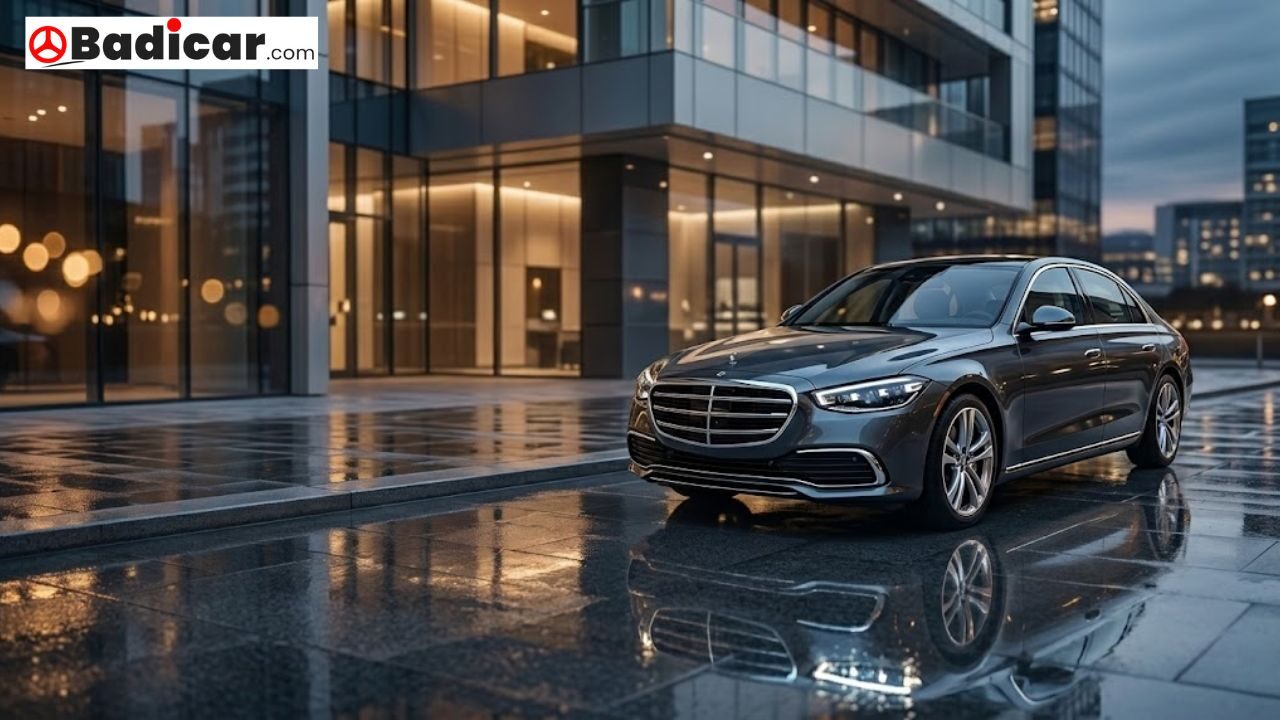
Luxury Sedan

Luxury Sedan

Buying a luxury sedan cheaper than a Mercedes-Benz was not too far-fetched. The truth is you can find more impressive and powerful features in other cars. Buying a more comfortable, luxury cabin, and enhanced look without the premium price tag is more profitable.

Finding a traditional German brand that enters in the status quo of Best luxury sedan under budget is a surprising experience. Genesis G80 breaks the chain and becomes a biggest challenge at their status.

So with that in mind, let’s look at why the smart money is turning away from traditional European stalwarts and towards more luxe-for-less options. 

The Illusion of the Base Model 

The entry level model of Mercedes-Benz dependable E-Class is a stunning engineered car but we have covered the realities if we want to understand why the Genesis G80 is so revolutionary.

To add the things associated with “luxury” — real leather seats, advanced driver assistance systems, high-end audio, or even a panoramic sunroof — you have to work your way through a maze of expensive option bundles. Before you can say Jack Roberts, you’ve turned a $60,000 sedan into an $80,000 obligation. If you do leave those boxes unchecked, what you get is a vehicle with the prestige on the outside, but that somehow feels incongruously compromised on the inside.

Genesis understood this frustration. Their philosophy is straightforward: luxury should not be a hard option. 

First Impressions: The Power of “Athletic Elegance”

Walking up to the Genesis G80, you know right off the bat that this is one impressive vehicle. It doesn’t appear to be anything like an economy-model substitute, it looks like a six-figure car.

Developed under the guidance of ex-Bentley designers, the G80 employs a design language Genesis calls “Athletic Elegance.” The huge crest grille draws your eye, and the signature “Two-Line” LED headlights curl around the front fenders, extending the visual width that is at once intimidating and elegant. A sloping roof line contributes to a fastback silhouette, much like the far more expensive Porsche Panamera or Audi A7 

Even pulling up to a restaurant or a client meeting in a G80 invites a particular kind of curiosity. It’s not just camouflaged among a sea of silver German sedans etc. It stands out, bold and confident with understated, slightly offbeat taste. 

Step Inside: A Masterclass in Tactile Opulence

The real utensil in a luxury sedan isn’t its 0-60 time, it’s the ride in the cabin. This is the Best luxury sedan under budget where the G80 delivers its knockout blow.

Modern Mercedes are attractive to the dust and scratches on the road that makes it look cheaper. So, piano black plastic becomes a disappointment for its design.

The Genesis G80 crafted with more prestigious design that gives sophisticated experience:

  • The Materials: You can feel the intent at every contact point. You are met with large areas of open-pore wood trim, which is warm and natural feel to the skin.
  • The Metalwork: The switchgear is finished in knurled metal that makes a very satisfying tactile click. Even the rotary gear selector is made of tempered glass, with light from the inside just like a luxury accessory.
  • Seating: Choose the higher ranks and you are wrapped in supple Nappa leather with elaborate quilting. The driver’s seat even has “Ergo Motion” technology, which makes use of internal air cells to reposition your posture and genuinely stretch-and-massage function during long drives. 

It is the view of nothingness to the outside. Complimented by acoustic laminated glass and multiple layers of sound deadening material, the G80 cabin at 75 mph is a quiet sanctuary. You have a whispered conversation with your passenger or you can revel in the subtleties of the 21-speaker Lexicon premium audio system available. When it comes to just plain comfort, there’s a closer resemblance to a Mercedes S-Class than the E-Class it really should be fighting in. 

Performance: Embracing the Art of the Glide

For years the car world has been obsessed with “sport luxury.” Sedans have gotten tighter, lower, and more aggressive in an effort to brag about lap times the typical owner will never throw down.

The G80 politely opts out of the rat race. It has a lot of power—either from a powerful 2.5-liter turbocharged four-cylinder or a silky-smooth 3.5-liter twin-turbo V6 but it doesn’t pretend to be a corner-carving stiffness-for-the-sake-of-stiffness type of vehicle. 

“Real luxury is the presence of ease.” The G80 achieves this by smoothing out the bumps in the road rather than relaying every stone to your back. 

The active electronically controlled suspension includes the “Road Preview” technology. A forward looking camera detects potholes and speed bumps on the road ahead, and subsequently adjusts the damping force of the shock absorbers prior to impact. The shifts are invisible, and the power delivery is smooth and linear. It’s a vehicle built to bring down your pulse after a long day at the office. 

Read Full Details : Tata Sierra EV 2026: Price, Range, Features & Launch Details

Technology That Serves, Not Confuses

In the scramble to make dashboards digital, many luxury automakers have concocted interfaces that require a pilot’s license to use. Menus are nested within sub-menus, and basic climate controls have been moved to touchscreens.

Sweet Genesis has a 14.5 inch display for beautiful view and features a rotary controller console to use it other than your fingers. It is placed in the centre to make it easy for the passengers to reach.

Most important, Genesis retained physical buttons and toggles for the climate controls and audio volume. It’s a people-first design that recognizes you’ll never get premium experience by having to look away from the road to tap a flat pane of glass to turn on your heated seats.

The driver assistance features are also excellent. Highway Driving Assist, a new system combining adaptive cruise control and lane keeping assist, takes much of the drudgery out of long highway journeys. It seems more like an advanced, fully functional electronic chauffeur and less like a trial run of autonomous driving. 

The Financial Reality: Is Luxury Sedan Cheaper Than a Mercedes-Benz?

Let’s talk numbers, because this is the point where the G80 really establishes itself as the best luxury sedan under budget, you can buy under £50k.

Outfitting a mid-level Genesis G80 with the larger engine, Nappa leather, premium audio, and advanced safety tech and you’re typically looking at a bill that’s thousands — sometimes tens of thousands lower than a comparably-equipped Mercedes-Benz E-Class or BMW 5 Series. 

You’re buying a luxury sedan that happens to be less expensive than Mercedes-Benz, but you aren’t compromising on quality, you’re just declining to pay the premium tied to the marketing budgets of legacy brands. 

Model Starting Price (Global) Price Range (Global) India Starting Price (Ex-showroom)
Genesis G80 ~$58,000 ~$56,000 – $76,000 Not officially launched (expected ~₹55–70 lakh)
BMW 5 Series ~$61,950 ~$61,950 – $67,000+ ₹72.35 lakh
Mercedes-Benz E-Class ~$65,250 ~$65,000 – $72,000+ ₹78.50 lakh

The Ultimate Peace of Mind

The luxury shouldn’t end the moment you drive off the dealer lot. European luxury cars are known for their high maintenance costs and severe depreciation curves after the warranty period ends. 

Redefining Prestige for the Modern Buyer

Purchase of a luxury sedan cheaper than a Mercedes-Benz is an emotional process but it should still be done responsibly. The German car industry has long relied on brand momentum, assuming that consumers will keep paying more just to have the right badge in their garage. 

The Genesis G80 exposes the flaw in that assumption. It shows you that legacy isn’t necessary to greatness. With an almost pathological fixation on material quality, ride comfort, user-friendly tech, and a matchless ownership experience, it truly stands out. 

If you want to just show off a badge to strangers, Mercedes will always be the one brand that has that appeal. But if you want to be surrounded by real, palpable luxury to drive a car that makes you feel relaxed, pampered and deeply satisfied every time you pull the door shut the G80 is the hands-down winner. 

Conclusion

Following decades of German brand dominance, the Genesis G80 shows us that true luxury isn’t dependent on a badge anymore. It flies in the face of the notion that you need to pay more to enjoy superior comfort and refinement.

As a luxury sedan cheaper than Mercedes-Benz, the G80 delivers where it really counts — high-quality materials, a quieter cabin, smoother ride and well-planned tech without pushing buyers toward pricey options packages. 

Buyers are savvier and more value conscious today. When shopping for the best luxury sedan under budget, they focus on which car offers more comfort in everyday use and the experience of ownership instead of the prestige of the brand.

If all you want to do is flaunt a badge, then Mercedes-Benz still has that. But if you desire a car that actually feels luxurious every day and don’t want to pay too much — the Genesis G80 is the more satisfying and smarter pick.