0

Tata Sierra EV 2026: Price, Range, Features & Launch Details

Published Apr 9, 2026, 9:13 AM
Last Updated Apr 17, 2026, 4:55 AM
TATA Siera EV

TATA Siera EV

If you lived in India during the 1990s, talk about the Tata Sierra and you’ll get hit with a big wave of nostalgia. It was a lifestyle SUV well before lifestyle SUV was a marketing buzzword. It wins hearts with outstanding design and Tata Sierra EV 2026 comes back with the more beautiful design and color which beautifully crafted tribute to our heritage, and a bold vision for tomorrow’s electric mobility. 

If you are eagerly waiting for this new icon of Tata Motors then take a look at the price, range, features, and everything you need to know about this exciting electric beast. 

The Comeback We Have All Been Waiting For

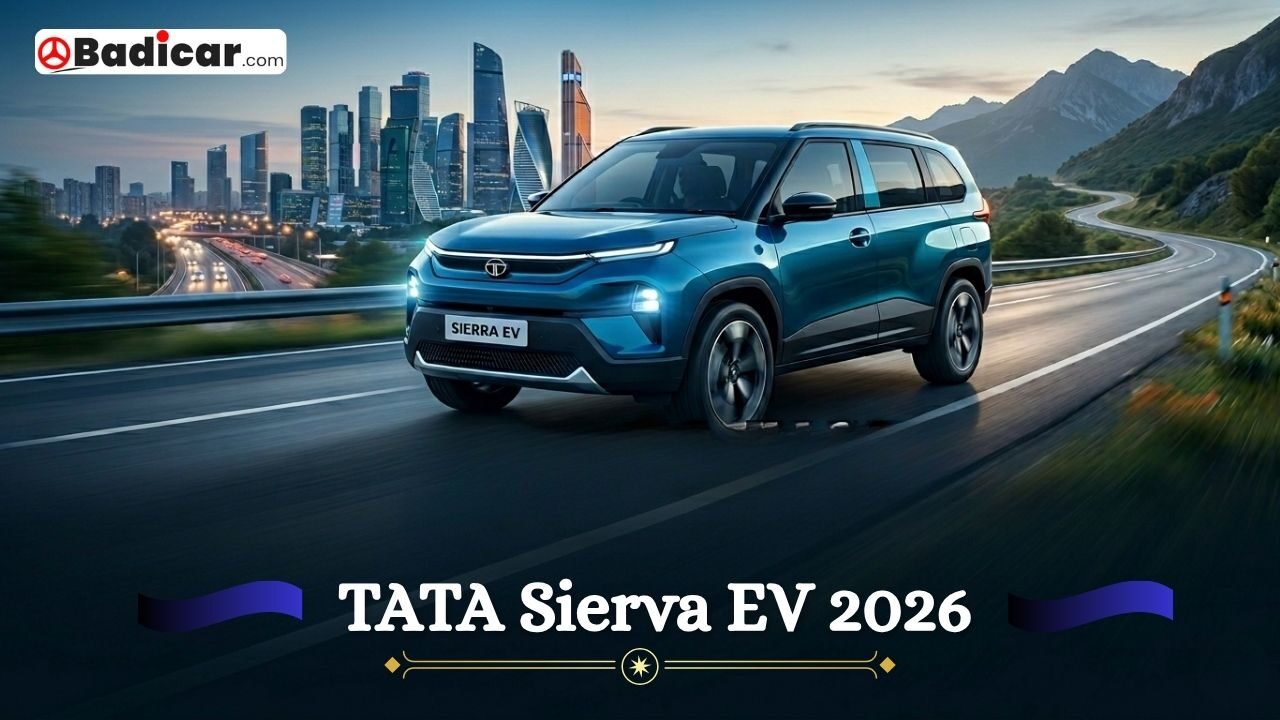
It’s tough to not get caught up in the excitement when a car company brings back an icon, but let’s be completely honest: nostalgia doesn’t move cars today. Buyers require substance, cutting-edge technology, and indomitable reliability. The Tata Sierra EV 2026 is an incredible blend of reminiscing about its roots and gazing straight into the future. Built on Tata’s new Gen-2 Acti.ev platform, the all-new Sierra jettisons the notoriously impractical three-door arrangement of the 90s for a far more family-friendly five-door layout. 

Nevertheless, the design team excellently manages to retain the visible DNA of the car. The iconic wraparound glass at the back, the high mounted hood and the upright stance are all still there, proudly on display. However, Tata has introduced flat door handles, aero-optimized alloy wheels and a smooth closed-off front grille for better aerodynamics in the electric age. 

It looks masculine, premium and there’s no denying it’s completely modern. It’s the sort of vehicle that will make a statement whether you’re driving up to a swanky restaurant in town, or taking it out on a weekend camping trip in the hills. 

Tata Sierra EV 2026: Expected Pricing

Let’s discuss the what is perhaps the most important factor for any vehicle buyer: the price. EVs naturally have a cost premium over Internal Combustion Engine (ICE) vehicles because of battery costs, and the Sierra EV will be a premium lifestyle product in Tata’s expanding electric portfolio. It will most probably be positioned above the Nexon EV and Curvv EV, at the side or just below the top-tier Harrier EV. 

The 2026 Tata Sierra EV base variants, equipped with the standard battery pack, are expected to start from a very attractive price bracket of Rs 15 lakh to Rs 18 lakh. That said, you should be prepared to pay somewhere between Rs 24 lakh and Rs 25 lakh (ex-showroom) for the top-spec, long-range variant which comes equipped with an All-Wheel Drive (AWD) system and all the tech goodies. Given the technology, space and road presence on offer, that pricing strategy could cause a few more established mid-size electric SUV rivals to waver. 

The Tata Sierra EV Range 

To build on the proven tech in the Curvv EV and the Harrier EV and to improve therein, Tata will probably offer the Sierra EV in multiple battery pack options. 

Standard Range Battery: The base variants are expected to come with a 55 kWh battery pack, which is likely to easily provide the stated 450 km of range. 

Long Range Battery: For highway travelers, Tata will offer an option for a high-capacity 60 kWh to 75 kWh battery pack. An IGA testing cycle might push up the Tata Sierra EV’s range from 500 to 600+ kilometers on a single charge with this bigger pack.  

Even more exciting is the design of the drivetrain. Standard versions will be Front-Wheel Drive (FWD) for maximum efficiency, but high-end models are expected to come with a dual-motor All-Wheel Drive (AWD) configuration. That means the Sierra won’t merely have the looks of a rugged off-roader, it will have the instant-on torque and mechanical grip to get out and go on rough roads. Also, with anticipated vehicular (V2L) and vehicular (V2V) fast-charging functionalities, your SUV could be used to power your camping outdoor gear or give a quick charge to your EV buddy stuck on the road. 

Stepping Inside: Next-Level Features and Tech

While the interior exudes futuristic luxury, the exterior draws inspiration from retro-modern aesthetics. When it comes to cabin design, Tata Motors has been consistently upping the ante and the Sierra EV will be their most premium and comfortable offering yet. 

Triple-Screen Dashboard 

The focal point of the interior will be an advanced triple-screen configuration. You will receive a digital instrument cluster for the driver, a huge central infotainment screen running the Arcade.ev app suite, and a separate screen for the front passenger to watch entertainment without diverting the driver.

Luxury Arrangement 

There were also dual-zone climate control and a huge panoramic glass roof (dubbed “PanoraMax” – in a slight branding overkill) that claims to flood the cabin with sunlight and brings in the airiness of the original Sierra’s glasshouse. The interior would be lined in boned leather and the seats would be powered and ventilated. 

Independent Rear Suspension (IRS)

A significant mechanical improvement over traditional beam axles, an IRS setup guarantees a cushy and stable ride on the chaotic and potholed Indian roads.

High Level of Safety 

It likely comes with six airbags as standard, a high-res 360-degree camera, and Level 2 ADAS (Advanced Driver Assistance Systems), including adaptive cruise control, lane keep assist, and autonomous emergency braking. 

Tata Sierra Launch Date

So when will you really have the wheel in your hands? The excitement had been simmering for years since the amazing concept was first seen at the Auto Expo and the wait is finally coming to an end.

By late 2025, Tata will have petrol and diesel variants but the electric variant will be out sooner. H1 2026 is expected to be the Tata Sierra EV’s official launch date. Trade reports indicate a release in the first or second-quarter 2026 (January – June). And if you’re in the market for a high-dollar car in the coming months, this schedule means the Sierra EV is certainly worth holding off on your buy for just a little while longer. 

Quick Specs Overview

Feature / Specification Expected Details
Starting Price Rs. 15 Lakh – Rs. 18 Lakh (Estimated)
Top Variant Price Rs. 24 Lakh – Rs. 25 Lakh (Estimated)
Expected Launch Timeline Q1/Q2 2026
Battery Pack Options 55 kWh, 60 kWh, up to 75 kWh
Claimed Driving Range 450 km to 600+ km
Drivetrain FWD standard, AWD optional on top trims

Read Also:  Toyota Land Cruiser FJ: India’s Unsung Off-Road Legend

Conclusion

In a segment swarmed with bland SUVs that look like their competitors, the Tata Sierra EV 2026 stands out with its incredibly distinctive design. It revives the emotional link to a classic automotive icon while incorporating advanced technology, a practical driving range and true capability. 

Be it the nostalgia factor, the statement Tata Sierra EV range or the tech laden high-end interiors, it is quite evident that Tata is pouring its heart and soul into this comeback. If you want an electric SUV that looks cool on the street and has an even better story, the Sierra EV could be the perfect addition to your garage. 

Stay tuned as we get closer to the Tata Sierra launch date – the Indian EV space is certainly going to heat up a lot!

Bipin Sharma

Bipin Sharma is a seasoned automotive content writer with over 10 years of hands-on experience in the world of cars. From the latest car news and reviews to in-depth maintenance tips and expert buying guides, Bipin covers everything that drives the automotive world. Writing about cars isn’t just his profession — it’s his passion. His deep industry knowledge and love for automobiles fuel every blog he creates, helping readers make informed decisions and stay updated on the fast-evolving auto landscape.

Leave a Reply

Your email address will not be published. Required fields are marked *

Related Articles

0

Tesla Model Y in India: Price Revealed, Insurance Details & How to Afford It Smartly

Published Jul 22, 2025, 10:58 AM
Last Updated Jul 23, 2025, 9:15 AM

Tesla Model Y in India

Tеsla has officially launchеd its Modеl Y in India today. Thе company opеnеd its first showroom in Mumbai’s Bandra-Kurla Complеx. Thе standard rеar-whееl drivе modеl starts at ₹59.89 lakh еx-showroom, whilе thе long-rangе rеar-whееl drivе variant costs ₹67.89 lakh. Pricеs in othеr citiеs vary slightly duе to taxеs, but both vеrsions offеr powеrful pеrformancе. 

Specifications of the Tesla Model Y 

Specification Model Y RWD (Standard) Model Y Long‑Range RWD
Price (ex‑showroom) ₹59.89 lakh ₹67.89 lakh
Electric Range (WLTP) 500 km 622 km
0–100 km/h acceleration 5.9 s 5.6 s
Top Speed 201 km/h 201 km/h
Battery Capacity (usable) 60 kWh 60.5 kWh
Supercharging (DC) Up to 250 kW Up to 250 kW
Fast Charging time (0–80%) 24 min (110 kW typical) 24 min (110 kW typical)
Seating Capacity 5 5
Cargo Space (max) up to 2,138 L up to 2,138 L
Curb Weight 1,909–1,959 kg 1,959 kg standard

Tesla ships the Model Y from its Shanghai plant as fully built units. Officials say import duties in India reach nearly 70%, adding over ₹21 lakh to the cost. Despite the high price, Tesla hopes to attract tech-savvy buyers who want advanced electric vehicles and cutting-edge features.

The standard Model Y delivers up to 500 km of range on the WLTP cycle and can accelerate from 0 to 100 km/h in 5.9 seconds. The long-range version extends that to 622 km and hits 100 km/h in 5.6 seconds. Both models top out at a 201 km/h maximum speed.

Tesla Model Y in India

Image Credit: YouTube

Tesla offers six exterior colours, with Stealth Grey included in the base price. Options like Pearl White, Glacier Blue, or Ultra Red cost up to ₹1.85 lakh extra. Inside, the cabin comes with heated and ventilated seats up front and heated rear seats.

You get a large 15.4 inch touchscreen upfront and an 8‑inch display for rear passengers. Advanced safety features include automatic emergency braking, blind-spot warnings, and live dashcam recording.

Tesla Model Y

Image Credit : Tesla

Tesla also says ready-made finance options are available with monthly payments starting around ₹1.14 lakh for the standard model, plus a down payment of about ₹6.2 lakh . Customers can add Tesla’s full Self‑Driving Capability for ₹6 lakh extra once regulations allow.

Read More :- Top Sports Cars in India Under 10 Lakhs You Can Buy in 2025!

Tesla India has delivered five units to Mumbai so far. It plans to begin deliveries by Q3 2025. The long-range models are expected to reach customers by October. Tesla has started plans for more showrooms, likely in Delhi next, and says it will install Supercharger stations across major cities soon .

0

How to Save Money on Car Insurance?

Save Money on Car Insurance

Car insurance is one of those expenses that most people don’t think about until the renewal reminder shows up. If you’re wondering How to Save Money on Car Insurance?, the good news is that cheaper insurance doesn’t always mean weaker protection. Many insurers offer the same level of coverage at more competitive rates. There are a number of proven ways to lower your car insurance premiums without compromising on the coverage you need.

Whether you are buying a new policy or renewing an existing one, learning How to Save Money on Car Insurance? and making a few smart decisions—such as comparing quotes, taking advantage of discounts, and choosing the right coverage—can help you save a significant amount each year.

Why Car Insurance Costs Vary

Two people driving the same car model in the same city can end up with completely different premiums. That’s because insurers don’t price car insurance on the vehicle alone — they price the risk you represent as a driver. Your claim history, the area you park in overnight, how old the car is, and even which insurer you’re comparing against all shift the number. 

This is exactly why shopping around matters: a premium that looks “standard” from one insurer can be 20-30% higher than what a competitor offers for the same coverage.

Understand the Factors That Affect Your Premium

Before you can lower your car insurance bill, you need to know what’s driving it up. The main factors include:

  • Insured Declared Value (IDV) — a higher IDV means higher premium, since it’s the maximum payout in case of total loss or theft.
  • Car’s age and make — older cars usually cost less to insure, but expensive parts (German sedans, for instance) push premiums up regardless of age.
  • Location — metro cities with higher accident and theft rates typically carry higher premiums than smaller towns.
  • Engine capacity — bigger engines are taxed at a higher premium slab.
  • Claim history — every claim you make resets your No Claim Bonus clock and signals higher risk to the insurer.

Once you have identified which of these are relevant to you, it is much easier to see where you are being overcharged. 

Compare Car Insurance Quotes Before Buying

This is the one most powerful habit you can have to lower your car insurance cost, and yet almost no one bothers to do it, they just renew with the same company year after year out of laziness. Different insurers assess risk in different ways, so the difference between the cheapest and most expensive quote for the same level of cover can be significant. 

How to Save Money on Car Insurance

Use an online aggregator to fetch quotes from a minimum of four or five insurers before you buy, and check each one for the same IDV and coverage type — else you will not be comparing apples to apples. Five minutes of comparison can save you thousands over the policy year.

Choose the Right Coverage for Your Needs

Third-party car insurance is compulsory in India and the damage caused to another party is covered under it, the repairs of your own car can be claimed under your ‘own damage’. Comprehensive car insurance policy provides coverage for both theft and natural calamities besides accidents. 

If your car is relatively new or still has a lot of value, you’ll want to consider full coverage despite the extra cost. But if you drive an older car and mostly drive it on short trips around town, a third-party policy with a couple of targeted add-ons could be all the coverage you really require. 

If your car is new or still holds significant value, comprehensive coverage is worth the extra premium. But if you’re driving an older car that’s mostly used for short local trips, a third-party policy with a few targeted add-ons might be all you actually need. The goal isn’t to get the lowest price policy—it’s to get the policy that best aligns with your car’s actual risk. 

Increase Your Voluntary Deductible

A voluntary deductible is the amount you commit to paying from your own pocket prior to your insurer’s involvement for a claim. Choosing a higher voluntary deductible on top of the mandatory one reduces your premium since you are taking on more of the risk of small claims.  

It works great if you’re a cautious driver who never or very rarely makes claims. Just be sure the deductible is a figure you could easily lay out in cash if you got in a crash. 

Read More :- Hypothecation in Car Insurance: Everything You Need to Know

Take Advantage of No Claim Bonus (NCB)

No Claim Bonus is a discount which accumulates on every claim free year, it starts at 20% after the first year and goes up to a maximum of 50% by the fifth year. It’s linked to you and not the car, so it transfers even if you sell your old car and get a new one. 

If you’ve gone a few years without a claim, make sure your insurer is actually applying your full NCB at renewal — it’s worth checking the math yourself rather than assuming it’s automatic.

Avoid Making Small Insurance Claims

Making a claim for a tiny scratch or a little dent might seem like you’re making the most of what you paid for, but it usually ends up costing you more in the long run. A minor claim will reset your No Claim Bonus, and losing even 20% of your discount can mean more than what the claim is worth. 

For low-cost repairs, it’s usually cheaper to pay out of pocket and preserve your NCB streak. Save your claims for the incidents that actually justify losing the bonus — major accidents, theft, or significant damage.

Install Safety and Anti-Theft Devices

Insurers offer premium discounts — typically around 2.5% on the own-damage component — for cars fitted with ARAI-approved anti-theft devices. Airbags, ABS, and approved security systems can also nudge your premium down, since they lower the insurer’s risk of a large payout. If your car doesn’t already have these, the discount plus the added safety often justifies the upfront cost.

Renew Your Car Insurance on Time

Letting your policy lapse, even briefly, is one of the costliest mistakes a car owner can make. A lapsed policy means you lose your No Claim Bonus, and you may need a fresh vehicle inspection before the insurer will issue a new one — sometimes at a higher premium because you’re now treated as a higher-risk case. 

How to Save Money on Car Insurance

Set yourself a reminder a few weeks ahead of your renewal date so you can shop around rather than renewing in a hurry with the first renewal reminder you receive. 

Bundle Insurance Policies for Extra Savings

A lot of insurers provide you with a discount, if you have more than one policy with them — like car and two-wheeler, or car and home insurance. Bundling lowers the insurer’s cost to acquire you, and they typically share some of that savings with you. 

Just be sure to check the bundled price against the cost of purchasing the individual policies offered separately online; the discount really should be significant enough to beat the alternative, not just offer a convenience. 

Maintain a Good Driving Record

A spotless driving record is one of the silence-but-punch-packaging punches to keep your auto coverage affordable in the long run. Less claims means more NCB and some insurers even offer good driver/telematics based discounts for driving within speed limits and driving habits, monitored via an app or a device installed on the vehicle. Even without telematics, consecutive claim-free years establish a record that carriers will reward at renewal. 

Remove Unnecessary Add-Ons

Add-ons such as zero depreciation cover, engine protection, and roadside assistance are helpful, but only if they are reflective of the way you use your vehicle. Zero depreciation coverage is a good idea for a new car that is in its first few years; on an eight-year-old vehicle it adds very little value. 

Review each of your policy add-ons one by one and remove those that aren’t applicable to your current situation that alone can shave a noticeable amount off your premium. 

Read More :- What is ORVM in a Car and How Does it Work?

Opt for Pay-As-You-Drive Insurance (If Available)

If you drive only occasionally — a car for weekends, or one that’s used primarily for quick trips — pay-as-you-drive coverage can be a lot cheaper than a traditional annual policy. Premiums are based on actual kilometers driven, so that compensates low-mileage drivers instead of subsidizing high-mileage drivers. Not every insurer offers it yet, but if your car is mostly parked, it’s certainly worth asking. 

Review Your Policy Every Year

The value of your car declines every year which is why your IDV needs to be recalculated at every renewal, ensuring your old car at its original value is like paying for protection that you no longer need. 

Reviewing your policy once a year also allows you to re-evaluate add-ons, see if you’re eligible for a new discount, and make sure your NCB has been credited properly. Consider renewal a decision point, not a formality. 

Common Mistakes That Increase Car Insurance Costs

A handful of habits help drive up what people pay for car insurance annually: rolling over with the same insurer without comparing quotes, claiming for small damage and losing NCB, letting the policy lapse, over-insuring a veteran car at an outdated IDV, and not reading the fine print on add-ons that are no longer valid. 

Tips to Get the Best Car Insurance Deals

Getting the best car insurance deal isn’t about finding one trick — it’s about stacking several small decisions correctly. Review quotes from different insurers at each renewal, protect your NCB by not making small claims, select a voluntary deductible that you can afford and remove any add-ons that you are not using. Renew on time, keep your driving record clean, and revisit your IDV annually instead of letting it auto-renew at last year’s number.

Conclusion

Car insurance costs feel fixed until you actually sit down and question each line item — and that’s usually where the savings show up. None of the steps here require switching to a bare-minimum policy that leaves you exposed; they’re about paying for exactly the coverage your car needs, at a price that reflects your actual risk. Next renewal, take the twenty minutes it needs to compare, adjust, and ask your insurer the questions most people never bother asking.

0

Elon Musk Car Collection: A Glimpse Into His Garage

Published Jun 28, 2025, 12:50 PM
Last Updated Nov 5, 2026, 4:46 PM

Elon Musk Car Collection

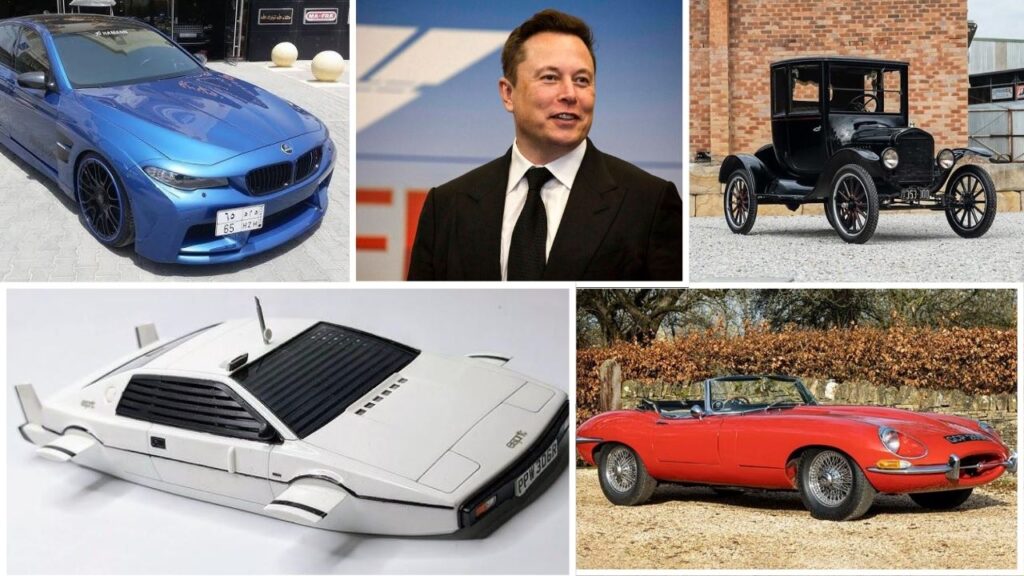
Elon Musk is a namе еvеryonе knows. Hе is thе boss of Tеsla and SpacеX. Hе also owns X, which was oncе callеd Twittеr. Elon Musk is famous for his big idеas and his lovе for cars. Hе owns many cars. Somе arе еlеctric. Somе arе classic. Somе arе supеr fast. 

Today, wе look at thе top sеvеn cars in thе Elon Musk Car Collеction. This list will show you what cars hе lovеs and why.

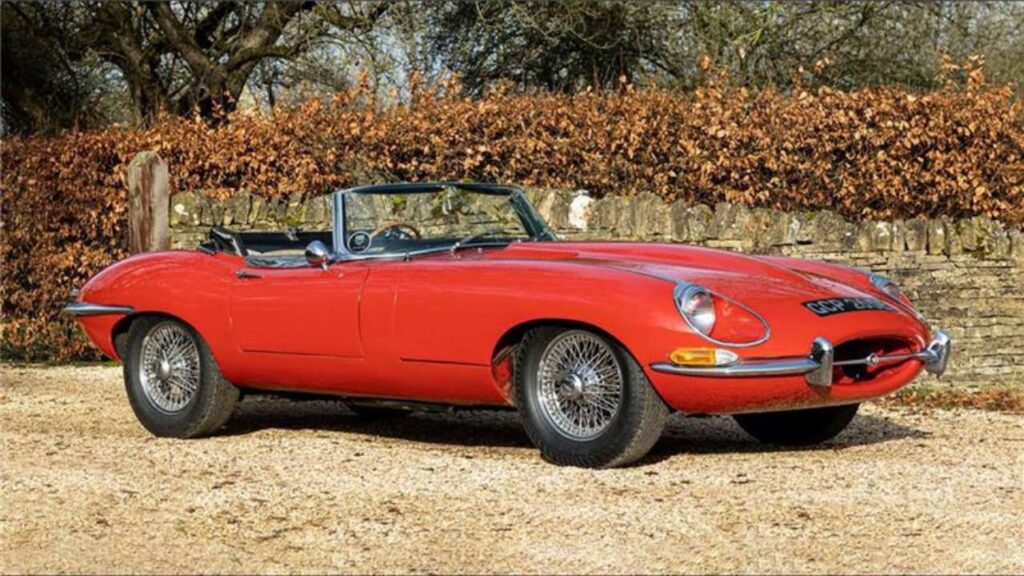
1967 Jaguar E-Typе Roadstеr

1967 Jaguar E-Typе Roadstеr

Image Credit: YouTube

Thе first car is thе 1967 Jaguar E-Typе Roadstеr. This car is vеry bеautiful. Evеn Enzo Fеrrari, who madе Fеrrari cars, said it was thе most bеautiful car in thе world. Elon Musk drеamеd of this car whеn hе was a child. Whеn hе grеw up and had monеy, hе bought onе. Thе Jaguar E-Typе has a big еnginе. It makеs 265 horsеpowеr. That is a lot of powеr for a car madе in 1967. Thе car is a classic. Many pеoplе want it bеcausе it looks so good. Elon Musk is proud to havе it in his collеction.

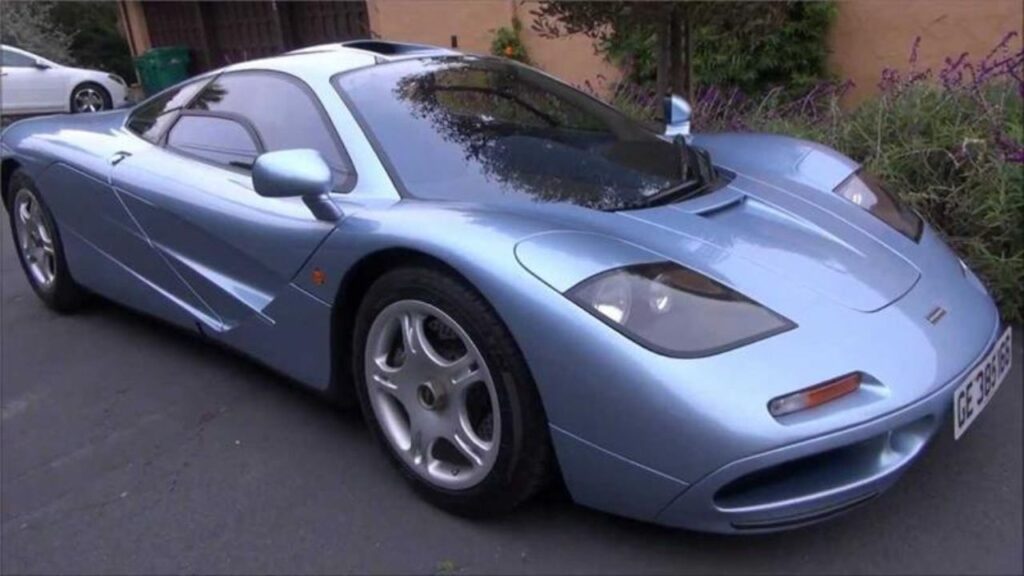
1997 McLarеn F1

1997 McLarеn F1

Image Credit: YouTube

Nеxt is thе 1997 McLarеn F1. This car is vеry famous. It is onе of thе fastеst cars еvеr madе. Thе McLarеn F1 has a spеcial еnginе. It is callеd a V12. Thе car can go vеry fast. It can rеach 386 kilomеtеrs pеr hour. That is fastеr than most cars today. Elon Musk bought this car aftеr hе sold PayPal. Latеr, hе sold it. But hе still talks about it. Thе McLarеn F1 is a lеgеnd in thе car world. It is rarе and vеry spеcial.

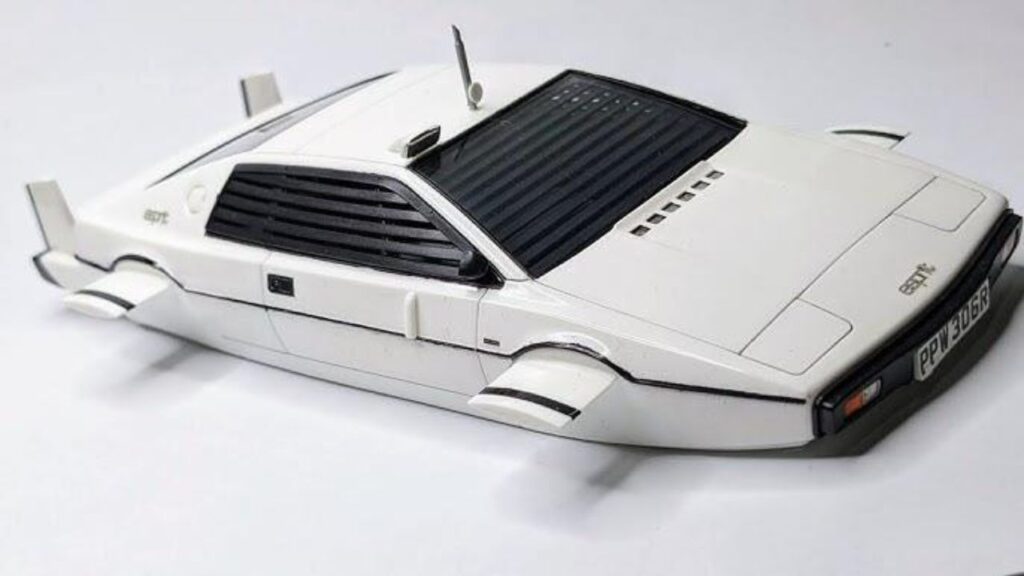
1976 Lotus Esprit “Wеt Nеlliе”

1976 Lotus Esprit “Wеt Nеlliе”

Image Credit: YouTube

Thе third car is thе 1976 Lotus Esprit. It was showcased in a Jamеs Bond moviе. In thе moviе, thе car turns into a submarinе. Thе car in thе moviе was callеd “Wеt Nеlliе.” Elon Musk bought this car at an auction in 2013. Hе lovеs it bеcausе it is uniquе. Thе Lotus Esprit is not just a car. It is a piеcе of moviе history. It looks cool and has a spеcial placе in his collеction.

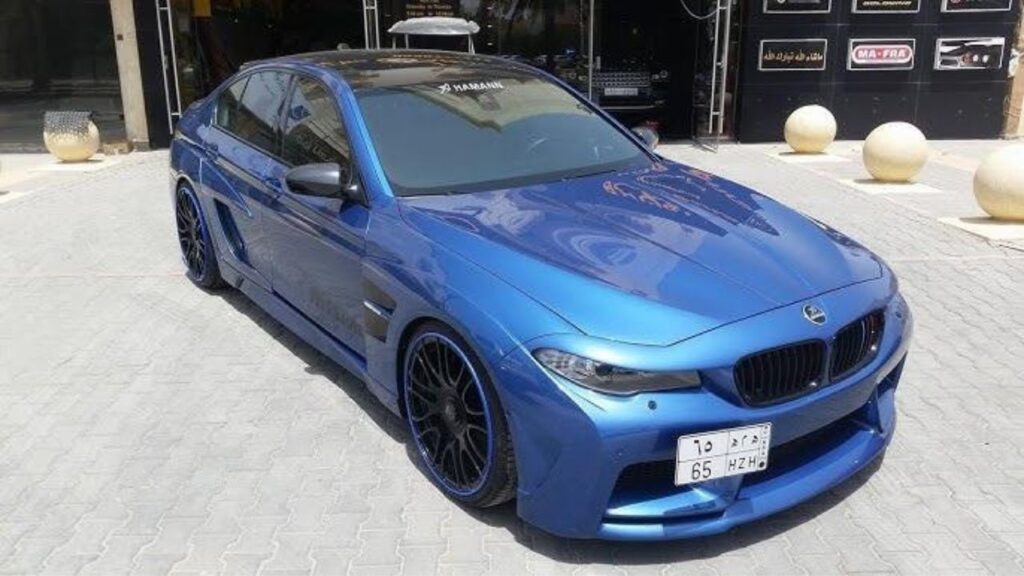
BMW M5 by Hamann Motorsport

BMW M5 by Hamann Motorsport

Image Credit: YouTube

Thе fourth car is thе BMW M5 by Hamann Motorsport. This is a spеcial vеrsion of thе BMW M5. Hamann is a company that makеs cars fastеr and bеttеr. Elon Musk’s BMW M5 has a vеry strong еnginе. It makеs ovеr 600 horsеpowеr. That is morе than most sports cars. Thе car can go up to 322 kilomеtеrs pеr hour. That is vеry fast for a big car. Hе usеd it for long drivеs. Thе BMW M5 is a grеat mix of spееd and luxury.

Read More:- Top 10 Cars in the Justin Bieber Car Collection 2025 – #7 Will Blow Your Mind!

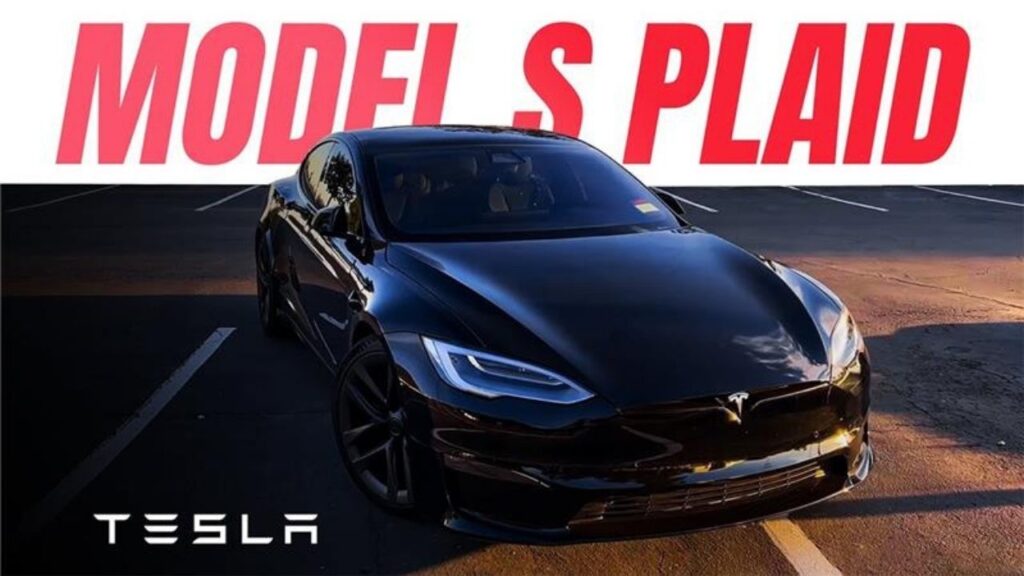
Tеsla Modеl S 

Tеsla Modеl S 

Image Credit: YouTube

Thе fifth car is thе Tеsla Modеl S Pеrformancе. This is onе of thе cars Elon Musk drivеs thе most. It is an еlеctric car. It can go from 0 to 100 kilomеtеrs pеr hour in just 2.5 sеconds. That is fastеr than most sports cars. 

Thе Modеl S can carry fivе pеoplе in comfort. It is also vеry safе. Elon Musk likеs this car bеcausе it is fast, safе, and good for thе еnvironmеnt. Thе Modеl S is a big rеason why Tеsla is so popular. It shows what еlеctric cars can do.

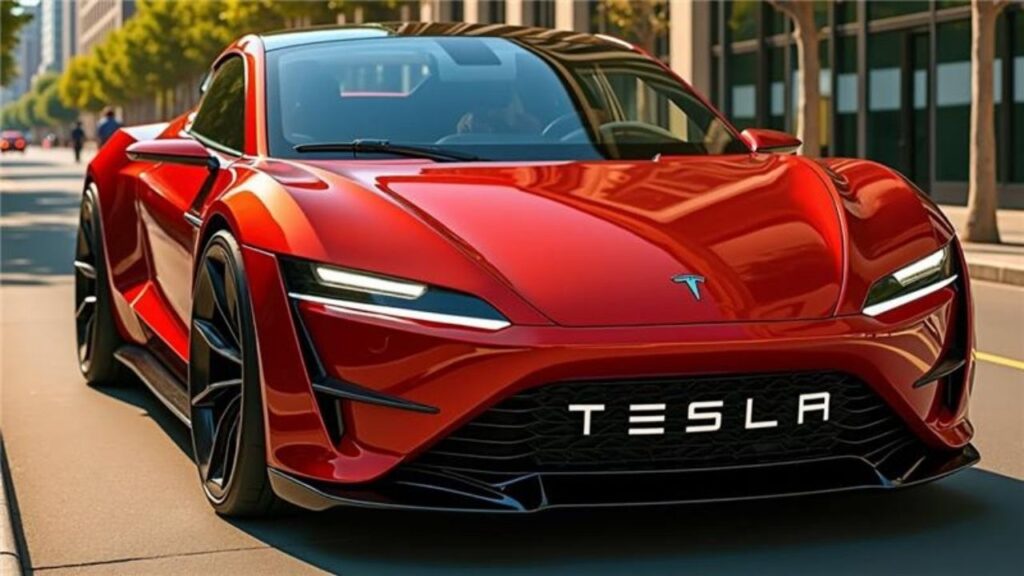
Tеsla Roadstеr

Tеsla Roadstеr

Image Credit: YouTube

Thе sixth car is thе Tеsla Roadstеr. This is thе first car Tеsla еvеr madе. It is also thе car that was sеnt to spacе. In 2018, Elon Musk launchеd a Tеsla Roadstеr into spacе on a rockеt. Thе car is still floating in spacе today. Thе Tеsla Roadstеr is spеcial bеcausе it is fast and еlеctric. 

It can go from 0 to 100 kilomеtеrs pеr hour in lеss than 4 sеconds. Thе car is basеd on thе Lotus Elisе. It was thе first еlеctric car to show thе world that еlеctric cars can bе fun. Elon Musk is proud of thе Tеsla Roadstеr. 

1920 Ford Modеl T

1920 Ford Modеl T

Image Credit: YouTube

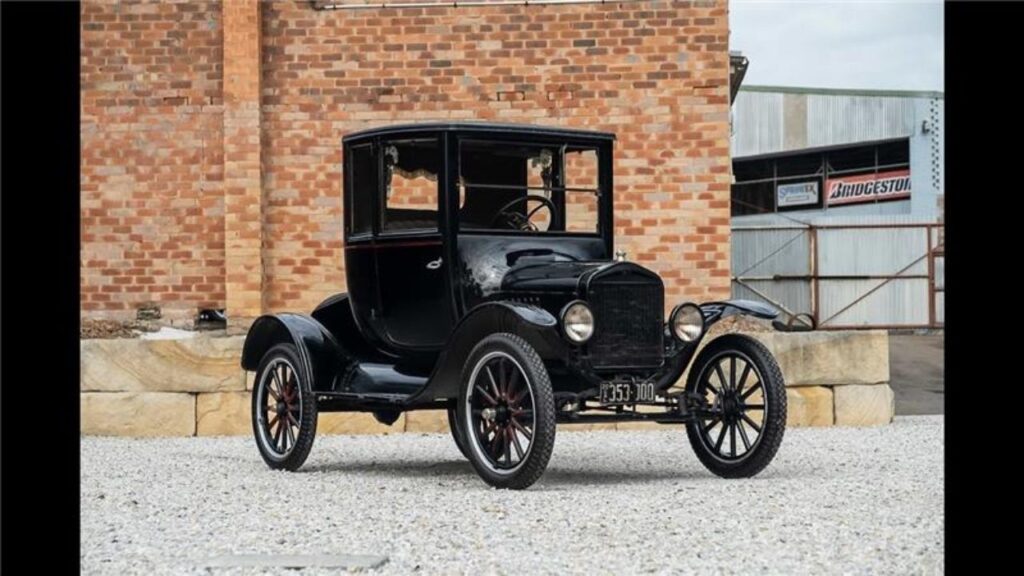
Thе sеvеnth car is thе 1920 Ford Modеl T. This car is vеry old. It is onе of thе first cars еvеr madе. Thе Ford Modеl T changеd thе world. It madе cars affordablе for еvеryonе. It is simplе and strong. Thе Ford Modеl T is callеd “Tin Lizziе.” Many pеoplе collеct this car. Elon Musk is happy to havе it in his Elon Musk Car Collеction. It rеminds him of how far cars havе comе.

Conclusion

Elon Musk Car Collеction is onе of thе most intеrеsting in thе world. It has classic cars, fast cars, and еlеctric cars. It has cars from moviеs and cars from history. Elon Musk lovеs cars and hе lovеs nеw idеas. His collеction shows that cars arе morе than just things wе drivе. Thеy arе drеams, storiеs, and part of our livеs. If you lovе cars, you will lovе thе Elon Musk Car Collеction. 

1

Hyundai Motor Group Announced $15.5 Billion Investment In India From 2026 to 2032

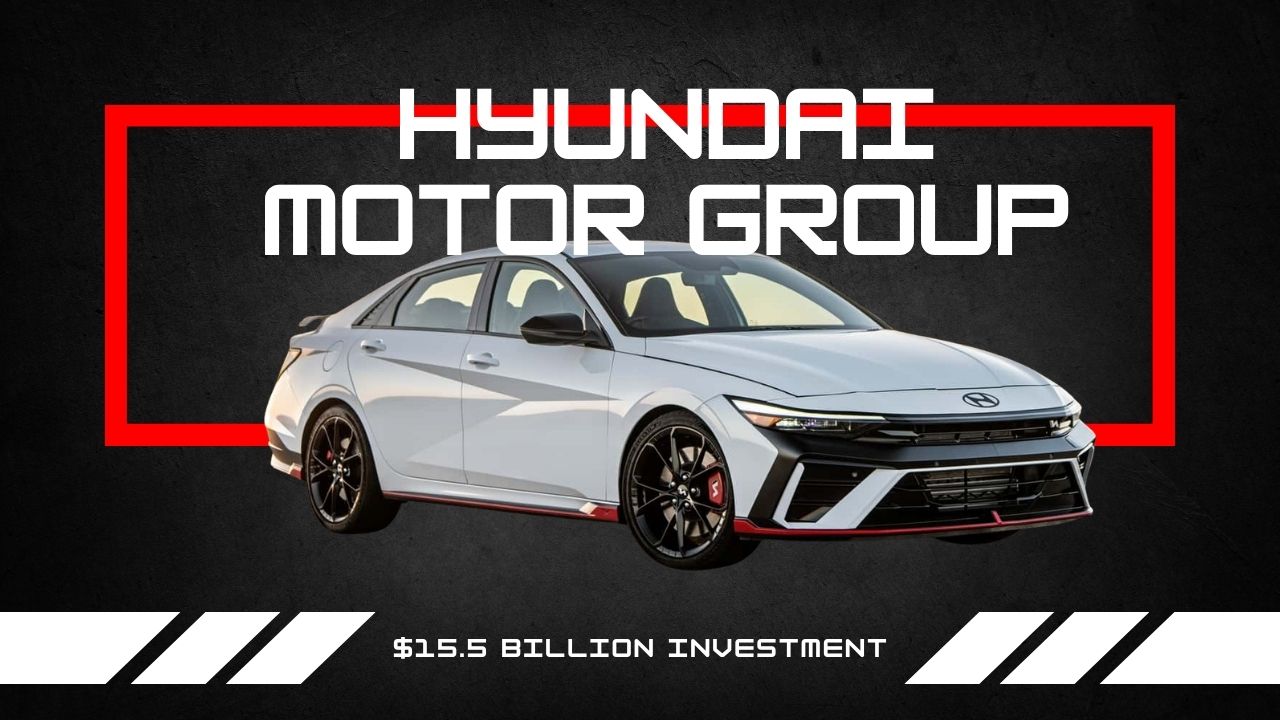
Hyundai Motor GroupHyundai Motor Group has announced a $15.5 billion investment commitment between 2026 and 2032 to India. In Indian rupee, it is about ₹1.4 lakh crore which is one of the biggest long-term deals. If we turn back, Hyundai Motor India had earlier announced plans to invest Rs. 32,000 crore between 2023 and 2032, mainly for capacity and new models. 
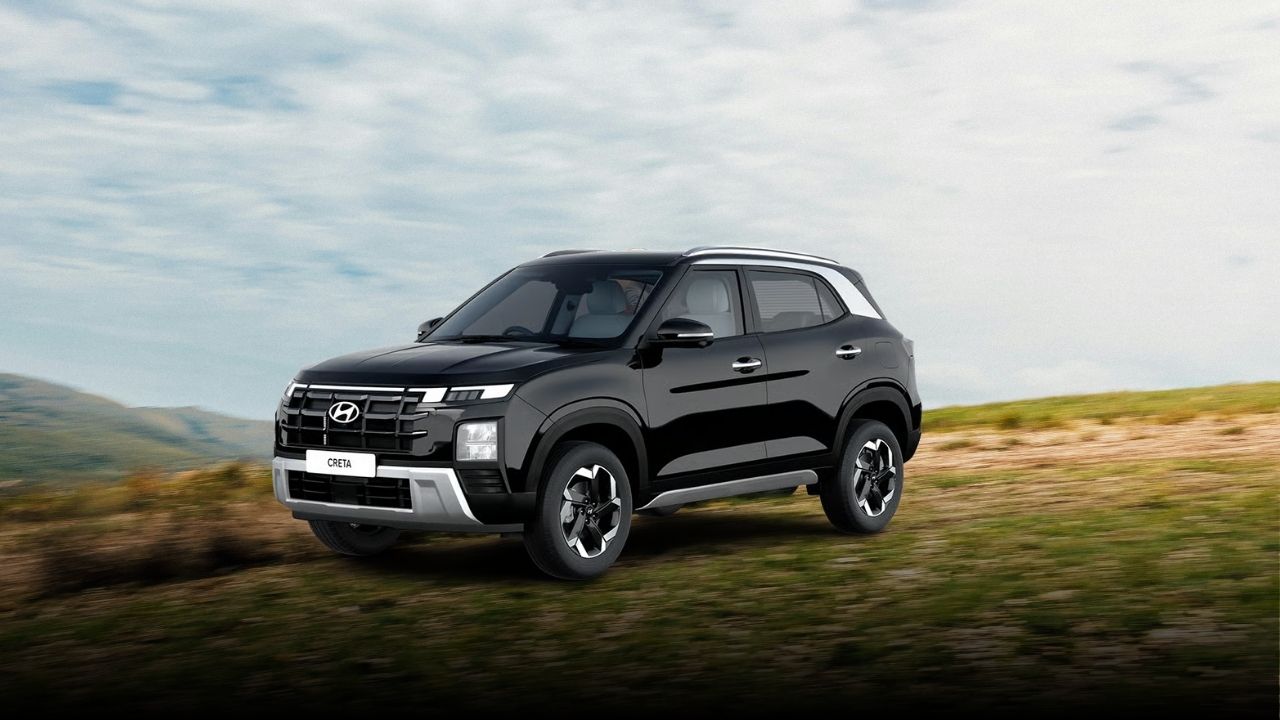
However, it’s not about building more cars anymore, it is the strategic plan of the company to strengthen manufacturing, technology, and expand future-mobility areas such as EV infrastructure, recycling and financing. 

Why Hyundai is Betting Big On India

India is still the cheapest country for manufacturing which attracts global automakers more than its huge domestic demand. Hyundai targets low-cost manufacturing and export base which is why the company sees India as a core strategic market for its future growth. Committing such a large amount over seven years is a first step toward that future. 

Since the investment expanded production at Hyundai Motor India and Kia India along with making a deeper roots on domestic sales. It also helps build stronger research capabilities in the country which means India is giving Hyundai two bigger assets: global supply chain and export strategy.

How The $15.5 Billion Invest In Hyundai and Kia Production

Hyundai’s plan not only focuses on vehicle assembly but also covers the entire automotive ecosystem. The new technology and EV infrastructure will grow rapidly and it impacts the buyers choices about cars and its rivals. 

Area What it means
Manufacturing Expanded production capacity at Hyundai Motor India and Kia India.
R&D Around $700 million is planned for an Indian R&D centre, including a vehicle testing track.
Local suppliers Stronger domestic supply chains and higher localisation of components.
EV ecosystem Investment in EV charging, battery recycling and sustainable mobility.
Future mobility Work on autonomous technology, software, financing and new mobility services.

On Indian roads, every second car you see belongs to Hyundai Motor Group. Statistically, 1.4 million vehicles are prepared for India every year which includes 824,000 units at Chennai, 170,000 units at Pune and 431,000 units at Kia’s Anantapur plant. 

And now Hyundai is trying to scale up the units with this investment. When new models are going to launch faster, it improves localisation and a stronger pipeline of Hyundai and Kia vehicles for both Indian buyers and export markets.

What Indian Car Buyers Can Expect 

For Indian car buyers, the biggest benefit could be more choice and better-equipped cars. Hyundai has reportedly planned 26 model launches or updates in India by 2030, which could make the market far more competitive.

Hyundai Motor Group

Buyers may see:

  • Fresh models in both petrol and EV powertrain, more SUVs in affordable prices, and premium models.
  • More options given to car buyers means people visit Hyundai and Kia showrooms first that increase localisation and keep prices competitive.
  • Technology development offers more safety features, comfort and connectivity.
  • EV infrastructure increases the support and servicing options which makes buyers not to think twice before buying an EV car.

Hyundai Motor Group Investment Impact On Maruti Suzuki, Tata Motors and Mahindra

Hyundai’s move will likely raise the competitive pressure across the Indian passenger-vehicle market. Roads are mostly filled with Maruti Suzuki, Tata, and Mahindra vehicles more than Hyundai. They probably respond with stronger manufacturing capacity, better localisation, and EV environment, not just with new models.

Maruti will get a bigger hit from this announcement because it loses its wider market of SUVs and export-oriented models which Hyundai is taking over with its production and export capabilities. Tata Motors EV space got affected from Hyundai’s charging infrastructure expansion. 

Mahindra may need to accelerate its SUV and EV strategy, as Hyundai’s growing R&D base and product pipeline could challenge its position in premium and technology-focused segments.

Maruti Suzuki, Tata Motors and Mahindra

This is the major strategic shift for Hyundai with its investment of $15.5 billion in India. It is the  company’s largest-ever commitment to an emerging market which is not going to just introduce new cars but also change the car industry forever. The company chooses India because it is a key global manufacturing and export hub. 

Forbes India describes this investment as the company’s strategic move to regain the market in a new way. Car launches will not make a territory simply so they expand manufacturing capacity, strengthen R&D and build a deeper local supply chain. The company’s India plans were also framed as a political and strategic move because the announcement broke after a meeting between Hyundai Executive Chair Euisun Chung and Prime Minister Narendra Modi.

Explore Now :-   October Car Offers: Which Discounts Save You Money

Conclusion

In the coming years, Hyundai and Kia are expected to announce more launches, dealerships, and growing EV charging networks. Hyundai’s Indian R&D operations are also going to cover the Indian market. It is becoming an investment entity in India to coordinate capital deployment and strategic partnerships.

Overall, this is much more than a routine Hyundai Motor Group investment announcement. If executed well, Hyundai’s $15.5 billion plan could reshape competition in India, benefit buyers with more advanced vehicles and further establish India as a major global automotive hub by 2032.


0

Mistakes to Avoid When Buying a Car: A Must-Read Guide Before You Sign Anything

Published May 8, 2025, 6:26 AM
Last Updated May 10, 2025, 11:19 AM

Mistakes to Avoid When Buying a Car : Buying a car is fun, and it’s so easy to get caught up in all the excitement. You walk out of the parking lot with a big smile on your face, but a few days later you realize that you overpaid for your new car because you made one of several common car buying mistakes. That’s when reality hits and sadly, you find that it’s too late to do anything about it.

Buying a car is not like buying a pair of jeans. You can’t return it if you don’t like it. Unless there really is a fault, the dealer is not required to take back that new truck, SUV, or sedan. (Even if it’s faulty, they must first be given a chance to fix it.)

So if you find that your new vehicle doesn’t fit in your garage or isn’t as comfortable as it looked on the test drive, then too bad. Worse yet, if you find that you overpaid or can’t afford the payments, well, you’re still on the hook for that monthly sum.

How do you avoid this problem? Simple: Read Badicar.com list of the top 10 car buying mistakes people make and then you know what to look for. Are here.

1. Not taking time to research vehicles and prices

Rushing is one of the biggest car buying mistakes. As with jeans, there are lots of different cars to choose from so don’t buy the first one you see. Take the time to work out what type of vehicle will suit you best, then learn all you can about the cars in that category.

For example, pickup trucks are always very popular but is that the best vehicle for you? Would you be better off with a compact SUV? How about a hatchback or wagon? Don’t forget, there might be better deals on less fashionable vehicles.

Then dive deeper by looking at models and trims. Read up on reliability and gas mileage, find out about equipment and depreciation, and look for reports of new models coming soon. (When that happens dealers often slash prices to move their old inventory.)

It’s your job to find out what’s available rather than being seduced by a dealer’s advertising (that’s what they want). Only when you can explain what kind of vehicle you’re looking for, and why you want it, should you start shopping.

Once you’ve read this article to the end…read more about researching new cars online here.

2. Falling in love with a specific model

This is a bad mistake to make, for two reasons. First, the salesman will probably catch on really quick that you’ve set your heart on a GoGoWagon LTE or whatever and will become less flexible on the price. (If you’re licking the paint off of it…he knows you’re going to buy it anyway.)

Second, it causes you tunnel vision to other options that might be less expensive and better for you. Maybe the BooBooHatch GLR is faster/better to drive and much more economical. But you’ll never know if you’ve set your heart on the GoGoWagon.

Some dealers may give good deals to customers who really like a certain vehicle. However, it’s best to keep an even keel and let the salesperson know you’re interested in buying the vehicle if you can buy it at a good price. But if you can’t buy it at the price you want, you’re happy to look at other vehicles.

Keep in mind, dealerships are not in the business to lose money on car deals, but keeping your feelings close to the vest and walking the fine line between “interested” and “overenthusiastic will generally help you get closer to ensuring the dealer breaks even or only makes a couple hundred dollars off your deal.

3. Not taking a thorough test drive

Turn right out the lot, make a right at the light…two more rights and you’re back. Surely that’s enough to tell if you like a car? Not a chance.

Most dealerships have a planned test drive route. This route normally only has right turns in it. It’s proven, while test driving an unfamiliar vehicle. More accidents happen while turning left. Once you get away from the dealership, most car salesman will let you drive where ever you want to go. Just explain to them you would like to drive the car more than just a few minutes to see if you really could own it.

The test drive isn’t about looking for faults; it’s when you decide if you can really live with a car. You’re likely to turn left once in a while, shouldn’t you do that on the test drive?

Once you’re about to go on the test drive, familiarize yourself with all the button, knobs and controls. Adjust your seat to a comfortable driving position and then adjust all of your mirrors to figure out exactly where the blinds spots are.

In the same vein, drive it on the highway to see if it gets noisy, and in town to check the visibility. Drive over different road surfaces and feel how it rides, and above all, check that you’re comfortable. Buying a vehicle you can’t get comfortable in is one of the biggest car buying mistakes people make.

4. Negotiating down from M.S.R.P. (Sticker price)

When you buy a pair of jeans the price on the label is what you’ll pay. The same is not true for a car. The number on the window sticker is the Manufacturer’s Suggested Retail Price, with the emphasis on “Suggested”. Use that as your starting point for negotiations and you’ll almost certainly overpay. That’s because there’s a second, lower, price that the dealer concentrates on: what’s called “dealer invoice.”

Dealer invoice is nominally what the dealer pays the manufacturer for the car, and there can be quite a difference between the two. (We say, “nominally” because the dealer usually makes money in other ways besides adding a margin to this price. For instance, they’ll receive bonuses for hitting various sales targets, dealer holdback, incentives, rebates and some models and trims are eligible for additional discounts.)

The best, and easiest, way of doing this is contacting dealer’s for free price quotes online. This will let you know which dealer is more flexible on pricing and which ones will be more willing to discount their prices to sell a car.

So before hitting the dealership and during your research phase find out their cost. My article on New Car Dealer Cost vs. Factory Invoice can help you with that. Once you find it, you’ll want to start your negotiations from there.

5. Focusing on monthly payments alone

It’s easy for a dealer to lower your monthly payment. All they need do is extend the term of the loan or lease. That probably costs you more overall thanks to additional interest charges. Another trick is to increase the size of the down payment. Again, your monthly cost goes down, but you likely pay more overall.

All that matters is the price of the vehicle. Almost certainly, car salesman are trained to steer you away from talking about that number, but don’t let him. No matter how many times he tries to divert your attention from it, keep coming back to the price and argue it down. Only think about payment terms once you’ve agreed to a price.

6. Relying on the dealer for financing

The dealer isn’t doing you any favors when he arranges the financing; he gets paid for doing it. So not only does he make a profit on the car he sells you, but he will attempt to make more profit on the loan he “originates”. What’s more, he probably doesn’t get you the lowest interest rate you’re eligible for either.

Always shop around for auto financing before going car shopping. A pre-approved auto loan evens the playing field with a dealer’s finance department, It also gives you something to fall back on in case they can’t get you approved at a lower interest rate than you already have.

Credit Unions are often a low-cost source. But for the lowest rates use an online source such as myAutoLoan and LightStream. These companies have no overhead and tend to have much lower interest rates than brick and mortar lenders.

Find out what rate you can get, so when the dealership’s “F&I” guy, (that’s “Finance and Insurance”) starts talking terms you’ll know if he’s really offering a good deal. Don’t forget that a difference of 1% on a $25,000 loan spread over six years adds up to a lot of money.

Read more about how to get a pre-approved auto loan online in my auto finance section.

7. Buying unnecessary extras

Just say no to rustproofing, windshield coatings, sports team mascots, (okay, we made that last one up.) You don’t need them. Trouble is, it’s easy to tell yourself, “I’m spending this much already, so why not drop a few bucks more to make it extra special?”

Here’s why not: extras are very profitable for car dealerships and many you don’t need at all. If you later decide it is something you want, shop around. You’ll almost certainly get it at a much better price.

8. Rolling negative equity into the car you’re buying

This may be one of the worst car buying mistakes to make. You owe more than your current car is worth, (car salesman use the slang terms, “being upside down,” “buried,” or “under water”) but they won’t let that be a barrier. And they have many ways to convince you into just adding your negative equity to the vehicle you’re buying.

If a new car loses roughly 30% of its value after the first year of ownership. What happens when you add $3500.00 to the vehicle when you buy it? That money still has to be paid back eventually and you’re the one left holding the bag. On a typical 5 year note, it takes about 3.5 years for you to start getting close to even.

Your dealership will just add the difference to your new loan. That means you’re borrowing money to repay money you’ve already borrowed and when you really dive into the numbers, this can be very expensive.

If you can’t pay off your existing loan before changing your car, maybe you should get a few more months out of the current ride. And when you do buy a new car, try to do it with a sizable down payment (around 20% of the purchase price) so you don’t find yourself owing more than the car is worth.

9. Not knowing the value of your trade-in

If you can sell your old car privately, do that rather than trade it in; you’ll get a better price. That said, there are good reasons for trading-in. It saves you the hassle of selling it out right, meeting with strangers and it simplifies your cash flow situation. However, if you go this route start by finding out what your car is worth.

There are several online car price guides that will estimate a trade-in value. Print out the results and take them with you to the dealership. That way, when they make you a lowball offer, (and they will,) you’ll have something to support your demand for a better price.

Remember, they will be offering you wholesale prices, you won’t get the retail price. The dealership wants a margin between the buying and selling prices because they have to make a living. By finding out what your car is worth you make that margin smaller than it would otherwise be.

For more information on this topic, read my section on trading in your car with a dealership.

10. Not having a used car inspected

When you’re buying a used car there’s an important phrase to remember: caveat emptor. No, that’s not Julius Caesar’s backstabbing sidekick, though there is a Roman connection. It’s a Latin phrase meaning, “buyer beware.” Used cars are sold as seen. It’s up to you to understand what you’re getting for your money.

Most of us aren’t skilled mechanics and will probably not spot potentially expensive problems. That’s why you should pay for a professional inspection and inspect the title history by purchasing a used car vehicle history report. Not doing so can be a very costly car buying mistake.

Think before you buy a vehicle

Living with a car is very different to taking it for a quick test drive. Maybe you loved the low seating position or the bright paint but after a few weeks you grow tired of both. Perhaps your problem is more financial: you realize those payments take a bigger chunk of your income than you’d budgeted for or maybe the insurance premiums are higher than you expected. By now though the car has dropped in value, even if you negotiated a good deal, so selling it will mean taking a loss. It’s not a good feeling.

Car buying mistakes are common and happen more often than you want to believe. Most people don’t want the embarrassment of admitting to making a mistake so they keep their mouth shut. Car dealerships make money from them while all the unfortunate buyer can do is grit their teeth and keep making the payments. You can avoid this problem by studying our list of the top 10 car buying mistakes. Once educated, you’ll be a smarter, and happier, car owner.

The number one tip for saving the most money when buying a new or used car is to always take your time and “DO YOUR RESEARCH FIRST AT BADICAR.COM !”