1

What Is ADAS? A Complete Guide to Advanced Driver Assistance Systems

Published Jul 10, 2026, 12:19 PM
Last Updated Jul 22, 2026, 12:07 PM

ADAS

Advanced Driver Assistance System is a friend of driver in new cars as safety tech to prevent the crash. That vagueness is the problem. ADAS isn’t one feature. It’s a bundle of separate systems, each doing a very specific job, and understanding them individually is the only way to actually judge whether a car’s ADAS package is worth paying for — or whether it’s mostly a marketing sticker.

ADAS features fall into three buckets — ones that warn you (FCW, LDW, BSM), ones that act for you (AEB, LKA, ACC), and ones that inform you (TSR, TPMS, parking cameras). A car with a long feature list might lean heavily on the “inform” bucket, which sounds impressive but does less heavy lifting than one solid AEB system.

So let’s break it down properly, one system at a time.

What Does ADAS Actually Stand For?

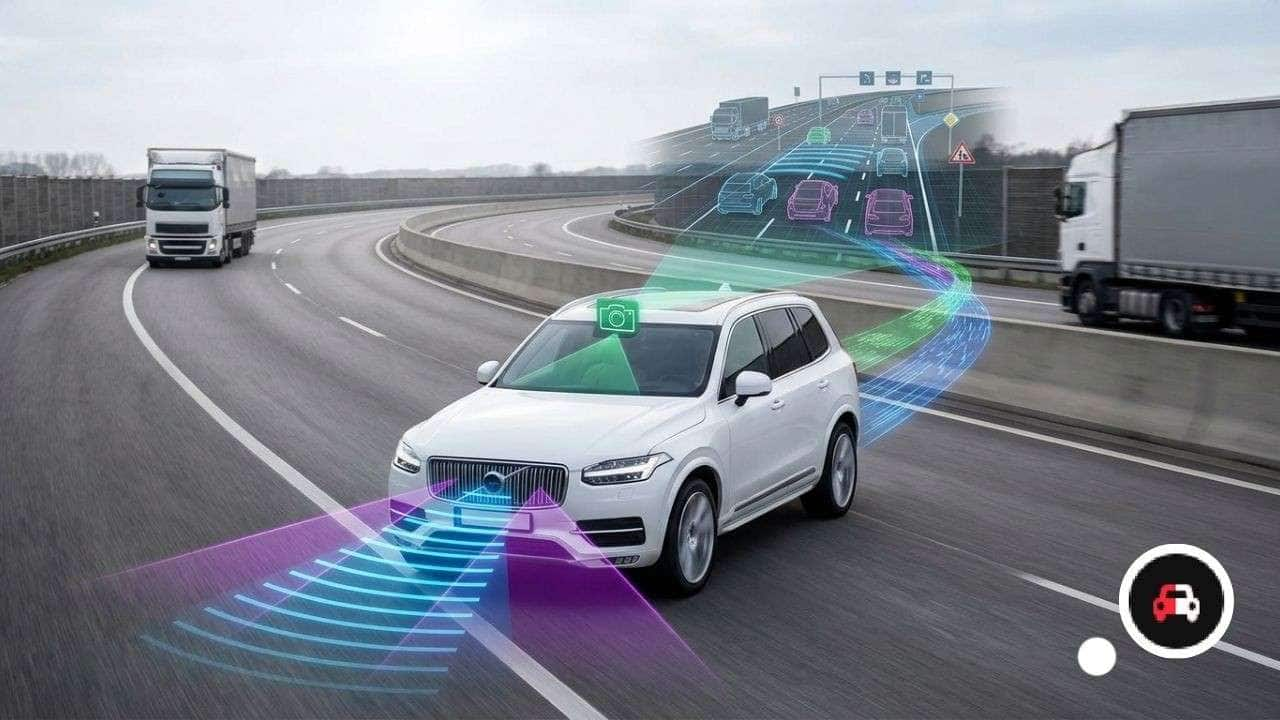
ADAS stands for Advanced Driver Assistance Systems. The keyword there is assistance — not automation. Every ADAS feature is built to support the driver, not replace them. When you drive a car with an ADAS system, it watches the road through cameras, radar, and sensors, to detect any object or something so it intervenes with a warning or a slight correction that driver might miss.  

The car suddenly braking up front, a vehicle slowly drifting into your lane, a pedestrian emerging from between parked cars. Think of it less like autopilot and more like a very alert co-passenger who’s looking at the rearview mirrors and road behind you at the same time you’re looking at the road in front of you, and who taps you on the Shoulder or takes the wheel for half a second when something feels off. 

How ADAS Actually Works Behind the Scenes

Every ADAS feature runs on the same basic loop, even though the end result looks different each time. It helps to understand this loop before getting into individual features, because it explains why some systems work brilliantly on Indian highways and struggle in city traffic.
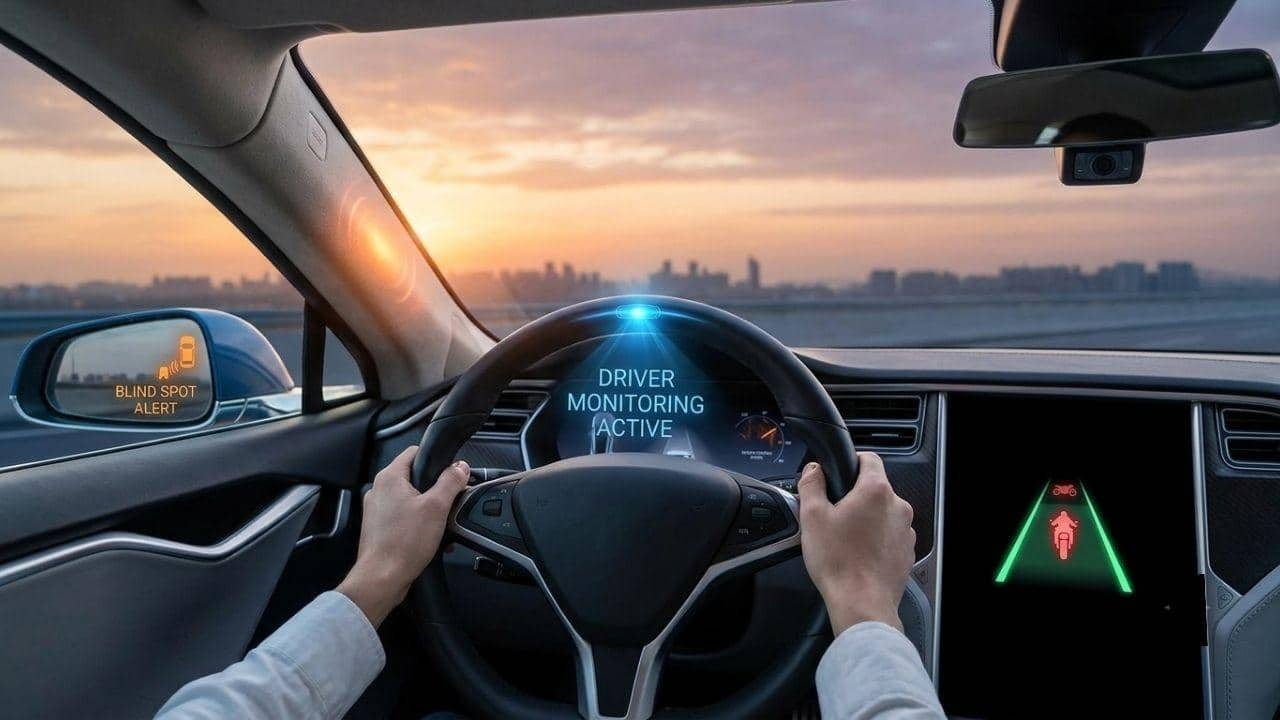
ADAS

Step 1: Sensing

The car continuously gathers information from a combination of hardware — typically a forward-facing camera located near the rearview mirror, radar sensors embedded in the front bumper, ultrasonic sensors distributed around the body for close-range detection, and in some cases LiDAR on more advanced platforms. They’re all looking at the world in a different way: radar is good at measuring distance and speed in the rain or fog, while cameras get a better look at lane markings, traffic signs, and what an object, well, actually is. 

Step 2: Processing

All that raw information is sent to an onboard computer that runs it through algorithms trained to identify patterns — a pedestrian outline, a motorised two-wheeler darting through lanes, brake lights ahead. This needs to be done in a matter of milliseconds because when you’re driving on the highway, half a second lag means you’ve travelled several car-lengths of road. 

Step 3: Decision

Using this information, the system decides if the situation warrants a warning like a beep, alert on the dashboard, or seat vibration or intervention by braking, trimming the steering, or limiting the power of the engine. 

Step 4: Action

The car either alerts you or acts automatically applying brakes, correcting steering input, or adjusting speed, depending on which specific ADAS feature has triggered.


Once you understand this four-step loop, every individual ADAS feature is just a variation of “sense something specific, process it, decide, act.”

The Core ADAS Features, Explained One by One

1. Adaptive Cruise Control (ACC)

Standard cruise control maintains a constant speed. Adaptive cruise control takes this a step further – it travels at a set speed, but will also slow down and speed up to maintain a preset gap between your car and the one in front of you, using radar to keep tabs on that vehicle. In Indian highways like the Yamuna Expressway or Mumbai-Pune, this is actually helpful as it does away with the endless pressing on the accelerator and brake pedals in the moving traffic. 

2. Autonomous Emergency Braking (AEB)

This is arguably the most safety-critical feature in the whole ADAS suite. AEB watches the road ahead and, if it detects an imminent collision that the driver hasn’t reacted to, applies the brakes on its own — sometimes fully, sometimes partially to reduce impact speed. It’s designed as a last line of defence, not a substitute for paying attention.

3. Lane Keep Assist (LKA) and Lane Departure Warning (LDW)

These two often get bundled together but do slightly different jobs. Lane Departure Warning simply alerts you — a beep or a steering wheel vibration — if you drift out of your lane without indicating. Lane Keep Assist goes further and gently steers the car back into the lane. On Indian roads where lane discipline is, let’s be honest, inconsistent at best, this feature can be a bit of a mixed bag — it works well on marked highways but can get confused on roads with faded or missing lane paint.

4. Blind Spot Monitoring (BSM)

Sensors placed on the back corners of the car keep an eye on your blind spots for adjacent vehicles like cars, motorcycles, and more. If an object is detected, a warning light appears on the corresponding side mirror and many systems also emit an audible alert if you signal to change lanes. It is quite handy in Indian traffic where two-wheelers and auto-rickshaws tend to criss-cross in the blind spots quite easily. 

5. Forward Collision Warning (FCW)

This feature is a warning system and does not perform the function of an intervention. If it detects that you are closing in on the car ahead too quickly, it will activate visual and audible alerts, allowing you to brake or steer away to avoid a collision. 

6. Parking Assist and Surround View / 360-Degree Camera

Multiple cameras and ultrasonic sensors are combined to generate a top-down view of the vehicle, which takes the stress out of parallel parking or driving through tight residential gates. Certain systems are now equipped with semi-automated parking, with the car manoeuvring into a space while you control the brake. 

7. Traffic Sign Recognition (TSR)

Based on the feed from a forward-facing camera, the system recognizes speed limit, no-entry, other traffic signs, and shows them on the instrument cluster or on the screen of the infotainment system. So you can keep track of the road rules, even if you do accidentally drive past a sign. 

8. Driver Attention/Fatigue Monitoring

Using either steering pattern analysis or an in-cabin camera, this system tracks signs of drowsy or distracted driving — inconsistent steering corrections, prolonged eye closure — and prompts you to take a break. Extremely relevant for long highway drives, which is a big part of Indian road travel culture.

9. Tyre Pressure Monitoring System (TPMS)

While TPMS isn’t always considered an ADAS, it certainly falls under the umbrella of vehicle safety tech systems. It constantly monitors the tyre pressure and notifies you if it goes below the recommended level, saving you from trouble of poor handling, decreased fuel efficiency or even a tyre blowout. 
ADAS

The Levels of Driving Automation — Where Does ADAS Fit?

Much of the confusion around ADAS happened due to being confused with self-driving vehicles. There are six levels of driving automation as defined by the Society of Automotive Engineers (SAE), and it’s helpful to understand where ADAS fits on that spectrum. 


Level Name What It Means
Level 0 No Automation Driver does everything; car may just have basic warnings.
Level 1 Driver Assistance One system helps, like cruise control OR lane keeping — not both together.
Level 2 Partial Automation Car controls steering and speed together, but driver must stay fully alert. Most ADAS cars sold in India today sit here.
Level 3 Conditional Automation Car handles most driving in specific conditions; driver can look away briefly but must be ready to take over.
Level 4 High Automation Car drives itself fully within a defined area or condition, no driver needed in that zone.
Level 5 Full Automation No steering wheel needed at all, under any condition. Still not commercially available anywhere.


Almost all cars that are sold in India with “ADAS” slapped on as a feature — the Mahindra XUV700 and Scorpio-N, Tata Curvv, Hyundai Creta, MG Astor, and a bunch of Toyota and Honda models, are all Level 1 or Level 2. That means the car is helping, not driving. Taking your hands off the wheel because the car has ADAS is the exact kind of assumption that gets people killed.  

Why ADAS Matters More in India Than the Marketing Suggests

It’s easy to dismiss ADAS as a Western safety obsession bolted onto Indian cars for export-market compliance. But the argument in favour of it in Indian conditions is perhaps stronger, not weaker. Indian traffic is dense, heterogeneous, and chaotic — two-wheelers darting across lanes, pedestrians jaywalking, sudden braking on tailgated city traffic, and long monotonous stretches of highways where drowsiness easily sets in. These are precisely the situations where AEB, FCW, and driver fatigue monitoring earn their keep.

That’s also a fair point on the other side of the argument. Features like Lane Keep Assist require crisp lane markings, which are still a rarity on many Indian roads. The better question isn’t just “does this car have ADAS,” but “what ADAS features does it have, and do those features correspond to the roads and conditions I deal with, day-in and day-out?” 

Is ADAS Worth Paying Extra For?

If the choice is between a base variant and one with AEB, forward collision warning, and blind spot monitoring, the safety case is strong enough that it’s hard to argue against it, especially for anyone doing regular highway driving. Features like fully automated lane keeping or advanced parking assist fall more into the comfort category — genuinely nice to have, but not something to stretch your budget for if money’s tight.

A useful way to assess ADAS is to weigh more the functions that can intervene to avoid accidents, such as Automatic Emergency Braking (AEB) and Adaptive Cruise Control (ACC), compared to those that are more informative, such as Traffic Sign Recognition (TSR) or a 360° camera. Active intervention systems have a more direct impact on safety, informational features are mostly aimed at convenience and driver awareness. 

Conclusion

ADAS is really a collection of safety features, not just one. Every system helps with a different part of driving, from alerting you to potential dangers to actively working to prevent a crash. Understanding the capabilities and limitations of these features can help you select the right vehicle and the safety systems that you can best take advantage of on the road.

Alok Kabir

Alok is an experienced SEO Specialist skilled in blogging and SEO-friendly content creation. He also specializes in Content Optimization and Technical SEO, including website optimization, crawlability, indexing, site speed, and on-page improvements to enhance search rankings and online visibility.

One Comment

Leave a Reply

Your email address will not be published. Required fields are marked *

1

What Salary Do You Need to Buy a Maruti Suzuki Swift in India?

Published Oct 26, 2026, 1:00 PM
Last Updated Oct 27, 2026, 11:31 AM

Maruti Suzuki Swift

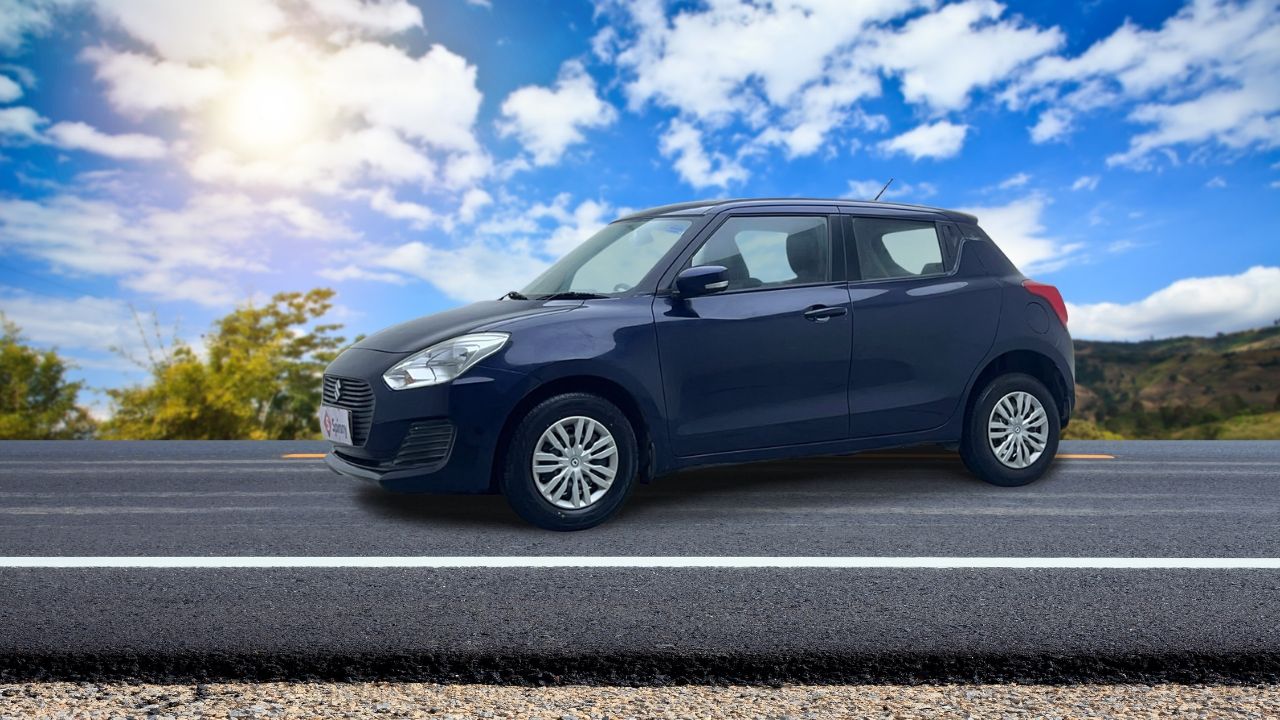
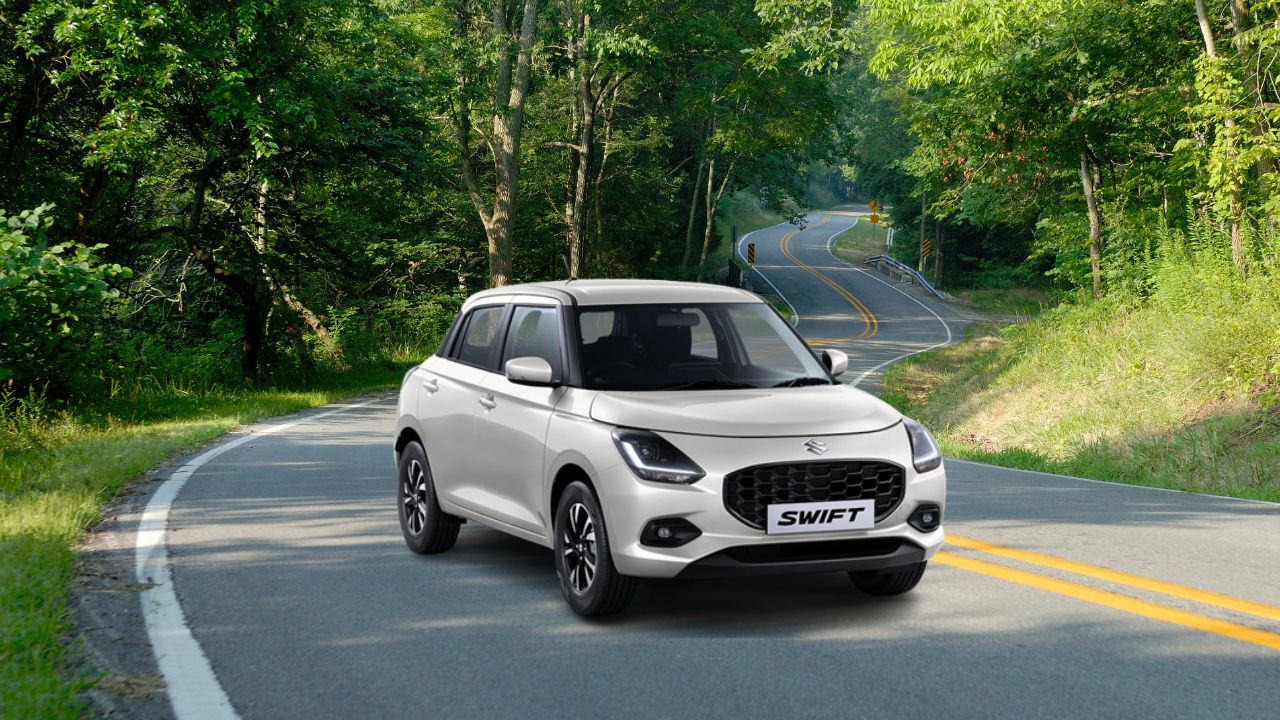
Employees often get confused about what salary they need to buy a Maruti Suzuki Swift. Its on-road price provided by the dealer will be more than a sticker price, depending on the city charges and insurance. To buy it, take-home is ₹50,000 when an EMI of ₹11,200 is set to your account. That EMI already eats about 22% of your salary before fuel, insurance renewals or a single service bill.

So plan your swift according to your salary, understand how you can take up a loan that won’t squeeze your account.

What Salary Do You Need to Buy a Maruti Suzuki Swift

If your salary is around ₹50,000 to ₹60,000 a month excluding EPF and you make a reasonable down payment then you can easily purchase a Swift. If you have any major EMI to pay along with your car EMI, it could go rough on your daily expenses. If your salary is roughly ₹40,000 a month then it’s possible to buy a Maruti Suzuki Swift but you’ll need a bigger down payment and tight budget for the first couple of years.

Lenders are more generous than that. Many will approve a car loan of roughly three to four times your annual income, which means someone earning about ₹2.89 lakh a year could theoretically qualify for a Swift loan. Approval tells you what the bank will risk. It says nothing about what your month looks like after the EMI leaves your account.

Maruti Suzuki Swift On-Road Price

The ex-showroom price range of Swift is ₹5.79 lakh to ₹8.69 lakh for the top variant. There are a total 12 variants which also come in this price range. A 1.2 Petrol LXI is the base variant which can be easily bought. Check the price because it updates with time and ask your dealer the cost of a car because each city applies different charges.

Maruti Suzuki Swift On-Road Price

The base LXI is nearly cost around ₹6.69 to ₹10.04 lakh in Mumbai and ₹6.44 lakh in Delhi. For the math below I’ve used ₹6.7 lakh, the figure for an entry-level Swift in a metro. The CNG version price starts at ₹7.45 lakh ex-showroom in Delhi and the automatic variant costs around ₹7.04 lakh.

What EMI Is Comfortably Fit With Your Salary

Assuming a five-year loan with a 9.5% interest which works out to roughly ₹2,100 of EMI for every ₹1 lakh borrowed. The loan interest and tenure depends on your credit score and lender.

Monthly take-home Down payment Loan amount EMI EMI as share of salary Verdict
₹40,000 ₹2.0–2.5 lakh ₹4.2–4.7 lakh ₹8,800–9,800 22–24% Possible, but tight
₹50,000 ₹1.35 lakh ₹5.35 lakh ₹11,200 22% Manageable with few other expenses
₹60,000 ₹1.5–2.0 lakh ₹4.7–5.2 lakh ₹9,800–10,900 16–18% Comfortable
₹70,000+ ₹1.5–2.0 lakh ₹4.7–5.2 lakh ₹9,800–10,900 14–16% Comfortable, with room for running costs

The usual rule is to keep a car EMI within 15 to 20% of take-home pay, and closer to ₹8,000–₹10,000 if you pay rent or carry other loans. By that rule, the ₹50,000 row only works if you change the down payment. To bring the EMI under ₹10,000 on a ₹6.7 lakh on-road price, you’d borrow about ₹4.75 lakh, which means putting down nearly ₹1.95 lakh instead of ₹1.35 lakh. A larger down payment is the cheapest way to make the Swift fit a smaller salary.

The on-road price should sit within one year’s take-home income. At ₹6.7 lakh, that points to ₹56,000 a month, which agrees with the ₹50,000–₹60,000 range above.

The Running Cost of Swift That Skips From EMI Calculator

Say you drive about 1,000 km a month. At roughly 18 to 20 km per litre in real city conditions and petrol near ₹100 a litre, that’s around ₹5,000 for fuel. These are my estimates, not tested figures, and both the mileage and the petrol price vary by city and driving style. Add a monthly reserve for servicing and insurance renewal, perhaps ₹1,500–₹2,000, and you’re near ₹7,000 a month on top of the EMI.

Running Cost of Swift

If your salary is ₹50,000 a month and total car cost (running plus EMI) near ₹18,000 that leaves 36% of take-home. If you earn ₹60,000 and EMI is ₹10,000 then the total is about ₹17,000 that leaves 28% of take home. That gap is why the salary needed to buy a Swift comfortably sits closer to ₹60,000 than ₹50,000. Parking, tolls and tyre replacement are extra, and they matter a lot in India.

Maruti Swift Specs at a Glance

Spec Details
Engine (petrol) 1.2-litre Z-series, 3-cylinder, 82 hp, 112 Nm
Engine (CNG) Same 1.2-litre, 70 hp, 102 Nm
Gearbox Manual or AMT (CNG is manual only, going by the listed trims)
Claimed mileage 24.8 kmpl (manual) to 25.75 kmpl (AMT); CNG 32.85 km/kg
Safety Six airbags, ESC, ABS with EBD (confirm variant-wise with the dealer)
Ex-showroom price ₹5.79–₹8.69 lakh 


You have to pay ₹1.5 lakh extra to purchase a CNG but you can save on fuel if you drive more. So it will recover your purchase cost in a few years. If the CNG station is fewer in your region then you can face a difficulty. Its always depends on your driving pattern and area.

Swift vs Tata Tiago vs Hyundai Grand i10 Nios

The Swift’s two nearest rivals are the Hyundai Grand i10 Nios and the Tata Tiago. Both start cheaper, though listings disagree on by how much. Tiago ranges between ₹4.70 and ₹5.60 lakh ex-showroom and the Nios between ₹5.47 and ₹5.98 lakh, so check current dealer prices.

The Nios uses a 1.2-litre Kappa petrol with around 82–83 hp, almost identical to the Swift’s output. Hyundai’s cabin is a little more polished, but the Nios has only a 2-star Global NCAP rating under the older protocol. The Tiago’s 1.2-litre Revotron is the least efficient at about 19 kmpl, and its pitch is safety and value rather than fuel economy. The Swift’s claimed 24.8 kmpl beats both comfortably.

For a stretched budget, the arithmetic helps. Choosing a Tiago over a Swift cuts the loan by about ₹1 lakh or more, which saves roughly ₹2,100 a month in EMI. Over five years that is about ₹1.26 lakh. If your take-home sits near ₹45,000, that difference matters more than the Swift’s better mileage. If you’re at ₹60,000 and want the stronger resale value and mileage, the Swift is the easier choice.

What Are The Monthly Running And Fuel Costs

The fuel is about ₹4,000–₹7,000 in India and other charges like insurance, servicing, repair needed then the total amount to run for new petrol Maruti Suzuki Swift would be around ₹6,500–₹11,000. EMI is not included in this amount.

Maruti Swift

The current Swift petrol returns an ARAI mileage of about 25.35 kmpl (manual) to 26.25 kmpl (AMT). This is the claimed mileage of a car and the real-world city mileage is usually lower. 

Conclusion

If you don’t have any other major EMI to pay on a ₹60,000 salary then purchasing a Swift is a great option. If you are below that salary then you have to be careful about your expenses and running cost of a Swift to make a purchase. 


Before you sign, run one test. Multiply your take-home by 12 and compare it with the on-road price from your dealer. If the price is higher, raise the down payment until the EMI drops below 20% of your monthly salary. If you can’t get there without draining your savings, you’ve found your answer.

0

Best Cars for Daily Office Commute: Top Comfortable & Fuel-Efficient Cars

Published Jul 16, 2026, 1:03 PM
Last Updated Jul 22, 2026, 12:36 PM

 Cars for Daily Office Commute

Planning to buy the Best Cars for Daily Office Commute but blindly trusting a showroom seller is a bit naive choice. It’s not because they are lying to you but they don’t know your driving style, routes, and budget. Getting confused in a bunch of car options, try to minimize the list in terms of purchasing price first. Start looking by yourself — learn what and where to look in a car to define the best car for daily commutes. 

Traveling for 12 km inside the city and running on a 45 km highway is not the same, it gives you a different fuel efficiency on both paths. Before going to the list of cars, understand why the roads and diving pattern make a big difference in cost of fuel.

What Actually Decides the Right Commuter Car

Rather than focus on just brand loyalty and beautiful showroom gestures, try to calculate your daily distance, monitor daily traffic situations, and how long you plan to keep the car.

If the distance between your home and office is very short with star-stop traffic that makes you step on the brake pedal every thirty seconds is where you need a CNG hatchback with a tall seating position and light steering. It can save you more money and lift up your driving experience. 

The 40 to 80 km daily commuters reaching their destination after passing both rush and open road deserves a strong hybrid car. It might be costly at the time you bought it but it runs on electric power during slow and traffic areas and switches to petrol only when it needs real power that saves your money.

And if you are crossing highways at a steady speed daily, buying a diesel car or well-tuned petrol sedan will be beneficial for you because they give great mileage. Hybrids are amazing in stop-and-go traffic, not on the open road.

Comfort also matters just as much as mileage if you have to drive daily. Having a perfect height of seat, under-thigh support, noise-free cabin, AC and features functionality gives you a perfect ride. 

For Short City Commutes: Maruti Suzuki WagonR CNG

If your office is located under 20 km of range and you’re driving through rush areas and traffic jammed than open roads, you’ll need WagonR CNG as it gives ARAI-rated at up to 34 – 37.5 km/kg. While different variants offer different figures, the tall-boy design offers a commanding seating position with excellent visibility, making it easier to handle traffic areas than in a conventional hatchback. 

With small dimensions, the car still feels spacious from the inside and makes passengers comfortably sit. There’s a thing that you have to leave behind: boot space, because the CNG cylinder takes space in your luggage area and makes it small. Performance is adequate for daily city driving, but this is a car built for economy and ease, not overtaking on the highway. 

For Comfort-First City Driving: Maruti Suzuki Baleno

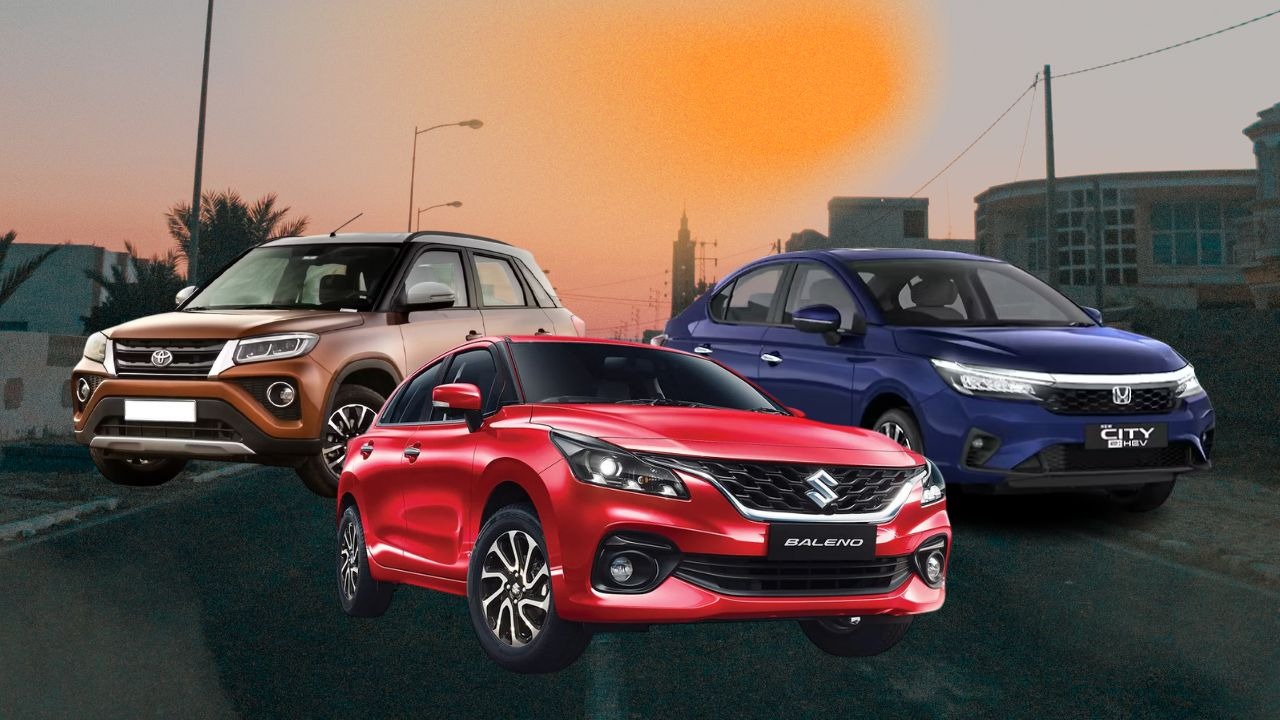
If you are interested in hybrid models then Baleno offers a more refined experience than any other hatchbacks. It delivers 18 km/l mileage on petrol in real-world driving, with excellent insulation, built with high-quality materials, and flexible seats. 

It’s consistently among the top five best-selling cars in India, so you don’t have to worry about its resale value and maintenance. If your daily commute is a mix of city roads with the occasional longer weekend drive, the Baleno provides an excellent balance of efficiency, comfort, and long-term ownership costs. 

Read More :- What Is ADAS? A Complete Guide to Advanced Driver Assistance Systems

For Sedan Comfort With Hatchback Efficiency: Maruti Suzuki Dzire

If you don’t want to compromise on boot space without sacrificing mileage because longer journeys are a part of your daily life, the Maruti Suzuki Dzire is the best option. The Dzire remains one of India’s most trusted commuter sedans with a mileage of 26 km/l on petrol in the ARAI chart but it works better on the CNG. 

It is a very comfortable sedan with Hatchback efficiency to handle both city-highway commute. The resale value is also higher since it offers low running cost making a practical long-term choice rather than just a cheap one.

For Longer, Mixed Commutes: Honda City e:HEV

The Honda City e:HEV is a self-charging strong hybrid which is best for your daily longer commutes. It combines a 1.5-litre petrol engine with two electric motors and a bigger advantage is it runs everyday traffic without burning a lot of fuel. It gives ARAI-certified fuel efficiency of 27.26 km/l, and 23–25 km/l in real-world running with AC on since e:HEV is able to run on electric power during low-speed, stop-and-go driving.

Priced around ₹19 – 20 lakh ex-showroom, if you are going to buy a car then its a right time to shift from petrol-only into e:HEV hybrid for long daily commuters. The fuel savings take time to justify the extra cost. However, a hybrid is best if you are covering 50 km or more with noticeably quieter cabin, smoother acceleration, and a more relaxed driving experience.

Best SUV Seating Experience: Toyota Urban Cruiser Hyryder Hybrid / Maruti Grand Vitara Hybrid

These SUVs use Toyota’s proven strong-hybrid system which makes it a more excellent choice for buyers who are looking for Best Cars for Daily Office Commute. They deliver everyday drivability and mileage of around 27–28 km/l in real world conditions. The SUVs which you can drive comfortably in city traffic with higher ground clearance, and commanding driving position.

They offer great value in both city and longer journeys with spacious cabins and comfortable experience. For someone whose commute includes patchy roads or minor flooding during monsoon season, they need these kinds of cars with higher stance as these hybrids are a practical choice which handles challenging road conditions while still delivering low running costs. 

For Budget-Conscious SUV Buyers: Tata Punch

If safety ratings matter to you as much as running cost, then Tata Punch is a great option for you as it receives a higher Global NCAP crash rating. You can buy it for around ₹7.1 lakh for experiencing a SUV-like driving position and automatic transmission.

So Tata Punch is a reliable and safe option for people who have a low budget and expect good mileage. This petrol compact SUV offers remarkable features and sleek design to mark your presence on the road in daily city traffic.

The Honest Way to Choose Between Them

Work out your daily one-way distance first, then multiply by your actual working days, not an assumed 30. If that number stays under 500 kilometres a month and most of it is stop-start traffic, a CNG hatchback like the WagonR will save you more money than any hybrid ever will, because the hybrid’s price premium simply won’t get paid back in that few kilometres. 

If you’re crossing 1,200–1,500 kilometres a month with a real mix of traffic and open stretches, that’s the zone where a strong hybrid like the City e:HEV or Hyryder starts to genuinely pay for itself within a reasonable ownership period. 

And if comfort and cabin refinement matter more to you than shaving the last rupee off your running cost, weigh that into the decision honestly — a car you enjoy sitting in for an hour a day is worth something that doesn’t show up on a mileage chart.

Read More :- Monsoon Car Care Tips: Keep Your Car Safe During the Rainy Season

Conclusion

These cars are proven outcomes of good fuel economy so if you are looking for best cars for daily office commute to buy then this will help you understand what each one offers. Whether you are looking for daily city commutes for shorter distances or a strong car which handles longer distance and daily traffic, these models offer great mileage with a comfortable driving experience.

0

Tata Harrier & Safari Petrol Launched In India at Rs. 12.89 Lakh

Published Jan 8, 2026, 11:30 AM
Last Updated Apr 22, 2026, 11:47 AM

Tata Harrier & Safari Petrol

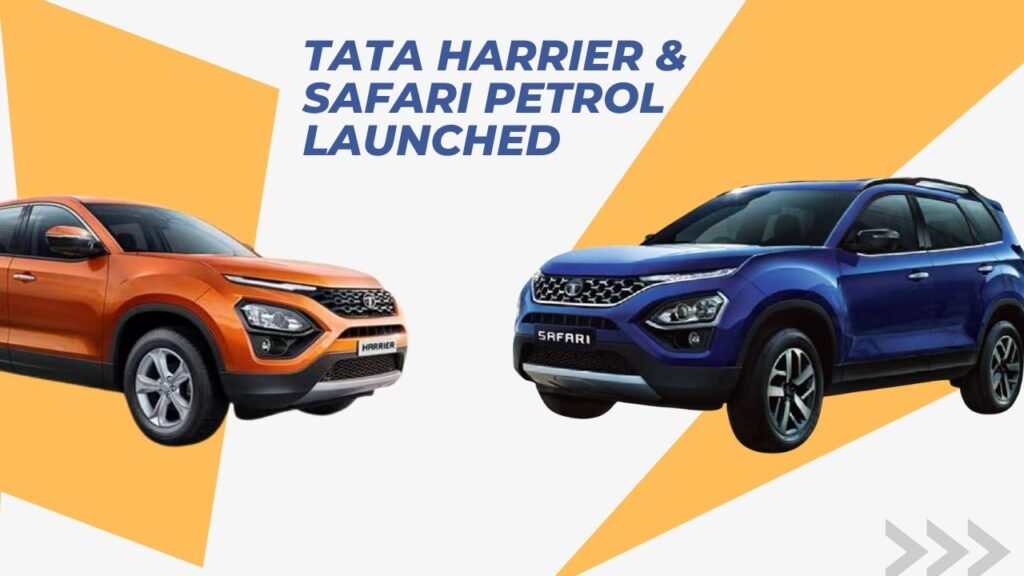
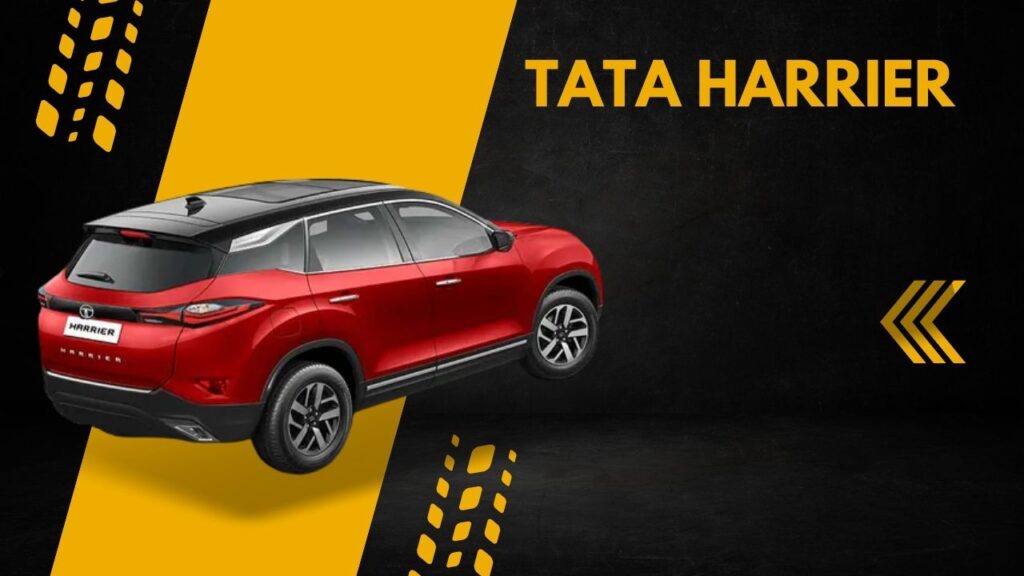
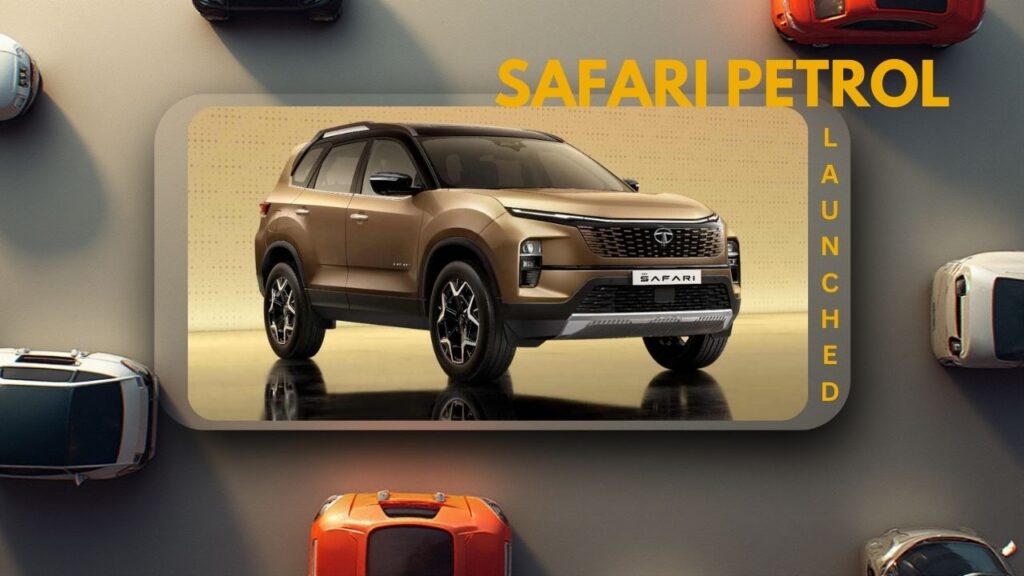
Tata Motors have launched the petrol variants of their popular SUVs Harrier and Safari. Tata Motors has introduced petrol variants for two popular SUVs, about time too. With a starting price of Rs 12.89 lakh, the Harrier petrol is one of the cheapest seven-seater SUVs available in India, while the petrol option of the Safari has a price tag of Rs 13.29 lakh.  

Let me take you through all the reasons why these launches will be nothing short of a revolution for the Indian SUV market.  

The Engine That Brought Dreams to Life

For years, Tata lovers had to make do with a rock and a hard place: love the styling, hate the diesel-only offers. That is all about to change with the new 1.5-litre TGDi turbocharged petrol engine introduced – a powerhouse, demonstrated by Tata first at Auto Expo 2023 but seemingly moving at a glacial pace while bringing it to the Harrier and Safari. It’s not just an ordinary petrol engine, it’s been specifically tuned for these SUVs, outputting 170 PS and 280 NM.

Sure, you lose 70 Nm over the diesel’s 350 Nm, but here’s the punchline: in the real world, very few will feel a thing. The petrol engine is responsive, quite refined and most importantly fuel efficient for driving in the city. You can choose from a 6-speed manual or a 6-speed torque converter automatic that is buttery smooth, so take your pick depending on your driving style. 

Features That’ll Make Your Heart Skip a Beat

This is where the petrol launch becomes a lot more interesting. Tata didn’t just slot in an engine in these SUVs—these are loaded with premium features that were not available before. A huge 14.5-inch Samsung Neo QLED touchscreen infotainment system, same as the one used in the Harrier EV. 

This is no ordinary glossy screen, it’s crisp, it’s responsive, and you can even see it in direct sunlight. It’s packed with wireless Apple CarPlay, Android Auto, built-in navigation, voice assistant, Alexa integration, and even arcade games to pass the time.

The sound experience is also enhanced, with a 10-speaker JBL system with Dolby Atmos delivering concert-hall-quality sound that turns your daily drive into an immersive journey. 

Safety Gets Smart with ADAS

Among the biggest highlights is the Level 2 ADAS (Advanced Driver Assistance System) pack comprising of a mass 22 features which will be available on the top variants. That includes adaptive cruise control, lane-keeping assistance, collision warnings and more — technology that used to be available only in luxury cars.

Safari petrol

The digital interior rear-view mirror (VisionEX) with integrated dual dashcams brings an additional level of safety as you get HD videos from front and rear at the same time. 

Interior Comfort

Step inside the petrol variant of the Harrier and you’ll experience an all-new interior theme. The Fearless Ultra has an Oyster White and Titan Brown colour theme that is premium and airy, a stark contrast to the dark interiors of the past models. A new sliding armrest offers practical convenience, and the panoramic sunroof with ambient mood lighting enhances the premium ambience. 

Tata has offered new captain seats with ventilation for the Safari petrol in the 6-seater configuration—ideal for those hot summer drives across India. The second row is fitted with window sun blinds and winged headrests, letting your passengers travel in real comfort. If you want the roominess of a seven-seater, that choice is there as well, but the captain seats? That’s where the luxury happens. 

Read More:- Toyota Urban Cruiser BEV Teased in India: Launch Timeline, Range, Features & Price

Variants for Every Budget

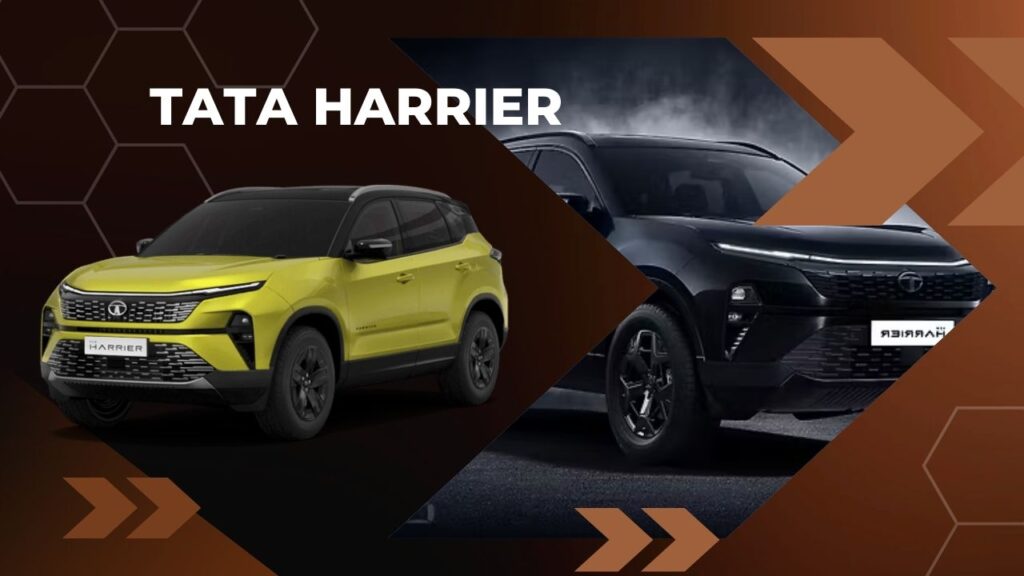
The Harrier petrol is available in seven variants- Smart, Pure X, Adventure X, Adventure X Plus, Fearless X, Fearless X Plus and the top-spec Fearless Ultra, all are offered with the choice of manual and automatic.

Variants for Every Budget Tata Harrier

The Safari petrol gets six variants as well with the same two transmission options. This sort of tiered system means you’re not obligated to buy features you don’t need – you end up with whatever suits your lifestyle and your budget. 

Conclusion

Tata spent almost seven long years to bring petrol options to these two outstanding SUVs, but the wait could have actually worked in their favor. The petrol engine isn’t a rushed afterthought but rather a well thought out upgrade with a raft of premium features that actually make these SUVs competitive in 2026. 

Be it the Harrier’s tempting 5-seater practical layout or the Safari’s 3-row flexible seating, Tata has at long last given what loyal customers have been crying for – a petrol option, without having to compromise in terms of the legendary design and build quality these SUVs have come to be known for. 

0

2026 Isuzu V-Cross Launched at ₹25.50 Lakh, 4×2 Trims Discontinued

Published Feb 25, 2026, 12:27 PM
Last Updated Apr 8, 2026, 7:22 AM

2026 Isuzu V-Cross

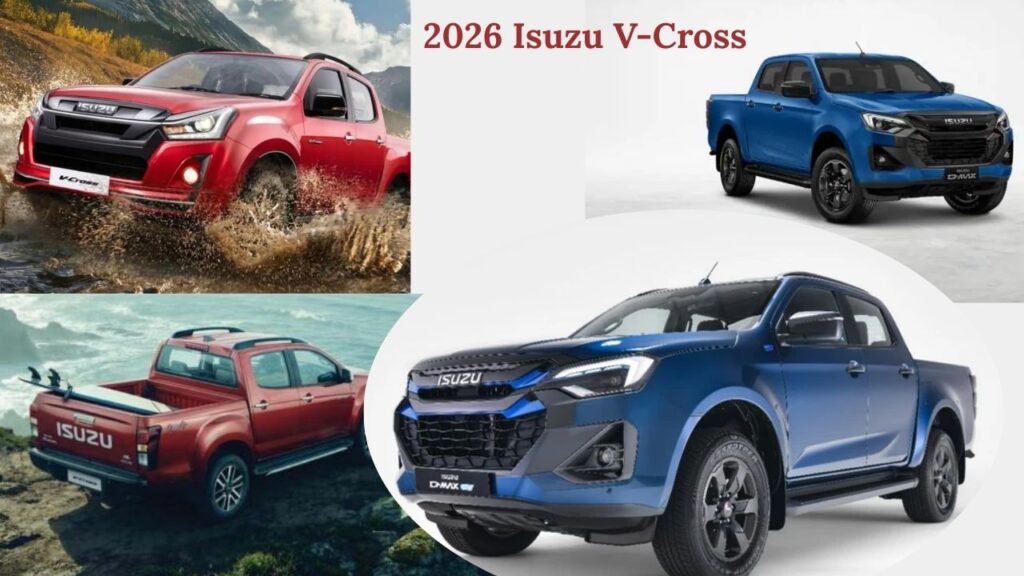
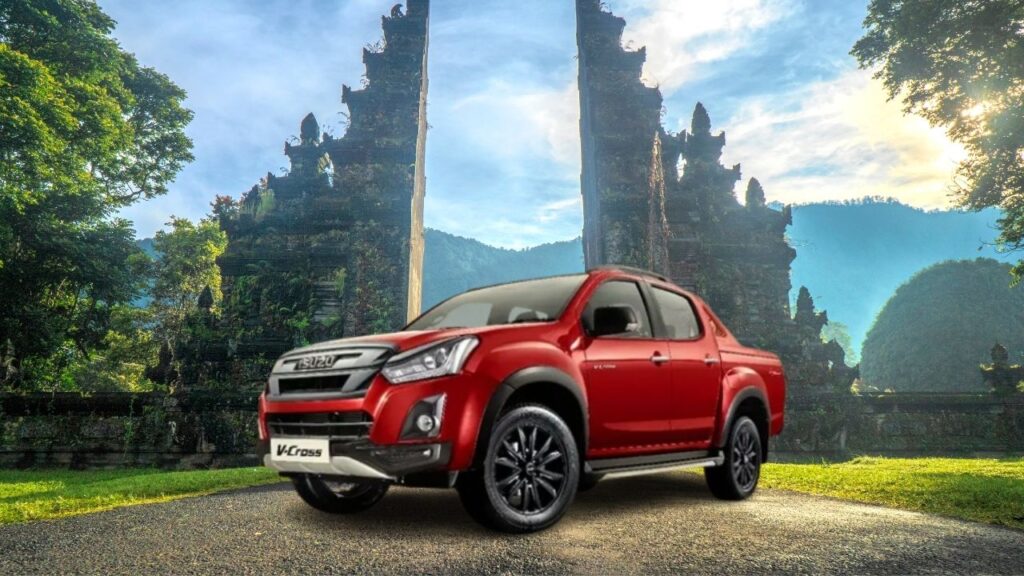
Isuzu eyes off-road supremacy with 2026 Isuzu V-Cross in India but offers it only in a four-wheel-drive avatar. Priced from ₹25.50 lakh (ex-showroom), the revised V-Cross is now available in 4×4 only, signifying Isuzu’s belief that customers in this segment prefer authentic off-road capabilities to superficial ruggedness. 

The Big Move: Standard 4×4 Across the Board

The 2026 change is a little more dramatic: no more two-wheel-drive options at all. Earlier, the 2026 Isuzu V-Cross range had 4×2 variants which catered to city dwellers enamoured by the road presence of the pickup, but had little need for mountain-conquering hardware. Isuzu has evidently decided that the V-Cross nameplate is too inextricably linked with adventure to bastardise it with front-wheel-drive models.

The Big Move: Standard 4×4 Across the Board

This shift-on-the-fly 4WD system is not an over-badged engineered gimmick. It comes with high-torque mode, hill descent control, and an auto-locking differential that is now standard fitment. For anyone who actually took a 2026 Isuzu V-Cross off the beaten path, this is not advertising fluff—it’s the difference between making it up a slippery incline and calling for a tow truck.

Features and Specification

Design & Exterior 

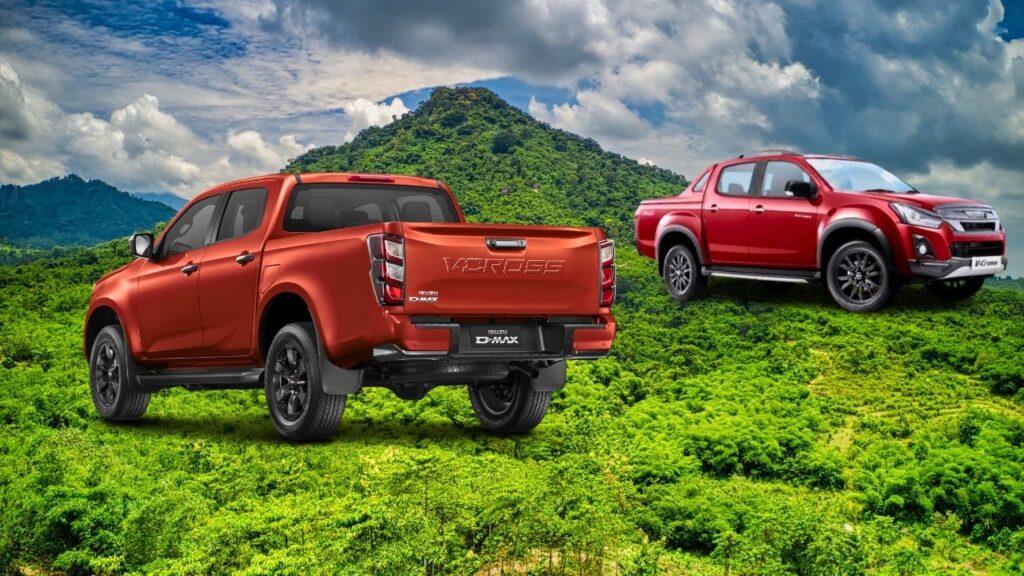
The 2026 brings major progress beyond just the powertrain switch, with far more meaningful changes and innovations on and off the road. The exterior gets a darker and bolder treatment with grey finishes on the grille, the fender lips, ORVMs and rear bumpers. The Z Prestige variants take it even further with very dark grey accents on the hood garnish and uniquely designed matt black alloy wheels.It’s a subtle evolution, but one that helps the V-Cross look more purposeful and brings less chrome in its rearview mirror. 

Isuzu V-Cross Features and Specification

Interior and Tech Build

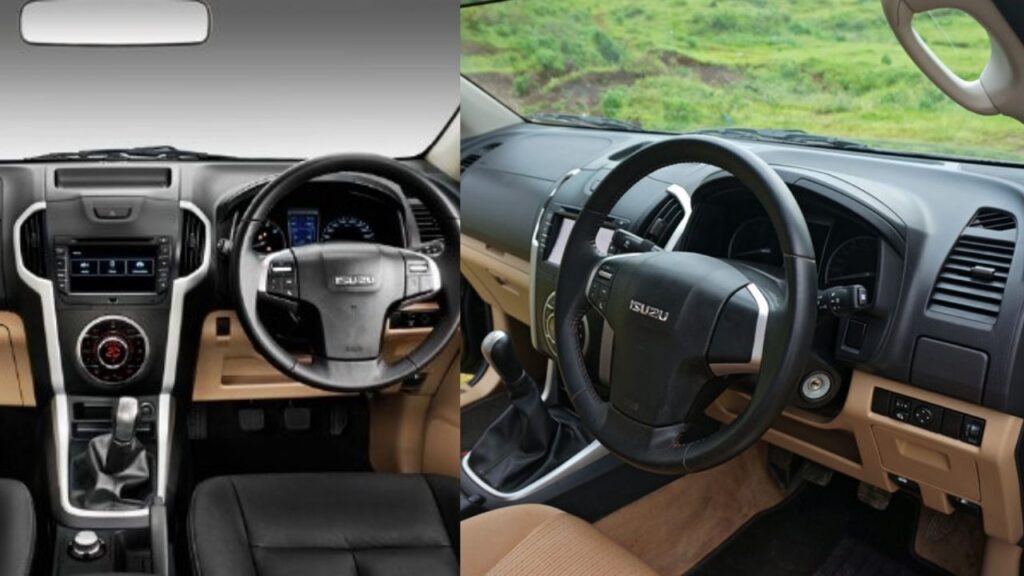
Inside, the tech is the most significant upgrade in years. The old 9-inch touchscreen has been substituted with a bigger 10.3-inch unit and Isuzu is at last offering the D-Max with a 360-degree camera — a system that makes parking this 5.3-metre monster in tight city spaces just a little bit less soul-destroying. 

Wireless Android Auto and Apple CarPlay are now available for all models, as well as tire pressure monitoring, and six airbags on upper trims. 

Space and Comfort

The back seats have an improved recline angle too, which solves one of the very few real issues with cabin comfort on the 2026 Isuzu V-Cross. For a machine that is famously put through long highway jaunts to the middle of nowhere, this is more important than it sounds. 

Powerful Engine with AMT Transmission

The 2026 Isuzu V-Cross offers a 1.9L 4-cylinder diesel engine that generates 163 hp, with 360 Nm of torque. These figures are not really going to make people say ‘performance monster’ in this day and age of 200+ horsepower pickups stealing the limelight, but that’s really not the point here. The Isuzu engine is a reliable workhorse – and real buyers in the real world will take dependability over shiny spec sheet numbers anyday.

You’ll have a choice of a 6-speed manual or 6-speed automatic transmission, and power will be sent to all four wheels by default, ensuring that the V-Cross is a reliable travel mate whether it is highways, rugged terrain, or the mundane city roads. 

To the point of the flat torque characteristic, a peak torque is already on hand at 2000 rpm and it is sustained until 2500 rpm. What that means in the real world is effortless, no-hassle highway driving, and plenty of low-end grunt for crawling over rough off-road obstacles without needing to rev your heart out. 

Pricing and Variants

2026 V-Cross prices start from ₹25.50 lakh for the Z 4×4 Manual and go up to ₹30.96 lakh for the fully loaded Z Prestige automatic. This is a rise in price over the 4×2 base model of the outgoing model but Isuzu is making the case that four-wheel-drive is now standard and buyers are getting more for their money.

Isuzu V-Cross Pricing and Variants

The revised range now includes two models – Z and Z Prestige, each available in manual and automatic transmissions. The Z Prestige adds quite a few extra features, including some dark-inspired styling, leather trim, six airbags instead of the Z’s two, and a beefed-up, 8-speaker, roof-mounted sound system. 

Read More:-  Fortuner vs Gloster: Which Full-Size SUV is Much Better

Who Is This For?

The 2026 Isuzu V-Cross is unparalleled when it comes to the dual purpose vehicle in the Indian market. As opposed to the regular D-Max, which is more commercial vehicle or luxury SUV, the V-Cross is sort of utility and comfort. It is designed for people who need a pickup truck’s practicality to perform work-related tasks such as hauling equipment or outdoor gear, but end their days in a safe, comfortable place. 

Discontinuation of the 4×2 variants The changes point towards Isuzu having studied its customers and having found that the majority of V-Cross buyers were already asking for four-wheel-drive. With the option of 4×4 becoming standard, Isuzu not only simplifies production but it also positions the V-Cross more directly against its sole real rival, the Toyota Hilux, which also commands a premium cost for its 4×4 models albeit from a larger vehicle. 

Conclusion

The 2026 Isuzu V-Cross isn’t reinventing the wheel, but is confidently refining it. By going all-in on four-wheel-drive, Isuzu is betting it can make this pickup stand out for real off-road prowess in a package that’s comfortable enough for daily use. These new features tackle pain points experienced by owners, and the darker styling gives the vehicle a more modern attitude.

It is not cheap at ₹25.50 lakh, but then nothing is when you have this mix of versatility, off-road kit and cabin polish. For those few who know why a real 4×4 pickup matters, the 2026 V-Cross is not only the obvious choice – it is the only choice. 

0

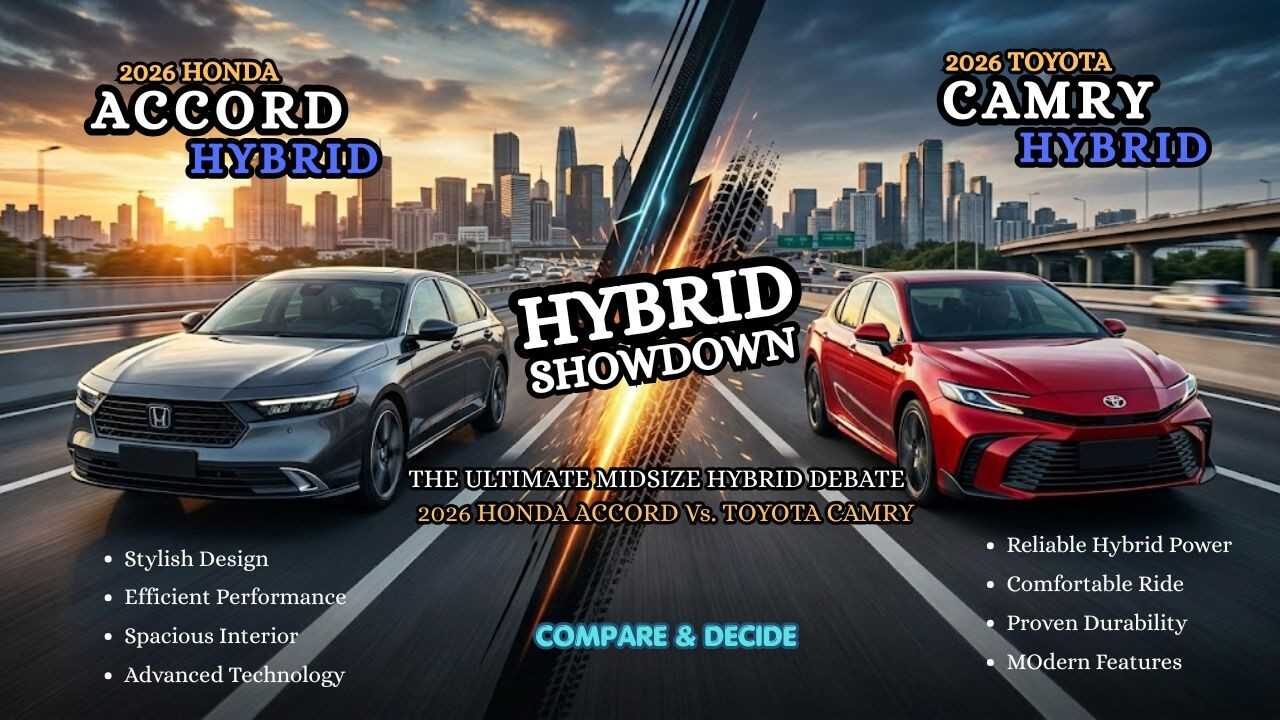
Hybrid Showdown: 2026 Honda Accord vs Toyota Camry hybrid

Honda Accord Vs. Toyota Camry

Deciding between the Honda Accord vs Toyota Camry hybrid is difficult when you want to buy a midsize sedan which is perfect for you and your family. Whether you want to hang-out with your friends or take a tour trip with your family, both are outstanding variants which are great for running anywhere with you.

Let’s compare 2026 Honda Accord vs 2026 Toyota Camry variants in detail so you will get to know everything before making a choice. Both followed ‘going green’ goals with electrification gaining momentum. The premium trims of Honda’s Accord come with premium-feeling twin-motor hybrids, and Toyota is making the entire 2026 Camry range hybrid-only. 

They offer high-end tech features without compromising its sleek design. Now you can save time and fuel with hybrid kings. Well, which hybrid king deserves a place in your garage?  

Engine Specifications and Powertrain

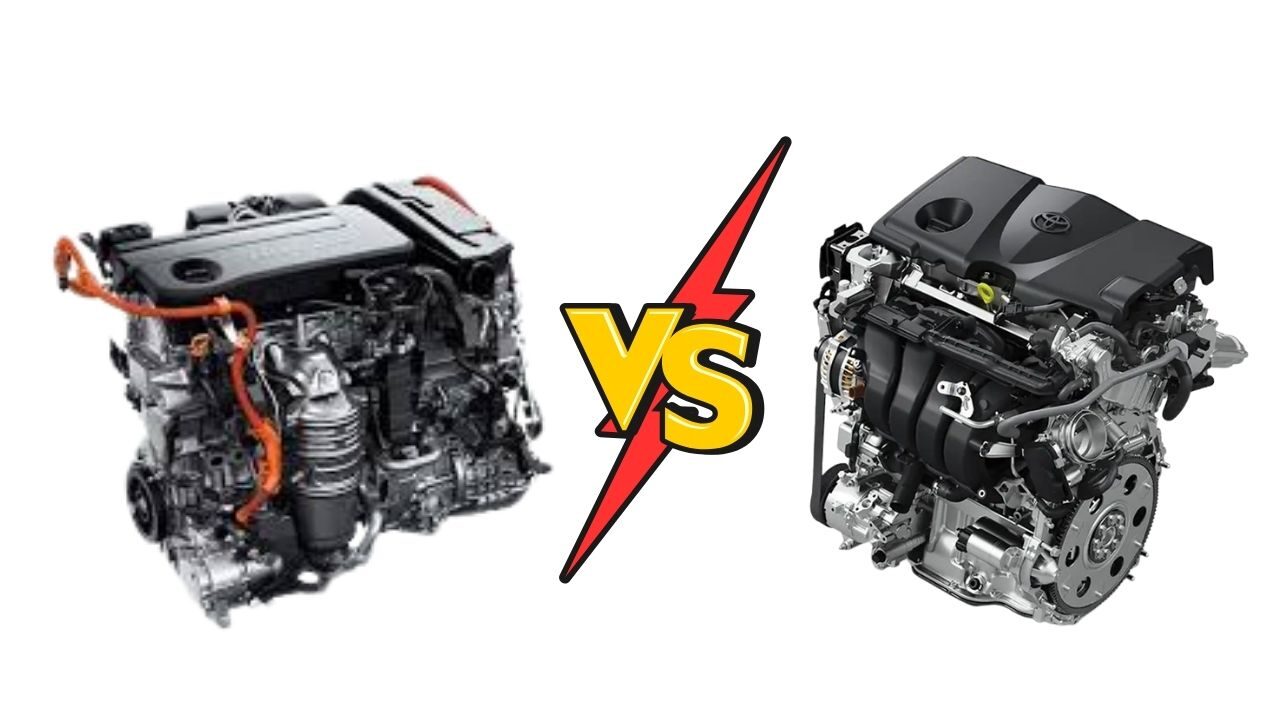
The 2026 Toyota Camry vs Honda Accord comparison begins with some similarities in their engines which provide superpowers to the car. They both offer hybrid systems, combining gas engines with electric motors for smooth, efficient power, but they don’t drive the same.

Camry drives on 225 horsepower in front-wheel drive (FWD) or 232 horsepower in all-wheel drive (AWD) with 5th-gen combined 2.5L four-cylinder and electric motors engine. It provides an amazing ride and automatically engages on slick roads without driver’s intervention.

Accord provides two-motor 2.0L 4-cylinder engines to run with 204 hp and 247 lb-ft of torque. This 4th-gen Honda gives a feel free ride on FWD and excellent features.

There e-CVT transmission of both cars give gear-free acceleration to switch smoothly and take seamless driving experience. Take a sports reverse vibe and it features let you shine in snow or rain.

Feature 2026 Toyota Camry Hybrid 2026 Honda Accord Hybrid
Engine 2.5L 4-cyl + electric 2.0L 4-cyl + two motors
Horsepower (FWD) 225 hp 204 hp
Torque ~200 lb-ft 247 lb-ft
Drivetrain FWD or AWD FWD only
Transmission e-CVT e-CVT simulated shifts

Fuel Efficiency of Honda Accord vs Toyota Camry Hybrid

A real challenge of Honda Accord vs Toyota Camry hybrid begins with their super variants fuel efficiency. It supports the long run without worrying about your money on fuel. 

Toyota Camry hybrid offers 51 MPG combined base model, 44-47 MPG on other (XLE/XSE or AWD) variants which provides excellent rides. If we compare these variants then there is not much difference shown. It has three modes: ECON, Sports and Normal. 

Accord 2026 gives 48 MPG on combined engine in Ex-L variant and 44 MPG on sports vibe variant with larger wheels. 

But they both roll up in silent, EV-only mode for short distances, ideal for your daily commute in stop-and-go city traffic. 

Trim/Model Camry Combined MPG Accord Combined MPG
Base (LE/EX-L) 51 48
Upper (XSE/Sport) 44-47 44
AWD Option 44-47 N/A

Exterior Design and Styling Updates for 2026 Honda Accord vs 2026 Toyota Camry

The days when the “practical” family sedan was a bland design basket case are long behind us. Both brands bring their 2026 versions to the plate with a serious attitude.

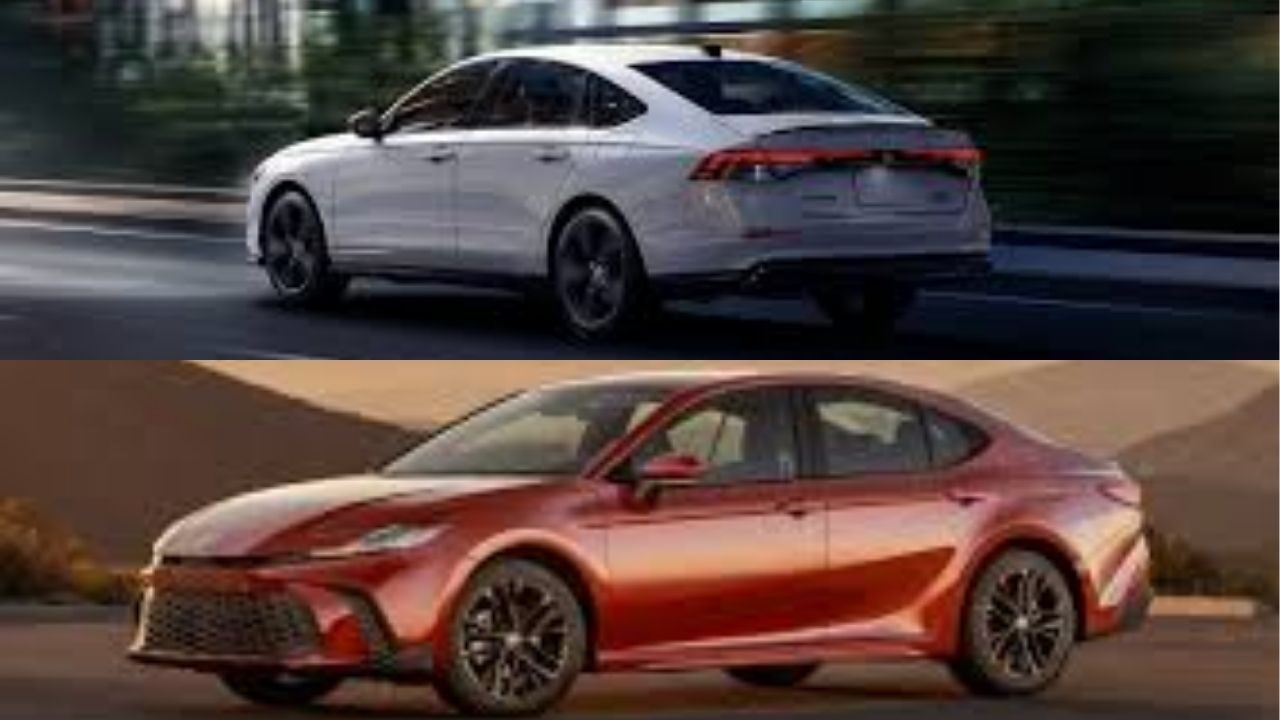
The Honda Accord has grown up pretty well into a good looking, sleek fastback. It appears to be a remarkable supercar with its sleek design that makes people remember forever. The smooth functioning slopes down the roofline and active shutter grille is unique and fascinating. 

To support the best driving experience and mark its presence Honda engineers fit dual low-beam LED headlamps and covered in a gloss-black mesh to the new Honda Accord for taking the center stage.

The 2026 Accord Sport models are quite a bit sportier inside with window highlights, a redesigned rear diffuser, more aggressive blacked-out exterior badging that ties the athletic stance together without being too flamboyant. 

Toyota is going in a more aggressive direction with the 2026 Camry. The front-end has a distinctive “hammerhead” look that exudes breadth and power when viewed on the road. The addition of the new Nightshade edition for 2026 adds a further layer of flair, complete with a black rear spoiler, 19-inch black alloy wheels and an eye catching new Dark Cosmos paint color. 

If you like your cars more refined and mature as the Accord delivers or more bold and sharply creased like the Camry comes down to personal preference, but both will ensure you have a modern and eye catching presence. 

Interior Comfort, Technology, and Cabin Space

Both have upgraded with major features and luxury materials in their cabin so you would have fallen for these two models as well as get confused in 2026 Honda Accord vs Toyota Camry hybrid.

  • Room like cabin, perfectly structured with hidden vents behind sleek metal. Its shape is horizontal, looks clean and dashing. 
  • Seats are more comfortable and supportive for driver and passengers on each level variant, just a slight upgrade on higher trims.
  • 12.3 inch touchscreen display which is amazing for fun rides and supportive feature for beginners with connectivity availability (wireless Apple CarPlay/Android Auto).
  • Premium features like a 12-speaker audio system and AI assist are also provided.
  • Passengers on the rear seat get comfortable space so it becomes ideal for adults.

The 2026 Toyota Camry has an equally impressive technology offering. An 8-inch screen is standard. The other trims quickly jump to a stunning 12.3-inch central screen and a fully digital 12.3-inch gauge cluster. The Camry’s infotainment system is quick to respond and offers standard wireless smartphone integration on all but the base model. 

The interior noise level is further reduced with acoustic noise dampening glass (standard on XLE and XSE), isolating you from wind and road noise. Toyota also has an extremely well regarded JBL audio system and a Head-Up Display which can be Optioned, that Display projects important driving information on the windshield. 

Both are safe bets for resale value. As we know that both are new models with upgraded safety features like Toyota Safety Sense 3.0 which provide: 

  • Pre-Collision System, 
  • Full-Speed Range Dynamic Radar Cruise Control, 
  • Blind Spot Monitoring 
  • Rear Cross-Traffic Alert 

And it gives all levels of Toyota Camry so be relaxed while you drive. When someone crashes onto you, this car will protect you with all its features.

On the other hand, Honda’s Sensing suite takes you safely to your destination, it boasts Adaptive Cruise Control with Consistent speed and Traffic Assist. They’re built with your family’s safety in mind, but Toyota holds a slight price edge since blind-spot monitoring is standard on every model. 

Tata Sierra EV 2026: Price, Range, Features & Launch Details

Cargo Space and Everyday Practicality

A mid-size sedan needs to be an all-around capable daily driver. 2026 Honda Accord vs 2026 Toyota Camry Cargo Space While comparing cargo space of Honda Accord vs Toyota Camry hybrid, both companies have employed clever engineering that their hybrid batteries don’t intrude on utility. 

Historically, hybrid batteries took up a large portion of trunk space. But the problem has been solved now with practically both Honda and Toyota packaged, their battery replaced from the trunk and packs under the back seat. 

The 2026 Honda Accord provides 16.7 c.f space to lift bulky luggage. The wide opening of the trunk makes it easier to lift everything with self-opening of the gate. Additionally, the Accord has a 60/40 split folding rear seat as standard you can slide longer goods right into the cabin. 

The 2026 Toyota Camry has a decent trunk space of 15.1 cubic feet. Camry trunk is deep and tall, so useful that even if the published dimensions make it smaller than the Accord’s, it doesn’t feel that way. A 60/40 split folding rear seat is standard as well. Camry cleverly offers more cabin storage with large door pockets and center console bin which makes it superior for overall cargo and rear seat space.

New BMW M4 2028 Coupe Digitally Enters The BMW Neue Klasse M4 Era

Driving Dynamics: Ride, Handling, and Comfort

Both Honda Accord and Toyota Camry offer more than just specs, you can experience the comfort & reliability once you take a ride on these titans. 

While Toyota Camry is more user-friendly and easy on a daily traffic road. It is also the best option for rough roads because of its well-balanced suspension, you don’t have to feel the potholes. It stands firmly to hold the balance on rough roads and responsive steering provides flexibility. 

The Honda Accord engineered with more engaging and dynamic features to handle all kinds of roads to give excellent driving experience. Its steering allowed it to handle corners with its sharp and precise movements and also wheel-mounted deceleration selectors. Accord minus the chances of panic in braking because of regenerative braking to slow down the car. If you enjoy a car that feels connected to the road, the Accord is the standout choice.

Conclusion

Honda Accord vs Toyota Camry hybrid is a huge battle for car lovers. As both serve excellent driving experiences and build on a powerful system that represents 2026 Honda Accord vs 2026 Toyota Camry highly debated on the stage. It has been popular for decades thanks to unmatched highway fuel efficiency and a fundamental package of safety. 

But if you place a higher value on sleek, polished looks, best-in-class cargo space, and a hint more involving, sporty driving experience with some punchy electric torque on the line, the 2026 Honda Accord Hybrid is worth a look.

At the end of the day, whichever you drive off the lot in, the nimble Accord or the reliable Camry, you’re buying an exquisitely engineered, highly efficient vehicle that will provide years of dependable service. The real winner in this hybrid battle is the buyer, who can select from two outstanding machines.