0

Best Family SUVs in the USA: Ultimate Guide to Safety, Space & Style

Published Aug 4, 2025, 9:54 AM
Last Updated Apr 7, 2026, 10:49 AM

Best Family SUVs USA 2025 – Top Safe and Spacious Picks for Families

Most of the families refer to the “Best Family SUVs in the USA” when they want a vehicle which can be well-suited to the needs of their family. A top-rated family SUV offers huge space for kids, car seats, and luggage with spacious interior, modern models come with more safety features like automatic emergency braking, blind-spot response, lane-keeping assist which makes them less worried about their trips to long routes.

As well as prioritizing family protection, people love to experience modern tech like Apple CarPlay, Android Auto, Wi-Fi connectivity to enjoy the ride with family. Families mostly prefer an SUV that will fulfill their specific needs and purpose to buy a vehicle.

If you are thinking about buying an SUV then check out the details of each one to select that suited to your lifestyle.

Read More :-  Subaru Forester vs Honda CR-V 2025: Which SUV Is the Real Champion?

Best Family SUVs in the USA

The table represents the Family SUVs price, seating, and rating which is based on all the specs of the particular vehicle.

SUVs Starting Price Hybrid Drive Feel Seating
Kia Telluride $37,390 – $42,090 No Hybrid Balanced/Luxury Max 8 passengers
Honda CR-V $30,100 – $41,100 Yes (efficient hybrid) Smooth. Efficient 5 passengers
Toyota Grand Highlander $40,860 – $55,540 Yes  Plush & Powerful Max up to 8 passengers 
Subaru Forester $32,995 – $41,415 Yes Confident/AWD 5 passengers
Mazda CX-5 $27,770 – $39,800 No Hybrid Sporty/Refined 5 passengers
Ford Explorer $41,350 – $54,045 Yes Powerful/Versatile Max 8 passengers
Toyota RAV4 $29,850 – $40,305 Yes Comfortable/Easy 5 passengers

Kia Telluride

Kia Telluride is one of the top rated SUVs in 2025 that will pass all the valuable key points such as Space, Reliability, Technology, and Safety. It offers a 3.8-litre engine that delivers 291 bhp horsepower.

Kia Telluride 2025 – Spacious 3-Row SUV for Families


The Kia Telluride, especially made with a three to eight seater SUV, is a family oriented vehicle that gives you a premium cabin feel. The high power V6 engine with balanced comfort and tech offers you amazing long tours with luxury experience.

Honda CR-V

It offers a hybrid variant with All-Wheel Drive to ride freely on the off-road. It offers a 1.5-litre engine that delivers 204 hp. The cargo space is 76.5 cubic feet which is great for the families to go on trips with tons of things.

Honda CR-V Hybrid SUV

If you want a smaller and easier to park kinda SUV then CR-V with a two row compact SUV might be the best option. The well-featured safety makes you less worried on long trips. The Cruise Control and Lane Keeping Assist are advanced tech features in the SUV which keep monitoring the driving to instant Braking response & Road Departure. 

Toyota Grand Highlander

Toyota Grand Highlander comes in three powertrains — Gas, Hybrid, & Hybrid MAX. All-Wheel drive available in all the powertrains, engine almost the same 2.4L–2.5L with 265 hp – 362 hp for amazing performance.

Toyota Grand Highlander 2025 – 3-Row SUV with Hybrid Power

It offers a huge cargo space up to 95.5 cubic feet with seats folded. It offers three row seating without folding which can be the best choice if you prefer an SUV with dynamic purpose. The amazing interior will take your eyes out, flexible seating makes this model ideal for families.

Subaru Forester

The new Subaru Forester stands a chance in the list of legendary luxury vehicles of 2025 because it delivers the features which ensure the key factors like reliability, safety, and all-wheel drive mode. The 2025 Subaru Forester has a redesigned exterior for an ultra modern look.

Subaru Forester 2025 – Safe and Reliable AWD SUV

This SUV is updated with tech features & safety including emergency stop assist and hybrid powertrain. This SUV is ideal for families because it ranked high after crash tests with a full airbag suite. 

Mazda CX-5

The fastest speed engine of Mazda CX-5 delivers 0–60 mph/8.9 seconds. This is the sign of a powerful SUV which is compatible for families, it offers advanced safety features such as emergency braking, Lane Keeping assist, Cruise Control, and sensor with 360 degree angle camera.
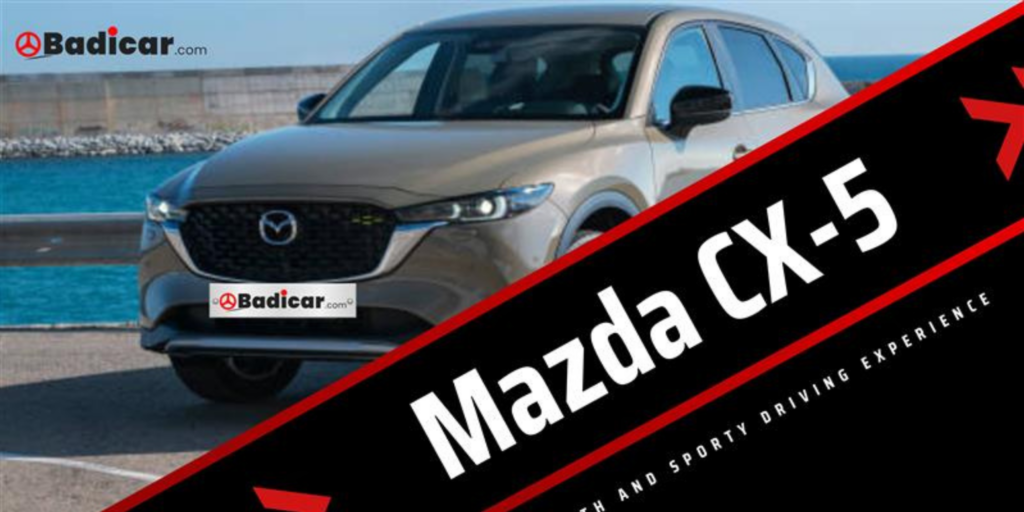
Mazda CX-5 – Sporty Family SUV with Premium Interior

Premium quality interior will satisfy the need of comfortable seats, wider opening door, heated front & rear seats, rain-sensing wipers.

Ford Explorer

It offers 3.3L in hybrid V6 engine for powerful performance, fuel efficient Ford Explorer delivers 23 mpg combined 4-cylinder. Ideal for families with 85.5 cubic feet cargo space to store multiple items.

Ford Explorer – Powerful Hybrid SUV for Family Adventures

Safety sensors will be guarded in all types of unpredicted situations including Ford Co-Pilot 360 Suite to control and adapt the nature of driving by automatic features. 

Toyota RAV4

The Toyota RAV4 8-speed automatic highest ranking SUV delivers a 2.5L engine with 184 lb-ft torque providing excellent experience on ride. The interior has large space for front and rear legroom, roomy class 5 passengers seats with 69.8 cubic feet cargo space gives you the best experience during the long trips.

Toyota RAV4 – High-Ranked Compact SUV for Families

Dynamic Cruise Control and Steering Assist on full speed is an excellence tech feature, Cross-Traffic Alert & Automatic High Beams for monitoring the Lane, traffic, and available to handle every situation. These are the factors that got strong NHTSA scores.

Read More :- Jeep Wrangler vs Ford Bronco 2025: Full Comparison of Specs, Style & Performance

Conclusion

Top charted SUVs like Kia Telluride and Toyota Grand Highlander are ideal means of transportation for people needing maximum passenger capacity and cargo space. These SUVs come with wonderful interior blends with functionality and proved in the crash tests. Additionally, the Ford Explorer offers multiple powertrains and supports robust towing for adventurous trips with family.

Honda CR-V, Toyota RAV4, Mazda CX-5 and Forester are the compact SUVs preferable for smaller families and city dwellers. The excellent features and well-designed cabins are providing an outstanding experience. These are budget-friendly vehicles which give you full safety support with their strong safety features. 

The Mazda CX-5 and Subaru Forester deliver unique blends of interior beauty with different motives to buy an SUV. The CX-5 offers a more sportier experience in driving and style which is chosen by those who are passionate about sporty style. However, Forester is more focused on safety and supports in all types of weather conditions. 

Each of Best Family SUVs in the USA offers unique style and features that will be perfect for the families to travel in the SUV. Whether you are looking for city rush or off-road trips, these SUVs will match with every family needs and lifestyle.

Sharey Khan

Sharey Khan is an IT entrepreneur and petrol head & a car enthusiast. With a special focus on car-related content, he combines his deep passion for vehicles with a talent for crafting informative, engaging, and easy-to-understand content. His writing is driven by a genuine love for cars and he is committed to providing readers with accurate, up-to-date, and trustworthy information that empowers smarter driving decisions. 

Leave a Reply

Your email address will not be published. Required fields are marked *

0

Tata Harrier EV Launched with Big Features and Massive Range

Published Jun 11, 2025, 5:06 AM
Last Updated Apr 8, 2026, 7:31 AM

Tata Harrier EV Launched with Big Features and Massive Range

The Tata Harrier EV is finally here. Tata Motors launched it on June 3, 2025. It is a new electric SUV. It comes with powerful features and a long driving range. This car is perfect for people who want a clean and smart vehicle. Let’s find out everything about the new Tata Harrier EV.

The Tata Harrier EV is a full-size electric SUV. It runs on electricity. It does not use petrol or diesel. This means it does not pollute the air. It is part of Tata’s green mission. Tata Motors wants to make more electric cars in the future. This is one of their best electric cars yet.

Launch Date and Price of Tata Harrier EV

Tata launched the Tata Harrier EV on June 3, 2025. The starting price is Rs 21.49 lakh (ex-showroom). This is the basic model. The price goes up for higher models. This price is good for a big SUV with many features. Bookings for the car will start from July 2, 2025.

Launch Date and Price of Tata Harrier EV

Image Credit: Tata.ev

Tata Harrier EV Long Driving Range

One of the best things about the Tata Harrier EV is its range. It can go up to 627 kilometers on a full charge. This is the MIDC-certified range. You can drive it for many days without charging. This is great for long trips. You do not have to worry about charging all the time.

Features of Tata Harrier EV

Features of Tata Harrier EV

Image Credit: Tata.ev

Battery Options

The car comes with two battery packs. One is 65 kWh. The other is 75 kWh. Bigger batteries give more power and longer range. Both battery options support fast charging. It charges from 0 to 80% in just 25 minutes using a DC fast charger.

Fast Charging

Charging is vеry fast and еasy. Thе car supports 120 kW DC fast charging. You can chargе thе battеry from 0% to 80% in around 25 minutеs. This is good whеn you arе in a hurry. You can also chargе it at homе using a rеgular chargеr. That takеs morе timе.

Strong Pеrformancе

Thе Tata Harriеr EV has a strong motor. It comеs with a dual-motor systеm. That mеans it has onе motor in thе front and onе in thе back. It givеs a total powеr of 313 horsеpowеr. Thе torquе is 504 Nm. This makеs thе car vеry fast. It can go from 0 to 100 km/h in just 6.3 sеconds. This is supеr quick for a big SUV. 

All-Wheel Drive System

This car has an all-wheel drive system. That means power goes to all four wheels. This helps the car move better on rough roads. It is good for people who live in hilly areas. It is also useful during rain and in muddy places.

Beautiful Look

The Tata Harrier EV looks modern. It has a new design. The front grill is closed because it does not need air for the engine. The LED lights look sharp. The design is bold and stylish. It looks like a future car.

Big Touchscreen and Features

Inside the car, you get many cool features. The main highlight is the big 14.53-inch QLED touchscreen. It is bright and easy to use. It shows maps, music, battery info, and more. There is also a digital driver display. You can see speed, range, and other things.

Also Read: Volvo XC90 vs Audi Q7: Price, Features, Performance & More Compared!

Panoramic Sunroof

The car has a wide panoramic sunroof. It brings in more light. It makes the cabin feel big and open. Passengers will love this feature, especially on road trips.

Mood Lighting and Comfort

The car has mood lighting. You can change the color of the lights inside the car. It makes the drive more fun. The seats are soft and big. There is a lot of space inside. Even tall people will feel comfortable.

Level 2 ADAS Safety

The Tata Harrier EV comes with Level 2 ADAS. This means Advanced Driver Assistance Systems. It has 22 safety features. These help the driver stay safe. It has lane keep assist, automatic braking, and blind spot warning. It can even park itself.

Safety for All

Tata always focuses on safety. The Tata Harrier EV is no different. It has airbags, ABS, and strong body structure. The car will get a good safety rating for sure.

Lifetime Battery Warranty

This car comes with a lifetime battery warranty. You can drive without worrying about the battery. This is a big plus point. Most other cars do not offer this kind of warranty.

Tata.ev App Support

You can connect your phone to the car using the Tata.ev app. It shows battery level, nearby chargers, and service reminders. You can even unlock or lock the car using your phone.

Final Words

The Tata Harrier EV is a big step forward. It shows that Indian car companies can make world-class electric cars. It is good for families, long drives, and daily use. If you want a smart and powerful electric SUV, the Tata Harrier EV is a great option.

Tata Motors is leading the way in India’s electric vehicle market. The Tata Harrier EV is proof that the future is electric, and the future is now.

0

Budget Friendly Cars – Best Affordable Cars for Every Indian Family

Budget Friendly Cars

Car ownership in India is no more a far-fetched dream, it’s an achievable target for most households, with a wide variety of budget cars that offer a good balance of affordability, safety and modern amenities. Indian carmakers have taken things up a notch by 2025 and now offer cars that are stylish, feature-rich, and give good mileage, all without breaking the ₹10 lakh barrier. 

From the rugged yet compact Tata Punch, dependably peppy Maruti Swift, feature-laden Baleno, multi-purpose Renault Triber and all-time favourite Tata Tiago. There’s a Budget Friendly Cars for everyone no matter the requirement or lifestyle. Explore the best affordable cars of 2025 that offer incredible features and specifications to give you a nice ride.

The Champions of Budget Excellence

By 2025, there are more good cars within reach than ever before. With everything from sleek designs and advanced tech like touchscreen displays and driver-assist systems, these are the cars that prove you don’t have to spend a fortune to drive something reliable and stylish. 

Tata Punch – The Compact SUV Winner

The ultimate SUV runs on Indian roads at ₹5.50 lakh with useful family-car practicality. This ride features a 1.2-liter Revotron engine that produces 87 bhp and 115 Nm of torque. This setup makes for a good amount of power for the city and highways. 

Tata Punch - The Compact SUV Winner

The only thing that makes the Punch standout is it having a 5-star Global NCAP safety rating, which makes it amongst the safest cars in its segment. It provides 187 mm of ground clearance, ideal for Indian roads, and gets features such as a 10.25-inch touchscreen infotainment system, automatic climate control and a 6-speaker Harman sound system. Punch also delivers good fuel efficiency in the range of 18.8 to 20.09 kmpl, helping families stay on top of running costs. 

Maruti Suzuki Swift – The Reliable Performer

With a starting price of ₹5.79 lakh, Swift remains a favorite in Indian homes. The new generation is powered by a 1.2-liter K12N engine, which produces 89 bhp and returns a mileage of 25.75 kmpl.The highlight of the Swift is its all-round safety package, which includes 6 airbags as standard, ESP, hill hold assist, and ABS with EBD. 

Maruti Suzuki Swift - The Reliable Performer

The Swift has a roomy boot of 265 liters and gets contemporary connectivity features like wireless charging, 7-inch SmartPlay Pro+ infotainment system with Apple CarPlay and Android Auto.Its lightweight design and polished engine make it a great candidate for novice as well as seasoned drivers. 

Maruti Suzuki Baleno

Maruti Suzuki Baleno

You can get the Baleno in the range of ₹5.99 to ₹9.88 lakh as it offers many features within a low cost of maintenance. It’s the pinnacle of cheap cars. You get 170mm ground clearance and a spacious cabin. Top trims come with a 9-inch SmartPlay Pro+ screen and six airbags. Plus, it’s good on gas, too. It retains its value, so it’s a smart purchase for years to come.  

Renault Triber – The 7-Seater Wonder

Starting at ₹5.76 lakh, the Triber is the cheapest 7-seater MPV in the Indian market. That smart ride provides you with flexible seats that change in 5, 6, or 7 positions. That configuration suits a family on the grow. The 2025 update is powered by a 1-liter petrol engine that will give you 72 hp of power with 96 Nm of torque.  

It was also updated with new features like an 8-inch floating touchscreen infotainment system. That’s not it, it also offers connectivity features including wireless Android Auto and Apple CarPlay. Lean into a practicality with six airbags as standard, and front parking sensors to provide worry less driving. Configured as a five-seater, it takes the lead with 625 liters of boot space for top practicality.  

A Powerful Beast: Tata Tiago 

A Powerful Beast Tata Tiago

Tata Tiago offers 1.2L engine with 1199 cc capacity, buyers can get good features to run on road with comfort and reliability. It gives 86 PS power and 5 speed manual transmission with 35L fuel efficiency that makes it perfect for the family. It got 5-star Global NCAP rating safety which is incredibly important to consider a family car, also starting at an incredibly affordable ₹4.57 lakh.

Smart Feature Integration Without Premium Pricing

Budget-friendly cars are now catching up when it comes to features that were only available in the high-end variants. Take the Hyundai Exter, for example, It is priced from just ₹5.68 lakh and comes with an 8-inch touchscreen, digital instrument cluster, a sunroof and 6 airbags, all as standard. And then there’s the Tata Altroz that begins at ₹6.30 lakh and comes with a cavernous 345-litre boot and a refined 3-cylinder unit pumping out 86.79 bhp. These cars prove you don’t have to empty your wallet to get modern tech and comfort. 

Safety Without Compromise

Safe is the new seat in cars under 10 lakh. The 5-star GNCAP rating of the Tata Punch is a testament to the fact that budget cars can be very safe.The Tata Tiago offers safety features like airbags, ABS, EBD, parking sensors, and seat-belt alerts as standard. Renault Triber 6-airbags are standard for all the variant along with ISOFIX child seat anchor. 

Fuel Efficiency for Economic Operation

Cost-savvy families need fuel efficient vehicles and these cars deliver everything you need. The Maruti Swift delivers a good mileage of 25.75 kmpl which makes it one of the most fuel efficient cars to go for a long ride or your daily drives. Tata Tiago is a compact SUV that gives you 23.84 kmpl fuel efficiency, making it a perfect balanced car for the riders. Tata Punch delivers 20 kmpl fuel efficiency meaning good mileage without compromising on style, so, if you like to inject a little fun into your drives, this is a very interesting option to consider.  These figures mean that families can afford day-to-day runarounds without wondering about the cost of fuel. 

Read More:-  Discover The Stylish And Powerful Chery Arrizo 8 – Redefining The Modern Sedan

The Perfect Balance of Price and Performance

These vehicles have their own sets of value. Tata Punch brings SUV styling with best-in-class safety, the Swift comes with tried and tested reliability, the Baleno comes loaded with premium features, the Tiago offers unbeatable value and the Triber provides 7-seater flexibility. All these cars are proof that Indian families don’t have to pinch their pockets to get powerful features and dependable performance. 

Making the Right Choice for Your Family

Picking a cheap car means thinking about what your family really needs. The Tata Punch fits great if you want top safety and that SUV look. Nobody beats the Swift for great gas mileage and dependability. Those requiring 7-seater versatility for family needs should opt for the Triber and for premium features within a tight budget, pick the Baleno. The best way to decide is taking the test drive for the cars you like and decide which makes you comfortable and easy.

Conclusion

Power-packed features at affordable prices for the family car buyers is important. The 2025 Indian automotive market has a lot to offer to the family car buyers looking for strong features within a tight budget. These cars prove that inexpensive doesn’t mean you have to sacrifice quality, safety or contemporary features. 

By taking your family’s needs and likes into consideration, you can select the right car that offers you a great price for sale and get more value for your money for many years to come. Whether you are purchasing your first vehicle or looking to upgrade your family car, these Budget Friendly Cars options present the best value for money in terms of features, pricing, and reliability that every Indian family needs. 

0

The Future of Electric Vehicles: What Drivers Need to Know

Published Jun 12, 2026, 1:03 PM
Last Updated Jun 19, 2026, 9:46 AM

The Future of Electric Vehicles What Drivers Need to Know

The car market is shifting rapidly from petrol or diesel to Electric Vehicles. It directs us to the conversation around the future of electric vehicles which everyone thinks is far away in the future. But not anymore, auto-driving features and zero emission cars are now here in the market and anyone can buy them.

Electric Vehicles are no longer a niche product for eco-conscious early adopters. In a recent report, over 116 million electric vehicles produced and landed in the market globally by 2026, the numbers EVs are increasing on the road day-by-day – they’re on highways, in parking lots, outside schools, and probably in your neighbor’s driveway right now.

But for millions of everyday drivers, the big questions remain. Is now the right time to switch? What is actually changing in the EV space? And what do you, as a driver, really need to know before you make a decision? Let’s break it all down — no jargon, no fluff.

40% of new cars sold globally expected to be electric by 2030
700 km single-charge range on next-gen EV batteries
15 min target fast-charge time for 80% battery in new models

The Range Problem Is Getting Solved

The number one worry drivers have about EVs is range anxiety — the fear of running out of charge in the middle of nowhere. And honestly, it was a legitimate concern a few years ago. Early EVs could barely do 200–250 kilometres on a full charge. But things have changed dramatically.

Standard EVs deliver around 500 kilometres in one charge. Automakers are continuously working to generate solid-state batteries to launch commercially that could push that number past 700 kilometres. This is real-world performance. The future of electric vehicles is one where range anxiety becomes as outdated as particularly the shift toward more energy-dense solid-state batteries and cost-effective lithium iron phosphate (LFP) cells, so you don’t have to worry about charging.

The future of electric vehicles is basically opting for a green environment, but it isn’t stopped there. The way they are exercising to make smarter, cheaper, more connected EVs in 2026. It suggests that Modern EVs retain an impressive 95% of their original range even after five years. 

Charging Infrastructure Is Growing Fast

One of the real bottlenecks for EV adoption has always been the charging network. The entire world class Electric Car will break down if there’s nowhere to charge it. Now the charging stations are growing rapidly so there won’t be any problem anymore for the EV owners. 

India’s EV charging infrastructure is rapidly growing under national programmes, with thousands of fast-charging stations being installed along highways and in urban centres. Globally, there are malls, offices, and highway stops where charging stations are integrated. 

Ultra-fast chargers that can deliver 200–350 kW of power will charge in 15-20 minutes and provide you thousands of kilometers, that’s why they are becoming more common. The goal, increasingly, is to make charging as unremarkable as stopping at a petrol station — something you do without planning your entire day around it.

The Cost Equation Is Shifting in Your Favour

If you’ve looked at EV price tags and walked away, you’re not alone. The buying cost is so expensive that a middle-class man won’t be able to afford it. But that gap is closing faster than most people realise.

Battery costs have fallen by over 90% in the last decade, and they continue to drop year on year. This will make Electric Vehicles cars affordable in the ₹10–15 lakh range and are becoming genuinely viable options in car markets. Once you invest in an Electric Vehicles, you won’t have to worry about later expenses as fuel costs are lower, cheaper servicing, and government subsidies under schemes like FAME II, the total cost of ownership over five years often comes out lower than a traditional ICE vehicle.

Key Cost Advantages for EV Drivers

  • Electricity costs roughly 60–70% less than petrol per kilometre driven
  • No oil changes, fewer brake replacements, simpler drivetrain
  • Government subsidies and tax benefits available in most states
  • Lower insurance premiums trending in the EV segment
  • Higher resale value as ICE vehicle demand declines

EVs Are Getting Smarter, Not Just Greener

The future of Electric Vehicles is not just about the motor replacing the engine. It’s about software, connectivity, and intelligence becoming core parts of the car experience. Exploring modern EVs like a computer with advanced tech and they are getting faster, safer, and more efficient without you ever visiting a service centre.

Features like regenerative braking, predictive route planning that factors in charging stops, smart home energy integration, and even vehicle-to-grid technology — where your car battery feeds power back to your home during peak hours — are not distant possibilities. They’re available today and will become standard across most models in the coming years.

What Should Drivers Do Right Now?

In the future, there will be fewer petrol or diesel cars left on the road because the current global situation of fuel has highly impacted on automotive industries. You don’t have to rush out and buy an EV today. But dismissing it entirely would also be a mistake. 

  • If you drive mostly within a city and have access to home charging, an EV makes financial and practical sense right now. The math works in your favour even at current prices. 
  • If you’re a long-distance driver or live in an area with limited charging infrastructure, waiting another two to three years might be the smarter move — the network will be much stronger by then.
  • Either way, start learning. Test drive an EV, understand your electricity tariff, check your state’s subsidy policy. The transition is coming, and informed drivers always make better decisions than rushed ones.

The Road Ahead Is Electric

There’s a moment in every technological shift when what felt futuristic suddenly feels inevitable. Electric Vehicles have crossed that line. The debate is no longer whether EVs will dominate — it’s how quickly and whether you’ll be ready when they do.

The future of electric vehicles is one of greater range, smarter charging, lower costs, and a driving experience that most petrol car owners would genuinely prefer once they try it. The road ahead is electric — and for drivers who do their homework now, it’s also a very smooth one.

Conclusion

Electric Vehicles are no longer just a glimpse of the future—they are becoming a practical choice for everyday drivers. In the car market, the future of electric vehicles is growing with longer range, low fuel cost, faster charging and expanding charging infrastructure. EVs are becoming more convenient and affordable with continued development and government support.

Whether you switch today or a few years from now, understanding the EV landscape will help you make a smarter decision. The future of mobility is clearly electric, and being prepared for that change can save money, reduce emissions, and offer a more advanced driving experience.

0

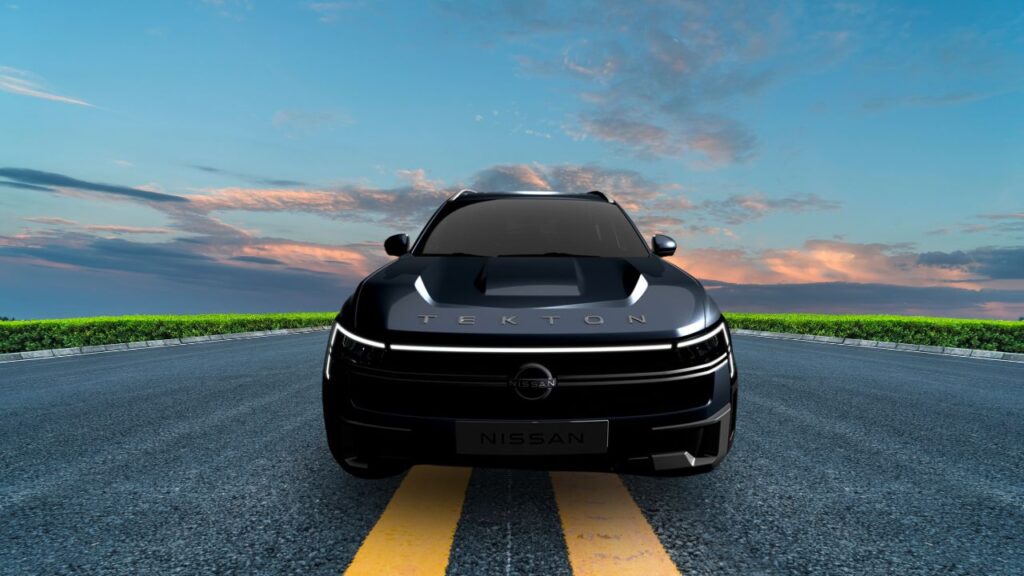
The Nissan Tekton Engineered for Superior Comfort on Rough Roads

The Nissan Tekton Engineered

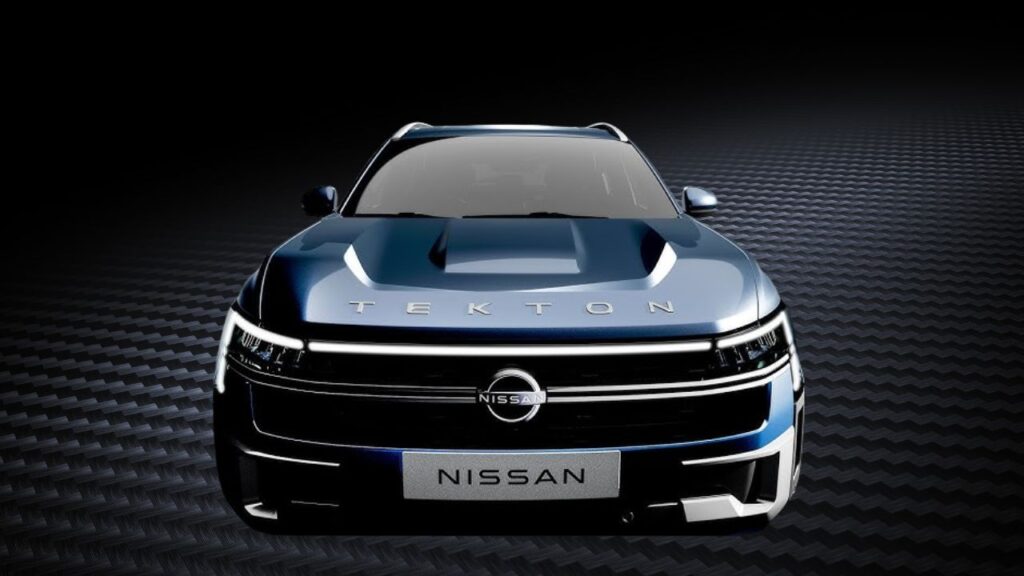
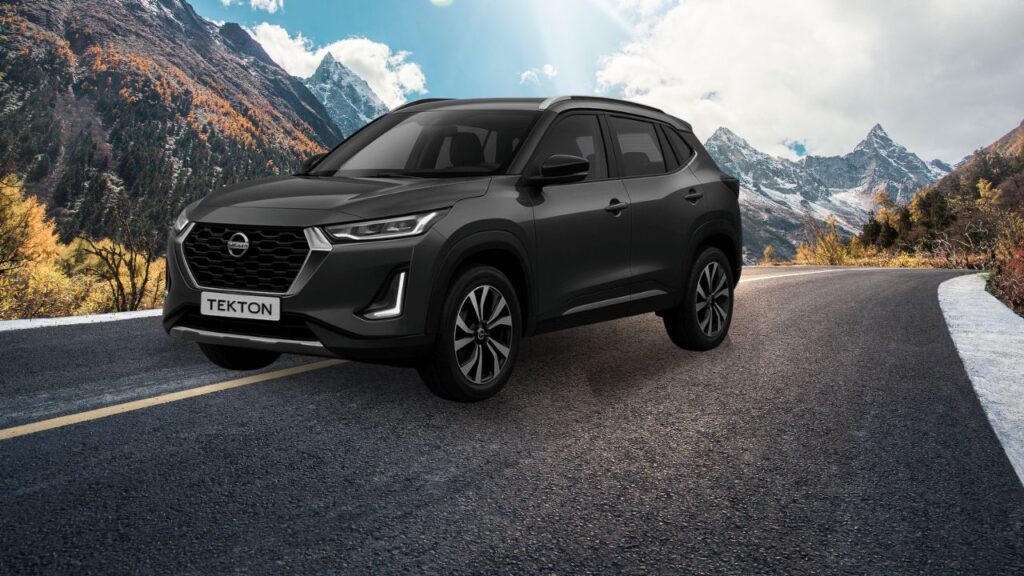
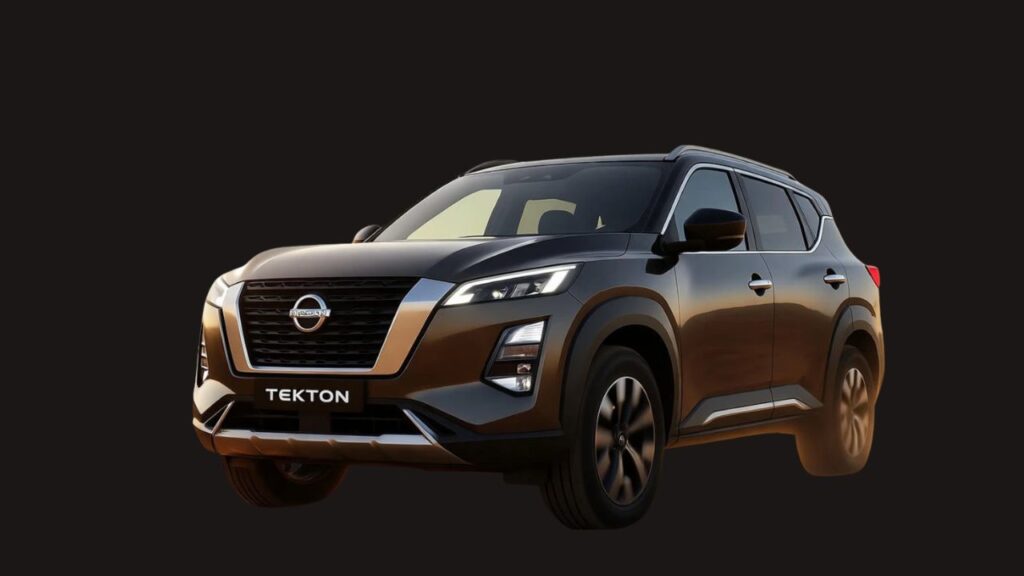
The Tekton for the brand new model is a midsize, three-row SUV, and next year it will be the first and only vehicle for the Nissan brand the company is counting on to drive its resurgence in the emerging automotive markets of high-growth. The genesis of the vehicle’s market offer is based on a simple premise: combining the rugged and reliable CMF-B (Common Module Family) platform architecture known for its rough-road capability with an array of high-tech, human-centered comfort solutions that today’s consumers want. 

The Tekton’s touted rough-road traction is a predictable outcome of its bones, which the soon-to-be-revealed third-generation Renault Duster will also be built on. Engineering-wise this means design and construction principles which emphasize rigidity and consequent high ground clearance. At the same time, the vehicle is anticipated to deliver exceptional driver comfort and loyalty through target feature load – such as ventilated seating, next-generation digital displays, and advanced driver-assistance systems – that tackle passenger fatigue and cognitive load directly while on the road over long drives and in demanding city terrain. 

Therefore, the Tekton is crafted to be a “disruptor” — a midway point between function-driven ruggedness and premium, feature-laden refinement. 

Engineered for the Rough Road Challenge

Good control over the bumpy roads—one of the basics of the user query—is mainly due to the Tekton’s platform and the standard engineering tune that goes with it. 

The Nissan Tekton is based on the CMF-B platform of the Renault–Nissan–Mitsubishi Alliance’s Common Module Family (CMF). The CMF is not a traditional platform like the ones in the past, but a modular design and manufacturing system that breaks most components into five different modules – engine bay, the cockpit, the front underbody, the rear underbody, and electrical/electronics, allowing the sharing of components among different models. 

Nissan Tekton

The key factor that contributes to the Tekton’s bumpy ride is its shared platform with the next-gen Renault Duster. The original Duster earned cult status for its rugged ability to keep its occupants isolated at high speeds (around 80-90 kph) even on patchy and pockmarked roads. 

Suspension Dynamics

Off-road performance is purely a function of suspension design and tuning. The CMF platform usually integrates a MacPherson Strut setup for the front suspension. To make the Tekton perform on rough terrain, the setup needs to be adjusted with enough suspension travel and unique damping characteristics that sufficiently cushion abrupt vertical impacts–(think potholes)–without feeding harsh jolts to the cabin nor inducing the suspension into a multiple series rattling bottom out.

For the rear suspension, the typical cost and packaging pressures of the volume based B-segment underpinnings on typical C-segment SUVs would suggest that the Front-Wheel Drive (FWD) versions should be equipped with a heavy duty Torsion Beam, rather than the more costly multi-link setup found on larger, premium CMF platforms (i.e the X-Trail’s CMF-C platform). 

Ground Clearance

Among the mechanical necessities for tough-road toughness is adequate ground clearance, which helps in preventing the undercarriage from getting scraped while traversing over speed breakers, potholes, and stones. Tekton geometry should be extremely competitive in that regard. ADS At the time of writing, the predicted data indicates the unladen ground clearance is around 205 mm but there are some that gives it 190 mm. A ground clearance of 205 mm helps place the Tekton at the higher end of its C-segment competitors and is nearly the same as the 210 mm high ground clearance of the larger Nissan X-Trail. This raise is a functional requirement for durability. 

NVH Mitigation and Structural Integrity

NVH Mitigation and Structural Integrity

Uneven pavements cause substantial noise and vibration with a harshness (NVH) component inside the cabin which would tire occupants. Although the CMF-B platform is a rigid platform, good insulation is a must. For the Tekton to offer superior comfort, enhanced damping materials and sound insulation must be used in the CMF-B architecture to reduce the infiltration of road noise and (thudding) suspension feedback when travelling over uneven terrain. 

Features that Drive Customer Loyalty

The other fundamental part of the Tekton’s appeal is the long list of comfort and technology elements that inspire passionate driver loyalty. This loyalty is earned by features that lessen bodily discomfort, alleviate stress and make the vehicle more useful in day-to-day life. 

Interior Architecture and Premium Ambience

The Tekton’s expected formula for interior design is modern and visually pleasing, consistent with the premium positioning. First shots show a layered dash with a massive central screen. To make the cabin more than just functional, Nissan will use premium materials and design touches, such as gloss black panels and a unique copper-tone strip that wraps around the dash. 

Primary Comfort Enablers

One of the most popular comfort options that is anticipated is ventilated front seats. This is an important feature in the target market of hot and humid conditions. climate can be managed with such features as an automatic air conditioner. Considering the fact that dual zone AC is available in Nissan’s bigger SUVs (X-Trail) , it would be safe to assume personalized climate control will be given priority to ensuring maximum comfort for everyone on board. 

Connectivity Ecosystem

Tekton Connectivity Ecosystem

a 10.1-inch unit, with basic wireless support for Android Auto and Apple CarPlay. That helps keep phone interaction easy and free of clutter. A full-digital cluster supports the driver, providing clean, customizable driving content that minimizes visual distraction and reinforces the vehicle’s advanced technology character. 

Advanced Safety and Driver Assistance Systems

Tekton should have strong passive safety such as many airbags (up to 7 like the X-Trail) , ABS with EBD and ESC (Electronic Stability Control). Rounding out the features is the expected availability of a 360-degree camera , which will certainly prove a major stress reliever. 

The Tekton is expected to have Level 2 ADAS (Advanced Driver-Assistance Systems) functionality. L2 ADAS commonly also features Adaptive Cruise Control (ACC) and Lane Keep Assist (LKA). With the introduction of L2 ADAS, the need for constant, tiny steering and throttle adjustments on highways is significantly reduced leading to less fatigue for the driver on long stretches of road – a key consideration for those looking at the vehicle for longer term trips over mixed road conditions. 

Read More:- Audi vs Mercedes: Which is the Best Used Cars for Resale in 2025

Performance and Powertrain Options

Estimated Engine Specifications: The Tekton will likely share powertrain options with its CMF-B platformed sibling the Renault Duster. Such sharing of resources guarantees development costs are optimized and reliability proven. Nissan will likely sell the Tekton as a petrol-only model, following the worldwide decline of diesel in this class. 

Turbo Petrol (Performance): A 1.3-litre, 4-cylinder, turbocharged petrol engine could be the premium option. This engine is must for providing requisite power and torque for confident overtaking and stable cruising at high speeds for long on highways which are the most important qualities for any driver using a SUV for long journeys on highway. Transmission options for this engine will likely be a 6-speed manual transmission or a 7-speed DCT.  

Naturally Aspirated/Small Turbo (Entry-Level): The base models are expected to house a 1.5L naturally-aspirated (NA) petrol motor, with a 1.0-litre, 3-cylinder turbo petrol also coming for smaller variants. These choices are all about accessibility and value, but also solid city power. 

Hybridization for Efficiency: In keeping with future emission norms and competition, a potent hybrid version of Tekton is also expected. This version is derived from the 1.5L NA petrol engine and could use the 1.6L hybrid powertrain found in international markets. 

Projected Powertrain Options and Performance Impact

Engine Type Configuration Transmission Options Impact on Comfort/Handling
Primary Turbo Petrol 1.3L, 4-Cylinder, Turbo 6MT, 7-Speed DCT Road-holding and performance: confident cruising on bumpy roads and when overtaking on highways.
Entry Petrol 1.5L Naturally Aspirated Manual/AMT  Emphasis on above-board-fruitfulness, ease of service, and dependable city drivability.
Potential Hybrid 1.5L NA based or 1.6L Global Hybrid E-CVT  Finest refinement, lower NVH and better fuel economy in city environments.

The Nissan Tekton Global Price and Market Valuation

In the light of its segment and likely export strategy similar to models such as the Magnite, the Tekton is expected to be aggressively priced for consumers in global markets (typically ranging between $12,000 and $24,000 USD equivalent for emerging and certain export markets). The price of Nissan Tekton in India is expected to be around ₹10 lakhs to ₹20 lakhs (₹10,00,000 – ₹20,00,000) approximately. 

What sets the Tekton apart is its contemporary Patrol-based styling, tech-laden cabins and aggressive pricing aimed at global mid-size SUV buyers. Nissan’s ‘One Car, One World’ strategy designed to attract global buyers looking for value and style. 

Conclusion

The Nissan Tekton is an exercise in utilizing tried and tested robust global engineering (CMF-b) but with carefully selected high-end comfort technology while still being the best value by a mile competing in the extremely competitive mid-size SUV segment. Its expected rugged-road-handling prowess is an architectural guarantee, and its driver comfort appeal is a carefully curated list of technology-based amenities designed to reduce stress and fatigue. 

0

Inside Mark Zuckerberg’s Car Collection: Luxury, Style & Surprises

Published Aug 23, 2025, 11:21 AM
Last Updated Aug 25, 2025, 6:24 AM

Mark Zuckerberg car collection featuring Honda Fit, Tesla Model S, Pagani Huayra and more

Flashy supercars may be the style of many billionaires but Mark Zuckerberg’s Car Collection is not just about luxury, it reflects his personality. His garage is telling a simple but intriguing story of the man who also prefers eco-friendly cars. But also sharing his modest interest in sedans and some other luxury cars. So, let’s explore these car’s features that offer strong performance on the road.

1. Honda Fit (Jazz) 

Honda Fit (Jazz) compact hatchback owned by Mark Zuckerberg

Image Courtesy: automobiles.honda

Honda Fit is also known as Jazz in some countries, this car is sharing a classic vibe of Zuckerberg no-show lifestyle rather than seeking attention on the road. The incredibly powerful 1.5L engine offers a powerful performance but his choice is unexpected. Priced around $20,000, this compact hatchback shows that he prefers practicality over glamour. He values comfort and efficiency with spacious interior, reliable maintenance and comfortable daily city commute. 

Features Specification
Engine 1.2L or 1.5L petrol/hybrid
Fuel Efficiency 16–18.2 km/l petrol, 22–27 km/l hybrid
Transmission Manual (5-speed), CVT Automatic
Seating Capacity 5 seats
Boot Space Fit: 470L, Jazz: 354L
Price $17,945

2. Volkswagen Golf GTI

Volkswagen Golf GTI hatchback from Mark Zuckerberg’s car collection

Image courtesy: vw.com

This one has special value around the globe because of Volkswagen Golf GTI hidden sporty performance under the simple look. While it represents Zuckerberg’s calm but powerful personality. This unique model will deliver its high performance with 2.0L turbocharger engine when needed. Classic hatchback design with modernized features is ready for both city and highway rides. Speed up to 240 horsepower can give a smoother ride without an overly flashy look.

Features Specification
Engine 2.0L Turbocharged Petrol, 4-cylinder
Horsepower 261 bhp
Torque 370 Nm
Transmission 7-speed DSG (Automatic)
0-100 km/h speed  5.9 seconds
Boot Space 380L
Price $30,000

3. Acura TSX 

Acura TSX premium sedan owned by Mark Zuckerberg

Image courtesy: acura.com

The Acura TSX is a unique model that combines reliability, comfort and a premium look without going overboard that fits for a perfect match of Zuckerberg’s balanced approach to life. It offers 2.4L i-VTEC powerful engine and smoother rides that’s a good one for handling everyday traffic. With advanced safety features and elegant look, it still focuses on comfort and practicality that represent premium style without screaming wealth.

Features Specification
Engine 2.4L inline-4 engine
Horsepower 201
Transmission 5-speed automatic
Seating Capacity 5 seats
Drivetrain Front-Wheel Drive (FWD)
Price $30,000 

Read more :- Inside the Exclusive Yuvraj Singh Car Collection

4. Infiniti G Sedan

Mark Zuckerberg’s Infiniti G Sedan

Image courtesy: infiniti.com

Zuckerberg parked an Infiniti G Sedan in his garage, this car is a mix of Japanese precision with a luxury touch. It offers powerful horsepower with a 3.7L V6 engine and gives a sporty driving feel. With its long-term reliability and luxurious cabin offer a premium experience. It represents Zuckerberg’s balance between innovation and tradition that mirrors tech with consistency of car. 

Features Specification
Engine 3.7-liter V6 engine
Fuel Efficiency Approx. 8 km/l 
Transmission 7-speed automatic (AMT)
Seating Capacity 4 seats
Boot Space 210 liters
Price $33,000

5. Pagani Huayra

Pagani Huayra Italian hypercar from Mark Zuckerberg’s car collection

Image courtesy: pagani.com/huayra

It’s not a surprise to see this luxury in any billionaire’s garage but Zuckerberg’s list also has a supercar, the Pagani Huayra. The Italian hypercar costs over $1.4 million that is worth its brilliance of engineering. Pagani offers luxurious interior and stylish exterior, but what makes it more attractive is a 6.0L V12 twin-turbo strong engine that gives jaw-dropping acceleration up to 720+ horsepower speed. Zuckerberg’s Pagani represents another personality that appreciates innovation, exclusivity and top-tier craftsmanship.

Features Specification
Engine 6.0L Twin-Turbocharged V12 AMG engine
Fuel Efficiency Approximately 8-10 mpg 
Transmission 7-speed automated manual (AMT)
Horsepower 730 HP
Torque 738 lb-ft
Seating Capacity 2 seats
Price $1.4 Million

6. Tesla Model S

Tesla Model S electric car owned by Mark Zuckerberg

Image courtesy: tesla.com

Zuckerberg’s interest in Tesla Model S shows that he generally supports futuristic technology. This model represents his eco-friendly mindset, with zero emissions. It offers electric powertrain with up to 396 miles of range and it can go from 0 to 60 mph within 3.1 seconds. Its interior is well-equipped with advanced tech, autopilot mode is a remarkable innovation.

Features Specification
Engine Electric motors (3 motor versions in Plaid)
Horsepower 1020 hp 
Torque 1050 lb-ft 
Fuel Efficiency EPA combined 101 MPGe 
Transmission Single-speed automatic (direct drive)
Seating Capacity 5 seats
Boot Space 28 cubic feet
Range 348–410 miles
Price $90,000

Zuckerberg’s Car Collection: More than just cars

His simplicity, practicality and eco-friendliness is matched with every car. Zukhurberg’s interest in selective luxury is also seen but his personality has shown that he prefers engines which serve a purpose beyond showing-off wealth. 

  • His Honda Fit and Volkswagen Golf GTI shows how much he prefers classic automotive rather than luxury.
  •  Acura TSX and Infinity G Sedan shows his selection of practicality blended with comfort over modern premium cars.
  • Tesla Model S highlights his interest in sustainable technology and Pagani Huayra reveals his interest in pure luxury and iconic design.

Final Thoughts 

Mark Zuckerberg’s car collection is not just about speed or price tag but it’s all about ‘values’. His garage is highlighting the different parts of his personality. These cars are just simple in looks but their performance is amazing. They are the winner in smoother rides, he chooses these cars according to his moods – comfort, practicality, and occasionally premium feel.