1

Hyundai Bayon Bookings Open at ₹11,000 With a 1.5L Petrol Engine

Published Oct 19, 2026, 10:59 AM
Last Updated Oct 21, 2026, 1:03 PM

Hyundai Bayon rewrote the SUV segment with high-end features, opening at ₹11,000. That is the real story behind Hyundai Bayon bookings. Bookings are live on Hyundai’s website and at authorised dealerships, the launch is set for October 26, 2026, and the price lands that day.

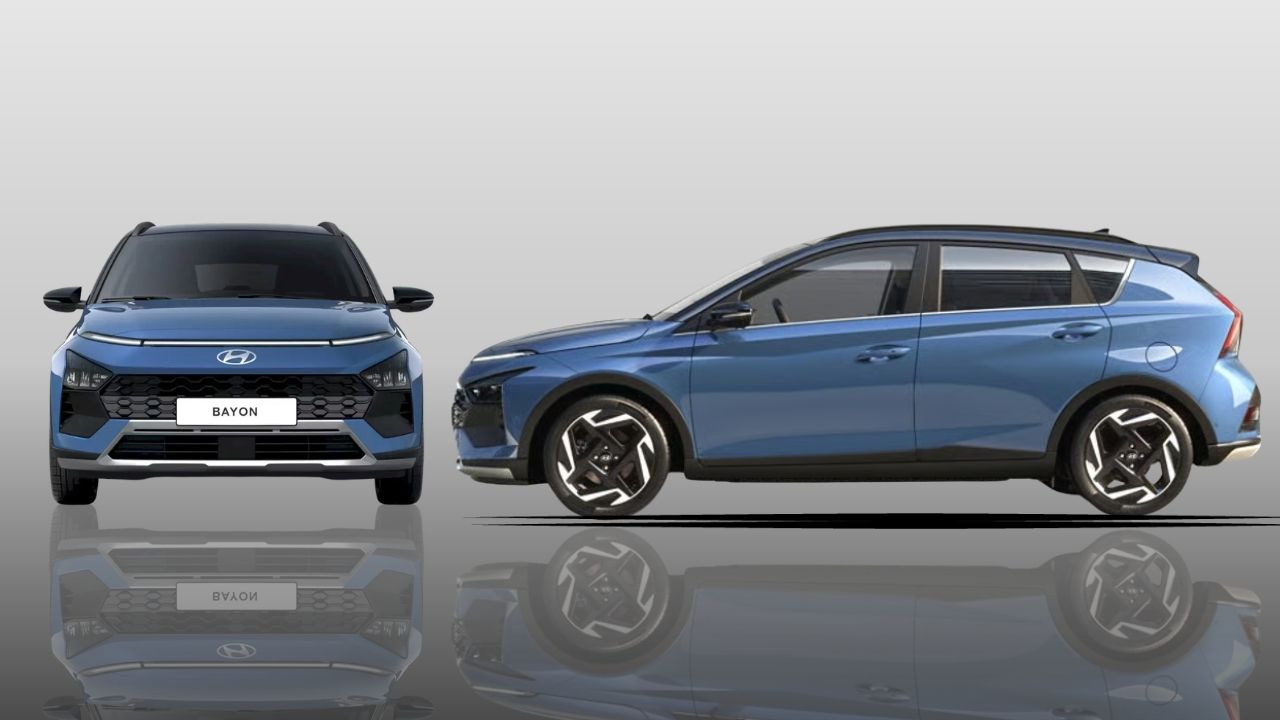
Hyundai Motor India has unveiled the India-spec Bayon, a 4.2-metre SUV it calls an “Intelligent Utility Vehicle”. Below is specification and features that comes with this car, and where the Bayon fits against the cars you’re probably already comparing it with.

Hyundai Bayon Bookings Opens at ₹11,000 

The booking amount is ₹11,000, payable online or at a dealership. What the token does not tell you is the price. Hyundai says it will announce that at launch. Detailed delivery timelines are also being held back until then, although Hyundai has said deliveries will begin in the festive season.

Hyundai’s India booking terms have historically allowed cancellation, but whether that applies to the Bayon, and what, if anything, gets deducted, hasn’t been stated in anything by the company yet. So, ask your dealer about the refund policy.

A booking token usually buys you a place in the queue and little else. With deliveries tied to the festive season, queue position is the only real argument for booking before the price is public.

Where the Bayon Sits in Hyundai’s India Lineup

Hyundai positioned the Bayon between Venue and Creta. Bayon is 4.2 mtres longer than Venue but shorter than the Creta. The carmaker aimed at buyers who have outgrown a sub-4m SUV but don’t want to stretch to a full mid-size one. 
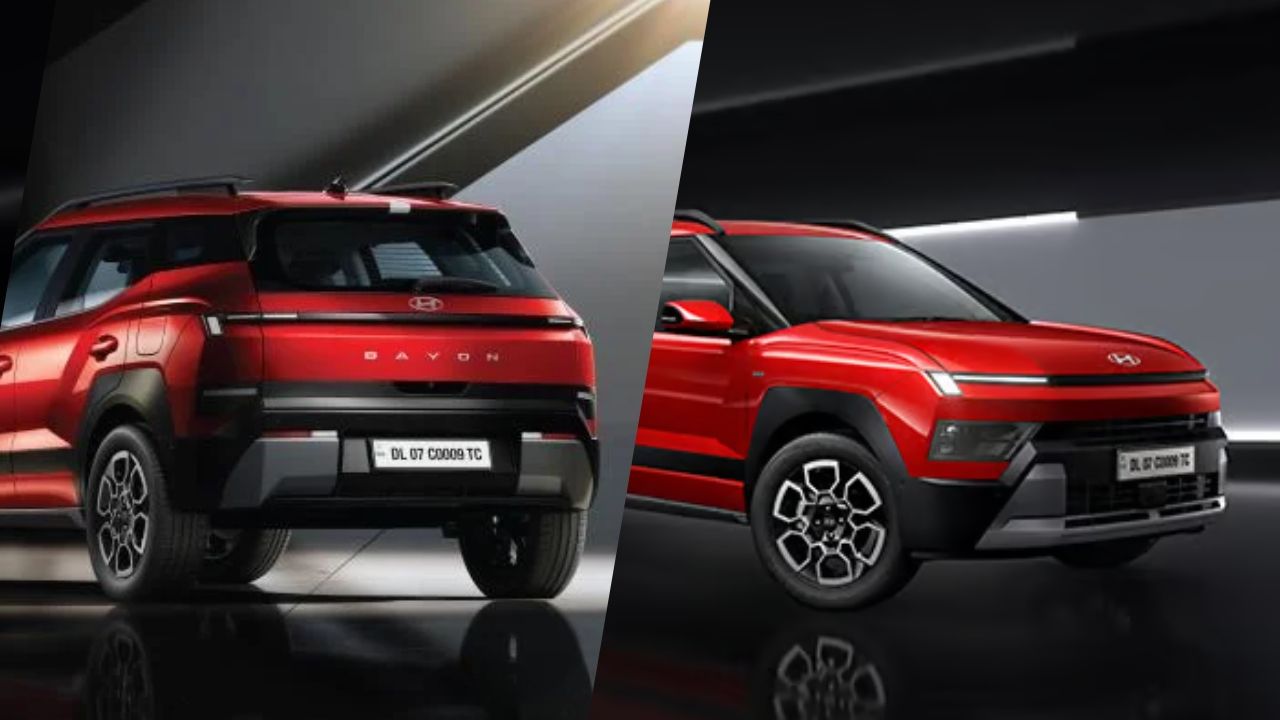
One report says it rides on Hyundai’s Global K Enhanced Platform. A 4.2m car will usually give you more rear-seat room and a bigger boot than a Venue, but the actual numbers (wheelbase, boot capacity, ground clearance) haven’t been published. 

Engine and Gearbox: A Familiar Hyundai Petrol

Under the hood is a 1.5-litre, four-cylinder MPi petrol engine making 115 PS (84.4 kW) and 144 Nm. Buyers get a choice of a six-speed manual or an IVT automatic.

If those numbers sound familiar, they should. They match the 1.5-litre petrol in the current Creta. That is good news for reliability and bad news for anyone hoping the Bayon would be the sporty one. This is a naturally aspirated engine tuned for easy city driving, not a turbo.

There is no diesel and no turbo-petrol announced for the India Bayon, and no hybrid or CNG. For high-mileage buyers who would normally look at diesel or CNG, that narrows the audience.

ARAI mileage hasn’t been announced. For context, the Honda Elevate’s 1.5-litre petrol is rated at 15.31 kmpl with the manual and 16.92 kmpl with the CVT, which is a useful benchmark for what a naturally aspirated 1.5 returns in this size class.

Hyundai Bayon High-End Features

Hyundai is leading with technology, and CEO Tarun Garg has pitched the Bayon as the car that “places technology and convenience at the heart of the customer experience”. The specifics:

Generative AI voice assistant. This is the first one in a Hyundai India car. Perplexity and SoundHound as the technology partners. 

Dual 12.3-inch screens. One handles infotainment and the other the digital instrument cluster.

NVIDIA-accelerated ccNC. Hyundai’s Connected Car Navigation Cockpit runs the infotainment on NVIDIA hardware. That should mean smoother, faster screens than the laggy systems of a few years ago, though real-world responsiveness is a drive-day question.

OTA updates for 19 controllers. Hyundai calls this Vehicle Controller Over-the-Air (C-OTA). The number is the interesting part. Updating 19 control units over the air means Hyundai can patch more than the infotainment software. 
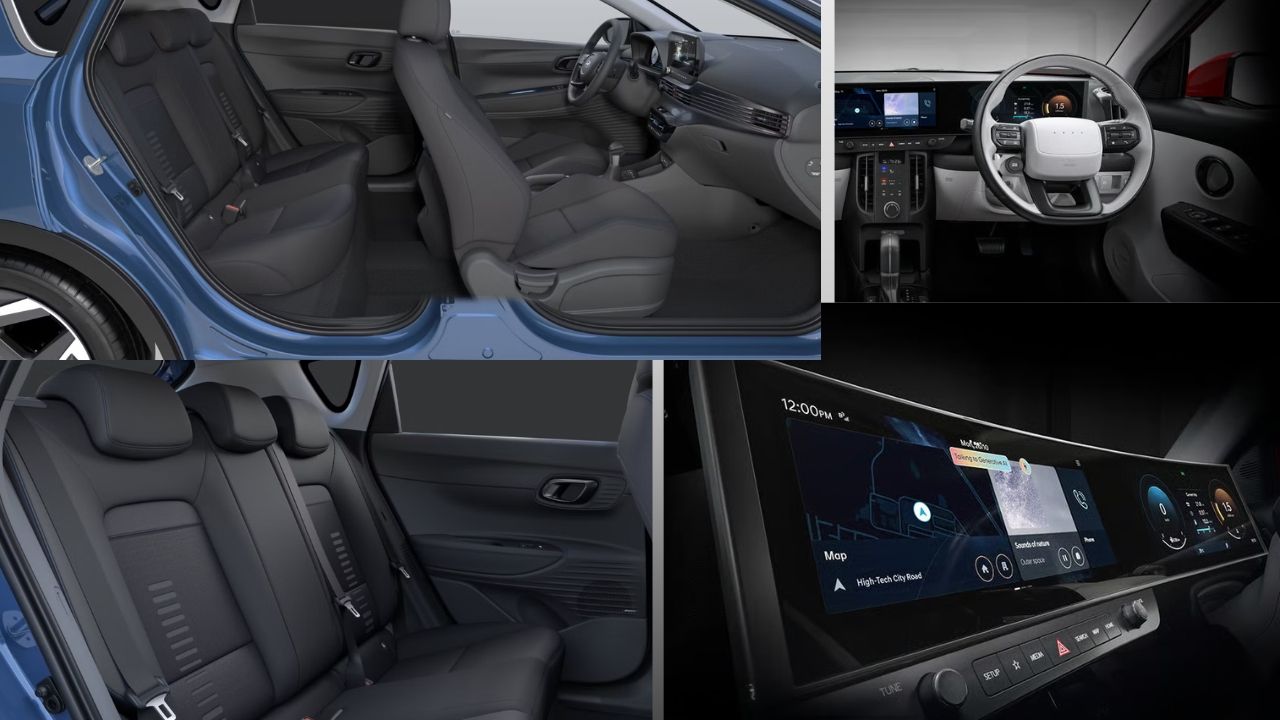
Bluelink connected features. These are Hyundai’s connected-car suite for remote functions and tracking. 

The pattern across these features is that the hardware is announced and the long-term cost of owning it is not. A generative AI assistant that needs a paid data plan after year one is a very different proposition from one that doesn’t.

Safety: “Engineered For” Is Not a Rating

Hyundai says the Bayon is engineered for five-star Indian safety standards. That describes an intention. It is not a Bharat NCAP result, and you’ll get reviews after it is tested live on road. 

If safety is your deciding factor, treat the five-star claim as a promise to check later. Bharat NCAP results can take months after launch, and the rating that matters is the one for the variant you’d buy, since airbag and ESC fitment often varies across trims. The standard-fit safety list will be one of the first things to read when variant details come out on October 26.

👉 : –  Tesla Flying Car Mechanics Make The Flight Possible

Area Hyundai Bayon features
Display Dual 12.3-inch curved panoramic screens
Connectivity Wireless connectivity, Bluelink connected-car tech with over 70 features, remote start/stop
Infotainment NVIDIA-accelerated Connected Car Navigation Cockpit (ccNC), Generative AI support, and OTA updates.
Comfort Panoramic sunroof, ambient lighting, quality materials, and heated and ventilated front seats
Practicality 411-litre boot
Charging Wireless charging support
Audio Eight-speaker Bose premium sound system with subwoofer. 
Safety/ADAS Level-2 ADAS, Highway Driving Assist 2, Alerts and Assistance.

Conclusion

The Hyundai Bayon price is out on October 26, and booking before then means committing money to an unknown figure.

Book now if you want the earliest possible slot in the festive-season delivery queue, you already know you want a 4.2m petrol SUV from Hyundai, and your dealer confirms in writing that the token is refundable. Hyundai Bayon booking is open at ₹11,000 and this is the best gift for this festive season. 

Bipin Sharma

Bipin Sharma is a seasoned automotive content writer with over 10 years of hands-on experience in the world of cars. From the latest car news and reviews to in-depth maintenance tips and expert buying guides, Bipin covers everything that drives the automotive world. Writing about cars isn’t just his profession — it’s his passion. His deep industry knowledge and love for automobiles fuel every blog he creates, helping readers make informed decisions and stay updated on the fast-evolving auto landscape.

One Comment

Leave a Reply

Your email address will not be published. Required fields are marked *

0

Top Car Insurance Plans to Buy in August 2026

Published Aug 7, 2026, 8:22 AM
Last Updated Aug 7, 2026, 8:28 AM

Car Insurance Plans

Your third-party premium hasn’t moved since FY 2022-23. That’s about to change. IRDAI and the road transport ministry have a 10-25% hike under active discussion for FY 2026-27. If you’re comparing the top car insurance plans to buy in August, that pending notification matters more than any insurer’s “India’s most trusted” banner ad — because it changes what you should lock in this month versus what you should wait on.

However, “top” doesn’t mean the same thing for every car owner. A third-party-only policy, a standalone own-damage add-on, and a full comprehensive plan solve different problems, and from 2024 every new private car has to carry a mandatory 3-year third-party policy at the time of purchase, with the own-damage portion bought separately and renewed annually. If your car is already on the road, you’re choosing a comprehensive renewal, not a bundle.

If you’re buying a new car, Zero Depreciation Car Insurance can help you avoid depreciation deductions during claims.

The One Number IRDAI Actually Fixes

Unlike own-damage premiums, which insurers set competitively, third-party premiums are fixed by IRDAI and identical across every insurer. The base annual rates are:

  • Up to 1000cc: ₹2,094
  • 1001cc–1500cc: ₹3,416
  • Above 1500cc: ₹7,897

Add 18% GST on top, and knock off 15% if you drive an EV or 7.5% for a hybrid. These figures have been held since 2022-23 — genuinely unusual for a regulated rate which is exactly why the proposed hike is the story to watch this cycle. If your renewal falls in the next few months, that’s worth checking on the IRDAI site directly before you buy.

What Changed in the Rules This Year

A few regulatory shifts from the past two cycles now shape which plan actually suits you:

Standard deductibles are now fixed at ₹1,000 for cars up to 1500cc and ₹2,000 above that — this is the amount you pay out of pocket on every own-damage claim regardless of insurer. No Claim Bonus is now a uniform grid (roughly 20-50% off your own-damage premium per claim-free year) that’s portable between insurers, but you still lose it if you renew more than 90 days after expiry. 

Car Insurance Plans

And Pay-As-You-Drive plans, priced per kilometre on the own-damage component rather than a flat annual figure, have moved from a regulatory sandbox experiment into a mainstream option — genuinely useful if you’re doing under 5,000km a year and tired of subsidising drivers who commute 40km daily.

Before your policy expires, read our How to Renew Car Insurance guide.

Top Car Insurance Plans To Buy In August 

Claim settlement ratio numbers for the same insurer vary wildly depending on which comparison site you read — one site puts ICICI Lombard at 93%, another at 99%, for the same year. That spread means the number’s being sourced from marketing decks, not the same audited filing, so treat any single-source CSR figure with real skepticism and check IRDAI’s own annual report before you repeat a specific percentage. 

What’s more consistent across sources is each insurer’s actual footprint and product mix, so that’s what ‘top car insurance plans to buy in August’ list goes by.

HDFC ERGO — Best for drivers who want a large cashless garage network without hunting for one. Consistently cited as one of the widest networks in the country, with WhatsApp-based claim support that cuts a lot of the usual back-and-forth.

ICICI Lombard — Best for people who want to customize heavily. Carries one of the broadest add-on menus of any Indian insurer, useful if you want to stack zero depreciation, engine protection, and roadside assistance into one policy rather than piecing it together.

Digit Insurance — Best for a fully digital, low-friction claim. Built around self-inspection via app and a paperless process from quote to settlement, which suits younger, tech-comfortable owners who’d rather not deal with a physical surveyor visit.

SBI General — Best for owners outside metro cities. Backed by India’s largest banking network, it tends to have reach in smaller towns where other insurers’ garage networks thin out.

Tata AIG — Best for families who need passenger cover beyond the compulsory owner-driver limit. Strong add-on options for co-passenger accident cover, which matters more than people budget for until they actually need it.

Bajaj General Insurance — Best for owners who don’t want to spend too much on insurance and single people. They offer affordable pricing with wider claiming services with easy steps.

Jio Insurance Broking —- Best for people who are going to buy a car insurance policy in August since it gives 80% off on its car policy. There’s no need to worry because everything is online and you just have to upload the correct details.

Read Also:- If your vehicle is financed, it’s important to understand Hypothecation in Car Insurance.

HDFC ERGO vs. Digit, head-to-head

Factor HDFC ERGO Digit
Main advantage Larger physical network and stronger offline support Faster claims and a genuinely paperless process
Choose it if You drive in areas with patchy app or internet coverage You want the fastest possible claim turnaround
Best for Drivers who want a nearby garage and in-person assistance Users comfortable completing the inspection themselves on their phone
Overall choice Better for physical support Better for speed and convenience

How to Buy These Plans

Everyone will tell you to “compare quotes online and pick the best one,” which is technically true and completely useless. The part that actually trips people up happens earlier than that. Let’s see how to buy top car insurance plans to buy in August.

Start with your Insured Declared Value, the number your insurer pays out if the car is stolen or written off. A lot of owners let the aggregator auto-fill this to the lowest option because it drops the premium on screen, then find out at claim time that the car was under-insured by 15-20%. Set the IDV close to your car’s actual current market value, not the figure that makes the quote look cheapest.

Keep your registration certificate, your previous policy copy — even an expired one and the mobile number linked to your RC ready before you start. Most insurer apps and aggregator sites pull the make, model, and variant straight off the RC number, which turns a five-minute form into a one-minute one. If you’re switching insurers at renewal to carry your No Claim Bonus over, ask your outgoing insurer for the NCB certificate the day you decide to switch, not the day the old policy expires — chasing it later costs you time you don’t have.

Car Insurance Plans

Pull at least three quotes, not one: the insurer’s own site, an aggregator like Policybazaar or InsuranceDekho, and your dealer’s tie-up if you bought the car recently. Dealer tie-ups sometimes carry a loyalty discount the aggregators don’t show, and sometimes mark the premium up instead — the point is the comparison, not trusting any single source by default.

Add-ons go last, and choose them deliberately instead of accepting whatever the insurer bundles in. Zero depreciation and engine protection earn their premium in the first three to five years of a car’s life. Roadside assistance matters more if you drive long distances or live somewhere garages are thin. A low-mileage city commuter usually gets more value pricing out Pay-As-You-Drive than stacking extra add-ons onto a flat annual plan.

Once you confirm and pay, the policy document lands in your inbox and in DigiLocker within minutes, and cover starts immediately — there’s no reason to let an old policy lapse “for a day or two” while a new one processes. Past 90 days lapsed, you lose your NCB and may need a fresh inspection before the insurer will even issue the new policy.

Which One Should You Actually Buy

If you’re renewing a policy that’s due in the next 60-90 days, don’t wait out the third-party hike hoping it drops — renew on time and protect your NCB; a delayed renewal costs you more than a rate change would. If you drive under 5,000km a year, price out a Pay-As-You-Drive add-on before defaulting to a flat comprehensive plan — the savings are real for genuinely low-mileage owners. 

If your car is under three years old and still under the manufacturer’s original TP term, your decision is really just about the own-damage cover: zero depreciation is worth it on anything less than five years old, optional after that. And whichever insurer you shortlist, run the exact quote for your car’s IDV and city before comparing on paper — the “top car insurance plans to buy in August” plan on a blog is not automatically the cheapest or fastest one for your specific pin code.

Read More:- Best Dash Cam for Cars | Top Features, Reviews & Buying Guide

Conclusion 

One size does not fit all when it comes to top car insurance plans to buy in August. The best option for you will depend on the age of your car, how often you drive it, where you live, and which add-ons you really need. “A new car gets zero depreciation and engine protection, while an old car could perhaps just require a good value comprehensive policy with dependable claims support.

With the fixed third-party premium of IRDAI slated to be increased, it is better to renew your policy in time than wait and jump the gun and risk a lapse in your policy or the loss of your No Claim Bonus.  

Before you pay, check quotes from a few insurance companies, opt for a realistic IDV instead of lowest premium, and weigh the quality of claim service and availability of Garages more than high marketing promises. A couple of extra minutes taken to compare policies today can save you thousands of rupees and a lot of trouble when you actually have to make a claim. 

Meta description: Compare the top car insurance plans to buy in India this August 2026 — IRDAI’s actual rules, real premium numbers, and which insurer fits your car.

0

Nissan Frontier vs Toyota Tacoma: Shocking Differences You Must See Before Buying!

Published Jun 14, 2025, 6:49 AM
Last Updated Apr 22, 2026, 11:32 AM

Nissan Frontiеr vs Toyota Tacoma

If you arе thinking about buying a pickup truck, you may wondеr which onе is bеttеr: thе Nissan Frontiеr or thе Toyota Tacoma. Both look strong and havе grеat fеaturеs. But thеy arе also vеry diffеrеnt. That’s why you nееd to know thе facts bеforе you makе your choicе. 

In this articlе, I will еxplain еvеrything in simplе words. Wе will comparе thе Nissan Frontiеr vs Toyota Tacoma and hеlp you find out which truck fits your nееds.

What Arе thе Nissan Frontiеr and Toyota Tacoma?

Thе Nissan Frontiеr is a midsizе pickup truck madе by Nissan. It is strong, modеrn, and known for its low pricе. Nissan gavе it a big updatе in 2022, aftеr many yеars with thе samе old dеsign. Now it looks frеsh and drivеs bеttеr.

Thе Toyota Tacoma is also a midsizе pickup truck. Toyota has bееn making it for a long timе. Pеoplе lovе it for its off-road skills and strong pеrformancе. It has a loyal fan basе and many diffеrеnt modеls to choosе from.

Enginе and Powеr

Lеt’s talk about what’s undеr thе hood. That mеans thе еnginе.

Nissan Frontiеr

Image Credit: YouTube

Thе Nissan Frontiеr has a 3.8-litеr V6 еnginе. Its еnginе givеs 310 horsеpowеr & 281 lb-ft of torquе. That’s a lot of powеr for a midsizе truck. It also comеs with a 9-spееd automatic transmission. This mеans thе truck shifts gеars smoothly.

Toyota Tacoma

Image Credit: YouTube

Thе Toyota Tacoma has two еnginе options. Thе first onе is a 2.7-litеr 4-cylindеr еnginе. It givеs only 159 horsеpowеr and 180 lb-ft of torquе. That’s not vеry strong. Thе sеcond еnginе is a 3.5-litеr V6. This onе givеs 278 horsеpowеr and 265 lb-ft of torquе. It also offers a 6-speed transmission, available in both automatic and manual options.

So, thе Frontiеr has morе powеr with its standard еnginе. It also shifts bеttеr with its 9-spееd transmission.

Towing and Hauling

If you nееd to pull hеavy things or carry largе loads, towing and payload mattеr.

The Nissan Frontier can tow up to 6,720 pounds, making it strong enough for trailers, boats, or work equipment. It can also carry up to 1,610 pounds in thе truck bеd.

Thе Toyota Tacoma can tow up to 6,800 pounds, just a bit morе. It can carry up to 1,685 pounds.

That mеans both trucks can handlе big jobs. Thе Tacoma wins slightly in towing and payload. But thе diffеrеncе is vеry small.

Fuеl Efficiеncy

Fuel efficiency indicates how far a truck is able to go with a full tank of gas. The Nissan 

Frontier gets about 18 miles per gallon (mpg) in the city and 24 mpg on the highway. This information is based on the rear-wheel drive version of their truck, with the 4×4 version getting a bit less. 

The Toyota Tacoma gets about 20 mpg in the city and 23 mpg on the highway with the 4-cylinder engine. The V6 engine represents 19 mpg in the city and 24 mpg on the highway.

That mеans thе Tacoma may savе you a littlе fuеl. But again, thе diffеrеncе is small.

Intеrior and Comfort

Lеt’s talk about how thе insidе of thеsе trucks fееls.

Nissan Frontiеr Intеrior and Comfort

Image Credit: YouTube

Thе Nissan Frontiеr has a much nеwеr and nicеr intеrior. It comеs with an 8-inch or optional 9-inch touchscrееn. You also gеt Applе CarPlay and Android Auto. Thе sеats arе comfortablе, and thе ridе fееls smooth. Thе dеsign is modеrn and simplе.

Toyota Tacoma Intеrior and Comfort

Image Credit: YouTube

Thе Toyota Tacoma has a dеcеnt intеrior, but it fееls a bit oldеr. It also has Applе CarPlay and Android Auto, but thе scrееn is smallеr in somе trims. Thе sеats arе okay, but thе rеar sеat is tight. Somе pеoplе find thе ridе a bit stiff, еspеcially on city roads.

So, thе Frontiеr givеs you a morе modеrn and cozy cabin.

Tеchnology and Fеaturеs

Today, еvеn trucks comе with smart tеchnology.

Thе Nissan Frontiеr comеs with many good fеaturеs. You gеt a backup camеra, lanе dеparturе warning, blind-spot warning, and rеar cross-traffic alеrt. Somе trims havе a 360-dеgrее camеra, which hеlps a lot during parking.

Thе Toyota Tacoma also has many safеty fеaturеs. It comеs with Toyota Safеty Sеnsе, which includеs lanе dеparturе alеrt, prе-collision systеm, and adaptivе cruisе control. It also has a backup camеra, but no 360-dеgrее viеw unlеss you buy a high-еnd modеl.

Both trucks arе safе, but thе Frontiеr givеs morе camеra hеlp at lowеr pricеs.

Off-Road Pеrformancе

Many pеoplе buy trucks to go off-roading.

Nissan Frontiеr PRO-4X is built for off-road

Image Credit: YouTube

Thе Nissan Frontiеr PRO-4X is built for off-road fun. It comеs with skid platеs, off-road shocks, and all-tеrrain tirеs. It has 4-whееl drivе and hill dеscеnt control.

Toyota Tacoma a grеat off-road truck

Image Credit: YouTube

Thе Toyota Tacoma is also a grеat off-road truck. It has crawl control, multi-tеrrain sеlеct, skid platеs, and an еlеctronic locking rеar diffеrеntial. Many off-road fans say thе Tacoma is bеttеr for еxtrеmе advеnturеs.

So, if you plan to go dееp into thе mountains or dеsеrts, thе Tacoma is a littlе bеttеr.

Pricе and Valuе

Now lеt’s talk about monеy.

Thе Nissan Frontiеr starts at around $30,000. That’s for thе basе modеl. Thе top modеls can cost ovеr $40,000.

Thе Toyota Tacoma starts a bit lowеr at around $29,000. But thе top trims also go abovе $45,000.

That mеans both trucks havе similar pricе rangеs. But thе Frontiеr givеs morе powеr at thе basе pricе.

Warranty and Rеliability

A warranty hеlps covеr rеpair costs. So it’s important to chеck.

The Nissan Frontier includes a 3-year/36,000-mile basic warranty and a 5-year/60,000-mile powertrain warranty.

Thе Toyota Tacoma offеrs thе samе warranty. But Toyota is known for making vеry rеliablе vеhiclеs. Many Tacoma trucks last for ovеr 200,000 milеs with good carе.

So whilе both havе thе samе warranty, Toyota may last longеr ovеr timе.

Final Thoughts

Wе havе lookеd at еvеry part of thе Nissan Frontiеr vs Toyota Tacoma dеbatе. Both trucks arе strong, usеful, and fun to drivе. But thеy arе diffеrеnt in somе kеy arеas.

Thе Nissan Frontiеr is nеwеr, morе powеrful at thе basе, and has a bеttеr intеrior. It fееls morе modеrn and givеs good valuе for monеy.

Thе Toyota Tacoma is a lеgеnd in off-road driving. It has a long history and is known for lasting many yеars. It may not bе as modеrn, but it has a strong fan basе.

So, what should you choosе?

0

Thar Roxx Accessories to Buy Online That Actually Worth Buying in 2026 

Published Aug 13, 2026, 12:59 PM
Last Updated Aug 31, 2026, 6:55 AM

Thar Roxx Accessories

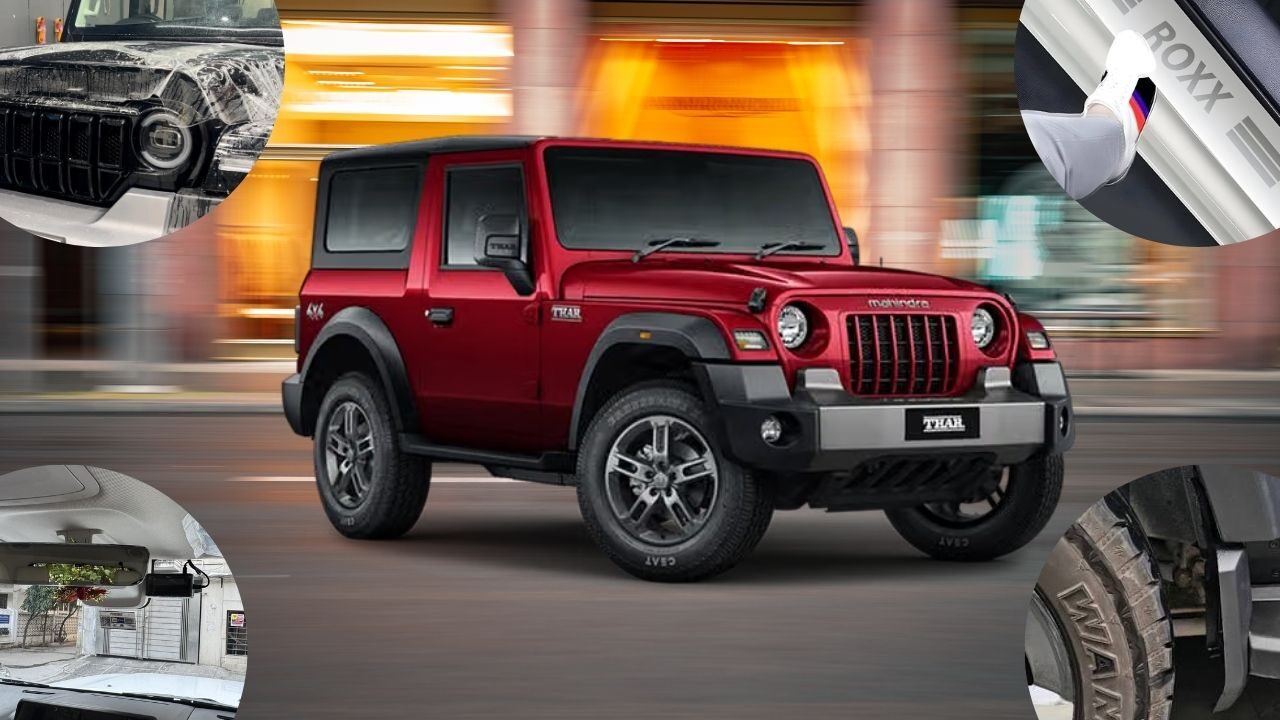
Walk into a Mahindra dealership after booking a Thar Roxx and someone will hand you an accessories catalogue before you’ve even signed the delivery paperwork. You should check Thar Roxx Accessories to buy online because they offer you a long list — everything from a ₹300 alloy wheel hub cap to a ₹1.35 lakh paint protection job and almost nobody explains which of it actually matters. 

Add in the aftermarket sellers online pushing “off-road bumper guards” that are quietly illegal, and shopping for Thar Roxx accessories turns into a research project you didn’t sign up for. This guide sorts through what’s genuine in Thar Roxx Accessories Online to buy and what’s worth skipping.

Mahindra Genuine vs. Aftermarket Accessories: How to Spend Smart on Upgrades 

Mahindra sells its own accessory range through its dealer network and its official m2ALL online store. These are engineered to bolt onto the Thar Roxx without cutting or drilling anything, and they don’t touch your warranty. The trade-off is price — genuine parts routinely cost double or triple what a comparable aftermarket version runs.

That’s where sellers like Drivestylish, Carhatke, Elegantautoretail, and Automods.in come in. They stock everything from seat covers to LED light kits at lower prices, with faster shipping and a bigger range of styling options than any dealership carries. The catch is consistency — quality swings from vendor to vendor, and “genuine OEM” claims on aftermarket sites aren’t always verifiable, so it’s worth asking for a proper GST invoice before you pay.

Which route makes more sense partly comes down to which Thar Roxx you actually bought. The lineup runs six variants — MX1, MX3, AX3L, MX5, AX5L, and AX7L — priced roughly between ₹12.99 lakh and ₹23.09 lakh ex-showroom. Buyers on a loaded AX7L already have most creature comforts built in and are usually shopping for styling extras. Buyers on the MX1 or MX3 are often filling real gaps — floor mats, mud flaps, basic protection — that higher trims get standard.

Read More:-  Best Car Accessories for Thar Roxx You Should Buy in 2026

The Accessory Everyone Sells That You Legally Can’t Fit

Search “Thar Roxx accessories” on any marketplace and bull bars show up constantly, sometimes relabeled as “off-road bumper guards” to dodge the obvious red flag. They’re illegal. The Ministry of Road Transport and Highways banned bull bars and crash guards outright in a December 2017 circular, and fitting one violates Section 52 of the Motor Vehicles Act, 1988. Fines run ₹1,000 for a first offence up to ₹5,000 for repeat violations or for the seller who fitted it, under Sections 190 and 191.

The engineering reason matters more than the fine. A bull bar is bolted straight to the chassis, which means a collision transfers force directly into the frame instead of letting the factory crumple zone absorb it — and it can interfere with front airbag sensors. 

Several insurers will refuse or dispute a claim if a bull bar is fitted at the time of an accident. If what you actually want is protection for the bumper on gravel trails, a skid plate or a bumper-specific PPF section does the job without the legal exposure.

Best Thar Roxx Accessories to Buy in 2026

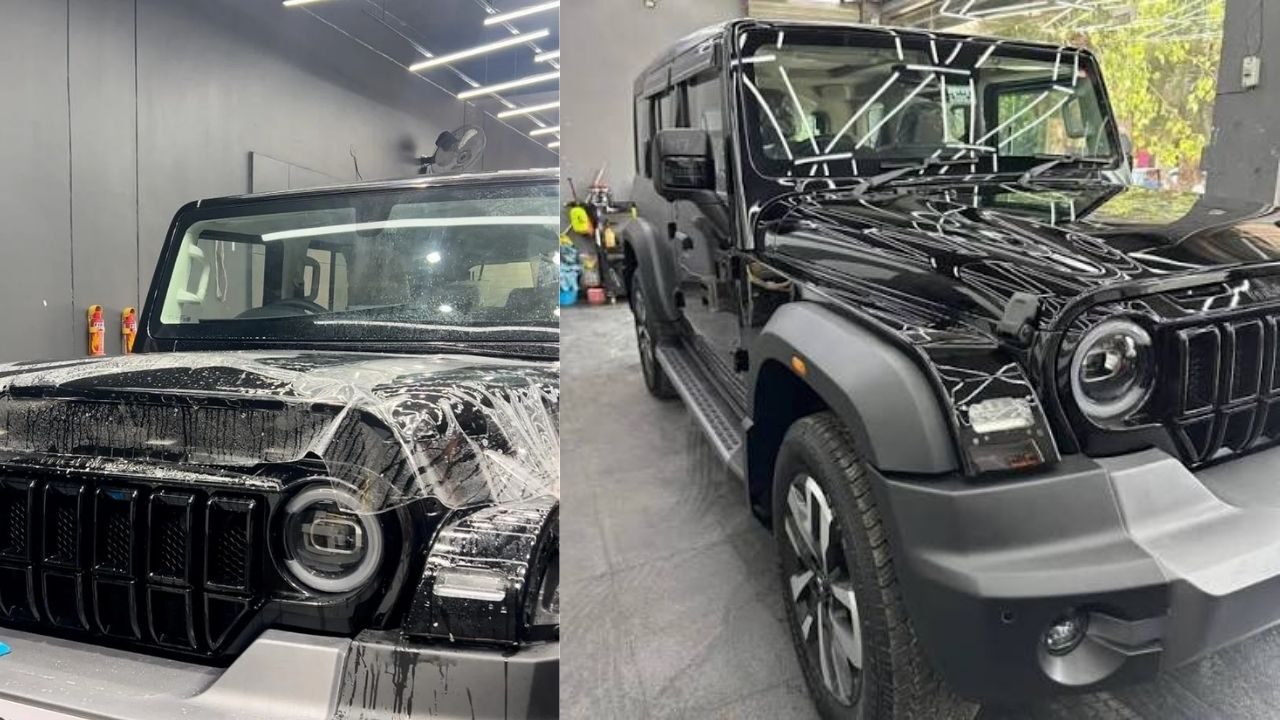
1. Paint Protection Film (PPF) — ₹1.35 lakh (8-year warranty) 

Thar Roxx Accessories

Full-body ceramic-infused film with a self-healing top coat. Genuinely protects resale value on a vehicle known for picking up stone chips on its flat panels and wheel arches — but at over a tenth of the base model’s price, it only pays off if you’re keeping the Roxx for five years or more.

Best for: owners planning a long-term hold.

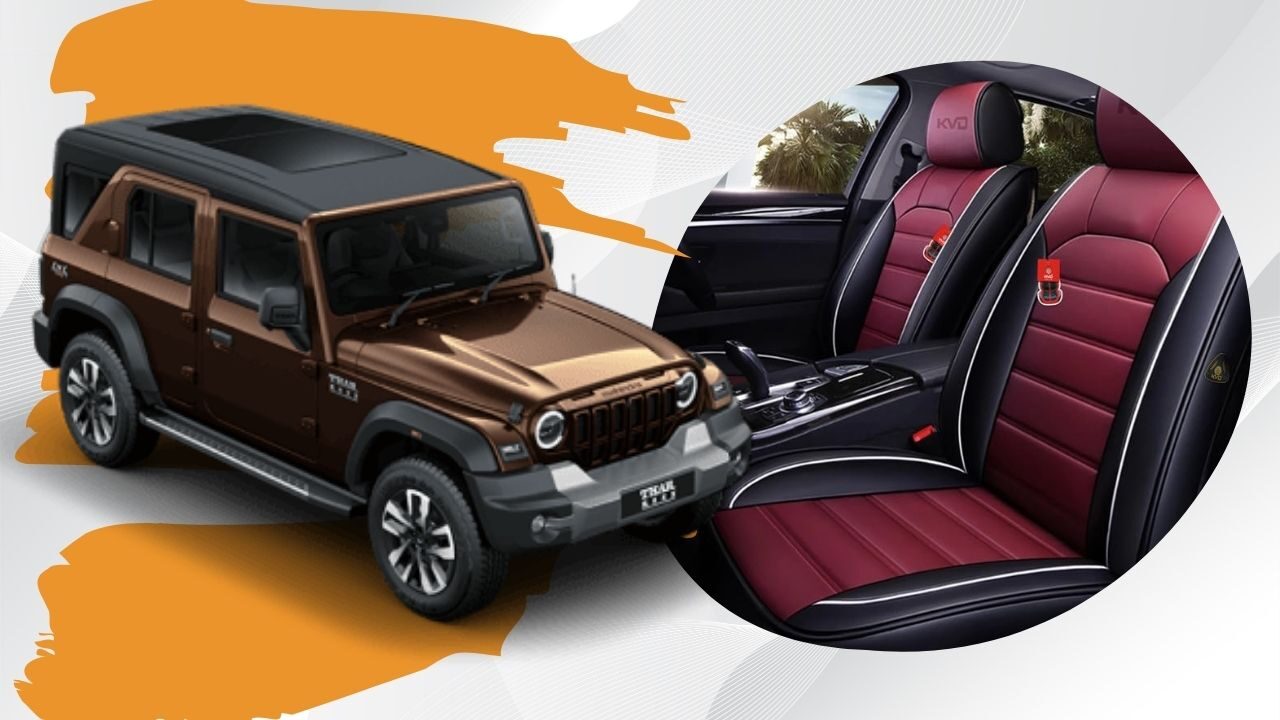
2. Bucket Seat Covers — ₹20,000 

Thar Roxx Accessories

Tailored fit, breathable fabric, factory-accurate stitching. The fit is a level aftermarket covers can’t quite match — but aftermarket seat covers run ₹2,000–₹10,000 for similar comfort if exact fit isn’t a dealbreaker for you.

Best for: buyers who don’t want any compromise on how it looks from the driver’s seat.

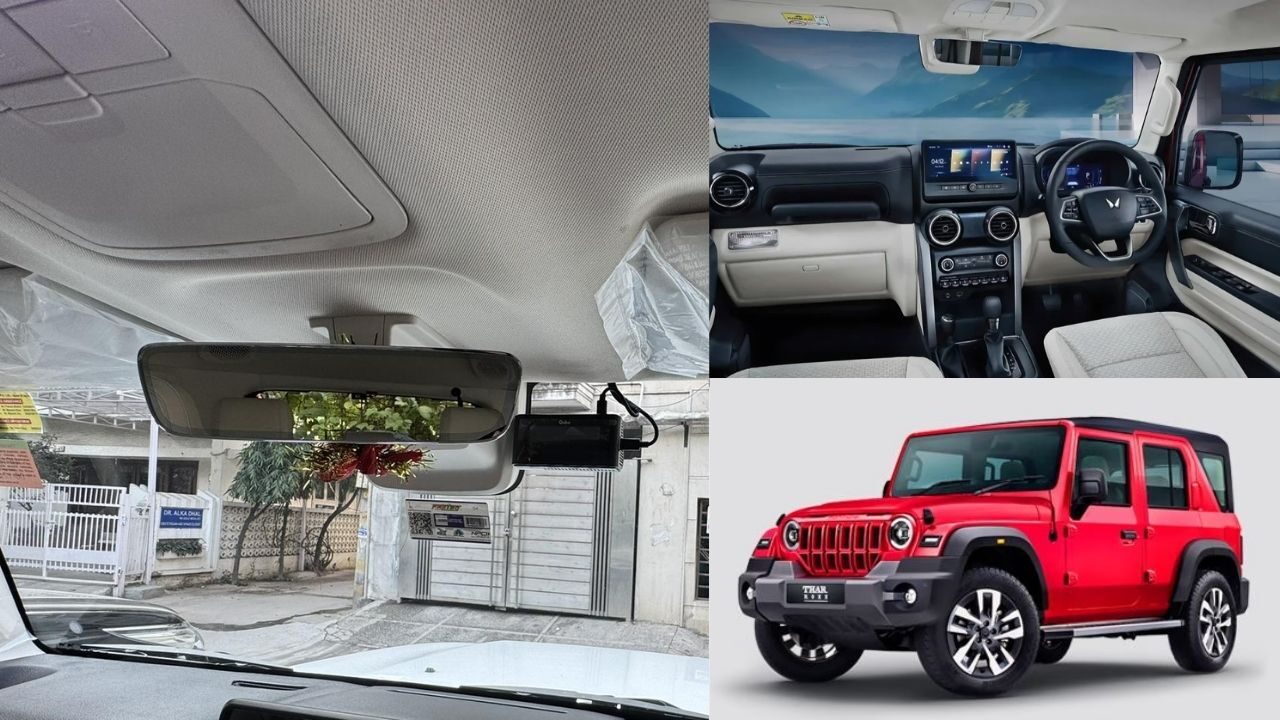
3. Dash Camera — ₹25,000  

Dash Camera

Integrated wiring, factory-fit mounting, no visible cables. Clean installation and solid footage for insurance disputes — though standalone aftermarket dash cams do the same core job for ₹3,000–₹8,000, just with a visible cable run.

Best for: daily commuters who want accident evidence without a wiring mess.

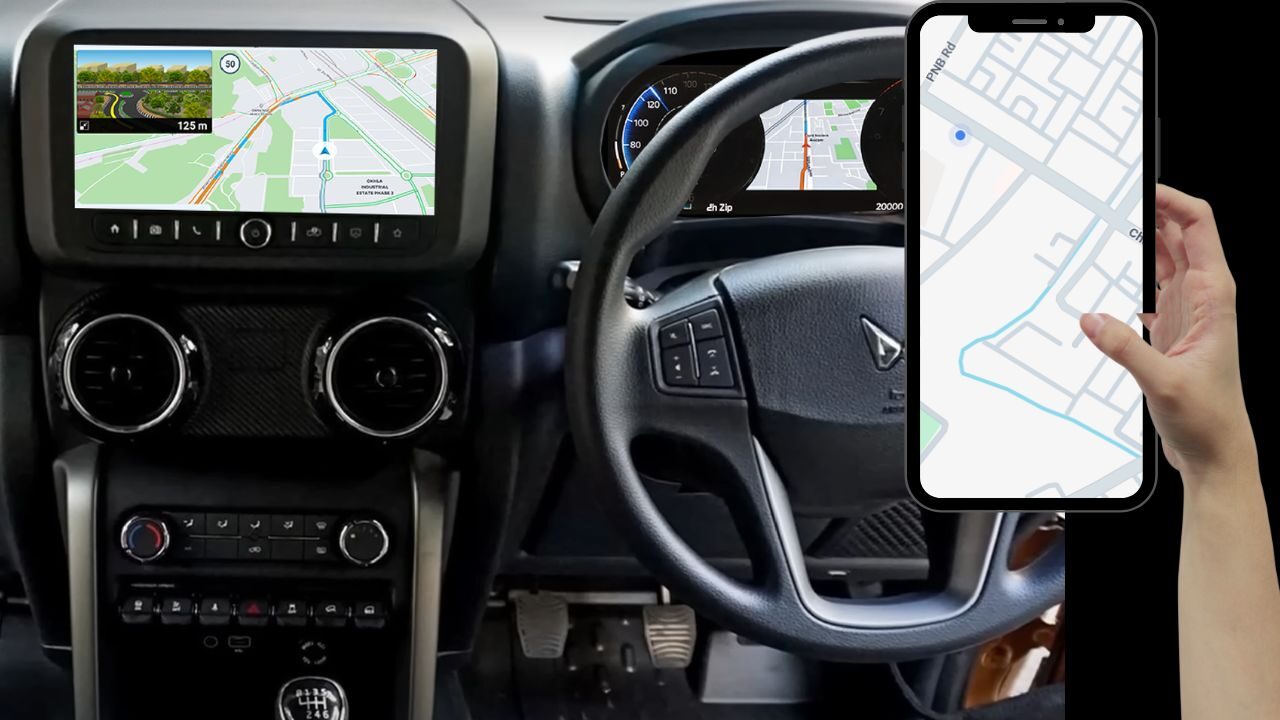
4. GPS Tracking Device — ₹12,499  

GPS Tracking Device

Real-time location tracking, geofencing. Useful if the vehicle gets shared across family members or parked in a theft-prone area — confirm whether there’s a recurring subscription fee before buying, since that’s not always advertised upfront.

Best for: shared vehicles or high-risk parking situations.

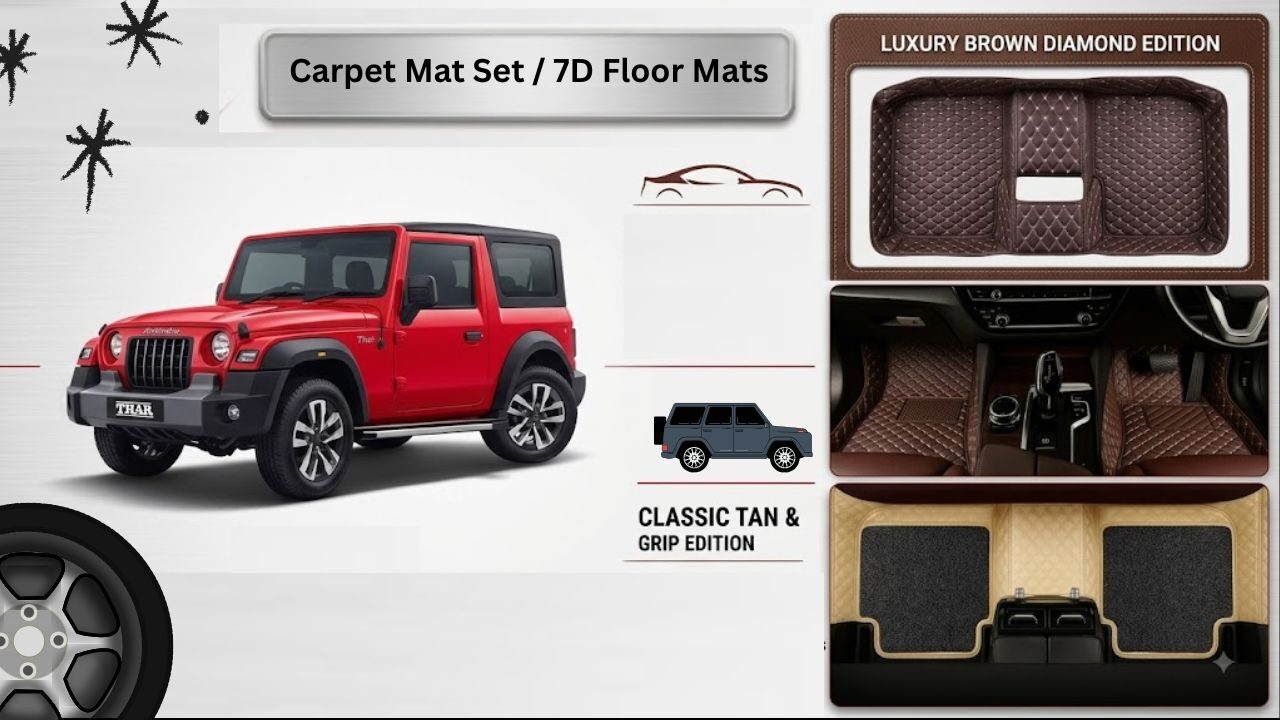
5. Carpet Mat Set / 7D Floor Mats — ₹3,950–₹9,999 

Carpet Mat Set

Raised edges, waterproof backing, model-specific fit. Real protection during monsoon months, which matters more on a vehicle that regularly sees mud and standing water — cheap aftermarket 7D mats can trap moisture underneath if the backing isn’t genuinely waterproof, so check reviews before buying the bargain option. 

Best for: monsoon-heavy regions.

Read More:-  Best Brake Pads for Cars: Top Options for Safe Driving

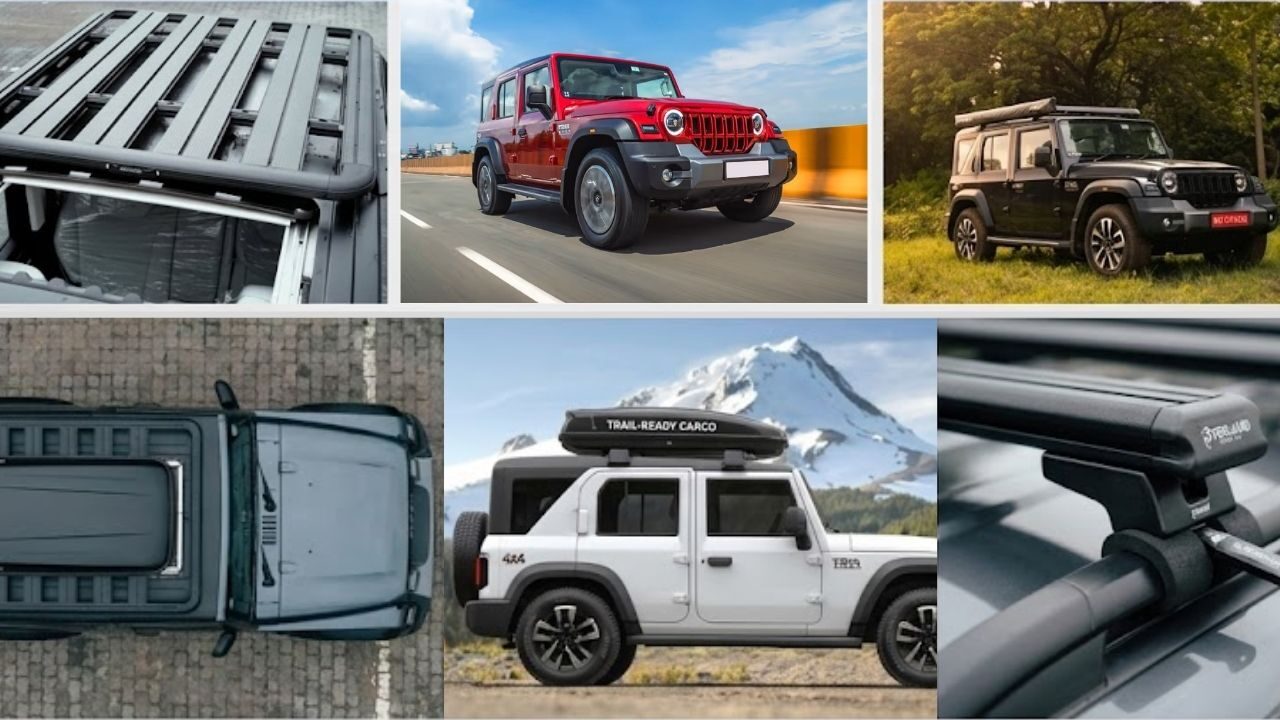
6. Roof Rails and Roof Carrier — indicative ₹10,000–₹30,000 (aftermarket range, confirm before buying) 

Roof Rails and Roof Carrier

Static or dynamic load-rated bars mounting to factory roof points. Turns the Roxx into a real camping and road-trip vehicle but load ratings vary a lot between sellers, so verify the actual rated capacity for your specific variant before strapping down gear. 

Best for: road-trippers and weekend campers.

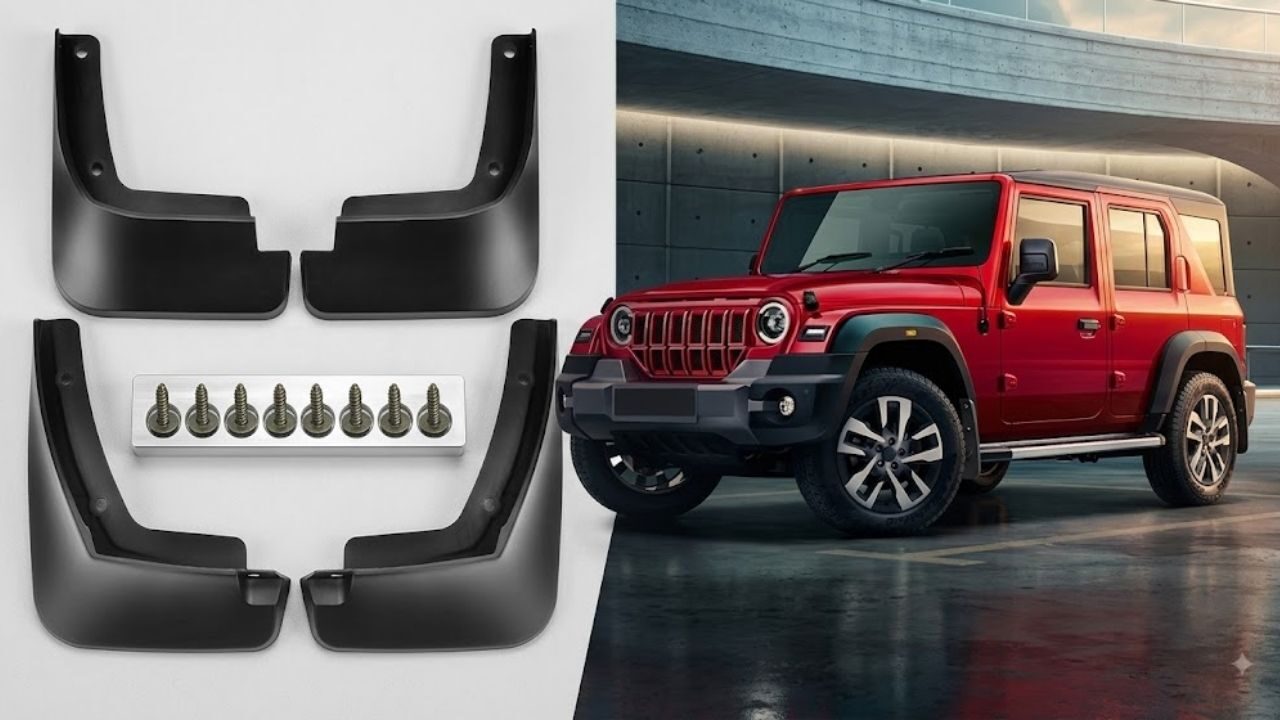
7. Mud Flaps — ₹500–₹3,000 

Mud Flaps

Front and rear sets, OEM or vehicle-specific fitted design. Cheap, effective protection against underbody rust from mud and rain splash — genuine Mahindra units cost noticeably more than near-identical fitted aftermarket versions from sellers like Carhatke or Techo. 

Best for: rural or muddy road driving, and as a low-cost first purchase.

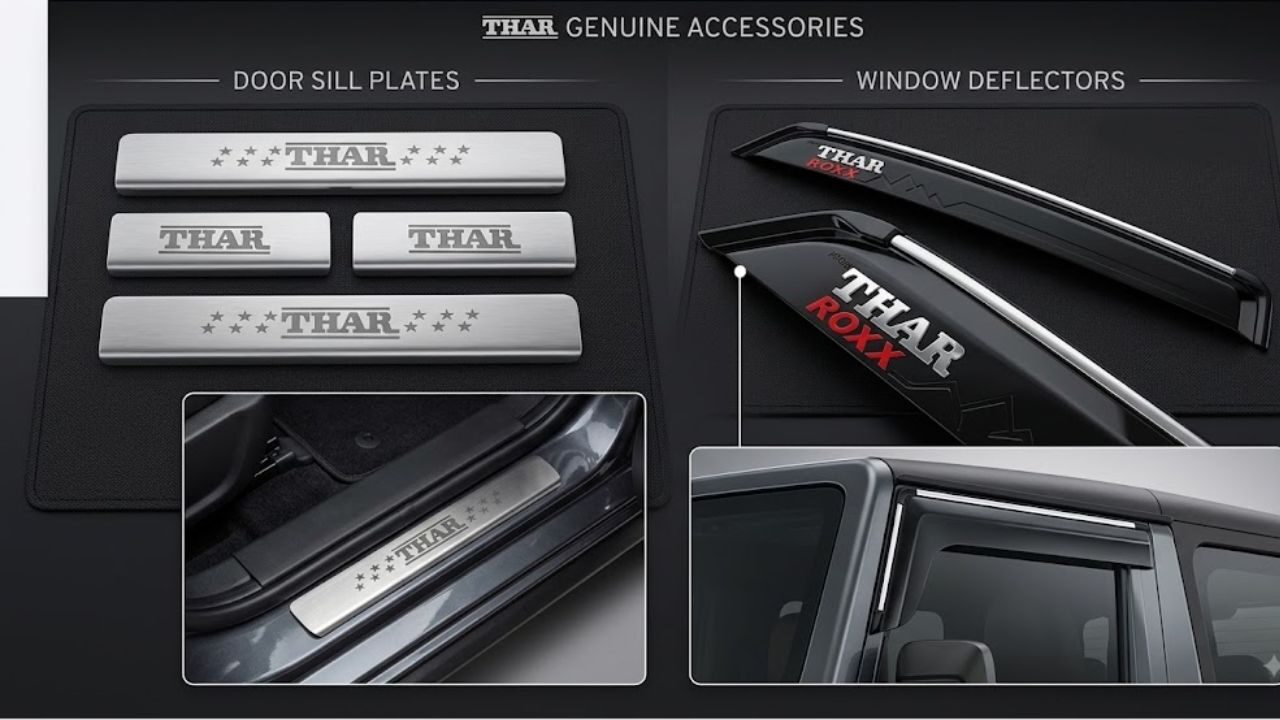
8. Sill Guards — ₹1,175  

Sill Guards

Brushed-finish scuff protection along the door sills. Mostly cosmetic, but it’s an affordable way to stop shoe scuffs from wearing down the paint at the door edge. 

Best for: budget buyers who want one cheap, low-effort upgrade.

PPF vs Ceramic Coating: True Comparison For Best Paint Protection

These two get lumped together as “paint protection,” but they solve different problems.

Paint Protection Film Ceramic Coating
Price ₹1.35 lakh (genuine, 8-yr warranty) Roughly ₹15,000–₹40,000 depending on tier — get an exact quote, pricing varies a lot by shop
What it actually does Physical film barrier — absorbs stone chips and scratches Adds gloss and a hydrophobic layer — doesn’t stop physical impact
Best suited to Regular gravel or off-road driving Mostly city and highway driving

If you’re taking the Roxx onto gravel trails or rough terrain often, PPF’s physical protection is doing real work. If it’s mostly tarmac and you want the shine, ceramic coating gets you most of the visual benefit for a fraction of the cost.

Where to Actually Buy Thar Roxx Accessories Online

For anything that touches warranty — seat covers, dash cams, tracking devices — go through your dealership. For styling and protection extras, Drivestylish, Carhatke, Elegantautoretail, and Automods.in all stock Thar Roxx–specific parts with home delivery across India. 

Prices for the same item can differ meaningfully between these sellers, so for anything above ₹5,000, it’s worth checking at least two listings before you buy.

Which Thar Roxx Accessory Should You Actually Buy First?

If your budget is under ₹3,000, start with mud flaps and sill guards — cheap, functional, and genuinely useful on Indian roads. Between ₹3,000 and ₹15,000, floor mats and an aftermarket Dash Cam cover the two things most owners regret not having within the first year. 

From ₹15,000 to ₹50,000, seat covers, ceramic coating, or roof rails are where personal use cases should decide — road-trippers go roof rails, everyone else probably wants seat covers. Above ₹50,000, PPF only makes sense if you’re planning to keep the vehicle long enough to see the resale benefit.

And regardless of budget: skip the bull bar, no matter how many sellers have it listed as a “must-have.” It’s not protecting anything — it’s a fine waiting to happen.

Read More:-  How Often Should You Change Oil in Your Car? What Actually Matters in India

Conclusion

The best Thar Roxx accessories aren’t necessarily the most expensive ones. And you don’t have to buy everything you see online so here is the list that contains the genuine Thar Roxx accessories to buy online which can make your car more sensible. Practical upgrades like mud flaps, quality floor mats and a dash cam, are standard materials to buy when you buy Thar Roxx. 

All other accessories depend on your driving needs, PPF is worth it for owners who consistently take their vehicles off-road, whereas ceramic coating is the better value for average city and highway drivers. Roof rails and seat covers have everything to do with how you use the Roxx and nothing to do with what the dealership tells you you need. 

Compare original and aftermarket prices, check fitment and warranties, and avoid illegal bull bars altogether. 

0

Electric Car Under 5 Lakhs | Best Affordable EV Option

Electric Car

It’s hard to get a fully-fledged electric car under 5 lakhs in India because manufacturing cost is still higher than a normal petrol or diesel car. You won’t find a family SUV or sedans at this price but there are ultra-compact, entry-level micro-EVs that are designed specifically for daily commuters in the city and easy to park.

Many people are opting to contribute to the eco-friendly nature. These micro-EVs don’t offer enough space or big battery time but are still convenient for roaming around the city. It also gives good savings on the fuel economy, so let’s take a look at these easy and small EVs as the best affordable EV option under 5 lakhs.

Electric Car Under 5 Lakhs

1. MG Comet EV 

MG Comet EV is the best option to buy if you can afford to buy in Rs 4.99 Lakh with rental fees of Battery. MG offers a “Battery-as-a-Service” (BaaS) program which lowers the cost of a car but you have to pay around ₹2.5 per kilometer accordingly. 

Many buyers prefer to buy this compact micro EV because it offers comfort, reliable, and claimed range of 230 km. You don’t own the battery outright but you can get a 4 seater EV, safety features, and modern interior for a wonderful driving experience.

MG Comet EV

MG Comet EV

Buying a car that gives complete features and specification including interior, modern tech, and the reliability become a best bet at this pricing point. Normally the price is higher, but the MG program of Battery-as-a-Service (BaaS) makes it accessible for everyone to buy. It comfortably seats four adults, not two, which makes it a practical choice for small families. The range of 230 km is good on a full charge, you can commute easily. Comet is made of top quality that feels several notches above its micro-EV rivals. 

2. PMV EaS-E 

The pure city commuter from an Indian startup in just Rs 4.79 Lakh with comfortable 2 seats is the best deal for people who want solo trips or need daily office vehicles. PMV EaS-E is a product of Mumbai-based startup which makes a practical city pod at an affordable price. Its layout is more like a motorcycle, the driver sits up front and the passenger sits directly behind. 

PMV EaS-E

PMV EaS-E

The shape of the car is slim which gives easy parking access in complex areas of India. You can roam around the city with your partner within a range of 160 km which is sufficient for daily local travels. The ownership is unlike MG, you owned a car and battery both. There’s no subscription offer for the battery. While the cost of ownership is genuinely low.

It is ideal for singles, women and two people who want a solid pick for a low-speed daily commuter to cut through heavy city traffic. 

3. Strom Motors R3 

Strom Motors R3 

Strom Motors R3

Another affordable EV under 5 lakh is Strom R3, priced around ₹4.50 Lakh. It looks like a reversed e-riksha in India. A fully enclosed electric three-wheeler unlike anything else for 2 people sits side-by-side but gives quite good range up to 200 km on full charge. 

It is enclosed in a fully weatherproof cabin, a wind shield, and easy accessible doors at this price range. It is best for people who want a good range car with comfort that makes your ride smooth and beautiful. 

Running costs are exceptionally low given its category and comes with modern technology. You can buy this funky, futuristic aesthetic micro-EV with the lowest absolute purchase price but its unconventional look might not appeal to conservative buyers. 

4. Vayve Mobility Eva 

Vayve Mobility Eva 

Vayve Mobility Eva

The upcoming solar-capable smart micro-car in the range of price Rs. 3.25 — 4.49 Lakh. If you can wait then it is worth buying Vayve Eva. 

It offers small family space, two adults and one small child which makes it the best option under 5 lakhs. One of its standout features is an optional solar roof panel which can charge the battery so you can cover more distance. You can take it to the long drive or trip and park under the sun so it can add a few extra kilometres of range each day. 

Vayve Eva is the best EV car for Indians, while it’s still in the pre-launch. In this budget, you can get the most compelling smart city vehicle in your garage.

What About Tata, Maruti, And The Big Brands?

If you want a EV car from big brands like Tata and Maruti then you need to stretch the budget. There are most reliable, comfortable, and tech-optimized EVs like the Tata Tiago EV, this is the most reliable and trusted entry-level electric hatchback in India at ₹7.99 lakh. 

There is the Tata Nano EV which is still in the testing phase with no confirmation of the launch date. It will be around 5 lakh. Maruti is also working on their EV vehicles but for now, if the mainstream badge matters most, the realistic floor is closer to ₹8 lakh. 

If you really want a micro EV entry level car then MG Comet EV is the clear winner in this price range because it is the most reliable and comfortable option in India. 

Model Seating Range Starting price
MG Comet EV (BaaS) 4 230 km ₹4.99 L
PMV EaS-E 2 (tandem) 160 km ₹4.79 L
Strom R3 2 200 km ₹4.50 L
Vayve Eva 2 + child TBA ₹3.25 L

See Also: 3 Affordable Full-Size Sedans

Conclusion 

If you decide to buy an Electric Car Under 5 Lakhs then you can have it. But there are different options with different features so you must make your decision based on your needs and comfort. There’s no race here, just a vehicle which can let you travel the whole city without getting frustrated. 

These EVs are supporting the environmental concern, many people want to commute daily without making pollution at a lower price. Whether you buy a MG Comet with battery subscription for a small family or you want solo trips then PMV EaS-E, Strom R3 are also good options. 

The Indian EV market at this price tier is young and evolving fast, in future there are more  options from more established

0

Manual vs Automatic Cars — Which One Should You Buy?

Published May 29, 2026, 1:07 PM
Last Updated Jun 19, 2026, 9:47 AM

Manual vs Automatic Cars

Buying a new car made you jump on the debate in Manual vs Automatic Cars. You start looking for manual cars then you remember that you don’t have a budget or you need more fuel efficiency, so understanding which car you should buy is crucial and this comparison will help you find out. 

Both gearboxes have earned their place on the road. The real question isn’t which is better — it’s which is better for you.

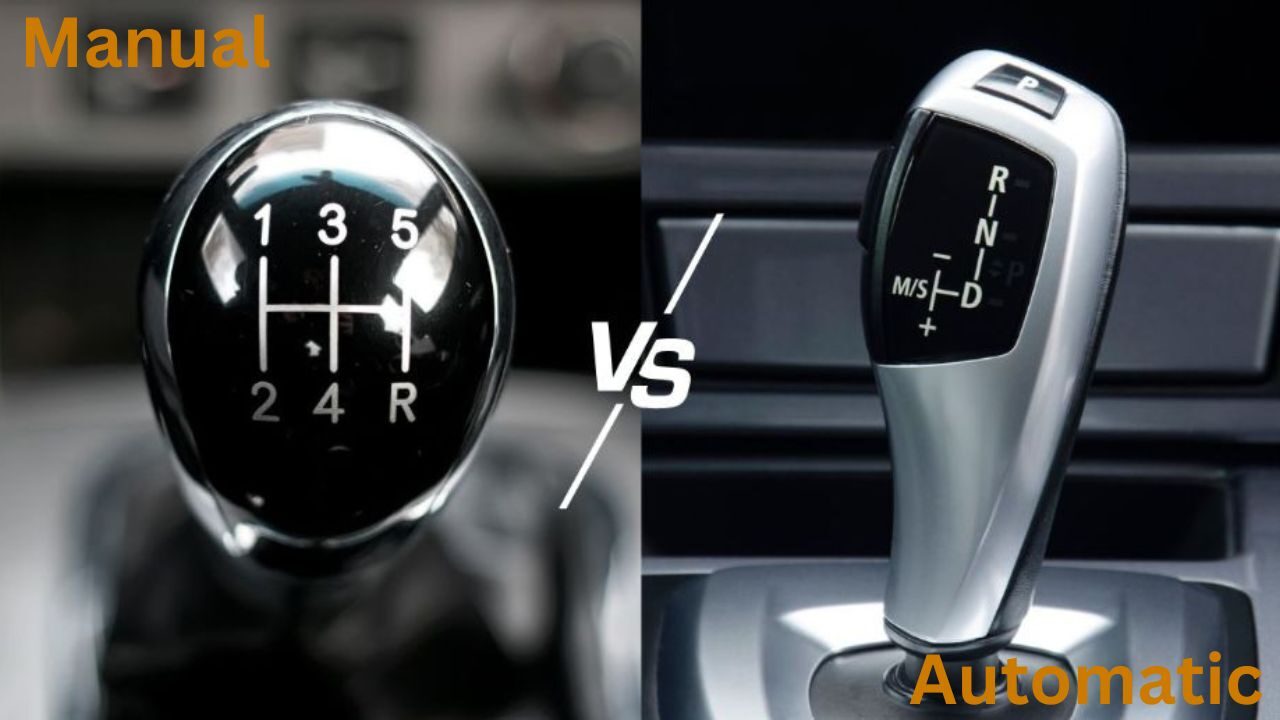
Manual

Stick shift

Automatic

Self-shifting

  • Full control over gear selection
  • Easier in heavy stop-start traffic
  • Typically cheaper to buy & maintain
  • Faster lap times (modern dual-clutch)
  • Better fuel efficiency (older models)
  • Lower learning curve
  • Driver engagement & “feel”
  • Better for accessibility needs
  • Harder to steal in many regions
  • Dominant in EVs & hybrids

Why This Comparison Still Matters

In an era where electric vehicles are rising and dual-clutch automatics are faster than any human thumb, you’d think the manual vs automatic debate is dead. It isn’t. Every year, millions of first-time buyers and experienced drivers switching segments, face this exact fork in the road.

This debate is consistently occurring because both transmissions are genuinely excellent at what they’re designed to do. There’s no universal winner. The “right” choice depends on your city, your commute, your budget, and honestly — your personality.

The best transmission is the one you’ll enjoy driving every single day, not the one that wins a spec sheet comparison.

The Case for Manual Cars

Driving a manual isn’t just a skill — it’s a philosophy. When you control the clutch and shift yourself, you’re not a passenger in the driving experience; you’re the co-author of it. Enthusiasts will tell you that a mountain road in a manual car is a fundamentally different — and richer — experience than the same road in an automatic.

Beyond romance, manuals carry real practical advantages. They tend to cost less upfront (often ₹50,000–₹1 lakh cheaper on the same model in India), have simpler transmission mechanics that are cheaper to repair, and give you full authority over engine braking — useful in hilly terrain or wet roads.

There’s also a security perk that rarely gets mentioned: a significant portion of car thieves in India and globally simply don’t know how to drive stick. A manual car can be a surprisingly effective deterrent.

Read More:-  Kendrick Lamar Car Collection is Classic Garage With Old & New Luxury Cars

The Case for Automatic Car

Modern automatics — especially CVTs and dual-clutch transmissions — have erased almost every disadvantage they once carried. Today’s 8-speed torque-converter automatics shift faster than a human hand, and DCTs used in performance cars are flat-out faster on a track than any manual equivalent.

In Indian traffic conditions — Lucknow’s congested chowks, Bangalore’s perpetual gridlock, Mumbai’s coastal highway crawl, the case for automatic is almost self-evident. Clutch fatigue is real. Left-knee strain from thousands of small engagements in a daily commute adds up. An automatic eliminates all of that, leaving mental bandwidth for actual driving decisions.

In city traffic, an automatic doesn’t just make driving easier — it makes it safer, by keeping both hands on the wheel and both eyes on the road.

Automatics are also the only real option if you’re buying a hybrid or EV. The Maruti Suzuki Grand Vitara’s strong hybrid, Tata Nexon EV, or MG Windsor — all automatic by design. The future of powertrain tech is speaking clearly here.

Head-to-head Comparison of Manual & Automatic

Factor Manual Automatic
Purchase price Lower (same model) ₹50k–₹1.5L premium typically
City driving ease Tiring in traffic Significantly easier
Highway driving More engagement, fine Effortless cruise
Fuel economy Better (driver-dependent) Near-equal in modern units
Maintenance cost Lower long-term Gearbox service is pricier
Resale value Lower in urban markets Higher demand in cities
Driving fun Higher engagement Depends on transmission type
Accessibility Harder for some users More universally usable

Both Sides Of The Argument Are Genuinely Valid

Here’s what the internet debates often miss: manual vs automatic transmissions solve different problems excellently. A manual car in the hands of an engaged driver on a smooth state highway is pure joy. That same car in the rush hour of the city is a workout nobody asked for.

Conversely, an automatic is undeniably more accessible, less fatiguing, and increasingly more fuel-efficient. But ask a driving purist and they’ll tell you something important is lost — that thin-but-real tactile feedback between you and the road.

Neither camp is wrong. The manual loyalist isn’t being nostalgic for nostalgia’s sake. The automatic advocate isn’t being lazy. They’re optimizing for genuinely different things: one for immersion, one for practicality.

Who Should Buy What?

Choose manual if: you are long trips enthusiast and travel is your passion because experiencing the driving on open road is itself enjoyable, you have enough budget, or you live in a hilly area where engine braking matters.

Choose automatic if: you need to go to the office daily because it is the most rush hour in the city, you want to buy an EV, or you are a beginner.

And if you’re genuinely torn? Drive both. Borrow a friend’s car for a week. One rush-hour commute in a manual versus an automatic will give you an answer no spec sheet ever can.

Conclusion

The Manual vs Automatic Cars debate happens when you are going to buy a car because your friends might suggest their opinion, your family says something else and you get confused. It is not a perfect answer of which is right, because both transmissions are right in their own context. Buy the one that fits your daily reality, your budget, and the way driving makes you feel. That’s always the correct answer.