0

Hyundai’s Compact Electric SUV for India: What We Know About the HE1i

Published Oct 21, 2026, 1:02 PM
Last Updated Oct 21, 2026, 1:08 PM

Compact Electric SUV

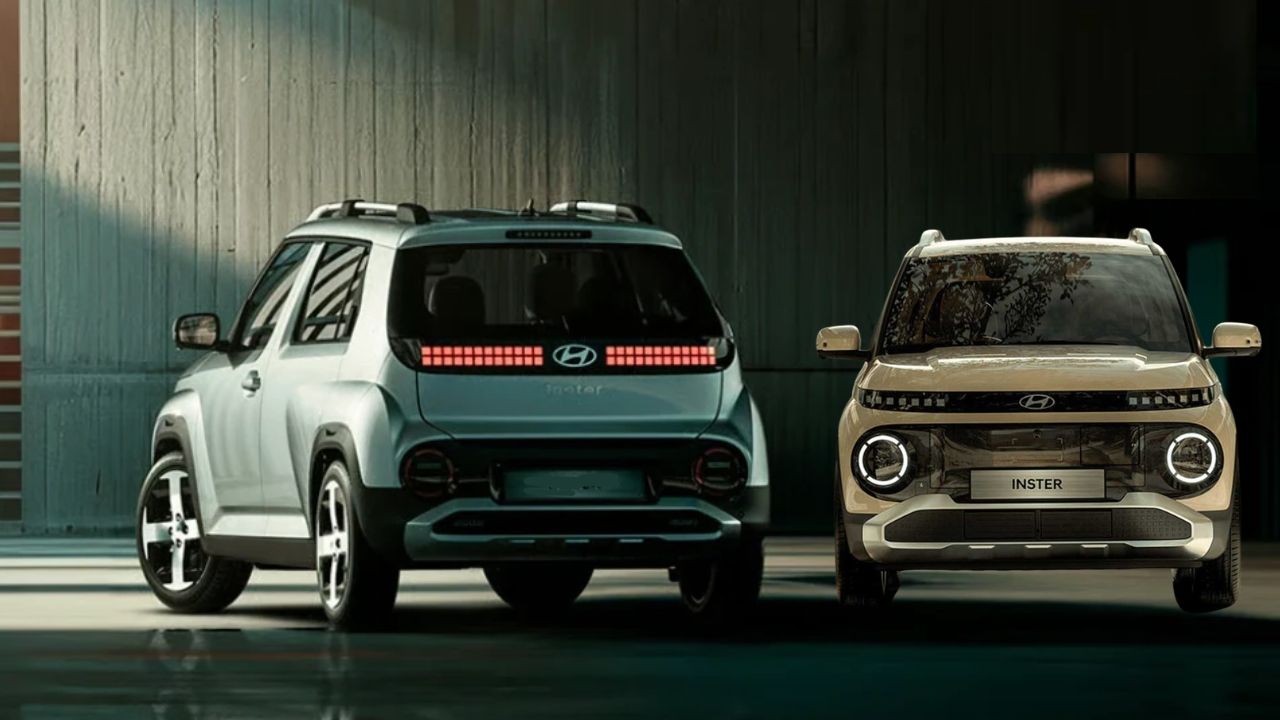
The EV segment is filled with outstanding performances from Punch EV, Mahindra XUV 3XO EV and the Kia Syros EV. Hyundai India has confirmed a new compact electric SUV to join them with brand new design and 42 kWh battery, codenamed HE1i, is arriving this financial year.

Over the past couple of years, the electric segment has taken over space in showrooms which is hard to ignore. But premium electric crossovers are hard to get for most of the buyers, they want an affordable & reliable compact electric SUV from a brand they already trust.

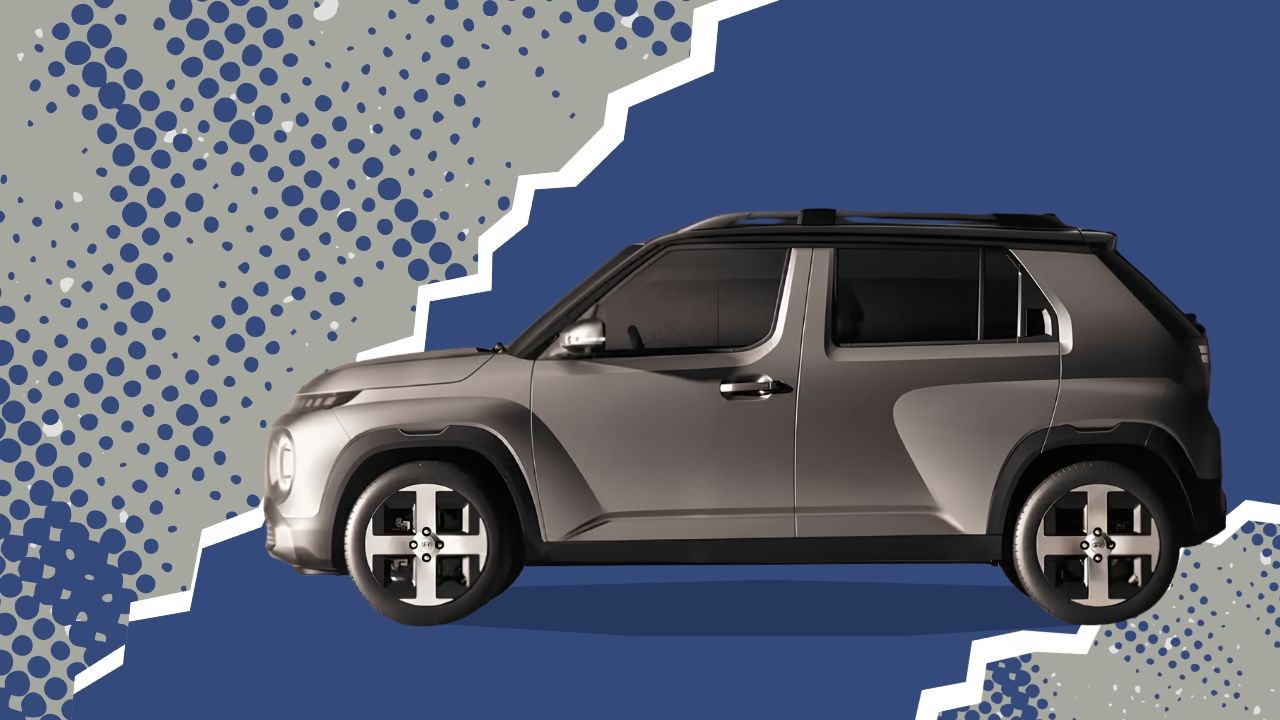
The SUV will be made for India, sub-4-metre, and backed by AC and highway DC chargers plus a dedicated charging app. The HE1i is expected to borrow design cues from the Inster EV sold in global markets, with India-specific changes. A test mule was spotted on Indian roads in late September 2026, and Hyundai has not announced pricing.

The launch timing is still unconfirmed, but expect to arrive in FY2026-27. Get more details from the new Hyundai’s compact electric SUV.

HE1i Expected Features & Specs: Battery, Range and Charging

For most Indians buying a car is an emotion and a vehicle for family road trips, the daily battle armor against chaotic office traffic, and a proud parking spot accomplishment. 

The HE1i is expected to arrive in Standard Range and Long Range variants, with the international-spec Inster offering another reference point. The India-specific HE1i could use the Kia Syros EV’s 42 kWh and 49 kWh battery pack. The Syros EV Standard Range claims a driving range of 443 km on a single charge, HE1i is expected to deliver up to 355 km of range. The Standard Range version produces 97 hp and the Long Range variant increases power to 115 hp with the same torque.

A 100 kW DC fast charging is expected, taking the battery from 10 to 80 percent in around 39 minutes. Level 2 ADAS, an electronic parking brake and multiple airbags are also expected. A Level 2 ADAS suite at this price would be a real differentiator, but it remains unconfirmed.

HE1i Expected Features & Specs

Hyundai is preparing to shake up the mass-market EV space with its upcoming compact electric SUV. Since this EV leverages dedicated EV architecture tailored for maximum efficiency and interior room.

The design is specifically prepared for Indian style and roads. Expect an upright stance, high ground clearance, skid plates, and robust body cladding designed to handle monsoon potholes and unexpected speed breakers.

Taking cues from Hyundai’s global EV lineup, expect futuristic pixelated LED DRLs and bold light bars that give it an unmistakable street presence. It will offer more legroom and elbow room and connectivity support with intuitive Android Automotive-based software. So expect a comfort and smoother driving experience. 

 Tesla Flying Car Mechanics Make The Flight Possible

Price Expectations For the Compact Electric SUV

Estimates cluster around Rs 10 lakh at the entry end. Expects Rs 10-16 lakh ex-showroom for Hyundai’s compact electric SUV. That spread is wide enough to put the top trim near Nexon EV territory, so the real question is how Hyundai prices the 49 kWh-class variant, not the base car.

HE1i vs Tata Punch EV vs Nexon EV

Until now, manufacturers like Tata and Mahindra have dominated the affordable and mid-tier electric SUV market segment. Now Hyundai’s tuning philosophy fits urban commuting conditions seamlessly. 

HE1i (expected) Tata Punch EV Tata Nexon EV
Price (ex-showroom) Rs 10-16 lakh (estimate) Rs 9.69-12.59 lakh Rs 12.49-17.69 lakh
Battery 42 / 45 kWh 30 / 40 kWh 30 / 45 kWh
Claimed range 400 km  468 km ARAI (40 kWh) 489 km MIDC (45 kWh)

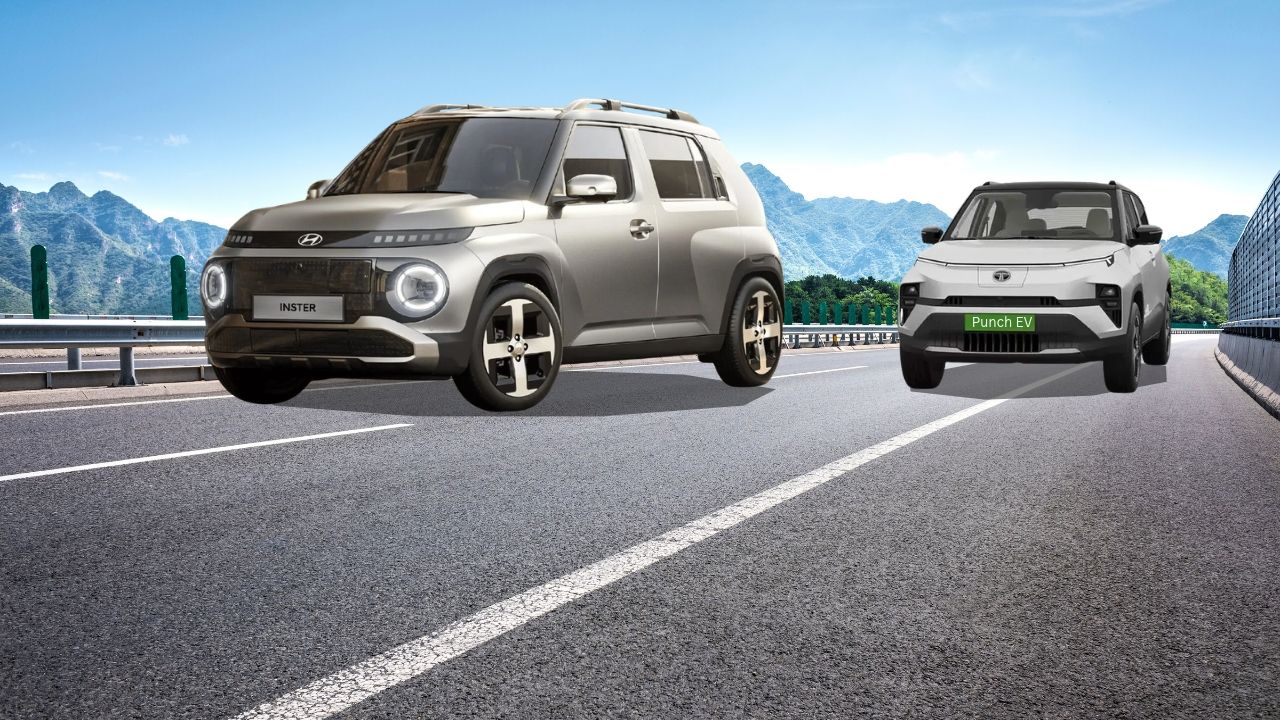
The Punch EV is the number to beat. Tata itself quotes 335-355 km of real-world range for the 40 kWh car, so a Hyundai that delivers an honest 350 km with better features would be a credible rival. Tata also offers a battery-as-a-service plan that cuts the effective starting price to Rs 9.49 lakh, plus Rs 2.6 per km in battery rental. Hyundai will have to answer that with either a lower sticker price or a stronger warranty.

HE1i vs Tata Punch EV

For context, the car above it in Hyundai’s range launched at Rs 17.99 lakh ex-showroom as the Creta Electric, so the HE1i has room to sit well below it.

  Hyundai Bayon Bookings Open at ₹11,000 With a 1.5L Petrol Engine

Conclusion

There’s no confirmed date or price, and the Punch EV facelift is available now. But it’s worth holding off if you want a Hyundai badge, the service network, and a likely feature-heavy cabin at under Rs 15 lakh.

Wait for the HE1i’s official battery and range numbers, because it could land between them on both price and range. Compare real-world range claims, and most importantly, ask the total price from your dealer before buying this brand new compact electric SUV.

Bipin Sharma

Bipin Sharma is a seasoned automotive content writer with over 10 years of hands-on experience in the world of cars. From the latest car news and reviews to in-depth maintenance tips and expert buying guides, Bipin covers everything that drives the automotive world. Writing about cars isn’t just his profession — it’s his passion. His deep industry knowledge and love for automobiles fuel every blog he creates, helping readers make informed decisions and stay updated on the fast-evolving auto landscape.

Leave a Reply

Your email address will not be published. Required fields are marked *

0

Creta vs Seltos: The Battle of Korean Siblings That’s Tearing Car Buyers Apart

Published Jan 30, 2026, 7:17 AM
Last Updated Apr 6, 2026, 4:39 AM

Creta vs Seltos

If you’ve been lurking on car forums or asking friends about purchasing an SUV, you’ve likely encountered the mandatory query: Creta vs Seltos? Both the models are quite similar as they are based on the same platform, however, each one is distinct in its own way. It’s tricky to choose between them.

This is more than a feature and figure comparison. It’s designed to give you a feel of how each car drives in the real world, since purchasing a car isn’t just a practical decision—it’s an emotional one. 

Creta vs Seltos — First Impression

When the Seltos rolls through, it demands a second look. The 2026 Kia Seltos lays down a sharper, more aggressive attitude on-road. It has come of age in stature and size – stretching 4,460 mm in length on a generous 2,690 mm wheelbase that actually puts it ahead of its Hyundai rival. Flush door handles, a bold front grille and razor-sharp LED headlights all announce its arrival confidently. That’s the car that makes you look back twice before you walk away.

The Creta adopts a different tone: elegant versus loud. While the more premium model measures just 4,330 mm in length with a wheelbase of 2,610 mm, it pitches itself as a more sophisticated and premium product that will attract buyers who prefer a muted rather than a loud design statement. 

Put it this way: the Seltos stakes out the space with vibrancy, but the Creta commands the space with classic styling.  

Inside the Cabin: Your Daily Environment

This is where the real story begins, Behind the scenes, however, the two SUVs are virtually the same —

  • They offered a powerful 1.5L turbo engine to drive you crazy with 160 hp and 260 Nm of Torque. 
  • They are mechanical siblings, with both averaging in the 21.8 kmpl range. Climb inside though, and the divergence is evident.
  • The new Seltos offers a segment-first 10-way power adjustable driver’s seat with memory function – an absolute bonanza for multi-driver families. 
  • No memory function, though, for the Creta comes with an 8-way power seat that’s comfortably sufficient. 
  • Recent head-to-heads have the Seltos GTX variant surprisingly edging out the Creta King when it comes features, with more digital touch points for comparable money. 

Interior Feels inside Creta and Seltos

That’s where the Creta fights back: cabin refinement. The soundproofing is genuinely better. It’s hushed, calm — the kind of cabin where road conversations can keep pace, rather than shouting matches over road noise. For drivers who long for that library-quiet serenity on long drives, the Creta comes out well ahead.  

Comfort vs Sportiness

The Creta uses a softer suspension setup. bumps and craters are absorbed with an ease, as if the car is gliding over India’s chaotic road surface. It’s brilliantly tuned for family towing and long distance comfort. Elderly parents or fidgety kids in the backseat won’t feel every imperfection in the tarmac or grumble about yet another speed bump.

Creta uses a softer suspension setup

The Seltos is firmer when it comes to ride quality. It’s not punishing—just more connected and athletic. Enthusiastic drivers will appreciate how the Seltos remains composed and predictable when pushed hard into corners and when the handling is sufficiently responsive and spirited enough to hold the attention of such drivers. Up at speed, it’s taut and solid, and the sense of command it imparts—one that makes driving really fun instead of just something you have to do—is comforting. 

Read More:- The MG Majestor launch: India’s New Flagship SUV Set to Shake Up the Premium Game

The Price Tag: What’s Your Money Buying?

Here is where it becomes difficult. The Hyundai Creta E variant price starts at Rs 10.79 lakh ex-showroom while Kia Seltos HTE variant price starts at Rs 10.99 lakh —which makes the Seltos a bit on pricier side at the entry point. But as you move up the variant tree, Seltos usually gives you more features for your money, especially in the mid-level trims.

Price for 2026 Creta vs Seltos

But there is another issue to take into account: resale value. Multiple sources agree that Creta tends to retain its resale value better than Seltos – attributed to the fact that Hyundai has a more reliable after-sales reputation and far-reaching service network across India.”If you are thinking in terms of five years down, when you have to upgrade, that could be real money in your pocket. 

Conclusion

After all that, you’re probably still baffled — and, honestly, that’s fair. Both are unique in their own way.

  • If you want a bolder look, a bit more features, more space inside and a sportier ride and handling than the Kia Seltos. It’s for anyone who wants their car to make a statement and isn’t worried about paying a little more for the latest tech. 
  • Opt for the Hyundai Creta if: Comfort is your religion, you care about resale value and you like a more refined, quieter cabin. It’s the reliable choice that will never let you down and which will probably age better when it comes to retaining value.

In the final count, these two Korean siblings are both winners. You really can’t go wrong — you’re just picking between Creta vs Seltos flavors of excellence. 

My advice? Take both for a spin, bring your family, and trust your gut after you turn the key. For sometimes the best choice isn’t on paper — it’s in what the car makes you feel. 

0

Tata Nexon EV vs MG ZS EV: Choose the Electric SUV That Fits Your Lifestyle

Published Feb 26, 2026, 11:47 AM
Last Updated Feb 26, 2026, 11:49 AM

Tata Nexon EV vs MG ZS EV

If you’re considering an electric SUV this decision can be hard to make and exciting at the time. Do you opt for maximum value and ease on the budget, or do you splurge a little for a modicum of premium comfort, tech and punch? That’s where this comparison Tata Nexon EV vs MG ZS EV has a clear interesting factor.

Tata Nexon EV vs MG ZS EV are two of India’s best electric vehicle contenders, however, they are dual solutions for very different kinds of buyers. One is about intelligent functionality and mass market access, the other is about refinement, power and high-end aspirations. Let’s take a real, no BS look at them and help you decide which one really fits your life. 

Pricing: The Accessibility Factor

This is where the entire equation changes. The Tata Nexon EV starts at a very affordable ₹12.49 lakh (ex-showroom) for the Creative Plus Medium Range variant, making it one of the cheapest premium electric SUVs in the country. Even the fully loaded Empowered Plus A 45 Dark Edition tops out at ₹17.49 lakh, and for what it is, that doesn’t seem too bad at all.

The Accessibility Factor

In contrast, the MG ZS EV is more of a premium offering. Prices begin from ₹17.99 lakh for the Executive variant and go up as high as ₹20.50 lakh for the Essence variant. That’s a big jump, roughly a difference of ₹5.5 lakh already at the base level. And honestly, that difference in price could be all it takes to sway thrifty customers who want to squeeze the most value for their money, but aren’t looking to go too far.  

Battery & Range: Two Different Philosophies

Tata provides a pair of battery choices for its cars: a 30 kWh Medium Range (MR) pack, whose range has been certified by ARAI as 325 km and a 45 kWh Long Range (LR) variant that offers a range of 489 km. The MR models pack a 127 bhp motor while the LR versions offer more power with a 143 bhp motor. 

Two Different Philosophies

MG adopts a one-size-fits-all solution, with a 50.3 kWh prismatic cell battery offering 461 km of range and 174.33 bhp that way more power than even the Nexon EV’s top trim. For the highway buffs, the ZS EV’s extra grunt and uniform range across all variants is an eye catcher. 

Variant Breakdown: Choices vs. Simplicity

Brand Trim/Variant Price (₹ Lakh, ex-showroom) Key Features
Tata Curvv EV Creative Plus MR 12.49 Smart digital DRLs, LED headlamps, 6 airbags, 17.78 cm touchscreen
Fearless (range) 13.29 – 14.99 26.03 cm cinematic display, wireless Android Auto/Apple CarPlay, 16-inch alloys
Empowered (range) 14.79 – 17.49 360° camera, panoramic sunroof, ventilated seats, JBL sound, ADAS Level 2 (on Empowered Plus A)
MG Executive 17.99 50.3 kWh battery, Smart featuring technology with good interior
Excite Pro 18.50 (Builds on Executive; specifics not detailed)
100 Year Edition 19.50 (Special edition; builds on lower trims)
Exclusive Plus 19.50 360° cameras, leather seats, 6-way power driver seat, wireless charging
Essence 20.50 Everything for safety in ADAS 2

Connecting Experience with Great Features

Tata Nexon EV vs MG ZS EV have tech to talk up. Tata Arcade.ev suite of applications delivers OTT streaming, games and navigation to the 31.24 cm touchscreen on higher variants. Special features include Vehicle-to-Load (V2L) and Vehicle-to-Vehicle (V2V) charging – run your home appliances or aid another EV owner. The Red Dark Edition also features exclusive carbon black exteriors with red-themed interiors for ₹17.19L–₹17.49L.

Connecting Experience with Great Features

MG follows up with i-SMART 2.0 with 75+ connected features. The dual paned panoramic sky roof, JBL audio(DLR fitment) and digital Bluetooth key are the noticeable additions. What differentiates MG is the uniformity across the board — the 50.3 kWh battery and 461 km range are standard on all variants, while Tata’s lowest rung buyers must make do with 325 km. 

Top Safety

Tata Nexon EV vs MG ZS EV makers focus on safety. The Nexon EV also has 5-star Bharat NCAP ratings, 6 airbags as standard across variants, ESP with i-VBAC, and ADAS in the top trims .MG matches with 6 airbags, ABS+EBD and a suite of advanced MG Pilot driver aids even includes lane departure warning and blind-spot detection on higher variants. 

Read More:-  2026 Isuzu V-Cross Launched at ₹25.50 Lakh, 4×2 Trims Discontinued

Conclusion

Go for the Tata Nexon EV if content with the best electric mobility bang for your buck. At ₹12.49L, it’s almost ₹5.5L cheaper than MG’s threshold, and the variety of variants means you can purchase just what you need. The 45 kWh Long Range variant at ₹13.99L (Creative 45) has a range of 489 km — a clear winner against MG’s 461 km — for ₹4L lesser than the ZS EV Executive.

Choose the MG ZS EV if the performance and premium feel matter to you. The 174 bhp power output smashes Tata’s 143 bhp, and the uniform 50.3 kWh battery means you now have range anxiety irrespective of variant. ADAS Level 2 suite on Essence variants is said to be more feature-rich than Tata’s variant.

Nexon EV makes electric mobility a mass market product; the ZS EV pleasures those with more money to spend on continuous refinement. Tata Nexon EV vs MG ZS EV are the face of India’s EV revolution – just at different price-points. 

0

Hyundai Elantra 2025 Review: Price, Trims, Hybrid & N Line Features Revealed!

Published Sep 30, 2025, 7:45 AM
Last Updated Sep 30, 2025, 12:14 PM

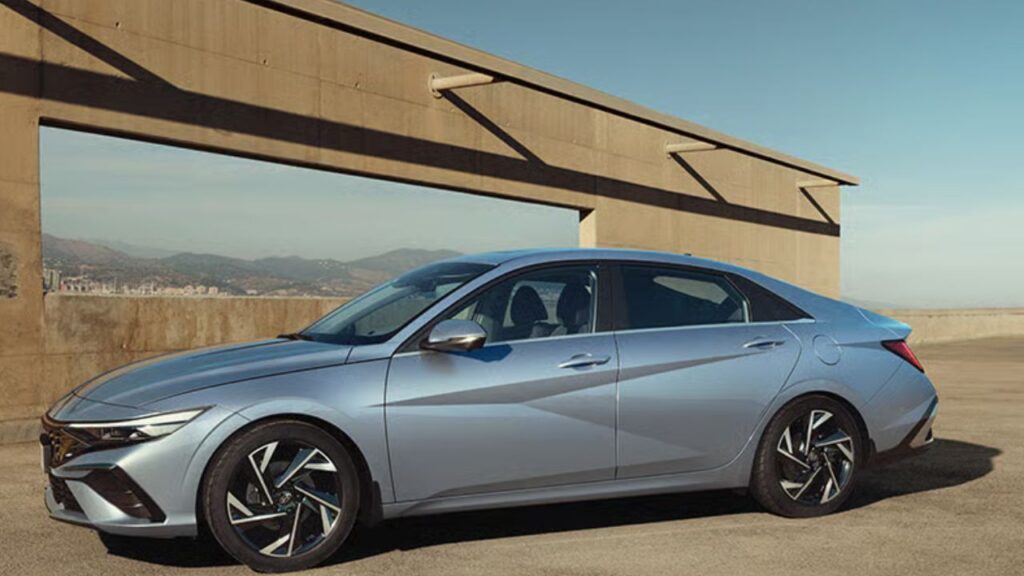
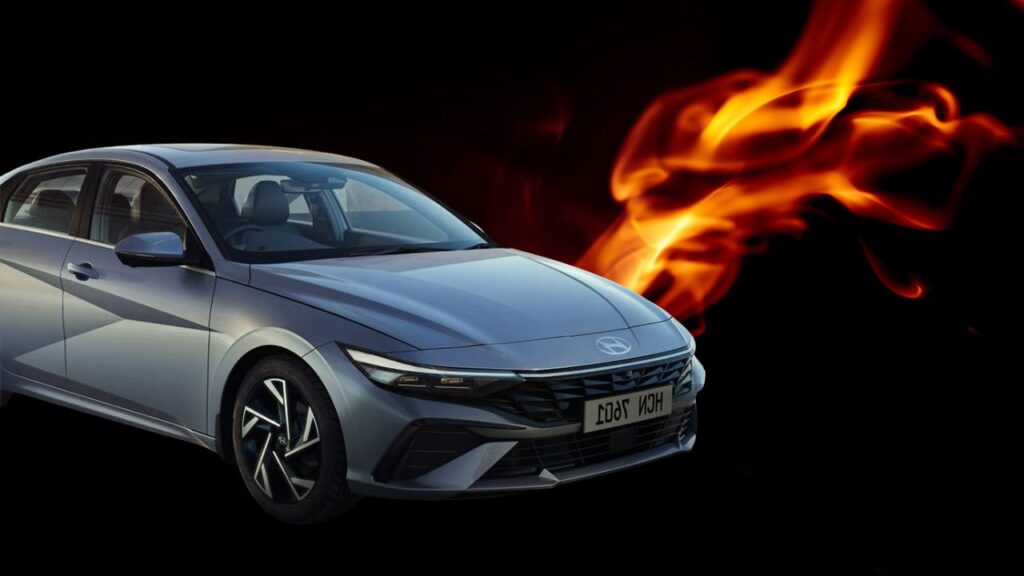
The Hyundai Elantra 2025 is strategically positioned among the most competitive compact sedan market, as it depends on the aggressive pricing, the unique aesthetic styling, as well as the best-in-class safety features. Having the lowest entry barrier, the base price being launched at $22,125 MSRP, the Elantra gets attention fast compared to the most important competitors. Its sporty, aggressive exterior styling so that the car doesn’t fade into obscurity, appeals first of all to the younger generation, as well as those who pay much attention to the styling factor.

Other than looks, Hyundai bases the value appeal of the Elantra on safety and durability. The car has scored the ultimate commendations from independent evaluation agencies, including the IIHS Top Safety Pick+ awfully and the NHTSA-provided 5-Star Overall Safety Rating. This body integrity as well as this extensive complement of standard driver assist technologies gives the ultimate trust factor that is the key market advantage.

This price increase is dialed in to motivate the purchase of the skipped entry-grade so that buyers do get access to essential features that rev up the car experience, including the digital instrument cluster, 10.25-inch infotainment display, power sunroof, and heated seats.

Delineation among Powertrain Families: Standard, Turbo, and Hybrid

To achieve ultimate breadth across the compact segment, the 2025 Elantra provides three separate powertrain families designed to support varying buyer priorities— the frugal 2.0L normally aspirated inline four-cylinder engine for standard friskiness, the big-output 1.6L Turbo GDI engine for high-performance enthusiasts (N Line), and the highest-efficiency 1.6L GDI Hybrid system for high-mileage users. This triad engineering strategy holds the Elantra competitive across ranges as diverse as price to ultimate dynamic capability as well as ultimate fuel economy.

Exterior and Interior Volume Measures

It is 185.4 inches long and has a long 107.1-inch wheelbase. It has a decent 14.2 cubic feet of cargo space with all seats occupied. Crucially, the car has an EPA interior volume of 113.6 cubic feet.

The Standard Drivetrain: 2.0L I4 and Smartstream

Elantra comes in different trims including SE, SEL Sport, SEL Convenience, and Limited. Its standard variant offers a 2.0L inline four-cylinder engine. This solid engine gives powerful 147 horsepower at 6,200 rpm and 132 lb-ft of torque at 4,500 rpm, making it perfect for smooth performance. Its exclusive Hyundai’s Smartstream Intelligent Variable Transmission comes in standard trim to deliver an opulent experience to buyers.
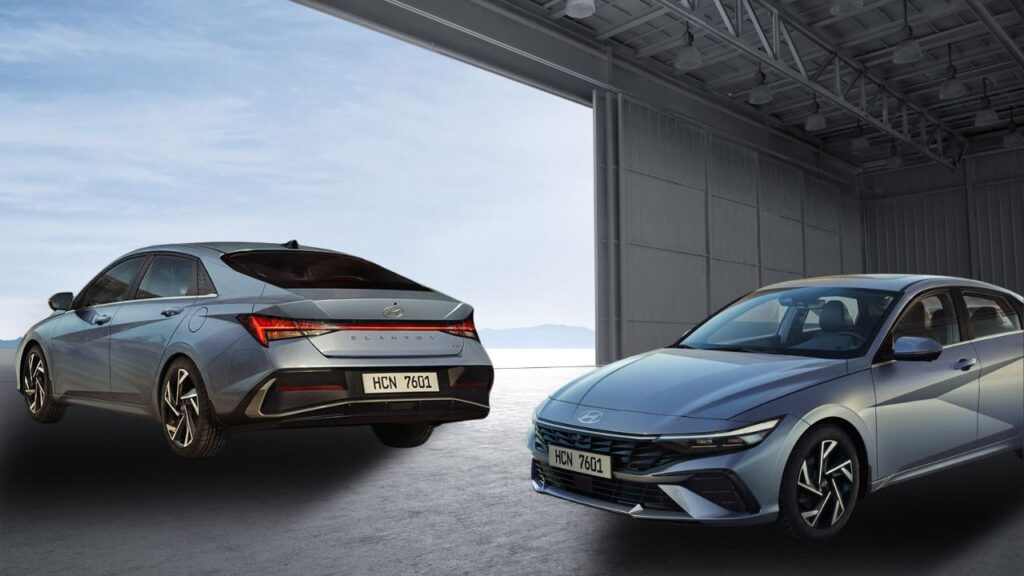
Fuel economy is slightly different depending on the trim’s equipment level. Based SE trim provides the best fuel efficiency, which is 36 combined MPG (32 city / 41 highway). However, the SEL Sport, the SEL Convenience, as well as the Limited, trim log the combined 34 MPG (30 city / 39 highway). This 2 MPG combined deficit directly results from the feature upgrade. Higher trim levels come as part of higher equipment loading, including the digital screens as well as the dual-zone climate control, and they ride on larger, heavier 17-inch alloy wheels.

The Performance Peak: N Line

For enthusiasts who prioritize dynamic response, the N Line trim is loaded with exclusive mechanical upgrades. Highlights include a front performance damper, electronically controlled suspension, and an N-Performance exhaust system with PTU cooling. The N Line delivers an impressive 201 horsepower with 1.6L Turbo solid engine. Its amazing 195 lb-ft of torque is available over a wide range, from 1,500 to 4,500 rpm.

Now, the most extreme mode of the N Line is sporty 7-speed Dual Clutch Transmission with a good EPA estimated of 31 MPG combined, challenging a better fuel economy rivals. Its SHIFTRONIC paddle makes a ride more thrilling that drives you crazy.

Efficient Commuter: Hybrid System

The hybrid model is perfect for city commutes as it offers top-tier fuel efficiency. It combines a 1.6L GDI engine with an electric motor, delivering 139 horsepower with 195 lb-ft of torque. The Elantra Hybrid gives smooth ride, conventional shifts, and amazing experience with a 6-speed EcoShift Dual Clutch Transmission (DCT). Efficiency is outstanding, it is powered with 54 MPG combined and its limited versions get upgraded features including luxury and 50 MPG combined.

Full Trim Lineup and Pricing Strategy

The 2025 Hyundai Elantra is available in five gasoline trims—SE, SEL Sport, SEL Convenience, Limited, and N Line. In 2 Hybrid Variants Hybrid Blue and Hybrid Limited are available in 2025. The price for each variant varies along their features, from starting price of base models to luxury hybrid models with expensive price offering.

SE Trim

Base price starts at $22,125.

The Hyundai Elantra offers 2.0L four-cylinder engine in its base model which has 36 MPG combined. Key safety features cover four-wheel ABS brakes, emergency brake system for secondary collision, and alarm for remote-theft. It also provides a good infotainment system with an 8-inch screen and seamless connectivity.

SEL Sport Trim

Starting MSRP: $23,250.

The SEL Sport builds on the SE trim that delivers a solid 2.0L engine with 34 MPG combined. Buyers can achieve good comfort and smoother rides with 17-inch alloy wheels and automatic climatic control functions. It comes with leather-wrapped, push-button start, and wireless charging support.
Convenience Trim

Starting MSRP: $25,825.

This model introduces premium technology like dual 10.25-inch setup, blends with digital instrument cluster and comfort upgrades including power tilt-and-slide sunroof and heated front seats. It is powered with a 2.0L engine (34 MPG combined), giving the vibes of an upgraded luxurious ride.

Limited Trim

Starting MSRP: $26,775.

The Limited trim sits at the top of the standard 2.0L lineup, delivering the most advanced functions. It helps you hands-free cruising on highways consistently with a powerful Highway Driving Assist feature. It comes with advanced driver-assistance systems (ADAS), H-Tex leatherette seating, and premium Bose audio system.

N Line Trim

Starting MSRP: $28,975.

The N Line is crafted with performance in mind. It comes with a 1.6L turbo engine that delivers outstanding performance. It offers a 7-speed DCT to challenge the road, and a multi-link independent rear suspension. This combination makes it perfect for beast riding race lovers. Its unique styling includes 18-inch alloy wheels, exclusive N Line bumpers, and sport seats that support your desires. Most importantly, its chrome dual exhaust tips that scream fun.

Hybrid Trims

Two hybrid versions are offered. The Hybrid Blue focuses on efficiency, delivering up to 54 MPG combined, while the Hybrid Limited sacrifices a little efficiency (50 MPG combined) to add premium features like a Bose audio system and larger wheels. Pricing for the Hybrid Blue is expected to start around $25,450.

Digital Interface Designs and Cabin Aesthetics

The cabin environment is equipped with a widescreen infotainment console, especially in the higher trims, and it uplifts the environment for the buyer. The console integrates a 10.25-inch gauge cluster and a 10.25-inch navigation display into a seamless and, visually, a cohesive entity. This sleek design is a factor to the “nearly luxury experience.” This is the compact class. Multiple USB ports and wireless charging are available to enhance the connected experience for the occupants.

Interior Comfort and Material Assessment

Even with the impressive design and focus on technology, elements in the interior cabin of the Elantra, specifically, the negative comments are aimed at the “hard plastic materials” found on surfaces.

Safety Profile and Driver Assistance Systems (ADAS)

Safety is one of the Elantra’s strongest selling points, shown by its IIHS Top Safety Pick+ and NHTSA 5-Star Overall Safety Rating. That performance comes from a high-strength body structure combined with a broad, effective set of driver-assist systems.

Hyundai SmartSense:  Hyundai basic tools include Forward Collision-Avoidance Assist with Pedestrian Detection, Blind-Spot Collision-Avoidance Assist, Lane Keeping Assist, and Lane Following Assist, and Driver Attention Warning are available in every Hyundai trims.

Read More :- Maruti Suzuki Top Variant Cars 2025: Luxury, Hybrids & EV Revolution Revealed

Advanced Systems and Highway Driving Assist

Higher trim comes with more advanced technology for assistance, including Adaptive Cruise Control with stop-and-go. The top-tier Limited trim gives more features like Highway Driving Assist, this can help you with highway driving by enabling Level 2 hands-on, semi-autonomous driving.

The 2025 Hyundai Elantra firmly establishes itself as a tech- and design-forward leader in the compact sedan class. It pairs top safety scores from IIHS, NHTSA also gives 5-Star. It offers class-leading efficiency options up to 54 combined MPG.

Conclusion

The Hyundai Elantra 2025 available in various trims which is elegantly improved with its design and higher level trims offer fantastic features that can drive you crazy. For the next-level riding experience with the powerful speed of hybrid trim that ensures your safety along with smooth rides.

These trims come in different ranges of prices from entry-level model $23,250 to N Line trims $28,975, and all trims come with Hyundai SmartSense feature. It ensures the safety of the passengers and offers practicality. Whether you buy an entry-level model or higher trims that are available, buyers can get the best advanced features inside these trims.

0

How Often Should You Service Your Car? | Complete Maintenance Guide

How Often Should You Service Your Car?

There is one number on your windshield that has a label that tells you. Your owner’s manual says something else. The mechanic around the corner herbalists a third. And your neighbor who’s been driving the same model for the past six years without a single breakdown, laughs its all three. So How Often Should You Service Your Car? 

For the majority of vehicles, a general service every 5,000 to 10,000 kilometers (or about every six months) is a good starting point. But that number is a moving target based on the age of your car, how you drive, the type of oil it uses, and what the manufacturer actually recommends. So let’s get into the details, rather than relying on a one size fits all rule. 

Start With Your Owner’s Manual, Not the Internet

It could be saying the obvious, but this is the step that most people ignore. Each car has its own maintenance schedule specific to the engine, transmission and model’s quirks. A turbocharged engine has different requirements than a naturally aspirated engine. A vehicle using full synthetic oil can pretty much go longer between oil changes than one using conventional oil. 

Manufacturers devote a lot of time and testing to determining these intervals, so using the manual as your baseline rather than an afterthought will help you avoid overpaying for unnecessary services or skipping ones that are important. 

The Two Types of Servicing You Should Know About

Car maintenance generally falls into two buckets, and understanding the difference helps you plan both your time and your budget.

Minor service is normally more common and more simple: changing engine oil and oil filter, inspection of brake pads, refilling of fluids, tyre checks and a quick visual of belts and hoses. It’s a normal tune-up that makes your car drive right every day. 

Minor service and Major services

How Often Should You Service Your Car?

Major services are definitely more in depth, maybe once a year or 9,300 to 12,400 miles under most conditions. This involves changing the air filter, spark plugs, brake fluid, coolant, and occasionally the timing belt (subject to mileage). It’s more thorough, takes longer and of course costs more, but it’s not having it done that people seem to really run into trouble later on. 

Mileage Matters, But So Does Time

Even if you’re not behind the wheel of your car very often, it still needs maintenance. Oil deteriorates chemically over time, not just as a result of use. Rubber seals become dry, brake fluid takes in moisture from the air, and batteries drain by sitting idle. 

Being parked in your driveway for half a year because you went full-time work-from-home doesn’t mean your car is fine just because you didn’t move the odometer. A vehicle that is left to sit is usually in worse condition than a vehicle that is driven regularly and serviced according to the schedule. 

Read More:- How to Check Tire Pressure Correctly: Guide For Car Owners

How Your Driving Habits Change the Equation

Not all driving is the same, and this is where most general advice falls down. If you’re among those who drive under so-called “severe driving conditions,” your vehicle requires more frequent maintenance than the average advice indicates. This includes: 

  • Frequent short trips, especially under 10 minutes, which don’t let the engine reach optimal temperature
  • Stop-and-go city traffic on a daily basis
  • Driving in extreme heat, cold, or dusty environments
  • Towing trailers or carrying heavy loads regularly
  • Driving on unpaved or rough roads often

If two or more of these apply to your daily routine, it’s probably best to service nearer the shorter end of your manufacturer-recommended interval, or maybe even a little sooner. 

Signs Your Car Is Telling You Something, Regardless of Schedule

A good maintenance schedule still has limitations. Cars usually send out warnings when something is about to go wrong and it’s worth listening. 

How Often Should You Service Your Car?

Listen for any changes in the engine noise, particularly knocking, ticking or rattling sounds. A burning odor from oil, rubber, or something electrical is never to be dismissed. If your vehicle drifts to one side when you brake, or the steering feels looser than normal, then it’s telling you it needs some attention. The dashboard warning light is the clearest indicator, but even a small decrease in fuel efficiency or a rougher idle could be a sign of something that needs looking at before it becomes costly. 

Trust your body’s signals more than a rigid timeline. A car that’s making noise and needs to be serviced in three weeks shouldn’t wait three weeks. 

The Cost of Skipping Service (It’s More Than Money)

It’s easy to defer a service, especially when finances are tight or you have a busy life. But maintenance deferrals tend to compound. The small oil change you skip may cause more engine wear, which leads to a much more costly repair down the road. Skimping on worn brake pads can also put damage rotors, turning a simple brake pad replacement into a bigger (and pricier) ordeal. And beyond cost, there’s the safety aspect: brakes, tires and steering parts are not places you want surprises. 

Regular car maintenance is not just to keep your car running; it’s also to help with resale value. When you decide to sell off the car, both in terms of price and in how quickly the car sells.

Building a Simple Routine for How Often Should You Service Your Car?

The best maintenance schedule is the one that you can actually keep up with. Some practical tips: 

Keep a little notebook or a note on your phone with the date and mileage of your last service. Mark a recurring calendar alert to peek at fluid levels and tire pressure every six months, even when you’re not due for service. Find a mechanic you trust and stay with them—they get to know your car’s history and notice trends you might not catch. 

Read More:-  How to Improve Gas Mileage: 15 Proven Tips That Actually Save Fuel

Conclusion 

There is no ideal frequency of How Often Should You Service Your Car? that applies to every vehicle and owner, but there is a smart approach: Use the baseline value recommended by the manufacturer. Modify this according to your real driving habits/conditions, and never ignore the signs your car gives you on the way. 

Treat servicing as an investment rather than an expense, because a well-maintained car isn’t just more reliable, it’s safer, more efficient, and worth more when it’s time to let it go.

0

New Hyundai Venue Captures Immense Response with 80,000 Bookings

New Hyundai Venue bookings

If you even have an iota of interest in cars, you must have heard the hype, New Hyundai Venue bookings has notched 80,000 bookings in just over three months since launch. This is not just a number; it shows how this compact SUV is changing the rules of the game in India’s fiercely competitive market. Posted amidst much glory in late 2025, the Venue has been attracting all the gazes more quickly than a turbo spooling up. 

As a car lover who’s kept tabs on everything from luxury beasts to budget heroes, I just had to see what all the fuss was about – why this little dynamo is getting people so worked up. Let’s look into this guide for the car details.

The competition in India’s compact SUV segment is fierce – rivals such as the Kia Sonet, Tata Nexon, Maruti Brezza, and Mahindra XUV3O are battling it out for your attention. Pre-facelift Venue was already a champ, but this 2025 refresh? It’s as if Hyundai has clearly dialed everything up a notch. 

Bookings exceeded 80k by the beginning of February 2026, with an average of more than 25,000 vehicles per month. That’s insane—speedier than most launches could ever dream. Hyundai points to its “unrivaled style, tech, and value,” but let’s peel back the layers. 

Stylish Design That Makes the Venue Irresistible? 

The new Venue boasts a more daring grille, sleek LED headlights and the connected tail lamps that add a premium feel without the Creta price tag. It has the “urban adventurer” look that is ideal for city zips or weekend getaways from Delhi to the hills. 

Stylish Design That Makes the Venue Irresistible

Among a sea of similar designs, the Venue makes its mark with diamond-cut alloys and two-tone roof schemes. It’s no surprise that newcomers to the brand (these make up 40% of bookings, according to Hyundai) are flocking. 

Powertrains for Every Mood

Variant Engine Power/Torque Mileage (ARAI) Price Range (ex-showroom)
E 1.2 Petrol MT 1.2L NA Petrol 83 PS / 114 Nm 17.5 kmpl ₹7.94 – 8.5 lakh
S 1.0 Turbo GDI 1.0L Turbo Petrol 120 PS / 172 Nm 18 kmpl ₹11.5 – 13 lakh
SX 1.5 Diesel 1.5L CRDi Diesel 116 PS / 250 Nm 23.7 kmpl ₹12 – 15 lakh
Top: SX(O) Turbo DCT 1.0L Turbo + DCT 120 PS / 172 Nm 18.3 kmpl ₹13.5 – 15.5 lakh

Features That Punch Above Its Weight

The Venue’s 10.25-inch touchscreen (infotainment + digital instrument cluster) is made sharper courtesy of Hyundai’s Bluelink connected-car technology that also enables you to start the AC remotely right from your phone. It also offers wireless charging, ventilated seats, and a lively Bose 7-speaker audio system.

Features That Punch Above Its Weight

Top variants feel luxury-car posh. Voice commands in Hinglish (“Hey Hyundai, play Arijit Singh”) make it family-friendly. And with more than 20 safety features, it has parents nodding approval.

Why the Booking Boom? 

Timing is everything. Launching after the festive season with offers such as ₹10k discounts and easy financing, the company tapped pent-up demand. Young city dwellers chose the Venue for its style and tech-first attitude, and families the functionality, especially the 422L boot that grows into a cavernous 1,116L when required. 

Booking Boom Hyundai Venue

Add the Hyundai 3-year/unlimited-kilometre warranty and it’s a no-brainer for both head and heart. 

Against rivals:

  • Vs. Sonet: Venue nudges ahead on boot space and ADAS breadth.
  • Vs. Nexon: Smoother turbo, better interiors.
  • Better mileage and features than Brezza.

Even the export markets are in love with it — the Venue is a global success, which hugely strengthens Hyundai’s India confidence. 

Read More:-  Steve Hamilton Car Collection: Inside The Hamilton Collection’s $30 Million Hypercar Empire

Conclusion

New Hyundai Venue bookings isn’t just hype — it’s worthy of this hype. Crossing 80,000 bookings in such a short period of time is a testament to Hyundai having perfectly gauged the Indian buyer. With a radical new design, a tech-packed cabin, a choice of different engines and a price that still makes sense, the Venue finds a rare balance between aspiration and practicality.

If you are a first time buyer attracted by the look and features or a family needing a reliable, safe and fuel efficient compact SUV, the Venue meets nearly all your expectations. In a category littered with worthy rivals, Hyundai has not simply remained relevant — it has set a new standard. If the booking numbers are anything to go by, the Venue isn’t just racing in the compact SUV category, it’s leaving the competition trailing behind.