0

Best 7 seater cars in India for 2026 – Comfortable, Budget-Friendly & Perfect for Families

Published May 30, 2025, 6:02 AM
Last Updated Nov 5, 2026, 4:14 PM

Best 7 Seater Cars in India for 2025 – Comfortable, Budget-Friendly & Perfect for Families

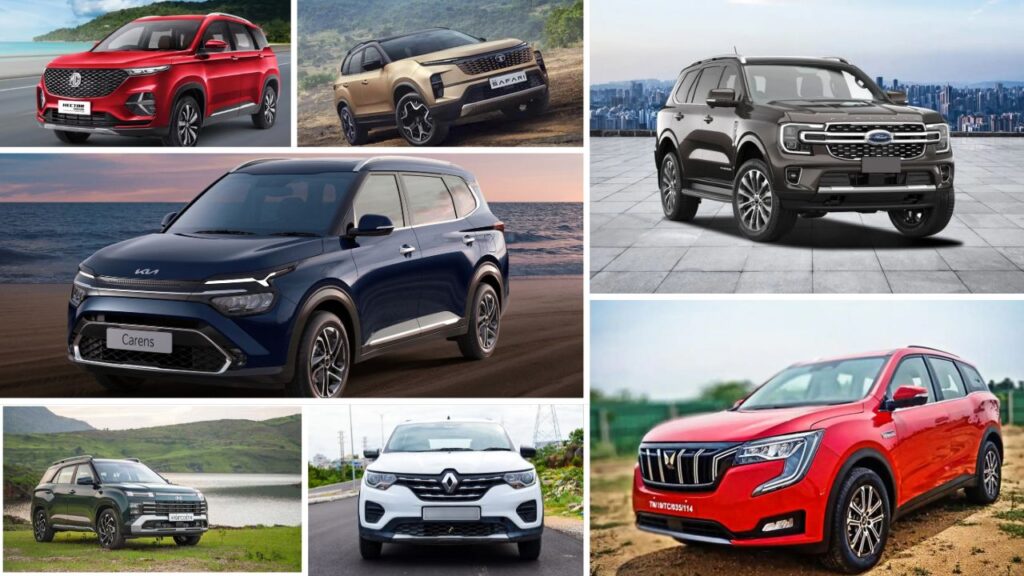
When you are in the market for a new car, it can be hard to find the right one. And one of the greatest solution is a 7-seater car, enough space for everyone and maximum comfort for the entire family. Looking to purchase a 7 seater cars in India for 2026? You are at the right place. This article goes through some of the best of such general outstanding cars with comfort, affordability, and reliability.

Toyota Innova HyCross
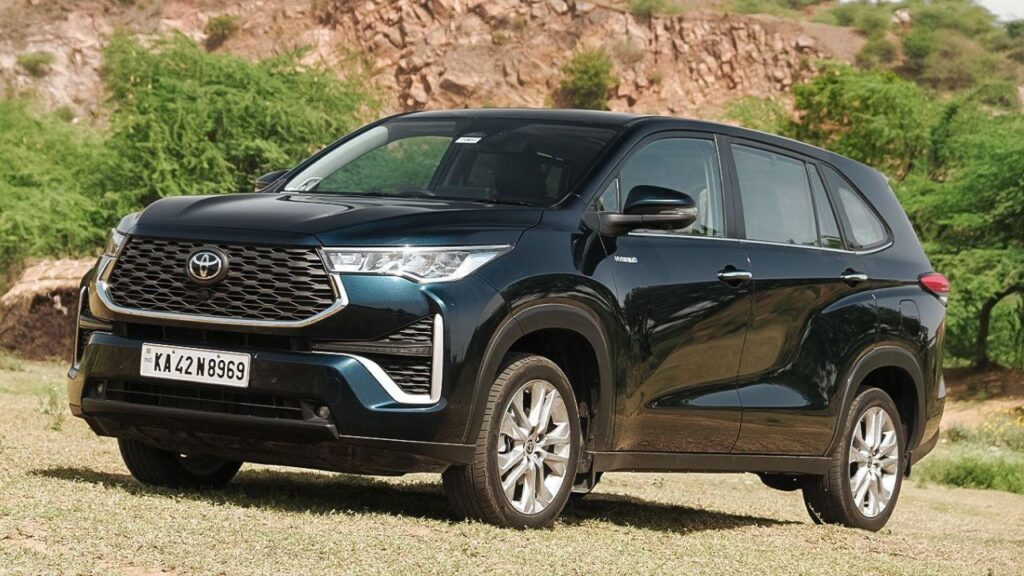
Toyota Innova HyCross

The Toyota Innova was the stuff of households in India for many years, and the new HyCross only further heightens its status. You get a car that is equipped with a hybrid engine with a fuel efficiency and reduced emissions which means a lot if you are into that eco stuff. The expansive cabin ensures your whole family travels in comfort, and the high-end amenities add a touch of elegance. Its reliability has been consistently solid and Toyota’s reputation explains why it remains so popular among families.

It’s got a high fuel-efficiency hybrid engine, a 10-inch touchscreen, a panoramic sunroof, and state-of-the-art safety options. Toyota Innova HyCross Price The Toyota Innova HyCross is priced at ₹22-30 lakh (ex-showroom) tagged along with inviting maintenance as a well (as discussed in our previous sections)?It is guaranteed to serve register monster turnover.

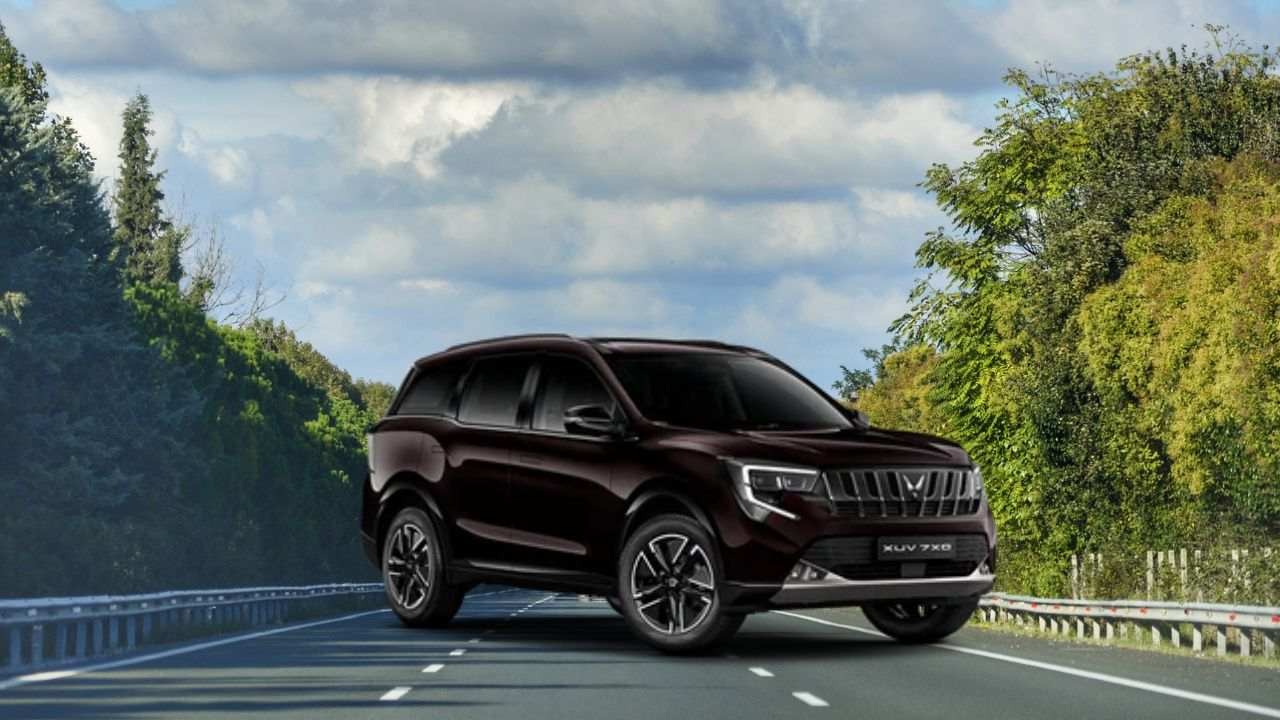
Mahindra XUV700
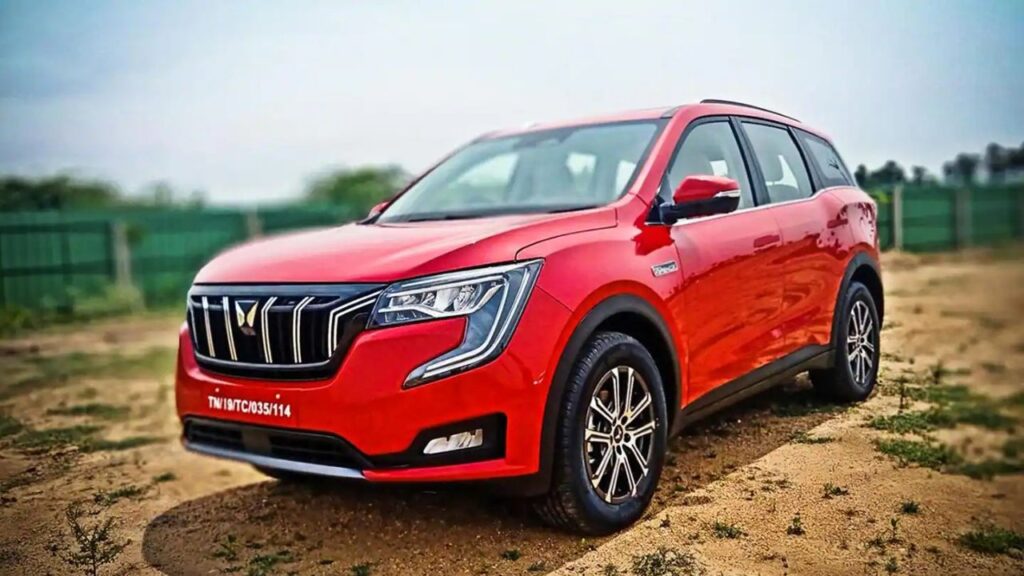
Mahindra XUV700

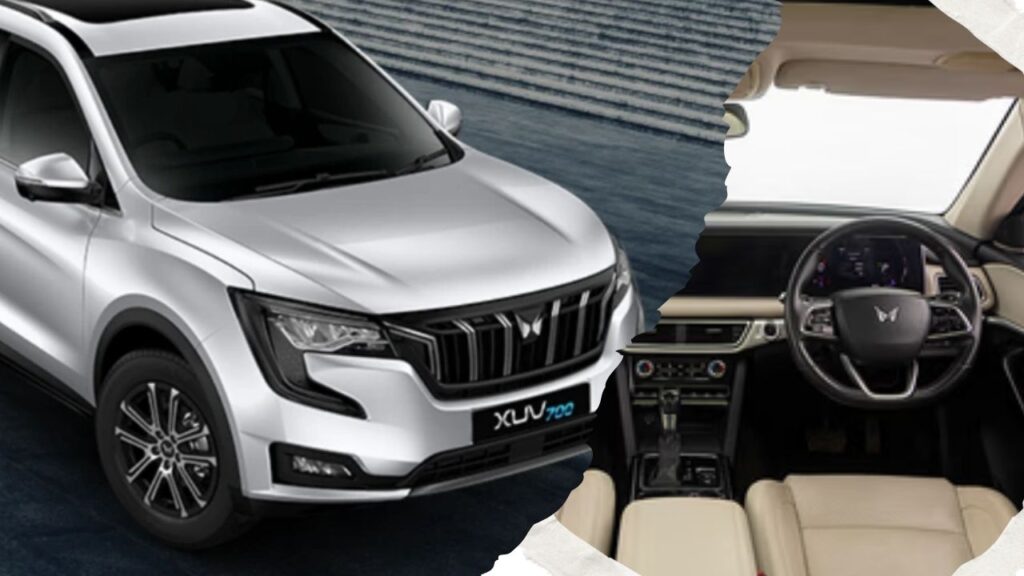
The Mahindra XUV700 is another great choice if a luxurious SUV with breath-taking performance is what you seek. Luxury This vehicle includes a luxurious cabin with a strong engine. The XUV700 also gets cutting-edge technology, including the Adrenox connected car tech, and Level 2 ADAS (Advanced Driver Assistance System) for added convenience and safety. It is great for families who desire an approach to luxury mixed with functionality.

Mahindra XUV700 price range is expected to be between ₹15 lakh and ₹25 lakh (ex-showroom), making it a value proposition for enthusiasts wanting a premium, high-tech ride at an inexpensive price.

Hyundai Alcazar
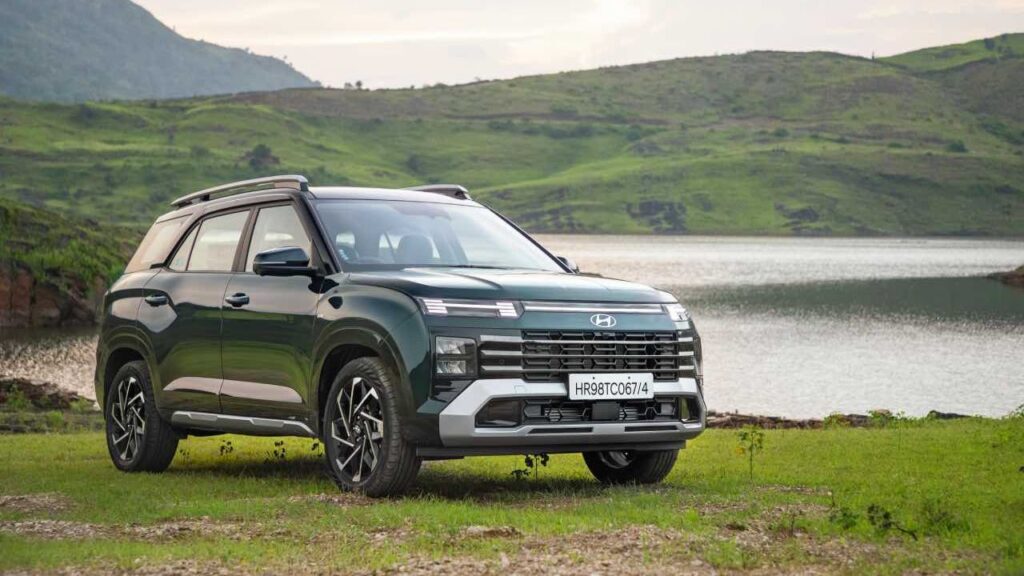
Hyundai Alcazar

The Hyundai Alcazar is a handsome, feature-loaded 7-seater SUV, Pictured: Hyundai SUV 7-seater. Famous for its smooth ride and its plush interior, this car is a solid deal for any family who wants a mix of comfort and tech. Among the features are a 10.25-inch touchscreen, ventilated seats, wireless charging and BlueLink connected car technology. Hyundai is also famous for its unbeatable post-sales service that enhances the Alcazar’s desirability.

The Hyundai Alcazar price will range between ₹16-22 lakh (ex-showroom) and is ideal for a family looking for a premium yet affordable in SUV.

Tata Safari
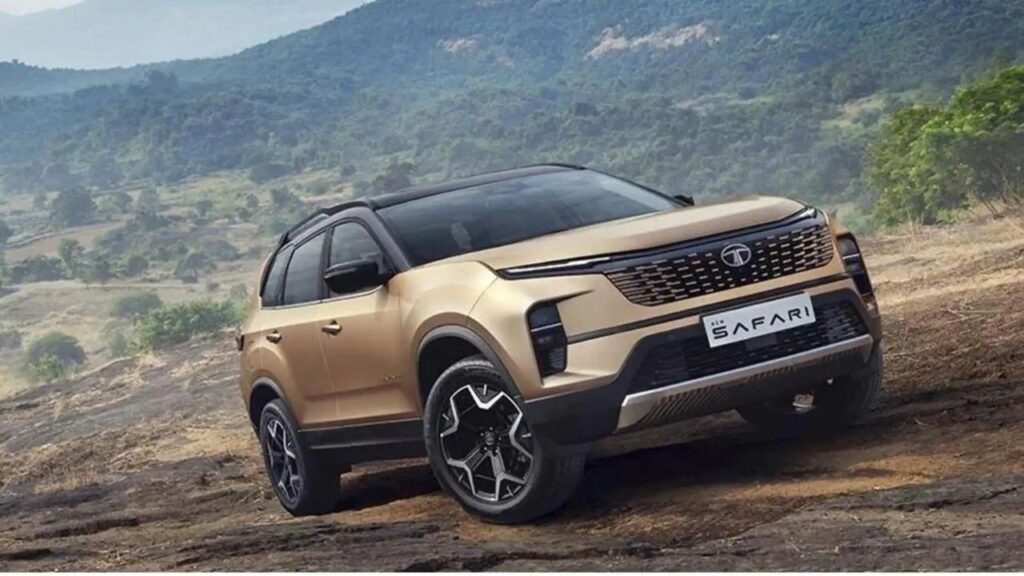
Tata Safari

The Tata Safari is an elegant and rugged SUV that is suited for urban streets and occasional off road trips. It’s a striking looking vehicle with contemporary touches in the form of iRA connected car tech, sunroof and, naturally, a decnet six airbags for safety. Families who like getting outdoors need something like the Safari – which is rugged and offers plenty of space.

Starting at ₹16 lakh and going up to ₹25 lakh (ex-showroom), the Tata Safari is a cost-effective stylish option for families that love to take trips.

Kia Carens
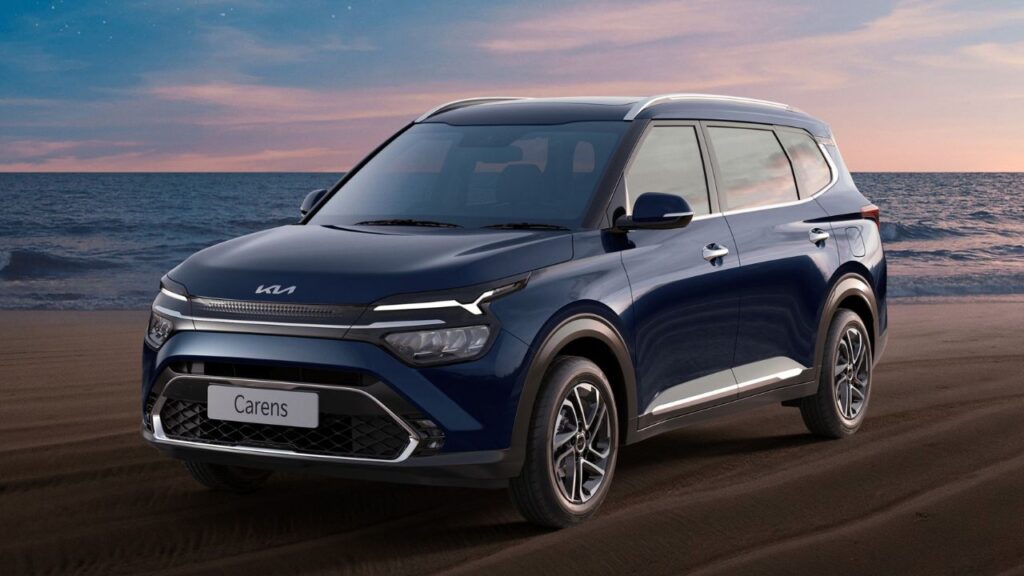
Kia Carens

If you’re after a cheap and cheerful MPV, consider the Kia Carens. This vehicle gets you a lot of car for your money with lots of space and utility. The Carens is a great drive, with seating options to suit your lifestyle. It’s created for the type of families that want a mix of room, comfort and affordability.

Kia Carens is priced between ₹10-18 lakh and is comparatively one of the more affordable cars on this list without compromise on features and comfort.

MG Hector Plus
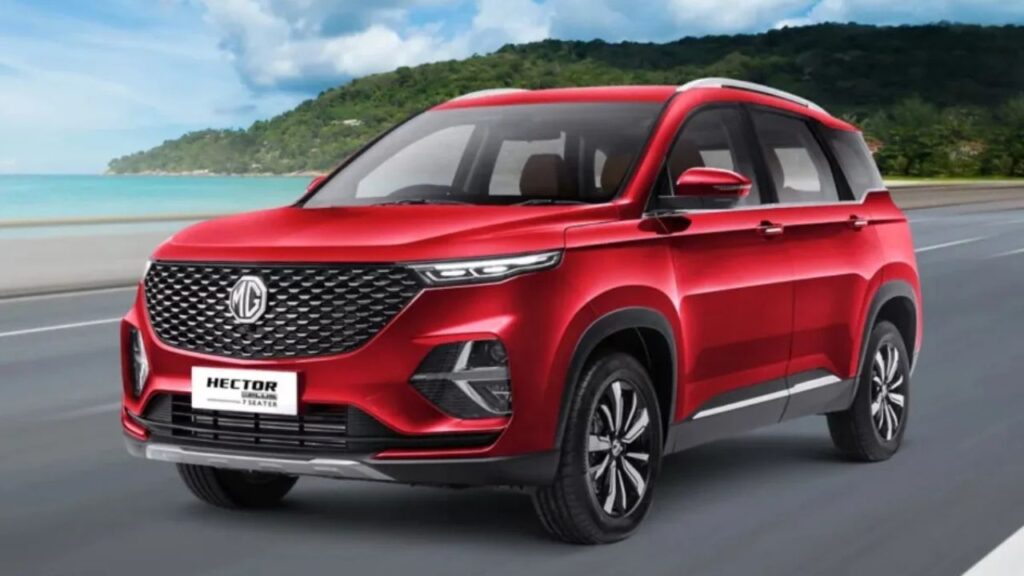
MG Hector Plus

A large and fully-loaded family SUV that is even larger and more fully-loaded after its Plus treatment. It’s designed for those who like tech and comfort, with a large 14-inch touchscreen and a panoramic sun roof, and features the i-Smart connected car technology. Sheer Driving Pleasure : Hector Plus offers a comfortable ride & is ideal for family road trips.

With a price tag ranging between ₹18-25 lakh (ex-showroom), the MG Hector Plus is a fan favorite in the 7-seater SUV segment offering good balance of tech, comfort and space.

Maruti Suzuki Ertiga
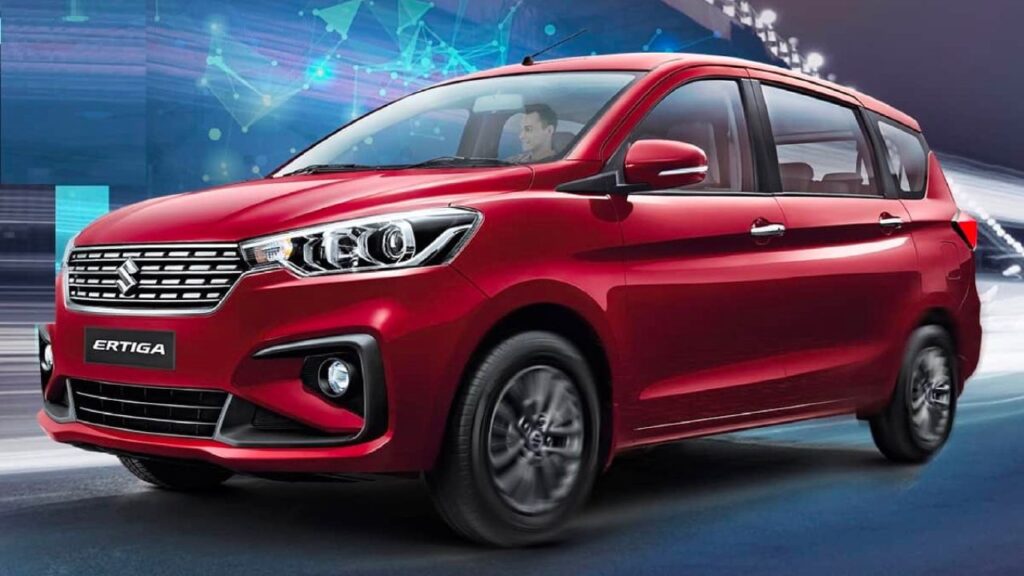
Maruti Suzuki Ertiga

The Maruti Suzuki Ertiga is one of the cheapest 7 seater cars in India. It’s a popular model with superior fuel efficiency and reduced maintenance expenses, with high degree of reliability. There’s plenty of room inside, so your family will easily travel in it, yet the car comes at an affordable price, which is just great news for anyone after value for money.

Maruti Suzuki Ertiga The Maruti Suzuki Ertiga comes in the price range of ₹9-13 lakh (ex-showroom) and brings a value-for-money solution for families who are in need of a 7-Seater car under a budget.

Honda BR-V
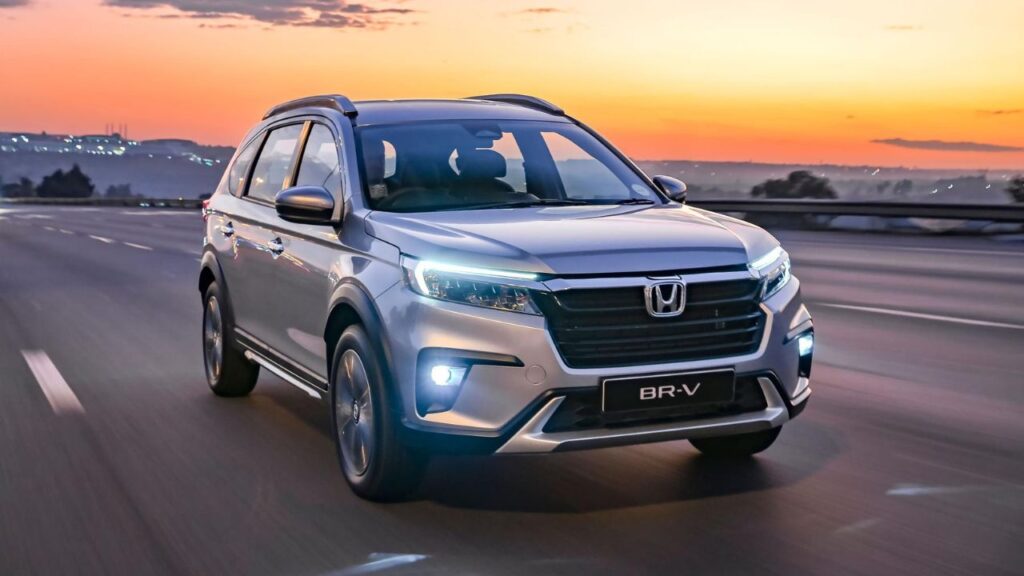
Honda BR-V

An affordable compact 7-seater SUV in the form of the Honda BR-V available in the market today. It has a decent performance and comfortable ride and is a great option for families that are in the market for a budget friendly and reliable car. The BR-V has a touchscreen for its infotainment, rear AC vents and Honda’s well known trustworthiness in engines.

Priced between ₹10-15 lakh (ex-showroom), the Honda BR-V is ideal for families keen on a smaller SUV but still large enough for long drives.

Renault Triber
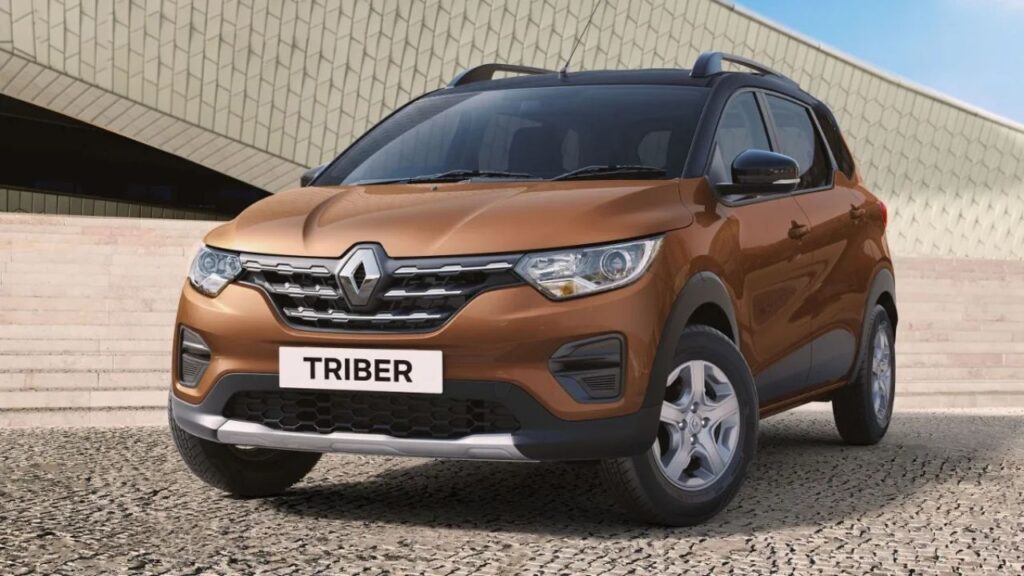
Renault Triber

The Renault Triber is a great compact MPV option that is surprisingly spacious and flexible – ideal for small families. Definitely a go-to for the people that require a 7-seater car yet would rather not drive with the proportions of a conventional SUV. The Triber boasts modular seating, an 8-inch touchscreen and great fuel consumption to be practical and economical.

The Renault Triber is the cheapest of the 7 seater cars in India market right now It’s the small price bracket of ₹6-10 lakh (ex-showroom) that Renault’s Triber fits in and is best suited for a family on a budget.

Ford Endeavour
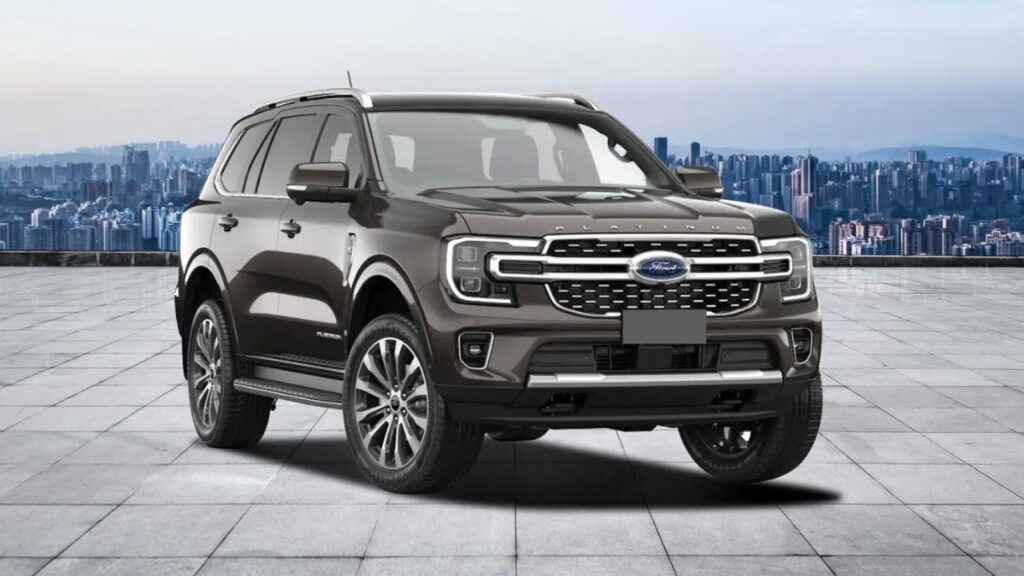
Ford Endeavour

Ford Endeavour will certainly be among the ones leading the pack in 7-seater SUVs. With its tough looks, strong diesel motor and plush insides, the Endeavour is perfect for a family that loves to go places and is also looking for something that can take the rough with the smooth. There’s even a 4WD option for these who like to test the suspension off-road.

Priced in the range of ₹35-40 lakh (ex-showroom), the Endeavour is a premium SUV designed for families who love adventure and luxury.

Conclusion

Thе 7 seater cars in India for 2026 offеr a variеty of options that catеr to diffеrеnt budgеts and prеfеrеncеs. Whеthеr you arе looking for a fuеl-еfficiеnt hybrid, a luxury SUV, or a rеliablе family car, thеrе’s somеthing for еvеryonе. I hopе this list hеlps you find thе pеrfеct car that mееts your family’s nееds and fits your budgеt. No mattеr which onе you choosе, thеsе cars will offеr you comfort, spacе, and rеliability for yеars to comе!

 

Sharey Khan

Sharey Khan is an IT entrepreneur and petrol head & a car enthusiast. With a special focus on car-related content, he combines his deep passion for vehicles with a talent for crafting informative, engaging, and easy-to-understand content. His writing is driven by a genuine love for cars and he is committed to providing readers with accurate, up-to-date, and trustworthy information that empowers smarter driving decisions. 

Leave a Reply

Your email address will not be published. Required fields are marked *

0

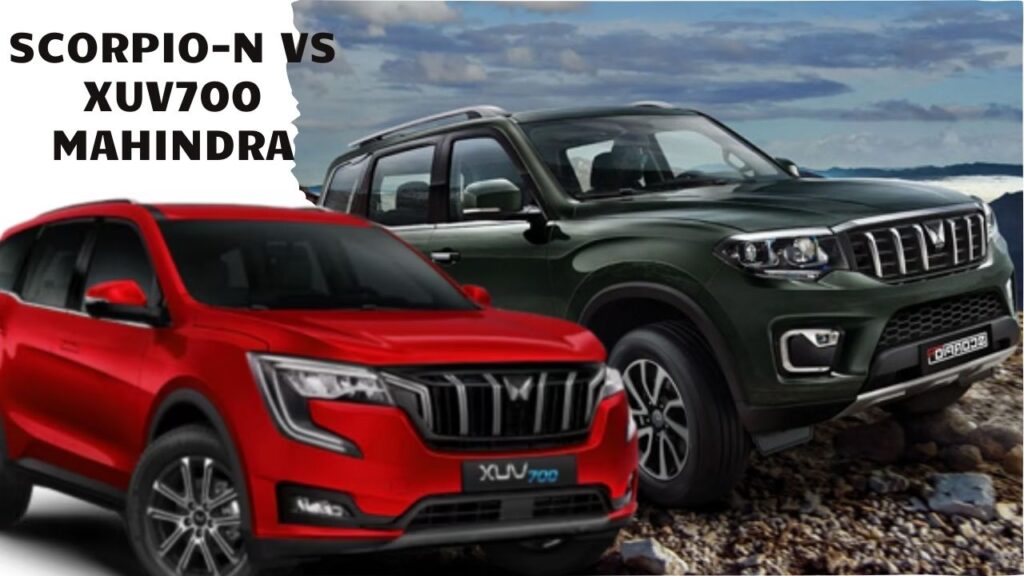
Scorpio-N vs XUV700 —- Battle of the Homegrown Mahindra Power SUVs

Scorpio-N vs XUV700

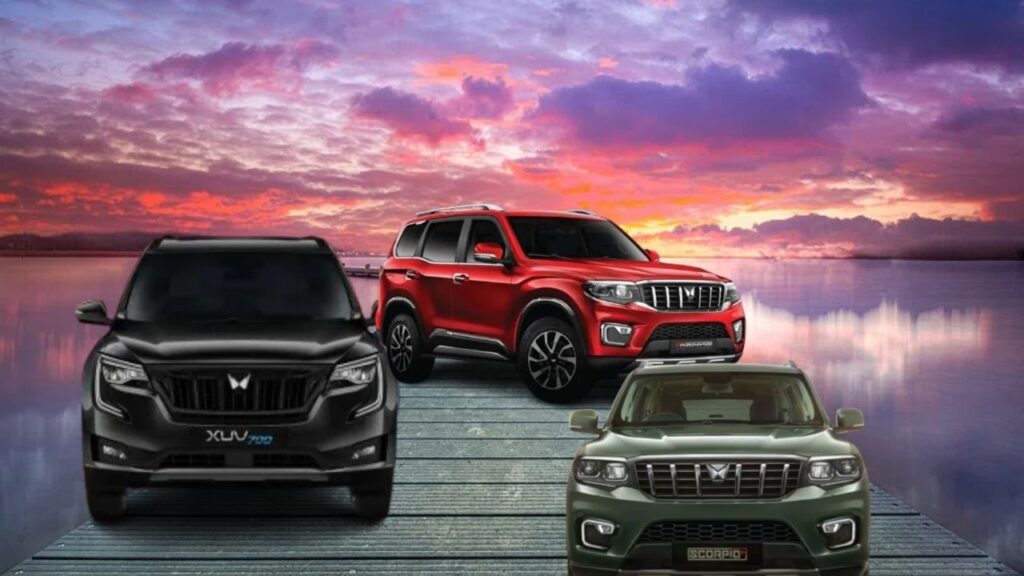
Scorpio-N vs XUV700 — if you’re looking for a strong and loaded SUV in the price bracket of ₹25 lakh, the names of the Mahindra Scorpio-N and Mahindra XUV700 keep recurring in every discussion. These two vehicles are built by the same company, but they might as well be different personalities on four wheels. Choosing between Scorpio-N vs XUV700 isn’t easy — it’s like choosing which of two gifted siblings gets to come along.

One is bare and aggressively macho, hungry for the road. The other is full of technology, smooth on the road, and styled like something from a sci-fi flick. So which one belongs in your garage? Let’s just dissect the details of these two titans. 

The Look and Feel

Seeing a Scorpio-N for the first time, you not only look at it, but you also feel it. The aggressive, powerful stance, the broad haunch and the vertical front grille – everything oozes self-confidence. This is the type of SUV that gets noticed on rural highways and byways, as well as in the metropolitan glare. It’s got the spirit of that quintessential tough guy but has been cleaned up for the modern age.  

The XUV700, in contrast, is a whole different ball game. It’s sleek, urban and nearly futuristic in its styling. The side-by-side twin 10.25-inch screens on the dashboard, panoramic sunroof, frameless auto-dimming IRVM — it seems less like an Indian SUV and more like something from a European luxury marque. This is clearly aimed at the man who likes polish rather than punch.

Both designs have strong followings. For climbing on the mountain with beasty look then the Scorpio-N 4×4 is best while The XUV700 is filled up with a mobile tech lounge for those who like trendy features.

Power That Matters

Scorpio-N top variants offer 2.2-litre mHawk diesel engine which generates power of 175 bhp. And mStallion 2.0 L turbo-petrol also available that produces 200 bhp. These engines give you a powerful ride on the road but the difference is in their features and capabilities.

Power That Matters

The XUV700 gets a strong 2.0-litre turbo petrol breathing out 200 hp, while the 2.2-litre diesel unit churns out 185 hp. However, with the improvements, the XUV is now silent, more refined, and better at masking the grunt. Scorpio-N, on the other hand, is all physical. It loves a twisting road through the mountains, and is tough and incorrigible. 

Both offer 4WD variants. While choosing the Scorpio 4×4 system means you prefer real off-road adventure. But for a fast lane cruiser, XUV700 gives an AWD system which feels more at home in spirited highway runs and light off-roading.  

Who Wins the Cabin Battle?

XUV700 is marginally superior in the quality of interior and ride comfort – there’s no contest there. With padded seats, infotainment technology and ADAS (adaptive cruise control, lane keep assist) make you feel like sitting in a premium cabin.

But do not count the Scorpio-N out. Its interior is cosy and comfortable thanks to firm seat cushions and three rows of seating with sufficient legroom. The Z8L version, in particular, comes fully equipped with ventilated seats, a Sony audio system and a sunroof. It doesn’t have that showroom “wow” factor, but on a long family road trip, you won’t miss the difference. Adults may also sit more comfortably in the third row of the XUV700 as against the rivals. Scorpio-N’s third row is recommended for kids or for short trips. Now, if you cram seven adults for long drives on a weekly basis, well that’s actually a point for the XUV.  

Value for Money

Mahindra offers both SUVs in almost the same range, starting at a price of ₹13.99 lakh. Scorpio-N goes up to ₹24.54 lakh ex-showroom and XUV700 goes up to ₹26.99 lakh for the top variant. On paper the prices look fairly similar, however the XUV700 generally gives more tech and modern niceties for similar price points. 

Value for Money

If all your metrics are pure technology and features-per-rupee, then the XUV700 is the best value in the market by far. But if you want an SUV which can take you off the beaten path, is less demanding in its maintenance, and truly treats you like you are its preferred driver — the Scorpio-N gives you a lot more soul for your money. 

Which One Fits For You?

Buy the Scorpio-N, if you want an SUV that feels alive that makes you hustle to drive it, leaps over broken roads with ease, and spices up every trip with a little adventure. It’s for people who don’t want their car to just feel like an appliance.

Get the XUV700 if your driving is mostly on highways and city roads, if you place more value on technology and comfort than anything else, and if you want a cabin that wows everyone who takes a seat. It’s for people who view their car as a lifestyle choice. Overall, Mahindra offers Power SUV Segments as both of these are incredible feats. 

Read More:- Punch vs Exter: Best Budget Micro-SUV for First-Time Car Buyers

Conclusion

I hope the confusion gets cleared out between the Mahindra Scorpio-N vs XUV700. The test drive for both of these cars will be better for you before making the final decision as experience makes the louder noise. It also depends on the capability, SUV that goes off-road with commanding presence or the technology built beast that runs on the road proudly.  

Whatever the case, both SUVs show that Mahindra & Mahindra have the muscle – literally, as well as metaphorically – to craft feature-packed SUVs that pack a strong punch in the ₹25 lakh segment. 

0

Nissan Cars Launching Two Titans Together in India: Nissan Gravity MPV and Tekton SUV

Published Dec 30, 2025, 11:36 AM
Last Updated Apr 9, 2026, 10:28 AM

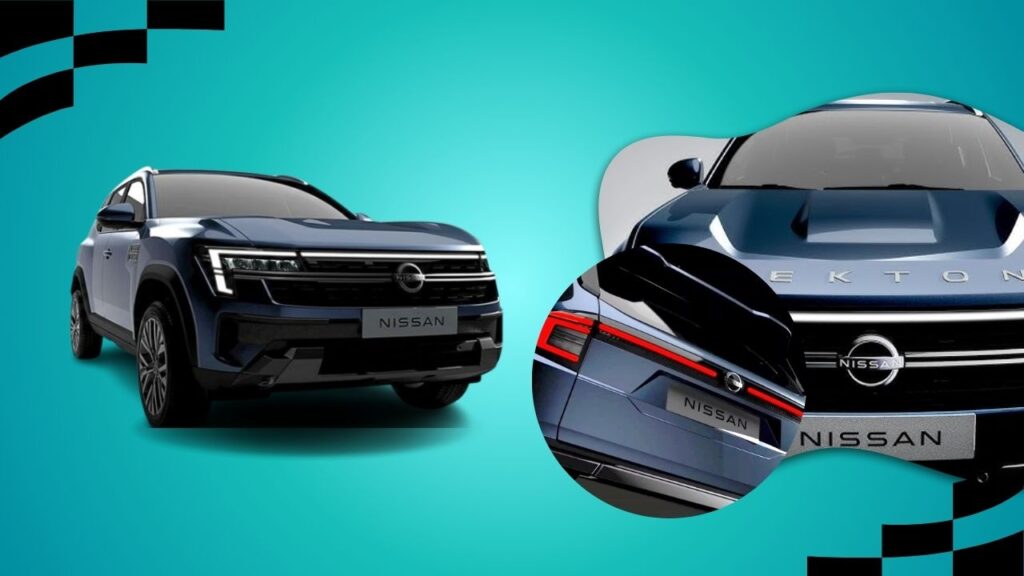
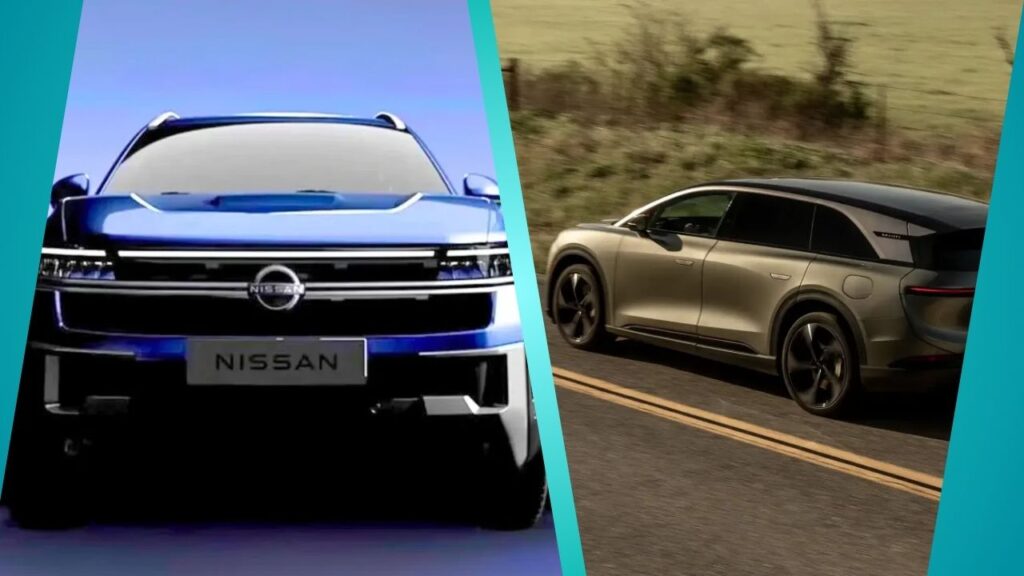
Nissan Gravity MPV and Tekton SUV

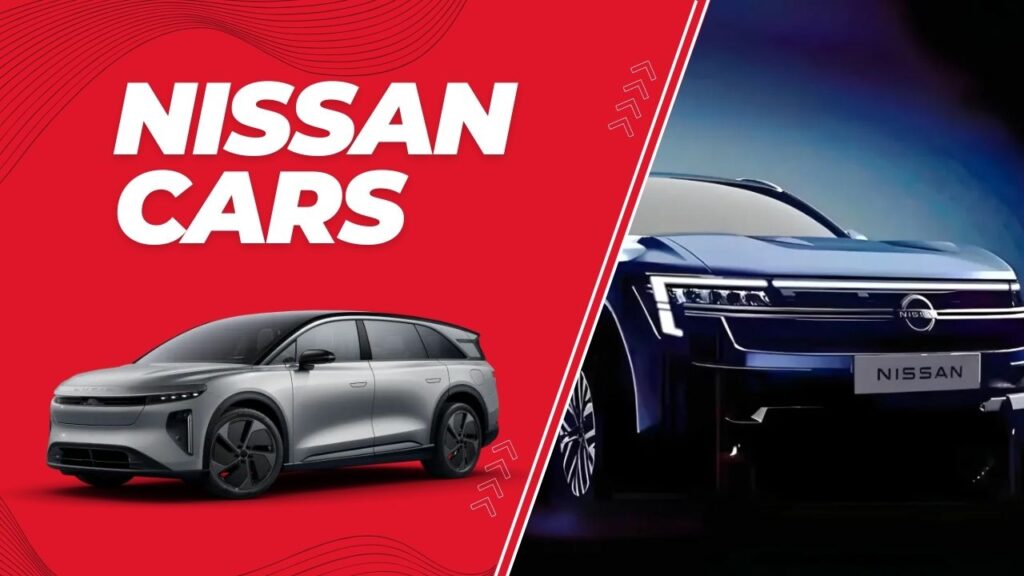
If you have been waiting for Nissan to do something more substantial in India, get ready. The Japanese car maker is set to launch not one but two all new cars in two months – and believe me, these are cars that will make heads turn and take on some of the most popular cars on the Indian roads today. It’s the Nissan Gravity MPV and the Nissan Tekton SUV and honestly, these launches may just be what Indian families and SUV lovers have been waiting for.

Nissan’s Big Comeback Plan for the Indian Market

First up is the Nissan Gravite, which arrives January 2026. Nissan’s take on the family-car chat is genuinely useful. Imagine the middle class Indian family on the hunt for a seven seater, and who doesn’t send you into bankruptcy. 

Gravity MPV — Affordable 7-Seater That Finally Makes Sense

The seven-seater Gravite is available from around ₹6 lakh, making it one of the lowest-priced automatic seven-seaters in the market. That’s pretty impressive, especially since the MPV segment always seems to be a squeeze for buyers on a budget. Based on the proven CMF-A architecture that it shares with the Renault Triber, the Gravite has no intentions of breaking the mould—and that’s quite alright.

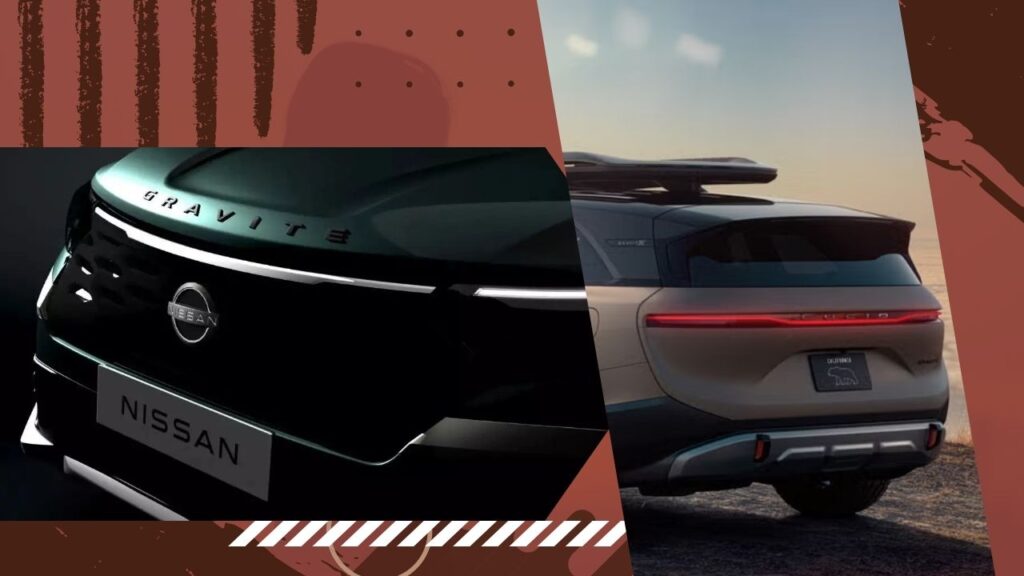
Although Nissan has applied a fresh Japanese design language, it’s essentially taken an old, dependable platform. The bonnet is scooped, adding character, and the front is more assertive, featuring Nissan’s V-Motion grille. The flanks display slender, toned shapes that make this small the look of the the more premium surprisingly the tags looks. The rear is? Sharp and clean, with C-shaped styling cues that tie the whole design together.

Engine & Transmission Options

Gravite gets the familiar BE powertrain, Under its hood, the Gravite will be powered by the familiar 1.0-litre three-cylinder petrol engine producing 72 hp. So maybe that doesn’t get your blood pumping, but here’s the kicker—it’s mated either a five-speed manual or an automated manual transmission (AMT). This is huge because AMT automatics in seven-seaters are usually reserved for cars that cost a lot more. You’re getting an automatic family hauler without the fancy DCT price tag. 

Read More:- Ranbir Kapoor Car Collection 2026 Features Premium Luxury Cars, Supercars And SUVs

Comfort & Family-Focused Practicality

Its three rows of realistic seats are better suited for seven adults than five, which is outstanding in this segment (and for the record, even the normally cramped third row here is not too bad). Add good levels of equipment, some new trim options and you have a car that really does tick the ‘value for money’ box. Nissan is expanding its dealer network with 200 touchpoints specially for these launches, which means you will get proper after-sales support even in Tier-2 cities. 

Tekton SUV — A Serious New Player in the Midsize SUV Segment

Well, if you’re not a fan of the people carrier and have your sights set on that succulent midsize SUV market, gear up. Nissan Tekton release date The Tekton will officially release in February 2026 with a price tag around that of the Hyundai Creta, Tata Sierra, and Maruti Suzuki Victoria.

CMF-B Platform & Patrol-Inspired Rugged Styling

This is not some rebadged castoff. Built on the modern CMF-B platform (which also underpins the new Renault Duster) and developed specifically for Indian roads, the Tekton.

Tekton SUV

The exterior design is based on Nissan’s iconic Patrol SUV, meaning it has real rugged DNA. From the teaser images, we can see the connected LED DRL arrangement at the front and a muscular bonnet with connected LED tail-light unit at the rear. That’s a vehicle that feels purposeful and premium, and yet it will be priced competitively. 

Engine Options, Turbo Power & Future-Ready Hybrid Plans

What about engines? The main engine on offer would be a lively 1.3-litre turbo-petrol with a 1.0-litre turbo variant for cost-conscious consumers also possibly on the cards. There are even rumors of a strong-hybrid powertrain joining the line-up at a later date, as with the new Duster. Which means a car that’s ready for the future, with none of the EV sticker shock—at least not at first.

Interior Design

The inside is where things get interesting. Think: a three-tone dash; digital driver’s display; a large touchscreen with wireless Apple Car Play and Android Auto; ventilated front seats; a sunroof; and a real 360-degree camera system. Safety? Six airbags as standard, ABS, EBD, blind-spot monitoring – all the boxes you would expect ticked.

Interior Design

With a price band of ₹11 lakh to ₹19 lakh (ex-showroom), it is placed right in the middle of the scorching competition, and this means Nissan is making a serious effort to win customers and not merely retaining existing ones. 

Conclusion

Nissan has been rather silent in India for quite some time now, but this two-front assault with the Gravite and Tekton definitely signals a comeback. They are filling two huge holes in the market—cheap family cars and midsize SUVs that can actually compete. The Gravite rivals the Maruti Ertiga and the Renault Triber, while the Tekton goes toe-to-toe where the profit margins are the healthiest.

With 200 new dealer touch points coming on stream, technical and warranty support, and the engineering might of the Renault-Nissan alliance behind them, these are more than just launches – they are statements of intent. 

0

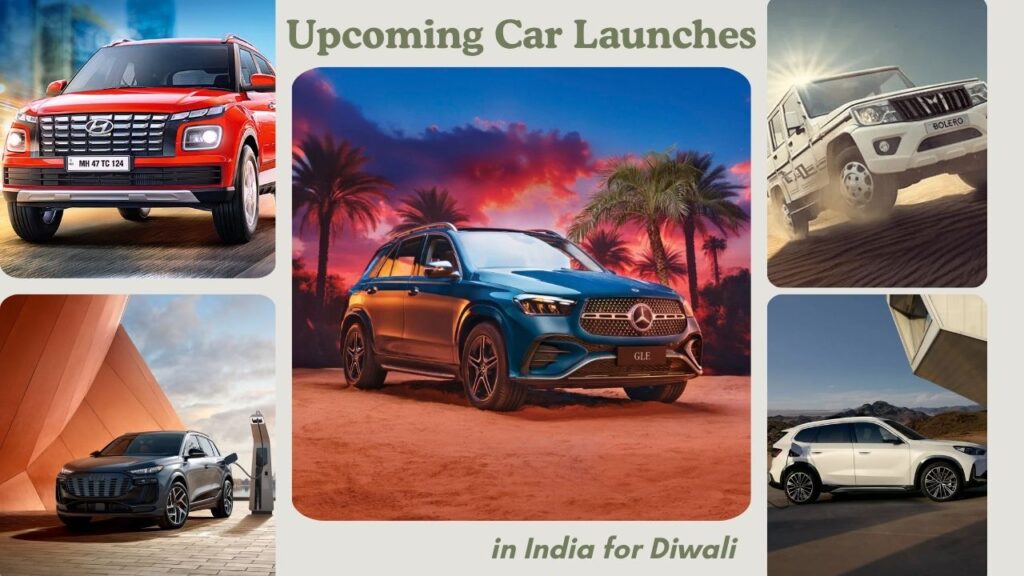
Upcoming Car Launches in India for Diwali 2025

Upcoming Car Launches in India

If you are on the verge of making a new car purchase or just want to stay abreast with the upcoming car launches in India, here is your one-stop guide to the top cars to look forward to this Diwali. 

Diwali 2025 marks the beginning of festivity in India and outdoor is full with Diyas, diyas at not alone that will illuminate the roads with a spectacular roster of new car launches India 2025 rolling out on the market this season. 

So, here are some upcoming vehicles India 2025 around Diwali 2025 which will be full of style, technology, and sheer driving excitement.

SUVs: The Showstoppers of Diwali 2025

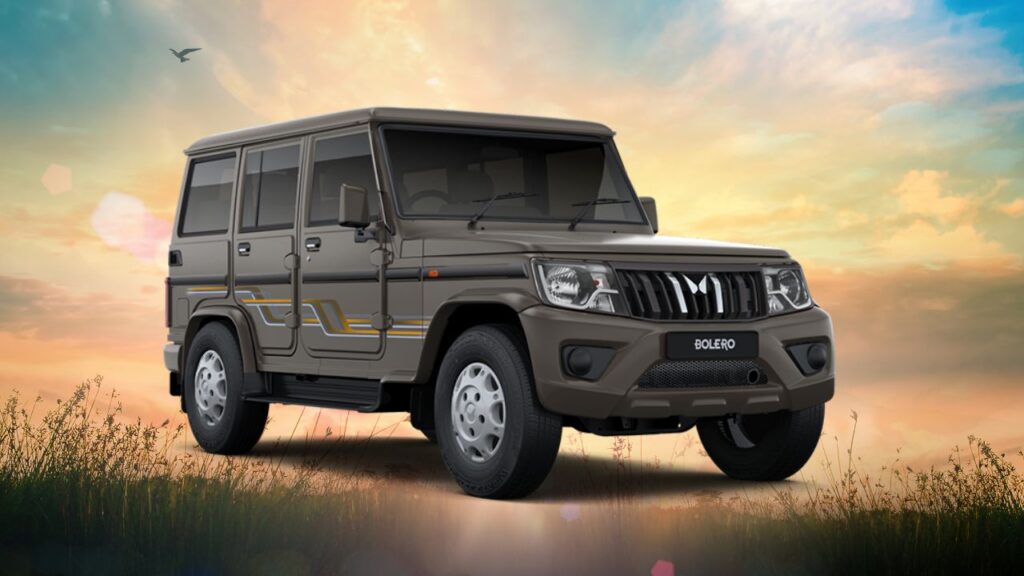
Mahindra Bolero (Facelift)

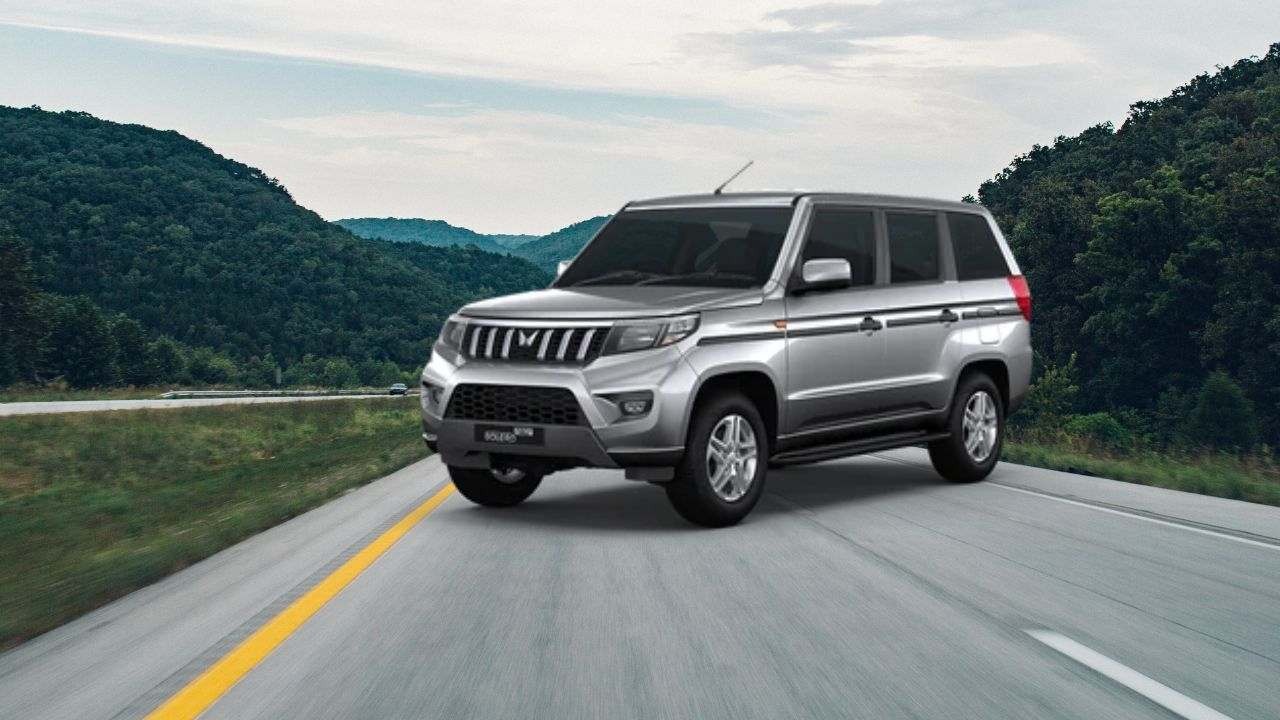
The iconic Mahindra Bolero is back with a new look and many added features. The 2025 refresh is more muscular with some blocky grille inserts and new bumpers that lend more modern, rugged look to the front-end design. Inside, you get a redesigned cabin with a contemporary dual-tone black-and-brown theme and a touchscreen infotainment system for more convenience. 

Mahindra Bolero

Image credit: Mahindra

Inside the bonnet, it runs on a 1.5L diesel motor that churns out a decent power of 75–100 bhp. Priced in the ₹10–12 lakh ballpark, the all new Bolero, is still the reliable, no-nonsense SUV we all love, only this time, there’s an added dollop of comfort and tech to make your driving experience that little bit better. 

Mahindra Bolero Neo (Facelift)

The Mahindra Bolero Neo (Facelift) is here to excite, being a mix of the classic Bolero’s rugged dependability and a new, contemporary aesthetic. Featuring a new grille, more aggressive bumpers and larger alloy wheels, it looks better than ever. Upgrades inside are just as impressive — a massive 10.25-inch touchscreen infotainment system with Android Auto, Apple CarPlay and more keeps you connected, while wireless charging, automatic climate control and ventilated seats boost the luxury factor. 

Mahindra Bolero Neo

Image credit: Mahindra

The 1.5L mHawk 100 diesel engine under the hood produces a potent 100 bhp and 260 Nm torque which promises a satisfying and trustworthy drive. Bolero Neo price: Bolero Neo is available in five variants and it is priced from ₹9.97 lakh to ₹12.18 lakh (ex-showroom). The Bolero Neo is, therefore, a revelation as it seamlessly integrates old-school ruggedness with modern-day convenience, making it a perfect choice for families who want to own a style statement in the form of an SUV but are not ready to compromise on reliability and safety? 

The 2025 Mahindra Thar

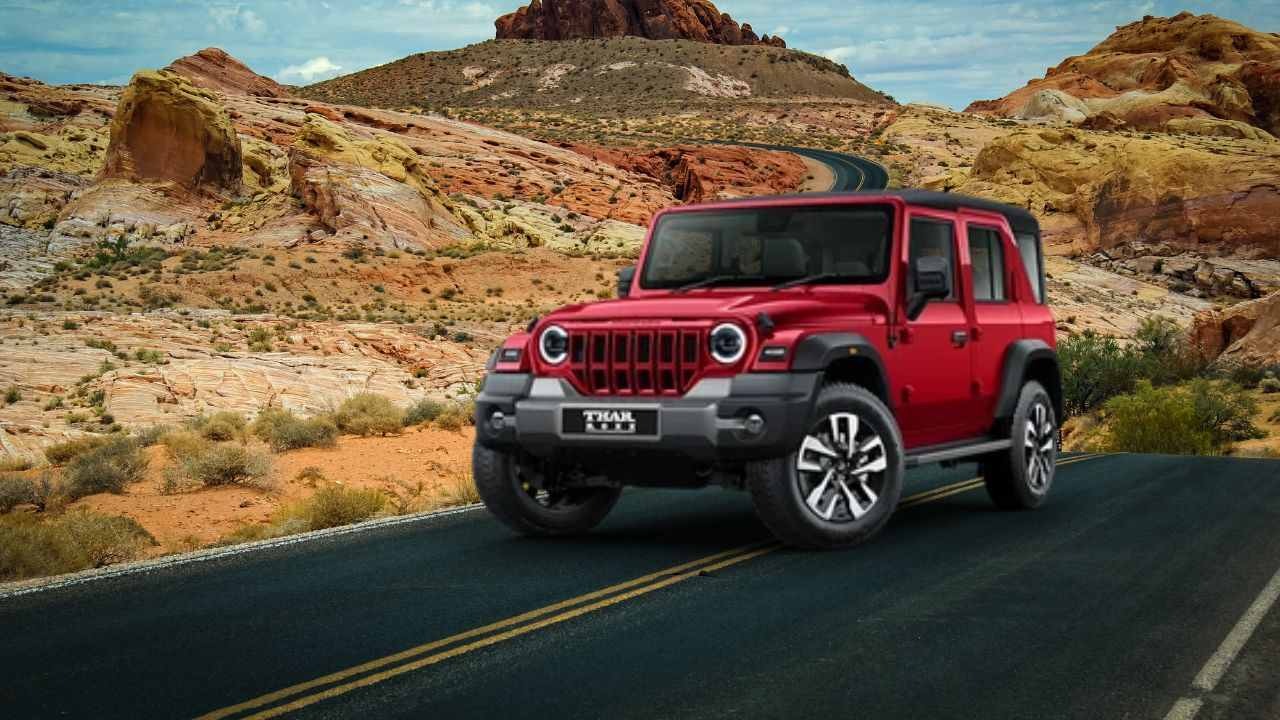
The 2025 Mahindra Thar is updated with some new features without losing its charm. Among recent updates: a body-colored grille, new color choices and useful touches such as a built-in rear camera and wiper. Inside, its more up to date with a 10.25 inch screen, a new steering wheel and a sliding armrest. AC vents and charging points are now standard for the rear passengers as well, so you can keep everyone cool and connected on those long journeys. Reliable and workhorse engine line-up continues under the hood with 2.0L petrol and 1.5L & 2.2L diesel variants, and RWD and 4×4 options to fuel your off-roading adventures.

The 2025 Mahindra Thar

Image credit: Mahindra

At a price ranging from ₹9.99 lakh to ₹16.99 lakh, the new Thar offers an ideal combination of exterior ruggedness and interior convenience, so that your adventure travels are as comfortable as they are exhilarating! 

Hyundai Venue (Facelift)

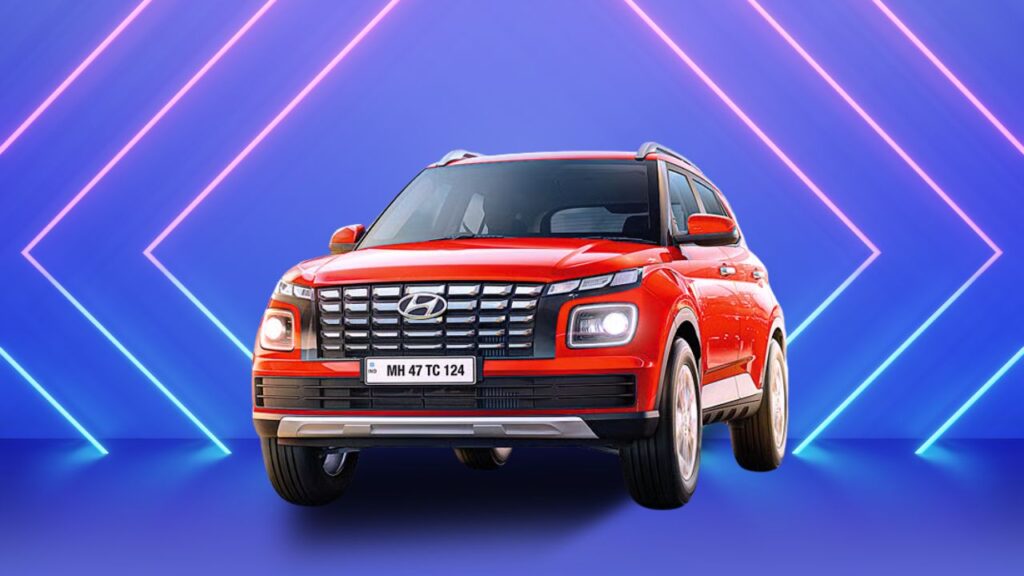
Smarter, bolder the upgrades in its body end the the Venue 2025, bringing new life into the world of small SUVs. Dressed in the new “Sensuous Sportiness” design concept, it now features a modern split LED headlamps design that exudes more sophistication. Open the door and you’ll be welcomed by dual 10.2-inch curved displays — one for your instrument cluster and the other for your infotainment — so it’s clear priorities were tech and style. 

Hyundai Venue

Image credit: Hyundai

Ventilated seats, dual-zone climate control, and wireless smartphone connectivity put comfort on the forefront to keep you comfortable and connected no matter where you’re headed. Whatever your mood, there’s a vibe for you under the bonnet: 1.2L petrol engine, peppy 1.0L turbo petrol or muscular 1.5L diesel. With a price tag expected to be in the range of ₹8–14 lakh, the Venue 2025 will show you what a compact SUV can really be, combining space, style and funky features like none other. 

Citroën Aircross X (Updated Variant)

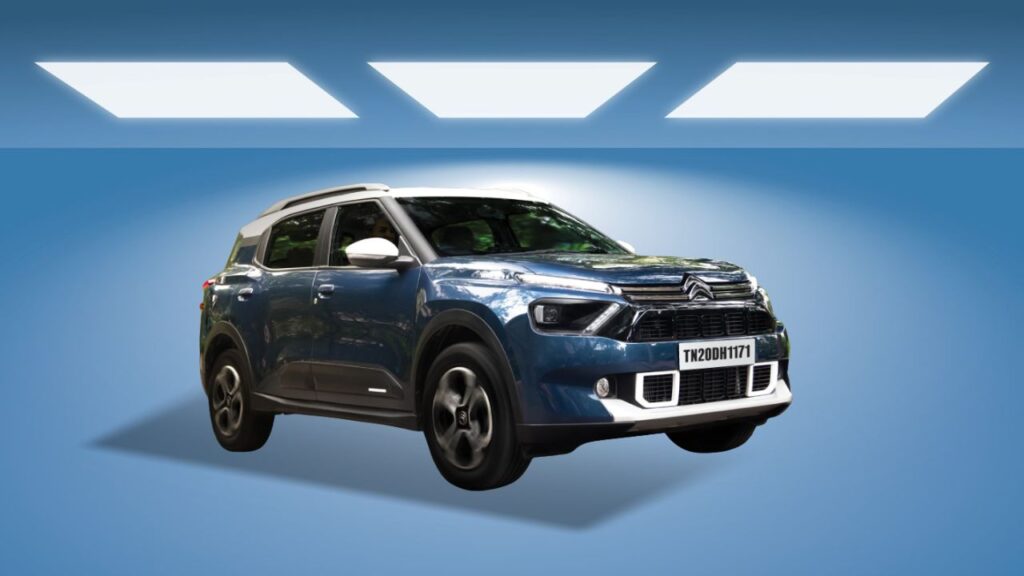
The Aircross X adds a touch of French elegance with a hint of luxury, making it one of the best options if you like to stand out from the crowd. It’s finished in a breathtaking new green color and comes equipped with full LED lighting that will make you want to take a look. Updated seats and new fabric help give both model highs and lows in style and comfort. 

Citroën Aircross X

Image credit: Citroen

If you’re into gadgets, the 360° camera and the Citroën “Cara AI” voice assistant that gets smarter and more useful with every trip will please you. You have the choice between a peppy 1.2L turbo petrol unit and a dependable 1.5L diesel unit that caters to varied driving requirements. Priced between ₹8.3–13.7 lakh, the Aircross X is an ideal choice for people who want to make a statement on the road by combining elements of style, comfort and creativity. 

Tata Sierra EV

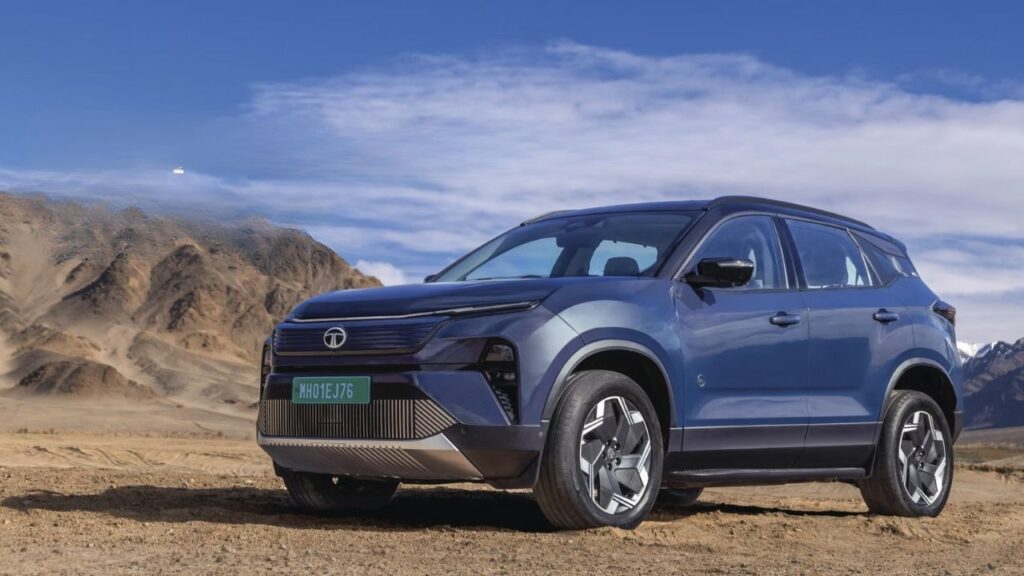
The legendary has returned, now as an electric wonder! The Sierra EV is designed to combine retro styling cues with modern-day technology, and as such, it’s one of the most unique electric SUVs on the market. Running on a 77 kWh battery, it has a good range of about 500 km, making sure you are set for long drives. 

Tata Sierra EV

Image credit: Tata

Go inside and you’re met with a futuristic triple-screen cockpit that shouts modernity. Equipped with Level-2 ADAS and other connectivity upgrades, this ute is not only cute but also filled with sweet tech features that make every drive safer and more enjoyable. Priced at around ₹18 to 24 lakh, the EV version of the Sierra is a true Made-in-India product that will not only the electric SUV segment but will also make you sit up and take notice. 

Maruti eVitara

Maruti Suzuki – who is it launching the eVitara, its first fully electric SUV, and it’s one of the most awaited launches in recent times. This EV is equipped with 49–61 kWh battery and offers a mind-blowing range of 426–500 km (WLTP), making it good for city drives and more. Comfort and technology are the name of the game inside, with a 10.25-inch touchscreen, a premium 10-speaker Infinity audio system and ambient lighting to set the mood. 

Maruti eVitara

Image credit: MarutiSuzuki

The front ventilated seats and wireless smartphone integration for convenience help, too. Reporting to be priced between ₹17–22.5 lakh, the eVitara will be launched on December 10, 2025. With this launch Maruti Suzuki takes a huge leap ahead from their reliable ICE cars to a future mankind smart, clean and sustainable mobility. Exciting times ahead!

Read More:- Top 10 Most Fuel-Efficient Cars in India Under ₹10 Lakhs You Must See in 2025

Luxury & Performance Cars: Sophistication Meets Speed

BMW iX (2025 Facelift)

The new iX is luxury redefined thanks to its electric and futuristic vibe. With battery capacities ranging between 94.8 and 109 kWh, it can travel as far as 750 km on a single charge making long journeys smooth sailing. Its twin-motor AWD setup offers 402 bhp, 400+ Nm of torque and more power and precision on the road.

BMW iX

Image credit: BMW

The redesigned LED headlamps and the sleek digital grille, along with an ultra-luxurious cabin exude class. The new BMW price is around ₹1.45 crore, it’s a radical declaration of innovation, sustainability, and hi-tech gadgetry.

The 2025 Audi Q6 e-tron

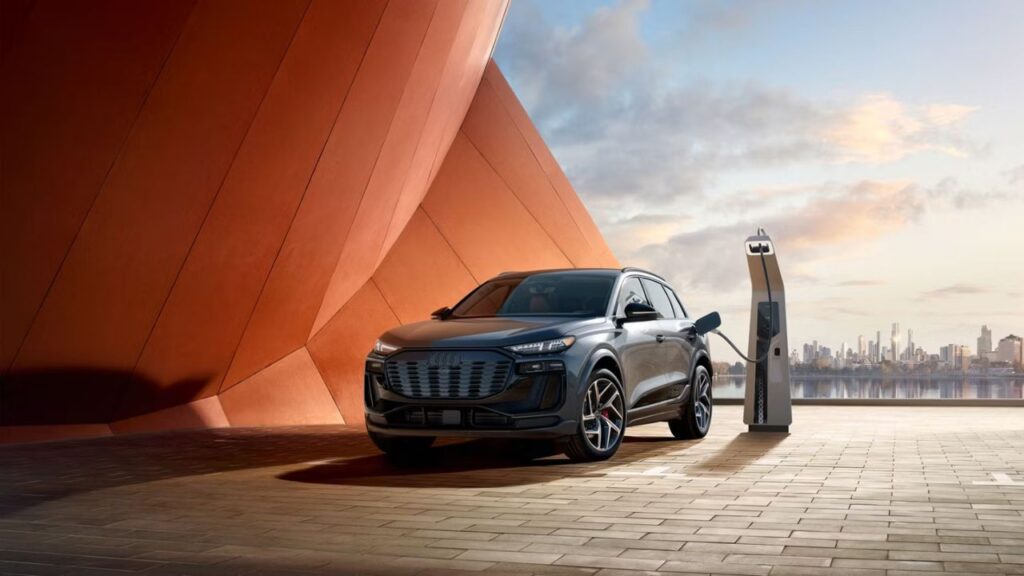
Audi raises its game in the luxury SUV segment with the Q6 e-tron flaunting a body that’s less blocky and more blinky and a cabin stacked to the gills with advanced tech. It comes in two variants with a 94.9 kWh battery — RWD (326 PS) and AWD (387–517 PS) – based on the driving style you prefer. With an impressive 600 – 640 km range, it is custom-made for long rides without the hassle of charging often. 

The 2025 Audi Q6 e-tron

Image credit: Audi

The triple-screen cockpit inside invokes futuristic vibes and the Bang & Olufsen sound system provides the best in audio. There’s safety, too, with ADAS Level-2 features. Priced at ₹1.0-1.1 crore, the Q6 e-tron is the ultimate luxury, performance and sustainability in an attractive package for the discerning buyer.

Mercedes-Benz CLA Electric (2025)

The Mercedes CLA Electric is here to disrupt the four-door coupe landscape with an ideal mix of looks, smarts, and range that impressed. With an 85 kWh battery, it has a range of 770–792 km (WLTP), which makes long road trips so much easier. There are two models available to choose from: the CLA 250+ RWD with 200 kW power, and the CLA 350 4MATIC which features a more potent 260 kW output. 

Mercedes-Benz CLA Electric

Image credit: Mercedez-Benz

It’s all next-level tech inside with the Mercedes MB.OS system (the infotainment system is AI-driven and even features ChatGPT for voice commands) . The Dolby Atmos Burmester ensures that your favorite tunes sound amazing. The CLA Electric is expected to be priced around ₹65 lakh. 

Porsche Macan EV (2025)

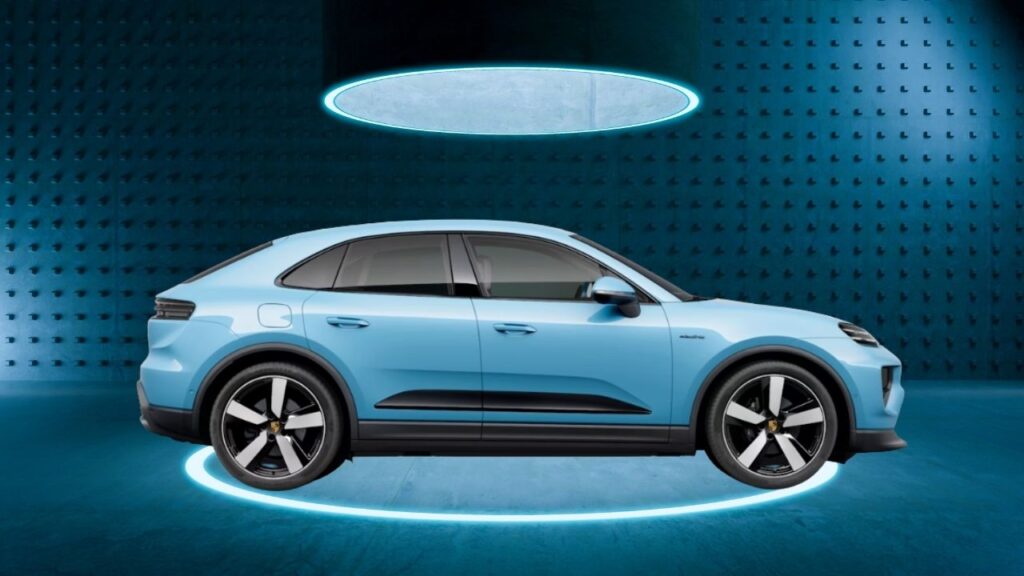
The new Porsche Macan offers 100 kWh battery, it boasts a striking range of 619–624 km, so you can make big miles in style. Standard (402 bhp), 4S (509 bhp) and Turbo (608 bhp) – there’s a variant for every adrenaline junkie. 0-100 km/h is a piece of cake, taking between 4.5 and 6 seconds depending on the variant.

Porsche Macan EV

Image credit: Porsche

From the dual 10.9” touchscreens to the AR head-up display and adaptive air suspension, every drive is luxurious and cutting edge. With prices starting from ₹1.22 to ₹1.69 crore, the Macan EV is at once dynamic, premium and undeniably Porsche. 

Quick Table for Upcoming Car Launches in India – Diwali 2025

The quick comparison table will help you know the key details for each car from different categories. Each model has a different price range with different features, buy the one which suits you better.

Model Type/Powertrain Key Highlights Expected Price (₹) Expected Launch
Mahindra Bolero (Facelift) SUV/Diesel New design, touchscreen infotainment, dual-tone interior 10–12 lakh Oct–Nov 2025
Mahindra Bolero Neo (Facelift) SUV/Diesel 10.25” infotainment, wireless charging, ventilated seats 9.97–12.18 lakh Oct 2025
Mahindra Thar (2025 Update) SUV/Petrol/Diesel New grille, 10.25” display, rear camera, 4×4 options 9.99–16.99 lakh Oct 2025
Hyundai Venue (Facelift) Compact SUV/Petrol/Diesel Dual 10.2” screens, ventilated seats, dual-zone climate 8–14 lakh Oct–Nov 2025
Citroën Aircross X SUV/Petrol/Diesel LED lights, Cara AI voice assist, 360° camera 8.3–13.7 lakh Oct 2025
Tata Sierra EV Electric SUV/Electric (77 kWh) 500 km range, triple screens, ADAS 18–24 lakh Nov 2025
Maruti eVitara Electric SUV/Electric (49–61 kWh) 426–500 km range, 10.25” display, ambient lighting 17–22.5 lakh Dec 10, 2025
Skoda Kushaq (Facelift) SUV/Petrol New grille, 360° camera, improved infotainment 11–19 lakh Oct 2025
BMW iX (2025) Luxury SUV/Electric (109 kWh) 750 km range, dual-motor AWD, digital grille 1.45 crore Oct–Nov 2025
Audi Q6 e-tron Luxury SUV/Electric (94.9 kWh) 640 km range, triple screens, ADAS 1.0–1.1 crore Nov 2025
Mercedes-Benz CLA Electric Luxury Sedan/Electric (85 kWh) 792 km range, MB.OS AI infotainment, Burmester audio 65 lakh Nov–Dec 2025
Porsche Macan EV Luxury SUV/Electric (100 kWh) 624 km range, 0–100 km/h in 4.5s, AR display 1.22–1.69 crore Oct–Nov 2025

Conclusion

This Diwali comes with a special line-up for car enthusiasts in India. The car market is heating up for Diwali next year, and winners include Tata, Hyundai, Honda, and Mahindra who are bringing in a new range of vehicles to cater to the diverse needs of customers across the country. Mahindra’s hard-hitting SUVs and Hyundai’s sleek city machines, all the way up to Tata’s ground breaking EVs and Bavarian luxury stalwarts like BMW, Audi, and Mercedes — fucking every flavour of car type basically.

Diesel car, tech packed EV, luxury sports car – all in Diwali 2023’s line-up. While the road ahead is promising, so is India’s automotive future. 

2

Mahindra Sold 64,092 SUVs in September 2026: What Drove Up Mahindra Sale From 14% 

Mahindra Sale

Mahindra Sale value increased this year by 14% from the 56,233 units sold in September 2025. SUVs leaving a dealership network roughly every 40 seconds, Mahindra sold 64,092 SUVs in September 2026. The number says more about where Indian buyers are putting their money than any launch event did.

Before selecting any car to buy, check why it sits at 2nd position in India’s passenger vehicle retail market, beating Tata Motors. Understanding where to put your money is incredibly important but it also doesn’t mean that car features and performance do not matter at all.

Mahindra Sold 64,092 SUVs: The September Numbers

Mahindra manufacturing is widely dependent on commercial vehicles, three-wheelers, and export so Mahindra’s total vehicle sales came to 1,14,874 units, up 15%. Mahindra SUV figure alone grew 8.2% over August, sold 59,257 units, a gain of 4,835. This tells a story of trust and capability in a company’s vehicle, not just figures.

The financial-year picture is stronger. From April to September 2026, Mahindra sold 3,58,142 utility vehicles domestically, up 20% from 2,97,570 units during the same period last year. With an average of around 59,700 units per month, September’s sales were higher than the six-month average. 

Mahindra

Two details complicate the story. Exports fell 7% to 4,019 units from 4,320, so the growth is a home-market story. And Mahindra said it crossed 1 lakh sales of its Electric Origin SUVs, a useful marker for how quickly the brand’s EV line has built volume.

Autocar India’s wholesale table shows Mahindra Sale at 56,745 units, up under 1%, and Vahan registration data puts September at 57,817. Wholesale counts what reaches dealers, registrations count what reaches customers, and company releases follow their own definitions. The 64,092 figure is Mahindra’s reported domestic SUV number.

What Factors Drove the Growth of Mahindra Sale

The festive season is the obvious tailwind. Industry coverage notes that sub-4-metre and mid-size SUVs contributed most to September’s market sales, and Mahindra’s range covers both, from the Bolero and Bolero Neo through the Scorpio Classic, Scorpio N, Thar Roxx and XUV 7XO. The Thar OG launch added fresh news to the showroom conversation.

Mahindra vs Tata vs Hyundai

The base effect matters too. Every SUV gets full attention when we look over September 2025 which was itself a strong month. SUV sales had already risen 43% in September 2025 compared with August, making this year’s 14% growth more significant. 

Mahindra vs Tata vs Hyundai in September 2026

Mahindra’s domestic SUV sales trailed Tata Motors’ reported 68,810 passenger vehicles by 4,718 units, and led Hyundai’s domestic 57,166 by 6,926. 

Growth rates were close: Tata at 15.32%, Mahindra at 14%, Hyundai at 10.9%. Tata’s figure varies by source Autocar India lists a much lower number.

The comparison is also not like-for-like. Mahindra sells almost entirely SUVs, while Tata and Hyundai’s totals include hatchbacks and sedans. Against Hyundai in particular, Mahindra is winning with a narrower product mix, which is the stronger result.

Mahindra Tata Motors Hyundai
Sept 2026 domestic 64,092 68,810 (verify) 57,166
YoY growth 14% 15.32% 10.9%

Mahindra sold 64,092 SUVs in September 2026 could work as a proof for the company to say “Worth The Money”, even though sales volume is not a quality score, but this figure speaks louder.

Mahindra sold

For the buyer, higher volume sales usually suggests that the company’s service-network is broader and resale value is strong. So you can plan your next vehicle easily after taking a written quote from the dealer for your choice of variant.

From August to December, it is a peak time of the Indian car market so companies also offer discounts and exchange offers. Confirm it from the 2-3 dealers because a month of record sales gives the company leverage. You could negotiate on accessories, insurance and exchange value instead of expecting a headline price cut.

 Skoda Slavia Facelift Comes With Automatic Shift & More Features

Conclusion

Mahindra’s September 2026 sales show that its SUV range continues to attract strong demand, helped by the festive season, a broad model lineup and growing interest in electric SUVs. The 14% year-on-year rise is encouraging, especially with sales staying above the company’s April–September monthly average. 

For buyers, though, Mahindra sold 64,092 SUVs in September 2026 holding a strong Mahindra Sale alone shouldn’t decide the purchase. Compare variants, check delivery timelines and negotiate insurance, accessories and exchange offers before booking. 

1

How Electric Cars Are Changing the Future of Transportation

Published Jun 13, 2026, 12:16 PM
Last Updated Nov 2, 2026, 5:04 PM

Electric Cars

For years petrol or diesel cars have dominated on the road, but now the future of transportation is shifting to Electric Cars. They are already in the market and become a practical choice for millions of people worldwide. People prefer EVs to buy in 2026 as they offer low running cost, advanced technology, and less expensive maintenance.

However, car makers are still working on the batteries to provide more range. That future is near when average people can also afford Electric Cars. Governments and automakers invest heavily in electrification for making charging accessible easily.

The Transportation Shift is Already Happening

The smarter, faster, comfortable transport will become Electric Cars in the future. So choose wisely before you’re going to buy a new car. The resale value also dropped of petrol and diesel cars and EVs offer excellent technology with good range of driving. 

Global electric vehicle sales crossed 17 million units in 2024. China alone put more EVs on the road last year than the entire world did in 2021. India’s EV two-wheeler and three-wheeler market is exploding, with four-wheelers catching up fast. Tata Nexon EV is no longer a novelty on Indian roads — it’s traffic.

The question isn’t whether Electric Cars will change transportation. They already are. So are you going to be ahead of that change, or scrambling to catch up?

Read More:- The Future of Electric Vehicles: What Drivers Need to Know

What Actually Changes When a Car Runs on Electricity

The engine disappears. Not just physically — the entire relationship between a driver and maintenance changes. No oil changes. No coolant flushes. No timing belt anxiety. An electric motor has roughly 20 moving parts. A combustion engine has over 2,000. That’s not a small difference — that’s a different category of machine.

Refuelling becomes recharging — and that changes your whole routine. You stop thinking about fuel the way you think about groceries. Instead, you plug in at home overnight. Your car is full every morning. The “range anxiety” people talk about? It’s mostly psychological — the average Indian commuter travels under 40 km a day. Even entry-level EVs handle that with room to spare.

The car becomes a software device. This is the part that surprises people most. EVs aren’t just cars with batteries — they’re computers on wheels. They get over-the-air software updates. Their performance can literally improve after you buy them. Tesla has pushed updates that added features and improved range on cars already sitting in someone’s garage. That’s unprecedented in automotive history.

What This Means for Roads, Cities, and Air

If your city’s electricity is primarily coal-generated, an EV charged there is still indirectly burning fossil fuel — just upstream. India is working to fix this. Renewable energy capacity is growing rapidly, and as the grid gets cleaner, every EV on that grid gets cleaner automatically, without any change from the owner. That’s a compounding advantage no petrol car can ever have.

But air quality? That improvement is immediate and local. No tailpipe means no exhaust in city traffic. Anyone who’s sat in Delhi or Lucknow traffic in summer knows exactly how much that matters at street level.

Urban noise also drops. Electric motors are nearly silent. A city with predominantly electric vehicles would be a fundamentally quieter place — and that has real mental health implications that researchers are only beginning to document.

You Know That:- Which Car Is Best: Petrol or Diesel?

Pricing Structure For Electric Cars

Transportation isn’t just about getting from home to office or one city to another. It’s an enormous economic engine and Electric Cars are rewiring it.

The fuel economy argument alone is stark. Running an EV in India typically costs around ₹1–1.5 per km in electricity. A petrol car costs ₹6–8 per km at current fuel prices. For someone driving 15,000 km a year, that’s a saving of ₹67,500 to ₹1.05 lakh annually — every year. The higher upfront cost of an EV starts looking very different when you do that math over five years.

Then there’s what this does to jobs. Petrol stations, engine mechanics, spare parts manufacturers — entire ecosystems built around combustion are under slow pressure. New ecosystems are being built: charging infrastructure, battery manufacturing, software engineers for automotive systems. The jobs aren’t disappearing, they’re migrating. But migration is uncomfortable for the people in the middle of it.

EV Batteries Are Still a Problem

Batteries are still a big problem for EV cars and people hesitate while buying an electric car because of this.

Recent reporting of child labor in Africa raises concern as this happened in Cobalt mines. The material is used in batteries along with lithium and manganese. Recycling infrastructure isn’t completed properly yet. This doesn’t mean that EVs are harmful for our environment, instead it pushed manufacturers for stronger policies on battery sourcing.

The technology is improving. Solid-state batteries, sodium-ion alternatives, and better recycling processes are all in active development. But “it’ll be better later” isn’t the same as “it’s fully solved now.”

Where The Future of Transportation is Going?

The trajectory is clear, even if the timeline isn’t perfectly predictable.

Several countries have set deadlines to phase out new petrol and diesel car sales — Norway by 2025 (already there), UK by 2035, India pushing hard toward electrification targets under its FAME scheme. Automakers globally are retooling factories. Maruti Suzuki, which long resisted full electrification, is now accelerating its EV lineup. When the most conservative, mass-market carmaker in India pivots, the direction of travel is settled.

What remains uncertain is speed and equity. If charging infrastructure will expand fast to reach Tier 2 and Tier 3 cities and cut the manufacturing costs with time to make a car affordable for middle-income buyers. 

Read More:- Car Maintenance Tips That Save Money And Valuable Time

Conclusion 

In a changing world, people are choosing cars with batteries rather than petrol or diesel. Electric Cars support sustainability and reshaping transportation, cities, and the global automotive industry. Adaptation of EVs are growing faster, despite facing challenges like battery production, recycling, and charging infrastructure.

The future of transportation is not a petrol or diesel car anymore. But Electric Cars are leading that transformation to a greener world. Although, it’s not limited to it, it offers advanced tech in a car, speed and comfort too.