0

Kim Kardashian Cars Collection: Net Worth in Vehicles Explained

Published Apr 7, 2026, 7:56 AM
Last Updated Apr 17, 2026, 4:56 AM
Kim Kardashian

Kim Kardashian

When discussing the Kim Kardashian Cars Collection, it’s not simply a random assortment of expensive and flashy cars. We are dealing with a carefully curated, heavily modified and perfectly color matched fleet of vehicles that can also be considered high art. Now, we’re taking a look under the hood of her amazing garage. From her custom ghost-grey Maybachs to her jaw-dropping wide-body Lamborghini Urus, we’re going to calculate the total value of the vehicles parked outside her Hidden Hills mansion. 

How Much is the Kim Kardashian Cars Collection Worth?

Kim Kardashian’s car collection is worth around $3.8 million to $5 million. This probably sounds like a tiny amount compared to her total multi-billion net worth. But keep in mind these aren’t stock cars you get off a lot. 

She’s reportedly spent hundreds of thousands of dollars just to have her top cars painted in a color called “Ghost Gray.” Why? Because she wanted her cars to coordinate exactly with the shades she uses in her minimalist $60 million home. 

So let’s look at the price and specs of the flashiest cars in her stable now.  

Kim Kardashian Cars At a Glance

Car Model Estimated Price Key Engine/Specs Standout Features
Lamborghini Urus Mansory Widebody $600,000 4.0L twin-turbo V8, 641 hp Widebody kit, one-arm wheels, custom bumper, family space with speed
Rolls-Royce Ghost $400,000–$500,000 6.7L V12 Ghost gray paint, frosted crystal hood ornament, leather seats, starry roof
Mercedes-Maybach S580 $200,000–$250,000 4.0L V8 mild-hybrid Reclining rear seats with massage, premium cabin, gray paint
Mercedes-Maybach GLS 600 $200,000–$300,000 550 hp Cup holders, folding tables, small fridge, family luxury SUV
Range Rover SV Autobiography $240,000 5.0L supercharged V8 Pantone Satin Silver paint, top-grade leather, spa-like interior
Custom Mercedes-Maybach Minivan $400,000 Custom luxury build Captain’s chairs, TV screens, privacy curtains, mobile living room vibe
Ferrari 458 Italia $270,000 4.5L V8, 562 hp, 0-60 in 3.4s Race-derived handling, classic sports car thrill
Tesla Cybertruck $100,000 All-electric Stainless steel body, gray wrap, edgy modern design
Cadillac Escalade $150,000 Smooth luxury ride KK Silver hue, giant screens, spacious comfort


Top Cars in the Kim Kardashian Cars Collection: Prices and Features

Kim has a very particular car taste. She adores large, safe and super luxury vehicles that provide her with privacy. Here are the standout stars of her collection. 

1. Lamborghini Urus Mansory Widebody

Estimated Price: $600,000

A regular Lamborghini Urus already costs around $260,000, and Kim definitely had to have something more unique. She took it up a notch by wrapping her Urus with a Mansory widebody kit striking in appearance that turns heads everywhere.

Under the bonnet there is a 4.0 litre twin-turbo V8, with 641hp, making it the fastest SUV on the planet. What really differentiates her version however, is the unique one-arm wheels and a custom front bumper giving it a more aggressive look. 

No wonder it’s one of her top three vehicles to drive: it strikes the right balance between practical, daily use and extreme performance, has space for her four kids, and offers all the speed and style she wants. 

2. Rolls-Royce Ghost

Estimated Price: $400,000 to $500,000

Kim Kardashian’s Rolls-Royce Ghost is no exception. There is no way to deny that it is the best car she brought. 

It is equipped with a massive 6.7 liter V12 that produces that signature smooth and effortless Rolls-Royce ride. But what really sets her Ghost apart is the degree of customization. It is coated in her signature “ghost gray” color, making for a crisp and minimalistic exterior. Even replaced silver “Spirit of Ecstasy” hood ornament with custom frosted crystal figure, adding a unique personal touch. Its interior is very comfortable because the seats are made of leather and the starry roof gives a peaceful view.

3. Mercedes-Maybach S580

Estimated Price: $200,000 to $250,000

Specification: It offers a 4.0-liter V8 engine for better ride on sedan and also supports powerful ride experience. This Maybach is built on a mild-hybrid system. The interior maintains the prior interest of most of the celebrities which is premium material and astonishing cabin. The rear seats recline and built-in massage function with custom lighting make rides more fun and relaxing. She also painted this car with gray paint to make hers. 

4. Mercedes-Maybach GLS 600

Estimated Price: $200,000 to $300,000

A big family needs a big SUV to travel. Whether Kim is traveling with her family or alone she wants a big one to opt more space for more stuff. The Maybach GLS 600 is her comfortable luxury vehicle for her trips. 

Features: This SUV is not like a normal one because it has many add-ons luxury features such as cup holders, folding tables and a small fridge for drinks. That’s not it, it gives a 550-horsepower engine to run like a horse. This car gives Kim Kardashian a good time with its features and makes it easy to travel with her family on long road trips. This is the most relaxing car you can buy. 

5. Range Rover SV Autobiography

Estimated Price: $240,000

Range Rovers are a given in Hollywood luxury car culture, but Kim’s is very special.

Specifications: Hers is rendered in a custom “Pantone Satin Silver” to coordinate with the tones of her house. Rover provides a 5.0-liter supercharged V8 powerful engine for excellent ride. SV Autobiography is top-end grade level which means best leather, thickest carpet and cutting edge off-road tech. It’s hard as nails on the outside but you feel like you’re in a relaxing spa on the inside. 

6. Custom Mercedes-Maybach Minivan

Estimated Price: $400,000

Sports cars are the love but what about group trips or family weekends? When Kim wants to go with her loved ones she uses a heavily modified Maybach V-Class minivan. It is the best minivan for children rides too as it gives comfy and protection.

Features: You can’t just order this from a regular distributor. It must be built specifically to order by luxury tuning firms. The Inside features massive captains chairs, big tv screens, custom lighting and privacy curtains. She makes it like she owns a mobile living room for her comfort and mood.

7. Ferrari 458 Italia

Estimated Price: $270,000

For any car lover, Ferrari is a dream car as Kim’s too. Kim’s Ferrari 458 Italia is a head turner amidst her large SUVs, giving her the thrill of driving a classic sports car. 

Features: This car will give you the fastest ride in the world, its speed becomes so obsessive that everyone falls in love. It has a 4.5-litre V8 engine to generate the highest power up to 562 hp for providing an extraordinary ride. It goes from 0 to 60 miles per hour in just 3.4 seconds. The Italia is known for its race-derived interiors and extraordinarily fine handling. 

8. Tesla Cybertruck & Cadillac Escalade

Estimated Price: $100,000 / $150,000

Among her enviable collection of wheels, Kim Kardashian has now added the Tesla Cybertruck — and it’s a car that perfectly suits her modern and edgy vibes. Cybertruck gives an amazing look with its stainless steel body wrapped in a grey paint because of her minimalist vibe. As an all-electric vehicle, it also is a fusion of high-end technology and green principles, making the icon of the design both fashionable and forward-looking.

Also Kim has a customized Cadillac Escalade which is more about comfort and luxury. The SUV, finished in the signature ‘KK Silver’ hue, boasts a spacious, high-end interior with giant screens, luxurious seats, and a smooth ride. While the Cybertruck screams for attention and is daring, the Escalade is grace, roominess and daily comfort and as such represents the more practical slice of her life. 

See: Elon Musk Car Collection and His Networth

The Famous “Skims-Wrapped” Lamborghini

We can’t discuss the Kim Kardashian Cars Collection without taking a look at her most infamous automobile incident. In 2021, Kim grabbed a $200,000 Lamborghini Urus and wrapped the whole outdoors and indoors in white, furry fabric.

She did so to advertise the new “Cozy Collection” at her clothing line Skims. The seats, the steering wheel, the roof, and even the outside doors were lined with fur. It may not have been a suitable car to drive in the rain, but it was a genius bit of advertising. It taught us that she knows exactly how to turn her luxury cars into cash and headlines. 

Why Her Collection Stands Out

When you view the Kim Kardashian Cars Collection, one thing realizes very quickly: There is a very obvious theme. Bright red sports cars and flashy gold trucks are not things that she goes out and buys. She considers her vehicles an extension of her personal brand and her home.

Most celebs want their cars to be noticed when they’re driving. Kim wants her cars to blend in with her lifestyle. By giving them all the same flat gray paint job, she has matched up a fleet that is instantly recognizable. It’s a very contemporary, clean and different way of collecting cars. 

Conclusion

The value of the Kim Kardashian car collection is confidently believed to be at least $4 million to $5 million, but the true worth of the vehicles is in the customization alone. From the $600,000 Mansory Lamborghini Urus to her beloved Maybach S580,each and every car is a work of art.

She shows you that having everything doesn’t mean you need to get it all in every excruciating color. Every now and then, living with a plain gray palette is the most extravagant thing you can do. Business or law school or just taking the kids to school: Kim does it all in some of the most beautiful, most comfortable cars you can find. 

See Best Skoda Car under 10 lakhs

Bipin Sharma

Bipin Sharma is a seasoned automotive content writer with over 10 years of hands-on experience in the world of cars. From the latest car news and reviews to in-depth maintenance tips and expert buying guides, Bipin covers everything that drives the automotive world. Writing about cars isn’t just his profession — it’s his passion. His deep industry knowledge and love for automobiles fuel every blog he creates, helping readers make informed decisions and stay updated on the fast-evolving auto landscape.

Leave a Reply

Your email address will not be published. Required fields are marked *

0

Kia Seltos vs MG Hector: Which SUV Offers More For Your Money?

Published Aug 20, 2025, 9:25 AM
Last Updated Aug 21, 2025, 10:40 AM

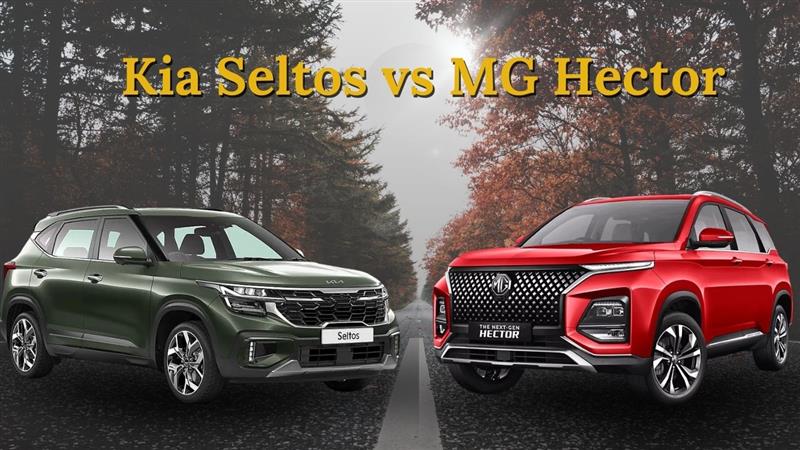
Making a decision for buying an SUV which is worth your money then Kia Seltos vs MG Hector are two beasts ready to roar on roads. Both deliver wonderful performance with unique features and style. If you look from outside MG Hector is bigger in comparison to Kia Seltos, which makes it ideal for large families who consistently travel. 

Kia Seltos vs MG Hector side by side comparison showcasing design, size, and performance differences


Kia Seltos cunning design is making a valuable impression and gives an incredible feeling to experience the compact SUV ride with powerful petrol engine. Both offer full safety features with different functions and their price is also slightly different. 


If you prefer to buy an SUV for yourself or a small family then Seltos is best but if you want a spacious cabin and boot space for a big family then Hector is good for you.


Let’s explore their details in depth to make a better choice for yourself before buying a car.

Kia Seltos vs MG Hector: Key Difference at a Glance

Size and Space: MG Hector has a bigger body than Kia Seltos, is spacious for its segment but not as Hector. Because of the larger body Hector has larger space inside the SUV which makes it ideal for families.


Price: The Seltos’ starting price is Rs. 11.19 Lakh which is lower than Hector Rs. 14.50 Lakh. 


Engine and Performance: Both cars offer different performance with different engines, Kia Seltos turbo-petrol engine and Hector Diesel engine is powerful. Seltos’ diesel and Hector’s petrol engine are also good but not that powerful. Seltos offers more transmission options than Hector.


Features: MG Hector has a 14-inch touchscreen infotainment system and extensive connection functions. Seltos has dual-screen setup that integrates both infotainment & digital cluster, along with ADAS suite.


Let’s dig deeper into their features that make them different from each other.

Exterior and Dimensions

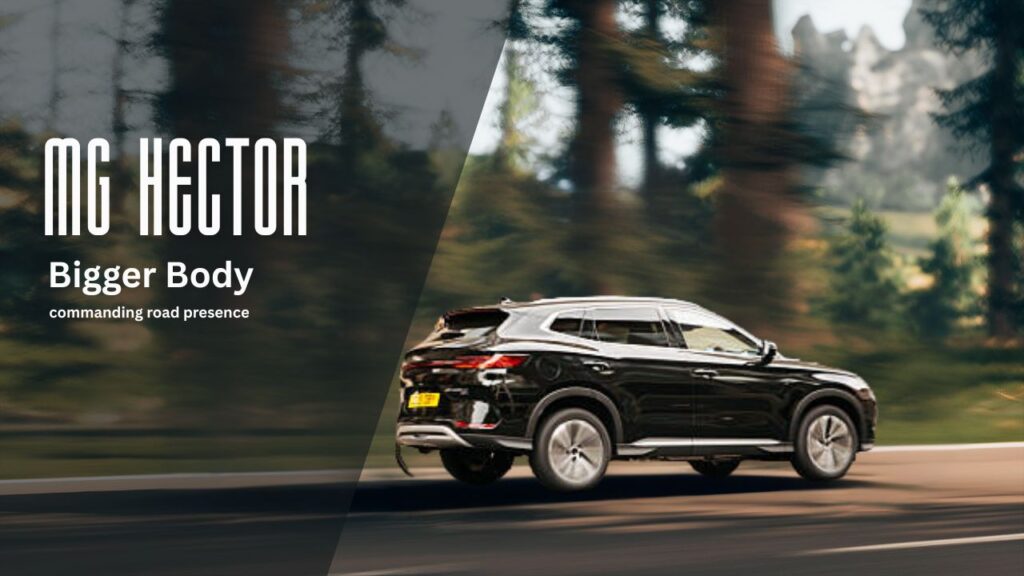
The MG Hector has a bigger body which makes a more commanding road presence. It offers more interior space while expanding its dimensions to make it bigger.

Kia Seltos vs MG Hector exterior and dimensions comparison showcasing sporty compact SUV design versus larger spacious SUV body

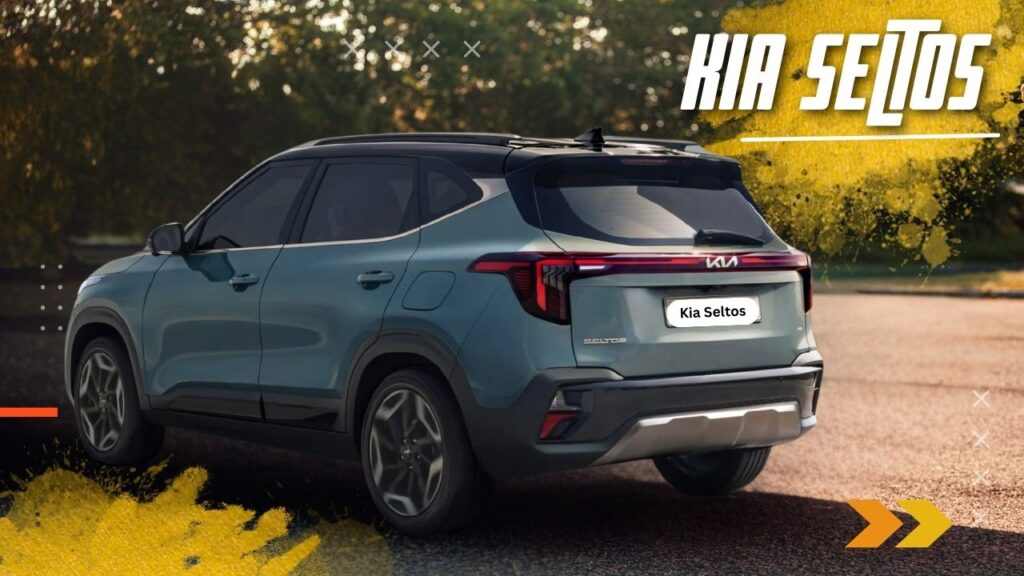
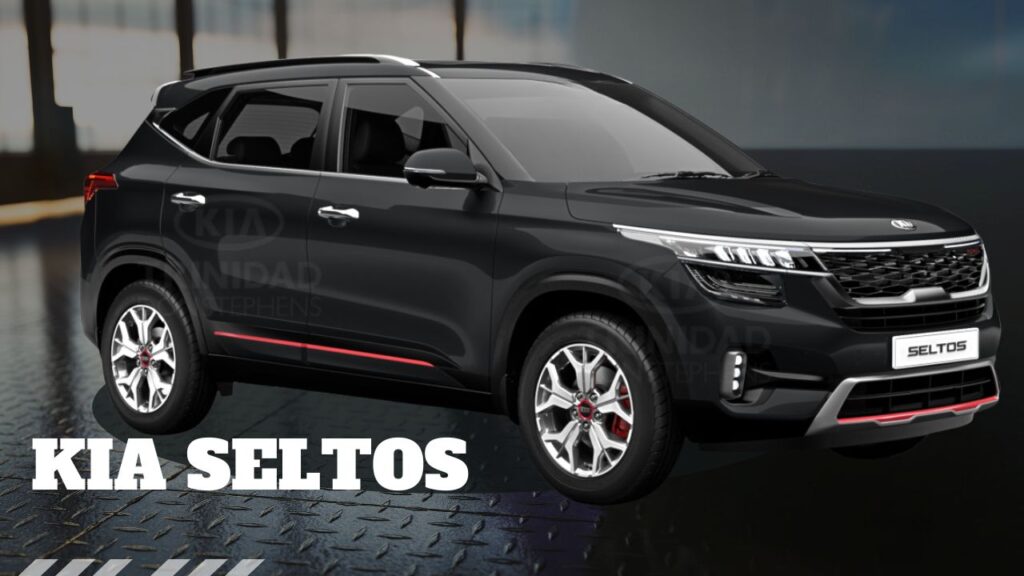
The Kia Seltos look more sportier and have an impressive modern design with sharp lines. It is easier to handle in a small space in the city and easily park with its compact size.

Interior and Features

Both cars offer advanced features but in different areas. Hector offers a larger infotainment system which controls car overall functions and advanced suite of connected car features. 

Seltos is more driver centric with two integrated screens of infotainment and digital cluster. A dual-zone climate control system is also available in Seltos.

Also Read: Honda City vs Toyota Corolla Altis: Which Sedan Rules the Road?


Performance and Driving Dynamics

A 2.0-litre engine of Hector is ready for adventurous trips to give you an unstoppable journey ride. Its diesel engine is a proven powerhouse than Seltos. However, Seltos’ 1.5-litre turbo-petrol engine is more powerful than Hector’s turbo-petrol engine.

Kia Seltos vs MG Hector performance and driving dynamics comparison highlighting turbo petrol and diesel engines with smooth transmission options

In terms of transmission, the Seltos offers a iMT (intelligent manual transmission and 7-speed DCT which delivers mind-blowing driving dynamics.

Safety

If your priority is safety first then both SUV has wider features for safety measures including six airbags and level 2 ADAS. For preventing car crashes, lane departure warning, automatic emergency braking, and forward collision warning are marvellous features that are really helpful. Hector has still not been officially tested but Seltos got 3-star rating from Global NCAP rating.


Feature Kia Seltos MG Hector
Dimensions 4365×1800×1645mm

Wheelbase: 2610mm

4699×1835×1760mm

Wheelbase: 2750mm

Boot Space 433 Litres 587 Litres
Engine Options 1.5L Petrol, 1.5L Turbo-Petrol, 1.5L Diesel 1.5L Turbo-Petrol, 2.0L Diesel
Power Petrol / Turbo / Diesel

113bhp / 158bhp / 114bhp

Turbo / Diesel 

141bhp / 168bhp

Torque 144Nm / 253Nm / 250Nm 250Nm / 350Nm
Transmission Manual/ iMT, CVT, 7-DCT, 6-Automatic Manual, CVT (Petrol only)
Mileage (ARAI) Up to 20.7kmpl (Diesel) Up to 15.58kmpl (Diesel)
Infotainment 10.25-inch HD Touchscreen 14-inch HD Touchscreen
Safety 6 airbags, Level 2 ADAS, all-wheel disc 6 airbags, Level 2 ADAS, all-wheel disc
Comfort Features Ventilated seats, dual-zone climate control, sunroof, 8-way power-adjustable driver’s seat, 360-degree camera Ventilated seats, sunroof, 6-way power-adjustable driver’s seat


Conclusion

Choosing between Kia Seltos vs MG Hector is highly confusing when a buyer wants a car with full modern features and powerful performance as both offer the same. But:

If you prefer more space, more big, and comfortable SUV then MG Hector fits in. 

If you prefer a more sportier look compact style SUV then the Kia Seltos is the best option.

0

Toyota Urban Cruiser BEV Teased in India: Launch Timeline, Range, Features & Price

Published Jan 7, 2026, 12:48 PM
Last Updated Apr 10, 2026, 7:19 AM

Toyota Urban Cruiser BEV

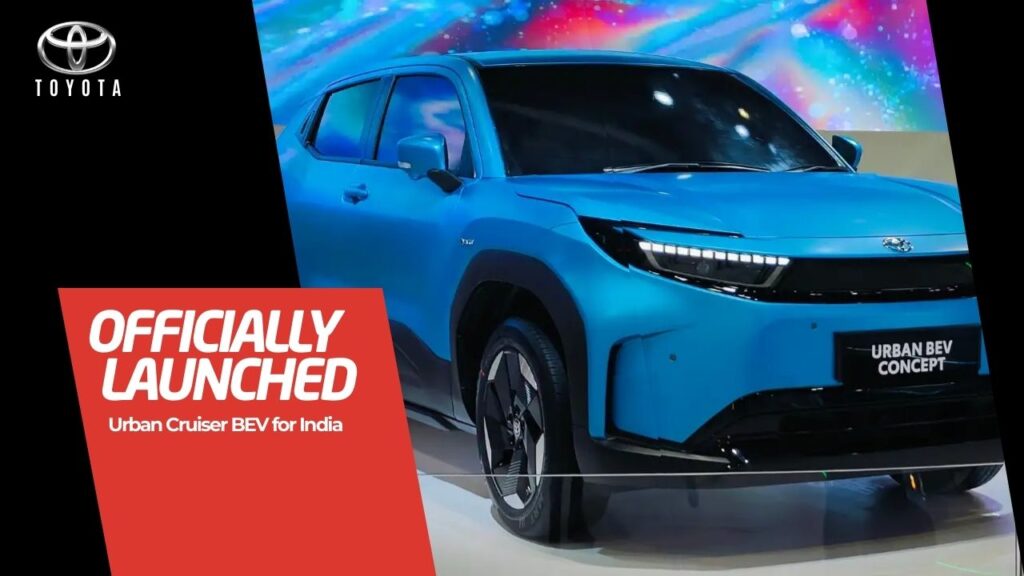
If you are among those waiting for a right-sized, family-friendly electric SUV from Toyota for India — now the wait just got a whole lot more exciting. Toyota has now officially teased the Toyota Urban Cruiser BEV (Battery Electric Vehicle) for India for the very first time, hinting that the launch is just around the corner. This is not just some other concept or a long-term promise- this is a near-production electric SUV ready for India and it will hit showrooms soon.

​In this blog, let’s check predicted features, design, battery choices, and what makes the Urban Cruiser BEV very likely to be one of the most buzz-worthy EVs in the Indian market. 

First Clear Glimpse Of Toyota’s India-Spec EV

New teaser unveiling Urban Cruiser BEV front and side views provides a solid glimpse at Toyota’s design language for its first electric SUV in India.

  • The SUV features slim LED headlamps with eyebrow-style DRLs and are connected by a light strip, lending it a contemporary look. 
  • As one would expect on an EV, the grille is closed and rendered in body colour or piano black, hiding the front behind clean, futuristic-looking material. 
  • The bonnet is sculpted and the aggressive bumper stance is tough enough for an SUV.
  • On the side, you also see the ‘BEV’ badge right behind the charging port, confirming this is a full electric vehicle. 

The overall India-spec Urban Cruiser BEV appears very near to the concept. It’s production-ready and stylish but not particularly flashy or experimental. 

Shared DNA With Maruti e Vitara – But With Toyota Flavour

Toyota Urban Cruiser BEV is based on the Maruti Suzuki e Vitara platform. Both electric SUVs will be produced at Maruti Suzuki’s Gujarat plant and are built on the same EV underpinnings.

Toyota Urban Cruiser BEV

In other words, it’s Toyota’s take on Maruti’s first electric SUV – same base, different design. They are expected to be close in size, measuring about 4.2-4.3 meters long with a 2,700 mm wheelbase, which would position them in the midsize SUV category. You’ll also find the same EV platform, flat floor, battery configuration, and similar powertrain and range options.

The difference is in the design and branding behind which Toyota is well known. The Urban Cruiser BEV has Toyota-specific design features and details of lighting, alloy wheels and trims and includes Toyota’s global design language and brand reliability. 

Toyota Urban Cruiser BEV Expected Features & Interior

Although Toyota has not shown the inside of the India-spec Urban Cruiser BEV as of yet, thanks to the global car and e Vitara, we know what will be on offer:  ​  

Two-spoke steering wheel with a chunky, modern design – similar to recent Maruti/Toyota models. A 10.25-inch touchscreen infotainment system with connected car technology, navigation, smartphone connectivity, and may be some built-in apps. A 10.1-inch fully digital instrument cluster that displays EV-related details such as range, battery status, energy flow, drive modes and regen levels.  

Premium options are expected to be: 

  • Heated Auto climate control
  • Electronic Park Brake with Auto Hold
  • Wireless charging
  • JBL sound system (high spec models)
  • Panoramic or single-pane sunroof (variant dependent).

Speaking of practicality, the overseas Urban Cruiser EV and e Vitara feature sliding rear seats that slide forwards and backwards to offer flexibility between rear legroom and boot space.This is a very user-friendly feature for Indian families who often juggle airport runs, city commutes, and highway trips in one car»rdquo; 

Safety Kit will also likely be robust:

  • 6 airbags as standard
  • Level 2 ADAS suite including adaptive cruise control, lane-keep assist, lane departure warning, pre-collision warning.
  • ​A 360-degree camera, TPMS, ESC, front and rear parking sensors.

All in all, the Urban Cruiser BEV appears to be a comfortable, technology-laden, and safety-centric EV SUV — not just a “born-electric experiment.” 

Urban Cruiser BEV Battery Options and Range

There will be two battery options for the Urban Cruiser BEV and range is left to be one of its biggest “excitement” factors.

Urban Cruiser BEV battery options & range

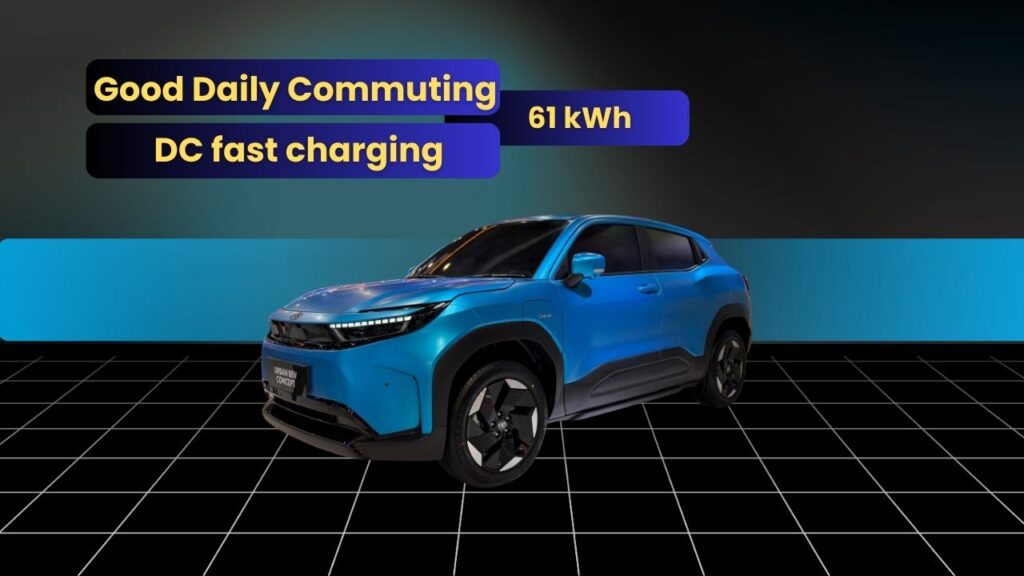
Battery: Toyota will probably provide a 49 kWh battery and a bigger 61 kWh battery. The smaller pack is estimated to output around 143–144 PS, while the bigger one could pump out about 173–174 PS. 

Powertrain: Both are likely to be front wheel drive secures. A global version with AWD is available, but whether it will be released in India is still unknown.

Range: The 61 kWh battery claims to give more than 500 km ARAI cycle range which is similar to that of the Maruti eVitara with a claim of 543 km. On a practical standpoint, the range is probably good for 350–400 km, which is plenty for daily commuting in addition to weekend jaunts.

Charging information has yet to be announced, but DC fast charging and a home AC wall charger should be available. 

Launch Timeline & Expected Price In India

The Toyota Urban Cruiser BEV is anticipated to bring its India debut in the coming days. After its full disclosure, some reports suggest that 19 January may be the date of the launch.

Launch Timeline & Expected Price In India

As for the price, it is likely to be priced in the range of ₹16 lakh to ₹22 lakh (ex-showroom) approximately depending upon the variant and battery pack. 

Conclusion

The Toyota Urban Cruiser BEV is poised to be a very good and value-for-money guess of this new segment in India’s electric SUV market. It is a familiar, family-based SUV model, but with contemporary EV technology, long-range claims, and Toyota reliability. sharing underpinnings with the Maruti e Vitara, buyers get a proven platform, while Toyota adds its own styling, tuning, and brand value.

If priced right, the Toyota Urban Cruiser BEV will be a fine compromise of pragmatism, performance, features, and safety. Indian families who want to move away from petrol or diesel SUVs but don’t want to take that dangerous jump to going electric, this is quite possibly one of the most well-rounded, and confidence-inspiring, EV options you’ll find. 

2

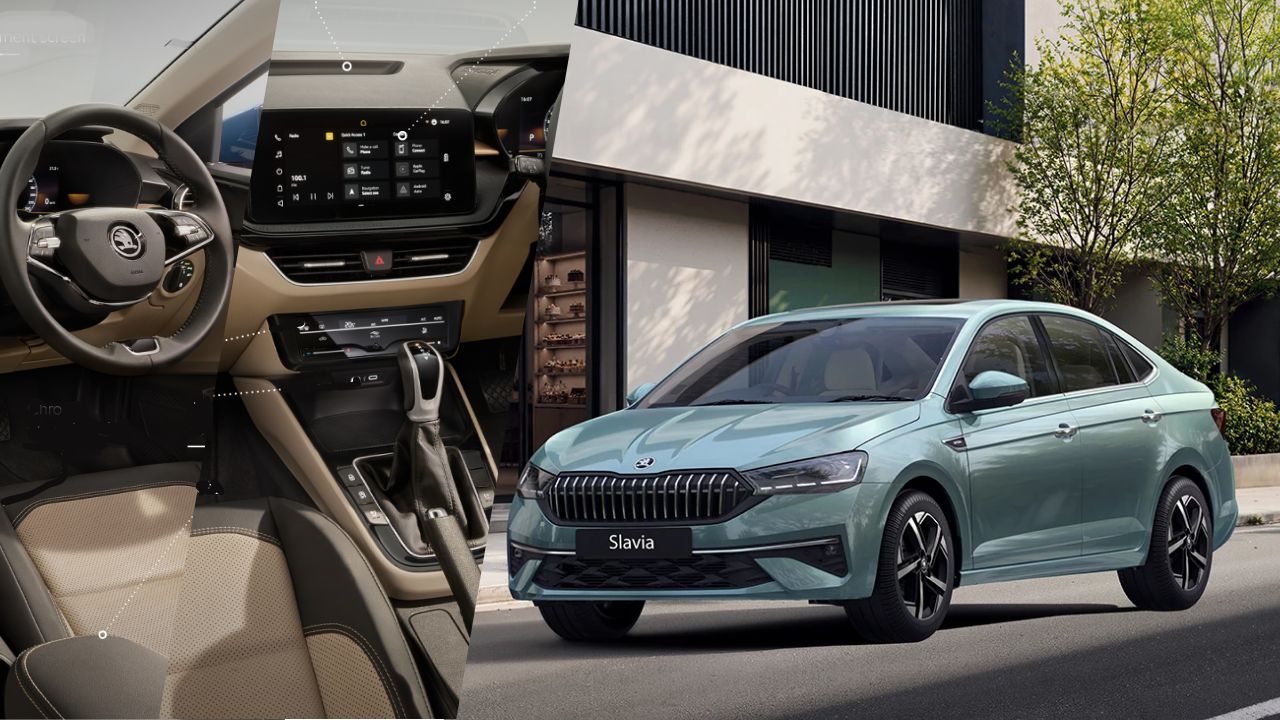
Skoda Slavia Facelift Comes With Automatic Shift & More Features

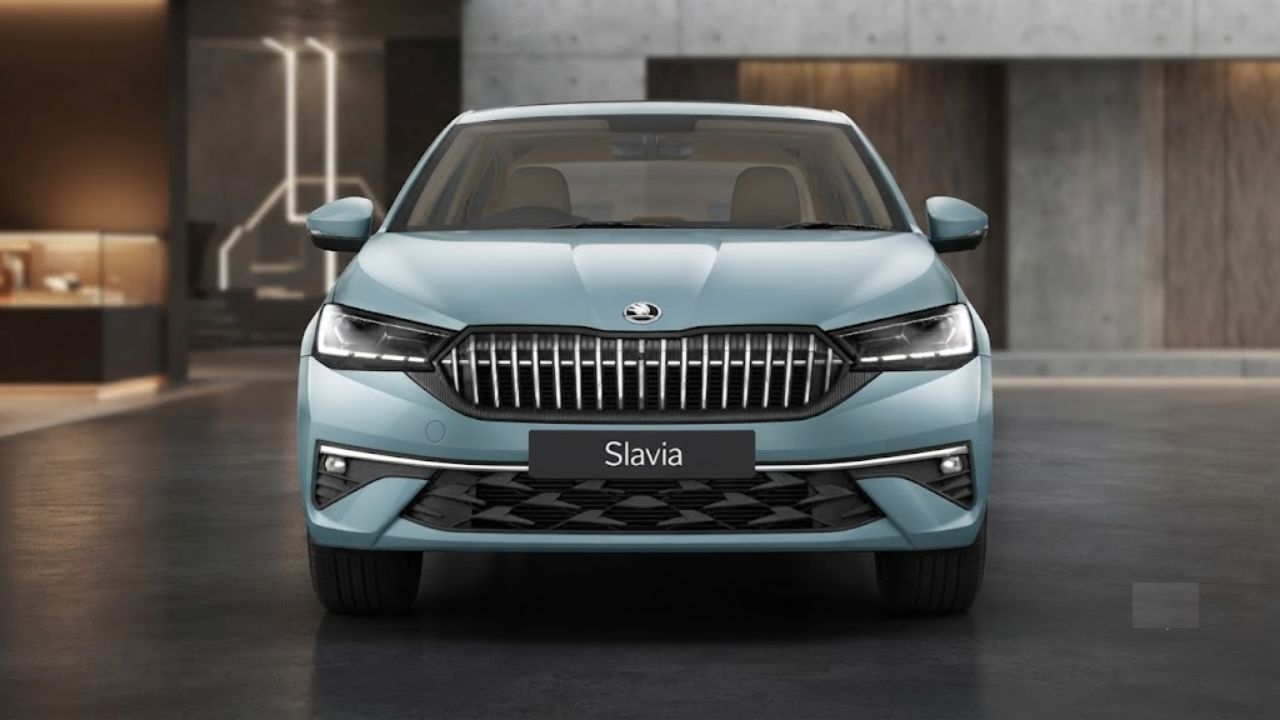
Skoda Slavia Facelift

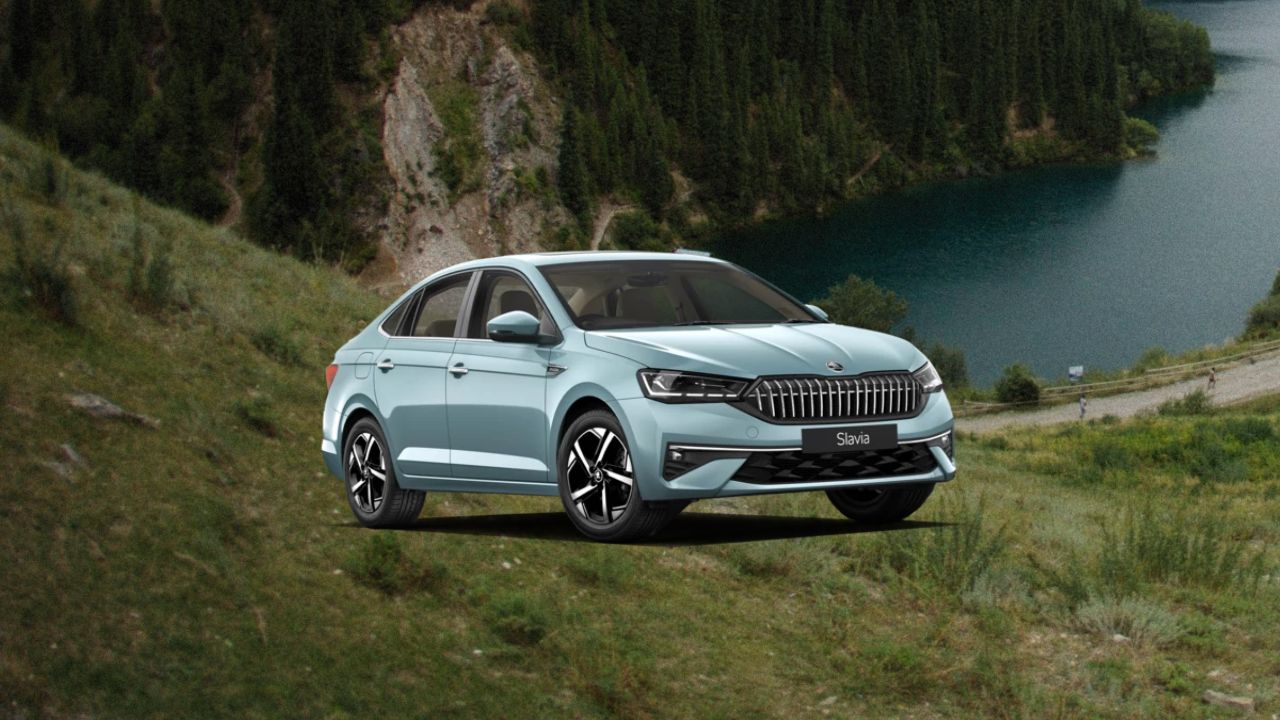
Skoda has launched the updated Slavia in India. Prices run from Rs. 9.99 lakh to Rs. 18.84 lakh, ex-showroom, and deliveries begin next week. It brings not only just design but advanced features and gearbox updates too. 

The facelift keeps the Slavia’s silhouette, so it won’t look like a new car from a distance. But a new automatic gearbox, a longer features list and a rear massage function make it more than a cosmetic update.

Skoda Slavia Facelift Price and Variants

Six trims carry over: Classic, Classic Plus, Signature, Sportline, Prestige and Monte Carlo. Prices are ex-showroom.

Variant 1.0 TSI MT 1.0 TSI AT 1.5 TSI DCT
Classic Rs 9.99 lakh – –
Classic Plus Rs 10.99 lakh Rs 12.49 lakh –
Signature Rs 13.94 lakh Rs 14.94 lakh –
Sportline Rs 14.34 lakh Rs 15.34 lakh –
Prestige Rs 15.89 lakh Rs 16.89 lakh Rs 18.59 lakh
Monte Carlo – Rs 17.29 lakh Rs 18.84 lakh

Look at the jump from Classic Plus (Rs 10.99 lakh) to Signature (Rs 13.94 lakh). That is nearly Rs 3 lakh for one step, and it’s where most of the equipment story begins. Confirm variant-wise equipment at the showroom before you commit. Classic Plus AT is the cheapest way to enter into the new gearbox.

 👉  Festive Car Discounts 2026: What You’ll Really Save After Price Hikes 

What Brings Facelifted Version of The Skoda Slavia 

The Slavia Design Update 

This is a facelift, not a new car. The silhouette is untouched. Up front you get revised L-shaped LED DRLs, a redesigned bumper, LED fog lamps with a cornering function and a faux carbon-fibre insert below the grille. The tail lamps get new internal elements and dynamic turn indicators. A carbon-look strip now links the two units across the tailgate, and 16-inch dual-tone alloys are new.

The Slavia Design Update 

There are ten paint shades, including Arctic Silver and Cappuccino Beige. Beige deliveries only begin in December 2026, so don’t pick it if you need the car for Diwali.

Inside: Bigger Screens, a Quirky Headline Feature

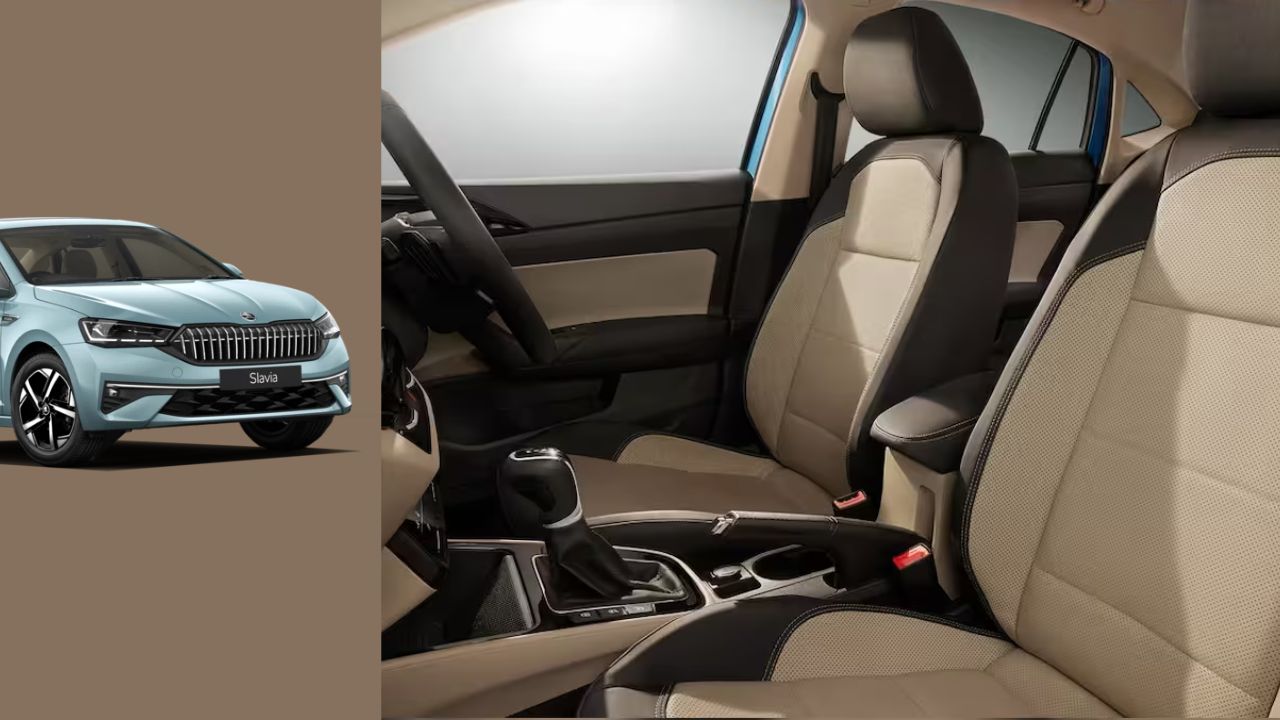
The dual-tone black-and-beige cabin and two-spoke steering wheel stay. What’s new is the equipment list:

  • 10.25-inch digital driver’s display
  • 10.1-inch touchscreen with wireless Android Auto and Apple CarPlay, plus Google Assistant
  • Rear seat massaging function
  • 360-degree camera
  • Single-pane sunroof, wireless charger and cruise control

Six airbags, ESC, hill-hold and tyre-pressure monitoring are on the safety sheet. ADAS is missing, and that matters because some rivals now offer it. The Slavia’s 5-star Global NCAP rating was earned under an older test protocol, so treat it as a strong result but not a like-for-like score against newer-protocol cars.

The 8-Speed Automatic Is the Real Upgrade

Skoda Slavia facelift brings new updates in the engine but the engine itself is old. The biggest mechanical change is the gearbox. The new 8-speed torque converter finds a way through the old 6-speed automatic on the 1.0 TSI. 

With 1.5L TSI, it stays on 7-speed DSG and rear disc brakes also given that makes the ride more smooth and comfortable. The fuel efficiency also makes better figures as the driving becomes more smooth. The facelift comes with the same engine which exists in the current model so expect the same 115 PS and 150 PS of power from the upgrade too.

Skoda Slavia Facelift vs Volkswagen Virtus and Hyundai Verna

Skoda Slavia Facelift vs Volkswagen

Skoda appeal will come down to how its pricing stacks up against the Virtus and Verna. That sounds right to me. The Virtus shares its platform and engines with the Slavia, so the real contest there is Skoda’s features and pricing against Volkswagen’s. 

Skoda offers turbo-petrol engines and a rear massage function which Verna doesn’t offer yet, so if you are looking for a car with more comfortable features then Slavia is a better choice. In the price range of Rs 12 lakh to Rs 21.36 lakh, there is one more brand that offers space and refinement, not speed is the Honda City. check the price each and every car from the dealer.

Should You Buy the Skoda Slavia Facelift?

Buy the Skoda Slavia Facelift if the driving feel matters as it provides ADAS, comfortable seats, and large screen.

Pick your variant like this:

  • Under Rs 11 lakh: Classic Plus MT at Rs 10.99 lakh. The Classic at Rs 9.99 lakh is a starting price, not a recommendation.
  • City commuters: Classic Plus AT at Rs 12.49 lakh, if the equipment suits you.
  • Feature seekers: the Signature AT at Rs 14.94 lakh is the first step where the new tech is likely to appear. Confirm it first.
  • Enthusiasts: the 1.5 TSI Monte Carlo DCT at Rs 18.84 lakh is the one that justifies a Skoda badge.

 👉  5 Lowest-Priced Maruti Suzuki Cars Featuring Automatic Transmission in India

Conclusion

The Skoda Slavia facelift is more than a visual update. The new 8-speed automatic, added cabin features, 360-degree camera and rear seat massage function give it a stronger case against the Volkswagen Virtus and Hyundai Verna. The engines remain familiar, but the gearbox update should make the 1.0 TSI easier to live with in daily city traffic.

At Rs. 9.99 lakh to Rs. 18.84 lakh, the Slavia still covers a wide price range. The Classic Plus AT looks like the sensible starting point for an automatic, while the 1.5 TSI DCT remains the pick for buyers who want stronger performance. Before booking, check the exact variant-wise equipment and dealer quote, since the nearly Rs. 3 lakh jump between some trims makes choosing the right version important.

0

DIY Car Care: Simple Checks to Keep Your Vehicle Running Smoothly

Published Jun 4, 2026, 10:29 AM
Last Updated Nov 2, 2026, 6:29 PM

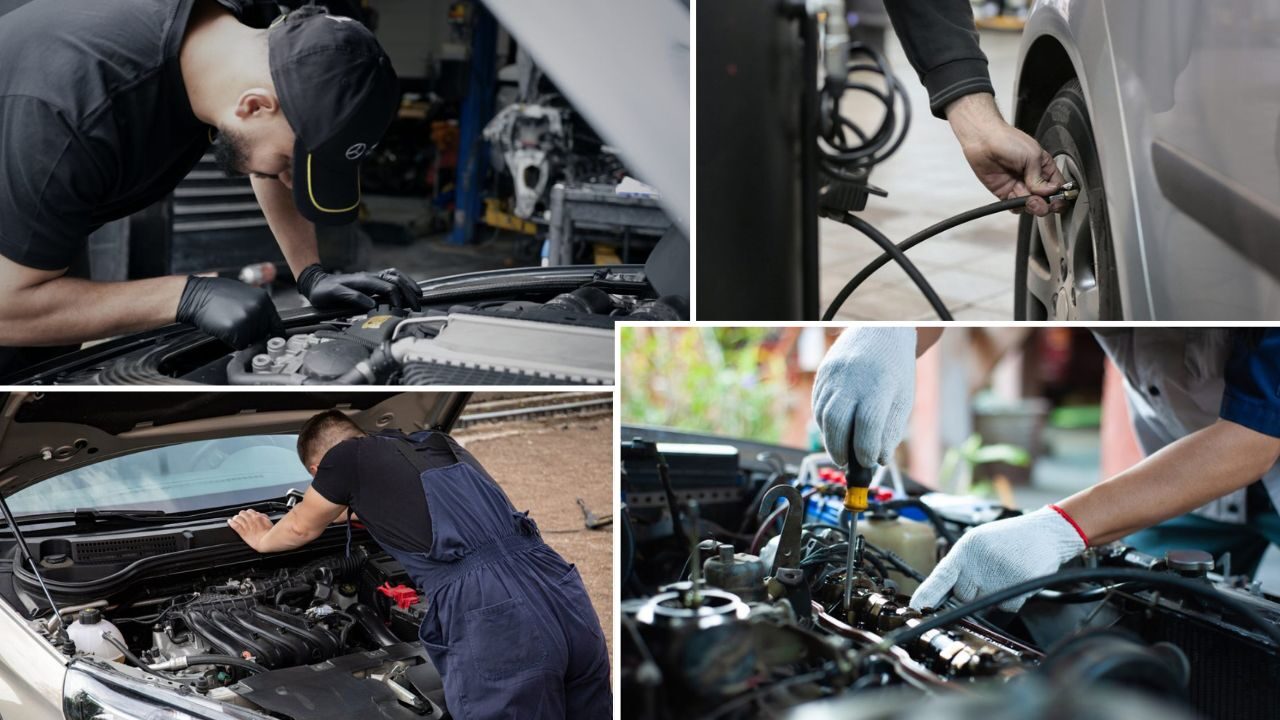
DIY Car Care

Your true road partner is your car, and you need to take care of her regularly. Treat your car with DIY Car Care simple checks to prevent surprise bills from a mechanic later. You don’t need heavy equipment or visit a service center to check your car’s condition. Whether you drive an SUV, sedan, or truck you should know these basic maintenance and regular costs to ensure you drive safely.  

Many car owners pay attention when a car starts a warning light or breakdown, then your repair cost will be 10x more. Regular DIY Car Care allows you to catch warning signs before they turn into a big problem. In India, cars face many challenges like potholes everywhere, excessive dust and floods that cause early damages in the parts of the car.

Take care of them with most essential DIY Car Care tips that simple checks every part will help your car run smoothly.

Why DIY Car Care is Non-Negotiable in India

Indian roads are brutal and exhaust your car earlier than its time. Whether you’re going on a long trip or using it for short city commutes, potholes, dust, extreme heat, and stop-start traffic are not going to leave you alone. There are reasons why you cannot afford to ignore simple checks:

Road Conditions

Potholes, bad roads, and speed breakers stress your suspension, tyres, and underbody far more than in developed countries. Regular checks catch damage early.

Extreme Climate

45°C summers degrade coolant, tyres, and batteries fast. Monsoons cause rust, electrical shorts, and brake fade. Each season needs specific attention.

Traffic & Stop-Go

Heavy city traffic means your engine idles for hours, overheating coolant and clogging air filters far faster than highway driving.

Fuel Adulteration Risk

Adulterated or low-quality fuel damages injectors and carburettors. Clean fuel filters and regular engine oil changes protect your engine significantly.

Read More:-  Car Maintenance Tips That Save Money And Valuable Time

Essential DIY Checks Every Indian Car Owner Must Know

You need to visit a mechanic for simple car checks. Most require zero tools or a simple ₹50 torch. Let’s go one by one. 

1. Engine Oil Level Check 

You must check your car’s engine oil level at every 1000 km or monthly. Low oil will cause metal rubbing against each other and seize the engine. Open the bonnet, pull the dipstick, wipe it clean, re-insert, pull again. Now check the level of oil, it must sit between min and max points. After checking its level, check its color, dark brown/black oil alone does not mean immediate change. Judged by the service interval, oil level, and owner’s-manual guidance. .

Due to dust and traffic heat, engines consume oil faster. Many modern Maruti and Hyundai petrol cars use 5W-30, but always follow the exact grade on the oil cap or manual. Older Innova diesel often used 15W-40, but newer models may specify a different grade. Always buy branded oil — Castrol, Shell, Motul are trusted names. 

Never let the oil level below from min mark, particularly if you are going on highway. Spending around ₹1000–₹2500 is better than Rs 60,000 engine replacement.

2. Coolant / Radiator Water Level 

Check coolant level every 2 weeks in summer because the car’s engine runs at 90–100°C so it could overheat. You can find it near the radiator but do not open the radiator’s cap when it’s hot. The level of coolant must sit between LOW and FULL marks.

Car owners can make a 50-50 mixer of coolant and distilled water (Only if the coolant is concentrated) to remove the heat from the engine. But do not use tap or RO water, it will block your radiator. Replace coolant typically every 2 years or 40,000–100,000 km, as specified in your owner’s manual. 

3. Tyre Pressure & Condition 

Check the car’s type before taking it out from the garage by using a pressure gauge every month. Most hatchbacks commonly need around 30–36 PSI. Check the sticker inside your driver’s door or owner’s manual. Because Under-inflated tyres can cause fuel waste.

Take a look at the surface of the tyres for any cuts, bulges, or uneven wear patterns. Uneven wear signals misalignment or shock absorber problems. Don’t forget the spare tyre — you will regret it on longer trips.

4. Battery Health Check 

Car batteries do not survive long in India. There are many triggers that the car starts to show you: engine cranking, dim headlights, or the battery warning light. Check the electrolyte level in each cell to keep it at top. 

Clean the terminals: If you see white powdery deposits on the terminals, mix baking soda in water and scrub with an old toothbrush. Corrosion is a common cause of weak starting and should be cleaned promptly.

5. Brake Fluid & Brake Pad Inspection

Brakes are not negotiable. If your brakes stop working, it can cause a serious incident on the road. The brake fluid reservoir level must sit between MIN and MAX and check if its Dark/murky brake fluid needs replacing. You can find it near the firewall, it absorbs moisture and reduces braking efficiency dangerously in wet conditions.

Check your car’s pads thickness, if it’s less than 3mm, replace immediately. A worn pad will cause noise while braking. Grinding metal sound will later cost you highly. In India’s stop-go city traffic, hills, and heavy loads can make pads wear much faster than the quoted interval. Front pads commonly last about 25,000–50,000 km.

Read More:-  Kendrick Lamar Car Collection is Classic Garage With Old & New Luxury Cars

6. Air Filter Inspection

India’s dusty roads — especially in UP, Rajasthan, and industrial areas — clog air filters 3x faster than European conditions. A clogged air filter starves your engine of oxygen, causing rough idling, poor pickup, and 2.5% fuel-economy drop from a clogged filter in the tested condition.

Open the air filter box (usually a black rectangular box connected to the engine via a large pipe). Remove the filter. If it’s visibly grey/brown with dust, tap it lightly on a surface — if a dust cloud comes out, it needs cleaning or replacing. Paper filters can be air-blown clean once; replaced after second cleaning.

7. Windshield Washer & Wiper Blades

In monsoon, visibility is mandatory while driving. Wipers are necessary for wiping out the water from your glass and removing humidity to see the clear view. Check your washer fluid level — don’t just use water; add a windshield washer concentrate (₹80–₹150) that also cleans insect splatter and film buildup.

Wiper blades are necessary particularly in the monsoon season. If they are broken or don’t work then change it. Worn wipers are a serious safety risk in heavy rain. Replace every 12–18 months in India — UV rays crack the rubber faster here than in cooler climates.

8. All Lights Check

Check every light in a car both outside and inside. Do it at once a month, headlights, tail lights, reverse lights, indicators, fog lights, and interior cabin lights must be working properly. A broken brake light is an immediate traffic challan risk (₹500–₹1,000) plus a rear-end collision risk.

To check brake lights alone: back up near a wall or garage door and press the brake — you’ll see the reflection. Or ask someone to stand behind. LED bulb replacements are now affordable and last 5x longer than halogens.

9. Belt & Hose Visual Inspection

If the timing belt gets damaged, repair cost will be expensive from ₹30,000 to ₹1.5 lakh. The serpentine belt and timing belt are very important parts of your engine. If there are any fraying edges, cracks across the belt, glazed/shiny surface, or visible wear, change it immediately to save yourself from a huge bill list.

Hoses: Remember that engine must be cool before you touch hoses. They should feel firm but slightly flexible. If they feel tight, hard or too soft then change it. Leaking hoses leave a puddle under your car — never ignore a puddle.

10. Underbody & Fluid Leak Check

After parking overnight, check the ground under your car. Any puddles? Clear water from AC drain = normal. Oily dark patch = engine oil or gearbox leak. Reddish fluid = power steering or automatic transmission fluid. Yellowish-green = coolant leak. Each means something specific is failing.

Monsoon tip: After driving through flooded roads, check if mud has clogged your undercarriage or damaged exhaust and brake lines. Get a pressure wash done if you drive through deep water.

Read More:- How to Maintain Your Car Engine Properly

Cost Comparison: DIY vs Garage in India

Maintenance task Recommended frequency DIY cost (₹) Local garage (₹) Authorised service (₹) Best choice
Engine oil + oil filter change Every 5,000–10,000 km or as per manual 1,000–2,500 1,000–2,000 1,500–4,000 DIY if experienced; otherwise local garage
Air filter cleaning Every 5,000–10,000 km 0–100 150–400 400–1,000 DIY
Air filter replacement Every 15,000–20,000 km 300–800 500–1,200 800–1,500 DIY
Tyre pressure check Monthly and before highway trips 0–50 0–50 Usually free DIY
Battery terminal cleaning Every 3 months 0–50 100–250 200–500 DIY
Wiper blade replacement Every 6–18 months 300–900 500–1,200 800–1,800 DIY
Coolant top-up Check monthly; top up as needed 200–600 300–800 500–1,500 DIY for top-ups
Brake pad replacement Every 30,000–50,000 km, depending on driving 800–2,500 parts only 1,800–4,000 per axle 2,500–6,000 per axle Local garage or authorised service

India-Specific Seasonal DIY Car Care Calendar

Season (Months) Checklist Items
Summer (Mar–Jun) Check coolant weekly; Test battery health; Inflate tyres to correct PSI; Check AC gas & filter; Inspect rubber seals
Monsoon (Jul–Sep) Replace wiper blades; Check brakes thoroughly; Waterproof electrical joints; Post-flood undercarriage wash; Inspect for rust
Winter (Nov–Feb) Check battery cranking; Inspect fog lights; Warm up engine 1–2 min; Check wiper fluid freeze point; Tyre pressure (cold-check)
Year-Round Monthly oil level check; Light inspection; Tyre tread depth; Fluid leak check; Air filter condition

Conclusion

DIY Car Care is absolutely worth it in India. Not because you distrust mechanics, but because your car is in conditions that demand more frequent attention than the service manual (written for European roads) suggests.

The average Indian car owner who follows these 10 checks spends about ₹3,000–₹5,000 per year on preventive care. Those who ignore it? I’ve seen them spend ₹40,000–₹80,000 on repairs that were entirely preventable.

  • Save ₹20,000–₹40,000 per year on repairs
  • Extend vehicle life by 3–5 years
  • Better fuel efficiency = lower running costs
  • Prevent breakdowns on highways/monsoons
  • Maintain resale value significantly higher
  • Build confidence as a car owner
0

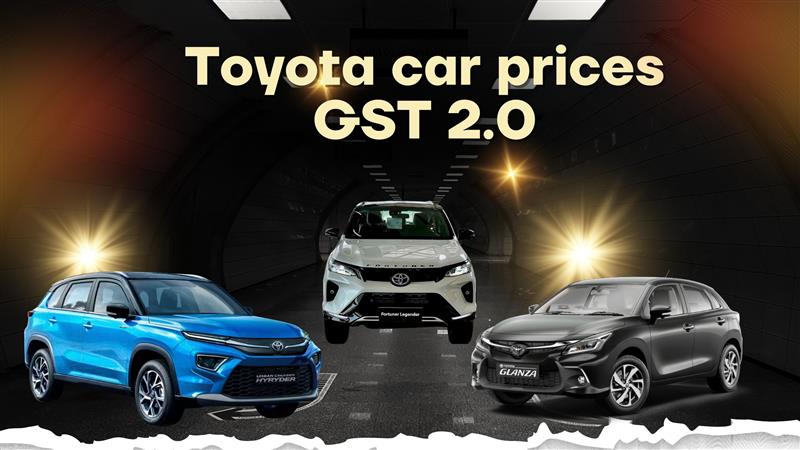
Toyota Car Prices After GST 2.0 – Full List of Revised Prices & Savings

Toyota Kirloskar Motor has announced big price reductions on all its cars after GST 2.0, which came into effect on September 22, 2025. The company is planning to deliver all the benefits with the customers with Toyota car prices GST 2.0, resulting in significant savings between ₹48,700 and ₹3.49 lakh. The price varies upon the variant and model of the car. This is the big opportunity for Indian buyers to buy Toyota’s favorite model at less price.

The Revised GST Structure Changes

The reform GST structure and reduced tax are changed accordingly across small and large vehicles.

Small Cars

Petrol engines up to 1200cc Reduced from 29% to 18%
Diesel engines up to 1500cc Reduced from 31% to 18%

Larger Cars

Mid-size cars with engines up to 1500cc Reduced from up to 45% to 40%
SUVs with engines exceeding 1500cc Reduced from up to 50% (28% GST + 22% cess) to 40%

Model-Wise Price Reductions

Entry-Level and Compact Cars

Toyota Glanza

Price reduction Up to ₹85,300
Tax rate change 29% to 18%
New price range ₹6.39 lakh to ₹9.14 lakh According to the ex-showroom price
Savings Good savings around 8.5% 

Toyota Taisor

Price reduction Up to ₹1.11 lakh
Tax rate change 29% to 18%
New price range ₹7.21 lakh to ₹11.91 lakh According to the ex-showroom price
Savings Maximum savings 

Toyota Rumion

Price reduction Up to ₹48,700
Tax rate change 45% to 40%
New price range ₹10.44 lakh to ₹13.61 lakh According to the ex-showroom price
Savings Maximum savings up to 3.45%

Big Toyota SUVs

Toyota Urban Cruiser Hyryder

Price reduction Up to ₹65,400
Tax rate change 45% to 40%
New price range ₹10.95 lakh to ₹20.19 lakh According to the ex-showroom price
Savings all petrol, CNG, and hybrid variants gives good saving

Fortuner the big SUV

Price reduction ₹3.49 lakh (highest among all Toyota models)
Tax rate change 50% to 40%
New price range ₹33.65 lakh 
Savings Maximum savings on GR-S 4×4 AT variant

Fortuner Legender

Price reduction Up to ₹3.34 lakh
Tax rate change 50% to 40%
New price range ₹41.54 lakh to ₹46.75 lakh According to the ex-showroom price 
Savings Maximum savings 

MPVs and Family Vehicles

Innova Crysta

Price reduction Up to ₹1.81 lakh
Tax rate change 50% to 40%
New price range ₹18.66 lakh 
Savings Around 6.66%

Innova Hycross

Price reduction Up to ₹1.16 lakh
Tax rate change 50% to 40%
New price range ₹19.20 lakh to ₹31.34 lakh According to the ex-showroom price
Price drop  from 2.09% to 5.41%

Luxury Vehicles Price Drop

Premium Hilux 

Price reduction Up to ₹2.53 lakh
Tax rate change 50%
New price range ₹28.02 lakh

Toyota Camry

Price reduction Up to ₹1.02 lakh
Tax rate change 40%
New price range ₹47.48 lakh for both Elegant and Sprint variants

Toyota Vellfire

Price reduction Up to ₹2.78 lakh
Tax rate change Up to 40%
New price range ₹1.19 lakh to ₹1.29 crore
Price drop 1.22 cr drop to 1.20 cr

Land Cruiser 300

Price reduction No changes
Price range ₹2.15 crore to ₹2.24 crore

Read More :-  Chevy Silverado vs Ford F-150: Which Pickup Rules 2025?

Impact and Benefits for Customers

The New GST tax changes are implemented across all the Toyota cars and create a big advantage for their customers.

Enhanced Affordability

Now, most of the customers are attracted towards Toyota vehicles due to heavy price reduction rather than other segments.

Simplified Tax Structure

By removing complex cess calculation make price structure more simple

Festive Season Timing

In India, festive seasons boost the demands on most of the large products including cars. GST revision coincides with Navratri celebrations.

Transparent Pricing

Toyota’s commitment to passing full benefits, making the brand’s approach customer-centric.

Market Positioning

The price reduction reflected Toyota’s market position, boosting it to the next-level.

Entry-level segment

Glanza and Taisor become more competitive against Maruti Suzuki and Hyundai offerings

The SUV segment has become accessible to most of the buyers while its position remained premium.

The MPV dominance and Luxury segment are premium segments that hold the special value and its excellent models make up Toyota’s leadership. 

Conclusion

The new price of Toyota cars are impressive and attract many buyers to its excellent models including Fortuner, Crysta, and Glanza. Whether you want to buy small cars or large cars, the price reduction under the GST 2.0 applies to all the Toyota’s except Toyota Land Cruiser 300. The changes of Cruiser are too minor and don’t affect its old cost. But other luxury cars like the Vellfire and Camry price are also reduced.