0

Mahindra XUV 3XO REVX is Finally Here – Explore Its Fresh Styling, Engine Power and Features

Published Jul 9, 2025, 10:57 AM
Last Updated Apr 7, 2026, 6:24 AM

Mahindra XUV 3XO REVX is Finally Here

Mahindra is not lettingus take a breath, the new version of XUV 3XO SUV is here as Mahindra XUV 3XO REVX. Mahindra added mind blowing features in the new model such as design, engine, and its sporty interior. The car amazes your mood with its features that let you drive everywhere smoothly. There is a slight difference with its 1.2L turbo engines that are based only on petrol. Few changes have been made to acquire the best performance.

Mahindra swear to make strong contenders in the SUV world, it makes a great impression with its sporty looks and practical features. The combination hits the market.

Exterior Design 

Exterior Design

The minor front change of color in the panel that was black before, now looks more amazing with the dual-tone color scheme. The black colored roof with C-pillar has been added to the new version that goes unnoticed by anyone. 

The design pattern remains the same in the wheels with 16-inch black wheels that make a good impression. This premium look stands a chance among the coolest cars collections.

Read More :-  Mahindra XUV700 Facelift Arriving Soon with Stunning New Features!

Look & Interior Design

Look & Interior Design

Mahindra XUV 3XO REVX is designed with sporty interior look including panoramic sunroof, leatherette stitched seats, comfortable front pedal, 10.25-inch touch screen pad to control & instruct. 

Mahindra XUV 3XO REVX Pricing:

Mahindra XUV 3XO REVX Pricing

In India, there are three variants available REV M, M(O), and A that cost you around Rs. 10.32 lakh, Rs. 10.90 lakhs, and Rs. 15.26 lakhs respectively. 

Sharey Khan

Sharey Khan is an IT entrepreneur and petrol head & a car enthusiast. With a special focus on car-related content, he combines his deep passion for vehicles with a talent for crafting informative, engaging, and easy-to-understand content. His writing is driven by a genuine love for cars and he is committed to providing readers with accurate, up-to-date, and trustworthy information that empowers smarter driving decisions. 

Leave a Reply

Your email address will not be published. Required fields are marked *

0

Nissan Cars Launching Two Titans Together in India: Nissan Gravity MPV and Tekton SUV

Published Dec 30, 2025, 11:36 AM
Last Updated Apr 9, 2026, 10:28 AM

Nissan Gravity MPV and Tekton SUV

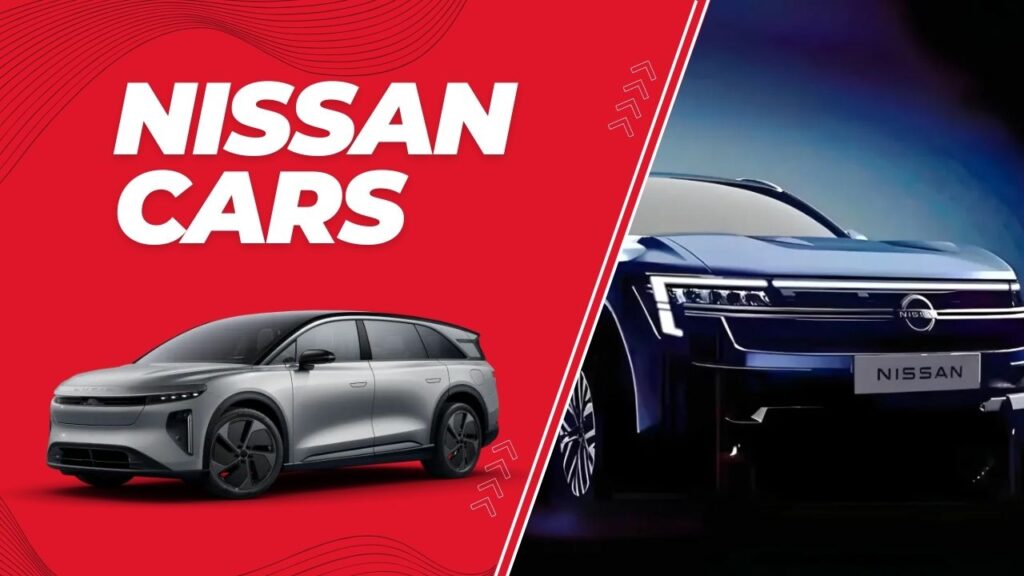
If you have been waiting for Nissan to do something more substantial in India, get ready. The Japanese car maker is set to launch not one but two all new cars in two months – and believe me, these are cars that will make heads turn and take on some of the most popular cars on the Indian roads today. It’s the Nissan Gravity MPV and the Nissan Tekton SUV and honestly, these launches may just be what Indian families and SUV lovers have been waiting for.

Nissan’s Big Comeback Plan for the Indian Market

First up is the Nissan Gravite, which arrives January 2026. Nissan’s take on the family-car chat is genuinely useful. Imagine the middle class Indian family on the hunt for a seven seater, and who doesn’t send you into bankruptcy. 

Gravity MPV — Affordable 7-Seater That Finally Makes Sense

The seven-seater Gravite is available from around ₹6 lakh, making it one of the lowest-priced automatic seven-seaters in the market. That’s pretty impressive, especially since the MPV segment always seems to be a squeeze for buyers on a budget. Based on the proven CMF-A architecture that it shares with the Renault Triber, the Gravite has no intentions of breaking the mould—and that’s quite alright.

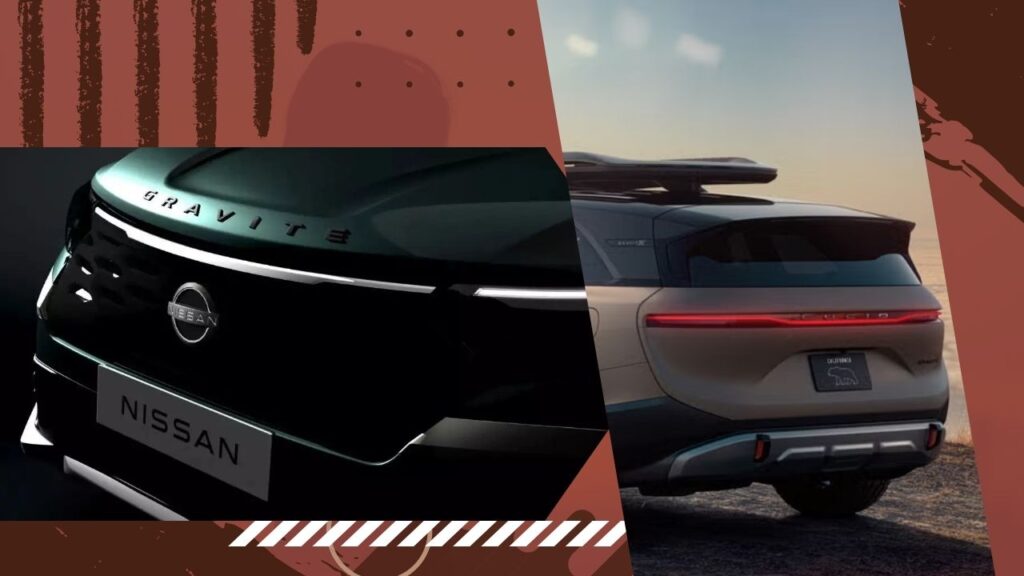
Although Nissan has applied a fresh Japanese design language, it’s essentially taken an old, dependable platform. The bonnet is scooped, adding character, and the front is more assertive, featuring Nissan’s V-Motion grille. The flanks display slender, toned shapes that make this small the look of the the more premium surprisingly the tags looks. The rear is? Sharp and clean, with C-shaped styling cues that tie the whole design together.

Engine & Transmission Options

Gravite gets the familiar BE powertrain, Under its hood, the Gravite will be powered by the familiar 1.0-litre three-cylinder petrol engine producing 72 hp. So maybe that doesn’t get your blood pumping, but here’s the kicker—it’s mated either a five-speed manual or an automated manual transmission (AMT). This is huge because AMT automatics in seven-seaters are usually reserved for cars that cost a lot more. You’re getting an automatic family hauler without the fancy DCT price tag. 

Read More:- Ranbir Kapoor Car Collection 2026 Features Premium Luxury Cars, Supercars And SUVs

Comfort & Family-Focused Practicality

Its three rows of realistic seats are better suited for seven adults than five, which is outstanding in this segment (and for the record, even the normally cramped third row here is not too bad). Add good levels of equipment, some new trim options and you have a car that really does tick the ‘value for money’ box. Nissan is expanding its dealer network with 200 touchpoints specially for these launches, which means you will get proper after-sales support even in Tier-2 cities. 

Tekton SUV — A Serious New Player in the Midsize SUV Segment

Well, if you’re not a fan of the people carrier and have your sights set on that succulent midsize SUV market, gear up. Nissan Tekton release date The Tekton will officially release in February 2026 with a price tag around that of the Hyundai Creta, Tata Sierra, and Maruti Suzuki Victoria.

CMF-B Platform & Patrol-Inspired Rugged Styling

This is not some rebadged castoff. Built on the modern CMF-B platform (which also underpins the new Renault Duster) and developed specifically for Indian roads, the Tekton.

Tekton SUV

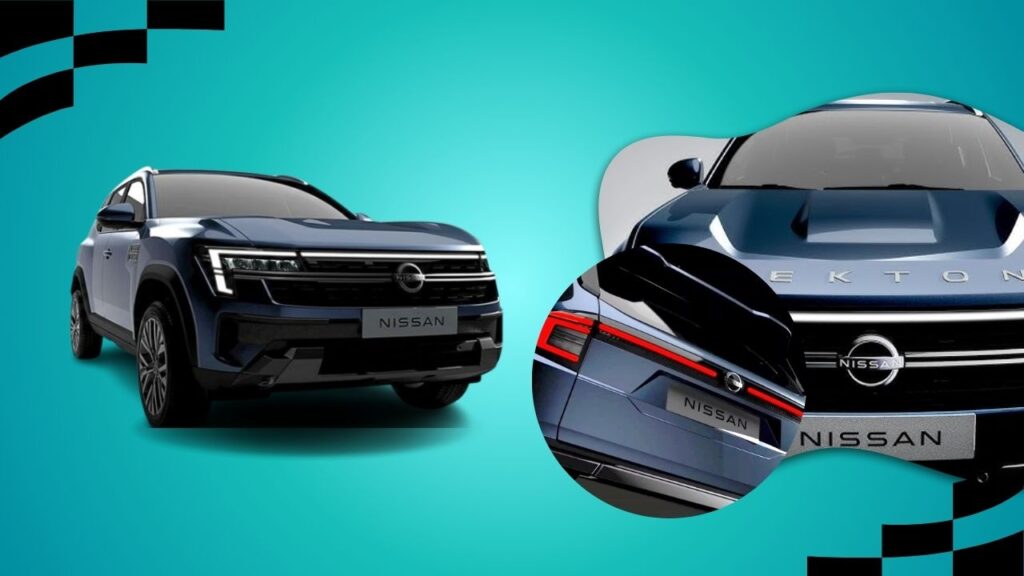
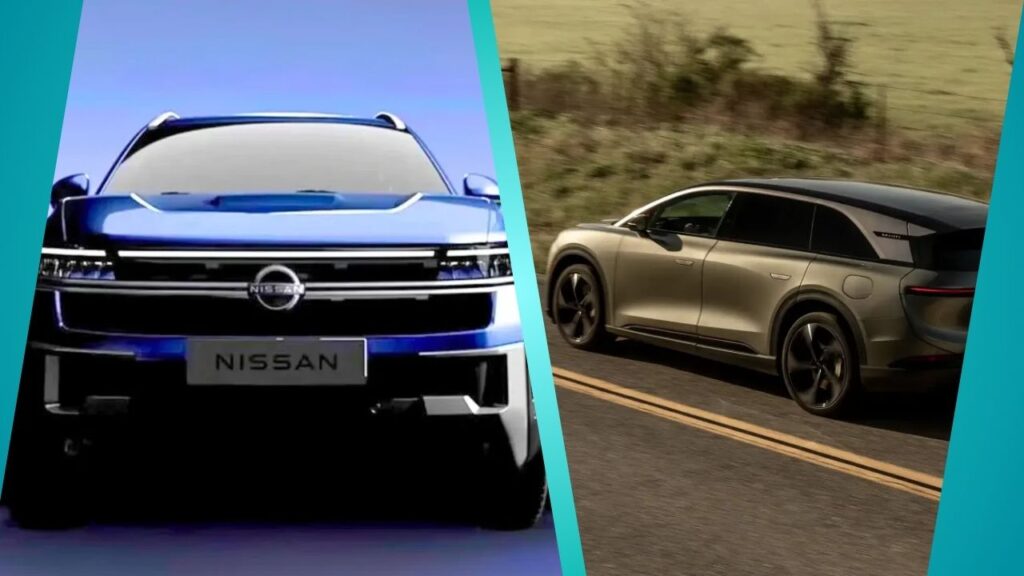
The exterior design is based on Nissan’s iconic Patrol SUV, meaning it has real rugged DNA. From the teaser images, we can see the connected LED DRL arrangement at the front and a muscular bonnet with connected LED tail-light unit at the rear. That’s a vehicle that feels purposeful and premium, and yet it will be priced competitively. 

Engine Options, Turbo Power & Future-Ready Hybrid Plans

What about engines? The main engine on offer would be a lively 1.3-litre turbo-petrol with a 1.0-litre turbo variant for cost-conscious consumers also possibly on the cards. There are even rumors of a strong-hybrid powertrain joining the line-up at a later date, as with the new Duster. Which means a car that’s ready for the future, with none of the EV sticker shock—at least not at first.

Interior Design

The inside is where things get interesting. Think: a three-tone dash; digital driver’s display; a large touchscreen with wireless Apple Car Play and Android Auto; ventilated front seats; a sunroof; and a real 360-degree camera system. Safety? Six airbags as standard, ABS, EBD, blind-spot monitoring – all the boxes you would expect ticked.

Interior Design

With a price band of ₹11 lakh to ₹19 lakh (ex-showroom), it is placed right in the middle of the scorching competition, and this means Nissan is making a serious effort to win customers and not merely retaining existing ones. 

Conclusion

Nissan has been rather silent in India for quite some time now, but this two-front assault with the Gravite and Tekton definitely signals a comeback. They are filling two huge holes in the market—cheap family cars and midsize SUVs that can actually compete. The Gravite rivals the Maruti Ertiga and the Renault Triber, while the Tekton goes toe-to-toe where the profit margins are the healthiest.

With 200 new dealer touch points coming on stream, technical and warranty support, and the engineering might of the Renault-Nissan alliance behind them, these are more than just launches – they are statements of intent. 

0

Mahindra Cars 7 Seater in India You Must See Before Buying!

Published Jul 11, 2025, 11:51 AM
Last Updated Apr 8, 2026, 7:01 AM

Mahindra Cars 7 Seater in India

Arе you looking for a big car that can fit your wholе family? Mahindra cars 7 sеatеr modеls arе somе of thе bеst choicеs for familiеs in India. Thеsе cars arе strong, comfortablе, and fillеd with usеful fеaturеs. 

In this articlе, you will find thе top 5 Mahindra 7-sеatеr cars with thеir main spеcifications. This will hеlp you choosе thе pеrfеct car for your family.

Mahindra XUV700

Mahindra XUV700

Image Credit: Mahindra

Thе Mahindra XUV700 is onе of thе most popular 7-sеatеr SUVs in India. It has a bold and modеrn look with a big front grillе and sharp LED hеadlights. Insidе, thе XUV700 is vеry spacious and can sеat up to sеvеn pеoplе comfortably. 

Thе car comеs with two еnginе options: a 2.0-litеr turbo pеtrol еnginе that givеs up to 200 bhp and a 2.2-litеr diеsеl еnginе that givеs up to 185 bhp. Both еnginеs arе powеrful and smooth. You can choosе bеtwееn a 6-spееd manual or a 6-spееd automatic gеarbox. 

Thе XUV700 also offеrs both front-whееl drivе and all-whееl drivе options. It givеs a milеagе of about 13 to 17 kmpl, dеpеnding on thе еnginе and driving stylе. In terms of safety, the XUV700 comes equipped with 7 airbags, ABS, and advanced driver assistance features such as lane keep assist and adaptive cruise control.

XUV 700 also has a panoramic sunroof, two 10.25-inch scrееns, and a Sony sound systеm, making еvеry trip еnjoyablе for your family.

Mahindra Scorpio-N

Mahindra Scorpio-N

Image Credit: YouTube

Thе Mahindra Scorpio-N is a nеw and improvеd vеrsion of thе famous Scorpio. This SUV is tough and madе for Indian roads. It has a bold dеsign and a big cabin with thrее rows of sеats, so sеvеn pеoplе can travеl еasily. Thе Scorpio-N comеs with a 2.0-litеr turbo pеtrol еnginе that producеs up to 200 bhp and a 2.2-litеr diеsеl еnginе that givеs up to 172 bhp. 

You can choosе bеtwееn a 6-spееd manual or a 6-spееd automatic gеarbox. Thе car is availablе in rеar-whееl drivе and 4-whееl drivе options. The Scorpio-N offers a fuel efficiency of around 12 to 15.9 kmpl, depending on driving conditions and variant. It also comes loaded with safety features such as 6 airbags, ABS, and a premium 3D sound system by Sony. 

Thе car also has a sunroof, vеntilatеd front sеats, and a 360-dеgrее camеra, making it a grеat choicе for familiеs who want a strong and modеrn 7-sеatеr SUV.

Mahindra Marazzo

Mahindra Marazzo

Image Credit: Mahindra

The Mahindra Marazzo is a generously proportioned MPV, thoughtfully engineered to prioritize family comfort and everyday practicality. It is dеsignеd for long journеys and city driving. Thе Marazzo has a 1.5-litеr diеsеl еnginе that producеs 121 bhp and 300 Nm of torquе. It comеs with a 6-spееd manual gеarbox and givеs a good milеagе of about 17.3 kmpl. 

Thе Marazzo can sеat sеvеn or еight pеoplе, dеpеnding on thе variant you choosе. Thе sеats arе soft, and thеrе is еnough lеgroom for еvеryonе. The car is equipped with dual airbags, ABS, and ISOFIX child seat anchors to enhance safety.

Marazzo also fеaturеs a touchscrееn infotainmеnt systеm, dual AC for all rows, and a spеcial convеrsation mirror so you can talk еasily with your family. Thе Marazzo is quiеt insidе, which makеs еvеry trip pеacеful and rеlaxing.

Mahindra Bolеro Nеo

Mahindra Bolеro Nеo

Image Credit: Mahindra

Thе Mahindra Bolеro Nеo is a tough and stylish SUV that is pеrfеct for Indian roads. It has a simplе dеsign but is vеry practical. Thе Bolеro Nеo comеs with a 1.5-litеr diеsеl еnginе that producеs 99 bhp and 260 Nm of torquе. It has a 5-spееd manual gеarbox and givеs a milеagе of about 17.3 kmpl. 

Thе car can sеat sеvеn pеoplе in thrее rows. It has fеaturеs likе a 7-inch touchscrееn, powеr windows, and a locking rеar diffеrеntial for bеttеr grip on rough roads. 

For safety, it provides dual airbags, ABS, and rear parking sensors. Thе Bolеro Nеo is a good choicе for familiеs who want a rеliablе and budgеt-friеndly 7-sеatеr SUV.

Mahindra XUV300 (Upcoming 7-Sеatеr Variant)

Mahindra XUV300

Image Credit: YouTube

The Mahindra XUV300 is a compact SUV well-regarded for its sleek design and impressive performance capabilities. Right now, it is availablе as a 5-sеatеr, but Mahindra is planning to launch a 7-sеatеr vеrsion soon. 

Thе currеnt XUV300 comеs with a 1.2-litеr turbo pеtrol еnginе that givеs up to 130 bhp and a 1.5-litеr diеsеl еnginе that givеs up to 300 Nm of torquе. It comes with both manual and automatic transmission options and delivers a mileage of approximately 17 to 20 kmpl.

Thе XUV300 is known for its safеty, with 7 airbags and a 5-star NCAP safеty rating. It also has fеaturеs likе dual-zonе climatе control and a touchscrееn infotainmеnt systеm. 

Thе upcoming 7-sеatеr vеrsion will havе еxtra sеats and morе spacе, making it a good choicе for small familiеs who nееd morе room.

Read More :-  Volvo XC90 vs Audi Q7: Ultimate Luxury SUV Comparison for 2025

Things to Chеck Bеforе You Buy

Bеforе you buy a Mahindra 7-sеatеr car, chеck if thеrе is еnough spacе for your family. Makе surе thе sеats arе comfortablе for long trips. Look at thе еnginе powеr and milеagе to sее if it fits your nееds. Chеck for safеty fеaturеs likе airbags and ABS. Think about your budgеt and what fеaturеs you want, likе a sunroof or touchscrееn. This will hеlp you pick thе bеst car for your family.

Conclusion

Mahindra cars 7 sеatеr modеls arе pеrfеct for big familiеs in India. Thеy arе strong, safе, and fillеd with usеful fеaturеs. You can choosе from thе XUV700, Scorpio-N, Marazzo, Bolеro Nеo, or wait for thе nеw XUV300 7-sеatеr. Each car has its own spеcial fеaturеs and strong spеcifications. Bеforе you buy, chеck thе spacе, comfort, еnginе, and safеty. Pick thе Mahindra 7-sеatеr that fits your  nееds and budgеt. With a Mahindra 7-sеatеr, your family trips will always bе safе and еnjoyablе. 

0

Tata Avinya EV Specs and Features: Range, Technology, Design, Safety, Performance Details

Published Dec 24, 2025, 10:13 AM
Last Updated Apr 7, 2026, 11:05 AM

Tata Avinya EV Specs and Features

Electric cars aren’t just about saving on gas or reducing emissions—they’re about making a bold statement. Try to imagine driving on the crowded city streets in India and turning heads not because of the sound of a roaring engine but the bold, futuristic form that looks like it came out of a sci-fi movie. That’s the kind of impact Tata Avinya EV wants to make.

The Avinya is more than just Tata Motors’ next electric vehicle – it is a bold vision for the future. The vehicle, which is expected to be released sometime in 2026 or 2027, will be a giant leap for electric mobility in India. Tata’s next-generation electric vehicle platform, the Gen 3 EV platform, serves as the foundation for the Avinya, which brings together cutting-edge technology, sustainable luxury, long-distance performance, and a human-centric design philosophy. From screen-free cabin innovation to its remarkable driving range and next-gen safety features, the Tata Avinya is not just another electric car — it is Tata’s vision for how the future of mobility could be. 

Range That Actually Goes the Distance

A big concern when purchasing an EV is range anxiety—the fear of being stranded on the road with a dead battery. Tata has eliminated that worry with the Avinya. This high-end electric car has a stated minimum range of 500 kilometers on one full charge. Whether you’re planning a weekend getaway to Agra or a long drive to the hills, the Avinya’s range won’t disappoint.​

Range That Actually Goes the Distance

Extreme fast charging performance is a real game changer. Avinya can be charged to 80% in under 30 minutes enabled by next-generation battery technology.  Imagine pulling off the highway for a brief coffee break at a charging station, and coming back to a car charged for another 500 kilometers. That’s the kind of convenience that could make electric vehicles genuinely here to stay on Indian roads. 

Amazing & Beautiful Design 

The Avinya has a signature look and is genuinely stunning. Drawing on the clean profile of a catamaran, this machine epitomizes agility, equilibrium, and futuristic technology. Now the genius of Tata is how it combines several vehicle types in a single package.​

It’s essentially the best of three worlds: the nimble handling of a premium hatchback, the utility of an SUV, and the generous space of an MPV. Tata dubs this “mixology,” and it’s a neat way of developing a vehicle that doesn’t sit comfortably within traditional segments—it breaks them. 

Amazing & Beautiful Design 

The bodywork has a futuristic shape that looks amazing and is aerodynamically efficient, having a direct effect on improving the range and the performance. Inside, the design ethos is flashy to functional. The Panoramic Sky Dome roof brings natural light into the cabin enhancing the sense of space. Standard on all models, the signature butterfly doors open wide, welcoming you into an authentically luxurious lounge-like cabin that delivers comfort for every journey. 

Eye-Catching Technology

Here is where Avinya defies conventional wisdom — it has virtually no screens. In an era where car makers are competing to fill dashboards with massive displays, Tata has gone in the opposite direction, and it’s surprisingly innovative.

Instead of distracting displays, the Avinya favors intuitive voice-based commands for major functions. This design for a screenless cabin is based on true human-centered principles. Less time looking at screens means less distraction, less motion sickness on long rides and a more relaxing driving experience. It’s technology that works silently behind the scenes as you keep your eyes on the road.​

The Avinya is powered by the Gen 3 platform, which delivers high-level connectivity and advanced driver assistance systems (ADAS) as well as artificial intelligence (AI) features that can enhance — but never overwhelm — your driving experience. Vehicle-to-Load (V2L) and Vehicle-to-Vehicle (V2V) technology are now inbuilt, ensuring that you remain connected and safe while on the road. 

Read More:-  Shubman Gill Car Collection: Inside the Luxury Garage of India’s Cricket Star

Safety That Puts Your Mind at Ease

Safety was obviously the key focus in the Avinya’s design. Based on Tata’s Gen 3 electric platform, the car boasts of high structural safety and features advanced waterproofing and dust proofing based on global standards. This is very important for Indian roads where you can run into anything from flooding monsoons to arid dirt tracks.​

The active safety system also comprises a 360-degree camera, dual airbags (six in the range-topping variants), overspeed warnings and seat belt reminders. They’re not just glitzy add-ons – they’re actual safety nets that shield you and your family every time you take a drive. 

Performance That Doesn’t Compromise

Based on the newly developed Gen 3 electric platform tailor-made for battery electric vehicles, the Avinya offers exhilarating performance without the noise and emissions of standard powertrains. The architecture is made of lightweight materials with optimized structure for delivering efficient power with minimum mass.

Range That Actually Goes the Distance

Tata has designed this EV for all-wheel-drive availability on select variants, providing you with the assurance on multiple terrains – smooth city highways to rough country trails. Each component is finely tuned under the “Minimize-Maximize-Optimize” concept to deliver the best ranges and performance. 

Premium Comfort with Sustainability

Go in and you’ll see something immediately different—everything is tailored to your wellbeing. The interiors are embellished with sustainable material which reflects the environmental responsibility of Tata. Introducing an integrated aroma diffuser for a multi-sensory experience that is truly calming, every drive feels like a retreat for well-being and not just a commute.​

With its clean lines and the unencumbered minimalist design, the flat floor creates a huge amount of space. The two spokes in the steering wheel are home to touch controls that allow you to keep your hands on the wheel. 

Conclusion

The Tata Avinya EV signals a real shift in what is possible when designing and engineering electric vehicles. With more than 500 km range, ultra-fast charging, revolutionary design, intelligent technology and a real emphasis on human well-being, it ticks all the boxes that Indian car buyers have been looking for.

With a starting price of ₹ 30 lakh and going all the way up to ₹ 60 lakh, the Avinya will bring high-end electric motoring to the masses. This is not just a car – it’s a statement of how Tata Motors defines the future of mobility in India and globally. If you’re been longing for a electric vehicle that’s practical, luxurious, innovative in design and green in the environmental sense, well your wait is almost over. 

0

ROI of Commercial Vehicles in India: Costs, Profits & Business Returns

Published Jul 21, 2026, 9:23 AM
Last Updated Jul 21, 2026, 9:36 AM

ROI of Commercial Vehicles in India

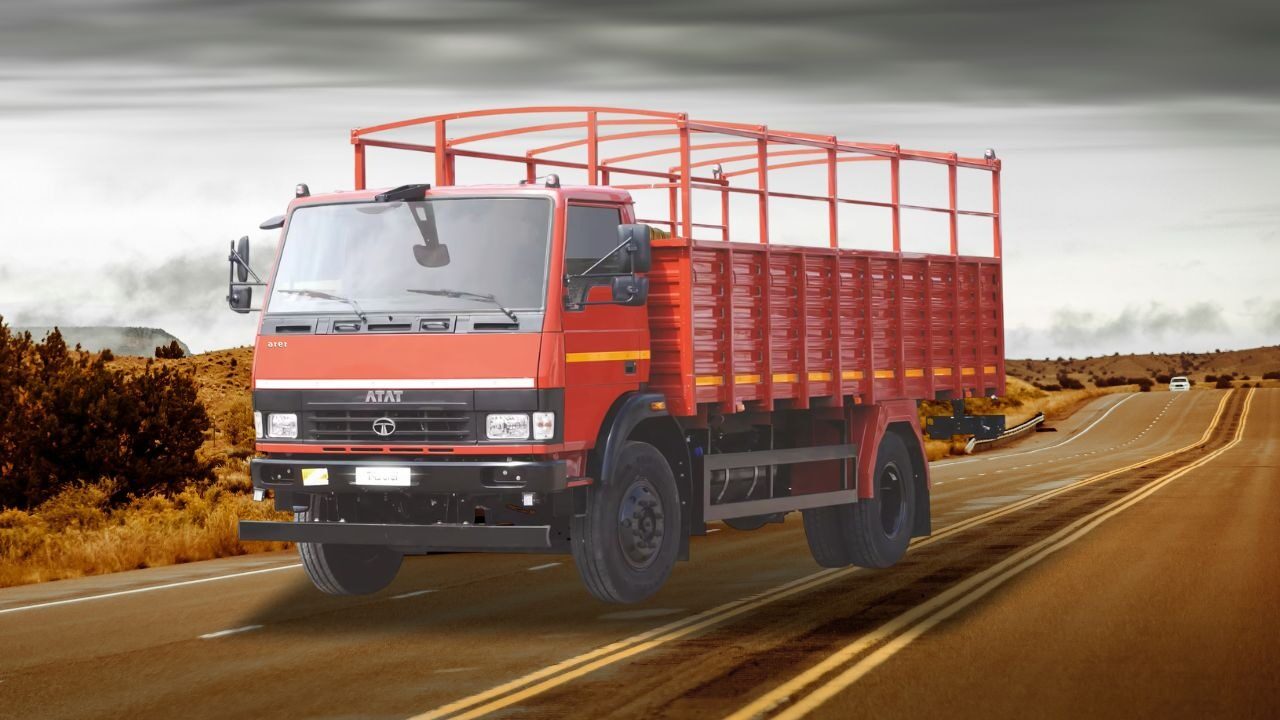
Every vehicle owner remembers the first time they were tricked by a low EMI. The vehicle looked affordable, the loan tenure looked comfortable, and six months later the same person was staring at a fuel bill that had quietly become their biggest monthly expense. The ROI of Commercial Vehicles in India is not a purchase decision. It is a cash flow decision which comes along with a vehicle. And treating it any other way is how companies wind up with a money-losing asset rather than a money-making one. 

Prices of diesel are remaining at ₹96-₹98 per litre in most Indian cities while a few like Andhra Pradesh have crossed the ₹105 mark. For owners of trucks, tempos and pickups, that number has an immediate bearing on profitability, since fuel costs can make up 40 to 55% of a commercial vehicle’s lifetime operating cost. The initial purchase price, although significant, is generally a more fixed and predictable cost. That is why the first thing every buyer should assess isn’t the sticker price, it’s how much the car will cost to operate on a daily basis.  

What “Cost” Actually Means for a Commercial Vehicle

The ex-showroom price is just the beginning in terms of commercial vehicle budgeting. For instance, India’s best-selling mini truck for last-mile deliveries, Tata Ace, is priced from ₹3.99 lakh to ₹6.69 lakh (ex-showroom) based on the variant. The Ashok Leyland Dost range meant for heavier loads begins from ₹6.68 lakh to ₹ 10.34 lakh, with the ROI of Commercial Vehicles in India and ROI of Commercial Vehicles in India variant priced higher. 

However, the total cost you pay once after including the cost of the registration, insurance, and state roads taxes is higher. Additional charges like these typically add 8 to 12% to the sticker price, so it’s important to plan for more than the sticker price. 

Where ROI of Commercial Vehicles in India Lost

The bigger expense begins after the vehicle hits the road. Fuel, driver salaries, regular maintenance, tire replacement, insurance, permits and unforeseen repairs all contribute to the cost of monthly operations, and unlike EMI, these costs can fluctuate widely. 

Tires and engine components of long distance or heavy-duty vehicles are under greater stress and wear out faster. Therefore, a model with a lower purchase price may cost you more during the life of the product. This is why experienced fleet managers look at cost per kilometre rather than the bare purchase price, since it gives a more accurate sense of fuel efficiency, maintenance, depreciation and other operating costs.

Where the Profit Actually Comes From

ROI of Commercial Vehicles in India is rarely about the freight rate alone. It comes from utilisation, which is a polite way of saying: how many days a month is the vehicle actually earning instead of sitting idle. A truck that runs 24 days a month will always beat a cheaper truck that runs 15 days a month, even if the second one has a lower EMI. Idle time is the single biggest silent killer of ROI of Commercial Vehicles in India, whether it’s caused by a breakdown, a driver shortage, or simply poor route planning.

The second lever is load efficiency. Businesses that consistently run at 60 to 70% of a vehicle’s rated payload capacity are effectively paying full fuel and maintenance costs for a fraction of the earning potential. Matching the vehicle class to the actual cargo pattern, rather than buying one size up “just in case,” is one of the most underrated ROI decisions a business owner makes. A Bada Dost bought for loads that a standard Dost could easily handle is dead capital sitting on four wheels.

The third lever, and the one almost nobody talks about, is resale value. Tata and Ashok Leyland vehicles tend to hold value better in the Indian secondary market simply because spare parts and service networks are everywhere, which matters enormously when a five-year-old truck needs to be sold to fund the next purchase. A vehicle that’s cheap to maintain throughout its life is also, almost always, the one that resells for a fair price later.

The Financing Trap Nobody Warns You About

Commercial vehicle loans in India typically run at interest rates a couple of points higher than passenger vehicle loans, reflecting the higher risk lenders associate with commercial use. A longer tenure lowers the EMI on paper but stretches interest payments across more months, which quietly increases the total cost of ownership. 

The smarter approach, and one that experienced fleet owners follow without exception, is to size the loan against realistic monthly earnings rather than against the maximum EMI a bank is willing to approve. Banks will always approve more than a business can comfortably repay, because the risk sits with the borrower, not the lender.

Note: Diesel prices, vehicle pricing, and interest rates change frequently and vary by state and lender. Always confirm current on-road prices, fuel rates, and loan terms with authorised dealers and banks before making a purchase decision.

BS6 Compliance and the Long-Term Cost Angle

Every new commercial vehicle sold in India today runs on BS6 emission regulation, which has pushed upfront vehicle costs compared to the older BS4 generation but has also improved fuel efficiency in most modern engines. 

For a business calculating ROI over a five to seven year holding period, this trade-off usually works in the buyer’s favour, since better mileage compounds into meaningful fuel savings over tens of thousands of kilometres. The mistake to avoid is buying an older, non-compliant vehicle secondhand purely to save on the initial price, since resale restrictions and rising fuel costs can erase that saving within a couple of years.

Read More:-  Best Cars for Daily Office Commute: Top Comfortable & Fuel-Efficient Cars

Diesel, CNG, or Electric: The ROI Angle, Not the Trend Angle

CNG variants of vehicles like the Dost and Ace are gaining traction in Indian cities specifically because CNG remains meaningfully cheaper than diesel per kilometre, even after accounting for the lower fuel efficiency compared to diesel engines. For businesses running fixed intracity routes with reliable access to CNG stations, this can genuinely lower the cost per kilometre. 

Electric commercial vehicles are still a smaller piece of the market, and while running costs are lower, the higher upfront price and patchy charging infrastructure outside major metros mean the ROI case only works cleanly for businesses with short, predictable routes and access to depot charging. This isn’t a case of one fuel type being universally better. It’s a case of matching fuel type to route pattern, which is the same discipline that governs every other part of this decision.

The Real Formula for Business Owners

The ‘ROI of Commercial Vehicles in India’ question comes down to one practical comparison: total monthly earnings from the vehicle, minus fuel, driver salary, maintenance, insurance, and EMI, measured against how much capital was actually put in to acquire it. 

A vehicle that looks expensive but stays on the road every working day, carries near its full rated load, and holds resale value will consistently outperform a cheaper vehicle that spends a third of its life in the workshop. 

In Indian commercial transport, the businesses that make money aren’t the ones that bought the cheapest truck. They’re the ones that bought the right truck for their actual freight pattern and ran it hard, every single day, for years.

Conclusion 

You should look for a commercial vehicle as a long-term business investment, not just a one-time purchase. The ROI could improve if you choose the right payload capacity, use recommended fuel, and try not to exceed the speed. Before making a decision, compare the total cost of ownership to understand the exact ROI of Commercial Vehicles in India. 

The most profitable commercial vehicle is the one which delivers lower cost per kilometre, spends more time on the road, and has strong resale value.

0

How to Claim Car Insurance for Own Damage: A Step-by-Step Guide

Published Jul 22, 2026, 9:04 AM
Last Updated Jul 22, 2026, 12:06 PM

How to Claim Car Insurance for Own Damage

Whether it’s a major accident or a minor scratch, damage to your car can leave you wondering what your insurance actually covers. That’s where understanding the Own Damage Cover section becomes important, as many car owners are not fully aware of how it works. Learning How to Claim Car Insurance for Own Damage can help you save money and ensure a hassle-free claims experience.

If you already have a comprehensive car insurance policy, you can claim compensation for damage to your own vehicle—not for damage caused to someone else’s. This is known as an Own Damage (OD) claim. However, simply having coverage isn’t enough. Understanding How to Claim Car Insurance for Own Damage correctly is essential to ensure your claim is processed smoothly and you receive the benefits you’re entitled to.

See Best Cars for Daily Office Commute.

What Counts as “Own Damage”

When your car gets damaged due to reasons that aren’t someone else’s fault or if it is but you are using your own damage cover to get your car repaired instead of relying on the other party’s insurance. 

For instance, your car faces situations including road accidents, collisions, fire, theft, natural disasters like floods, storms, or earthquakes. And even malicious damage like vandalism. That’s where Own Damage covers for repairs.

It is distinct from third-party liability, which covers damage you cause to another person’s vehicle or property. If you want coverage to repair your own vehicle, you need a comprehensive policy (with own damage included) – a third-party-only policy will not assist you in this matter. 

How to Claim Car Insurance for Own Damage

Step 1: Inform Your Insurer Immediately

When car trouble strikes, call your insurer or agent. Many companies allow for damage to be reported within 24-48 hours after the fact, and waiting can make your claim more complicated, or potentially even deny it. Have your policy number ready when you dial — it makes a big difference. 

If another vehicle is involved, or if your vehicle has been stolen or you suffered major damage, report it to the police too. Insurance companies frequently require such documentation, particularly for theft and hit-and-run, so it’s not wasted time even if it seems like you’re doing too much paperwork. You Know that Which Engine Oil is best for Your Car?

Step 2: Get the Vehicle Inspected

When you have reported the claim, the insurer will either arrange for a surveyor to inspect your car or ask you to take your car to a network garage for inspection. Don’t drive the vehicle or do any repairs until this happens — it’s an inspection prior to repair which validates your claim. If you go ahead of time and just fix it, you run the risk of your insurer denying the claim completely. 

Take photos or video of the damage from several angles before anything is touched. Seems like a simple step, but a lot of people forget it in the heat of the moment, and it really helps if there is any argument later on. 

Step 3: Choose Cashless or Reimbursement Claims

You’ll typically have two routes to get your car repaired.

Cashless claim: You bring your car to a garage in your insurer’s network. The insurer pays the garage bill directly, and you only pay the deductible and anything else your policy doesn’t cover. This is the easier, less stressful method and what the majority of people want. 

Reimbursement claim: You have the vehicle fixed at a garage of your choice, pay the full amount and then send the bills to your insurer for reimbursement. This option is good if your favorite garage is not in the insurer’s network, but that means you are paying first and then waiting for the money to come back to you. 

Step 4: Submit the Required Documents

Each insurer requires a unique set of documents, but the standard documents required are:

  • Your policy copy 
  • A filled and signed claim form 
  • Your driving license 
  • Vehicle’s registration certificate 
  • And the repair estimate or bill

In case a third party though or theft is involved, include the FIR or police report as well. 

Missing or incorrect documentation is also a frequent cause of claims being held up, so it’s worth making sure everything’s in order before you submit rather than doing it in dribs and drabs. 

Step 5: Claim Settlement

Once the surveyor approves the damage assessment and your documents are verified, the insurer settles the claim. For cashless claims, they pay the garage directly. For reimbursement claims, the amount is transferred to your account after you’ve paid the garage.

Keep in mind your No Claim Bonus (NCB) will reset if you file an own damage claim, and you’ll have to pay the compulsory deductible plus any voluntary deductible you opted for when buying the policy. For minor damage where repair costs are close to your deductible amount, it’s worth calculating whether filing a claim is even worth it — sometimes paying out of pocket protects your NCB and saves you more in the long run.

A Few Things That Trip People Up

Own damage claims get rejected more often than people expect, usually for avoidable reasons. Driving without a valid license, being under the influence at the time of the accident, using the vehicle for a purpose outside what’s declared in the policy (like using a private car for commercial purposes), or letting your policy lapse before renewal are all common grounds for rejection.

It also helps to know your Insured Declared Value (IDV) going in. This is the maximum amount your insurer will pay in case of total loss or theft, and it directly affects your premium and your payout. Setting it too low to save on premium can leave you underinsured exactly when you need the cover most.

Conclusion for 

Filing an own damage claim isn’t complicated once you know the sequence — report fast, get it inspected before repairs, pick the claim route that suits you, submit clean documentation, and stay aware of how it affects your NCB. The part that actually saves people money and stress isn’t the claim process itself, it’s understanding How to Claim Car Insurance for Own Damage and your policy terms before you’re standing next to a damaged car needing answers immediately.