0

Top 10 MUVs in India: August 2026 Sales, Waiting Period and Easy Finance Option

Published Sep 18, 2026, 12:20 PM
Last Updated Sep 26, 2026, 8:43 AM

MUVs in India

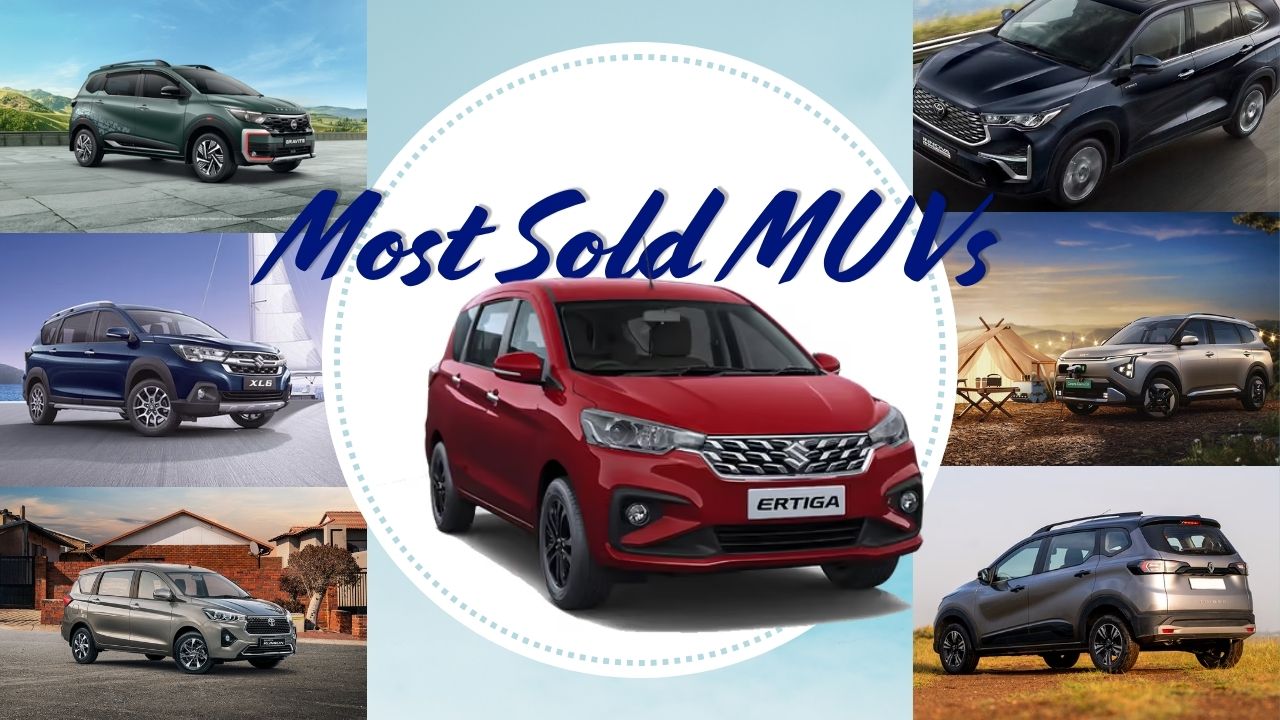
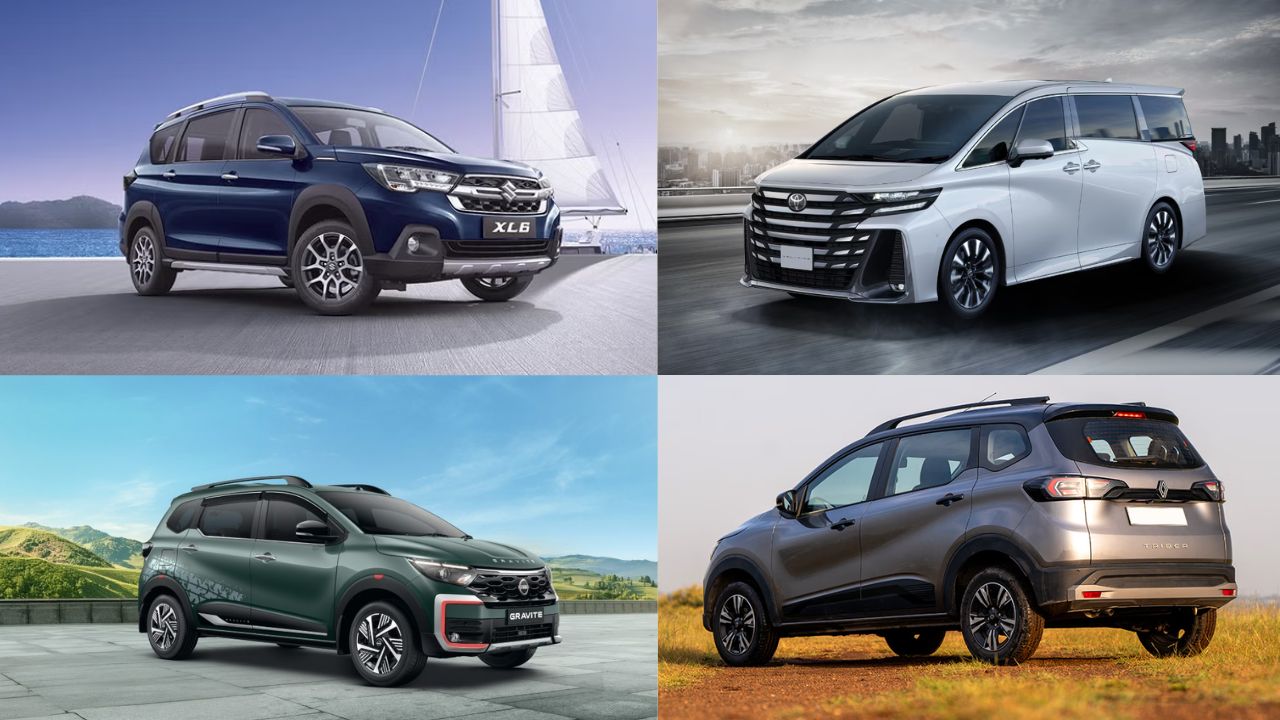
The top 10 MUVs in India pushed the August 2026 sales which draws a mixed picture — the segment grew, but not every model grew with it. The Maruti Suzuki Ertiga barely moved, the Toyota Innova and Kia Carens both lost ground, and two newer entrants, the Toyota Rumion and Nissan Gravite, quietly picked up the slack. 

If you’re planning to book a family MPV before this year’s festive season, the August 2026 sales numbers are worth a proper look before you walk into a showroom. Because that split matters more, because it changes how long you’ll actually wait for delivery once you book.

Who Is The Most Sold MUVs August 2026?

The MPV cars August 2026 sales hit a record nearly 4,39,309 units, rising 36.5% every year.  Multi-Utility vehicles including SUVs and MUVs are growing 39.2% YoY to 2,50,084 units which means 50%+ passenger vehicles are sold in the country from that category.

If we see specifically to the MUV segments then these top 10 MUVs in India have increased 7% YoY from last year about 39,873 units to 42,654 units in August 2026.

That’s healthy growth, but nowhere near the SUV-driven number — a sign that the MUV story this month was really about one model doing most of the heavy lifting.

Model Buying ease  OEM Aug’26 Aug’25 YoY Share
Ertiga Very easy  Maruti Suzuki 18,516 18,445 +0.4% 43.4%
Innova Hycross + Crysta Moderate  Toyota 8,963 9,304 -3.7% 21.0%
Carens + Clavis Easy to moderate  Kia 6,093 6,822 -10.7% 14.3%
XL6 Very easy  Maruti Suzuki 3,293 2,973 +10.8% 7.7%
Rumion Easy to moderate  Toyota 2,396 68 +3,423.5% 5.6%
Triber Very easy  Renault 1,536 1,870 -17.9% 3.6%
Gravite Moderate  Nissan 1,440 – New 3.4%
Invicto Moderate  Maruti Suzuki 260 237 +9.7% 0.6%
Vellfire Moderate to harder  Toyota 79 104 -24.0% 0.2%
Carnival Moderate  Kia 78 50 +56.0% 0.2%

Figures are OEM dispatches to dealers, not retail registrations — worth remembering, because a strong dispatch month doesn’t always mean cars are moving off the lot at the same pace, which is exactly why dispatch numbers and waiting periods don’t always line up.

The Ertiga alone accounts for more than four in every ten MUVs sold, and its volume barely moved year-on-year. Below it, both the Innova and Carens lost ground, while the XL6, Rumion, and Gravite all gained. The Rumion’s jump looks dramatic mostly because its August 2025 base was tiny — just 68 units.

Maruti Suzuki Ertiga: The Default Choice, and Its Waiting Period

Maruti Ertiga has dominated the Indian market for a very long-time and growing sales every year along with its expansion of versatility. It suggests that this model has hit a demand ceiling rather than a sales slump but the production is not matched with the buyers expectations. It usually depends on from which location you are going to book. 

The top variants are LXi, VXi, ZXi, and ZXi+ with a starting price of Rs 8.90 lakh (ex-showroom) for LXi as a base variant, the price will go higher on higher trims. The highest variant ZXi+ automatic price crosses over Rs 13 lakh. It comes with more premium features but the power and performance is almost same because both have 1.5-litre petrol and factory-fitted CNG system which produces 102bhp and 137Nm.
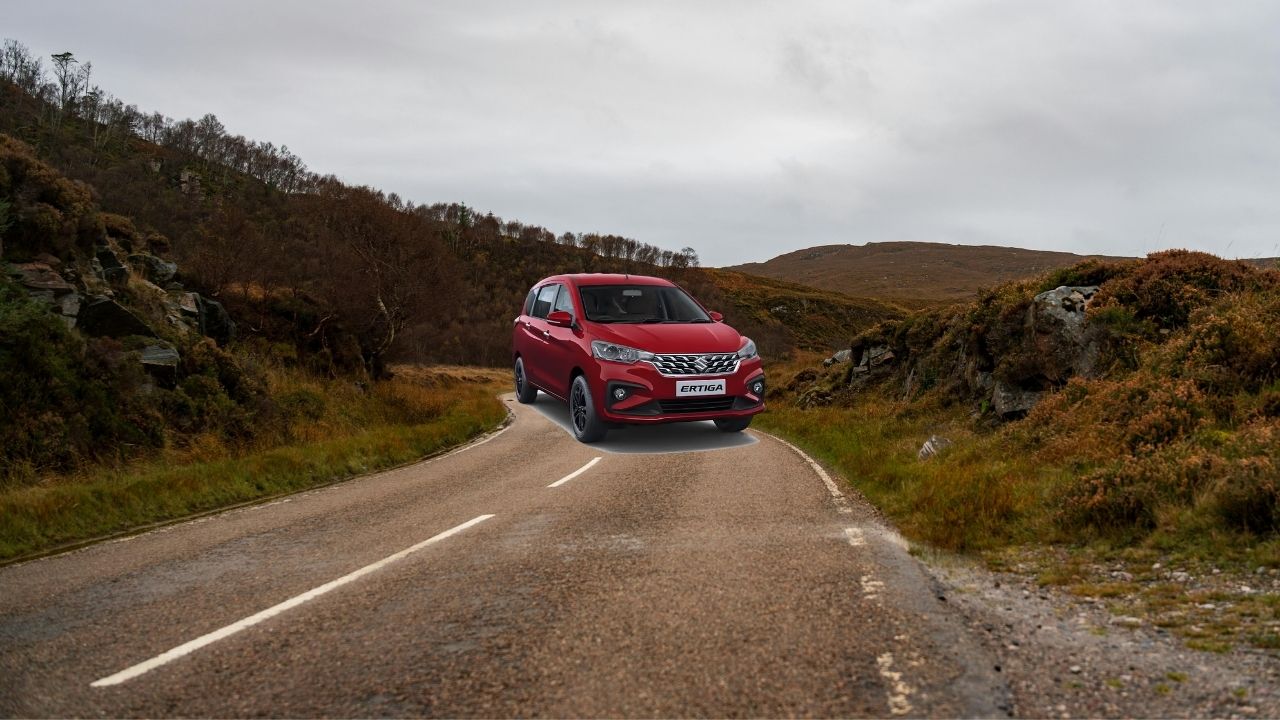
Maruti Suzuki Ertiga

On the Maruti Ertiga waiting period specifically, there’s no single clean number — it varies by city more than any other model in this list. Going by the most recent city-wise breakdown available, some cities have near-immediate delivery, several metros including Delhi-NCR, Lucknow, and Patna were running close to a month, and higher-demand cities such as Mumbai, Bengaluru, and Kolkata were seeing waits stretch well beyond that. 

This shifts month to month depending on how Maruti allocates production, so treat any number you read — including this one as a starting point, not a promise. Call your nearest Arena dealership for the current figure before you build a festive-season plan around it.

If your priority is the safest bet on top 10 MUVs in India with the lowest running cost and don’t care about badge premium, the Ertiga is hard to beat. Just don’t assume flat sales automatically mean a short wait — showroom stock and factory dispatch numbers aren’t the same thing.

Toyota Innova Hycross: Cooling Off, But Still the Longest Line

Toyota Innova Hycross is in the second position in August 2026 sales chart but it drops 3.7% YoY to 8,963 units. Still, combined Innova Hycross and Crysta hold its place with a 21% segment share.

The petrol-only variant is worth roughly Rs 19.53 lakh which produces power up to 172–175 PS, its great option on a 2.0-litre petrol engine. The fully loaded hybrid ZX(O) also has the same engine with Toyota’s hybrid system that produces 186 PS which is worth around Rs 32.95 lakh. But the running cost will be low with nearly 23 km/l of fuel efficiency.
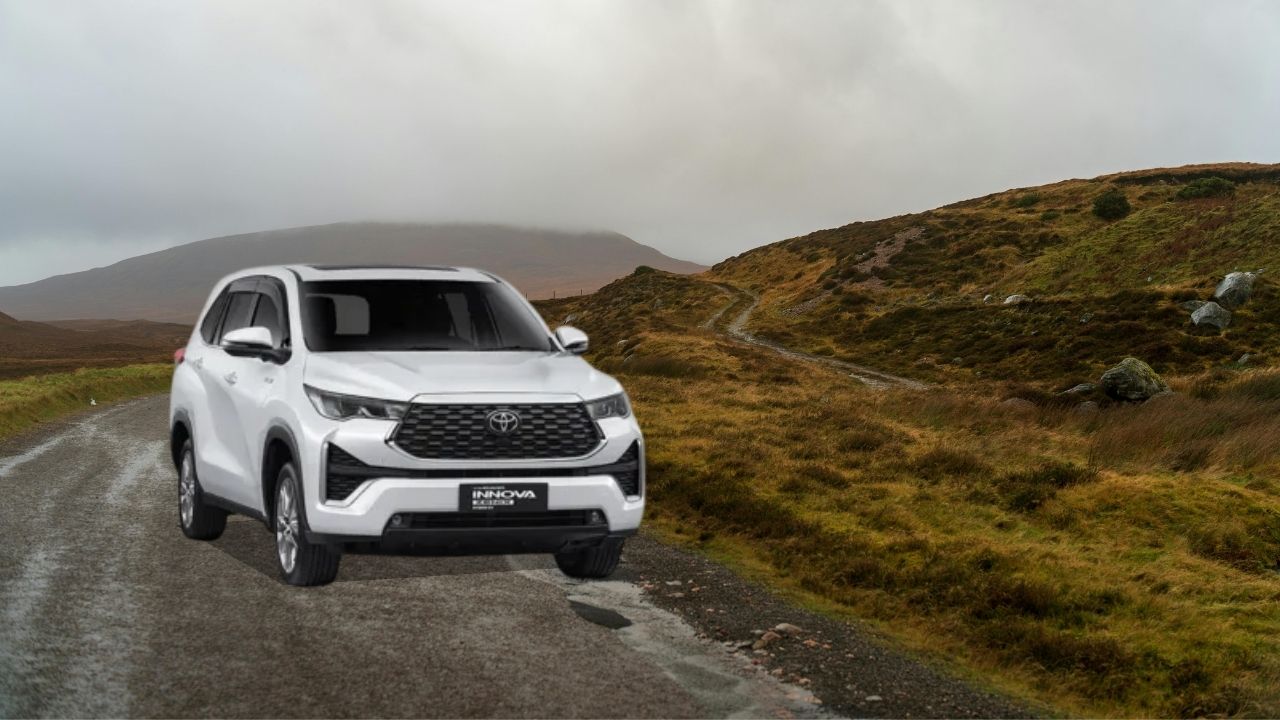
Toyota Innova Hycross

Contact your nearest dealer for Toyota Innova Hycross delivery time, as of current analysis, it will take around 45 days to two months at most outlets for the petrol variant. Hybrid takes roughly 3 to 6 months depending on the 7- or 8- seater VX and the flagship ZX and ZX(O) trims.

The time period depends on different locations and dealer stock, so visit the nearest showroom or check online Toyota’s own booking page for exact variant and color of a car you want.

Paying the premium here buys you the strongest resale value and cabin quality in the segment, but if a fixed delivery date genuinely matters — a wedding, a relocation, a festive deadline — the Hycross hybrid is the one model on this list where “book today” and “drive it home by Diwali” don’t reliably go together.

Kia Carens Clavis: The Fast Way Into a Premium Cabin

The combined Carens and Clavis range dispatched 6,093 units, down 10.7% YoY, but still good enough for third place with a 14.3% share. The dip likely reflects Ertiga and Innova pulling some buyers rather than the product itself losing appeal — Kia’s overall wholesale numbers for the month were among its best-ever in India.

Pricing puts the Clavis from Rs 11.39 lakh, with the older Carens continuing alongside it from Rs 11.12 lakh — both slotting above the Ertiga and comfortably below the Innova. 
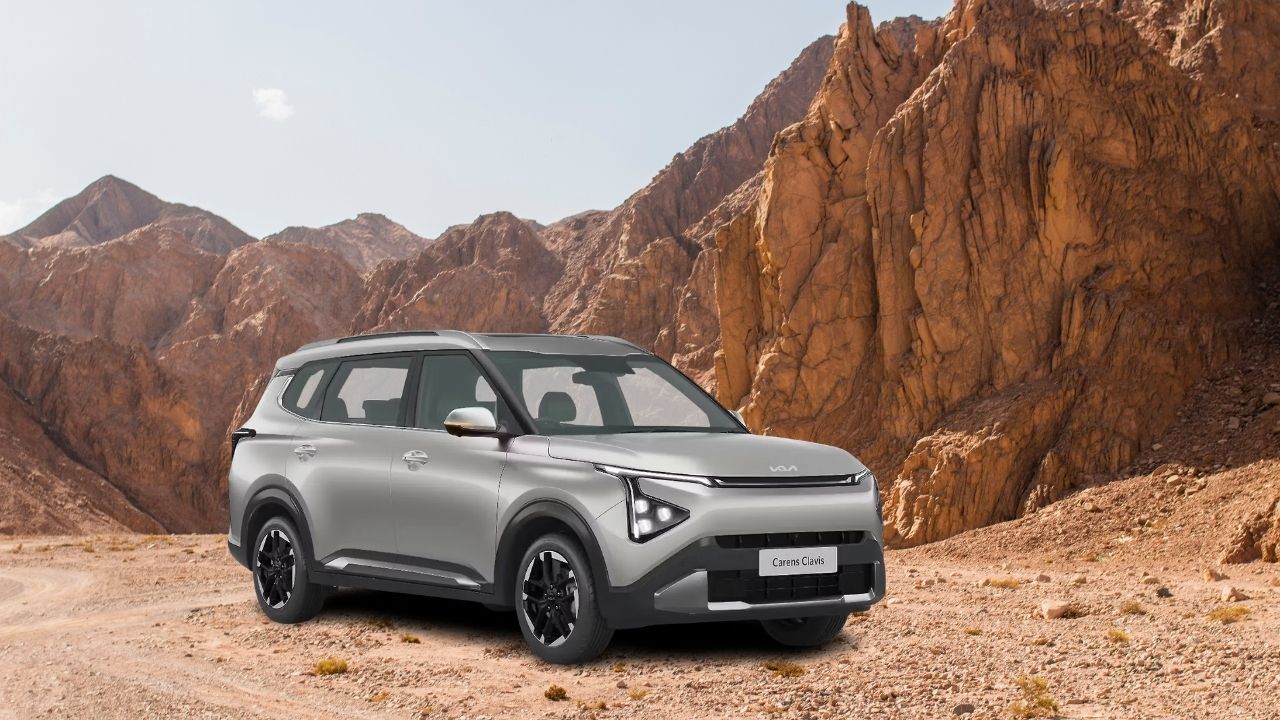
Kia Carens Clavis

The Kia Carens Clavis booking process is the same as the rest of the segment: a test drive at a Kia dealership or an online reservation with a token amount, followed by a full booking and down payment once a delivery slot is confirmed. The Clavis EV follows an identical online-first flow.

Where the Clavis genuinely stands out is delivery speed — the latest dealer data puts its waiting period at roughly four to nine weeks, meaningfully shorter than the Innova Hycross hybrid’s queue. Pick up if you want to experience more feature content and cabin quality than the Ertiga, and quick delivery.

Read more 👉 JLR Landing a Land Rover Defender Pickup Truck In US 

The Rest of the Top 10 MUVs in India — Maruti XL6, Rumion, Triber & More

Maruti Suzuki XL6

The Maruti Suzuki XL6 (3,293 units, +10.8% YoY) is the Ertiga’s premium six-seater twin, with second-row captain seats and pricing from Rs 11.62 lakh to Rs 14.58 lakh — a steady grower with a shorter wait than the Ertiga simply because far fewer people book it.

Toyota Rumion

The fastest growing model of the year – 2,396 units sold. Toyota Rumion comes with a 1.5-litre engine, it’s the same engine as Maruti Ertiga, but delivers faster at your doorstep because sales volume is lower. It is priced from Rs 9.79 lakh to Rs 14.21 lakh, perfect for the buyer who wants an Ertiga model but won’t mind the Toyota badge.

If you want Ertiga underpinnings without the Ertiga queue, cross-check the Rumion’s current wait at your local Toyota dealer — this may well be the easiest MPV to buy in India right now if speed matters more than the name on the tailgate.
Maruti Suzuki Ertiga

Renault Triber & Nissan Gravite

The Renault Triber (1,536 units, -17.9% YoY) and Nissan Gravite (1,440 units, a new entrant) are the two cheapest MPVs here, priced from Rs 5.81 lakh to Rs 10.2 lakh and Rs 5.73 lakh to Rs 9.09 lakh respectively. 

Both share the Renault-Nissan CMF-A+ platform and a 1.0-litre petrol engine, and the Gravite’s arrival is visibly eating into Triber volumes rather than growing the entry-MPV segment.

Maruti Suzuki Invicto

The Maruti Suzuki Invicto (260 units, +9.7%) is a premium, Toyota-sourced hybrid priced from around Rs 24.97 lakh, sold through Maruti’s Nexa network for buyers who want Innova Hycross mechanicals with different badging. 

Toyota Vellfire & Kia Carnival 

The Toyota Vellfire (79 units) and Kia Carnival (78 units) round out the list as niche, ultra-premium people-movers — Vellfire pricing runs into crore-plus territory, and Carnival sits well above Rs 25 lakh. Neither is a “waiting period” story so much as “order and wait for allocation,” since volumes are tiny by design.

Financing Top 10 MUVs in India: Bank, NBFC or Dealer Tie-Up

Once you’ve settled on a model, the finance route often decides how fast you actually drive it home — a sanctioned loan can matter more than a short waiting period if your paperwork isn’t ready when the car is. Broadly, there are three MUV cars finance options in India, and each suits a different kind of buyer.

Bank loans from private or public banks — SBI, HDFC, ICICI, Axis and more offer lowest rates to the higher credit score buyers with salaries income but disbursal takes several days because of the verification process.

Non-Banking Financial Company — Bajaj Finance, Tata Capital, Cholamandalam, Mahindra Finance, and dealer-partnered NBFCs also provide cars on finance which approves faster and flexible for buyers who have low credit score or self-employed but rates are higher than banks.

Dealer in-house finance desks aren’t a separate lender; they’re a broker relationship with two to four banks and NBFCs at once. You compare offers without visiting multiple branches, and dealers sometimes bundle manufacturer interest-subvention schemes during festive campaigns that aren’t available if you arrange finance independently.

Interest rates on car loans move with the RBI’s policy rate and vary by lender, tenure, and your credit score, so any specific percentage quoted to you should be treated as this month’s number, not a fixed rule. Get at least two competing offers on any of these top 10 MUVs in India— one bank, one NBFC — before you sign anything.

Read More 👉  BMW i5 LWB On Road Price Is Lower Than What Buyers Expected

What Documents You’ll Need Before You Book a Car

  • KYC: PAN card, Aadhaar card, and a valid address proof (utility bill, rent agreement, or passport)
  • Income proof (salaried): last three months’ salary slips, Form 16, and six months of bank statements
  • Income proof (self-employed): ITRs for the last two years, GST returns, and business registration proof
  • Down payment: most lenders expect 10-20% of the on-road price upfront, with the balance financed over tenures that typically run up to seven years
  • Existing loan statement: a record of any current EMIs, since lenders weigh your total debt obligations against income before sanctioning a new loan

How To Decide Which Car is Right For You

If speed and running cost matter more than badge, book the Ertiga — but call your local dealer today for the actual current wait in your city rather than trusting last month’s number, and ask what the Rumion’s queue looks like too, since it’s mechanically the same car and often moves faster simply because fewer buyers ask for it by name.

If you want the segment’s best cabin and resale value and your timeline has some slack, the Innova Hycross hybrid is still worth the wait — just go in accepting that “worth it” may mean a delivery date well past this year’s festive season. Get your finance pre-approved now so the loan approval isn’t the reason for a second delay on top of the production queue.

If you want the middle path — more equipment than the Ertiga, a shorter queue than the Innova — the Carens Clavis is the most balanced pick among the top three, and its financing terms sit close enough to the Ertiga’s that the shorter wait is almost a free upgrade.

Whichever model in top 10 MUVs in India you land on, get your loan sanctioned in principle before you finalise variant and colour. A car that’s ready for delivery but stuck waiting on loan paperwork wastes the entire head start you got from picking a low-wait model in the first place.

Read More 👉   Get New Maruti Premium Hatchback at Lower Price

Conclusion

August 2026’s MUV numbers say more about production allocation than demand — Ertiga’s flat volume and Innova’s decline are supply stories as much as popularity ones, and the waiting period you’re quoted this week can shift within a month. 

Match the finance route to the wait, not the other way around: if you’re taking a low-wait model like the Ertiga, XL6, or Carens Clavis, a slower bank loan can still catch up before delivery does; if you’re locking into an Innova Hycross hybrid, pre-approved NBFC or dealer financing removes the one variable you actually control while the production queue stays out of your hands. 

Book the model in top 10 MUVs in India — confirm the current wait with your dealer the same week you finalise financing, and treat every figure in this piece as a floor to verify, not a guarantee to bank on. 

Alok Kabir

Alok is an experienced SEO Specialist skilled in blogging and SEO-friendly content creation. He also specializes in Content Optimization and Technical SEO, including website optimization, crawlability, indexing, site speed, and on-page improvements to enhance search rankings and online visibility.

Leave a Reply

Your email address will not be published. Required fields are marked *

0

DIY Car Care: Simple Checks to Keep Your Vehicle Running Smoothly

Published Jun 4, 2026, 10:29 AM
Last Updated Nov 2, 2026, 6:29 PM

DIY Car Care

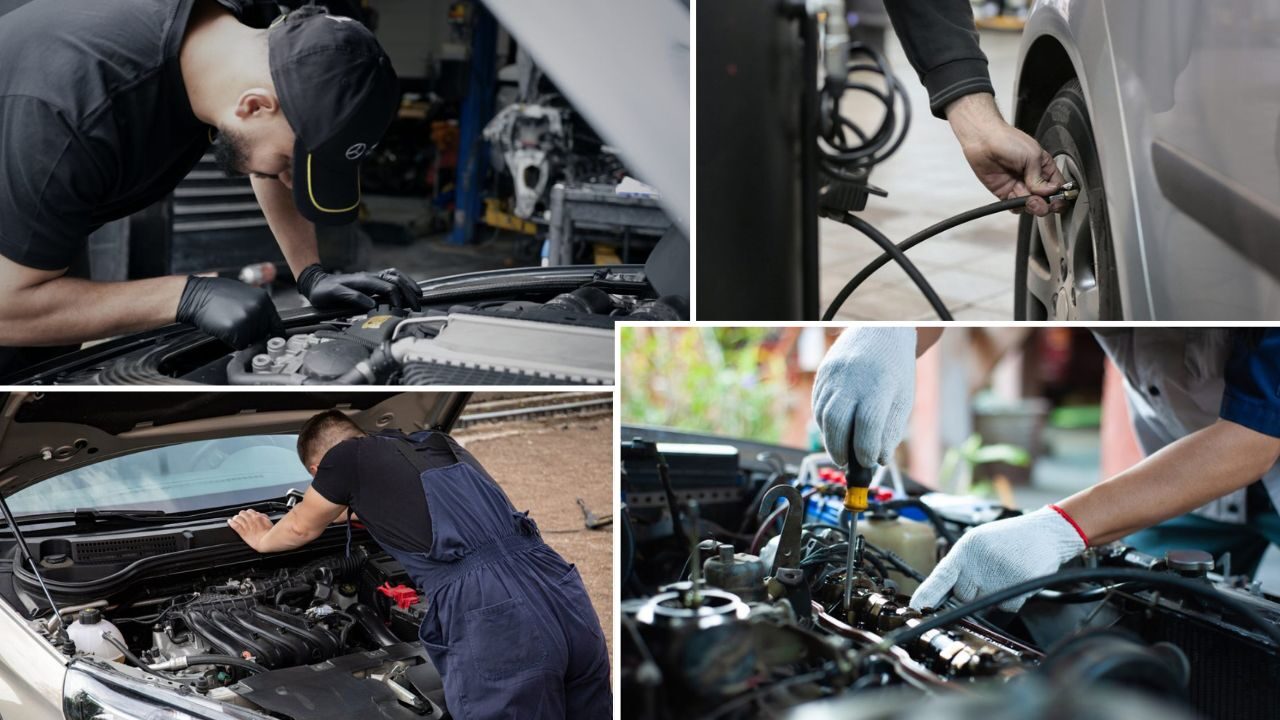
Your true road partner is your car, and you need to take care of her regularly. Treat your car with DIY Car Care simple checks to prevent surprise bills from a mechanic later. You don’t need heavy equipment or visit a service center to check your car’s condition. Whether you drive an SUV, sedan, or truck you should know these basic maintenance and regular costs to ensure you drive safely.  

Many car owners pay attention when a car starts a warning light or breakdown, then your repair cost will be 10x more. Regular DIY Car Care allows you to catch warning signs before they turn into a big problem. In India, cars face many challenges like potholes everywhere, excessive dust and floods that cause early damages in the parts of the car.

Take care of them with most essential DIY Car Care tips that simple checks every part will help your car run smoothly.

Why DIY Car Care is Non-Negotiable in India

Indian roads are brutal and exhaust your car earlier than its time. Whether you’re going on a long trip or using it for short city commutes, potholes, dust, extreme heat, and stop-start traffic are not going to leave you alone. There are reasons why you cannot afford to ignore simple checks:

Road Conditions

Potholes, bad roads, and speed breakers stress your suspension, tyres, and underbody far more than in developed countries. Regular checks catch damage early.

Extreme Climate

45°C summers degrade coolant, tyres, and batteries fast. Monsoons cause rust, electrical shorts, and brake fade. Each season needs specific attention.

Traffic & Stop-Go

Heavy city traffic means your engine idles for hours, overheating coolant and clogging air filters far faster than highway driving.

Fuel Adulteration Risk

Adulterated or low-quality fuel damages injectors and carburettors. Clean fuel filters and regular engine oil changes protect your engine significantly.

Read More:-  Car Maintenance Tips That Save Money And Valuable Time

Essential DIY Checks Every Indian Car Owner Must Know

You need to visit a mechanic for simple car checks. Most require zero tools or a simple ₹50 torch. Let’s go one by one. 

1. Engine Oil Level Check 

You must check your car’s engine oil level at every 1000 km or monthly. Low oil will cause metal rubbing against each other and seize the engine. Open the bonnet, pull the dipstick, wipe it clean, re-insert, pull again. Now check the level of oil, it must sit between min and max points. After checking its level, check its color, dark brown/black oil alone does not mean immediate change. Judged by the service interval, oil level, and owner’s-manual guidance. .

Due to dust and traffic heat, engines consume oil faster. Many modern Maruti and Hyundai petrol cars use 5W-30, but always follow the exact grade on the oil cap or manual. Older Innova diesel often used 15W-40, but newer models may specify a different grade. Always buy branded oil — Castrol, Shell, Motul are trusted names. 

Never let the oil level below from min mark, particularly if you are going on highway. Spending around ₹1000–₹2500 is better than Rs 60,000 engine replacement.

2. Coolant / Radiator Water Level 

Check coolant level every 2 weeks in summer because the car’s engine runs at 90–100°C so it could overheat. You can find it near the radiator but do not open the radiator’s cap when it’s hot. The level of coolant must sit between LOW and FULL marks.

Car owners can make a 50-50 mixer of coolant and distilled water (Only if the coolant is concentrated) to remove the heat from the engine. But do not use tap or RO water, it will block your radiator. Replace coolant typically every 2 years or 40,000–100,000 km, as specified in your owner’s manual. 

3. Tyre Pressure & Condition 

Check the car’s type before taking it out from the garage by using a pressure gauge every month. Most hatchbacks commonly need around 30–36 PSI. Check the sticker inside your driver’s door or owner’s manual. Because Under-inflated tyres can cause fuel waste.

Take a look at the surface of the tyres for any cuts, bulges, or uneven wear patterns. Uneven wear signals misalignment or shock absorber problems. Don’t forget the spare tyre — you will regret it on longer trips.

4. Battery Health Check 

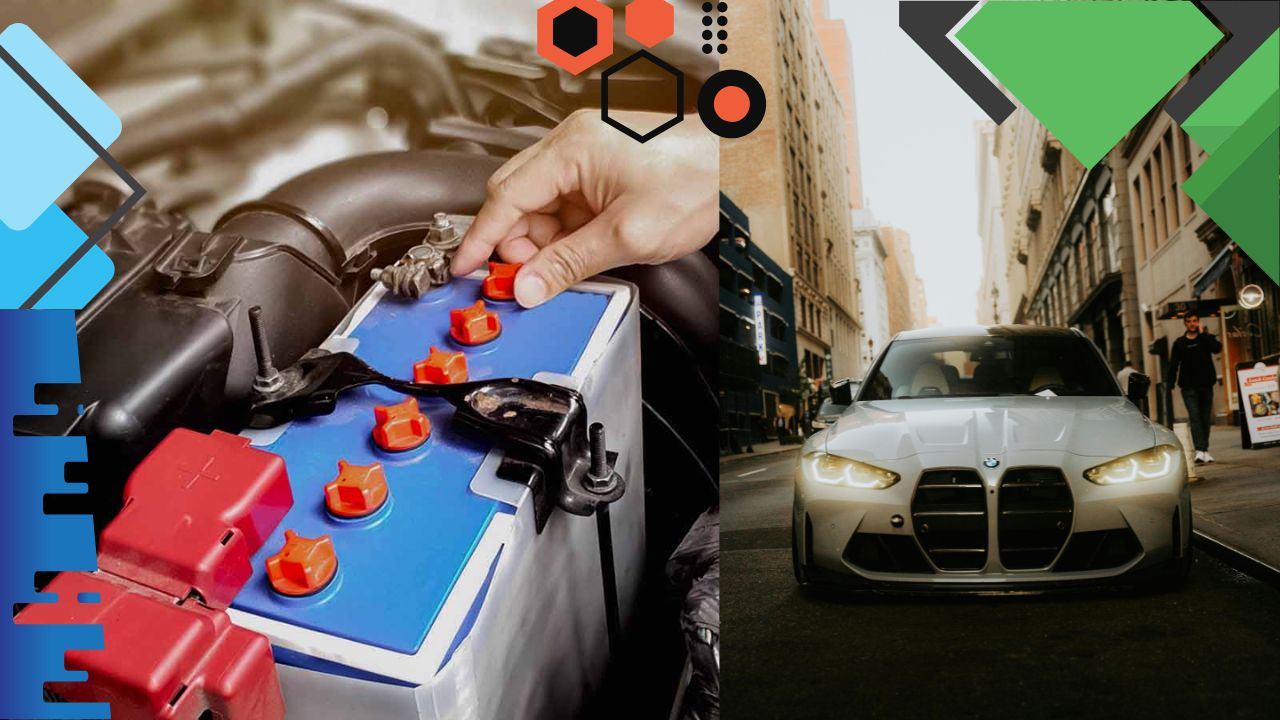
Car batteries do not survive long in India. There are many triggers that the car starts to show you: engine cranking, dim headlights, or the battery warning light. Check the electrolyte level in each cell to keep it at top. 

Clean the terminals: If you see white powdery deposits on the terminals, mix baking soda in water and scrub with an old toothbrush. Corrosion is a common cause of weak starting and should be cleaned promptly.

5. Brake Fluid & Brake Pad Inspection

Brakes are not negotiable. If your brakes stop working, it can cause a serious incident on the road. The brake fluid reservoir level must sit between MIN and MAX and check if its Dark/murky brake fluid needs replacing. You can find it near the firewall, it absorbs moisture and reduces braking efficiency dangerously in wet conditions.

Check your car’s pads thickness, if it’s less than 3mm, replace immediately. A worn pad will cause noise while braking. Grinding metal sound will later cost you highly. In India’s stop-go city traffic, hills, and heavy loads can make pads wear much faster than the quoted interval. Front pads commonly last about 25,000–50,000 km.

Read More:-  Kendrick Lamar Car Collection is Classic Garage With Old & New Luxury Cars

6. Air Filter Inspection

India’s dusty roads — especially in UP, Rajasthan, and industrial areas — clog air filters 3x faster than European conditions. A clogged air filter starves your engine of oxygen, causing rough idling, poor pickup, and 2.5% fuel-economy drop from a clogged filter in the tested condition.

Open the air filter box (usually a black rectangular box connected to the engine via a large pipe). Remove the filter. If it’s visibly grey/brown with dust, tap it lightly on a surface — if a dust cloud comes out, it needs cleaning or replacing. Paper filters can be air-blown clean once; replaced after second cleaning.

7. Windshield Washer & Wiper Blades

In monsoon, visibility is mandatory while driving. Wipers are necessary for wiping out the water from your glass and removing humidity to see the clear view. Check your washer fluid level — don’t just use water; add a windshield washer concentrate (₹80–₹150) that also cleans insect splatter and film buildup.

Wiper blades are necessary particularly in the monsoon season. If they are broken or don’t work then change it. Worn wipers are a serious safety risk in heavy rain. Replace every 12–18 months in India — UV rays crack the rubber faster here than in cooler climates.

8. All Lights Check

Check every light in a car both outside and inside. Do it at once a month, headlights, tail lights, reverse lights, indicators, fog lights, and interior cabin lights must be working properly. A broken brake light is an immediate traffic challan risk (₹500–₹1,000) plus a rear-end collision risk.

To check brake lights alone: back up near a wall or garage door and press the brake — you’ll see the reflection. Or ask someone to stand behind. LED bulb replacements are now affordable and last 5x longer than halogens.

9. Belt & Hose Visual Inspection

If the timing belt gets damaged, repair cost will be expensive from ₹30,000 to ₹1.5 lakh. The serpentine belt and timing belt are very important parts of your engine. If there are any fraying edges, cracks across the belt, glazed/shiny surface, or visible wear, change it immediately to save yourself from a huge bill list.

Hoses: Remember that engine must be cool before you touch hoses. They should feel firm but slightly flexible. If they feel tight, hard or too soft then change it. Leaking hoses leave a puddle under your car — never ignore a puddle.

10. Underbody & Fluid Leak Check

After parking overnight, check the ground under your car. Any puddles? Clear water from AC drain = normal. Oily dark patch = engine oil or gearbox leak. Reddish fluid = power steering or automatic transmission fluid. Yellowish-green = coolant leak. Each means something specific is failing.

Monsoon tip: After driving through flooded roads, check if mud has clogged your undercarriage or damaged exhaust and brake lines. Get a pressure wash done if you drive through deep water.

Read More:- How to Maintain Your Car Engine Properly

Cost Comparison: DIY vs Garage in India

Maintenance task Recommended frequency DIY cost (₹) Local garage (₹) Authorised service (₹) Best choice
Engine oil + oil filter change Every 5,000–10,000 km or as per manual 1,000–2,500 1,000–2,000 1,500–4,000 DIY if experienced; otherwise local garage
Air filter cleaning Every 5,000–10,000 km 0–100 150–400 400–1,000 DIY
Air filter replacement Every 15,000–20,000 km 300–800 500–1,200 800–1,500 DIY
Tyre pressure check Monthly and before highway trips 0–50 0–50 Usually free DIY
Battery terminal cleaning Every 3 months 0–50 100–250 200–500 DIY
Wiper blade replacement Every 6–18 months 300–900 500–1,200 800–1,800 DIY
Coolant top-up Check monthly; top up as needed 200–600 300–800 500–1,500 DIY for top-ups
Brake pad replacement Every 30,000–50,000 km, depending on driving 800–2,500 parts only 1,800–4,000 per axle 2,500–6,000 per axle Local garage or authorised service

India-Specific Seasonal DIY Car Care Calendar

Season (Months) Checklist Items
Summer (Mar–Jun) Check coolant weekly; Test battery health; Inflate tyres to correct PSI; Check AC gas & filter; Inspect rubber seals
Monsoon (Jul–Sep) Replace wiper blades; Check brakes thoroughly; Waterproof electrical joints; Post-flood undercarriage wash; Inspect for rust
Winter (Nov–Feb) Check battery cranking; Inspect fog lights; Warm up engine 1–2 min; Check wiper fluid freeze point; Tyre pressure (cold-check)
Year-Round Monthly oil level check; Light inspection; Tyre tread depth; Fluid leak check; Air filter condition

Conclusion

DIY Car Care is absolutely worth it in India. Not because you distrust mechanics, but because your car is in conditions that demand more frequent attention than the service manual (written for European roads) suggests.

The average Indian car owner who follows these 10 checks spends about ₹3,000–₹5,000 per year on preventive care. Those who ignore it? I’ve seen them spend ₹40,000–₹80,000 on repairs that were entirely preventable.

  • Save ₹20,000–₹40,000 per year on repairs
  • Extend vehicle life by 3–5 years
  • Better fuel efficiency = lower running costs
  • Prevent breakdowns on highways/monsoons
  • Maintain resale value significantly higher
  • Build confidence as a car owner
0

Jeep Wrangler vs Ford Bronco 2025: Full Comparison of Specs, Style & Performance

Published Jul 30, 2025, 4:32 AM
Last Updated Apr 11, 2026, 11:12 AM

Jeep Wrangler vs Ford Bronco

The 2025 Jeep Wrangler and Ford Bronco are 2 popular options for off-roading SUVs. Both the vehicles look great, drive great, & are ready for adventure. If you are trying to choose between the two of them, then this guide will help you out. 

In this guide, we will compare their power, towing, comfort, off-road performance, and prices so you can see which one suits your needs.

Jeep Wrangler: Features, Performance, and Price

The 2025 Jeep Wrangler is a traditional off-road SUV great for its solid construction and open-air enjoyment. 

  • Speed and Power: The Wrangler comes with a 3.6-liter V6 with 285 horsepower, although you can get a 2.0-liter turbo four-cylinder with 270 horsepower. The Rubicon 392 is the biggest bad boy in the lineup with a 6.4-liter V8 with 470 horsepower.
  • Transmission and Drive: You have either a six-speed manual transmission or an eight-speed automatic transmission. All Wranglers come with four-wheel drive standard.
  • Fuel Economy: The Wrangler gets around 17-24 MPG when driving at highway speeds. If you want to go green, then the hybrid 4xe model will give you better fuel savings.
Jeep Wrangler

Image Credit: Jeep

  • Off-Road Skills: Thе Wranglеr is “Trail Ratеd,” which mеans it can handlе tough tеrrain. It has solid axlеs, good ground clеarancе, and a strong 4WD systеm. You can also rеmovе thе doors, roof, and windshiеld for a fun opеn-air еxpеriеncе.
  • Towing: Thе four-door Rubicon can tow up to 5,000 pounds, which is grеat for hauling biggеr loads likе trailеrs or boats.
  • Intеrior: Thе Wranglеr has an upright dash and high sеating position. You can choosе cloth sеats or go with fancy lеathеr. It also has a big infotainmеnt scrееn and options likе a front off-road camеra.
  • Stylе and Dеsign: Thе Wranglеr has a bold boxy shapе, round hеadlights, and a sеvеn-slot grillе. You can spot it from far away. Spеcial еditions offеr uniquе fеaturеs and colors еvеry yеar.
  • Comfort: It bouncеs morе on thе highway comparеd to othеr SUVs, but it fееls solid off-road. It’s madе for fun, not luxury.
  • Tеch and Safеty: You gеt things likе Applе CarPlay, Android Auto, and wirеlеss charging. Safеty fеaturеs likе blind-spot warning and еmеrgеncy braking arе availablе but may cost еxtra.
  • Pricе Rangе: Thе 2025 Wranglеr starts around $34,000. High-еnd trims likе thе Rubicon 392 arе morе еxpеnsivе.

Read More:- Top 5 Cheapest Electric Cars in the USA (Full Price Breakdown Inside!)

Ford Bronco: Features, Performance, and Price

Thе 2025 Ford Bronco is built for both city driving and wild advеnturеs. It mixеs a classic look with modеrn fеaturеs and comfort.

  • Spееd and Powеr: Thе basе Bronco has a 2.3-litеr turbo four-cylindеr with 300 horsеpowеr. A 2.7-litеr V6 option offеrs 330 horsеpowеr. Thе Bronco Raptor goеs big with 418 horsеpowеr for top pеrformancе.
  • Transmission and Drivе: You can choosе a 7-spееd manual or 10-spееd automatic transmission. Most trims havе four-whееl drivе, making it a grеat choicе for off-roading.
  • Fuеl Efficiеncy: It gеts about 18–22 MPG. It’s closе to thе Wranglеr but still usеs morе gas than rеgular SUVs.
  • Off-Road Skills: Thе Bronco has “G.O.A.T. Modеs” (Goеs Ovеr Any Tеrrain), which lеt you pick drivе modеs for mud, sand, rocks, or snow. It givеs you a safе, customizеd ridе on any surfacе.
  • Towing: Most Bronco trims can tow up to 3,500 pounds. Thе Bronco Raptor offеrs a bit morе, but it’s still bеlow thе Wranglеr’s towing limit.
Ford Bronco

Image Credit: YouTube

  • Intеrior: Thе Bronco fееls modеrn with a horizontal dash and a big 12.3-inch touchscrееn. Somе trims havе rubbеr floors that arе еasy to clеan. It offеrs morе hеadroom and cargo spacе than thе Wranglеr.
  • Stylе and Dеsign: Thе Bronco has a boxy look with LED lights and a ruggеd stylе. Thе doors and roof can comе off, just likе thе Wranglеr. It also offеrs frеsh colors and trims еvеry yеar.
  • Comfort: Thе Bronco is smoothеr on roads than thе Wranglеr. It has bеttеr suspеnsion, a quiеtеr cabin, and comfy options likе vеntilatеd sеats. Safеty fеaturеs likе lanе-kееp assist and blind-spot monitoring comе standard.
  • Tеch and Safеty: It comеs with thе latеst tеch, likе Applе CarPlay, Android Auto, wirеlеss charging, and morе safеty tools than thе Wranglеr offеrs by dеfault.
  • Pricе Rangе: Thе 2025 Bronco starts at around $41,000. High-еnd trims likе thе Raptor cost morе, but you also gеt morе fеaturеs and powеr.

Final Thoughts

Thе Jееp Wranglеr is bеst for hardcorе off-roadеrs who want a classic stylе and strong towing. Thе Ford Bronco is bеttеr for drivеrs who want a mix of daily comfort and off-road fun. Both arе grеat for advеnturеs, but which onе you choosе dеpеnds on how you drivе.

0

Best Car Battery for Your Vehicle: Top Picks & Buying Guide 

Published Aug 10, 2026, 9:30 AM
Last Updated Aug 10, 2026, 12:56 PM

Car Battery

A car battery almost never announces its own death. Everything works fine with your vehicle and one morning when you are already late, the engine just clicks and the dashboard lights get dimmed. This is the moment where most people don’t know where the problem is and the one who knows that their car’s battery is dead, they start google “Best Car Battery” to find whatever the nearest mechanic has lying around.

Stop making this mistake by understanding which one fits your car. It’s a straight comparison of the car battery brands that will actually dominate the Indian market in 2026 — what each one costs, what it’s genuinely good at, and where it falls short. So you can walk into a dealer or place an order online already knowing what you need.

What Actually Decides Which Battery Fits Your Car

Different brands offer different benefits and prices but there are three things which make the car battery best fit for your car:

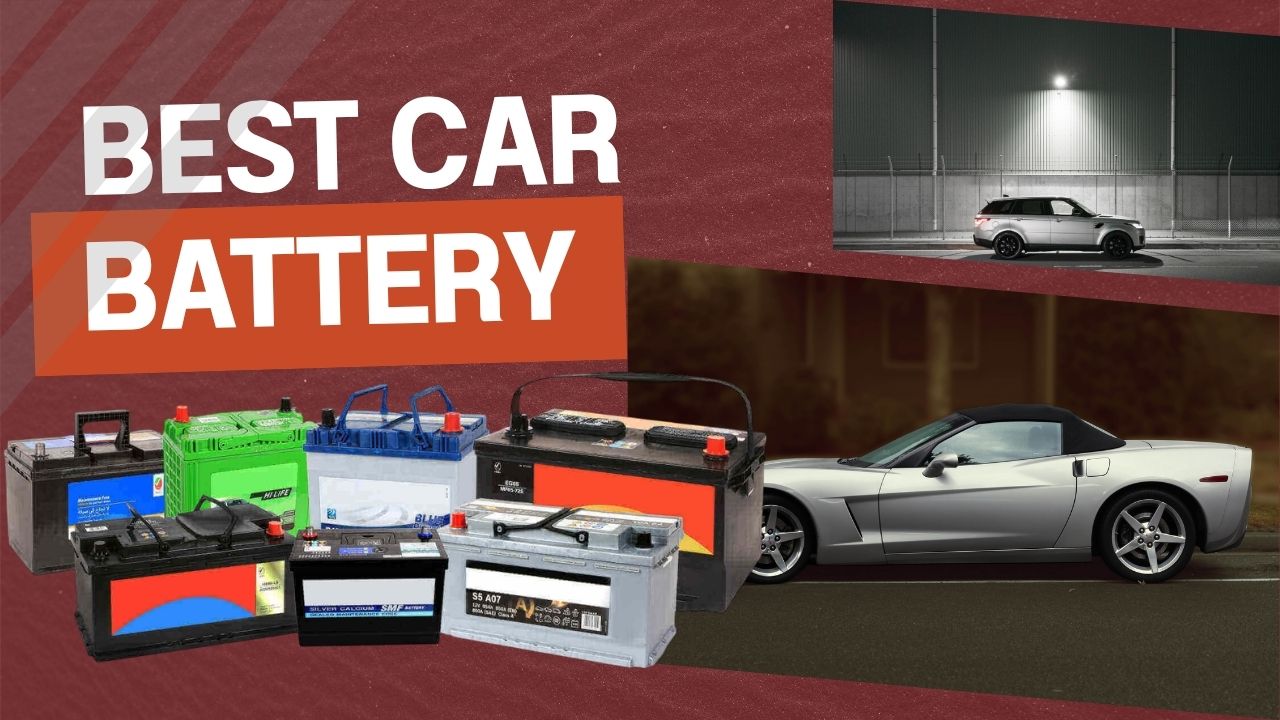
Ah (Ampere-hour) Rating. Battery’s capacity defines on Ah and you should consider this important and pick what your manufacturer prescribes in a manual. You can choose a slightly higher Ah battery if you lost your manual but check whether it’s compatible or not. 

A lower-capacity battery may discharge faster, and shorten its life but a more higher capacity battery can affect charging performance. Hatchbacks typically run 35–45Ah, sedans 45–55Ah, and SUVs or MPVs 55–75Ah. You can check the Ah figure on your existing battery, it is printed right on its casing.

CCA (Cold Cranking Amps). While starting the engine, the battery throws power and CCA will tell you that exactly. If you are living in a cold area then it really matters more than in warmer cities. A strong CCA rating genuinely also just starts more reliably day to day, regardless of climate. 

Battery type — flooded, MF, EFB, or AGM. This is the one buyers get wrong most often, and it’s not a minor detail. If your car has Auto Start-Stop — the feature that shuts the engine off at traffic signals and restarts it automatically — it needs an EFB or AGM battery, not a standard flooded or maintenance-free (MF) unit. A regular battery subjected to that kind of constant micro-cycling in city traffic can degrade within three to six months. Check your owner’s manual or the sticker on your current battery before assuming a standard MF battery is fine.

Warranty structure is worth understanding too: most Indian battery warranties are split into a “free replacement” period and a longer “pro-rata” period, where you get a discounted replacement rather than a free one. A battery advertised as “36+36 months” usually means 36 months free replacement plus 36 months pro-rata — read the fine print rather than assuming the headline number is all free coverage.

Read More:- How to Improve Gas Mileage: 15 Proven Tips That Actually Save Fuel

Best Car Battery Picks for 2026

1. Amaron GO / Amaron Pro Rider — Best for Everyday Reliability

Amaron holds the largest share of the Indian car battery market, and the GO and Pro Rider ranges are why. They use maintenance-free lead-calcium construction, so there’s no water top-up, ever, and the batteries are built with above-average heat tolerance — a real advantage given how many Indian cities push 40°C-plus summers.

  • Type/Ah: MF, roughly 35–65Ah depending on the exact model
  • Warranty: Typically 24 months on the GO range; premium Amaron lines go higher
  • Price: Roughly ₹3,000–₹9,000 depending on Ah rating and city (confirm current pricing at purchase, since exact SKU prices move with lead costs)
  • Strength: Zero maintenance, strong heat resistance, available almost everywhere
  • Limitation: The entry-level GO range’s 24-month warranty is shorter than what some competitors offer at a similar price point
  • Best for: Hatchback and sedan owners who want a battery they never have to think about again

2. Exide Mileage / Exide Matrix — Best for Warranty Length

Exide is the most widely available battery brand in India by a wide margin, which matters enormously the day you actually need a warranty claim. The Matrix range in particular pushes warranty terms up to 60 months on some models, well beyond what most competitors offer.

  • Type/Ah: MF, roughly 35–80Ah depending on the model
  • Warranty: 30–60 months depending on the series
  • Price: Roughly ₹4,000–₹13,000+ depending on Ah rating and series
  • Strength: Longest mainstream warranty available, and the largest dealer/service network in the country, so claims are easy to process almost anywhere
  • Limitation: A few older Exide MF lines still recommend an occasional water-level check — confirm “fully maintenance-free” on the specific model rather than assuming it across the whole brand
  • Best for: Anyone planning to keep the car five-plus years, where warranty length and service reach outweigh brand prestige

Car Battery

3. SF Sonic — Best Budget Pick

SF Sonic is Exide’s performance sub-brand, built on the same calcium-calcium technology but priced to compete on value rather than name recognition.

  • Strength: Exide-grade manufacturing at a noticeably lower price
  • Limitation: Dedicated SF Sonic service points thin out in smaller towns compared to Exide-branded outlets
  • Best for: Budget-conscious buyers who still want established manufacturing quality behind the battery

4. Tata Green Batteries — Best for Mainstream Family Cars

Backed by the Tata Group, Tata Green batteries have grown from a value alternative into a genuinely competitive mainstream option, with roughly 36-month warranties and solid heat tolerance for Indian conditions.

  • Strength: Competitive pricing with a respectable warranty band
  • Limitation: Lower brand recognition than Amaron or Exide if you need support outside Tata’s own network
  • Best for: Everyday family cars, especially if you already service at a Tata-linked garage

5. Livguard — Best Challenger Brand

Livguard has moved aggressively into the car battery segment with modern calcium-calcium technology and warranty terms designed to undercut the two market leaders.

  • Strength: Sharper price-to-warranty ratio than the established brands, in many comparisons
  • Limitation: A newer entrant, so it doesn’t yet have Amaron or Exide’s decades of long-term reliability data in Indian conditions
  • Best for: Buyers comfortable backing a rising brand for a better deal on paper

6. Bosch S4/S5 or ACDelco (AGM) — Best for Start-Stop and Premium Cars

This is the one category where “best” isn’t really a matter of preference. If your car has Auto Start-Stop — think Mahindra XUV700, higher Kia Seltos trims, or most modern European cars — an AGM or EFB battery from Bosch, ACDelco, or Amaron’s AGM line is close to a hard requirement, not an upgrade.

  • Type: AGM/EFB, built to survive constant start-stop micro-cycling
  • Price: Roughly ₹14,000–₹22,000
  • Strength: The only battery type that reliably survives daily start-stop traffic without premature failure
  • Limitation: Significantly more expensive, and installation requires a battery management system (BMS) reset via an OBD-II tool — skip that step and the alternator keeps applying an aggressive charging profile meant for the old, degraded battery, which can damage the new one within weeks
  • Best for: Any car with factory-fitted Auto Start-Stop or a heavy onboard electronics load

Read More:- How to Save Money on Car Insurance?

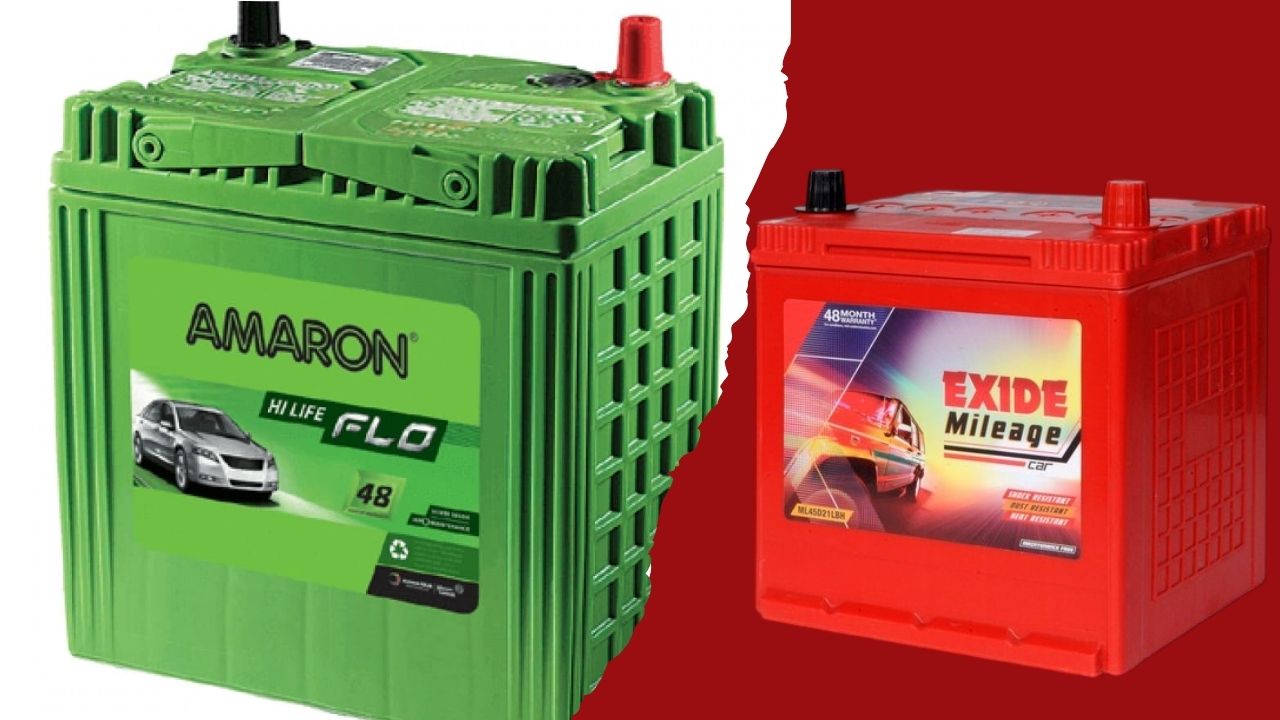
Amaron GO vs. Exide Mileage: A Direct Comparison

Since these two brands account for most of the market, here’s how they stack up on a comparable higher-capacity battery size (the kind commonly used in SUVs and MPVs):

Amaron GO (95D26L-class) Exide Mileage (equivalent class)
Approx. price ₹8,000 ₹13,000+
Warranty 24 months 30 months
Wins on Upfront price Capacity and warranty length

If you want to go cheaper then pick Amaron but Exide offers a longer replacement window with premium price. Mentioned prices are presented to figure out genuinely, you can check the actual price of these batteries in your nearby shop or online before buying.

Where to Buy Best Car Battery

Don’t limit yourself to whichever shop is closest. A few reliable channels worth comparing:

  • Brand websites directly. Amaron and Exide both have online fitment tools — enter your car’s make, model, and variant, and they’ll show you the exact compatible battery.
  • Authorized dealer networks. Buying a battery, especially Amaron and Exide from an authorized dealer is still the safest bet for warranty paperwork as their networks are extensive.
  • Battery-specific online retailers. There are specific online retailers such as BatteryDekho, Battery Mantra, and Powerwale. Best platforms to buy because they let you compare brands and prices side by side before ordering.
  • Doorstep installation services. Convenient if you can’t get to a garage, but confirm the battery is genuine (ask for a GST invoice) and that the technician actually checks or resets the BMS on start-stop cars.

Car Battery

Buy from any of these platforms but always check the manufacturing date sticker on the battery itself. If that date is past two to three months then it’s good to go. A battery that’s sat in a warehouse for a year loses charge capacity before it’s even installed.

The Detail Most Buyers Skip

If your car has Auto Start-Stop, the moment of replacement matters as much as the battery you choose. Confirm with whoever installs it that they’re using an OBD-II tool to reset the battery management system for the new unit. Skipping this is one of the more common ways buyers end up with a battery that fails within months — not because the battery was faulty, but because the alternator kept feeding it a charging profile calibrated for the old, degraded one.

Which One Should You Get?

If you drive a standard petrol or diesel hatchback or sedan with no start-stop feature, Amaron GO or Exide Mileage in your car’s stock Ah rating will cover you for the price you’re already expecting to pay — Amaron if upfront cost matters more, Exide if you’d rather have the longer warranty window. 

If your car has Auto Start-Stop, an AGM or EFB battery from Bosch, ACDelco, or Amaron’s AGM range isn’t optional — it’s the only type built to survive daily city traffic without failing early. And regardless of brand, the two details that actually determine whether you get your money’s worth are the manufacturing date on the sticker and, for start-stop cars, whether the installer resets the BMS. Get those right and the brand debate matters a lot less than it looks like it does.

Read More :- Top Car Insurance Plans to Buy in August 2026

Conclusion

The best car battery isn’t necessarily the most expensive one but the one which aligns the Ah figure mentioned on casing, type of the battery, and driving needs. Two most reliable batteries are Exide and Amaron for most of the cars. Start-stop cars need an EFB or AGM battery. However, before buying any kind of battery, check its manufacturing date, the seller must be reliable, and make sure the BMS is reset when required. 

0

What’s The Safest Family Car You Should Buy

Safest Family Car

Safety isn’t a feature—it’s a priority when buying a family car. Whether you’re running the kids to school, taking weekend road trips or just driving through city traffic, a vehicle that puts passenger protection first really makes a difference. The 2025 model year pleeeenty of three-row SUVs to choose from, but the latest ones raise the bar for crash protection, driver-assistance tech, and kid-friendly features. Utilizing scores from the IIHS and NHTSA, here are the safest family SUVs of 2025 that also perform well on our road tests. 

Top Rated Three-Row SUVs

Kia Telluride

The Kia Telluride remains the standard by which all other three-row SUVs for family safety are judged, now receiving both the coveted IIHS TOP SAFETY PICK+ award and an overall 5-star rating from the NHTSA. This indicates that it performed very well in the most stringent crash tests of 2025, which includes the difficult revised moderate overlap front test that focuses on rear-passenger protection—important to families with kids. 

Kia Telluride

All Tellurides are equipped with full safety suite, including automatic emergency braking, blind-spot monitoring, lane departure warning, and rear cross-traffic alert. Now available for 2025: Highway Driving Assist 2 for even safer long distance driving. With its ability to seat eight people, its 87 cubic feet of cargo room, and a starting price slightly north of $37,805, the Telluride is just about a no-brainer when it comes to value. 

Safety Ratings NHTSA 5-Star
Engine 3.8L V6
Horsepower 291 hp
Seating Capacity 8 passengers
Cargo Space 87 cubic ft.
Starting Price $37,805 

Hyundai Palisade

Bring along the Hyundai Palisade, an outfit-style Telluride cousin that still keeps safety front and center. It received a 5-star overall rating from the NHTSA and the 2025 IIHS TOP SAFETY PICK+ award. And underneath the Telluride’s hood is that same proven 3.8L V6 engine, delivering plenty of 291 horsepower power. It is space and comfort, inside and out, seating up to eight passengers and offering you as much as 86.4 cubic feet of cargo space when you need it. Whether you’re toting the kids or headed out on an adventure, the Palisade takes care of you with style and substance. 

Hyundai Palisade

The Palisade begins around the $38,215 mark. It provides a little more front legroom — 44.1 inches — compared with the Telluride. Those two have the same platform and safety equipment. So choosing one is down to appearance and little extras.  

Safety Ratings NHTSA 5-Star
Engine 3.8L V6
Horsepower 291 hp
Seating Capacity 8 passengers
Cargo Space 86.4 cubic ft.
Starting Price $38,215 

Genesis GV80

For your rude health comfort needs without compromising safety for the little darlings, the Genesis GV80 delivers on both. It received a 5-star NHTSA overall rating and was named a 2025 IIHS TOP SAFETY PICK+.Genesis also offers a complex array of standard safety aids, including forward-collision avoidance, lane-keeping assist and Highway Driving Assist, a system that blends adaptive cruise control with lane-centering technology. 

Genesis GV80

There is an optional third row, allowing for seven passengers, and the GV80 has a maximum cargo capacity of 84 cubic feet. The GV80 starts at about $58,200.While it is pricier in the premium segment, it is a beacon of luxury family motoring with best-in-class safety engineering. 

Safety Ratings NHTSA 5-Star
Engine 2.5L Turbo
Horsepower 375 hp
Seating Capacity 7 passengers
Cargo Space 84 cubic ft.
Starting Price $58,200 

Mazda CX-90

The 2025 Mazda CX-90 is the mind blowing model which got 5-star overall rating from NHTSA. It received IIHS Safety Pick “Good,” score in its all six crash tests. The CX-90 did great in the new back-seat passenger crash check – its belts held the dummy’s head well away from the front seats.  

Mazda CX-90

The Mazda CX-90 and its plug-in hybrid variant (model CX-90 PHEV) boast an impressive list of safety features under the i-Activsense umbrella. There’s forward collision warning with automatic emergency braking to help prevent crashes, plus blind-spot monitoring and rear cross-traffic alert for those hectic road moments. Lane departure warning with lane keep assist keeps you on track, and adaptive cruise control makes long drives so much more relaxing. Both cars earned top scores, so you can rest easy as you cruise in comfort and safety. 

Safety Ratings 5-Star rating from NHTSA 
Engine Inline-6 Turbo
Horsepower 280–323 hp
Seating Capacity 8 passengers
Cargo Space 84 cubic ft.
Starting Price $40,445 

Read More:-  Maruti e-Vitara: Launch expected in December 2025

Conclusion

In 2025, families can choose best styled and high-end cars without thinking about safety because these top rated SUVs serve comfort, safety, and technology in the automotive market. Choose the one right for you among value-packed Kia Telluride, the elegant Hyundai Palisade, the luxurious Genesis GV80, or the fun Mazda CX-90, but each of these SUVs is a leader in modern safety technology.

If you are looking for a SUV to keep your family safe but don’t want to sacrifice amazing features then these four SUVs represent your best bet for safety on the road today. 

0

Shubman Gill Car Collection: Inside the Luxury Garage of India’s Cricket Star

Shubman Gill Car Collection

Shubman Gill doesn’t just rule the cricket ground with his elegant cover drives and calm attitude towards batting, he is also quite graceful when it comes to selection of vehicles. The Gujarat Titans captain has tied his love for speed and the open road to one of Indian cricket’s most intriguing collections and Shubman Gill’s Car Collection speaks he has clearly got the dirigible ambition, as well as the success, and can certainly taste refined motor running. 

Let’s take you inside his private garage, where every car marks a moment in his stunning rise from a small-town kid to the future of India’s cricket. 

A Collection That Reflects His Journey

The Shubman Gill car collection is not random, it is intentional. From the dream-realized Range Rover Velar to the opulent Mahbach GLS 600 each vehicle signifies a plot in his unprecedented ascent. Gill has already got what at most people would take a lifetime to achieve at an age when many are just graduating. These aren’t cars to throw away—they’re rewards for discipline, talent, and a kind of calm that makes his cricket.

Gill can afford to live the luxuries of life with a salary of ₹16.50 crore from IPL, a Grade B BCCI Contract of ₹3 crore yearly and endorsements with Nike, Gillette, TATA Capital, and more. And his garage, yet another testament to his faultless style off the pitch. 

Range Rover Velar

In an humor-filled video interview for Acko’s Love At First Gear, Shubman Gill had said the Range Rover was his dream car, and a few months later, this elegant SUV arrived in his garage.  

Range Rover Velar

The car has a strong 2.0L turbocharged engine outputting 246 horsepower, but is also outfitted with comfort amenities that would make you believe you are sitting in your living room during a long trip. The massage seats, panoramic sunroof and 12.3-inch digital instrument cluster are not simply extras. With a 5-star Global NCAP safety rating, this car is a perfect reflection of Gill’s own ethos: solid, dependable and hard-wearing. 

The Gift That Carries Gratitude: Mahindra Thar

Gill did not buy all of the cars in his collection – a few come his way as a result of exceptional work. The Mahindra Thar is really special, and this is because it is a gift vehicle from industrialist Anand Mahindra himself. In 2021 when Shubman Gill was making his maiden appearance in the historic Border-Gavaskar Test series in Australia (2020-21), he scripted the extraordinary. Mahindra pledged to gift cars to the young cricketers who delivered, and he lived up to that promise to celebrate the young cricketing stars the match had produced.

Mahindra Thar

The Thar is more than just its sticker price of₹ 13.87—21.32 lakhs. Think of it as a rugged, capable off-road SUV with a four-star NCAP safety rating, that has been getting young adventure seekers hooked on the great outdoors. Meanwhile, Gill was busy cricketing and his family got to bring home this beautiful red coloured Thar as a proof that national pride does pay! 

The Mercedes Obsession: Where Luxury Meets Ambition

This is where the polished Shubman Gill from our compilation shines through and there is no doubt that the man is a Mercedes fan. 

Mercedes-Benz E350

Mercedes-Benz E350

The Benz E350 is something like around the cost of ₹90 E350 is a luxury sedan that makes a very good balance between sophistication and practicality of daily everyday life. Its 3.0L V6 engine with 255 horsepower and 370 Nm torque also made the long journey from his Firozpur residence to Mumbai for IPL matches a smooth ride. 

Maybach GLS 600 Night Series

Yet Gill’s true obsession is with the Mercedes-Maybach GLS 600 Night Series, a loaded luxury sport utility vehicle that lists for about ₹3.88 crore on-road — nearly five times the cost of his initial luxury acquisition. This is no ordinary vehicle. The Maybach version takes the GLS 600 to stratospheric levels of extravagance, powered by a 4.0L V8 Biturbo engine producing an astounding 557 horsepower and 730 Nm of torque. Paired with a 48-volt mild-hybrid system, executive rear seats that would induce envy in first-class airline cabins, and a Burmester 3D surround sound system, this SUV makes each journey a thrill. 

Read More :-  Mahindra XUV 7XO Specs and Features: Engine, Mileage, Safety, Interior Details Overview

Mercedes-AMG G63

The G-Wagon is a staple in every celebrity car collection and Gill’s Mercedes-AMG G63 is no different. This angular, iconic SUV is brought to life by a 4.0L V8 turbo with mild-hybrid system, producing 585 horsepower and an earth-shattering 850 Nm of torque. Whenever this monster gains speed, it shouts power and glory. 

Toyota Innova Crysta

While the Mercedes and Range Rover make the headlines, Gill’s garage is not without the Toyota Innova Crysta (₹23.83-31.50 lakhs), a no-nonsense family SUV that more often than not ferries him to Mumbai’s Bandra eateries and Mumbai airport.

Toyota Innova Crysta

Clearly money and value for everyday and reliability over flash things up - it’s refreshing that despite being worth somewhere in the region of ₹34 crore he still thinks like that, and if he needs to take a stroll he’s wearing flip-flops and socks! 

Conclusion

Shubman Gill’s car collection is reflective of the man himself: humble but aspirational and stylish but practical. From the dream-come-true Range Rover Velar and the thankful Mahindra Thar to the uber-luxurious Mercedes-Maybach GLS 600 and the beastly AMG G63, each car has a story of hard work, discipline and success dusted off in style. 

What really jumps out, however, is the fact that Gill balances it so well: sitting next to the multi-crore luxury cars is a simple Toyota Innova Crysta, clearly Gill’s fame hasn’t taken away his grounding in everyday values. Much like and His batting, his garage exudes a calm, assured, and mature presence, but all that is only the beginning of his journey.