0

Mahindra Thar vs Maruti Jimny: Which SUV Dominates Off-Road?

Published Aug 21, 2025, 11:35 AM
Last Updated Apr 2, 2026, 8:08 AM

The powerful SUV that roars on rough roads, Mahindra Thar vs Maruti Jimny raises a debate which makes people confused. While selecting your new SUV totally varies on the buyer preferences to its requirement. The Brawler of the Bunch – Mahindra That is delivering a powerful ride with high range of power and sleek design.

While the Maruti Jimny is small but gives excellent speed with powerful engines to make you fall in love with your ride. It will be perfect for new off-roaders to be comfortable with their narrow navigates to prevent any hard time on rough roads. 

Exploring each SUV engine capabilities, speed, design, safety details and price is important for the buyers. So, check it out here before buying, it’s not about which is best —but it’s about which one is right for you.

Mahindra Thar: The Brawler of the Bunch

The strong and powerful Mahindra Thar is a wonderful SUV which gives you an amazing experience on the road. Its sheer strength is its biggest asset.

The Powerful Engine of Mahindra Thar

Thar offers both diesel and petrol engines with high 300 Nm torque. A 1.5L for diesel and 2.0L for petrol engine fuel efficiency. It produces 118 hp-150hp that wonderfully tackles steep inclines, and deep mud and sandy dunes. 

Variants & Body Styles

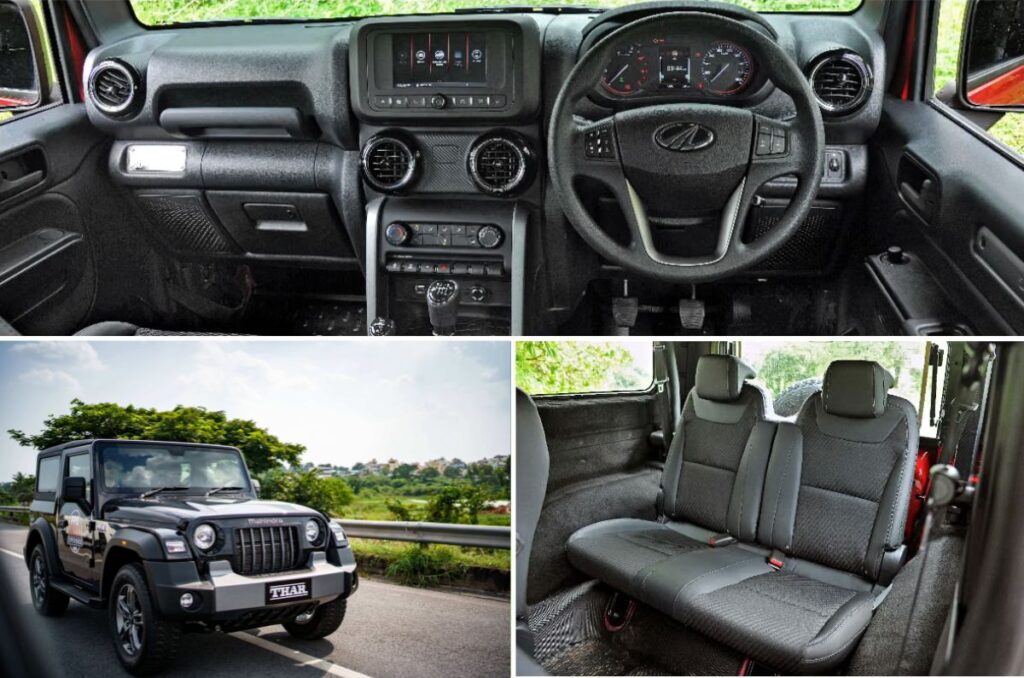
The Thar launched its first model in 2010 that became a major success for Mahindra. It is upgraded from the traditional 3-door model to 5-door Thar ROXX edition. The new Roxx offers more space and premium styling which makes this vehicle an iconic design.
Transmissions and Off-Road Features

With 6-speed manual and 6-speed torque-converter automatic transmission make this beast ready for any off-road trips. Its advanced features include independent front suspension and multi-link rear setup gives an excellent approach for tackling any situation. 

Features & Comfort

Mahindra Thar is offering advanced infotainment system, cruise control function, and roof-mounted speakers. For safety purposes, it is best on rough road trips with its rollover mitigation, descent control. Also, providing full coverage during crash with ABS with EBD and ISOFIX mounts that scored 4-star from Global NCAP safety rating.

Pricing and Value

The Mahindra Thar price is around $15,500 but it depends on variant and option preferences. The new ROXX MX5 diesel MT 4WD variant can be around $28,000. Its sales are rising day-by-day as it served an outstanding performance that surged to 80% sales.

Read More :- Kia Seltos vs MG Hector: Which SUV Offers More For Your Money?

Maruti Jimny: The Nimble Mountain Goat

The Maruti Jimny or Mountain Goat, has been called by both names. It’s best for beginners who wanted a mountain trip due to its body which is small, light, and agile for off-roading. 

The Powerful Engine of Maruti Jimny

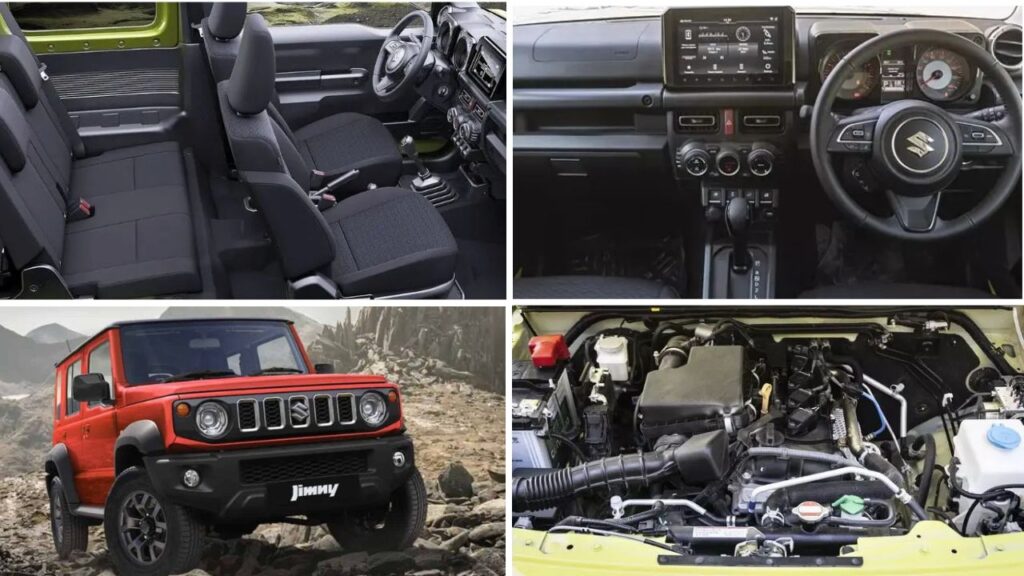
Maruti Suzuki Jimny has a powerful 1.5-litre petrol engine which produces 105 horsepower with 134 Nm of torque to ride smoother and confidently. It turns from lower to high speed with 5-speed manual or 4-speed torque-converter automatic transmission. Its fuel efficiency is 16.94 kmpl in manual and 16.39 kmpl in automatic.

Variant & Pricing

This 5-door Maruti Suzuki Jimny first came in 2023 now its price is $17,225. It’s available in the market but it also exports from India to other countries. 
Safety Features

It offers well-equipped safety features to prevent big impact on passengers with 6-airbags, ABS with EBD, descent control, and LSD to tackle slippery roads. Hill control systems for off-roading safety that makes it perfect for the people who want to go on trips.

Suspension and Ride Comfort

It has 3-link rigid axle suspension to provide excellent grip that makes a good impact on users with a comfortable ride. The mind-blowing 4×4 system and low-range transfer case is giving an amazing experience. It also has Brake LSD traction control which automatically applies brakes to slippery roads. 

Feature Mahindra Thar (2025) Maruti Jimny (2025)
Engine Petrol & Diesel options Petrol only
Power More powerful Less powerful
Drive Type 4-wheel & Rear-wheel drive 4-wheel drive only
Mileage Lower (around 9-16km/l) Higher (around 16km/l)
Seats 4 people 4 people
Space Bigger, more boot space Smaller, less boot space
Ground Clearance Higher (226mm) Lower (210mm)
Price Starts at ₹11.5 lakh Starts at ₹12.7 lakh
Top Features Convertible top, off-road features Easy drive, cruise, safety
Best For Adventure, off-road lovers City use, family trips

The Final Verdict: Who Wins Off-Road? 

If a buyer wants an extreme brute off-roading partner then nothing is better than Mahindra Thar which is expert in crawling on mountain roads, muddy, steepy inclined roads. It offers a higher ground clearance with powerful engines that are ready to rock the party.

While Maruti Jimny is a narrow, technical trail which gives twists and turns that makes it perfect for sandy lands. The Maruti Jimny lighter weight model swiftly tackles slippery land and makes it an excellent choice for beginners. 

Ultimately both off-roaders offer a tough body, 4×4 system and powerful engines but the choice is yours. Select the powerful brawler or mountain goat that depends on your personal preferences.

Sharey Khan

Sharey Khan is an IT entrepreneur and petrol head & a car enthusiast. With a special focus on car-related content, he combines his deep passion for vehicles with a talent for crafting informative, engaging, and easy-to-understand content. His writing is driven by a genuine love for cars and he is committed to providing readers with accurate, up-to-date, and trustworthy information that empowers smarter driving decisions. 

Leave a Reply

Your email address will not be published. Required fields are marked *

0

Ramesh Babu Car Collection: India’s Biggest Luxury Rental Garage

Ramesh Babu Car Collection

South India boasts many luxury car collections, but what makes Ramesh Babu Car Collection so unique is its size and organization. It is common to get such a personal impression of this collection, but in reality, the almost 400 vehicles strong fleet is actually run under the company Ramesh Tours and Travels, offering the personal luxury vehicles for commercial rentals. 

Range spans from a Maruti Omni (practical) to the Rolls-Royce Ghost and Mercedes-Benz Maybach S600, that is some show of sophistication in high-end asset management and high-end asset rental management, one suspects. 

Rolls-Royce Ghost Series I and II

The Rolls-Royce Ghost is the flagship of the fleet. The first purchase which dates back to 2011 for the Ghost at around ₹3 crore, it was the collection’s debut in the most ultra-luxury motoring category. Newer Ghost variants in the fleet currently cost around ₹7–8 crore, depending on the variant of customization.

Rolls-Royce Ghost Series I and II

With a 6.6L V12 twin-turbo engine, the Ghost is all about effortless, smooth power, with the majority of its torque available at low engine speeds. Its sophisticated air suspension and electronically controlled chassis guarantee a fantastically smooth ride.

Technical Specification Value/Detail
Engine Code N74B66 V12-T7
Displacement 6,592 cc
Maximum Power 563 hp @ 5,250 rpm
Peak Torque 780 Nm 
Transmission 8-speed ZF 8HP90 automatic
Acceleration  4.8 seconds (0-100km)
Top Speed 250 km/h (electronically limited)

Inside, the Ghost combines bespoke luxury with contemporary technology — including coach doors, premium full-grain leather, book-matched wood veneers, built-in umbrellas and extensive sound insulation. The result is a Zen, hushed space that radiates warmth and luxury, especially for the upper-echelon renters. 

Mercedes-Maybach S600 — German Luxury

Tech futurism isn’t previously on display in a vision of luxury in the Mercedes-Maybach S600. Purchased for about ₹2.7 crore, it is a preferred choice among corporate honchos and tech entrepreneurs to the Rolls-Royce Ghost.

Mercedes-Maybach S600

Its 6.0L V12 Biturbo engine delivers the kind of smooth, silent performance that Magic Body Control, scanning the road ahead, easily anticipates and cushions bumps.

Metric Specification
Engine Type 6.0 L V12 Biturbo
Power Output 530 hp
Maximum Torque 830 Nm
Transmission 7G-TRONIC Plus 7-speed automatic
Fuel Capacity 80 Liters
Top Speed 250 km/h

The S600 even features a private-jet-like rear cabin with reclining executive seats that offer massage and ventilation functions. Premium amenities include Agarwood fragrance, a 24-speaker Burmester 3D sound system, rear-seat voice amplification, and dual 12.3-inch infotainment screens with a luxury business console. 

High-Performance Off-Road Luxury: The Mercedes-Benz G-Wagen

The space also includes the Mercedes-Benz G400d and G350d, the earliest G-Wagens in India to be operated as commercial taxis. Based on the robust ladder-frame chassis, the G400d Adventure Edition is equipped with the state-of-the-art OM656 inline-six diesel engine.

Inside, the rugged off-road vehicle features Nappa leather, three-zone climate control and a digital display board with ambient lighting, outfitting the S-Class luxury with military-grade toughness. Approximately ₹5,000 per hour is the cost to rent a G-Wagen, perfect for those clients looking for power, prestige and comfort in any terrain. 

Feature G400d Specification
Engine 2,925 cc Inline-6 Diesel
Max Power 326 hp @ 3,600 rpm
Max Torque 700 Nm 
Drivetrain AWD with three locking differentials
Ground Clearance 241 mm
Acceleration 6.4 seconds

Benz S-Class and E-Class

The garage turns over a sizable quantity of Mercedes-Benz E-Class and S-Class models as the staples of its executive level, catering largely to corporate clients and long-term VIP reservations. 

Benz S-Class and E-Class

The newest models are three Mercedes-Benz E-Class LWB 220d sedans in High-Tech Silver that come with S-Class-like rear-seat space. Significantly, a 2004 E-Class signified the garage’s turn from economy car rentals to luxury offerings.

Component E 220d LWB Details
Engine 2.0 L 4-cylinder Diesel
Power 192 hp
Torque 400 Nm
Transmission 9G-TRONIC 9-speed automatic
Price ₹72.8 lakh (ex-showroom)
Interior Black leather with wood and aluminum trim

The fleet of Mercedes-Benz S-Class (W221 to W223) amounts to the finest in luxury whose price ranged from ₹1.5–2.5 crore which includes extremely high-tech features such as rear-axle steering and active air suspension for a most comfortable ride. 

The British Contingent: Land Rover and Jaguar

The garage includes a solid collection of British luxury sport-utility vehicles (SUVs) and sedans, combining traditional British sophistication with contemporary performance.

Land Rover and Jaguar

Among the critical additions is our Land Rover Defender 130 as a commercial taxi with a maximum occupant of eight passengers and the pick for its road boldness and group-carrying capability. With the Range Rover Vogue LWB priced at approximately ₹ 3.2 crore delivering a potent diesel powertrain and the family personal garage also boasts the ultra-exotic Range Rover SV priced at ₹5.4 crore that brings bespoke design, premium audio, and paint options.

Feature Defender 130 Specification
Variant D300 HSE
Engine 3.0 L Inline-6 Diesel with Mild Hybrid
Power/Torque 296 hp / 600 Nm
Exterior Color Fuji White with Black Contrast Roof
Interior Black and Tan leather
Rental Rate ₹3,000 per hour

The Jaguar XJ L is a stylish rival to German sedans and achieves better agility thanks to a lightweight aluminum construction, classic British luxury, and prices ranging from ₹1 – 1.8 crore. 

BMW i7 and Mercedes EQS

The garage has grown into green luxury with top-tier electric sedans, complying with metro regulations and providing ultra-quiet ride service.

Metric BMW i7 xDrive M70
Battery Capacity 101.7 kWh
Max Power 650 hp
Max Torque 1,015 Nm
Range (WLTP) 560 – 625 km
Interior Highlight 31.3-inch 8K Theatre Screen

The BMW i7 in eDrive50 and M70 variants is packed with ultra-luxury additions, including Executive Lounge Rear Seating and the immersive Sky Lounge panoramic roof. The Mercedes-Benz EQS 580 turns heads with more than just its eye-popping 56-inch Hyperscreen; it also packs advanced rear-axle steering, which makes this sizable electric sedan deceptively nimble and an absolute breeze to guide through city streets. 

Feature EQS 580 Specification
Battery 107.8 kWh
Claimed Range 857 km (ARAI)
Performance 544 hp / 858 Nm
Charging 200 kW DC (0-80% in 31 mins)

Read More:-  The Ultimate Guide to the Best Compact SUVs in 2026: Drive Smart, Live Better

High-Capacity Luxury: The MPV Fleet

A majority of the 400-strong fleet is comprised of luxury MPVs, catering to corporate groups, families and celebrity entourages.

Toyota Vellfire

The top-of-the-line MPV, the Toyota Vellfire Executive Lounge, costs around between ₹1.2 to 1.5 crore and comes with ultra-comfortable lounge seats in the middle row as well as hybrid option. For around ₹3,000 an hour, it is a top pick for celebrities on the go.

Technical Detail Toyota Vellfire Specs
Engine 2.5 L Petrol Hybrid
Combined Power 142 hp (Engine) + Electric Motors
Seating 7-seater with 2nd-row reclining ottomans
Fuel Efficiency 19.28 km/l

Mercedes-Benz V-Class and Viano

A fleet of Mercedes-Benz V-Class and Viano also ensures that you can enjoy a true mobile office experience with swivel seats and tables – ideal for luxury business jaunts. 

Feature Category V-Class (Current) Viano (Previous Gen)
Engine Options 2.0L Diesel (1950cc), up to 161 hp 3.0L V6 Diesel, 214 hp​
Transmission 9G-TRONIC 9-speed auto 7G-TRONIC 7-speed autol
Seating Capacity 6-8 seats, flexible configs 6-8 seats, modular layout
Safety Features Active Brake Assist, Blind Spot Assist​ ESP, airbags, basic ADAS
Infotainment MBUX 10.25″ touchscreen, Apple CarPlay COMAND system, smaller screen

Conclusion

Ramesh Babu Car Collection is not just a show of riches- it is a well orchestrated luxury mobility solution. The combination of ultra-luxury flagships like the Rolls-Royce Ghost and the Mercedes Maybach S600, as well as executive sedans, rugged off-roaders, electric vehicles, and high-capacity multi-purpose vehicles (MPVs), the fleet raises the bar for premium car rental services in India. 

0

What is ORVM in a Car and How Does it Work?

ORVM in a Car

ORVM is a part you use everyday when you’re driving a car. Outside Rear View Mirror helps you navigate side vehicles and that’s why they are mounted on the doors of your car. But if you don’t know how to use it efficiently and how it works then continue reading this blog because it helps you understand why it is so helpful in driving and parking situations. 

What Does ORVM Stand For?

ORVM is short for Outside Rear View Mirror. Car manufacturers use this term at professional standards to refer to the side mirrors which fit on the outside of a car’s doors. The official term is also used by mechanics and automotive engineers. It is presented on both sides — driver’s and one on the passenger’s side.

The term, ORVM, companies use to show their precision at standard level. In technical documentation, especially in manuals, insurance paperwork, and manufacturing specs, there’s also an IRVM, which refers to the inside Rear View Mirror because it is placed inside the cabin. 

Having distinct acronyms avoids confusion between the two, since both serve a similar purpose but sit in very different locations and work differently.

Why ORVMs Exist in the First Place

Your eyes can miss blind spots especially at night so these mirrors will help you. Even being attentive while driving, you simply can’t see everything from the inside. The IRVM covers what’s directly behind your vehicle but it can’t show you the side view or on the diagonal side. 

Both ORVM and IRVM are essentials for safe driving for yourself and others. They are mostly used during lane changes, reversing, or merging into traffic. If you use both kinds of mirrors, it cuts down blind spots and reduces the risk of collisions during turns or lane shifts.

ORVMs give the driver a wide-angle view of the lanes beside that’s why they are positioned on both sides of the car. It also helps in diagonally shifting lanes or overtake as it allows us to see slightly behind the vehicle. 

How Does an ORVM Work?

When you look at an ORVM, it just looks like a plain piece of glass in a plastic shell. However, depending on the vehicle trim, a lot of engineering can be packed into that small unit. Here is a rundown of how it works. 

1. The Mirror Housing and Glass

The core of the ORVM is the mirror glass itself, usually convex (slightly curved outward) rather than flat. The curve is deliberate — it expands the display of a flat mirror so the driver can see more of the road, although it does make objects appear a bit smaller and farther away than they really are. That’s also why the phrase “Objects in mirrors are closer than they appear” is written on a lot of passenger-side mirrors. 

The glass is held within a housing, typically ABS plastic or a comparable resilient polymer, that is secured to an adjustable mounting bracket at the car door. 

2. Manual vs. Electric Adjustment

Manual ORVM adjustment are quite common among older and budget cars, where you use your hand to push the mirror and adjust it. This is simple and inexpensive, but inconvenient, particularly if the driver has to adjust the passenger seat mirror on the road. 

Electrically adjustable ORVM are offered in most of the modern vehicles. These have a small motor within the mirror housing that is controlled with a switch located on the door or in the center console. The switch allows you to select the left or right mirror, and then adjust it up, down, left or right by using a joystick control. This motor moves the mirror glass via small gears, giving you precise control without leaving your seat.

3. Folding Mechanism

Most ORVMs are available with a folding mechanism, manual or electric. This allows the mirrors to be folded in towards the body of the car. This is beneficial for: 

  • Narrow parking spaces where extended mirrors might get bumped
  • Protecting mirrors from getting knocked off in busy traffic or tight alleys
  • Reducing the car’s width for garage parking

For electric folding systems, the folding and unfolding is handled by a separate small motor concealed in the mirror base, generally activated by a button or automatically when you lock the car. 

4. Heating Element (Defogger)

In cold climates, ORVMs generally come with embedded heating wires on the glass surface. When activated it warms the glass slightly to remove fog, frost and moisture, with the result that visibility never is affected during winter or rainy weather. 

5. Integrated Indicators and Cameras

Higher-end and modern cars pack even more into the ORVM housing:

  • Turn signal indicators: Small LED lights embedded into the mirror casing that blink when you use the indicator, making your turn more visible to vehicles beside and behind you.
  • Blind Spot Monitoring (BSM) sensors: Some ORVMs are equipped with sensors that sense vehicles in your blind spot and notify you through light or sound 
  • Camera-based mirrors: A few premium and electric vehicles have replaced the traditional glass mirror entirely with a small camera, streaming a live feed to a screen inside the cabin. This reduces wind resistance and improves aerodynamics, though it’s still uncommon in mainstream vehicles.

Read More:- How to Claim Car Insurance for Own Damage: A Step-by-Step Guide

Why ORVMs Matter More Than You’d Think

Your car’s mirrors are one of those things you don’t really notice until they stop working — a mirror gets knocked by a passing car, ceases folding, or the electric adjustment quits responding. But every time you are on the road ORVMs contribute significantly towards your safety. You use them to judge distances when overtaking, to see cyclists, other cars, trucks, or motorbikes hiding in blind spots, and when reversing or parallel parking. 

ORVMs are getting damaged easily because they are outside of the car and get easily hit by anything, mostly in traffic areas and narrow parkings. Due to this, spare part dealers have their ORVMs listed with names for mechanics and car owners to quickly identify the required component for replacement against their car’s make, model and variant. 

Conclusion

ORVM might seem like a complex term but in reality, it is nothing but the outside mirrors which all of us use many times in a day without even thinking about it. Knowing what goes into them, from the curved glass to the motorized adjustments, folding mechanisms, heating elements and, more and more, built in sensors and cameras makes you appreciate how much engineering is involved in keeping you safe on the road. 

The next time you look at your side mirror before switching lanes, you’ll know there’s a lot more happening behind that little piece of glass than you realize. 


0

How Much Salary Do You Need to Afford A BMW in India

Published Oct 24, 2026, 11:45 AM
Last Updated Oct 26, 2026, 6:19 AM

Afford A BMW in India

Most of the corporate employees posted a photo with a new BMW, and everyone wondered how someone at this age pulled it off. The simple way is usually a loan. A BMW in India costs about ₹55 lakh on the road, and to pay that kind of money from your salary is possible when you are sitting in a good position at the company. 

Your six figures salary can make you eligible to afford a BMW without squeezing your savings, your home-loan eligibility, and your sleep.

Check the real cost of your chosen vehicle and city registration cost then calculate along with the way I did below here. The figures mentioned in the article are estimated on the current listing so the real cost of the car might be updated.

How Much BMW in India Costs

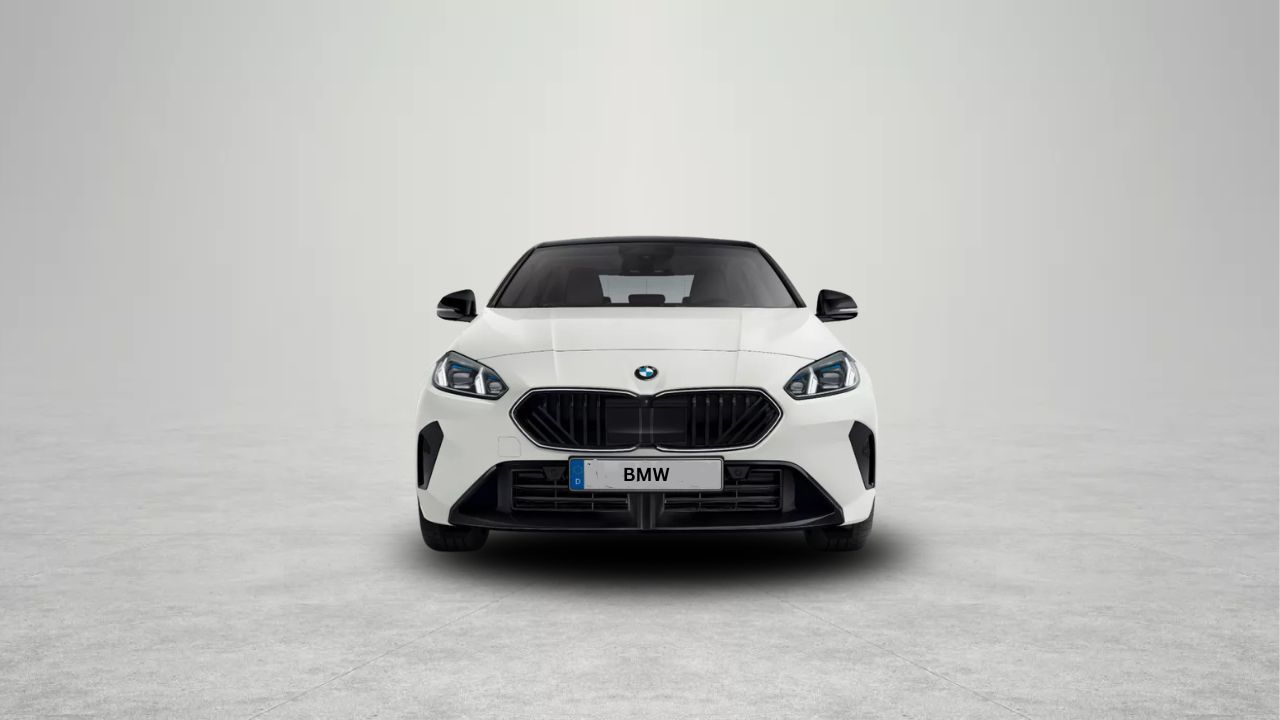
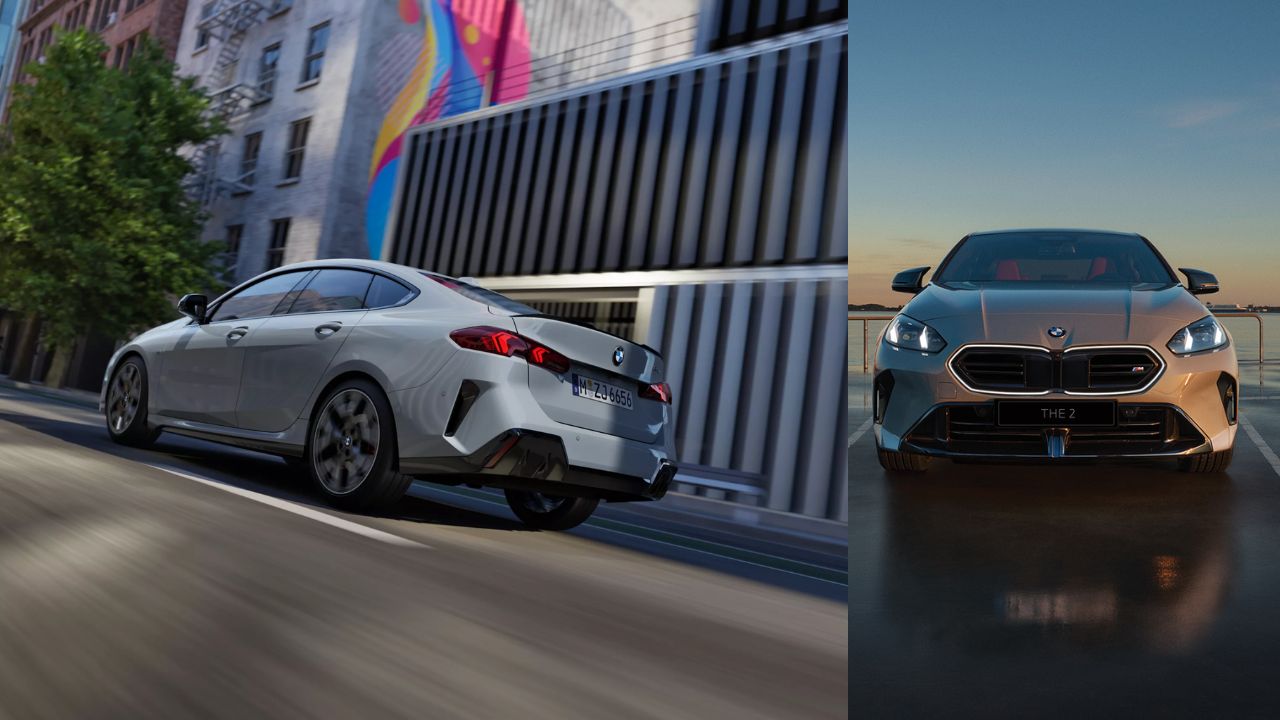
BMW 2 Series Gran Coupe comes at a lower price than other luxury cars. It launched last year in India at ₹45.80 lakh (ex-showroom) and the second variant (M Sport Pro) with more cabin specs priced at ₹48.20 lakh.

Ex-showroom is not what you pay. Registration and insurance add a lot, and both vary by state. The estimates put the on-road price around ₹53–55.8 lakh in Delhi, and up to ₹57.6 lakh in Pune. 

The BMW cost you around ₹54.7 lakh on the road if you are buying from Indore. It shows how a ₹45.8 lakh car is becoming around Rs 55 lakh by adding ₹6.66 lakh registration charge, ₹1.8 lakh for insurance and additional charges around ₹46,000.

For planning, ₹55 lakh is a fair middle figure, and every number below uses it. Check your own city’s on-road quote before you commit, because a ₹5 lakh swing between states is normal.

The Loan Math Behind the ₹91,000 EMI

If you are buying a BMW with your salary then cash isn’t your way. The 20% down payment and a five-year loan agreement can be a standard and better plan.

On a ₹55 lakh car, 20% down means ₹11 lakh upfront. The rest of the ₹44 lakh loan you have to repay every month. If the interest applied on loan is 9% then the EMI will be around ₹91,000 a month in a 60 months tenure. So the total repayment amount is nearly ₹54.8 lakh including ₹10.8 lakh interest.

The Loan Math Behind

Interest rates can be lower but most of the car loans have 9% to 10% of interest, depending on your credit score and the lender. The difference of one percent is gonna push the EMI to about ₹93,500. The tenure period also matters, EMI cost will increase in a shorter tenure but it cuts total interest amount. 

If you buy a BMW on a car loan with a down payment of ₹13.5 lakh and a 4-year tenure at 10% interest rate, it will cost you around ₹87,580 every month. The point is that the EMI is a function of how much cash you bring on day one. Every extra ₹1 lakh in down payment cuts roughly ₹2,000 from your monthly instalment on these terms.

The Costs That Arrive After the EMI

New buyers often budget for the loan and forget the car. A BMW needs fuel, insurance, tyres and servicing, and none of them are cheap.

Fuel is the smallest piece. At about 1,500 km a month, a real-world 12 kmpl and ₹100 a litre, you spend around ₹12,500 a month. Insurance is lumpier. The first year costs about ₹1.78 lakh in the Indore breakdown, and a comprehensive policy generally falls in the ₹1.5–2.5 lakh range depending on the car’s declared value and your no-claim bonus. 

Spread over twelve months, that’s ₹12,000–20,000. Then comes servicing, tyres, wiper and brake replacements, and the occasional repair, which add up to a few thousand rupees a month on average.

Together, plan on ₹20,000–30,000 a month beyond the EMI. Add that to ₹91,000 and your total monthly car cost is about ₹1.15–1.20 lakh.

How Much Salary Do You Need for a BMW in India?

Personal-finance planners commonly say all car costs, meaning EMI, fuel and insurance, should stay within 15–20% of your monthly take-home pay. That’s a rule of thumb, not a law, but it exists for a reason. Anything above it starts eating into the money meant for your home loan, investments and emergency fund.

Calculate your monthly expenses including your car expenses, if you pay ₹1.2 lakh a month in car costs so it will eat up 20% money from your salary and 80% will go for your other commitments. Your earning should be in the range ₹5 to ₹6 lakh. At 15% end, your pay scale should have to be around ₹8 lakh. It works smoothly if you have no other large EMIs.

In annual terms, your salary estimates roughly ₹85 lakh to ₹1.2 crore without tax cuts. The surcharge and the 30% slab take a big bite at this level. It updates with time, calculating your in-hand salary according to the latest slabs for your financial year.

Salary Do You Need

The rule is “20/4/10” to buy any luxury German car on your salary. It means 20% down payment from your salary to a 4-year loan. The running cost of the car plus an EMI should take your 10% of the income. Spending more of your income will keep you awake all night because of a burden.

Your monthly salary should be around ₹12 lakh to pay ₹1.2 lakh to run a BMW on road. But most people don’t earn that much in a month in a job so it is too expensive to buy a new BMW at ₹55 lakh. People eyeing that car mostly have business running around in the side or supporting their own family business

A few situations change the math in your favour:

  • A bigger down payment. Put 40% down (₹22 lakh) and the EMI on a ₹33 lakh loan drops to about ₹68,500. Add ₹25,000 in running costs and you need around ₹4.7 lakh a month in hand.
  • A longer tenure. Stretching to seven years cuts the EMI but raises total interest sharply. Fine for cash flow, costly overall.
  • Business or variable income. If your pay swings, plan around your worst quarter, not your best.

How the 2 Series Gran Coupe Stacks Up Against Rivals

If you’re buying a BMW in India at this price, the realistic cross-shopping list is short. Audi A4, the Mercedes-Benz A-Class Limousine and the Audi Q3 as the 2 Series Gran Coupe’s direct competitors.

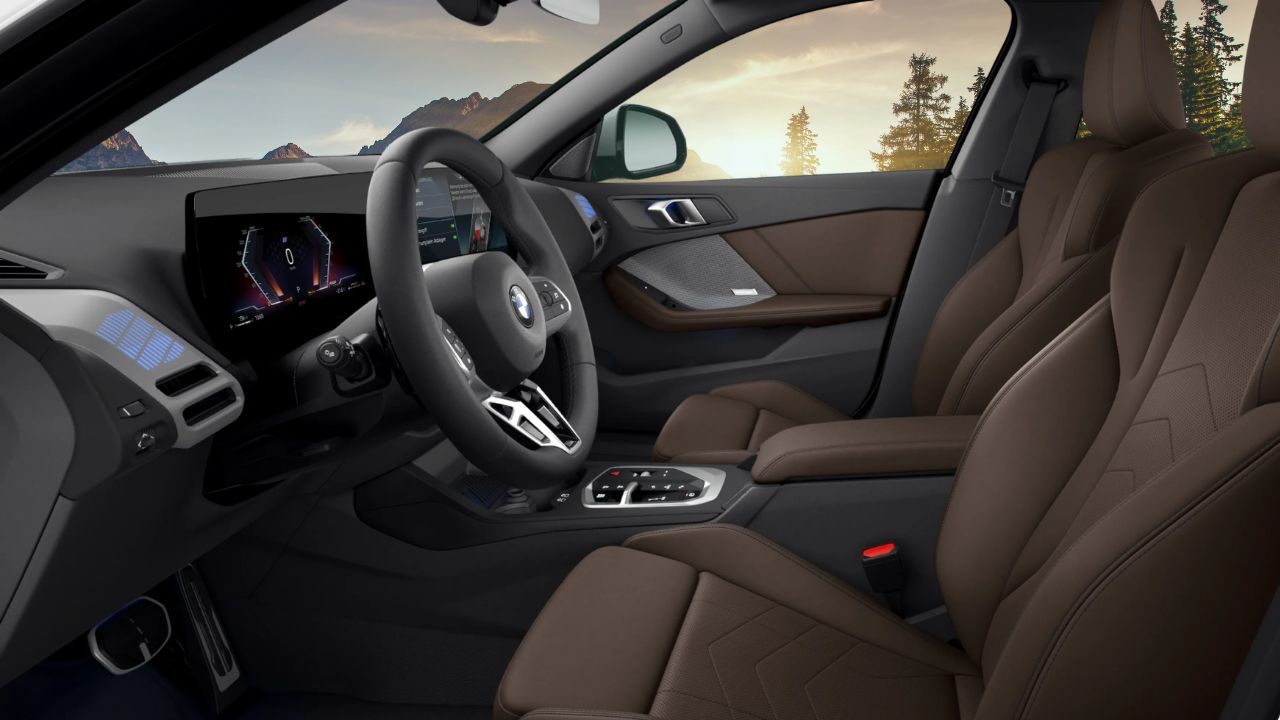
The BMW’s pitch is a driver-focused compact sedan with a coupe-like roofline, a curved display dashboard and a dual-clutch automatic. It’s the sportiest of the three on paper and the cheapest way into a BMW showroom. 

Variant Engine Power output Torque Transmission Claimed mileage
BMW 218 M Sport 1,499 cc, 3-cylinder BMW TwinPower Turbo petrol with 48V mild-hybrid system 115 kW / 156 hp (154 bhp) 230 Nm 7-speed Steptronic DCT, front-wheel drive 16.35 kmpl

Both BMW 218 M Sport and BMW 218 M Sport Pro have the same specs but the 218 M Sport Pro is ₹3.10 lakh higher than the base model. BMW X1 petrol variant is ₹5.10 lakh higher and diesel variant is ₹7.10 lakh higher than the 218 M series in India. Price gets higher because luxury experiences are expensive with SUV body style, higher driving position, longer-wheelbase practicality.

The Mercedes A-Class Limousine is the closest rival for badge and price, and it tends to win on cabin tech and ride comfort but the car is discontinued in India. The Audi A4 is a size larger, which means more rear-seat space, but it usually costs more once you tick option boxes. Against the BMW X1’s ₹50.90–52.90 lakh range, the A4 Premium undercuts it by ₹4.02 lakh, but the A4 Technology costs ₹2.93 lakh more than the X1 petrol. 

For a buyer deciding purely on affordability, the three cost within a few lakh of each other. Insurance and servicing are close too. The decision usually comes down to what you want from the car: the BMW for how it drives and the Audi for the space.

👉  5 Best Affordable SUVs Under 15 Lakhs In India

Buy a Used BMW at the Half Price

Depreciation is the hidden cost of a new luxury car, and it is brutal in the first three years. Estimates vary, but a drop of 35–45% in value across the first five years isn’t unusual for premium cars in India. Buying used lets someone else pay that bill.

A well-maintained 3-to-4-year-old BMW 3 Series or X1 typically lists between ₹25 lakh and ₹35 lakh. Run the same 20% down, 5-year, 9% loan on each end:

Car price Down payment Loan EMI Running costs Total monthly Income needed (20% rule)
₹25 lakh ₹5 lakh ₹20 lakh ~₹41,500 ₹15,000–20,000 ~₹57,000–62,000 ~₹2.9–3.1 lakh
₹35 lakh ₹7 lakh ₹28 lakh ~₹58,000 ₹20,000 ~₹78,000 ~₹3.9 lakh

So a post-tax income of roughly ₹3–3.9 lakh a month makes a used BMW comfortable, and the EMI is nearly half of what the new car demands. Buying a used BMW car can be risky if the warranty is ended, its repair cost will be too expensive. So check the certified paperwork of the car or choose a car which repair history and services records are available. Take an independent mechanic to inspect the car and keep extra budget for repairing in the first year.

Conclusion

If you want to afford a BMW in India with your salary then start with three questions. Do you have six months of expenses in an emergency fund, separate from the down payment? Is your income stable enough that a ₹1.2 lakh monthly commitment won’t keep you up at night? And have you finished the bigger goals, like a home, that a car loan would otherwise compete with?

If the answer to all three is yes and your take-home is near ₹6 lakh, the 2 Series Gran Coupe is a reasonable purchase. If your income is closer to ₹3–4 lakh, the used 3 Series or X1 gives you the badge without the strain. If you’re below that, the honest advice is to wait a year or two. A BMW will still be there, and so will the loan.

Before you walk into a showroom, take your city’s on-road quote, divide the loan by a bank’s EMI calculator, add ₹25,000 for running costs, and see whether that total sits under 20% of what lands in your account each month. If it does, go. If it doesn’t, you’ve just saved yourself a bad decision.

0

2026 Isuzu V-Cross Launched at ₹25.50 Lakh, 4×2 Trims Discontinued

Published Feb 25, 2026, 12:27 PM
Last Updated Apr 8, 2026, 7:22 AM

2026 Isuzu V-Cross

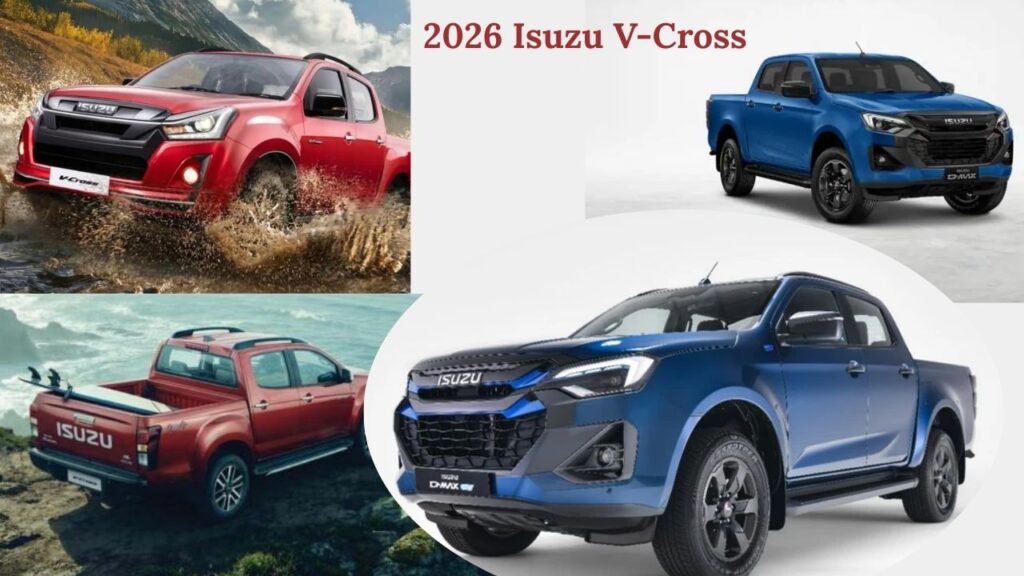
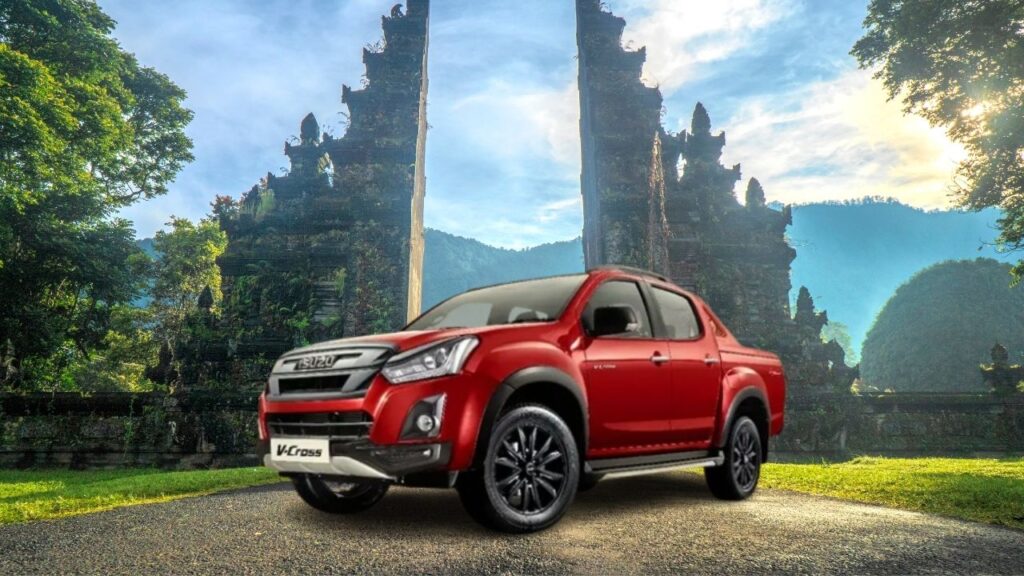
Isuzu eyes off-road supremacy with 2026 Isuzu V-Cross in India but offers it only in a four-wheel-drive avatar. Priced from ₹25.50 lakh (ex-showroom), the revised V-Cross is now available in 4×4 only, signifying Isuzu’s belief that customers in this segment prefer authentic off-road capabilities to superficial ruggedness. 

The Big Move: Standard 4×4 Across the Board

The 2026 change is a little more dramatic: no more two-wheel-drive options at all. Earlier, the 2026 Isuzu V-Cross range had 4×2 variants which catered to city dwellers enamoured by the road presence of the pickup, but had little need for mountain-conquering hardware. Isuzu has evidently decided that the V-Cross nameplate is too inextricably linked with adventure to bastardise it with front-wheel-drive models.

The Big Move: Standard 4×4 Across the Board

This shift-on-the-fly 4WD system is not an over-badged engineered gimmick. It comes with high-torque mode, hill descent control, and an auto-locking differential that is now standard fitment. For anyone who actually took a 2026 Isuzu V-Cross off the beaten path, this is not advertising fluff—it’s the difference between making it up a slippery incline and calling for a tow truck.

Features and Specification

Design & Exterior 

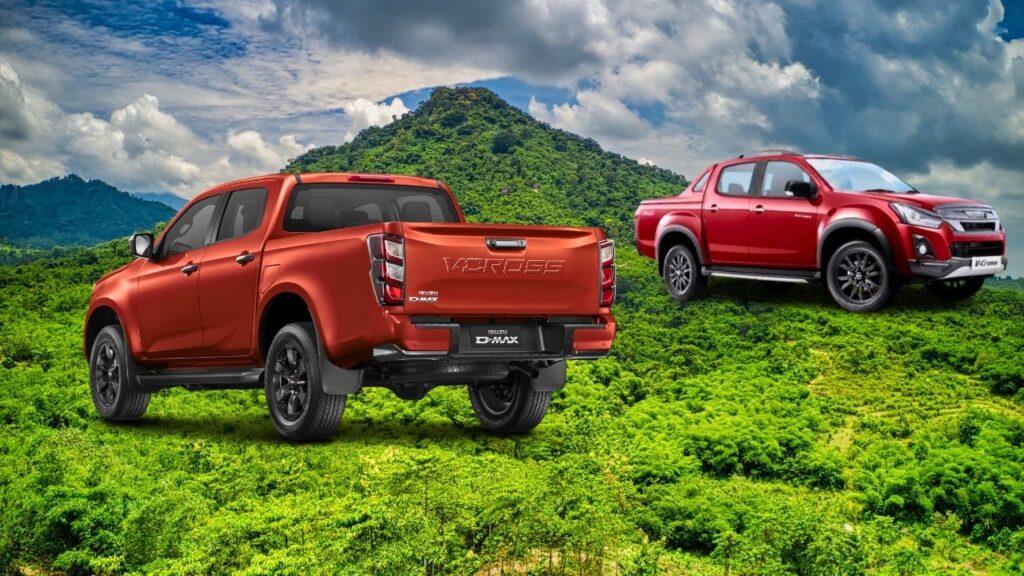
The 2026 brings major progress beyond just the powertrain switch, with far more meaningful changes and innovations on and off the road. The exterior gets a darker and bolder treatment with grey finishes on the grille, the fender lips, ORVMs and rear bumpers. The Z Prestige variants take it even further with very dark grey accents on the hood garnish and uniquely designed matt black alloy wheels.It’s a subtle evolution, but one that helps the V-Cross look more purposeful and brings less chrome in its rearview mirror. 

Isuzu V-Cross Features and Specification

Interior and Tech Build

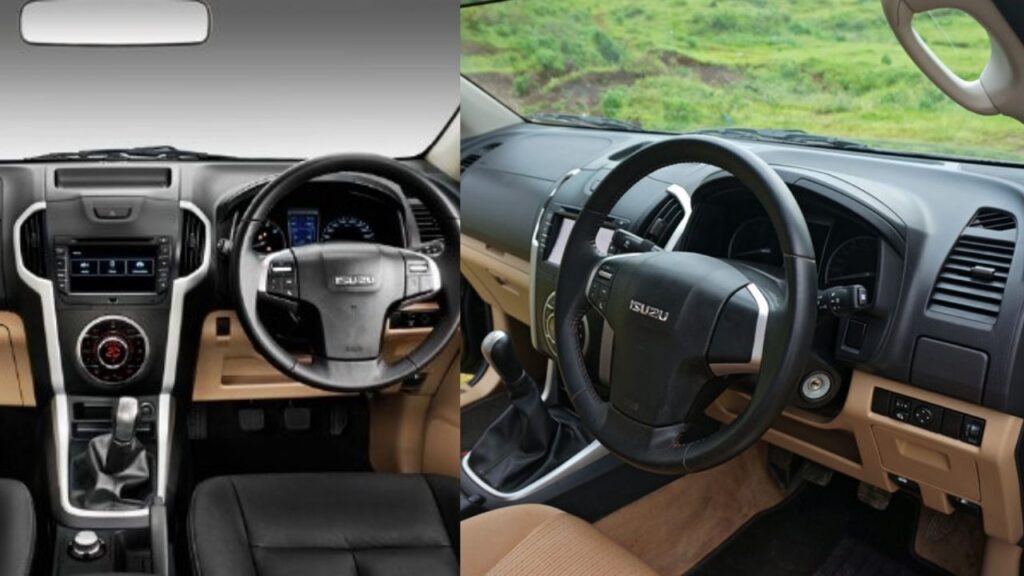
Inside, the tech is the most significant upgrade in years. The old 9-inch touchscreen has been substituted with a bigger 10.3-inch unit and Isuzu is at last offering the D-Max with a 360-degree camera — a system that makes parking this 5.3-metre monster in tight city spaces just a little bit less soul-destroying. 

Wireless Android Auto and Apple CarPlay are now available for all models, as well as tire pressure monitoring, and six airbags on upper trims. 

Space and Comfort

The back seats have an improved recline angle too, which solves one of the very few real issues with cabin comfort on the 2026 Isuzu V-Cross. For a machine that is famously put through long highway jaunts to the middle of nowhere, this is more important than it sounds. 

Powerful Engine with AMT Transmission

The 2026 Isuzu V-Cross offers a 1.9L 4-cylinder diesel engine that generates 163 hp, with 360 Nm of torque. These figures are not really going to make people say ‘performance monster’ in this day and age of 200+ horsepower pickups stealing the limelight, but that’s really not the point here. The Isuzu engine is a reliable workhorse – and real buyers in the real world will take dependability over shiny spec sheet numbers anyday.

You’ll have a choice of a 6-speed manual or 6-speed automatic transmission, and power will be sent to all four wheels by default, ensuring that the V-Cross is a reliable travel mate whether it is highways, rugged terrain, or the mundane city roads. 

To the point of the flat torque characteristic, a peak torque is already on hand at 2000 rpm and it is sustained until 2500 rpm. What that means in the real world is effortless, no-hassle highway driving, and plenty of low-end grunt for crawling over rough off-road obstacles without needing to rev your heart out. 

Pricing and Variants

2026 V-Cross prices start from ₹25.50 lakh for the Z 4×4 Manual and go up to ₹30.96 lakh for the fully loaded Z Prestige automatic. This is a rise in price over the 4×2 base model of the outgoing model but Isuzu is making the case that four-wheel-drive is now standard and buyers are getting more for their money.

Isuzu V-Cross Pricing and Variants

The revised range now includes two models – Z and Z Prestige, each available in manual and automatic transmissions. The Z Prestige adds quite a few extra features, including some dark-inspired styling, leather trim, six airbags instead of the Z’s two, and a beefed-up, 8-speaker, roof-mounted sound system. 

Read More:-  Fortuner vs Gloster: Which Full-Size SUV is Much Better

Who Is This For?

The 2026 Isuzu V-Cross is unparalleled when it comes to the dual purpose vehicle in the Indian market. As opposed to the regular D-Max, which is more commercial vehicle or luxury SUV, the V-Cross is sort of utility and comfort. It is designed for people who need a pickup truck’s practicality to perform work-related tasks such as hauling equipment or outdoor gear, but end their days in a safe, comfortable place. 

Discontinuation of the 4×2 variants The changes point towards Isuzu having studied its customers and having found that the majority of V-Cross buyers were already asking for four-wheel-drive. With the option of 4×4 becoming standard, Isuzu not only simplifies production but it also positions the V-Cross more directly against its sole real rival, the Toyota Hilux, which also commands a premium cost for its 4×4 models albeit from a larger vehicle. 

Conclusion

The 2026 Isuzu V-Cross isn’t reinventing the wheel, but is confidently refining it. By going all-in on four-wheel-drive, Isuzu is betting it can make this pickup stand out for real off-road prowess in a package that’s comfortable enough for daily use. These new features tackle pain points experienced by owners, and the darker styling gives the vehicle a more modern attitude.

It is not cheap at ₹25.50 lakh, but then nothing is when you have this mix of versatility, off-road kit and cabin polish. For those few who know why a real 4×4 pickup matters, the 2026 V-Cross is not only the obvious choice – it is the only choice. 

0

Scorpio-N vs XUV700 —- Battle of the Homegrown Mahindra Power SUVs

Scorpio-N vs XUV700

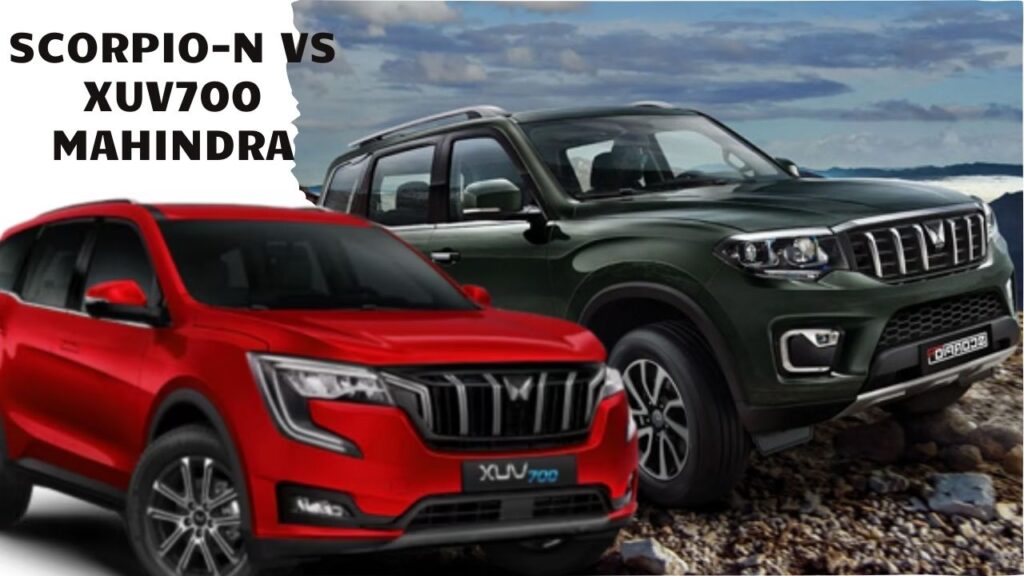
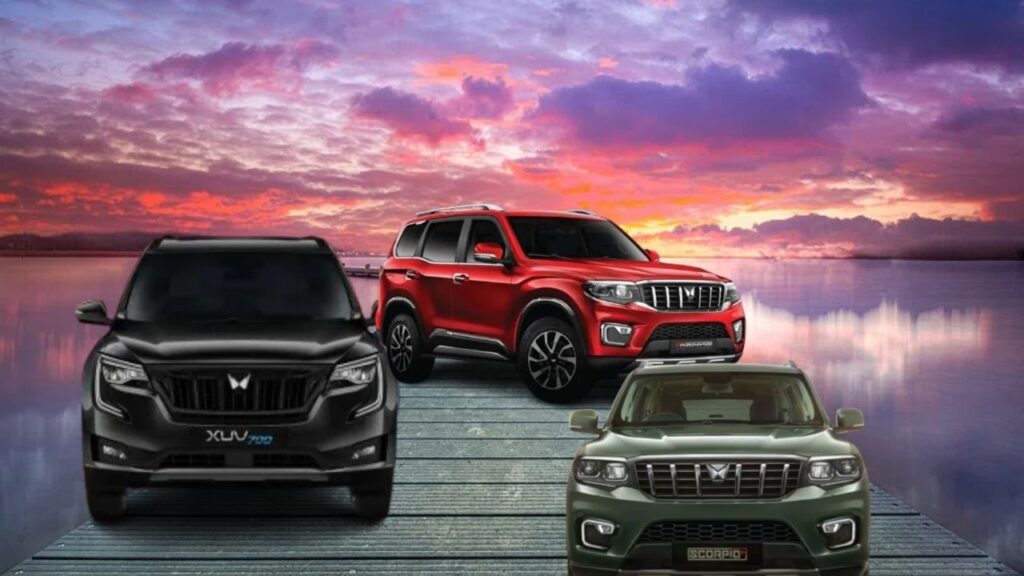
Scorpio-N vs XUV700 — if you’re looking for a strong and loaded SUV in the price bracket of ₹25 lakh, the names of the Mahindra Scorpio-N and Mahindra XUV700 keep recurring in every discussion. These two vehicles are built by the same company, but they might as well be different personalities on four wheels. Choosing between Scorpio-N vs XUV700 isn’t easy — it’s like choosing which of two gifted siblings gets to come along.

One is bare and aggressively macho, hungry for the road. The other is full of technology, smooth on the road, and styled like something from a sci-fi flick. So which one belongs in your garage? Let’s just dissect the details of these two titans. 

The Look and Feel

Seeing a Scorpio-N for the first time, you not only look at it, but you also feel it. The aggressive, powerful stance, the broad haunch and the vertical front grille – everything oozes self-confidence. This is the type of SUV that gets noticed on rural highways and byways, as well as in the metropolitan glare. It’s got the spirit of that quintessential tough guy but has been cleaned up for the modern age.  

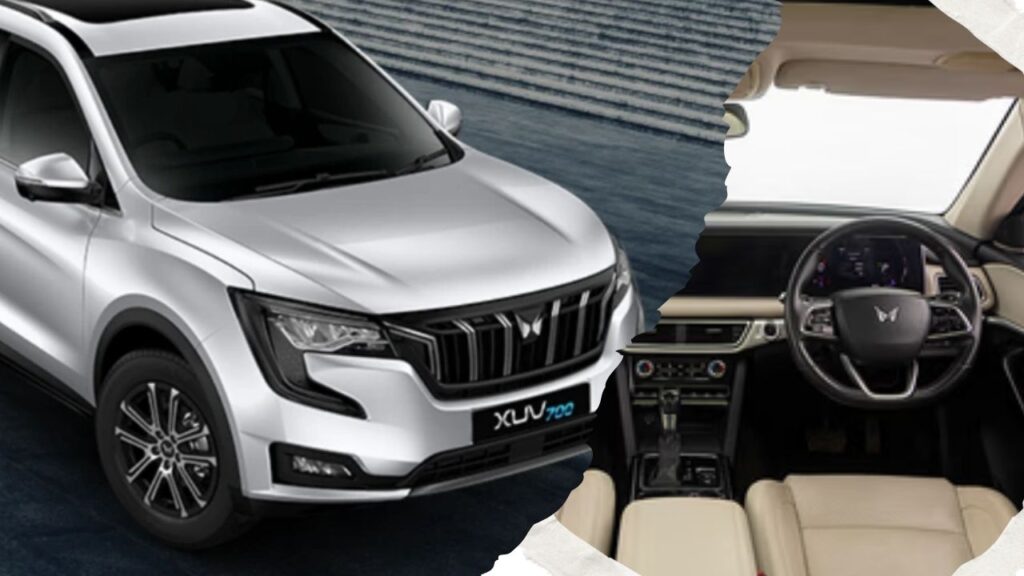
The XUV700, in contrast, is a whole different ball game. It’s sleek, urban and nearly futuristic in its styling. The side-by-side twin 10.25-inch screens on the dashboard, panoramic sunroof, frameless auto-dimming IRVM — it seems less like an Indian SUV and more like something from a European luxury marque. This is clearly aimed at the man who likes polish rather than punch.

Both designs have strong followings. For climbing on the mountain with beasty look then the Scorpio-N 4×4 is best while The XUV700 is filled up with a mobile tech lounge for those who like trendy features.

Power That Matters

Scorpio-N top variants offer 2.2-litre mHawk diesel engine which generates power of 175 bhp. And mStallion 2.0 L turbo-petrol also available that produces 200 bhp. These engines give you a powerful ride on the road but the difference is in their features and capabilities.

Power That Matters

The XUV700 gets a strong 2.0-litre turbo petrol breathing out 200 hp, while the 2.2-litre diesel unit churns out 185 hp. However, with the improvements, the XUV is now silent, more refined, and better at masking the grunt. Scorpio-N, on the other hand, is all physical. It loves a twisting road through the mountains, and is tough and incorrigible. 

Both offer 4WD variants. While choosing the Scorpio 4×4 system means you prefer real off-road adventure. But for a fast lane cruiser, XUV700 gives an AWD system which feels more at home in spirited highway runs and light off-roading.  

Who Wins the Cabin Battle?

XUV700 is marginally superior in the quality of interior and ride comfort – there’s no contest there. With padded seats, infotainment technology and ADAS (adaptive cruise control, lane keep assist) make you feel like sitting in a premium cabin.

But do not count the Scorpio-N out. Its interior is cosy and comfortable thanks to firm seat cushions and three rows of seating with sufficient legroom. The Z8L version, in particular, comes fully equipped with ventilated seats, a Sony audio system and a sunroof. It doesn’t have that showroom “wow” factor, but on a long family road trip, you won’t miss the difference. Adults may also sit more comfortably in the third row of the XUV700 as against the rivals. Scorpio-N’s third row is recommended for kids or for short trips. Now, if you cram seven adults for long drives on a weekly basis, well that’s actually a point for the XUV.  

Value for Money

Mahindra offers both SUVs in almost the same range, starting at a price of ₹13.99 lakh. Scorpio-N goes up to ₹24.54 lakh ex-showroom and XUV700 goes up to ₹26.99 lakh for the top variant. On paper the prices look fairly similar, however the XUV700 generally gives more tech and modern niceties for similar price points. 

Value for Money

If all your metrics are pure technology and features-per-rupee, then the XUV700 is the best value in the market by far. But if you want an SUV which can take you off the beaten path, is less demanding in its maintenance, and truly treats you like you are its preferred driver — the Scorpio-N gives you a lot more soul for your money. 

Which One Fits For You?

Buy the Scorpio-N, if you want an SUV that feels alive that makes you hustle to drive it, leaps over broken roads with ease, and spices up every trip with a little adventure. It’s for people who don’t want their car to just feel like an appliance.

Get the XUV700 if your driving is mostly on highways and city roads, if you place more value on technology and comfort than anything else, and if you want a cabin that wows everyone who takes a seat. It’s for people who view their car as a lifestyle choice. Overall, Mahindra offers Power SUV Segments as both of these are incredible feats. 

Read More:- Punch vs Exter: Best Budget Micro-SUV for First-Time Car Buyers

Conclusion

I hope the confusion gets cleared out between the Mahindra Scorpio-N vs XUV700. The test drive for both of these cars will be better for you before making the final decision as experience makes the louder noise. It also depends on the capability, SUV that goes off-road with commanding presence or the technology built beast that runs on the road proudly.  

Whatever the case, both SUVs show that Mahindra & Mahindra have the muscle – literally, as well as metaphorically – to craft feature-packed SUVs that pack a strong punch in the ₹25 lakh segment.