0

Hyundai Elantra 2025 Review: Price, Trims, Hybrid & N Line Features Revealed!

Published Sep 30, 2025, 7:45 AM
Last Updated Sep 30, 2025, 12:14 PM

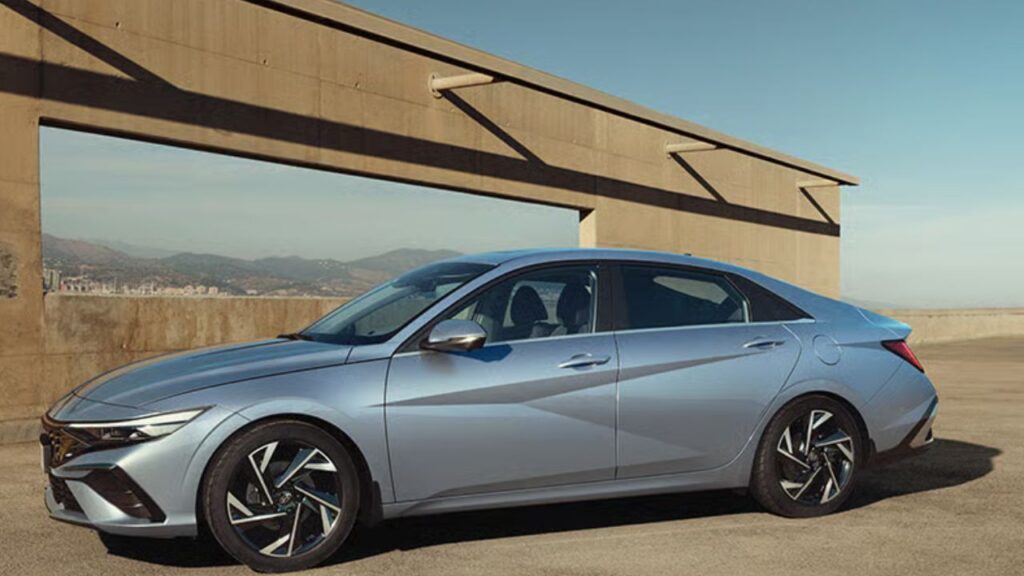
The Hyundai Elantra 2025 is strategically positioned among the most competitive compact sedan market, as it depends on the aggressive pricing, the unique aesthetic styling, as well as the best-in-class safety features. Having the lowest entry barrier, the base price being launched at $22,125 MSRP, the Elantra gets attention fast compared to the most important competitors. Its sporty, aggressive exterior styling so that the car doesn’t fade into obscurity, appeals first of all to the younger generation, as well as those who pay much attention to the styling factor.

Other than looks, Hyundai bases the value appeal of the Elantra on safety and durability. The car has scored the ultimate commendations from independent evaluation agencies, including the IIHS Top Safety Pick+ awfully and the NHTSA-provided 5-Star Overall Safety Rating. This body integrity as well as this extensive complement of standard driver assist technologies gives the ultimate trust factor that is the key market advantage.

This price increase is dialed in to motivate the purchase of the skipped entry-grade so that buyers do get access to essential features that rev up the car experience, including the digital instrument cluster, 10.25-inch infotainment display, power sunroof, and heated seats.

Delineation among Powertrain Families: Standard, Turbo, and Hybrid

To achieve ultimate breadth across the compact segment, the 2025 Elantra provides three separate powertrain families designed to support varying buyer priorities— the frugal 2.0L normally aspirated inline four-cylinder engine for standard friskiness, the big-output 1.6L Turbo GDI engine for high-performance enthusiasts (N Line), and the highest-efficiency 1.6L GDI Hybrid system for high-mileage users. This triad engineering strategy holds the Elantra competitive across ranges as diverse as price to ultimate dynamic capability as well as ultimate fuel economy.

Exterior and Interior Volume Measures

It is 185.4 inches long and has a long 107.1-inch wheelbase. It has a decent 14.2 cubic feet of cargo space with all seats occupied. Crucially, the car has an EPA interior volume of 113.6 cubic feet.

The Standard Drivetrain: 2.0L I4 and Smartstream

Elantra comes in different trims including SE, SEL Sport, SEL Convenience, and Limited. Its standard variant offers a 2.0L inline four-cylinder engine. This solid engine gives powerful 147 horsepower at 6,200 rpm and 132 lb-ft of torque at 4,500 rpm, making it perfect for smooth performance. Its exclusive Hyundai’s Smartstream Intelligent Variable Transmission comes in standard trim to deliver an opulent experience to buyers.
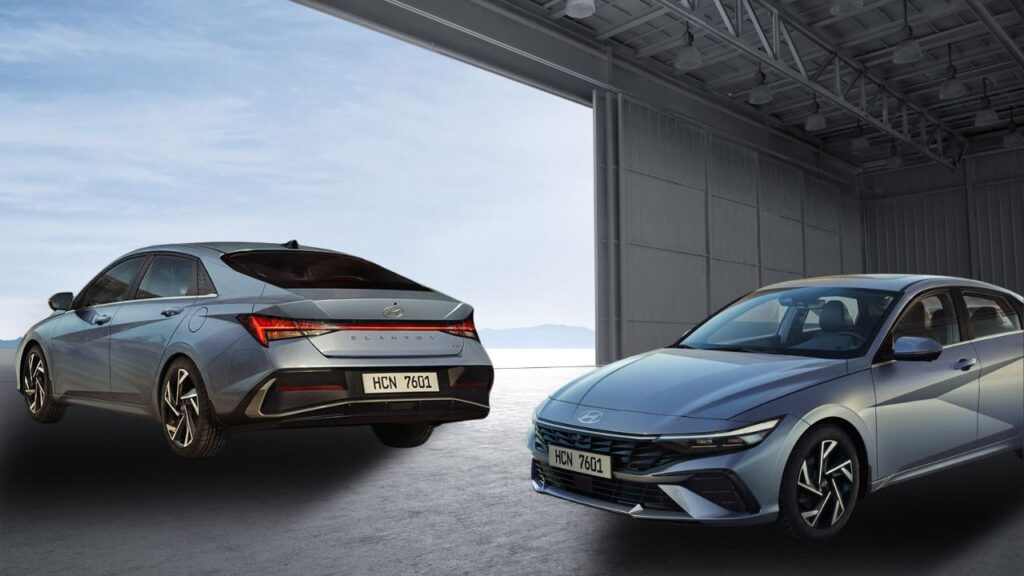
Fuel economy is slightly different depending on the trim’s equipment level. Based SE trim provides the best fuel efficiency, which is 36 combined MPG (32 city / 41 highway). However, the SEL Sport, the SEL Convenience, as well as the Limited, trim log the combined 34 MPG (30 city / 39 highway). This 2 MPG combined deficit directly results from the feature upgrade. Higher trim levels come as part of higher equipment loading, including the digital screens as well as the dual-zone climate control, and they ride on larger, heavier 17-inch alloy wheels.

The Performance Peak: N Line

For enthusiasts who prioritize dynamic response, the N Line trim is loaded with exclusive mechanical upgrades. Highlights include a front performance damper, electronically controlled suspension, and an N-Performance exhaust system with PTU cooling. The N Line delivers an impressive 201 horsepower with 1.6L Turbo solid engine. Its amazing 195 lb-ft of torque is available over a wide range, from 1,500 to 4,500 rpm.

Now, the most extreme mode of the N Line is sporty 7-speed Dual Clutch Transmission with a good EPA estimated of 31 MPG combined, challenging a better fuel economy rivals. Its SHIFTRONIC paddle makes a ride more thrilling that drives you crazy.

Efficient Commuter: Hybrid System

The hybrid model is perfect for city commutes as it offers top-tier fuel efficiency. It combines a 1.6L GDI engine with an electric motor, delivering 139 horsepower with 195 lb-ft of torque. The Elantra Hybrid gives smooth ride, conventional shifts, and amazing experience with a 6-speed EcoShift Dual Clutch Transmission (DCT). Efficiency is outstanding, it is powered with 54 MPG combined and its limited versions get upgraded features including luxury and 50 MPG combined.

Full Trim Lineup and Pricing Strategy

The 2025 Hyundai Elantra is available in five gasoline trims—SE, SEL Sport, SEL Convenience, Limited, and N Line. In 2 Hybrid Variants Hybrid Blue and Hybrid Limited are available in 2025. The price for each variant varies along their features, from starting price of base models to luxury hybrid models with expensive price offering.

SE Trim

Base price starts at $22,125.

The Hyundai Elantra offers 2.0L four-cylinder engine in its base model which has 36 MPG combined. Key safety features cover four-wheel ABS brakes, emergency brake system for secondary collision, and alarm for remote-theft. It also provides a good infotainment system with an 8-inch screen and seamless connectivity.

SEL Sport Trim

Starting MSRP: $23,250.

The SEL Sport builds on the SE trim that delivers a solid 2.0L engine with 34 MPG combined. Buyers can achieve good comfort and smoother rides with 17-inch alloy wheels and automatic climatic control functions. It comes with leather-wrapped, push-button start, and wireless charging support.
Convenience Trim

Starting MSRP: $25,825.

This model introduces premium technology like dual 10.25-inch setup, blends with digital instrument cluster and comfort upgrades including power tilt-and-slide sunroof and heated front seats. It is powered with a 2.0L engine (34 MPG combined), giving the vibes of an upgraded luxurious ride.

Limited Trim

Starting MSRP: $26,775.

The Limited trim sits at the top of the standard 2.0L lineup, delivering the most advanced functions. It helps you hands-free cruising on highways consistently with a powerful Highway Driving Assist feature. It comes with advanced driver-assistance systems (ADAS), H-Tex leatherette seating, and premium Bose audio system.

N Line Trim

Starting MSRP: $28,975.

The N Line is crafted with performance in mind. It comes with a 1.6L turbo engine that delivers outstanding performance. It offers a 7-speed DCT to challenge the road, and a multi-link independent rear suspension. This combination makes it perfect for beast riding race lovers. Its unique styling includes 18-inch alloy wheels, exclusive N Line bumpers, and sport seats that support your desires. Most importantly, its chrome dual exhaust tips that scream fun.

Hybrid Trims

Two hybrid versions are offered. The Hybrid Blue focuses on efficiency, delivering up to 54 MPG combined, while the Hybrid Limited sacrifices a little efficiency (50 MPG combined) to add premium features like a Bose audio system and larger wheels. Pricing for the Hybrid Blue is expected to start around $25,450.

Digital Interface Designs and Cabin Aesthetics

The cabin environment is equipped with a widescreen infotainment console, especially in the higher trims, and it uplifts the environment for the buyer. The console integrates a 10.25-inch gauge cluster and a 10.25-inch navigation display into a seamless and, visually, a cohesive entity. This sleek design is a factor to the “nearly luxury experience.” This is the compact class. Multiple USB ports and wireless charging are available to enhance the connected experience for the occupants.

Interior Comfort and Material Assessment

Even with the impressive design and focus on technology, elements in the interior cabin of the Elantra, specifically, the negative comments are aimed at the “hard plastic materials” found on surfaces.

Safety Profile and Driver Assistance Systems (ADAS)

Safety is one of the Elantra’s strongest selling points, shown by its IIHS Top Safety Pick+ and NHTSA 5-Star Overall Safety Rating. That performance comes from a high-strength body structure combined with a broad, effective set of driver-assist systems.

Hyundai SmartSense:  Hyundai basic tools include Forward Collision-Avoidance Assist with Pedestrian Detection, Blind-Spot Collision-Avoidance Assist, Lane Keeping Assist, and Lane Following Assist, and Driver Attention Warning are available in every Hyundai trims.

Read More :- Maruti Suzuki Top Variant Cars 2025: Luxury, Hybrids & EV Revolution Revealed

Advanced Systems and Highway Driving Assist

Higher trim comes with more advanced technology for assistance, including Adaptive Cruise Control with stop-and-go. The top-tier Limited trim gives more features like Highway Driving Assist, this can help you with highway driving by enabling Level 2 hands-on, semi-autonomous driving.

The 2025 Hyundai Elantra firmly establishes itself as a tech- and design-forward leader in the compact sedan class. It pairs top safety scores from IIHS, NHTSA also gives 5-Star. It offers class-leading efficiency options up to 54 combined MPG.

Conclusion

The Hyundai Elantra 2025 available in various trims which is elegantly improved with its design and higher level trims offer fantastic features that can drive you crazy. For the next-level riding experience with the powerful speed of hybrid trim that ensures your safety along with smooth rides.

These trims come in different ranges of prices from entry-level model $23,250 to N Line trims $28,975, and all trims come with Hyundai SmartSense feature. It ensures the safety of the passengers and offers practicality. Whether you buy an entry-level model or higher trims that are available, buyers can get the best advanced features inside these trims.

Sharey Khan

Sharey Khan is an IT entrepreneur and petrol head & a car enthusiast. With a special focus on car-related content, he combines his deep passion for vehicles with a talent for crafting informative, engaging, and easy-to-understand content. His writing is driven by a genuine love for cars and he is committed to providing readers with accurate, up-to-date, and trustworthy information that empowers smarter driving decisions. 

Leave a Reply

Your email address will not be published. Required fields are marked *

0

Car Maintenance Tips That Save Money And Valuable Time

Published Jun 1, 2026, 12:41 PM
Last Updated Jun 19, 2026, 9:47 AM

Car Maintenance Tips

According to various sources of car reports, most of the vehicles break down on highways and longer trips due to lack of basic maintenance that is needed regularly. Neglecting it, won’t stop your bills but eventually it just delays a bill that gathers interest along the way. Owning a vehicle long enough causes you to face many triggers like a strange sound, a dashboard light flickers on, or hiccups while starting the engine. Following a few car maintenance tips can save your money.

If you are exhausted from losing your money on your car’s maintenance and want to increase the lifespan then follow these important and budget-friendly maintenance strategies that will help you keep costs low.

1. Do Not Skip the Engine’s Lifeblood: Routine Fluids

There are few important fluids in your car’s heart: Engine. So keeping it topped off is the core baseline of affordable vehicle maintenance.

Engine Oil

Engine oil is used to avoid friction between metals, remove heat from the combustion chamber, and collect debris from inside of the engine. The oil gets thicker and gritty with time and if you don’t change it on time. That causes more load on the engine and it will burn more fuel for a few meters ride, burst and fail in the end.

Engine oil costs less than your entire engine repair cost. To save your money and time, make a habit to change that oil regularly. The car owner’s manual provides the information that you need, it also suggests if your car accepts synthetic oil. It’s more expensive than usual oil but gives you 7,500 to 10,000 miles more to run at one change rather than conventional oil’s 3,000 to 5,000 miles.

Full Detail: Manual Or Automatic Cars  – Which One Should You Buy?

Other Essential Fluids

There are few more fluids in the veins of car that every few months level check-ups:

  • Coolant (Antifreeze): Preventing engine overheating by removing it away. It will cause engine warping..
  • Brake Fluid: If your car doesn’t stop when needed could be a disaster, balanced Brake Fluid is necessary for the brake system.
  • Transmission Fluid: Ensures smooth gear shifts and avoids expense in mechanical rebuilds.

2. Treat Your Tires Right (And Save on Fuel)

The entire body is carried upon the tires, keeping them in good condition will give you the best experience of the ride. It drastically reduces strain on your car’s suspension, increases gas mileage, and delays the steep cost of a brand-new set.

Maintenance Action Frequency Financial Benefit
Check Tire Pressure Once a month Improves fuel economy by up to 3% ($100+ saved annually)
Tire Rotation Every 5,000 to 7,500 miles Ensures even tread wear; extends tire life by up to 50%
Wheel Alignment When vehicle pulls left/right Prevents premature tread balding and protects suspension components

The Power of Proper Inflation

Under-inflated tires create excessive rolling resistance and generate heat. This forces your engine to consume more fuel to move. Spending just ₹850–₹900 on a portable tire pressure gauge and frequently checking your tires will keep them last longer and save more money.

3. Drive Efficiently and Ease Into Your Stops

You do not even have to open the hood of your car to start practicing cheap car maintenance. Your driving habit matters, more importantly how your foot behaves with gas and brake pedals.

If you opt aggressive driving which means rapid acceleration by stomping on the gas pedal and slamming on the brakes at the last second will burn more fuel, cause more heat, wear out brake pads and tires early.

Smooth driving will maintain the gradual energy flow by lifting your foot off the accelerator early and easing into a complete stop, you can stretch the lifecycle of your brake pads from an average of 10,000 miles up to a spectacular 20,000 or 30,000 miles. Over the total lifespan of your car, preventing unnecessary brake pad replacements can save you up to ₹85,000–₹90,000. Additionally, you can boost your gas mileage by 10% to 20% with smooth driving.

4. Tackle Easy DIY Tasks 

Many car owners book a mechanic immediately for the simple jobs which can be solved with just small efforts. Those tasks don’t require specialized training or expensive mechanical gear, only 15 or 30 minutes to manage small repairs yourself. It is highly empowering and bypasses costly dealership labor rates.

Replacing the Engine Air Filter

Engine Air Filters are the gatekeeping for the combustion chamber of your car’s engine that prevents dust, dirt, and road grime to enter. When it gets heavily clogged, your engine stops getting enough filtered air to breath so it eventually gets hotter and burns extra fuel. 

  • The Shop Cost: ₹3,400 to ₹6,000.
  • Tip: Buy the same filter for ₹1,300 to ₹1,700. It just takes two minutes, open a plastic air box under your hood, change the air filter with a new one, and snap it closed. It takes under five minutes.

Swapping Windshield Wiper Blades

Worn-out wipers that leave streaks can be dangerous during heavy rain. Dealerships often upcharge significantly for wiper installations. Instead, check your manual or a local auto parts store selector for your exact blade lengths. Most modern wiper blades utilize simple hook or click mechanisms that make swapping them out an absolute breeze.

Read More:-  How to Maintain Your Car Engine Properly

5. Listen to Your Car and Read the Manual

The single most valuable piece of car tech isn’t a fancy navigation system; it’s the paper booklet tucked away inside your glove box: The Owner’s Manual.

Stop relying on generic internet videos or high-pressure advice from a mechanic trying to sell an unneeded fluid flush. Your car manual will tell you every component’s lasting period, following that timeline will prevent over-service your vehicle, while ensuring you address critical parts before they snap and leave you stranded on the road.

Furthermore, do not normalize new dashboard warning symbols or odd sounds. A clicking noise, a slow fluid leak, or an illuminated check engine light are all early cries for help. An inexpensive OBD-II diagnostic scanner can be plugged right under your dashboard to read the exact error code your car is throwing, helping you identify if a problem is as simple as a loose gas cap before paying a garage diagnostic fee.

Conclusion of Car Maintenance tips & How to Save Money

Make this a golden rule of car owners for keeping regular maintenance costs less than major repairs. Do not neglect early signs of warning, keep your engine oil and other fluids topped up to reduce engine failure. Drive carefully by opting for a smooth ride over aggressive driving and maintain the right pressure in tires. These few car maintenance tips will take a few minutes but save your money.

0

2025 Rivian R1S: The Electric Adventure SUV That Delivers Powerful Features

Published Oct 25, 2025, 4:47 AM
Last Updated Apr 13, 2026, 12:20 PM

Rivian R1S

The 2025 Rivian R1S is a standout player in the electric SUV world as it comes with high-end features and comfort. It combines rugged off-road ability with top-notch interior luxury and ample power to give premium ride experience. This three-row EV is the next evolution of Rivian’s primary family vehicle. It incorporates significant improvements in technology, strength, and security. With a few hours to spare, or a whole family to pack up, the R1S delivers a powerful blend that fits right in with electric rides.  

Pricing and Trim Levels

Rivian has released the 2025 R1S in two core versions: Adventure and Ascend. The Adventure is the starting point trim and price for R1S, and it is priced at $75,900. This base model is stuffed with premium features that would be extra cost options on many competitors. 

The upper-level Ascend trim starts at $107,700 with upgraded amenities such as a tri-motor powertrain as standard, the largest Max battery pack, unique wood trim accents, and a premium 18-speaker sound system. A new mid-level Premium grade has been added for 2025, which slots in above the Adventure and below the Ascend for some more luxury flair. 

Battery Options and Range

Perhaps the biggest selling point of the R1S was its incredible range capability. Rivian provides three battery pack options to meet various requirements and budgets: 

Standard Battery Pack: Offers up to 270 miles of EPA-estimated range with lithium-iron-phosphate chemistry, making it the most budget-friendly alternative.

Large Battery Pack: Up to 330 miles of range with 109.4 kWh usable capacity, an optimal size for most buyers.

Max Battery Pack: The top-of-the-line version can go up to an astonishing 410 miles with the dual-motor configuration or 371-380 miles with the tri-motor setup. With this 141.5 kWh battery, the car delivers more range than any other electric SUV on the market. 

In Real-world range buyers got 250 miles on their 75-mph highway route with a tri-motor Max battery R1S, while it can go about 300 miles with the Large battery and nearly 400 miles with the Max battery in mixed driving. 

Performance and Power Options

The 2025 R1S is available with a number of powertrain options, all producing exhilarating acceleration that could run with the best of supercars:

Rivian R1S Performance and Power Options

Dual-Motor Standard: The dual-motor base powertrain generates 533 horsepower and 610 lb-ft of torque, and can accelerate from 0 to 60 mph in about 4.5 seconds.​ 

Dual-Motor Performance: An optional Performance upgrade raises power to 665 hp with 829 lb-ft of torque, trimming the 0-60 mph run to a mere 3.4-3.5 seconds.​

Tri-Motor: The dual rear motors and single front motor arrangement in this model produces 850 horsepower and 1,103 lb-ft of torque. 

Quad-Motor – This is top-notch variant that delivers 1,025-1,050 horsepower and up to 1,198 lb-ft of torque in Launch Mode, making it run 0-60 mph in 2.5 seconds. This makes it faster than many real sports cars.​

All models are standard all-wheel drive and have a maximum towing capacity of 7,700 pounds. However, range is severely reduced when towing. 

Charging Capabilities

The R1S supports fast DC charging, with the Standard battery enabling 200 kW charging rates, and the Large and Max batteries up to 220 kW. Rivian says you can charge the battery from 10% to 80% in 30-41 minutes at a DC fast charger, depending on the battery size and conditions. With a 20 minute fast charger, it can gain up to 140 miles. Additionally, Tesla’s Supercharger network is also supportive for Rivian Vehicles that makes things easier for North Americans. 

Interior Features and Technology

The excellent interior material and features make you fall in love with this car. The R1S luxury seats which are made from perforated vegan leather makes it ultra premium.  

Rivian R1S Interior Features and Technology

The R1S Comfortability and Seating: The R1S offers 3 rows that can give space up to 7 passengers. The front seats feature heating and ventilation and can be memory-adjusted, the second and third-row seats are heated. The second row has great space with individual climate controls for each passenger, the third row is small and works best for kids or short drives. 

Technology: A huge 15.6-inch central touchscreen which controls the majority of the vehicle’s functions dominates the interior, with a second digital gauge cluster for the driver. It has a 12-speaker premium sound system as standard, two-phone wireless charging, it offers full connectivity set up for the driver and passenger. From Wi-Fi hotspot and navigation to Amazon Alexa integration, and Bluetooth connectivity. 

Distinctive features: R1S has its unique features that gives a more premium experience with  a panoramic glass roof and four-zone automatic climate control making the tour more comfortable. It also makes you keyless to enter in the car and its ignition feature, power-folding mirrors, and a hands free liftgate also seems perfect for an amazing ride. The Camp Mode even has a leveling feature that uses the air suspension to level the vehicle for camping. 

Cargo and Storage Space

R1S offers a boxy design and 17.6-17.7 cubic feet of storage space; the vehicle’s rectangular shape allows for efficient packing. 

The R1S has a neat front trunk, or “frunk.” It provides you with an additional storage of 11.1 cubic feet. Fold the second and third rows flat, and it’s a bona fide cargo hauler with sky-high storage. Rivian passes on precise figures for those configurations, though. 

Read More:-  Toyota LC FJ vs Toyota Fortuner: The Shared DNA That Makes Them Siblings

Safety Features and Ratings

The redesigned model gets IIHS Top Safety Pick+ award as it meets all the test crashes score high, and becomes the only high honor SUV for 2025. 

Standard safety tech: The 2025 model debuts the new Rivian Autonomy Platform, which has higher-definition cameras, redundant sensors, and enhanced computing power. Standard features include: Adaptive cruise control, emergency braking, assist in Lane centering, cross traffic warning, Blind-spot monitoring, sensors for parking, and Excellent pedestrian crash prevention systems which are good for families.

The Rivian Autonomy Platform+ is an option and adds Enhanced Highway Assist and Lane Change on Command, which can automatically change lanes when safe after you activate the turn signal. 

Off-Road Capability

Unlike the majority of luxury electric SUVs, the R1S is actually competent off-road. A standard adjustable air suspension offers up to 15 inches of ground clearance, which will enable you to handle some rough terrain. This air suspension system can raise and lower the ride height of the vehicle and the ride quality and handling stability are adjusted for both up and down motion and for the specific conditions. 

Rivian R1S Off-Road Capability

The independent motors on each wheel allow for fine torque vectoring, which helps to keep traction on icy or uneven terrain. With the vehicle’s extreme approach and departure angles, the R1S can go places most luxury SUVs would not dream of. 

Efficiency and Real-World Performance

The highest efficiency dual-motor R1S reaches up to 85 MPGe combined on EPA ratings, a 3 MPGe increase over the 2024 model. Depending on wheel size and configuration, EPA estimated combined MPGe for the dual-motor variants is between 72 and 84. The standard dual-motor setup provides the best combination of efficiency and performance for the majority of customers. 

Who Should Consider the R1S?

2025 Rivian R1S is the ideal choice for buyers seeking a capable, luxurious electric SUV that can double as a daily driver for family duties and a weekend off-road warrior. It’s a great long-distance cruiser with its mad range, offers thrilling sports-car-level performance, and has bona fide off-road chops that most rivals can’t match. 

Conclusion

The 2025 Rivian R1S is an inspiring glimpse of the electric SUV to come. It’s an amazing feat to bundle all of these things – breath-taking acceleration, best in segment range, true off-roading capability and a stunningly designed interior – into one package. Recent safety ratings, improved efficiency, and new powertrain options make it an even better pick for 2025. 

Whether you’re attracted by its blistering speed, its off-road adventure-ready chops, or just want the longest range electric SUV available, the R1S offers an experience that few rivals can touch. For families that want a truly do it all electric vehicle for school runs and ski trips and weekend camping jaunts, the Rivian R1S is hands down one of the most versatile and capable models you can buy today. 

0

What is ORVM in a Car and How Does it Work?

Published Jul 22, 2026, 12:02 PM
Last Updated Jul 22, 2026, 12:04 PM

ORVM in a Car

ORVM is a part you use everyday when you’re driving a car. Outside Rear View Mirror helps you navigate side vehicles and that’s why they are mounted on the doors of your car. But if you don’t know how to use it efficiently and how it works then continue reading this blog because it helps you understand why it is so helpful in driving and parking situations. 

What Does ORVM Stand For?

ORVM is short for Outside Rear View Mirror. Car manufacturers use this term at professional standards to refer to the side mirrors which fit on the outside of a car’s doors. The official term is also used by mechanics and automotive engineers. It is presented on both sides — driver’s and one on the passenger’s side.

The term, ORVM, companies use to show their precision at standard level. In technical documentation, especially in manuals, insurance paperwork, and manufacturing specs, there’s also an IRVM, which refers to the inside Rear View Mirror because it is placed inside the cabin. 

Having distinct acronyms avoids confusion between the two, since both serve a similar purpose but sit in very different locations and work differently.

Why ORVMs Exist in the First Place

Your eyes can miss blind spots especially at night so these mirrors will help you. Even being attentive while driving, you simply can’t see everything from the inside. The IRVM covers what’s directly behind your vehicle but it can’t show you the side view or on the diagonal side. 

Both ORVM and IRVM are essentials for safe driving for yourself and others. They are mostly used during lane changes, reversing, or merging into traffic. If you use both kinds of mirrors, it cuts down blind spots and reduces the risk of collisions during turns or lane shifts.

ORVMs give the driver a wide-angle view of the lanes beside that’s why they are positioned on both sides of the car. It also helps in diagonally shifting lanes or overtake as it allows us to see slightly behind the vehicle. 

How Does an ORVM Work?

When you look at an ORVM, it just looks like a plain piece of glass in a plastic shell. However, depending on the vehicle trim, a lot of engineering can be packed into that small unit. Here is a rundown of how it works. 

1. The Mirror Housing and Glass

The core of the ORVM is the mirror glass itself, usually convex (slightly curved outward) rather than flat. The curve is deliberate — it expands the display of a flat mirror so the driver can see more of the road, although it does make objects appear a bit smaller and farther away than they really are. That’s also why the phrase “Objects in mirrors are closer than they appear” is written on a lot of passenger-side mirrors. 

The glass is held within a housing, typically ABS plastic or a comparable resilient polymer, that is secured to an adjustable mounting bracket at the car door. 

2. Manual vs. Electric Adjustment

Manual ORVM adjustment are quite common among older and budget cars, where you use your hand to push the mirror and adjust it. This is simple and inexpensive, but inconvenient, particularly if the driver has to adjust the passenger seat mirror on the road. 

Electrically adjustable ORVM are offered in most of the modern vehicles. These have a small motor within the mirror housing that is controlled with a switch located on the door or in the center console. The switch allows you to select the left or right mirror, and then adjust it up, down, left or right by using a joystick control. This motor moves the mirror glass via small gears, giving you precise control without leaving your seat.

3. Folding Mechanism

Most ORVMs are available with a folding mechanism, manual or electric. This allows the mirrors to be folded in towards the body of the car. This is beneficial for: 

  • Narrow parking spaces where extended mirrors might get bumped
  • Protecting mirrors from getting knocked off in busy traffic or tight alleys
  • Reducing the car’s width for garage parking

For electric folding systems, the folding and unfolding is handled by a separate small motor concealed in the mirror base, generally activated by a button or automatically when you lock the car. 

4. Heating Element (Defogger)

In cold climates, ORVMs generally come with embedded heating wires on the glass surface. When activated it warms the glass slightly to remove fog, frost and moisture, with the result that visibility never is affected during winter or rainy weather. 

5. Integrated Indicators and Cameras

Higher-end and modern cars pack even more into the ORVM housing:

  • Turn signal indicators: Small LED lights embedded into the mirror casing that blink when you use the indicator, making your turn more visible to vehicles beside and behind you.
  • Blind Spot Monitoring (BSM) sensors: Some ORVMs are equipped with sensors that sense vehicles in your blind spot and notify you through light or sound 
  • Camera-based mirrors: A few premium and electric vehicles have replaced the traditional glass mirror entirely with a small camera, streaming a live feed to a screen inside the cabin. This reduces wind resistance and improves aerodynamics, though it’s still uncommon in mainstream vehicles.

Read More:- How to Claim Car Insurance for Own Damage: A Step-by-Step Guide

Why ORVMs Matter More Than You’d Think

Your car’s mirrors are one of those things you don’t really notice until they stop working — a mirror gets knocked by a passing car, ceases folding, or the electric adjustment quits responding. But every time you are on the road ORVMs contribute significantly towards your safety. You use them to judge distances when overtaking, to see cyclists, other cars, trucks, or motorbikes hiding in blind spots, and when reversing or parallel parking. 

ORVMs are getting damaged easily because they are outside of the car and get easily hit by anything, mostly in traffic areas and narrow parkings. Due to this, spare part dealers have their ORVMs listed with names for mechanics and car owners to quickly identify the required component for replacement against their car’s make, model and variant. 

Conclusion

ORVM might seem like a complex term but in reality, it is nothing but the outside mirrors which all of us use many times in a day without even thinking about it. Knowing what goes into them, from the curved glass to the motorized adjustments, folding mechanisms, heating elements and, more and more, built in sensors and cameras makes you appreciate how much engineering is involved in keeping you safe on the road. 

The next time you look at your side mirror before switching lanes, you’ll know there’s a lot more happening behind that little piece of glass than you realize. 


0

Donald Trump Car Collection: A Look Inside His Garage

Published Sep 10, 2025, 12:28 PM
Last Updated Apr 8, 2026, 7:30 AM

Donald Trump Car Collection luxury cars

Donald Trump is the US 47th president and billionaire businessman who lives a lavish lifestyle. His taste of luxury reflects in his garage, an impressive collection of rare classics, powerful sedans, and supercars. Donald Trump Car Collection is an exclusive bundle of elegance and exotic glimpse of automotive engineering that marks his presence outstanding on the road. 


Trump’s garage includes every kind of styled cars which symbolizes its status with their handcrafted interior, quiet cabin, and excellent styled body to make remarkable road presence. Rolls-Royce is an exquisite model which has been associated with royalty and billionaires. 


Looking into Trump’s garage, equipped with performance-driven cars that suited a businessman of his stature. 

Rolls-Royce Silver Cloud 

The Rolls-Royce Silver Cloud was placed in Trump’s garage at his early age and has become his soul partner since then. Trump bought Silver Cloud as his first vintage car. The car’s excellent design with long hood, upright grille, and luxurious interior perfectly matched Trump standard. Its Price is around $398, which marks the beginning of Trump’s car collection.

Rolls-Royce Silver Cloud classic luxury car

Detail Information
Engine/Power 4.9L Inline-6, 155 hp
Top Speed 170 km/h
Luxury Features Handcrafted wood dashboard, lambswool carpets, chrome grille, rear folding tables
Estimated Value $250,000 


Rolls-Royce Phantom

The 2015 Phantom is a defining rider for Trump and he used it until he became president. The modern sedan costs around $500,000 but it can be raised for customizations. It offers a V12 powerful engine that generates 453 hp, since it is highly customized with ultra-luxurious materials like lambswool carpet, wood-paneled doors etc. This premium vehicle showcased his personality of lavishness and comfort, making it the ultimate status symbol. 

Rolls-Royce Phantom luxury sedan

Detail Information
Engine/Power 6.75L V12, 453 hp
Top Speed 240 km/h
Luxury Features Starlight headliner, rear theatre seating, power-closing coach doors, umbrellas in doors
Estimated Value $500,000+


Mercedes-Benz SLR McLaren 

Trumps own high-performance supercar Mercedes-Benz SLR delivers a unique design and 5.4L V8 supercharged engine. It can produce 617 hp and deliver a speed from 0 to 100 km/h in roughly 3.4 seconds. Trump posed in 2006 Vogue with this car to highlight its best possession that reflects his extravagant lifestyle and wealth. This exotic design supercar has cost him around $455,000.

Rolls-Royce Phantom luxury sedan

Image credit: mercedes-benz

Detail Information
Engine/Power 5.4L Supercharged V8, 617 hp
Performance 0–100 km/h in 3.3s, Top speed 334 km/h
Luxury Features Carbon-fiber body, butterfly doors, leather seats, spacious cabin
Estimated Value $455,000


Mercedes-Benz S600 Guard

Trump also owns an armored S‑Class vehicle to ensure his safety. The 2015 Mercedes‑Benz S600 Guard is especially made for powerful personalities with military-grade bulletproof panels and glass. Trump’s armored S600 is worth half a million dollars as it costs around $518,000 but this beast is worth showcasing his commanding presence and fulfilling his extra precautions for safety. The S600 offers a twin-turbo V12 powerful engine that delivers 523 hp and all-wheel drive features for excellent ride. Its long-wheelbase boasts around like a hulk with hard-wrapped skin.

Mercedes-Benz S600 Guard armored luxury car

Image credit: Mercedes‑Benz

Detail Information
Engine/Power 6.0L Twin-Turbo V12, 523 hp
Performance 0–100 km/h in 6s
Luxury Features Nappa leather, massage seats, rear entertainment
Estimated Value $500,000+
Security Features VR9 ballistic protection, bulletproof glass, reinforced floor, run-flat tires, oxygen system


Chevrolet Camaro SS Indy 500 

Trump’s Chevrolet Camaro is delivering 426 hp power from a 6.2L V8 engine, a special edition for remarkable existence. He owns it at $25-30k but he stopped driving it due to criticism. This muscle car with a bright and sporty look complements his patriotic style and showcasing his public persona. He showed his appreciation for American-made performance cars along with luxurious rides. 

Chevrolet Camaro SS Indy 500 muscle car

Detail Information
Engine/Power 6.2L V8, 426 hp
Performance 0–100 km/h in 4.7s
Unique Features Indy 500 decals, convertible roof, leather seats with embroidery, performance suspension
Estimated Value $25,000–30,000

Also Read: Bill Gates Car Collection 2025: Luxury Cars, Price & Lifestyle

Cadillac Escalade

Cadillac Escalade is also positioned in Trump’s garage for its 6.7L V8 engine that produces 420 hp, making it best for every road. The base model MSRP is around $74,000 but worth its large black luxury SUV that matches Trump’s style. It became Trump’s favorite as it delivered an ample interior with 7 seating comfortable cabins and black styling.

Cadillac Escalade luxury SUV

Image credit: Chevrolet

Detail Information
Engine/Power 6.2L V8, 420 HP
Performance 0–100 km/h in 6s
Luxury Features 8-inch infotainment, Bose audio, heated/cooled seats, 7–8 seater spacious SUV
Estimated Value $74,000 (new)


Conclusion

Donald trump car collection is showcasing his power, luxury, exclusivity. His garage is a collection of supercar Mercedez, futuristic Rolls-Royce, exclusive Chevrolet, and armored mercedez S-class, making super historical style blends with excellent performance of cars. 


0

Car Insurance Guide: Coverage, Costs & Best Policy Tips

Published May 21, 2026, 12:20 PM
Last Updated May 21, 2026, 12:32 PM

Car Insurance

Car Insurance Guide for Beginners is crucial for understanding which type of insurance car owners have to buy. It helps protect you and third person during an accident or crash in this hectic world, everyone is in a hurry and this causes more accidents right now than ever. Having insurance on your car can remove a financial burden on your head.

Car owners must know which insurance is right for you, so this blog will help you to understand why insurance is important and which one is right for you.

What Is Car Insurance And Why Do You Even Need It?  

Car Insurance is a policy that supports you in the crisis that occurs by your car. The insurance company where you make a deal to pay a regular amount and in return, they agree to cover certain costs of the accident, theft, and damage to your car. 

This method works like you pay a small, every month to avoid being hit with a massive, unpredictable bill when something bad happens. 

Countries like India, the US, and the UK offered at least basic car insurance as required by law. They can fine you if you don’t have insurance or have your license revoked. But beyond the legal requirement, it’s just smart financial protection. 

The Different Types of Car Insurance Coverage

Beginners can get confused while choosing “one” type of car insurance. You can combine several different types of coverage according to your needs and budget.

Coverage Type What It Covers Who It Protects
Third-Party Liability Damage or injury you cause to others The other person
Collision Damage to your car from a crash You
Comprehensive Theft, fire, weather, vandalism You
Personal Injury Protection (PIP) Your medical bills after an accident You and your passengers
Uninsured Motorist Accidents caused by drivers with no insurance You
Roadside Assistance Breakdown, towing, flat tyres You

There are some important coverages that you must know about them closely:

Third-Party Liability

This is the minimum required by law in most places. When you cause damage to someone’s car or during an accident, a person gets injured, Third-Party Liability covers medical bills and repair costs but not your own car or injury.

Comprehensive Coverage

It is not going to cover collision incidents but Comprehensive Coverage pays when it’s a matter of theft, fire, flood, hail, fallen trees, and vandalism. So it can cover if the tree falls on your car on your parked car not a collision.

Collision Coverage

Collision Coverage replaces or repairs your car after a collision. Whether it’s your fault or not, if your car loses balance and hits someone’s car then this pays off.

PIP / Medical Payments

It pays hospital bills, ambulance fees, and sometimes lost wages after an accident, for you or anyone in the car. It is mandatory in some cities but optional to others.

How Car Insurance Premiums Are Calculated

Having a calculated car insurance premium can be beneficial for your finances for the same car you’re driving. 

Factor How It Affects Your Premium
Age Young drivers (under 25) typically pay more
Driving history Accidents or tickets = higher premium
Car model and age Expensive or sporty cars cost more to insure
Location High-traffic or high-crime areas = higher risk
Annual mileage More driving = more exposure to risk
Coverage type Comprehensive > Third-party in cost
Deductible amount Higher deductible = lower premium
NCB (No Claim Bonus) More claim-free years = bigger discount

Your car brand and model matters the most for premium packages. A mid-range hatchback is cheap to insure. But high-end luxury cars cost more because the parts are too expensive. 

Comprehensive vs. Third-Party Insurance

Choose Third-Party only if: Choose Comprehensive if:
Your car’s resale value is low as the model gets old.

Its parts are not expensive and you can afford to repair or replace them on your own

You’re purely trying to meet the legal minimum.

Your car is new and expensive.EMI or loan is still continuing on its term, the amount is not completed.

Living in an area where natural threats or theft are common.

You want peace of mine.

No Claim Bonus Is Your Biggest Long-Term Saving

No Claim Bonus is basically a reward you get from your insurer for not making any claims during a policy year. Let’s see how this works:

Consecutive Claim-Free Years NCB Discount
1 year 20%
2 years 25%
3 years 35%
4 years 45%
5 years or more 50%

Many experienced car owners know a significant 50% discount is valuable. They don’t choose to file for small claims, paying minor repairs from their own money can protect NCB and become more profitable for later.

The policy is tied to you not your car, if you sell the old ones and buy a new car then you can transfer your NCB to the new policy. 

Add-Ons Worth Considering

You need add-ons with standard policies to fill the gaps. You need to pay a little extra for each one but it’s worth it:

  • Zero Depreciation Cover —- With this add-on, when the claim is settled, you get the total cost value of repair without deducting any cost. New car owners mostly considered this add-on.
  • Engine Protection Cover — Engine repairing does not come under standard policies, so Engine Protection Cover the cost for engine damage caused by waterlogging or oil leakage. 
  • Return to Invoice — If your car is stolen or totaled, this add-on pays the original amount of the car with registration and taxes not like the standard insurance which pays the IDV.
  • Roadside Assistance — Battery dies, flat tyres, towing are covered in this add-on. This will help for long distance or remote area drivers.
  • Key Replacement Cover — This add-on covers stolen or lost keys.

Know How to File a Claim?

Try to be calm and make sure that everyone and you are safe then move your car to the safe place.

  1. After an accident, calling the police is the best option and waiting for them.
  2. If you are in a condition to take pictures of the damage then take it with other vehicles and surroundings too.
  3. Call your insurance company, don’t be too late to call them.
  4. Don’t admit fault at the scene, even if it’s your fault. Let the insurers determine liability. 
  5. Get a reference number for this report and monitor the process.
  6. Total the cost of repair or replacement and share it with your insurer. They will deal with the garages to approve your maintenance and get your car repaired.

Tips to Lower Your Premium Without Sacrificing Coverage

  • insurers often give discounts for installing dashcam or anti-theft devices in your car.
  • Agree to pay more out of your pocket shows your voluntary can lower your premium.
  • Take both home and car insurance from the same company to earn a discount.
  • If you don’t go out often by car, declare a lower annual mileage.
  • Renew the coverage at scheduled time and protect your NCB.

Read More:- Huawei-backed Maextro to Launch Maextro S800 Grand Design in June

Conclusion

Car insurance isn’t supposed to be so confusing. In essence, it’s simply coverage — coverage for other people, coverage for your vehicle and coverage for your finances. When you know the facts, selecting the right policy is a lot easier. 

Get the minimum coverage required by law, then ask yourself honestly: What would happen to my finances if my car were damaged, stolen or involved in a major accident? That answer will tell you how much coverage you really need.