0

Upcoming Car Launches in India for Diwali 2025

Published Oct 6, 2025, 11:27 AM
Last Updated Oct 6, 2025, 11:29 AM

Upcoming Car Launches in India

If you are on the verge of making a new car purchase or just want to stay abreast with the upcoming car launches in India, here is your one-stop guide to the top cars to look forward to this Diwali. 

Diwali 2025 marks the beginning of festivity in India and outdoor is full with Diyas, diyas at not alone that will illuminate the roads with a spectacular roster of new car launches India 2025 rolling out on the market this season. 

So, here are some upcoming vehicles India 2025 around Diwali 2025 which will be full of style, technology, and sheer driving excitement.

SUVs: The Showstoppers of Diwali 2025

Mahindra Bolero (Facelift)

The iconic Mahindra Bolero is back with a new look and many added features. The 2025 refresh is more muscular with some blocky grille inserts and new bumpers that lend more modern, rugged look to the front-end design. Inside, you get a redesigned cabin with a contemporary dual-tone black-and-brown theme and a touchscreen infotainment system for more convenience. 

Mahindra Bolero

Image credit: Mahindra

Inside the bonnet, it runs on a 1.5L diesel motor that churns out a decent power of 75–100 bhp. Priced in the ₹10–12 lakh ballpark, the all new Bolero, is still the reliable, no-nonsense SUV we all love, only this time, there’s an added dollop of comfort and tech to make your driving experience that little bit better. 

Mahindra Bolero Neo (Facelift)

The Mahindra Bolero Neo (Facelift) is here to excite, being a mix of the classic Bolero’s rugged dependability and a new, contemporary aesthetic. Featuring a new grille, more aggressive bumpers and larger alloy wheels, it looks better than ever. Upgrades inside are just as impressive — a massive 10.25-inch touchscreen infotainment system with Android Auto, Apple CarPlay and more keeps you connected, while wireless charging, automatic climate control and ventilated seats boost the luxury factor. 

Mahindra Bolero Neo

Image credit: Mahindra

The 1.5L mHawk 100 diesel engine under the hood produces a potent 100 bhp and 260 Nm torque which promises a satisfying and trustworthy drive. Bolero Neo price: Bolero Neo is available in five variants and it is priced from ₹9.97 lakh to ₹12.18 lakh (ex-showroom). The Bolero Neo is, therefore, a revelation as it seamlessly integrates old-school ruggedness with modern-day convenience, making it a perfect choice for families who want to own a style statement in the form of an SUV but are not ready to compromise on reliability and safety? 

The 2025 Mahindra Thar

The 2025 Mahindra Thar is updated with some new features without losing its charm. Among recent updates: a body-colored grille, new color choices and useful touches such as a built-in rear camera and wiper. Inside, its more up to date with a 10.25 inch screen, a new steering wheel and a sliding armrest. AC vents and charging points are now standard for the rear passengers as well, so you can keep everyone cool and connected on those long journeys. Reliable and workhorse engine line-up continues under the hood with 2.0L petrol and 1.5L & 2.2L diesel variants, and RWD and 4×4 options to fuel your off-roading adventures.

The 2025 Mahindra Thar

Image credit: Mahindra

At a price ranging from ₹9.99 lakh to ₹16.99 lakh, the new Thar offers an ideal combination of exterior ruggedness and interior convenience, so that your adventure travels are as comfortable as they are exhilarating! 

Hyundai Venue (Facelift)

Smarter, bolder the upgrades in its body end the the Venue 2025, bringing new life into the world of small SUVs. Dressed in the new “Sensuous Sportiness” design concept, it now features a modern split LED headlamps design that exudes more sophistication. Open the door and you’ll be welcomed by dual 10.2-inch curved displays — one for your instrument cluster and the other for your infotainment — so it’s clear priorities were tech and style. 

Hyundai Venue

Image credit: Hyundai

Ventilated seats, dual-zone climate control, and wireless smartphone connectivity put comfort on the forefront to keep you comfortable and connected no matter where you’re headed. Whatever your mood, there’s a vibe for you under the bonnet: 1.2L petrol engine, peppy 1.0L turbo petrol or muscular 1.5L diesel. With a price tag expected to be in the range of ₹8–14 lakh, the Venue 2025 will show you what a compact SUV can really be, combining space, style and funky features like none other. 

Citroën Aircross X (Updated Variant)

The Aircross X adds a touch of French elegance with a hint of luxury, making it one of the best options if you like to stand out from the crowd. It’s finished in a breathtaking new green color and comes equipped with full LED lighting that will make you want to take a look. Updated seats and new fabric help give both model highs and lows in style and comfort. 

Citroën Aircross X

Image credit: Citroen

If you’re into gadgets, the 360° camera and the Citroën “Cara AI” voice assistant that gets smarter and more useful with every trip will please you. You have the choice between a peppy 1.2L turbo petrol unit and a dependable 1.5L diesel unit that caters to varied driving requirements. Priced between ₹8.3–13.7 lakh, the Aircross X is an ideal choice for people who want to make a statement on the road by combining elements of style, comfort and creativity. 

Tata Sierra EV

The legendary has returned, now as an electric wonder! The Sierra EV is designed to combine retro styling cues with modern-day technology, and as such, it’s one of the most unique electric SUVs on the market. Running on a 77 kWh battery, it has a good range of about 500 km, making sure you are set for long drives. 

Tata Sierra EV

Image credit: Tata

Go inside and you’re met with a futuristic triple-screen cockpit that shouts modernity. Equipped with Level-2 ADAS and other connectivity upgrades, this ute is not only cute but also filled with sweet tech features that make every drive safer and more enjoyable. Priced at around ₹18 to 24 lakh, the EV version of the Sierra is a true Made-in-India product that will not only the electric SUV segment but will also make you sit up and take notice. 

Maruti eVitara

Maruti Suzuki – who is it launching the eVitara, its first fully electric SUV, and it’s one of the most awaited launches in recent times. This EV is equipped with 49–61 kWh battery and offers a mind-blowing range of 426–500 km (WLTP), making it good for city drives and more. Comfort and technology are the name of the game inside, with a 10.25-inch touchscreen, a premium 10-speaker Infinity audio system and ambient lighting to set the mood. 

Maruti eVitara

Image credit: MarutiSuzuki

The front ventilated seats and wireless smartphone integration for convenience help, too. Reporting to be priced between ₹17–22.5 lakh, the eVitara will be launched on December 10, 2025. With this launch Maruti Suzuki takes a huge leap ahead from their reliable ICE cars to a future mankind smart, clean and sustainable mobility. Exciting times ahead!

Read More:- Top 10 Most Fuel-Efficient Cars in India Under ₹10 Lakhs You Must See in 2025

Luxury & Performance Cars: Sophistication Meets Speed

BMW iX (2025 Facelift)

The new iX is luxury redefined thanks to its electric and futuristic vibe. With battery capacities ranging between 94.8 and 109 kWh, it can travel as far as 750 km on a single charge making long journeys smooth sailing. Its twin-motor AWD setup offers 402 bhp, 400+ Nm of torque and more power and precision on the road.

BMW iX

Image credit: BMW

The redesigned LED headlamps and the sleek digital grille, along with an ultra-luxurious cabin exude class. The new BMW price is around ₹1.45 crore, it’s a radical declaration of innovation, sustainability, and hi-tech gadgetry.

The 2025 Audi Q6 e-tron

Audi raises its game in the luxury SUV segment with the Q6 e-tron flaunting a body that’s less blocky and more blinky and a cabin stacked to the gills with advanced tech. It comes in two variants with a 94.9 kWh battery — RWD (326 PS) and AWD (387–517 PS) – based on the driving style you prefer. With an impressive 600 – 640 km range, it is custom-made for long rides without the hassle of charging often. 

The 2025 Audi Q6 e-tron

Image credit: Audi

The triple-screen cockpit inside invokes futuristic vibes and the Bang & Olufsen sound system provides the best in audio. There’s safety, too, with ADAS Level-2 features. Priced at ₹1.0-1.1 crore, the Q6 e-tron is the ultimate luxury, performance and sustainability in an attractive package for the discerning buyer.

Mercedes-Benz CLA Electric (2025)

The Mercedes CLA Electric is here to disrupt the four-door coupe landscape with an ideal mix of looks, smarts, and range that impressed. With an 85 kWh battery, it has a range of 770–792 km (WLTP), which makes long road trips so much easier. There are two models available to choose from: the CLA 250+ RWD with 200 kW power, and the CLA 350 4MATIC which features a more potent 260 kW output. 

Mercedes-Benz CLA Electric

Image credit: Mercedez-Benz

It’s all next-level tech inside with the Mercedes MB.OS system (the infotainment system is AI-driven and even features ChatGPT for voice commands) . The Dolby Atmos Burmester ensures that your favorite tunes sound amazing. The CLA Electric is expected to be priced around ₹65 lakh. 

Porsche Macan EV (2025)

The new Porsche Macan offers 100 kWh battery, it boasts a striking range of 619–624 km, so you can make big miles in style. Standard (402 bhp), 4S (509 bhp) and Turbo (608 bhp) – there’s a variant for every adrenaline junkie. 0-100 km/h is a piece of cake, taking between 4.5 and 6 seconds depending on the variant.

Porsche Macan EV

Image credit: Porsche

From the dual 10.9” touchscreens to the AR head-up display and adaptive air suspension, every drive is luxurious and cutting edge. With prices starting from ₹1.22 to ₹1.69 crore, the Macan EV is at once dynamic, premium and undeniably Porsche. 

Quick Table for Upcoming Car Launches in India – Diwali 2025

The quick comparison table will help you know the key details for each car from different categories. Each model has a different price range with different features, buy the one which suits you better.

Model Type/Powertrain Key Highlights Expected Price (₹) Expected Launch
Mahindra Bolero (Facelift) SUV/Diesel New design, touchscreen infotainment, dual-tone interior 10–12 lakh Oct–Nov 2025
Mahindra Bolero Neo (Facelift) SUV/Diesel 10.25” infotainment, wireless charging, ventilated seats 9.97–12.18 lakh Oct 2025
Mahindra Thar (2025 Update) SUV/Petrol/Diesel New grille, 10.25” display, rear camera, 4×4 options 9.99–16.99 lakh Oct 2025
Hyundai Venue (Facelift) Compact SUV/Petrol/Diesel Dual 10.2” screens, ventilated seats, dual-zone climate 8–14 lakh Oct–Nov 2025
Citroën Aircross X SUV/Petrol/Diesel LED lights, Cara AI voice assist, 360° camera 8.3–13.7 lakh Oct 2025
Tata Sierra EV Electric SUV/Electric (77 kWh) 500 km range, triple screens, ADAS 18–24 lakh Nov 2025
Maruti eVitara Electric SUV/Electric (49–61 kWh) 426–500 km range, 10.25” display, ambient lighting 17–22.5 lakh Dec 10, 2025
Skoda Kushaq (Facelift) SUV/Petrol New grille, 360° camera, improved infotainment 11–19 lakh Oct 2025
BMW iX (2025) Luxury SUV/Electric (109 kWh) 750 km range, dual-motor AWD, digital grille 1.45 crore Oct–Nov 2025
Audi Q6 e-tron Luxury SUV/Electric (94.9 kWh) 640 km range, triple screens, ADAS 1.0–1.1 crore Nov 2025
Mercedes-Benz CLA Electric Luxury Sedan/Electric (85 kWh) 792 km range, MB.OS AI infotainment, Burmester audio 65 lakh Nov–Dec 2025
Porsche Macan EV Luxury SUV/Electric (100 kWh) 624 km range, 0–100 km/h in 4.5s, AR display 1.22–1.69 crore Oct–Nov 2025

Conclusion

This Diwali comes with a special line-up for car enthusiasts in India. The car market is heating up for Diwali next year, and winners include Tata, Hyundai, Honda, and Mahindra who are bringing in a new range of vehicles to cater to the diverse needs of customers across the country. Mahindra’s hard-hitting SUVs and Hyundai’s sleek city machines, all the way up to Tata’s ground breaking EVs and Bavarian luxury stalwarts like BMW, Audi, and Mercedes — fucking every flavour of car type basically.

Diesel car, tech packed EV, luxury sports car – all in Diwali 2023’s line-up. While the road ahead is promising, so is India’s automotive future. 

Sharey Khan

Sharey Khan is an IT entrepreneur and petrol head & a car enthusiast. With a special focus on car-related content, he combines his deep passion for vehicles with a talent for crafting informative, engaging, and easy-to-understand content. His writing is driven by a genuine love for cars and he is committed to providing readers with accurate, up-to-date, and trustworthy information that empowers smarter driving decisions. 

Leave a Reply

Your email address will not be published. Required fields are marked *

0

Lamborghini Urus vs Bentley Bentayga: Which Luxury Beast Deserves Your Garage in 2025?

Published Aug 11, 2025, 7:42 AM
Last Updated Apr 13, 2026, 12:18 PM

Lamborghini Urus vs Bentley Bentayga luxury SUVs side-by-side comparison showing exterior design and performance features

In the world of luxury SUVs, Lamborghini Urus vs Bentley Bentayga are deserving brands to park in your garage. Choosing any one of them is hard because of their incredible features and advanced driving system. While Lamborghini is known for its bold, track-bred aggression, Bentley, on the other hand, is offering classic luxury style with handcrafted beauty. Let’s see their detailed features and specs for deciding any one SUV for your journey.


Performance: The Urus SE Roar vs. The Bentley’s Effortless Power

Urus SE

Urus has always been the top SUVs segment, now it’s taking it to the new heights with the new Urus SE, a plug-in hybrid model which offers twin-turbo 4-litre V8 engine with 192 horsepower electric motor. The combined double power delivers a 789 horsepower which makes it the most powerful SUV ever. It delivers the fastest speed experience of 0 to 60 mph within 3.4 seconds and reaches up to top speed of 193 mph. 

Performance comparison between Lamborghini Urus SE’s roaring power and Bentley Bentayga’s smooth, effortless engine performance

Other than hybrid one, the regular Urus S and Performante models are also offering 666 hp V8 powerful engines to drive from 0 to 60 mph within 3.3 seconds. But the Urus Hybrid is not delivering just raw power but fast steering, high stability, and different driving modes including Strada for street, Sport, Corsa for Race, and off-road settings are all ready for giving you supercar driving experience.

Bentley Bentayga

However, Bentley Bentayga is also offering the best performance but in a different style. Instead of brute-force assault, it delivers a smooth and easy power. In 2025, Bentley offers different engine options for different requirements. V8 has 4-litre twin-turbo which produces 542 hp and 568 lb-ft of torque. The strong engine will deliver the fastest speed from 0 to 60 mph within just 4.4 seconds and it can go up to 641 hp and 627 of torque by pushing the speed to the edges. 

It almost delivers the same speed as a Lamborghini. Its plug-in hybrid model is giving 456 hp with a 3-litre V6 engine. It is best for people who are looking for an eco-friendly vehicle. While Behtayga can offer that fast speed with the promise of a smooth and quiet ride and it all makes possible with its adaptive air suspension and dynamic ride system.

Interior and Technology: The Urus’s Fighter Jet vs. The Bentayga’s Grand Salon


Urus interior will make you say–WOW! The premium materials such as Alcantara, carbon fibre and leather are giving authentic blend to have a premium experience. Take flying experience on the road with a switching system and large HMI touchscreen infotainment. 


The Bentayga offers classic English luxury look with metal trim, wood veneers, and hand-stitched leather cabin which delivers an impression of enhanced comfort for driver and passenger. Most importantly it offers vast options for customization, big space, and technology features including auto climate adjusting, enhanced audio system that delivers a luxurious experience on your journey with family or business travel.

Read Also: Land Rover Defender vs Jeep Wrangler: The Off-Road Battle You Need to See Before You Buy!

Pricing and Practicality

The Lamborghini Urus SE price is nearly $262,630, its Performante model is nearly around $273,880. Urus is a high performance SUV focusing on style with aggressive design and speed on a firm ride. It is ideal for a small family as it offers seating up to five. The Bentayga price is around $200,000. The price will rise according to its custom options. Overall, fuel efficiency, elegance, and drive comfort comes best with Bentayga. 


Conclusion

The choice between these two beasts is totally up to your personal preference and priority. The Lamborghini Urus vs Bentley Bentayga is a complex competition because both offer automotive engineering and luxury driving experience.

Choose the Urus SE: if you are interested more in thrilling high performance vehicles to give you the supercar driving experience. You want an aggressive bold design and stylish interior that will comfort the journey.

Choose the Bentley Bentayga: if you are a challenging person who is always ready for adventurous rides but sometimes like silent rides with hybrid mode. It will quickly adapt according to your needs and provide the best experience in your journey. 


0

Best Hybrid Cars Under 20 Lakhs: Stylish, Efficient & Affordable

Published Nov 28, 2025, 12:05 PM
Last Updated Apr 10, 2026, 7:14 AM

Best Hybrid Cars Under 20 Lakhs Stylish, Efficient & Affordable

Tired of seeing your fuel gauge plummet faster than your bank account balance? This is what life is like with hybrid cars: thoughtful design applied to everyday necessity. If you have been on the fence about hybrid vehicles, now is the time to jump in. And don’t we all want a little more money? And it’s the best part! You don’t have to break the bank to get one.

Fuel prices are on the up, the environment matters more, and quietly, hybrid cars have become the practical choice for millions. They’re not just about saving money at the pump (though you will — a lot); they’re also about having a car that’s genuinely fun to drive while being good to your wallet and the planet. The good news is the Indian market is flooded with some really good options under 20 lakhs which not just look sharp but drive smooth and sip fuel like they mean business. 

Why Go Hybrid?

Before we get to the best picks, let’s discuss why hybrid cars are worth considering. A regular hybrid car gives 20-28 kmpl mileage — that’s as good as the mileage of a fuel-efficient hatchback, but in this case, you’re riding in a full-fledged SUV or sedan with more space and comfort. ​

Hybrids operate on a smart combination of a petrol engine and an electric motor. When you’re inching along in city traffic, the electric motor takes care of that, whispering away with alacrity. On the highway, the gas engine turns on. The best part? Regenerative braking means that every time you slam on the brakes, energy that would have been wasted is recaptured back into the battery.It’s technology that actually makes sense 

The Top Contenders: Your Best Bets Under 20 Lakhs

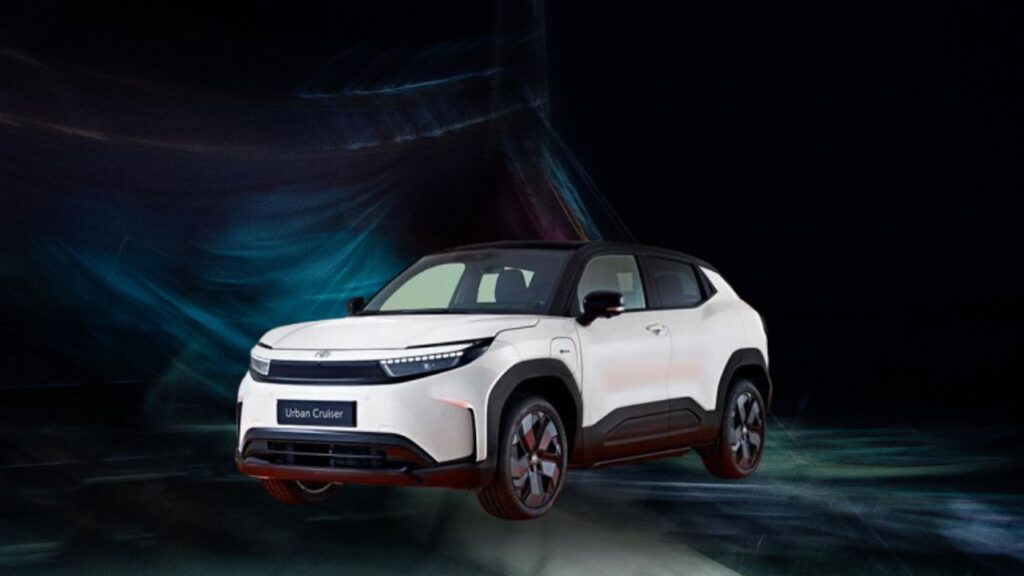
1. Toyota Urban Cruiser Hyryder: The Efficient Charmer

Starting from just ₹11.34 lakh, the Toyota Urban Cruiser Hyryder is making it clear that hybrid tech need not be costly. This compact SUV is Toyota’s solution for bringing the dream of owning a hybrid car to the masses, and they have really nailed it.​

Hyryder claimed mileage is 27.9 kmpl, which is one of the best mileage for SUVs in its class. The interior is roomy and well thought out with features such as vented seats, 8-way power-adjustable driver seat on higher trims, wireless charging for phones, and a 360-degree camera. Safety-wise, the 2025 update gets six airbags as standard on all variants—a welcome addition. 

Toyota Urban Cruiser Hyryder

The driving dynamics are fluid and polished, with the hybrid system guaranteeing that in city traffic you’re treated to silent electric-only driving and a shove when you need it. If you’re in the market for a sensible, practical hybrid that just gets you from A to B without eating too much into your wallet, this is it. 

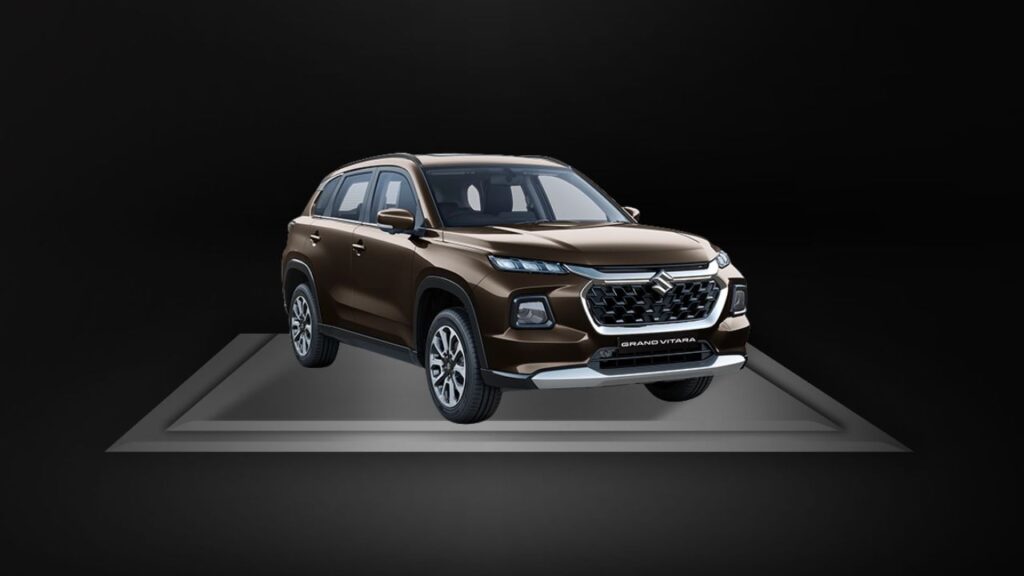
2. Maruti Suzuki Grand Vitara

Maruti’s answer to the Hyryder, the Grand Vitara is frankly exceptional rival and makes a strong case for itself at ₹16.99 lakh onwards. Developed in partnership with Toyota and sharing the same hybrid engine, this is tried and tested technology that is backed by Maruti’s extensive service network in India.  

Maruti Suzuki Grand Vitara

What sets the Grand Vitara apart is the combination of efficiency and everyday useability. The hybrid version returns a stellar 27.97 kmpl. Inside, there’s a panoramic sunroof, ventilated seats, a panoramic display, wireless phone charging and an interior so comfortable that longer drives seem less like punishment.​

The best part? Maruti’s track record for easy, wallet-friendly ownership means servicing and maintenance won’t decimate your bank account. Long-term write-ups tend to rave about this car getting sedan mileage in an SUV shape. 

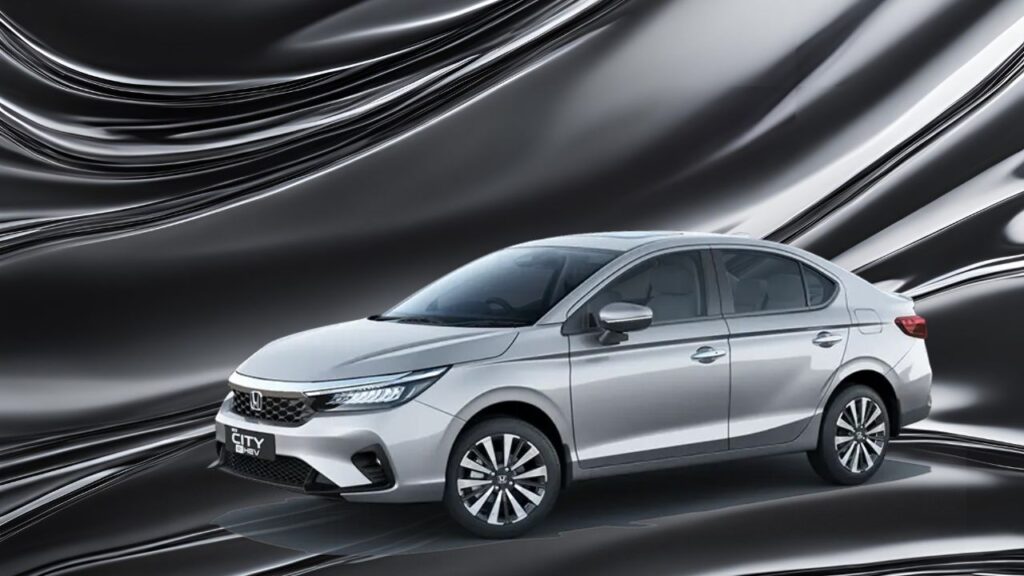
3. Honda City e:HEV: The Tech-Forward Sedan

If you’re a sedan person, then the Honda City e:HEV is a gamechanger. Honda City E:HEV ex-sh ₹19-20 85 lakh, upper end of budget, but gets you unique sophisticated hybrid experience in our book.​

Honda City eHEV

Honda’s e:HEV system is brilliant using a petrol engine and two electric motors, a system that is unique to everything else in the Indian market. The result is a claimed 27.1 kmpl and a driving experience that is almost glassy-smooth. The City moves intelligently between three driving modes (EV, hybrid and engine), and adjusts to the flow of traffic without you having to do anything.​

The interiors are dual-tone and the cabin feels premium for the price. And no compromise on the sedan experience if you want hybrid efficiency. 

Which One Should You Pick?

Each of these vehicles serves a slightly different purpose. Deciding which one right for you is just a matter of asked three simple questions:

  • Max value, max service network everywhere? Take the Maruti Grand Vitara.
  • Like the bass (reputation for reliability) of Toyota but don’t want a sedan? Then the Hyryder is your match.
  • Ready to shell out a little more for sedan comfort and extra tech? The Honda City e:HEV is value for your every rupee. 
Model Starting Price (₹ Lakh) Mileage (kmpl) Key Features Best For
Toyota Urban Cruiser Hyryder 11.34 27.9 Ventilated seats, 8-way power driver seat, wireless charging, 360° camera, 6 airbags  Reliable SUV efficiency 
Maruti Suzuki Grand Vitara 16.99  27.97  Panoramic sunroof, ventilated seats, panoramic display, wireless charging, extensive service network  Value & service coverage 
Honda City e:HEV 19.00 27.1  e:HEV system with 2 motors, 3 driving modes (EV/Hybrid/Engine), premium dual-tone interiors, ADAS  Tech-savvy sedan drivers

Read More :-  Mahindra XEV 9e Specs and Features: Complete Details & Latest Updates

Conclusion

Hybrid cars under 20 lakhs are no longer a compromise, but they are a wise choice. Stylish and comfortable cars that give mileage figures which would make conventional petrol cars jealous – and without the range anxiety of electric cars. Be it the Toyota Hyryder, Maruti Grand Vitara, or Honda City e:HEV, you’re buying into efficiency, reliability and a driving experience that really feels like the future – today. 

0

Hyundai Tucson & Hyundai i20: Premium Cars Built for Modern India

Published Oct 15, 2025, 6:47 AM
Last Updated Apr 9, 2026, 11:25 AM

Hyundai Tucson & Hyundai i20

Hyundai Motor is ready to deliver brand new models in 2025. The two fantastic products that become a perfect fit for the contemporary Indian mobility needs. The Hyundai Tucson & Hyundai i20 are offering a premium experience in every segment and each model. Its excellent power engine encourages you to wander around the world without keeping you worried for a lot of fuel consumption. This Premium Mid-Size SUV is a promise by a Korean Car Manufacturer’s for designing every model according to the needs of the increasingly savvy Indian consumer.

The Premium Mid-Size SUV Champion: Hyundai Tucson

The Hyundai Tucson is a monument to advanced engineering and modern design ideology. With a price ranging from ₹27.32 lakh to ₹33.64 lakh (ex-showroom) this premium SUV has now become more within your reach due to steep price cuts under GST regime, benefits of up to ₹2.4 lakh by end of September 2025.

Hyundai Tucson

Image credit: Hyundai

Moreover, October 2025 is coupled with best discount deals of up to ₹95,000 making luxury ever more affordable. 

The Premium Hatchback Sensation: Hyundai i20

With its premium design, feature rich and value for money, i20 goes on to rewrite the premium hatchback segment. Presently, the i20 is priced between ₹6.87 lakh and ₹10.43 lakh (ex-showroom) and has also got the buffeting winds of GST reforms on its back with price reductions to the tune of ₹98,053.

Hyundai i20

Image credit: Hyundai

Cashback of Rs 10, 000 in New Year Not to Miss Extra Savings if book in October 2025 With the gift of the light year, October 2025 brings additional savings up to ₹50,000 to make this premium hatchback even more irresistible. 

Power and Performance That Commands Respect

Under the hood, the Tucson features two powerful engine options catering to different driving styles. The 2.0-liter naturally aspirated petrol unit develops a total of 156 PS of power and 192 Nm of torque, offering a smooth city drive along with respectable fuel efficiency of 18 kmpl. The 2.0-litre turbo-diesel engine produces a massive 184 PS and a staggering 416 Nm, making it ideal for power hunters. 

Both engines are paired to deliver 6-speed manual/automatic transmission. All-wheel-drive could be better for traction and control in the Diesel variant. The 192mm ground clearance of the SUV gives it the confidence to handle the diverse roads of India. 

The i20 is equipped with a matured 1.2-litre NA petrol engine that develops 83 PS and 115 Nm. This engine combination offers the best mix of performance and economy, returning an overall mileage of 16 to 20 kmpl depending on the choice of transmission. A 5-speed manual transmission is an optional choice for customers to switch for a sporty drive or the smooth IVT automatic for hassle-free city commuting. 

Technology That Drives You Crazy

The Tucson cabin is a testament to Hyundai’s focus on technology. The center stack now features two 10.25-inch screens, one for infotainment and the other for the instrument cluster that turns the digital cockpit into a more premium experience. Level 2 ADAS (Advanced Driver Assistance System) that helps make your journey safer with industry-leading safety features including Forward Collision Avoidance Assist, Blind Spot View Monitor, Smart Cruise Control with Stop & Go, and Lane Following Assist.

Hyundai’s focus on technology

Image credit: Hyundai

Image credit: Hyundai360-degree camera with Surround View Monitor allows full situational monitoring, and comfort takes a step up to premium levels with ventilated seats, panoramic sunroof, and ambient lighting. 

Hyundai i20 interior is designed

Image credit: Hyundai

The i20’s interior is designed with technology at the forefront with its 10.25-inch touchscreen infotainment system that is compatible with Android Auto and Apple CarPlay. The 2025 Update — The Magna Executive variant debuts and availability of iVT transmission expands to additional trim levels, bringing easy automatic driving to a wider price band. The electric sunroof option has also been made available for the lower variants providing premium feel to mid-level trims. 

Read More:-  Taylor Swift’s Luxury Car Collection 2025 – A Glimpse Inside Her Celebrity Garage

Connected Car Excellence

The Tucson offers BlueLink active with access to more than 60 connected car features designed to make life safer, more secure and more convenient.

The i20 is also now available with Hyundai BlueLink. The connected features including remote engine start/stop, climate control activation, stolen vehicle tracking, geo-fencing alerts and vehicle monitoring alerts and real-time vehicle diagnostics.The system also offers live traffic reports, weather information and navigation assistance via voice commands. 

Safety Excellence Recognized

Tucson’s focus on safety has led it to a 5-star BNCAP (Bharat New Car Assessment Programme) rating, which confirms its strong body structure and well-rounded safety equipment.

Tucson’s focus on safety

Image credit: Hyundai

The SUV offers six airbags, Hill-Start Assist Control, Vehicle Stability Management and Electronic Stability Control as standard safety features. 

Modern India’s Perfect Automotive Companions

Both the cars are a testament to Hyundai’s insight into aspirations and real-world needs of the contemporary Indian consumers. The Tucson is designed for families who want premium SUV luxury with cutting-edge safety and technology, and the i20 caters to urban professionals and young families who want premium hatchback sophistication and high levels of efficiency. 

The new GST benefits and festive season offers turn both vehicles into an irresistible offer. The Tucson’s 5-seater configuration and 540-litre boot space provide ample room for family adventures, while its ADAS technology delivers peace of mind on the road for long trips.Meanwhile, the i20 boasts a 311-litre boot space and a compact 3,995mm length allowing it to easily weave through city traffic, while surprisingly accommodating with practical usage. 

The Hyundai Advantage in Modern India

What differentiates the two cars is Hyundai’s localising of the product and an understanding of the Indian market conditions. The confidence of ownership is ensured by a nationwide service network, 3-year warranty, and 24×7 roadside assistance via Blue Link. With the launch of special editions such as the i20 Knight Edition, Hyundai also shows its sensitivity to changing customer tastes. 

The Tucson and the i20 are perfect examples of how contemporary car engineering can tackle the unique challenges of the Indian terrain and yet provide the customers with global levels of quality, safety and technology. Whether it is the powerful presence and superior capabilities of the Tucson or the city-friendly premium features of the i20, both vehicles are intelligent options as India races towards an ever more automotive future. 
Conclusion

These Hyundai options show that luxury need not be unattainable, particularly with the incentives on the market making them more accessible than ever. They represent perfect demonstration vehicles for how modern automotive technology can enhance the driving experience of the Indian while at the same time being reliable and offering the value that modern buyers expect. 

0

Subaru Forester vs Honda CR-V 2025: Which SUV Is the Real Champion?

Published Jul 31, 2025, 5:52 AM
Last Updated Apr 11, 2026, 11:08 AM

 Subaru Forester vs Honda CR-V 2025 Which SUV Is the Real Champion

When you are going to buy a SUV, you must get confused about which SUV is the real champ — Subaru Forester vs Honda CR-V. Here you can explore their full details of engine, performance, speed, and design of the two most amazing SUVs. Subaru Forester has unveiled its incredible redesign while Honda CR-V continues to ride high on its latest generation. This isn’t just a battle of features and specs but it’s about both car philosophies. 

Both cars are giving utterly experience to their owners, Forester is made for adventurous-ready partners that are always ready for the rough roads and comes with all-wheel drive. On the other hand, Honda CR-V is smooth, fuel-efficient, and comfortable for running around the city with elegance. Let’s look deeper into the comparison of Subaru Forester vs Honda CR-V for making it easier to choose for you.

Performance: A Tale of Two Drivetrains

The biggest difference between these two SUVs lies right under the hood and in the wheels that put the power down.

Subaru Forester: If you are a person who likes to go on adventure trips or rough roads, the Forester is your champion. All new Forester’s provide AWD which is impressive if we look into the best SUV, Subaru’s legendary Symmetrical All-Wheel Drive as standard. It is ready for rain, snow, or on that gravel road to the trailhead. The powerful system is built on the 2.5-liter with 180 horsepower. It provides a four-cylinder to make it unstoppable but it won’t win many drag races, it’s smooth, capable, and gets the job done.

There is big news for Forester lovers — a Forester Hybrid is coming soon which offers the fuel efficiency that means buyers will get a well-performed SUV with no worries for fuel.  

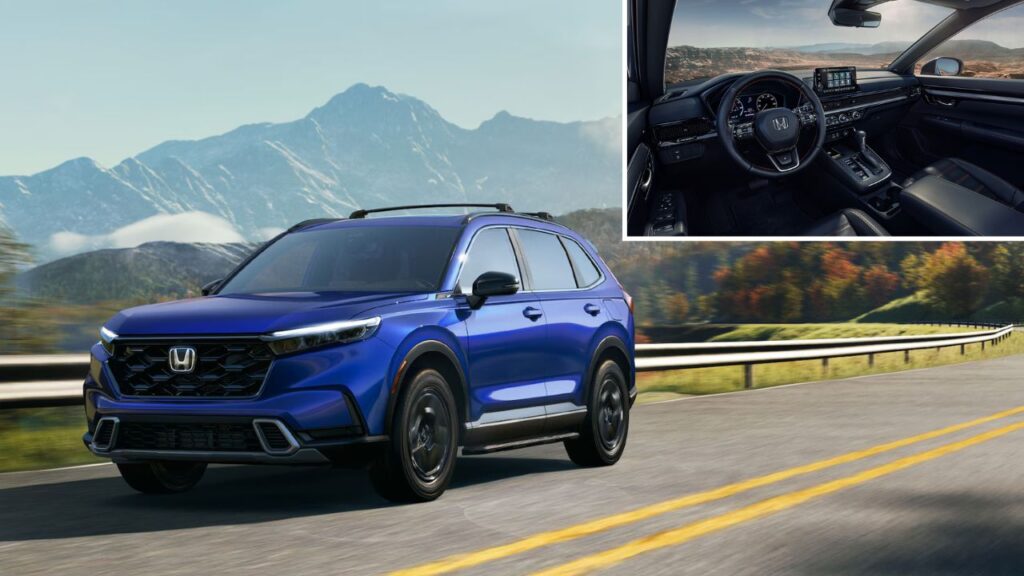
Honda CR-V: Honda CR-V powerful engine of 1.5-litre will give wonderful performance with its quick speed and extensive high brakes. The turbo engine with 190 horsepower, delivers incredible smooth running on road with its elegant look. The highlight is hybrid powertrain — CR-V Hybrid, stronger with 204 horsepower that can give you the thrill and deliver the purpose of fuel saving — we’re talking up to an EPA-estimated 40 MPG combined.

Who Wins? CR-V is good in saving fuel and sticking to city roads but for all-wheel drive, you have to pay extra. While Subaru gives you for free and supports you totally on your off-road adventure.

Performance Verdict: The Forester is the best choice if you want go-anywhere capabilities because it offers. The CR-V is an ideal SUV for those who want an SUV for daily on-road efficiency, especially in its hybrid form which is more powerful.

Read More :- Jeep Wrangler vs Ford Bronco 2025: Full Comparison of Specs, Style & Performance

Interior and Practicality: The Space Race

Both have amazing style but practically different in cargo space, windows, and door. 

Honda CR-V: The wide interior view and well shaped design is delivering a cool experience to the families traveling or friends enjoying in the SUV. The CR-V is delivering not just a car but total flexibility to their passengers with cargo space of 76.5 cubic feet.

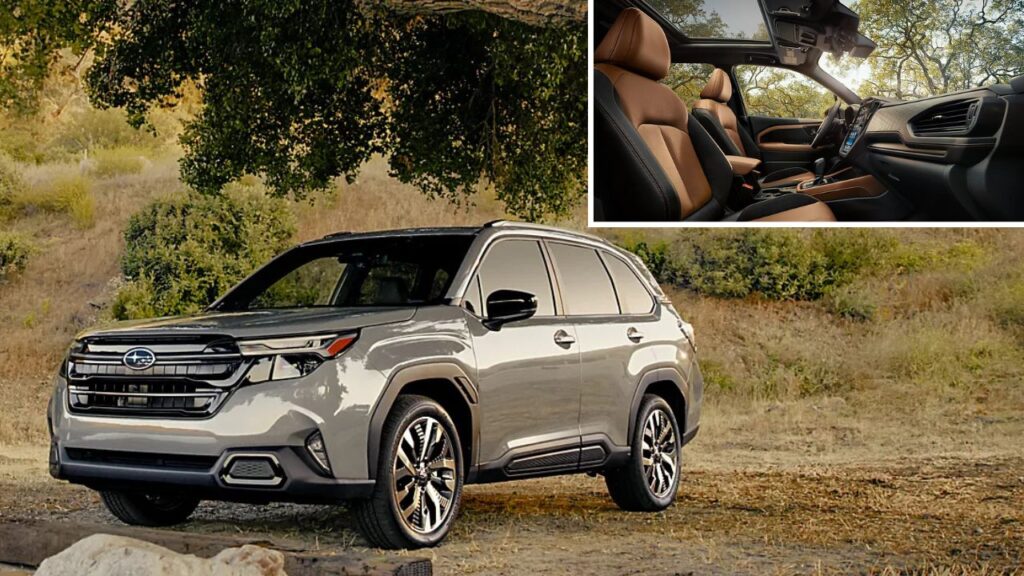
Honda CR-V Interior and Practicality

Honda CR-V Interior and Practicality

The space for the rear seat makes everyone comfortably sit and drive for long hours. Honda has already made the name in fancier cars all over the world.

Subaru Forester: The redesigned 2025 Forester offering a cargo space of 74.4 cubic feet with hands-free liftgate for making packing easy. It also offers a wide back opening, no problem with a trip ready mood.

Subaru Forester Interior and Practicality

Subaru Forester Interior and Practicality

You can have a fully functional and modernized interior in one SUV. It has great visibility from the upright windows and thin pillars which is fantastic for navigating tight parking lots or scenic byways. 

Who Wins? Almost a tie because CR-V has a high-end functional and sleek design with more space whereas Forester gives great view and practicality.

Interior Verdict: If you want to feel classic era and a slightly more cargo space then CR-V is might be the best option but If you want good visibility, rugged, and user-friendly design then Forester is a good option. Both are marvelous companions in your driving with a slight difference which will give you incredible experience.

Tech and Infotainment: Screen Time

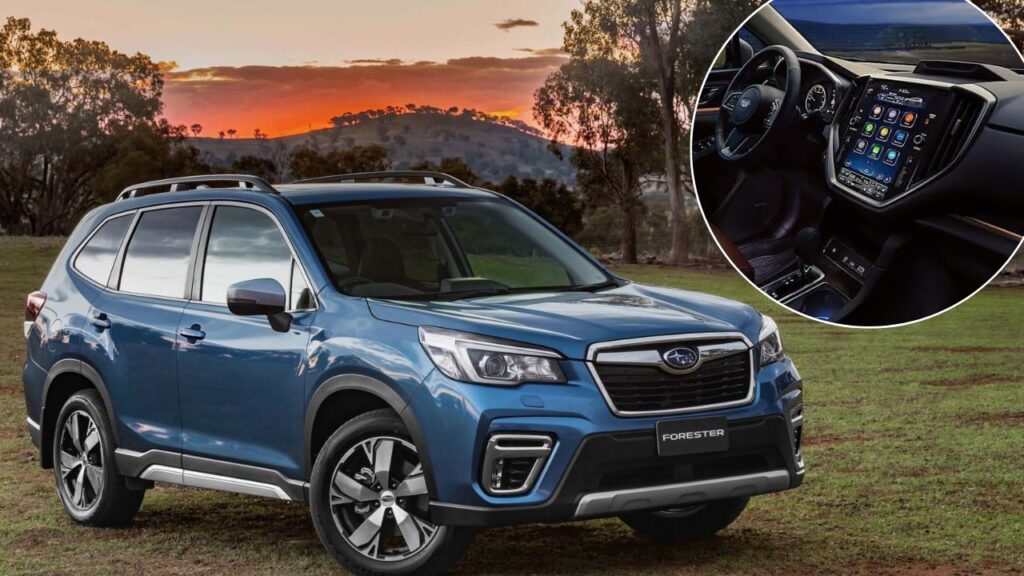
Subaru Forester: The Forester’s new 11.6-inch vertical touchscreen is best for perfect display of the infotainment. Apple Car Play and Android Auto supported infotainment system helps you connect in quick with any device.

Subaru Forester Tech and Infotainment

Subaru Forester Tech and Infotainment

This new tech used in the Forester made it more unique and modern through this upgraded system. 

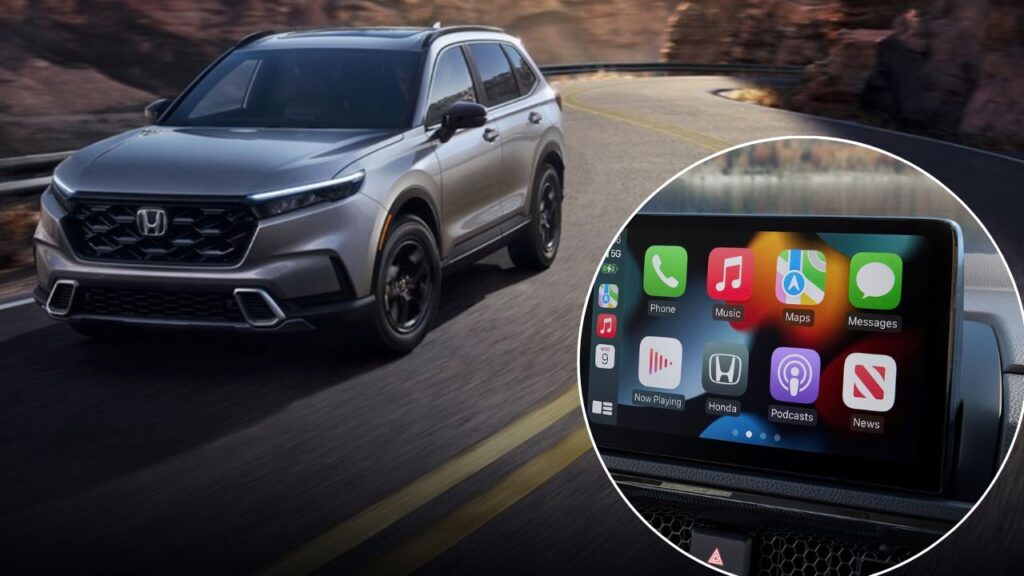
Honda CR-V: People who are comfortable with a 7-inch touchscreen, with a larger 9-inch screen available on higher trims, CR-V is delivering your desire.

Honda CR-V Tech and Infotainment

Honda CR-V Tech and Infotainment

The system is simple and intuitive, but you only get wireless Apple Car Play and Android Auto with the larger 9-inch screen. Tech Verdict: The Forester takes a slight upscale in its tech with a modern big screen with high-end infotainment system for 2025. 

Safety: A Clear Winner Emerges

The SUV will have an advanced tech system, high performance engine, and comfortable interior but safety concerns come first for many buyers. I think it’s important for every person because accidents can take your loved ones away and it’s the main point that makes them two apart from each other. 

Honda CR-V: The CR-V offers a safety system like adaptive cruise control, lane-keeping assist, and automatic emergency braking but it didn’t get IIHS safety ranking for this model. When it comes to safety there is no option in looking for an alternate choice. 

Subaru Forester vs Honda CR-V 2025

Subaru Forester vs Honda CR-V

Subaru Forester: The Forester has a clean role in the Safety section, it delivers you the latest version of its EyeSight driver-assist technology, which now scans wider areas and reacts more quickly. The upgraded system is more advanced in the safety rules. A new Emergency Stop Assist feature can even be tested, bringing the car to halt for safety after a while it senses you become unresponsive.

Safety Verdict: It is clear that Foster is winning here because of its powerful safety measures for passengers and it also got IIHS ranking for its upgraded system. 

The Final Verdict: Which Champion Is Yours?

Both have won on each stage with their powerful performance, design and features but there is a slight difference which makes you choose any one. If you want an SUV for long tour rides then the Forester is a winning trophy because it gives full support for the safety of the passenger. The cargo automatic features are easy to handle by anyone. If you value these things then buying the Forester is worth your money.

CR-V will give you reputation and efficiency for more fields, if you are satisfied with Honda cars before then this might be the best option. If you want an SUV then be sure to take a test-drive for both. And choose what will suit your life journey. 

Choose the 2025 Subaru Forester if:

  • You want full AWD in your SUV with all the weather security support.
  • You want a top safety rated SUV because Safety is your number one priority.
  • You value the best interior and outside view is one of the priorities.
  • You travel more and most likely onto dirt roads, snowy paths, or always ready for adventures.

Choose the 2025 Honda CR-V if:

  • You want a fuel efficient SUV which makes you not worry while spinning around the city.
  • You want more cargo area than Forester to adjust more things, with a good interior look.
  • Spinning around on paving roads is your thing.
  • You believe in Honda’s reputation and flexibility of the quality features, and trust on history of delivering satisfaction.

Ultimately the Subaru Forester vs Honda CR-V, the Forester is the champion of SUV when it comes to adventure and safety, meanwhile the CR-V is the champion of efficiency and refinement. Test drive both, list what you can do with your SUV and which one will help you best in your life and you’ll find your perfect champion.

0

Best Brake Pads for Cars: Top Options for Safe Driving

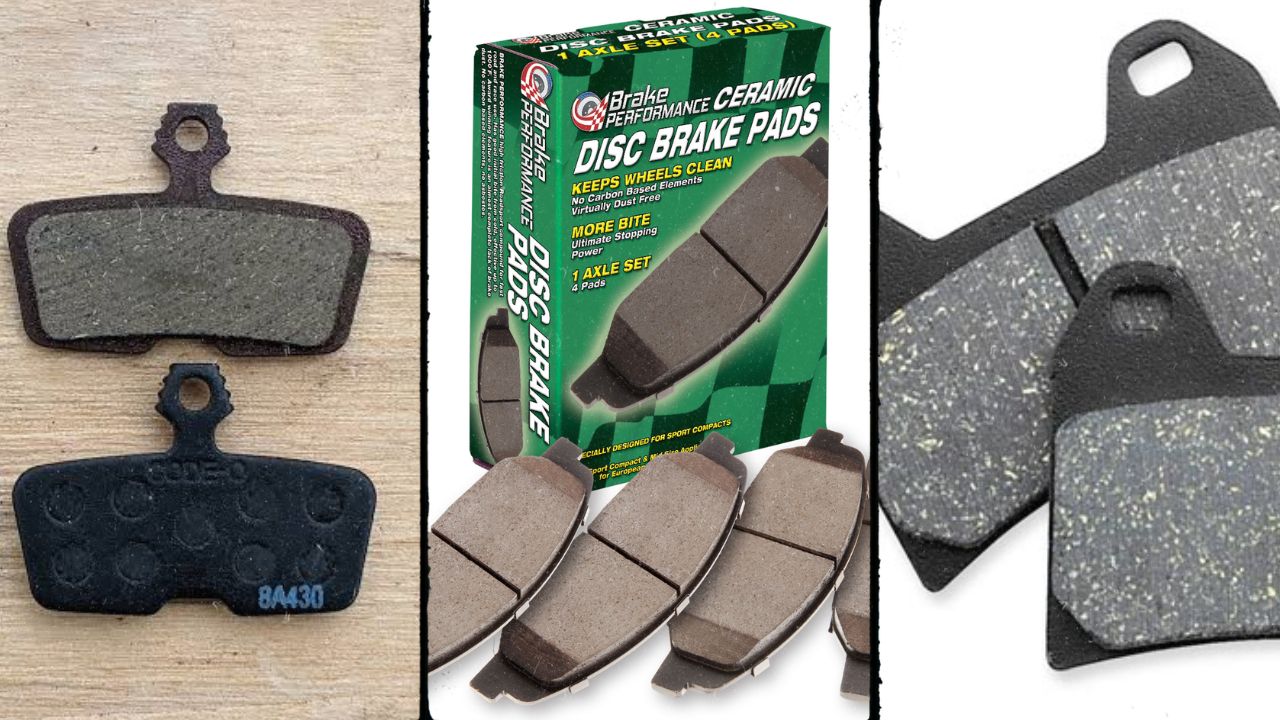
Brake Pads

If you are wondering that buying premium brake pads will not get loosened up quickly and save you by kicking on the car that is just next to you, then you are wrong. The best brake pads for cars are actually the ones that fit and are durable on the road. Brands are making specific types of brake pads so they can handle the Indian roads and traffic area when you have to push your foot on the brake pedal every five-minutes.

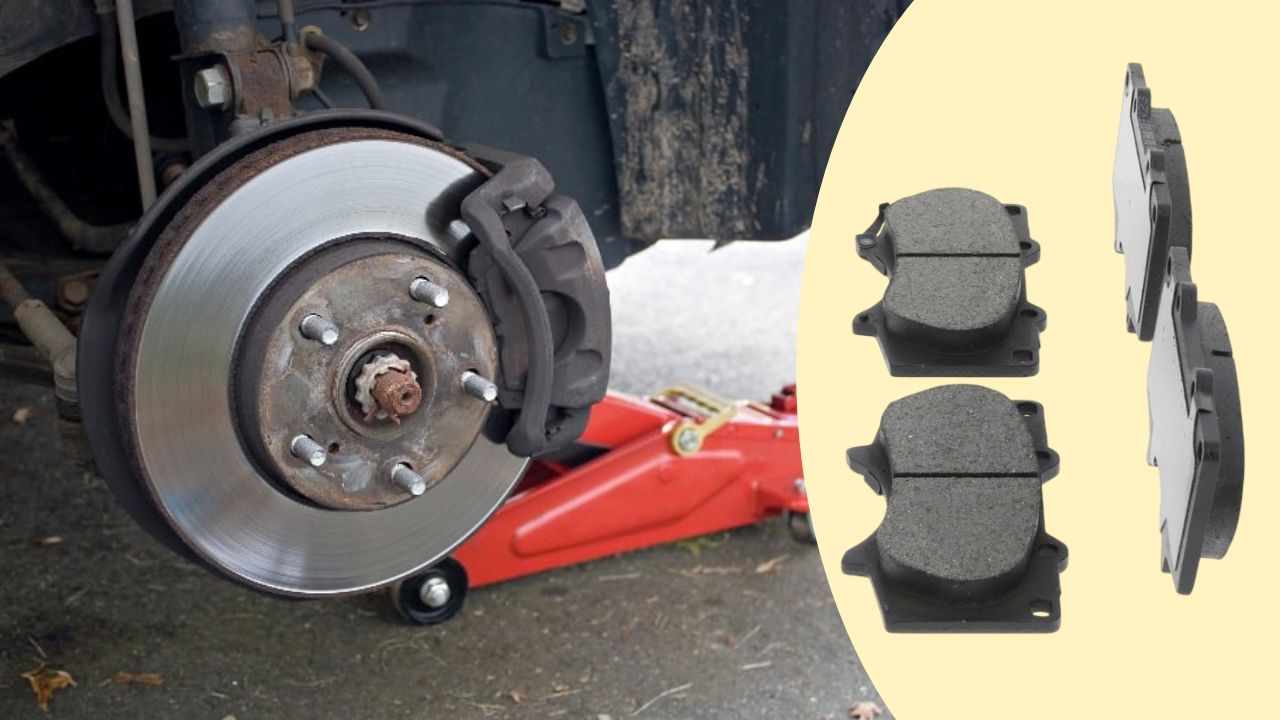
Most car owners in India replace pads only when a mechanic points at worn friction material or the dashboard warning light comes on. That’s late. Pads typically wear down to replacement thickness around 30,000–35,000 km in Indian city conditions, where stop-and-go traffic and frequent braking put more cycles on the pad than steady highway driving would. Waiting for a screech means you’ve likely already scored the rotor, which turns a ₹2,000 pad job into a ₹6,000–₹8,000 pad-and-disc job.

Let’s look into a breakdown of what makes one brake pad different from others, which offers the quality that you need for your car and where you should buy it.

What Actually Separates One Brake Pad from Another

There are three friction categories which define the quality of brake pad and make one different from another. Understand these categories before buying it because that matters more than the brand name on it.

Semi-metallic pads mix steel wool, copper, or iron with friction material. They handle heat well — Indian summers and hill-descent braking can push disc temperatures past 500–600°C — and they bite harder under sudden braking. The real drawback is its increased noise and quicker rotor wear.

Ceramic pads make no noise and produce less brake dust which make the wheels alloy cleaner and run last longer under normal city driving. They are also expensive because they are made up of clay-and-fiber compounds reinforced with copper or metal fibers. But they’re not good in hot areas as semi-metallic pads so it makes them effective for hatchbacks and sedans running in cities and highways rather than mountain driving or heavy towing. 

Brake Pads

Non-asbestos organic (NAO) pads are the softest and quietest option, common on entry-level OEM fitments. They’re gentle on rotors but wear out faster and lose bite when hot, so they’re a budget-daily-commute choice rather than a performance one.

Fitment matters as much as compound. A pad that’s a perfect metallurgical match for a Honda City won’t necessarily exist in the same part number for a Hyundai Creta, even if both are C-segment cars. Always cross-check the pad against your car’s exact variant and manufacturing year before ordering — a wrong-fit pad can affect ABS calibration on newer cars with electronic brake-force distribution.

Best Brake Pads for Cars in India: Top Picks

1. Bosch QuietCast / Bosch DoubleTec

Compound: Semi-metallic and ceramic variants | Indicative price: ₹2,000–₹4,000 per axle set

Bosch supplies brake components directly to several OEMs in India, which means their aftermarket pads are built to the same tolerances as what left the factory on many Maruti Suzuki and Hyundai models. The QuietCast line uses a rubber-core shim under the backing plate specifically to cut down pad squeal, which is the most common owner complaint with cheaper aftermarket pads. This is the pick for someone who wants a known-quantity daily driver pad without shopping by price alone.

2. TVS Girling

Compound: Semi-metallic, OEM-spec | Indicative price: ₹1,200–₹2,500 per axle set

TVS Girling is an original-equipment supplier for a wide range of Indian passenger cars, so buying their aftermarket pad is close to buying a factory-spec replacement rather than a third-party approximation. It’s not a performance pad — don’t expect Brembo-level bite — but for a hatchback or compact sedan doing standard city driving, it’s the pad most Indian service centers will already stock and recommend.

3. Rane Brake Lining (RBL)

Compound: Semi-metallic and NAO variants | Indicative price: ₹1,000–₹2,200 per axle set

Old car or second hand car owners mostly prefer Rane Brake Lining because they are the most budget-friendly and well-established brand here. RBL brake pads are reliable and durable, serving excellent stopping power without paying for a premium badge. That’s why it becomes one of India’s largest domestic manufacturers of brake friction material.

4. Brembo

Compound: Semi-metallic, performance-oriented | Indicative price: ₹6,000–₹10,000+ per axle set

Brembo is an expensive brand serving premium OEM braking systems for components for luxury SUVs and well-performing cars. Its aftermarket pads are designed for providing consistent stopping power in a high-rise temperature, it is a strong choice for hill drivers and cars taking trips on Manali–Leh or Munnar routes, and for cars that see spirited driving. For flat-city commuting, this is more pad than most drivers need — the price reflects performance headroom, not a proportionally better daily-driving experience.

5. ADR

Compound: Ceramic and semi-metallic | Indicative price: ₹1,500–₹3,000 per axle set

ADR has built a presence in the Indian aftermarket as a mid-tier option — priced above the budget domestic brands but below Bosch and Brembo. It is worth checking for hatchback and compact-SUV applications where ADR’s Ceramic line is marketed as a quieter replacement to semi-metallic OEM pads at the same price. 

6. Workshop-brand ceramic pads (e.g., GoMechanic Safetec+, Ceradrive)

Compound: Ceramic | Indicative price: ₹1,500–₹3,500 per axle set

Among some of the new-age options is the emergence of house-brand ceramic brake pads by some workshop chains and online retailers for popular cars such as the Alto, WagonR and Celerio. They can be quieter, produce less dust and cost less, making them ideal for everyday city driving. However, they don’t have the history of established manufacturers, so definitely look at the warranty coverage and recent reviews for your particular car before opting for one over a name brand. 

Bosch vs. TVS Girling: The Two Most Common Choices

These two come up most often when Indian owners ask a mechanic “which pad should I actually buy,” so a direct comparison is more useful here than a generic spec table.

Bosch QuietCast/DoubleTec TVS Girling
Compound Semi-metallic / ceramic Semi-metallic
Indicative price ₹2,000–₹4,000 ₹1,200–₹2,500
Noise level Low (shim-damped) Moderate
Workshop availability Wide, including multi-brand service chains Very wide, especially at authorized dealer network garages
Best for Daily driving where quiet operation matters Budget-conscious daily driving, factory-spec replacement

If your priority is matching exactly what the manufacturer intended and paying the least for it, TVS Girling is the more defensible choice. If you’ve noticed brake noise with your current pads and want that fixed on the next replacement, Bosch’s shim design specifically targets that problem.

OEM Dealer vs. Aftermarket: What You’re Actually Paying For

At a Maruti Suzuki authorized workshop, front pad replacement typically runs ₹1,800–₹2,500 including fitting. Hyundai dealer pricing tends to sit around ₹2,000–₹3,500. For Honda, Toyota, Renault, and Nissan, OEM pad-and-labor costs commonly start from ₹3,500 and climb depending on the model. These figures move with your city and specific service center, so treat them as a planning range rather than a quote.

Brake Pads

When you buy manufacture approved brake pads at a dealer price for your exact car with warranty linked to your service, you pay an extra ₹500–₹1,500 if the same compound is available in the aftermarket. The catch is as long as you confirm they fit your car and have them installed by a trusted mechanic. 

Both options are not always perfect if you have a warranty for your car then OEM pads may be a safer choice. These aftermarket pads from a trusted brand are good for old and second cars, as it can save money without sacrificing safety. 

Things to Review Before Making a Decision

A couple of things are always worth confirming before you buy, no matter which brand you’re considering: see if the listing is for your exact variant and year of car, not just the model name because brake systems change across facelifts. 

Look for a friction material certification (ECE R90 is the relevant European homologation standard many Indian aftermarket brands now reference) rather than relying on marketing copy alone. And if a listing price looks unusually low for a named brand like Bosch or Brembo, treat it as a counterfeit-risk signal — India’s aftermarket brake market has a known problem with pads sold under premium branding that aren’t genuine, and a pad that’s dimensionally wrong or metallurgically inconsistent is not somewhere to save ₹500.

Brake Pads

None of the brands above is the universally “right” answer — a Brembo pad on a city-only hatchback is over-spec’d the same way a budget NAO pad on a hill-route SUV is under-spec’d. Match the compound to how and where you actually drive, confirm fitment against your specific variant, and the rest of the decision mostly makes itself.

Conclusion

The best brake pads for your car aren’t necessarily the most expensive ones but the ones which fit your car, depending upon driving conditions and braking needs. Bosch, TVS Girling, or Rane Brake Lining are best fit for cars running in the city everyday as they offer a good performance on stopping, long-lasting, and price. Heavy-performance brake pads like Brembo are best matched for cars running on hills, carrying heavy loads, and pushing harder but the cost is little expensive.

Whatever you choose, don’t ignore the quality product over cheap products which your seller recommended, trust yourself. Check closely exact variant and model-year fitment, trust reliable source, and let the competent mechanic install the pads and inspect discs. The best brake pad is an essential part of the brake system because when stopping matters so the reliability is worth far more than saving a few hundred rupees.