0

Maruti Suzuki e-Vitara to Feature Advanced Safety and Premium Equipment

Maruti Suzuki e-Vitara

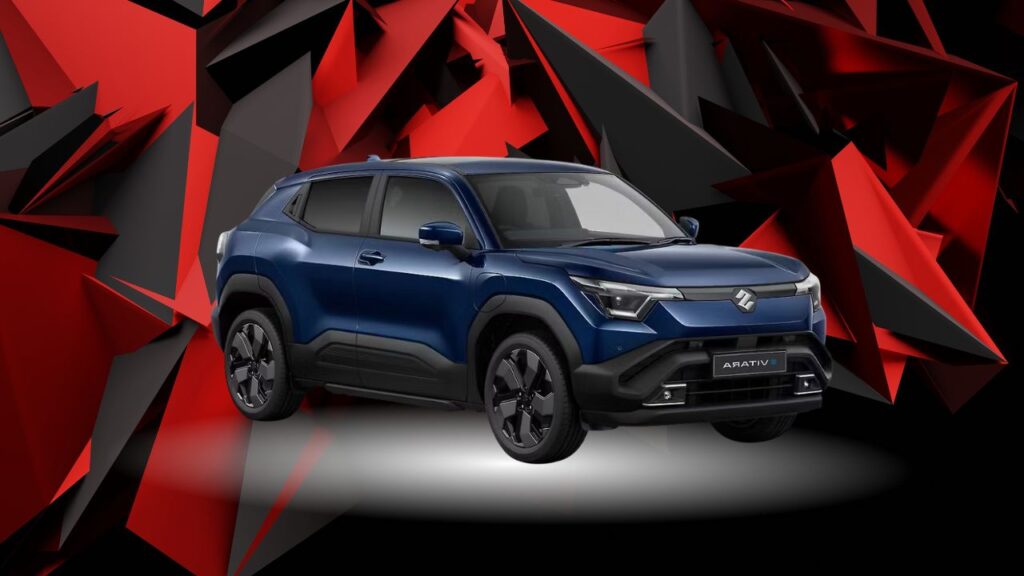
When Maruti Suzuki at last arrived in the electric vehicles market with the e-Vitara, it wasn’t just another SUV — it was an Maruti Suzuki e-Vitara SUV that appeared to be crammed full of safety, comfort and luxury features. For a marque that was famed for making practical, no-nonsense family cars, this drift toward luxury and cutting-edge technology is refreshing, and, if we’re being honest, quite impressive.

The e-Vitara was in the news recently crashing a solid 5-star rating in Bharat NCAP, making it the first electric SUV in India to get a 5-star under the new testing regime. But what does that mean, really, as a buyer? It means Maruti has done something extraordinary: it has built a car that is truly safe, a car that shields you in ways that exceed not just those of any other Maruti before it, but that of any car, full stop. 

E-Vitara Conquered in Safety

Let’s talk about safety equipment first, because it’s really exhaustive. All e-Vitaras have seven airbags, including a driver-side knee airbag not offered by many competitors. But here is the interesting part: it is not only a safety checkbox. The whole structure of the vehicle is designed with safety in mind. Long story short, more than 50% of the body used high-tensile steel and the battery pack is secured with an energy-absorbing structure that helps to dissipate impact energy in the event of a crash. 
E-Vitara Conquered in Safety

What really distinguishes the e-Vitara, however, is its Level 2 ADAS (Advanced Driver Assistance Systems). This isn’t something you get on many cars in India, let alone from Maruti Suzuki. These systems include adaptive cruise control, lane keeping assist, automatic emergency braking and lane departure mitigation. Consider it as an additional perception on the road — the car is actively trying to keep you safe, not just responding after something bad happens. 

The 360-degree camera system is yet another well-conceived feature that makes parking on Indian city roads really conditioning-free. Together with front and rear parking sensors, electronic parking brake with auto-hold function, and a tyre pressure monitoring system, the e-Vitara makes daily driving a stressful experience to an expectable one. 

Read More :- New Kia Niro EV Price 2025 – Full Details, Features & Latest Updates

Premium Features That Actually Matter

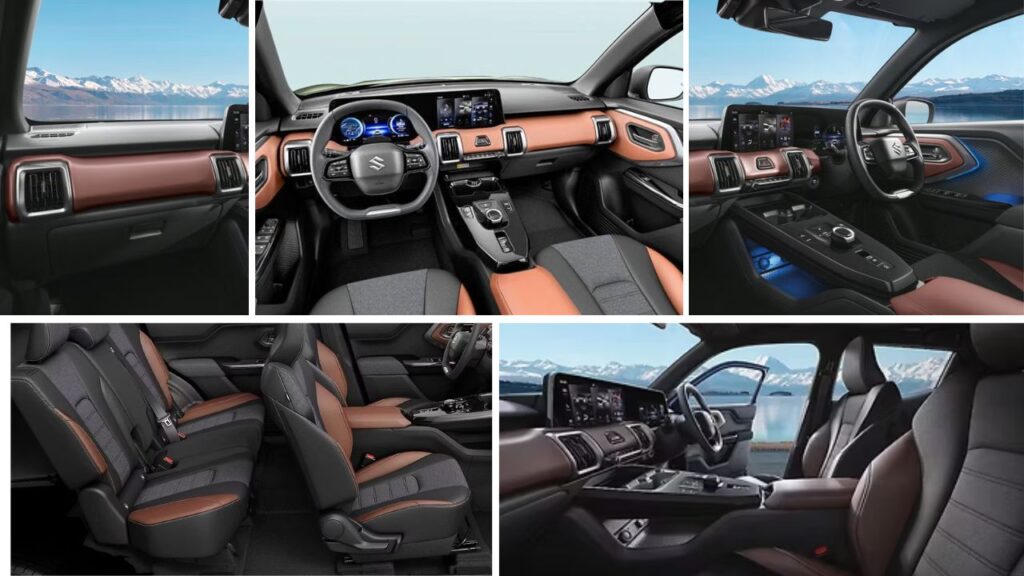
Now let’s go past safety to the high-end features that really make driving everyday a pleasure. The interior quality is the first thing you notice when you step inside. Maruti has also given the e-Vitara a digital cockpit with a 10.1-inch infotainment touchscreen and a 10.25-inch digital driver’s cluster – both merged into a single, high-tech display layout. This isn’t just smoke and mirrors, the interface is user friendly, and includes wireless Apple CarPlay and Android Auto. 
 

Premium Features That Actually Matter

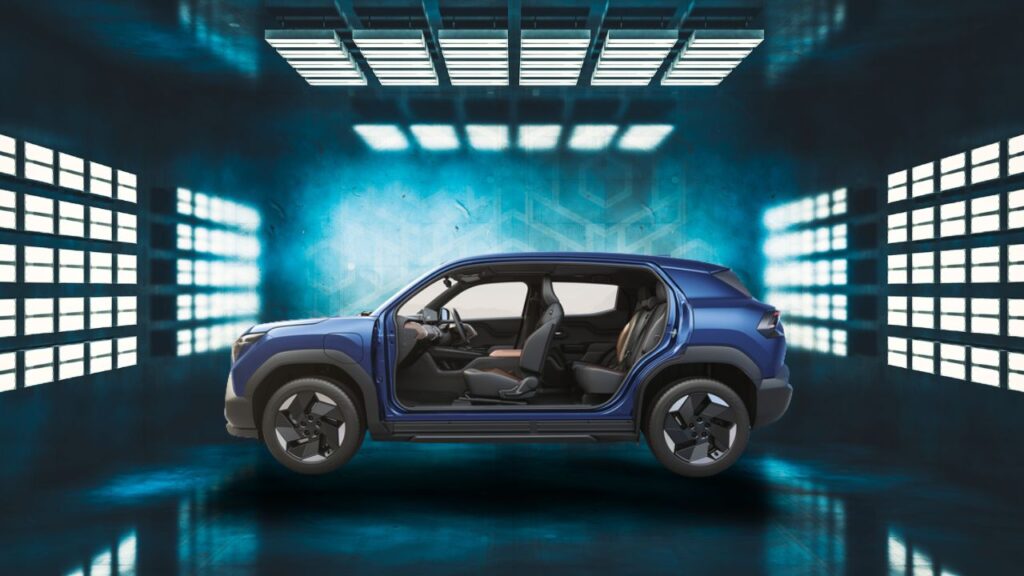
The convenience features are high in numbers also. Driver’s seat has 10-way power adjustment — best-in-segment for this category, so no matter what your height or preference, you will get the ideal driving position. The front seats are ventilated and the steering wheel even comes heated in most variants. For those riding in the rear, there’s a split rear seat (40:20:40) that reclines and slides, affording everyone in the vehicle true comfort for long hauls. 

The interior is further enhanced with an Infinity by Harman audio system, multi-color ambient lighting with 12 colors and 7 dimming levels. These may seem like frills, but they make the daily grind a little more tolerable. Throw in a panoramic roof and you have a vehicle that smells more like a million-bucks rather than what it actually costs. 

Modern Connectivity Features
Modern Connectivity Features

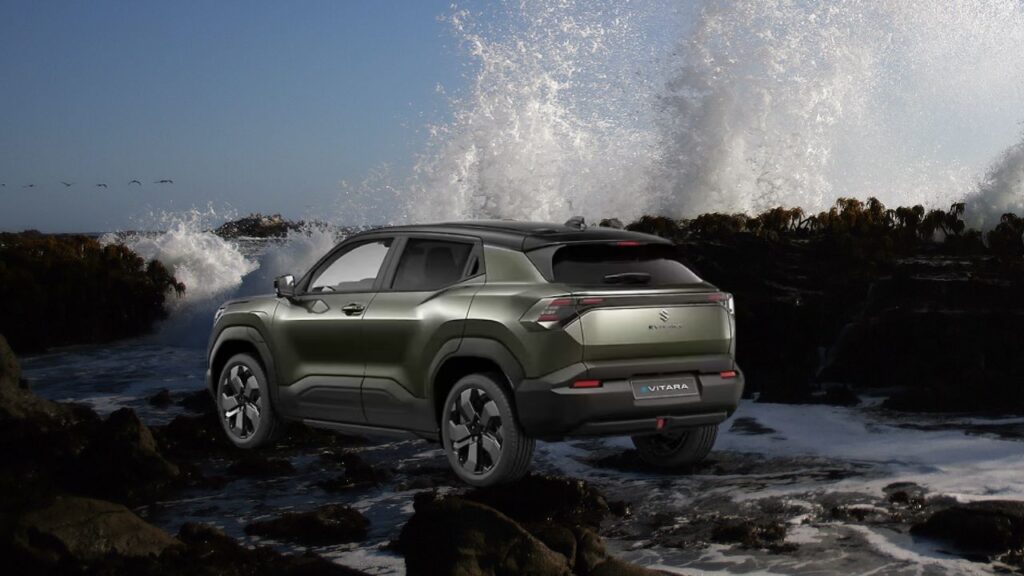
Maruti’s Next-Gen Suzuki Connect delivers 60+ connected features to the  e-Vitara. This translates to remote vehicle access, live location tracking, and vehicle health monitoring, all from your smartphone. It’s the sort of technology that makes driving nowadays feel like no-hassle, no-worry. 

Conclusion

What makes the Maruti Suzuki e-Vitara special is how Maruti has been able to integrate robust safety features with real premium-features, and not making the car feel over-engineered or unnecessarily complex. The 5-star Bharat NCAP rating is a testament to the company’s occupant protection, while the long list of premium features suggests they know what the modern Indian buyer wants.​

If you worry about your family’s safety, you crave the latest technology or you just want a car that makes no comfort compromises, the e-Vitara has you covered. It’s a car that shows electric doesn’t have to mean sacrificing on features — in fact, Maruti has taken the opportunity to do the opposite and significantly raise the bar for the entire range. 

In a segment increasingly dominated by safety and technology, the Maruti Suzuki e-Vitara raises the bar and that makes it an attractive proposition for those buyers who wouldn’t want to compromise on the best. 

Sharey Khan

Sharey Khan is an IT entrepreneur and petrol head & a car enthusiast. With a special focus on car-related content, he combines his deep passion for vehicles with a talent for crafting informative, engaging, and easy-to-understand content. His writing is driven by a genuine love for cars and he is committed to providing readers with accurate, up-to-date, and trustworthy information that empowers smarter driving decisions. 

Leave a Reply

Your email address will not be published. Required fields are marked *

1

4 Best Renault Cars to Buy in India: Kwid, Triber, Kiger and Duster

Published Nov 10, 2026, 2:00 PM
Last Updated Nov 16, 2026, 3:31 PM

Best Renault Cars

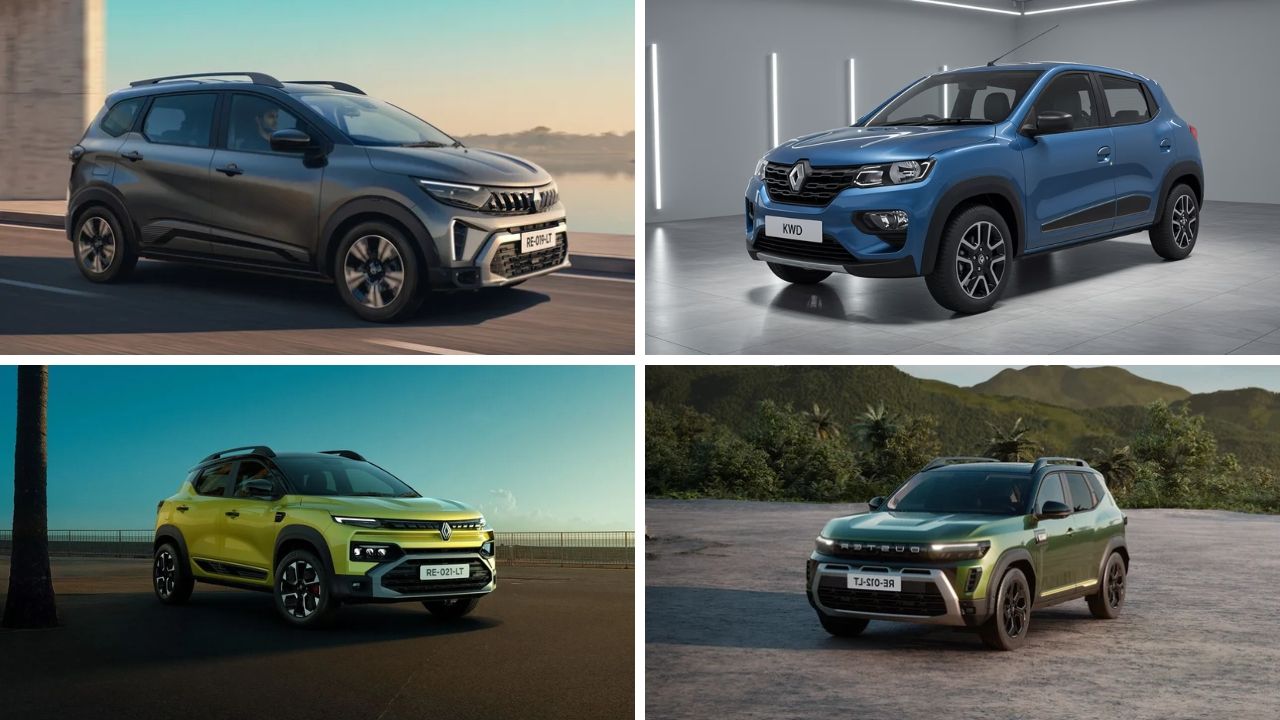
Most people who walk into a Renault showroom already know their budget but not their car. If you are trying to work out which of the Best Renault Cars to buy, the answer depends less on specs and more on who sits in your back seat. Kwid, Triber, Kiger, and Duster stack up in a worth buying list.

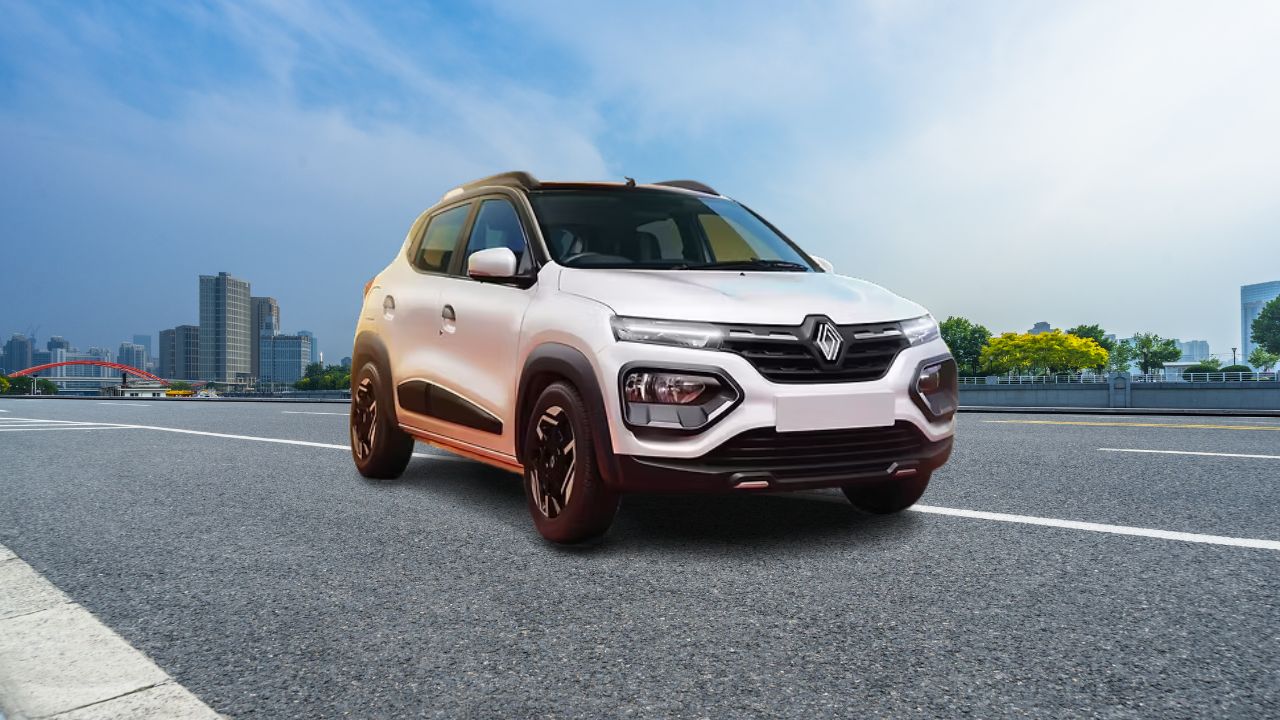
1. Renault Kwid: the city car that looks bigger than it is

The Renault Kwid is priced at ₹4.30-4.53 lakh ex-showroom price. This is the entry level price which offers a 1.0L petrol engine with a manual transmission. The price goes higher with AMT gearbox or advanced features variant.

Renault Kwid

The mileage is about 21 kmpl with SUV styling design which gives it a more substantial look than an entry-level hatchback. At higher speeds, you may find the engine is working too hard on the road, which gives you a slightly stiffer ride on the highway.

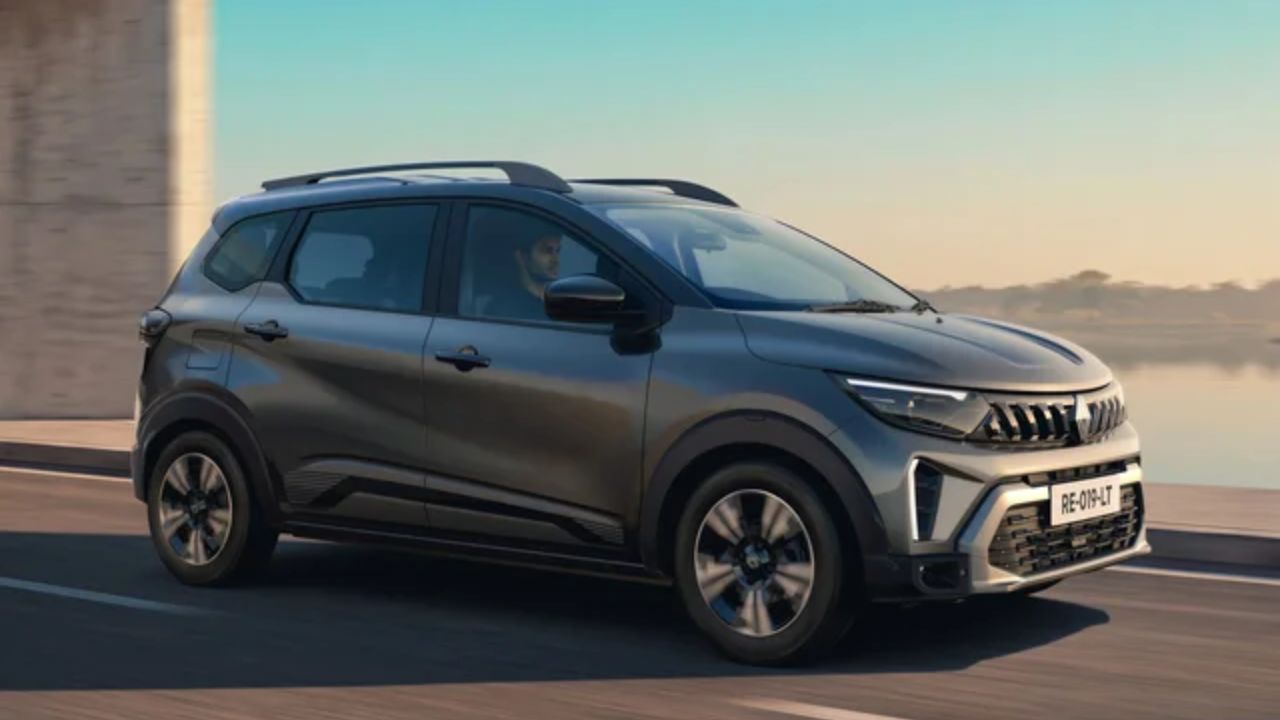
2. Renault Triber: a seven-seater under four metres

The Triber is the odd one out in a good way. The refreshed 2026 model starts at ₹5.80 lakh and pairs a 1.0-litre petrol with a five-speed manual or an Easy-R AMT on the top trim.

Renault Triber

Few cars at this price give a family of five or six this much flexibility, and the removable third row is what you are paying for. The catch is that with all seven seats up, boot space nearly disappears, and the engine is not built for loaded hill roads. Against the Nissan Gravite, which sits in a similar bracket, the Triber has the longer track record. If your budget stretches, the Maruti Ertiga starts around ₹8.80 lakh and is the more relaxed long-distance option. Best for: joint families and occasional airport runs.

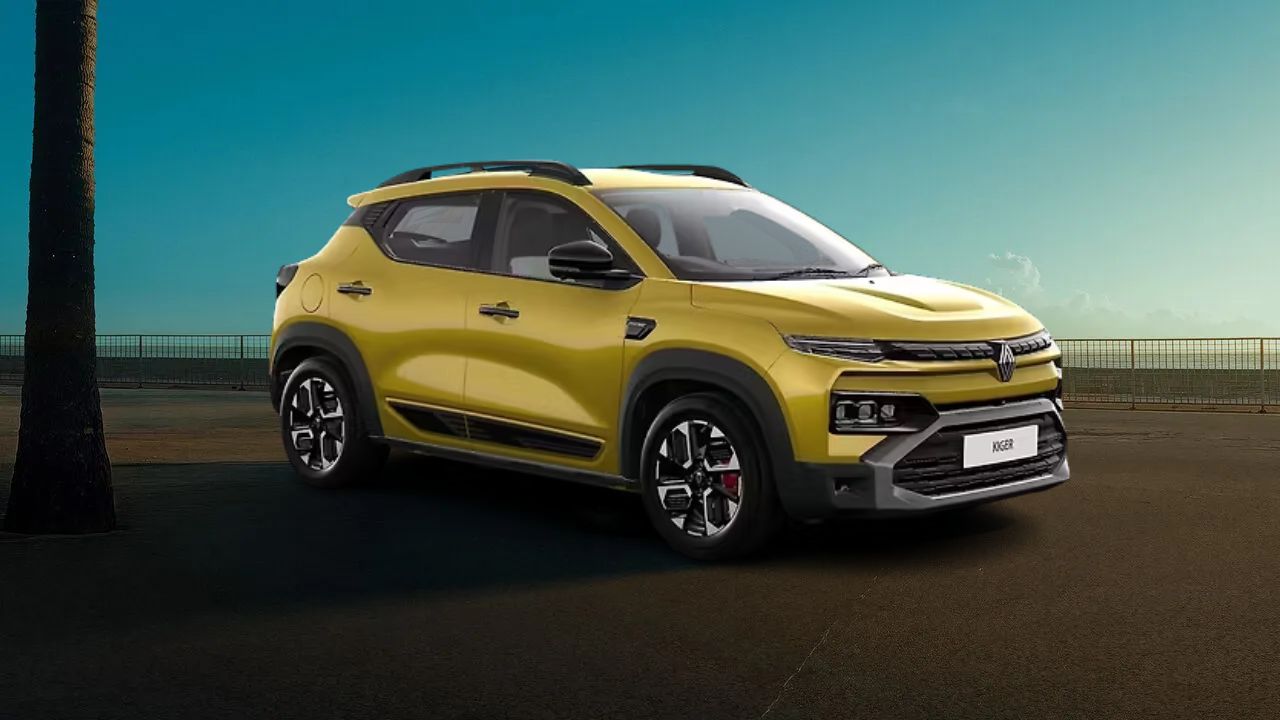
3. Renault Kiger: the one that does the most with the least

The Renault Kiger is priced at ₹5.81 lakh. This is the starting price which can go higher up to roughly ₹10.34 lakh for higher variants. The car offers a 1.0L petrol turbo engine which produces about 100 PS, with manual and automatic options.

Renault Kiger

Kiger offers a natural aspiration turbo so it is the one worth buying. It gives the overtaking experience relaxed rather than other naturally aspirated versions. The Kiger rear-seat space is slightly tight which makes taller people uncomfortable. 

Renault Kiger rivals Nissan Magnite priced at ₹5.65-10.96 lakh. It became a rival because they share the same structure so the real difference is brand name and service network.

Best for: couples and small families who want SUV looks on a sensible budget.

4. Renault Duster: the comeback car

The third-generation Duster launched this year at ₹10.49 lakh. The price goes up with more features and comfort up to ₹18.49-18.69 lakh. It gives a 1.0 L turbo makes 100 PS of power and a 1.3-litre turbo making roughly 160 PS with manual and DCT options, and it earned a five-star Bharat NCAP rating in April 2026.

It remarkably secured its position at safety with a strong engine. But the higher variant cost is equal to Creta which makes it question the buyer. Hyundai Creta becomes the biggest rival. 

One caution: the strong-hybrid version is reportedly sold out for 2026 and expected later, so do not wait for it without confirming a date with your dealer. 

Best for: buyers who want a proper family SUV and will keep the car for years.

Conclusion 

The Best Renault Cars you should buy in India depends on what you need it for and how much you can afford. It is wise to buy the Kwid for affordable metropolitan use. An ideal choice for newbies is the Triber, the back seat, if you need seven seats for the family, and the Kiger, which looks and performs like an SUV. 

0

Volkswagen Confirms Plans to Launch New Sub-4-metre SUV by 2027

Volkswagen

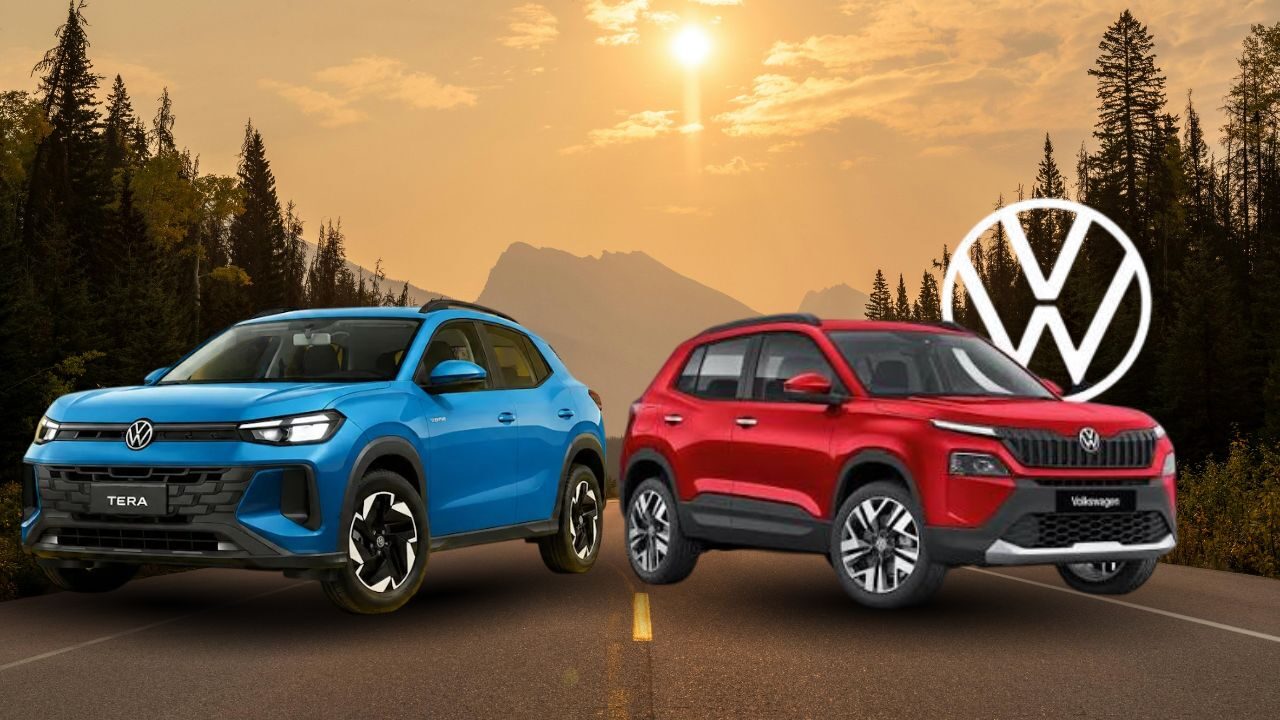
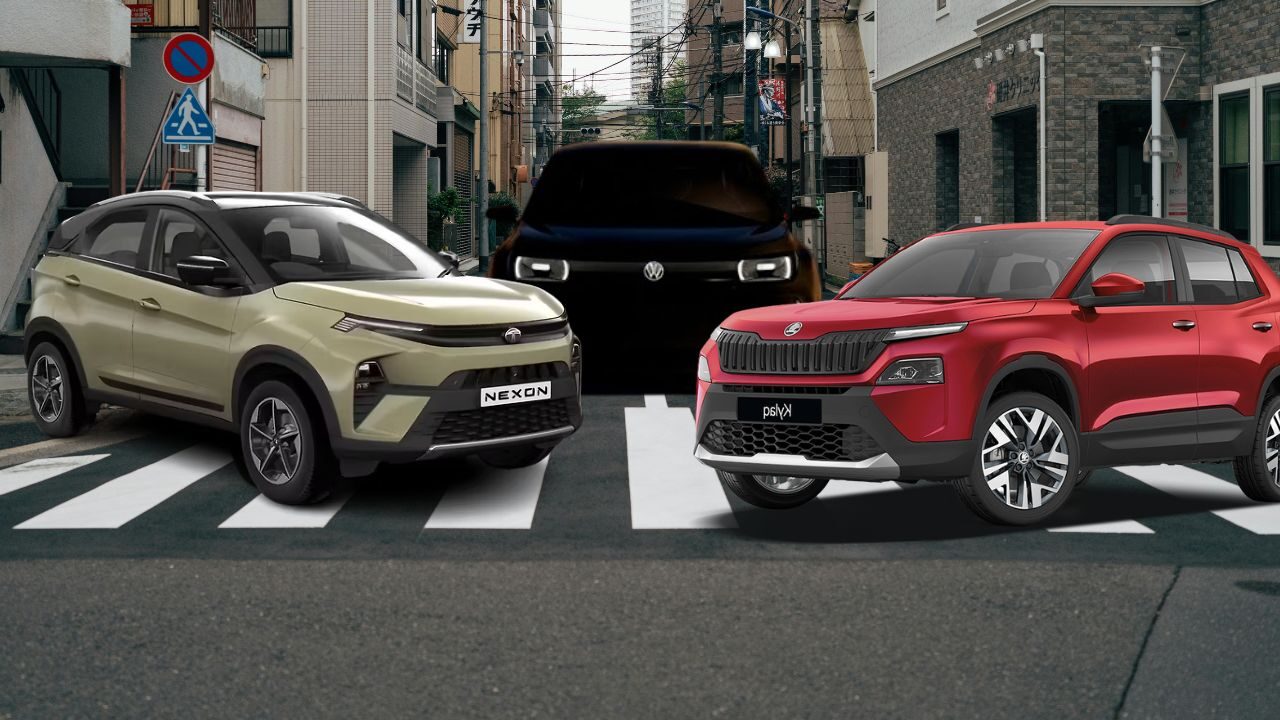
Volkswagen confirms plans to launch a new sub-4-metre SUV for India in 2027 and it is the first b-segment SUV of the brand. It will be placed below the Taigun, beginning at approximately ₹12 lakh. This new model of VW is a direct competitor of Tata Nexon, Maruti Brezza, Hyundai Venue and Kia Sonet, while avoiding a segment that ‘actually moves volume’. It will share most of its mechanical components with the Skoda Kyiaq, but Volkswagen might equip it with a different bodywork, interior and driving feel.  

Scheduled to be launched in November 2024 and opened for bookings that December, Skoda’s Kyla crossed 10,000 bookings within its first ten days on sale. That figure is a strong response that changed Volkswagen Group India’s approach. After discontinuation of Polo and Ameo, VW retreated from the sub-4-metre segment. 

This is what we currently know about the next compact VW SUV – powertrain, size, features and where it will fit within the VW lineup. 

Why Volkswagen Is Finally Entering the Sub-4-Metre Race

The sub-4-metre SUV segment is where the volume is in India. The tax regime keeps these compact SUVs more affordable than their larger counterparts, and vehicles such as Tata Nexon, Maruti Brezza, Hyundai Venue, Kia Sonet and Mahindra XUV 3O off these have been topping the monthly sales charts consistently.Volkswagen had this one idled for years, with the Taigun and Virtus serving as its points of entry instead and both clocking in way above what most first-time SUV buyers in India actually pay. 

Volkswagen Is Finally

That strategy capped how many people could realistically consider a Volkswagen. The new SUV changes that by sitting below the Taigun, giving VW its first genuine mass-market play in the country since the Polo era. It also allows the Skoda Auto Volkswagen India plant in Chakan to run at a higher capacity as the car will share tooling and components with the Kylacq and will not require a separate production line. 

Read More:-  Personal Loan vs Car Loan: What is the Better Choice for Buying a Car? 

Volkswagen Expected Engine, Dimensions and Performance 

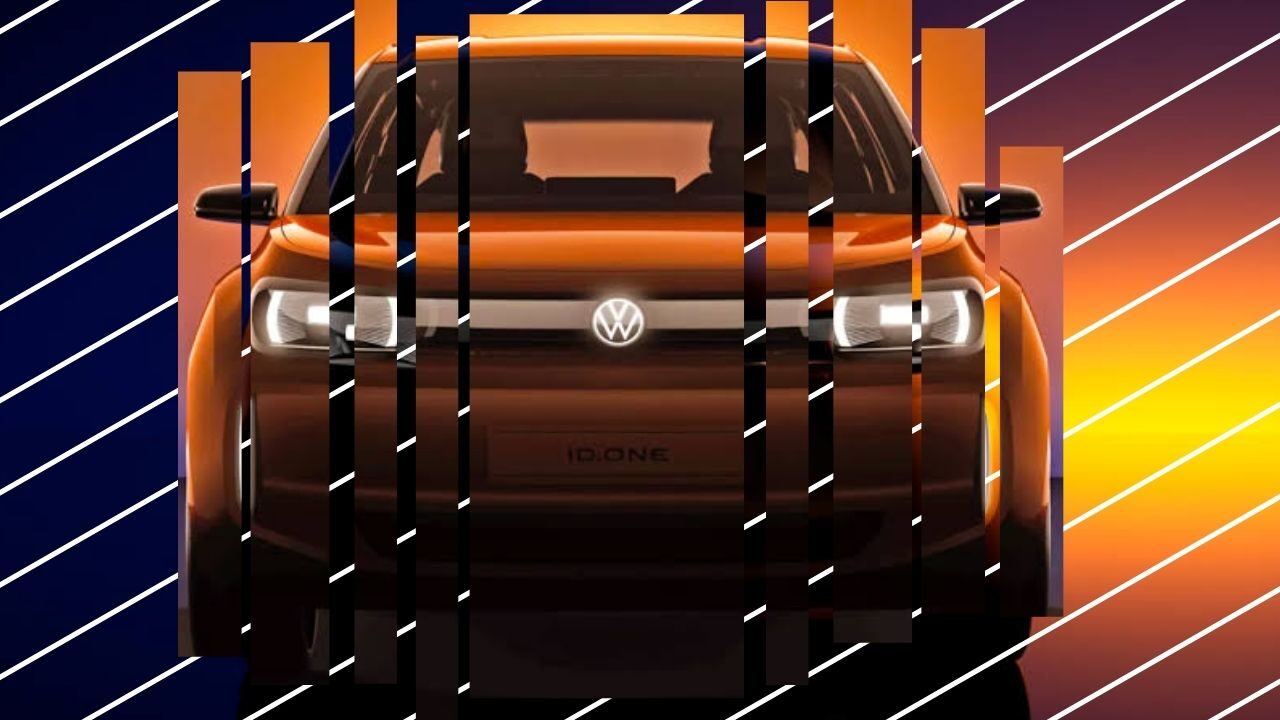
Volkswagen has yet to announce a name, styling images or a final spec sheet, so consider some of this an educated guess as to what’s confirmed versus what’s probable. 

The SUV is based on the MQB-A0-IN platform, and will be produced in India. It targets its launch in 2027, with most reports indicating a mid-year launch rather than a January or Q1 date. It’s also confirmed to sit below the Taigun as VW’s new entry-level SUV in India. 

Power will come from the familiar 1.0-litre TSI turbo-petrol three-cylinder engine, producing 115 PS and 178 Nm of torque — the same unit working in the Kylaq, Kushaq, and Taigun today. A 6-speed manual gearbox is the expected base option. Volkswagen may fit an 8-speed torque converter automatic rather than carrying over the Kylaq’s 6-speed unit, which would be a genuine point of differentiation. 

Volkswagen Expected Engine

Dimensions should land close to the Kylaq’s 3,995mm length and 2,566mm wheelbase, since staying under 4 metres is the entire point of the tax bracket this car is built for. The design is rather than a straight Kylaq clone, Volkswagen is expected to give the car a distinct front and rear, inspired from the Volkswagen Tera, a related model already sold in Brazil. 

Expect a new grille, revised bumpers, and a different lighting signature, following the same playbook VW used to differentiate the Taigun from the Kushaq. 

Pricing is expected in the range between ₹9-16 lakh on-road Mumbai range, but that’s a media estimate, not a Volkswagen number, and on-road figures swing by state due to registration and road tax. Don’t plan a budget around it yet.

How It Stacks Up Against the Competition

Volkswagen SUV vs Skoda Kylaq 

Since both share the MQB-A0-IN platform and, in all likelihood, the same 1.0-litre TSI engine, the Kylaq is your clearest preview of what VW’s new SUV will feel like to drive. The Kylaq measures 3,995 mm in length with a 2,566 mm wheelbase, and its adult occupant safety score of 30.88 out of 32 in Bharat NCAP testing gives an early indication of the safety baseline the VW version should meet or beat. 

Where the two are expected to differ is transmission choice and cabin finish, with Volkswagen typically pitching its Group cars as the sportier-driving option compared to Skoda’s more feature-loaded value pitch.

Volkswagen SUV vs Tata Nexon 

The Nexon continues to be the benchmark in the segment, based on Tata’s tried and tested X1 platform powered by a 1.2-litre turbo petrol producing 120 PS and a 1.5-litre diesel variant that VW’s petrol-only line-up won’t get. Tata is also selling an electric Nexon, which Volkswagen’s ICE-centric entry couldn’t compete with directly.

What VW brings instead is badge value and a European driving character that Nexon buyers moving up from a hatchback often say they want but can’t get at this price point today. 

Read More:-  BMW X1 LWB vs Audi Q3 vs Mercedes GLA: Which Entry-Luxury SUV Actually Makes Sense in 2026?

Conclusion 

Volkswagen’s new sub-4-metre SUV might also enable the brand to tap into India’s largest SUV segment more effectively. With Kylaq already showcasing what the platform can offer, a Volkswagen variant with the familiar TSI engine, unique styling and competitive pricing could possibly pose a real threat to the Nexon, Brezza, Venue and Sonet. 

Let’s wait and see how aggressively will VW price and position it when the SUV hits the market in 2027. 

0

Ishan Kishan’s Luxury Car List: Price, Models & Exclusive Collection

Published Dec 20, 2025, 5:47 AM
Last Updated Dec 24, 2025, 10:23 AM

ishan kishan car collection

Ishan Kishan, perfectionist of drives on the cricket pitch, also enjoys the taste of drives at hill station roads.  Young wicketkeeper-batter, Ishan Kishan who has set the stadium on fire while playing for Mumbai Indians and recently creating the buzz in 2025 auction by making the highest bid for Sunrisers Hyderabad, lives a life that is very much like his batting style – aggressive, stylish and unapologetically premium.

While his helicopter shots grab all the attention, his garage in Patna and Mumbai narrates a different success story. Ishan Kishan’s car collection is a blend of American muscle, German engineering, and futuristic technology. For a sportsman who is often referred to as the “Pocket Dynamo” his wheels are anything but small. 

Ishan Kishan’s Car Collection at a Glance

Car Model Estimated Price (On-Road) Key Feature Personality Match
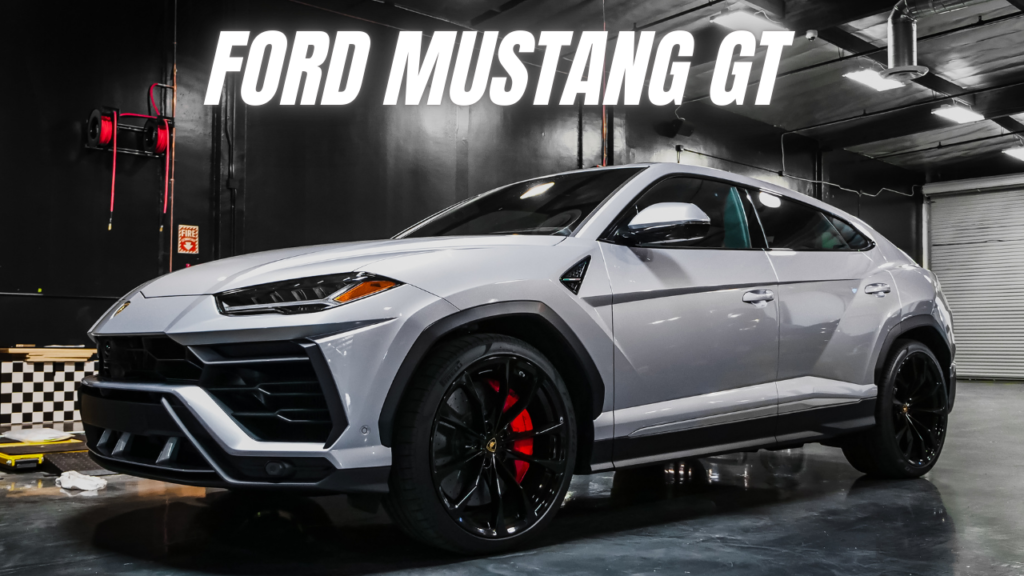
Ford Mustang GT ₹1 Crore 5.0L V8 Engine Explosive Power
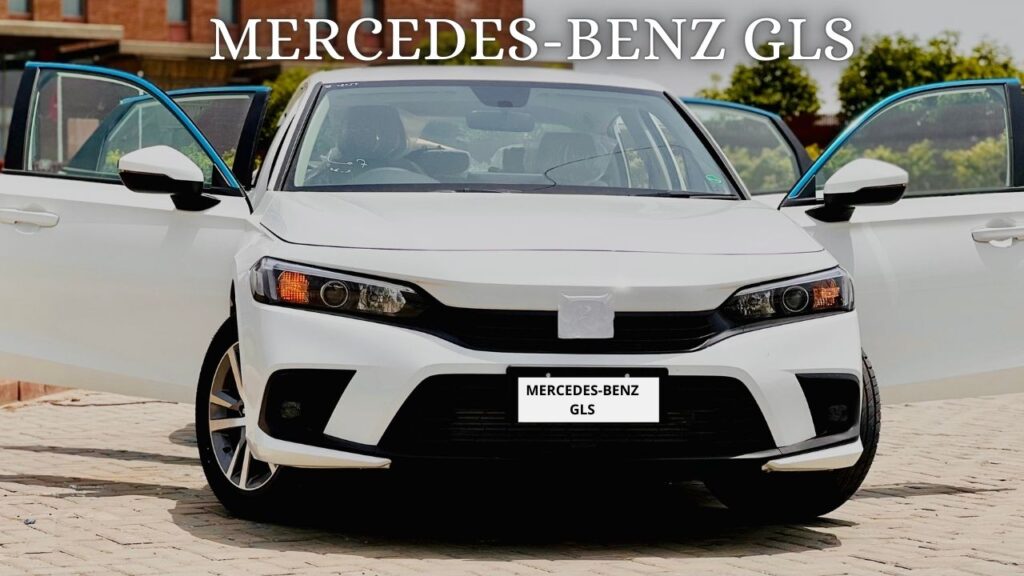
Mercedes-Benz GLS ₹1.40 Crore Massage Seats, Air Suspension Luxury & Status
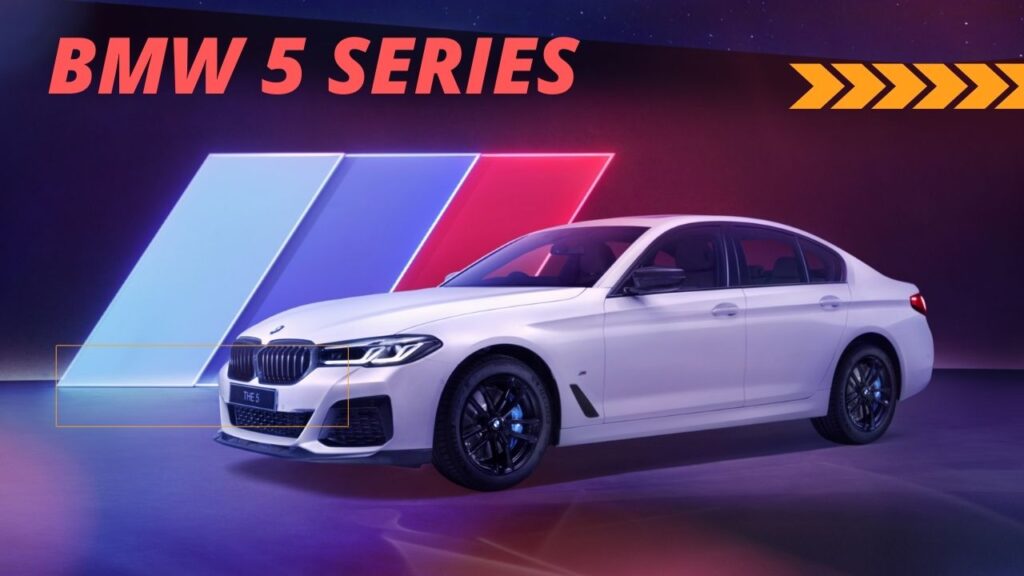
BMW 5 Series ₹85 Lakh Gesture Control, M Sport Kit Sharp & Sporty
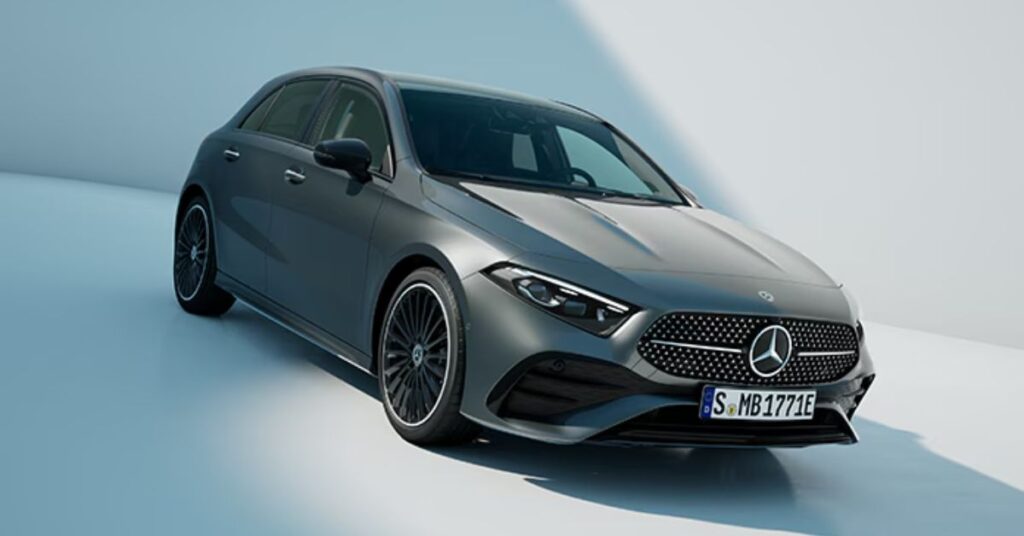
Mercedes-Benz C-Class ₹72 Lakh 64-Color Ambient Lighting Classy & Reliable
MG Comet EV ₹10 Lakh Compact Electric Design Fun & Practical

Ford Mustang GT — Pure American Muscle

Price: Approx. ₹1 Crore

If there is any one car for Ishan Kishan, that would be the Ford Mustang GT. Ishan Kishan, the Indian cricketer and a top T20 batsman, has a beast in the form of Race Red which is a raspberry red shade that would work as a wakeup call for the fans just like his opening batting in T20s.

Ford Mustang GT

Under the bonnet: The Mustang GT is powered by the monstrous 5.0-litre V8 which makes a throat-clearing roar, a sound that any petrolhead would love. When it comes to subtle luxury, forget it – for raw power, sure. With over 400 bhp the car can reach from 0 to 100 km/h in just a few seconds. 

For Ishaan, it was a “dream car” buy. In his YouTube videos and interviews he’s been spotted gazing at the sheer size of the Mustang. It’s a car that needs a firm grip to tame, making it an ideal match for someone like the player, who is renowned for high strike rate. 

Read More :-  Hyundai Verna Facelift: New Features, Design, Interior, Safety, Engine, Mileage Updates Details

Best SUV: Mercedes-Benz GLS of S-Class

Price: around ₹1.30 – ₹1.50 Crore

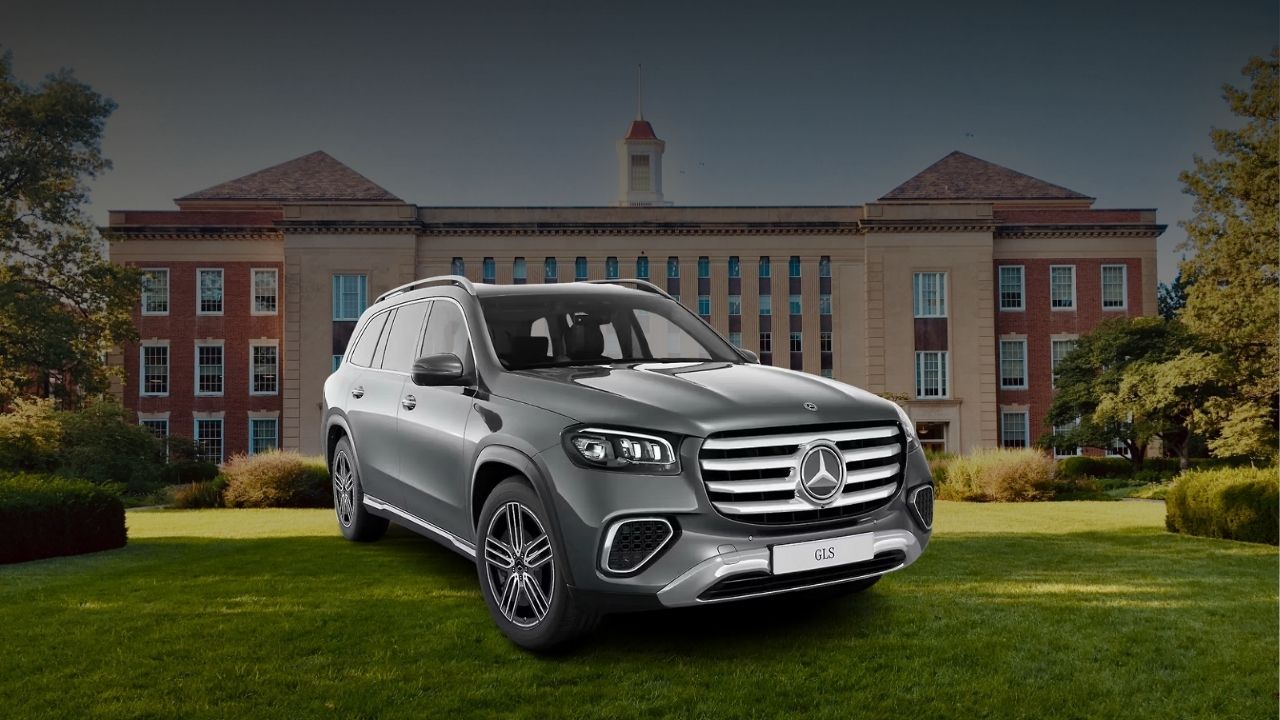
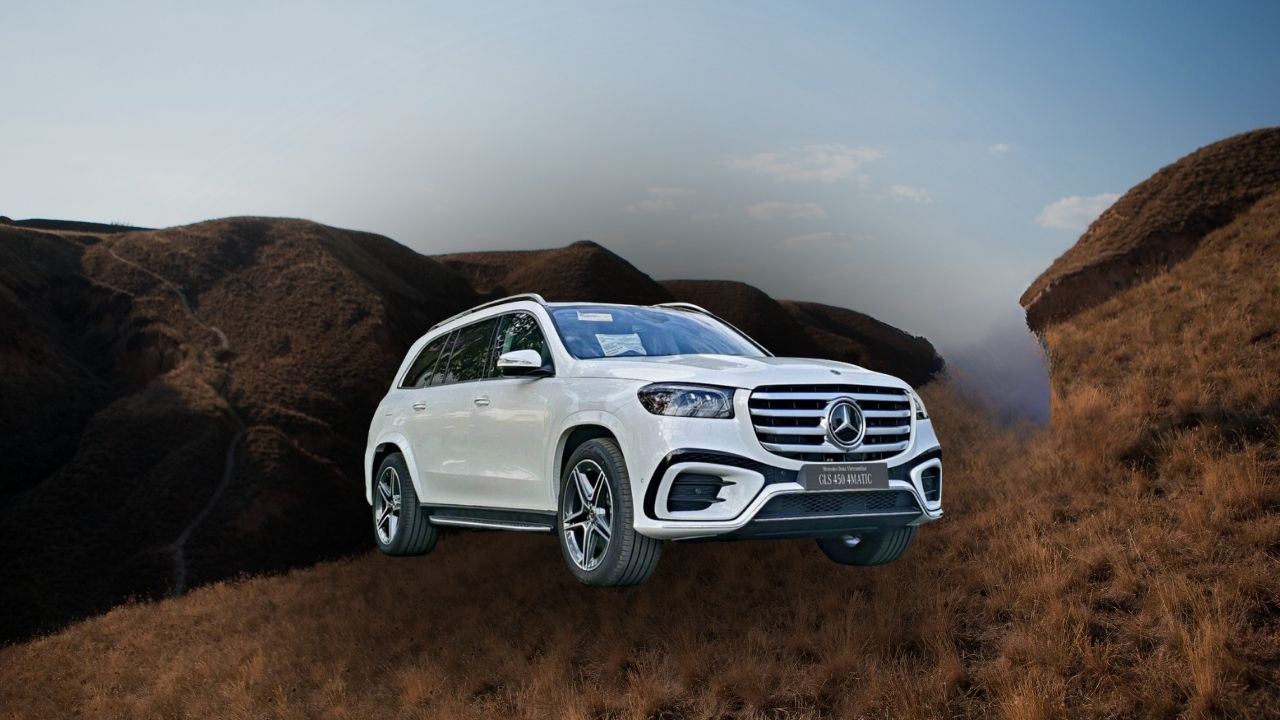
In 2025 early, there were rumors of Ishan adding yet another massive German giant to his arsenal – the Mercedes-Benz GLS. It is commonly referred to as the ‘S-Class of SUVs’ and this seven-seater is a symbol of luxury and prestige.

Mercedes-Benz GLS

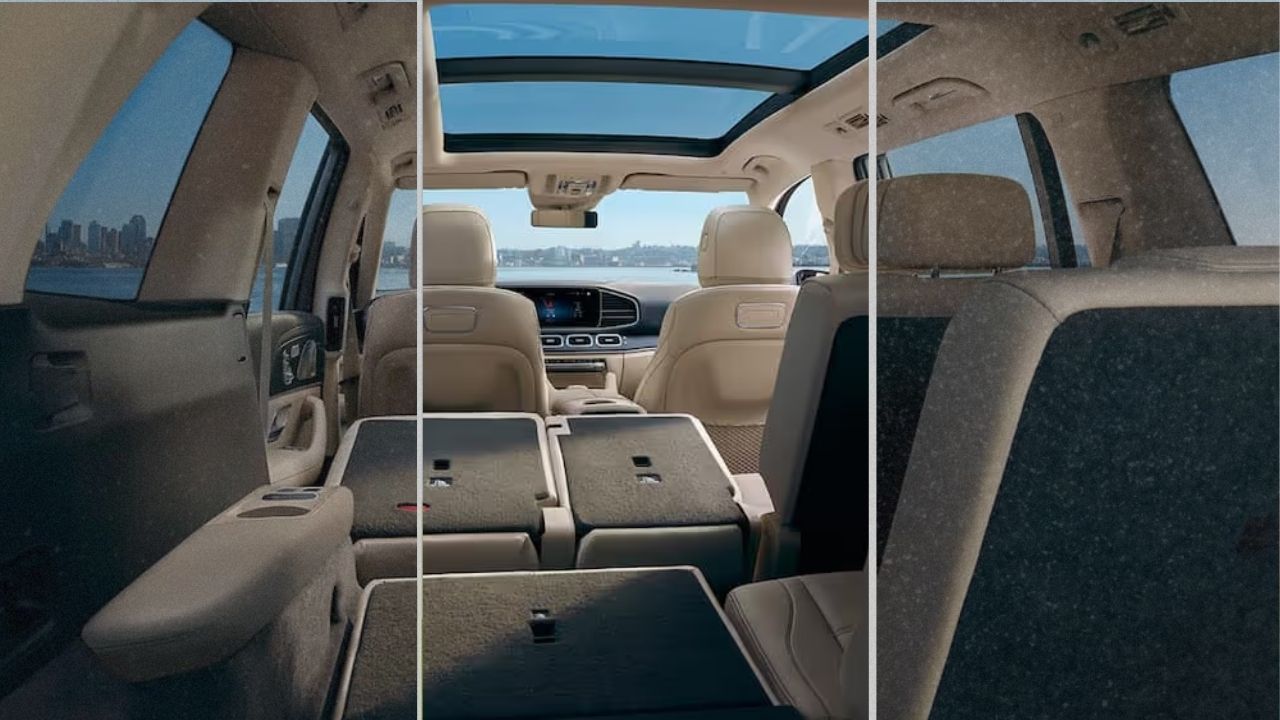
Unlike the Mustang, which is designed for the driver’s fun, the GLS is designed for the passenger’s tranquility. The AMG and PERFORMANCE models can be ordered with massage seats and have a panoramic sun roof that stretches almost over the entire roof. Whether he is on his way to a training camp or zipping through the congested lanes of Mumbai with family, the GLS proves to be a haven of silence and air suspension that skid over pot-holes.

The buy shows Ishan’s growth as a man off the field — from “fast and loud” to “sophisticated and commanding.” 

BMW 5 Series — Its Sharp & Sporty,

Price: Approx. ₹75 – ₹85 Lakh

Prior to the large SUVs, Ishan was often seen in his BMW 5 Series. The 5 Series has a special place in the hearts of Indian cricketers (among them Rohit Sharma and Sachin Tendulkar), as it offers the ideal blend of excitement when driving on the front seat and luxury when riding on the back.

BMW 5 Series

The 5 Series is the 530i M Sport Ishan’s choice, which comes with a sportier body kit and firmer suspension to improve handling. It’s the perfect sedan for driving around the city — fast enough for a little fun, and sensible enough to drive every day. It features BMW’s gesture control and driver-focused cockpit so he can ‘drive the game’ even when he’s off the pitch.  

Mercedes-Benz C-Class

Price: Around of ₹68 – ₹75 Lakh

Another German classic in his garage is the Benz C-Class. Despite its positioning lower down the price range than the GLS or Mustang and the reputation that the Benz C-Class often garners as the “bread and butter” in a celebrity garage – it’s dependable, fashionable and ridiculously comfortable.

Mercedes-Benz Cars Discounted Price After GST 2.0

Image credit: Mercedes-Benz

The C-Class has what some call “Baby S-Class” interiors with lines that flow throughout the interior, ambient lighting (64 colors), high-definition screens. It’s probably the one Ishan relies on when he makes quick runs to the gym, or wants to keep a low profile, lest the thunderous Red Mustang draw too much paparazzi attention. 

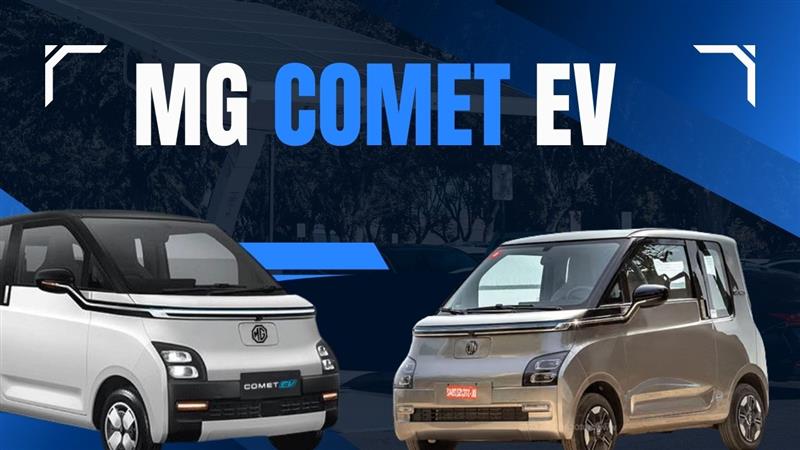
MG Comet EV — Smart City Commuter

Price: Approx. ₹8 – ₹10 Lakh

MG Comet EV

In an unexpected twist, Ishan Kishan is also the brand face of the MG Comet EV. Though largely a brand tie-in, an explosive cricketer championing a small, oddball electric car underscores a turn toward practical urban mobility. The Comet EV is the opposite of his Mustang—quiet, small, and built for stop-and-go driving. It’s a fun, youthful side to him and a reminder that you don’t always need a V8 to say something. 

Conclusion

The Ishan Kishan’s car collection provides a peek into his personality. It’s not just a lukewarm mishmash of metal, there’s a series of clearly defined moves. He went through the stages of his hunger for speed (Mustang), advanced established luxury (BMW & C-Class), and now he is in the “The Big League” of ultimate luxury (Mercedes GLS).

Like his cricketing career — from a potential U-19 leader to a multi-crore Indian Premier League (IPL) star, his garage has only expanded. When he’s smashing a cricket ball out of the park or tearing down the Worli Sea Link in his V8 Mustang, it’s pretty obvious: Ishan Kishan has always been a life-in-the-fast-lane guy. 

0

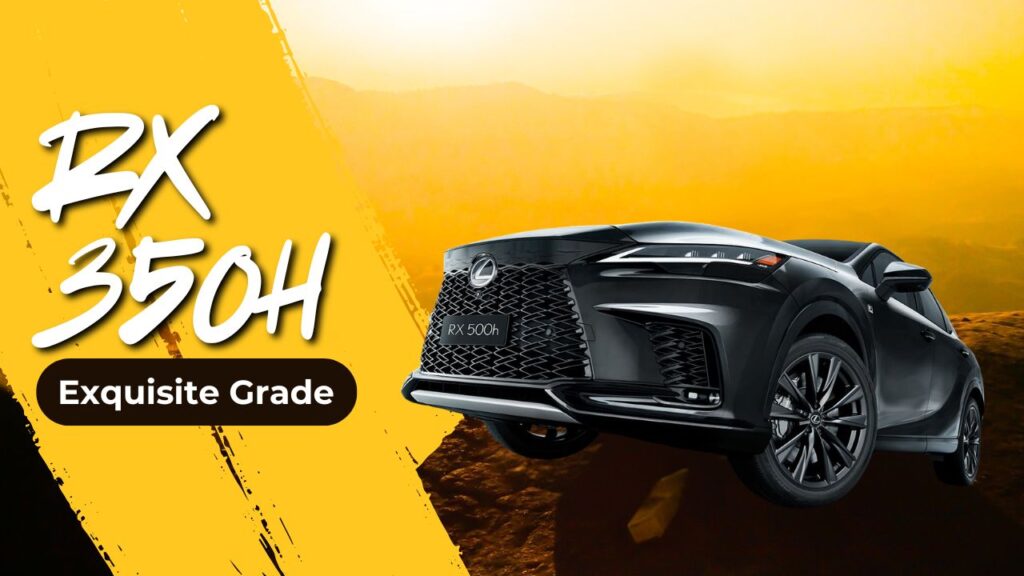
Lexus RX 350h Exquisite Grade: Price, Features & Specifications

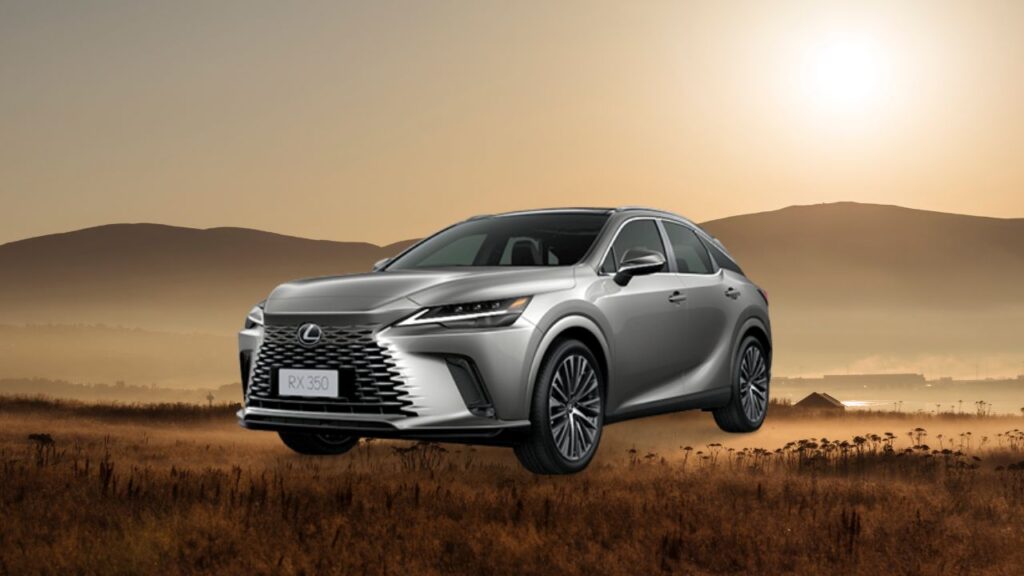
Lexus RX 350h price in India

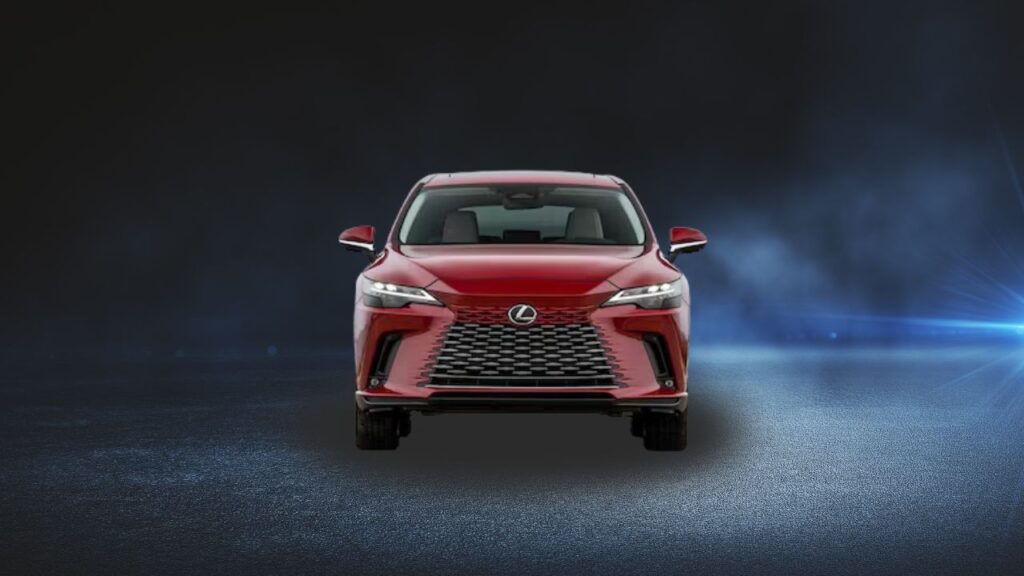
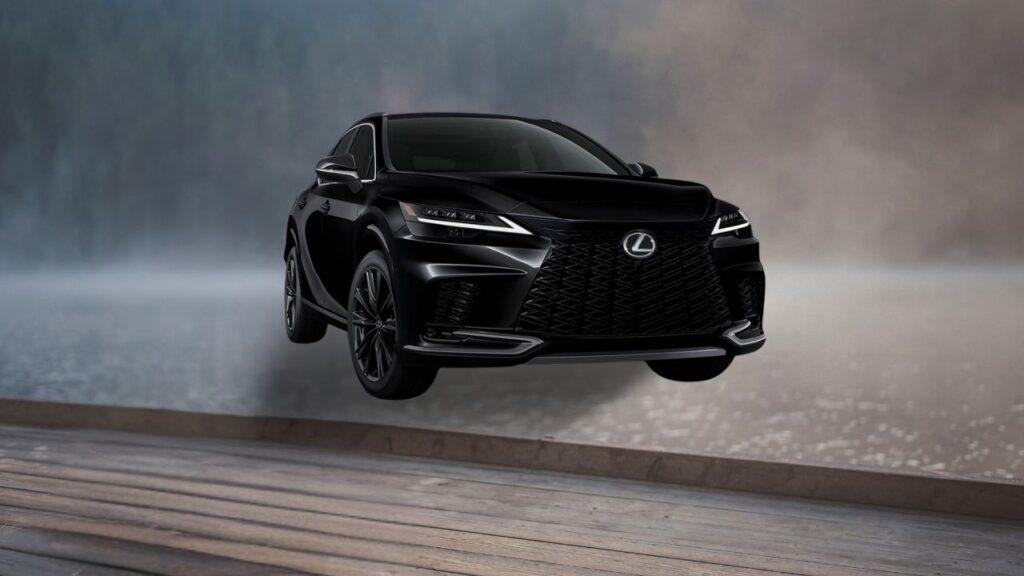
Lexus has introduced a new RX 350h Exquisite Grade model which is aimed at providing an easy access into the premium hybrid range. The model is being offered in India at Rs. 89.99 lakh (ex-showroom), which is a premium yet balanced way to combine luxury with performance. It gives customers the opportunity to enjoy the brand’ renowned quality and innovation, without having to make concessions on must-have features. 

A Smart Price for New RX 350h  Premium Expectations

Here is where Exquisite Grade starts to get interesting. This new variant makes way for the existing Luxury trim as the entry level offering, and is priced Rs 89 lakh, the Luxury trim. For Indian buyers who want finer things in life but do not have (unlimited) budgets, this is big news. 

You get all the features that made the now outgoing Luxury trim so desirable, but at a price that’s a little easier to swallow. If you want the optional Mark Levinson premium audio system than that takes the price to Rs 92.02 lakh. Whichever way you slice it, you’re getting a truly opulent hybrid SUV without breaking the bank. 

Read More :- BYD Sealion 7 Prices in India: Expected Cost, Features & Launch Updates

The Hybrid Powertrain in RX 350h

The RX 350h Exquisite can only be had with a refined 2.5-litre hybrid system—and frankly, that’s all you’d want. This naturally aspirated four-cylinder engine pairs excellently with a self-charging electric motor, making for a total combined output of 246 horsepower and 238 Nm of torque. Don’t be intimidated by the numbers; this hybrid arrangement is surprisingly quick. The car accelerates from 0-100 km/h in only 7.9 seconds, so it’s fast enough for daily use without the guilt of chugging gas like a 20-year-old SUV. 

The Hybrid Powertrain in RX 350h

The efficiency is the star feature here. Due to Lexus’ well established hybrid technology and said electric motor integration, the RX 350h manages to achieve a remarkable 18.6 kilometers per liter (WLTP certified) – a number that really makes a difference when running the numbers for long-term ownership costs. Combined with an eCVT automatic transmission designed for smooth, effortless shifting, this powertrain makes driving a luxurious SUV responsibly a new experience. 

Refine Interior That Meets Modern Technology

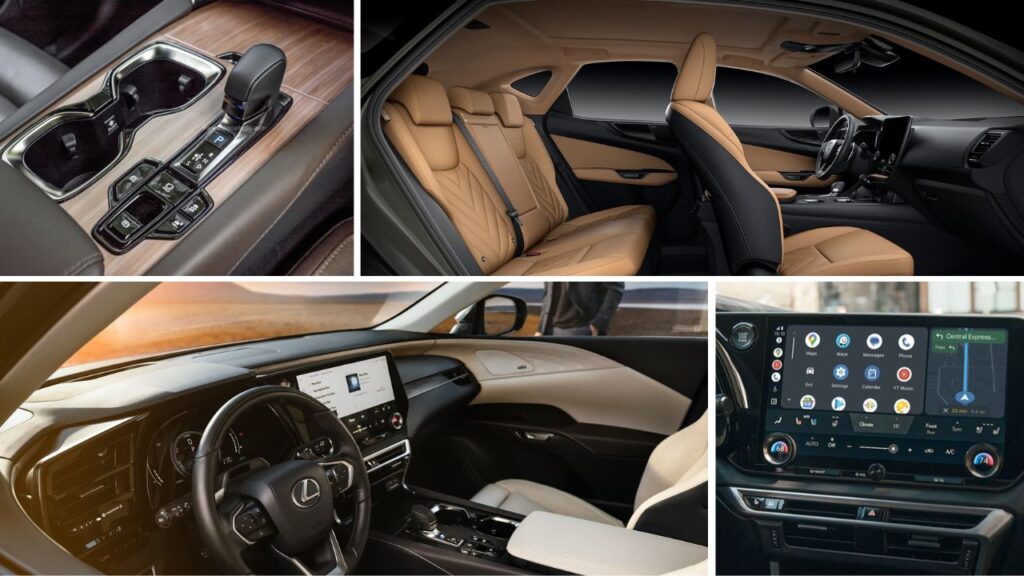
Step inside Lexus, and you can tell right away that the brand gets the fact that luxury isn’t just about the price of the materials—it’s about the design details. The interior is dominated by a 14-inch touchscreen infotainment system, which is one of the largest in its class and sits within the driver-centric ‘Tazuna’ cockpit layout. Now, you’re spending less time wrestling with menus and more time driving. 

Refine Interior That Meets Modern Technology

What constitutes comfort is different for everyone, which is why the Exquisite comes with 10-way power front seats with memory functions. They remember your preferred seating position, so each time you sit down the car is adjusted to your liking. Add heating and ventilation – front and rear – and you end up with a cabin that can cater to your physical well-being all 12 months of the year, whether you’re baking in the summer sun or freezing your knuckles off come winter. Power recline on the rear seats means your passengers get pampering too. 

Lexus RX That Meets Modern Technology

The ambiance is important, and that’s what makes the ambient lighting system so welcoming. Set your mood with adjustable lights and all of a sudden, that night road trip becomes therapy. The three-zone climate system allows you, your co-driver and the rear-seat travellers to each have their own preferred temperatures. No more fighting over it being too hot or too cold! 

Technology & Safety Provide by New RX 350h

What truly sets the RX 350h apart is the serious level of safety Lexus delivers. The Elegant Grade features Level 2 ADAS (Advanced Driver Assistance Systems), which actively assists in driving safety. There is also a 360-degree camera that provides a bird’s-eye view when parking or driving in confined spaces.

Technology & Safety Provide by New RX 350h

The pre-collision system, lane departure alert and blind spot monitoring all team up to be your invisible co-pilot, imparting gentle guidance away from potential hazards.​ Connected car technology lets you stay connected to your car even when you are not in it. An optional smartphone app allows you to remotely perform select functions—such as starting the air conditioning on a hot day before you get to your car. 

Practical Dimensions & Cargo Space

With 192.5 inches in overall length and 112.2 inches in wheelbase, the RX 350h Exquisite delivers a bold presence on the road, yet does not feel cumbersome. The 29.6 cu. ft. of cargo space with the rear seats up expands to a massive 46.2 cu. ft when you fold them down — ideal for weekend escapes or a run for emergency supplies. Ground clearance is a sonorous 8.2 inches, so you’re not grinding undercarriage on every speed bump.

Read More :- Best Sedan Under 20 Lakhs: Luxury Buys with Premium Features

Conclusion

The Lexus RX 350h Exquisite Grade is an intelligent combination of luxury, efficiency and value. It’s not attempting to be all things to all people, but rather recognizes that consumers are more discerning and want greatness without bells and whistles. Whether you’re attracted by its smooth hybrid powertrain, ease-of-use interior technology or surprisingly affordable price, this SUV lives up to the promise of luxury living — one planned kilometer at a time.  

0

Mercedes-Benz GLS SUV Impact on the Global Automotive Industry

Mercedes-Benz GLS SUV

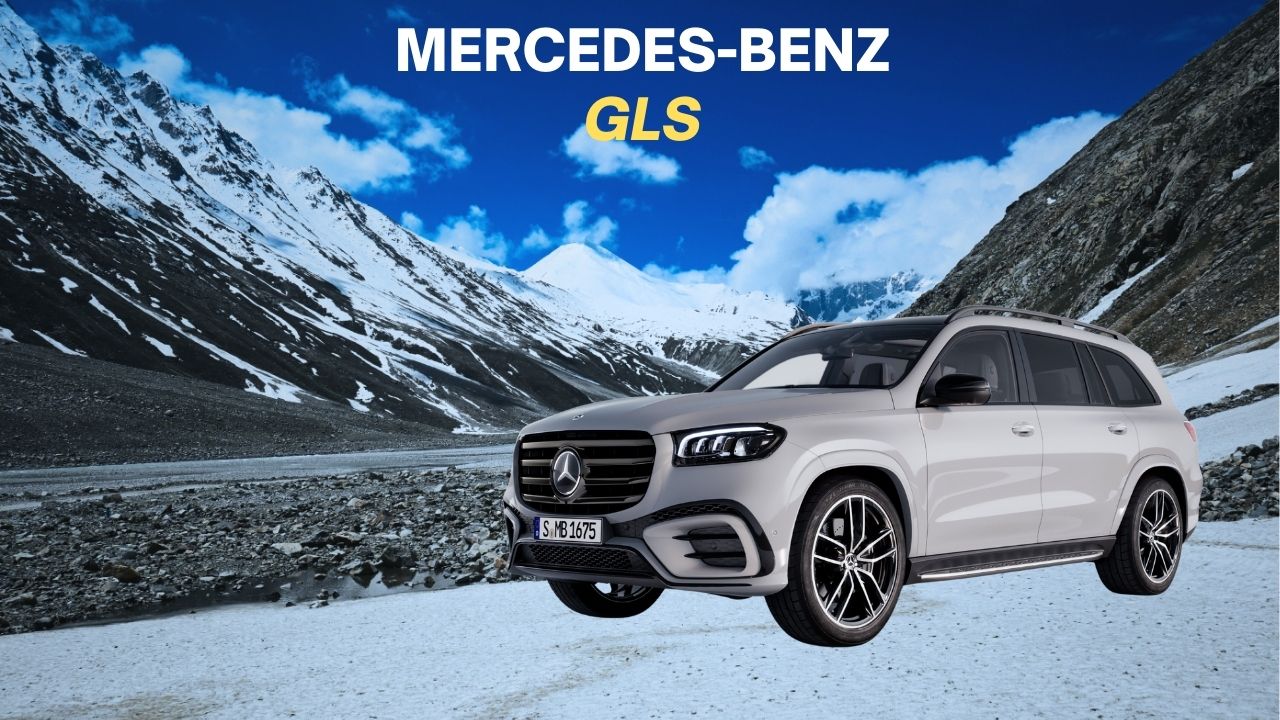
The Mercedes-Benz GLS SUV is the benchmark for luxury full-size SUVs by virtue of its advanced design, engineering excellence and boundless roominess. The GLS replaces the GL-Class in that role, and not only has it established itself as the flagship model in the Mercedes lineup, but as a global automotive leader. It’s not just superficial, it revolutionizes the way SUVs are constructed and what customers expect in a luxury SUV. This evolution embodies the creativity with which Mercedes-Benz continually leads in luxury, and once again. 

How the Mercedes-Benz GLS Redefined Luxury SUV Standards Worldwide

The GLS, originally known as the GL-Class and rebranded in 2016, raised the bar for full-size luxury crossovers with three rows of seating for seven passengers. Sitting atop the GLE, it delivers imposing presence alongside state-of-the-art Airmatic air suspension (AIRMATIC) and luxurious interiors adorned with Nappa leather and wood veneers. Worldwide, it set higher standards for SUVs for competitors like the BMW X7 and the Cadillac Escalade to live up to in terms of refinement and technology suites, such as MBUX infotainment with dual 12.3-inch displays. 

This vehicle established the term “S-Class of SUVs” as a category label, mixing limousine comfort with off-road capability through 4MATIC all-wheel drive. Sales that surpassed expectations – more than 20,000 Maybach versions every year around the world – revealed the appetite for such flagships, shaping shifts in the industry towards the ultra-premium. 

Reshaping Global Manufacturing Hubs

A landmark 2026 decision also allowed India to become the first market outside the US to manufacture the Mercedes-Maybach GLS locally at the Chakan facility near Pune. That hammered prices by more than ₹40 lakh, from ₹3.17 crore to ₹2.75 crore ex-showroom, making ultra-luxury achievable in the midst of India’s surging affluence. India’s ascent to a top-five global Maybach market in 2025, with 2024 sales surpassing 500 units (predominantly GLS), proved “Make in India” for premium autos. 

There are two things to watch here: first, a growing focus on developing rather than developed economies as the centers of production. The localization of Mercedes diminishes import duties, waiting time and the carbon foot from shipping, which has Volkswagen and Audi considering similar tactics in Asia. It strengthens India’s auto eco system, generating skilled employments and local supplier network for customised components. 

Driving Innovation and Technology Adoption

The GLS introduced features that are now industry standard, such as adaptive cruise control with lane-keep assist and 360-degree surround cameras, years before they were required by law. Its mild-hybrid powertrains (3.0L I6 or 4.0L V8) offer the right mix of performance (up to 550 hp in Maybach) and efficiency, pushing rivals toward electrification—EV penetration in Mercedes’ high-end climbed 20% by 2026. The air suspension with off-road programs and up to 36mm ground clearance set a new standard for SUV flexibility. 

Driving Innovation and Technology Adoption

Safety-wise, PRE-SAFE Impulse Side and the transparent hood technology with camera raise the bar, also influencing Euro NCAP standards. On a global level, GLS demand pushed luxury brands to more R&D on hyperscreens and Level 2+ autonomy. 

Mercedes-Benz GLS Market Growth and Its Impact on Global SUV Competition

Reliable, practical and comfortable, this helped Mercedes to take the lead in the luxury SUV segments, putting pressure on Range Rover. It sold more than its rivals in the US and China—two key markets—and recent 100%+ year-on-year Maybach growth in India for Maybach in 2024 signals growing dominance. This forced BMW and Audi to bring their flagships up to a higher level, creating a virtuous cycle of innovation.

Mercedes-Benz GLS Market Growth

GLS, meanwhile, gives Mercedes a handsome margin (Maybach 2019 over 20,000 units/year) and halo effect to bring buyers into to the most basic models. In an environment where luxuries are forecast to grow at single digit in 2026, it maintains its premium pricing power. 

Cultural Influence of the Mercedes-Benz GLS SUV

Behind the specs, the GLS is wrapped in aspirational packaging, showing up in Bollywood films and CEO garages that lends Mercedes some brand prestige. 

Aspect GLS Impact Competitor Response
Pricing Strategy India localization drops ₹40L+  BMW eyes Asia plants
Sales Growth India top-5 Maybach market  Audi ramps X8 production
Tech Features MBUX, AIRMATIC standards  Escalade adds Super Cruise
Production Hubs India 2nd after US  VW explores India EVs

Its massage-equipped, chauffeur-friendly rear executive seats serve global elites, helping to change perceptions away from tough SUVs and toward mobile offices. Environmentally, logistics emissions are reduced by producing locally, in line with sustainability drives. 

Read More:-  Ramesh Babu Car Collection: India’s Biggest Luxury Rental Garage

Conclusion

While looking ahead for Mercedes-Benz GLS SUV hybrids and EVs by 2027, its legacy continues in redefining luxury mobility. From Tuscaloosa roots to Pune production, GLS exemplifies the engineered versatility that propels the industry. With a 2025 re-election for President Trump driving US-India trade negotiations, more such cross-border successes are on the cards.