0

Brezza vs Nexon 2026: Battle of the Compact SUVs in 2026

Published Feb 3, 2026, 6:24 AM
Last Updated Apr 6, 2026, 12:27 PM

Brezza vs Nexon 2026

When you visit a car dealer with your gaze flitting between a pair of shiny new SUVs that are daring, stylish and dependable. Whenever it comes to Brezza vs Nexon 2026, people always get confused. At ₹8 to ₹14 lakh ex-showroom, the Tata Nexon and the Maruti Suzuki Brezza are two industry behemoth competing for the top slot, and known for stellar performance. 

Brezza impresses with its simple, functional qualities and vast service network, Nexon boasts premium features and highest safety ratings. Let’s get into this face-off as if we were driving through India’s potholes, practical, fun and coming straight from the heart. 

Price and Variants Breakdown

Both start out at a reasonable price, but your wallet is going to depend on your choices. The starting price of Brezza (LXi petrol MT) is ₹8.26 lakh and the top-end ZXi+ AT DT is ₹13.01 lakh.

Price and Variants Breakdown

Nexon misses out narrowly at ₹7.32 — 14.15 lakh, with fuel options of petrol, CNG and diesel across Smart to Fearless+ model ranges. 

Here’s a quick glance at top sellers:

Aspect Brezza (ZXi CNG) Nexon (Creative CNG/Petrol)
Ex-Showroom ₹11.31 lakh ₹10-12 lakh
On-Road (Delhi) ~₹13 lakh ~₹12-14 lakh
Waiting Period 2 months 1-3 months

Power Under the Hood

Brezza’s 1.5L K15C petrol (101 bhp, 137 Nm) and CNG (87 bhp) variants feel quite peppy in stop-and-go traffic and 19.8 kmpl is the figure with the AT. Smooth and elegant, like sipping chai on a slow breeze but it just doesn’t have the turbo punch to overtake comfortably (0-100 in about 12 seconds). 

Power Under the Hood

Nexon fights back with a 1.2L turbo-petrol (118 bhp, 170 Nm), a diesel (115 bhp), and a CNG option, mated to the 17–24 kmpl. Because of the torque surge, it runs faster and it keeps running at 120 kmph. It is a thrill to have such a vehicle. If you want to fly past trucks on NH24, Nexon is your pal. Brezza rules the mileage marathons, though. 

Design and Road Presence

Brezza’s tough lines, aggressive grille and 198mm ground clearance say “city jungle hunter.” Nexon offers Futuristic LED DRLs, connected taillamps, and 208mm ground clearance whips heads— it’s the bolder peacock.

Design and Road Presence

Dimension-wise, Brezza (3995x1790x1685 mm) and Nexon (marginally wider/taller) are quite similar. Both are five seater vehicles, but with a better boot space of 382L Nexon can carry weekend bags more comfortably than Brezza’s 328L. 

Inside the Cabin: Comfort Clash

Brezza is roomy from inside, functional with rear AC vents, 9-inch touchscreen, wireless charging and sunroof in top variants. The soft-touch plastics are premium enough but a few hard and scratchy bits demonstrates its budget-consciousness. Ride drinks potholes like a champ.

Nexon offers 10.25-inch Harman screen, JBL audio, ventilated seats, panoramic sunroof, and 360-cam. Sure, the digital cluster dazzles but the ergonomics are a disaster—no real cupholders, panels that don’t line up. Rear space is similar, yet Nexon seems airy. 

Safety is Priority

When it comes to safety then only reliable cars can actually get into the head like The Brezza’s 4-star GNCAP (6 airbags, ESP, hill-hold) is rock solid.

Safety is Priority

Nexon with the same gear and a blind-spot monitor in high res, I am a proud 5-star king. In crash tests, the Nexon also provides better protection which is essential while running families around. 

Features Face-Off

Category Brezza Wins Nexon Wins
Infotainment Simple, responsive 9″ 10.25″ + JBL, wireless AA/CP
Convenience Cooled glovebox, HUD Ventilated seats, paddle shifters
Safety Tech 360-cam, 6 bags 5-star + ADAS basics

Read More:- Hyundai Exter Facelift: Smarter Looks, Bigger Tech, Same City-Friendly Charm

Conclusion

It will be a hard choice of Brezza vs Nexon 2026. If your pulse rate increases at the thought of peace of mind, low running expenses, silky-smooth city drives, and Maruti’s unmatched service network, the Brezza seems like the more stable long-term partner. It is smart, comfortable and easy to live with, ideal for daily commuting and hassle free ownership.

However, if you’d like your SUV to make you feel a bit special each time you turn it on, boast strong performance, a bold design, richly appointed interiors and best-in-class safety, the Tata Nexon sounds like the better choice. That 5-star safety rating, turbo punch and premium tech gives it a future-ready and emotional appeal that is unmatched.

In short:

  • Go for Brezza if you prefer reliability and simplicity to flashiness.
  • Go for Nexon if safety, features, & driving excitement are on top of your checklist.

They’re both good compact SUVs — but the one that steals your heart is going to come down to whether you prefer to think with your head or drive with your heart. 

Sharey Khan

Sharey Khan is an IT entrepreneur and petrol head & a car enthusiast. With a special focus on car-related content, he combines his deep passion for vehicles with a talent for crafting informative, engaging, and easy-to-understand content. His writing is driven by a genuine love for cars and he is committed to providing readers with accurate, up-to-date, and trustworthy information that empowers smarter driving decisions. 

Leave a Reply

Your email address will not be published. Required fields are marked *

0

Rolls Royce Unveils Custom Car Using Sea Snail Shells 

Published Sep 22, 2026, 1:03 PM
Last Updated Sep 26, 2026, 8:43 AM

The Phantom Extended

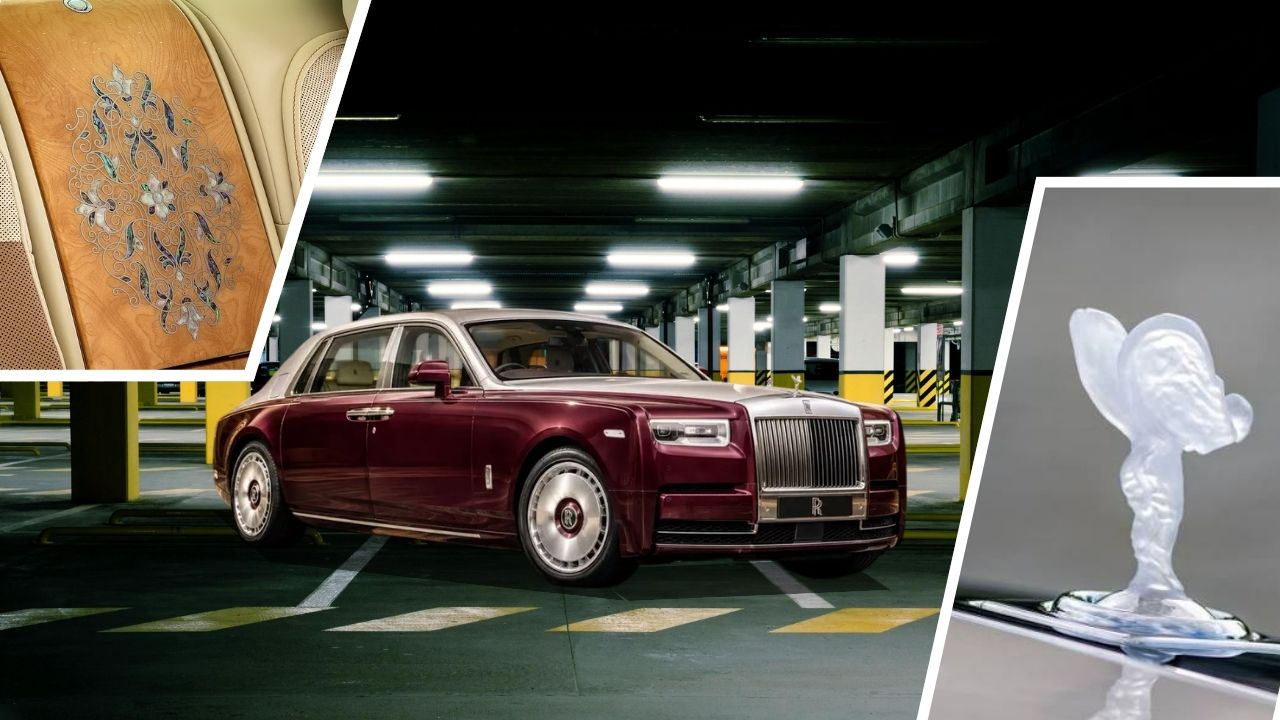
Rolls Royce is not just a luxury car brand, the authenticity of their work is remarkable. The Phantom Hummingbird, revealed in September 2026, is a one-off Private Commission built on the long-wheelbase Phantom Extended, and the first Rolls Royce with marquetry made from abalone, a marine snail with an iridescent shell. 

A Dubai client ordered it as a tribute to his wife. The shells aren’t the bodywork, and you can’t buy this car. But it shows what a ₹10-crore-plus Phantom actually is. Cut a shell 0.06 mm larger than its final size, then sand it by hand until it vanishes into the piece beside it. That is how a hummingbird ended up inside the newest Rolls Royce. 

How Rolls Royce Used the Sea Snail Shells

Rolls Royce took the blue-green pearly inner surface of abalone shells and combined it with mother-of-pearl to imitate a hummingbird’s feathers. The craftspeople used a decorative marquetry technique, where small pieces of abalone shell were carefully cut and fitted together to create a design on the rear picnic tables and the “Waterfall” panel. Ash burr veneer covers all three panels, while the picnic tables use silver birch taken from a single log. One report counts 53 shell pieces in the hummingbird and 84 in the flowers. 

Rolls Royce Used the Sea

Outside, the car wears a two-tone Wildberry and White Sands finish, a hand-applied White Sands coachline and a hummingbird painted along the flanks. The rest of the cabin uses Creme Light leather with Moccasin and Tan inserts, and Seashell carpets.

Why a Few Panels Took Nine Months

Abalone is unusually fine and brittle, and that is why this took so long. The design took over nine months to develop, through six iterations. The fix was to thin the pearl and abalone first, so each fragment could be set gently and then lacquered. Fitting and finishing the three panels then took 45 hours, roughly half of it spent on finishing touches. Rolls Royce says the hummingbird’s wings needed a human hand to get a fit with no visible seam.

Rolls Royce

Rolls Royce has form here. The brand has painted the Milky Way onto a headliner, commissioned an interior from designer Iris van Herpen, and even fitted a gold bar in a centre console. Wallpaper compared these commissions to one-off superyacht builds, where every detail is effectively a prototype.

Read More 👉   New Tata Safari EV Triple Screen Dashboard Spied – Launch Soon

The Phantom Extended Specification and Pricing

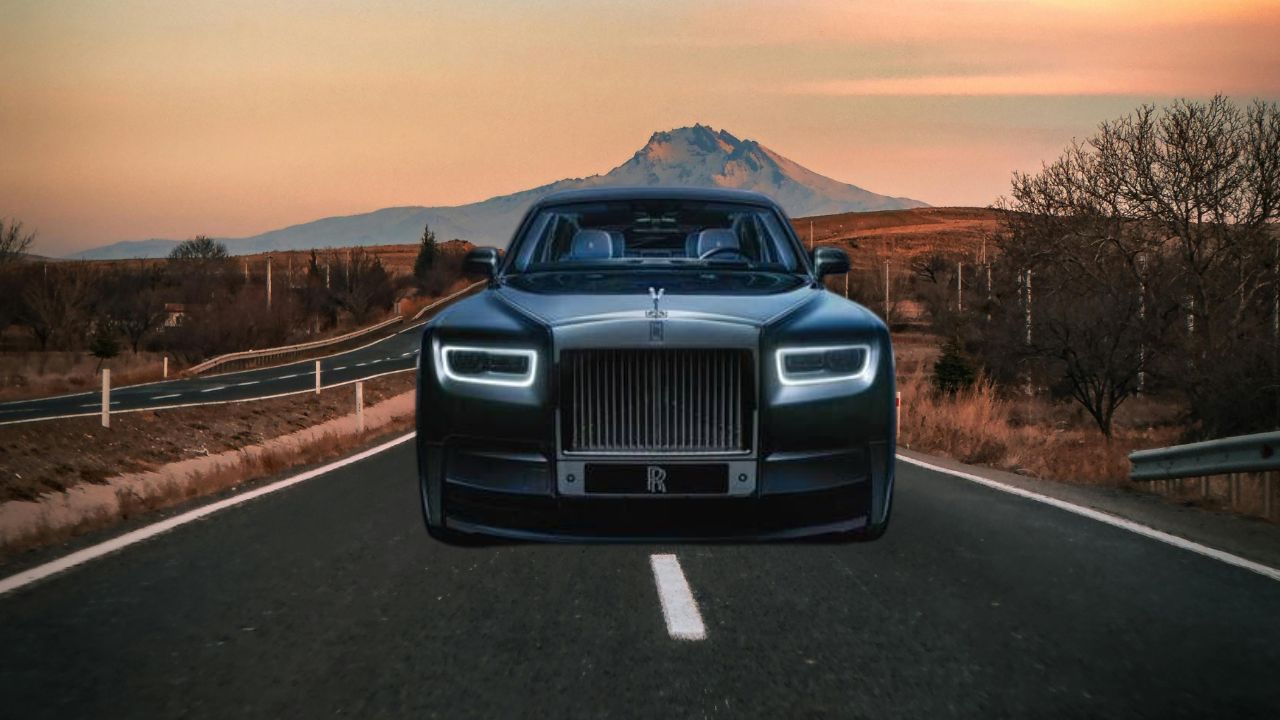
The Phantom Hummingbird specially designed in a 5,982 mm long body with a 3,772 mm wheelbase. The outstanding 563 bhp power comes from a 6.75-litre twin-turbo V12 engine and given 900 Nm torque makes a Phantom limitless on the road. It runs on a rear wheel drive through an 8-speed ZF automatic by reaching from 0 to 100 km/h in just 5.3 to 5.4 seconds.

The Phantom Extended

Phantom price starts at ₹8.99 crore in India where the Extended Wheelbase comes at a higher price up to ₹10.48 crore ex-showroom. The Phantom Hummingbird price is not published by Rolls Royce. Mileage figures vary by site, from about 7 kmpl to 9.8 kmpl, so be skeptical of any single number. No one buying this car is doing the fuel maths anyway.

Rolls Royce Phantom Extended vs Maybach S 680 and Bentley Flying Spur

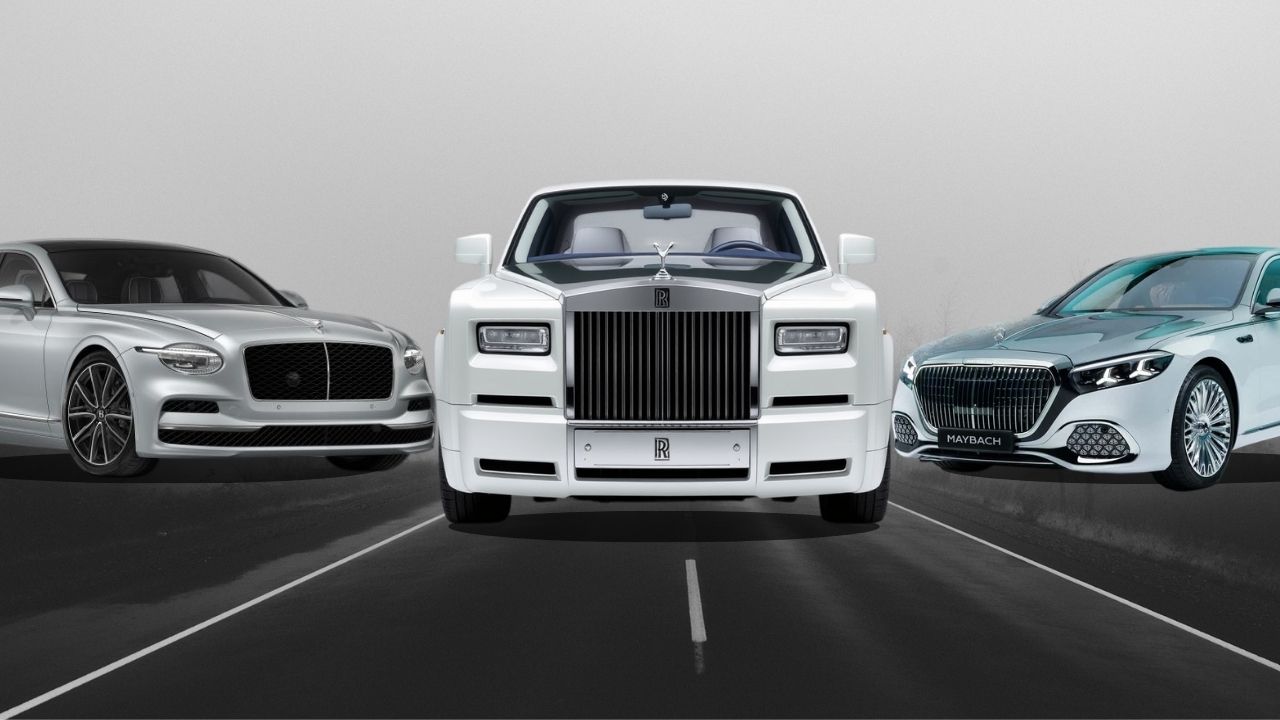
The Phantom’s real rival is the Mercedes-Maybach S 680 which runs on a 6.0-litre turbo V12 engine that costs ₹3.43 crore ex-showroom, so it’s about a third of the Extended’s price. The Maybach S 680 is 376 mm shorter than the Phantom Extended’s, the wheelbase is 3,396 mm. It offers the similar V12 and a chauffeur-friendly rear seat but the creativity and design of Hummingbird is something else.

Rolls Royce Phantom

The Bentley Flying Spur starts at ₹5.25 crore ex-showroom. Its Indian range now includes a V6 hybrid making 410 bhp and 550 Nm, and Bentley has dropped its W12 globally. It is a more driver-focused choice, while the Maybach puts rear-seat space and silence first.

Read More 👉   Top 10 MUVs in India: August 2026 Sales, Waiting Period and Easy Finance Option

Conclusion

The Phantom Hummingbird is less about the car itself and more about what Rolls-Royce is willing to do for a single customer. Using tiny pieces of abalone shell, matching wood from a single log and spending nine months perfecting the design turns an already expensive Phantom into something closer to a rolling piece of craftsmanship. 

You cannot buy this exact car, but the Hummingbird shows why a Rolls-Royce Private Commission can sit far beyond the price of a regular luxury car. In this case, the sea snail shells are not a gimmick; they are part of what makes this one-off Phantom impossible to replicate. 

0

Top 10 Most Fuel-Efficient Cars in India Under ₹10 Lakhs You Must See in 2025

Published Oct 3, 2025, 9:23 AM
Last Updated Apr 24, 2026, 11:19 AM

The 2025 Indian sub-₹10 Lakh automotive market is driven by ultra-low running costs, making CNG cars being the most popular option as they cost 50-60 percent less on fuel compared to petrol. Maruti Suzuki Celerio (34.43 km/kg) and Wagon R (34.05 km/kg) are two such models that set the efficiency benchmark.

Good hybrids (Grand Vitara, Urban Cruiser Hyryder) provide great mileage however are beyond this price range as they are priced above ₹10 Lakh.

Value shoppers must choose between:

  • Most Mileage Cars (Celerio, WagonR, AltoK10) Are Economical But Have Poor Safety Ratings (0–2 Stars).
  • Safer modern alternatives (Maruti Dzire – 5 star, Tata Tiago – 4 star) are a bit costlier, but they offer vital occupant safety.

Fuel Efficiency is Shaped By Two Key Realities:

ARAI vs Real-World Mileage

Since ARAI certified figures are laboratory tested and are doubtful.

City mileage in real life is relatively up to 47% lesser (Wagon R CNG claims 34 km/kg, but its real life mileage is 22 to 26 km/kg).

Efficiency needs to be calculated a little differently: km per litre for petrol/diesel, km per kg for CNG and the true financial metric is Cost per km (CpK) – and in terms of CpK, CNG comes out as the winner for the fuel is dirt-cheap.

Market Barrier for Hybrid Technology in India

Decent hybrids (like Grand Vitara, Urban Cruiser Hyryder) may come close to high mileage (28 kmpl) but still are out of reach in this segment, with prices commencing well over ₹10 Lakh (generally ₹17 Lakh+ on-road).

So, in the sub ₹10 Lakh buyers have to bank on CNG to get significant savings, with sophisticated hybrid efficiency being available only at the upper end of the cost spectrum. 

For the value-conscious consumer CNG is still the only viable option to really achieve Total Cost of Ownership (TCO) savings though that can really cash in only if consumers temper their expectations to the reality in real world mileage and not inflated ARAI figures. 

The Top 10 Fuel Efficiency Cars (Under ₹10 Lakhs)

Factory-fitted CNG variants, which come with the highest certified mileage figures, take the top spot in the the conclusive list of the most fuel-efficient cars under ₹10 Lakhs. The list below has been prepared on the basis of highest ARAI-certified efficiency figure of a single variant in all the cars available under the price cap of ₹10 Lakhs Ex Showroom for major metros.

Model/Variant Fuel Type ARAI Certified FE (km/unit) Ex-Showroom Price (₹ Lakhs)
Maruti Suzuki Celerio CNG 34.43 km/kg ₹ 6.65 – 8.64 Lakhs
Maruti Suzuki Wagon R CNG 34.05 km/kg ₹ 6.80 – 8.96 Lakhs
Maruti Suzuki Dzire Tour S  CNG 34.3 km/kg ₹ 7.19 – 9.00 Lakhs
Tata Tigor CNG 33.1 km/kg ₹ 6.49 – 8.90 Lakhs
Maruti Suzuki Alto K10 CNG 31.59 km/kg ₹ 5.50 – 7.18 Lakhs
Maruti Suzuki Baleno CNG 30.61 km/kg ₹ 7.70 – 9.10 Lakhs
Hyundai Aura  / Grand i10 Nios  CNG 28.0 km/kg ₹ 8.00 – 9.00 Lakhs
Tata Tiago  CNG 26.49 km/kg ₹ 6.15 – 8.00 Lakhs
Maruti Suzuki Swift Petrol 25.75 kmpl ₹ 6.49 – 9.64 Lakhs
Honda Amaze Petrol 25.0 kmpl ₹ 7.92 – 9.50 Lakhs

The clearest feature of this list is the undeniable dominance of Maruti Suzuki: it takes 7 places out of the top 10. This widespread presence especially in the top CNG high-efficiency slots cements Maruti’s strategy of Efficiency as Core value Proposition. The company holds an edge to this day in its unique engineering of small displacement, highly tuned engines and integrated factory fitted CNG solutions.

The final two spots are taken by none other than Maruti Suzuki Swift and Honda Amaze. It shows that even a highly tuned petrol engine cannot objectively compete with the volumetric efficiency, cost efficiency and performance offered by MCNG. Pure petrol variants are becoming a second option to mileage-conscious buyers and more for those living in areas that are not that well connected with CNG refilling infrastructure. 

Read More:- EV vs Petrol vs Hybrid: Which Car Type Is Perfect for You in 2025?

In-Depth Profiles of the Top Cost-Efficiency Leaders

Maruti Suzuki Celerio

The Maruti Suzuki Celerio is a good hatchback in the Maruti range and has been one of the highest selling from the segment largely due to its fuel-efficient engines, especially the CNG version. It offers 1.0-litre three cylinder petrol engine paired with 5-speed manual or AMT gearbox, power steering, front power windows, keyless entry and a 7-inch touchscreen infotainment system.

Image credit: MarutiSuzuki

It provides maximum cabin space, while the size of the exterior is kept to a minimum. Dual front airbags are offered along with ABS with EBD, rear parking sensors and more.

Maruti Suzuki Wagon R

The Maruti Suzuki Wagon R is a tallboy hatchback which is known for its spacious cabin and tall roofline. It has two powertrain options: 1.0-litre and 1.2-litre petrol engines, both with the choice of manual and AMT transmission. It is also available in a factory fitted CNG variant for more mileage efficiency.

Image credit: MarutiSuzuki

It comes with provisions such as 7-inch touchscreen, steering-mounted audio controls, power adjustable mirrors, rear seats that split-fold. Standard safety provisions on the hatchback include two airbags, ABS with EBD, rear parking sensors and it is well poised to attract new car buyers in the urban Indian market.

Maruti Suzuki Dzire Tour S

The Dzire Tour S is focused on commercial and taxi purposes. It comes with a 1.2-liter petrol engine with CNG and petrol variants and a 5-speed manual gearbox. The sedan is also appreciated for having a large boot (378 liters) and for its economy, more so when running on CNG.
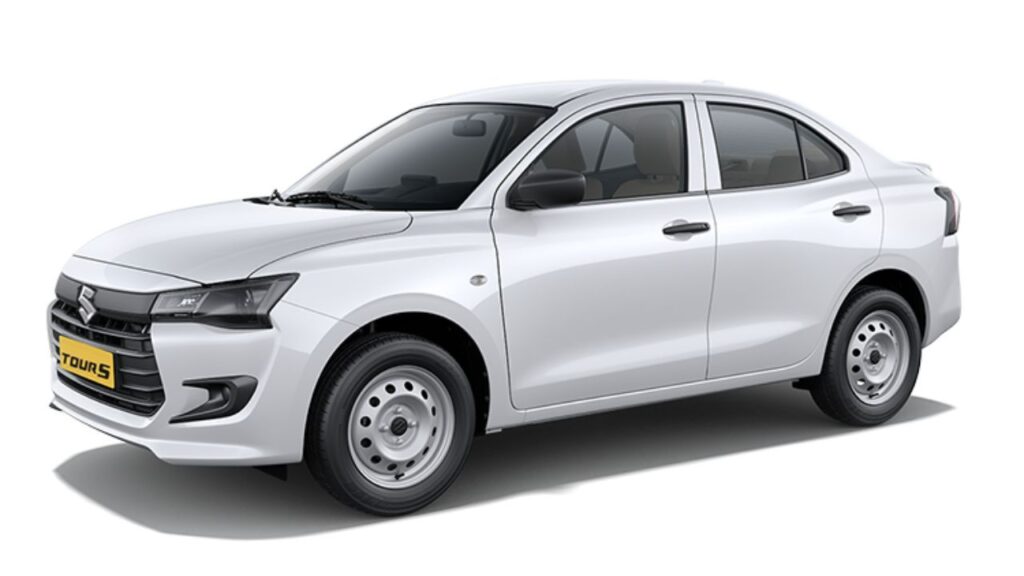
Image credit: MarutiSuzuki

The most important specifications are front power windows, central locking, manual air conditioning, 2 airbags with ABS. Its rear seat is road-trip viable and it continues to be a preferred selection among fleet purchasers.

Tata Tigor

The Tata Tigor is a small sedan that runs a 1.2-litre three-cylinder petrol engine, it competes in CNG and petrol variants. “It boasts with being a coupe-like styled vehicle, 419-liter boot capacity, has safety with 4-star GNCAP crash rating.

Image credit: TataMotors

Includes – touchscreen infotainment system with Android Auto and Apple CarPlay, climate control, projector headlamps, rear parking camera. Tigor pays focus on structural safety and cabin comfort, so it’s safe for your family and strong enough for your day to day.

Maruti Suzuki Alto K10

Alto K10 is one of India’s bestselling entry-level hatchbacks. It is powered by a 1.0-liter three-cylinder petrol engine and is also offered with a factory-fitted CNG kit.

Image credit: MarutiSuzuki

Basic power steering, front power windows, manual air conditioner and a rudimentary infotainment system on the higher variants are the key features. There are dual airbags but safety is minimal. Alto K10 is light and nimble making it a great city car for new car buyers and daily users.

Maruti Suzuki Baleno

The Baleno is a premium hatchback from Maruti Suzuki and is powered by 1.2-litre petrol engine and comes with an optional CNG kit. Transmission options include a manual and an AMT automatic. Highlights of the specifications: 9-inch SmartPlay Pro+ infotainment, LED projector headlamps, 360-degree camera, cruise control.
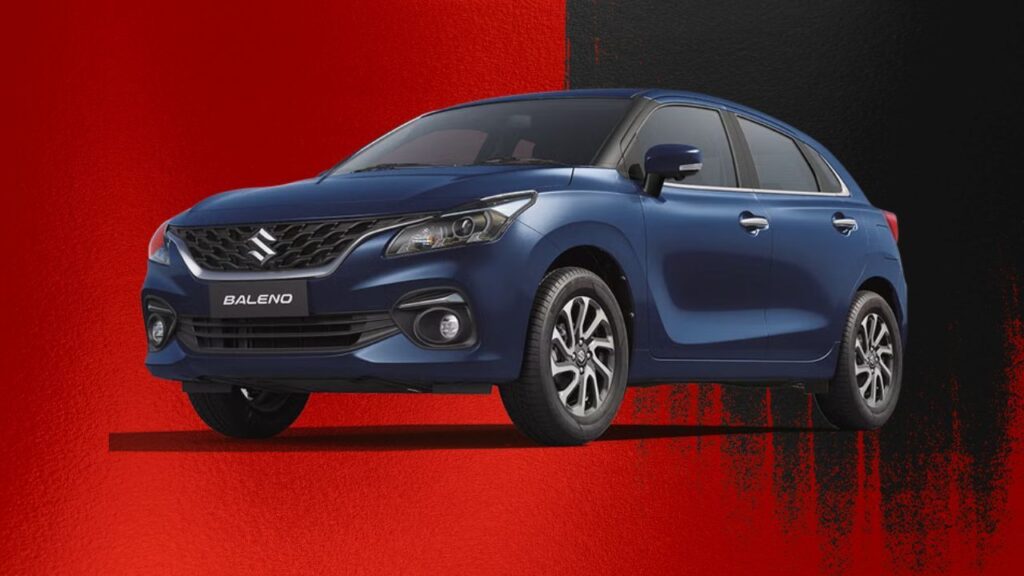
Image credit: MarutiSuzuki

Six airbags in top models, ESP, hill hold assist, and rear parking sensors all come as standard safety features. The Baleno is also revered for its spacious cabin and refined ride quality and is very popular among small families.

Hyundai Aura  / Grand i10 Nios 

The Hyundai Aura is small sedan and the Grand i10 Nios is a hatchback, however both vehicles share the same platform and 1.2 liter engine in petrol, CNG and diesel forms. The highlight features include an infotainment touchscreen with smartphone connectivity, automatic climate control, wireless charger, and rear AC vents.

Image credit: Hyundai

Both are good for comfortable riding and they also provide practical boot space for a hatchback and compact sedan respectively. Safety consists of dual front airbags, ABS with EBD, and stability control on the higher variants, making it a value-for-money choice for those looking for practical needs.

Tata Tiago 

Tata Tiago, a compact hatchback, is equipped with a 1.2 liter three-cylinder petrol engine and the variants on offer are petrol and CNG. It boats robust build quality with 4 star GNCAP safety rating. Additional features are an infotainment touchscreen, dual zone climate control, 8-speaker Harman audio, reverse parking sensors and two airbags.

Image credit: TataMotors

The Tiago is lauded for its fun-to-drive dynamics, safety and youthful design, making it a great choice for small families and city runs.

Maruti Suzuki Swift

The sporty Maruti Suzuki Swift hatchback comes with a 1.2-liter petrol engine and AMT option. Highlights of the car are LED headlamps, 7-inch touchscreen, automatic climate control, and push-button start.

Image credit: MarutiSuzuki

It manages to be fuel efficient yet delivers peppy performance and is equipped with dual airbags, ABS, and ISOFIX mounts for safety. The Swift is known to add a youthful and energetic charm to the general object of its ownership.

Honda Amaze

Honda Amaze is a petrol-powered compact sedan with a 1.2-litre engine and CVT automatic now available as an option. It’s all about comfortable seating and sensible space, with a 420-litre boot.

Image credit: Honda

Highlights of the vehicle are its 7-inch infotainment system with Android Auto/Apple CarPlay, dual-zone climate control, cruise control, and rear camera.Safety kit Standard a – dual airbags, ABS with EBD and rear parking sensors. Its refined engine and smooth ride make it the best family sedan in India.

Conclusion

Maximizing ROI in 2025 The Best Financially Prudent Option In 2025 For High Usage Indian Consumers With A Budget Of Under ₹10 Lakh Is A Stock CNG Car. The difference in running costs is so great that the initial extra outlay is quickly recovered. Now for the discerning customer would be when choosing the contemporary, structurally safe CNG options (Dzire, Baleno, Tiago/Tigor) that blend best in class operational efficiency with high safety standards to deliver end to end maximum value for money and protection in the long run.

0

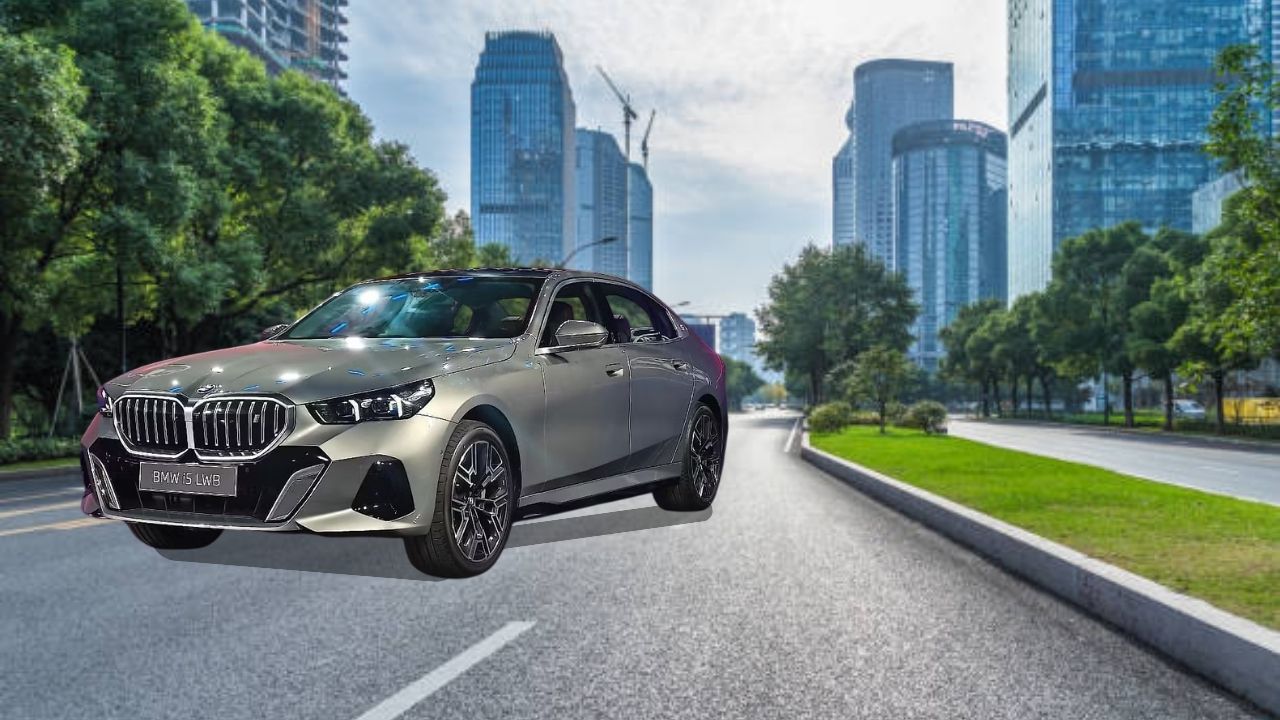
BMW i5 LWB On Road Price Is Lower Than What Buyers Expected

BMW i5 LWB

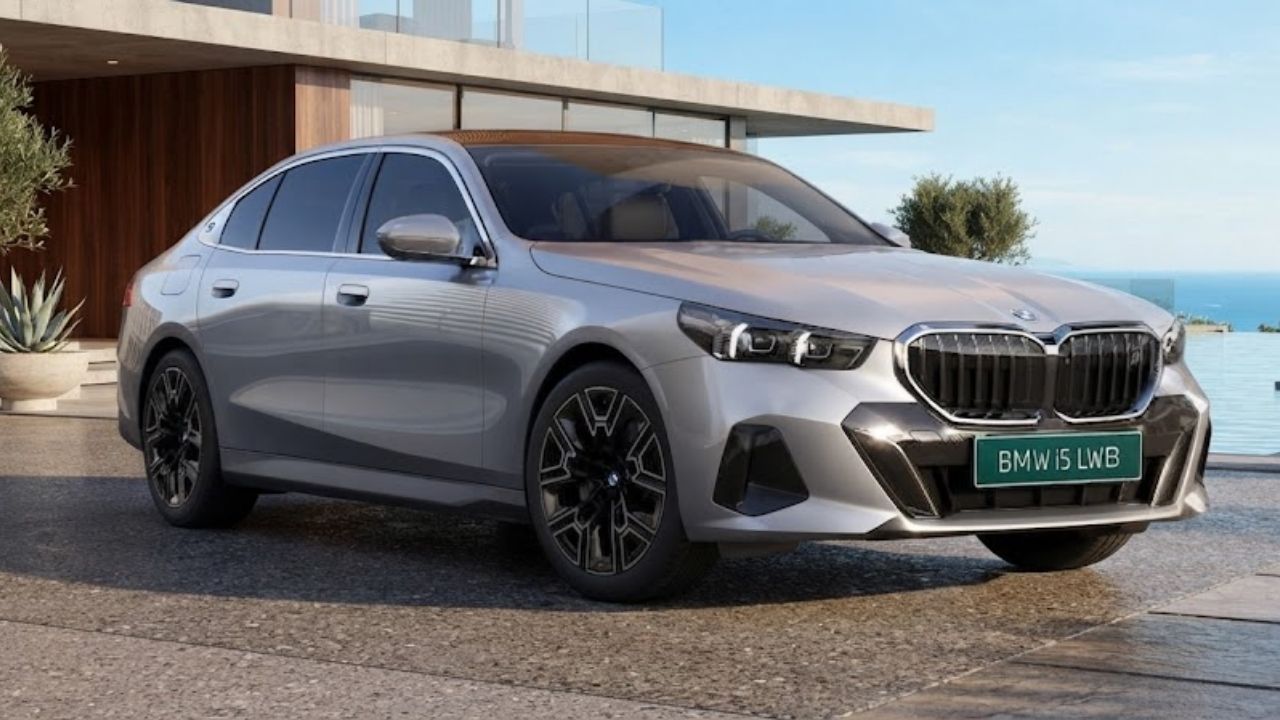
The BMW i5 LWB carries a nameplate that makes most buyers assume a crushing monthly payment before they’ve even asked for a quote. Rs 79.60 lakh ex-showroom does that to people but runs the actual BMW i5 LWB on-road price and it goes up higher immediately by adding RTO charges and taxes of the individual’s state. 

BMW sold every single First Edition unit of the i5 LWB before the car was officially available to walk-in buyers. That’s not a BMW sales strategy but it’s what happened with all 99 cars allocated to the launch batch. For a Rs 79.60 lakh electric sedan nobody outside BMW’s product team had driven yet, that’s a strange thing to see sell out on reputation and a spec sheet alone. 

Why is the wait list expanding and what BMW i5 LWB offers at this price. Once you get the spec sheet, you’ll know the worth.

BMW i5 LWB On-Road Price Is Not That Higher Than Ex-Showroom As Buyer Expected

The i5 LWB is priced at Rs 79.60 lakh, ex-showroom, sold in a single configuration for now — the eDrive35L M Sport. On-road, in Mumbai, that works out to roughly Rs 84 lakh, a gap of under Rs 4.5 lakh over ex-showroom. 

That’s a noticeably smaller markup than you’d see on a comparable petrol or diesel luxury sedan, where GST 2.0’s 40% “de-merit” slab plus compensation cess typically pushes the on-road price 12-14% above ex-showroom. 

EVs sit at a flat 5% GST with no cess, and several states also cut or waive road tax and registration fees for electric cars — which is most of the reason the i5 LWB’s on-road number stays this close to its sticker price. 

Your exact figure will move depending on your state’s registration and insurance costs, so treat Rs 84 lakh as a Mumbai reference point rather than a fixed number.

Read More 👉 BMW X1 LWB vs Audi Q3 vs Mercedes GLA: Which Entry-Luxury SUV Actually Makes Sense in 2026?

Why 99 First Editions Disappeared Before Launch

Limited-run “First Edition” badging on a new BMW nameplate tends to do two things: it signals the car is worth owning before reviewers have weighed in, and it caps supply on purpose, which pushes early buyers to commit rather than wait and compare. 

First Edition BMW i5 LWB

Both were clearly in play here — dealerships had commitments on all 99 units before the car was formally launched in September 2026. Whether that pace holds once regular (non-First Edition) stock starts arriving is a separate question, but the initial demand tells you BMW’s electric 5 Series has more buyer pull in India than a first-of-its-kind, single-variant EV usually gets.

Futuristic Features Packed Into the LWB Cabin

The BMW i5 LWB redefines a luxury electric sedan segment forever with 669 km of range. It allows the owner to experience futuristic technology in a spacious cabin. Driving to get effortless electric performance. 

BMW i5 LWB Body Design

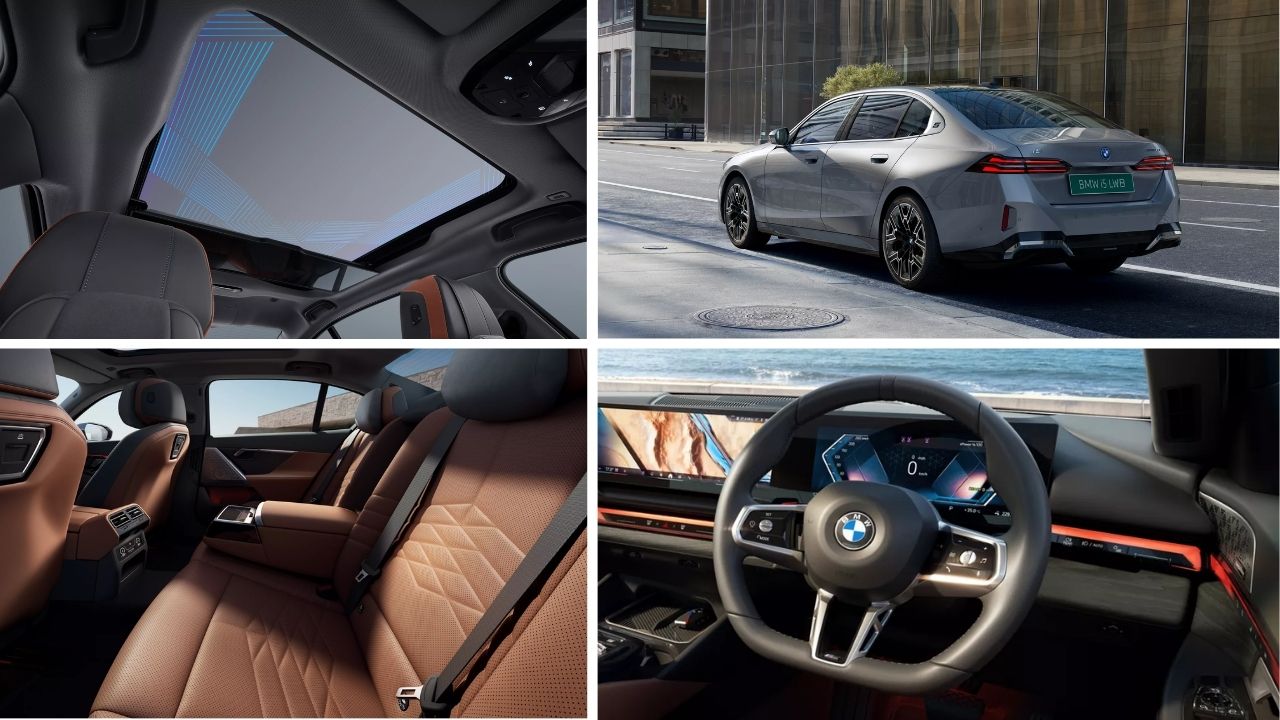
BMW i5 LWB is built at a 5,175mm long with a 3,105mm wheelbase which is specifically stretched for Indian models. This is reasonable for Indian buyers because they want more space in the rear-seat, so the extra length is consumable. 

It also provides extra comfort with additional cushioning, side support, comfort headrests which is amazingly perfect for long rides and family trips. BMW has not just launched a new sedan, it proves that the brand knows what their buyers want. A claimed 31-degree rear-seat torso angle for a more reclined allows this generation to forget about how rough roads India has. The elegance speaks with a limousine-style seating position.

Cabin Features For True Comfort

Up front, the cabin runs on a 14.9-inch curved touchscreen infotainment display paired with a 12.3-inch digital instrument cluster, both running Android Auto and Apple CarPlay. Audio comes from a 17-speaker Bowers & Wilkins system — a genuinely premium setup rather than a badge-only “premium sound” claim. 

Rear passengers get their own 4-zone climate control, wireless phone charging built into the centre armrest, and their own AC and panoramic glass roof controls. Elsewhere in the cabin: powered and ventilated front seats, customisable ambient lighting, adaptive LED headlights, and connected-car features accessible through BMW’s app.

BMW i5 LWB Body Design

Safety Functions Power Up Reliability

On safety and driver assistance, the i5 LWB comes with 8 airbags, ABS with EBD, electronic stability control, rain-sensing wipers, a tyre-pressure monitoring system, an electronic parking brake, ISOFIX child-seat mounts, and Level 2 ADAS. 

The standard (non-LWB) i5 has been crash-tested by Euro NCAP at 5 stars; the LWB itself hadn’t been independently tested as of launch, so treat that rating as indicative of the platform rather than a confirmed score for this exact body.

The Presence Holds Elegance

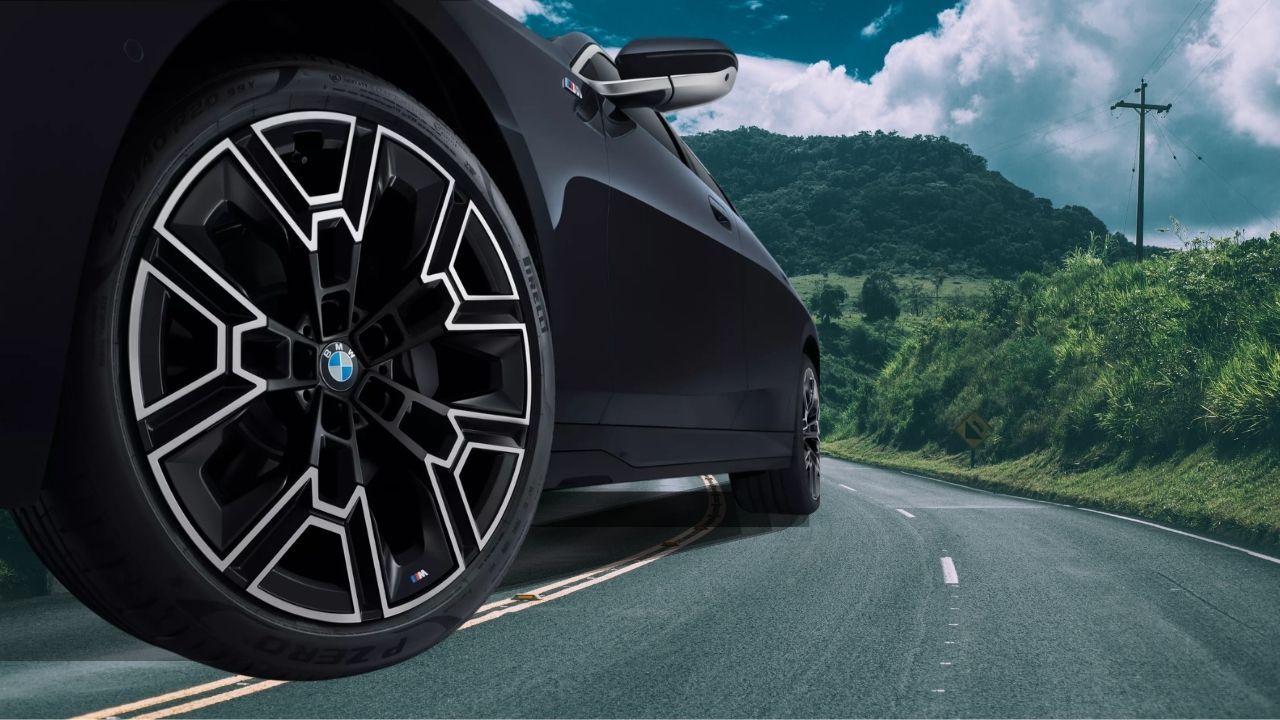
The BMW i5 LWB combines modern luxury and electric innovation. Absolute detailing on a design gives confidence in its presence. It moves on 20-inch alloy wheels with a glowing kidney grille. To assess the weather experience on a drive is amazing with a panorama glass roof skylounge. 

Electrification Gives Exceptional Power

The LWB changed the luxury electric sedan power segment by giving instant torque and seamless acceleration, redefining the electric era with stunning driving experience. With more range, it also provides more stability with rear-axle air suspension.

The i5 LWB Specs at a Glance

Spec Detail
Ex-showroom price Rs 79.60 lakh
Battery 81.6 kWh
Power Approx. 265-270 bhp (rear-wheel drive)
Range (MIDC) 669 km
Fast charging 160 kW DC, 10-80% in ~33 minutes
Home charging 11 kW wallbox included
Length / wheelbase 5,175 mm / 3,105 mm
Top speed 195 kmph
Battery warranty 8 years / 1.6 lakh km

How i5 LWB Stacks Up Against Rivals

The BMW i5 LWB’s closest fight in India is the Mercedes-Benz E-Class, which is priced from around Rs 80 lakh ex-showroom but runs on petrol and diesel rather than a full EV drivetrain — meaning it doesn’t get the same GST treatment, and BMW i5 LWB on-road price in Delhi starts closer to Rs 93.81 lakh. 

Lexus’s ES Electric and ES 350h hybrid are the other names cross-shopped against it, positioned similarly on price but without BMW’s badge pull or the LWB’s rear-seat-first design brief. None of the three currently match the i5 LWB on charging speed or claimed range in this segment.

Read More 👉  BMW 5 Series Price in India: Latest Cost, Features & Buying Guide

Is It Worth Buying BMW i5 LWB?

At this on-road price, EMIs on the i5 LWB start in the region of Rs 1.5-1.6 lakh a month on a standard 5-year loan — noticeably lower than what the full-size BMW i5 M60 xDrive commands at nearly double the on-road price. 

If the First Edition’s sellout pattern repeats once regular units open up for booking, the smarter move is to lock in your finance pre-approval now rather than after you’ve found a dealer with stock, since waitlists on a car this specced tend to move faster than buyers expect.

Which Finance Option Is Best for the i5 LWB?

If you hold the loan amount constant at Rs 71.4 lakh over 60 months, moving from a 9.9% dealership loan to an 8.5% bank loan drops your EMI by about Rs 4,865 a month — and saves you close to Rs 2.92 lakh in total interest over the five years. 

BMW Financial Services gets you out of the showroom in one sitting with financing already arranged, but a pre-approved bank loan shopped in advance is very likely to be the cheaper way to own this car.

The exception is cash flow, not cost. If your income comes in irregular chunks — commission, bonuses, business income — the Bullet or Balloon plans through BMW’s own financier solve a real problem that a standard bank EMI doesn’t, and that flexibility can be worth more to you than the interest saved.

BMW i5 M60 xDrive

However, the standard-wheelbase BMW i5 M60 xDrive costs roughly Rs 1.20 crore ex-showroom and around Rs 1.37-1.42 crore on-road, with EMIs quoted between Rs 2.26 lakh and Rs 2.62 lakh a month at similar rates and tenure. 

The BMW i5 LWB gets you the same badge and largely the same electric drivetrain for an EMI that’s 35-40% lower. Against its closest ICE rival, the Mercedes-Benz E-Class — on-road from roughly Rs 93.81 lakh in Delhi with a base EMI near Rs 1.79 lakh/month — the i5 LWB is also the cheaper monthly commitment by a wide margin.

Read More 👉 Get New Maruti Premium Hatchback at Lower Price

Conclusion

The new BMW is making a position in one of the best luxury sedan segments. BMW i5 LWB on-road price is not higher than other models of the same brand tag. The reason is – you are not paying for the petrol car, you are paying for the EV. 

Before you sign anything. You must get a written quote from the BMW dealership’s desk on the, and if you are financing then compare total interest over the full tenure rather than just the EMI figure, and confirm your city’s exact on-road price with the dealer since RTO and insurance costs shift from state to state. 

0

How to Save Money on Car Insurance?

Save Money on Car Insurance

Car insurance is one of those expenses that most people don’t think about until the renewal reminder shows up. If you’re wondering How to Save Money on Car Insurance?, the good news is that cheaper insurance doesn’t always mean weaker protection. Many insurers offer the same level of coverage at more competitive rates. There are a number of proven ways to lower your car insurance premiums without compromising on the coverage you need.

Whether you are buying a new policy or renewing an existing one, learning How to Save Money on Car Insurance? and making a few smart decisions—such as comparing quotes, taking advantage of discounts, and choosing the right coverage—can help you save a significant amount each year.

Why Car Insurance Costs Vary

Two people driving the same car model in the same city can end up with completely different premiums. That’s because insurers don’t price car insurance on the vehicle alone — they price the risk you represent as a driver. Your claim history, the area you park in overnight, how old the car is, and even which insurer you’re comparing against all shift the number. 

This is exactly why shopping around matters: a premium that looks “standard” from one insurer can be 20-30% higher than what a competitor offers for the same coverage.

Understand the Factors That Affect Your Premium

Before you can lower your car insurance bill, you need to know what’s driving it up. The main factors include:

  • Insured Declared Value (IDV) — a higher IDV means higher premium, since it’s the maximum payout in case of total loss or theft.
  • Car’s age and make — older cars usually cost less to insure, but expensive parts (German sedans, for instance) push premiums up regardless of age.
  • Location — metro cities with higher accident and theft rates typically carry higher premiums than smaller towns.
  • Engine capacity — bigger engines are taxed at a higher premium slab.
  • Claim history — every claim you make resets your No Claim Bonus clock and signals higher risk to the insurer.

Once you have identified which of these are relevant to you, it is much easier to see where you are being overcharged. 

Compare Car Insurance Quotes Before Buying

This is the one most powerful habit you can have to lower your car insurance cost, and yet almost no one bothers to do it, they just renew with the same company year after year out of laziness. Different insurers assess risk in different ways, so the difference between the cheapest and most expensive quote for the same level of cover can be significant. 

How to Save Money on Car Insurance

Use an online aggregator to fetch quotes from a minimum of four or five insurers before you buy, and check each one for the same IDV and coverage type — else you will not be comparing apples to apples. Five minutes of comparison can save you thousands over the policy year.

Choose the Right Coverage for Your Needs

Third-party car insurance is compulsory in India and the damage caused to another party is covered under it, the repairs of your own car can be claimed under your ‘own damage’. Comprehensive car insurance policy provides coverage for both theft and natural calamities besides accidents. 

If your car is relatively new or still has a lot of value, you’ll want to consider full coverage despite the extra cost. But if you drive an older car and mostly drive it on short trips around town, a third-party policy with a couple of targeted add-ons could be all the coverage you really require. 

If your car is new or still holds significant value, comprehensive coverage is worth the extra premium. But if you’re driving an older car that’s mostly used for short local trips, a third-party policy with a few targeted add-ons might be all you actually need. The goal isn’t to get the lowest price policy—it’s to get the policy that best aligns with your car’s actual risk. 

Increase Your Voluntary Deductible

A voluntary deductible is the amount you commit to paying from your own pocket prior to your insurer’s involvement for a claim. Choosing a higher voluntary deductible on top of the mandatory one reduces your premium since you are taking on more of the risk of small claims.  

It works great if you’re a cautious driver who never or very rarely makes claims. Just be sure the deductible is a figure you could easily lay out in cash if you got in a crash. 

Read More :- Hypothecation in Car Insurance: Everything You Need to Know

Take Advantage of No Claim Bonus (NCB)

No Claim Bonus is a discount which accumulates on every claim free year, it starts at 20% after the first year and goes up to a maximum of 50% by the fifth year. It’s linked to you and not the car, so it transfers even if you sell your old car and get a new one. 

If you’ve gone a few years without a claim, make sure your insurer is actually applying your full NCB at renewal — it’s worth checking the math yourself rather than assuming it’s automatic.

Avoid Making Small Insurance Claims

Making a claim for a tiny scratch or a little dent might seem like you’re making the most of what you paid for, but it usually ends up costing you more in the long run. A minor claim will reset your No Claim Bonus, and losing even 20% of your discount can mean more than what the claim is worth. 

For low-cost repairs, it’s usually cheaper to pay out of pocket and preserve your NCB streak. Save your claims for the incidents that actually justify losing the bonus — major accidents, theft, or significant damage.

Install Safety and Anti-Theft Devices

Insurers offer premium discounts — typically around 2.5% on the own-damage component — for cars fitted with ARAI-approved anti-theft devices. Airbags, ABS, and approved security systems can also nudge your premium down, since they lower the insurer’s risk of a large payout. If your car doesn’t already have these, the discount plus the added safety often justifies the upfront cost.

Renew Your Car Insurance on Time

Letting your policy lapse, even briefly, is one of the costliest mistakes a car owner can make. A lapsed policy means you lose your No Claim Bonus, and you may need a fresh vehicle inspection before the insurer will issue a new one — sometimes at a higher premium because you’re now treated as a higher-risk case. 

How to Save Money on Car Insurance

Set yourself a reminder a few weeks ahead of your renewal date so you can shop around rather than renewing in a hurry with the first renewal reminder you receive. 

Bundle Insurance Policies for Extra Savings

A lot of insurers provide you with a discount, if you have more than one policy with them — like car and two-wheeler, or car and home insurance. Bundling lowers the insurer’s cost to acquire you, and they typically share some of that savings with you. 

Just be sure to check the bundled price against the cost of purchasing the individual policies offered separately online; the discount really should be significant enough to beat the alternative, not just offer a convenience. 

Maintain a Good Driving Record

A spotless driving record is one of the silence-but-punch-packaging punches to keep your auto coverage affordable in the long run. Less claims means more NCB and some insurers even offer good driver/telematics based discounts for driving within speed limits and driving habits, monitored via an app or a device installed on the vehicle. Even without telematics, consecutive claim-free years establish a record that carriers will reward at renewal. 

Remove Unnecessary Add-Ons

Add-ons such as zero depreciation cover, engine protection, and roadside assistance are helpful, but only if they are reflective of the way you use your vehicle. Zero depreciation coverage is a good idea for a new car that is in its first few years; on an eight-year-old vehicle it adds very little value. 

Review each of your policy add-ons one by one and remove those that aren’t applicable to your current situation that alone can shave a noticeable amount off your premium. 

Read More :- What is ORVM in a Car and How Does it Work?

Opt for Pay-As-You-Drive Insurance (If Available)

If you drive only occasionally — a car for weekends, or one that’s used primarily for quick trips — pay-as-you-drive coverage can be a lot cheaper than a traditional annual policy. Premiums are based on actual kilometers driven, so that compensates low-mileage drivers instead of subsidizing high-mileage drivers. Not every insurer offers it yet, but if your car is mostly parked, it’s certainly worth asking. 

Review Your Policy Every Year

The value of your car declines every year which is why your IDV needs to be recalculated at every renewal, ensuring your old car at its original value is like paying for protection that you no longer need. 

Reviewing your policy once a year also allows you to re-evaluate add-ons, see if you’re eligible for a new discount, and make sure your NCB has been credited properly. Consider renewal a decision point, not a formality. 

Common Mistakes That Increase Car Insurance Costs

A handful of habits help drive up what people pay for car insurance annually: rolling over with the same insurer without comparing quotes, claiming for small damage and losing NCB, letting the policy lapse, over-insuring a veteran car at an outdated IDV, and not reading the fine print on add-ons that are no longer valid. 

Tips to Get the Best Car Insurance Deals

Getting the best car insurance deal isn’t about finding one trick — it’s about stacking several small decisions correctly. Review quotes from different insurers at each renewal, protect your NCB by not making small claims, select a voluntary deductible that you can afford and remove any add-ons that you are not using. Renew on time, keep your driving record clean, and revisit your IDV annually instead of letting it auto-renew at last year’s number.

Conclusion

Car insurance costs feel fixed until you actually sit down and question each line item — and that’s usually where the savings show up. None of the steps here require switching to a bare-minimum policy that leaves you exposed; they’re about paying for exactly the coverage your car needs, at a price that reflects your actual risk. Next renewal, take the twenty minutes it needs to compare, adjust, and ask your insurer the questions most people never bother asking.

0

Tesla vs Ford Electric Cars : Who’s Winning the 2025 EV Race?

Published May 9, 2025, 6:40 AM
Last Updated May 9, 2025, 9:33 AM

Tesla vs Ford Electric Cars 2025

The year is 2025, and electric cars are gaining popularity. The preference for cars that are clean, fast and easy to use, is increasing rapidly. There are two companies main players making big strides in this new paradigm. They are Tesla and Ford. In some ways, they are racing against each other for best electric vehicle technology leadership. Therefore, we will compare Tesla vs Ford electric cars, and explain who is winning the race in 2025. We will address; their cars, prices, technology, range and more. By the end of this post, you will be able to understand buyers that hold brand loyalty, and help you decide which brand is better for your needs.

Why Tesla and Ford Are Competing in the EV Space?

Though Tesla and Ford are very different companies, they do have a fact in common; they are both making large efforts to lead the charge into the electric vehicle world. Tesla is well known for making only electric cars, and actually entered the EV space from the get-go. Ford is an older company that was first created to make gas cars, but now is spending tremendous amounts of money towards building electric vehicles; this will allow Ford to leapfrog into the EV space and become a significant competitor to Tesla. When comparing Tesla vs Ford electric cars, we are talking about two major players that are driving the future of driving.

Tesla Electric Cars in 2025

Tesla is now well-known everywhere as a leader in intelligent, environmentally friendly, high-performance battery electric vehicles (BEV). Tesla also offers several BEV models in 2025 to fit various requirements. Ideal for daily trips, the Tesla Model 3 is a reasonably priced battery electric vehicle with an approximately 358-mile range. With enough of room for families, the Tesla Model Y is a small SUV having approximately 330 miles range.

Tesla Electric Cars in 2025

Image Credit: Tesla.com

With more than 370 miles of range and amazing speed, the Tesla Model S provides a more upscale experience acting as a luxury sedan. A full-size SUV, the Tesla Model X boasts upward-opening doors, lots of loading space, and great comfort. Every Tesla electric vehicle has smart features like Autopilot, with software upgrades that regularly enhance the car without physically bringing it into the service center.

Ford Electric Vehicles for 2025

Over the last several years, Ford has gotten more electric vehicle commitment. Ford has assembled a number of models enjoying positive note in 2025. Sporty electric SUV with a 312-mile range, the Ford Mustang Mach-E has appealing design. Among the most often sold Ford electric vehicles is the Ford Mustang Mach-E. For truck enthusiasts, the Ford F-150 Lightning is a significant event.

Ford Electric Vehicles for 2025

Image Credit: Ford.com

Dependent on the model, this electric variant of America’s best-selling truck has a range of roughly 240 to 320 miles. Ford is also introducing the Ford Explorer EV in 2025. With a maximum of 374 miles, this family SUV is quite outstanding. Ford is also introducing intelligent driving technologies like BlueCruise, which lets some roads drivers go hands-free.

Sales comparisons between Ford and Tesla

Tesla is definitely ahead when we consider sales figures. Tesla sold roughly 128,000 electric vehicles in the United States during January through March of 2025. Ford sold roughly 22,500 electric vehicles during that period. These figures demonstrate Tesla’s continued leadership in the electric vehicle sector. Ford, meanwhile, is expanding fast and introducing additional designs each year. Additionally expanding factories and battery enhancements is Ford. Thus, while Tesla is currently leading, Ford is really working to close the gap.

Tesla vs. Ford Electric Vehicle Battery Range

Battery range is the distance a car can cover on a single full charge. When purchasing an electric vehicle, people consider this among the most crucial factors. Tesla has always been strong in this area. One charge of the Tesla Model S might take it more than 370 miles. Though the Model Y offers roughly 330 miles, the Tesla Model 3 delivers around 358 miles. Ford is also enhancing its battery range. The 312-mile range of the Mustang Mach-E The F-150 Lightning offers 320 miles maximum. With an expected range of up to 374 miles, the new Ford Explorer EV would be somewhat more thanTesla’s top model. This indicates that in terms of range, Ford electric vehicles are developing and providing fierce rivalry for Tesla electric cars.

Network of Charging and Convenience

One of the main components of owning an electric vehicle is charging. Tesla has a sizable worldwide Supercharger network. Fast and simple to use, these charging docks Approximately 30 minutes will allow Tesla drivers to charge their vehicles to 80%. Tesla boasts more than 50,000 Superchargers by 2025. This simplifies Tesla drivers’ travel. Ford collaborates with public chargers like Electrify America; she does not have her own charging network. Also available to Ford drivers are some Tesla Superchargers. Tesla still has the advantage in network size and charging speed.

Technology and Feature Comparison

Tesla vs Ford Electric Cars

Tesla is famous for its sophisticated technology features. It provides Autopilot, a self-driving capability. Tesla vehicles have entertaining features like Dog Mode, which keeps your pet cool while you artist. Like your smartphone, the vehicles receive updates over the air. These revisions enhance the car and introduce new features. Additionally including intelligent capabilities is Ford. Ford’s version of self-driving, BlueCruise, runs on several main routes. Ford trucks provide features like built-in power outlets for running lights or tools. Although Ford is rapidly catching up and providing practical tools for everyday use, Tesla still sets the standard in technology.

Tesla and Ford electric vehicle price comparison

When people purchase cars, price is a major consideration. Tesla provides a decent price range. Starting prices for the Model 3 are about $40,000, among the most affordable electric vehicles available. Starting price for the Model Y is roughly $47,000. Starting around $90,000 for high-end consumers, the Model S and Model X exceed $100,000. Prices for Ford vehicles are somewhat higher or comparable. Starting price for the Mustang Mach-E is approximately $45,000. Starting price for the F-150 Lightning is $55,000. The expected price range for the new Explorer EV is $50,000 to $60,000. Tesla might provide more value in certain categories, but Ford is aiming at consumers who want tough SUVs and trucks.

Service to Customers and Ownership Experience

While some users complain about build quality and service delays, Tesla cars are enjoyable, high-tech. Tesla sells cars directly, therefore there are no nearby dealers to assist rapidly in many locations. Conversely, Ford has been around for a long and has a sizable dealership network. This means that if something goes wrong, one may more easily look for assistance. Ford’s service arrangement still appeals to many consumers. New electric vehicle users depend a lot on a supportive service team, and Ford has the edge here.

Read Also : Top 10 Mistakes to Avoid When Buying a Car

The Future of Tesla and Ford in Electric Vehicles

Tesla is not slowing down. It is working on new projects like the Cybertruck and a low-cost electric car. These models could help Tesla grow even faster. Ford is also building more EV plants, making new batteries, and hiring thousands of workers to build electric cars. The company plans to make millions of electric vehicles in the next few years. Both companies are focused on cleaner energy and want to help the world switch to electric cars. While Tesla electric cars are still leading today, Ford electric cars are getting stronger and more competitive every year.

Final Thoughts

When we look at everything — sales, battery range, price, charging, features, and service — Tesla is still ahead in most areas. It sells more cars, offers better tech, and has the best charging network. But Ford is making big moves. Its cars now offer good range, smart features, and better service. So, in the race of Tesla vs Ford electric cars, Tesla wins in 2025. But Ford is catching up fast. In a few years, it may become a close fight.