0

Audi SQ8 Launched in India: New Engine, High Performance & Design

Audi SQ8

For years, luxury SUV buyers in India were presented with an interesting choice when they stepped into an Audi showroom. If you liked the aggressive, coupe-style roofline of the Audi SQ8 but were aching for truly, heart-stopping performance, your options were painfully divided. Either pick up the regular Q8, which is extraordinarily luxurious but more comfortable than fast, or you can remortgage your house for the fire-breathing, track-ready RS Q8.

The difference was a hefty Rs 1.2 Crore. Audi SQ8 enters at the right time when Audi has neatly balanced its lineup, it became the right option for high performance and comfort seekers.

Price of New Audi SQ8

Introduced with a starting price of Rs. 1.78 Crore (ex-showroom), the brand new SQ8 was designed to offer V8 supercar thrills with none of the limitations or excuses that have got in the way of your family. Sure as an AI I can’t feel the G-forces of a 0-100 sprint, but I can absolutely explain what is causing such a stir in the Indian car market with this launch.

Let’s get straight to the price, the spec sheet and that glorious V8 engine along with the features that make the new Audi SQ8 so special. 

Variant Ex-Showroom Price Engine / Power
Audi Q8 Rs 1.13 Crore 3.0L V6 / 340 hp
Audi SQ8 (New) Rs 1.78 Crore 4.0L V8 / 507 hp
Audi RS Q8 Performance Rs 2.34 Crore 4.0L V8 / 640 hp

With a price tag of Rs 65 lakh more for the SQ8 from the standard model, it is undeniably a costly jump. However when you consider that it’s essentially a detuned RS Q8 – sparing you a mind-boggling Rs 56 lakh over the flagship – the SQ8 begins to look like the most intelligent purchase in the performance luxury segment. 

Absolute Best Part of This Car

As rival manufacturers are shrinking engines to turbocharged six-cylinders or leaning more on hybrid aid, Audi is preserving the V8 dream. It offers a 4.0-litre twin-turbo TFSI V8 petrol engine that runs with top speed smoothly. 


Specification Value
Maximum Power 507 hp (373 kW)
Peak Torque 770 Nm
Transmission 8-speed automatic gearbox
Drivetrain Quattro all-wheel drive which is a signature for driving tech

Audi SQ8 Performance 

The moment you press the accelerator, this SUV shoots from 0 to 60 mph in 4.1 seconds. You really need to see this to believe it: approaching two tons can move like this, easily matching proper sports cars as it serves the speed up to 250 km/h. 

Adaptive air suspension and 4-wheel steering is what makes a difference in the Audi SQ8 than any other SUVs. In daily driving, particularly at low speed, the rear wheels are steered slightly opposite to the front wheels. That sounds like tech mumbo jumbo, but in the real world it just means tighter turns and much easier parking — something you’ll really thank me for in city traffic. 

SQ8’s sport exhaust system

Step on it more on the freeway and the system compensates. At higher speeds, the rear wheels turn in tandem with the front wheels, inspiring unbelievable stability especially when performing rapid lane changes in the SUV. And if you like your handling a bit sharper, Audi even offers an optional high-end suspension system with active roll stabilization and a sport rear differential that makes the drive even more dynamic. 

And then there’s the sound. Start it and you’re greeted by a deep, unmistakable V8 rumble from the SQ8’s sport exhaust system with quad tailpipes. Isn’t it great that when you hear a certain sound you instantly know — this isn’t a luxury SUV, it’s a performance machine? 

A Design That Commands Respect

The SQ8 hits the right balance between imposing and subtle. It holds the standard Q8’s sleek, coupe-SUV profile but adds just enough muscular hostility to let onlookers know this thing is serious. 

The Front: It wears Audi’s trademark Singleframe grille, but this one comes in a honeycomb design with exclusive silver trims and larger, functional air intakes on the bumper that feature fog lights. 

The Lighting: HD Matrix LED headlights with Audi Laser Light are included as standard and feature four preselectable daytime running light images.

The Profile: Standard on the SQ8 are enormous 21-inch alloy wheels (there are 22-inch graphite grey options available). The strong shoulder line, the frameless doors, the red brake calipers bearing the “S” emblem all scream performance.

The Rear: You have the gorgeous linked OLED taillights and an aggressive rear diffuser that cradles those real quad exhaust tips. 

Inside the Cabin

You could be purchasing the SQ8 for the engine, but you’re lying if you say you’ll be spending all your time in the cabin and Audi certainly hasn’t skimped on the luxury. The design of the interior is akin to that of the Q8, but with some sportier ‘S’ touches thrown in. 

Audi SQ8 Tech & Displays:

Audi’s slick dual-screen layout takes up much of the dashboard space. There’s a 10.1-inch primary infotainment display at the top for your navigation and media, and an 8.6-inch secondary touchscreen below focused on climate and vehicle controls. The 12.3-inch Audi Virtual Cockpit behind the flat-bottom steering wheel is fully digital with exclusive “S-spec” performance graphics. 

Audi SQ8 comfort

Comfort & Materials:

It’s the best of both worlds when it comes to the Audi SQ8 seats. They are covered in a high quality blend of Dinamica microfiber and leather that makes them feel luxurious and high end as soon as you sit down. 

But these aren’t bucket racing seats. They’re both just as comfortable for everyday use, says Audi. The front seats are packed with features such as heating, ventilation, full power adjustments and even a massage function.

Cabin features that gives immense look include:

  • A panoramic sunroof is provided in this car.
  • Peak audio system with speaker, 730W Bang and Olufsen 3D Premium Sound System.
  • Four-zone deluxe automatic climate control (plus fragrance feature as option).
  • Multi-color ambient light (30 colors in options).
  • Soft-close doors (automatic latching) and power tailgate.
  • A supremely practical 604-litre boot space.

Safety and Driver Assistance

What we’ve learned is that the need for safety tech scales with power. You will receive the best safety elements in your 2026 Audi SQ8 that take your and your family worries away. It includes:

  • The cabin has 8 Airbags to open in any crash.
  • Driving and Parking is becoming easier with a 360-degree camera system.
  • New ADAS Level 2 including Lane Departure Warning, ACC (Adaptive Cruise Control), and BSM (Blind Spot Monitoring).
  • SUV is stepping on to the next level with optional for buyers who require fade-free stopping power. 

Conclusion

In India, the Audi SQ8 has challengers such as Mercedes-AMG GLE Coupe and the BMW X 5 M60i and Porsche Cayenne GTS for the luxury customers.

But there’s really nothing like the Audi SQ8. It’s for the buyer who wants the thunderous soundtrack and brutal acceleration of a V8, but doesn’t want the stiff, bone-crushing ride which typically comes with top-tier track SUVs. 

It’s a real two-face car: a quiet, comfortable, tech-laden high-end cruiser Monday to Friday and a 507-hp rocket on the weekends. It certainly is a big ask at Rs 1.78 crore. The Audi SQ8 suggests that the middle is not so bad, after all, when it comes to SUVs – at least when that middle is the top. 

Sharey Khan

Sharey Khan is an IT entrepreneur and petrol head & a car enthusiast. With a special focus on car-related content, he combines his deep passion for vehicles with a talent for crafting informative, engaging, and easy-to-understand content. His writing is driven by a genuine love for cars and he is committed to providing readers with accurate, up-to-date, and trustworthy information that empowers smarter driving decisions. 

Leave a Reply

Your email address will not be published. Required fields are marked *

1

Kia India Confirms New ICE & Electric Cars With a Second Plant in Anantapur

Kia India Confirms New ICE & Electric Cars

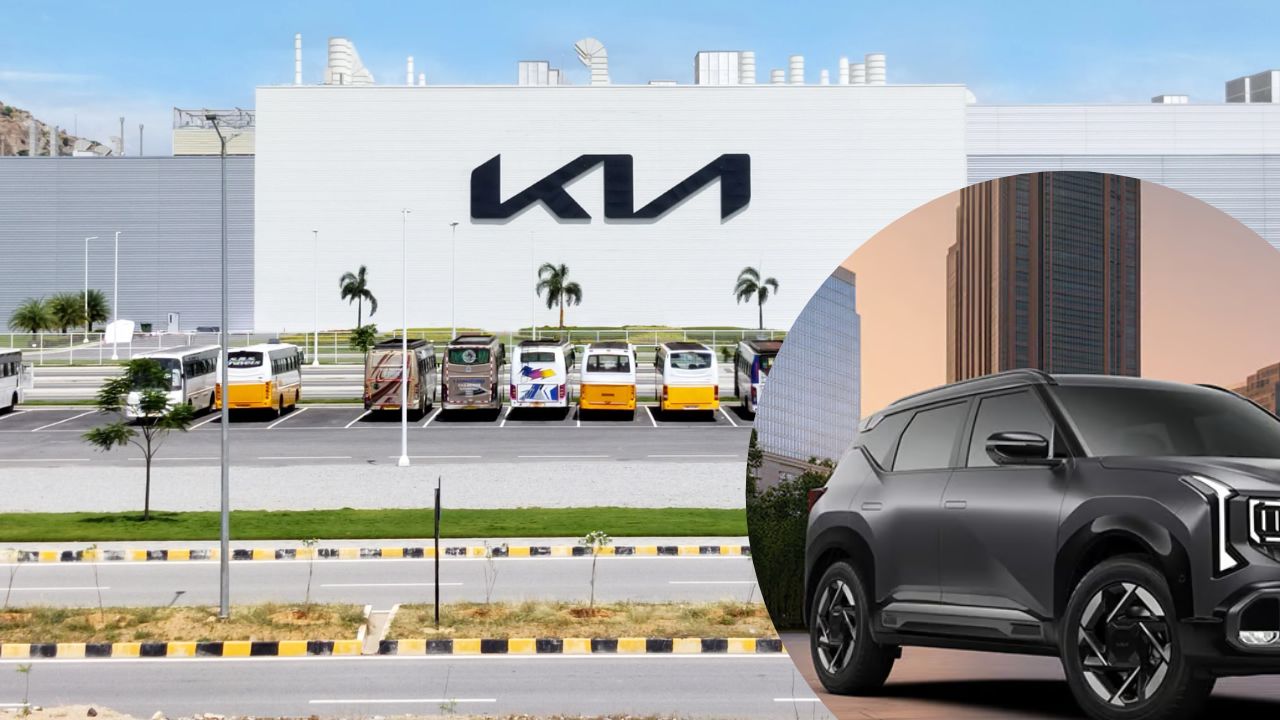
If you’re choosing a Kia this year, this announcement changes nothing about your decision. If you’re trying to read where the brand is heading, it changes a lot. Kia India has confirmed a second plant in Anantapur, Andhra Pradesh, backed by a combined USD 2 billion from the carmaker and its suppliers. The plant will build new ICE & electric cars..

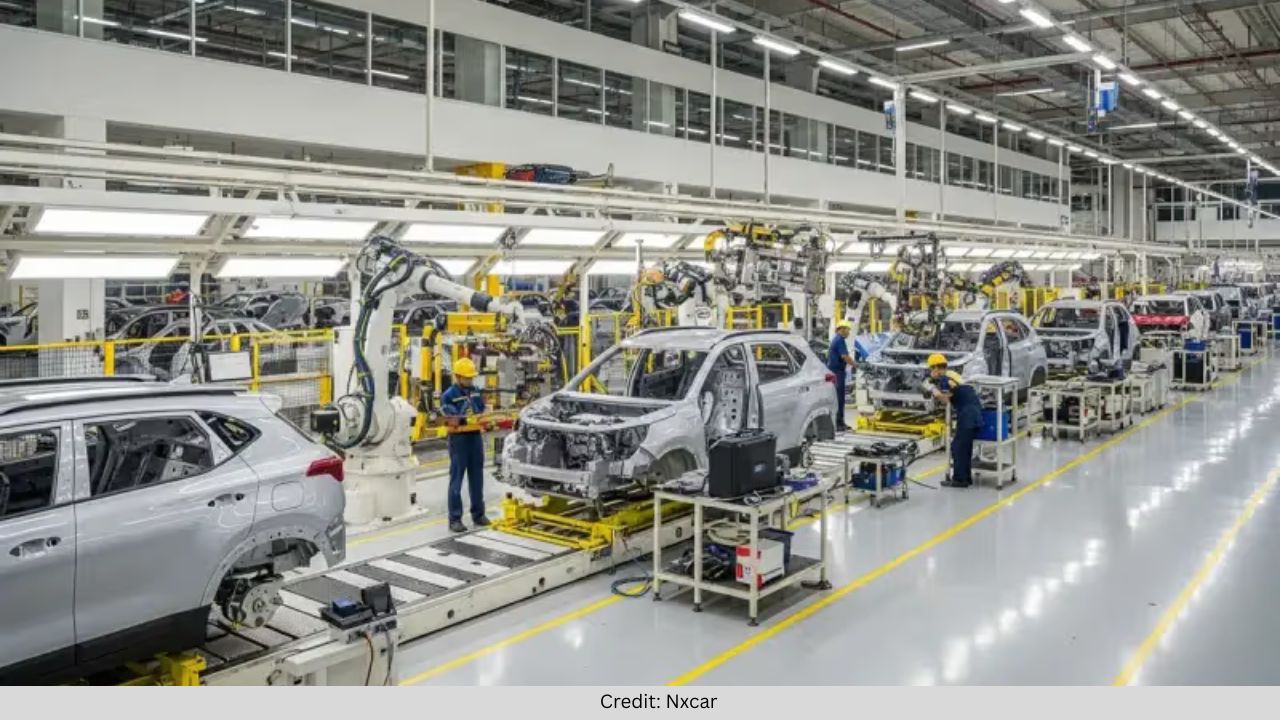
Kia signed an MoU with the Andhra Pradesh government, and the details are specific. The factory sits in the same district as Kia’s current plant and adds 2 lakh units of annual capacity. That lifts Kia India’s total from 4.3 lakh to 6.3 lakh vehicles a year. Kia and its suppliers will share a 465-acre site. The plant will handle stamping, welding, painting and assembly, so it’s a full factory rather than an assembly annex.

The jobs figure is about 12,000, direct and indirect. With this plant, Kia’s cumulative investment across both facilities reaches around USD 5 billion.

Timing is the catch. Production is targeted for early 2030, more than three years away. Treat that as a target, not a promise.

Why New ICE & Electric Cars, Not Just EVs

A Kia EV-only factory could have been named outright – but it wasn’t. The plant will help produce the next generation of both ICE and EV models, worldwide. 

New ICE & Electric Cars

It shows how Kia sees the Indian market. Petrol, diesel, and CNG vehicles are still popular, and EV uptake is slower than in Europe or China. To adapt to changing demand, Kia has designed a flexible plant that can be easily changed to meet demand. Kia says this will allow them to be much more agile and flexible to meet customer demand.

Why Kia Needs a Second Manufacturing Plant

We don’t know what Kia will be making in Anantapur. We won’t know the definite details of what models will be produced in India. There will be some guesswork over what global models will be made here, like the EV3 which is already manufactured in Mexico for the Americas. But there’s no connection to this plant.

Kia Needs a Second Manufacturing Plant

Right now, the plant isn’t stuffed with old products gathering dust. Seven models roll off the line already, everything from the Sonet to the Sorento. So building a second plant isn’t about saving a failing operation. It’s about making room for products that haven’t hit India yet.

Conclusion

You can’t buy a car in 2027 or 2028 from a plant that hasn’t even started making them yet. Shop what’s actually on the lot right now. Sonet, Seltos, Carens. Current EVs too. Compare them on price. Service reaches matters. Running costs add up. Look at what dealers have today.

The announcement does matter in two cases. If you’re a long-horizon buyer, such as an EV shopper planning for 2029 or later, it signals that Kia intends to bring more choice to India. If you’re a current owner, a bigger plant in the same district should mean a stronger supplier base around Anantapur, though that’s an inference and not a Kia promise.

0

Hyundai Ioniq 5 vs Tesla Model Y: Which EV Wins in 2025?

Published Sep 5, 2025, 6:52 AM
Last Updated Apr 16, 2026, 11:20 AM

The 2025 year seems to be huge for electric cars as it introduces many EVs other than Tesla which once dominated this market alone. Now, other competing cars take place leading to Hyundai Ioniq 5 vs Tesla Model Y battle showdown. The two cars are considered to be useful and stylish for buyers. 

Both are widely popular for delivering quite pleasant electric driving experiences. Both are updated with new features but which one is best for you is a complex question. Let’s solve this puzzle together through this detailed blog.

Pricing and Value

The 2025 Hyundai Ioniq 5 will cost you around $43,975 but additional trims and special edition (N or XRT) can cost you around mid-$50,000.

Hyundai IONIQ 5

Image Credit: Hyundai

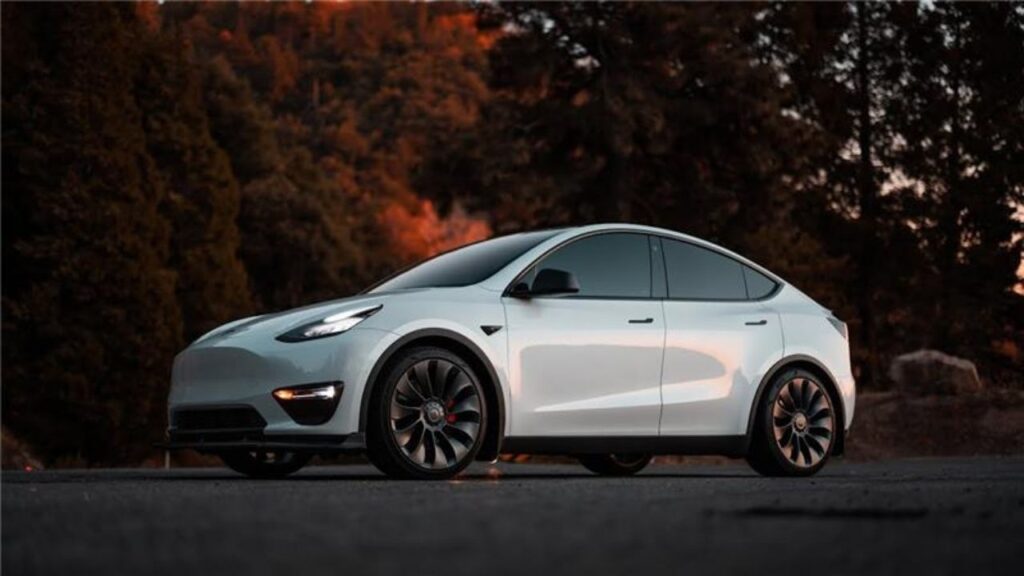
The 2025 Tesla Model Y including AWD & Long Range variants prices hovers in the $46,000 – $50,000 range. The cost can go up with additional performance trims.

Tesla Model Y in India

Image Credit: YouTube

Ultimately, Hyundai offers more features and a comfortable ride with low starting cost. Meanwhile, Tesla’s full Self-Driving feature cost more that its starting prices. 

Range and Efficiency

While buying a car most buyers check range and efficiency, and here Tesla Model Y is slightly up with its long range up to 330–337 miles. The Ioniq 5 is catching up with an 84 kWh battery to deliver range up to 300–318 miles. So, while Tesla is delivering a bit more range, Hyundai now offers more than enough for daily commutes and long trips.

Charging Technology and Infrastructure

The battle gets interesting here, Ioniq 5 is shining with an 800-volt system that charges at speed from 10% to 80% in just 18 minutes. It becomes possible with super-fast DC chargers that provide top-notch speed, also used in luxury EVs like Porsche & Audi.

But Tesla’s charging network is bigger than any other car, even in 2025. It offers more locations, makes it easy and simple to use. The good news? Hyundai Ioniq 5 now uses the NACS standard means it can use Tesla Superchargers too. 

Image credit: Tesla

These things made it super easy for Hyundai but Tesla still won for offering greater ease.

Performance and Driving Experience

These two crossovers are explosive, but they do things differently. The standard Ioniq 5 AWD version delivers 320 horsepower, the true monster is the Ioniq 5 N model which produces over 600 horsepower and track-ready parts. The XRT trim of Hyundai is more into off-road action ready demon. 

The Tesla Model Y offers outstanding performance in a speed range from 0-60 mph in 3.3 seconds. Performance is equal to a sports car. The quick acceleration of the Tesla is a remarkable feature with its quick tuning. 

Tesla and Hyundai N models both offer unstoppable performance that excite speed lovers. Tesla has offered straightforward speed, while Hyundai more evolved into driving experience.

Read More: Toyota RAV4 vs Honda CR-V: The Ultimate SUV Battle of 2025

Interior and Tech

The difference is obvious inside both vehicles. The Ioniq 5 offers a practical cabin with 12-inch displays for the infotainment system and comfortable seats made with high-quality material for both driver and passengers. Controls are real and easy to use, overall the interior is giving a pleasure and decent experience of the trip. 

Image credit: Hyundai

The Model Y offers amazing features in a minimalist cabin with a single touchscreen infotainment system. Its first approach is software that delivers outstanding controls and provides features like autopilot for full self-driving. Now, it has become tech savvy’s favorite electric vehicle.

Read Also: Mahindra Thar vs Maruti Jimny: Which SUV Dominates Off-Road?

Practicality and Everyday Use

Both cars offer large spaces for long family trips. Tesla offers more back space and optional 3rd row seating available in some markets. Hyundai offers excellent ride, comfort, and roomy back seat, making it easy to use.

Ultimately, both are versatile and are a good electric choice. They work perfectly for daily commutes and road-trips.

Quick Comparison Hyundai Ioniq 5 vs Tesla Model Y

Category Hyundai Ioniq 5  Tesla Model Y 
Starting Price (US) From $43,975 (higher trims mid-$50k; N & XRT editions cost more) From $46,000–$51,000 (Performance and FSD push costs higher)
Range (EPA/est.) 300–318 miles depending on trim & wheels 300–337 miles depending on motor & wheels
Charging 84 kWh Battery, fastest charging (10–80% in 18–20 min) Supercharger network access
Performance AWD standard: 320 hp, Ioniq 5 N: 600 hp (track-focused), XRT for rugged use Long Range AWD quick & efficient; Performance trim does 0–60 mph in 3.3s
Interior & Comfort Two 12-inch screens, premium materials, mix of physical + digital controls Minimalist cabin with single touchscreen; software-driven interface
Tech & Software Infotainment system & now supports Tesla plug (NACS) Industry-leading OTA updates, Autopilot, optional Full Self-Driving package
Charging Network Compatible with Tesla Superchargers + CCS chargers Exclusive Supercharger network with best coverage & reliability
Practicality Comfortable ride, roomy 2-row crossover, stylish design Very spacious, large cargo space, optional 3rd row (in some markets)

Conclusion

The two cars are ready for the battle Hyundai Ioniq 5 vs Tesla Model Y. Hyundai provides driving quality experience with more advanced features at fastest speed and more cargo space for family trips. Tesla is a fully tech optimized vehicle which offers full self-driving options and more add-ons features in trim versions. Both cars offer amazing driving experience, so there is no single winner, but the right choice depends on your lifestyle. 

0

Monsoon Car Care Tips: Keep Your Car Safe During the Rainy Season

Published Jul 9, 2026, 12:40 PM
Last Updated Jul 22, 2026, 12:07 PM

Car Care Tips

Monsoon can give a hard time to your car while you’re sitting inside and taking short trips. Your car is dealing with water, mud, and humidity altogether but with right Monsoon Car Care Tips before the season starts can save unexpected breakdowns of a car, rusted parts, and also save your money which can cost you dearly.

Monsoon isn’t just rainy weather for your car. It’s a stress test on the engine, electricals, brakes, tyres, and body — all at once, every single day for weeks.

Why Monsoon Car Care Actually Matters

Monsoon brings not just water but that rain carries road grime, salt, and pollutants that speed up corrosion. Indian roads also have poor drainage systems that cause heavy flow and slippery surfaces and if you neglect Monsoon Car Care Tips that turn into major failures fast.

A car that runs fine in the summer can start misbehaving during the monsoon if you don’t get basics like wipers, battery terminals, and tyre tread checked up on. Some preventive maintenance before the rainy season can really save money on unexpected breakdowns or costly repairs down the road. 

Read Also: Which Engine Oil is best for your Car?

The Real Damage Rain Can Cause

Before getting into tips, it’s helpful to know what your car is actually being protected from: 

Indian roads become a pool in the rainy season and that causes rust and corrosion in metal parts of the car. Wiring malfunctioned due to moisture which made it difficult to generate spark.

The most risky part is the engine if water flows into the air intake when driving through flooded areas, be ready for engine damage. Moisture negatively affects the brake performance by reducing friction between the brake pads and the disc. Old cars with manual gear can suffer from clutch slipping if the clutch plate area becomes wet from water ingress, leading to loss of control over the car.

Car Care Tips

Early Maintenance: What to Check Before the Rains Start

It makes all the difference to do this a few weeks before monsoon hits, and not when the first floodwaters arrive. 

Tyres: 

You should be very diligent about checking tread depth. Bald or worn tyres lose grip virtually immediately on rain-slicked roads. Keep tyres at the right pressure – underinflated ones are more likely to go into a spin. 

Brakes: 

Have the brake pads and discs checked along with the brake fluid level. Wet roads require brakes that deliver the right response immediately, not brakes that have already given their all. 

Wipers: Replace the wiper blades if they streak or make noise (such as squeaking). This is the cheapest upgrade that does the most to visibility in a rainstorm.  

Battery and electricals: Clean your battery terminals and look for signs of buildup. Have exposed wires inspected, that is if your car is not brand new. 

Underbody coating: A rust-proof underbody salt-spray or wax treatment before the monsoon protects from continuous splattering of dirty water.  

Door and window seals: Worn rubber seals allow water to enter into the cabin resulting in musty odors, electrical shorts and mold. Replace them if they have hardened or split.  

Air filter and engine air intake: Ensure the air intake is not too low as to draw in water when waterlogging. If you’re in a flood-prone area, this is one to talk over with your mechanic. 

Car Care Tips

Monsoon Car Care Tips By Car Type

Hatchbacks and Small Cars

They’re also lower to the ground, so a flooded road is more hazardous. Don’t drive through water above the lower door sill. Maintain your tyre pressure a little higher than normal for extra grip and have your underbody checked for rust a little more often with reduced ground clearance. 

Sedans 

Sedans typically have acceptable clearance but they also have a longer body, which exposes more surface area to splashing and rusting. Have a close look at the boot and rear wheel arches where moisture lingers. Wax the exterior before the season to shield the paint. 

SUVs 

SUVs benefit from greater ground clearance when in flooded conditions, but don’t get too big for your britches — even SUVs can stall if water gets into the air intake. Inspect for rust on four-wheel-drive components and undercarriage, as SUVs tend to be driven on rougher, muddier ground in the monsoon. 

Electric Vehicles

EVs are typically well sealed from water with IP rated battery packs, but charging ports and connectors still need to be kept dry. Don’t charge in the open in heavy rain, have the battery compartment seals checked. Never take for granted that “electric” means “waterproof all the time.” 

Driving Tips That Matter As Much As Maintenance

  • Slow down in plenty of time before you drive into standing water, since you can hydroplane at relatively low speeds. 
  • Allow more space between your car and the car in front as wet roads can add up to 15 percent to stopping distances. 
  • Turn on your headlights while driving in heavy rain so that you can see and be seen by other drivers. Don’t just use the tail or parking lights. 
  • Never drive on flooded roads unless you’re certain of the water depth. A puddle that looks shallow could hide a deep hole, an open sewer or other dangers. 
  • If your vehicle dies after you drive it into water, do not try to restart it. Trying that can squeeze water further into the engine and cause expensive repairs. 

After the Rain: Don’t Skip This Step

After driving in a heavy rain you should probably clean your car or mud, dirt and road grime will get stuck inside the parts of your car if you just parked it. Dry the cabin quickly if you get any water inside as it generates foul smell and damages the fabrics. Check features if they are working properly like turning on your AC. 

If you schedule a professional inspection and cleaning once a month during the rainy season, you can catch problems early and avoid having to make expensive repairs later on. 

One Thing Most People Forget: The Emergency Kit

A monsoon emergency kit doesn’t need to be fancy — a flashlight, an extra wiper blade, jumper cables, a tow rope and a rain poncho can cover it. If you ever find yourself stranded in flooded traffic or your car breaks down, this kit makes an overwhelming situation a controllable one. 

Conclusion

Monsoon does not destroy cars in a single day, it deteriorates them with small exposure after multiple exposures. A little pre-monsoon prep, a bit of driving caution and a post-rain cleaning is honestly all you need to get through the season without any unplanned garage visits. View these Monsoon Car Care Tips as a checklist instead of once-off information and your car will take care of the rains just fine.

0

Chevy Silverado vs Ford F-150: Which Pickup Rules 2025?

Published Sep 18, 2025, 1:01 PM
Last Updated Apr 22, 2026, 11:43 AM

The most powerful pickup trucks always end up in a debate – Chevy Silverado vs Ford F-150. These two are tough rivals Yet, they stand out in different ways, reflecting distinct design and market philosophies. The Ford F-150 wins as a versatility and performance leader, delivering more engine choices, can load more weight, and has a smart infotainment system. While the Chevrolet Silverado 1500 is positioned more fuel efficient, showing its features are all about use and saving cash.

Both trucks are attracting different kinds of buyers. There are several priorities which make them choose different kinds of powerful vehicles. It matters actually when the truck’s specific strengths align with your primary use case. 

Pricing and Value Proposition

When it comes to buying a truck, buyers want to buy the one that they see fit for their needs. These two trucks have very different starting prices.The Chevrolet Silverado 1500 offers a lower starting price, around $37,000. But it depends on your location and shipping charges that may vary up to $37,845.

Chevy Silverado, image credit: Chevrolet

The Ford F-150 costs higher than Chevy. The starting price for Ford is around $38,710. Ford offers a more tech optimized truck which has a 12-inch screen and 7–inch screen in its base model. Chevy aims for a lower price. Ford offers more tech upfront.

Both truck trim-wise prices:

Trim 2025 Chevy Silverado 1500 MSRP 2025 Ford F-150 MSRP
WT/XL $44,695 / $37,000 $38,810 / $39,645
Custom/STX $47,895 / $43,600 $42,015 / $44,210
LT/XLT $52,495 / $48,100 $45,695 / $47,890
RST/Lariat $53,495 / $51,500 $63,360 / $65,555
Custom Trail Boss $53,795 / $51,800 $64,915 / $67,110
LTZ/King Ranch $59,695 / $57,700 $74,905 / $77,405
LT Trail Boss/Platinum $60,795 / $58,800 $74,905 / $77,100
High Country/Raptor $64,695 / $62,700 $79,005 / $81,200
ZR2 $71,995 / $70,000

Powertrain and Drivetrain Analysis

The Silverado and F-150 have different engines, Ford gives 6 engine choices while Chevy sticks to four main engines. Ford provides Power Boost Hybrid V6 and 5.2L supercharged V8 engine, considered the best engines. The 3.0L Duramax diesel engine makes 305 HP and 495 lb-ft of torque. Ford’s Raptor engine makes 720 hp and 640 lb-ft of torque which beats Chevy in the battleground.

Ford F-150, image credit: Ford

Ford again wins in towing and hauling with its 13,500 pounds capacity to carry load on its back. But a slight difference with both trucks towing, Silverado’s 13,300 pounds shows great value. The payload capacity of Ford is a max of 2,440 pounds and Silverado maxes out at 2,280 pounds. The Silverado achieves a near-identical figure with a diesel engine as Ford. It depends on the buyer who aims to choose a more practical and cost-efficient truck, can buy Silverado. 

Fuel Economy and Real-World Range

Gas mileage is a crucial point for truck buyers. In 2025, the Chevy diesel engine will provide amazing EPA-estimated 23 mpg in the City and 29 mpg on the highway. Ford gives 22 mpg for city driving and 24 mpg for highway with its PowerBoost hybrid engine.

Ford F-150, image credit: Ford

However, the exact real world analysis can be checked while taking a drive with these beasts.  This overview hinted that Silvera wins at fuel efficiency but mileage also depends on how you drive your truck.

Exterior Design & Innovative Features

The exterior design of the Silverado and F-150 build on a strong body. The beast looking Silverado is way more practical with a focus on classic truck aesthetics. Ford F-150 has design to fulfil the requirements. It can become your off-road partner to give you fancy rides. This flexibility shows in its style that is more appealing. Silverado offers a Multi-Flex Tailgate with six ways to help with cargo. It simplifies loading heavy items. Ford is delivering smart functions like swings open for simple bed access. Onboard system, an impressive feature to help the driver on site.

Read More:- Toyota Vellfire Car Price 2025 – On-Road Cost, Interior & Features

Safety and Reliability 

Both trucks earned top NHTSA safety scores as they provide good safety. Well, Silverado has a past record of crash tests which is better but still got lower rating in some cases.

Chevy Silverado, image credit: Chevrolet

The Ford electric version gets a poor score for back seat riders. Which makes worry for families. Despite the back seat passengers safety, both got good reviews for their tech features and driver comfort.

Conclusion

The Chevy Silverado vs Ford F-150 is a complex comparison where both have a top-notch powerful engine. It gives outstanding performance on the road with heavy load, it masters your journey. Whether you drive on work purpose or just personal use these two trucks will make your life easy. Ford is a good option for tech enthusiasts who prefer to use a gas engine and Silverado is ideal for buyers who aim for a traditional style of truck.

0

Hyundai Elantra 2025 Review: Price, Trims, Hybrid & N Line Features Revealed!

Published Sep 30, 2025, 7:45 AM
Last Updated Sep 30, 2025, 12:14 PM

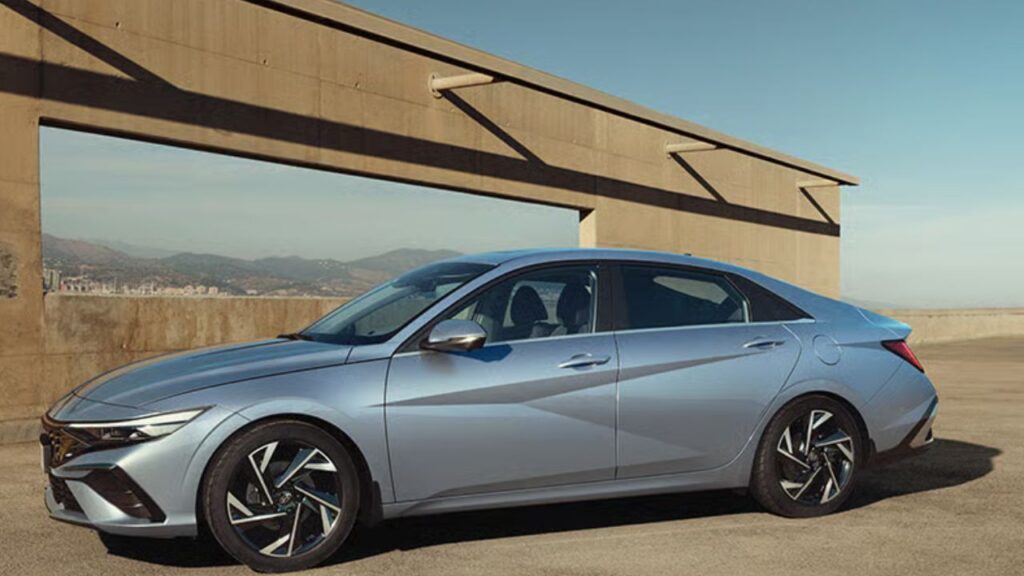
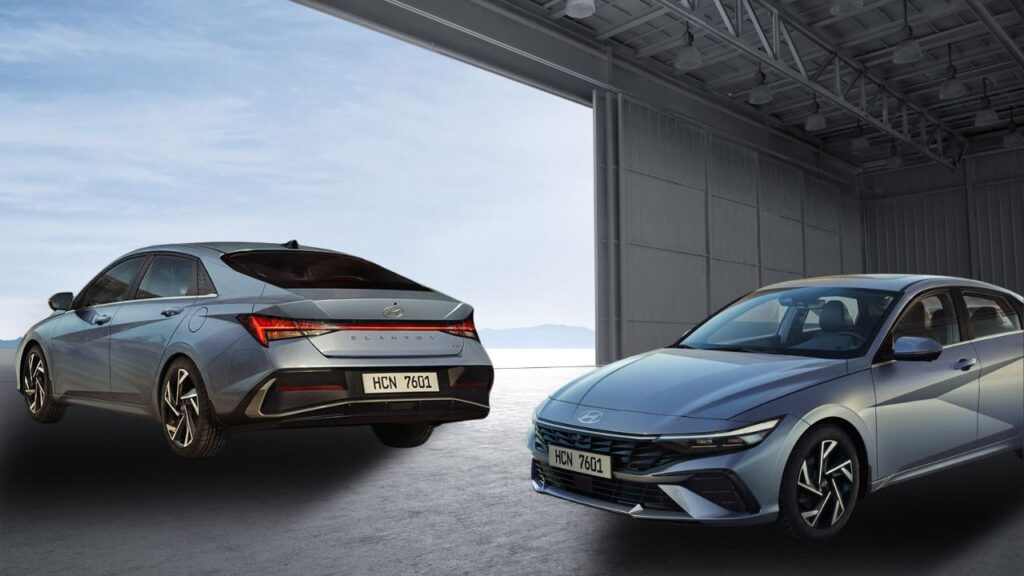
The Hyundai Elantra 2025 is strategically positioned among the most competitive compact sedan market, as it depends on the aggressive pricing, the unique aesthetic styling, as well as the best-in-class safety features. Having the lowest entry barrier, the base price being launched at $22,125 MSRP, the Elantra gets attention fast compared to the most important competitors. Its sporty, aggressive exterior styling so that the car doesn’t fade into obscurity, appeals first of all to the younger generation, as well as those who pay much attention to the styling factor.

Other than looks, Hyundai bases the value appeal of the Elantra on safety and durability. The car has scored the ultimate commendations from independent evaluation agencies, including the IIHS Top Safety Pick+ awfully and the NHTSA-provided 5-Star Overall Safety Rating. This body integrity as well as this extensive complement of standard driver assist technologies gives the ultimate trust factor that is the key market advantage.

This price increase is dialed in to motivate the purchase of the skipped entry-grade so that buyers do get access to essential features that rev up the car experience, including the digital instrument cluster, 10.25-inch infotainment display, power sunroof, and heated seats.

Delineation among Powertrain Families: Standard, Turbo, and Hybrid

To achieve ultimate breadth across the compact segment, the 2025 Elantra provides three separate powertrain families designed to support varying buyer priorities— the frugal 2.0L normally aspirated inline four-cylinder engine for standard friskiness, the big-output 1.6L Turbo GDI engine for high-performance enthusiasts (N Line), and the highest-efficiency 1.6L GDI Hybrid system for high-mileage users. This triad engineering strategy holds the Elantra competitive across ranges as diverse as price to ultimate dynamic capability as well as ultimate fuel economy.

Exterior and Interior Volume Measures

It is 185.4 inches long and has a long 107.1-inch wheelbase. It has a decent 14.2 cubic feet of cargo space with all seats occupied. Crucially, the car has an EPA interior volume of 113.6 cubic feet.

The Standard Drivetrain: 2.0L I4 and Smartstream

Elantra comes in different trims including SE, SEL Sport, SEL Convenience, and Limited. Its standard variant offers a 2.0L inline four-cylinder engine. This solid engine gives powerful 147 horsepower at 6,200 rpm and 132 lb-ft of torque at 4,500 rpm, making it perfect for smooth performance. Its exclusive Hyundai’s Smartstream Intelligent Variable Transmission comes in standard trim to deliver an opulent experience to buyers.

Fuel economy is slightly different depending on the trim’s equipment level. Based SE trim provides the best fuel efficiency, which is 36 combined MPG (32 city / 41 highway). However, the SEL Sport, the SEL Convenience, as well as the Limited, trim log the combined 34 MPG (30 city / 39 highway). This 2 MPG combined deficit directly results from the feature upgrade. Higher trim levels come as part of higher equipment loading, including the digital screens as well as the dual-zone climate control, and they ride on larger, heavier 17-inch alloy wheels.

The Performance Peak: N Line

For enthusiasts who prioritize dynamic response, the N Line trim is loaded with exclusive mechanical upgrades. Highlights include a front performance damper, electronically controlled suspension, and an N-Performance exhaust system with PTU cooling. The N Line delivers an impressive 201 horsepower with 1.6L Turbo solid engine. Its amazing 195 lb-ft of torque is available over a wide range, from 1,500 to 4,500 rpm.

Now, the most extreme mode of the N Line is sporty 7-speed Dual Clutch Transmission with a good EPA estimated of 31 MPG combined, challenging a better fuel economy rivals. Its SHIFTRONIC paddle makes a ride more thrilling that drives you crazy.

Efficient Commuter: Hybrid System

The hybrid model is perfect for city commutes as it offers top-tier fuel efficiency. It combines a 1.6L GDI engine with an electric motor, delivering 139 horsepower with 195 lb-ft of torque. The Elantra Hybrid gives smooth ride, conventional shifts, and amazing experience with a 6-speed EcoShift Dual Clutch Transmission (DCT). Efficiency is outstanding, it is powered with 54 MPG combined and its limited versions get upgraded features including luxury and 50 MPG combined.

Full Trim Lineup and Pricing Strategy

The 2025 Hyundai Elantra is available in five gasoline trims—SE, SEL Sport, SEL Convenience, Limited, and N Line. In 2 Hybrid Variants Hybrid Blue and Hybrid Limited are available in 2025. The price for each variant varies along their features, from starting price of base models to luxury hybrid models with expensive price offering.

SE Trim

Base price starts at $22,125.

The Hyundai Elantra offers 2.0L four-cylinder engine in its base model which has 36 MPG combined. Key safety features cover four-wheel ABS brakes, emergency brake system for secondary collision, and alarm for remote-theft. It also provides a good infotainment system with an 8-inch screen and seamless connectivity.

SEL Sport Trim

Starting MSRP: $23,250.

The SEL Sport builds on the SE trim that delivers a solid 2.0L engine with 34 MPG combined. Buyers can achieve good comfort and smoother rides with 17-inch alloy wheels and automatic climatic control functions. It comes with leather-wrapped, push-button start, and wireless charging support.

Convenience Trim

Starting MSRP: $25,825.

This model introduces premium technology like dual 10.25-inch setup, blends with digital instrument cluster and comfort upgrades including power tilt-and-slide sunroof and heated front seats. It is powered with a 2.0L engine (34 MPG combined), giving the vibes of an upgraded luxurious ride.

Limited Trim

Starting MSRP: $26,775.

The Limited trim sits at the top of the standard 2.0L lineup, delivering the most advanced functions. It helps you hands-free cruising on highways consistently with a powerful Highway Driving Assist feature. It comes with advanced driver-assistance systems (ADAS), H-Tex leatherette seating, and premium Bose audio system.

N Line Trim

Starting MSRP: $28,975.

The N Line is crafted with performance in mind. It comes with a 1.6L turbo engine that delivers outstanding performance. It offers a 7-speed DCT to challenge the road, and a multi-link independent rear suspension. This combination makes it perfect for beast riding race lovers. Its unique styling includes 18-inch alloy wheels, exclusive N Line bumpers, and sport seats that support your desires. Most importantly, its chrome dual exhaust tips that scream fun.

Hybrid Trims

Two hybrid versions are offered. The Hybrid Blue focuses on efficiency, delivering up to 54 MPG combined, while the Hybrid Limited sacrifices a little efficiency (50 MPG combined) to add premium features like a Bose audio system and larger wheels. Pricing for the Hybrid Blue is expected to start around $25,450.

Digital Interface Designs and Cabin Aesthetics

The cabin environment is equipped with a widescreen infotainment console, especially in the higher trims, and it uplifts the environment for the buyer. The console integrates a 10.25-inch gauge cluster and a 10.25-inch navigation display into a seamless and, visually, a cohesive entity. This sleek design is a factor to the “nearly luxury experience.” This is the compact class. Multiple USB ports and wireless charging are available to enhance the connected experience for the occupants.

Interior Comfort and Material Assessment

Even with the impressive design and focus on technology, elements in the interior cabin of the Elantra, specifically, the negative comments are aimed at the “hard plastic materials” found on surfaces.

Safety Profile and Driver Assistance Systems (ADAS)

Safety is one of the Elantra’s strongest selling points, shown by its IIHS Top Safety Pick+ and NHTSA 5-Star Overall Safety Rating. That performance comes from a high-strength body structure combined with a broad, effective set of driver-assist systems.

Hyundai SmartSense:  Hyundai basic tools include Forward Collision-Avoidance Assist with Pedestrian Detection, Blind-Spot Collision-Avoidance Assist, Lane Keeping Assist, and Lane Following Assist, and Driver Attention Warning are available in every Hyundai trims.

Read More :- Maruti Suzuki Top Variant Cars 2025: Luxury, Hybrids & EV Revolution Revealed

Advanced Systems and Highway Driving Assist

Higher trim comes with more advanced technology for assistance, including Adaptive Cruise Control with stop-and-go. The top-tier Limited trim gives more features like Highway Driving Assist, this can help you with highway driving by enabling Level 2 hands-on, semi-autonomous driving.

The 2025 Hyundai Elantra firmly establishes itself as a tech- and design-forward leader in the compact sedan class. It pairs top safety scores from IIHS, NHTSA also gives 5-Star. It offers class-leading efficiency options up to 54 combined MPG.

Conclusion

The Hyundai Elantra 2025 available in various trims which is elegantly improved with its design and higher level trims offer fantastic features that can drive you crazy. For the next-level riding experience with the powerful speed of hybrid trim that ensures your safety along with smooth rides.

These trims come in different ranges of prices from entry-level model $23,250 to N Line trims $28,975, and all trims come with Hyundai SmartSense feature. It ensures the safety of the passengers and offers practicality. Whether you buy an entry-level model or higher trims that are available, buyers can get the best advanced features inside these trims.