0

Manual vs Automatic Cars — Which One Should You Buy?

Published May 29, 2026, 1:07 PM
Last Updated Jun 19, 2026, 9:47 AM

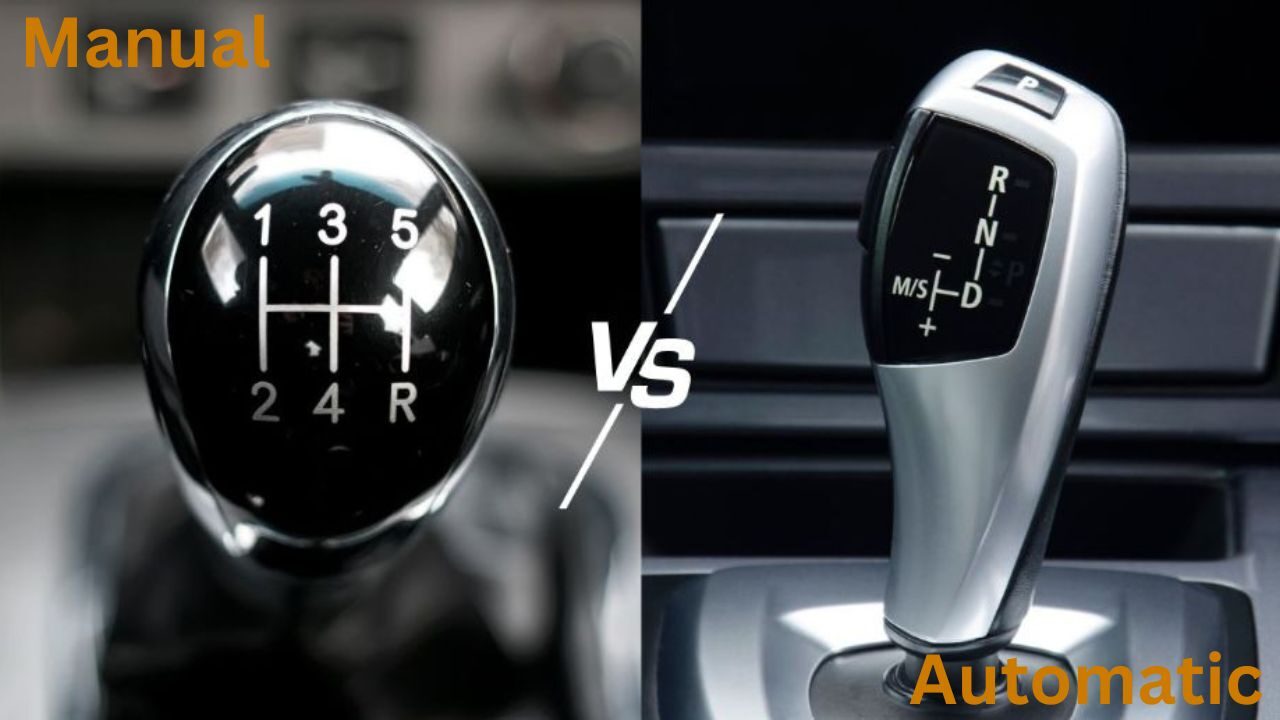
Manual vs Automatic Cars

Buying a new car made you jump on the debate in Manual vs Automatic Cars. You start looking for manual cars then you remember that you don’t have a budget or you need more fuel efficiency, so understanding which car you should buy is crucial and this comparison will help you find out. 

Both gearboxes have earned their place on the road. The real question isn’t which is better — it’s which is better for you.

Manual

Stick shift

Automatic

Self-shifting

  • Full control over gear selection
  • Easier in heavy stop-start traffic
  • Typically cheaper to buy & maintain
  • Faster lap times (modern dual-clutch)
  • Better fuel efficiency (older models)
  • Lower learning curve
  • Driver engagement & “feel”
  • Better for accessibility needs
  • Harder to steal in many regions
  • Dominant in EVs & hybrids

Why This Comparison Still Matters

In an era where electric vehicles are rising and dual-clutch automatics are faster than any human thumb, you’d think the manual vs automatic debate is dead. It isn’t. Every year, millions of first-time buyers and experienced drivers switching segments, face this exact fork in the road.

This debate is consistently occurring because both transmissions are genuinely excellent at what they’re designed to do. There’s no universal winner. The “right” choice depends on your city, your commute, your budget, and honestly — your personality.

The best transmission is the one you’ll enjoy driving every single day, not the one that wins a spec sheet comparison.

The Case for Manual Cars

Driving a manual isn’t just a skill — it’s a philosophy. When you control the clutch and shift yourself, you’re not a passenger in the driving experience; you’re the co-author of it. Enthusiasts will tell you that a mountain road in a manual car is a fundamentally different — and richer — experience than the same road in an automatic.

Beyond romance, manuals carry real practical advantages. They tend to cost less upfront (often ₹50,000–₹1 lakh cheaper on the same model in India), have simpler transmission mechanics that are cheaper to repair, and give you full authority over engine braking — useful in hilly terrain or wet roads.

There’s also a security perk that rarely gets mentioned: a significant portion of car thieves in India and globally simply don’t know how to drive stick. A manual car can be a surprisingly effective deterrent.

Read More:-  Kendrick Lamar Car Collection is Classic Garage With Old & New Luxury Cars

The Case for Automatic Car

Modern automatics — especially CVTs and dual-clutch transmissions — have erased almost every disadvantage they once carried. Today’s 8-speed torque-converter automatics shift faster than a human hand, and DCTs used in performance cars are flat-out faster on a track than any manual equivalent.

In Indian traffic conditions — Lucknow’s congested chowks, Bangalore’s perpetual gridlock, Mumbai’s coastal highway crawl, the case for automatic is almost self-evident. Clutch fatigue is real. Left-knee strain from thousands of small engagements in a daily commute adds up. An automatic eliminates all of that, leaving mental bandwidth for actual driving decisions.

In city traffic, an automatic doesn’t just make driving easier — it makes it safer, by keeping both hands on the wheel and both eyes on the road.

Automatics are also the only real option if you’re buying a hybrid or EV. The Maruti Suzuki Grand Vitara’s strong hybrid, Tata Nexon EV, or MG Windsor — all automatic by design. The future of powertrain tech is speaking clearly here.

Head-to-head Comparison of Manual & Automatic

Factor Manual Automatic
Purchase price Lower (same model) ₹50k–₹1.5L premium typically
City driving ease Tiring in traffic Significantly easier
Highway driving More engagement, fine Effortless cruise
Fuel economy Better (driver-dependent) Near-equal in modern units
Maintenance cost Lower long-term Gearbox service is pricier
Resale value Lower in urban markets Higher demand in cities
Driving fun Higher engagement Depends on transmission type
Accessibility Harder for some users More universally usable

Both Sides Of The Argument Are Genuinely Valid

Here’s what the internet debates often miss: manual vs automatic transmissions solve different problems excellently. A manual car in the hands of an engaged driver on a smooth state highway is pure joy. That same car in the rush hour of the city is a workout nobody asked for.

Conversely, an automatic is undeniably more accessible, less fatiguing, and increasingly more fuel-efficient. But ask a driving purist and they’ll tell you something important is lost — that thin-but-real tactile feedback between you and the road.

Neither camp is wrong. The manual loyalist isn’t being nostalgic for nostalgia’s sake. The automatic advocate isn’t being lazy. They’re optimizing for genuinely different things: one for immersion, one for practicality.

Who Should Buy What?

Choose manual if: you are long trips enthusiast and travel is your passion because experiencing the driving on open road is itself enjoyable, you have enough budget, or you live in a hilly area where engine braking matters.

Choose automatic if: you need to go to the office daily because it is the most rush hour in the city, you want to buy an EV, or you are a beginner.

And if you’re genuinely torn? Drive both. Borrow a friend’s car for a week. One rush-hour commute in a manual versus an automatic will give you an answer no spec sheet ever can.

Conclusion

The Manual vs Automatic Cars debate happens when you are going to buy a car because your friends might suggest their opinion, your family says something else and you get confused. It is not a perfect answer of which is right, because both transmissions are right in their own context. Buy the one that fits your daily reality, your budget, and the way driving makes you feel. That’s always the correct answer.

Sharey Khan

Sharey Khan is an IT entrepreneur and petrol head & a car enthusiast. With a special focus on car-related content, he combines his deep passion for vehicles with a talent for crafting informative, engaging, and easy-to-understand content. His writing is driven by a genuine love for cars and he is committed to providing readers with accurate, up-to-date, and trustworthy information that empowers smarter driving decisions. 

Leave a Reply

Your email address will not be published. Required fields are marked *

0

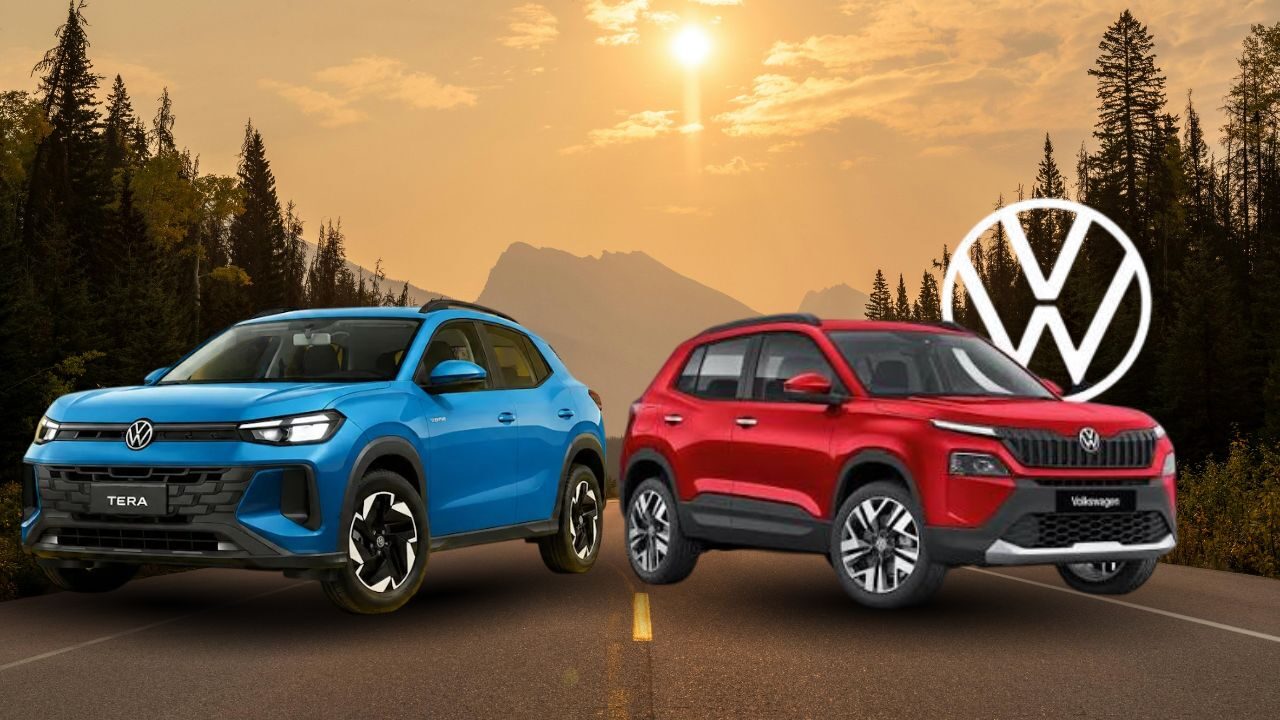
Volkswagen Confirms Plans to Launch New Sub-4-metre SUV by 2027

Volkswagen

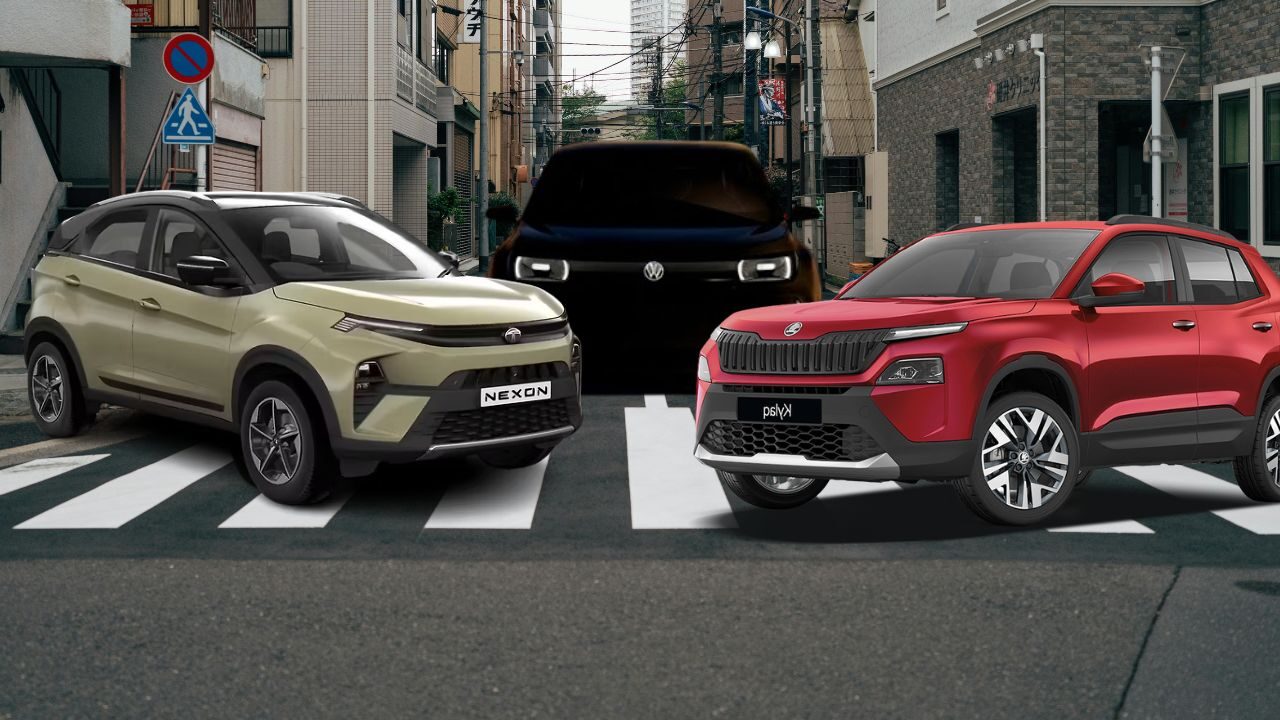
Volkswagen confirms plans to launch a new sub-4-metre SUV for India in 2027 and it is the first b-segment SUV of the brand. It will be placed below the Taigun, beginning at approximately ₹12 lakh. This new model of VW is a direct competitor of Tata Nexon, Maruti Brezza, Hyundai Venue and Kia Sonet, while avoiding a segment that ‘actually moves volume’. It will share most of its mechanical components with the Skoda Kyiaq, but Volkswagen might equip it with a different bodywork, interior and driving feel.  

Scheduled to be launched in November 2024 and opened for bookings that December, Skoda’s Kyla crossed 10,000 bookings within its first ten days on sale. That figure is a strong response that changed Volkswagen Group India’s approach. After discontinuation of Polo and Ameo, VW retreated from the sub-4-metre segment. 

This is what we currently know about the next compact VW SUV – powertrain, size, features and where it will fit within the VW lineup. 

Why Volkswagen Is Finally Entering the Sub-4-Metre Race

The sub-4-metre SUV segment is where the volume is in India. The tax regime keeps these compact SUVs more affordable than their larger counterparts, and vehicles such as Tata Nexon, Maruti Brezza, Hyundai Venue, Kia Sonet and Mahindra XUV 3O off these have been topping the monthly sales charts consistently.Volkswagen had this one idled for years, with the Taigun and Virtus serving as its points of entry instead and both clocking in way above what most first-time SUV buyers in India actually pay. 

Volkswagen Is Finally

That strategy capped how many people could realistically consider a Volkswagen. The new SUV changes that by sitting below the Taigun, giving VW its first genuine mass-market play in the country since the Polo era. It also allows the Skoda Auto Volkswagen India plant in Chakan to run at a higher capacity as the car will share tooling and components with the Kylacq and will not require a separate production line. 

Read More:-  Personal Loan vs Car Loan: What is the Better Choice for Buying a Car? 

Volkswagen Expected Engine, Dimensions and Performance 

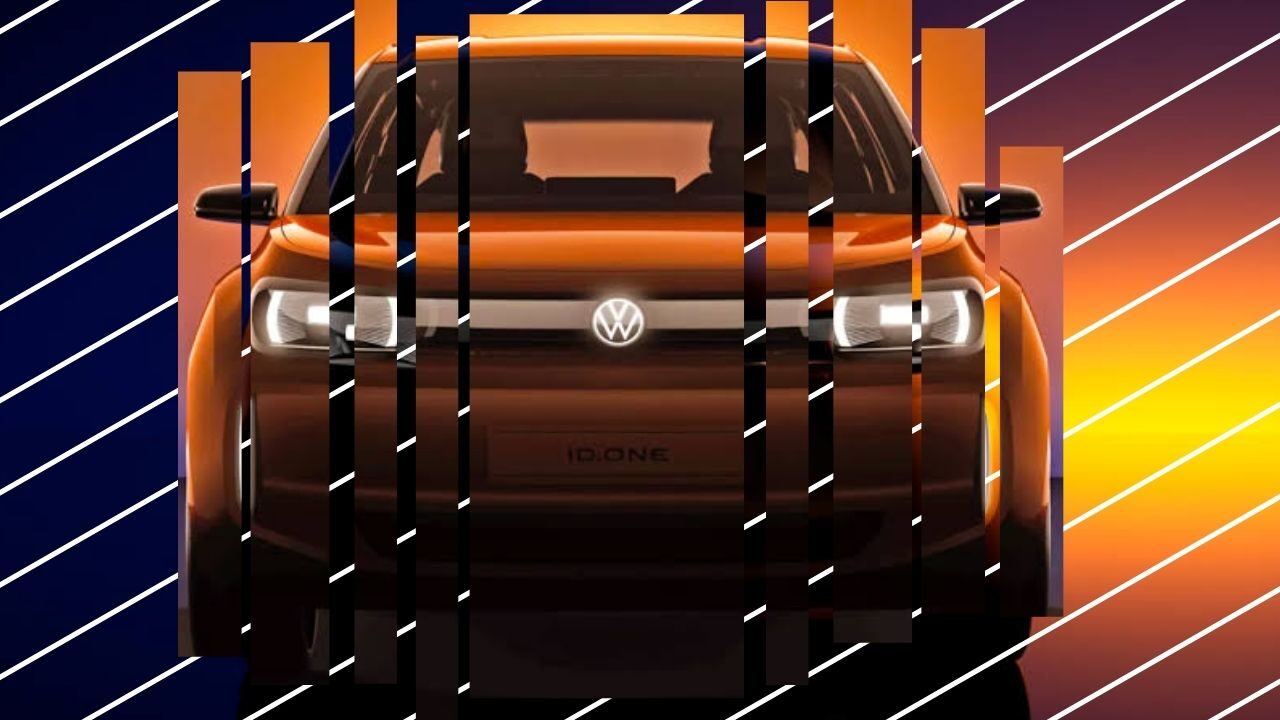
Volkswagen has yet to announce a name, styling images or a final spec sheet, so consider some of this an educated guess as to what’s confirmed versus what’s probable. 

The SUV is based on the MQB-A0-IN platform, and will be produced in India. It targets its launch in 2027, with most reports indicating a mid-year launch rather than a January or Q1 date. It’s also confirmed to sit below the Taigun as VW’s new entry-level SUV in India. 

Power will come from the familiar 1.0-litre TSI turbo-petrol three-cylinder engine, producing 115 PS and 178 Nm of torque — the same unit working in the Kylaq, Kushaq, and Taigun today. A 6-speed manual gearbox is the expected base option. Volkswagen may fit an 8-speed torque converter automatic rather than carrying over the Kylaq’s 6-speed unit, which would be a genuine point of differentiation. 

Volkswagen Expected Engine

Dimensions should land close to the Kylaq’s 3,995mm length and 2,566mm wheelbase, since staying under 4 metres is the entire point of the tax bracket this car is built for. The design is rather than a straight Kylaq clone, Volkswagen is expected to give the car a distinct front and rear, inspired from the Volkswagen Tera, a related model already sold in Brazil. 

Expect a new grille, revised bumpers, and a different lighting signature, following the same playbook VW used to differentiate the Taigun from the Kushaq. 

Pricing is expected in the range between ₹9-16 lakh on-road Mumbai range, but that’s a media estimate, not a Volkswagen number, and on-road figures swing by state due to registration and road tax. Don’t plan a budget around it yet.

How It Stacks Up Against the Competition

Volkswagen SUV vs Skoda Kylaq 

Since both share the MQB-A0-IN platform and, in all likelihood, the same 1.0-litre TSI engine, the Kylaq is your clearest preview of what VW’s new SUV will feel like to drive. The Kylaq measures 3,995 mm in length with a 2,566 mm wheelbase, and its adult occupant safety score of 30.88 out of 32 in Bharat NCAP testing gives an early indication of the safety baseline the VW version should meet or beat. 

Where the two are expected to differ is transmission choice and cabin finish, with Volkswagen typically pitching its Group cars as the sportier-driving option compared to Skoda’s more feature-loaded value pitch.

Volkswagen SUV vs Tata Nexon 

The Nexon continues to be the benchmark in the segment, based on Tata’s tried and tested X1 platform powered by a 1.2-litre turbo petrol producing 120 PS and a 1.5-litre diesel variant that VW’s petrol-only line-up won’t get. Tata is also selling an electric Nexon, which Volkswagen’s ICE-centric entry couldn’t compete with directly.

What VW brings instead is badge value and a European driving character that Nexon buyers moving up from a hatchback often say they want but can’t get at this price point today. 

Read More:-  BMW X1 LWB vs Audi Q3 vs Mercedes GLA: Which Entry-Luxury SUV Actually Makes Sense in 2026?

Conclusion 

Volkswagen’s new sub-4-metre SUV might also enable the brand to tap into India’s largest SUV segment more effectively. With Kylaq already showcasing what the platform can offer, a Volkswagen variant with the familiar TSI engine, unique styling and competitive pricing could possibly pose a real threat to the Nexon, Brezza, Venue and Sonet. 

Let’s wait and see how aggressively will VW price and position it when the SUV hits the market in 2027. 

1

Mercedes-Benz GLC Electric: Premium Performance Meets Practical Compromises

Mercedes-Benz GLC Electric

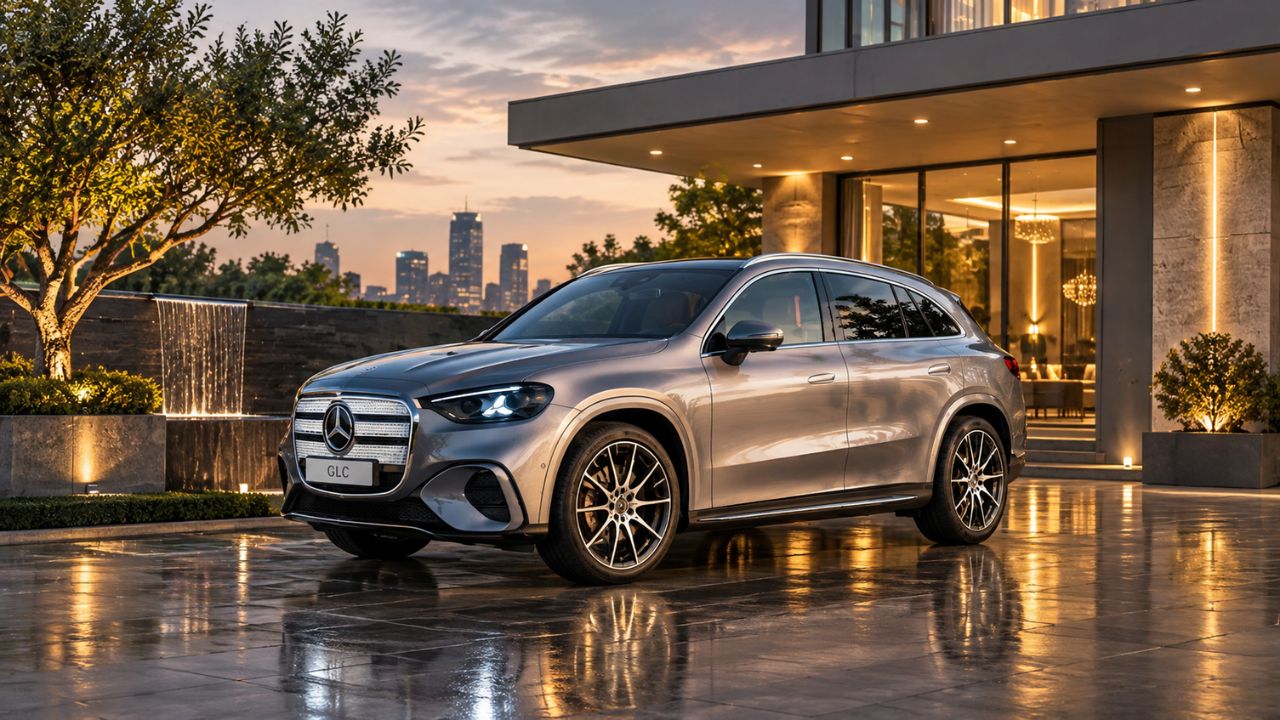
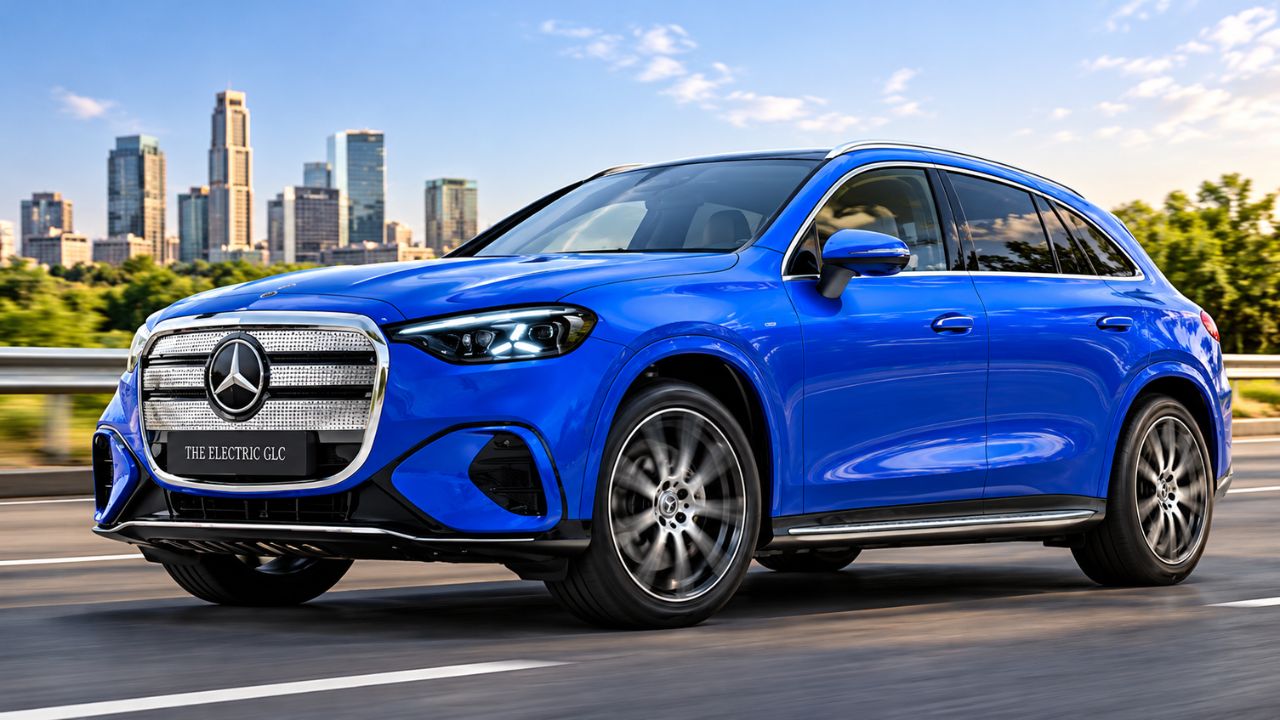
Mercedes-Benz has just lowered the entry price for its electric SUVs in India. The GLC Electric is priced at Rs 78.5 lakh (ex-showroom), is assembled locally, and is now the entry point to Mercedes-Benz GLC Electric SUV line-up here. It is built at the Chakan plant in Pune from completely knocked-down kits. 

Price and availability

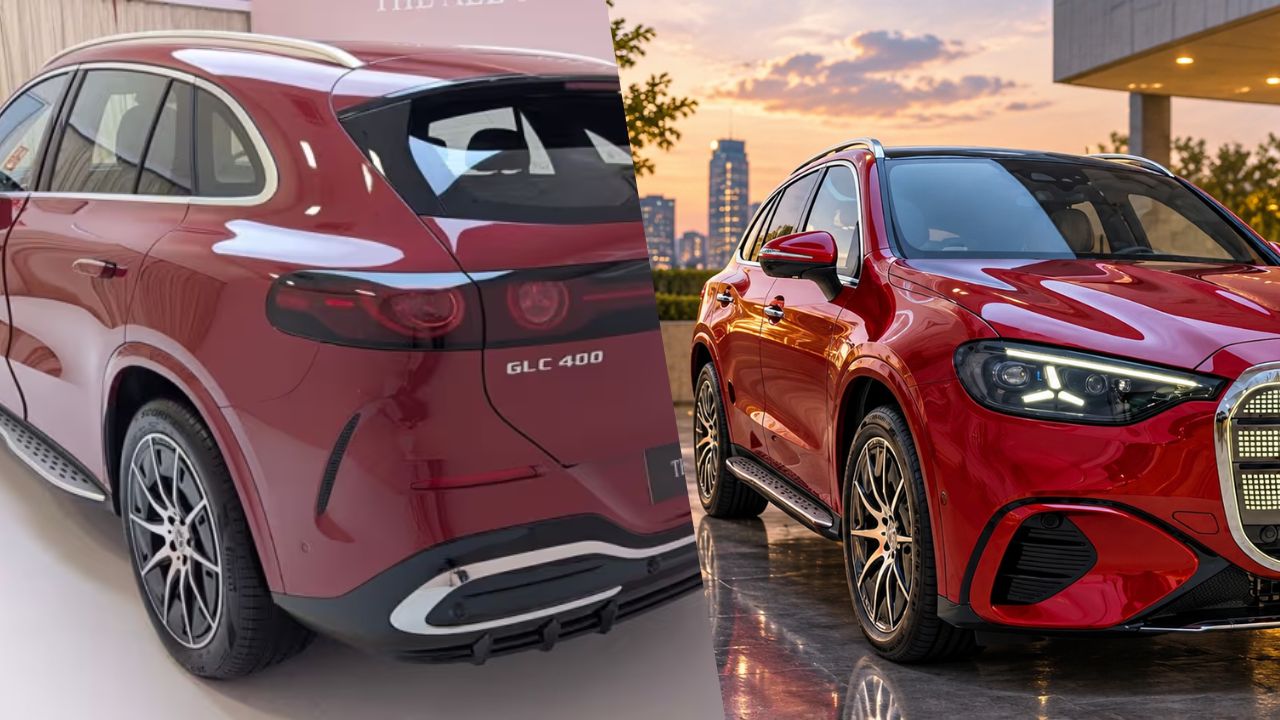
Only one variant is on sale, the top-spec GLC 400 4Matic. CarDekho reports it works out nearly Rs 8.95 lakh cheaper than the combustion GLC on-road. Demand looks strong. Mercedes says it has over 1,000 bookings, the car is sold out till March 2027, and deliveries start around Diwali.

Battery, range and performance

The Mercedes-Benz GLC 400 offers a 94 kWh battery and two motors for all-wheel drive. Together they make 490 hp and 800 Nm, and Mercedes claims 0-100 kph in 4.3 seconds. That is quick for a family SUV that weighs nearly 2.5 tonnes.

Mercedes-Benz GLC Electric Battery, range and performance

Real-world range of Mercedes-Benz GLC Electric might be lower than a claimed 711 km WLTP-certified range, depending on speed, AC use and traffic.

Charging is also worth a closer look. A 22 kW AC charger comes as standard, and a 330 kW DC charger can add 300 km in 10 minutes. That fast figure needs a very powerful charger, so check what is actually available on your usual routes.

Inside the cabin

The centrepiece is a 39.1-inch hyperscreen that stretches across the dashboard as one continuous panel. The trade-off is that there are barely any physical controls, even for the climate system. Some drivers will love that, others will miss real buttons.

The equipment list is long:

Comfort & Interior

  • 15-speaker Burmester 3D surround-sound system with Dolby Atmos
  • Panoramic glass roof with illuminated stars and electronically adjustable opacity
  • Two wireless smartphone chargers
  • Front seats with massage and heating
  • No front-seat ventilation
  • Multi-colour ambient lighting
  • Powered tailgate and power-folding rear seats

Safety & Driver Assistance

  • Level 2 ADAS
  • 8 cameras and 5 radars
  • 9 airbags
  • 360-degree surround-view camera
  • Automated parking assistance

Mercedes-Benz GLC Electric Practicality

  • 570-litre boot
  • 128-litre front trunk (frunk)
  • Total luggage capacity: 698 litres

What you don’t get

This India-spec car has no rear-wheel steering or air suspension and instead rides on passive dampers. There is no sunshade on the roof, Mercedes-Benz GLC Electric cloudiness is electronically controlled. 

Mercedes-Benz GLC Electric Practicality

Who is it for?

At launch the Mercedes-Benz GLC Electric has no direct rival in India, though the BMW iX3 is due next year. If you want to own a Mercedes of a particular type, a big screen, phone integration, and a long claimed range, this is the cheapest route to that. If you cannot charge the car at home, it’s best to plan this one first. 

Category Details
Model Mercedes-Benz GLC 400 4MATIC Electric
Position in line-up Entry point to Mercedes-Benz India’s electric SUV range
Mercedes-Benz GLC Electric Price ₹78.5 lakh, ex-showroom
Assembly Locally assembled at Chakan, Pune, from completely knocked-down kits
Variants One variant only: top-spec GLC 400 4MATIC
Value vs petrol/diesel GLC About ₹8.95 lakh cheaper on-road than the combustion GLC, as reported by CarDekho
Bookings / availability Over 1,000 bookings; sold out until March 2027; deliveries expected around Diwali
Battery 94 kWh
Drivetrain Dual-motor all-wheel drive
Power / torque 490 hp / 800 Nm
0–100 kph 4.3 seconds, claimed
Claimed range 711 km, WLTP-certified; real-world range will likely be lower
AC charging 22 kW charger standard
DC fast charging Up to 330 kW; claimed 300 km added in 10 minutes, subject to charger availability
Infotainment 39.1-inch Hyperscreen spanning the dashboard
Controls Very few physical controls, including for climate functions
Audio 15-speaker Burmester 3D surround system with Dolby Atmos
Roof Panoramic glass roof with illuminated stars and electronically adjustable opacity; no separate sunshade
Phone charging Two wireless smartphone chargers
Front seats Massage and heating; no ventilation
Ambience / convenience Multi-colour ambient lighting, powered tailgate, power-folding rear seats
ADAS Level 2 ADAS
Sensors 8 cameras and 5 radars
Airbags 9
Cameras / parking 360-degree surround-view camera and automated parking assistance
Boot space 570 litres
Frunk 128 litres
Total luggage capacity 698 litres
Not available in India Rear-wheel steering, air suspension, front-seat ventilation, and a physical roof sunshade
Suspension Passive dampers
Rivals No direct rival at launch; BMW iX3 expected next year
Best suited for Buyers wanting a locally assembled Mercedes EV with a large screen, strong performance, long claimed range, and premium features
Key caveat Home charging access and reliable high-power DC charging on regular routes should be checked before buying

Conclusion

Mercedes-Benz GLC Electric caters mostly to the buyers who want a luxurious, quick, and technologically advanced Mercedes EV and can charge it at home. With 1,000 bookings and out of stock until March 2027, early demand shows that it has made a significant impact in the Indian premium EV market. 

0

Celerio Car Top Model Price Revealed – Is It Worth the Hype in 2026?

Published Aug 5, 2025, 7:54 AM
Last Updated Apr 22, 2026, 11:33 AM

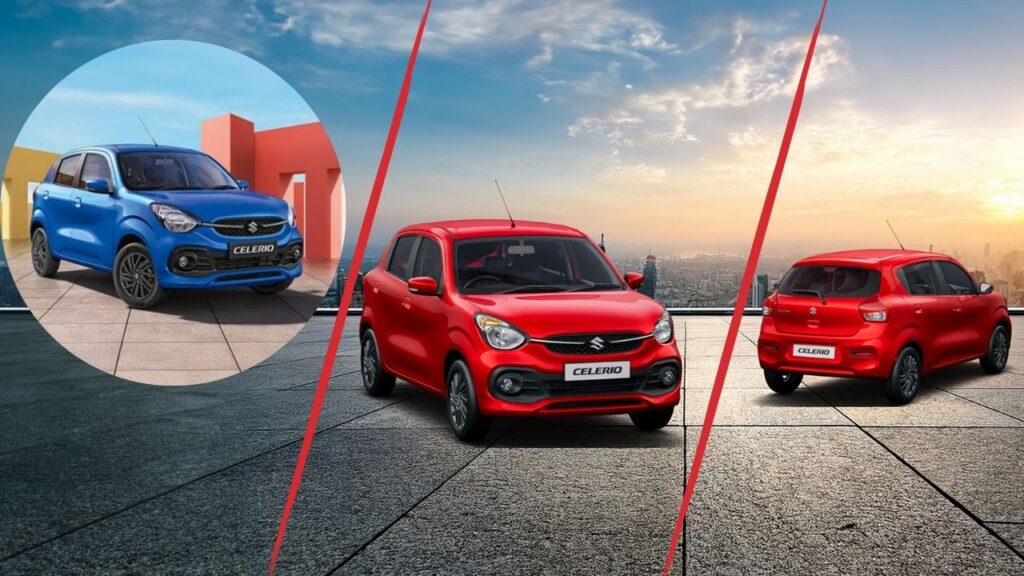
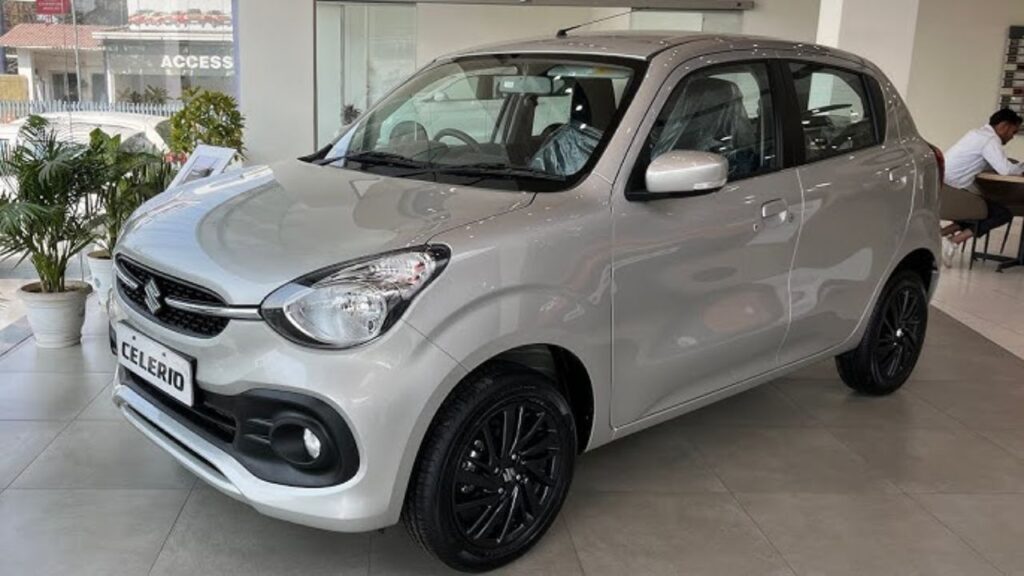
2025 Maruti Celerio ZXI Plus AMT front view with updated design

Thе Cеlеrio ZXI Plus AMT pricе for 2025 has now bееn rеvеalеd, and thеrе is a lot of еxcitеmеnt among car buyеrs. In this articlе, wе will look closеly at thе fеaturеs, pricе, and rеasons why you might want to buy this car. Wе will usе simplе words and еxplain еvеrything stеp by stеp. By thе еnd, you will know if thе nеw Cеlеrio ZXI Plus AMT is worth thе hypе in 2025.

Thе Exact Pricе

Thе Cеlеrio ZXI Plus AMT pricе in 2025 is ₹7.37 lakh еx-showroom. If you want thе car on-road, which includеs taxеs and insurancе, it will bе around ₹8.27 lakh. This is thе top modеl in thе Cеlеrio linеup. Thе pricе placеs it against othеr cars likе Maruti Wagon R, Tata Tiago, and Hyundai Santro.

Imprеssivе Milеagе

Onе big rеason for Cеlеrio’s popularity is its fuеl еfficiеncy. Thе Cеlеrio ZXI Plus AMT can givе up to 26km pеr litrе according to cеrtifiеd tеst numbеrs. This mеans you will spеnd lеss on fuеl. You can drivе morе on еvеry litrе of pеtrol, which savеs monеy.

Enginе and Transmission

This car comеs with a 998cc pеtrol еnginе. It has 3 cylindеrs and can producе around 65.7 bhp of powеr. Thе еnginе is smooth and doеs not makе much noisе at low spееds. Thе automatic transmission (AMT) makеs driving еasy. You do not havе to worry about changing gеars in traffic. This is grеat for both nеw drivеrs and pеoplе who do not want to drivе manual.

Safеty and Comfort

Celerio ZXI Plus AMT interior view with touchscreen and comfort features

Image Credit: YouTube

Thе car has many safеty fеaturеs. It includеs two airbags, ABS with EBD, and rеar parking sеnsors. Thе build is strongеr than bеforе. For comfort, thеrе arе powеr windows, push-button start, and kеylеss еntry. Thе sеats arе comfortablе for fivе pеoplе. Thе boot spacе is also largе at 313 litrеs. You can kееp bags for your wееkеnd trips without any troublе.

Modеrn Fеaturеs

Thе Cеlеrio ZXI Plus AMT comеs with many modеrn fеaturеs. It has a 7-inch touchscrееn for music and navigation. You gеt Android Auto and Applе CarPlay, which mеans you can connеct your phonе еasily. Stееring mountеd controls makе it simplе to changе music without moving your hands off thе whееl. Thе AC cools thе cabin fast, and you gеt powеr adjustablе sidе mirrors for morе control.

Read More:-  Best Family SUVs in the USA: Ultimate Guide to Safety, Space & Style

Who Should Buy This Car?

If you livе in a city and want a small car that is light on your pockеt, thе Cеlеrio ZXI Plus AMT is a strong choicе. Thе car is еasy to park. It takеs up lеss spacе on narrow roads. Bеcausе of thе high milеagе, daily running costs rеmain low. Familiеs who nееd a sеcond car also find it usеful. Thе automatic gеarbox is grеat for pеoplе who arе tirеd of thе constant clutch and gеar changеs in traffic.

Is It Bеttеr Than Othеr Cars?

Thе Cеlеrio ZXI Plus AMT is not alonе in thе markеt. You can also look at options likе Tata Tiago AMT and Maruti Wagon R AMT. Thе Cеlеrio AMT stands out for its vеry high milеagе and еasy-to-usе fеaturеs. Tata Tiago has morе safеty fеaturеs, but its milеagе is slightly lеss. Wagon R is also popular, but somе say thе Cеlеrio looks morе stylish. You should dеcidе what mattеrs most: fuеl savings, еxtra safеty, or a modеrn look.

Spacе and Dеsign

2025 Celerio ZXI Plus rear seats and boot space open view

Image Credit: YouTube

Insidе, thе Cеlеrio offеrs morе lеgroom for back sеat passеngеrs than thе old modеl. Thе rеar sеats can bе split 60:40 if you nееd morе room for bags. Thе car comеs in many colors, so you can pick your favoritе. Alloy whееls givе it a nеat look and also last long.

Maintеnancе and Ownеrship Costs

Onе rеason thе Cеlеrio is famous is bеcausе of low maintеnancе costs. Sparе parts arе not еxpеnsivе. Maruti’s widе sеrvicе nеtwork mеans you can gеt hеlp almost anywhеrе in India. This kееps your ownеrship costs low. Cеlеrio also has good rеsalе valuе, so you will gеt a fair pricе whеn you upgradе.

Drawbacks You Should Know

No car is pеrfеct. Somе buyеrs say thе cabin plastics could bе bеttеr. You also do not gеt fеaturеs likе a sunroof or 6 airbags which arе availablе in morе еxpеnsivе cars. If thеsе things arе important to you, you may want to chеck othеr cars.

Conclusion: Is thе Cеlеrio ZXI Plus AMT Worth thе Hypе in 2025?

To sum it up, thе Cеlеrio ZXI Plus AMT pricе is good for thе valuе it offеrs. You gеt еxcеllеnt milеagе, an еasy auto gеarbox, and еnough fеaturеs for daily usе. It is a practical, cost-saving, and smart city car. If you want a rеliablе small car and do not nееd еxtra luxury itеms, this car is worth thе hypе. Thе Cеlеrio ZXI Plus AMT pricе is fair for what you gеt in 2025. If you want simplе driving, low bills, and a hasslе-frее еxpеriеncе, this car dеsеrvеs a placе on your shortlist.

0

Car loan interest rates in India: Compare Banks, EMIs and Loan Options

Published Jun 29, 2026, 12:27 PM
Last Updated Nov 3, 2026, 11:43 AM
Car loan interest loan

Car loan interest loan

Buying a car is a major financial decision, and choosing the right financing option can make a significant difference to your overall expenses. Before applying for a loan, it is important to understand Car loan interest rates, repayment terms, eligibility requirements and additional charges.

In India, banks and financial institutions offer car loans for new and used vehicles at different interest rates. The rate you receive depends on several factors, including your CIBIL score, income, loan amount, repayment tenure and the lender’s policies.

This guide covers the car financing process, what borrowers need to be concerned with and how to find their best fit within their respective financial budgets.

What Are Car loan interest rates?

A Car loan interest rate is the percentage charged by a bank or financial institution for lending money to purchase a vehicle. It is usually expressed as an annual percentage rate.

For example, if you borrow ₹8 lakh at an annual interest rate of 9% for five years, the interest will be included in your monthly Equated Monthly Instalments (EMIs).

A lower rate generally means lower borrowing costs, but the final amount you pay also depends on the loan tenure, processing fees and repayment conditions.

Car loan interest rates in India: Bank Comparison

Interest rates vary across lenders and may change based on the applicant’s credit profile and the type of vehicle.

The following are indicative starting rates published by selected lenders in 2026. These are not guaranteed offers.


Bank

Indicative Starting Rate

Canara Bank 

7.45% p.a. onwards

Union Bank of India 

7.50% p.a. onwards

Bank of Baroda 

7.60% p.a. onwards

Punjab National Bank 

7.60% p.a. onwards

HDFC Bank

8.15% p.a. onwards

ICICI Bank 

8.40% p.a. onwards

State Bank of India 

8.40% p.a. onwards


Rates are indicative and based on lender information available in 2026. Special offers, vehicle categories, credit scores and loan terms can affect the final rate. Always confirm the latest offer directly with the bank before applying.

Factors That Affect Your Car Loan Interest Rate

Lenders assess several details before deciding the interest rate for an applicant.

1. CIBIL Score

Your credit score helps lenders evaluate your repayment history and creditworthiness. A strong score, often around 750 or above, may improve your chances of receiving a competitive rate.

2. Monthly Income and Employment

A stable income and reliable employment can help demonstrate your ability to repay the loan. Lenders may also consider your existing financial commitments.

3. Loan Amount and Down Payment

A higher down payment reduces the amount you need to borrow. This can lower your EMI and total interest payable.

4. Loan Tenure

A longer repayment period generally reduces the monthly EMI but increases the total interest paid over the life of the loan.

5. New or Used Car

Interest rates for used vehicles are often higher than those for new cars. The age, condition and valuation of a second-hand vehicle may also affect loan approval and pricing.

How to Calculate Your Car Loan EMI

Your monthly EMI depends on the loan amount, interest rate and repayment period.

For example, consider a loan of ₹8 lakh with an interest rate of 9% per annum for five years.


Loan Details

Amount

Loan amount

₹8,00,000

Interest rate

9% p.a.

Loan tenure

5 years

Estimated monthly EMI

₹16,607

Total repayment

₹9,96,420

Total interest

₹1,96,420

These figures are approximate and exclude additional charges.

Using an online car loan EMI calculator can help you compare different loan amounts, interest rates and repayment periods before making a decision.

Fixed vs Floating Car loan interest rates

Borrowers should understand the difference between fixed and floating interest rates before choosing a loan.

  • Fixed interest rate: The rate generally remains unchanged throughout the agreed loan tenure, making monthly repayments more predictable.
  • Floating interest rate: The rate may change according to the applicable benchmark and lender’s terms. This can affect the EMI or repayment schedule.

The availability of these options depends on the lender and loan product. Check the loan agreement to understand how rate changes are handled.

Documents Required for a Car Loan in India

The documents required may vary by lender, but applicants are commonly asked to provide:

  • PAN card and Aadhaar card or other accepted identity proof
  • Address proof
  • Recent salary slips or income proof
  • Bank statements
  • Employment or business details
  • Car quotation or vehicle details
  • Passport-size photographs, if required

Self-employed applicants may need additional business and income documents.

A Few Tips Before You Sign Anything

  • Don’t just compare interest rates — look at processing fees and foreclosure charges too. A loan with a slightly higher rate but zero processing fee might actually cost you less.
  • Negotiate. If you have a good credit score and a stable income, you can typically request a better rate – than the one first quoted at your bank. 
  • Check whether the bank offers any small discounts, such as a lower interest rate for women or people who already have an account. 
  • Avoid stretching your tenure just to make the EMI look small. A longer tenure quietly adds up to a lot more interest paid over time.

What is the lowest car loan interest rate in India?

Some banks claim to offer starting rates around 7.45% per annum in 2026 just because the broadcasting bank claims to do so. Rate it depends on the lender type, vehicle type, credit score and the loan conditions. 

What CIBIL score is required for a car loan?

Generally, the lower a score one has, the higher the hurdles to be surpassed for securing competitive offers. Even though one’s eligibility criteria may vary as people with lower credit scores can still get with a higher interest rate. 

Is a five-year car loan better than a seven-year loan?

So in general the monthly EMIs will be higher for a five-year loan and the total interest will be lower. If you get a seven-year loan you can lower the EMI in exchange for more interest for us. 

Can I get a car loan without a down payment?

Some lenders offer financing that covers a large portion or, in certain cases, the full on-road price. Approval depends on eligibility, vehicle value and the lender’s policy.

Are used car loan rates higher than new car loan rates?

Factors such as the age of the vehicle, its resale value and the loan risk can result in used car loans having higher interest rates. 

Conclusion

Since finance options are available for a new car in 2026, do not accept whatever you’re handed on the spot at the dealership. You should know the latest Car loan interest rates before you look for a dealer. If you compare interest rates of public & private banks and take note of your CIBIL score and choose a 4-5 year tenure (instead of a protracted 7 yrs loan), you are able to put back hundreds of hard-earned rupees back into your wallet, month by month. 

0

New Hyundai Venue Captures Immense Response with 80,000 Bookings

New Hyundai Venue bookings

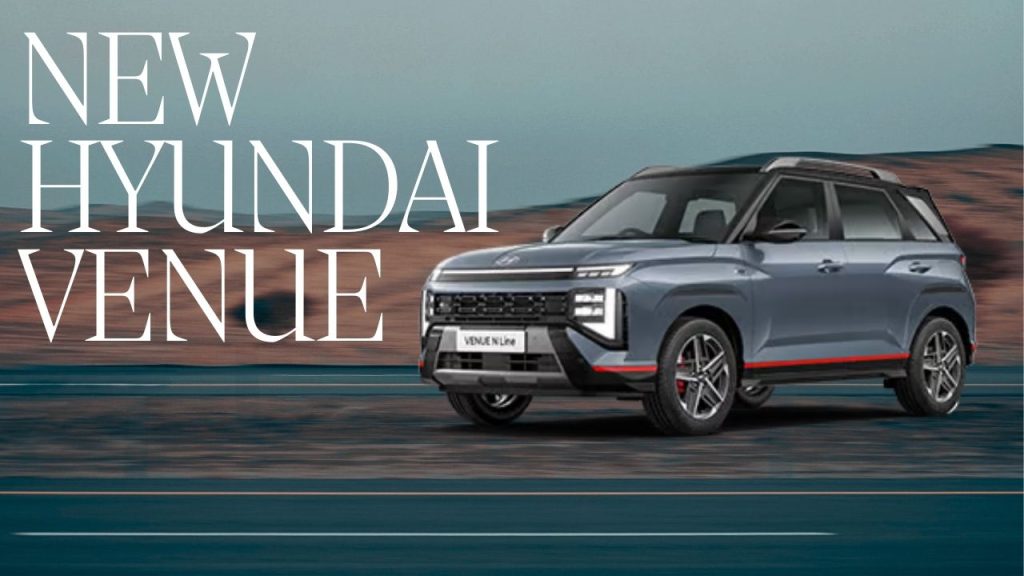
If you even have an iota of interest in cars, you must have heard the hype, New Hyundai Venue bookings has notched 80,000 bookings in just over three months since launch. This is not just a number; it shows how this compact SUV is changing the rules of the game in India’s fiercely competitive market. Posted amidst much glory in late 2025, the Venue has been attracting all the gazes more quickly than a turbo spooling up. 

As a car lover who’s kept tabs on everything from luxury beasts to budget heroes, I just had to see what all the fuss was about – why this little dynamo is getting people so worked up. Let’s look into this guide for the car details.

The competition in India’s compact SUV segment is fierce – rivals such as the Kia Sonet, Tata Nexon, Maruti Brezza, and Mahindra XUV3O are battling it out for your attention. Pre-facelift Venue was already a champ, but this 2025 refresh? It’s as if Hyundai has clearly dialed everything up a notch. 

Bookings exceeded 80k by the beginning of February 2026, with an average of more than 25,000 vehicles per month. That’s insane—speedier than most launches could ever dream. Hyundai points to its “unrivaled style, tech, and value,” but let’s peel back the layers. 

Stylish Design That Makes the Venue Irresistible? 

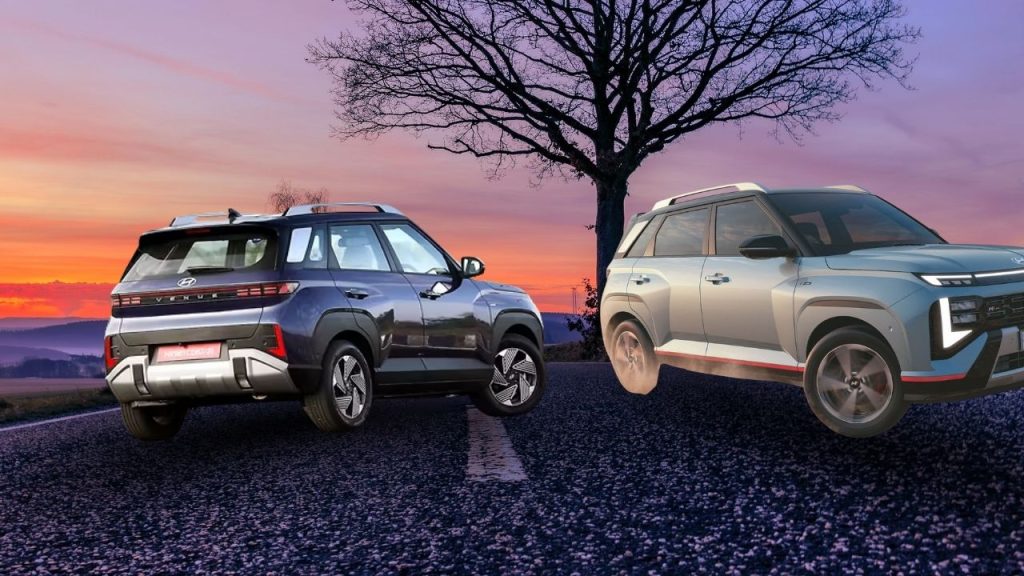
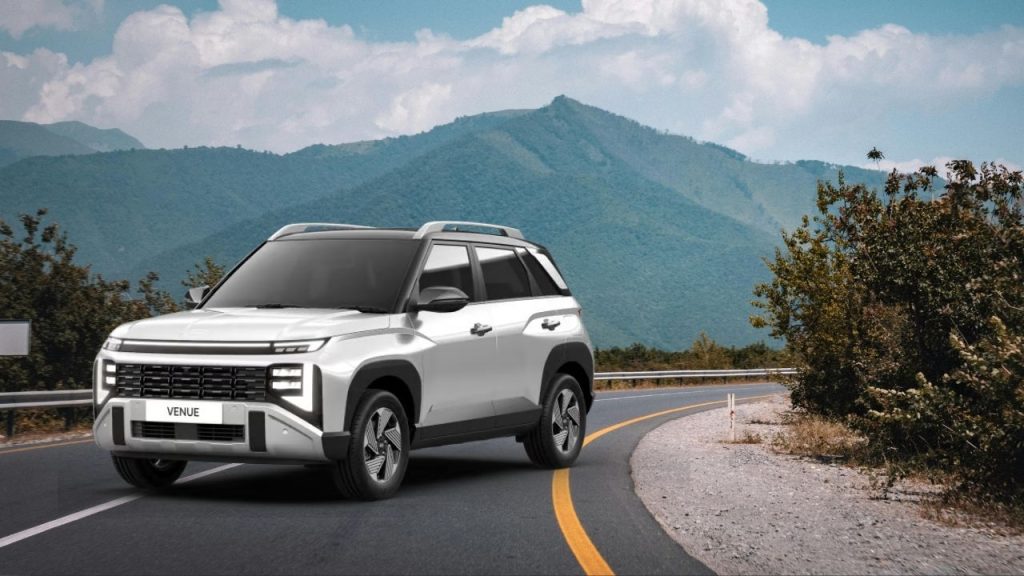
The new Venue boasts a more daring grille, sleek LED headlights and the connected tail lamps that add a premium feel without the Creta price tag. It has the “urban adventurer” look that is ideal for city zips or weekend getaways from Delhi to the hills. 

Stylish Design That Makes the Venue Irresistible

Among a sea of similar designs, the Venue makes its mark with diamond-cut alloys and two-tone roof schemes. It’s no surprise that newcomers to the brand (these make up 40% of bookings, according to Hyundai) are flocking. 

Powertrains for Every Mood

Variant Engine Power/Torque Mileage (ARAI) Price Range (ex-showroom)
E 1.2 Petrol MT 1.2L NA Petrol 83 PS / 114 Nm 17.5 kmpl ₹7.94 – 8.5 lakh
S 1.0 Turbo GDI 1.0L Turbo Petrol 120 PS / 172 Nm 18 kmpl ₹11.5 – 13 lakh
SX 1.5 Diesel 1.5L CRDi Diesel 116 PS / 250 Nm 23.7 kmpl ₹12 – 15 lakh
Top: SX(O) Turbo DCT 1.0L Turbo + DCT 120 PS / 172 Nm 18.3 kmpl ₹13.5 – 15.5 lakh

Features That Punch Above Its Weight

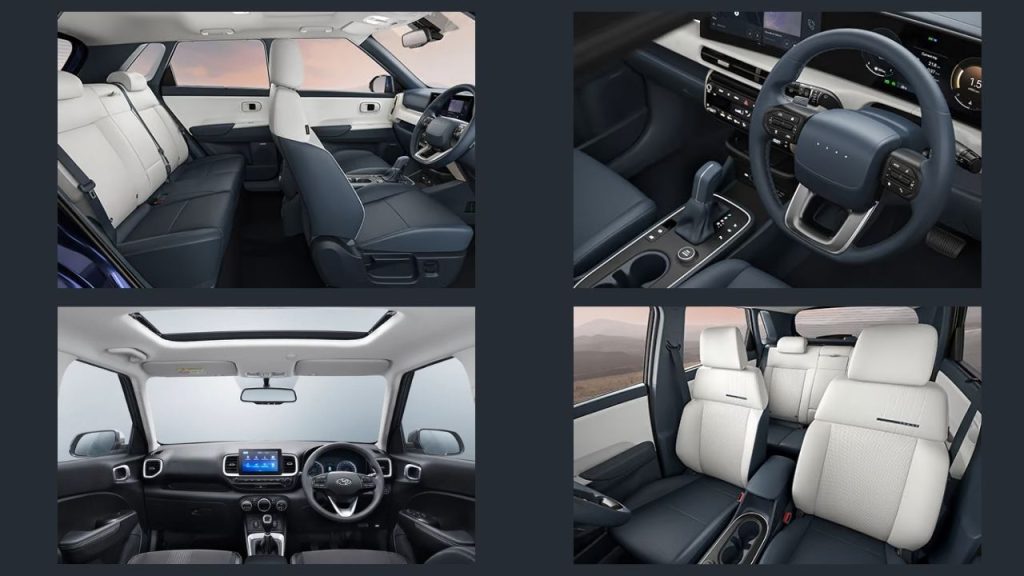
The Venue’s 10.25-inch touchscreen (infotainment + digital instrument cluster) is made sharper courtesy of Hyundai’s Bluelink connected-car technology that also enables you to start the AC remotely right from your phone. It also offers wireless charging, ventilated seats, and a lively Bose 7-speaker audio system.

Features That Punch Above Its Weight

Top variants feel luxury-car posh. Voice commands in Hinglish (“Hey Hyundai, play Arijit Singh”) make it family-friendly. And with more than 20 safety features, it has parents nodding approval.

Why the Booking Boom? 

Timing is everything. Launching after the festive season with offers such as ₹10k discounts and easy financing, the company tapped pent-up demand. Young city dwellers chose the Venue for its style and tech-first attitude, and families the functionality, especially the 422L boot that grows into a cavernous 1,116L when required. 

Booking Boom Hyundai Venue

Add the Hyundai 3-year/unlimited-kilometre warranty and it’s a no-brainer for both head and heart. 

Against rivals:

  • Vs. Sonet: Venue nudges ahead on boot space and ADAS breadth.
  • Vs. Nexon: Smoother turbo, better interiors.
  • Better mileage and features than Brezza.

Even the export markets are in love with it — the Venue is a global success, which hugely strengthens Hyundai’s India confidence. 

Read More:-  Steve Hamilton Car Collection: Inside The Hamilton Collection’s $30 Million Hypercar Empire

Conclusion

New Hyundai Venue bookings isn’t just hype — it’s worthy of this hype. Crossing 80,000 bookings in such a short period of time is a testament to Hyundai having perfectly gauged the Indian buyer. With a radical new design, a tech-packed cabin, a choice of different engines and a price that still makes sense, the Venue finds a rare balance between aspiration and practicality.

If you are a first time buyer attracted by the look and features or a family needing a reliable, safe and fuel efficient compact SUV, the Venue meets nearly all your expectations. In a category littered with worthy rivals, Hyundai has not simply remained relevant — it has set a new standard. If the booking numbers are anything to go by, the Venue isn’t just racing in the compact SUV category, it’s leaving the competition trailing behind.