0

Best Automatic Cars Under 10 Lakhs in India – Easy Driving Options

Published Jun 24, 2026, 12:55 PM
Last Updated Nov 2, 2026, 4:35 PM

Automatic Cars Under 10 Lakhs in India

Young generations are more leaning towards automatic cars since they are easy to shift gears and star-stop traffic in metro cities. They are genuinely expensive for a middle class person but automakers understand this issue so they are trying to make more affordable cars. There are some Automatic Cars Under 10 Lakhs which offer excellent features and outstanding performance.

Top brands like Maruti Suzuki, Hyundai, and Tata launched budget-friendly automatic hatchbacks and compact SUVs and left the luxury tag of AMT or CVT gearbox which was beyond 10 lakhs a few months back.

Let’s look into the details and prices of these excellent models which can drive you crazy when you sit behind the steering.

Why Go for an Automatic in the First Place?

Automatic cars are worth buying now more than ever due to fast-paced life and traffic jams. In frequent stop-start traffic, a manual car requires repeated clutch operation and gear changes, which can make driving more tiring for the driver.

If you are living in a city, automatic cars are about saving your mental energy in traffic. You can rely on it as there is no clutch, no gear shifting stress, that gives you the best driving experience for beginners, especially new drivers and elderly family members who find manual gear shifting tiring.

The fuel efficiency gap between manual and automatic has also shrunk a lot, thanks to AMT (Automated Manual Transmission) technology. So you’re not really losing much on mileage anymore while gaining a ton of convenience.

However, AMT is not perfect. It can feel a bit irregular at very low speeds, may pause while downshifting when overtaking, and is not as fun as a manual gearbox. For regular city commuting, though, these trade-offs are usually acceptable.

Top Automatic Cars Under 10 Lakhs You Should Actually Consider

1. Maruti Suzuki Alto K10 AGS

This one is the entry point for most Indian families looking at Automatic Cars Under 10 Lakhs. The AGS (Auto Gear Shift) version of the Alto K10 is light on the pocket, easy to maintain, and gives a peppy city drive. 

Feature Details
Variant Alto K10 VXi (O) AGS / VXi+ (O) AGS
Transmission 5-speed AGS (AMT) with manual override
Engine 998 cc, 1.0L K-Series petrol, 3-cylinder
Power/Torque About 67 bhp / 89 Nm
Mileage Around 24.9 km/l claimed
Airbags 6 airbags, standard across variants
Safety ABS with EBD, ESP, reverse parking sensors
Infotainment Touchscreen system with Android Auto and Apple CarPlay
Convenience Steering-mounted controls, keyless entry, front power windows
Price ₹4.95 lakh (VXi O AGS) to ₹5.45 lakh (VXi+ O AGS), ex-showroom

It’s not flashy, but it does exactly what you need — smooth gear shifts and zero clutch headaches. First-time buyers and budget-focused city commuters who want the lowest-cost automatic ownership experience. 

2. Tata Tiago AMT

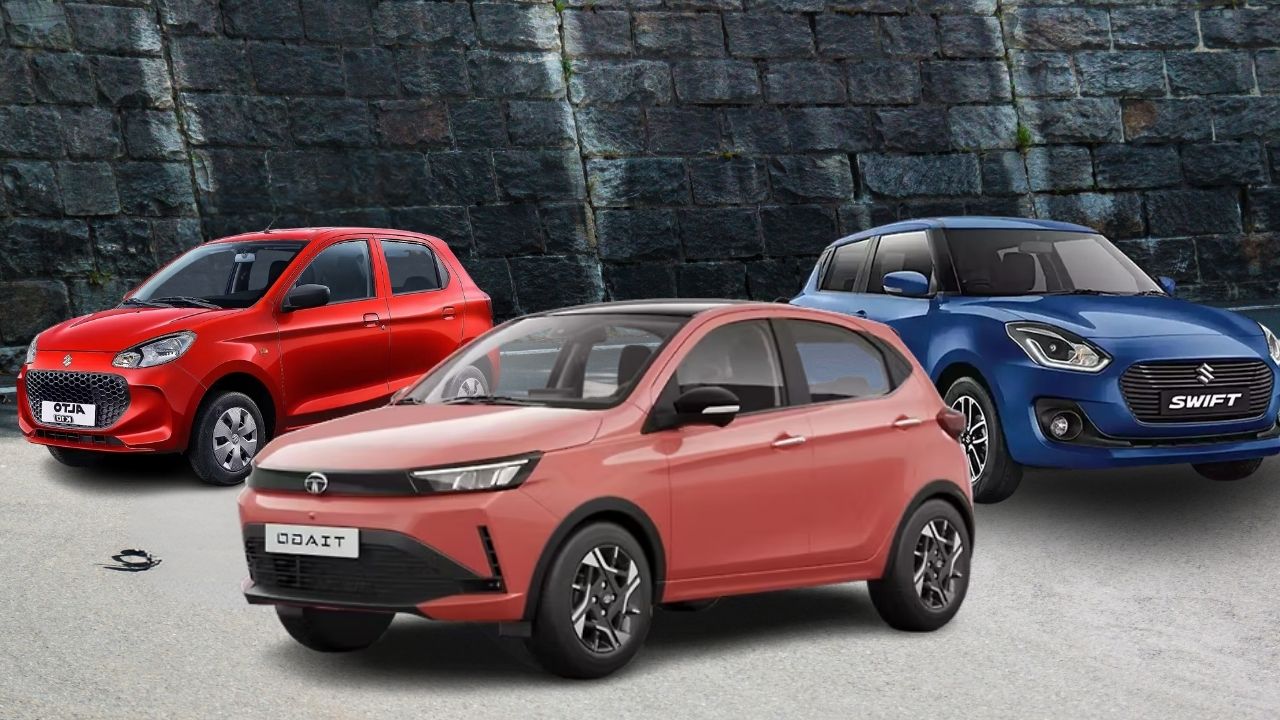
Tata launched the Tiago AMT which immediately became the top model in Automatic Cars Under 10 Lakhs list. Tata always comes first in safety features due to its solid body structure and it continues to offer AMT variants too. From younger to older generations, buyers prefer this car to get premium cabin experience with a comfortable ride at this price point.

Feature Details
Transmission 5-speed AMT
Engine 1.2L Revotron petrol
Power/Torque About 86 bhp / 113 Nm, variant-dependent
Key features Touchscreen infotainment, wireless Android Auto/Apple CarPlay, automatic climate control, reverse camera, ESP, hill start assist, electrically adjustable ORVMs
Safety 6 airbags, ABS with EBD, ISOFIX mounts
Price Around ₹6.31 lakh to ₹6.91 lakh ex-showroom for AMT variants, depending on variant


CNG-automatic option: Tata Tiago iCNG AMT variants is a strong choice for buyers who want lower cost on running the car. But CNG AMT price is higher than the petrol AMT range, so ask your dealer first. 

3. Maruti Suzuki Swift AMT

This is the most common hatchback of India for years now. Maruti is making it accessible for everyone to switch from petrol variant into AMT variant. There is no struggle for service as Maruti’s service network is wider. 

Feature Details
Transmission 5-speed AMT
Engine 1.2L Z-Series petrol, 3-cylinder
Power/Torque About 80.46 bhp / 111.7 Nm
Mileage Around 25.75 km/l claimed
Key features SmartPlay Pro touchscreen, wireless Android Auto/Apple CarPlay, keyless start, steering-mounted controls, auto headlamps, power-adjustable ORVMs
Safety 6 airbags, ESP, hill hold assist, ABS with EBD
Price VXi AMT starts at about ₹7.13 lakh ex-showroom; higher AMT variants cost more

Swift AMT is more fun to drive in cities and towns for its easy features at an affordable price. Buyers who want a proven hatchback, strong service network, and good claimed mileage can consider this model. 

4. Hyundai Grand i10 Nios AMT

Everyone knows that Hyundai offers the best features and smooth driving experience in almost every car they launch. That’s the statement of a brand to make their name stand in a market. Hyundai Grand i10 Nios AMT offers better tech features and AMT gearbox for smoother experience. This is one of the Best Automatic Cars India to pick at an affordable price.

Feature Details
Engine 1.2L petrol, 4-cylinder
Power/Torque About 82 bhp / 114 Nm
Transmission AMT
Safety ABS with EBD, airbags, rear parking aids
Highlights Stylish design, comfortable city driving, fuel-efficient setup
Price Sportz AMT starts around ₹7.45 lakh ex-showroom; confirm the latest variant-wise price with Hyundai

5. Renault Kwid AMT

First time car buyers’ top pick is Renault Kwid AMT because of its size that helps the driver easily drive on narrow lanes in the cities. It is perfect for small families and solo commuters. The automatic version adds that extra layer of ease for daily commutes.

Feature Details
Transmission 5-speed AMT
Engine 1.0L petrol
Power/Torque About 67 bhp / 91 Nm
Mileage Around 22.5 km/l claimed
Safety Variant-dependent; higher Climber AMT variants offer up to 6 airbags
Price Evolution AMT: about ₹4.90 lakh; Climber AMT: about ₹5.61 lakh, ex-showroom

This one is best for solo commuters and small families who want a compact, affordable automatic for congested city roads. 

6. Tata Punch AMT

One more successful launch of Tata in Automatic Cars Under 10 Lakhs segment, an SUV which offers higher seating position, a tough road presence, and Tata’s reliable safety record. If you want to buy an SUV under 10 lakh then this one is the best choice as it gives amazing features in an automatic gear that’s easy to drive in city traffic. This is also one of the Best Automatic Cars India is offering.


Feature Details
Transmission 5-speed AMT
Engine 1.2L Revotron petrol
Power/Torque About 87 bhp / 115 Nm
Mileage Around 18.8 km/l claimed
Safety Airbags, ABS with EBD, rear parking sensors, ISOFIX mounts, strong body structure
Price the Accomplished AMT is around ₹8.89–9.05 lakh ex-showroom 

CNG-automatic option: Tata also offers Punch CNG AMT variants. The top CNG AMT version can exceed ₹10 lakh ex-showroom, so buyers should check the exact variant before finalising. Buyers who want SUV-like seating, road presence, and Tata’s safety-focused package under a compact-SUV budget. 

Automatic Cars Under ₹10 Lakh Quick Comparison


Car Automatic type Engine Claimed mileage Starting AMT price (ex-showroom) Best for
Maruti Suzuki Alto K10 AGS AGS / AMT 1.0L petrol About 24.9 km/l ₹4.95 lakh Lowest-cost automatic ownership
Renault Kwid AMT AMT 1.0L petrol About 22.5 km/l ₹4.90 lakh Narrow lanes and city commuting
Tata Tiago AMT AMT 1.2L petrol Variant-dependent About ₹6.31 lakh Safety, features, premium cabin
Maruti Suzuki Swift AMT AMT 1.2L petrol About 25.75 km/l About ₹7.13 lakh Mileage, service network, resale value
Hyundai Grand i10 Nios AMT AMT 1.2L petrol Variant-dependent About ₹7.45 lakh Refinement and features
Tata Punch AMT AMT 1.2L petrol About 18.8 km/l About ₹8.89 — 9.05 lakh SUV stance and safety-focused package

What’s the Difference Among AMT vs CVT vs AGS?

A lot of buyers get confused between these terms, so let’s simplify it. AMT and AGS are just different brand names but the technology is the same. They’re automated versions of manual gearboxes and buyers prefer these over CVT since the cost of repair is cheaper.

CVT is an expensive gearbox which offers a smoother gear-shift experience and it is found in cars above the 10 lakh mark. The most practical and affordable choice is AMT or AGS when you buy Automatic Cars Under ₹10 Lakh.

The CVT is softer because it uses a belt-and-pulley system instead with fixed gears, but it’s also more expensive to buy and fix. 

What Should You Check Before Buying an Automatic Car?

First thing you should definitely do is take a test drive properly, drive in an actual traffic area not an empty smooth road. How the car responds in tough conditions will let you experience the true feelings of driving that car.

Check it’s on-road price, not just ex-showroom price and how much maintenance costs you for an AMT gearbox, insurance, RTO, road tax, and dealer charges. And the most important point is resale value. CNG AMT availability, if your daily running is high. 

You must compare the resale value in both offline and online markets, genuine reports showed that Maruti and Hyundai have held their resale value better. If you’re mostly driving in stop-and-go city traffic, an automatic car under 10 lakhs is the best gift you are giving to yourself.

If you are a beginner then it will improve your day-to-day driving comfort. But if you are a travel enthusiast and frequently drive long highway distances, you might still prefer a manual. Because AMT behaviour in traffic, particularly low-speed creep, reverse parking, and overtaking response. Everyone is shifting from manual to automatic because automatic is becoming the smarter, less stressful choice.

Conclusion

The car market is upgrading itself day-by-day with more modern cars. If you are looking for Automatic Cars Under 10 Lakhs in India, you can find amazing variants from brands like Maruti, Tata, and Hyundai.

Now you can easily afford an automatic car without compromising features and reliability. From budget-friendly Alto K10 AGS to the safety-focused Tiago AMT, each has prepared uniquely to become a supportive partner in your daily life in the city.

Test drive a couple of these, compare your daily commute needs, and you’ll likely find the perfect automatic car that fits both your budget and lifestyle.

Sharey Khan

Sharey Khan is an IT entrepreneur and petrol head & a car enthusiast. With a special focus on car-related content, he combines his deep passion for vehicles with a talent for crafting informative, engaging, and easy-to-understand content. His writing is driven by a genuine love for cars and he is committed to providing readers with accurate, up-to-date, and trustworthy information that empowers smarter driving decisions. 

Leave a Reply

Your email address will not be published. Required fields are marked *

0

Best Brake Pads for Cars: Top Options for Safe Driving

Brake Pads

If you are wondering that buying premium brake pads will not get loosened up quickly and save you by kicking on the car that is just next to you, then you are wrong. The best brake pads for cars are actually the ones that fit and are durable on the road. Brands are making specific types of brake pads so they can handle the Indian roads and traffic area when you have to push your foot on the brake pedal every five-minutes.

Most car owners in India replace pads only when a mechanic points at worn friction material or the dashboard warning light comes on. That’s late. Pads typically wear down to replacement thickness around 30,000–35,000 km in Indian city conditions, where stop-and-go traffic and frequent braking put more cycles on the pad than steady highway driving would. Waiting for a screech means you’ve likely already scored the rotor, which turns a ₹2,000 pad job into a ₹6,000–₹8,000 pad-and-disc job.

Let’s look into a breakdown of what makes one brake pad different from others, which offers the quality that you need for your car and where you should buy it.

What Actually Separates One Brake Pad from Another

There are three friction categories which define the quality of brake pad and make one different from another. Understand these categories before buying it because that matters more than the brand name on it.

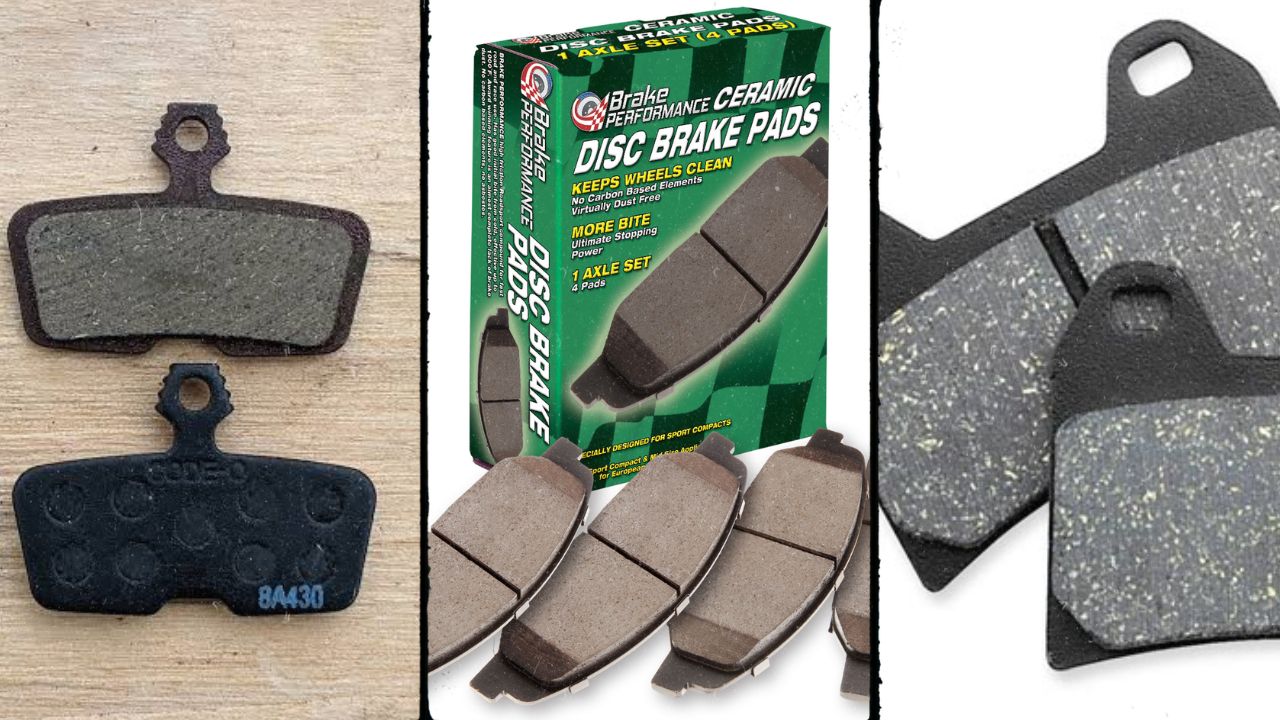
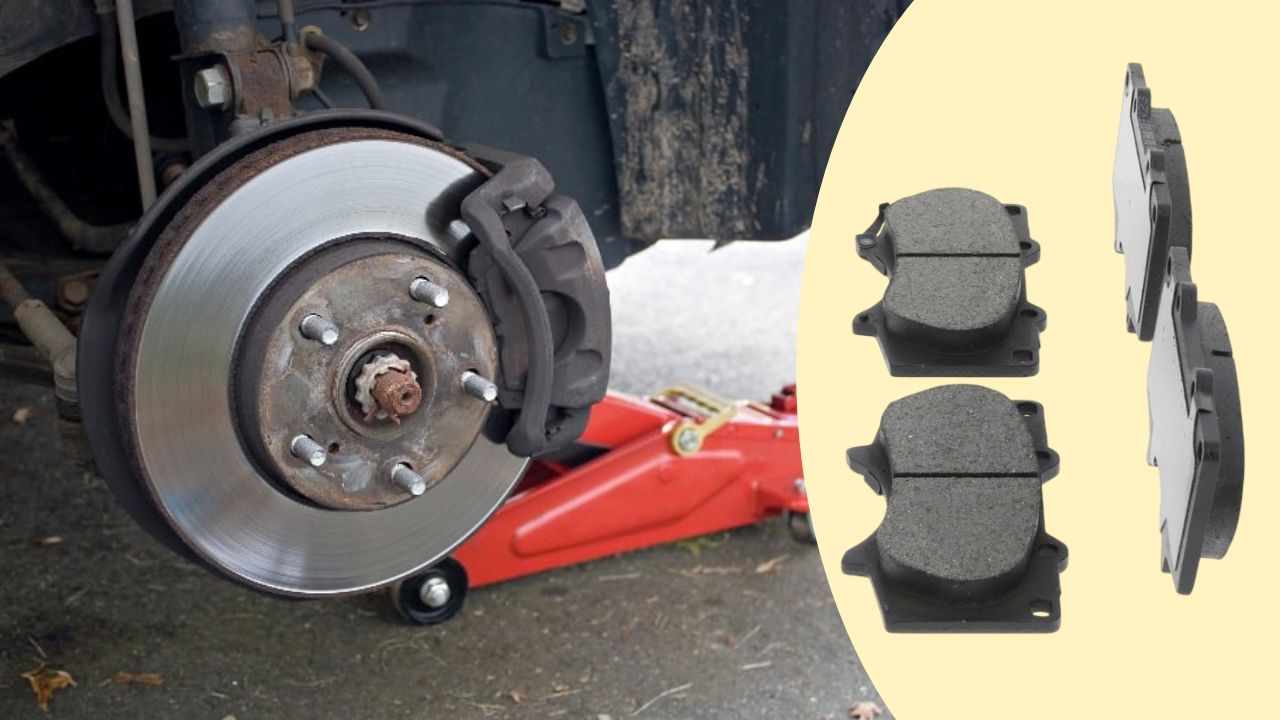
Semi-metallic pads mix steel wool, copper, or iron with friction material. They handle heat well — Indian summers and hill-descent braking can push disc temperatures past 500–600°C — and they bite harder under sudden braking. The real drawback is its increased noise and quicker rotor wear.

Ceramic pads make no noise and produce less brake dust which make the wheels alloy cleaner and run last longer under normal city driving. They are also expensive because they are made up of clay-and-fiber compounds reinforced with copper or metal fibers. But they’re not good in hot areas as semi-metallic pads so it makes them effective for hatchbacks and sedans running in cities and highways rather than mountain driving or heavy towing. 

Brake Pads

Non-asbestos organic (NAO) pads are the softest and quietest option, common on entry-level OEM fitments. They’re gentle on rotors but wear out faster and lose bite when hot, so they’re a budget-daily-commute choice rather than a performance one.

Fitment matters as much as compound. A pad that’s a perfect metallurgical match for a Honda City won’t necessarily exist in the same part number for a Hyundai Creta, even if both are C-segment cars. Always cross-check the pad against your car’s exact variant and manufacturing year before ordering — a wrong-fit pad can affect ABS calibration on newer cars with electronic brake-force distribution.

Best Brake Pads for Cars in India: Top Picks

1. Bosch QuietCast / Bosch DoubleTec

Compound: Semi-metallic and ceramic variants | Indicative price: ₹2,000–₹4,000 per axle set

Bosch supplies brake components directly to several OEMs in India, which means their aftermarket pads are built to the same tolerances as what left the factory on many Maruti Suzuki and Hyundai models. The QuietCast line uses a rubber-core shim under the backing plate specifically to cut down pad squeal, which is the most common owner complaint with cheaper aftermarket pads. This is the pick for someone who wants a known-quantity daily driver pad without shopping by price alone.

2. TVS Girling

Compound: Semi-metallic, OEM-spec | Indicative price: ₹1,200–₹2,500 per axle set

TVS Girling is an original-equipment supplier for a wide range of Indian passenger cars, so buying their aftermarket pad is close to buying a factory-spec replacement rather than a third-party approximation. It’s not a performance pad — don’t expect Brembo-level bite — but for a hatchback or compact sedan doing standard city driving, it’s the pad most Indian service centers will already stock and recommend.

3. Rane Brake Lining (RBL)

Compound: Semi-metallic and NAO variants | Indicative price: ₹1,000–₹2,200 per axle set

Old car or second hand car owners mostly prefer Rane Brake Lining because they are the most budget-friendly and well-established brand here. RBL brake pads are reliable and durable, serving excellent stopping power without paying for a premium badge. That’s why it becomes one of India’s largest domestic manufacturers of brake friction material.

4. Brembo

Compound: Semi-metallic, performance-oriented | Indicative price: ₹6,000–₹10,000+ per axle set

Brembo is an expensive brand serving premium OEM braking systems for components for luxury SUVs and well-performing cars. Its aftermarket pads are designed for providing consistent stopping power in a high-rise temperature, it is a strong choice for hill drivers and cars taking trips on Manali–Leh or Munnar routes, and for cars that see spirited driving. For flat-city commuting, this is more pad than most drivers need — the price reflects performance headroom, not a proportionally better daily-driving experience.

5. ADR

Compound: Ceramic and semi-metallic | Indicative price: ₹1,500–₹3,000 per axle set

ADR has built a presence in the Indian aftermarket as a mid-tier option — priced above the budget domestic brands but below Bosch and Brembo. It is worth checking for hatchback and compact-SUV applications where ADR’s Ceramic line is marketed as a quieter replacement to semi-metallic OEM pads at the same price. 

6. Workshop-brand ceramic pads (e.g., GoMechanic Safetec+, Ceradrive)

Compound: Ceramic | Indicative price: ₹1,500–₹3,500 per axle set

Among some of the new-age options is the emergence of house-brand ceramic brake pads by some workshop chains and online retailers for popular cars such as the Alto, WagonR and Celerio. They can be quieter, produce less dust and cost less, making them ideal for everyday city driving. However, they don’t have the history of established manufacturers, so definitely look at the warranty coverage and recent reviews for your particular car before opting for one over a name brand. 

Bosch vs. TVS Girling: The Two Most Common Choices

These two come up most often when Indian owners ask a mechanic “which pad should I actually buy,” so a direct comparison is more useful here than a generic spec table.

Bosch QuietCast/DoubleTec TVS Girling
Compound Semi-metallic / ceramic Semi-metallic
Indicative price ₹2,000–₹4,000 ₹1,200–₹2,500
Noise level Low (shim-damped) Moderate
Workshop availability Wide, including multi-brand service chains Very wide, especially at authorized dealer network garages
Best for Daily driving where quiet operation matters Budget-conscious daily driving, factory-spec replacement

If your priority is matching exactly what the manufacturer intended and paying the least for it, TVS Girling is the more defensible choice. If you’ve noticed brake noise with your current pads and want that fixed on the next replacement, Bosch’s shim design specifically targets that problem.

OEM Dealer vs. Aftermarket: What You’re Actually Paying For

At a Maruti Suzuki authorized workshop, front pad replacement typically runs ₹1,800–₹2,500 including fitting. Hyundai dealer pricing tends to sit around ₹2,000–₹3,500. For Honda, Toyota, Renault, and Nissan, OEM pad-and-labor costs commonly start from ₹3,500 and climb depending on the model. These figures move with your city and specific service center, so treat them as a planning range rather than a quote.

Brake Pads

When you buy manufacture approved brake pads at a dealer price for your exact car with warranty linked to your service, you pay an extra ₹500–₹1,500 if the same compound is available in the aftermarket. The catch is as long as you confirm they fit your car and have them installed by a trusted mechanic. 

Both options are not always perfect if you have a warranty for your car then OEM pads may be a safer choice. These aftermarket pads from a trusted brand are good for old and second cars, as it can save money without sacrificing safety. 

Things to Review Before Making a Decision

A couple of things are always worth confirming before you buy, no matter which brand you’re considering: see if the listing is for your exact variant and year of car, not just the model name because brake systems change across facelifts. 

Look for a friction material certification (ECE R90 is the relevant European homologation standard many Indian aftermarket brands now reference) rather than relying on marketing copy alone. And if a listing price looks unusually low for a named brand like Bosch or Brembo, treat it as a counterfeit-risk signal — India’s aftermarket brake market has a known problem with pads sold under premium branding that aren’t genuine, and a pad that’s dimensionally wrong or metallurgically inconsistent is not somewhere to save ₹500.

Brake Pads

None of the brands above is the universally “right” answer — a Brembo pad on a city-only hatchback is over-spec’d the same way a budget NAO pad on a hill-route SUV is under-spec’d. Match the compound to how and where you actually drive, confirm fitment against your specific variant, and the rest of the decision mostly makes itself.

Conclusion

The best brake pads for your car aren’t necessarily the most expensive ones but the ones which fit your car, depending upon driving conditions and braking needs. Bosch, TVS Girling, or Rane Brake Lining are best fit for cars running in the city everyday as they offer a good performance on stopping, long-lasting, and price. Heavy-performance brake pads like Brembo are best matched for cars running on hills, carrying heavy loads, and pushing harder but the cost is little expensive.

Whatever you choose, don’t ignore the quality product over cheap products which your seller recommended, trust yourself. Check closely exact variant and model-year fitment, trust reliable source, and let the competent mechanic install the pads and inspect discs. The best brake pad is an essential part of the brake system because when stopping matters so the reliability is worth far more than saving a few hundred rupees.

0

Audi SQ8 Launched in India: New Engine, High Performance & Design

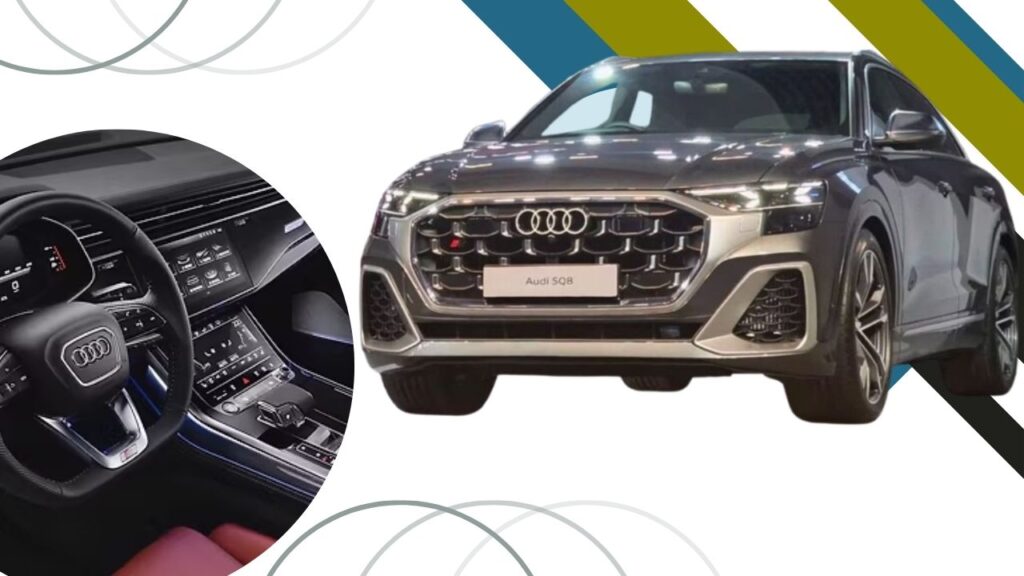
Audi SQ8

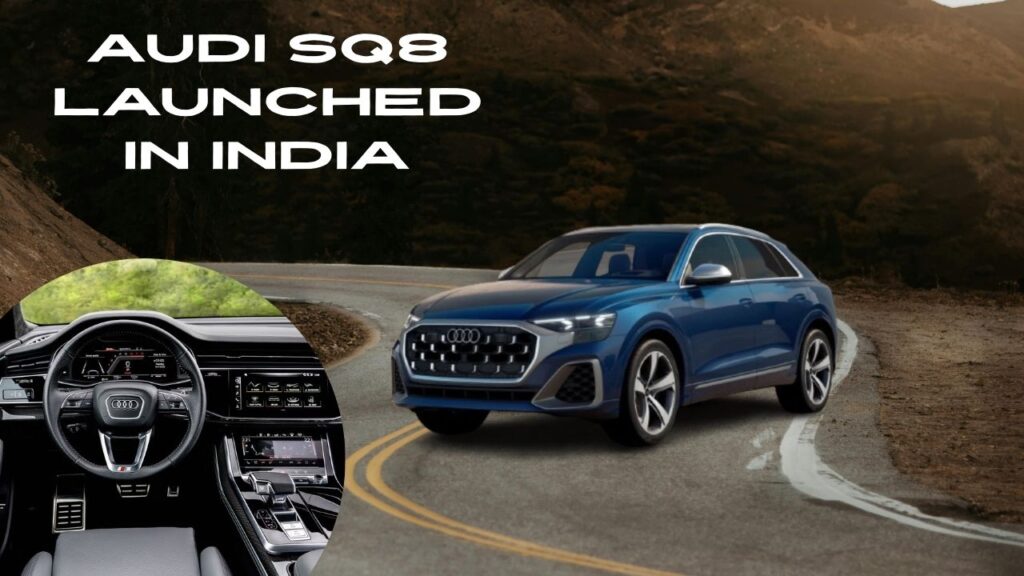
For years, luxury SUV buyers in India were presented with an interesting choice when they stepped into an Audi showroom. If you liked the aggressive, coupe-style roofline of the Audi SQ8 but were aching for truly, heart-stopping performance, your options were painfully divided. Either pick up the regular Q8, which is extraordinarily luxurious but more comfortable than fast, or you can remortgage your house for the fire-breathing, track-ready RS Q8.

The difference was a hefty Rs 1.2 Crore. Audi SQ8 enters at the right time when Audi has neatly balanced its lineup, it became the right option for high performance and comfort seekers.

Price of New Audi SQ8

Introduced with a starting price of Rs. 1.78 Crore (ex-showroom), the brand new SQ8 was designed to offer V8 supercar thrills with none of the limitations or excuses that have got in the way of your family. Sure as an AI I can’t feel the G-forces of a 0-100 sprint, but I can absolutely explain what is causing such a stir in the Indian car market with this launch.

Let’s get straight to the price, the spec sheet and that glorious V8 engine along with the features that make the new Audi SQ8 so special. 

Variant Ex-Showroom Price Engine / Power
Audi Q8 Rs 1.13 Crore 3.0L V6 / 340 hp
Audi SQ8 (New) Rs 1.78 Crore 4.0L V8 / 507 hp
Audi RS Q8 Performance Rs 2.34 Crore 4.0L V8 / 640 hp

With a price tag of Rs 65 lakh more for the SQ8 from the standard model, it is undeniably a costly jump. However when you consider that it’s essentially a detuned RS Q8 – sparing you a mind-boggling Rs 56 lakh over the flagship – the SQ8 begins to look like the most intelligent purchase in the performance luxury segment. 

Absolute Best Part of This Car

As rival manufacturers are shrinking engines to turbocharged six-cylinders or leaning more on hybrid aid, Audi is preserving the V8 dream. It offers a 4.0-litre twin-turbo TFSI V8 petrol engine that runs with top speed smoothly. 


Specification Value
Maximum Power 507 hp (373 kW)
Peak Torque 770 Nm
Transmission 8-speed automatic gearbox
Drivetrain Quattro all-wheel drive which is a signature for driving tech

Audi SQ8 Performance 

The moment you press the accelerator, this SUV shoots from 0 to 60 mph in 4.1 seconds. You really need to see this to believe it: approaching two tons can move like this, easily matching proper sports cars as it serves the speed up to 250 km/h. 

Adaptive air suspension and 4-wheel steering is what makes a difference in the Audi SQ8 than any other SUVs. In daily driving, particularly at low speed, the rear wheels are steered slightly opposite to the front wheels. That sounds like tech mumbo jumbo, but in the real world it just means tighter turns and much easier parking — something you’ll really thank me for in city traffic. 

SQ8’s sport exhaust system

Step on it more on the freeway and the system compensates. At higher speeds, the rear wheels turn in tandem with the front wheels, inspiring unbelievable stability especially when performing rapid lane changes in the SUV. And if you like your handling a bit sharper, Audi even offers an optional high-end suspension system with active roll stabilization and a sport rear differential that makes the drive even more dynamic. 

And then there’s the sound. Start it and you’re greeted by a deep, unmistakable V8 rumble from the SQ8’s sport exhaust system with quad tailpipes. Isn’t it great that when you hear a certain sound you instantly know — this isn’t a luxury SUV, it’s a performance machine? 

A Design That Commands Respect

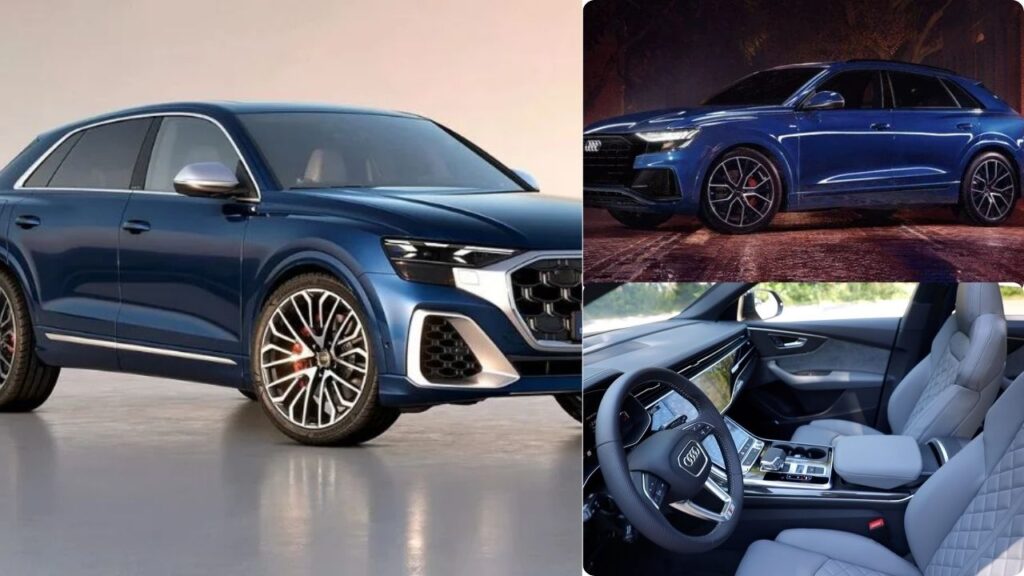
The SQ8 hits the right balance between imposing and subtle. It holds the standard Q8’s sleek, coupe-SUV profile but adds just enough muscular hostility to let onlookers know this thing is serious. 

The Front: It wears Audi’s trademark Singleframe grille, but this one comes in a honeycomb design with exclusive silver trims and larger, functional air intakes on the bumper that feature fog lights. 

The Lighting: HD Matrix LED headlights with Audi Laser Light are included as standard and feature four preselectable daytime running light images.

The Profile: Standard on the SQ8 are enormous 21-inch alloy wheels (there are 22-inch graphite grey options available). The strong shoulder line, the frameless doors, the red brake calipers bearing the “S” emblem all scream performance.

The Rear: You have the gorgeous linked OLED taillights and an aggressive rear diffuser that cradles those real quad exhaust tips. 

Inside the Cabin

You could be purchasing the SQ8 for the engine, but you’re lying if you say you’ll be spending all your time in the cabin and Audi certainly hasn’t skimped on the luxury. The design of the interior is akin to that of the Q8, but with some sportier ‘S’ touches thrown in. 

Audi SQ8 Tech & Displays:

Audi’s slick dual-screen layout takes up much of the dashboard space. There’s a 10.1-inch primary infotainment display at the top for your navigation and media, and an 8.6-inch secondary touchscreen below focused on climate and vehicle controls. The 12.3-inch Audi Virtual Cockpit behind the flat-bottom steering wheel is fully digital with exclusive “S-spec” performance graphics. 

Audi SQ8 comfort

Comfort & Materials:

It’s the best of both worlds when it comes to the Audi SQ8 seats. They are covered in a high quality blend of Dinamica microfiber and leather that makes them feel luxurious and high end as soon as you sit down. 

But these aren’t bucket racing seats. They’re both just as comfortable for everyday use, says Audi. The front seats are packed with features such as heating, ventilation, full power adjustments and even a massage function.

Cabin features that gives immense look include:

  • A panoramic sunroof is provided in this car.
  • Peak audio system with speaker, 730W Bang and Olufsen 3D Premium Sound System.
  • Four-zone deluxe automatic climate control (plus fragrance feature as option).
  • Multi-color ambient light (30 colors in options).
  • Soft-close doors (automatic latching) and power tailgate.
  • A supremely practical 604-litre boot space.

Safety and Driver Assistance

What we’ve learned is that the need for safety tech scales with power. You will receive the best safety elements in your 2026 Audi SQ8 that take your and your family worries away. It includes:

  • The cabin has 8 Airbags to open in any crash.
  • Driving and Parking is becoming easier with a 360-degree camera system.
  • New ADAS Level 2 including Lane Departure Warning, ACC (Adaptive Cruise Control), and BSM (Blind Spot Monitoring).
  • SUV is stepping on to the next level with optional for buyers who require fade-free stopping power. 

Conclusion

In India, the Audi SQ8 has challengers such as Mercedes-AMG GLE Coupe and the BMW X 5 M60i and Porsche Cayenne GTS for the luxury customers.

But there’s really nothing like the Audi SQ8. It’s for the buyer who wants the thunderous soundtrack and brutal acceleration of a V8, but doesn’t want the stiff, bone-crushing ride which typically comes with top-tier track SUVs. 

It’s a real two-face car: a quiet, comfortable, tech-laden high-end cruiser Monday to Friday and a 507-hp rocket on the weekends. It certainly is a big ask at Rs 1.78 crore. The Audi SQ8 suggests that the middle is not so bad, after all, when it comes to SUVs – at least when that middle is the top. 

0

Mr Beast Car Collection: Inside the Garage of a YouTube Billionaire!

Published Jul 12, 2025, 12:55 PM
Last Updated Jul 17, 2025, 7:03 AM

Mr Bеast Car Collеction

Mr Bеast, whosе rеal namе is Jimmy Donaldson, is not just a YouTubеr, hе’s a global star. Hе is known for his crеativе vidеos, giant givеaways, and fun challеngеs. With so much succеss, it’s no surprisе that hе owns somе amazing cars. Thе Mr Bеast car collеction 2025 is full of powеr, stylе, and spееd. Lеt’s takе a closеr look at thе cars hе owns and what makеs еach onе spеcial.

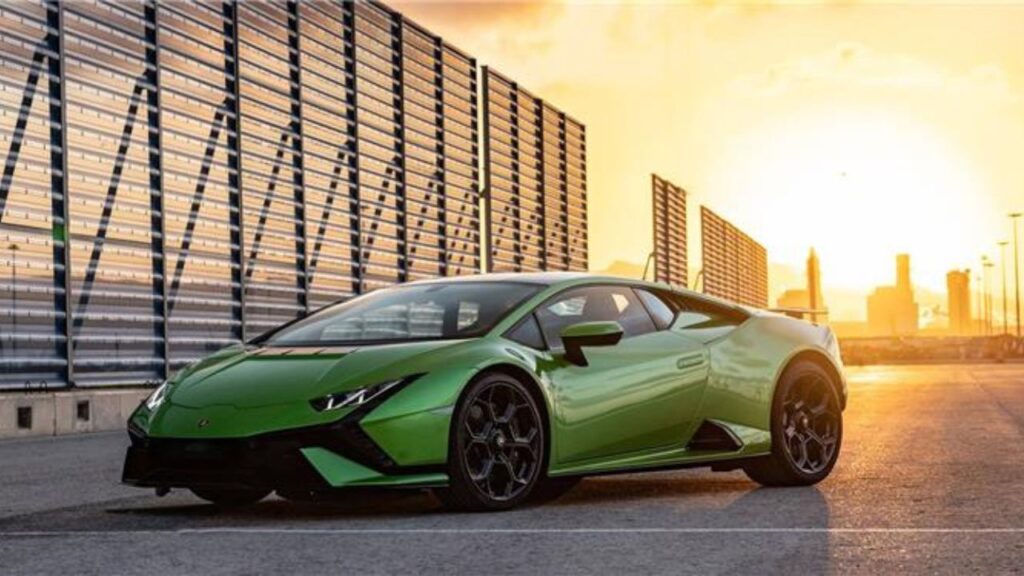
Lamborghini Huracán

Lamborghini Huracán

Image Credit: Lamborghini

Onе of thе flashiеst cars in Mr Bеast’s garagе is thе Lamborghini Huracán Spydеr. This car is built for pеoplе who lovе to go fast and turn hеads. It has a powеrful 5.2-litеr V10 еnginе that makеs around 610 to 640 horsеpowеr. That’s why it can go from 0 to 100 km/h in just 3.1 sеconds. Thе top spееd is about 325 km/h, which is supеr fast.

Thе car also has a spеcial fеaturе, a soft-top roof that opеns in just 17 sеconds. You can еnjoy opеn-air driving on a sunny day. It comеs with a 7-spееd dual-clutch transmission and offеrs both All-Whееl Drivе (AWD) and Rеar-Whееl Drivе (RWD) options. This pеtrol-powеrеd car is pеrfеct for somеonе who еnjoys spееd, sound, and stylе. Thе еstimatеd pricе in India is bеtwееn ₹2.07 crorе and ₹2.48 crorе.

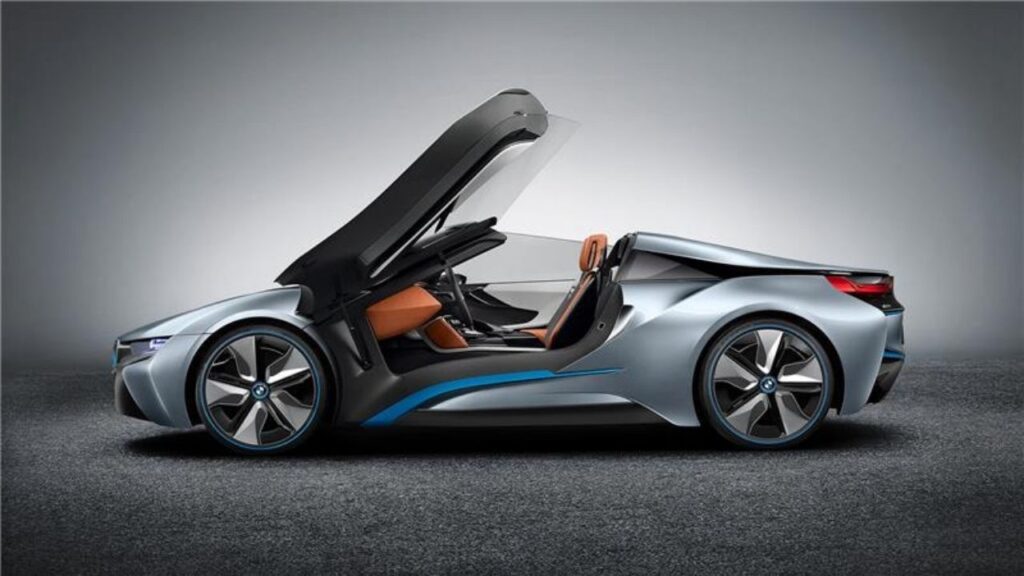
BMW i8

BMW i8

Image Credit: BMW

Anothеr uniquе ridе in thе Mr Bеast car collеction 2025 is thе BMW i8. This car looks likе it camе from thе futurе. It has a slееk body, glowing lights, and scissor-stylе doors that opеn upward. But what rеally makеs it diffеrеnt is thе еnginе. Thе BMW i8 usеs a 1.5-litеr 3-cylindеr pеtrol еnginе and an еlеctric motor togеthеr. Togеthеr, thеy producе around 369 horsеpowеr.

Thе i8 can hit a top spееd of 250 km/h and goеs from 0 to 100 km/h in about 4.4 sеconds. Evеn though it is fast, it’s also kind to thе еnvironmеnt. It runs as a plug-in hybrid, so it usеs both еlеctricity and pеtrol. It has All-Whееl Drivе (AWD) and a 6-spееd automatic transmission. With a pricе bеtwееn ₹1.24 crorе and ₹1.37 crorе, it’s pеrfеct for somеonе who lovеs both spееd and tеchnology.

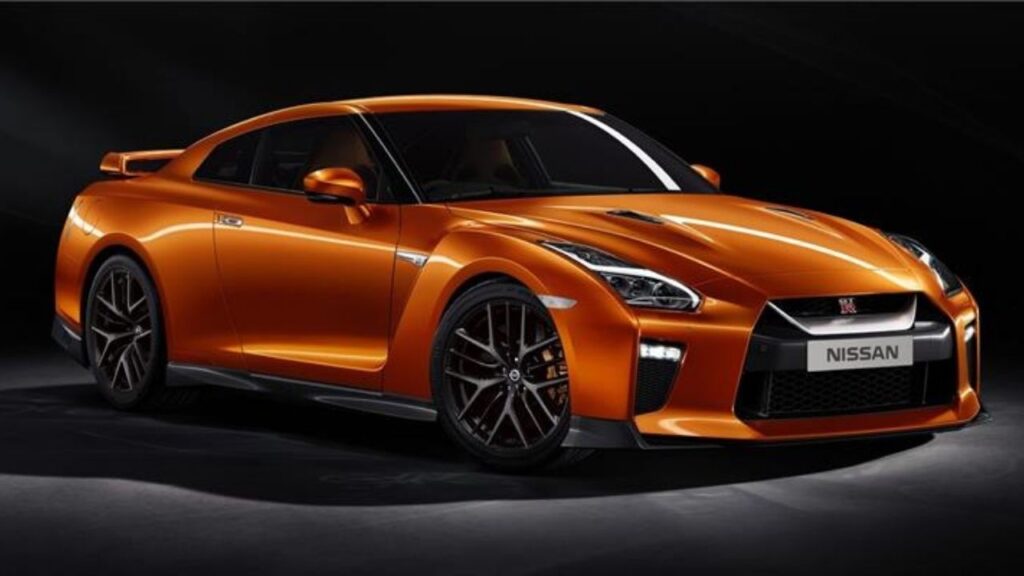
Nissan GT-R

Nissan GT-R

Image Credit: Nissan India

Mr Bеast also owns thе powеrful Nissan GT-R, also known as “Godzilla” in thе car world. This car comеs with a strong 3.8-litеr twin-turbo V6 еnginе. It makеs around 565 horsеpowеr, which hеlps it rеach 0 to 100 km/h in just 2.9 sеconds. Its top spееd is closе to 315 km/h.

This car is all about pеrformancе. It’s not just fast on straight roads, it’s also grеat on sharp turns. Thе GT-R has All-Whееl Drivе (AWD), so it givеs morе grip and control. It comеs with a 6-spееd dual-clutch automatic transmission. With an еstimatеd pricе bеtwееn ₹1 crorе and ₹1.16 crorе, thе GT-R is a grеat choicе for anyonе who wants a supеrcar еxpеriеncе at a lowеr pricе.

Read More:- Mahindra Cars 7 Seater in India You Must See Before Buying!

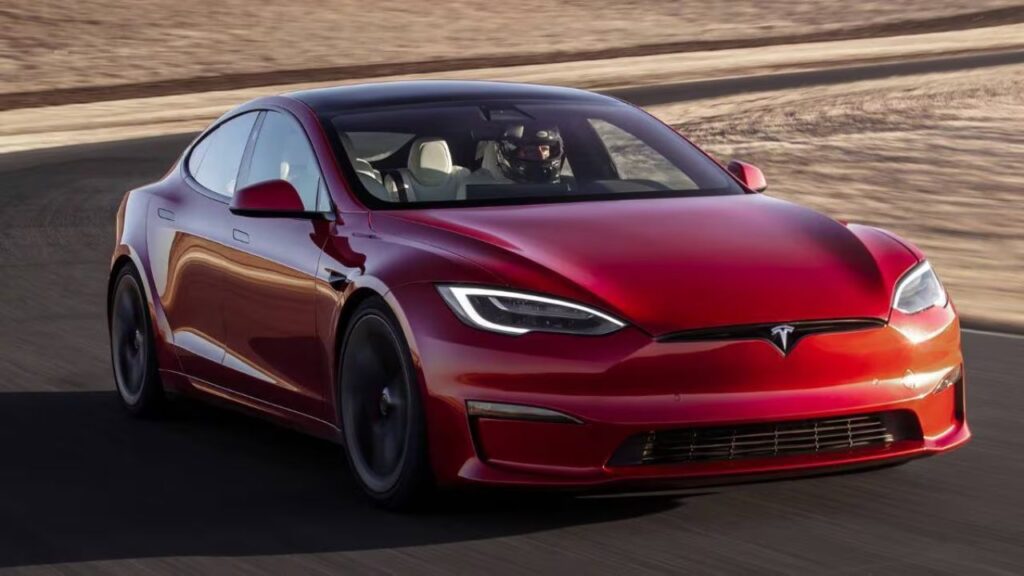
Tеsla Modеl S Plaid

Tеsla Modеl S Plaid

Image Credit: Tesla

Mr Bеast also lovеs еlеctric cars. Onе of his favoritеs is thе Tеsla Modеl S Plaid. This car is not only fast but also runs on еlеctricity. It has thrее еlеctric motors that togеthеr producе ovеr 1,000 horsеpowеr. That’s morе than many pеtrol-powеrеd supеrcars!

Thе Tеsla Modеl S Plaid can go from 0 to 100 km/h in just 2.1 sеconds. That’s supеr quick. It can also rеach a top spееd of 322 km/h. Bеcausе it’s еlеctric, it makеs no еnginе sound, but it still dеlivеrs crazy spееd. It offеrs All-Whееl Drivе (AWD), has long battеry lifе, and fеaturеs Tеsla’s famous touchscrееn systеm and autopilot fеaturеs. In India, thе pricе is bеtwееn ₹74.7 lakh and ₹1.12 crorе.

Dodgе Challеngеr SRT Hеllcat 

Dodgе Challеngеr SRT Hеllcat

Image Credit: Dodge

Onе of thе loudеst cars in thе Mr Bеast car collеction 2025 is thе Dodgе Challеngеr SRT Hеllcat. This Amеrican musclе car is known for its loud еnginе and bold look. It has a hugе 6.2-litеr supеrchargеd V8 еnginе that givеs around 717 horsеpowеr. Thе sound of thе еnginе is thundеrous, and thе pеrformancе is wild.

This car can go from 0 to 100 km/h in about 3.6 sеconds and has a top spееd of 320 km/h. It comеs with a rеar-whееl-drivе systеm and an 8-spееd automatic transmission. Thе Hеllcat is not just a car, it’s an еxpеriеncе. With a pricе rangе of ₹53.9 lakh to ₹70.6 lakh, it brings old-school powеr with nеw-agе stylе.

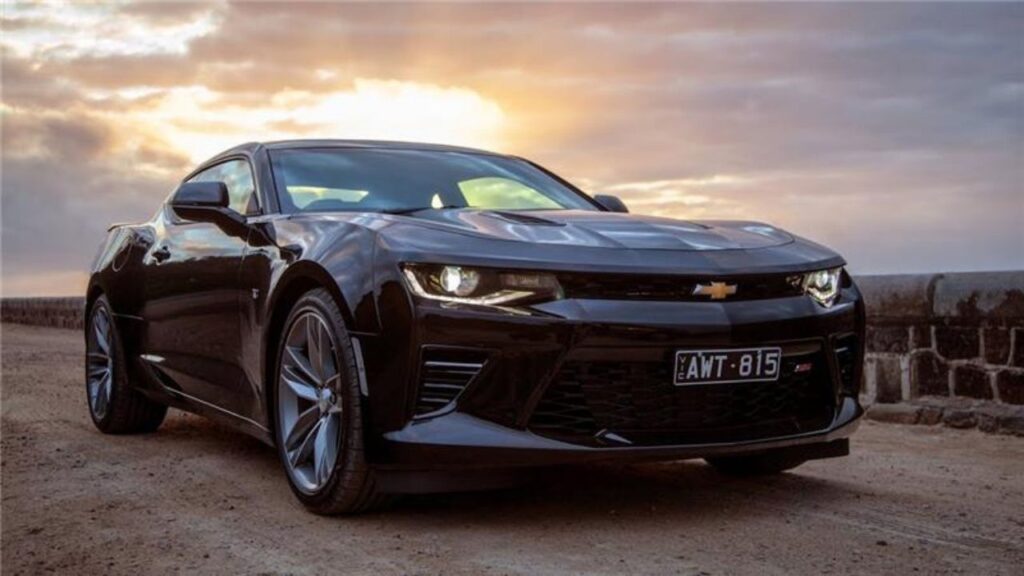
Chеvrolеt Camaro

Chеvrolеt Camaro

Image Credit: YouTube

Mr Bеast also owns a Chеvrolеt Camaro, a car that mixеs musclе and looks. Thе Camaro is famous in Hollywood moviеs and among car fans. It comеs with diffеrеnt еnginе options, including a 2.0-litеr turbo, 3.6-litеr V6, and 6.2-litеr V8. Dеpеnding on thе еnginе, thе car producеs bеtwееn 275 and 650 horsеpowеr.

It can rеach a top spееd of about 290 km/h and goеs from 0 to 100 km/h in undеr 4 sеconds (with thе V8). Thе Camaro has a stylish dеsign, bold linеs, and sharp hеadlights. It offеrs both manual and automatic transmission. With pricеs ranging from ₹24.9 lakh to ₹58.1 lakh, thе Camaro is a grеat mix of pеrformancе and stylе.

Final Words on Mr Bеast’s Garagе

Mr Bеast’s garagе is full of stylе, spееd, and surprisеs. From еlеctric supеrcars to loud musclе machinеs, his collеction has somеthing  for еvеry car lovеr. But what makеs it еvеn coolеr is how hе usеs thеsе cars, not just for driving, but also for giving back, making fun vidеos, and bringing smilеs to pеoplе’s facеs.

Thе Mr Bеast car collеction 2025 is not just about owning fancy cars. It’s about passion, crеativity, and kindnеss. That’s why fans all ovеr thе world lovе his garagе and lovе him еvеn morе.

0

Top 10 Most Fuel-Efficient Cars in India Under ₹10 Lakhs You Must See in 2025

Published Oct 3, 2025, 9:23 AM
Last Updated Apr 24, 2026, 11:19 AM

The 2025 Indian sub-₹10 Lakh automotive market is driven by ultra-low running costs, making CNG cars being the most popular option as they cost 50-60 percent less on fuel compared to petrol. Maruti Suzuki Celerio (34.43 km/kg) and Wagon R (34.05 km/kg) are two such models that set the efficiency benchmark.

Good hybrids (Grand Vitara, Urban Cruiser Hyryder) provide great mileage however are beyond this price range as they are priced above ₹10 Lakh.

Value shoppers must choose between:

  • Most Mileage Cars (Celerio, WagonR, AltoK10) Are Economical But Have Poor Safety Ratings (0–2 Stars).
  • Safer modern alternatives (Maruti Dzire – 5 star, Tata Tiago – 4 star) are a bit costlier, but they offer vital occupant safety.

Fuel Efficiency is Shaped By Two Key Realities:

ARAI vs Real-World Mileage

Since ARAI certified figures are laboratory tested and are doubtful.

City mileage in real life is relatively up to 47% lesser (Wagon R CNG claims 34 km/kg, but its real life mileage is 22 to 26 km/kg).

Efficiency needs to be calculated a little differently: km per litre for petrol/diesel, km per kg for CNG and the true financial metric is Cost per km (CpK) – and in terms of CpK, CNG comes out as the winner for the fuel is dirt-cheap.

Market Barrier for Hybrid Technology in India

Decent hybrids (like Grand Vitara, Urban Cruiser Hyryder) may come close to high mileage (28 kmpl) but still are out of reach in this segment, with prices commencing well over ₹10 Lakh (generally ₹17 Lakh+ on-road).

So, in the sub ₹10 Lakh buyers have to bank on CNG to get significant savings, with sophisticated hybrid efficiency being available only at the upper end of the cost spectrum. 

For the value-conscious consumer CNG is still the only viable option to really achieve Total Cost of Ownership (TCO) savings though that can really cash in only if consumers temper their expectations to the reality in real world mileage and not inflated ARAI figures. 

The Top 10 Fuel Efficiency Cars (Under ₹10 Lakhs)

Factory-fitted CNG variants, which come with the highest certified mileage figures, take the top spot in the the conclusive list of the most fuel-efficient cars under ₹10 Lakhs. The list below has been prepared on the basis of highest ARAI-certified efficiency figure of a single variant in all the cars available under the price cap of ₹10 Lakhs Ex Showroom for major metros.

Model/Variant Fuel Type ARAI Certified FE (km/unit) Ex-Showroom Price (₹ Lakhs)
Maruti Suzuki Celerio CNG 34.43 km/kg ₹ 6.65 – 8.64 Lakhs
Maruti Suzuki Wagon R CNG 34.05 km/kg ₹ 6.80 – 8.96 Lakhs
Maruti Suzuki Dzire Tour S  CNG 34.3 km/kg ₹ 7.19 – 9.00 Lakhs
Tata Tigor CNG 33.1 km/kg ₹ 6.49 – 8.90 Lakhs
Maruti Suzuki Alto K10 CNG 31.59 km/kg ₹ 5.50 – 7.18 Lakhs
Maruti Suzuki Baleno CNG 30.61 km/kg ₹ 7.70 – 9.10 Lakhs
Hyundai Aura  / Grand i10 Nios  CNG 28.0 km/kg ₹ 8.00 – 9.00 Lakhs
Tata Tiago  CNG 26.49 km/kg ₹ 6.15 – 8.00 Lakhs
Maruti Suzuki Swift Petrol 25.75 kmpl ₹ 6.49 – 9.64 Lakhs
Honda Amaze Petrol 25.0 kmpl ₹ 7.92 – 9.50 Lakhs

The clearest feature of this list is the undeniable dominance of Maruti Suzuki: it takes 7 places out of the top 10. This widespread presence especially in the top CNG high-efficiency slots cements Maruti’s strategy of Efficiency as Core value Proposition. The company holds an edge to this day in its unique engineering of small displacement, highly tuned engines and integrated factory fitted CNG solutions.

The final two spots are taken by none other than Maruti Suzuki Swift and Honda Amaze. It shows that even a highly tuned petrol engine cannot objectively compete with the volumetric efficiency, cost efficiency and performance offered by MCNG. Pure petrol variants are becoming a second option to mileage-conscious buyers and more for those living in areas that are not that well connected with CNG refilling infrastructure. 

Read More:- EV vs Petrol vs Hybrid: Which Car Type Is Perfect for You in 2025?

In-Depth Profiles of the Top Cost-Efficiency Leaders

Maruti Suzuki Celerio

The Maruti Suzuki Celerio is a good hatchback in the Maruti range and has been one of the highest selling from the segment largely due to its fuel-efficient engines, especially the CNG version. It offers 1.0-litre three cylinder petrol engine paired with 5-speed manual or AMT gearbox, power steering, front power windows, keyless entry and a 7-inch touchscreen infotainment system.

Image credit: MarutiSuzuki

It provides maximum cabin space, while the size of the exterior is kept to a minimum. Dual front airbags are offered along with ABS with EBD, rear parking sensors and more.

Maruti Suzuki Wagon R

The Maruti Suzuki Wagon R is a tallboy hatchback which is known for its spacious cabin and tall roofline. It has two powertrain options: 1.0-litre and 1.2-litre petrol engines, both with the choice of manual and AMT transmission. It is also available in a factory fitted CNG variant for more mileage efficiency.

Image credit: MarutiSuzuki

It comes with provisions such as 7-inch touchscreen, steering-mounted audio controls, power adjustable mirrors, rear seats that split-fold. Standard safety provisions on the hatchback include two airbags, ABS with EBD, rear parking sensors and it is well poised to attract new car buyers in the urban Indian market.

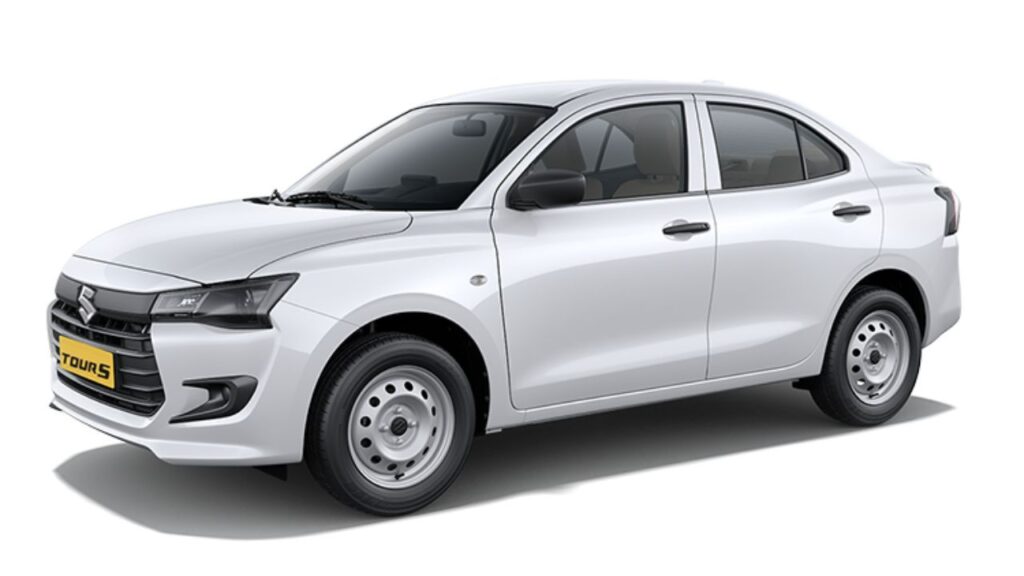
Maruti Suzuki Dzire Tour S

The Dzire Tour S is focused on commercial and taxi purposes. It comes with a 1.2-liter petrol engine with CNG and petrol variants and a 5-speed manual gearbox. The sedan is also appreciated for having a large boot (378 liters) and for its economy, more so when running on CNG.

Image credit: MarutiSuzuki

The most important specifications are front power windows, central locking, manual air conditioning, 2 airbags with ABS. Its rear seat is road-trip viable and it continues to be a preferred selection among fleet purchasers.

Tata Tigor

The Tata Tigor is a small sedan that runs a 1.2-litre three-cylinder petrol engine, it competes in CNG and petrol variants. “It boasts with being a coupe-like styled vehicle, 419-liter boot capacity, has safety with 4-star GNCAP crash rating.

Image credit: TataMotors

Includes – touchscreen infotainment system with Android Auto and Apple CarPlay, climate control, projector headlamps, rear parking camera. Tigor pays focus on structural safety and cabin comfort, so it’s safe for your family and strong enough for your day to day.

Maruti Suzuki Alto K10

Alto K10 is one of India’s bestselling entry-level hatchbacks. It is powered by a 1.0-liter three-cylinder petrol engine and is also offered with a factory-fitted CNG kit.

Image credit: MarutiSuzuki

Basic power steering, front power windows, manual air conditioner and a rudimentary infotainment system on the higher variants are the key features. There are dual airbags but safety is minimal. Alto K10 is light and nimble making it a great city car for new car buyers and daily users.

Maruti Suzuki Baleno

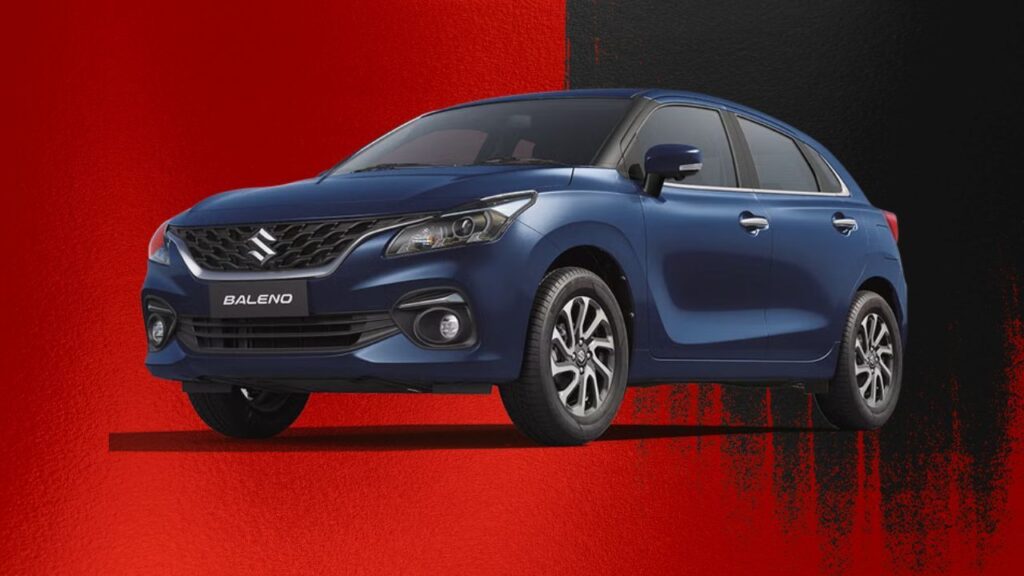
The Baleno is a premium hatchback from Maruti Suzuki and is powered by 1.2-litre petrol engine and comes with an optional CNG kit. Transmission options include a manual and an AMT automatic. Highlights of the specifications: 9-inch SmartPlay Pro+ infotainment, LED projector headlamps, 360-degree camera, cruise control.

Image credit: MarutiSuzuki

Six airbags in top models, ESP, hill hold assist, and rear parking sensors all come as standard safety features. The Baleno is also revered for its spacious cabin and refined ride quality and is very popular among small families.

Hyundai Aura  / Grand i10 Nios 

The Hyundai Aura is small sedan and the Grand i10 Nios is a hatchback, however both vehicles share the same platform and 1.2 liter engine in petrol, CNG and diesel forms. The highlight features include an infotainment touchscreen with smartphone connectivity, automatic climate control, wireless charger, and rear AC vents.

Image credit: Hyundai

Both are good for comfortable riding and they also provide practical boot space for a hatchback and compact sedan respectively. Safety consists of dual front airbags, ABS with EBD, and stability control on the higher variants, making it a value-for-money choice for those looking for practical needs.

Tata Tiago 

Tata Tiago, a compact hatchback, is equipped with a 1.2 liter three-cylinder petrol engine and the variants on offer are petrol and CNG. It boats robust build quality with 4 star GNCAP safety rating. Additional features are an infotainment touchscreen, dual zone climate control, 8-speaker Harman audio, reverse parking sensors and two airbags.

Image credit: TataMotors

The Tiago is lauded for its fun-to-drive dynamics, safety and youthful design, making it a great choice for small families and city runs.

Maruti Suzuki Swift

The sporty Maruti Suzuki Swift hatchback comes with a 1.2-liter petrol engine and AMT option. Highlights of the car are LED headlamps, 7-inch touchscreen, automatic climate control, and push-button start.

Image credit: MarutiSuzuki

It manages to be fuel efficient yet delivers peppy performance and is equipped with dual airbags, ABS, and ISOFIX mounts for safety. The Swift is known to add a youthful and energetic charm to the general object of its ownership.

Honda Amaze

Honda Amaze is a petrol-powered compact sedan with a 1.2-litre engine and CVT automatic now available as an option. It’s all about comfortable seating and sensible space, with a 420-litre boot.

Image credit: Honda

Highlights of the vehicle are its 7-inch infotainment system with Android Auto/Apple CarPlay, dual-zone climate control, cruise control, and rear camera.Safety kit Standard a – dual airbags, ABS with EBD and rear parking sensors. Its refined engine and smooth ride make it the best family sedan in India.

Conclusion

Maximizing ROI in 2025 The Best Financially Prudent Option In 2025 For High Usage Indian Consumers With A Budget Of Under ₹10 Lakh Is A Stock CNG Car. The difference in running costs is so great that the initial extra outlay is quickly recovered. Now for the discerning customer would be when choosing the contemporary, structurally safe CNG options (Dzire, Baleno, Tiago/Tigor) that blend best in class operational efficiency with high safety standards to deliver end to end maximum value for money and protection in the long run.

0

Tata Sierra EV 2026: Price, Range, Features & Launch Details

Published Apr 9, 2026, 9:13 AM
Last Updated Apr 17, 2026, 4:55 AM
TATA Siera EV

TATA Siera EV

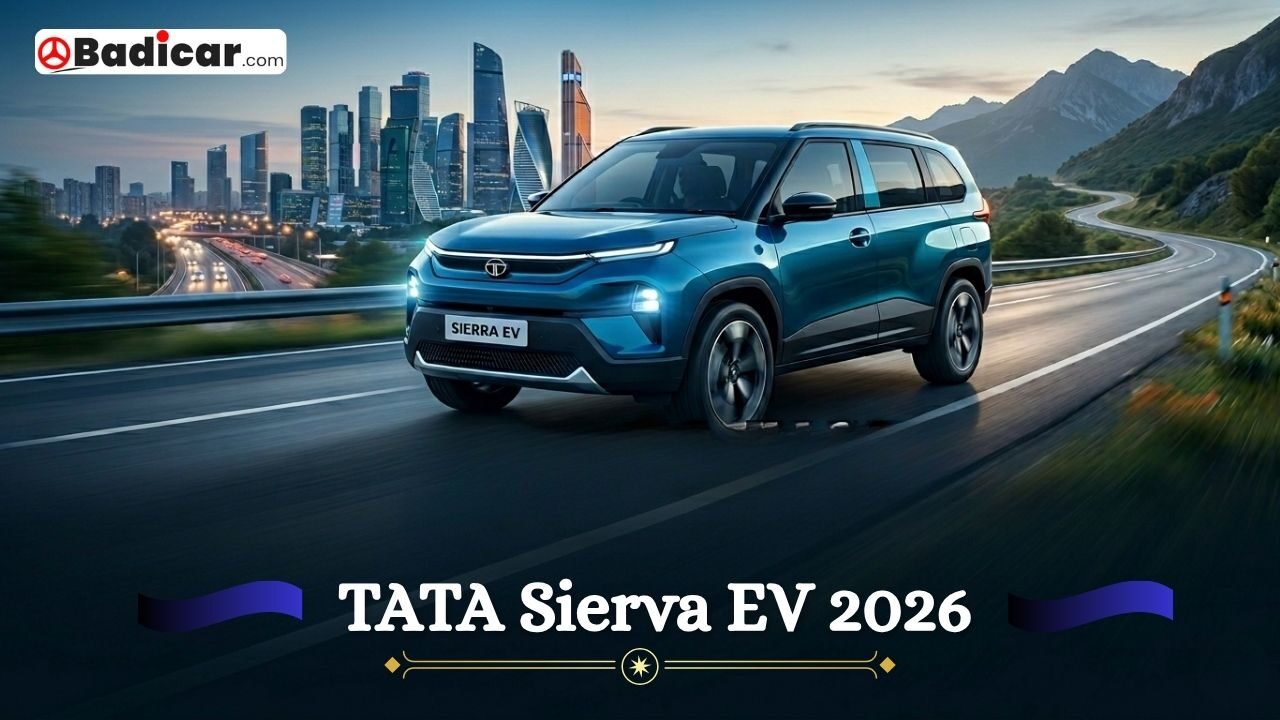
If you lived in India during the 1990s, talk about the Tata Sierra and you’ll get hit with a big wave of nostalgia. It was a lifestyle SUV well before lifestyle SUV was a marketing buzzword. It wins hearts with outstanding design and Tata Sierra EV 2026 comes back with the more beautiful design and color which beautifully crafted tribute to our heritage, and a bold vision for tomorrow’s electric mobility. 

If you are eagerly waiting for this new icon of Tata Motors then take a look at the price, range, features, and everything you need to know about this exciting electric beast. 

The Comeback We Have All Been Waiting For

It’s tough to not get caught up in the excitement when a car company brings back an icon, but let’s be completely honest: nostalgia doesn’t move cars today. Buyers require substance, cutting-edge technology, and indomitable reliability. The Tata Sierra EV 2026 is an incredible blend of reminiscing about its roots and gazing straight into the future. Built on Tata’s new Gen-2 Acti.ev platform, the all-new Sierra jettisons the notoriously impractical three-door arrangement of the 90s for a far more family-friendly five-door layout. 

Nevertheless, the design team excellently manages to retain the visible DNA of the car. The iconic wraparound glass at the back, the high mounted hood and the upright stance are all still there, proudly on display. However, Tata has introduced flat door handles, aero-optimized alloy wheels and a smooth closed-off front grille for better aerodynamics in the electric age. 

It looks masculine, premium and there’s no denying it’s completely modern. It’s the sort of vehicle that will make a statement whether you’re driving up to a swanky restaurant in town, or taking it out on a weekend camping trip in the hills. 

Tata Sierra EV 2026: Expected Pricing

Let’s discuss the what is perhaps the most important factor for any vehicle buyer: the price. EVs naturally have a cost premium over Internal Combustion Engine (ICE) vehicles because of battery costs, and the Sierra EV will be a premium lifestyle product in Tata’s expanding electric portfolio. It will most probably be positioned above the Nexon EV and Curvv EV, at the side or just below the top-tier Harrier EV. 

The 2026 Tata Sierra EV base variants, equipped with the standard battery pack, are expected to start from a very attractive price bracket of Rs 15 lakh to Rs 18 lakh. That said, you should be prepared to pay somewhere between Rs 24 lakh and Rs 25 lakh (ex-showroom) for the top-spec, long-range variant which comes equipped with an All-Wheel Drive (AWD) system and all the tech goodies. Given the technology, space and road presence on offer, that pricing strategy could cause a few more established mid-size electric SUV rivals to waver. 

The Tata Sierra EV Range 

To build on the proven tech in the Curvv EV and the Harrier EV and to improve therein, Tata will probably offer the Sierra EV in multiple battery pack options. 

Standard Range Battery: The base variants are expected to come with a 55 kWh battery pack, which is likely to easily provide the stated 450 km of range. 

Long Range Battery: For highway travelers, Tata will offer an option for a high-capacity 60 kWh to 75 kWh battery pack. An IGA testing cycle might push up the Tata Sierra EV’s range from 500 to 600+ kilometers on a single charge with this bigger pack.  

Even more exciting is the design of the drivetrain. Standard versions will be Front-Wheel Drive (FWD) for maximum efficiency, but high-end models are expected to come with a dual-motor All-Wheel Drive (AWD) configuration. That means the Sierra won’t merely have the looks of a rugged off-roader, it will have the instant-on torque and mechanical grip to get out and go on rough roads. Also, with anticipated vehicular (V2L) and vehicular (V2V) fast-charging functionalities, your SUV could be used to power your camping outdoor gear or give a quick charge to your EV buddy stuck on the road. 

Stepping Inside: Next-Level Features and Tech

While the interior exudes futuristic luxury, the exterior draws inspiration from retro-modern aesthetics. When it comes to cabin design, Tata Motors has been consistently upping the ante and the Sierra EV will be their most premium and comfortable offering yet. 

Triple-Screen Dashboard 

The focal point of the interior will be an advanced triple-screen configuration. You will receive a digital instrument cluster for the driver, a huge central infotainment screen running the Arcade.ev app suite, and a separate screen for the front passenger to watch entertainment without diverting the driver.

Luxury Arrangement 

There were also dual-zone climate control and a huge panoramic glass roof (dubbed “PanoraMax” – in a slight branding overkill) that claims to flood the cabin with sunlight and brings in the airiness of the original Sierra’s glasshouse. The interior would be lined in boned leather and the seats would be powered and ventilated. 

Independent Rear Suspension (IRS)

A significant mechanical improvement over traditional beam axles, an IRS setup guarantees a cushy and stable ride on the chaotic and potholed Indian roads.

High Level of Safety 

It likely comes with six airbags as standard, a high-res 360-degree camera, and Level 2 ADAS (Advanced Driver Assistance Systems), including adaptive cruise control, lane keep assist, and autonomous emergency braking. 

Tata Sierra Launch Date

So when will you really have the wheel in your hands? The excitement had been simmering for years since the amazing concept was first seen at the Auto Expo and the wait is finally coming to an end.

By late 2025, Tata will have petrol and diesel variants but the electric variant will be out sooner. H1 2026 is expected to be the Tata Sierra EV’s official launch date. Trade reports indicate a release in the first or second-quarter 2026 (January – June). And if you’re in the market for a high-dollar car in the coming months, this schedule means the Sierra EV is certainly worth holding off on your buy for just a little while longer. 

Quick Specs Overview

Feature / Specification Expected Details
Starting Price Rs. 15 Lakh – Rs. 18 Lakh (Estimated)
Top Variant Price Rs. 24 Lakh – Rs. 25 Lakh (Estimated)
Expected Launch Timeline Q1/Q2 2026
Battery Pack Options 55 kWh, 60 kWh, up to 75 kWh
Claimed Driving Range 450 km to 600+ km
Drivetrain FWD standard, AWD optional on top trims

Read Also:  Toyota Land Cruiser FJ: India’s Unsung Off-Road Legend

Conclusion

In a segment swarmed with bland SUVs that look like their competitors, the Tata Sierra EV 2026 stands out with its incredibly distinctive design. It revives the emotional link to a classic automotive icon while incorporating advanced technology, a practical driving range and true capability. 

Be it the nostalgia factor, the statement Tata Sierra EV range or the tech laden high-end interiors, it is quite evident that Tata is pouring its heart and soul into this comeback. If you want an electric SUV that looks cool on the street and has an even better story, the Sierra EV could be the perfect addition to your garage. 

Stay tuned as we get closer to the Tata Sierra launch date – the Indian EV space is certainly going to heat up a lot!