0

Best Cars for Daily Office Commute: Top Comfortable & Fuel-Efficient Cars

Published Jul 16, 2026, 1:03 PM
Last Updated Jul 22, 2026, 12:36 PM

 Cars for Daily Office Commute

Planning to buy the Best Cars for Daily Office Commute but blindly trusting a showroom seller is a bit naive choice. It’s not because they are lying to you but they don’t know your driving style, routes, and budget. Getting confused in a bunch of car options, try to minimize the list in terms of purchasing price first. Start looking by yourself — learn what and where to look in a car to define the best car for daily commutes. 

Traveling for 12 km inside the city and running on a 45 km highway is not the same, it gives you a different fuel efficiency on both paths. Before going to the list of cars, understand why the roads and diving pattern make a big difference in cost of fuel.

What Actually Decides the Right Commuter Car

Rather than focus on just brand loyalty and beautiful showroom gestures, try to calculate your daily distance, monitor daily traffic situations, and how long you plan to keep the car.

If the distance between your home and office is very short with star-stop traffic that makes you step on the brake pedal every thirty seconds is where you need a CNG hatchback with a tall seating position and light steering. It can save you more money and lift up your driving experience. 

The 40 to 80 km daily commuters reaching their destination after passing both rush and open road deserves a strong hybrid car. It might be costly at the time you bought it but it runs on electric power during slow and traffic areas and switches to petrol only when it needs real power that saves your money.

And if you are crossing highways at a steady speed daily, buying a diesel car or well-tuned petrol sedan will be beneficial for you because they give great mileage. Hybrids are amazing in stop-and-go traffic, not on the open road.

Comfort also matters just as much as mileage if you have to drive daily. Having a perfect height of seat, under-thigh support, noise-free cabin, AC and features functionality gives you a perfect ride. 

For Short City Commutes: Maruti Suzuki WagonR CNG

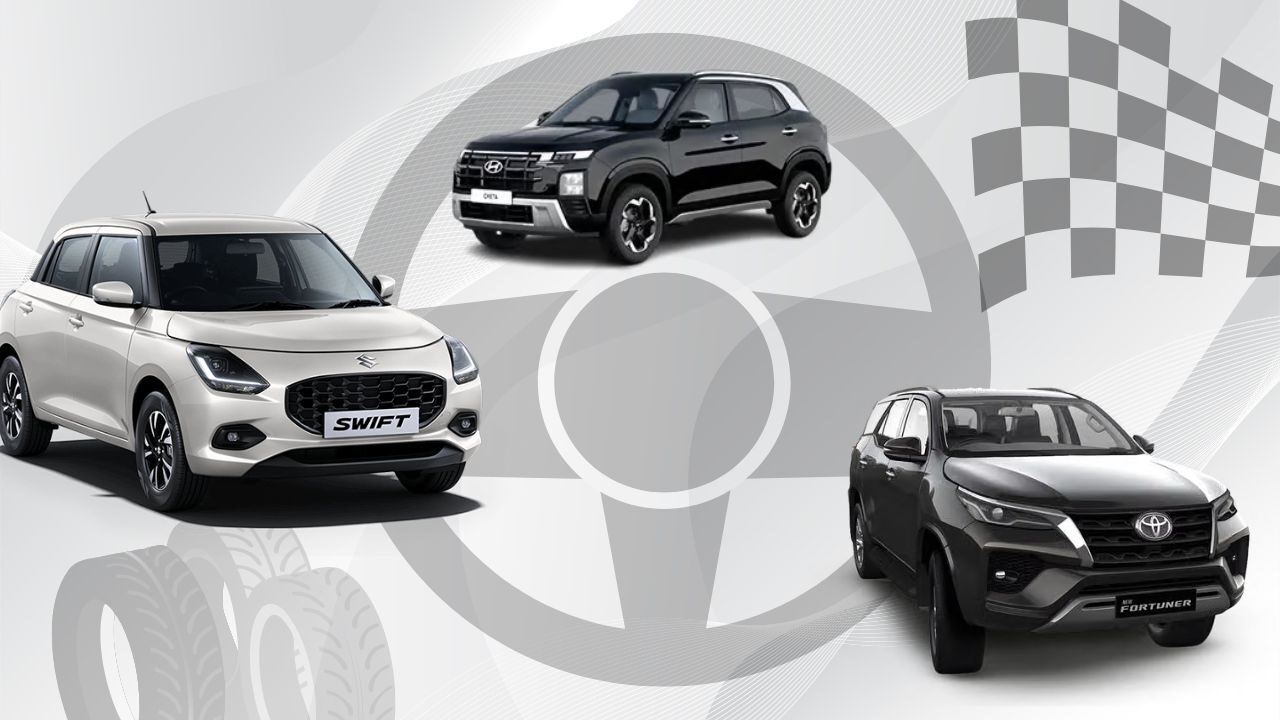
If your office is located under 20 km of range and you’re driving through rush areas and traffic jammed than open roads, you’ll need WagonR CNG as it gives ARAI-rated at up to 34 – 37.5 km/kg. While different variants offer different figures, the tall-boy design offers a commanding seating position with excellent visibility, making it easier to handle traffic areas than in a conventional hatchback. 

With small dimensions, the car still feels spacious from the inside and makes passengers comfortably sit. There’s a thing that you have to leave behind: boot space, because the CNG cylinder takes space in your luggage area and makes it small. Performance is adequate for daily city driving, but this is a car built for economy and ease, not overtaking on the highway. 

For Comfort-First City Driving: Maruti Suzuki Baleno

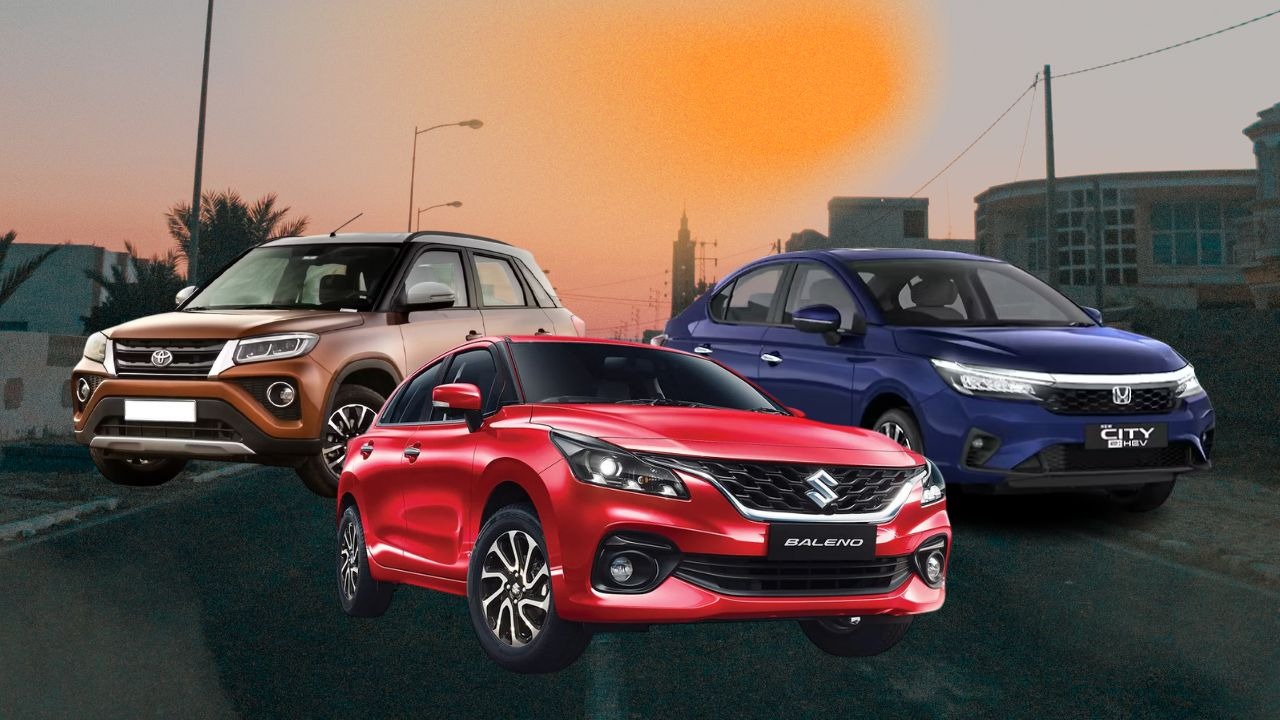
If you are interested in hybrid models then Baleno offers a more refined experience than any other hatchbacks. It delivers 18 km/l mileage on petrol in real-world driving, with excellent insulation, built with high-quality materials, and flexible seats. 

It’s consistently among the top five best-selling cars in India, so you don’t have to worry about its resale value and maintenance. If your daily commute is a mix of city roads with the occasional longer weekend drive, the Baleno provides an excellent balance of efficiency, comfort, and long-term ownership costs. 

Read More :- What Is ADAS? A Complete Guide to Advanced Driver Assistance Systems

For Sedan Comfort With Hatchback Efficiency: Maruti Suzuki Dzire

If you don’t want to compromise on boot space without sacrificing mileage because longer journeys are a part of your daily life, the Maruti Suzuki Dzire is the best option. The Dzire remains one of India’s most trusted commuter sedans with a mileage of 26 km/l on petrol in the ARAI chart but it works better on the CNG. 

It is a very comfortable sedan with Hatchback efficiency to handle both city-highway commute. The resale value is also higher since it offers low running cost making a practical long-term choice rather than just a cheap one.

For Longer, Mixed Commutes: Honda City e:HEV

The Honda City e:HEV is a self-charging strong hybrid which is best for your daily longer commutes. It combines a 1.5-litre petrol engine with two electric motors and a bigger advantage is it runs everyday traffic without burning a lot of fuel. It gives ARAI-certified fuel efficiency of 27.26 km/l, and 23–25 km/l in real-world running with AC on since e:HEV is able to run on electric power during low-speed, stop-and-go driving.

Priced around ₹19 – 20 lakh ex-showroom, if you are going to buy a car then its a right time to shift from petrol-only into e:HEV hybrid for long daily commuters. The fuel savings take time to justify the extra cost. However, a hybrid is best if you are covering 50 km or more with noticeably quieter cabin, smoother acceleration, and a more relaxed driving experience.

Best SUV Seating Experience: Toyota Urban Cruiser Hyryder Hybrid / Maruti Grand Vitara Hybrid

These SUVs use Toyota’s proven strong-hybrid system which makes it a more excellent choice for buyers who are looking for Best Cars for Daily Office Commute. They deliver everyday drivability and mileage of around 27–28 km/l in real world conditions. The SUVs which you can drive comfortably in city traffic with higher ground clearance, and commanding driving position.

They offer great value in both city and longer journeys with spacious cabins and comfortable experience. For someone whose commute includes patchy roads or minor flooding during monsoon season, they need these kinds of cars with higher stance as these hybrids are a practical choice which handles challenging road conditions while still delivering low running costs. 

For Budget-Conscious SUV Buyers: Tata Punch

If safety ratings matter to you as much as running cost, then Tata Punch is a great option for you as it receives a higher Global NCAP crash rating. You can buy it for around ₹7.1 lakh for experiencing a SUV-like driving position and automatic transmission.

So Tata Punch is a reliable and safe option for people who have a low budget and expect good mileage. This petrol compact SUV offers remarkable features and sleek design to mark your presence on the road in daily city traffic.

The Honest Way to Choose Between Them

Work out your daily one-way distance first, then multiply by your actual working days, not an assumed 30. If that number stays under 500 kilometres a month and most of it is stop-start traffic, a CNG hatchback like the WagonR will save you more money than any hybrid ever will, because the hybrid’s price premium simply won’t get paid back in that few kilometres. 

If you’re crossing 1,200–1,500 kilometres a month with a real mix of traffic and open stretches, that’s the zone where a strong hybrid like the City e:HEV or Hyryder starts to genuinely pay for itself within a reasonable ownership period. 

And if comfort and cabin refinement matter more to you than shaving the last rupee off your running cost, weigh that into the decision honestly — a car you enjoy sitting in for an hour a day is worth something that doesn’t show up on a mileage chart.

Read More :- Monsoon Car Care Tips: Keep Your Car Safe During the Rainy Season

Conclusion

These cars are proven outcomes of good fuel economy so if you are looking for best cars for daily office commute to buy then this will help you understand what each one offers. Whether you are looking for daily city commutes for shorter distances or a strong car which handles longer distance and daily traffic, these models offer great mileage with a comfortable driving experience.

Sharey Khan

Sharey Khan is an IT entrepreneur and petrol head & a car enthusiast. With a special focus on car-related content, he combines his deep passion for vehicles with a talent for crafting informative, engaging, and easy-to-understand content. His writing is driven by a genuine love for cars and he is committed to providing readers with accurate, up-to-date, and trustworthy information that empowers smarter driving decisions. 

Leave a Reply

Your email address will not be published. Required fields are marked *

0

Yusuff Ali Car Collection : Take a Look at Billionaire’s Insane Garage of Luxury and Rare Machines

Published Apr 1, 2026, 12:53 PM
Last Updated Apr 3, 2026, 9:04 AM

When the name M.A Yusuff Ali rings a bell, the first thought which likely flashes through your mind is that of the colossal LuLu Group International conglomerate. He’s the Middle East’s retail king and one of India’s richest and most successful billionaires. But if you’re a car freak, you know him for another reason entirely. Yusuff Ali Car Collection draws you closer as it is one of the most jaw-dropping, ridiculously expensive, and perfectly edited collections in the world.

Many billionaires just get the most expensive car on the market, hire a driver, and sit in the back. But the moment you open Yusuff Ali’s garage you realize this guy really knows cars. He doesn’t just buy for the badge — he buys for the engine, the heritage, and the sheer thrill of driving. It is spread across Dubai and Kerala, and is loaded with bespoke luxury tanks and rare track-focused exotics.

Let’s grab some keys and take a stroll through a few of the very best machines that live there, full of specs and crazy price tags. 

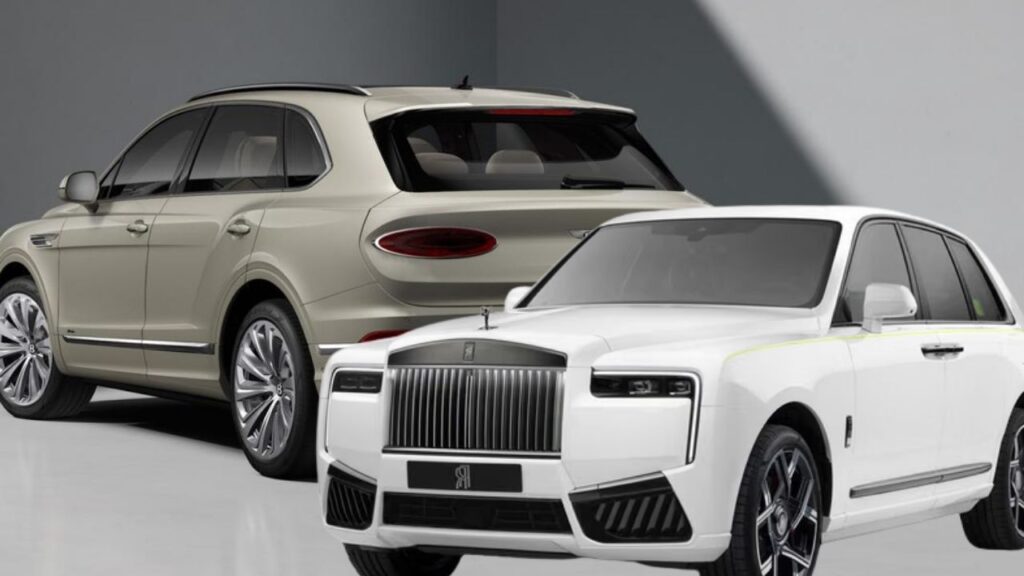
Rolls-Royce Cullinan Series II Worth of 27 Crore

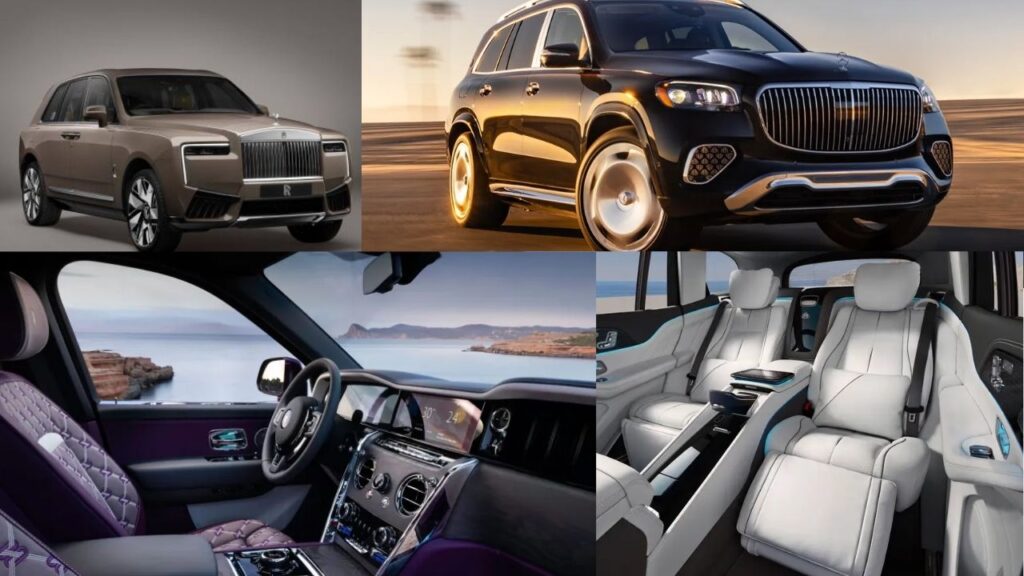
Rolls-Royces is owned by most of the billionaire but few have Cullinan Series II with customization. Yusuff Ali was telling the news a few days back that he had got himself a customized Rolls-Royce Cullinan Series II in the price of Rs 27 Crore.

Why does an SUV cost 27 Crores? It is all about the crazy degree of customization. This particular Cullinan has a bi-tone red and silver paint sauce, but the paint actually has real gold flakes. If this weren’t enough, the famous Spirit of Ecstasy bonnet mascot is made from solid gold. 

Mechanically the Cullinan is an absolute beast. It offered a powerful 6.75-liter twin-turbo V12 with 563 brake horsepower under that silver hood. It provides a monstrous 850 nm of torque. Running from 0 to 100 km/hr in 5 seconds on this engine despite its weight. 

He also has a prior-generation blue Cullinan and a “Govt of Kerala” tag – the latter honours his appointment as Vice-Chairman of NORKA. 

The W12 Monster: Bentley Bentayga

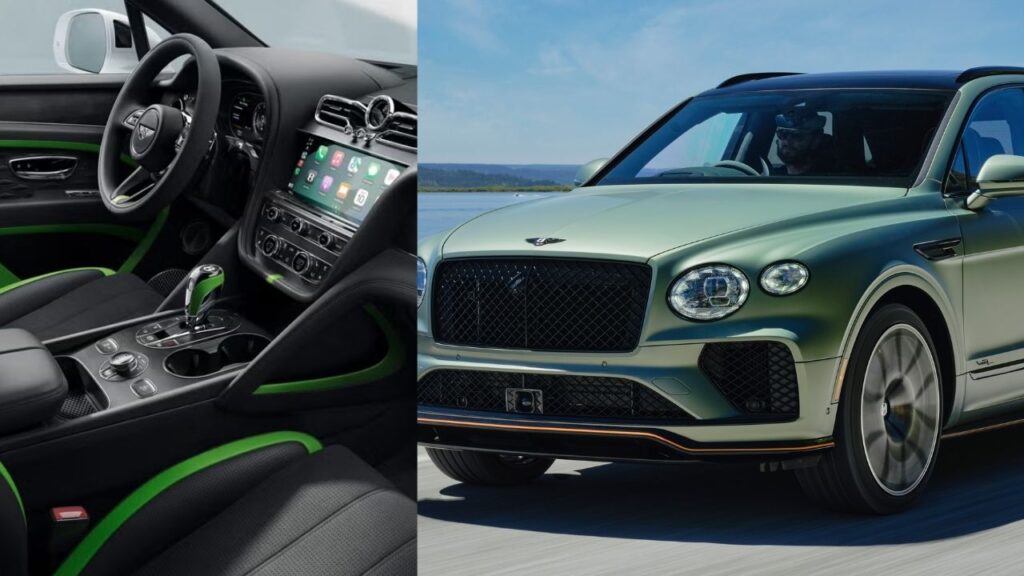
Yusuff Ali, chairman of the Lulu Group was the first to get his hands on the Bentayga in the Indian market. But he didn’t stop there for the plain vanilla V8. He went straight for the big boy – the Bentley Bentayga W12. 

Bentley Bentayga

Yusuff Ali got his hands on the Bentayga as soon as it arrived but he chose the Bentley Bentayga W12 model rather than vanilla V8. He owned it at Rs 4.10 Crores in Indian Market price which offers 6.0-liter twin-turbocharged engine to boost 635 bhp and gives 900 Nm of torque. This W12 engine roars on a classy white SUV.

Upon pressure on the pedal, this ultra-luxurious living space can then hit a top speed of 301 km/h. It’s the perfect combination of raw, throat-closing power, and British sophistication. 

The Maybach Twins: GLS 600 and S600

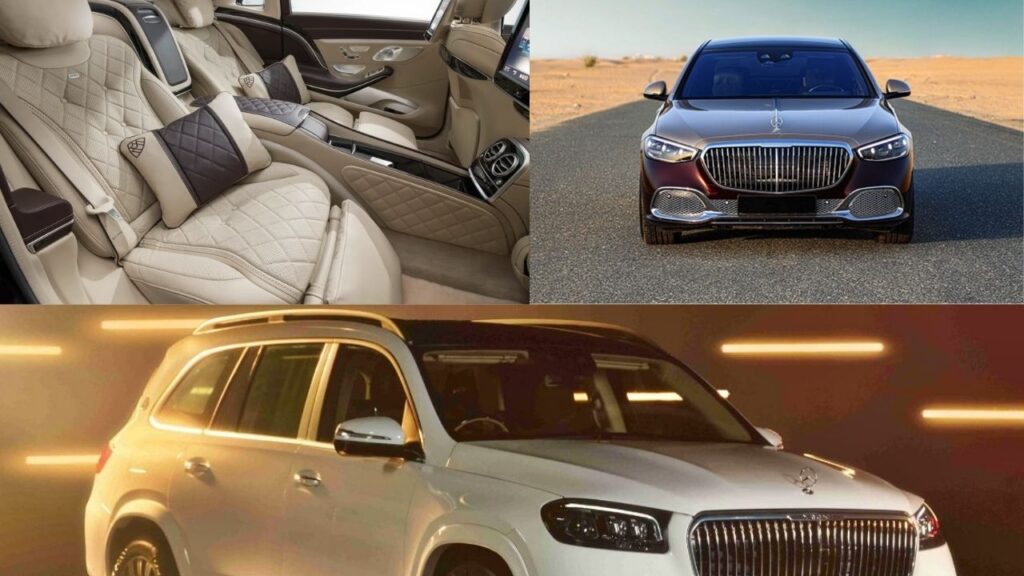
You cannot speak of luxury without the Maybach being the centerpiece, and Yusuff Ali owns not one but two of their masterpieces, in a glossy Obsidian Black. First is the Mercedes-Maybach GLS 600 SUV which is priced at approximately Rs 3.5 Crore. 

This is basically a private jet for the road. This car runs on a 4.0-litre V8 bi-turbo petrol engine to provide hell of a power of about 557 bhp with 730 Nm of torque. It has a mild-hybrid system. You don’t even feel the road roughness and potholes with the car’s suspension as it scans the road before and handles it accordingly with the shock absorbers before you’re even over a bump.

The Maybach Twins GLS 600 and S600

Mercedes-Maybach S600 sedan, the other powerful vehicle in his garage that costs around Rs 2.5 to 3 Crore. It runs with 523 bhp and 830 Nm of torque on the road very smoothly with a horn-blowing 6.0-liter V12 bi-turbo engine. 

Its interior carried premium hand-stitched leather recliners, comforting your ride with massage. handcrafted wooden trim gives more relaxing features like you can resting your feet. It’s the ultimate highway cruiser for after hours of closing billion dollar deals.  

Lexus LX and Range Rover Vogue (Bulletproof)

He drives his white Lexus LX (also referred to as the LX 750 or the LX 600 series) when he needs an off-road ride that’s at once reliable and breathtakingly powerful. Lexus LX is a luxury vehicle which is priced at around Rs 3 crore. It’s virtually indestructible because it has the DNA of the legendary Toyota Land Cruiser. 

Lexus LX and Range Rover Vogue

He also owns a few Land Rover Range Rover Vogues, one is a dungy white coloured and the other is black and sleek. The Range Rover is the car of choice among the super-rich for good reason. The opulent, Rs 2.39 crore SUV’s V8 engine delivers 523 horsepower and 750 nm of torque. He says it’s a combination of the comfort of a limo and the menacing driving position of a truck. 

The Track Weapons: Ferraris, Lambos, and a GT-R

This is the point where the collection moves “rich guy garage” up a notch and enters “serious car enthusiast territory.” Yusuff Ali isn’t just a fan of comfy rides but also a fan of speed. 

He owns the first Ferrari Purosangue in India, the brand’s first-ever V12 four-door vehicle. However, his supercars include some genuinely weird cars. His family has christened his Lamborghini Aventador SVJ “Brentador.” With a bespoke exhaust that literally spits fire, this V12 monster is a full-on, hardcore, track machine.  

Ferraris, Lambos, and a GT-R

Ferraris is also one of his favorite cars and he owns a 488 Pista Spider model and naturally aspirated V8 engine Ferrari 458 Speciale Aperta. It was apparent that he was a fan of Japanese tuning culture when he appeared in early 2026 driving a brand-new Nissan GT-R NISMO in stealth grey.  

Yusuff Ali Car Collection at a Glance

Car Model Approx Price (INR) Engine & Power Key Highlight
Rolls-Royce Cullinan Series II ₹27 Crore 6.75L Twin-Turbo V12, 563 bhp Gold customization, ultra-luxury SUV
Bentley Bentayga W12 ₹4.10 Crore 6.0L Twin-Turbo W12, 635 bhp Top speed 301 km/h, powerful luxury SUV
Mercedes-Maybach GLS 600 ₹3.5 Crore 4.0L V8 Bi-Turbo, 557 bhp Road-scanning suspension, ultimate comfort
Mercedes-Maybach S600 ₹2.5–3 Crore 6.0L V12 Bi-Turbo, 523 bhp Luxury sedan with massage seats
Lexus LX 600 ₹3 Crore 3.5L Twin-Turbo V6 Off-road capability + reliability
Range Rover Vogue ₹2.39 Crore V8 Engine, 523 bhp Bulletproof luxury SUV
Ferrari Purosangue ₹10+ Crore 6.5L V12 First Ferrari 4-door SUV
Lamborghini Aventador SVJ ₹8+ Crore 6.5L V12 Track-focused, fire-spitting exhaust
Ferrari 488 Pista Spider ₹5+ Crore 3.9L Twin-Turbo V8 Lightweight performance beast
Ferrari 458 Speciale Aperta ₹4.5+ Crore 4.5L NA V8 Rare collector’s Ferrari
Nissan GT-R NISMO ₹2.5+ Crore 3.8L Twin-Turbo V6 Japanese performance icon

Read More:- Pagani Utopia, Hypercar, Luxury Cars, Supercars 2025, V12 Engine, Pagani Cars, Exotic Cars

Conclusion

From a modest Mini Cooper Countryman for quick city runs to a ultra-rare 1955 Mercedes-Benz 180 T presented by the late Maharaja of Travancore, Yusuff Ali car collection is an epic bundle of luxury and speed. It strikes an ideal balance between the heritage of classic old school motoring and the cutting edge technology of today’s hypercars.

It is a bit over easy to look at a 27 Crore Rolls-Royce, then just see the price tag. But, when you take into account the full fleet, the high pitched V12 Ferrari screaming its way down the road, the flame spitting Lamborghini, the W12 Bentley, and the bespoke luxury yacht on wheels. M.A. Yusuff Ali is a hardcore car lover who just happened to acquire a very large budget to play with. 

0

How to Increase Your Car Resale Value Without Overspending on Maintenance

Published Jun 15, 2026, 10:32 AM
Last Updated Nov 2, 2026, 4:53 PM

Increase Your Car Resale Value

Everyone is hoping for a good resale value of their old cars. Looking to buy a new car, you must want to get the best car resale value but most cars depreciate at 10% more each year. So, if you are selling your used car after six years since the day you bought it, get halved of the value. Second-hand car valuation of less popular brands or models get more than half depreciation in a resale price.

Understanding what actually drives used Car Resale Value, helps you increase your car resale value up to Rs. 10000. So, take a look at ways on How to Increase Car Resale Value.

Understanding Car Resale Value 

Here’s the truth: In India, every car loses 15-20% of its value in one year alone which means the loss has already started right after it leaves the showroom. By year three, you’re typically looking at 40–50% depreciation. But there are many ways to maintain car value over time. Same cars but different owners can get resale value based on the condition of a car.

But not every car falls at the same rate if you look closely at this example, you will understand what it means:

For instance, someone in Delhi buys a Maruti Suzuki Swift VXi at ₹7.50 lakh in 2022. After three years he sold it for approximately ₹5.60–5.80 lakh after driving about 12,000 km per year and maintained it time-to-time. gets it serviced at authorized centres, and sells it in 2025. He recovers nearly 77% of his purchase price because the brand holds the resale value around 75–80% in 3 years.

Car Resale Value 

Now compare that to a friend who bought a mid-range European sedan at ₹28 lakh. Same timeline, same condition. By year three, he’s looking at recovering maybe 45–50% — roughly ₹12.60–14 lakh — because luxury cars depreciate faster and have fewer buyers in the second-hand market.

The car you choose to buy is already a resale decision. Everything else is maintenance.

What Actually Determines Resale Value?

  • Brand reputation and service network — More service centres = more buyers willing to take the risk
  • Fuel efficiency — Petrol cars sell more easily in cities; diesel holds better in high-mileage use cases
  • Number of owners — Single-owner cars can fetch ₹50,000–₹1 lakh more than multi-owner equivalents
  • Colour — White, silver, and grey are safe. Bright orange is a personal choice that the resale market won’t thank you for
  • Accident history — Even a minor repair without documentation kills buyer trust
  • Service records — A complete service book from authorized centres is worth real money

How to Increase Car Resale Value: Practical Steps With Examples

These aren’t generic tips on How to Increase Car Resale Value. Each one comes with what it actually does to your price.

1. Service It On Time, Every Time — At Authorized Centres

This is the highest-leverage thing you can do. A complete, stamped service history from authorized dealers signals to any buyer that the car hasn’t been neglected. If you try to skip one or two services then the car will later show up the gap which makes it difficult for you to cover it in less spending. Experienced car buyers can tell the difference immediately.

Example: Two identical 2022 Hyundai Cretas. One has a complete Hyundai-authorised service record. The other was serviced at a local mechanic. The first one sells for ₹1–1.5 lakh more, all else equal.

Car Resale Value

2. Keep Mileage Reasonable

In India, the market generally accepts 10,000–15,000 km per year as normal. If you cross nearly 90,000 km on a 5-year-old car then its resale value will fall immediately. No matter how perfect your car condition is, you’ll face price resistance eventually.

Car Resale Tips: It’s best to plan your resale time according to the odometer, not a year, if you are using your car most of the time and hoping for the best resale value.

3. Avoid Modifications

Spending ₹40,000 to look cool (you may think) adds zero resale value. It often subtracts from it, because the buyer doesn’t know what’s been altered, what’s been drilled, or what original parts were changed. Stock is always safer for resale.

Adding minor accessories which are worth less and easily removable or changed would be fine. Minor accessories like dash cams, seat covers, and floor mats are fine. Structural or cosmetic modifications are a resale liability.

4. Address Dents, Scratches, and Interior Wear Before Selling

Spending ₹3,000–5,000 to polish your car with a new paint to make it shine like a new car can increase 20% of your car’s value. Recovering physical damage or scratches from a car before putting it on resale could recover ₹15,000–25,000 in negotiations. Buyers anchor on visible damage, and they always overestimate repair costs.

Before selling: Fix deep scratches and paint touch-up, clean the interior, replace old mats and covers with new ones, and ensure tech features are working properly. The car’s appearance is the buyer’s first emotional signal — and buyers negotiate hardest when something feels neglected.

5. Clear All Dues and Get the RC in Order

Unpaid challans, hypothecation (loan) not cleared from RC, or an address mismatch on the RC are deal-breakers. Get these sorted before you list the car. RC transfer issues are one of the biggest friction points in used car sales in India — remove that risk and you instantly become a more attractive seller.

Maintain your documents of regular servicing at a verified service center to make a buyer trust you. This is a necessary exercise in all the ways to maintain car value over time.

6. Choose the Right Time to Sell is Best Car Resale Tips

Reselling your car in the festive season (October–December) could get you the best resale value for a maintained and perfectly representable car. If you have followed ways to maintain car value over time then it won’t be so hard. The second-hand car value gets ₹20,000–40,000 less in the off season. So, choose the right month to resale your car. 

Which Car Brands and Models Have Good Resale Value in 2026?

You can get any car resale price at verified tools like Car24 at 3 years from purchase. The value of your old car depends on the car condition, model and how many kilometers it runs. From current market data, here is the estimated Used Car Resale Value of popular car models at 3 years from purchase with authorized service history, and 35,000–40,000 km driven.

Car model Ex-showroom price (November 2026) Resale estimate at 3 years (₹) Value retention Why it holds value
Maruti Suzuki Swift ₹5.84–8.89 lakh ₹4.50–6.70 lakh 75–80% Highest-volume hatchback; cheap parts, widespread service network, constant second-hand demand; base/mid variants sell within a week.
Hyundai Creta ₹11.00 lakh – ₹20.42 lakh ₹9.00–15.00 lakh 70–75% Leading mid-size SUV; frequent updates, wide service network, aspirational demand in Tier 2/3 cities; petrol automatic variant sells fastest.
Toyota Innova Crysta ₹19.99 lakh – ₹26.55 lakh ₹14.00 lakh – ₹21.00 lakh (3–4 yrs) 70–80% Strong commercial (cab/travel) demand keeps prices high even for high-mileage units; Toyota diesel reputation; easy to sell when well maintained.
Toyota Fortuner ₹34.76–50.46 lakh
₹26.00–40.00 lakh 72–78% Status symbol, Toyota reliability, limited supply of well-maintained units; older high-mileage examples still sell at premium.
Mahindra Thar LXT 4WD Diesel ₹16.43 lakh (MT); AT around ₹18 lakh
~₹12.00 lakh – ₹14.00 lakh ~71.8% Cult following, unique positioning, demand outpaces supply for new units; 4WD diesel variant retains exceptionally well.
Maruti Suzuki Baleno ₹5.99–9.99 lakh
₹5.20–7.50 lakh 72–76% Premium hatchback appeal, strong Maruti reliability perception, popular with first-time buyers (large buyer pool).

A Note on Luxury and EV Cars

Luxury cars (BMW, Mercedes, Audi) depreciate fast in India, often 45–55% in three years. The maintenance cost stigma suppresses second-hand demand. EVs are rapidly growing in the market so their resale mostly depends on durability of batteries. The market is still developing its pricing norms with time. If you own a Tata Nexon EV or Punch EV, check battery health certification before listing.

Read More:- Kendrick Lamar Car Collection is Classic Garage With Old & New Luxury Cars

Verified Tools to Check Car Resale Value in India

Don’t guess. Use data. Here are the platforms that give you real market-based estimates of Used Car Resale Value:

Car Resale Value

1. CarDekho Used Car Valuation

  • Enter brand, model, variant, registration year, and kilometres driven
  • Uses real-time market data and pricing trends from thousands of listings
  • No registration required; free to use
  • Best for: Quick estimates on popular models like Swift, Creta, City

2. CarWale AccuPrice

  • Powered by Machine Learning trained on data from over 5 lakh previous car listings
  • Factors in fuel type, transmission, mileage, age, and regional pricing
  • Trusted by over 1 crore users in India
  • Best for: Comparing market price ranges across variants before listing

3. Cars24 Valuation Tool

  • Updated for 2026 with EV battery health metrics included
  • Offers end-to-end selling — if you accept the valuation, inspection and payment can be completed within 24 hours
  • Includes seller protection (Kavach) during RC transfer period
  • Best for: Sellers who want speed and don’t want to deal with individual buyers

4. CarTrade Valuation

  • Uses data from verified buyers and sellers across India
  • Pricing engine updated regularly with live market data
  • Good for cross-checking estimates from other platforms

5. CarBike4u Free Car Valuation

  • Quick 2-minute estimate; no registration needed
  • Useful regional context — accounts for city-wise price variation (Delhi-NCR typically returns 5–8% higher than national average)
  • Best for: Understanding how your city affects your resale price

Pro tip: Run your car through at least two or three of these tools and compare. The range they give you collectively is more useful than any single estimate. If the market values your car at ₹6–7 lakh, that’s your negotiation floor — not your starting price.

Read More :- How Electric Cars Are Changing the Future of Transportation

Conclusion

If you’re reading this before your next purchase — you’re ahead. Choose a model with strong market demand, stick to popular colours, buy the petrol or diesel variant that matches your actual usage, and commit to authorized service from day one.

If you already own the car — stop waiting. The ways to maintain car value over time are not glamorous: service on schedule, fix visible damage, keep documentation clean, and don’t modify what doesn’t need modifying. Most of what destroys resale value is neglect, not damage. And when it’s time to sell, use the tools above to walk in with a number — not a hope.

How to Increase Car Resale Value before selling doesn’t require a checklist of 30 things. It requires consistency across three or four things done over years, not days. That’s both the boring truth and the profitable one.

0

Nissan Cars Launching Two Titans Together in India: Nissan Gravity MPV and Tekton SUV

Published Dec 30, 2025, 11:36 AM
Last Updated Apr 9, 2026, 10:28 AM

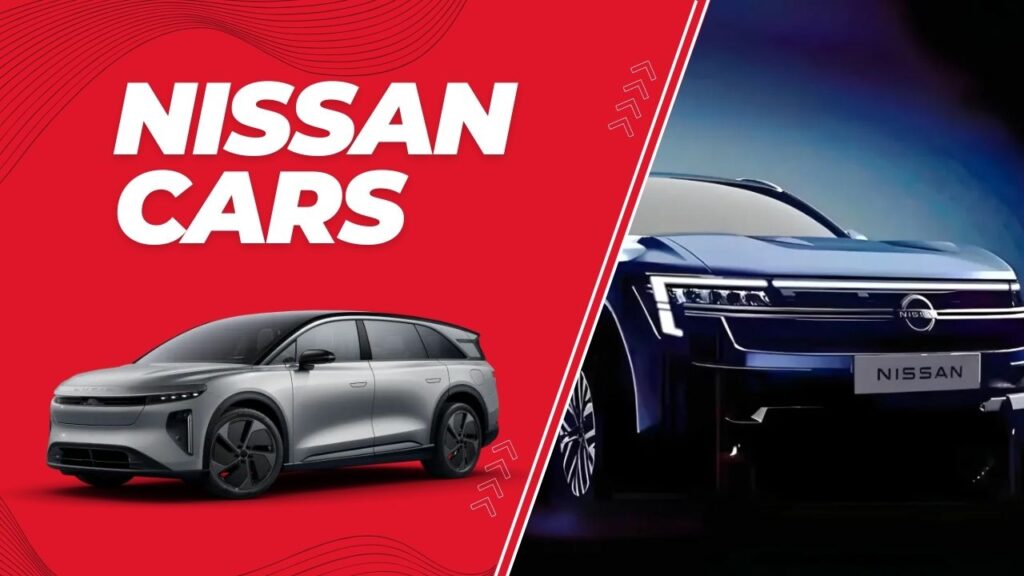
Nissan Gravity MPV and Tekton SUV

If you have been waiting for Nissan to do something more substantial in India, get ready. The Japanese car maker is set to launch not one but two all new cars in two months – and believe me, these are cars that will make heads turn and take on some of the most popular cars on the Indian roads today. It’s the Nissan Gravity MPV and the Nissan Tekton SUV and honestly, these launches may just be what Indian families and SUV lovers have been waiting for.

Nissan’s Big Comeback Plan for the Indian Market

First up is the Nissan Gravite, which arrives January 2026. Nissan’s take on the family-car chat is genuinely useful. Imagine the middle class Indian family on the hunt for a seven seater, and who doesn’t send you into bankruptcy. 

Gravity MPV — Affordable 7-Seater That Finally Makes Sense

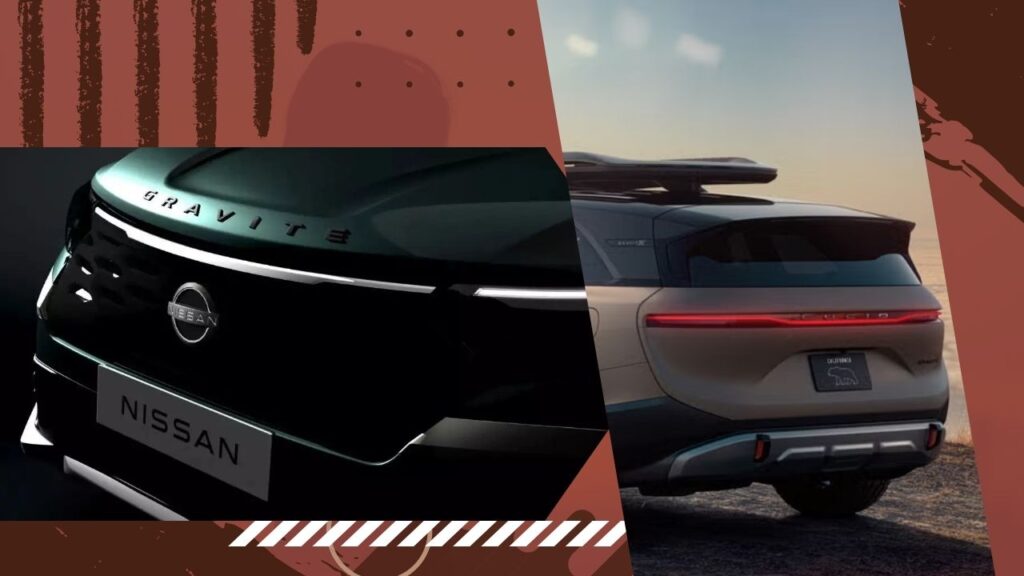
The seven-seater Gravite is available from around ₹6 lakh, making it one of the lowest-priced automatic seven-seaters in the market. That’s pretty impressive, especially since the MPV segment always seems to be a squeeze for buyers on a budget. Based on the proven CMF-A architecture that it shares with the Renault Triber, the Gravite has no intentions of breaking the mould—and that’s quite alright.

Although Nissan has applied a fresh Japanese design language, it’s essentially taken an old, dependable platform. The bonnet is scooped, adding character, and the front is more assertive, featuring Nissan’s V-Motion grille. The flanks display slender, toned shapes that make this small the look of the the more premium surprisingly the tags looks. The rear is? Sharp and clean, with C-shaped styling cues that tie the whole design together.

Engine & Transmission Options

Gravite gets the familiar BE powertrain, Under its hood, the Gravite will be powered by the familiar 1.0-litre three-cylinder petrol engine producing 72 hp. So maybe that doesn’t get your blood pumping, but here’s the kicker—it’s mated either a five-speed manual or an automated manual transmission (AMT). This is huge because AMT automatics in seven-seaters are usually reserved for cars that cost a lot more. You’re getting an automatic family hauler without the fancy DCT price tag. 

Read More:- Ranbir Kapoor Car Collection 2026 Features Premium Luxury Cars, Supercars And SUVs

Comfort & Family-Focused Practicality

Its three rows of realistic seats are better suited for seven adults than five, which is outstanding in this segment (and for the record, even the normally cramped third row here is not too bad). Add good levels of equipment, some new trim options and you have a car that really does tick the ‘value for money’ box. Nissan is expanding its dealer network with 200 touchpoints specially for these launches, which means you will get proper after-sales support even in Tier-2 cities. 

Tekton SUV — A Serious New Player in the Midsize SUV Segment

Well, if you’re not a fan of the people carrier and have your sights set on that succulent midsize SUV market, gear up. Nissan Tekton release date The Tekton will officially release in February 2026 with a price tag around that of the Hyundai Creta, Tata Sierra, and Maruti Suzuki Victoria.

CMF-B Platform & Patrol-Inspired Rugged Styling

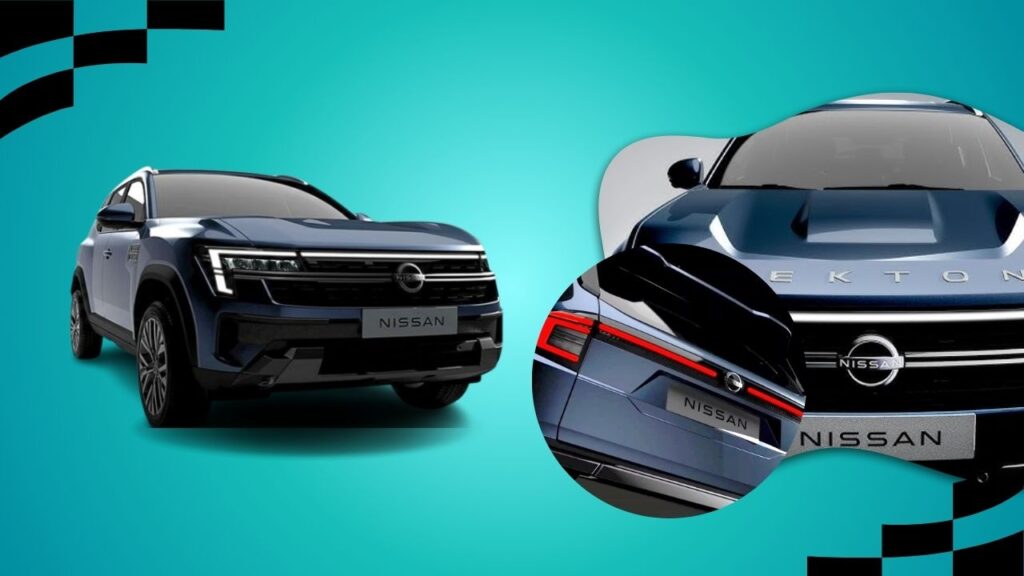
This is not some rebadged castoff. Built on the modern CMF-B platform (which also underpins the new Renault Duster) and developed specifically for Indian roads, the Tekton.

Tekton SUV

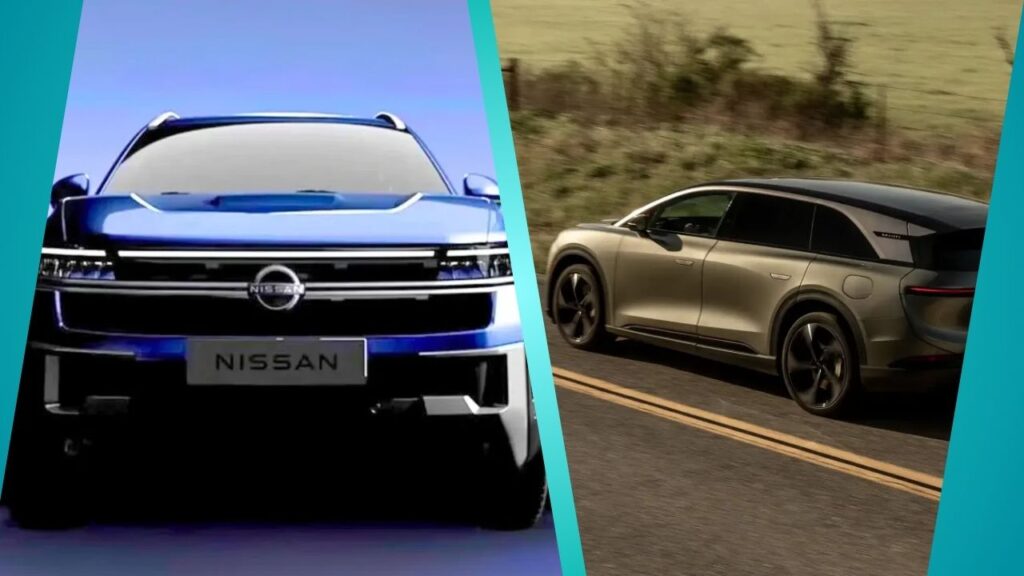
The exterior design is based on Nissan’s iconic Patrol SUV, meaning it has real rugged DNA. From the teaser images, we can see the connected LED DRL arrangement at the front and a muscular bonnet with connected LED tail-light unit at the rear. That’s a vehicle that feels purposeful and premium, and yet it will be priced competitively. 

Engine Options, Turbo Power & Future-Ready Hybrid Plans

What about engines? The main engine on offer would be a lively 1.3-litre turbo-petrol with a 1.0-litre turbo variant for cost-conscious consumers also possibly on the cards. There are even rumors of a strong-hybrid powertrain joining the line-up at a later date, as with the new Duster. Which means a car that’s ready for the future, with none of the EV sticker shock—at least not at first.

Interior Design

The inside is where things get interesting. Think: a three-tone dash; digital driver’s display; a large touchscreen with wireless Apple Car Play and Android Auto; ventilated front seats; a sunroof; and a real 360-degree camera system. Safety? Six airbags as standard, ABS, EBD, blind-spot monitoring – all the boxes you would expect ticked.

Interior Design

With a price band of ₹11 lakh to ₹19 lakh (ex-showroom), it is placed right in the middle of the scorching competition, and this means Nissan is making a serious effort to win customers and not merely retaining existing ones. 

Conclusion

Nissan has been rather silent in India for quite some time now, but this two-front assault with the Gravite and Tekton definitely signals a comeback. They are filling two huge holes in the market—cheap family cars and midsize SUVs that can actually compete. The Gravite rivals the Maruti Ertiga and the Renault Triber, while the Tekton goes toe-to-toe where the profit margins are the healthiest.

With 200 new dealer touch points coming on stream, technical and warranty support, and the engineering might of the Renault-Nissan alliance behind them, these are more than just launches – they are statements of intent. 

0

Super car: Porsche 918 Spyder

Flaunted as the “ultimate hyper car,” the Porsche 918 Spyder specifications are the very first production-oriented road car that broke the seven minute hurdle at the well-known Nurburgring. This hybrid supercar was introduced at the Frankfurt Motor Show. Every Porsche 918 production cars built on the hood, along with several spots inside the cabin. With an extraordinary blend of performance and efficiency, the 918 Spyder has marked the commencement of a new era of supercars.

The Porsche 918 Spyder is powered by a combustion engine and two electric motors. When it comes to performance, the numbers are stunning: 0-60 in 2.2 seconds, 0-100 mph in 4.9 seconds, 1/4 mile time of 9.8 seconds and a top speed of 217 mph. All this performance and cutting-edge technology cannot come cheap, though. The Porsche 918 price for a new car was $845,000, but options like the Weissach package ($84,000) and Liquid Metal paint ($63,000) could push that price to over $1 million. Since Porsche stopped producing this model in 2015, the asking price for a used Porsche 918 Spyder has skyrocketed — it can easily exceed $1.6 million.

To flash over 200 mph, the 918 Spyder relies on a 4.6 L V8 engine and two electric motors. The fossil-fuel-fed Porsche 918 Spyder specs an engine that produces 608 horsepower. The total horsepower of the 918 Spyder is 887, thanks to the performance boost from the two electric motors. The rear electric motor sends 154 horsepower into the transmission.

The second electric motor on the front axle makes 127 horsepower. Without help from the electric motors, the rear-mounted V8 engine, which is derived from the 2005 RS Spyder race car, revs to 9,150 rpm. The combustion engine reaches 398 lb-ft of torque at 6,700 rpm. The rear electric motor features innovative hybrid cooling with air and water. You can’t easily admire the engine or e-motors, though. As the hood doesn’t open, you’d have to take your Spyder to the dealer to take a peek at your Porsche 918 engine.

The Porsche 918 Spyder specs an engine mounted so low down that Porsche engineering had to mount the 918 transmission upside down, for better weight distribution. The rear motor runs through the 7-speed PDK dual-clutch, while the front axle electric motor has only one gear. Surprisingly, the gear selector is a tiny lever mounted just to the right of the steering wheel. At high speed (over 164 mph), the 918 Spyder becomes rear-wheel drive only. That’s because a decoupler disconnects the front electric motor to avoid over-revving. There are five driving modes: electric, hybrid, sport, racing and Hot Lap. The latter uses full engine power but depletes all electric reserves. The beauty of the system is in the electric motors powering the car between the gear shifts. Obviously, the 918 offers brutal acceleration in any circumstance.

A supercar that goes from 0 to 60 mph in a blink needs a matching high-performance braking system. The 918 Spyder has Porsche Ceramic Composite Brakes (PCCB). They have six-piston monoblock calipers at the front and four-piston calipers at the rear. The ceramic discs at the front have a diameter of 16.1 inches. Those at the rear have a diameter of 15.4 inches. Through brake regeneration, the Porsche 918 Spyder specs that the brakes capture most of the energy that would be otherwise wasted as heat during braking. Furthermore, the electromechanical brakes of the 918 Spyder then store that energy in a battery and feed it back through the electric motors. Additionally, daily driving and light braking won’t even invoke the hydraulic system, as both electric motors become generators when the brake pedal is pressed. So every week you need to do a few spirited stops to keep condensation out of your brake lines.

Inspired by Porsche’s previous supercars, the carbon-fiber-reinforced plastic monocoque chassis of the 918 Spyder is lightweight and high-strength. The design of the Porsche hybrid 918 stands out thanks to the top-mounted exhaust pipes and massive rear spoiler. Both are adjustable from the control panel. The Porsche 918 Spyder specs a Targa roof, but you have to remove the top panels manually. They are easy to stow in the trunk. Another distinctive feature of the exterior design of the 918 Spyder is its “Acid Green”brake calipers.  Therefore, Porsche chose to add accents in the same color on the carbon bucket seats, seat belt, and steering wheel ensure design coherency. The Weissach Package adds several pieces of exposed carbon fiber along with gorgeous magnesium wheels. Unquestionably, the differences save over 80 lbs. and make it easily distinguishable at a distance.

The pinnacle of decades of engineering, the Porsche 918 Spyder blends high-tech, efficiency and performance in a weight-saving design. The standard version of the Porsche 918 Spyder weighs 3,691 lbs. With the optional 918 Weissach pack, which improves the driving dynamics, the car is lighter, weighing 3,602 lbs. The 918 Spyder with the Weissach package is the version that made the Porsche 918 Spyder Nurburgring time of 6:57 a reality.

Concurrently, the two electric motors draw their power from a 6.8 kW·h liquid-cooled lithium-ion battery. It has a 20-mile electric range and a total range of 420 miles in hybrid mode. The Porsche Universal Charger takes seven hours to charge the battery when connected to a 110-volt household AC socket. Or only two hours with a 240-volt power supply. An optional HVDC Speed Charging Station can fully charge the lithium-ion battery in 25 minutes. The Porsche 918 Spyder specs are an incredibly fast hybrid for technology aficionados.

To conclude the greatest Porsche to-date, it is an eco-friendly green contrivance. It will mind boggle you to contemplate its working. So what you are waiting for? Get yourself the good Porsche news.


0

Mercedes Benz CLA 250+ Real-World Range Tested

Published Jul 6, 2026, 12:31 PM
Last Updated Jul 22, 2026, 12:08 PM

Mercedes Benz

Every EV launch in India comes with a big, shiny range figure on the poster. The Mercedes Benz CLA 250+ arrived with one of the biggest yet — 792 km on the WLTP cycle. However, experienced EV buyers already know that these figures are just lab results, because it hasn’t been recorded with real-world conditions. 

So how much Mercedes Benz CLA 250+ can give you range on a Delhi-to-Jaipur road trip with AC on and the weightage of luggage. That’s what this blog covered so you will know exactly what you can get before buying it.

What Exactly is the CLA 250+

The CLA 250+ is the top electric variant of Mercedes Benz’s all-new CLA — the car that now replaces the A-Class Limousine, the EQA, and the EQB as the brand’s entry point in India. This car is built on Mercedes’ dedicated Modular Mercedes Architecture (MMA) platform, totally engineered from the ground-up electric architecture rather than adapted from a traditional petrol car, and that shows in almost every number on the specification sheet.

The CLA 250+ comes with an 85 kWh NMC battery and accelerates from 0 to 100 kmph in 6.7 seconds with an actual two-speed gearbox in CLA 250+ that helps the car accelerate quickly which is unusual in EVs. It offers a single rear-mounted electric motor that gives a total 272 horsepower and 335 Nm of torque. 

Mercedes Benz

And when you speed up on the highway, the taller second gear helps the motor spin more efficiently for that. It’s the same trick Porsche uses on the Taycan, except Mercedes has designed it mainly to increase driving range rather than boost performance. 

Mercedes Benz CLA 250+ making a fantastic appearance with a sleek four-door-coupe body. The CLA 250+ has a drag coefficient of just 0.21 — genuinely class-leading and helped along by flush door handles, a low coupe roofline, and a fastback tail. Add the 142-LED illuminated star grille, the connected LED light bars front and back, and a 101-litre frunk under the bonnet, and it’s clear Mercedes designed this car to be efficient first and dramatic second.

The Real-World Mercedes Benz CLA 250+ Range 

Mercedes’ claimed 792 km comes from the WLTP test cycle, which is a controlled, best-case scenario. Nobody actually drives like that. So look at what independent test drives have recorded instead:

Autocar India’s test drive averaged 6.3 km/kWh in real conditions, which works out to a real-world range of around 535 km on a full charge — still comfortably enough for most intercity trips in India without a single charging stop.

Evo India’s test, done over 65 km of mixed highway and countryside driving in the morning, returned a much stronger 8.1 km/kWh, translating to roughly 693 km of usable range. The car started that test showing 684 km on the cluster at 100% charge — already short of Mercedes’ claimed figure before a single kilometre was driven, which tells you how much WLTP numbers inflate expectations even before real-world driving comes into play.

Edmunds’ US test, run on the American-spec CLA 250+ using a strict 60% city / 40% highway cycle, recorded 434 miles (about 698 km) against an EPA estimate of 374 miles, meaning the car beat its own official number by 16%, which is the opposite of what usually happens with EVs.

A European test by electrive.com told a different story in cold weather: after 210 km of mostly motorway driving in Eco mode at 120 kmph with winter tyres fitted, the battery dropped from 91% to 44% working out to roughly 485 km of range on a full charge, and closer to 340 km if you’re only using the practical 10-80% charging window.

Overall, CLA 250+ can give you 500 — 690 km of range in real-world Indian driving conditions. Your city and highways trip, AC, and how much load you carry on your car is affecting the car. That’s still one of the longest real-world ranges available in this segment, even if it’s a fair distance from the number on the brochure.

Mercedes Benz

Charging Speed Matters As Much As Range

The 800V electrical architecture of the CLA 250+ is what allows it to support DC fast charging at up to 320 kW. In practical terms, a 10-80% charge takes about 20-22 minutes, and 10 minutes on a powerful charger gives you between 300 and 400 kilometers of range. This is genuinely useful on long drives — you’re not waiting an hour at a highway charging point, you’re grabbing a coffee and getting back on the road.

Home charging is a different, slower story — expect roughly 9-11 hours for a full charge on an 11 kW AC setup, which is fine for overnight charging but not something you’d rely on mid-journey.

Price and Variants in India

Mercedes Benz

All-electric CLA is introduced by Mercedes Benz now in India, there are three variants:


  • CLA 200 (Standard Range) — built on 58 kWh battery, offers a 542 km WLTP range, with producing 221 bhp, priced from ₹55 lakh (ex-showroom)
  • CLA 250+ (Long Range) — provides 85 kWh battery, powered up with 792 km WLTP range, this version claimed to give 268-272 bhp, priced from ₹59 lakh (ex-showroom)
  • CLA 250+ Launch Edition — same battery and motor as above but with the triple-screen MBUX Superscreen setup, the Launch Edition priced at ₹64 lakh (ex-showroom).

All versions are covered by an 8-year/160,000 km battery warranty, have a 5-star Euro NCAP safety rating, the same Level 2 ADAS package, a panoramic sunroof and run Mercedes’ new MB.OS software on an Nvidia Orin chip. Kick-off of deliveries for the CLA 250+ took place in April 2026, with the coupe already raking in 400-strong bookings before its official India launch.

Mercedes Benz CLA 250+ vs Other Premium Electric Sedans 

Against the BYD Seal, which sits close in price around ₹55 lakh, the CLA 250+ wins comfortably on outright range and charging speed, though the Seal remains the sharper value pick if range isn’t your top priority. Against the Tesla Model 3, which posted 339 miles (roughly 546 km) in Edmunds’ identical test cycle, the CLA pulled ahead by nearly 150 km — a meaningful gap for anyone doing frequent long drives. 

The Audi A6 e-tron Sportback came closer, at 402 miles (about 647 km) in the same test, making it the CLA’s nearest real competitor on range rather than the Tesla. And against the BMW iX1, which is smaller and less range-focused, the CLA is the better choice for anyone who drives themselves and wants to cover serious distance on a single charge — the iX1 makes more sense if you’re usually chauffeur-driven and want a smaller footprint in city traffic.

Conclusion 

The Mercedes Benz CLA 250+ won’t hit 792 km in your driveway, and no EV with a WLTP claimed range ever does. But even its more conservative real-world figure around 535 km — beats what most rivals manage at this price point, and its best-case figure of nearly 700 km puts it in territory very few electric sedans reach at all. 

If you’re cross-shopping electric luxury sedans in India right now, the CLA 250+ isn’t just a range leader on paper, it’s one of the few EVs where the real-world number still leaves you with range to spare.