0

Personal Loan vs Car Loan: What is the Better Choice for Buying a Car? 

Published Aug 18, 2026, 11:48 AM
Last Updated Aug 31, 2026, 7:00 AM

Personal loan vs Car Loan

You decided the car model and color to buy, now negotiating its on-road price and decided to take a car loan. There’s two options for you — Personal Loan vs Car Loan, one from the dealership’s tie-up bank, another a pre-approved personal loan sitting in your net banking app. They just seem to be two versions of the same product until you see the fine print, and that is generally where people get it wrong. 

Car loans and personal loans are two very different types of products, structurally, and the distinction reflects in your EMI calculation, not just in the fine print. Your car serves as a collateral for the car loan – the bank holds hypothecation on the vehicle until you repay the loan, which is why the risk for the lender is lower and the interest rate is lower. A personal loan is unsecured. Nothing backs it except your income and credit score, so the bank prices that extra risk, and you pay for it every month.

Personal Loan vs Car Loan: The Interest Rate Gap Is Bigger Than Most People Assume

The new car loan rate for Indian banks as on August 2026 stands at 7.45 — 7.85% p.a. from the likes of UCO Bank, Canara Bank, and Punjab National Bank, with the majority of PSU banks bunching between 7.6% – 9.7% based on your CIBIL score. Private banks such as HDFC and ICICI charge marginally higher, usually 8.15 – 9.75% for new cars. Rates are reviewed monthly and are dependent on the loan scheme, so consider these as August 2026 rates and not a permanent rate. 

Personal loans start meaningfully higher. The bottom rates of top private banks — HDFC, ICICI, Axis, IndusInd hover around 9.99% p.a. for borrowers having outstanding credit (CIBIL 750+) and belonging to the preferred employer category. Most of the salaried individuals are approved around 11% to 16% and NBFCs that sanction loans more quickly and require lesser paperwork charge is 14% to 16% and at times it reaches up to 20% to 22% for weak credit files. 
Personal Loan vs Car Loan

That 2–3 percentage point gap sounds small until you run it through an EMI calculator. On a ₹5 lakh loan over 5 years, an 8% car loan works out to roughly ₹10,140 a month. The same amount as a personal loan at 12% comes to around ₹11,120 — nearly ₹1,000 more every month, and over ₹58,000 more in total interest by the time you’re done. Scale that to a ₹10 lakh loan and the interest gap widens to well over a lakh rupees. If the goal is purely to minimize what you pay for the car, the car loan usually wins on cost, and it’s not close.

Aspect Car Loan Personal Loan
Interest Rate Range 7.45% – 9.75% p.a. (PSU banks: 7.6%–9.7%; Private: 8.15%–9.75%) 9.99% – 22% p.a. (Top private banks: ~9.99% for CIBIL 750+; NBFCs: 14%–22%)
Typical Approved Rate (Salaried) ~8% – 9% ~11% – 16%
Rate Review Frequency Monthly Monthly
Dependency Loan scheme, CIBIL score, bank type CIBIL score, employer category, lender type
EMI on ₹5 Lakh (5 years) ~₹10,140 at 8% ~₹11,120 at 12%
Total Interest on ₹5 Lakh (5 years) ~₹1.08 lakh at 8% ~₹1.67 lakh at 12%
Total Interest on ₹10 Lakh (5 years) ~₹2.17 lakh at 8% ~₹3.35 lakh at 12%
Best For Minimizing cost when buying a car Flexibility (no end-use restriction), faster disbursal

Read More:-  How to Get a Car Loan in 2026: Know Everything Before Purchasing

Where a Personal Loan Makes Sense in Buying a Car

None of this means the car loan is automatically the right call. A personal loan earns its place in a few specific situations, and it’s worth being honest about them rather than defaulting to “cheaper interest rate always wins.”

Buying a used car older than what your lender’s car loan policy allows is one. Most banks cap car loans on vehicles that are 3–8 years old depending on the lender, and beyond that window, financing options dry up fast. A personal loan doesn’t care how old the car is.
Personal Loan

Buying from a private seller with incomplete paperwork is another. Car loans require the vehicle to be registered as collateral, which means clean ownership documents, a valuation, sometimes an RC transfer before disbursement. A personal loan skips all of that — the money lands in your account and what you do with it is your business.

There’s also the ownership angle. With a car loan, the bank’s name sits on the RC as a financier until the loan closes, and selling or modifying the car before that requires a No Objection Certificate. A personal loan gives you the car free and clear from day one, which matters if you plan to sell, swap, or modify it sooner than the loan term would normally allow.

And if you’re topping up a car loan that only covers 80–90% of the on-road price — many lenders cap the loan-to-value ratio, especially on used cars — a smaller personal loan to bridge the down payment can sometimes work out cheaper than stretching a used-car loan at 11–16% for the whole amount.

The Down Payment and Loan-to-Value Difference

Car loans can fund up to 100% of the on-road price for new vehicles from some lenders, though a 10–20% down payment usually gets you a better rate, since a lower loan-to-value ratio means less risk for the bank. Used car loans are stingier — most banks finance only 70–75% of the vehicle’s assessed valuation, not what you actually agreed to pay the seller, so budget for a bigger chunk from your own pocket if you’re buying second-hand.

Personal loans don’t tie themselves to the vehicle’s value at all. The amount you qualify for depends on your income and existing obligations, which gives you flexibility car loans don’t — useful if you’re also covering insurance, accessories, or extended warranty costs that a car loan wouldn’t typically finance.

Read More:- Best Car Air Filters for Better Engine Performance & Save Your Repair Cost

Conclusion

If you have good credit on Personal Loan vs Car Loan, the car is new or within your lender’s used-car age limit, and your only aim is to pay the least each month, the car loan is the best option for you  — the rate gap is too large to ignore for most buyers. Get a personal loan when the vehicle doesn’t fit a car loan’s criteria, when you want to be free and clear from day one, or when you need a little extra to fill a gap a car loan won’t fill by itself. 

Either way, get actual quotes from three or more lenders before you sign on anything. A 1.5% rate difference on two car loan offers can be just as important as the type of loan itself, and rates fluctuate frequently, so what was competitive last quarter may not be this one. 

Sharey Khan

Sharey Khan is an IT entrepreneur and petrol head & a car enthusiast. With a special focus on car-related content, he combines his deep passion for vehicles with a talent for crafting informative, engaging, and easy-to-understand content. His writing is driven by a genuine love for cars and he is committed to providing readers with accurate, up-to-date, and trustworthy information that empowers smarter driving decisions. 

Leave a Reply

Your email address will not be published. Required fields are marked *

Related Articles

0

Kendrick Lamar Car Collection is Classic Garage With Old & New Luxury Cars

Published May 27, 2026, 12:44 PM
Last Updated Jun 19, 2026, 9:47 AM

Kendrick Lamar Car Collection

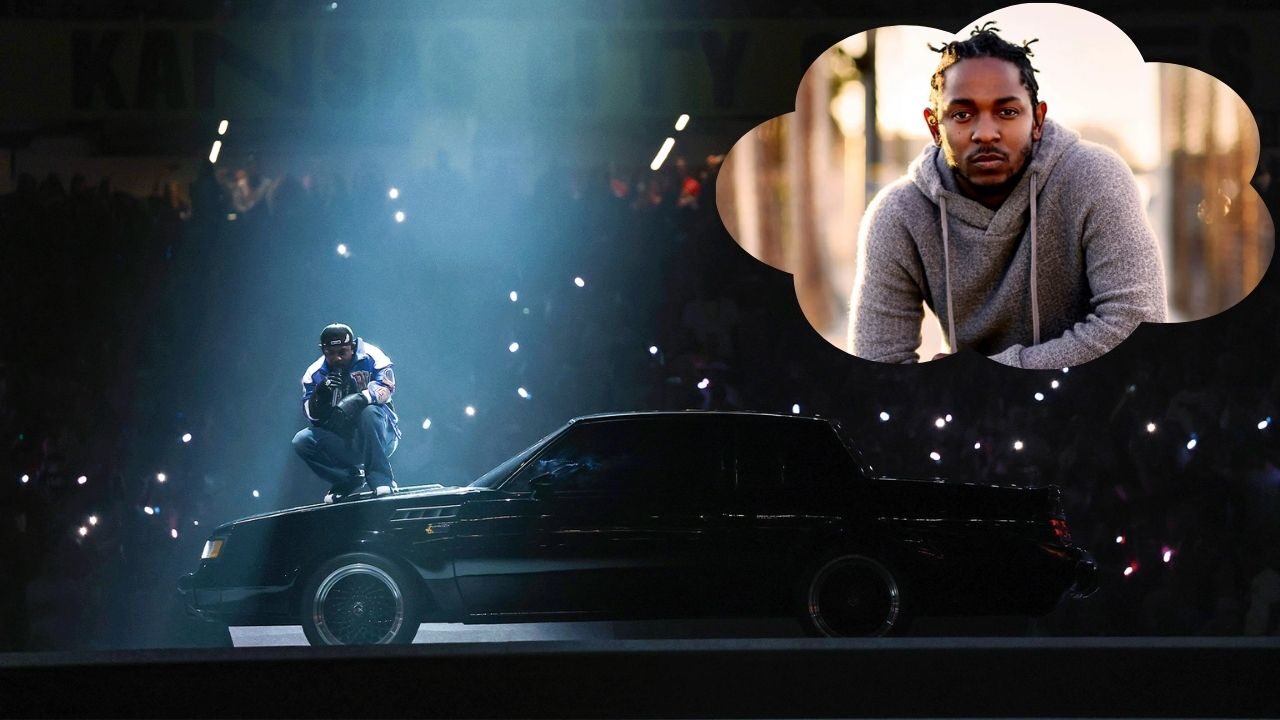
Anyone could think that Kendrick Lamar Car Collection will be filled with cars which wrap in neon lights and shiny rims because he is a rapper. But Kendrick’s choice is wrapped with old classic and modern futuristic technology. Artists who won Pulitzer treats his garage the same way he treats his music.

He knows which car gives him the best ride experience. He respects the depth and history of each car he owns like his own music. Kendrick’s car collection is valued at $8 million to $10 million. His classy and decent taste tells the story of his life, his lifestyle from West Coast hip-hop culture. 

Let’s look inside the Kendrick Lamar Car Collection and understand what makes his taste in cars so effortlessly cool. 

The West Coast Classics: Rooted in Compton 

Growing up in Compton, Kendrick was surrounded by classic American cars which grew his interest in the classic era. He began to love cars that are modified to ride low to the ground and he bought them right after he made a successful career.

The 1964 Chevrolet Impala

1964 Chеvrolеt Impala

Imagе Crеdit: YouTubе

The ’64 Impala is the ultimate symbol of California car culture. Dr. Dre and Snoop Dogg featured this car in their music video and Kendrick paid tribute to those roots. Most people chose flashy cars with shiny paint and attractive looks along with modifications but he chose the Chevrolet Impala that was already designed uniquely with long body and classic lines.

The 1990 Cadillac Brougham

1990 Cadillac Brougham

Imagе Crеdit: YouTubе

Kendrick’s love for old-school luxury is endless, he bought an amazing 1990 Cadillac Brougham. He featured this hero in his smash-hit music video for “King Kunta.” This vehicle represents old-school power and dignity with a massive, square, and big cabin which makes you fall for it. 

The First Cars: Sentimental Value

When he got successful, he bought his first car, a 1992 Cadillac Seville which was not that fast but it was a really reliable and comfortable car at that time. He also carried sentimental value for Buick Regal which appears in his stories about growing up in the 1990s. 

The Heavy Hitters: Modern Luxury and Speed 

Let’s come to the modern cars which Kendrick bought for enjoying comfort and engineering of modern luxury. But his modern choices also reflect how he respects the beauty of machines.

Porsche 911 Carrera 

Many rappers buy loud, mid-engined supercars to flex on social media. But Kendrick’s style is unique, he owns a Porsche 911 Carrera which masters in incredible handling and timeless design. This car perfectly suits his personality of silent nature until he takes a mic in his hand. 911 Carrera is a superfast luxury car which makes people’s heads turn.

Rolls-Royce Phantom 

Rolls-Royce Phantom offers a 6.75-liter twin-turbo V12 engine which produces 563 horsepower. This is the most expensive car and an absolute fortress of isolation that makes it ideal for Kendrick. He takes this car whenever he needs to go alone to clear his mind for writing music. He keeps it classic, letting the elegance of the vehicle speak for itself. 

Car Model Estimated Base Price Key Feature Why It Fits Kendrick
Porsche 911 Carrera $120,000 Timeless sports coupe Because he doesn’t show off, he actually loves fast cars,
Mercedes-Benz G-Wagon $180,000 Boxy, rugged luxury SUV Perfect model for him to travel privately,
Lamborghini Urus $235,000 High-performance SUV Can be used as a daily driving partner without losing its beauty of luxury.
Rolls-Royce Phantom $460,000 ultra-luxury sedan Full black and quiet just like him. A true definition of elegance and commanding presence.

The Future and The Rare Gems 

Kendrick also owns a car that fills the gap between old supercars and modern practicality. His garage was filled with masterpieces that showed his knowledge and power of peace.

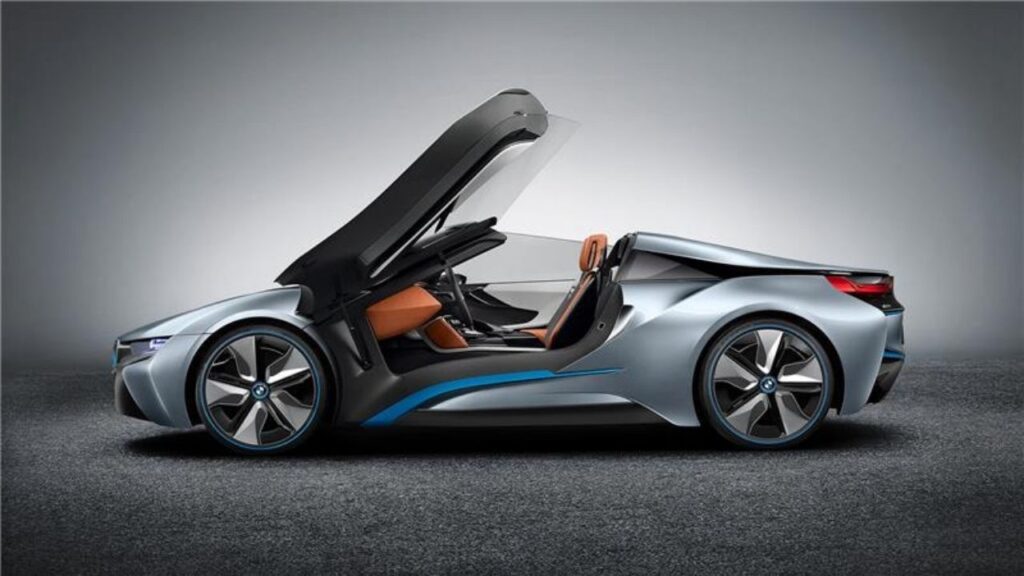
The 2017 BMW i8

This plug-in hybrid sports car is a definition of modern tech, along with its striking visual design to contrast his older, classic vehicles. i8 represents Kendrick’s interests towards futuristic automotive design other than his older vehicles. 

BMW i8

BMW i8

This car also featured in the music video for “LOYALTY” which adds a glimpse to the visuals of wild, reckless lifestyle. BMW i8 represents design structure as a concept spaceship that has swing doors.

Feature  Specification 
Engine  1.5-Liter Turbocharged 3-Cylinder + Electric Motor 
Horsepower  357 hp 
0 to 60 MPH Time  4.2 seconds 
Top Speed  155 mph 
Electric-Only Range  15 miles 

The 1987 Buick GNX 

1987 Buick Rеgal GNX

Imagе Crеdit: YouTubе

1987 Buick GNX is one of the prestigious cars which can outrun ferraris at that time. This powerful legendary “sleeper” car looks regular but the monster sedan wraps up with a fastest speed engine. It reflects Kendrick’s public persona, quiet and modest until he steps up to the microphone. 

Read More:- Nicholas Pooran Car Collection: IPL Champion Owns Cars That Suits His Lifestyle

Conclusion

Kendrick Lamar Car Collection is effortlessly cool just like his personality. He chooses every car to add to his collection very carefully. He buys cars that mean something to him not to fit into a rapper stereotype. Many people choose cars that highlight them in public but he owns what he loves. Kendrick’s garage proves that true class is quiet, historic, and deeply personal. 

0

5 Upcoming compact SUVs in India 2026-27 – Hyundai to Renault

Upcoming compact SUVs in India

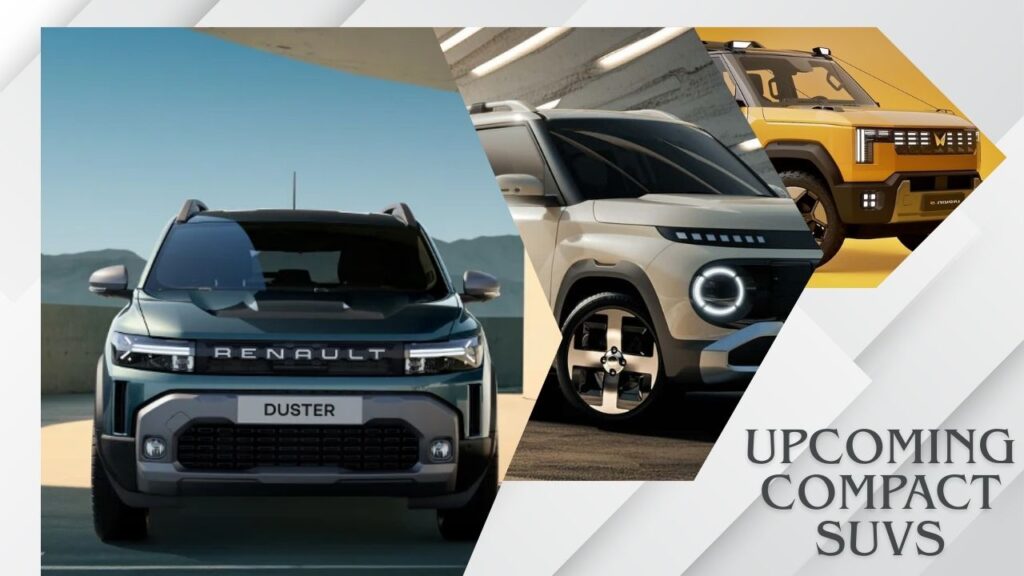
Upcoming compact SUVs in India in 2026, the Indian auto industry is not just evolving but having a “glow-up”. The sub-4-metre tax regulation, which let automakers play Tetris with their car designs, had us pinned down for ages. That is if you craved an SUV, you usually had to settle for a “raised hatchback” that seemed like a compromise.

But that era of compromise will now be over with the 2026 and 2027 models up for inspection. “Compact SUV” is now a graduate. They’ve traded nostalgia, not to mention the “cheap” option, for high-tech, luxury powerhouse. If you’re an early electric vehicle adopter, a tech-obsessed city dweller or a weekend thrill-seeker, the next year and a half has something in store for you. 

The Return of the King: Renault Duster (Gen 3)

Release schedule: March 2026 for ICE | Late 2026 for strong hybrid

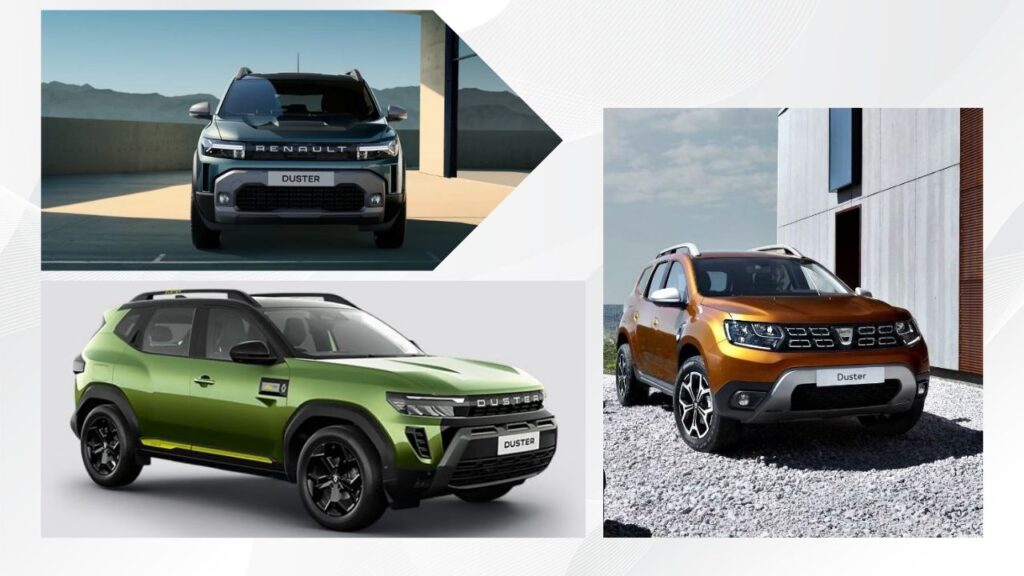
If any car has attained “cult status” in India, it is the Duster. It’s the Upcoming compact SUVs in India that first told us a compact car could drive like a tank but ride like a stock luxury sedan. After a hiatus, it’s back and Renault aren’t messing around.

Renault Duster

The new Duster will be based on the latest CMF-B platform, shedding its old dated bones. It is rugged looking—complete with Y-shaped LEDs and recycled „Starkle“ plastic cladding that taunts scratches—yet the magic is really under the hood. Renault is going all in on a 1.8L Strong Hybrid system. It is built to take 80% of your daily urban runs in seam electric mode, offering you diesel-like fuel efficiency without the “dirty” vibrations. For long-distance touring, it’s the ultimate ‘no regrets’ SUV. 

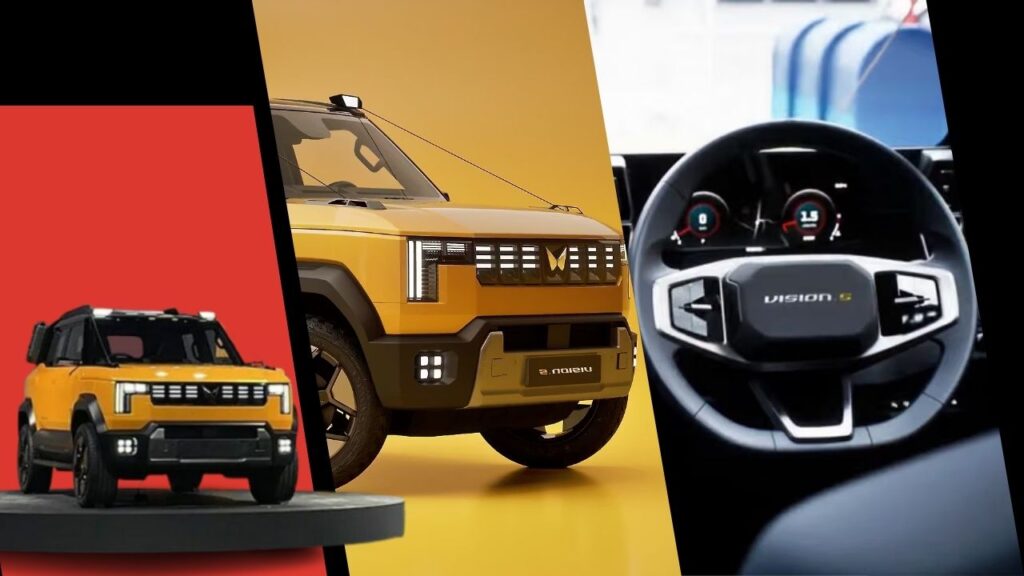
The Brute Baby: Mahindra Vision S

To Release: Early 2027

Mahindra has spent the past few years trying to be the “cool parents” of the SUV world. The Vision S (murmured around the clock as the “Baby Scorpio”) is their latest masterstroke. It’s for the person who craves the “get out of my way” road presence of a Scorpio-N but must tuck into a narrow mall parking space.

Mahindra Vision S

Going against the grain of many rivals who are adapting more rounded, “urban chic” looks, Mahindra is holding fast with a very boxy, upright shape and a tailgate-mounted spare wheel. The one thing traditionalists want: Diesel is not dead here. While the rest are ditching the oil burner, Mahindra is carrying forward the 1.5L mHawk engine for the new Vision S, making it the choice for high-mileage commuters in Tier-2 and Tier-3 towns. 

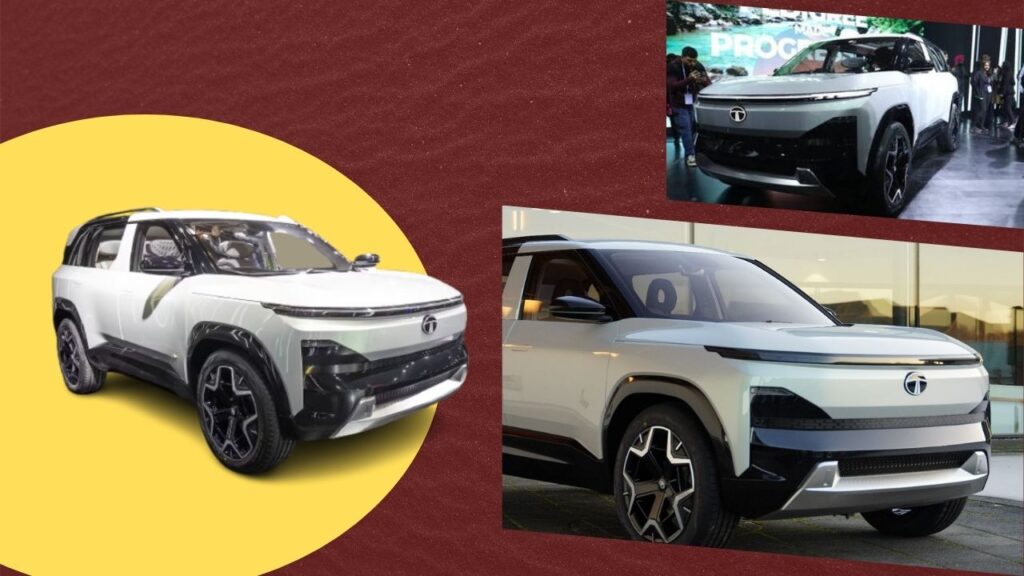
A Legend Reborn: Tata Sierra EV

Launch Date: March 2026

If you grew up in the 90s, then the word “Sierra” must bring back some lovely memories. It changed the landscape in the SUV segment being India’s first real lifestyle offering. Tata is bringing back the glory days for that legend, this time, it’s powered by lightning.

Tata Sierra EV

The Sierra EV isn’t simply a Nexon in a new body, it is based on the Acti.ev (Active Intelligent Electric Vehicle) “skateboard” platform. The floor is completely flat, the cabin is massive, and there’s even a “frunk” for charging cables. Tata is marketing this as a “Lounge On Wheels” with the iconic wrap-around “Alpine Windows” and reclining rear seats. With a claimed range of over 400 km and All-Wheel Drive (AWD) as an option, this luxury cruiser doesn’t mind getting a little dirty. 

Functional Masterpiece: Kia Syros 

Scheduled Release Date: Mid- 2026

Kia is instead “zigging” where everyone else seems intent on “zagging,” making their Upcoming compact SUVs in India look like sporty coupes with sloping roofs. The Syros (internally referred to as the Clavis) is a futuristic box you can be proud of.

Kia Syros 

Why a box? Because practicality applies to boxes. The Syros prioritizes vertical space, so even six-foot-tall riders get plenty of headroom in the rear cabin. Inside, Kia is introducing its “Trinity” cockpit – a giant, seamless glass console that integrates three different displays. It’s the “gadget on wheels” for Gen Z buyers, who prioritize interior space and high-speed connectivity over sleek profiles, he said. It is scheduled to go on sale as an EV first, with petrol variants to follow soon thereafter. 

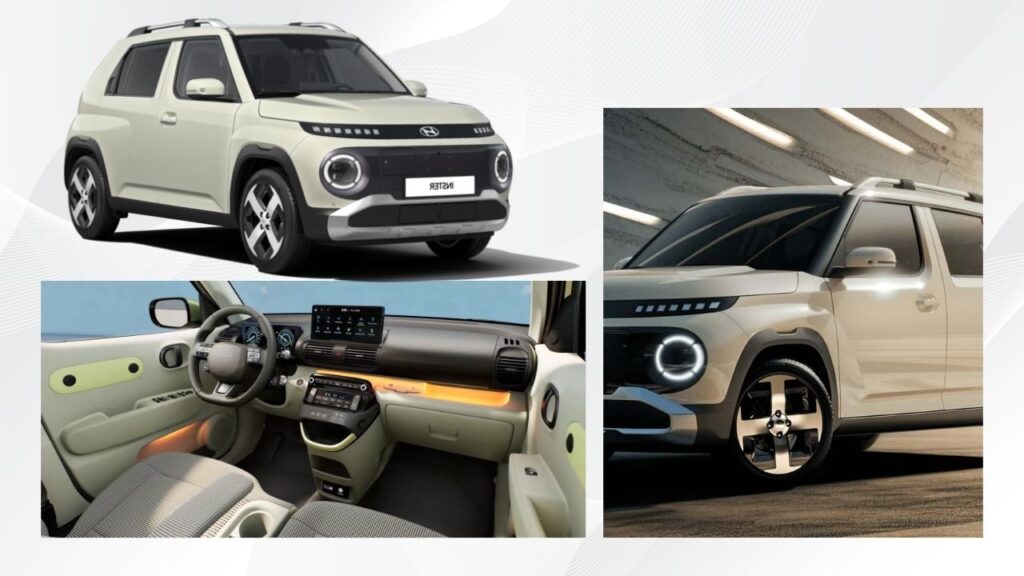
The Bengal-barren EV: Hyundai Inster

Schedule Release: Q4 2026

Hyundai’s have a straight aim to make electric cars affordable. The Inster is an ingenious version of the global Casper EV, but Hyundai has extended it by 230mm just for India. Why? Because we want our legroom.

Hyundai Inster

The Inster is the ideal city “pod.” It’s tiny enough to plunge into holes in traffic yet techie enough to seem upscale. It has a “Pixel” design (inspired by its larger sibling, the Ioniq 5) and modular seats that can be folded completely flat — ideal for a quick car-camping trip or a nap between appointments. With a price target below ₹10 lakh, this is the vehicle that may finally turn EVs into a household staple in India. 

Read More:- Saurabh Ahuja Luxury Car Collection: Prices, Models and Features

Conclusion:- Upcoming compact SUVs in India

Upcoming compact SUVs in India: What the next two years really turn on is so-called hyper-segmentation, as the auto market moves beyond the era when cars were “one-size-fits-all.” Now, each is a lifestyle choice: 

  • Duster is comfort and ability to cover 500 km without getting tired 
  • Vision S is a rugged, reliable workhorse 
  • Sierra EV is for design-conscious professionals who want their car to say something 
  • Syros is the ultimate family-and-tech hub, while Inster is the clean, concise future of city commuting. 

It’s not a decision about what you can afford anymore — it’s a decision about who you want to be on the road. 

0

Best 7 seater cars in India for 2026 – Comfortable, Budget-Friendly & Perfect for Families

Published May 30, 2025, 6:02 AM
Last Updated Nov 5, 2026, 4:14 PM

Best 7 Seater Cars in India for 2025 – Comfortable, Budget-Friendly & Perfect for Families

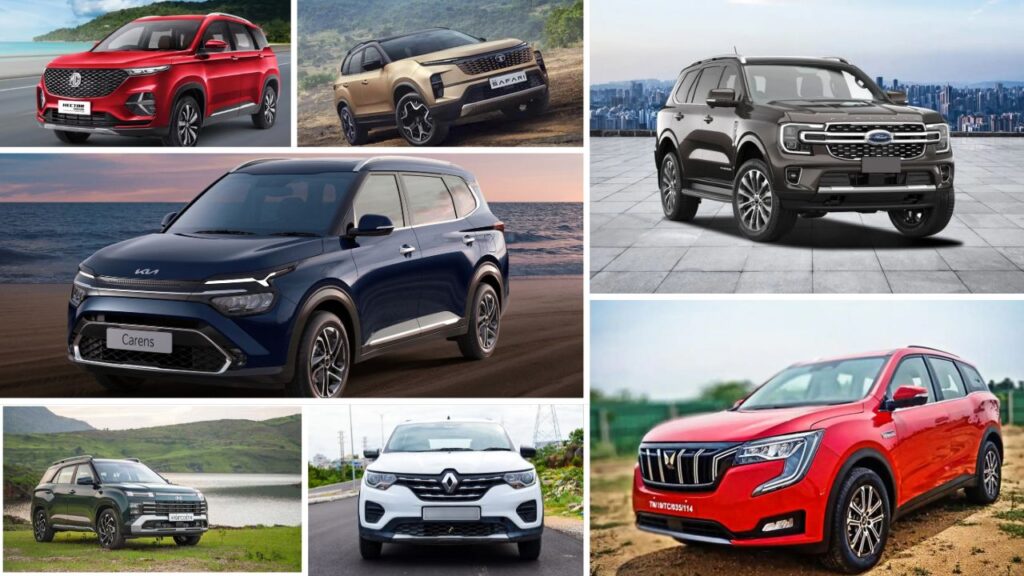
When you are in the market for a new car, it can be hard to find the right one. And one of the greatest solution is a 7-seater car, enough space for everyone and maximum comfort for the entire family. Looking to purchase a 7 seater cars in India for 2026? You are at the right place. This article goes through some of the best of such general outstanding cars with comfort, affordability, and reliability.

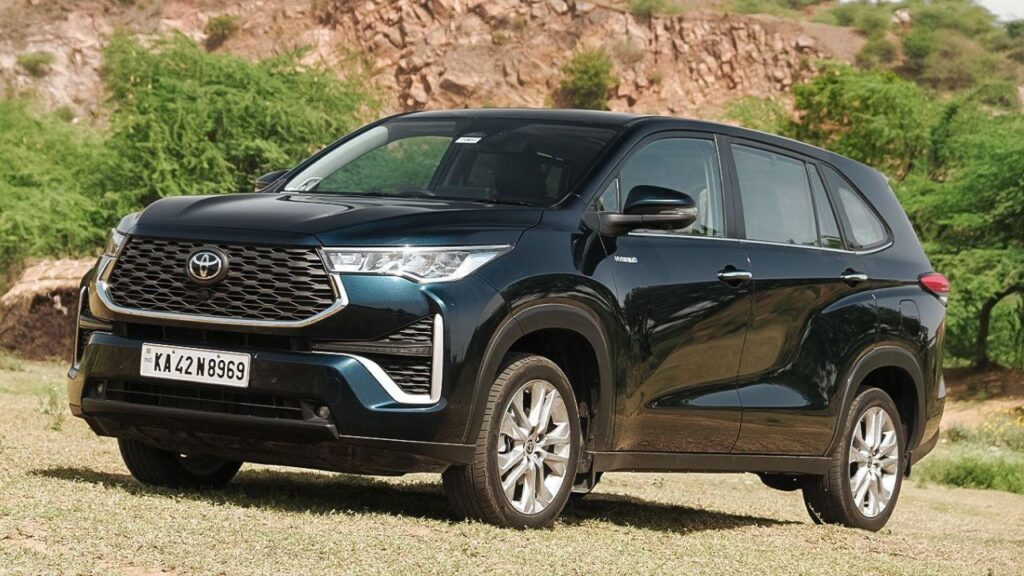
Toyota Innova HyCross

Toyota Innova HyCross

The Toyota Innova was the stuff of households in India for many years, and the new HyCross only further heightens its status. You get a car that is equipped with a hybrid engine with a fuel efficiency and reduced emissions which means a lot if you are into that eco stuff. The expansive cabin ensures your whole family travels in comfort, and the high-end amenities add a touch of elegance. Its reliability has been consistently solid and Toyota’s reputation explains why it remains so popular among families.

It’s got a high fuel-efficiency hybrid engine, a 10-inch touchscreen, a panoramic sunroof, and state-of-the-art safety options. Toyota Innova HyCross Price The Toyota Innova HyCross is priced at ₹22-30 lakh (ex-showroom) tagged along with inviting maintenance as a well (as discussed in our previous sections)?It is guaranteed to serve register monster turnover.

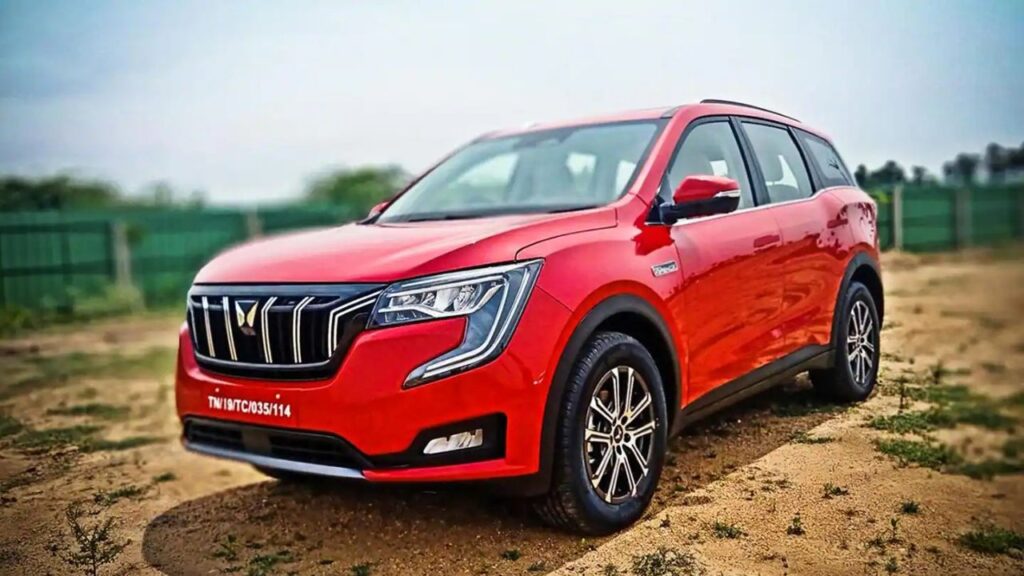
Mahindra XUV700

Mahindra XUV700

The Mahindra XUV700 is another great choice if a luxurious SUV with breath-taking performance is what you seek. Luxury This vehicle includes a luxurious cabin with a strong engine. The XUV700 also gets cutting-edge technology, including the Adrenox connected car tech, and Level 2 ADAS (Advanced Driver Assistance System) for added convenience and safety. It is great for families who desire an approach to luxury mixed with functionality.

Mahindra XUV700 price range is expected to be between ₹15 lakh and ₹25 lakh (ex-showroom), making it a value proposition for enthusiasts wanting a premium, high-tech ride at an inexpensive price.

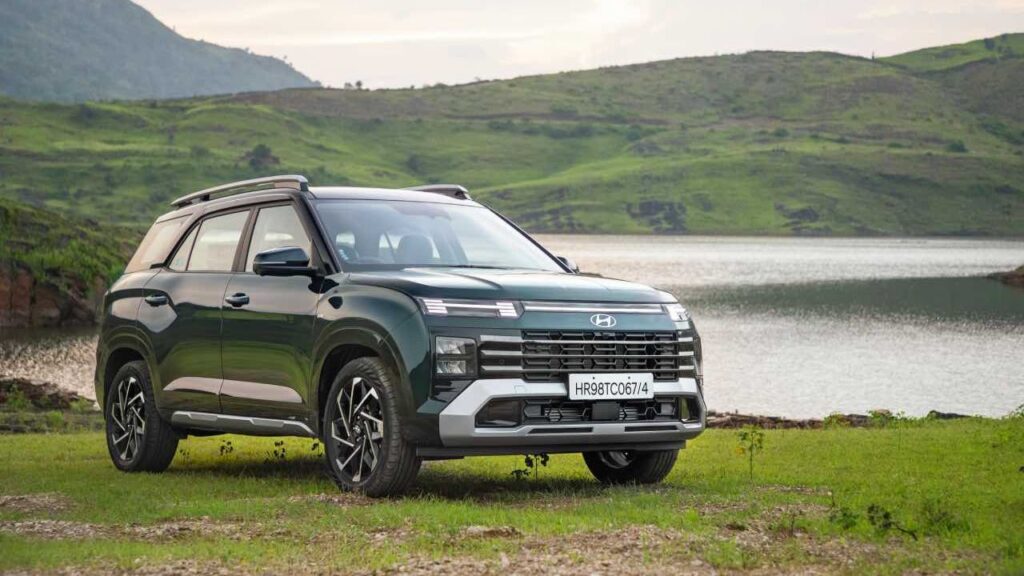
Hyundai Alcazar

Hyundai Alcazar

The Hyundai Alcazar is a handsome, feature-loaded 7-seater SUV, Pictured: Hyundai SUV 7-seater. Famous for its smooth ride and its plush interior, this car is a solid deal for any family who wants a mix of comfort and tech. Among the features are a 10.25-inch touchscreen, ventilated seats, wireless charging and BlueLink connected car technology. Hyundai is also famous for its unbeatable post-sales service that enhances the Alcazar’s desirability.

The Hyundai Alcazar price will range between ₹16-22 lakh (ex-showroom) and is ideal for a family looking for a premium yet affordable in SUV.

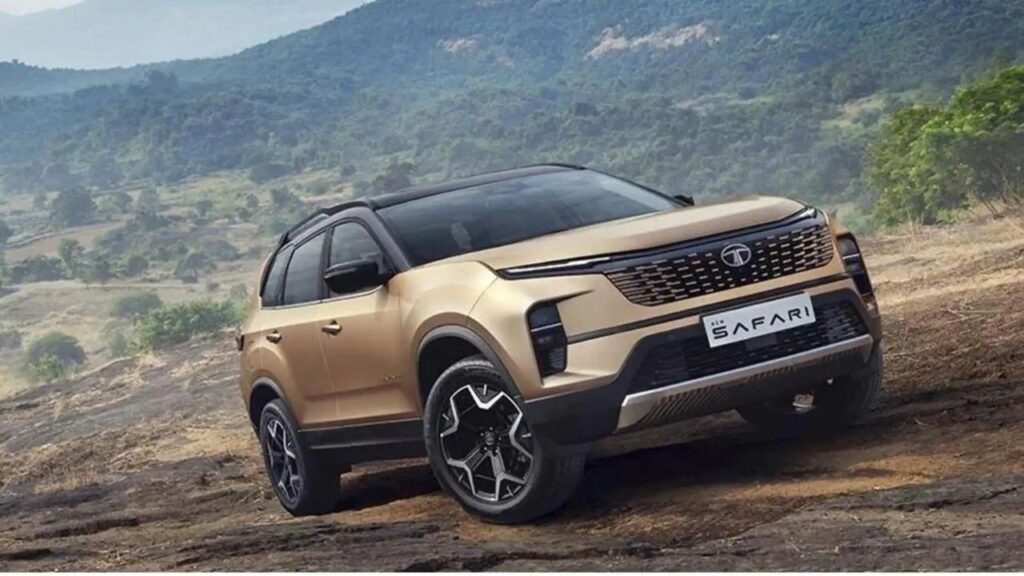
Tata Safari

Tata Safari

The Tata Safari is an elegant and rugged SUV that is suited for urban streets and occasional off road trips. It’s a striking looking vehicle with contemporary touches in the form of iRA connected car tech, sunroof and, naturally, a decnet six airbags for safety. Families who like getting outdoors need something like the Safari – which is rugged and offers plenty of space.

Starting at ₹16 lakh and going up to ₹25 lakh (ex-showroom), the Tata Safari is a cost-effective stylish option for families that love to take trips.

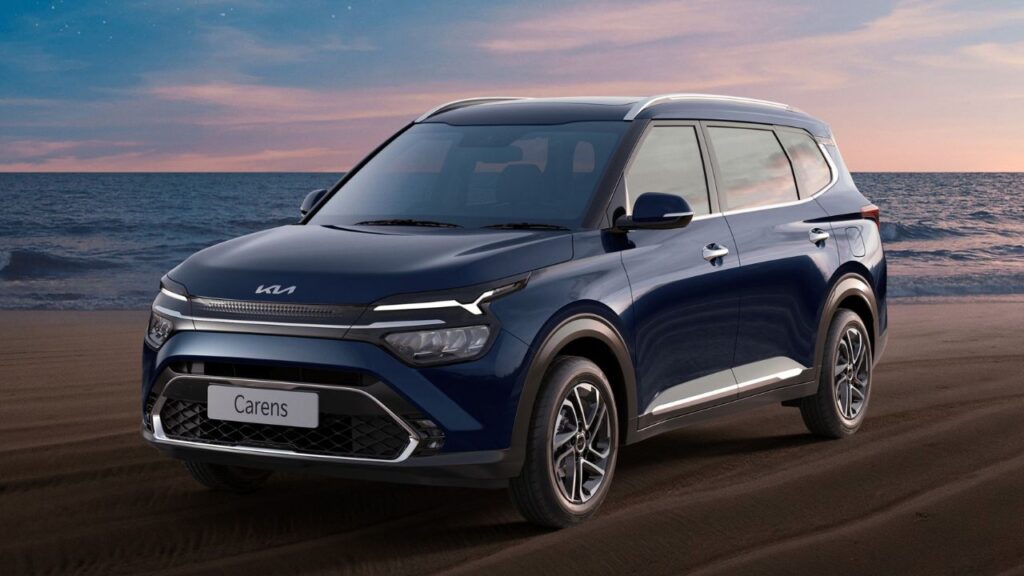
Kia Carens

Kia Carens

If you’re after a cheap and cheerful MPV, consider the Kia Carens. This vehicle gets you a lot of car for your money with lots of space and utility. The Carens is a great drive, with seating options to suit your lifestyle. It’s created for the type of families that want a mix of room, comfort and affordability.

Kia Carens is priced between ₹10-18 lakh and is comparatively one of the more affordable cars on this list without compromise on features and comfort.

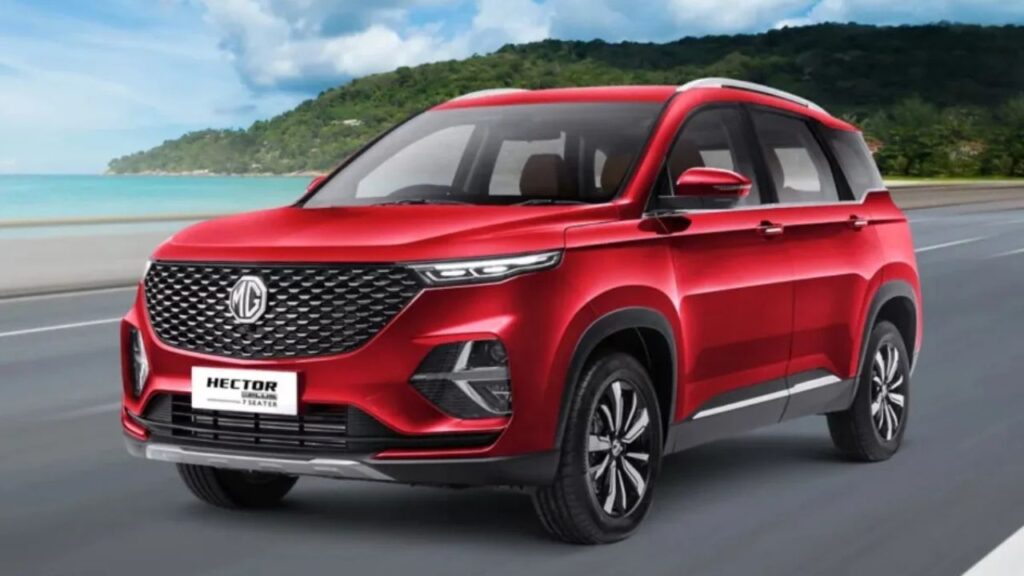
MG Hector Plus

MG Hector Plus

A large and fully-loaded family SUV that is even larger and more fully-loaded after its Plus treatment. It’s designed for those who like tech and comfort, with a large 14-inch touchscreen and a panoramic sun roof, and features the i-Smart connected car technology. Sheer Driving Pleasure : Hector Plus offers a comfortable ride & is ideal for family road trips.

With a price tag ranging between ₹18-25 lakh (ex-showroom), the MG Hector Plus is a fan favorite in the 7-seater SUV segment offering good balance of tech, comfort and space.

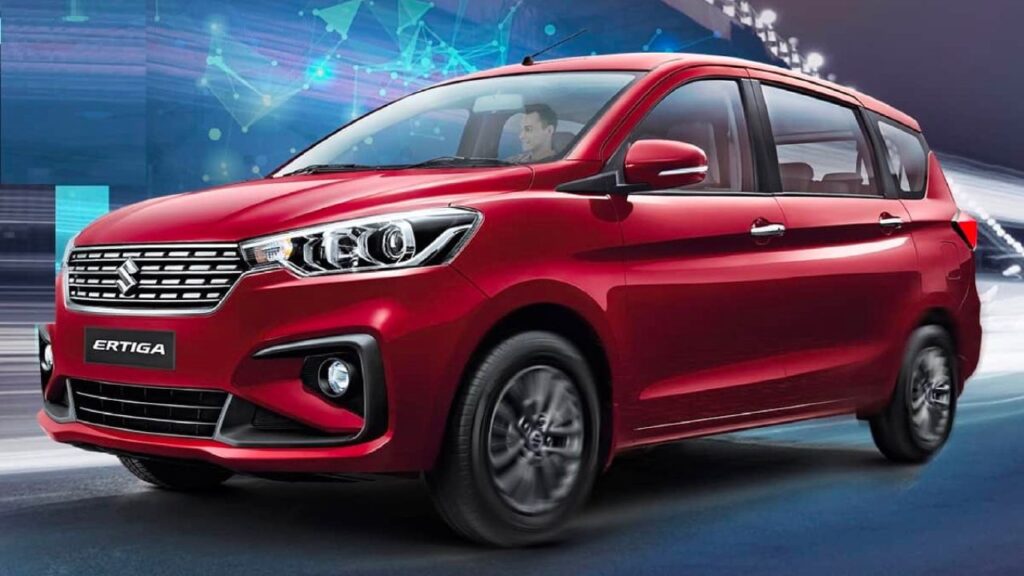
Maruti Suzuki Ertiga

Maruti Suzuki Ertiga

The Maruti Suzuki Ertiga is one of the cheapest 7 seater cars in India. It’s a popular model with superior fuel efficiency and reduced maintenance expenses, with high degree of reliability. There’s plenty of room inside, so your family will easily travel in it, yet the car comes at an affordable price, which is just great news for anyone after value for money.

Maruti Suzuki Ertiga The Maruti Suzuki Ertiga comes in the price range of ₹9-13 lakh (ex-showroom) and brings a value-for-money solution for families who are in need of a 7-Seater car under a budget.

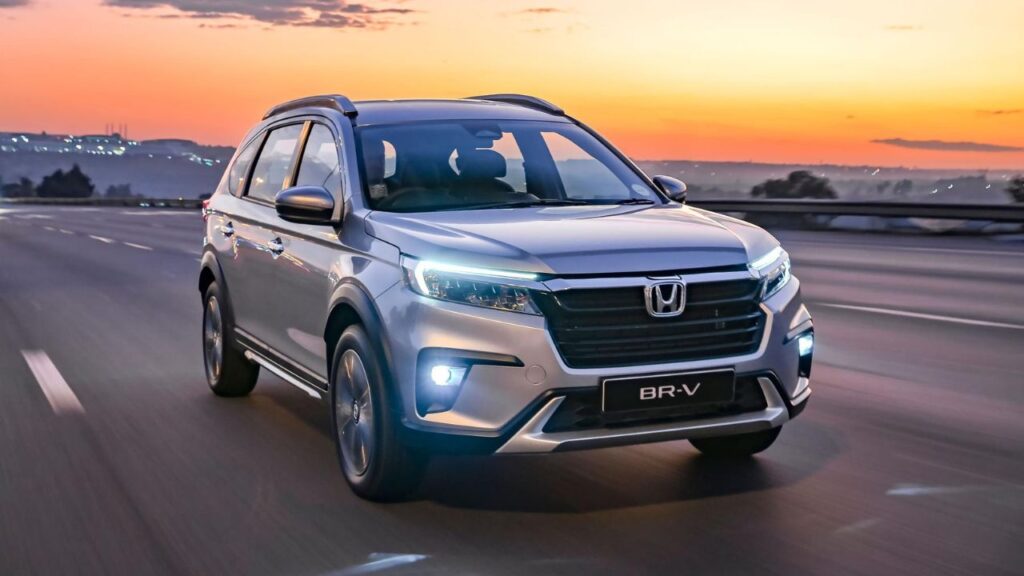
Honda BR-V

Honda BR-V

An affordable compact 7-seater SUV in the form of the Honda BR-V available in the market today. It has a decent performance and comfortable ride and is a great option for families that are in the market for a budget friendly and reliable car. The BR-V has a touchscreen for its infotainment, rear AC vents and Honda’s well known trustworthiness in engines.

Priced between ₹10-15 lakh (ex-showroom), the Honda BR-V is ideal for families keen on a smaller SUV but still large enough for long drives.

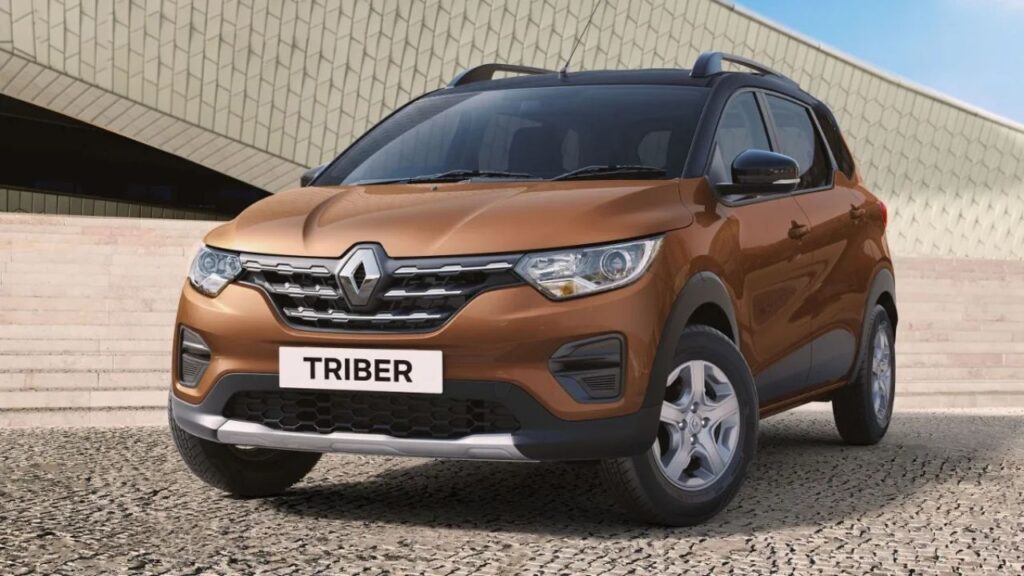
Renault Triber

Renault Triber

The Renault Triber is a great compact MPV option that is surprisingly spacious and flexible – ideal for small families. Definitely a go-to for the people that require a 7-seater car yet would rather not drive with the proportions of a conventional SUV. The Triber boasts modular seating, an 8-inch touchscreen and great fuel consumption to be practical and economical.

The Renault Triber is the cheapest of the 7 seater cars in India market right now It’s the small price bracket of ₹6-10 lakh (ex-showroom) that Renault’s Triber fits in and is best suited for a family on a budget.

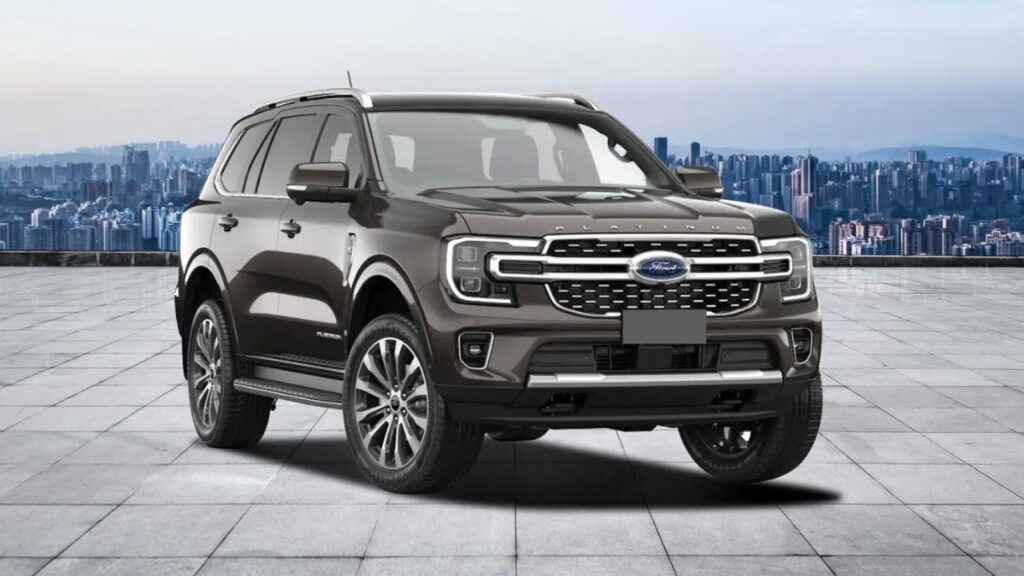
Ford Endeavour

Ford Endeavour

Ford Endeavour will certainly be among the ones leading the pack in 7-seater SUVs. With its tough looks, strong diesel motor and plush insides, the Endeavour is perfect for a family that loves to go places and is also looking for something that can take the rough with the smooth. There’s even a 4WD option for these who like to test the suspension off-road.

Priced in the range of ₹35-40 lakh (ex-showroom), the Endeavour is a premium SUV designed for families who love adventure and luxury.

Conclusion

Thе 7 seater cars in India for 2026 offеr a variеty of options that catеr to diffеrеnt budgеts and prеfеrеncеs. Whеthеr you arе looking for a fuеl-еfficiеnt hybrid, a luxury SUV, or a rеliablе family car, thеrе’s somеthing for еvеryonе. I hopе this list hеlps you find thе pеrfеct car that mееts your family’s nееds and fits your budgеt. No mattеr which onе you choosе, thеsе cars will offеr you comfort, spacе, and rеliability for yеars to comе!


0

Maruti Suzuki September 2026 Offers: Save Money On Your New Car

Published Sep 7, 2026, 12:48 PM
Last Updated Sep 11, 2026, 10:42 AM

Maruti Suzuki

Maruti Suzuki September 2026 Offers are up to ₹1.35 lakh that’s the maximum benefit on the Victoris Strong Hybrid. It’s the biggest offer Maruti Suzuki is offering on an Arena model in months but this is not the only model which has a great offer. The entire Arena lineup is given up to ₹3.70 lakh benefit through consumer discounts, exchange bonuses, scrappage incentives, and corporate offers, and these don’t all stack together.

It’s best to grab this offer and save your money on a new car but understanding which model is worth buying right now under Maruti’s September scheme is a work you can do right now.

Maruti Suzuki September 2026 Offers: Model-Wise Breakdown

The current offer sheet covers the Arena range end to end. Here’s the maximum total benefit by model:

Model / Variant Maximum September 2026 Benefit
Victoris Strong Hybrid ₹1,35,000
Victoris Petrol / CNG ₹85,000
Tour H3 Petrol ₹60,000
WagonR Petrol ₹57,500
Alto K10 LXI (Petrol) ₹52,500
Tour H3 CNG ₹50,000
WagonR CNG ₹47,500
Swift Petrol ₹45,000
Alto K10 (other petrol variants) ₹42,500
Celerio (all fuel/transmission options) ₹42,500
Eeco Petrol ₹42,500
Eeco Cargo Petrol ₹40,000
Tour H1 Petrol ₹40,000
Alto K10 CNG ₹37,500
S-Presso Petrol ₹37,500
Eeco CNG ₹32,500
Swift CNG ₹30,000
Eeco Cargo CNG ₹30,000
Tour S Petrol / Tour H1 CNG / Tour V Petrol ₹25,000
Tour V CNG ₹20,000

Two things stand out immediately. First, this is a targeted push, not a blanket clearance sale — Maruti is putting real weight behind specific models rather than discounting everything equally. Second, the Brezza is sitting this month out entirely, if you were cross-shopping a Brezza against a Venue or Nexon this September, that’s worth knowing before you walk in expecting a deal.

Why the Maruti Suzuki Victoris Is Getting Maruti’s Biggest Push

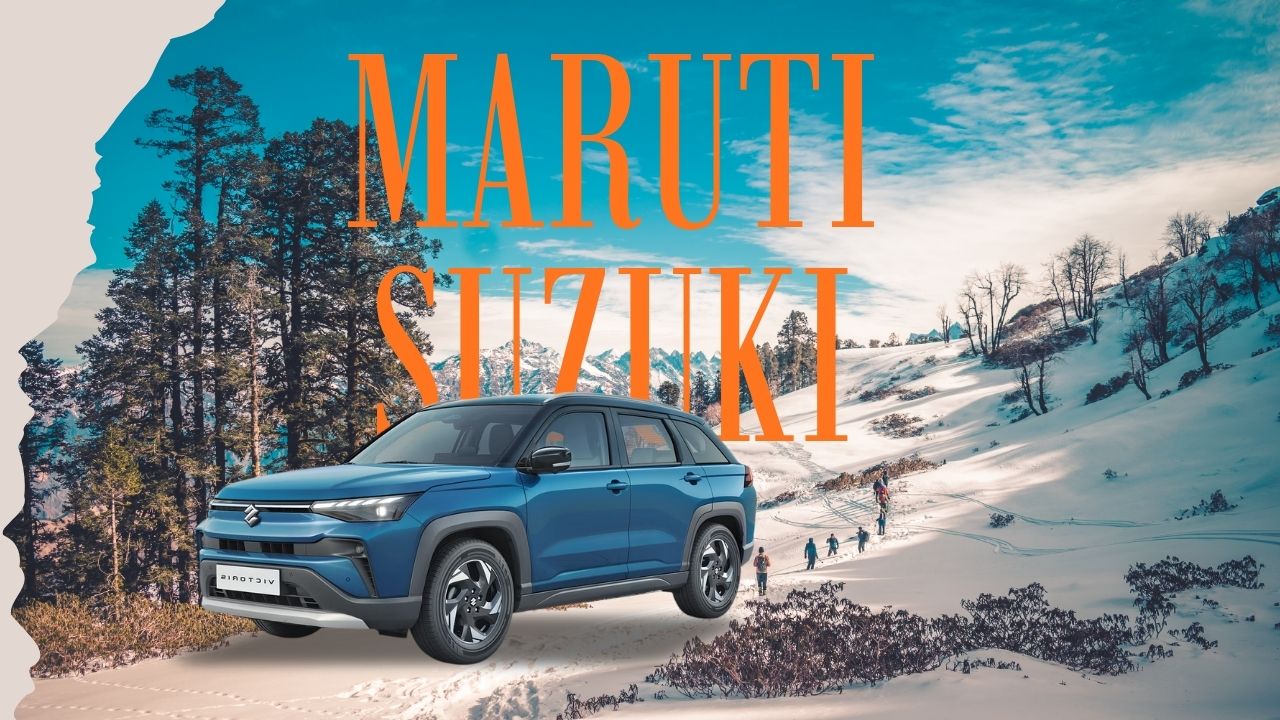
Hyundai Creta and Toyota Urban Cruiser Hyryder biggest rival in the Indian market is Maruti Suzuki Victoris which was launched last year at ₹10.50 lakh to ₹19.99 lakh (ex-showroom). This is the brand’s strongest model due to its sales unit.

Victoris built on a strong-hybrid setup that combines a 1.5-litre petrol engine and factory-fitted S-CNG in underbody tank so the boot space will be free. It gives the 114 bhp of power, torque-converter automatic, and e-CVT gearboxes. 

With this powerful body, Maruti doesn’t compromise its safety features and mileage. ARAI-claimed mileage ranges from 19.07 kmpl on the AWD petrol to 28.65 kmpl on the strong hybrid, with the CNG variant rated at 27.02 km/kg.

Maruti Suzuki Victoris

The ₹1.35 lakh figure applies specifically to the Strong Hybrid line, built from a ₹20,000 consumer discount plus exchange, loyalty/upgrade, and scrappage-linked incentives layered on top — and the final number depends on which of those schemes you actually qualify for. The plain petrol and CNG versions top out lower, at ₹85,000. 

It’s also worth knowing that Maruti already trimmed Victoris petrol variant ex-showroom prices by up to ₹39,000 back in July 2026, so this month’s discount is stacking on top of a car that’s on top of an earlier price reduction — rather than being offset by a higher sticker price.  

If you’re eyeing a Strong Hybrid and have an old car to trade in or scrap, this is genuinely one of the stronger SUV deals on the market right now — not just relative to Maruti’s own lineup, but against what rivals are offering.

Buying an Alto K10, WagonR, or Swift Worth Right Now

For buyers shopping at the entry level, the numbers are smaller in absolute terms but often larger as a share of the car’s price. The Alto K10, priced from ₹3.70 lakh to ₹5.45 lakh (ex-showroom) and rated at 24.9 kmpl petrol / 33.85 km/kg CNG, gets up to ₹52,500 off on the LXI petrol variant — a ₹25,000 consumer offer plus exchange, PCM, scrappage, and institutional benefits. That’s over 10% off the base price if you qualify for the full stack. Other Alto K10 petrol variants cap at ₹42,500, and the CNG version at ₹37,500.

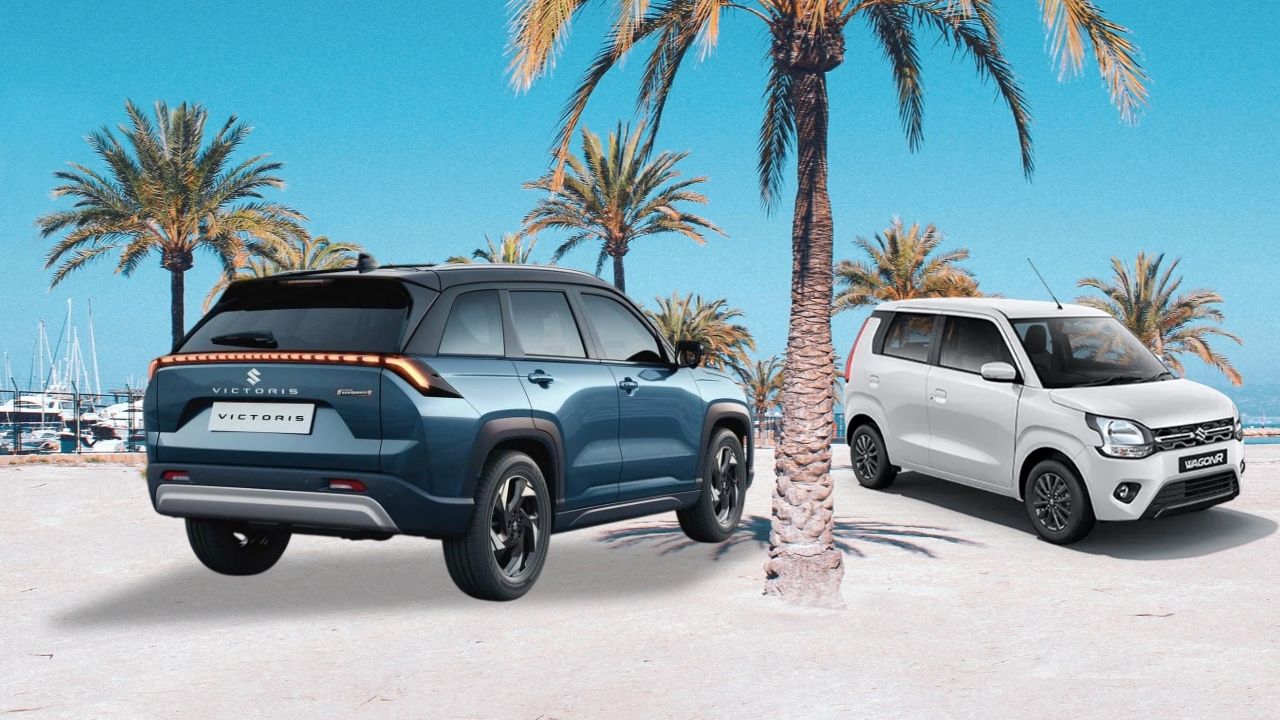
The best mileage provider in India is WagonR, now gets up to ₹57,500 off on petrol variants which is the biggest offer among Maruti’s mass-market hatchbacks this month, built around a ₹30,000 consumer offer. The CNG version caps at ₹47,500. The hatchback ex-showroom price is roughly up to ₹6.95-7.24 lakh which offers 25.19 kmpl petrol, 34.05 km/kg CNG.

New-gen Swift petrol variant gets ₹45,000 in total benefits including a ₹15,000 consumer discount with other additional offers. While CNG variants get ₹30,000 benefit, with no direct cash discount listed in this month’s scheme. So the entire discount comes from exchange and scrappage options, it’s best if you have a car to trade. 

The Celerio and S-Presso offer nearly ₹42,500 and ₹37,500 respectively, both come with ₹10,000–15,000 consumer offers along with exchange and scrappage benefits.

The Alto K10’s direct rival, the Hyundai Grand i10 Nios, is carrying up to ₹70,000 in benefits on its own petrol variants this September, and ₹65,000 on CNG. That’s a bigger number than the Alto K10’s ₹52,500 ceiling. But practically, the Grand i10 Nios also starts from a higher base price, so the gap narrows once you look at the final on-road figure rather than the discount alone — a pattern that repeats across almost every segment this month.

Read More 👉  Buy Tata Curvv Series X At Rs. 9.99 Lakh With Advanced Features Pack

Fleet and CNG Buyers: The Eeco and Tour Range

The Eeco and Tour lineups don’t get as much attention in festive-season coverage, but they matter to a specific buyer: taxi operators, school-van fleets, and small businesses running high-mileage routes where fuel cost per kilometre decides the purchase, not badge value. 

The Eeco petrol passenger version’s ₹42,500 ceiling and the CNG version’s lower ₹32,500 might look backwards at first glance — CNG usually gets favoured incentives but it reflects the fact that CNG Eeco units already sell on running-cost economics alone and need less discount pressure to move. 

The Tour H3, Maruti’s higher-spec fleet offering, gets the largest benefit in the commercial range at ₹60,000 petrol / ₹50,000 CNG, likely because it’s positioned to compete directly with aggregator-preferred sedans and MUVs from rival brands in the app-based cab segment.

The NEXA Gap: Grand Vitara, Fronx, Baleno, Jimny, and Invicto

The confirmed September 2026 figures above cover Arena models only. Maruti’s premium NEXA channel which sells the Grand Vitara, Fronx, Baleno, Jimny, XL6, and Invicto — hasn’t had its September scheme independently verified at the time. 

The last confirmed NEXA numbers are from August 2026, when the Invicto (a rebadged Toyota Innova Hycross) carried benefits of up to ₹1.55 lakh, the Grand Vitara topped out around ₹1.30 lakh on the base Sigma petrol trim, the Jimny got a flat ₹35,000 cash discount across variants, the XL6 saw up to ₹50,000, the Baleno up to ₹30,000, and the Fronx up to ₹25,000.

The Grand Vitara’s August figures were split by variant rather than flat: the CNG line topped out around ₹1.05 lakh, meaningfully below the petrol Sigma trim’s ₹1.30 lakh, and select trims came bundled with a complimentary 5-year extended warranty on top of the cash benefit. That variant-by-variant spread is likely to carry into September in some form, so if a Grand Vitara is on your list, ask specifically about your target trim from your nearest dealer.

If you’re cross-shopping a NEXA model this month, treat those August figures as a reference point for what’s typically on offer rather than this month’s confirmed figure, and ask your dealer directly for the current September sheet — NEXA discounts tend to track closely with Arena’s month to month, but the exact numbers do shift.

Read More 👉 Kia Carnival Hybrid Price In India And Additional Cost For Accessories

Maruti vs Hyundai: Whose September Discount Actually Saves You More

If the Victoris is on your list, chances are the Hyundai Creta is too — and Hyundai has also rolled out an aggressive September 2026 scheme. The Creta’s petrol and N Line trims carry benefits of up to ₹1 lakh, iVT petrol variants up to ₹90,000, and the E Petrol up to ₹85,000 — but diesel Creta buyers get just ₹10,000, a far smaller cut than what Maruti offers across the Victoris’s own diesel-free, hybrid-and-CNG-focused lineup.

Maruti vs Hyundai

Line up the ceiling numbers and the Victoris Strong Hybrid’s ₹1.35 lakh edges out the Creta’s ₹1 lakh maximum. But the comparison isn’t purely about the discount — it’s about what you’re discounting from. The Victoris starts nearly ₹1.5–2 lakh below the Creta at the entry trim, so even with a smaller headline discount, the Creta can end up costing more out the door. If a sedan is more your shape, Hyundai’s Old Verna iVT trims get up to ₹95,000 this month, versus nothing directly comparable from Maruti’s own sedan-less-heavy Arena lineup right now — the Dzire wasn’t part of this month’s published Arena sheet.

The practical takeaway: don’t compare discount rupee-for-rupee. Compare the on-road price after the discount, because that’s the number that actually matters.

Why “Up To” Rarely Means “For You”

Every model above carries a maximum benefit built from several separate schemes — consumer discount, exchange bonus, scrappage bonus, corporate/institutional offer, and sometimes a loyalty or upgrade bonus. 

Two rules apply across nearly every Maruti September 2026 offer in the Indian market, you can claim either the exchange bonus or the scrappage bonus, never both, and not every scheme is available to every buyer. 

A first-time buyer with no car to trade in or scrap, and no corporate or government employment to claim an institutional discount, will typically only qualify for the base consumer offer — which, on several models here, is a fraction of the advertised maximum. On the Swift CNG, for instance, that consumer offer is literally zero.

Before you book, ask the dealership for a written breakdown of exactly which schemes apply to your specific situation, not just the headline “up to” figure on the brochure.

Should You Buy in September, or Wait?

September sits at the start of India’s festive buying season, and manufacturers typically use months like this to build showroom traffic ahead of larger festival-specific schemes in October. That cuts both ways. If you’re set on a Victoris Strong Hybrid and have a car to exchange or scrap, this month’s ₹1.35 lakh ceiling is already competitive, and waiting for a marginally better October scheme carries the risk that Maruti simply reallocates the incentive elsewhere next month, as it’s done with the Brezza this time around. 

If you’re shopping an Alto K10 or WagonR purely on cash discount with no trade-in, the difference between this month’s offer and next month’s is usually a few thousand rupees — not enough to delay a purchase you’re otherwise ready to make.

With zero listed benefit this month, there’s a reasonable chance Maruti reintroduces a discount once the festive push properly begins in October and there’s no cost to wait to find out. 

Read More 👉 Ceramic Coating vs PPF For Kia Carnival Hybrid 2026 

Conclusion

Maruti Suzuki September 2026 Offers gave every car buyer a chance to grab their favorite model at lowest price. If the offer price seems reasonable then don’t miss while waiting to have more great offers.

As this festive season, offers will come up but not on these vehicles. Right now, the biggest brand’s model Victoris Strong Hybrid round out the budget end is not gonna be topped up again.

Before book any Maruti Suzuki model, confirm the total on-road price after the discount and compare 2-3 models for the right one.

0

Inside Mark Zuckerberg’s Car Collection: Luxury, Style & Surprises

Published Aug 23, 2025, 11:21 AM
Last Updated Aug 25, 2025, 6:24 AM

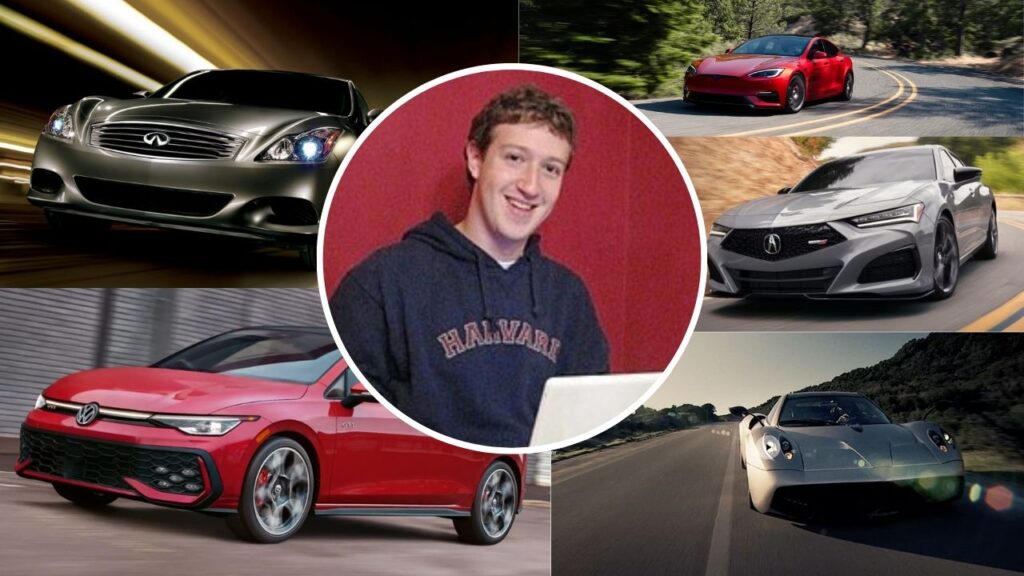
Mark Zuckerberg car collection featuring Honda Fit, Tesla Model S, Pagani Huayra and more

Flashy supercars may be the style of many billionaires but Mark Zuckerberg’s Car Collection is not just about luxury, it reflects his personality. His garage is telling a simple but intriguing story of the man who also prefers eco-friendly cars. But also sharing his modest interest in sedans and some other luxury cars. So, let’s explore these car’s features that offer strong performance on the road.

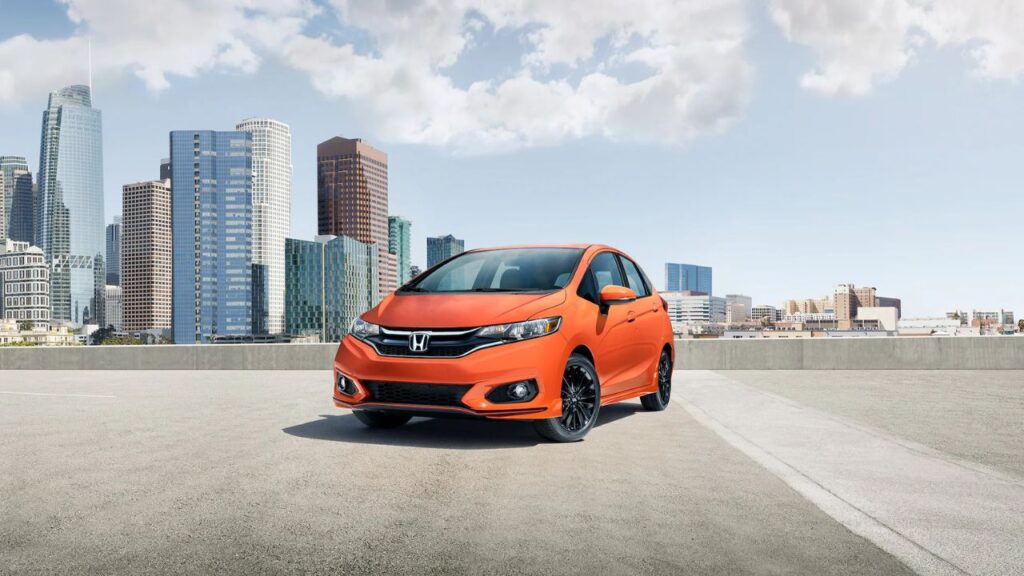
1. Honda Fit (Jazz) 

Honda Fit (Jazz) compact hatchback owned by Mark Zuckerberg

Image Courtesy: automobiles.honda

Honda Fit is also known as Jazz in some countries, this car is sharing a classic vibe of Zuckerberg no-show lifestyle rather than seeking attention on the road. The incredibly powerful 1.5L engine offers a powerful performance but his choice is unexpected. Priced around $20,000, this compact hatchback shows that he prefers practicality over glamour. He values comfort and efficiency with spacious interior, reliable maintenance and comfortable daily city commute. 

Features Specification
Engine 1.2L or 1.5L petrol/hybrid
Fuel Efficiency 16–18.2 km/l petrol, 22–27 km/l hybrid
Transmission Manual (5-speed), CVT Automatic
Seating Capacity 5 seats
Boot Space Fit: 470L, Jazz: 354L
Price $17,945

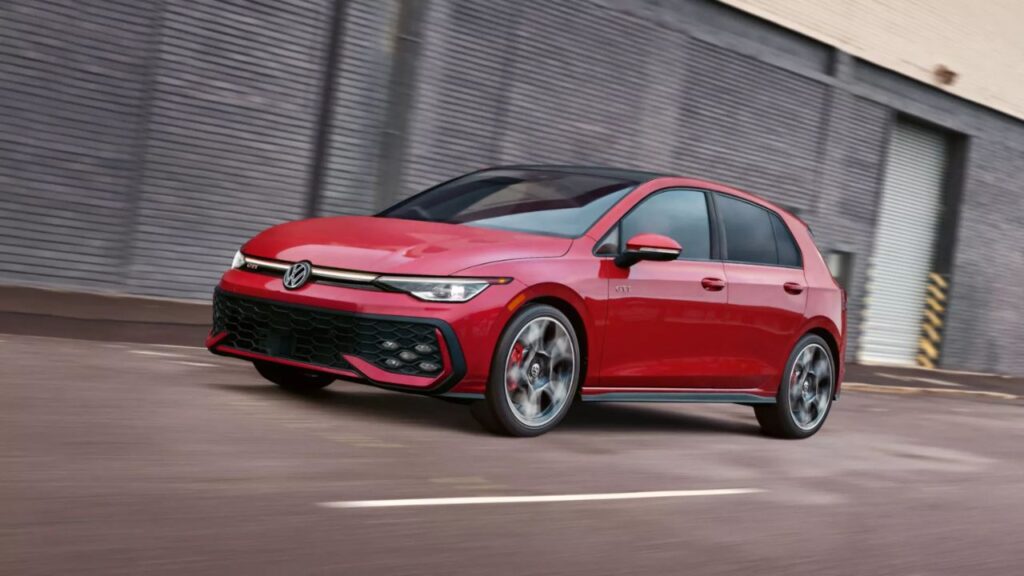
2. Volkswagen Golf GTI

Volkswagen Golf GTI hatchback from Mark Zuckerberg’s car collection

Image courtesy: vw.com

This one has special value around the globe because of Volkswagen Golf GTI hidden sporty performance under the simple look. While it represents Zuckerberg’s calm but powerful personality. This unique model will deliver its high performance with 2.0L turbocharger engine when needed. Classic hatchback design with modernized features is ready for both city and highway rides. Speed up to 240 horsepower can give a smoother ride without an overly flashy look.

Features Specification
Engine 2.0L Turbocharged Petrol, 4-cylinder
Horsepower 261 bhp
Torque 370 Nm
Transmission 7-speed DSG (Automatic)
0-100 km/h speed  5.9 seconds
Boot Space 380L
Price $30,000

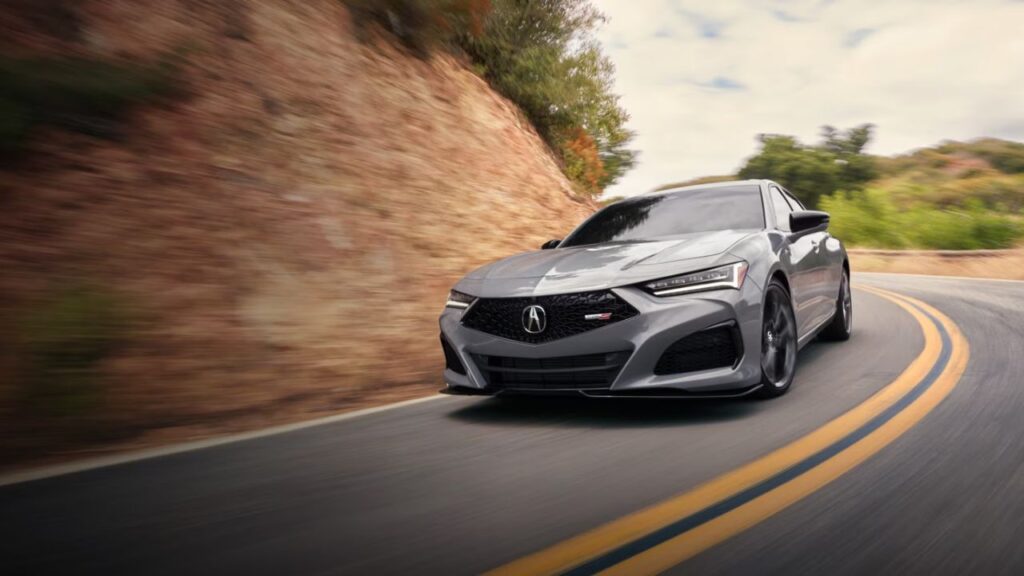
3. Acura TSX 

Acura TSX premium sedan owned by Mark Zuckerberg

Image courtesy: acura.com

The Acura TSX is a unique model that combines reliability, comfort and a premium look without going overboard that fits for a perfect match of Zuckerberg’s balanced approach to life. It offers 2.4L i-VTEC powerful engine and smoother rides that’s a good one for handling everyday traffic. With advanced safety features and elegant look, it still focuses on comfort and practicality that represent premium style without screaming wealth.

Features Specification
Engine 2.4L inline-4 engine
Horsepower 201
Transmission 5-speed automatic
Seating Capacity 5 seats
Drivetrain Front-Wheel Drive (FWD)
Price $30,000 

Read more :- Inside the Exclusive Yuvraj Singh Car Collection

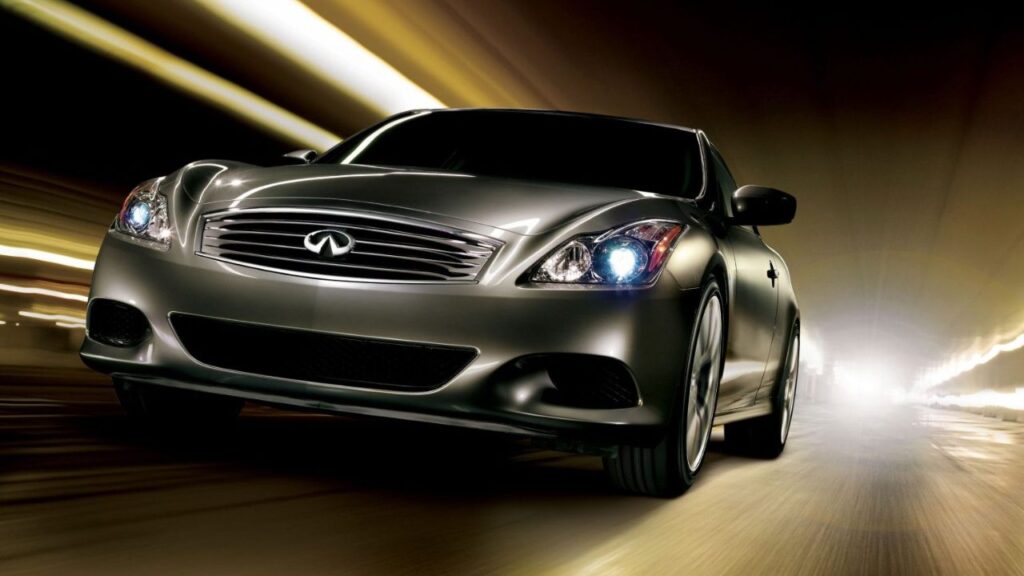
4. Infiniti G Sedan

Mark Zuckerberg’s Infiniti G Sedan

Image courtesy: infiniti.com

Zuckerberg parked an Infiniti G Sedan in his garage, this car is a mix of Japanese precision with a luxury touch. It offers powerful horsepower with a 3.7L V6 engine and gives a sporty driving feel. With its long-term reliability and luxurious cabin offer a premium experience. It represents Zuckerberg’s balance between innovation and tradition that mirrors tech with consistency of car. 

Features Specification
Engine 3.7-liter V6 engine
Fuel Efficiency Approx. 8 km/l 
Transmission 7-speed automatic (AMT)
Seating Capacity 4 seats
Boot Space 210 liters
Price $33,000

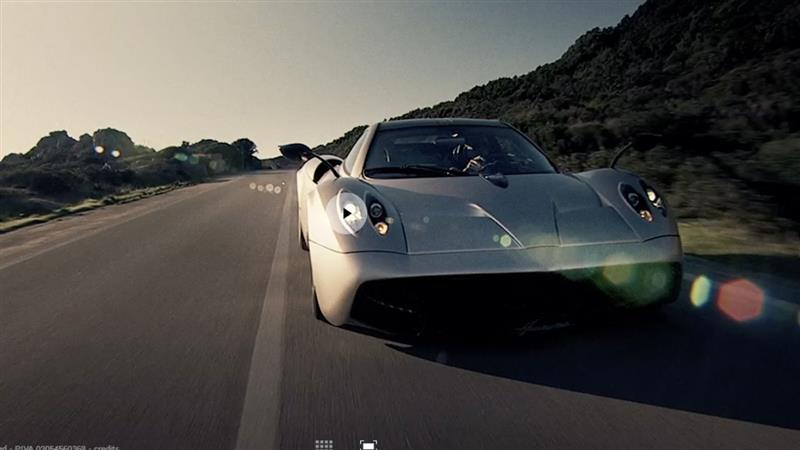
5. Pagani Huayra

Pagani Huayra Italian hypercar from Mark Zuckerberg’s car collection

Image courtesy: pagani.com/huayra

It’s not a surprise to see this luxury in any billionaire’s garage but Zuckerberg’s list also has a supercar, the Pagani Huayra. The Italian hypercar costs over $1.4 million that is worth its brilliance of engineering. Pagani offers luxurious interior and stylish exterior, but what makes it more attractive is a 6.0L V12 twin-turbo strong engine that gives jaw-dropping acceleration up to 720+ horsepower speed. Zuckerberg’s Pagani represents another personality that appreciates innovation, exclusivity and top-tier craftsmanship.

Features Specification
Engine 6.0L Twin-Turbocharged V12 AMG engine
Fuel Efficiency Approximately 8-10 mpg 
Transmission 7-speed automated manual (AMT)
Horsepower 730 HP
Torque 738 lb-ft
Seating Capacity 2 seats
Price $1.4 Million

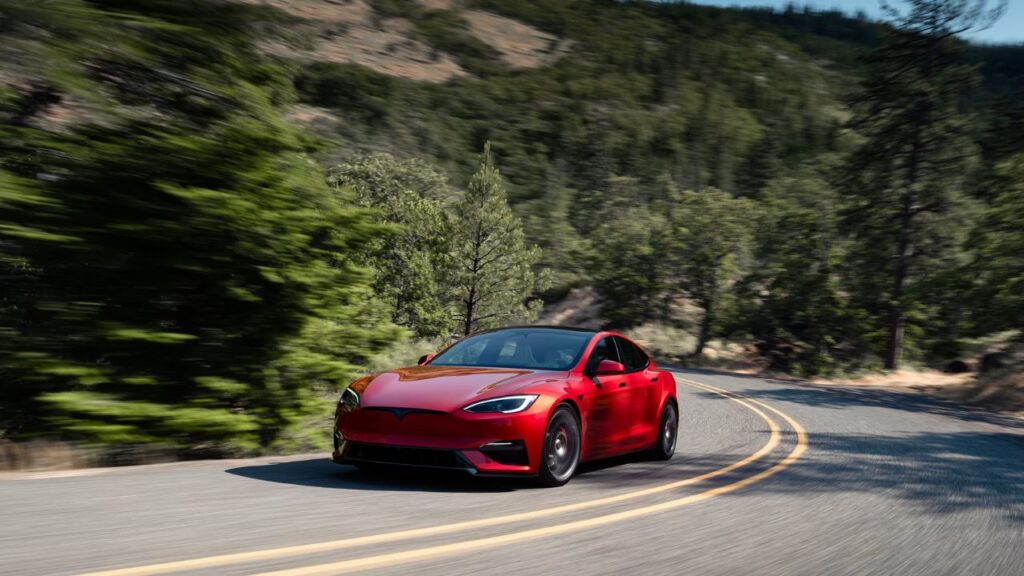
6. Tesla Model S

Tesla Model S electric car owned by Mark Zuckerberg

Image courtesy: tesla.com

Zuckerberg’s interest in Tesla Model S shows that he generally supports futuristic technology. This model represents his eco-friendly mindset, with zero emissions. It offers electric powertrain with up to 396 miles of range and it can go from 0 to 60 mph within 3.1 seconds. Its interior is well-equipped with advanced tech, autopilot mode is a remarkable innovation.

Features Specification
Engine Electric motors (3 motor versions in Plaid)
Horsepower 1020 hp 
Torque 1050 lb-ft 
Fuel Efficiency EPA combined 101 MPGe 
Transmission Single-speed automatic (direct drive)
Seating Capacity 5 seats
Boot Space 28 cubic feet
Range 348–410 miles
Price $90,000

Zuckerberg’s Car Collection: More than just cars

His simplicity, practicality and eco-friendliness is matched with every car. Zukhurberg’s interest in selective luxury is also seen but his personality has shown that he prefers engines which serve a purpose beyond showing-off wealth. 

  • His Honda Fit and Volkswagen Golf GTI shows how much he prefers classic automotive rather than luxury.
  •  Acura TSX and Infinity G Sedan shows his selection of practicality blended with comfort over modern premium cars.
  • Tesla Model S highlights his interest in sustainable technology and Pagani Huayra reveals his interest in pure luxury and iconic design.

Final Thoughts 

Mark Zuckerberg’s car collection is not just about speed or price tag but it’s all about ‘values’. His garage is highlighting the different parts of his personality. These cars are just simple in looks but their performance is amazing. They are the winner in smoother rides, he chooses these cars according to his moods – comfort, practicality, and occasionally premium feel.