0

Top 10 MUVs in India: August 2026 Sales, Waiting Period and Easy Finance Option

Published Sep 18, 2026, 12:20 PM
Last Updated Sep 26, 2026, 8:43 AM

MUVs in India

The top 10 MUVs in India pushed the August 2026 sales which draws a mixed picture — the segment grew, but not every model grew with it. The Maruti Suzuki Ertiga barely moved, the Toyota Innova and Kia Carens both lost ground, and two newer entrants, the Toyota Rumion and Nissan Gravite, quietly picked up the slack. 

If you’re planning to book a family MPV before this year’s festive season, the August 2026 sales numbers are worth a proper look before you walk into a showroom. Because that split matters more, because it changes how long you’ll actually wait for delivery once you book.

Who Is The Most Sold MUVs August 2026?

The MPV cars August 2026 sales hit a record nearly 4,39,309 units, rising 36.5% every year.  Multi-Utility vehicles including SUVs and MUVs are growing 39.2% YoY to 2,50,084 units which means 50%+ passenger vehicles are sold in the country from that category.

If we see specifically to the MUV segments then these top 10 MUVs in India have increased 7% YoY from last year about 39,873 units to 42,654 units in August 2026.

That’s healthy growth, but nowhere near the SUV-driven number — a sign that the MUV story this month was really about one model doing most of the heavy lifting.

Model Buying ease  OEM Aug’26 Aug’25 YoY Share
Ertiga Very easy  Maruti Suzuki 18,516 18,445 +0.4% 43.4%
Innova Hycross + Crysta Moderate  Toyota 8,963 9,304 -3.7% 21.0%
Carens + Clavis Easy to moderate  Kia 6,093 6,822 -10.7% 14.3%
XL6 Very easy  Maruti Suzuki 3,293 2,973 +10.8% 7.7%
Rumion Easy to moderate  Toyota 2,396 68 +3,423.5% 5.6%
Triber Very easy  Renault 1,536 1,870 -17.9% 3.6%
Gravite Moderate  Nissan 1,440 – New 3.4%
Invicto Moderate  Maruti Suzuki 260 237 +9.7% 0.6%
Vellfire Moderate to harder  Toyota 79 104 -24.0% 0.2%
Carnival Moderate  Kia 78 50 +56.0% 0.2%

Figures are OEM dispatches to dealers, not retail registrations — worth remembering, because a strong dispatch month doesn’t always mean cars are moving off the lot at the same pace, which is exactly why dispatch numbers and waiting periods don’t always line up.

The Ertiga alone accounts for more than four in every ten MUVs sold, and its volume barely moved year-on-year. Below it, both the Innova and Carens lost ground, while the XL6, Rumion, and Gravite all gained. The Rumion’s jump looks dramatic mostly because its August 2025 base was tiny — just 68 units.

Maruti Suzuki Ertiga: The Default Choice, and Its Waiting Period

Maruti Ertiga has dominated the Indian market for a very long-time and growing sales every year along with its expansion of versatility. It suggests that this model has hit a demand ceiling rather than a sales slump but the production is not matched with the buyers expectations. It usually depends on from which location you are going to book. 

The top variants are LXi, VXi, ZXi, and ZXi+ with a starting price of Rs 8.90 lakh (ex-showroom) for LXi as a base variant, the price will go higher on higher trims. The highest variant ZXi+ automatic price crosses over Rs 13 lakh. It comes with more premium features but the power and performance is almost same because both have 1.5-litre petrol and factory-fitted CNG system which produces 102bhp and 137Nm.
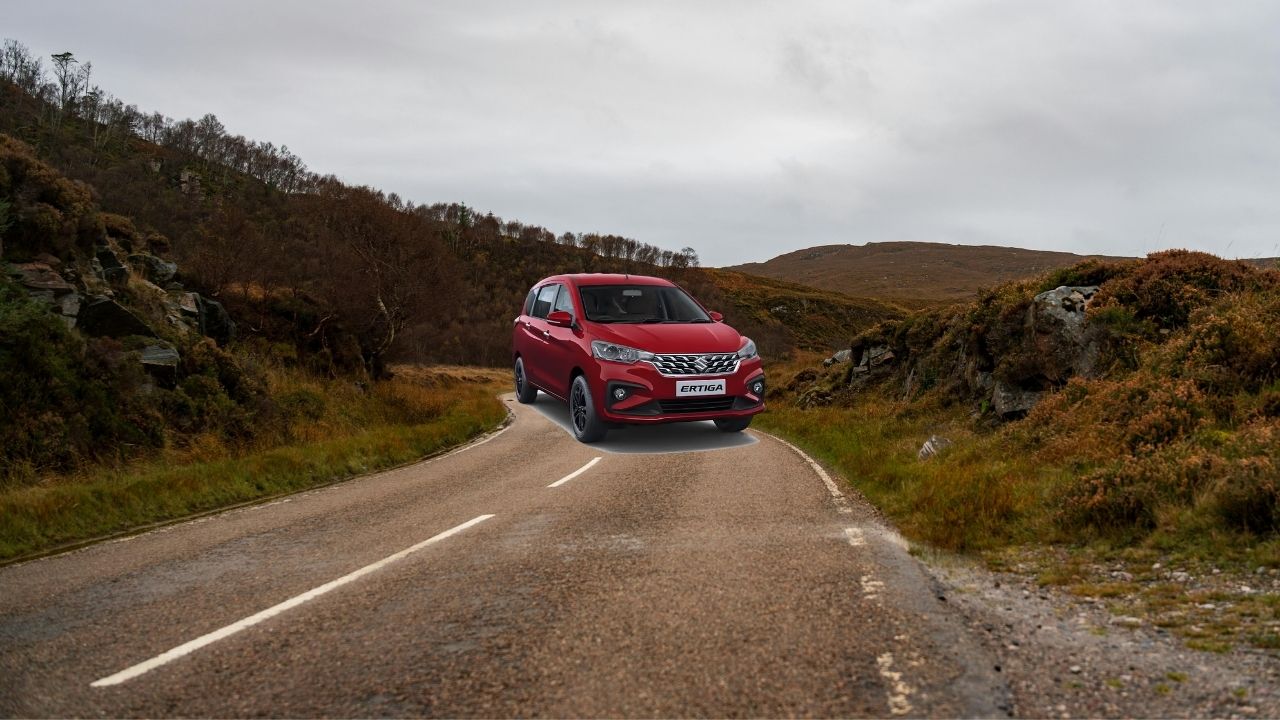
Maruti Suzuki Ertiga

On the Maruti Ertiga waiting period specifically, there’s no single clean number — it varies by city more than any other model in this list. Going by the most recent city-wise breakdown available, some cities have near-immediate delivery, several metros including Delhi-NCR, Lucknow, and Patna were running close to a month, and higher-demand cities such as Mumbai, Bengaluru, and Kolkata were seeing waits stretch well beyond that. 

This shifts month to month depending on how Maruti allocates production, so treat any number you read — including this one as a starting point, not a promise. Call your nearest Arena dealership for the current figure before you build a festive-season plan around it.

If your priority is the safest bet on top 10 MUVs in India with the lowest running cost and don’t care about badge premium, the Ertiga is hard to beat. Just don’t assume flat sales automatically mean a short wait — showroom stock and factory dispatch numbers aren’t the same thing.

Toyota Innova Hycross: Cooling Off, But Still the Longest Line

Toyota Innova Hycross is in the second position in August 2026 sales chart but it drops 3.7% YoY to 8,963 units. Still, combined Innova Hycross and Crysta hold its place with a 21% segment share.

The petrol-only variant is worth roughly Rs 19.53 lakh which produces power up to 172–175 PS, its great option on a 2.0-litre petrol engine. The fully loaded hybrid ZX(O) also has the same engine with Toyota’s hybrid system that produces 186 PS which is worth around Rs 32.95 lakh. But the running cost will be low with nearly 23 km/l of fuel efficiency.
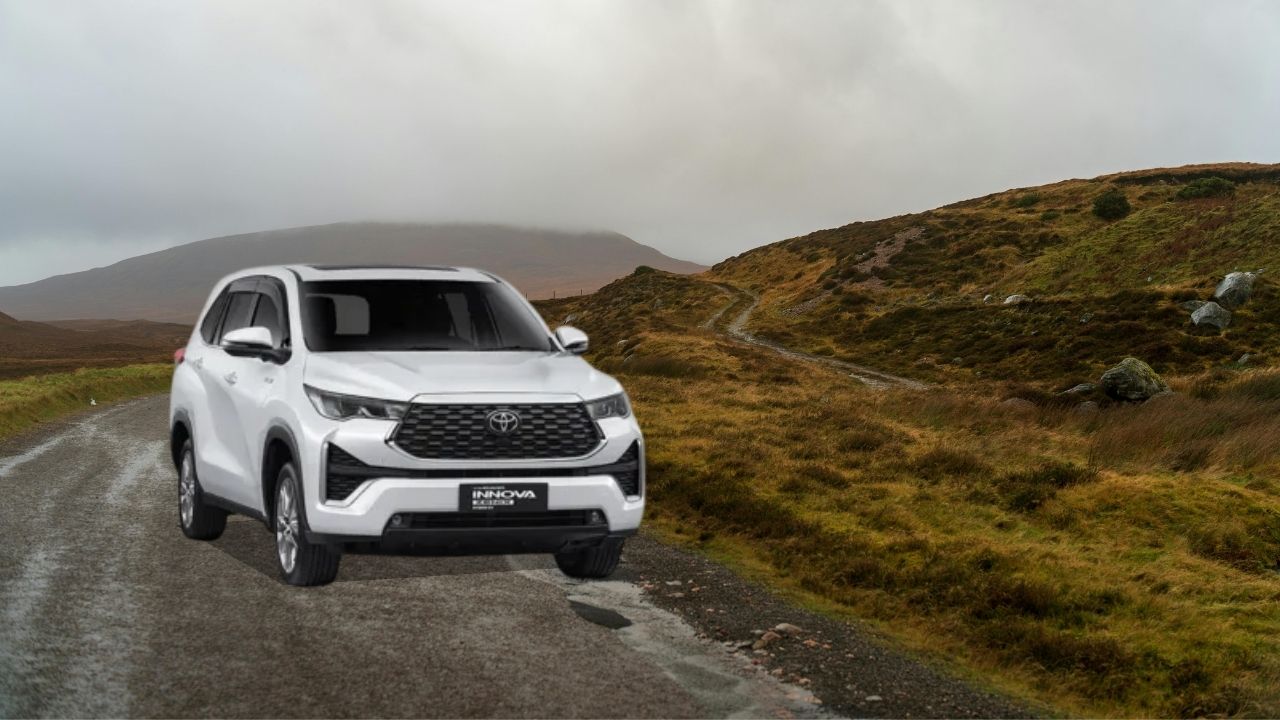
Toyota Innova Hycross

Contact your nearest dealer for Toyota Innova Hycross delivery time, as of current analysis, it will take around 45 days to two months at most outlets for the petrol variant. Hybrid takes roughly 3 to 6 months depending on the 7- or 8- seater VX and the flagship ZX and ZX(O) trims.

The time period depends on different locations and dealer stock, so visit the nearest showroom or check online Toyota’s own booking page for exact variant and color of a car you want.

Paying the premium here buys you the strongest resale value and cabin quality in the segment, but if a fixed delivery date genuinely matters — a wedding, a relocation, a festive deadline — the Hycross hybrid is the one model on this list where “book today” and “drive it home by Diwali” don’t reliably go together.

Kia Carens Clavis: The Fast Way Into a Premium Cabin

The combined Carens and Clavis range dispatched 6,093 units, down 10.7% YoY, but still good enough for third place with a 14.3% share. The dip likely reflects Ertiga and Innova pulling some buyers rather than the product itself losing appeal — Kia’s overall wholesale numbers for the month were among its best-ever in India.

Pricing puts the Clavis from Rs 11.39 lakh, with the older Carens continuing alongside it from Rs 11.12 lakh — both slotting above the Ertiga and comfortably below the Innova. 
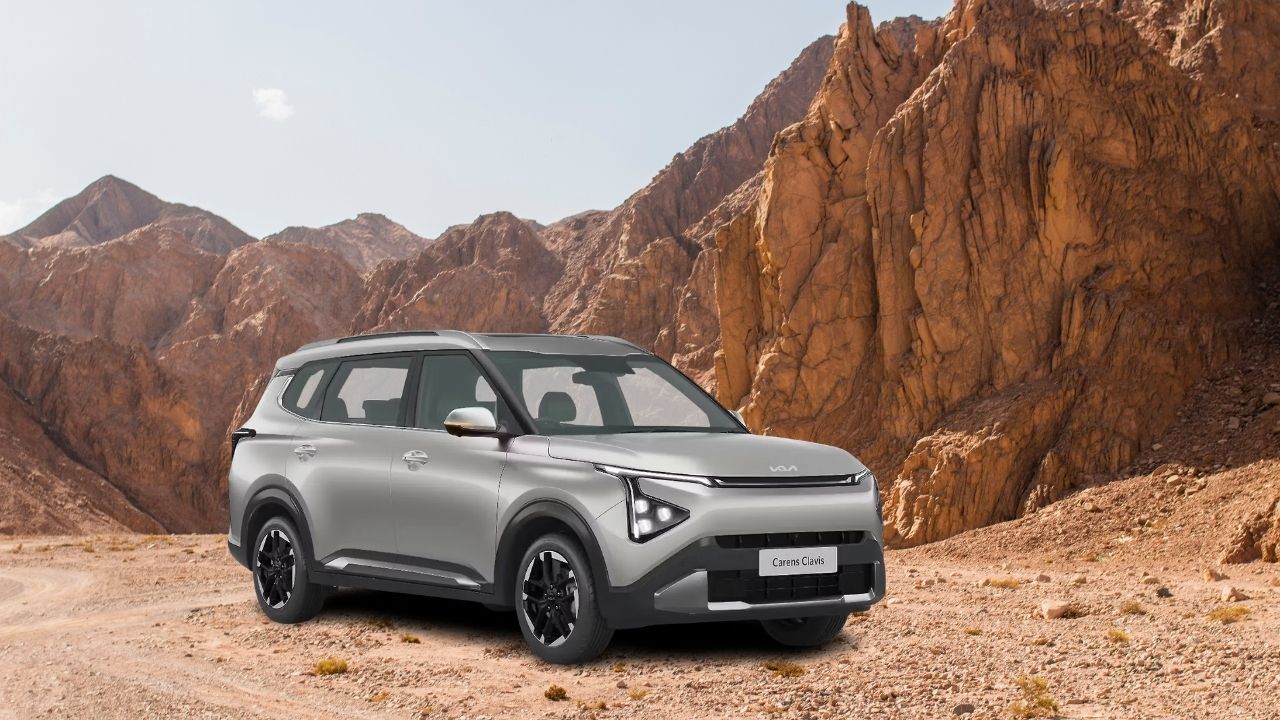
Kia Carens Clavis

The Kia Carens Clavis booking process is the same as the rest of the segment: a test drive at a Kia dealership or an online reservation with a token amount, followed by a full booking and down payment once a delivery slot is confirmed. The Clavis EV follows an identical online-first flow.

Where the Clavis genuinely stands out is delivery speed — the latest dealer data puts its waiting period at roughly four to nine weeks, meaningfully shorter than the Innova Hycross hybrid’s queue. Pick up if you want to experience more feature content and cabin quality than the Ertiga, and quick delivery.

Read more 👉 JLR Landing a Land Rover Defender Pickup Truck In US 

The Rest of the Top 10 MUVs in India — Maruti XL6, Rumion, Triber & More

Maruti Suzuki XL6

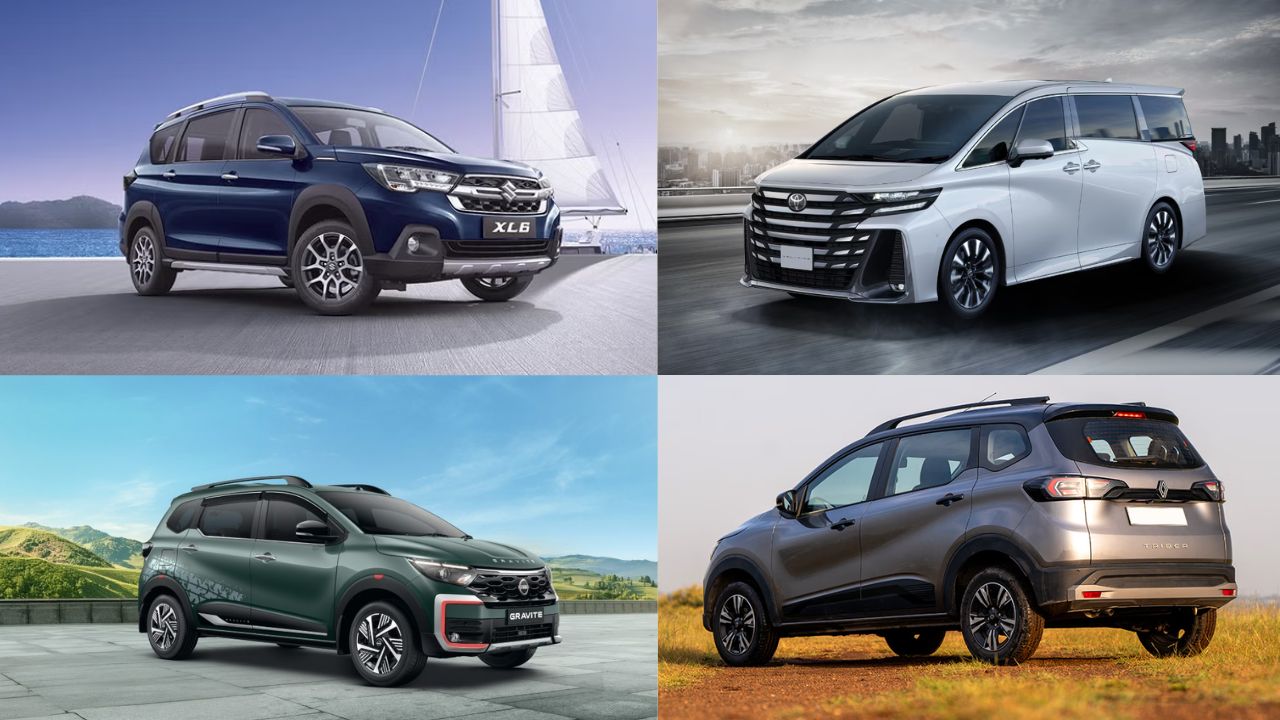
The Maruti Suzuki XL6 (3,293 units, +10.8% YoY) is the Ertiga’s premium six-seater twin, with second-row captain seats and pricing from Rs 11.62 lakh to Rs 14.58 lakh — a steady grower with a shorter wait than the Ertiga simply because far fewer people book it.

Toyota Rumion

The fastest growing model of the year – 2,396 units sold. Toyota Rumion comes with a 1.5-litre engine, it’s the same engine as Maruti Ertiga, but delivers faster at your doorstep because sales volume is lower. It is priced from Rs 9.79 lakh to Rs 14.21 lakh, perfect for the buyer who wants an Ertiga model but won’t mind the Toyota badge.

If you want Ertiga underpinnings without the Ertiga queue, cross-check the Rumion’s current wait at your local Toyota dealer — this may well be the easiest MPV to buy in India right now if speed matters more than the name on the tailgate.
Maruti Suzuki Ertiga

Renault Triber & Nissan Gravite

The Renault Triber (1,536 units, -17.9% YoY) and Nissan Gravite (1,440 units, a new entrant) are the two cheapest MPVs here, priced from Rs 5.81 lakh to Rs 10.2 lakh and Rs 5.73 lakh to Rs 9.09 lakh respectively. 

Both share the Renault-Nissan CMF-A+ platform and a 1.0-litre petrol engine, and the Gravite’s arrival is visibly eating into Triber volumes rather than growing the entry-MPV segment.

Maruti Suzuki Invicto

The Maruti Suzuki Invicto (260 units, +9.7%) is a premium, Toyota-sourced hybrid priced from around Rs 24.97 lakh, sold through Maruti’s Nexa network for buyers who want Innova Hycross mechanicals with different badging. 

Toyota Vellfire & Kia Carnival 

The Toyota Vellfire (79 units) and Kia Carnival (78 units) round out the list as niche, ultra-premium people-movers — Vellfire pricing runs into crore-plus territory, and Carnival sits well above Rs 25 lakh. Neither is a “waiting period” story so much as “order and wait for allocation,” since volumes are tiny by design.

Financing Top 10 MUVs in India: Bank, NBFC or Dealer Tie-Up

Once you’ve settled on a model, the finance route often decides how fast you actually drive it home — a sanctioned loan can matter more than a short waiting period if your paperwork isn’t ready when the car is. Broadly, there are three MUV cars finance options in India, and each suits a different kind of buyer.

Bank loans from private or public banks — SBI, HDFC, ICICI, Axis and more offer lowest rates to the higher credit score buyers with salaries income but disbursal takes several days because of the verification process.

Non-Banking Financial Company — Bajaj Finance, Tata Capital, Cholamandalam, Mahindra Finance, and dealer-partnered NBFCs also provide cars on finance which approves faster and flexible for buyers who have low credit score or self-employed but rates are higher than banks.

Dealer in-house finance desks aren’t a separate lender; they’re a broker relationship with two to four banks and NBFCs at once. You compare offers without visiting multiple branches, and dealers sometimes bundle manufacturer interest-subvention schemes during festive campaigns that aren’t available if you arrange finance independently.

Interest rates on car loans move with the RBI’s policy rate and vary by lender, tenure, and your credit score, so any specific percentage quoted to you should be treated as this month’s number, not a fixed rule. Get at least two competing offers on any of these top 10 MUVs in India— one bank, one NBFC — before you sign anything.

Read More 👉  BMW i5 LWB On Road Price Is Lower Than What Buyers Expected

What Documents You’ll Need Before You Book a Car

  • KYC: PAN card, Aadhaar card, and a valid address proof (utility bill, rent agreement, or passport)
  • Income proof (salaried): last three months’ salary slips, Form 16, and six months of bank statements
  • Income proof (self-employed): ITRs for the last two years, GST returns, and business registration proof
  • Down payment: most lenders expect 10-20% of the on-road price upfront, with the balance financed over tenures that typically run up to seven years
  • Existing loan statement: a record of any current EMIs, since lenders weigh your total debt obligations against income before sanctioning a new loan

How To Decide Which Car is Right For You

If speed and running cost matter more than badge, book the Ertiga — but call your local dealer today for the actual current wait in your city rather than trusting last month’s number, and ask what the Rumion’s queue looks like too, since it’s mechanically the same car and often moves faster simply because fewer buyers ask for it by name.

If you want the segment’s best cabin and resale value and your timeline has some slack, the Innova Hycross hybrid is still worth the wait — just go in accepting that “worth it” may mean a delivery date well past this year’s festive season. Get your finance pre-approved now so the loan approval isn’t the reason for a second delay on top of the production queue.

If you want the middle path — more equipment than the Ertiga, a shorter queue than the Innova — the Carens Clavis is the most balanced pick among the top three, and its financing terms sit close enough to the Ertiga’s that the shorter wait is almost a free upgrade.

Whichever model in top 10 MUVs in India you land on, get your loan sanctioned in principle before you finalise variant and colour. A car that’s ready for delivery but stuck waiting on loan paperwork wastes the entire head start you got from picking a low-wait model in the first place.

Read More 👉   Get New Maruti Premium Hatchback at Lower Price

Conclusion

August 2026’s MUV numbers say more about production allocation than demand — Ertiga’s flat volume and Innova’s decline are supply stories as much as popularity ones, and the waiting period you’re quoted this week can shift within a month. 

Match the finance route to the wait, not the other way around: if you’re taking a low-wait model like the Ertiga, XL6, or Carens Clavis, a slower bank loan can still catch up before delivery does; if you’re locking into an Innova Hycross hybrid, pre-approved NBFC or dealer financing removes the one variable you actually control while the production queue stays out of your hands. 

Book the model in top 10 MUVs in India — confirm the current wait with your dealer the same week you finalise financing, and treat every figure in this piece as a floor to verify, not a guarantee to bank on. 

Alok Kabir

Alok is an experienced SEO Specialist skilled in blogging and SEO-friendly content creation. He also specializes in Content Optimization and Technical SEO, including website optimization, crawlability, indexing, site speed, and on-page improvements to enhance search rankings and online visibility.

Leave a Reply

Your email address will not be published. Required fields are marked *

0

Koenigsegg Cars: Fastest Models, Price, History and Top Hypercars

Published Mar 17, 2026, 12:43 PM
Last Updated Apr 6, 2026, 12:23 PM

Koenigsegg Cars

Let me tell you about a guy who as a kid in the 90s watched a Norwegian stop-motion film about a bike race and decided he was going to create the best sports car in the world. Christian von Koenigsegg was 22 when he established his company in 1994. While his friends were plotting their futures, he was ripping out pages from car magazines, teaching himself physics, and operating a strange trading business that involved importing misprinted plastic bags and — I am not making this up — frozen chickens. That poultry money? It would become the seed capital for what would ultimately supplant Ferrari, Porsche, and Bugatti.

Koenigsegg’s Fastest Creations

Jesko Absolut: Theoretical Velocity Champion

When Koenigsegg unveiled the Jesko Absolut back in 2019, they weren’t shy about making a sweeping statement: this would be their fastest car ever and could be the fastest production car ever. It takes its name from Christian’s father Jesko von Koenigsegg and features the ultimate expression of aerodynamic efficiency. Jesko Absolut’s drag coefficient is just 0.278 and maintaining very low frontal area and the Absolut creates only 40 kg of downforce at top speed – as opposed to around 1,400 kg generated by the Jesko on the track.

The Koenigsegg Jesko Absolut is a technical masterpiece, conceived to break new ground in terms of car performance.

Engine  twin-turbo V8
Power  1,600 horsepower on E85 biofuel
Transmission Koenigsegg’s Light Speed Transmission
Gear  nine-speed multi-clutch
Speed 330 mph

What makes this feat even more incredible is the engine is readily available. Koenigsegg’s V8, on the other hand, is a fairly compact unit compared to the monstrous W16—albeit elephantine in power levels and, really, it shouldn’t come as a surprise that it is also fairly massive. It’s over-efficiency meets excess, a marriage that encapsulates the brand. 

Regera: The Hybrid Game-Changer

The Rager made hybrid performance look easy prior to the Jesko Absolut taking the spotlight. This revolutionary machine, which was presented in 2015, combined 3 electric motors with a 5.0-liter twin-turbo V8 engine generating 1,500 horsepower. Yet it was the transmission — or more specifically, what the car didn’t have in the way of one — that was the real invention, not the power. 

Regera

Koenigsegg has cut out the gearbox altogether, with its new Koenigsegg Direct Drive system. All speeds are taken care of by a single fixed gear ratio and at low speeds electric motors compensate for the torque gap. Regera offers smooth acceleration from 0— 250 mph within the same gear and it goes from 0-250 mph in 20 seconds, this raw number is a reality that feels like a dream but it’s true power.. 

It became an example of Koenigsegg’s thriller hero. The “Autoskin” makes the car open and close all its doors and panels like a transformer would show pieces of metal choreography. It’s redundant, over the top and completely mesmerizing — exactly what a hypercar should be. 

Agera RS: The Record Breaker

Agera RS is the top design car that exists on this land which was introduced in 2015, its mind-blowing power and speed covered with tech is extreme.

Agera RS

Engine  Twin-turbocharged 5.0-liter V8
Power  1,341 horsepower 
Top speed 277.9 mph (447.19 km/h)

It holds a position to break multiple records on the ground, it proves its capabilities and power to stand out as the most powerful engineered car on the platform.

Koenigsegg CC850 

This car is produced on high demand to the 70 units as it is a reboot of the old CC850. The end result is a hypercar that blends such familiar forms with genuinely new technology. 

Key Specifications

  • It offers a 5.0-litre twin-turbo V8 powerful engine to make 1,280 horsepower.
  • That’s not it, with 1,106 pound-feet of torque and 1,385 horsepower on E85—it runs like hell. 
  • The transmission is a cutting edge 9-speed multi-clutch system with gated shifter, which gives driver ability to shift gears manually. 
  • Performance: approximately 2.4 seconds to 0–100 mph.
  • This layout recreates the touch & feel of a real stick-shift without the use of a clutch pedal while keeping the drive-line connected to the driver. 
  • Price: Approximately $3.65 million  

Visually, the CC850 is inspired by the classic CC8S yet it’s completely up to date under the bonnet. It has clean lines, modern mechanics and a removable targa top that improves the driving experience and the timeless look of the car.  

Gemera: Revolutionary Technology

The Koenigsegg Gemera has been touted as the world’s first Mega-GT. The Gemera is not an outlier in that sense, but rather a sign that hypercars can be both blisteringly fast and useful, two traditional requirements that rarely coexist, though that is now changing with more mainstream products resembling megacars.

Gemera

It’s got true four-seat space with comfort and still manages to deliver the mind-bending power Koenigsegg is renowned for. 

Two Powertrain Options:

Three-Cylinder Hybrid

The above engine is one which has been engineered to amazement with extraordinary approach and thinking and hence the innovation in the automotive industry. 

  • It is a 2.0-liter twin-turbo three-cylinder engine with advanced Freevalve technology, which does away with the traditional camshaft. 
  • It produces a respectable 592 horsepower from just the internal combustion engine.
  • When combined with Koenigsegg’s Dark Matter electric motor, the overall total output upgrades to mind-boggling 1,381 horsepower and 1,364 lb-ft of torque. 
  • Despite its small size and lightweight design at a mere 70 kg (154 lbs), this engine is the most powerful three cylinder engine ever made. Its blend of power, efficiency, and innovation establishes a new standard in hypercar performance. 

Efficiency: This technology reduces emissions while driving by about 15–20% and cold-start emissions by nearly 60%, making it marginally cleaner than most hypercars. 

Hot V8 (HV8)

The Koenigsegg car described is the height of engineered automotive perfection and performance. 

engine  twin-turbo-charged 5.0-liter V8
advanced  “Hot-V” turbo
power 1,479 horse power
Combination with Dark Matter, a radical new, high-tech electric motor (800 additional hp)
Power & Torque 2300 total, 2028 torque

 About Transmission: Both the engines are equipped with Light Speed Tourbillon Transmission (LSTT) – a 9-speed, 7-clutch automatic inspired by the Jesko’s LST. For an instant shift from input shaft to the crankshaft for instant shifts of the flywheel. 

Practical Features:

Feature Details
Drivetrain 4-wheel drive and 4-wheel torque vectoring 
Storage 200 liters of storage space
Family-Friendly Options Isofix child seat mounts and roof rack compatibility
Fuel Tank 115-liter capacity
Battery & Electric Range 14 kWh battery pack providing 31 miles of electric-only range
Infotainment & Comfort Apple CarPlay and heated, electrically adjustable seats
Price Starting at $1.7 million USD

The Dark Matter E-Motor

Gemera spearheads Koenigsegg’s “Dark Matter” electric motor is a radical feat of engineering that will shape the design of future automobiles:

  • Output: 800 hp and 922 lb-ft (1,250 Nm) of torque
  • Weight: At only 39 kg (86 lbs), lighter than a bag of cement
  • Design: “Raxial Flux” - a radial and axial flux designs hybrid that wasn´t known in the automotive vocabulary until Koenigsegg designed it.
  • Technology: 6-phase system (double the usual 3-phase) based on silicon carbide semiconductors allowing for faster switching and low heat dissipation,
  • Materials: Motor is up to 90% carbon fiber including rotor and stator structures with no insulator layer added – world first
  • Size: 383.3 mm H × 381.5 mm W × 135.5 mm D – small enough to slip in a backpack! 

Topped off with the “David” inverter (at 33 lbs, the inverter is capable of 1,300+ amps and 850 volts), this system is the bleeding edge of electric propulsion. 

What Excellence Costs

Being able to own a Koenigsegg means you have the matching financial capabilities to the car’s insane performance. The Jesko, in Attack and Absolut versions, costs $3 million prior to options. The Regera, capped at 80, started at $1.9 million but now trades for far more in the secondary market. Even Gemera – which is basically entry-level in the hypercar firm’s product range, being a four-seater hybrid with 1,700hp – has a list price of over $1.7 million.

Excellence Costs

This is all to say: these numbers all make sense. Build a Koenigsegg, it takes about 4,000 hours. The carbon fiber monocoques are baked in autoclaves, the engines are hand built — not by robots — and quality control involves measurements within tolerances gauged in microns. So when you’re making about 50 cars a year, total — from all models — there are no economies of scale. 

Koenigsegg, however, insists its prices represent value relative to the other players. A Bugatti Chiron Super Sport 300+ is around $4 million, and limited edition Ferrari and Lamborghini models regularly go beyond the $2 million mark, although they’re less impressive in terms of numbers. In the wacky hypercar world economics, Koenigsegg is the engineer’s choice — buy for function, not badge heritage. 

Read More:- Gautam Singhania Car Collection 2026: Ferrari, Lamborghini, McLaren & More

Conclusion

What started as an impossible dream for a 22-year-old is now a reality in automotive form. Koenigsegg, the world’s most prestigious manufacturer, shows that passion, mixed with true engineering innovation, can trump the availability of resources. These are not just quick cars – they make statements on what is capable for human, making us think that the established ways really are the only way forward.

Each and every Koenigsegg is a culmination of two decades of obsessively refining, making engineering breakthroughs beyond any conventional understanding and a stubborn belief that perfection remains worth chasing up and chasing down, despite being ultimately unattainable. 

In a business increasingly defined by corporate consolidation and regulatory compromise, Koenigsegg is a beacon that originally appeared on Quattroruote in Italian individual vision and mechanical purity. The Ghost Squadron is still flying, faster and more vibrantly than ever, a reminder that there remains a place for the rebel in the highest veins of automotive excellence. 

0

Festive Car Discounts 2026: What You’ll Really Save After Price Hikes 

Festive Car Discounts

Festive Car Discounts in India 2026 look attractive, with brands advertising benefits worth lakhs of rupees. However, the actual savings can be much lower once you check the offers on your preferred variant. Honda’s festive banner says “up to ₹2.44 lakh”. Then you walk into the showroom, ask for the quote on the car you actually want, and the cash off the price is a fraction of that. 

If you’ve been comparing Festive Car Discounts India 2026 style, you’ve probably felt this gap already. The headline is a ceiling, and the quote is the real number. With price hikes already affecting car prices this year, it’s important to look beyond the advertised discounts. 

Here’s how to tell the two apart before you pay a booking amount.

What Festive Car Discounts India 2026 Are Actually Made Of

That “up to” figure is rarely one discount. It’s a stack of different benefits added together, and only one of them lowers the price you pay.

Cash discount. This is the only part that comes straight off the ex-showroom price. Everything else depends on your situation.

Exchange bonus. You can get this benefit when you already have a car to trade in but the dealer’s valuation of your car eats your bonus. For instance, your car gets ₹30,000 exchange bonus and the dealer undervalues it by ₹30,000 which is considered as no bonus at all.

Corporate benefit. This is meant for employees of listed companies and institutions. Many dealers will extend it to anyone with a plausible employer, but the brand’s “up to” number assumes you qualify.

Scrappage benefit. You need a valid scrapping certificate for an old vehicle. If you don’t have one, this line is zero for you.

Extended warranty or free accessories. The value is real but notional. An extended warranty you wouldn’t have bought isn’t money in your pocket.

When you read “₹2.44 lakh”, mentally cross out everything except the cash discount, then add back only the benefits you can actually claim.

Why “up to” never means your car

Maximum discounts almost always sit on specific variants and specific stock, usually older-build units the dealer wants off the lot. The practical test is simple. Ask the dealer for the discount on the exact variant, colour and manufacturing year you want. If the number changes when you name the variant, you’ve found the real discount.

mid-size SUVs

Even the two mid-size SUVs offers different benefit, there’s a price variation in every variant of a car:

Maruti Suzuki Victoris Hyundai Creta
Reported figure Up to ₹1.35 lakh Up to ₹1 lakh
What it represents Reported festive/dealer benefit, varying by city, variant and stock September-reported figure carried into the October window
Confidence Medium Medium-low until you get a dealer quote

Neither brand publishes a single national number, so treat both as a starting point for negotiation. 

Tata Motors is a useful reminder of how these headlines work. Its figures, such as up to ₹1,54,700 on the Nexon diesel, reflect an official GST-related price reduction on listed variants rather than a separate cash discount. That’s a genuine saving, but it’s a different thing from a dealer cash offer, and you can’t negotiate it further.

The Price-Hike Side Nobody Puts On The Poster

Discounts and price hikes often arrive in the same year. Carmakers raised prices in April 2026, with increases of around 2% reported across the market. Those hikes are baked into the ex-showroom price before any festive discount is subtracted.

For instance, you saw the sticker price ₹15 lakh of a car which gets a 2% hike, 30,000 add up. If there is a ₹30,000 to ₹40,000 discount on that car under festive cash discount, you are not saving anything from the discount. The poster says “save ₹40,000”, but compared with the pre-hike price, your net saving is closer to ₹10,000.

Car Price-Hike

So don’t compare the discount with zero. Compare the post-discount price with what the same variant cost before April. The gap between those two prices is your real savings.

October Offer OR December Clearance?

Decide which car and model you want to buy because the actual price depends on many things so the discount too. If you can’t wait for December and the car is in high demand then the October festive window is a good choice. Fresh stock arrives this month and dealers are chasing monthly targets around Dhanteras and Diwali.

Your selected car is older-build stock then you can wait for December when the dealers clearing out year’s inventory, they put a cash discount on that. But you might not get the best colour and variant choices, and the car will be registered as a 2025 model if it is built in 2025. So the resale value is not good.

If the car you want is a high-demand model, buy now. If it’s a slower-moving model with plenty of stock, December is where your patience gets paid.

How To Read a Dealer Quote

Whatever the discount, the figure that matters is the on-road price, because that’s what leaves your account. Ask for it in writing, itemised. Here’s an illustrative breakdown, with numbers made up to show the structure:

Line item Illustrative amount
Ex-showroom price ₹15,00,000
Cash discount −₹40,000
Road tax and registration Varies by state
Insurance Varies by insurer and IDV
TCS (1% on cars above ₹10 lakh ex-showroom) Applies at this price
Handling/logistics charges Ask what’s included
Accessories, extended warranty Only what you’ve agreed to

Check three things on the sheet. First, the cash discount should be its own line, not buried inside “total benefits”. Second, look for add-ons you never asked for, like fabric coating, extended warranty or accessory packages bundled into the price. Third, confirm the insurance quote against one you get yourself, since dealer-arranged insurance is often costlier.

Get quotes from at least two dealers for the same variant, then let them know you have the other quote. That conversation tends to move the cash discount faster than any festive banner.

The rule to carry into the showroom: Take the cash discount, ignore the “up to” number, and ask for the on-road price in writing.

Check Details–  Mercedes-Benz GLC Electric Comes With 715 km Range 

Conclusion

Festive Car Discounts in 2026 can help you save, but the advertised offers don’t always reflect what you’ll actually pay. They can advertise total discount offers including exchange bonuses, corporate benefits and dealer add-ons but people get to choose only one of them. 

Don’t get confused, choose a car’s variant and colour and check the cash discount on your preferred variant then get a quote from a dealer. Before booking, compare the current price with the pre-hike price, because a festive offer matters if you pay less than usual price.

0

Toyota RAV4 vs Honda CR-V: The Ultimate SUV Battle of 2025

Published Aug 30, 2025, 7:33 AM
Last Updated Apr 13, 2026, 12:24 PM

2025 Toyota RAV4 and Honda CR-V parked side by side, front angle view, comparing SUV designs

These two exciting models of SUVs have come with outstanding features and an impressive look from exterior to interior. Toyota RAV4 vs Honda CR-V offer a powerful performance at nearly the same price. Both SUVs are a defined segment of practicality, reliability and fuel efficiency. They both offer multiple variants for the buyers to assess the full potential of automotive engineering.

Deciding the vehicle which aligns with your priorities is hard but these two titans SUVs are offering an impressive performance. They offer more advanced features and powerful driving experience with their hybrid models, so dive deep into their features before buying one.

Both vehicles are delivering more about fine-tuning rather than big overhauls. The RAV4 is focusing on substantial interior and tech upgrades where it falls behind the rivals. Now buyers can have modern and premium experience as it provides tech and updated interior. Honda CR-V had already launched a redesign model in 2023 but it is giving a refinement in 2025 with a spacious and comfortable interior.

Read More:  How to Protеct Car from Sun? Simplе Tricks to Bеat thе Hеat

Performance and Engine

The 2025 Toyota RAV4 and Honda CR-V comes with both diesel and hybrid engines that deliver powerful performance.

A 2.5-litre engine of 2025 Toyota RAV4 offers a powerful speed of 203 hp and 8-speed automatic transmission delivers outstanding performance on the road. The. RAV4 hybrid offers 2.5-litre engine with electric motors to produce a combined 219 horsepower. The RAV4 prime model comes with  an impressive combined 302 horsepower for robust speedy performance. It becomes more attractive than other variants. 

Close-up of the 2025 Toyota RAV4 2.5L engine under the hood

Image credit: Toyota

A 1.5-litre turbo engine of 2025 Honda CR-V delivers 190 horsepower and 179 lb-ft of torque. It has an impressive engine and turbo drivetrain to give you a better experience on the road. Honda’s hybrid system produces 204 horsepower which make it more reliable and well-functioned to deliver a seamless experience. 

Fuel Economy

Gasoline Models: The RAV4’s base model delivered an estimated EPA of 27 city / 35 highways MPG. The CR-V comes with EPA-estimated 28 city / 34 highway MPG. so it shows that CR-V is ideal for city driving. 

MPG comparison chart for 2025 Toyota RAV4 and Honda CR-V gasoline models

Image credit: Automobiles Honda

Hybrid Models: The RAV4 Hybrid model gets 41 city / 38 highways MPG with its EPA-estimated. The CR-V Hybrid also has an impressive mileage of EPA-estimated 40 city / 34 highway for its AWD model. 

Both deliver outstanding fuel efficient models. The RAV4 prime ability to drive on pure electricity for a long distance is a unique approach.

Interior and Technology

The Honda CR-V is defined with its modern and minimalist interior design for years. It offers 41 inches space for its rear-seat passengers while RAV4’s has slightly less space of 37.8 inches. The same difference with their cargo spaces, CR-V has 76 cubic feet with folded and RAV4 has 69 cubic feet with folded seats.

Spacious rear seating of 2025 Honda CR-V with legroom

Image credit: Automobiles Honda

Both offer advanced functions and larger infotainment systems. Wireless connectivity across multiple devices and a high quality sound system which makes your journey fun.

Safety and Features 

The RAV4 comes with driver-assistance features including pedestrian detection, alert for lane departure, and dynamic cruise control.

Driver using Toyota RAV4 with lane departure alert and adaptive cruise control

Image credit: Toyota

The CR-V is equipped with similar functions including emergency brake system, alert for lane departure, adaptive cruise control, and monitoring rear cross traffic on most trims.

Price of Toyota RAV4 and Honda CR-V

Both models’ pricing value is depending on the region and trim but you can check their approximate value in 2025.

Toyota RAV price is around $31,000 for the base model and it can go up around $39,305 for hybrid models.

Hybrid CR-V starting price is around $31,550 and it can go up to $36,450 for a hybrid model.

Feature 2025 Toyota RAV4 2025 Honda CR-V
Starting MSRP (Gasoline) ~$30,645 ~$31,550
Starting MSRP (Hybrid) ~$32,600 ~$34,650
Standard Engine 2.5L 4-Cylinder 1.5L Turbocharged 4-Cylinder
Horsepower (Gasoline) 203 hp 190 hp
Horsepower (Hybrid) 219 hp (Total System) 204 hp (Total System)
Torque (Gasoline) 184 lb-ft 179 lb-ft
Torque (Hybrid) 149 lb-ft (engine) + 89 lb-ft (electric) 247 lb-ft (electric motor)
Transmission 8-Speed Automatic Continuously Variable Transmission (CVT)
Fuel Economy (Gasoline FWD) 27 city / 35 hwy MPG 28 city / 34 hwy MPG
Fuel Economy (Hybrid AWD) 41 city / 38 hwy MPG 40 city / 34 hwy MPG
Drivetrain FWD / AWD (Gas), AWD (Hybrid) FWD / AWD (Gas and Hybrid)
Max. Cargo Space 69.8 cu-ft 76.5 cu-ft
Max. Cargo (Behind Rear Seat) 37.6 cu-ft 39.3 cu-ft
Rear Legroom 37.8 inches 41.0 inches
Standard Infotainment Screen 8-inch (Gas), 10.5-inch (Hybrid/select trims) 7-inch
Available Infotainment Screen 10.5-inch or larger 9-inch
Standard Safety Suite Toyota Safety Sense 3.0 Honda Sensing
Notable Features RAV4 Prime (PHEV), Larger hybrid display, JBL Audio (optional) More rear space, refined hybrid, Bose Audio (optional)
Max. Towing Capacity 1,500 lbs (Gas), 1,750 lbs (Hybrid) 1,500 lbs (Gas), 1,000 lbs (Hybrid)

Conclusion

Both cars are offering incredible features with comfortable interior spaces, making an exceptional compact SUVs that holds a great value. Toyota RAV4 vs Honda CR-V is not a debate but your journey partner, so choose which you prefer the most. The best way to decide is to take a test drive before buying it.

0

Maruti e-Vitara: Launch expected in December 2025

Maruti e-Vitara

India’s EV revolution is about to be pushed into high gear with the launch of Maruti Suzuki’s first electric SUV — the Maruti e-Vitara, anticipated to arrive by December 2025. The e-Vitara will bring Maruti’s legendary reliability and next-generation electric technology as the country’s most trusted carmaker makes its EV debut. Built on the all-new Heartect-e platform developed jointly with Toyota, this SUV delivers the perfect balance of performance, efficiency, and safety — tailor-made for Indian roads and global aspirations. 

With a distinctly futuristic appearance and strong dual battery options promising a range of up to 500 km, the e-Vitara is intended to offer everything Indian buyers have been asking for from an electric SUV — long range, fast charging, advanced features, and Maruti’s reassurance. With aggressive styling, luxurious interiors and industry-first Level 2 ADAS safety technology, this SUV may transform the mid-size EV market. 

Built on a New Platform for Excellence

The e-Vitara is also based on the new Heartect-e platform by Maruti. This setup is ideal for electric cars. Toyota was one of the creators. The design enhances performance, reduces energy consumption and places the batteries just right. More than half of the body is made from high-strength high-tensile steel for enhanced rigidity and safety. 

Battery Options and Impressive Range

Maruti offers the e-Vitara with two battery options to cater to different needs of the buyers. 

The 49 kWh is the basic pack. It has an electric motor at the front axle. That engine produces 142 bhp and 192.5 Nm of torque. The car goes from 0 to 100 kmph in around 9.6 seconds. 

Maruti e-Vitara Battery Options and Impressive Range

The 61 kWh pack produces 172 bhp. It retains the same 192.5 Nm of torque. This iteration does 0-100 kmph in 8.7 seconds. Most importantly, it gives you a range of over 500 km on a single charge, as per MIDC tests. 

Both battery packs use advanced Lithium Iron-Phosphate (LFP) blade cell technology supplied by BYD.

Charging Convenience

The e-Vitara supports AC and DC fast charge modes. A 61 kWh battery is recharged from 10 to 80 percent in just 45 minutes by a DC fast charger. A 7 kW AC charger takes around 9 hours for a full top up at home (10-100%). An 11 kW reduces that to about 5.5 hours. 

Maruti has launched an end-to-end charging ecosystem – ‘e for me’ – that comprises smart home chargers with remote access and plug-and-play DC fast chargers at NEXA outlets across India. 

Bold and Futuristic Design

The e-Vitara reflects Maruti’s “Crafted Futurism” stance in its bold design and seamless airflow characteristics. It measures 4,275 mm in length, 1,800 mm in width, and 1,640 mm in height, and is equipped with a 2,700 mm wheelbase, making it one of the maximum in the mid-size electric SUV category. 

Maruti e-Vitara Bold and Futuristic Design

Outside there are 18-inch air-flow formed alloy wheels, cool tri-slash LED daytime running light, sharp LED projector headlights, and a sleek front end with shutters that open or close depending on how you are driving. The charging port is located on the front left fender for easy access. 

Premium Interior and Advanced Features

Just step inside and you’ll be greeted by a neat dual-screen setup at the front. It sports a 10.1-inch touchscreen for infotainment along with a 10.25-inch digital dash cluster. The infotainment is connected wirelessly with Apple CarPlay and Android Auto. Music enthusiasts will appreciate the premium Infinity by Harman sound system. 

On the inside, the cabin shakes a chic black-and-tan color scheme. It has a stacked floating console and lights that change colors. You get cool air on front seats. Ten-way power-adjustable driver’s seat with memory function. Rear seats slide, tilt back and fold 60:40. Flat floors give you more room. A large sunroof allows fresh air in. 

Next-Generation Connectivity

The e-Vitara comes equipped with Next-Gen Suzuki Connect with 60+ smart features.Remote vehicle controls, live vehicle information, e‑Call with an SOS button, and full car monitoring via an easy-to-use mobile application.

Multiple Drive Modes for Every Situation

The e-Vitara provides the three drive modes: Eco, Normal and Sport. Choose one to suit your vibe behind the wheel. There’s a Snow mode, too for enhanced traction in inclement weather. Plus, the smart regen brakes mean you can drive one pedal. That extends your range and conserves energy. 

Read More:- Ford Capri II vs Toyota Celica vs Vauxhall HP Firenza: The Global Decade of Style

Industry-Leading Safety Features

The e-Vitara prioritises safety as Maruti’s first car to come with Level 2 ADAS technology. Its ADAS suite features over 15 functions including Adaptive Cruise Control, Lane Keep Assist, Lane Departure Warning, Adaptive High Beam System, Automatic Emergency Braking, Blind Spot Monitoring, Active Cornering Control, Multi-Collision Braking and Rear Cross-Traffic Alert. 

There are seven airbags in all versions of the e-Vitara as standard from the word go. That has a knee airbag for the driver. There’s also Electronic Stability Program, or ESP. Ventilated disc brakes at front and rear. There is an electronic parking brake (EPB) which also applies the brakes automatically. A Tyre Pressure Monitoring System monitors your tyres. The 360-degree camera works with parking sensors. And there is an Acoustic Vehicle Alerting System that warns pedestrians when you are travelling slowly. 

Variants and Expected Pricing

The e-Vitara is available in three variants: Delta, Zeta and Alpha. They all remain front-wheel drive. The Indian model doesn’t have the all-wheel-drive option you get overseas. Expected Pricing is between ₹17 lakh and ₹22.50 lakh ex-showroom, making it a rival of Tata Curvv EV, Hyundai Creta Electric, MG ZS EV, Mahindra BE 6, and VinFast VF 7. 

Made in India for the World

On 26 August 2025, Prime Minister Narendra Modi inaugurated the first e-Vitara unit from Maruti’s Hansalpur plant. It’s the first step towards production at its new home. Maruti had invested ₹21,000 crore in the facility. It can produce 7,50,000 units per annum.

Why the e-Vitara Stands Out

The Maruti e-Vitara has some real advantages. It begins with the rock-solid Maruti Suzuki brand, known for reliable cars, massive after-sales network and great value for money. Not to mention, it offers a real 500+ km range, which mitigates the top concern for people looking at EVs in India. And its reasonable price makes it accessible to more buyers than those flashy electric SUVs. 

With Level 2 ADAS and 7 airbags, the full safety package makes it one of the safest cars in its class. Premium features, roomy cab and cutting-edge technology mean it doesn’t skimp on comfort or convenience. 

Conclusion

The Maruti e-Vitara signifies a quantum leap for electric vehicles in India. This is the top automaker’s first EV. It combines leading EV technology a strong driving range with a comprehensive set of safety tools and the trusted build quality of Maruti. The release is December 2025. This vehicle will simplify EV ownership for the Indian people. It also shows India’s world-class car making capability. 

Families seeking greener travel options without compromising on space, useful tech, and worry-free driving will also find the Maruti e-Vitara a compelling choice. It combines a good driving range, fast charging, the best safety equipment, premium features and probably low running costs. This makes it a crucial electric car launch in India’s car industry. 

0

Kia Carens CNG, Clavis CNG & Carnival Hybrid Pre-Bookings Open In India

Kia Carens CNG

Kia has opened pre-bookings for three new powertrain options in India — the Carnival Hybrid, Carens CNG and Carens Clavis CNG but none has an official price yet. The Carnival Hybrid pre-bookings create excitement among buyers because it brings electrification to Kia’s flagship MPV, while the two Carens variants finally offer a factory-fitted CNG setup instead of a dealer-installed kit. 

If you’ve been waiting for a factory-fitted CNG Kia or a hybrid alternative to the diesel Carnival, here’s what you’re actually signing up for before you hand over a booking amount.

Carnival Hybrid Pre-Bookings Are Open, But The Price Isn’t Announced

The Carnival Hybrid pre-bookings went live days after Kia showcased the model at its Inspiration Day event in early September 2026 — the same event where the new three-row Kia Sorento was unveiled. 

The Sorento launched on September 4 at Rs 27.99 lakh ex-showroom with diesel, hybrid and AWD options, and the Carnival Hybrid borrows the underlying idea: a strong-hybrid setup built around a 1.6-litre G1.6T turbo-petrol engine, paired here with a 6-speed automatic gearbox.

Carnival Hybrid

Kia is offering the hybrid only on the Carnival’s Limousine+ trim, which today is sold exclusively with a diesel engine at Rs 59.65 lakh ex-showroom. That number is the one to anchor your expectations to. The hybrid isn’t replacing the diesel — it’s slotting in alongside it as a premium alternative, expecting it to land above that Rs 59.65 lakh mark rather than undercut it. Kia hasn’t confirmed a figure yet.

What Changes Over The Diesel Limousine+ 

Design and Exterior

A 18-inch Crystal Cut dual-tone aero alloy wheels, Active Air Flaps for better aerodynamics, and a Virtual Engine Sound System that generates an audible warning when the Carnival is crawling on electric power alone. 

That last one isn’t a gimmick — strong hybrids can be silent enough at parking-lot speeds to genuinely surprise pedestrians, so the artificial sound is a real safety addition, not badge dressing. 

Interior Features & Functions

Inside, Kia has added a Smart Pure Air Purifier with an AQI readout, retractable height-adjustable seat-back tables with wireless charging built in, monotone ambient lighting, and leatherette-wrapped door trims. 

Everything that already worked on the Limousine+ carries over unchanged: dual 12.3-inch displays, three-zone climate control, a 12-speaker Bose system, eight airbags, Level 2 ADAS, and a 360-degree camera.

Kia Hybrid Discount Rate

Under India’s GST 2.0 structure, in effect since September 2025, hybrids don’t get the same tax break as pure EVs — only battery electric vehicles sit at the concessional 5% rate. A large hybrid like the Carnival, well over 4 metres long and running a 1.6-litre engine, falls into the same 40% GST slab as any other big diesel or petrol SUV in that size class. 

Whatever premium the Carnival Hybrid ends up carrying over the diesel Limousine+ will come entirely from Kia’s own component and engineering costs, not from any tax advantage passed on to buyers — worth knowing if you were assuming “hybrid” automatically means a lighter tax bill in India the way it does with EVs.

Kia Hybrid Rivals in The Market

The awkward part for anyone trying to cross-shop Carnival Hybrid against India’s other hybrid MPV. The Toyota Innova Hycross tops out around Rs 32.95 lakh ex-showroom for its fully loaded ZX(O) hybrid variant and returns an ARAI-claimed 23.24 kmpl. 

Kia Hybrid and Toyota Innova

The Carnival Hybrid will likely launch at close to double that price. These two aren’t really fighting for the same buyer — the Hycross is the practical, efficiency-first hybrid MPV; the Carnival Hybrid is Kia betting that a narrower slice of luxury-MPV buyers wants electrification without giving up the Limousine+ badge and its chauffeur-driven positioning. 

If you’re putting the two on a spreadsheet expecting a like-for-like fight, you’re comparing the wrong cars — the Carnival Hybrid’s real rival is arguably its own diesel sibling, not anything wearing a Toyota badge.

Read More 👉 Tata Nexon On-Road Price Lucknow — Best Compact SUV At This Price Point


Carens CNG And Clavis CNG Finally Give Kia A Factory-Fitted Option

The second half of Carnival Hybrid pre-bookings announcement matters more for volume, because it fixes something Kia has never offered in India. Every CNG Carens on the road today runs on a government-approved dealer-fitted kit sourced from Lovato — bolted on after the car leaves the factory, tuned around an engine that was never designed to run on gas. 

Kia Hybrid

The Carens CNG and Carens Clavis CNG change that by moving CNG integration onto the assembly line itself, which means the engine calibration, fuel delivery, and even the suspension tuning are built around dual-fuel operation from day one instead of retrofitted around it.

Power and Transmission Performance

Both use Kia’s G1.5 naturally aspirated 1.5-litre petrol engine, paired exclusively with a 6-speed manual gearbox — there’s no automatic CNG option at launch, so buyers who want a slushbox will have to stick with petrol or diesel. The tank is a 60-litre unit mounted under the boot floor, and Kia claims usable boot space still comes in around 116 litres, which will matter to anyone who has watched an aftermarket CNG kit swallow an entire trunk. 

Running on gas, the engine makes 93hp and 123Nm, down from 115hp and 144Nm on petrol. That drop is normal for factory CNG tuning, but it’s worth knowing going in if you’re used to how the regular Carens drives and expect the CNG version to feel identical under load.

Kia has also revised the suspension tuning and switched to 16-inch wheels with 16-inch disc brakes, specifically to handle the extra weight the tank and hardware add over the rear axle. Inside, there’s a dedicated CNG Fuel Change Switch and a 4.2-inch colour TFT instrument cluster that shows CNG Distance-to-Empty — a small thing, but a genuine upgrade if you’ve ever driven a retrofitted CNG car with no real idea how many kilometres of gas are left in the tank.

Trim availability is where the two models split. The standard Carens CNG is expected to be limited to the Premium trim, plus a dedicated M-Drive trim built for commercial and fleet buyers — cab operators, essentially. 

The Carens Clavis CNG, positioned as the more premium option, gets its own HTM trim for the same commercial use case, alongside CNG on regular passenger trims. If you’re buying for a fleet specifically, ask your dealer directly about what the M-Drive and HTM trims strip out, since fleet-spec variants often drop features you’d expect on a personal-use car.

Read More 👉 Hyundai Creta On-Road Price In Lucknow: Get Details Before Entering Into a Showroom

How Kia’s Numbers Stack Up Against Ertiga, XL6 And Rumion

Kia isn’t creating a new segment here — it’s entering one Maruti Suzuki has quietly dominated for years, with Toyota’s badge-engineered version riding along. 

Model Engine CNG Output Claimed Mileage Ex-showroom Price
Kia Carens CNG 1.5L NA petrol 93hp / 123Nm Not yet disclosed Not yet announced
Kia Carens Clavis CNG 1.5L NA petrol 93hp / 123Nm Not yet disclosed Not yet announced
Maruti Ertiga CNG 1.5L K15C petrol ~87hp / 121.5Nm 26.11 km/kg ~Rs 10.9–12 lakh
Maruti XL6 CNG 1.5L K15C petrol ~87hp / 121.5Nm 26.11–26.3 km/kg ~Rs 12.28–12.43 lakh
Toyota Rumion CNG 1.5L petrol ~86hp / 121.5Nm 26.11 km/kg ~Rs 11.4 lakh

Kia hasn’t disclosed a CNG mileage figure for either model, and that’s a real gap, not a footnote — mileage is the entire reason someone chooses a CNG MPV over petrol or diesel, and until Kia publishes an ARAI number there’s no way to know if the Carens CNG actually beats the Ertiga’s proven 26.11 km/kg or just matches it with a nicer cabin around it. 

For a rough price anchor, Kia’s existing dealer-fitted Carens Premium CNG kit currently sells for around Rs 11.77 lakh ex-showroom — useful context, but not a preview of what the new factory-fitted variant will cost, since factory integration typically carries its own premium over a retrofit. 

Should You Put Down A Booking Amount?

Booking amounts in India are typically refundable — but “typically” is doing a lot of work in that sentence, and refund terms vary by dealer, so read the booking form before you pay, not after. 

Beyond that, the real question is what a Carnival Hybrid pre-bookings buys you right now: a place in the queue, not a locked-in price. 

Carnival Hybrid

If Kia’s own timeline holds and pricing lands by “end of September or early October 2026,” per its dealer network, you’re looking at a wait measured in weeks, not months — short enough that booking early mostly secures faster delivery once prices are announced, rather than protecting you from a price hike between now and launch.

Where Carnival Hybrid pre-bookings gets genuinely tactical is the CNG decision. If lower running costs are your only reason for wanting a Carens or Clavis, don’t book blind — wait a few weeks it’ll take Kia to publish an ARAI mileage figure. 

A CNG MPV returning 22 km/kg instead of the Ertiga’s 26 km/kg changes five-year ownership economics by a meaningful amount, and right now nobody outside Kia knows which side of that gap the Carens CNG lands on. 

For the Carnival Hybrid, the calculation runs differently — buyers at that price point aren’t shopping on running costs, they’re deciding whether the added kit and the hybrid badge justify a premium over a diesel Limousine+ that already does the job well.

Fleet and commercial buyers eyeing the M-Drive or HTM trims. Commercial variants tend to sell out of early production allocations fast because operators buy in volume, and waiting for a finalised spec sheet rarely changes the math the way it might for a private, feature-conscious buyer.

Read More 👉  Maruti Suzuki September 2026 Offers: Save Money On Your New Car

Conclusion

Kia’s three pre-bookings are aimed at very different buyers. The Carnival Hybrid is a premium alternative to the diesel Limousine+, while the Carens and Clavis CNG are more practical attempts to take on the factory-CNG MPVs that Maruti and Toyota have dominated for years.

For private buyers, there’s little reason to rush for Carnival Hybrid pre-bookings before the missing numbers arrive. The Carnival Hybrid needs an official price to show whether its premium over the diesel makes sense, while the Carens CNG needs its ARAI mileage figure to prove that it can compete with the Ertiga, XL6 and Rumion on running costs. 

If you’re a fleet buyer targeting the M-Drive or HTM trims, booking early makes more sense. For everyone else, waiting a few weeks for Kia’s final pricing and mileage figures could make the decision much easier.