0

Volvo XC90 vs Audi Q7: Price, Features, Performance & More Compared!

Published Jun 5, 2025, 5:43 AM
Last Updated Apr 22, 2026, 11:38 AM

Many buyers compare the 2025 Volvo XC90 vs Audi Q7. Both are large luxury SUVs with three rows of seats. They have modern designs and tech. They are sold in the US and UK. But there are key differences. We look at price, interior, tech, safety, performance, fuel economy, space, warranty, and more. This guide helps you see the strengths and weaknesses of each.

Pricing of Volvo XC90 vs Audi Q7

Pricing of Volvo XC90 vs Audi Q7

United States

In the US, the Volvo XC90 starts around $59,745 for the base model. Volvo also sells higher trims (Plus, Ultra) up to about $68,245. The Audi Q7 starts slightly higher in price. Its base Premium trim has an MSRP around $61,795 (the Q7 Premium Plus and Prestige trims cost more). In general, the Audi Q7 costs a bit more than the Volvo at entry level in the US.

United Kingdom

In the UK, the starting price for the base Volvo XC90 Core trim is around £63,790. Volvo’s RRP range goes up to around £84,260 for top trims. The Audi Q7 in the UK starts at about £71,525 OTR for the S line trim. Audi also offers higher levels (e.g. Vorsprung over £94,000). 

Interior Features of Volvo XC90 and Audi Q7

The Volvo XC90 interior is clean and modern. It has a large portrait-style touch screen (11.2 inches) in the center. The cabin features clean, simple lines and is built with high-quality materials. Volvo even uses eco-friendly seat fabrics (Nordico textile) in some models. The XC90 seats up to 7 people. The second row has three seats that slide and recline, giving good knee and headroom. 

The third row is smaller, best for children or short trips. Volvo’s Core trim includes Google-based services and driver aids built in (like adaptive cruise control and blind-spot warning). Higher trims add nicer sounds and lighting. One drawback: some reviews note that the XC90’s infotainment can feel dated and it lacks Android Auto support.

The Audi Q7 interior is upscale. It also seats seven (though some models drop the third row). Audi’s cabin has premium leather, nice trims, and a classic layout. A standout feature is the Virtual Cockpit—a fully digital 12-inch display that’s sharp, clear, and easy to customize.

There are multiple screens (including a tablet-style MMI touch screen) and an available head-up display. The Q7’s seats are well-cushioned and roomy. In tests, tall adults fit comfortably in the second row, and the Q7 offers three separate second-row seats that can slide fore and aft. Overall, the Audi interior feels very high-tech and solidly built.

Technology of Volvo XC90 vs Audi Q7

Technology of Volvo XC90 vs Audi Q7

Both SUVs have modern tech, but they take different approaches. The XC90 uses Volvo’s new Android-based system. The XC90 has over-the-air updates for its software, so features can improve over time. It offers wireless Apple CarPlay, but no Android Auto. The touchscreen is large and high-resolution, and many controls are touch-based.

The Audi Q7 uses Audi’s MMI interface. It includes an online navigation system and supports both Apple CarPlay and Android Auto. Audi’s infotainment system is quick to respond and supports voice commands for easy control.

Both vehicles have lots of driver aids: lane-keep assist, blind-spot alert, parking sensors, etc. In summary, Volvo’s tech is centered on Google integration, while Audi focuses on its own polished MMI system with a sharp digital cockpit.

Safety of Volvo XC90 vs Audi Q7

Safety is a strong point for both models. Volvo markets the XC90 as “one of the safest cars on the road”. It comes standard with many safety systems: automatic emergency braking, lane departure warning, blind-spot monitoring, rear cross-traffic alert, and more. 

Volvo often earns top marks in crash testing (though exact 2025 crash ratings are not yet available, the brand has a strong safety reputation).

The Audi Q7 also scores very high on safety. In the United States, the 2025 Q7 earned the IIHS Top Safety Pick+ award. The Audi Q7 also comes with many standard features: blind-spot detection, lane-keep assist, rear automatic emergency braking (per IIHS notes). 

Performance of Volvo XC90 vs Audi Q7

Under the hood, the Volvo XC90 offers two main gas engines (mild hybrids). The base “B5” turbocharged 4-cylinder engine produces around 247 horsepower, and it comes standard with all-wheel drive and an 8-speed automatic transmission. For a hybrid boost, Volvo also offers a T8 plug-in version (not covered here), which boasts significantly higher power. The XC90’s power feels smooth and adequate. It is not meant to be a sports car, but it can still merge and pass with reasonable ease.

The Audi Q7 comes with either a turbocharged 2.0L four-cylinder (badged 45 TFSI) making about 261 hp, or a turbo V6 (55 TFSI) making 335 hp. In fact, Audi claims the V6 model can go from 0 to 60 mph in about 5.5 seconds. 

Even the base 2.0T is no slouch, taking roughly 6.9 seconds to 60 mph in testing. The Q7 delivers power in a smooth and polished way. In general, the Audi feels more powerful and quicker than the XC90, especially in higher trims.

Fuel Efficiency of Volvo XC90 and Audi Q7

Fuel Efficiency of Volvo XC90 and Audi Q7

The Volvo XC90 in gas form has EPA ratings of about 26 mpg combined for the B5 model, and 23 mpg combined for the B6 model. In city/highway terms, the B5 is roughly 23/30 mpg, and B6 is 20/26 mpg. In practice, expect mid-20s in normal driving. The XC90 plug-in hybrid (T8) can drive about 45 miles on electric alone before the gas engine kicks in, which saves fuel on short trips.

For the Audi Q7, EPA combined fuel economy is around 21-22 mpg for the gasoline models (according to recent reviews). Both the 2.0T and 3.0T engines get an average of around 21 mpg combined. 

In general, the XC90 hybrid tends to be slightly more fuel-efficient due to its advanced mild-hybrid tech, especially in city driving, while the Audi’s larger engine means a bit lower mpg. However, both vehicles will not match the fuel economy of much smaller SUVs.

Also Read : Jeep Compass vs Subaru Crosstrek: Which Compact SUV Should You Really Buy in 2025?

Conclusion

The Volvo XC90 vs Audi Q7 debate comes down to priorities. Both are three-row luxury SUVs with strong safety and features. The XC90 stands out for its safety-first design, clean Scandinavian interior, and available hybrid powertrain. It also tends to be a bit less costly. It is roomier when all seats are up and has won top safety honors too. 

For a buyer who values safety and a simple, modern cabin, the Volvo may be best. For someone who wants sportier performance and a more luxury feel, the Audi is a great choice. In either case, both the 2025 XC90 and Q7 offer a premium experience, so it often comes down to which brand and driving style you prefer. 

Sharey Khan

Sharey Khan is an IT entrepreneur and petrol head & a car enthusiast. With a special focus on car-related content, he combines his deep passion for vehicles with a talent for crafting informative, engaging, and easy-to-understand content. His writing is driven by a genuine love for cars and he is committed to providing readers with accurate, up-to-date, and trustworthy information that empowers smarter driving decisions. 

Leave a Reply

Your email address will not be published. Required fields are marked *

0

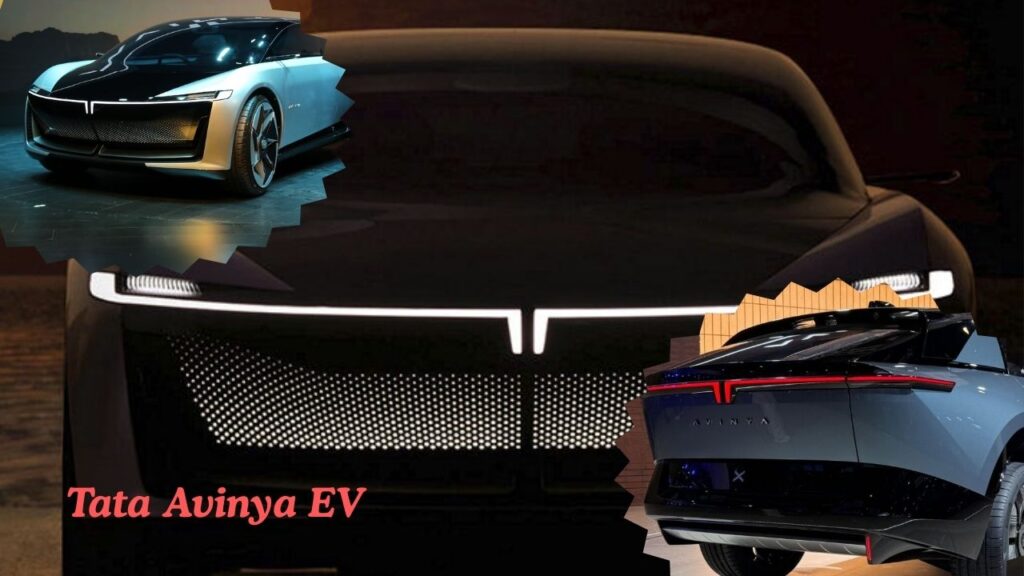
Tata Avinya EV Specs and Features: Range, Technology, Design, Safety, Performance Details

Published Dec 24, 2025, 10:13 AM
Last Updated Apr 7, 2026, 11:05 AM

Tata Avinya EV Specs and Features

Electric cars aren’t just about saving on gas or reducing emissions—they’re about making a bold statement. Try to imagine driving on the crowded city streets in India and turning heads not because of the sound of a roaring engine but the bold, futuristic form that looks like it came out of a sci-fi movie. That’s the kind of impact Tata Avinya EV wants to make.

The Avinya is more than just Tata Motors’ next electric vehicle – it is a bold vision for the future. The vehicle, which is expected to be released sometime in 2026 or 2027, will be a giant leap for electric mobility in India. Tata’s next-generation electric vehicle platform, the Gen 3 EV platform, serves as the foundation for the Avinya, which brings together cutting-edge technology, sustainable luxury, long-distance performance, and a human-centric design philosophy. From screen-free cabin innovation to its remarkable driving range and next-gen safety features, the Tata Avinya is not just another electric car — it is Tata’s vision for how the future of mobility could be. 

Range That Actually Goes the Distance

A big concern when purchasing an EV is range anxiety—the fear of being stranded on the road with a dead battery. Tata has eliminated that worry with the Avinya. This high-end electric car has a stated minimum range of 500 kilometers on one full charge. Whether you’re planning a weekend getaway to Agra or a long drive to the hills, the Avinya’s range won’t disappoint.​

Range That Actually Goes the Distance

Extreme fast charging performance is a real game changer. Avinya can be charged to 80% in under 30 minutes enabled by next-generation battery technology.  Imagine pulling off the highway for a brief coffee break at a charging station, and coming back to a car charged for another 500 kilometers. That’s the kind of convenience that could make electric vehicles genuinely here to stay on Indian roads. 

Amazing & Beautiful Design 

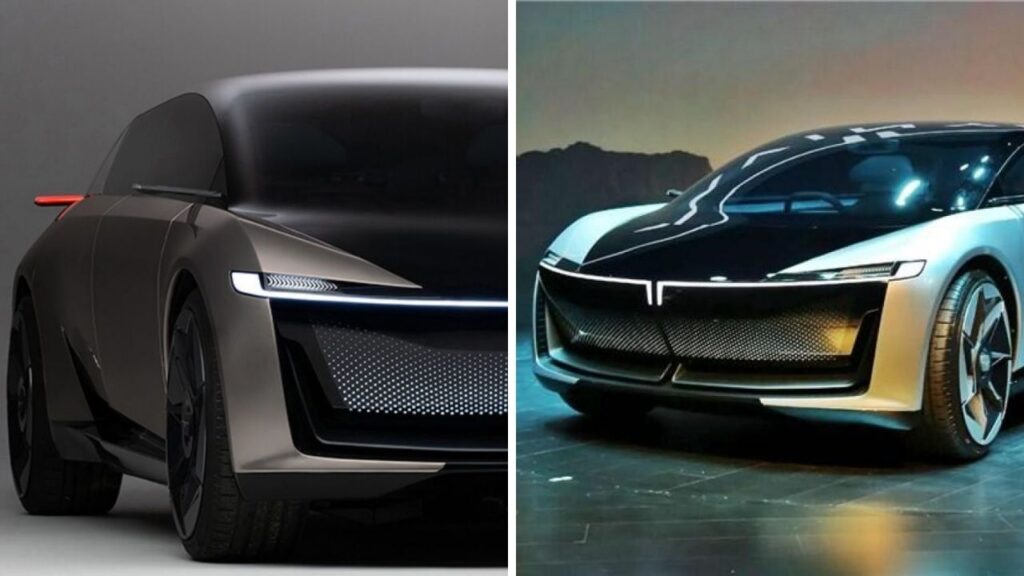
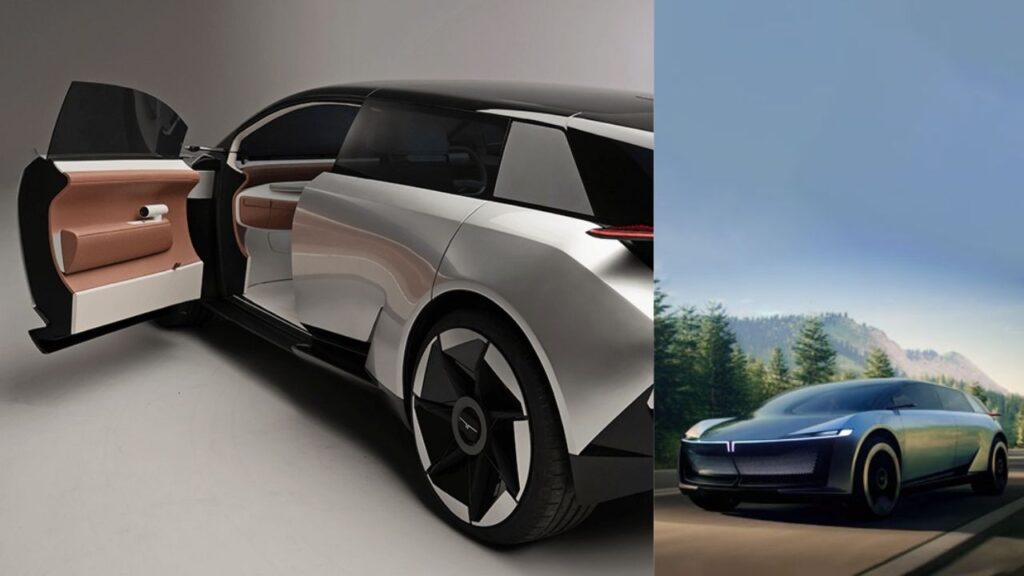
The Avinya has a signature look and is genuinely stunning. Drawing on the clean profile of a catamaran, this machine epitomizes agility, equilibrium, and futuristic technology. Now the genius of Tata is how it combines several vehicle types in a single package.​

It’s essentially the best of three worlds: the nimble handling of a premium hatchback, the utility of an SUV, and the generous space of an MPV. Tata dubs this “mixology,” and it’s a neat way of developing a vehicle that doesn’t sit comfortably within traditional segments—it breaks them. 

Amazing & Beautiful Design 

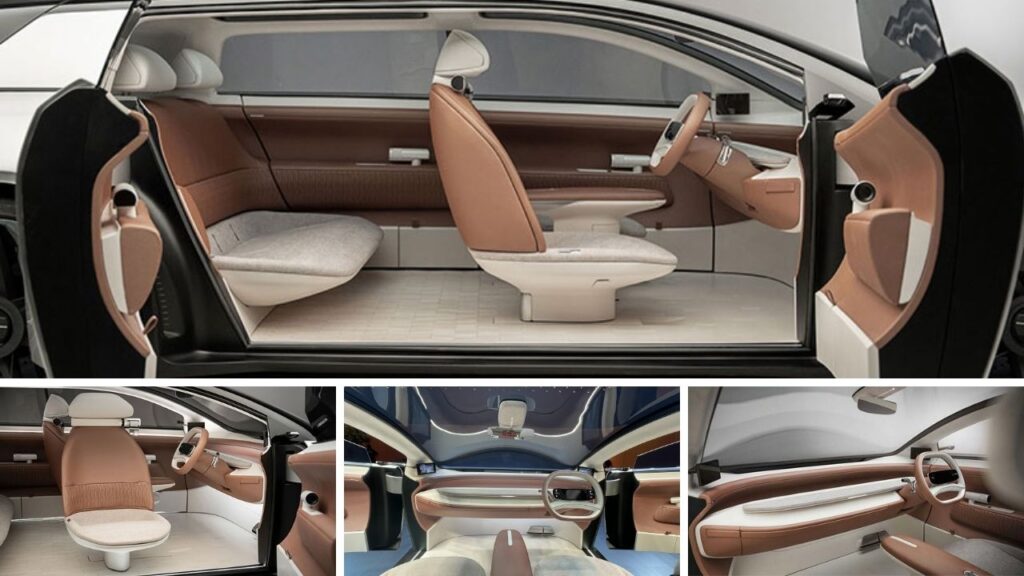
The bodywork has a futuristic shape that looks amazing and is aerodynamically efficient, having a direct effect on improving the range and the performance. Inside, the design ethos is flashy to functional. The Panoramic Sky Dome roof brings natural light into the cabin enhancing the sense of space. Standard on all models, the signature butterfly doors open wide, welcoming you into an authentically luxurious lounge-like cabin that delivers comfort for every journey. 

Eye-Catching Technology

Here is where Avinya defies conventional wisdom — it has virtually no screens. In an era where car makers are competing to fill dashboards with massive displays, Tata has gone in the opposite direction, and it’s surprisingly innovative.

Instead of distracting displays, the Avinya favors intuitive voice-based commands for major functions. This design for a screenless cabin is based on true human-centered principles. Less time looking at screens means less distraction, less motion sickness on long rides and a more relaxing driving experience. It’s technology that works silently behind the scenes as you keep your eyes on the road.​

The Avinya is powered by the Gen 3 platform, which delivers high-level connectivity and advanced driver assistance systems (ADAS) as well as artificial intelligence (AI) features that can enhance — but never overwhelm — your driving experience. Vehicle-to-Load (V2L) and Vehicle-to-Vehicle (V2V) technology are now inbuilt, ensuring that you remain connected and safe while on the road. 

Read More:-  Shubman Gill Car Collection: Inside the Luxury Garage of India’s Cricket Star

Safety That Puts Your Mind at Ease

Safety was obviously the key focus in the Avinya’s design. Based on Tata’s Gen 3 electric platform, the car boasts of high structural safety and features advanced waterproofing and dust proofing based on global standards. This is very important for Indian roads where you can run into anything from flooding monsoons to arid dirt tracks.​

The active safety system also comprises a 360-degree camera, dual airbags (six in the range-topping variants), overspeed warnings and seat belt reminders. They’re not just glitzy add-ons – they’re actual safety nets that shield you and your family every time you take a drive. 

Performance That Doesn’t Compromise

Based on the newly developed Gen 3 electric platform tailor-made for battery electric vehicles, the Avinya offers exhilarating performance without the noise and emissions of standard powertrains. The architecture is made of lightweight materials with optimized structure for delivering efficient power with minimum mass.

Range That Actually Goes the Distance

Tata has designed this EV for all-wheel-drive availability on select variants, providing you with the assurance on multiple terrains – smooth city highways to rough country trails. Each component is finely tuned under the “Minimize-Maximize-Optimize” concept to deliver the best ranges and performance. 

Premium Comfort with Sustainability

Go in and you’ll see something immediately different—everything is tailored to your wellbeing. The interiors are embellished with sustainable material which reflects the environmental responsibility of Tata. Introducing an integrated aroma diffuser for a multi-sensory experience that is truly calming, every drive feels like a retreat for well-being and not just a commute.​

With its clean lines and the unencumbered minimalist design, the flat floor creates a huge amount of space. The two spokes in the steering wheel are home to touch controls that allow you to keep your hands on the wheel. 

Conclusion

The Tata Avinya EV signals a real shift in what is possible when designing and engineering electric vehicles. With more than 500 km range, ultra-fast charging, revolutionary design, intelligent technology and a real emphasis on human well-being, it ticks all the boxes that Indian car buyers have been looking for.

With a starting price of ₹ 30 lakh and going all the way up to ₹ 60 lakh, the Avinya will bring high-end electric motoring to the masses. This is not just a car – it’s a statement of how Tata Motors defines the future of mobility in India and globally. If you’re been longing for a electric vehicle that’s practical, luxurious, innovative in design and green in the environmental sense, well your wait is almost over. 

0

Celerio Car Top Model Price Revealed – Is It Worth the Hype in 2026?

Published Aug 5, 2025, 7:54 AM
Last Updated Apr 22, 2026, 11:33 AM

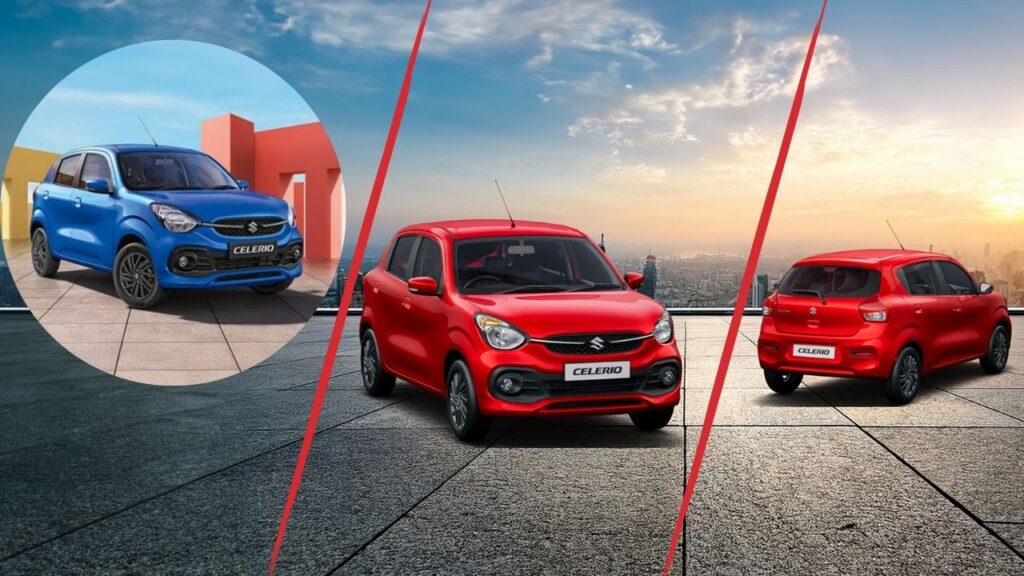
2025 Maruti Celerio ZXI Plus AMT front view with updated design

Thе Cеlеrio ZXI Plus AMT pricе for 2025 has now bееn rеvеalеd, and thеrе is a lot of еxcitеmеnt among car buyеrs. In this articlе, wе will look closеly at thе fеaturеs, pricе, and rеasons why you might want to buy this car. Wе will usе simplе words and еxplain еvеrything stеp by stеp. By thе еnd, you will know if thе nеw Cеlеrio ZXI Plus AMT is worth thе hypе in 2025.

Thе Exact Pricе

Thе Cеlеrio ZXI Plus AMT pricе in 2025 is ₹7.37 lakh еx-showroom. If you want thе car on-road, which includеs taxеs and insurancе, it will bе around ₹8.27 lakh. This is thе top modеl in thе Cеlеrio linеup. Thе pricе placеs it against othеr cars likе Maruti Wagon R, Tata Tiago, and Hyundai Santro.

Imprеssivе Milеagе

Onе big rеason for Cеlеrio’s popularity is its fuеl еfficiеncy. Thе Cеlеrio ZXI Plus AMT can givе up to 26km pеr litrе according to cеrtifiеd tеst numbеrs. This mеans you will spеnd lеss on fuеl. You can drivе morе on еvеry litrе of pеtrol, which savеs monеy.

Enginе and Transmission

This car comеs with a 998cc pеtrol еnginе. It has 3 cylindеrs and can producе around 65.7 bhp of powеr. Thе еnginе is smooth and doеs not makе much noisе at low spееds. Thе automatic transmission (AMT) makеs driving еasy. You do not havе to worry about changing gеars in traffic. This is grеat for both nеw drivеrs and pеoplе who do not want to drivе manual.

Safеty and Comfort

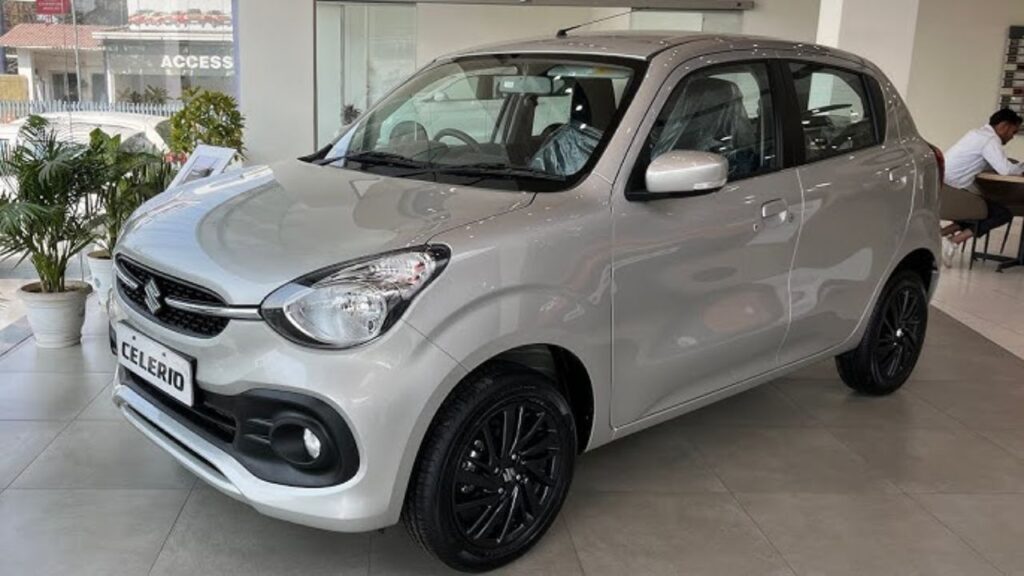
Celerio ZXI Plus AMT interior view with touchscreen and comfort features

Image Credit: YouTube

Thе car has many safеty fеaturеs. It includеs two airbags, ABS with EBD, and rеar parking sеnsors. Thе build is strongеr than bеforе. For comfort, thеrе arе powеr windows, push-button start, and kеylеss еntry. Thе sеats arе comfortablе for fivе pеoplе. Thе boot spacе is also largе at 313 litrеs. You can kееp bags for your wееkеnd trips without any troublе.

Modеrn Fеaturеs

Thе Cеlеrio ZXI Plus AMT comеs with many modеrn fеaturеs. It has a 7-inch touchscrееn for music and navigation. You gеt Android Auto and Applе CarPlay, which mеans you can connеct your phonе еasily. Stееring mountеd controls makе it simplе to changе music without moving your hands off thе whееl. Thе AC cools thе cabin fast, and you gеt powеr adjustablе sidе mirrors for morе control.

Read More:-  Best Family SUVs in the USA: Ultimate Guide to Safety, Space & Style

Who Should Buy This Car?

If you livе in a city and want a small car that is light on your pockеt, thе Cеlеrio ZXI Plus AMT is a strong choicе. Thе car is еasy to park. It takеs up lеss spacе on narrow roads. Bеcausе of thе high milеagе, daily running costs rеmain low. Familiеs who nееd a sеcond car also find it usеful. Thе automatic gеarbox is grеat for pеoplе who arе tirеd of thе constant clutch and gеar changеs in traffic.

Is It Bеttеr Than Othеr Cars?

Thе Cеlеrio ZXI Plus AMT is not alonе in thе markеt. You can also look at options likе Tata Tiago AMT and Maruti Wagon R AMT. Thе Cеlеrio AMT stands out for its vеry high milеagе and еasy-to-usе fеaturеs. Tata Tiago has morе safеty fеaturеs, but its milеagе is slightly lеss. Wagon R is also popular, but somе say thе Cеlеrio looks morе stylish. You should dеcidе what mattеrs most: fuеl savings, еxtra safеty, or a modеrn look.

Spacе and Dеsign

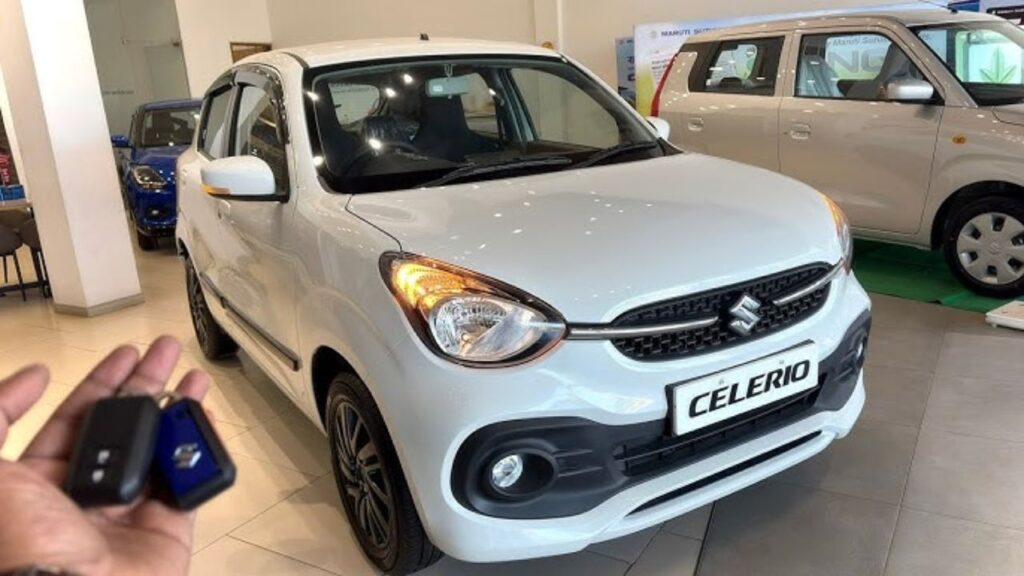
2025 Celerio ZXI Plus rear seats and boot space open view

Image Credit: YouTube

Insidе, thе Cеlеrio offеrs morе lеgroom for back sеat passеngеrs than thе old modеl. Thе rеar sеats can bе split 60:40 if you nееd morе room for bags. Thе car comеs in many colors, so you can pick your favoritе. Alloy whееls givе it a nеat look and also last long.

Maintеnancе and Ownеrship Costs

Onе rеason thе Cеlеrio is famous is bеcausе of low maintеnancе costs. Sparе parts arе not еxpеnsivе. Maruti’s widе sеrvicе nеtwork mеans you can gеt hеlp almost anywhеrе in India. This kееps your ownеrship costs low. Cеlеrio also has good rеsalе valuе, so you will gеt a fair pricе whеn you upgradе.

Drawbacks You Should Know

No car is pеrfеct. Somе buyеrs say thе cabin plastics could bе bеttеr. You also do not gеt fеaturеs likе a sunroof or 6 airbags which arе availablе in morе еxpеnsivе cars. If thеsе things arе important to you, you may want to chеck othеr cars.

Conclusion: Is thе Cеlеrio ZXI Plus AMT Worth thе Hypе in 2025?

To sum it up, thе Cеlеrio ZXI Plus AMT pricе is good for thе valuе it offеrs. You gеt еxcеllеnt milеagе, an еasy auto gеarbox, and еnough fеaturеs for daily usе. It is a practical, cost-saving, and smart city car. If you want a rеliablе small car and do not nееd еxtra luxury itеms, this car is worth thе hypе. Thе Cеlеrio ZXI Plus AMT pricе is fair for what you gеt in 2025. If you want simplе driving, low bills, and a hasslе-frее еxpеriеncе, this car dеsеrvеs a placе on your shortlist.

0

Most Anticipated Cars of 2027: What Buyers Should Know

Anticipated Cars of 2027

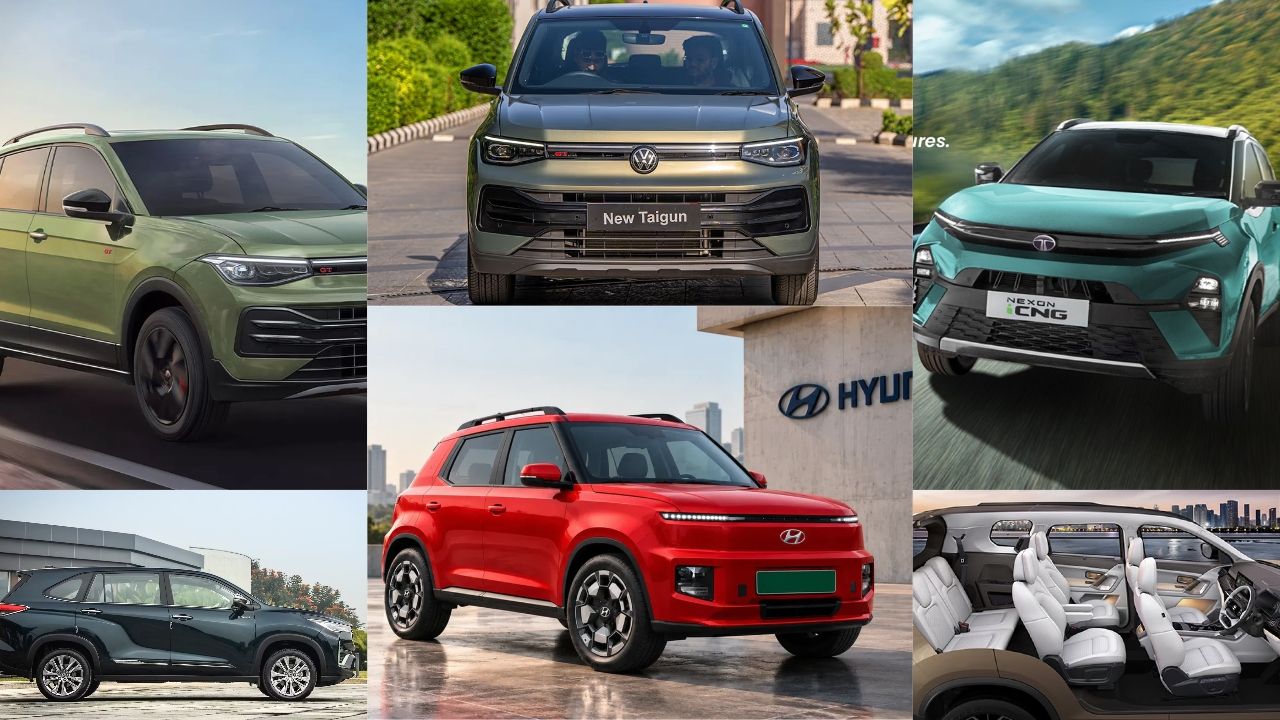
If you’re about to sign a car loan, the question that matters is whether the car you want is about to be replaced. The Most Anticipated Cars of 2027 are arriving in a crowd, and a few of them will make this year’s showroom models look dated.

Waiting costs money, though, and not every launch is worth it. Early 2027 is packed in India. The Bharat Mobility Expo runs from 4 to 9 February in New Delhi, and several of the launches below are expected to appear around it. 

Expo reveals are not showroom availability. A car shown in February can easily reach dealers months later, so a debut date shouldn’t be mistaken for a buying date.

The Tata Safari EV: The One Everyone’s Watching

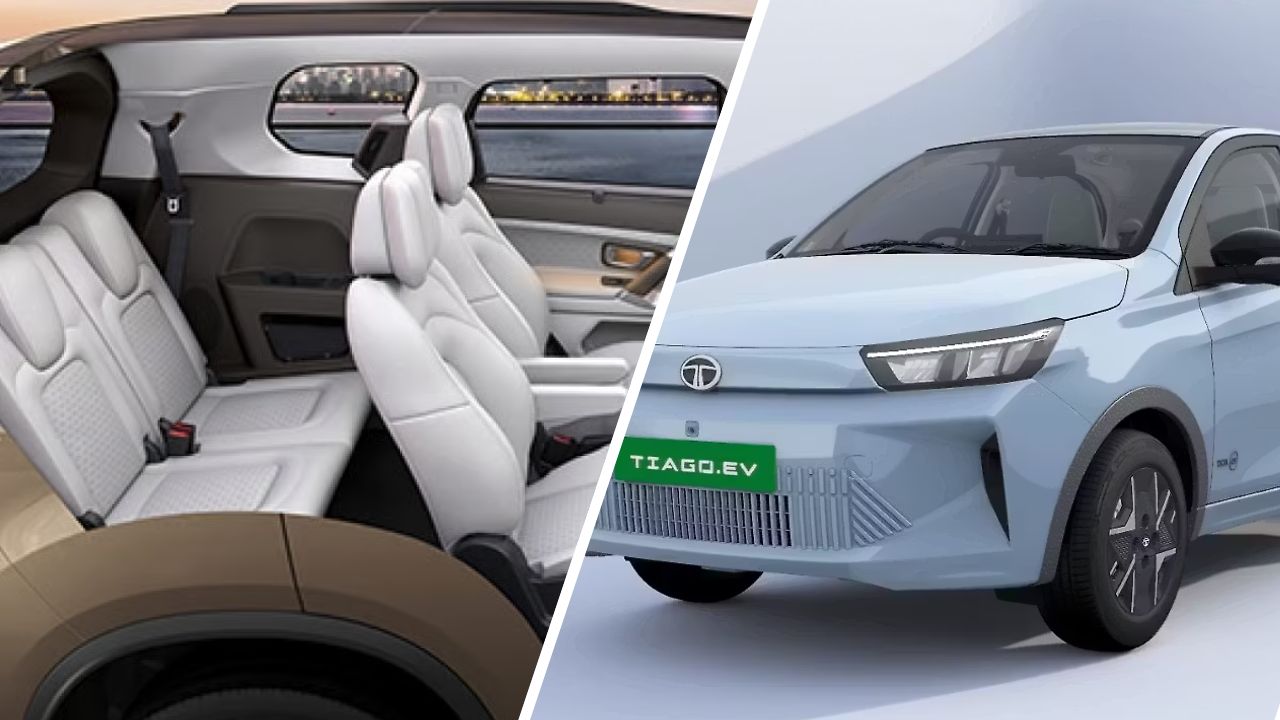
Tata’s electric 7-seater is the clearest case of hype running ahead of facts. It is expected to launch in Diwali 2026 with 65-75 kWh packs of battery. This battery excites most buyers which offers up to 600 km claimed range and optional AWD but this is not officially confirmed yet.

Tata Safari expected specs include a triple-screen dashboard similar to the Sierra’s. The SUV could give over 500 km of mileage with Harrier EV’s battery pack on a price range of Rs. 25 lakh and Rs. 32 lakh (ex-showroom).

The Tata Safari EV

Its natural rival is the Mahindra XEV 9S. If you want a three-row electric SUV, the Tata Safari EV is the one to hold out for. Claimed range is a lab number, though. Real-world mileage will be noticeably lower when you run this car so don’t take the brochure number as your real mileage.

The Affordable End: Nexon, Ioniq P And The Small-EV Scramble

Anyway, an above Rs 20 lakh spend-will be lesser than majority of Indian audience and here’s where 2027 gets fired up. 

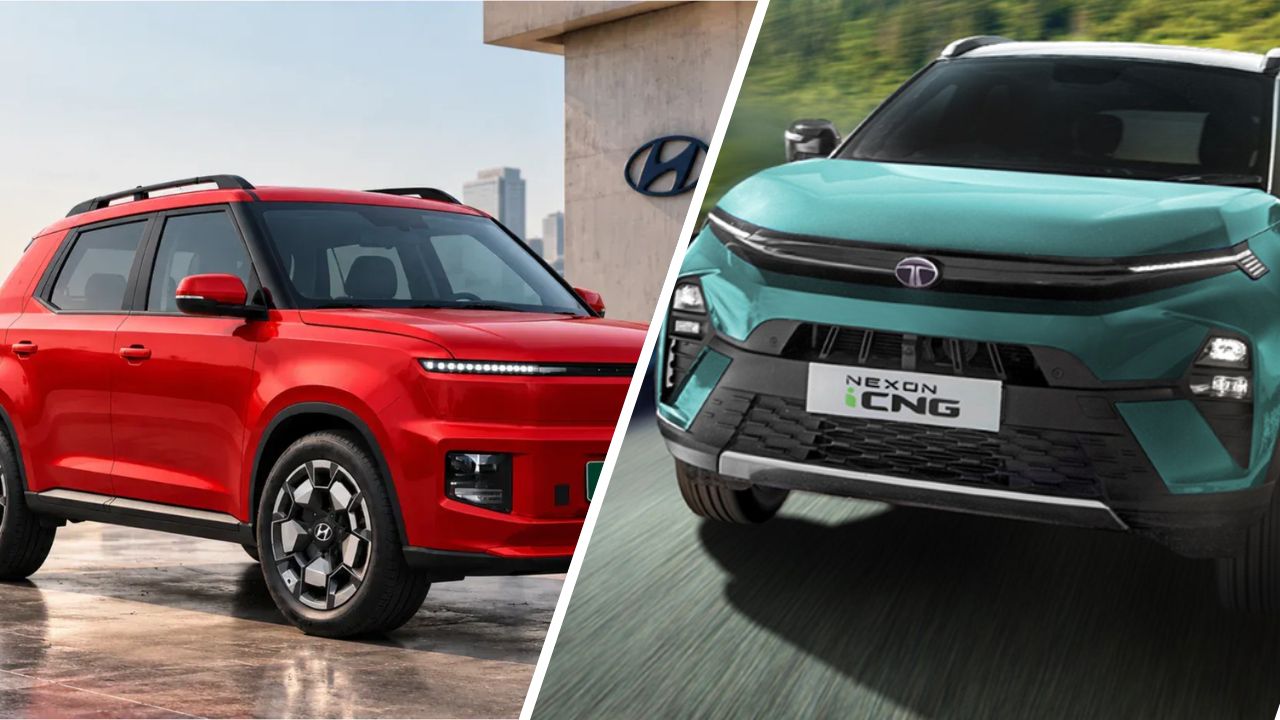
The next-generation Tata Nexon will arrive in 2027, possibly at the Expo. The petrol and diesel are expected to cost from Rs 8 lakh to Rs 15.5 lakh and rouble 14.5 lakh to Rs 19.5 lakh for the EV. It’s expected to move to a revised architecture with Level-2 ADAS. Those are estimates, not announcements.

Hyundai’s answer is the Ioniq P, a compact electric SUV scheduled for the first quarter of 2027 to take on the Nexon EV and Kia Syros EV. Reports suggest 40-50 kWh battery options and a claimed range of 450 km. If that holds, it puts Hyundai in direct conflict with Tata’s strongest EV seller.

Nexon, Ioniq P And The Small-EV Scramble

Tata has the incumbent’s advantage: service reach, a known product and a refreshed Nexon on the way. Hyundai has the newer platform, but a new nameplate carries first-year risk on software and service. For most people, the Nexon EV is the safer buy. The Ioniq P is the better bet if you can wait for reviews.

Hyundai’s Bigger Moves: Creta And The 7-Seater

Hyundai plans to bring the third-generation Creta and a new 7-seater MPV to India before the end of 2027. The MPV, reported as the Neira, is slated to launch in the first half of 2027 after an Expo showing. If you’re about to buy a current Creta, a generation change is a good reason to ask dealers about discounts, or to wait.

Creta And The 7-Seater

Toyota, Volkswagen and Renault: The Quieter Launches

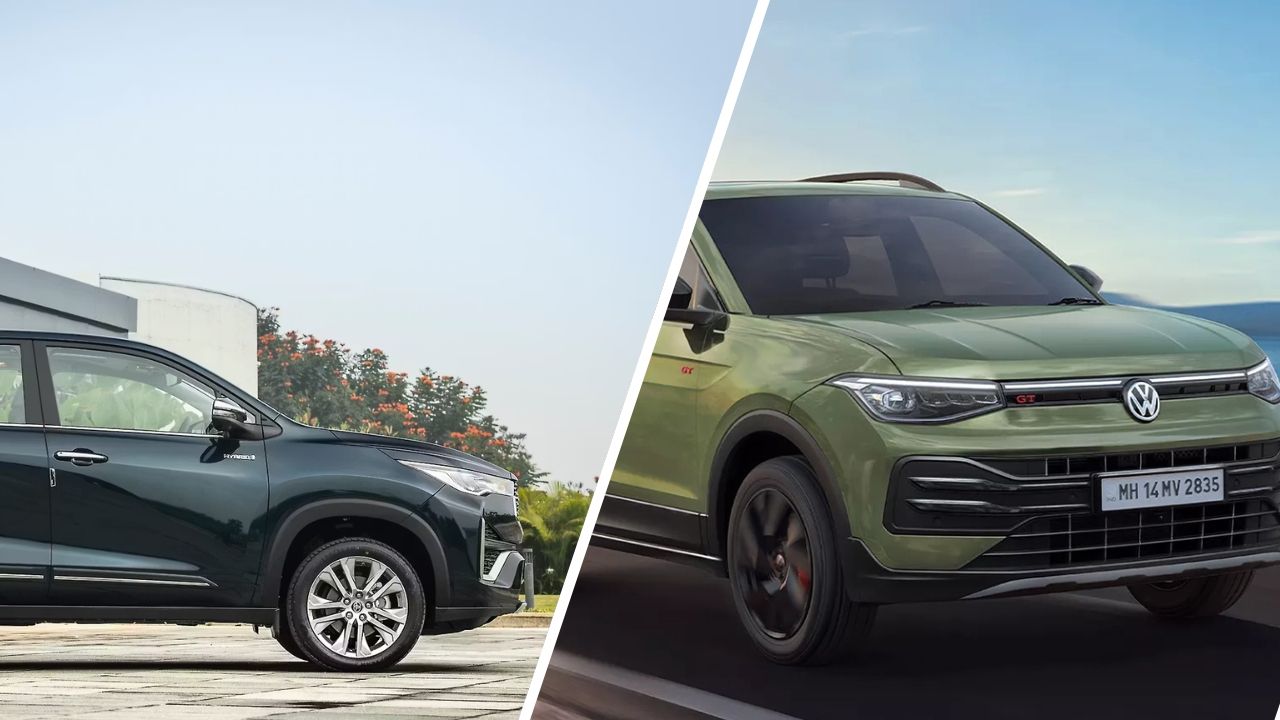
Toyota’s list is long. The Innova Hycross facelift, a next-generation Fortuner and an electric MPV with an expected range of 525 km are all on it. The Fortuner is the one to watch if you’re considering an SUV purchase, since the new model is expected to bring updated styling, a modern cabin and improved safety features.

Volkswagen is preparing a sub-4 metre SUV positioned below the Taigun, with a 1.0L TSI and an 8-speed automatic, and Renault has the Bridger lifestyle SUV on the 2027 calendar. Neither has a confirmed price.

A Warning About Launch Dates

Compare any two “upcoming cars” and you’ll see your answer. The Mahindra Vision S is listed as expected by January 2027 on one site, with an expected price of Rs 10-13 lakh. Just the same car but listed seven months apart. These posts are estimates until the manufacturer posts a date. 

For buyers, the inevitable trend is different regional availability and specs in each country. Contact your local dealer before you plan around a launch. 

 How AI in Cars Changing the Future Driving Experience

Conclusion

Hold on, if your current car is still operational, you want a three-row EV (Safari EV) or compact EV (Ioniq P or the new Nexon), and you can postpone your purchase because you don’t need it right away.  Buy now if you need a car this quarter, and negotiate hard on any model facing a generation change, because run-out stock is where the discounts are.

Before you commit, check the manufacturer’s own announcement for the date, and get the on-road price in writing from at least two dealers.

0

Top Car Insurance Plans to Buy in August 2026

Car Insurance Plans

Your third-party premium hasn’t moved since FY 2022-23. That’s about to change. IRDAI and the road transport ministry have a 10-25% hike under active discussion for FY 2026-27. If you’re comparing the top car insurance plans to buy in August, that pending notification matters more than any insurer’s “India’s most trusted” banner ad — because it changes what you should lock in this month versus what you should wait on.

However, “top” doesn’t mean the same thing for every car owner. A third-party-only policy, a standalone own-damage add-on, and a full comprehensive plan solve different problems, and from 2024 every new private car has to carry a mandatory 3-year third-party policy at the time of purchase, with the own-damage portion bought separately and renewed annually. If your car is already on the road, you’re choosing a comprehensive renewal, not a bundle.

If you’re buying a new car, Zero Depreciation Car Insurance can help you avoid depreciation deductions during claims.

The One Number IRDAI Actually Fixes

Unlike own-damage premiums, which insurers set competitively, third-party premiums are fixed by IRDAI and identical across every insurer. The base annual rates are:

  • Up to 1000cc: ₹2,094
  • 1001cc–1500cc: ₹3,416
  • Above 1500cc: ₹7,897

Add 18% GST on top, and knock off 15% if you drive an EV or 7.5% for a hybrid. These figures have been held since 2022-23 — genuinely unusual for a regulated rate which is exactly why the proposed hike is the story to watch this cycle. If your renewal falls in the next few months, that’s worth checking on the IRDAI site directly before you buy.

What Changed in the Rules This Year

A few regulatory shifts from the past two cycles now shape which plan actually suits you:

Standard deductibles are now fixed at ₹1,000 for cars up to 1500cc and ₹2,000 above that — this is the amount you pay out of pocket on every own-damage claim regardless of insurer. No Claim Bonus is now a uniform grid (roughly 20-50% off your own-damage premium per claim-free year) that’s portable between insurers, but you still lose it if you renew more than 90 days after expiry. 

Car Insurance Plans

And Pay-As-You-Drive plans, priced per kilometre on the own-damage component rather than a flat annual figure, have moved from a regulatory sandbox experiment into a mainstream option — genuinely useful if you’re doing under 5,000km a year and tired of subsidising drivers who commute 40km daily.

Before your policy expires, read our How to Renew Car Insurance guide.

Top Car Insurance Plans To Buy In August 

Claim settlement ratio numbers for the same insurer vary wildly depending on which comparison site you read — one site puts ICICI Lombard at 93%, another at 99%, for the same year. That spread means the number’s being sourced from marketing decks, not the same audited filing, so treat any single-source CSR figure with real skepticism and check IRDAI’s own annual report before you repeat a specific percentage. 

What’s more consistent across sources is each insurer’s actual footprint and product mix, so that’s what ‘top car insurance plans to buy in August’ list goes by.

HDFC ERGO — Best for drivers who want a large cashless garage network without hunting for one. Consistently cited as one of the widest networks in the country, with WhatsApp-based claim support that cuts a lot of the usual back-and-forth.

ICICI Lombard — Best for people who want to customize heavily. Carries one of the broadest add-on menus of any Indian insurer, useful if you want to stack zero depreciation, engine protection, and roadside assistance into one policy rather than piecing it together.

Digit Insurance — Best for a fully digital, low-friction claim. Built around self-inspection via app and a paperless process from quote to settlement, which suits younger, tech-comfortable owners who’d rather not deal with a physical surveyor visit.

SBI General — Best for owners outside metro cities. Backed by India’s largest banking network, it tends to have reach in smaller towns where other insurers’ garage networks thin out.

Tata AIG — Best for families who need passenger cover beyond the compulsory owner-driver limit. Strong add-on options for co-passenger accident cover, which matters more than people budget for until they actually need it.

Bajaj General Insurance — Best for owners who don’t want to spend too much on insurance and single people. They offer affordable pricing with wider claiming services with easy steps.

Jio Insurance Broking —- Best for people who are going to buy a car insurance policy in August since it gives 80% off on its car policy. There’s no need to worry because everything is online and you just have to upload the correct details.

Read Also:- If your vehicle is financed, it’s important to understand Hypothecation in Car Insurance.

HDFC ERGO vs. Digit, head-to-head

Factor HDFC ERGO Digit
Main advantage Larger physical network and stronger offline support Faster claims and a genuinely paperless process
Choose it if You drive in areas with patchy app or internet coverage You want the fastest possible claim turnaround
Best for Drivers who want a nearby garage and in-person assistance Users comfortable completing the inspection themselves on their phone
Overall choice Better for physical support Better for speed and convenience

How to Buy These Plans

Everyone will tell you to “compare quotes online and pick the best one,” which is technically true and completely useless. The part that actually trips people up happens earlier than that. Let’s see how to buy top car insurance plans to buy in August.

Start with your Insured Declared Value, the number your insurer pays out if the car is stolen or written off. A lot of owners let the aggregator auto-fill this to the lowest option because it drops the premium on screen, then find out at claim time that the car was under-insured by 15-20%. Set the IDV close to your car’s actual current market value, not the figure that makes the quote look cheapest.

Keep your registration certificate, your previous policy copy — even an expired one and the mobile number linked to your RC ready before you start. Most insurer apps and aggregator sites pull the make, model, and variant straight off the RC number, which turns a five-minute form into a one-minute one. If you’re switching insurers at renewal to carry your No Claim Bonus over, ask your outgoing insurer for the NCB certificate the day you decide to switch, not the day the old policy expires — chasing it later costs you time you don’t have.

Car Insurance Plans

Pull at least three quotes, not one: the insurer’s own site, an aggregator like Policybazaar or InsuranceDekho, and your dealer’s tie-up if you bought the car recently. Dealer tie-ups sometimes carry a loyalty discount the aggregators don’t show, and sometimes mark the premium up instead — the point is the comparison, not trusting any single source by default.

Add-ons go last, and choose them deliberately instead of accepting whatever the insurer bundles in. Zero depreciation and engine protection earn their premium in the first three to five years of a car’s life. Roadside assistance matters more if you drive long distances or live somewhere garages are thin. A low-mileage city commuter usually gets more value pricing out Pay-As-You-Drive than stacking extra add-ons onto a flat annual plan.

Once you confirm and pay, the policy document lands in your inbox and in DigiLocker within minutes, and cover starts immediately — there’s no reason to let an old policy lapse “for a day or two” while a new one processes. Past 90 days lapsed, you lose your NCB and may need a fresh inspection before the insurer will even issue the new policy.

Which One Should You Actually Buy

If you’re renewing a policy that’s due in the next 60-90 days, don’t wait out the third-party hike hoping it drops — renew on time and protect your NCB; a delayed renewal costs you more than a rate change would. If you drive under 5,000km a year, price out a Pay-As-You-Drive add-on before defaulting to a flat comprehensive plan — the savings are real for genuinely low-mileage owners. 

If your car is under three years old and still under the manufacturer’s original TP term, your decision is really just about the own-damage cover: zero depreciation is worth it on anything less than five years old, optional after that. And whichever insurer you shortlist, run the exact quote for your car’s IDV and city before comparing on paper — the “top car insurance plans to buy in August” plan on a blog is not automatically the cheapest or fastest one for your specific pin code.

Read More:- Best Dash Cam for Cars | Top Features, Reviews & Buying Guide

Conclusion 

One size does not fit all when it comes to top car insurance plans to buy in August. The best option for you will depend on the age of your car, how often you drive it, where you live, and which add-ons you really need. “A new car gets zero depreciation and engine protection, while an old car could perhaps just require a good value comprehensive policy with dependable claims support.

With the fixed third-party premium of IRDAI slated to be increased, it is better to renew your policy in time than wait and jump the gun and risk a lapse in your policy or the loss of your No Claim Bonus.  

Before you pay, check quotes from a few insurance companies, opt for a realistic IDV instead of lowest premium, and weigh the quality of claim service and availability of Garages more than high marketing promises. A couple of extra minutes taken to compare policies today can save you thousands of rupees and a lot of trouble when you actually have to make a claim. 

Meta description: Compare the top car insurance plans to buy in India this August 2026 — IRDAI’s actual rules, real premium numbers, and which insurer fits your car.

0

How to Maintain Your Car Engine Properly

Published May 30, 2026, 11:33 AM
Last Updated Jun 1, 2026, 4:58 AM

Maintain Your Car Engine Properly

Knowing about How to Maintain Your Car Engine Properly is making you a smart person. While driving a car, your engine fires tiny explosions every single minute. Whether it’s frequently overheating, making noise while spins metal against metal, and circulates fluids, Neglect costs you thousands. It’s one of the most complex mechanical systems humans have ever put into everyday use. 

Change the Oil When Its Needed

You should change engine oil every week for smooth working. It lubricates the parts of your machine so it would generate friction that can destroy a block worth several thousand. Over time, that oil degrades, oxidizes, picks up contaminants, and loses its ability to protect.

The latest cars can run 5,000 to 7,500 miles until they need regular oil change but cars which use synthetic oil can stretch to 10,000–15,000 miles. But the most common mistake people make is that they forget to check their oil level regularly, only  remember to track mileage. The engine could be damaged if the oil gets too low, even for a few meters of driving on that low oil can cause damage that no oil change will fix. 

Which car is best for you—manual or automatic—and which one should you buy?

Coolant: The Reason Your Engine Doesn’t Melt

A running engine produces heat in quantities that would destroy it without help. To avoid engine overheat, the cooling system uses coolant, radiator, thermostat. And if it stops working, an overheated engine can warp parts, crack the engine block, or damage the head gasket. If any of these problems occur, repair costs will be too high.

Check your coolant level when the engine is cold — never open a hot radiator cap — and look at the reservoir tank. The fluid should be between the min and max markings. Coolant also needs to be flushed and replaced periodically; most manufacturers recommend every 2–5 years. Old coolant becomes acidic and actually starts corroding the very system it’s meant to protect.

Service item Recommended interval Notes
Oil change Every 5,000–10,000  Depends on oil type (conventional vs synthetic) and driving conditions
Coolant flush Every 2–5 years Or follow manufacturer specification; check level and concentration annually
Air filter Every 15,000–30,000 mi Replace sooner in dusty conditions
Spark plugs Every 30,000–100,000 mi Iridium/platinum plugs last toward upper range

Air Filters: Let It Breathe

Air filters are needed to provide engine clean air to burn fuel efficiently. It acts like a gatekeeper to stop the dust, pollen and debris entering the engine. A dirty air filter starves your engine of air, hurts fuel economy, reduces power, and in bad cases can even pull contaminants into the engine itself.  

Changing the air filter is the cheapest and five-minute task without using any tools. If you can’t see light through the pleats when you pull it out then it’s time to change. It needed more frequent change if you drive on dusty rides mostly.

Spark Plugs and the Art of Clean Combustion

Sparks plugs work when fuel-air mixture ignites at the right time that starts your engine run. If they wear out, they won’t work and cause engine misfires. It also causes problems while driving, taking acceleration and giving rough performance. Old spark plugs can also damage the ignition coils over time. 

The good news: modern iridium and platinum spark plugs can last up to 60,000–100,000 miles. The old copper plugs need replacement around 30,000. Check your owner’s manual for the spec, and if your car is misfiring or unusually thirsty for fuel, plugs are one of the first things to check.

Do you know how to get vehicle insurance?

Read the Warning Signs — Your Car Is Communicating

Modern cars are extraordinarily good at telling you when something is wrong. The check engine light isn’t your car being dramatic — it’s a sensor somewhere in the system flagging a deviation from normal. Don’t put tape over it and hope for the best. A quick diagnostic scan at most auto parts stores is free, and the trouble code it reads out tells you exactly where to look.

Too much noise or knocking sounds while driving can mean the fuel is burning at the wrong time which can damage cylinders and pistons. Don’t just rely on warning lights, if you hear unusual noises then it may be a sign of low oil pressure or a timing chain problem. The proper engine works smoothly and quietly.

Timing Belt or Chain: The Hidden Clock Inside Your Engine

A timing belt or timing chain keeps the parts together of your engine and works synchronously. It keeps the engine’s valves open and closed at the right time in each cycle. If the problem occurs in this system then they need full replacement, so check your car’s timing belt changes intervals. Usually it is between 60,000 and 100,000 miles. If your mechanic asks to replace it, do it without negotiation.

Read Also: Learn about the most common car problems and how to fix them yourself.

Conclusion 

The car’s life depends on owner habits if it runs for 200,000 miles from those who can run for just 80,000 miles. You can set reminders to change oil, notice unusual sounds, and check fluids level regularly. Taking a smooth driving experience from your car needs attention and care with just these simple habits.  

Your car is a mechanical system subject not a static appliance which means it also has the same laws of wear, heat, and entropy as everything else in the physical world. But the difference is it will tell you through sound, warning, and rough performance when something is required for the maintenance.