0

Buying a Used Car? Don’t Get Cheated! Must-Know Precautions & Tips

Published May 21, 2025, 12:16 PM
Last Updated Nov 5, 2026, 4:18 PM

Chosen to purchase a trade-in vehicle? Indeed, you are not by any means the only one, a great many Indians are currently picking utilized vehicles and on the off chance that we take a gander at measurements the most recent two years have seen a flood in the trade-in vehicle market as an ever increasing number of individuals are presently deciding on private vehicle. Whatever your explanation be, we need you to realize that you’ve settled on the right decision.

In any case, on the lookout, not all things are what it is by all accounts and you ought to consistently have a watchful eye to spot which vehicle vender is a cheat and which isn’t. On those lines we need you to be advised about a couple of insurances that you ought to embrace when purchasing a pre-owned vehicle.

Let a car mechanic accompany you

Unless you are an expert evaluator yourself, it would be wise to take an experienced car mechanic with you to know the nitty-gritty details of the vehicle. Although you might have to pay him for his services, it would be better than buying the wrong car and feeling remorseful afterward.

Check the car thoroughly

Try not to depend on what the merchant claims about the vehicle, check the vehicle for yourself. You can relinquish minor scratches and marks yet be careful about the greater ones, vehicles with body rust are a major no. Check for paint surface contrasts. These will assist you with understanding the circumstance the vehicle might’ve been in. Likewise, watch out for the electricals, everything ought to be in working condition, in case anything is awkward, deal. The tires ought to be in acceptable condition, in case they’re thinning up top, you ought to have the option to set aside more cash.

Test Drive

A very important aspect of buying a car is the test drive. Starting the car should be a very smooth process. There shouldn’t be any untoward noises, hop out of the car with the engine running and open the bonnet to check weird noises. Check the tailpipe, there shouldn’t be any smoke or oil spouts.

Gear shifting should be effortless, you should not apply any extra pressure on the stick. Engage the clutch and when you release it, the vehicle should move forward in a gentle manner without jerks or vibrations.

Take the car out for a ride, feel the suspension, no squeaking or odd vibrations should be felt. Another way to test the suspension is to tackle corners with a little more speed than you usually drive at. Sharp turns put the suspension into action and if you feel anything is out of place, take the call.

Document verification

Check documents when buying a used car

So, the car is good, but don’t move ahead until you’ve verified the documents and the information on them. A few pointers:

  • Registration Certificate is a crucial document that confirms the legality of the vehicle and ownership. Make sure that the certificate is not a duplicate one  – Duplicate Registration Certificate. If you are buying from a dealer check if the RC has the name of the dealer, this would mean that you would be the third buyer, which should not be the case as the market value will be low for a third-hand car.
  • VIN and Engine no. should be the same everywhere i.e., on the Registration Certificate and the car. A few places where you can find the VIN no.
  • Insurance is another important vehicle document without which a car cannot ply on the roads. Make sure that the insurance is also transferred in your name and has a validity of at least three weeks post purchase. If it doesn’t you can bargain and buy new insurance which is much more beneficial.
  • A vehicle service book tells a lot about the car, for example if the servicings are consistent then you know that the car was cared for and maintained to the highest standards. But, on the flip side it can be forged as well. If it is too good to be true then maybe it is not true. Be sure to ask as many questions to the owner. Like the dents and major scratches.
  • Road tax certificate is another important document that certifies that no taxes are due. Although it is a one time payment that is paid at the time of purchase of the car. In any case if it isn’t, there is something fishy.
  • Pollution under control certificate shows the emission levels of the car, via which you can ascertain the condition the engine is in.
  • A Loan NOC is something that you should be aware of in case the vehicle was purchased on a loan, this confirms that all loan dues have been paid and the financier has no claim on the vehicle.

Vehicle modifications

Many people opt for vehicle modifications to make their car look a certain way, and any part of the vehicle can be modified, that is, as long as it is legal. Certain changes like car color, engine tweaking are illegal. So are installation of tyres bigger than what the manufacturer recommends.

Here’s a list of car modifications that are considered illegal in India.

  • Fancy number plates
  • Loud exhausts
  • Roof modifications
  • Engine mods
  • Wide tyres
  • Body lifting kits
  • Car color

Make sure that the car you are going to buy doesn’t have the above modifications, if it has then it would be best to look out for another vehicle.

Get an idea of the price online
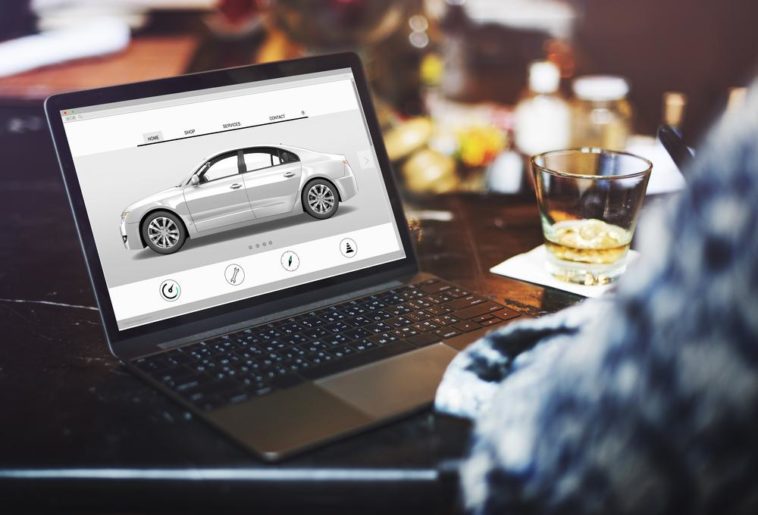
Image depicting a search for a used car online

Before you go out hunting for a used car, select the car that you think is the right choice for you, this includes the no. of kilometers it has run and its age. Check these details online to get an idea of the price, compare it, and bargain accordingly.

Know when to pay

At times delay is not denial, this also holds true when you buy a car. Take into account all your options, go through them again and again, and make the decision only when you deem it is right.

If all of this overwhelms you and makes you think twice about buying a used car, don’t give up as we have got a better alternative for you, Badicar.com .

Buying a used car on Badicar.com  is the easiest thing and the most hassle-free thing you will ever do.


Bipin Sharma

Bipin Sharma is a seasoned automotive content writer with over 10 years of hands-on experience in the world of cars. From the latest car news and reviews to in-depth maintenance tips and expert buying guides, Bipin covers everything that drives the automotive world. Writing about cars isn’t just his profession — it’s his passion. His deep industry knowledge and love for automobiles fuel every blog he creates, helping readers make informed decisions and stay updated on the fast-evolving auto landscape.

Leave a Reply

Your email address will not be published. Required fields are marked *

0

Sundar Pichai Car Collection 2026: A Look Inside His Garage

Published Jun 5, 2025, 8:19 AM
Last Updated May 9, 2026, 12:49 PM

Sundar Pichai’s Stunning Car Collection Revealed

Sundar Pichai Car Collection is one of the best luxurious garages. Pichai’s taste in cars reflects his personality and life as he is the CEO of Google with a net worth of $1.3 billion. He owns superfast Maybach, BMW and practical horses like Benz V-Class and HiAce which makes his collection far more interesting and exciting than any other businessman.

Unlike other billionaires who prefer to buy supercars, big SUVs, and ultra-luxurious sedans, Sundar Pichai car collection focuses on more practicality, comfort and decency which perfectly match his calm and sophisticated personality. His collection proves that luxury is not always showing off loud cars but it can be classy, comfortable, and advanced engineering.

Sundar Pichai Car Collection That Blow Your Mind

Mеrcеdеs-Maybach S650

Mеrcеdеs-Maybach S650

Sundar Pichai owns an ultra luxury private jet on four wheels, it becomes one of the finest cars in his garage. Mercedes-Maybach S650 is a complete power packed vehicle which offers tremendous features that can blow your mind. He owned it, showed his taste in automobile engineering and smart lifestyle. 

The Maybach S650 is the pinnacle of top-level luxury advanced vehicles which is worth around $200,000 (₹3.2 crore for in India). Its body is designed like an elongated Mercedes sedan but not manufactured as flashy which defines its aura at the next level. Without putting an effort to be flashy, it becomes a true luxury. Inside looks and comfort is something else far more elegant than any other luxury cars. 

Engine

6.0-liter Twin-Turbo V12

Speed

0 to 60 mph in 4.6 seconds

Horsepower

621 hp

Price

Rs 3.2 Cr

It provides reclined leather seats with massaging feature, soundproofed cabin, powerhouse of 621 horsepower. It builds on 6.0-liter Twin-Turbo V12 engine that drives the car at a superfast speed from 0 to 60 mph in just 4.6 seconds. But it doesn’t make you feel like you’re jumping on the road because of the car’s smooth suspension.

Seats 

Reclining Leather with massage function

Soundproofed cabin

Near-silent at highway speed

Suspension

Body control smooth suspension

Wheelbase 

Extended for rear comfort

Sound system

Burmester 3D 

BMW 730LD

BMW 730LD

Pichai also owns the legendary BMW 7 Series as it stands for Long Wheelbase, which makes it comfortable if you sit on the back seat. It builds for long highway miles with balancе of spееd and comfort. It costs around $100,000 (about Rs 1.35 crore). 

The 730LD is packed with futuristic features. BMW provides high-end tech like gesture controls, tablet-like key fob that allows you to remote-park the car from the outside, infotainment screens, and ambient lighting that can switch according to your mood. Pichai’s tech-forward luxury sedan is not only a superfast car but its long wheelbase precision gives an excellent riding experience.

Engine

3.0 Litre I-6 

Horsepower

261 HP

Price

Rs 1.35 Cr

It’s a power packed german engineering with executive comfort. It delivers smooth and effortless power of 261 horsepower from the 3.0-liter turbocharged inline-six diesel engine.

Gesture control

Change music with wave

Remote Parking

Tablet-like Key

Wheelbase 

Extended rear legroom

Infotainment system

iDrive 7

Ambience

Customizable

Suspension

Adaptive for highway

Mеrcеdеs V-Class

Mеrcеdеs V-Class

Mercedes-Benz V-Class is essentially a VIP lounge on wheels. This ultimate luxury minivan valued around $75,000 (roughly Rs 71 lakh). It features heavy leather captain’s rotating chairs in the back that can be turned to face each other, perfect vehicle for a family guy like Pichai.

Seats 

8 passenger, leather 

Body 

Stealth 

Doors 

Sliding door

Sound 

Burmester system

Interior 

Roomy, classy 
Price

Rs 71 Lakh

The interior is great with a fold-out conference table in the center, Burmester surround sound which is good to go on a trip with family, and sliding doors for easy access in and out. The most comfortable ultimate “stealth” vehicle that provides comfort and avoids untrained eyes from the outside.

Toyota HiAcе 

Toyota HiAcе 

Pichai’s collection has also included Toyota HiAce which is valued around $50,000. It is spacious, reliable, and incredibly unassuming that’s why it is assumed as a practically indestructible titan for the road.

The 2026 HiAce starts at the base LWB Van model with $51,880 ending at the range-topping SLWB Commuter GL at $80,656. It is equipped with a 2,8-litre 1GD-FTV turbo-diesel engine and fuel consumption is 7.4L/100km up to 8.1L/100km. It generates 220 horsepower to go for that fastest ride. 

Engine 

2.8 L I-4 1GD-FTV turbo-diesel 

Power 

220 hp

Seats 

12 passenger, leather 

Fuel Economy 

7.4—8.1 litres per 100 km

Safety

Emergency brake, line departure alert, indestructible body quality

Space 

6.2 cubic metres of cargo space 

wheelbase  

Super long 

Price

$51,880 LWB Base  →  $80,656 SLWB Commuter GL 

It also provides excellent security features with autonomous emergency braking, lane departure alert, and improved stability control. The interior is large and can provide 12-passengers to sit and extra 6.2 cubic metres of space for luggage. 

Also Read : Top 7 Cars from MS Dhoni Car Collection That Will Blow Your Mind in 2026

Conclusion

Sundar Pichai Car Collection has every high-end vehicle which shows his choices along with his lifestyle. He is a family guy, having large minivans, big vehicles shows how much he preferred practicality over luxury sedans and SUVs. Superfast Maybach, BMW and Mercedes are perfect choices of luxury cars. All these cars reflect Mr. Pichai’s tastе for luxury, spееd, and spacе.

0

Car loan interest rates in India: Compare Banks, EMIs and Loan Options

Published Jun 29, 2026, 12:27 PM
Last Updated Nov 3, 2026, 11:43 AM
Car loan interest loan

Car loan interest loan

Buying a car is a major financial decision, and choosing the right financing option can make a significant difference to your overall expenses. Before applying for a loan, it is important to understand Car loan interest rates, repayment terms, eligibility requirements and additional charges.

In India, banks and financial institutions offer car loans for new and used vehicles at different interest rates. The rate you receive depends on several factors, including your CIBIL score, income, loan amount, repayment tenure and the lender’s policies.

This guide covers the car financing process, what borrowers need to be concerned with and how to find their best fit within their respective financial budgets.

What Are Car loan interest rates?

A Car loan interest rate is the percentage charged by a bank or financial institution for lending money to purchase a vehicle. It is usually expressed as an annual percentage rate.

For example, if you borrow ₹8 lakh at an annual interest rate of 9% for five years, the interest will be included in your monthly Equated Monthly Instalments (EMIs).

A lower rate generally means lower borrowing costs, but the final amount you pay also depends on the loan tenure, processing fees and repayment conditions.

Car loan interest rates in India: Bank Comparison

Interest rates vary across lenders and may change based on the applicant’s credit profile and the type of vehicle.

The following are indicative starting rates published by selected lenders in 2026. These are not guaranteed offers.


Bank

Indicative Starting Rate

Canara Bank 

7.45% p.a. onwards

Union Bank of India 

7.50% p.a. onwards

Bank of Baroda 

7.60% p.a. onwards

Punjab National Bank 

7.60% p.a. onwards

HDFC Bank

8.15% p.a. onwards

ICICI Bank 

8.40% p.a. onwards

State Bank of India 

8.40% p.a. onwards


Rates are indicative and based on lender information available in 2026. Special offers, vehicle categories, credit scores and loan terms can affect the final rate. Always confirm the latest offer directly with the bank before applying.

Factors That Affect Your Car Loan Interest Rate

Lenders assess several details before deciding the interest rate for an applicant.

1. CIBIL Score

Your credit score helps lenders evaluate your repayment history and creditworthiness. A strong score, often around 750 or above, may improve your chances of receiving a competitive rate.

2. Monthly Income and Employment

A stable income and reliable employment can help demonstrate your ability to repay the loan. Lenders may also consider your existing financial commitments.

3. Loan Amount and Down Payment

A higher down payment reduces the amount you need to borrow. This can lower your EMI and total interest payable.

4. Loan Tenure

A longer repayment period generally reduces the monthly EMI but increases the total interest paid over the life of the loan.

5. New or Used Car

Interest rates for used vehicles are often higher than those for new cars. The age, condition and valuation of a second-hand vehicle may also affect loan approval and pricing.

How to Calculate Your Car Loan EMI

Your monthly EMI depends on the loan amount, interest rate and repayment period.

For example, consider a loan of ₹8 lakh with an interest rate of 9% per annum for five years.


Loan Details

Amount

Loan amount

₹8,00,000

Interest rate

9% p.a.

Loan tenure

5 years

Estimated monthly EMI

₹16,607

Total repayment

₹9,96,420

Total interest

₹1,96,420

These figures are approximate and exclude additional charges.

Using an online car loan EMI calculator can help you compare different loan amounts, interest rates and repayment periods before making a decision.

Fixed vs Floating Car loan interest rates

Borrowers should understand the difference between fixed and floating interest rates before choosing a loan.

  • Fixed interest rate: The rate generally remains unchanged throughout the agreed loan tenure, making monthly repayments more predictable.
  • Floating interest rate: The rate may change according to the applicable benchmark and lender’s terms. This can affect the EMI or repayment schedule.

The availability of these options depends on the lender and loan product. Check the loan agreement to understand how rate changes are handled.

Documents Required for a Car Loan in India

The documents required may vary by lender, but applicants are commonly asked to provide:

  • PAN card and Aadhaar card or other accepted identity proof
  • Address proof
  • Recent salary slips or income proof
  • Bank statements
  • Employment or business details
  • Car quotation or vehicle details
  • Passport-size photographs, if required

Self-employed applicants may need additional business and income documents.

A Few Tips Before You Sign Anything

  • Don’t just compare interest rates — look at processing fees and foreclosure charges too. A loan with a slightly higher rate but zero processing fee might actually cost you less.
  • Negotiate. If you have a good credit score and a stable income, you can typically request a better rate – than the one first quoted at your bank. 
  • Check whether the bank offers any small discounts, such as a lower interest rate for women or people who already have an account. 
  • Avoid stretching your tenure just to make the EMI look small. A longer tenure quietly adds up to a lot more interest paid over time.

What is the lowest car loan interest rate in India?

Some banks claim to offer starting rates around 7.45% per annum in 2026 just because the broadcasting bank claims to do so. Rate it depends on the lender type, vehicle type, credit score and the loan conditions. 

What CIBIL score is required for a car loan?

Generally, the lower a score one has, the higher the hurdles to be surpassed for securing competitive offers. Even though one’s eligibility criteria may vary as people with lower credit scores can still get with a higher interest rate. 

Is a five-year car loan better than a seven-year loan?

So in general the monthly EMIs will be higher for a five-year loan and the total interest will be lower. If you get a seven-year loan you can lower the EMI in exchange for more interest for us. 

Can I get a car loan without a down payment?

Some lenders offer financing that covers a large portion or, in certain cases, the full on-road price. Approval depends on eligibility, vehicle value and the lender’s policy.

Are used car loan rates higher than new car loan rates?

Factors such as the age of the vehicle, its resale value and the loan risk can result in used car loans having higher interest rates. 

Conclusion

Since finance options are available for a new car in 2026, do not accept whatever you’re handed on the spot at the dealership. You should know the latest Car loan interest rates before you look for a dealer. If you compare interest rates of public & private banks and take note of your CIBIL score and choose a 4-5 year tenure (instead of a protracted 7 yrs loan), you are able to put back hundreds of hard-earned rupees back into your wallet, month by month. 

0

What Your Car Loan Covers Beyond the Ex-Showroom Price 

Published Aug 31, 2026, 7:05 AM
Last Updated Sep 26, 2026, 8:44 AM

What Your Car Loan Covers

You’ve picked the car, negotiated the discount, and the dealer has quoted you an on-road price. The loan gets approved. Then, a day before delivery, the finance desk asks you to arrange another ₹80,000 to ₹1.5 lakh in cash because Your Car Loan Covers only ex-showroom price. Nobody lied to you, technically, but nobody told you that “Car Loan approved” and “on-road price covered” are two different sentences.

This is where most first-time car buyers in India get caught out, and it comes down to one thing: banks don’t lend against the same number you think they do.

Why Your On-Road Price Is Higher Than the Ex-Showroom Price 

The ex-showroom price is a manufacturing rate which the dealer has to pay to bring the car in. The on-road price involves RTO registration charges, road tax (depends on the city), insurance package, and handling fees.

In some cities, this extra cost can be up to 12-20% over the ex-showroom figure, so it depends on the state tax which is different everywhere in India. Check your state rates with your dealer. A car with ₹8 lakh on the ex-showroom price can easily cost you up to ₹9.2-9.5 lakh on-road commitment once you’re standing at the RTO counter.

The loan amount vs on-road price gap starts right here, because most buyers budget against the smaller number.

Car Loan Rate Depends on Your Ex-Showroom Price Mostly

Every lender will offer you different benefits and discounts so it’s worth checking specifically that your lender gives cash on what price before signing the deal.

Do not flatter the lender’s ad of 100% financing, can be calculated against the ex-showroom price. Federal Bank and ICICI Bank both structure their Car Loan schemes this way. And you have to pay RTO-and-insurance from your pocket.

Your On-Road Price

Other lenders finance against the on-road price directly, but cap the loan-to-value ratio below 100%. Union Bank of India, for instance, requires a minimum 10% margin against the vehicle’s on-road price — meaning you’re arranging that 10% yourself regardless of how the rest is structured.

Neither approach is wrong. But “up to 100% financing” and “90% of on-road price” can produce a down payment difference of tens of thousands of rupees on the same car, and dealership finance desks rarely spell out which formula applies until you ask.

Read More :-  Pre-Approved Car Loan Gains Dealership Discounts on Launch Day

Does Your Car Loan Covers RTO and Insurance? 

Registration and insurance don’t get uniform treatment across lenders. Several NBFCs and banks fold both into an on-road-price loan by default. Others exclude them entirely and finance only the ex-showroom component, treating RTO and insurance as the buyer’s responsibility from day one.

There’s a cost hiding inside the version where insurance does get bundled in: your loan principal goes up by the premium amount, and you pay interest on that premium for the entire loan tenure. 

On a five-year loan at 9-10% interest, financing a ₹35,000 insurance premium instead of paying it upfront can add a few thousand rupees in extra interest by the time you’re done — not a lot on its own, but it’s a cost nobody puts in the brochure.

Accessories Are Almost Never Part of the Loan

If you’re adding a sunroof kit, seat covers, or an infotainment upgrade at the dealership, don’t expect the loan to stretch to cover it. Most financiers, including Mahindra Finance, explicitly exclude aftermarket accessories from the loan amount and will only fund fittings that come standard from the factory, like built-in air conditioning. 

Financing Difference Changes

A handful of lenders will finance higher-value factory-approved add-ons on a case-by-case basis, but that’s the exception, not the rule. Budget for accessories the same way you’d budget for fuel — outside the loan, in cash or on a card.

How the Financing Difference Changes Your Down Payment 

Take a car with an ex-showroom price of ₹8,00,000. Add RTO, insurance, and handling, and the on-road price lands around ₹9,20,000 — again, this varies by state, so treat it as illustrative rather than a fixed rule.

  • If the lender finances 100% of ex-showroom: you get ₹8,00,000, and you’re arranging the remaining ₹1,20,000 yourself.
  • If the lender finances 90% of on-road price: you get ₹8,28,000, and you’re arranging ₹92,000.

Same car, same “high financing” pitch from two different lenders, and a ₹28,000 difference in what lands in your pocket versus what you pay upfront. That gap is the entire reason this question is worth asking before you’re standing at the delivery counter with a shortfall.

What to Ask Your Lender Before Taking a Car Loan 

Before you commit, get three answers from the lender in writing, not verbally from the dealership’s finance desk:

  1. Is the sanctioned loan amount calculated against the ex-showroom price or the on-road price? 
  2. Does that on-road figure, if used, already include RTO and insurance, or are those excluded? 
  3. And if insurance is being financed as part of the loan, what does that add to your total interest outgo over the full tenure?

None of this changes whether you should buy the car. Your Car Loan Covers changes whether the down payment you’ve budgeted for is the one you’ll actually be asked for. Ask the question at the sanction stage, not the delivery stage — that’s the only point where it’s still free to find out.

Read More :-  Best Car Accessories for Thar Roxx You Should Buy in 2026

Conclusion

Your Car Loan Covers more than just the ex-showroom price, but you should never assume that the entire on-road cost is financed. RTO charges, insurance, accessories, and the lender’s margin requirements can significantly change the amount you need to pay upfront.

Before signing the loan agreement, confirm exactly what Your Car Loan Covers, how much you need to contribute, and what the total interest will be. The loan with the highest financing percentage isn’t always the cheapest or most convenient option. What matters is the actual amount you receive, the cash you need on delivery day, and the total cost of borrowing.

0

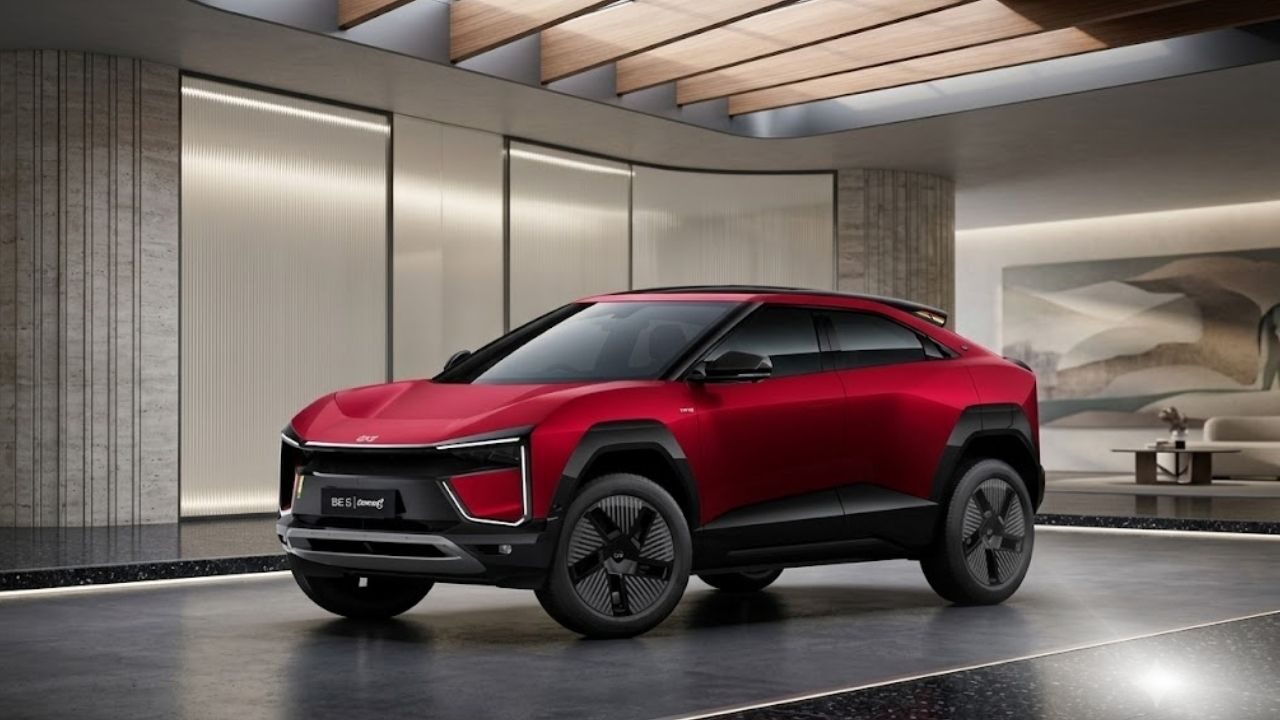
Maruti e-Vitara: Launch expected in December 2025

Maruti e-Vitara

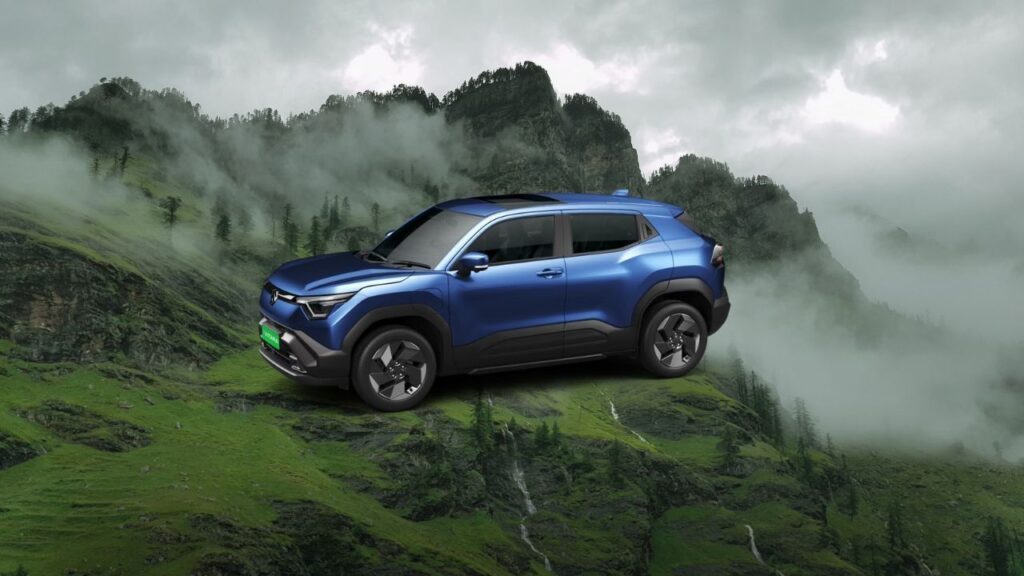
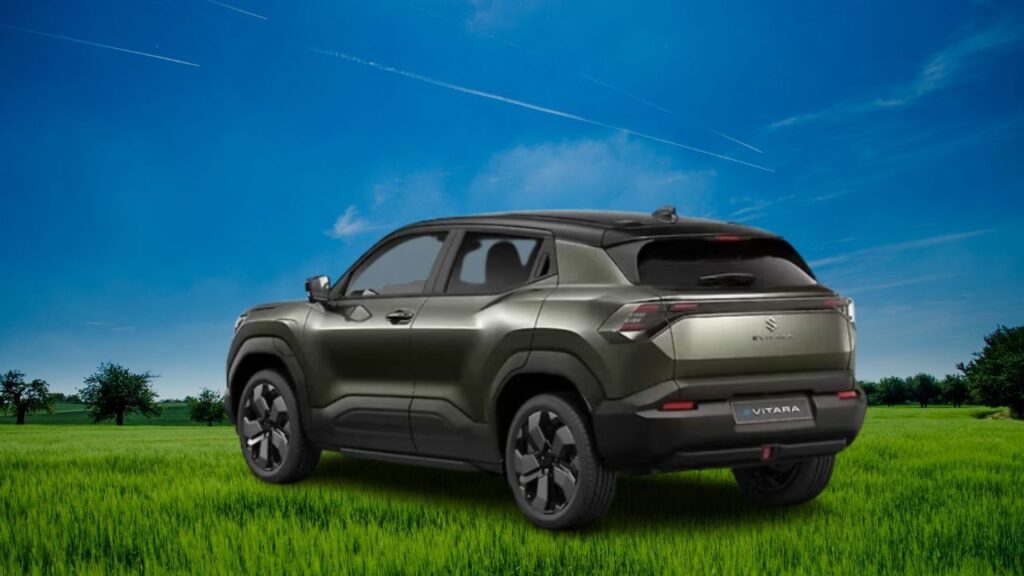
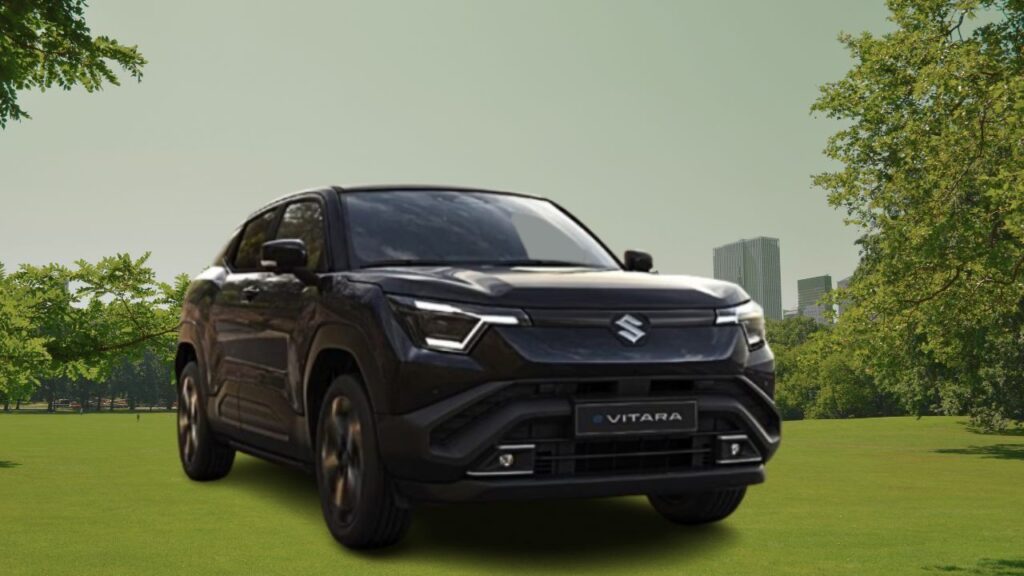
India’s EV revolution is about to be pushed into high gear with the launch of Maruti Suzuki’s first electric SUV — the Maruti e-Vitara, anticipated to arrive by December 2025. The e-Vitara will bring Maruti’s legendary reliability and next-generation electric technology as the country’s most trusted carmaker makes its EV debut. Built on the all-new Heartect-e platform developed jointly with Toyota, this SUV delivers the perfect balance of performance, efficiency, and safety — tailor-made for Indian roads and global aspirations. 

With a distinctly futuristic appearance and strong dual battery options promising a range of up to 500 km, the e-Vitara is intended to offer everything Indian buyers have been asking for from an electric SUV — long range, fast charging, advanced features, and Maruti’s reassurance. With aggressive styling, luxurious interiors and industry-first Level 2 ADAS safety technology, this SUV may transform the mid-size EV market. 

Built on a New Platform for Excellence

The e-Vitara is also based on the new Heartect-e platform by Maruti. This setup is ideal for electric cars. Toyota was one of the creators. The design enhances performance, reduces energy consumption and places the batteries just right. More than half of the body is made from high-strength high-tensile steel for enhanced rigidity and safety. 

Battery Options and Impressive Range

Maruti offers the e-Vitara with two battery options to cater to different needs of the buyers. 

The 49 kWh is the basic pack. It has an electric motor at the front axle. That engine produces 142 bhp and 192.5 Nm of torque. The car goes from 0 to 100 kmph in around 9.6 seconds. 

Maruti e-Vitara Battery Options and Impressive Range

The 61 kWh pack produces 172 bhp. It retains the same 192.5 Nm of torque. This iteration does 0-100 kmph in 8.7 seconds. Most importantly, it gives you a range of over 500 km on a single charge, as per MIDC tests. 

Both battery packs use advanced Lithium Iron-Phosphate (LFP) blade cell technology supplied by BYD.

Charging Convenience

The e-Vitara supports AC and DC fast charge modes. A 61 kWh battery is recharged from 10 to 80 percent in just 45 minutes by a DC fast charger. A 7 kW AC charger takes around 9 hours for a full top up at home (10-100%). An 11 kW reduces that to about 5.5 hours. 

Maruti has launched an end-to-end charging ecosystem – ‘e for me’ – that comprises smart home chargers with remote access and plug-and-play DC fast chargers at NEXA outlets across India. 

Bold and Futuristic Design

The e-Vitara reflects Maruti’s “Crafted Futurism” stance in its bold design and seamless airflow characteristics. It measures 4,275 mm in length, 1,800 mm in width, and 1,640 mm in height, and is equipped with a 2,700 mm wheelbase, making it one of the maximum in the mid-size electric SUV category. 

Maruti e-Vitara Bold and Futuristic Design

Outside there are 18-inch air-flow formed alloy wheels, cool tri-slash LED daytime running light, sharp LED projector headlights, and a sleek front end with shutters that open or close depending on how you are driving. The charging port is located on the front left fender for easy access. 

Premium Interior and Advanced Features

Just step inside and you’ll be greeted by a neat dual-screen setup at the front. It sports a 10.1-inch touchscreen for infotainment along with a 10.25-inch digital dash cluster. The infotainment is connected wirelessly with Apple CarPlay and Android Auto. Music enthusiasts will appreciate the premium Infinity by Harman sound system. 

On the inside, the cabin shakes a chic black-and-tan color scheme. It has a stacked floating console and lights that change colors. You get cool air on front seats. Ten-way power-adjustable driver’s seat with memory function. Rear seats slide, tilt back and fold 60:40. Flat floors give you more room. A large sunroof allows fresh air in. 

Next-Generation Connectivity

The e-Vitara comes equipped with Next-Gen Suzuki Connect with 60+ smart features.Remote vehicle controls, live vehicle information, e‑Call with an SOS button, and full car monitoring via an easy-to-use mobile application.

Multiple Drive Modes for Every Situation

The e-Vitara provides the three drive modes: Eco, Normal and Sport. Choose one to suit your vibe behind the wheel. There’s a Snow mode, too for enhanced traction in inclement weather. Plus, the smart regen brakes mean you can drive one pedal. That extends your range and conserves energy. 

Read More:- Ford Capri II vs Toyota Celica vs Vauxhall HP Firenza: The Global Decade of Style

Industry-Leading Safety Features

The e-Vitara prioritises safety as Maruti’s first car to come with Level 2 ADAS technology. Its ADAS suite features over 15 functions including Adaptive Cruise Control, Lane Keep Assist, Lane Departure Warning, Adaptive High Beam System, Automatic Emergency Braking, Blind Spot Monitoring, Active Cornering Control, Multi-Collision Braking and Rear Cross-Traffic Alert. 

There are seven airbags in all versions of the e-Vitara as standard from the word go. That has a knee airbag for the driver. There’s also Electronic Stability Program, or ESP. Ventilated disc brakes at front and rear. There is an electronic parking brake (EPB) which also applies the brakes automatically. A Tyre Pressure Monitoring System monitors your tyres. The 360-degree camera works with parking sensors. And there is an Acoustic Vehicle Alerting System that warns pedestrians when you are travelling slowly. 

Variants and Expected Pricing

The e-Vitara is available in three variants: Delta, Zeta and Alpha. They all remain front-wheel drive. The Indian model doesn’t have the all-wheel-drive option you get overseas. Expected Pricing is between ₹17 lakh and ₹22.50 lakh ex-showroom, making it a rival of Tata Curvv EV, Hyundai Creta Electric, MG ZS EV, Mahindra BE 6, and VinFast VF 7. 

Made in India for the World

On 26 August 2025, Prime Minister Narendra Modi inaugurated the first e-Vitara unit from Maruti’s Hansalpur plant. It’s the first step towards production at its new home. Maruti had invested ₹21,000 crore in the facility. It can produce 7,50,000 units per annum.

Why the e-Vitara Stands Out

The Maruti e-Vitara has some real advantages. It begins with the rock-solid Maruti Suzuki brand, known for reliable cars, massive after-sales network and great value for money. Not to mention, it offers a real 500+ km range, which mitigates the top concern for people looking at EVs in India. And its reasonable price makes it accessible to more buyers than those flashy electric SUVs. 

With Level 2 ADAS and 7 airbags, the full safety package makes it one of the safest cars in its class. Premium features, roomy cab and cutting-edge technology mean it doesn’t skimp on comfort or convenience. 

Conclusion

The Maruti e-Vitara signifies a quantum leap for electric vehicles in India. This is the top automaker’s first EV. It combines leading EV technology a strong driving range with a comprehensive set of safety tools and the trusted build quality of Maruti. The release is December 2025. This vehicle will simplify EV ownership for the Indian people. It also shows India’s world-class car making capability. 

Families seeking greener travel options without compromising on space, useful tech, and worry-free driving will also find the Maruti e-Vitara a compelling choice. It combines a good driving range, fast charging, the best safety equipment, premium features and probably low running costs. This makes it a crucial electric car launch in India’s car industry. 

0

Get the Best Value for Used Car

Selling your vehicle through the online system may be the easiest and most profitable option. The process of your work is almost the same as that of the traditional medium, and you will never get confused. However, the most important point is that there are many websites that will allow you to sell your used car online  free. Therefore, you can run your ad without investing any money. But the time it takes to sell a car privately varies from a few hours to never. It is because of the innumerable factors that influence the decision-making process. However, if you start with the right price and expectations, it will be easier for you to sell your used car for free. Therefore, the Internet is the most user-friendly option that can give you the best car sales experience.

Before the introduction of the Internet, people used to sell their cars through local newspapers or magazines. Although the mainstream medium was easy to understand, the seller used to have a very limited audience. Now online used car buying and selling websites Badicar.com help you reach a large number of potential customers.

However, getting the best price for your used car is a tedious process. With Badicar.com, you have the ability to post your car details on the website and get the best value from the car instantly. Your automobile deal closes in very less time. Isn’t it easy and time efficient? With no expense, you get the best value for your car! Happy car sales!