0

How to Calculate Average of Car With Explained Methods and Formula

Published Jun 9, 2026, 1:14 PM
Last Updated Jun 10, 2026, 4:21 AM

Knowing How to Calculate Average of Car will help you figure out why your car seems to gulp fuel way too fast or just wanted to know if your car provides good value or not. You don’t need a special divide or tool to calculate that, just follow easy steps with patience to find the exact car average. 

What Does “Car Average” Actually Mean?

Car Average means fuel efficiency, how many kilometres your car travels on 1 litre of petrol or diesel. So, here is an example, if your car gives 15 km/l, it means 1 litre of fuel lets you drive 15 kilometres. 

If the number is getting higher then your car is giving you great mileage and saving your money on fuel. Every car brand shows an “official” mileage figure but real-world average can be different because of your driving style and road conditions. That’s why calculating the average of a car by yourself is a good idea.

See Also: How to Remove Scratches from Car

How to Calculate Average of Car — The Formula


Mileage (km/l) = Distance Travelled ÷ Fuel Used

Example: You drove 450 km and used 9 litres → Average = 450 ÷ 9 = 50 km/l


A simple How to Calculate Average of Car Formula is enough to find the right numbers your car makes using distance and fuel used.

Tank-to-Tank Method 

1.Fill Your Tank Completely

Fill the tank to the top when you go to the petrol pump. Don’t let them stop filling until the nozzle clicks and stops automatically. 

2.Note Your Odometer Reading

Check your dashboard, it shows the total distance, write it down somewhere. For example: 12,500 km.

3.Drive Normally

Use your car as you did before whether city driving, highway, office trips. Let the fuel drop to lower before you return to the pump.

4.Fill Up Again Completely

Again fill the tank to the top with fuel at the petrol pump and note exactly how many litres were put in. For example: 9.5 litres.

5.Note the New Odometer Reading

Check the total distance on the dashboard (odometer) again. If it shows 12,950 km. subtract the first reading to the current reading and you get the travel distance to put into the formula.

6.Apply the Formula

Mileage = 450 km ÷ 9.5 litres = 47.4 km/l — that’s your real-world car average!

Useful: DIY Car Care Tips

Other Ways to Calculate Car Average

Trip Meter Method

Reset the trip meter to zero after a full tank fill. After refueling next time, divide the trip meter reading by litres added. Same formula, less maths.

Mileage Tracking Apps

Apps like Fuelio, Drivvo, and Road Trip track every fill-up and calculate your rolling average automatically over weeks and months.

Car’s MID Display

Maruti, Hyundai, Tata cars have a Multi-Information Display (MID) that shows mileage of the car. But it’s not an exact average number. 

Pro tip: For finding the most reliable results of the car’s average, calculate over 2-3 full tanks. A single tank result can give you wrong numbers because of unusual driving. One long highway trip or a week of only short city rides will give you totally different numbers.

What Affects Your Car’s Average?

You might calculate 17 km/l one month and only 12 km/l the next — without changing anything obvious. Here are the main factors that affect how to calculate average of car in real conditions:

Factor What Happens Impact
City vs Highway Stop-and-go city traffic burns more fuel than smooth highway driving High
AC Usage Running AC constantly can reduce mileage by 10–20% High
Tyre Pressure Under-inflated tyres burn more fuel to move forward while creating high resistance. Medium
Driving Speed Best efficiency is usually between 60 ⁣− ⁣80 km/h. It drops the mileage point after surpassing the 100 km/h. High
Engine Health Dirty air filter, old spark plugs, or low engine oil all reduce mileage Medium
Car Load More passengers or heavy luggage means the engine works harder Low–Mid
Gear Usage Driving in the wrong gear wastes fuel Medium
Fuel Quality Low-quality fuel reduces efficiency and can damage the engine Medium

How to Improve Your Car’s Average

Once you understand How to Calculate Average of Car then the next obvious thing you do is improve it. And these tips will help you to do that.

  • Service on Time: You can follow the regular check ups tips by yourself to keep the engine running efficiently.
  • Check Tyre Pressure: Your tyre pressure must meet the mentioned manufacturer’s recommended level (usually printed on the door frame).
  • Avoid Sudden Braking: Rapid acceleration and brake will cause more fuel to burn while the machine works hard to give sudden output. So, slow down gradually.
  • Use AC Wisely: Turn off AC when parked. At speeds below 40 km/h, opening windows is more efficient than AC. 
  • Constant Speed on Roadway: If your car gives cruise control, use it or keep at 70-80 km/h of speed on roadways. 
  • Remove Extra Weight: Don’t put unused items in a boot because every extra 50 kg reduces mileage slightly.

The City Mileage vs Highway Mileage

When you calculate the mileage of a car, it makes a huge difference from where you’re driving. The most popular car averages be like: 

Standard cars like Maruti Swift or Hyundai Grand i10 should give a mileage of 16 km/l in city and 22 km/l on highway. However, real mileage varies with driving style and road conditions. 

If your numbers are lower than the ARAI figure advertised by the company then it’s not a big surprise because it was tested in lab conditions. Real world driving always provides 20–30% lower than the official figure due to roads, traffic, and AC usage.

Conclusion of How to Calculate Average of Car

Understanding How to Calculate Average of Car is one of the simplest and most useful things you can do as a car owner. It takes less than 5 minutes and tells you a lot about your car’s health, your driving habits, and how much money you’re spending on fuel every month. Try it on your next full tank and see how your car is really doing.

Sharey Khan

Sharey Khan is an IT entrepreneur and petrol head & a car enthusiast. With a special focus on car-related content, he combines his deep passion for vehicles with a talent for crafting informative, engaging, and easy-to-understand content. His writing is driven by a genuine love for cars and he is committed to providing readers with accurate, up-to-date, and trustworthy information that empowers smarter driving decisions. 

Leave a Reply

Your email address will not be published. Required fields are marked *

0

New Hyundai Flagship Models Arriving Soon to Dominate Indian SUV Market

Published Sep 25, 2026, 11:10 AM
Last Updated Sep 26, 2026, 8:03 AM


New Hyundai Flagship Models

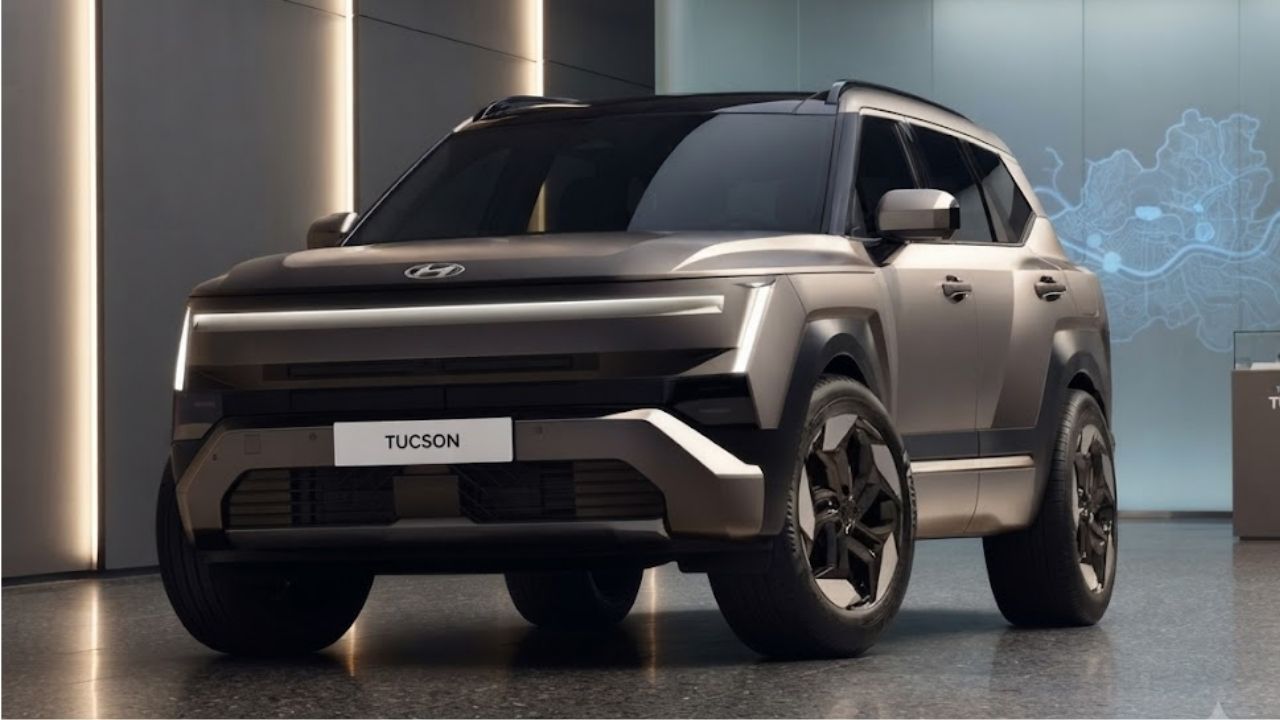
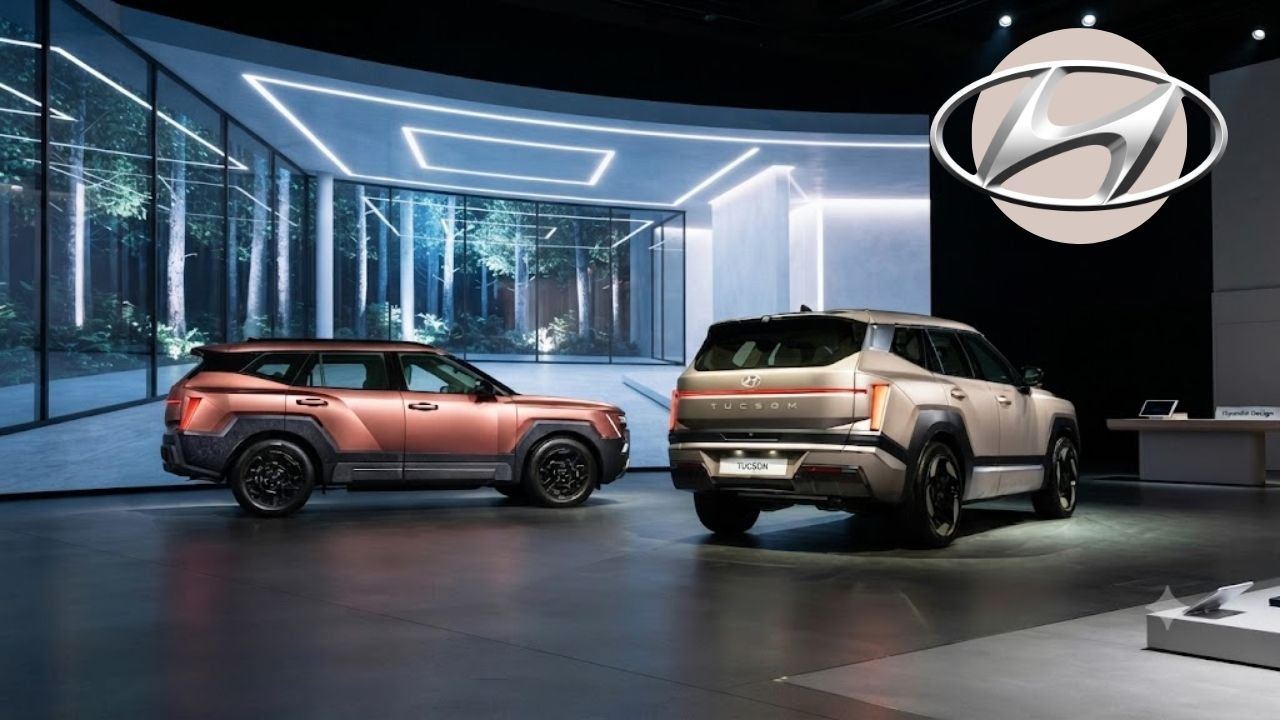
The New Hyundai Flagship Models are preparing to dominate the Indian SUV market. The 2026 end and 2027 is holding off the new vehicle purchase for both cars. The New 2027 Hyundai Tucson and Hyundai Bayon are going to be in every car buyer’s radar. However, Tucson lunch date is unconfirmed so early buyers should reconsider it.

One is a massive generational shift for Hyundai’s premium offering, pushing hard into luxury territory. The other is a compact crossover meant to bring European styling to the sub-15 lakh bracket. Here is exactly what you get with both models, how they stack up against the competition, and whether you should actually wait for them.

Why the Tucson Is Coming Back at All

The current Tucson stopped coming in the market in 2025 because it doesn’t hold its foot against premium D-segment rivals. It seems like a second chance for the model to return rather than a routine update. Hyundai clearly thinks the formula needs to change, because what it has revealed globally is not a mild facelift — it’s a full fifth-generation redesign.

The new-gen Tucson has been revealed with a radical boxy design, larger dimensions and Hyundai’s new Pleos infotainment system, and it could also preview future India-bound models. That last part matters for Indian buyers specifically, because Hyundai has a habit of trickling design language down from global flagships into mass-market SUVs — the current Creta’s styling cues borrowed heavily from the previous Tucson and Santa Fe, and this cycle looks set to repeat.

Read Also 👉  Maruti Suzuki Cars Are Coming To India by 2027 

2027 Hyundai Tucson: Boxier, Bigger, & Hybrid-Powered

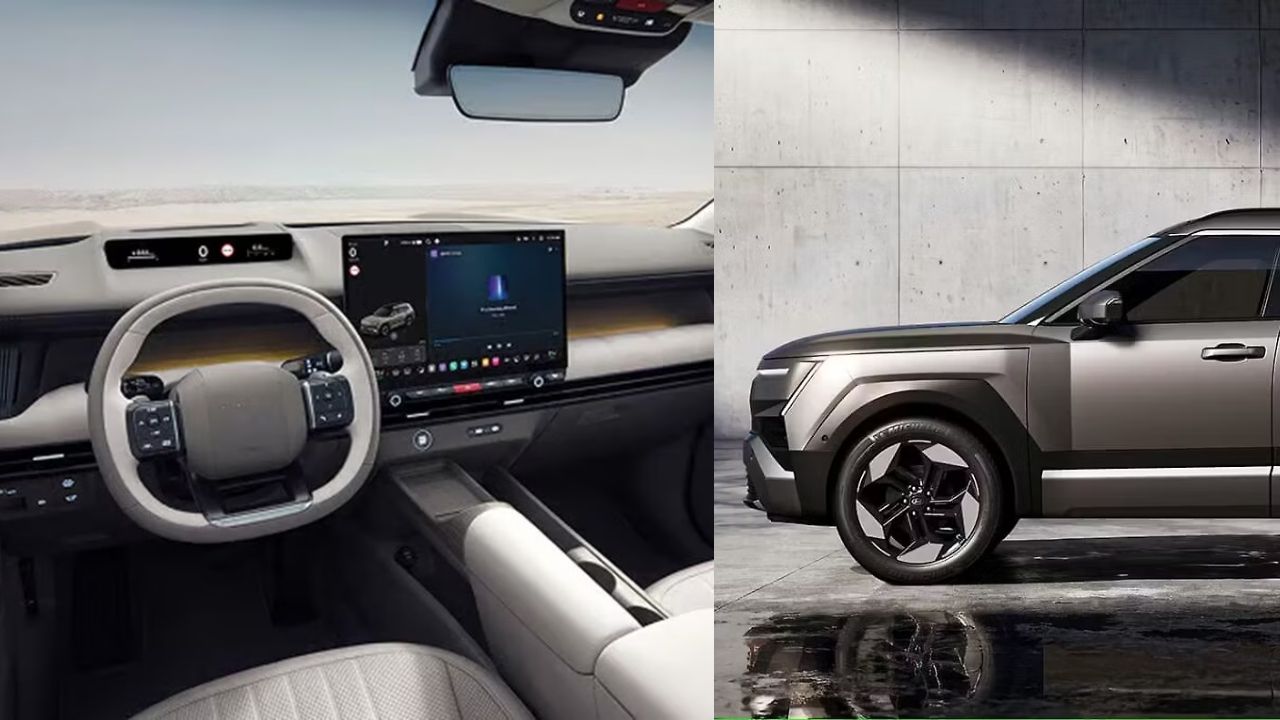
The confirmed specification of the fifth-generation Tucson is revealed in South Korea but Hyundai hasn’t announced India specific technical details yet. Current model has sharp flowing lines but 2027 Tucson adopts the “Art of Steel” design language. The design is boxy, upright, and rugged more like a scaled-down Palisade.

2027 Hyundai Tucson

Tucson Dimensions: Growing in Every Direction

The 2027 Hyundai Tucson model is significantly larger, up to 4.7 meters long, 40mm wider and 20mm taller than the outgoing model. It’s coming with more wheelbase — 30mm to 2,785mm.

So it resolves the current model rear-seat space problem with extra 29mm of height which gives more headroom to sit in the back seat comfortably. The rear doors are now changed with an 83-degree angle to provide easier access. Tucson is behaving like a full-size SUV lion who accomplished its territory. 

Powertrain: The Hybrid Push

The specifications are still unconfirm for the Indian model but global model reveal highlights a major shift toward hybridization. Its petrol engine of 1.6L is producing 193 bph of power and 265 Nm of torque. It runs on an 8-speed automatic transmission which combined with a next-generation hybrid system for a total output of 245hp. 

For a Hybrid set up, a 1.6-litre turbo-petrol combined with a next-generation hybrid system for a total output of 245hp on a 8-speed automatic transmission. The power like this in a hybrid is absolute engineering. Hyundai claims an impressive fuel efficiency figure of 17.4kpl for this setup.

Tucson Dimensions

Tech and Cabin Upgrades

The cabin receives a massive overhaul, centered around the new Pleos Connect infotainment system running built-in Gleo AI. The central touchscreen will be available in massive 12.9-inch or 17-inch sizes depending on the trim. Hyundai smartly retains physical controls for essential functions, avoiding the trap of hiding climate settings in endless touchscreen menus.

Safety gets a boost with 9 airbags as standard, an updated navigation-based adaptive cruise control, and a memory-based reverse assist that can automatically steer the car backward along its previous path.

Read Also 👉 Why Salaried Indians Are Buying Mercedes Cars

Tucson Competitor Comparison: The Luxury SUV Battle

The current Tucson rivals in the Indian markets are Jeep Compass and VW Tiguan but the new model is extended its size and hybrid powertrain which also raises the price and pushes it into entry-level luxury SUVs.

Feature 2027 Hyundai Tucson (Global Spec) Jeep Compass Volkswagen Tiguan
Engine 1.6L Turbo / 1.6L Hybrid 2.0L Diesel 2.0L Turbo Petrol
Power 193hp / 245hp 170hp 190hp
Dimensions (LxWxH) 4700 x 1905 x 1685 mm 4405 x 1818 x 1640 mm 4509 x 1839 x 1665 mm
Key Tech 17-inch screen, Reverse Assist 10.1-inch screen 8-inch screen

Hyundai Bayon: The Premium Compact Crossover

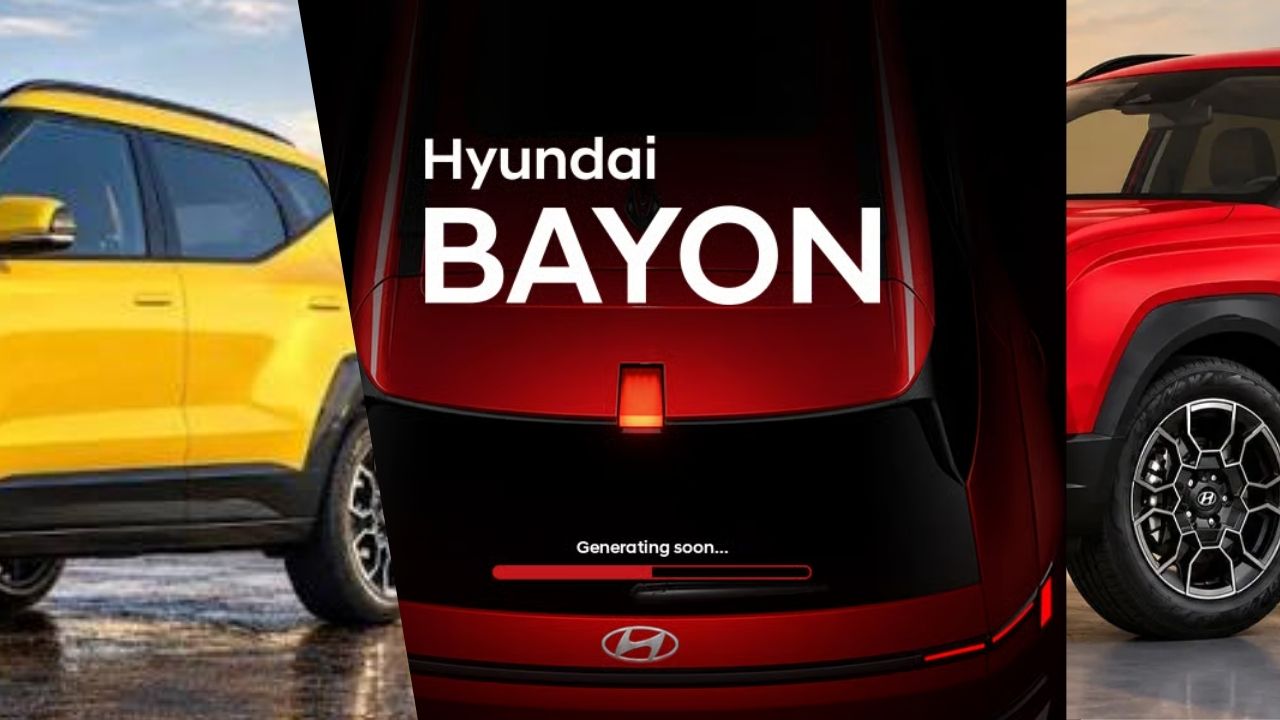
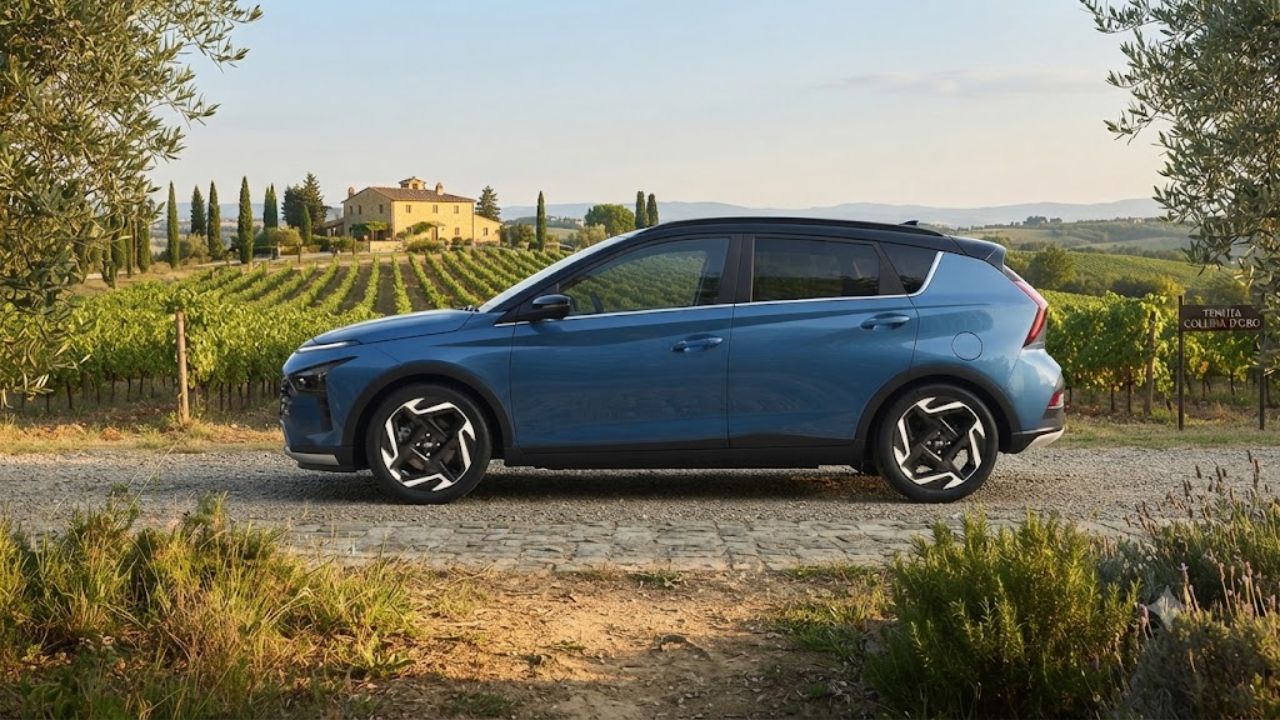
While the Tucson goes upmarket, the Hyundai Bayon aims to fill a gap in the highly competitive compact SUV segment. Bayon will arrive in the festive season of 2026 at a price range of ₹10 lakh — ₹15 lakh (ex-showroom). It is basically a crossover version of the i20 platform designed specifically for the European market.

The Hyundai Bayon specifications for the Indian model is based on the international Bayon’s underpinnings. It is a compact SUV positioned between Venue and the next-generation Creta, not too small, not too expensive. Hyundai opened bookings across dealerships and its website on September 23, 2026. 

Hyundai Bayon

Bayon’s Engine That Aim High

The current model carries a 1.0L petrol engine which gives 90 bhp of power and 172 Nm of torque. The transmission is up to 7-speed DCT automatic while the upcoming model brings 6-speed manual and CVT automatic options. It extended the engine to 1.5L 4-cylinder petrol producing 115PS of power and 144Nm of torque. This is the same engine set up that Creta and Verna uses.

But Bayon is the first Hyundai model engineered with a factory-fitted CNG option in a 4.3 metres long vehicle. It expects to use a 1.5L Hy-CNG dual-cylinder setup.

Features That Sets Hyundai Bayon Apart

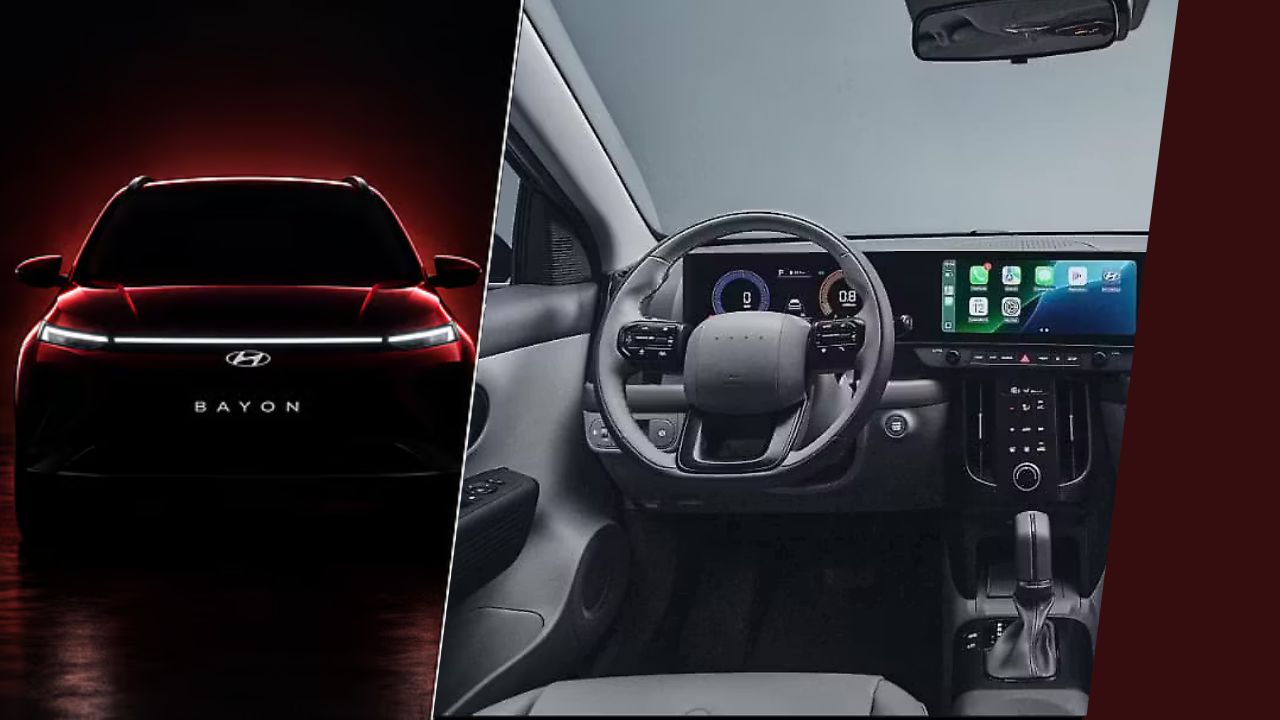
Hyundai is known for packing its cars with features, and the Bayon is no exception. It brings a full convenient setup — a dual 10.25-inch screen for infotainment and digital cluster. It offers full experience to admire nature with a panoramic sunroof, and ventilated seats. The connectivity is reliable, providing wireless Android Auto/Apple CarPlay. View all corners outside the car with a 360-degree camera. The Bayon is a full-packed flagship segment that offers a premium experience.

Features That Sets Hyundai Bayon Apart

With advanced features, Hyundai never compromising on the safety of their customers. Expect a Level 2 ADAS suite and 6 airbags as standard, meeting the growing demand for safety tech in the Indian market. 

Hyundai has confirmed the Bayon uses the Art of Steel language featuring sculpted surfaces and sharp character lines. Inside, the cabin takes heavy inspiration from the Brazil-spec fourth-generation i20. Hyundai also teased the Wheel specifics, it offers 17-inch dual-tone machine-cut alloy wheels wrapped in 215/55-section tyres.

Hyundai Bayon Rivals: The Crowded Compact Segment

The Bayon will battle the Maruti Suzuki Fronx, Tata Nexon, and even its sibling, the Venue.

Feature Hyundai Bayon (Expected) Maruti Suzuki Fronx Tata Nexon
Engine 1.0L Turbo Petrol 1.0L Turbo / 1.2L NA 1.2L Turbo / 1.5L Diesel
Max Power ~88.5 bhp 100 bhp / 89 bhp 118 bhp / 113 bhp
Price (Estimated/Current) ₹10 – 15 Lakh ₹7.51 – 13.04 Lakh ₹8.00 – 15.50 Lakh
ADAS Yes (Level 2 Expected) No No (Only basic features)

How the Hyundai Bayon Stacks Up Against the Victoris

The most bigger rival is Maruti Suzuki Victoris since it already occupies the space the Bayon is aiming for and uses the same powertrain strategy. Victoris mild-hybrid petrol price starts at Rs 10.50 lakh for base variant and goes up at Rs 19.22 lakh for the top AWD automatic variant.

While the pricing for CNG and strong Hybrid variants can rise up to Rs 14.57 lakh and Rs 19.99 lakh respectively. Check the dealership price at your location because the total price depends on the additional charges of your city. 

Hyundai Bayon Stacks Up Against the Victoris

If the Bayon really does launch at Rs 9–14 lakh, its top-spec CNG or automatic variant would undercut the Victoris’s equivalent trims by a meaningful margin, while offering a smaller footprint. The trade-off is obvious: the Victoris gets a strong-hybrid option and AWD, neither of which the Bayon is expected to offer at launch. 

If fuel efficiency and hybrid tech matter more to you than price, the Victoris still has the edge on paper — but if you want CNG practicality in a package smaller and cheaper than a full-size Creta rival, the Bayon is shaping up to be the more sensible buy.

Should You Wait for the Tucson or Buy Now?

This is really two different buyer conversations, because the Tucson and Bayon aren’t competing for the same money.

Hyundai has not announced the new 2027 Hyundai Tucson price and specification details for India. Nobody knows the actual launch date yet so treating any number online is a guess. Wait for this boxier Art of Steel design and the promise of a proper generational leap in refinement and tech, if you are not in a hurry to buy a vehicle this year. Buying any — a Skoda Kodiaq, Tata Harrier, the same segment makes more sense.

If you’re shopping in the Rs 10–15 lakh compact SUV space, the Hyundai Bayon is a much more actionable wait. Bookings have already opened, the festive-season launch window is real and near-term, and the CNG option addresses a genuine gap that the Victoris and Kushaq don’t fully cover at this price point. Unless you need a car immediately, holding off a few weeks to see final Bayon pricing and variant specifics is a low-risk decision — you’re not waiting on a car that might slip by a year, you’re waiting on one that’s already taking bookings.

Read Also 👉  Rolls Royce Unveils Custom Car Using Sea Snail Shells 

Conclusion 

These New Hyundai Flagship Models are expanding the company’s territory in the powerful SUV segment. The new 2027 Hyundai Tucson is coming back with refined components to deliver an excellent driving experience. On the other hand, Hyundai Bayon is launching in this year’s festive season with a CNG option, a direct rival to Victoris, Fronx, Nexon. Indian buyers who are looking for a new vehicle in a range of Rs 10 lakh can consider this flagship model to buy.


0

Inside Daniel Craig’s Garage: A Breathtaking Collection of High-End Automobiles

Published Oct 13, 2025, 6:33 AM
Last Updated Apr 9, 2026, 11:21 AM

Daniel Craig's Garage

Look inside Daniel Craig’s garage and know what astonishing cars he has, it looked like ripped right from a James Bond film. Daniel Craig the handsome British star known for his role as James Bond has made a lot of his fortune estimated at $160 million. Along with the amazing net worth, Craig has a luxury car collection that is worth approximately $625,000. Instead of many celebrities who show off their luxurious lifestyles via social media, Craig keeps the low-profile and private, which makes his car collection a little mysterious. Fans are left to wonder what fat cats he might have tucked away in his garage. Whether a classic Aston Martin or something less expected, Craig’s desire to keep his personal life under wraps makes his choice of wheels that much more interesting.  

The Aston Martin Vantage Roadster: A British Icon Reborn

The crown jewel of Craig’s car collection must be the Aston Martin Vantage Roadster, a sleek beauty with $194,500 price tag. This convertible supercar shouts James Bond vibes, ticking all of the boxes for the classy style Craig exuded on screen. Under the bonnet it’s got a monstrous 6.0-litre V12 delivering 510 bhp and 420 lb ft. This car is engineered for some serious fun, with its seven-speed automated manual transmission.

Aston Martin Vantage Roadster

And it’s no slouch either—0 to 60 miles per hour in 3.5 seconds, 190 miles per hour top speed. Let’s be honest, this isn’t your everyday grocery-getter — it’s a ride for someone who adores speed and elegance. The execution is equally exhilarating, boasting the British marque’s signature ‘Z-fold’ convertible system, which they describe as not only faster to retract but lighter than conventional systems. It’s the ideal combination of power, performance and style, and ready to turn heads wherever it goes. 

This two-seater offered the best of British automotive engineering, stunning speed matched with open-air refinement that gave Craig access to the entire soundscape of the V12. 

Audi R8: Precision Redefined

Craig’s Audi R8 brings German engineering to the forefront, a supercar known for combining performance with everyday usability. This thing has a 5.2-liter V10 engine that produces 562 horsepower, which allows it to sprint from zero to sixty in a little more than three seconds.

Audi R8

The R8’s fluid bodywork and technology-packed interior demonstrate that it loves driving purity. From Craig navigating London traffic to Hill driving mountain roads, this Audi delivers thrill and assurance in a sleek, under-stated modern face. 

A Touch of Nostalgia: Aston Martin Vanquish and DBS

Other than Daniel Craig on-screen performance with Aston Martin Vanquish but he once had this beautiful car in his own garage. While the car has been sold, rumors say Craig had a soft spot for the 5.9-liter V12 beast. Once the Vanquish was bespoke as a Centenary Edition for Craig as the highest grossing actor for Aston Martin, it achieved a mind blowing $468,500 at auction.

Aston Martin Vanquish

The collection also boasts the stunning Aston Martin DBS, which starred in “Casino Royale” – making Craig one of the rare Bond actors who has owned his character’s signature car off the big screen. 

Jaguar XJ: British Luxury With Attitude

A bond collection is nothing without a Jaguar, and Craig’s Jaguar XJ is suave and strong. Included in Skyfall, this sedan packs a 5.0-liter V8 and can take Craig from zero to sixty in a bit more than four seconds.

Jaguar XJ

With its plush seating and cockpit that’s as high-tech as the XJ’s comes, it’s the perfect chariot for city-slicking with serene regality. 

Range Rover Sport: Utility Meets Style

Amid the supercars and saloons, Craig’s Range Rover Sport injects flexibility and rugged appeal into his stable of vehicles. It’s not a display vehicle, this $81,100 Sport is engineered to take a beating on rugged country roads as well as city streets.

Range Rover Sport

With a turbocharged, inline-six engine, off-road systems and luxury features, the Range Rover allows Craig to travel in comfort, regardless of the location. 

Reliving Bond’s Legacy: Aston Martin DB5

The legendary Aston Martin DB5 is particularly close to Craig’s heart. Although it’s unclear whether it has any Q-style gadgetry, the car itself is worth $3,195,000, it gets higher depending on condition.

Aston Martin DB5

The DB5’s classic British lines and straight-six engine remind us all why it’s the most iconic Bond car of all time. 

The Everyday Choice: Ford Mondeo

Bond also owns a Ford Mondeo – the same vehicle he drove in “Casino Royale.” The Mondeo gave Craig a way to fly under the radar, with its practicality and 2.5-litre engine.

Ford Mondeo

This saloon serves to remind us that not every day is spent in the thick of high-octane action – a bit of anonymity is sometimes just what the secret agent needs. 

Car Model Engine / Power 0-60 mph Top Speed Key Features Price (USD)
Aston Martin Vantage Roadster 6.0L V12, 510 hp, 420 lb-ft 3.5 seconds 190 mph Z-fold roof, 7-spd automated manual, British style $194,500 ​
Audi R8 5.2L V10, 562 hp, 406 lb-ft 3.2 seconds 205 mph 7-spd auto, quattro AWD, modern design $161,395 ​
Aston Martin Vanquish 5.9L V12, 565 hp, 457 lb-ft 4 seconds 183 mph Lux interior, 6-spd auto manual, rare model $450,000 ​
Jaguar XJ 5.0L V8, 385 hp, 460 lb-ft 4 seconds 115 mph Lux sedan, plush interior, 6-spd auto $76,000 ​
Range Rover Sport 3.0L Turbo I6, 355 hp, 365 lb-ft 6 seconds 130 mph Premium SUV, tech features, 8-spd auto $81,100 ​
Aston Martin DBS V12, manual, (Bond film) 4 seconds 190+ mph Bond car, gifted after Casino Royale $300,000+ ​
Aston Martin DB5 4.0L inline-6, 282 hp 7.1 seconds 142 mph Classic Bond car, legendary design $3,195,000+ ​
Ford Mondeo 2.5L, 220 hp 7.3 seconds 152 mph Practical, HMI display, Bond “Casino Royale” car $30,000-$55,000

Read More :-  The 2025 Toyota Camry: Performance, Features, and Safety

Conclusion

Craig’s cars aren’t just costlier but they’re selected for emotional value and connection to his legacy as Bond. Although a few of the vehicles were provided as gifts from movie deals, the majority represent a true love of craftsmanship, performance and style. He’s a leading man who actually drove many of the cars that audiences saw him commandeer as 007, straddling the line between “Bond” fantasy and automotive actuality. 

What makes Daniel Craig’s garage so incredible is not just the price (an estimated $625,000 all in) but it’s the story behind each vehicle, the mix of cinematic history and personal taste. To Craig, cars are not simply things. They’re memories, milestones and homages to the driving experience. 

2

How AI in Cars Changing the Future Driving Experience

Published Oct 30, 2026, 1:48 PM
Last Updated Nov 5, 2026, 3:27 PM

AI in Cars

Driverless cars are really attractive and seeing them in real life is really exciting for anyone who gets to drive 80 km a day but total driverless is still a dream. AI in cars exists to assist only, it will detect the closing gap between your car and truck on the expressway through radar and a camera that triggers the brakes.

It is driver assistance, voice control and connected features, not a car that drives itself. Here is what you actually can buy, how much the extra trim costs, and where the headline claims still apply to overseas. 

What AI in Cars Actually Means in India Today

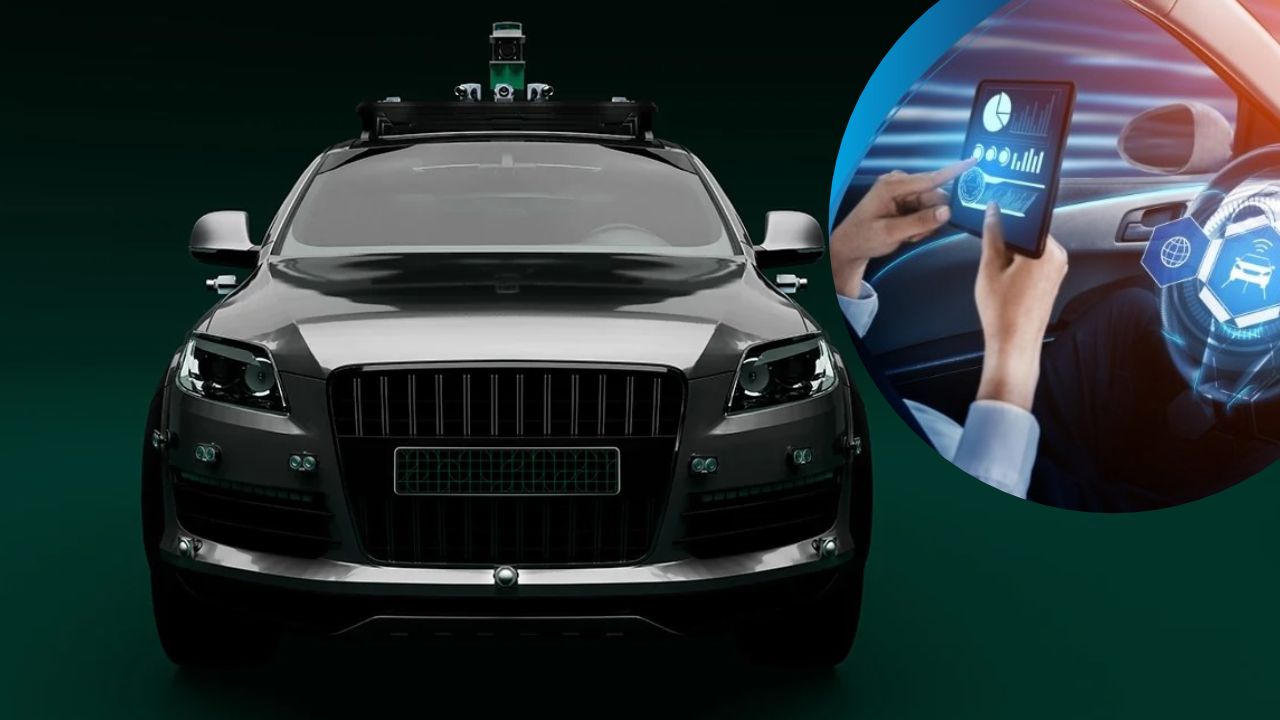
Three things sit under the label. Where it matters most is advanced driver assistance (ADAS), a combination of radar and camera data feeding software that can trigger the brakes, maintain speed and even correct steering. Next come in-car Assistants, like voice commands and Alexa home to car control on the Hyundai Creta. The third is connectivity, for example over-the-air (OTA) updates. 

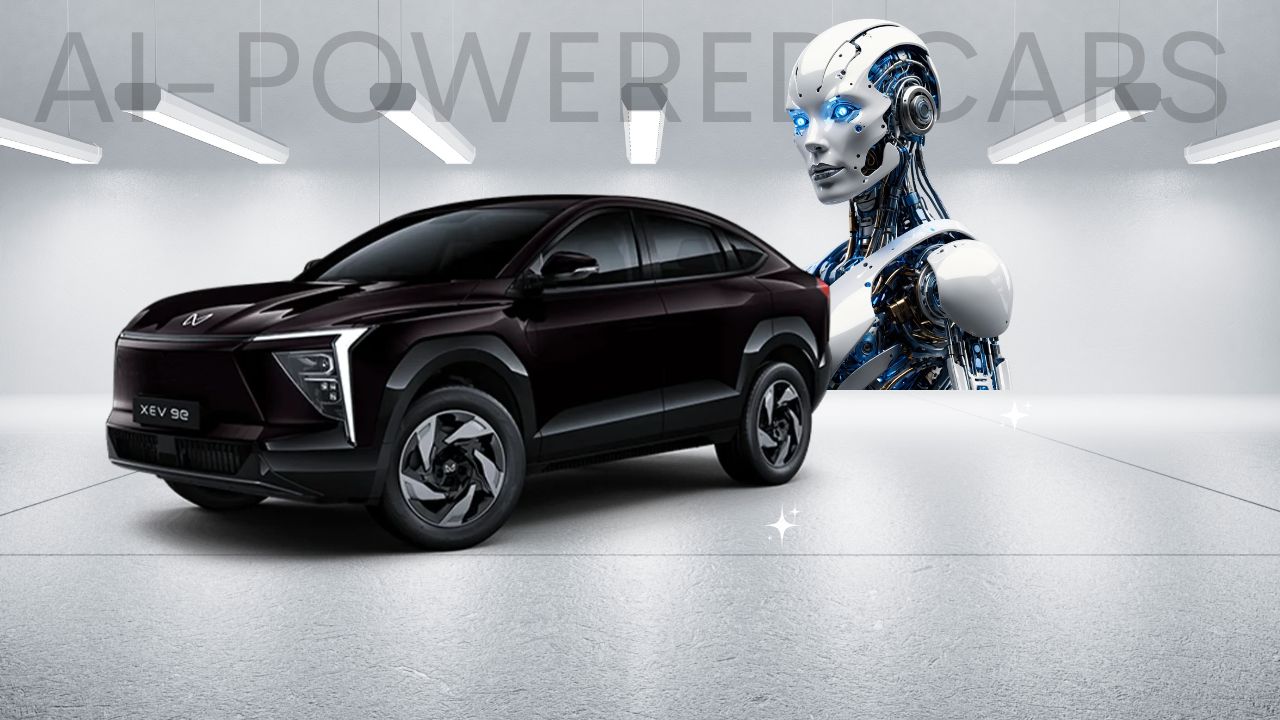
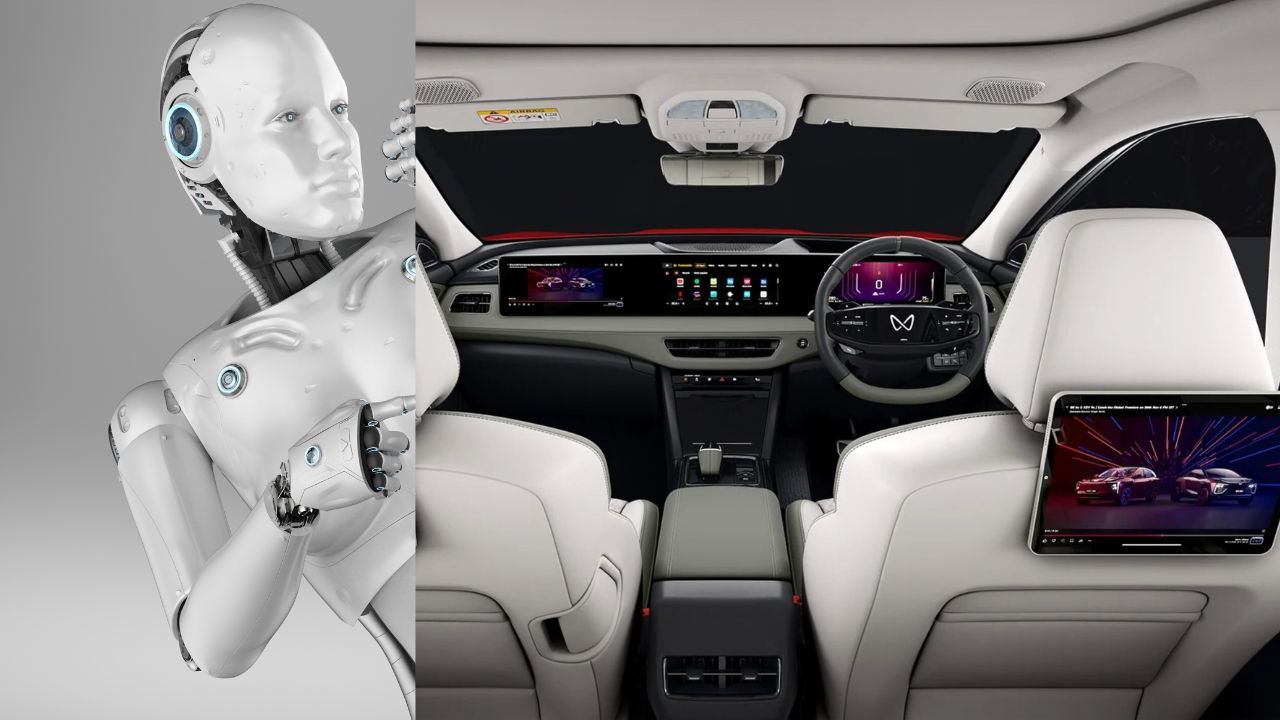
Branding varies. Mahindra markets the electronics in its XEV 9e as MAIA, the Mahindra Artificial Intelligence Architecture, built on a Qualcomm Snapdragon 8295 with 24 GB of RAM. Maruti calls its system Level 2 ADAS, and the Hyundai brochure uses the same term. The official documents reviewed here do not use “AI” for those features, though the assistance they offer is broadly similar.

The limit is the same everywhere. At Level 2, the human stays responsible for driving and must monitor the system. Hyundai’s brochure also says ADAS is not a substitute for attentive driving.

How AI Is Changing the Future of Cars and Driving

AI in cars is making the driving experience better, there are limitations that a driver should understand. Hyundai, Kia, Maruti, and Honda offer designs with advanced safety features (level 2 ADAS) which detect and warn in many complex situations. The foreign countries offering higher level AI in cars to make it driverless which has not arrived in India yet. 

There are claims that should get you confused before buying a new car — How AI in cars changes the driving environment? 

“Your next car will fully drive itself anywhere” 

Level 5 autonomy—no driver, no restrictions—is not currently in sight; experts often place broad personal availability around 2035–2040 or later. 

“AI can handle every road situation” 

AI still struggles with rare, ambiguous, or unusual events that are poorly represented in training data—construction, erratic pedestrians, extreme weather, unclear road markings. 

“Everyone trusts self-driving cars” 

Only 36% of consumers worldwide consider self-driving cars safe, and 38% are genuinely interested in owning one. 

“The hype is global” 

Trust varies sharply: Hong Kong and the UAE are relatively optimistic, while only 20% of people in Great Britain and 15% of Americans think AI will improve driving. 

“AI will replace drivers immediately” 

Countries like India having a mixed traffic and unpredicted roads, potholes, inconsistent behaviour and infrastructure makes it much harder for AI to drive a car than in selected U.S. regions and China.

AI-powered Cars You Can Buy in India, By Budget

Maruti Baleno (2026) Hyundai Creta Mahindra XEV 9e
Starting ex-showroom ₹6,09,900 (Bengaluru) ₹10,90,700 ₹21.90 lakh (launch price)
ADAS found on Top Alpha (O) trim, per third-party reports King-level trims Higher packs; hardware varies
What it offers Eight functions, radar + camera About 18 functions 5 radars + 1 camera (Level 2+)
Claimed efficiency / range 23.80 km/l (MT), 24.77 km/l (AGS) 17.4 to 21.8 kmpl  656 km (MIDC) 

The Baleno is the surprise. Maruti’s system covers emergency braking, adaptive cruise, lane keep assist and high beam assist, among others, alongside six standard airbags. Its efficiency figures are certified claims, not real-world numbers. 

AI-powered Cars

However, only the top Alpha (O) gets the system, and its price is disputed. The ADAS variants at ₹9.50–9.99 lakh, Alpha range at up to about ₹9.37 lakh. Confirm the exact figure with a dealer.

The Creta has roughly 18 ADAS functions, including forward-collision assist for cars, pedestrians and cyclists, blind-spot assist and rear cross-traffic alert. Hyundai’s smart cruise control with stop & go is limited to IVT, AT and DCT gearboxes, so manual buyers get ordinary cruise control. The brochure’s OTA support also covers maps and infotainment only, not the driver-assistance system.

For the XEV 9e, Mahindra says its system can detect animals, pedestrians, barricades and different vehicle types, and its launch release cites a Mobileye EyeQ6 chip and OTA updates. Mahindra quotes about 50 TOPS for MAIA, though its own material carries 50 and 51. One reviewer lists lower variants with a single radar and camera, so ask which pack you are looking at. The ₹21.90 lakh figure is the launch price, not a current one.

Read More:- What Salary Is Needed to Buy a Mahindra Scorpio-N?

What the ADAS step costs

Using Hyundai’s current list prices, compare the same engine and gearbox. On the petrol manual, SX Premium is ₹16,34,200 and King is ₹17,27,800, a gap of ₹93,600. On the petrol IVT, ₹17,78,700 becomes ₹18,68,800, a gap of ₹90,100.

Two assumptions apply. King is the cheapest ADAS trim but ask a dealer to confirm the actual price. And King adds other equipment, such as 18-inch alloys, so this is the cost of reaching ADAS, not the price of ADAS alone.

Against the Baleno, the gap is large. With the ADAS Baleno at roughly ₹9.37–9.99 lakh (the disputed range above) and the cheapest ADAS Creta at ₹17,27,800, the Creta costs about ₹7.3–7.9 lakh more. That compares a hatchback with an SUV.

Does ADAS Work on Indian Roads?

None of the manufacturer material reviewed describes how these systems cope with faded lane markings, potholes, two-wheelers or sudden cut-ins, and we have not seen independent Indian road tests for these cars. Hyundai itself says effectiveness depends on various factors.

ADAS features car

So test it. On a drive, check how lane-keep behaves where markings are faded or missing, whether alerts fire without reason, and whether you can switch features off. Those observations will tell you more than a feature list.

What is Still Overseas Hype

AI is real, Robotaxis exist, but “cars that drive themselves everywhere” remains largely marketing and overseas hype for now. Driverless cars are operated in U.S. and China but not in India yet. ADAS features are spreading across most of the variants and become common in private cars. 

AI in electric cars helps optimize vehicle control, battery/charging management which is very useful. Technology is rising in cars which expand your driving experience, with a new Gen AI system learns the driving behaviour to handle complex situations to rule over the roads. 

AI Is Changing the Future of Cars

Read More:- What Monthly Salary Is Required to Buy a Tata Nexon?

Conclusion

Ask a quote and feature details from the dealer when you select a car to buy. Confirm if it’s capable of running on Indian roads and test it by taking a real drive test. Check your budget first for AI in cars because a system that assists is not the one that drives.

Almost every car marketed as “AI-powered” is Level 2. Cameras and radar read the road, software handles steering, braking and speed, and you stay legally responsible. Think of it as a very attentive co-driver that never gets to sign the insurance papers. Real driverless cars exist, but only as robotaxis in a few US cities, not something you can buy.

0

Pre-Approved Car Loan Gains Dealership Discounts on Launch Day

Car Loan

If you’re the customer still waiting on your bank to process a Car Loan application at that point, you’ve already lost the negotiation. A pre-approved Car Loan is how buyers who show up prepared to avoid that exact trap — they walk in already knowing what they can spend, and they can say yes to a deal in the same minute it’s offered.

Why Dealership Discounts Disappear Within Hours of a Launch

Manufacturers allocate a fixed number of units to each dealership for launch week, and dealers are told exactly how much discretionary discount they can offer per unit — usually a mix of a cash discount, an exchange bonus, and a corporate or loyalty benefit. 

That pool isn’t infinite. Once a dealer hits their unit target for the day, or once regional sales managers pull back the discretionary discount because demand is running hot, the next customer gets a thinner deal, even if it’s the same model, same day, same showroom.

This is why sales staff push hard for on-the-spot booking. A customer who needs three days to arrange financing isn’t just slow — they’re a risk that the discount window closes before the deal is locked in. Dealers will visibly prioritize buyers who can commit immediately, because a confirmed sale protects their unit count against that day’s allocation.

See Full Detail: How to get a Car Loan in 2026

What a Pre-Approved Car Loan Actually Does for You

A bank or NBFC confirms your loan amount, tenure, and interest before choosing any car to buy is a pre-approved Car Loan. It’s built off your salary slips, ITR, credit score, and existing liabilities — not off a specific vehicle’s invoice. 

A pre-approved Car Loan is a separate product of public, private banks, and NBFCs from a regular Car Loan which you can get through net banking or mobile app if you are an existing customer of SBI, HDFC, ICICI, or Axis bank with a clean repayment history. 

If you are an existing user of the lender then it takes 24 to 48 hours which is faster than a fresh loan applicant tied to a specific vehicle which gets 3 to 7 working days for turnaround. As it requires the dealer’s proforma invoice and RC-related paperwork to be finalized first.

You walk into the dealership holding a sanction letter that states a loan amount, not a down-payment negotiation you still need to work out with your bank.

How Pre-Approved Car Loan Changes the Negotiation at the Dealership

Salespeople read pre-approved car buyers differently, and it shows in three specific ways.

First, you can accept a discount the moment it’s offered instead of asking for 24 hours to “check with the bank.” That single difference is often what determines whether you get the full launch-day offer or a reduced one revised after allocation tightens.

Second, you’re no longer dependent on the dealer’s in-house finance desk, which usually has a tie-up with one or two specific lenders. Dealer-arranged financing sometimes comes bundled with a lower cash discount, because the dealership earns a commission from the lender and factors that into the deal structure. Walking in with your own sanction means the dealer has one less lever to work with, which shifts some of that margin back into your discount.

Third, you gain a genuine comparison point. If the dealer’s finance partner offers a rate higher than your pre-approved one, you have a documented number to negotiate against — either they match it, adjust the on-road price, or you take your pre-approved Car Loan and simply pay the invoice amount directly.

Pre-Approved Car Loan vs. Dealer-Arranged Financing

Pre-Approved Car Loan Dealer-Arranged Financing
Timing Sanctioned before car selection Processed after invoice is generated
Speed at dealership Instant — can close deal same day Can take 2–5 days for disbursal
Interest rate Set by your own bank relationship/credit score Often tied to dealer-lender tie-up, may include hidden margin
Negotiating leverage High — dealer treats you like a cash buyer Lower — dealer controls the finance terms
Best for Buyers targeting launch-day or festive offers Buyers with no existing banking relationship or lower credit score needing dealer-assisted approval

Dealer-arranged loans can still make sense if your credit profile is thin or new-to-credit, since dealership finance desks sometimes have relationships with NBFCs willing to underwrite buyers a mainstream bank’s pre-approval algorithm would reject. Pre-approval works best for buyers who already have an established banking or credit history.

Documents and Eligibility for Pre-Approval Car Loan

Requirements are lighter than a standard Car Loan because there’s no vehicle to underwrite against yet, but lenders still check the same core financial profile:

  • Salary slips for the last 3 months (salaried) or ITR for the last 2 years (self-employed)
  • Bank statements, usually 6 months
  • PAN and Aadhaar
  • Existing loan or credit card statements, if any
  • The CIBIL score above 700 is considered the best, 650–700 range scores also get approved but at a higher rate or lower loan-to-value ratio

Salaried applicants with an existing relationship with the lender (salary account, credit card, or a prior closed loan) tend to see faster pre-approval for Car Loan and sometimes a marginally better rate offer than a completely new-to-bank applicant, though this varies by lender’s internal scoring model and isn’t publicly documented as a fixed rule.

What Pre-Approval Car Loan Doesn’t Guarantee

Pre-approved Car Loan is not a blank cheque, and treating it like one is where buyers get caught out.

The sanctioned amount is based on your income and credit profile, not on the car you eventually pick. If you choose a variant that pushes the on-road price above what you’d planned, the gap between your sanctioned amount and the actual price is still yours to cover — either as a larger down payment or a fresh top-up application, which won’t move at launch-day speed.

Pre-approval also usually comes with a validity window, commonly 30 to 90 days depending on the lender. If your launch-day purchase slips past that window, you may need to reapply, and market interest rates could have moved in the interim.

Finally, the interest rate quoted at pre-approval stage is typically indicative, not final — it gets locked only once the loan is actually disbursed against a real invoice. If your credit score dips between pre-approval and disbursal (a missed credit card payment, a new loan taken elsewhere), the bank can reprice the offer.

Step-by-Step: Getting Pre-Approved Car Loan Before Launch Day

  1. Check pre-approval offers through your existing bank’s net banking or app first — many banks show a pre-qualified Car Loan offer directly on the dashboard for customers with a salary account or credit history with them.
  2. If nothing’s pre-qualified automatically, apply directly with 2–3 lenders in the week before the launch, not the day before — give the 24–48 hour processing window room to work.
  3. Ask explicitly for the sanction letter in writing, with the loan amount, tenure, and indicative rate stated.
  4. Confirm the validity window of the sanction and calendar a reminder before it lapses.
  5. On launch day, lead with the sanction letter when the salesperson opens finance discussions — this signals immediately that you’re not a financing risk and shifts the conversation straight to on-road pricing and discount stacking.

Conclusion

If you’re planning to buy on or near a launch date and you already have a reasonably clean credit history, yes — the two days it takes to get pre-approved is small compared to the discount you risk losing by being the customer who needs time to arrange financing. If your credit profile is new or thin, dealer-arranged financing may still be your realistic path in, discount trade-off included. 

Either way, don’t walk into a launch-day showroom assuming you’ll sort financing after you’ve picked the car — by the time you’re ready to sign, the deal that made the car attractive in the first place may no longer be on the table.

0

Hyundai Elantra 2025 Review: Price, Trims, Hybrid & N Line Features Revealed!

Published Sep 30, 2025, 7:45 AM
Last Updated Sep 30, 2025, 12:14 PM

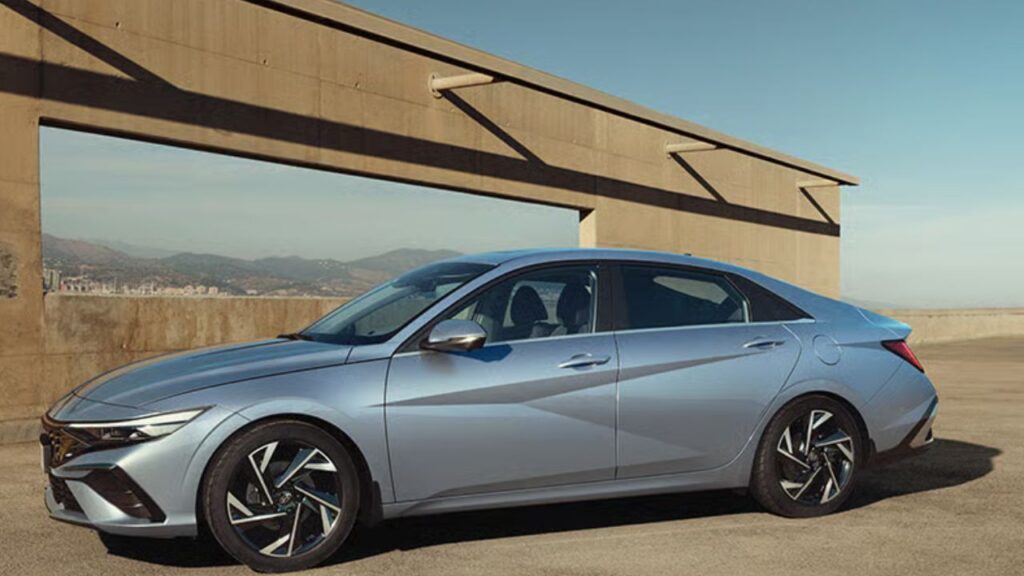
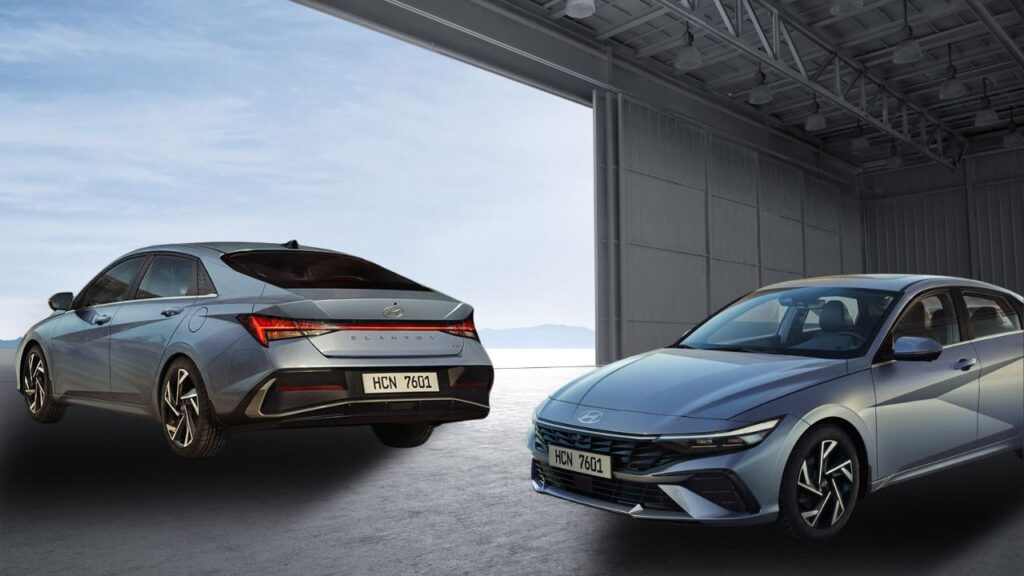
The Hyundai Elantra 2025 is strategically positioned among the most competitive compact sedan market, as it depends on the aggressive pricing, the unique aesthetic styling, as well as the best-in-class safety features. Having the lowest entry barrier, the base price being launched at $22,125 MSRP, the Elantra gets attention fast compared to the most important competitors. Its sporty, aggressive exterior styling so that the car doesn’t fade into obscurity, appeals first of all to the younger generation, as well as those who pay much attention to the styling factor.

Other than looks, Hyundai bases the value appeal of the Elantra on safety and durability. The car has scored the ultimate commendations from independent evaluation agencies, including the IIHS Top Safety Pick+ awfully and the NHTSA-provided 5-Star Overall Safety Rating. This body integrity as well as this extensive complement of standard driver assist technologies gives the ultimate trust factor that is the key market advantage.

This price increase is dialed in to motivate the purchase of the skipped entry-grade so that buyers do get access to essential features that rev up the car experience, including the digital instrument cluster, 10.25-inch infotainment display, power sunroof, and heated seats.

Delineation among Powertrain Families: Standard, Turbo, and Hybrid

To achieve ultimate breadth across the compact segment, the 2025 Elantra provides three separate powertrain families designed to support varying buyer priorities— the frugal 2.0L normally aspirated inline four-cylinder engine for standard friskiness, the big-output 1.6L Turbo GDI engine for high-performance enthusiasts (N Line), and the highest-efficiency 1.6L GDI Hybrid system for high-mileage users. This triad engineering strategy holds the Elantra competitive across ranges as diverse as price to ultimate dynamic capability as well as ultimate fuel economy.

Exterior and Interior Volume Measures

It is 185.4 inches long and has a long 107.1-inch wheelbase. It has a decent 14.2 cubic feet of cargo space with all seats occupied. Crucially, the car has an EPA interior volume of 113.6 cubic feet.

The Standard Drivetrain: 2.0L I4 and Smartstream

Elantra comes in different trims including SE, SEL Sport, SEL Convenience, and Limited. Its standard variant offers a 2.0L inline four-cylinder engine. This solid engine gives powerful 147 horsepower at 6,200 rpm and 132 lb-ft of torque at 4,500 rpm, making it perfect for smooth performance. Its exclusive Hyundai’s Smartstream Intelligent Variable Transmission comes in standard trim to deliver an opulent experience to buyers.

Fuel economy is slightly different depending on the trim’s equipment level. Based SE trim provides the best fuel efficiency, which is 36 combined MPG (32 city / 41 highway). However, the SEL Sport, the SEL Convenience, as well as the Limited, trim log the combined 34 MPG (30 city / 39 highway). This 2 MPG combined deficit directly results from the feature upgrade. Higher trim levels come as part of higher equipment loading, including the digital screens as well as the dual-zone climate control, and they ride on larger, heavier 17-inch alloy wheels.

The Performance Peak: N Line

For enthusiasts who prioritize dynamic response, the N Line trim is loaded with exclusive mechanical upgrades. Highlights include a front performance damper, electronically controlled suspension, and an N-Performance exhaust system with PTU cooling. The N Line delivers an impressive 201 horsepower with 1.6L Turbo solid engine. Its amazing 195 lb-ft of torque is available over a wide range, from 1,500 to 4,500 rpm.

Now, the most extreme mode of the N Line is sporty 7-speed Dual Clutch Transmission with a good EPA estimated of 31 MPG combined, challenging a better fuel economy rivals. Its SHIFTRONIC paddle makes a ride more thrilling that drives you crazy.

Efficient Commuter: Hybrid System

The hybrid model is perfect for city commutes as it offers top-tier fuel efficiency. It combines a 1.6L GDI engine with an electric motor, delivering 139 horsepower with 195 lb-ft of torque. The Elantra Hybrid gives smooth ride, conventional shifts, and amazing experience with a 6-speed EcoShift Dual Clutch Transmission (DCT). Efficiency is outstanding, it is powered with 54 MPG combined and its limited versions get upgraded features including luxury and 50 MPG combined.

Full Trim Lineup and Pricing Strategy

The 2025 Hyundai Elantra is available in five gasoline trims—SE, SEL Sport, SEL Convenience, Limited, and N Line. In 2 Hybrid Variants Hybrid Blue and Hybrid Limited are available in 2025. The price for each variant varies along their features, from starting price of base models to luxury hybrid models with expensive price offering.

SE Trim

Base price starts at $22,125.

The Hyundai Elantra offers 2.0L four-cylinder engine in its base model which has 36 MPG combined. Key safety features cover four-wheel ABS brakes, emergency brake system for secondary collision, and alarm for remote-theft. It also provides a good infotainment system with an 8-inch screen and seamless connectivity.

SEL Sport Trim

Starting MSRP: $23,250.

The SEL Sport builds on the SE trim that delivers a solid 2.0L engine with 34 MPG combined. Buyers can achieve good comfort and smoother rides with 17-inch alloy wheels and automatic climatic control functions. It comes with leather-wrapped, push-button start, and wireless charging support.

Convenience Trim

Starting MSRP: $25,825.

This model introduces premium technology like dual 10.25-inch setup, blends with digital instrument cluster and comfort upgrades including power tilt-and-slide sunroof and heated front seats. It is powered with a 2.0L engine (34 MPG combined), giving the vibes of an upgraded luxurious ride.

Limited Trim

Starting MSRP: $26,775.

The Limited trim sits at the top of the standard 2.0L lineup, delivering the most advanced functions. It helps you hands-free cruising on highways consistently with a powerful Highway Driving Assist feature. It comes with advanced driver-assistance systems (ADAS), H-Tex leatherette seating, and premium Bose audio system.

N Line Trim

Starting MSRP: $28,975.

The N Line is crafted with performance in mind. It comes with a 1.6L turbo engine that delivers outstanding performance. It offers a 7-speed DCT to challenge the road, and a multi-link independent rear suspension. This combination makes it perfect for beast riding race lovers. Its unique styling includes 18-inch alloy wheels, exclusive N Line bumpers, and sport seats that support your desires. Most importantly, its chrome dual exhaust tips that scream fun.

Hybrid Trims

Two hybrid versions are offered. The Hybrid Blue focuses on efficiency, delivering up to 54 MPG combined, while the Hybrid Limited sacrifices a little efficiency (50 MPG combined) to add premium features like a Bose audio system and larger wheels. Pricing for the Hybrid Blue is expected to start around $25,450.

Digital Interface Designs and Cabin Aesthetics

The cabin environment is equipped with a widescreen infotainment console, especially in the higher trims, and it uplifts the environment for the buyer. The console integrates a 10.25-inch gauge cluster and a 10.25-inch navigation display into a seamless and, visually, a cohesive entity. This sleek design is a factor to the “nearly luxury experience.” This is the compact class. Multiple USB ports and wireless charging are available to enhance the connected experience for the occupants.

Interior Comfort and Material Assessment

Even with the impressive design and focus on technology, elements in the interior cabin of the Elantra, specifically, the negative comments are aimed at the “hard plastic materials” found on surfaces.

Safety Profile and Driver Assistance Systems (ADAS)

Safety is one of the Elantra’s strongest selling points, shown by its IIHS Top Safety Pick+ and NHTSA 5-Star Overall Safety Rating. That performance comes from a high-strength body structure combined with a broad, effective set of driver-assist systems.

Hyundai SmartSense:  Hyundai basic tools include Forward Collision-Avoidance Assist with Pedestrian Detection, Blind-Spot Collision-Avoidance Assist, Lane Keeping Assist, and Lane Following Assist, and Driver Attention Warning are available in every Hyundai trims.

Read More :- Maruti Suzuki Top Variant Cars 2025: Luxury, Hybrids & EV Revolution Revealed

Advanced Systems and Highway Driving Assist

Higher trim comes with more advanced technology for assistance, including Adaptive Cruise Control with stop-and-go. The top-tier Limited trim gives more features like Highway Driving Assist, this can help you with highway driving by enabling Level 2 hands-on, semi-autonomous driving.

The 2025 Hyundai Elantra firmly establishes itself as a tech- and design-forward leader in the compact sedan class. It pairs top safety scores from IIHS, NHTSA also gives 5-Star. It offers class-leading efficiency options up to 54 combined MPG.

Conclusion

The Hyundai Elantra 2025 available in various trims which is elegantly improved with its design and higher level trims offer fantastic features that can drive you crazy. For the next-level riding experience with the powerful speed of hybrid trim that ensures your safety along with smooth rides.

These trims come in different ranges of prices from entry-level model $23,250 to N Line trims $28,975, and all trims come with Hyundai SmartSense feature. It ensures the safety of the passengers and offers practicality. Whether you buy an entry-level model or higher trims that are available, buyers can get the best advanced features inside these trims.