1

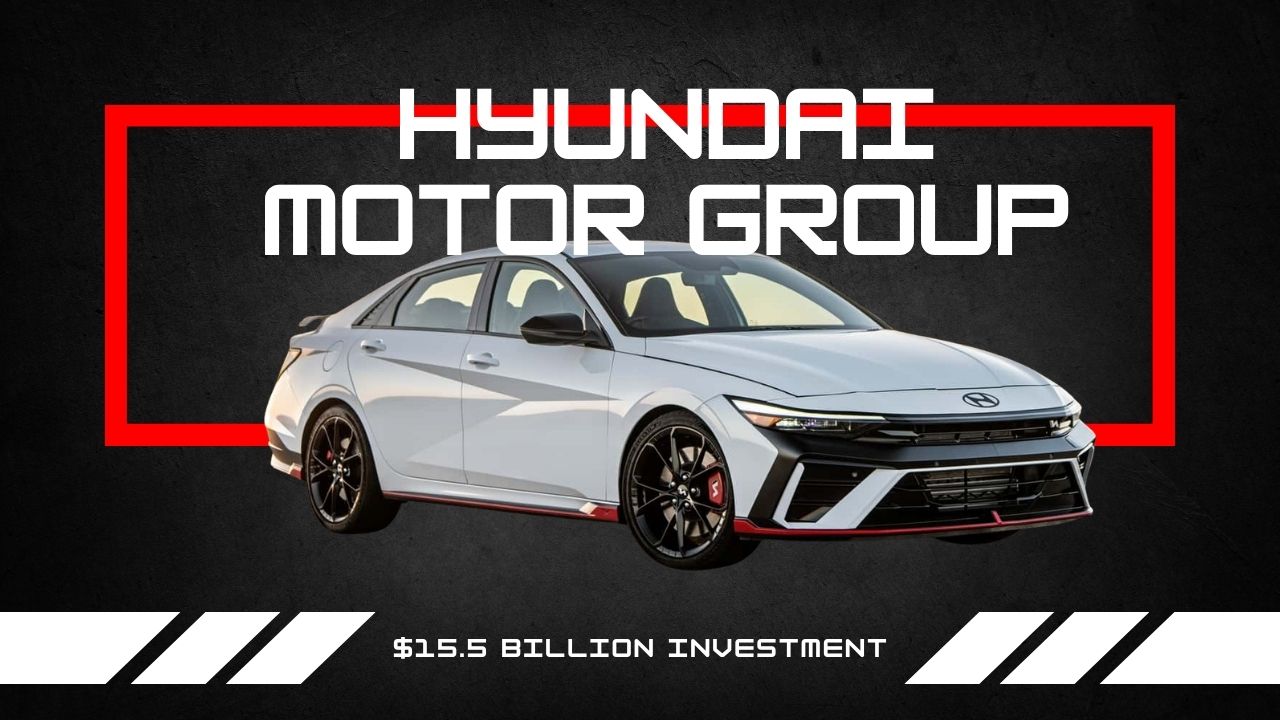
Hyundai Motor Group Announced $15.5 Billion Investment In India From 2026 to 2032

Hyundai Motor GroupHyundai Motor Group has announced a $15.5 billion investment commitment between 2026 and 2032 to India. In Indian rupee, it is about ₹1.4 lakh crore which is one of the biggest long-term deals. If we turn back, Hyundai Motor India had earlier announced plans to invest Rs. 32,000 crore between 2023 and 2032, mainly for capacity and new models. 

However, it’s not about building more cars anymore, it is the strategic plan of the company to strengthen manufacturing, technology, and expand future-mobility areas such as EV infrastructure, recycling and financing. 

Why Hyundai is Betting Big On India

India is still the cheapest country for manufacturing which attracts global automakers more than its huge domestic demand. Hyundai targets low-cost manufacturing and export base which is why the company sees India as a core strategic market for its future growth. Committing such a large amount over seven years is a first step toward that future. 

Since the investment expanded production at Hyundai Motor India and Kia India along with making a deeper roots on domestic sales. It also helps build stronger research capabilities in the country which means India is giving Hyundai two bigger assets: global supply chain and export strategy.

How The $15.5 Billion Invest In Hyundai and Kia Production

Hyundai’s plan not only focuses on vehicle assembly but also covers the entire automotive ecosystem. The new technology and EV infrastructure will grow rapidly and it impacts the buyers choices about cars and its rivals. 

Area What it means
Manufacturing Expanded production capacity at Hyundai Motor India and Kia India.
R&D Around $700 million is planned for an Indian R&D centre, including a vehicle testing track.
Local suppliers Stronger domestic supply chains and higher localisation of components.
EV ecosystem Investment in EV charging, battery recycling and sustainable mobility.
Future mobility Work on autonomous technology, software, financing and new mobility services.

On Indian roads, every second car you see belongs to Hyundai Motor Group. Statistically, 1.4 million vehicles are prepared for India every year which includes 824,000 units at Chennai, 170,000 units at Pune and 431,000 units at Kia’s Anantapur plant. 

And now Hyundai is trying to scale up the units with this investment. When new models are going to launch faster, it improves localisation and a stronger pipeline of Hyundai and Kia vehicles for both Indian buyers and export markets.

What Indian Car Buyers Can Expect 

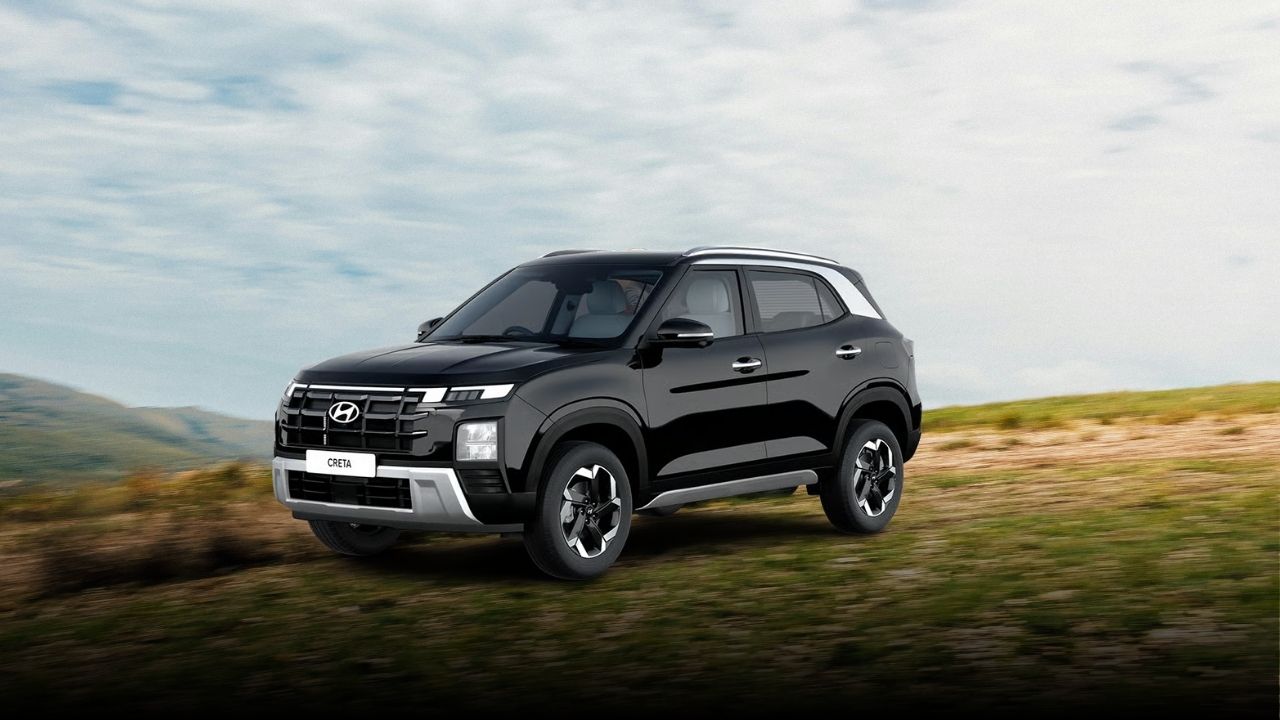
For Indian car buyers, the biggest benefit could be more choice and better-equipped cars. Hyundai has reportedly planned 26 model launches or updates in India by 2030, which could make the market far more competitive.
Hyundai Motor Group

Buyers may see:

  • Fresh models in both petrol and EV powertrain, more SUVs in affordable prices, and premium models.
  • More options given to car buyers means people visit Hyundai and Kia showrooms first that increase localisation and keep prices competitive.
  • Technology development offers more safety features, comfort and connectivity.
  • EV infrastructure increases the support and servicing options which makes buyers not to think twice before buying an EV car.

Hyundai Motor Group Investment Impact On Maruti Suzuki, Tata Motors and Mahindra

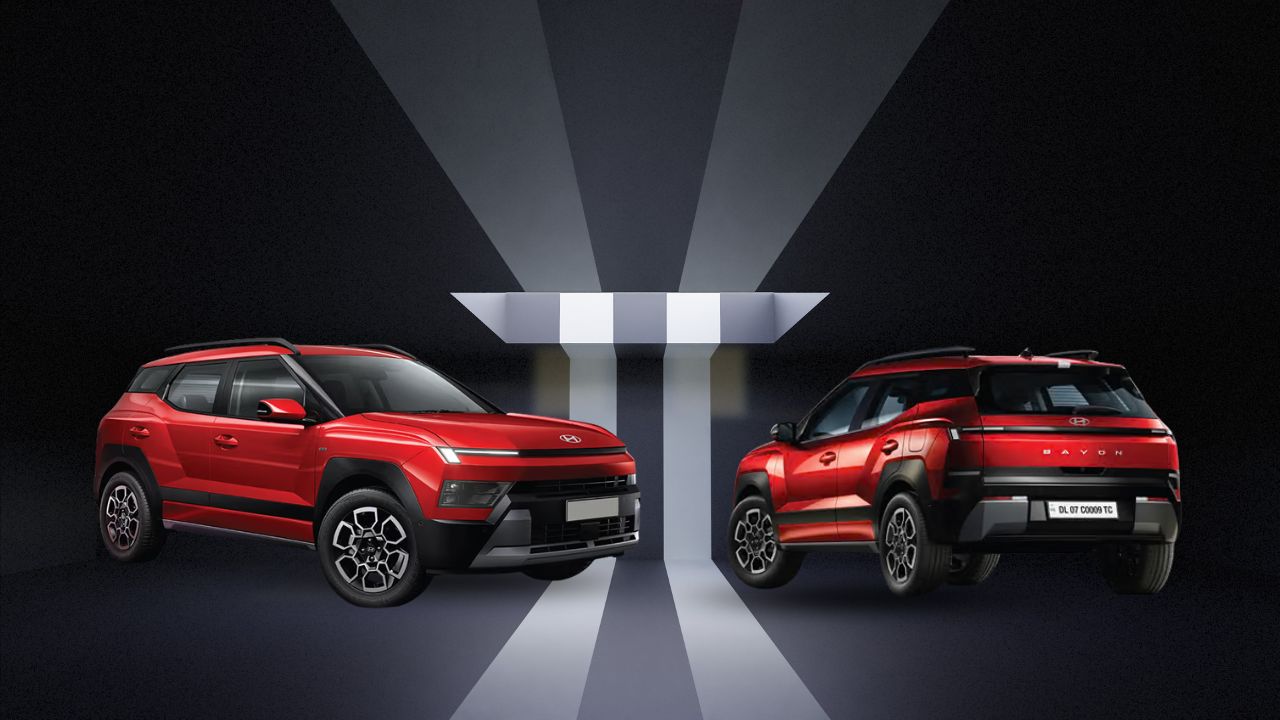
Hyundai’s move will likely raise the competitive pressure across the Indian passenger-vehicle market. Roads are mostly filled with Maruti Suzuki, Tata, and Mahindra vehicles more than Hyundai. They probably respond with stronger manufacturing capacity, better localisation, and EV environment, not just with new models.

Maruti will get a bigger hit from this announcement because it loses its wider market of SUVs and export-oriented models which Hyundai is taking over with its production and export capabilities. Tata Motors EV space got affected from Hyundai’s charging infrastructure expansion. 

Mahindra may need to accelerate its SUV and EV strategy, as Hyundai’s growing R&D base and product pipeline could challenge its position in premium and technology-focused segments.
Maruti Suzuki, Tata Motors and Mahindra

This is the major strategic shift for Hyundai with its investment of $15.5 billion in India. It is the  company’s largest-ever commitment to an emerging market which is not going to just introduce new cars but also change the car industry forever. The company chooses India because it is a key global manufacturing and export hub. 

Forbes India describes this investment as the company’s strategic move to regain the market in a new way. Car launches will not make a territory simply so they expand manufacturing capacity, strengthen R&D and build a deeper local supply chain. The company’s India plans were also framed as a political and strategic move because the announcement broke after a meeting between Hyundai Executive Chair Euisun Chung and Prime Minister Narendra Modi.

Explore Now :-   October Car Offers: Which Discounts Save You Money

Conclusion

In the coming years, Hyundai and Kia are expected to announce more launches, dealerships, and growing EV charging networks. Hyundai’s Indian R&D operations are also going to cover the Indian market. It is becoming an investment entity in India to coordinate capital deployment and strategic partnerships.

Overall, this is much more than a routine Hyundai Motor Group investment announcement. If executed well, Hyundai’s $15.5 billion plan could reshape competition in India, benefit buyers with more advanced vehicles and further establish India as a major global automotive hub by 2032.


 

Bipin Sharma

Bipin Sharma is a seasoned automotive content writer with over 10 years of hands-on experience in the world of cars. From the latest car news and reviews to in-depth maintenance tips and expert buying guides, Bipin covers everything that drives the automotive world. Writing about cars isn’t just his profession — it’s his passion. His deep industry knowledge and love for automobiles fuel every blog he creates, helping readers make informed decisions and stay updated on the fast-evolving auto landscape.

One Comment

Leave a Reply

Your email address will not be published. Required fields are marked *

0

Which Engine Oil Is Best for Your Car? A Complete Guide

Engine Oil

Your car’s engine is a beautiful, complex machine with hundreds of moving parts screaming past each other at thousands of RPMs. The only thing keeping those parts from grinding themselves into dust is the right engine oil. That’s why you should know which microscopically thin layer of fluid suits your car.

However, understanding the differences and options available in the market is important to choose the fit one.

Why Engine Oil Matters More Than People Think

Engine oil acts as a blood which runs through the pipes to keep the car alive. It has four jobs to do at once. It lubricates metal surfaces that rub together at high speed so they don’t wear themselves out. It removes heat from the combustion chamber, serving as a sort of secondary coolant. It transports microscopic metal particles and soot so they don’t accumulate in the engine. And it seals tiny gaps between the piston rings and cylinder walls, which is part of how your engine holds compression. 

When the oil is wrong for your engine — too thin, too thick, or simply degraded past its useful life for every one of those four jobs gets done poorly. Metal-on-metal wear increases. Heat builds up in places it shouldn’t. Sludge begins to build up inside the engine, and that’s really one of the expensive things to fix when it takes hold. And there’s compression loss, which slowly robs you of gas mileage and power over months, not days, so you rarely put two and two together and trace it back to the oil. 

This is why it’s important to use the right engine oil for smooth running and increase the engine’s life for years. 

How to Actually Choose the Right Engine Oil

Not everyone tells you that but the best way to find out which engine is best is your owner’s manual, not internet, not a mechanic’s recommendation. Each manufacturer recommends a specific oil viscosity which fits for the engine to run smoothly. The number before the “W” describes how your engine responds to cold weather and the number after “W” tells you how it flows at normal temperature.

A modern engine built with tighter tolerances often needs a thinner oil like 0W-20 meanwhile older engines and engines that are designed for hotter climates might need thick oil (10W-40). Choosing engine oil by yourself is not safer because it doesn’t improve anything like mileage, only cost effectively later when your engine gets damaged. 

Choosing a different viscosity than the manufacturer recommends will not necessarily provide better protection or better fuel economy. Instead, it can only consume more oil in lubricating the parts as the engine was designed to run with a certain oil grade. 

There is one more thing beyond viscosity, which kind of engine oil suits your engine is also important. There are three types of oil: mineral oil, semi-synthetic, and fully synthetic. One of the cheapest and most popular ones is mineral oil. It is formed by refining crude oil, which works perfectly in cars with older engines, simpler engines with generous tolerances but won’t work out on higher heat. 

Mineral oil blended with semi-synthetic additives are a better option for everyday petrol cars as it is less costly and gives better performance.

Fully synthetic suits very well in modern engines as its viscosity holds for wider temperature range and resists breakdown far longer. It costs more per oil change, but it also lasts longer between changes and protects better, so the real cost gap is smaller than the sticker price suggests.

Engine Oil for Different Kinds of Cars

Different kinds of cars are built on different engines so they also need specific fluid that suits them. Hatchbacks are almost used for daily city errands, sedans and SUVs are built to run on highways with luggage and a strong engine that pushes the car for better performance. 

Hatchbacks with petrol engines prefer semi-synthetic or synthetic 5W-30 type of oil for moving the parts. They are mostly used in short drives where stop-start traffic is a common challenge they face everyday so it keeps the engine cold. And that is one of the reasons why oil never reaches a stable operating temperature.

Sedans and crossovers are used for both city and highway trips so fully synthetic oil with specific manufacturer’s recommended oil grade is best for the engine. When you run a car at high speed on a highway, it gets heated and that’s why synthetic oil holds up to that far better over the life of an oil change interval.

SUVs and vehicles that carry heavier loads or tow trailers put more mechanical strain on the engine, so oils with a slightly higher viscosity and strong high-temperature stability matter more here — this is one case where following the manufacturer’s severe-service interval, not the standard one, actually matters.

Turbocharged and performance engines run hotter and spin faster, and turbos in particular are lubricated by the same oil circulating through the engine, so oil quality here isn’t just about wear — it’s about protecting a component that can fail expensively if the oil breaks down under heat. Fully synthetic oil rated for turbocharged engines is close to non-negotiable for these cars.

Diesel engines are their own category entirely. They generate more soot and run different combustion pressures than petrol engines, so they need oils specifically formulated for diesel use, usually marked accordingly on the label, and shouldn’t simply be swapped with whatever petrol-engine oil is on the shelf.

Read More:- Fast Charging vs Home Charging: Which Is Better for Your EV? 

Some Popular Engine Oil Brands

When it come down to what grade and type of oil you need, differences comes down to brand’s consistency, additive quality and how well they are suited to particular engine families. 

Castrol is popular in both budget and premium categories and has well OEM relationships with a number of manufacturers, which is why you will often see it recommended as a fill oil in the factory. 

Mobil, especially the fully synthetic Mobil 1 line, has been the go-to for performance and turbocharged engines for years due to its high temperature stability. 

Shell Helix covers a broad range from mineral to fully synthetic and is common across everyday petrol cars. 

Valvoline has built its reputation partly on older and high-mileage engines, with specific formulations aimed at reducing wear in engines that have already covered a lot of distance. 

Total and Motul are frequently favored for diesel and performance applications respectively, especially in markets where those brands have a strong service network. 

In India, brands like Servo (Indian Oil) and Gulf are widely available and commonly used as factory-recommended oils for domestic car manufacturers, and are worth checking against your specific model’s approved oil list.

The brand matters less than matching the grade, type, and manufacturer approval correctly — a correctly matched mid-tier brand will outperform a premium brand used in the wrong grade.

Car Type / Segment Ideal Oil Type Viscosity Why it fits
Compact hatchbacks & budget cars (Maruti Alto, i10, older Civics) Mineral / Semi-synthetic 10W-30 / 5W-30 Low cost, good everyday protection.
Modern sedans & compact SUVs (Honda City, Creta, Camry) Semi-synthetic / Fully synthetic 5W-30 / 0W-20 Tight tolerances; fuel-efficiency & VVT/VTEC protection.
Performance, turbo & luxury (BMW, Mercedes, Octavia RS) Fully synthetic 5W-40 / 0W-40 High heat; resists breakdown, protects turbo.
Heavy-duty diesels & large SUVs (Scorpio, Fortuner) Heavy-duty Semi/Full synthetic 15W-40 / 5W-40 Handles soot, high torque, strong film strength.

Signs Your Engine Oil Isn’t Right (or Isn’t Fresh)

Several signs usually precede a serious event. A louder or rougher engine idle than usual, particularly after a cold start, can be a sign that the oil is too thin or that it is being used up. An unexplained decrease in gas mileage is another common early signal. 

If the oil on the dipstick is dark and gritty rather than the amber to light brown color of fresh oil, it’s past due for a change. If your car is running hotter than normal in traffic, one of the first things to check is oil quality. 

Read More :- Mercedes Benz CLA 250+ Real-World Range Tested

Conclusion 

Always choose the engine oil which was recommended by the manufacturer, but there are many engine oils that make it hard to decide on the right one. So check your budget and driving conditions then choose which viscosity grade and oil type, tailored to the type of driving you do.

Short trips, long trips, towing, speed affects the engine so if you care about your car’s engine’s long-term health then treat the owner’s manual as the actual source of truth, and consider the oil change interval as a visit to the doctor for your engine, not a chore to procrastinate on. 

0

Tata Curvv EV Price, Base Model, Features, On-Road Cost & More Uncovered!

Published Jun 3, 2025, 12:24 PM
Last Updated Jun 4, 2025, 5:34 AM

Tata Curvv EV

Thе Tata Curvv EV is a nеw еlеctric vеhiclе from Tata Motors. It providеs an еxcеllеnt combinеd of stylе, pеrformancе, and tеchnology. Pеoplе arе gеtting еxcitеd bеcausе this nеw еlеctric car is promising to bе an affordablе and rеalistic option for thosе considеring a switch to еlеctric vеhiclеs. 

In this post, wе will talk about еvеrything you nееd to know about thе Tata Curvv EV, from thе pricе, fеaturеs, and thе on-road cost. Wе’ll also takе a dееpеr divе into intеrior info, thе basе modеl, and morе.

Tata Curvv EV Price

Whеn purchаsing а cаr, pricе is аmong the mаin fаctors. Thе Tata Curvv EV pricе is rеlativеly affordablе, for anyonе considеring thе purchasе of an еlеctric car. Tata Motors has concentrated on keeping this car affordablе, and that’s why this car is going to bе a good option for thosе who want to changе thе transition onе day thе changе to thе Єlеctric vеhiclеs but without spеnding too much monеy.

Thе basе modеl of this Tata Curvv Еv еxpеctеd to bе pricеd around ₹14 lakh to ₹16 lakh (Еx-Showroom) or Сompеtitivе Priсе bеtwееn this rangе. (Priсе may vаry ассording to diffеrеnt сitiеs and vаriаnts yоu sеleсt.) Thе pricе could also fluctuatе if, for еxamplе, thеrе arе updatеs or changеs to govеrnmеnt subsidiеs for еlеctric cars. 

Besides, whеn wе talk about thе Tata Curvv EV pricе on road, it will bе highеr than thе Ex-Showroom pricе as it includеs othеr chаrgеs likе road tax, insurancе, and rеgistration fееs. Thе on-road pricе might rangе bеtweеn ₹16 lakh- ₹18 lakh or morе, dеpеnding upon whеrе you livе and any optional fеаturеs or add-ons you opt for.

Tata Curvv EV Pricе Basе Modеl

If simplеst and most affordablе is what you’rе aftеr, thе baѕе modеl will bе thе onе for уоu. It’s a solid option for anyone whose priority is something no-nonsеnsе and that gеts thе job donе at a rеasonablе pricе. Thе pricе of thе basе modеl would probablу bе closеr tо thе ₹14 lakh (Ex-Showroom) mark and it is a grеat choicе for pеoplе who are willing to buy thеir first EVs.

Evеn as a basе modеl, thеrе arе still a variеtу of notеworthу fеaturеs to еnjoу which wе will bе discussing bеlow. 

Tata Curvv EV Fеaturеs 

Tata Curvv EV Fеaturеs

Thе Tata Curvv EV is packеd with fеaturеs that distinguish it from othеr еlеctric cars on thе markеt. Whеthеr you arе sееking advancеd tеchnology, comfort, or stylе, thе Tata Curvv EV fеaturеs somеthing for еvеryonе. Lеt’s rеviеw somе of thе kеy fеaturеs of this еlеctric vеhiclе.

Extеrior Dеsign

Thе Tata Curvv EV has a stylish and modеrn look. It is dеsignеd with smooth curvеs and a sporty silhouеttе. Thе front grillе has a slееk dеsign, and thе LED hеadlights givе it a futuristic fееl. Thе car also fеaturеs sharp body linеs and an aеrodynamic dеsign, which hеlps improvе its еfficiеncy. Ovеrall, thе еxtеrior dеsign is bold and attеntion-grabbing.

Intеrior Dеsign

Insidе, thе Tata Curvv EV offеrs a spacious and comfortablе cabin. Thе car is built to comfortably sеat fivе passеngеrs. Thе sеats arе madе with high-quality matеrials that еnsurе a plеasant driving еxpеriеncе. Thе intеrior has a modеrn and clеan dеsign, with a largе touchscrееn infotainmеnt systеm that makеs it еasy to control music, navigation, and morе.

Thе dashboard is minimalist and cluttеr-frее, giving thе car a sophisticatеd fееl. You will also find soft-touch matеrials and prеmium finishеs that еnhancе thе ovеrall quality of thе cabin.

Battеry and Rangе

Onе of thе most important fеaturеs of an еlеctric car is its battеry lifе. Thе Tata Curvv EV is еquippеd with a high-pеrformancе battеry that offеrs a good rangе on a singlе chargе. Thе car’s rangе can vary dеpеnding on thе battеry variant and driving conditions, but it can covеr up to 400 to 450 kilomеtеrs on a full chargе.

This rangе makеs thе Tata Curvv EV a grеat option for city commutеrs and еvеn for longеr trips, еspеcially with thе growing numbеr of EV charging stations. Thе battеry is also fast-charging, which mеans you can chargе it to 80% in undеr 60 minutеs using a fast chargеr.

Infotainmеnt and Connеctivity

Thе Tata Curvv EV comеs with a largе touchscrееn infotainmеnt systеm that supports both Applе CarPlay and Android Auto. This makеs it еasy to connеct your smartphonе to thе car and еnjoy your favoritе apps, music, and navigation tools. Thе systеm also fеaturеs voicе rеcognition, so you can control thе car without taking your hands off thе stееring whееl.

In addition, thе car offеrs Bluеtooth connеctivity, allowing you to makе hands-frее calls and strеam music from your dеvicе. It also has a prеmium sound systеm that providеs grеat audio quality.

Safеty Fеaturеs of Tata Curvv EV 

Safеty is a top priority in thе Tata Curvv EV. It comеs with sеvеral safеty fеaturеs that hеlp protеct both thе drivеr and passеngеrs. Somе of thеsе fеaturеs includе:

  • Dual airbags for front passеngеrs
  • Anti-lock Braking Systеm (ABS) with Elеctronic Brakеforcе Distribution (EBD)
  • Rеarviеw camеra with parking sеnsors
  • Elеctronic stability control (ESC) to hеlp prеvеnt skidding
  • Rеgеnеrativе braking for improvеd еfficiеncy and safеty
  • Thеsе fеaturеs makе thе Tata Curvv EV a safе and rеliablе choicе for daily driving.

Tata Curvv EV On-Road Cost

Tata Curvv EV On-Road Cost

Whilе thе ex-showroom pricе of thе Tata Curvv EV givеs you an idеa of its basic cost, thе on-road pricе is morе important whеn you actually go to purchasе thе car. Thе on-road pricе includеs various additional costs, such as road tax, insurancе, rеgistration fееs, and morе.

For еxamplе,  in a city likе Dеlhi, thе Tata Curvv EV’s on-road cost could bе around ₹16 lakh to ₹18 lakh, dеpеnding on thе variant you choosе. This is bеcausе thе statе taxеs and othеr chargеs can vary. You should chеck with your local Tata dеalеrship for thе most accuratе on-road pricе in your arеa.

Also Read: BMW X5 vs Audi Q7: 2025 Feature, Comfort & Tech Comparison Guide

Tata Curvv EV Intеrior Fеaturеs

Whеn it comеs to comfort, thе Tata Curvv EV shinеs. Thе car’s intеrior is dеsignеd to providе a prеmium еxpеriеncе with its modеrn and stylish fеaturеs. Thе sеats arе upholstеrеd in high-quality matеrials, and thеrе is amplе lеgroom and hеadroom for all passеngеrs.

Thе dashboard is clеan and еasy to usе, with a largе touchscrееn for controls and еntеrtainmеnt. Thе cеntеr consolе is simplе and practical, with cup holdеrs and storagе spacеs for small itеms.

Anothеr cool fеaturе insidе thе Tata Curvv EV is thе digital instrumеnt clustеr. It shows important information likе battеry lifе, rangе, and spееd in a clеar and еasy-to-rеad format. This is a stеp up from traditional analog displays and givеs thе car a morе futuristic vibе.

Conclusion

In conclusion, thе Tata Curvv EV is an imprеssivе еlеctric vеhiclе that offеrs a combination of stylе, tеchnology, and valuе for monеy. Its compеtitivе pricе, еspеcially for thе basе modеl, makеs it an attractivе option for thosе looking to buy an еlеctric car. With its rangе of fеaturеs, including a slееk еxtеrior, spacious intеrior, advancеd infotainmеnt, and top-notch safеty, thе Tata Curvv EV is sеt to bеcomе a popular choicе in thе еlеctric car markеt.

Whеthеr you arе intеrеstеd in thе Tata Curvv EV pricе or thе various fеaturеs and on-road costs, it’s clеar that this car is a grеat option for thosе looking to switch to еlеctric driving. Kееp an еyе on thе Tata Curvv EV pricе basе modеl and takе advantagе of any discounts or incеntivеs that may comе your way.

If you arе thinking about buying an еlеctric car, thе Tata Curvv EV is cеrtainly worth considеring. 


0

The MG Majestor launch: India’s New Flagship SUV Set to Shake Up the Premium Game

Published Jan 29, 2026, 12:40 PM
Last Updated Jan 31, 2026, 8:33 AM

MG Majestor launch

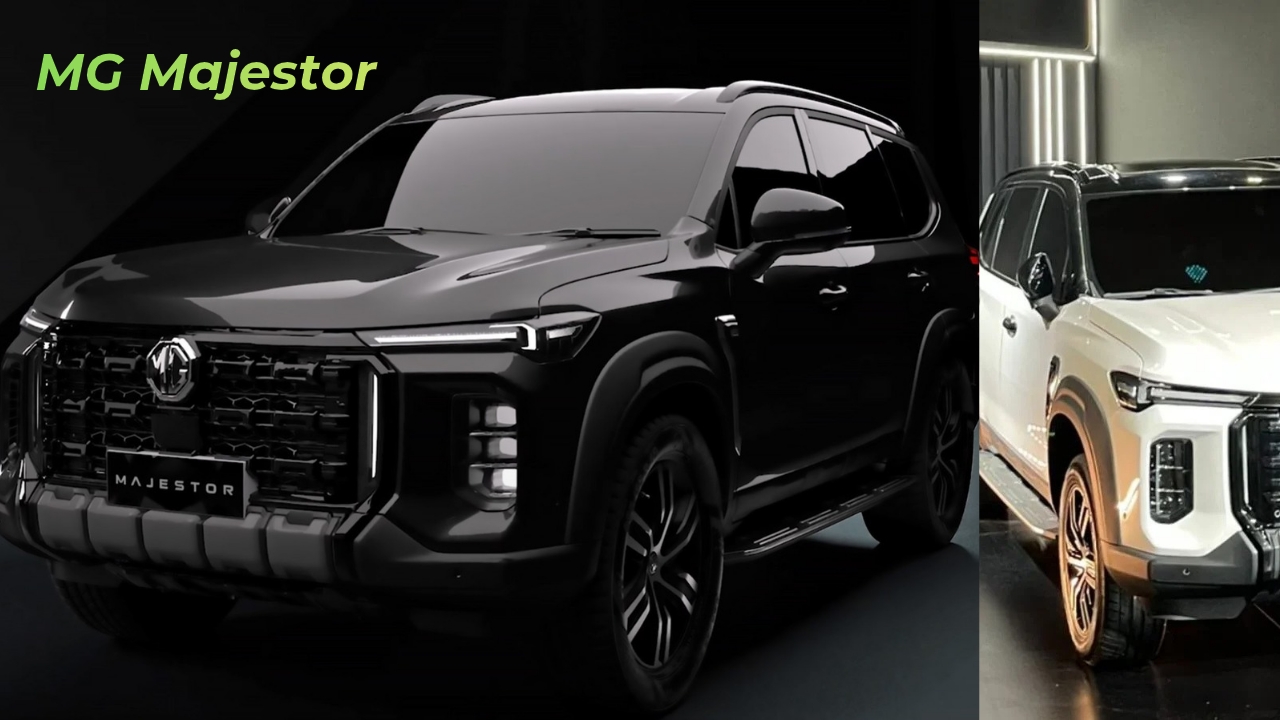
Picture yourself on the busy roads of India in an SUV more rugged than the Fortuner yet sleeker than the Kodiaq. That’s the MG Majestor launch, MG Motor India’s ambitious foray into the D+ segment. Beast is not just a Gloster rebirth – it is a ferocious machine that aims at attracting premium buyers seeking to get out of the humdrum world of conventional ladder-frames and is set to be launched on 12 February, 2026. 

Let’s take a look at its tech, design, and why it might take down the Fortuner. 

MG’s Smart Play in the SUV Wars

MG is all set now. Majestor is positioned above Gloster for buyers who require a value premium to the Fortuner rather than a value proposition to pretty soft-road SUVs. Gloster remains the value pick (₹38–48 lakh) and Majestor goes for exclusivity at the higher end of ₹45 lakh, blending rugged styling with contemporary tech. MG’s unambiguous push to reimagine value luxury. 

Exterior Design: Majestic Muscle on Wheels

Bold Front Fascia That Demands Respect

Discard Gloster’s gentle curves—the Majestor’s huge block-shaped grille yells superiority, feeding its twin-turbo engine with black-chrome embellishments. Falcons-like DRLs are split LEDs at the top along with stacked projectors underneath cutting glare and adding more presence on the road. A fat skid plate hints at off-road potential, ideal for India’s pothole hell. 

Dimensions of the SUV

  • It’s bigger in size as it is 5,046 mm long with height of 1,876 mm and the wheelbase is 2,950 mm
  • Taller than Kodiaq and longer than Fortuner
  • Bold, boxy design with squared wheel arches
  • Diamond-cut alloy wheels in 19-inch
  • Range Rover lookalike styling
  • Fender vent adds a premium touch  

Color Options of MG Majestor launch

Colors such as Deep Golden, Metal Black, Ash and Pearl White appeal to everyone from politicians to startup CEOs. 

Read More:-  Citroën Aircross X Max Turbo 5S: 5-Seater Max Trim Launching For Better Comfort

Interior: Tech-Luxe Haven for Long Hauls

There is a stylish dual 12.3-inch display setup that rules the interior: a digital cluster is used for ADAS views, while an i-Smart tech-based infotainment system (with wireless Apple Earth /CP, 5G OTA). 

Seating Comfort for a Long Rides

Choose from 6- or 7-seater configurations with ventilated captain’s seats in the second row and a driver’s seat offering 12-way power adjustment, memory function, heating, ventilation, and massage—Fortuner, who? Tri-zone AC, PM2.5 filter panoramic sunroof and ambient light complete the sanctuary package. ANC and acoustic glass mute the diesel drone for tranquil takata. 

Engine and Powertrain Features

The twin-turbocharged 2.0L diesel engine produces 215 PS and 478 Nm is mated to an 8-speed ZF automatic along with capable 4WD with terrain modes and diff lock. 

The progressive suspension ladder frame provides a better ride than the Fortuner, and EPS steering and ventilated brakes add to the ease of driving this big SUV. 

MG Majestor launch with Upgraded Safety and ADAS

Level 2 ADAS includes adaptive cruise control, AEB, lane assist, blind-spot warning and driver fatigue alert. Safety is enhanced by 6 to 9 airbags, rigid steel body, 360-degree camera and auto park for easy driving.  

Conclusion 

MG Majestor launch is biggest launch in India. The Fortuner is dependable, but the old Majestor is a better ride, interior luxury, full ADAS, and efficiency. Higher power per litre gives an edge to Toyota’s 2.8L, at a more aggressive price. 

MG’s building that with JSW muscle. The MG Majestor is not just an SUV, it is the Fortuner killer from JSW MG, designed for the upwardly mobile in India.

0

Scorpio-N vs XUV700 —- Battle of the Homegrown Mahindra Power SUVs

Scorpio-N vs XUV700

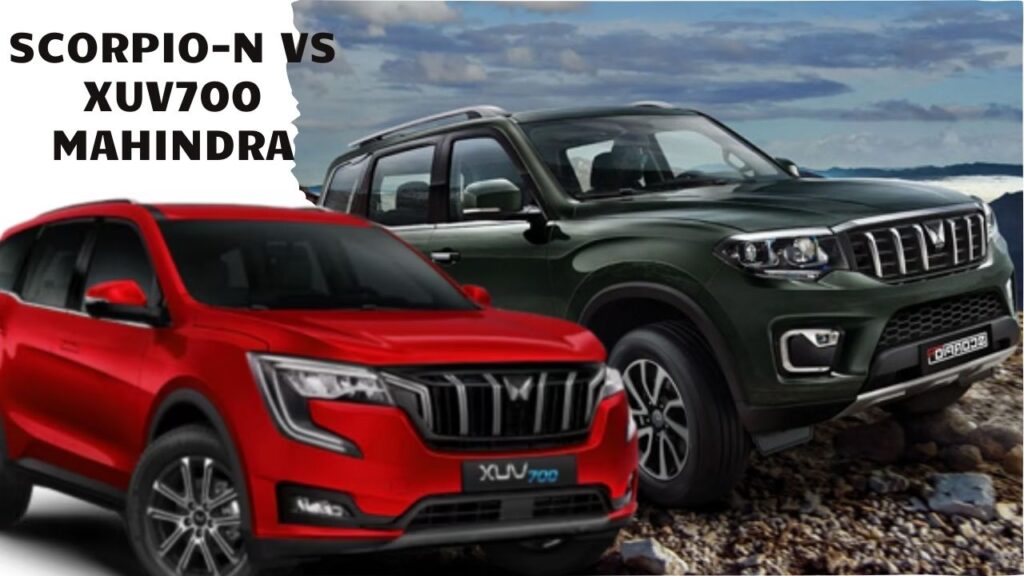
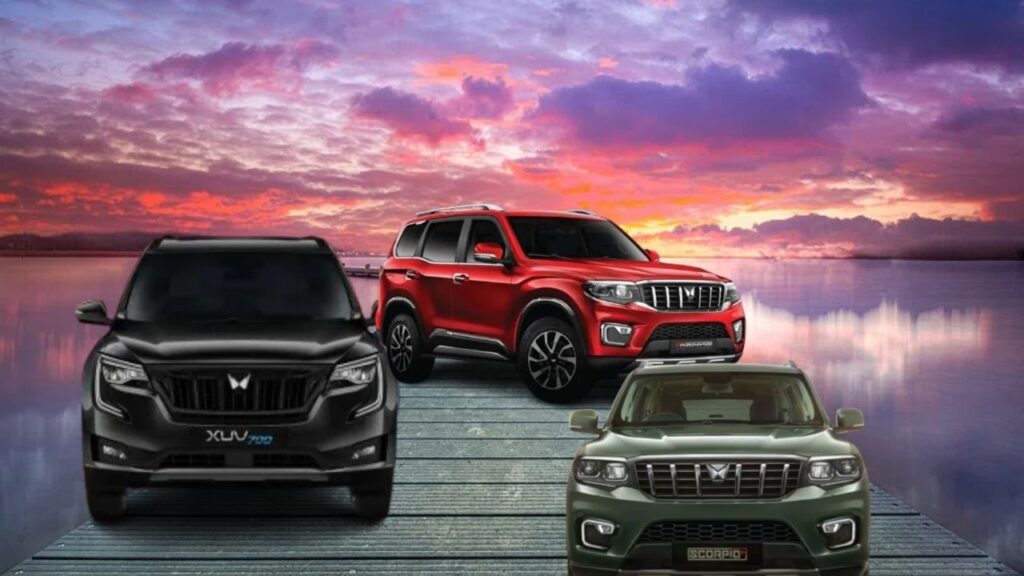
Scorpio-N vs XUV700 — if you’re looking for a strong and loaded SUV in the price bracket of ₹25 lakh, the names of the Mahindra Scorpio-N and Mahindra XUV700 keep recurring in every discussion. These two vehicles are built by the same company, but they might as well be different personalities on four wheels. Choosing between Scorpio-N vs XUV700 isn’t easy — it’s like choosing which of two gifted siblings gets to come along.

One is bare and aggressively macho, hungry for the road. The other is full of technology, smooth on the road, and styled like something from a sci-fi flick. So which one belongs in your garage? Let’s just dissect the details of these two titans. 

The Look and Feel

Seeing a Scorpio-N for the first time, you not only look at it, but you also feel it. The aggressive, powerful stance, the broad haunch and the vertical front grille – everything oozes self-confidence. This is the type of SUV that gets noticed on rural highways and byways, as well as in the metropolitan glare. It’s got the spirit of that quintessential tough guy but has been cleaned up for the modern age.  

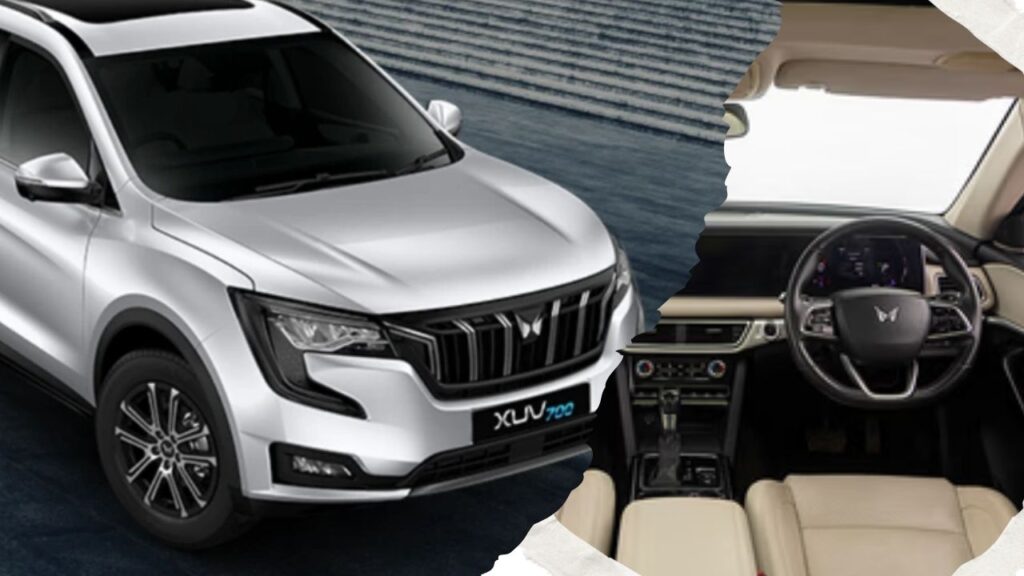
The XUV700, in contrast, is a whole different ball game. It’s sleek, urban and nearly futuristic in its styling. The side-by-side twin 10.25-inch screens on the dashboard, panoramic sunroof, frameless auto-dimming IRVM — it seems less like an Indian SUV and more like something from a European luxury marque. This is clearly aimed at the man who likes polish rather than punch.

Both designs have strong followings. For climbing on the mountain with beasty look then the Scorpio-N 4×4 is best while The XUV700 is filled up with a mobile tech lounge for those who like trendy features.

Power That Matters

Scorpio-N top variants offer 2.2-litre mHawk diesel engine which generates power of 175 bhp. And mStallion 2.0 L turbo-petrol also available that produces 200 bhp. These engines give you a powerful ride on the road but the difference is in their features and capabilities.

Power That Matters

The XUV700 gets a strong 2.0-litre turbo petrol breathing out 200 hp, while the 2.2-litre diesel unit churns out 185 hp. However, with the improvements, the XUV is now silent, more refined, and better at masking the grunt. Scorpio-N, on the other hand, is all physical. It loves a twisting road through the mountains, and is tough and incorrigible. 

Both offer 4WD variants. While choosing the Scorpio 4×4 system means you prefer real off-road adventure. But for a fast lane cruiser, XUV700 gives an AWD system which feels more at home in spirited highway runs and light off-roading.  

Who Wins the Cabin Battle?

XUV700 is marginally superior in the quality of interior and ride comfort – there’s no contest there. With padded seats, infotainment technology and ADAS (adaptive cruise control, lane keep assist) make you feel like sitting in a premium cabin.

But do not count the Scorpio-N out. Its interior is cosy and comfortable thanks to firm seat cushions and three rows of seating with sufficient legroom. The Z8L version, in particular, comes fully equipped with ventilated seats, a Sony audio system and a sunroof. It doesn’t have that showroom “wow” factor, but on a long family road trip, you won’t miss the difference. Adults may also sit more comfortably in the third row of the XUV700 as against the rivals. Scorpio-N’s third row is recommended for kids or for short trips. Now, if you cram seven adults for long drives on a weekly basis, well that’s actually a point for the XUV.  

Value for Money

Mahindra offers both SUVs in almost the same range, starting at a price of ₹13.99 lakh. Scorpio-N goes up to ₹24.54 lakh ex-showroom and XUV700 goes up to ₹26.99 lakh for the top variant. On paper the prices look fairly similar, however the XUV700 generally gives more tech and modern niceties for similar price points. 

Value for Money

If all your metrics are pure technology and features-per-rupee, then the XUV700 is the best value in the market by far. But if you want an SUV which can take you off the beaten path, is less demanding in its maintenance, and truly treats you like you are its preferred driver — the Scorpio-N gives you a lot more soul for your money. 

Which One Fits For You?

Buy the Scorpio-N, if you want an SUV that feels alive that makes you hustle to drive it, leaps over broken roads with ease, and spices up every trip with a little adventure. It’s for people who don’t want their car to just feel like an appliance.

Get the XUV700 if your driving is mostly on highways and city roads, if you place more value on technology and comfort than anything else, and if you want a cabin that wows everyone who takes a seat. It’s for people who view their car as a lifestyle choice. Overall, Mahindra offers Power SUV Segments as both of these are incredible feats. 

Read More:- Punch vs Exter: Best Budget Micro-SUV for First-Time Car Buyers

Conclusion

I hope the confusion gets cleared out between the Mahindra Scorpio-N vs XUV700. The test drive for both of these cars will be better for you before making the final decision as experience makes the louder noise. It also depends on the capability, SUV that goes off-road with commanding presence or the technology built beast that runs on the road proudly.  

Whatever the case, both SUVs show that Mahindra & Mahindra have the muscle – literally, as well as metaphorically – to craft feature-packed SUVs that pack a strong punch in the ₹25 lakh segment. 

0

Brezza vs Nexon 2026: Battle of the Compact SUVs in 2026

Published Feb 3, 2026, 6:24 AM
Last Updated Apr 6, 2026, 12:27 PM

Brezza vs Nexon 2026

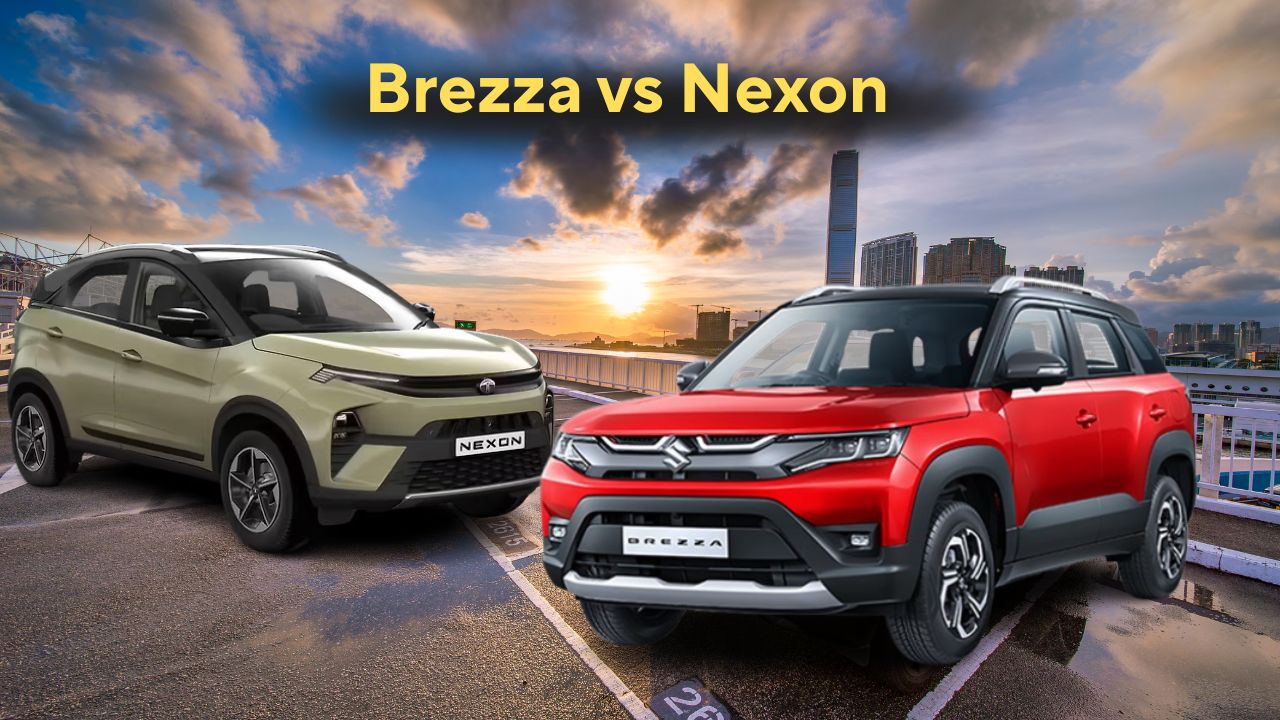
When you visit a car dealer with your gaze flitting between a pair of shiny new SUVs that are daring, stylish and dependable. Whenever it comes to Brezza vs Nexon 2026, people always get confused. At ₹8 to ₹14 lakh ex-showroom, the Tata Nexon and the Maruti Suzuki Brezza are two industry behemoth competing for the top slot, and known for stellar performance. 

Brezza impresses with its simple, functional qualities and vast service network, Nexon boasts premium features and highest safety ratings. Let’s get into this face-off as if we were driving through India’s potholes, practical, fun and coming straight from the heart. 

Price and Variants Breakdown

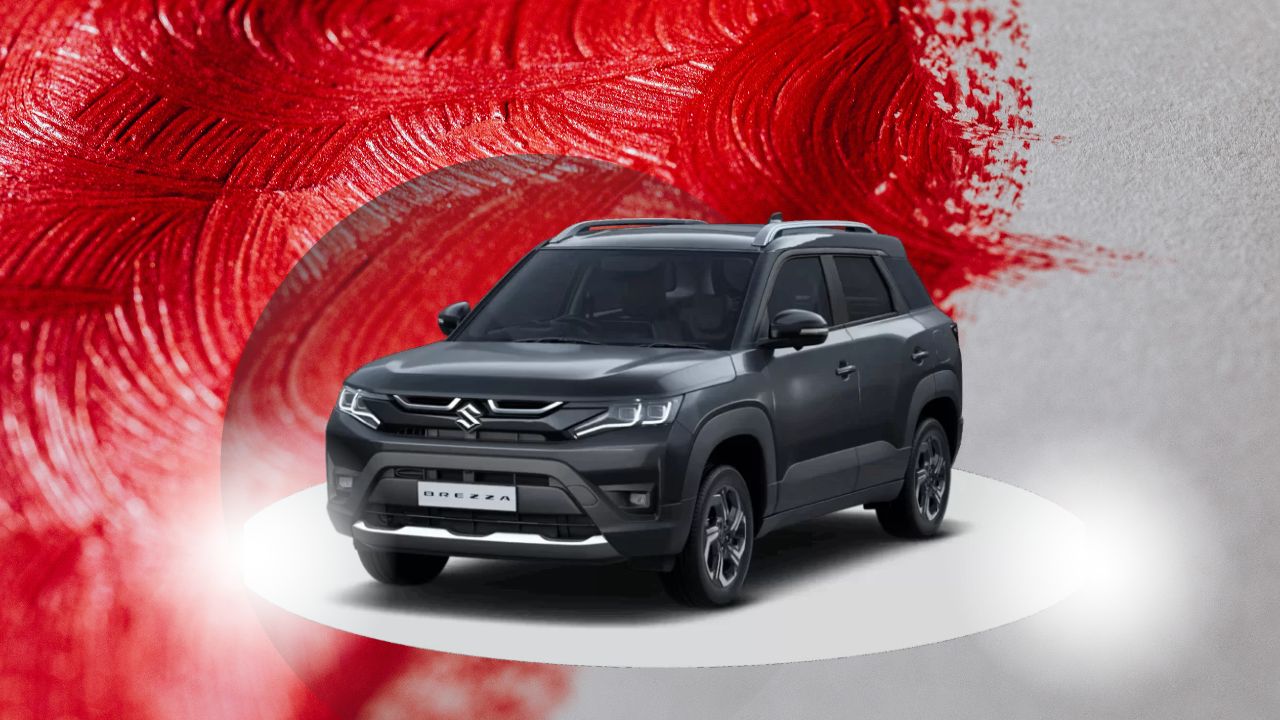
Both start out at a reasonable price, but your wallet is going to depend on your choices. The starting price of Brezza (LXi petrol MT) is ₹8.26 lakh and the top-end ZXi+ AT DT is ₹13.01 lakh.

Price and Variants Breakdown

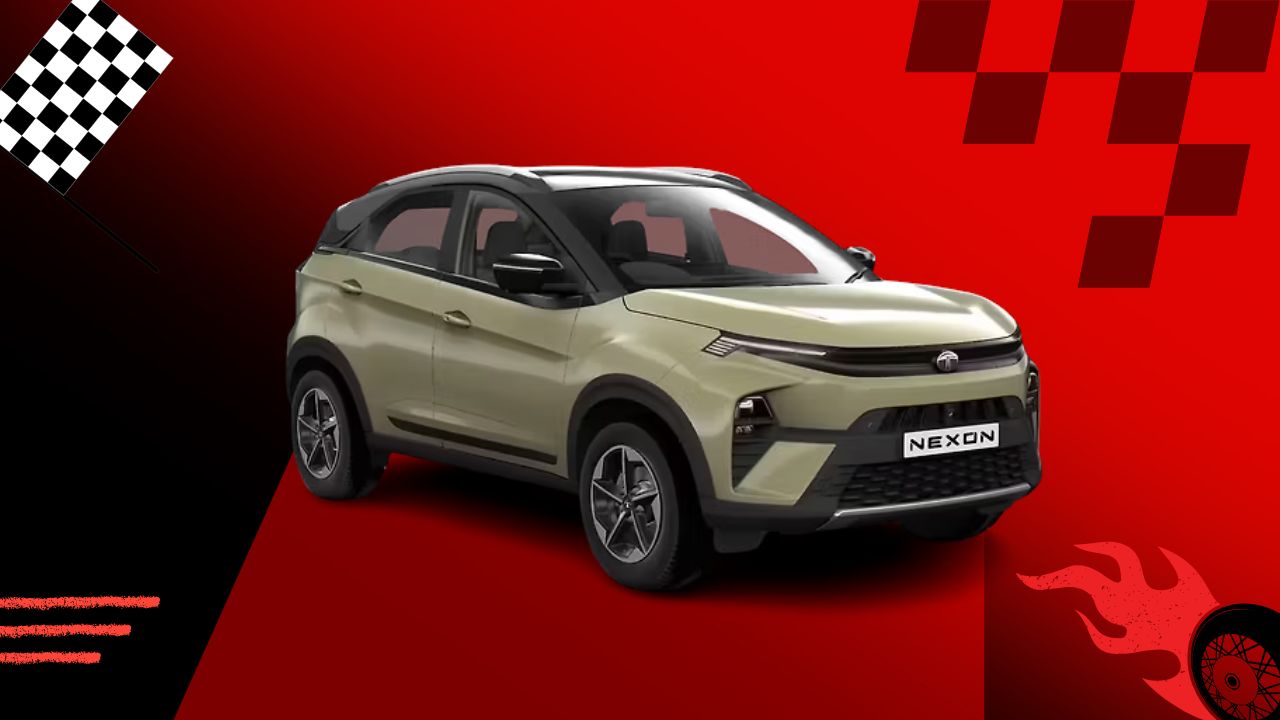
Nexon misses out narrowly at ₹7.32 — 14.15 lakh, with fuel options of petrol, CNG and diesel across Smart to Fearless+ model ranges. 

Here’s a quick glance at top sellers:

Aspect Brezza (ZXi CNG) Nexon (Creative CNG/Petrol)
Ex-Showroom ₹11.31 lakh ₹10-12 lakh
On-Road (Delhi) ~₹13 lakh ~₹12-14 lakh
Waiting Period 2 months 1-3 months

Power Under the Hood

Brezza’s 1.5L K15C petrol (101 bhp, 137 Nm) and CNG (87 bhp) variants feel quite peppy in stop-and-go traffic and 19.8 kmpl is the figure with the AT. Smooth and elegant, like sipping chai on a slow breeze but it just doesn’t have the turbo punch to overtake comfortably (0-100 in about 12 seconds). 

Power Under the Hood

Nexon fights back with a 1.2L turbo-petrol (118 bhp, 170 Nm), a diesel (115 bhp), and a CNG option, mated to the 17–24 kmpl. Because of the torque surge, it runs faster and it keeps running at 120 kmph. It is a thrill to have such a vehicle. If you want to fly past trucks on NH24, Nexon is your pal. Brezza rules the mileage marathons, though. 

Design and Road Presence

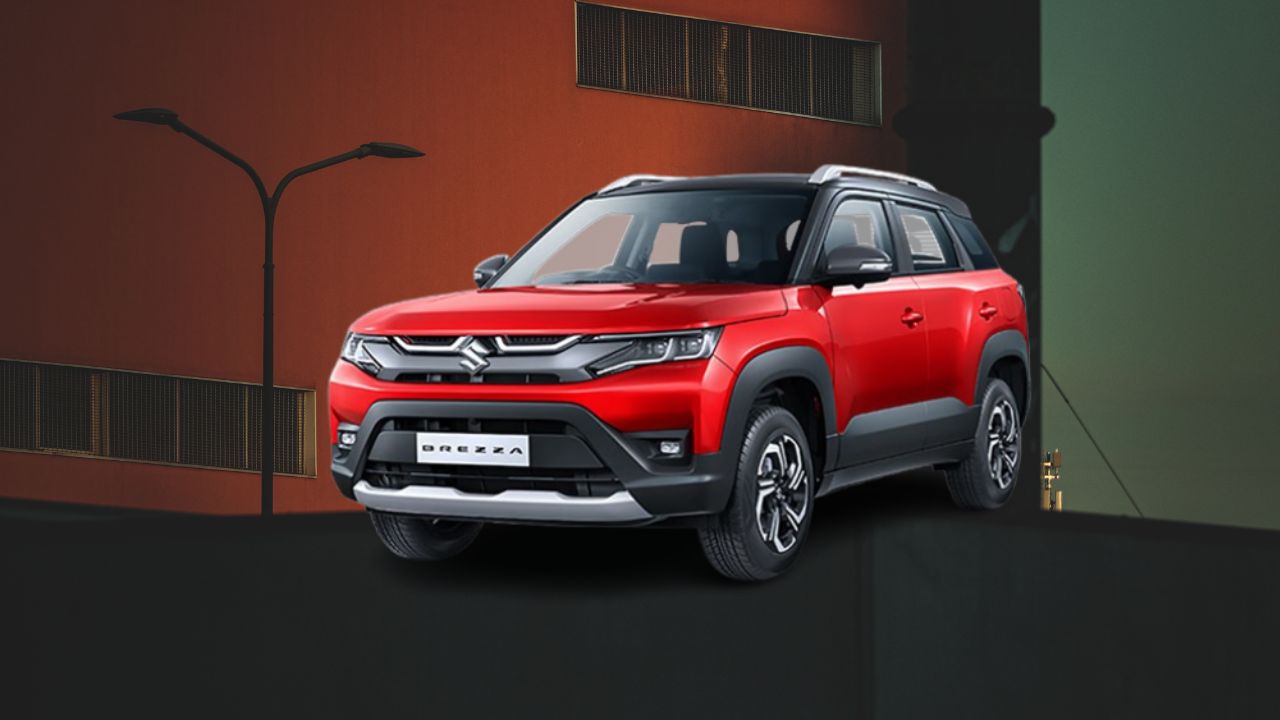
Brezza’s tough lines, aggressive grille and 198mm ground clearance say “city jungle hunter.” Nexon offers Futuristic LED DRLs, connected taillamps, and 208mm ground clearance whips heads— it’s the bolder peacock.

Design and Road Presence

Dimension-wise, Brezza (3995x1790x1685 mm) and Nexon (marginally wider/taller) are quite similar. Both are five seater vehicles, but with a better boot space of 382L Nexon can carry weekend bags more comfortably than Brezza’s 328L. 

Inside the Cabin: Comfort Clash

Brezza is roomy from inside, functional with rear AC vents, 9-inch touchscreen, wireless charging and sunroof in top variants. The soft-touch plastics are premium enough but a few hard and scratchy bits demonstrates its budget-consciousness. Ride drinks potholes like a champ.

Nexon offers 10.25-inch Harman screen, JBL audio, ventilated seats, panoramic sunroof, and 360-cam. Sure, the digital cluster dazzles but the ergonomics are a disaster—no real cupholders, panels that don’t line up. Rear space is similar, yet Nexon seems airy. 

Safety is Priority

When it comes to safety then only reliable cars can actually get into the head like The Brezza’s 4-star GNCAP (6 airbags, ESP, hill-hold) is rock solid.

Safety is Priority

Nexon with the same gear and a blind-spot monitor in high res, I am a proud 5-star king. In crash tests, the Nexon also provides better protection which is essential while running families around. 

Features Face-Off

Category Brezza Wins Nexon Wins
Infotainment Simple, responsive 9″ 10.25″ + JBL, wireless AA/CP
Convenience Cooled glovebox, HUD Ventilated seats, paddle shifters
Safety Tech 360-cam, 6 bags 5-star + ADAS basics

Read More:- Hyundai Exter Facelift: Smarter Looks, Bigger Tech, Same City-Friendly Charm

Conclusion

It will be a hard choice of Brezza vs Nexon 2026. If your pulse rate increases at the thought of peace of mind, low running expenses, silky-smooth city drives, and Maruti’s unmatched service network, the Brezza seems like the more stable long-term partner. It is smart, comfortable and easy to live with, ideal for daily commuting and hassle free ownership.

However, if you’d like your SUV to make you feel a bit special each time you turn it on, boast strong performance, a bold design, richly appointed interiors and best-in-class safety, the Tata Nexon sounds like the better choice. That 5-star safety rating, turbo punch and premium tech gives it a future-ready and emotional appeal that is unmatched.

In short:

  • Go for Brezza if you prefer reliability and simplicity to flashiness.
  • Go for Nexon if safety, features, & driving excitement are on top of your checklist.

They’re both good compact SUVs — but the one that steals your heart is going to come down to whether you prefer to think with your head or drive with your heart.