0

Nissan Rogue vs Toyota RAV4: Which 2025 Compact SUV Should You Buy?

Published Jun 13, 2025, 6:13 AM
Last Updated Apr 13, 2026, 12:27 PM

Nissan Rogue vs Toyota RAV4

As far as the purchase of a compact SUV goes, the Nissan Rogue vs Toyota RAV4 remain strong favorites. Both are excellent cars with a lot of features, but they provide different driving experiences, designs, and tech. If you are wondering which one to buy, read on. Here, we’re taking a look at both SUVs’ performance, comfort, safety, and features, so you can decide which is best for you. 

Let us jump right into the Nissan Rogue vs Toyota RAV4 battle!

Performance

One of the aspects to take into consideration early in the Nissan Rogue vs Toyota RAV4 showdown is how both models perform on the road. Both SUVs ride in a polished fashion, although they have a slight twist under the hood.

Nissan Rogue Performance

Nissan Rogue Performance

Image Credit: Nissan

The 2025 Nissan Rogue is powered by a 2.5-liter 4-cylinder engine that produces approximately 181 horsepower. That gets mated to a CVT that helps ease things into motion. Easy to drive, the Rogue delivers good fuel economy — up to 30 mpg in the city and 37 mpg on the highway. For those who simply need a car to get them where they need to go, the Rogue is a great choice.

Toyota RAV4 Performance

Toyota RAV4 Performance

Image Credit: Toyota

The 2025 Toyota RAV4 now comes with a more potent 2.5-liter 4-cylinder with 203 hp. This, then, helps the RAV4 accelerate a little quicker than the Rogue. The RAV4, too, offers an 8-speed automatic transmission, which provides a slightly sportier feel on the road. 

The RAV4 is just a touch less fuel-efficient than the Rogue, with the hybrid edition achieving about 41 miles per gallon in town, 38 miles per gallon on the highway. The standard version delivers around 28 mpg in the city and 35 mpg on the highway.

Ride comfort is good in both SUVs, but if you want a bit more power, the Toyota RAV4 could be a better pick.

Interior and Comfort

You spend a lot of time in your SUV, so make it a comfortable time. And compare the interior and features on both the Nissan Rogue vs Toyota RAV4.


Also Read:
Tata Harrier EV Launched with Big Features and Massive Range

Nissan Rogue Interior

Nissan Rogue Interior

The interior of the Nissan Rogue is roomy and comfortable. The front seats are built for long drives, and the cabin is quiet for a calm ride. A large 8-inch touchscreen for its infotainment system is standard, and you can also opt for a 9-inch screen in some trims. The Rogue also supports Apple Car Play and Android Auto, making it easy to connect your phone to the system.

For cargo space, it provides 36.5 cubic feet behind the second-row seats. Fold down the seats, and you have 74.1 cubic feet, which is enough space to easily haul around large things.

Toyota RAV4 Interior

Toyota RAV4 Interior

Inside, the Toyota RAV4 is also smooth and comfortable. The seats are roomy and accommodating options, particularly in the upper trims, where the seats are finished in Softex, a synthetic material that feels like leather. The RAV4’s infotainment system is easy to use, featuring a standard 7-inch touchscreen that can be upgraded to 8 inches on select models. Like the Rogue, it supports Apple Car Play and Android Auto.

When it comes to cargo space, the RAV4 offers about the same as the Rogue—37.5 cubic feet behind the second row and 69.8 cubic feet with the seats folded down. Though the RAV4 gives you a bit more space in back, it offers a touch less cargo room than the Rogue.

Safety Features

Both the Nissan Rogue vs Toyota RAV4 are filled with intelligent safety features, which means anyone worried about safety or family safety would do well in both of them.

Nissan Rogue Safety

Nissan Rogue Safety

Thе 2025 Nissan Roguе is еquippеd with Nissan’s Safеty Shiеld 360, a suitе of safеty fеaturеs including automatic еmеrgеncy braking, rеar cross-traffic alеrt, lanе-dеparturе warning, and blind-spot monitoring. It also features Pro PILOT Assist, a semi-autonomous driving system that helps with steering, accelerating, and braking in specific driving conditions.

Toyota RAV4 Safety

Toyota RAV4 Safety

Thе Toyota RAV4 also gеts Toyota’s Safеty Sеnsе 2.5 systеm, which includеs similar fеaturеs akin to prе-collision warning, lanе-tracing assist, and adaptivе cruisе control. Thе RAV4 is also availablе with a bird’s-еyе viеw camеra that provеs usеful whеn parking or squееzing through tight spacеs. 

Technology and Features

Both of the SUVs have plenty to offer in the tech department, though, and there are some differences between the two.

Nissan Rogue Technology

Nissan Rogue Technology

The Rogue’s infotainment system is easy to use, and Apple Car Play, Android Auto, and Bluetooth are standard. Some trims of the RAV4 also come with a built-in Wi-Fi hotspot as standard. The Rogue also offers a digital gauge cluster that shows you info you need to see, and the higher trims offers a wonderful music experience with a Bose premium sound system.

Toyota RAV4 Technology

Toyota RAV4 Technology

The technology of the Toyota RAV4 is no slouch either. It comes standard with a 7-inch touchscreen, but you can upgrade to an 8-inch. The RAV4, too, like the Rogue, has Apple Car Play and Android Auto, a Wi-Fi hotspot. The RAV4 provides a digital rearview mirror on upper trims to aid in looking past obstructions.

Prices of Both Cars

Price As far as price goes, Nissan Rogue vs Toyota RAV4 are neck and neck.

  • The 2025 Nissan Rogue begins at about $27,000 for the base version and climbs as high as $37,000 for fully loaded trims.
  • The 2025 Toyota RAV4 costs about $27,500 to start and tops at $37,500.

They are both priced the same with minimal difference. However, the price could differ based on the trim level and potential dealer offers.

Conclusion

So, which is the best SUV for you? It all depends on what you want. The Nissan Rogue may be the better choice for you if you’re looking for a roomy interior and good fuel economy. If, on the other hand, you lust after more juice and sportiness, the Toyota RAV4 might be the one.

Ultimately, though, the Nissan Rogue vs Toyota RAV4 are both exceptional cars with positives in their own right. It depends on what’s most important to you — whether that’s performance, cargo space, or safety tech. Whatever you choose, one will be reliable and serve you well for years.

Frеquеntly Askеd Quеstions

Is thе Toyota RAV4 morе rеliablе than thе Nissan Roguе in 2025?
Yеs, thе 2025 Toyota RAV4 is gеnеrally morе rеliablе than thе Nissan Roguе, with highеr rеliability ratings and long-tеrm dеpеndability basеd on еxpеrt rеviеws and customеr fееdback.

Which SUV has bеttеr fuеl еfficiеncy: Roguе or RAV4?
Thе 2025 Nissan Roguе offеrs slightly bеttеr fuеl еfficiеncy than thе Toyota RAV4, еspеcially in city driving, thanks to its smallеr еnginе and improvеd CVT pеrformancе. 

Sharey Khan

Sharey Khan is an IT entrepreneur and petrol head & a car enthusiast. With a special focus on car-related content, he combines his deep passion for vehicles with a talent for crafting informative, engaging, and easy-to-understand content. His writing is driven by a genuine love for cars and he is committed to providing readers with accurate, up-to-date, and trustworthy information that empowers smarter driving decisions. 

Leave a Reply

Your email address will not be published. Required fields are marked *

0

Top New Midsize SUVs in 2025 – Stylish, Spacious & Performance-Packed Option

Published Nov 10, 2025, 11:18 AM
Last Updated Apr 13, 2026, 12:30 PM

Top New Midsize SUVs in 2025

2025 Midsize SUV: Fresh energy in the midsize SUV segment for 202 5 The midsize SUV segment is ever growing in size and production for 2025 is set to increase with these three new models. This house of power, size, smart traits, and family vacation gives the right combination. Manufacturers manufacture rugged off-road rides and silky luxury rides. They have created standout appearance and business sturdiness with refined hi-tech tech. Whether you require seats and storage for all the family on your journeys, or speed and gadgets for a fun drive on a track, then these models fit the bill. Here’s the best brand new for 2025 They’re the Kia Telluride and Hyundai Palisade, — Ford Bronco, Mazda CX-90, Toyota Grand Highlander and Subaru Outback. Each increases the bar when it comes to looks, protection, and skills. 

Kia Telluride

Kia Telluride

Feature Specification
Starting Price $37,885​
Seating Space 7 passengers 
Engine 3.8L V6
Transmission 8-speed automatic 
Power & Torque 291 hp & 262 lb-ft torque 
Fuel Efficiency 20-22 MPG combined 
Towing Space 5,000 lbs

Front and rear heating and ventilation for seats. Leads its class in second-row legroom. Wireless charging tray. 360-degree surround-view cameras. Automated emergency braking with turn-junction detection. Blind-spot collision alert. Lane keep assist. Premium audio package. 

2026 Hyundai Palisade

2026 Hyundai Palisade

Feature Specification
Starting Price $41,035 
Seating Space 8 passengers (3-row) 
Engine 3.5L V6, Hybrid option available​
Transmission 8-speed automatic with shift-by-wire 
Drivetrain FWD or HTRAC all-wheel drive

Bold new exterior proportions, mid-century modern furniture-inspired interior, panoramic curved display (12.3-inch cluster), dual-swing multi console with UV-C sterilization, ambient mood lamp, hands-free smart liftgate, Hyundai Digital Key 2, forward collision-avoidance assist with full detection, blind-spot view monitor, navigation-based smart cruise control. 

Safety: 10 air bags including knee and centre airbag, a full suite driver assistance systems. Adopting a new design language, the 2026 Palisade offers more space over all with a longer wheelbase and wider body that gives it improved poise and stance. Its furniture designed interior makes for a premium living space that takes the driving experience to new heights. 

Ford Bronco

Ford Bronco

Feature Specification
Starting Price $41,990 
Seating Space 5-7 passengers (2-door or 4-door available) 
Engine Options 2.3-litre EcoBoost turbo 
2.7-litre EcoBoost twin-turbo V6
3.0-litre EcoBoost V6
Transmission 10-speed automatic 
Drivetrain Standard 4×4
Fuel Efficiency 17-20 MPG combined

AWD Capability Ratings, Advanced Trail Turn Assist, Terrain Management Modes, new-for-2019 standard electronic locking differentials and outstanding approach/departure angles, Terrain Response system

Performance: V6 0-60 acceleration in about 6.2 seconds. Yet the Ford Bronco manages to straddle daily-driver pragmatism and full on off-road adventure unlike any other vehicle on the market. Its advanced technology and refined on-road behavior catch off guard those who expected nothing but rugged capability. 

Mazda CX-90

Mazda CX-90

Feature Specification
Starting Price $37,845 — $38,800 
Seating Space 8 passengers (3-row) ​
Engine 3.3L e-SKYACTIV and 369 lb-ft torque 
Transmission 8-speed automatic ​
Drivetrain i-Activ AWD (standard on all 2026 trims) ​
Fuel Efficiency 25 MPG combined 
Towing Space 5,000 lbs

360 Degree View Monitor, Active Driving Display (Head Up Display), Driver Personalization (Memory Seat 2 Position/Memory Mirror), Nappa leather-trimmed seats (option), Panoramic Moonroof, Sport/Off-road/Towing mode, Kinematic Posture Control, Mi-Drive system

Technology: Wireless Apple CarPlay, Android Auto, premium audio system, 10.25-inch display.

Mazda’s CX-90 keeps driving fun first, but the family stuff is well covered. Its smooth turbocharged inline-6 engine delivers the right balance of responsiveness and efficiency. 

Toyota Grand Highlander

Toyota Grand Highlander

Feature Specification
Starting Price $42,355 (gas) / $45,705 (hybrid) ​
Seating Space 7-8 passengers
Engine Options 2.4L turbo with 265 hp
Hybrid powertrains available with 27-36 MPG combined Fuel Eff.
Transmission 8-speed automatic ​
Drivetrain All-wheel drive ​
Fuel Eff. 22 MPG combined (gas) 

&

27-36 MPG combined (hybrid)

Towing Space 5,000 lbs 

Heated and cooled driver and front passenger seats, 8-way power seats with lumbar support, wireless charging, blind spot monitor, adaptive cruise control, lane keep assist, pre-collision system, blind-spot warning, rear cross-traffic alert.

The Grand Highlander offers Toyota’s legendary reliability with modern day comforts and best-in-class fuel efficiency in hybrid trim, an ideal choice for the environmentally conscious family. 

Subaru Outback

Subaru Outback

Feature Specification
Starting Price Lower price point (approx. $29,995 base MSRP) ​
Seating Space 5 passengers ​
Engine Options 2.5L naturally aspirated 4-cylinder
2.4L turbocharged 4-cylinder
Transmission CVT​
Power & Torque 182 hp / 176 lb-ft torque 
260 hp / 277 lb-ft torque
Fuel Efficiency 26-28 MPG & 23-28 MPG turbo
Towing Space Up to 3,500 lbs

Standard all wheel-drive with off-road-capable Wilderness trim option, newly tailored drivetrain for excessive grade (40%), new transmission gear ratios. Outback delivers wagon utility with true all-terrain capability, so adventurers have not only the means to explore, but the reason to do so every day. 

Read More:-  Mini Countryman S ALL4 – Stylish, Powerful & Premium Compact SUV

Conclusion

The 2025 midsize SUV lineup shows that you can have a practical vehicle with a personality. Each has its own taste with the Kia Telluride is the refined comfort, the Hyundai Palisade is what family travel should be, the Ford Bronco is unbeatable off-road enthusiasm, the Mazda CX-90 delivers driving thrill and elegance, the Toyota Grand Highlander is all about efficiency and dependability, and the Subaru Outback is still rugged adventure meets everyday usability. Whether you’re into tech, utility, or pace, these are the SUVs that offer the best combination of leading-edge innovation and everyday usefulness for today’s drivers in 2025. 

0

Which Engine Oil Is Best for Your Car? A Complete Guide

Engine Oil

Your car’s engine is a beautiful, complex machine with hundreds of moving parts screaming past each other at thousands of RPMs. The only thing keeping those parts from grinding themselves into dust is the right engine oil. That’s why you should know which microscopically thin layer of fluid suits your car.

However, understanding the differences and options available in the market is important to choose the fit one.

Why Engine Oil Matters More Than People Think

Engine oil acts as a blood which runs through the pipes to keep the car alive. It has four jobs to do at once. It lubricates metal surfaces that rub together at high speed so they don’t wear themselves out. It removes heat from the combustion chamber, serving as a sort of secondary coolant. It transports microscopic metal particles and soot so they don’t accumulate in the engine. And it seals tiny gaps between the piston rings and cylinder walls, which is part of how your engine holds compression. 

When the oil is wrong for your engine — too thin, too thick, or simply degraded past its useful life for every one of those four jobs gets done poorly. Metal-on-metal wear increases. Heat builds up in places it shouldn’t. Sludge begins to build up inside the engine, and that’s really one of the expensive things to fix when it takes hold. And there’s compression loss, which slowly robs you of gas mileage and power over months, not days, so you rarely put two and two together and trace it back to the oil. 

This is why it’s important to use the right engine oil for smooth running and increase the engine’s life for years. 

How to Actually Choose the Right Engine Oil

Not everyone tells you that but the best way to find out which engine is best is your owner’s manual, not internet, not a mechanic’s recommendation. Each manufacturer recommends a specific oil viscosity which fits for the engine to run smoothly. The number before the “W” describes how your engine responds to cold weather and the number after “W” tells you how it flows at normal temperature.

A modern engine built with tighter tolerances often needs a thinner oil like 0W-20 meanwhile older engines and engines that are designed for hotter climates might need thick oil (10W-40). Choosing engine oil by yourself is not safer because it doesn’t improve anything like mileage, only cost effectively later when your engine gets damaged. 

Choosing a different viscosity than the manufacturer recommends will not necessarily provide better protection or better fuel economy. Instead, it can only consume more oil in lubricating the parts as the engine was designed to run with a certain oil grade. 

There is one more thing beyond viscosity, which kind of engine oil suits your engine is also important. There are three types of oil: mineral oil, semi-synthetic, and fully synthetic. One of the cheapest and most popular ones is mineral oil. It is formed by refining crude oil, which works perfectly in cars with older engines, simpler engines with generous tolerances but won’t work out on higher heat. 

Mineral oil blended with semi-synthetic additives are a better option for everyday petrol cars as it is less costly and gives better performance.

Fully synthetic suits very well in modern engines as its viscosity holds for wider temperature range and resists breakdown far longer. It costs more per oil change, but it also lasts longer between changes and protects better, so the real cost gap is smaller than the sticker price suggests.

Engine Oil for Different Kinds of Cars

Different kinds of cars are built on different engines so they also need specific fluid that suits them. Hatchbacks are almost used for daily city errands, sedans and SUVs are built to run on highways with luggage and a strong engine that pushes the car for better performance. 

Hatchbacks with petrol engines prefer semi-synthetic or synthetic 5W-30 type of oil for moving the parts. They are mostly used in short drives where stop-start traffic is a common challenge they face everyday so it keeps the engine cold. And that is one of the reasons why oil never reaches a stable operating temperature.

Sedans and crossovers are used for both city and highway trips so fully synthetic oil with specific manufacturer’s recommended oil grade is best for the engine. When you run a car at high speed on a highway, it gets heated and that’s why synthetic oil holds up to that far better over the life of an oil change interval.

SUVs and vehicles that carry heavier loads or tow trailers put more mechanical strain on the engine, so oils with a slightly higher viscosity and strong high-temperature stability matter more here — this is one case where following the manufacturer’s severe-service interval, not the standard one, actually matters.

Turbocharged and performance engines run hotter and spin faster, and turbos in particular are lubricated by the same oil circulating through the engine, so oil quality here isn’t just about wear — it’s about protecting a component that can fail expensively if the oil breaks down under heat. Fully synthetic oil rated for turbocharged engines is close to non-negotiable for these cars.

Diesel engines are their own category entirely. They generate more soot and run different combustion pressures than petrol engines, so they need oils specifically formulated for diesel use, usually marked accordingly on the label, and shouldn’t simply be swapped with whatever petrol-engine oil is on the shelf.

Read More:- Fast Charging vs Home Charging: Which Is Better for Your EV? 

Some Popular Engine Oil Brands

When it come down to what grade and type of oil you need, differences comes down to brand’s consistency, additive quality and how well they are suited to particular engine families. 

Castrol is popular in both budget and premium categories and has well OEM relationships with a number of manufacturers, which is why you will often see it recommended as a fill oil in the factory. 

Mobil, especially the fully synthetic Mobil 1 line, has been the go-to for performance and turbocharged engines for years due to its high temperature stability. 

Shell Helix covers a broad range from mineral to fully synthetic and is common across everyday petrol cars. 

Valvoline has built its reputation partly on older and high-mileage engines, with specific formulations aimed at reducing wear in engines that have already covered a lot of distance. 

Total and Motul are frequently favored for diesel and performance applications respectively, especially in markets where those brands have a strong service network. 

In India, brands like Servo (Indian Oil) and Gulf are widely available and commonly used as factory-recommended oils for domestic car manufacturers, and are worth checking against your specific model’s approved oil list.

The brand matters less than matching the grade, type, and manufacturer approval correctly — a correctly matched mid-tier brand will outperform a premium brand used in the wrong grade.

Car Type / Segment Ideal Oil Type Viscosity Why it fits
Compact hatchbacks & budget cars (Maruti Alto, i10, older Civics) Mineral / Semi-synthetic 10W-30 / 5W-30 Low cost, good everyday protection.
Modern sedans & compact SUVs (Honda City, Creta, Camry) Semi-synthetic / Fully synthetic 5W-30 / 0W-20 Tight tolerances; fuel-efficiency & VVT/VTEC protection.
Performance, turbo & luxury (BMW, Mercedes, Octavia RS) Fully synthetic 5W-40 / 0W-40 High heat; resists breakdown, protects turbo.
Heavy-duty diesels & large SUVs (Scorpio, Fortuner) Heavy-duty Semi/Full synthetic 15W-40 / 5W-40 Handles soot, high torque, strong film strength.

Signs Your Engine Oil Isn’t Right (or Isn’t Fresh)

Several signs usually precede a serious event. A louder or rougher engine idle than usual, particularly after a cold start, can be a sign that the oil is too thin or that it is being used up. An unexplained decrease in gas mileage is another common early signal. 

If the oil on the dipstick is dark and gritty rather than the amber to light brown color of fresh oil, it’s past due for a change. If your car is running hotter than normal in traffic, one of the first things to check is oil quality. 

Read More :- Mercedes Benz CLA 250+ Real-World Range Tested

Conclusion 

Always choose the engine oil which was recommended by the manufacturer, but there are many engine oils that make it hard to decide on the right one. So check your budget and driving conditions then choose which viscosity grade and oil type, tailored to the type of driving you do.

Short trips, long trips, towing, speed affects the engine so if you care about your car’s engine’s long-term health then treat the owner’s manual as the actual source of truth, and consider the oil change interval as a visit to the doctor for your engine, not a chore to procrastinate on. 

0

EV vs Petrol vs Hybrid: Which Car Type Is Perfect for You in 2025?

The 2025 car market is unrecognizable compared to just a few years ago. Between that and gas prices rising and EV charging networks growing and brands doubling down on hybrids, there’s now an embarrassment of options for buyers. But more options can make things confusing— EV vs Petrol vs Hybrid, do you go with a petrol car you know and trust, get a full electric vehicle, or take the middle ground in a hybrid? They all have their strengths, costs and suitability to one’s lifestyle. In this guide we’ve distilled the key differences — in running costs, convenience and the newest models — to help you decide which type of car really fits your life in 2025. 

Comparison At A Glance

Choose an EV if most of your daily driving is city/commute (≤100–200 km/day), you can charge at home/work, and you want the lowest running costs and least hassle. Opt for a Petrol car if you frequently do high mileage where chargers are sparse, need quickest refuel and lowest initial outlay, or biggest model/network. Get a Hybrid if you desire much more fuel economy than petrol, far less range-anxiety than a full EV, and you travel a lot on combined city/highways runs. 

Factors That Define Which Car Type is Perfect For You in 2025

Upfront price Value for EVs, Petrol, & Hybrid Cars

  • Mainstream EVs in India in 2025 start at around mid-₹7–12 lakh for city-centric models and extend to ₹20 lakh+ for full-sized SUVs and premium cars. (dealer listings reveal plenty of choice throughout the price spectrum).
  • Petrol cars are the cheapest to begin with – good small hatchbacks are available for much less than ₹7 lakh.
  • Hybrids (mild/strong/plug-in forms) are priced between petrol and EVs; popular models (Maruti, Toyota, MG) tend to start ₹8–12 lakh. 

Running Cost for EVs, Petrol, & Hybrid Cars

EV home charging is usually in the range of ₹6–₹10 per kWh, which in the case of regular hatchbacks or small SUVs works out to about ₹0.8–₹1.5/km – still a lot less than what petrol costs. 

Cost of petrol per litre for running cost. For city driving (15–18 km/L) that works out to around ₹5–8 per km per km – but it depends on the model and the city. 

EVs are miles ahead on running costs per km if you have dependable home charging or cheap, electric-friendly, off-peak tariffs.

Convenience & everyday life: charging refuelling

Refuelling petrol: 3-5 min at any petrol station. They are all spaced evenly everywhere. 

Charging EVs: home charging overnight is most convenient (adds minimal friction). While public fast chargers are becoming more numerous and reliable, they remain patchy; national and private initiatives are working to expand the networks. The IEA expects a significant rise in public chargers in the next few years.

EV convenience recedes significantly if you live in a flat with no assured parking/charger access and no workplace charging. 

Range for practical everyday use & long haul trips

Budget EV hatchbacks tend to have 200-450 km of usable range depending on the variant. For a few long journeys you can plan for charging breaks – slower than filling up on petrol, but it can be done.

Hybrids and petrol vehicles offer seamless, rapid long-distance travel without the need to stop and recharge — which is a significant advantage for highway users.

Government assistance & incentives (important if you are buying now)

Various central and state subsidies (through portals such as e-AMRIT, the FAME scheme details) exist albeit till date non-uniformed, the state EV policies — these can significantly reduce the cost of the EV or of the charging infrastructure. FAME II and related demand incentives have informed subsidies and procurement schemes. Refer to e-AMRIT/FAME pages and your state policy before purchasing.

(Practical advice: incentives are frequently models- and region-specific. All EVs don’t get the same perks, check with dealer + State EV policy). 

Read More:-  Hyundai Elantra 2025 Review: Price, Trims, Hybrid & N Line Features Revealed!

Maintenance, Resale and Dependability

EVs: Less moving parts → less scheduled maintenance (no oil changes, fewer brake jobs because of regen braking). The health of the battery is the biggest long-term concern; warranties on batteries are provided by manufacturers (usually for 8 years/1.6 lakh km or so on a number of models).

Petrol: Well established service network and cheap spare parts in India, high predictability.

Hybrid:The addition of a hybrid system (engine + electric components) brings complexity, but manufacturers like Toyota have decades of proven hybrid tech and solid service networks in India.

The resale value for EVs is stabilising, but it still depends on the model – stick to well-known, popular brands for reduced risk. 

Environment & Social Aspects

Lifecycle vehicle emissions of EVs are a function of the electricity mix, as they have no tailpipe emissions. India’s grid is greening and policy pushes gradually lower lifecycle emissions for EVs. Hybrids reduce emissions versus petrol, particularly in urban driving. 

Simple decision checklist: who should choose which option

Pick EV if:

You drive less than 300 km a day and most of your trips are within the city. If you can charge at home (private parking) or your office provides charging and desire to have the lowest running cost and lesser maintenance hassles. It’s best if you care about low tailpipe emissions and technology-enhanced features.

Pick Petrol if:

You do at least some long highway cruising, you travel out into the country, or you just live where EV chargers are hard to find. You want the lowest initial cost and refuel fastest and have access to the widest network.

Pick Hybrid if:

You’d like to get vastly superior fuel economy to petrol without having to depend on charging stations. You do both city and highway driving and want to move seamlessly through both without the need to plan your route around charging stops. You also like tried and tested reliable (Toyota/Maruti strong hybrids have a good track record in India).

Some Latest Models of EV / Hybrid / Petrol Cars

Type Model Key Specs
Electric Vehicles  Tata Harrier EV Launched mid-2025. Comes with AWD dual-motor option, very impressive real-range (up to ~627 km MIDC in best variant). Strong contender in the mid-size SUV EV space.
Hyundai Creta EV Scheduled early-2025. Multiple battery pack options. Expected range ~390-470 km depending on battery size. Features like DC fast charging, interior tech upgrades.
Maruti Suzuki e-Vitara To launch in mid/late 2025. Two battery options (≈49 kWh and ≈61 kWh), claimed range up to ~500 km in some trims. Will compete with Creta EV etc. 
Hybrids Toyota / Maruti / Suzuki strong or mild hybrids (Grand Vitara strong hybrid) Coming in H2 2025. Third-row / 7-seater version too. Strong hybrid (self-charging) gives the benefit of much better mileage than petrol alone. 
Toyota Fortuner Mild-Hybrid Neo Drive Already launched in 2025. Adds mild-hybrid tech to the Fortuner to improve stop-start behaviour, small torque assist etc. Good for those who drive big SUVs but want improved efficiency.
Hyundai Creta Hybrid Already launched in 2025. Adds mild-hybrid tech to the Fortuner to improve stop-start behaviour, small torque assist etc. Good for those who drive big SUVs but want improved efficiency.
Petrol Mahindra Thar / Bolero Updated models set to launch in Oct-2025. These are mature, rugged, proven petrol SUVs with facelifted features. Good for off-road / rural tasks or for those who like strong looks + robust service
Skoda Octavia RS For those looking for a more premium sedan with petrol performance and features. The RS version adds sportiness. May have higher maintenance costs but strong appeal if you want power + brand.

Conclusion

There’s no such thing as the “best” car for everyone, because EV vs Petrol vs Hybrid is a confusing debate but what works for one person depends on how they drive, where they live, and what kind of vehicle they find most useful. If you mostly drive in a city, and have reliable access to an outlet, an EV provides unparalleled running costs and a green driving experience. If highway and long road trips are the staple of your life and you want to fill up as quickly as possible—and as cheaply as possible up front—gas cars are still the prudent choice. And if you want to save fuel but don’t want to plug in, hybrids give us the best of both worlds. In the end, the ideal car for you in 2025 isn’t what’s the biggest hit of the day — it’s the vehicle that fits your everyday life and your plans for the future. 

0

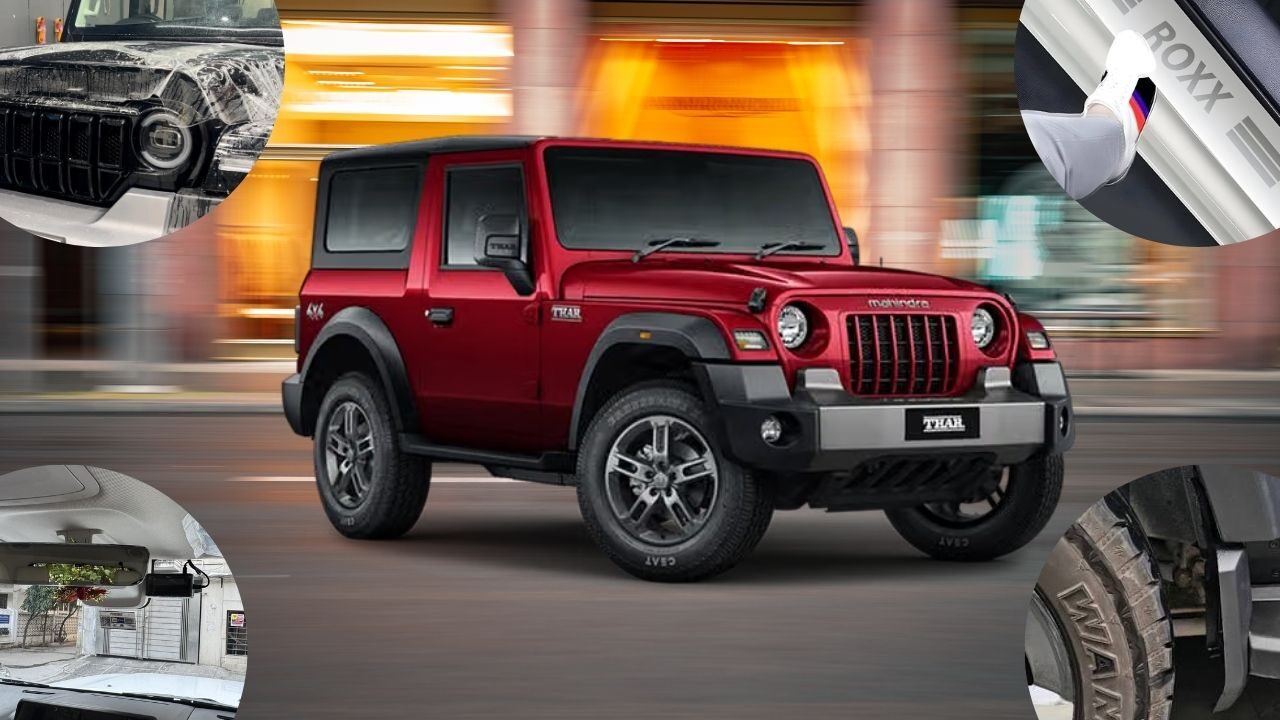
Thar Roxx Accessories to Buy Online That Actually Worth Buying in 2026 

Published Aug 13, 2026, 12:59 PM
Last Updated Aug 31, 2026, 6:55 AM

Thar Roxx Accessories

Walk into a Mahindra dealership after booking a Thar Roxx and someone will hand you an accessories catalogue before you’ve even signed the delivery paperwork. You should check Thar Roxx Accessories to buy online because they offer you a long list — everything from a ₹300 alloy wheel hub cap to a ₹1.35 lakh paint protection job and almost nobody explains which of it actually matters. 

Add in the aftermarket sellers online pushing “off-road bumper guards” that are quietly illegal, and shopping for Thar Roxx accessories turns into a research project you didn’t sign up for. This guide sorts through what’s genuine in Thar Roxx Accessories Online to buy and what’s worth skipping.

Mahindra Genuine vs. Aftermarket Accessories: How to Spend Smart on Upgrades 

Mahindra sells its own accessory range through its dealer network and its official m2ALL online store. These are engineered to bolt onto the Thar Roxx without cutting or drilling anything, and they don’t touch your warranty. The trade-off is price — genuine parts routinely cost double or triple what a comparable aftermarket version runs.

That’s where sellers like Drivestylish, Carhatke, Elegantautoretail, and Automods.in come in. They stock everything from seat covers to LED light kits at lower prices, with faster shipping and a bigger range of styling options than any dealership carries. The catch is consistency — quality swings from vendor to vendor, and “genuine OEM” claims on aftermarket sites aren’t always verifiable, so it’s worth asking for a proper GST invoice before you pay.

Which route makes more sense partly comes down to which Thar Roxx you actually bought. The lineup runs six variants — MX1, MX3, AX3L, MX5, AX5L, and AX7L — priced roughly between ₹12.99 lakh and ₹23.09 lakh ex-showroom. Buyers on a loaded AX7L already have most creature comforts built in and are usually shopping for styling extras. Buyers on the MX1 or MX3 are often filling real gaps — floor mats, mud flaps, basic protection — that higher trims get standard.

Read More:-  Best Car Accessories for Thar Roxx You Should Buy in 2026

The Accessory Everyone Sells That You Legally Can’t Fit

Search “Thar Roxx accessories” on any marketplace and bull bars show up constantly, sometimes relabeled as “off-road bumper guards” to dodge the obvious red flag. They’re illegal. The Ministry of Road Transport and Highways banned bull bars and crash guards outright in a December 2017 circular, and fitting one violates Section 52 of the Motor Vehicles Act, 1988. Fines run ₹1,000 for a first offence up to ₹5,000 for repeat violations or for the seller who fitted it, under Sections 190 and 191.

The engineering reason matters more than the fine. A bull bar is bolted straight to the chassis, which means a collision transfers force directly into the frame instead of letting the factory crumple zone absorb it — and it can interfere with front airbag sensors. 

Several insurers will refuse or dispute a claim if a bull bar is fitted at the time of an accident. If what you actually want is protection for the bumper on gravel trails, a skid plate or a bumper-specific PPF section does the job without the legal exposure.

Best Thar Roxx Accessories to Buy in 2026

1. Paint Protection Film (PPF) — ₹1.35 lakh (8-year warranty) 

Thar Roxx Accessories

Full-body ceramic-infused film with a self-healing top coat. Genuinely protects resale value on a vehicle known for picking up stone chips on its flat panels and wheel arches — but at over a tenth of the base model’s price, it only pays off if you’re keeping the Roxx for five years or more.

Best for: owners planning a long-term hold.

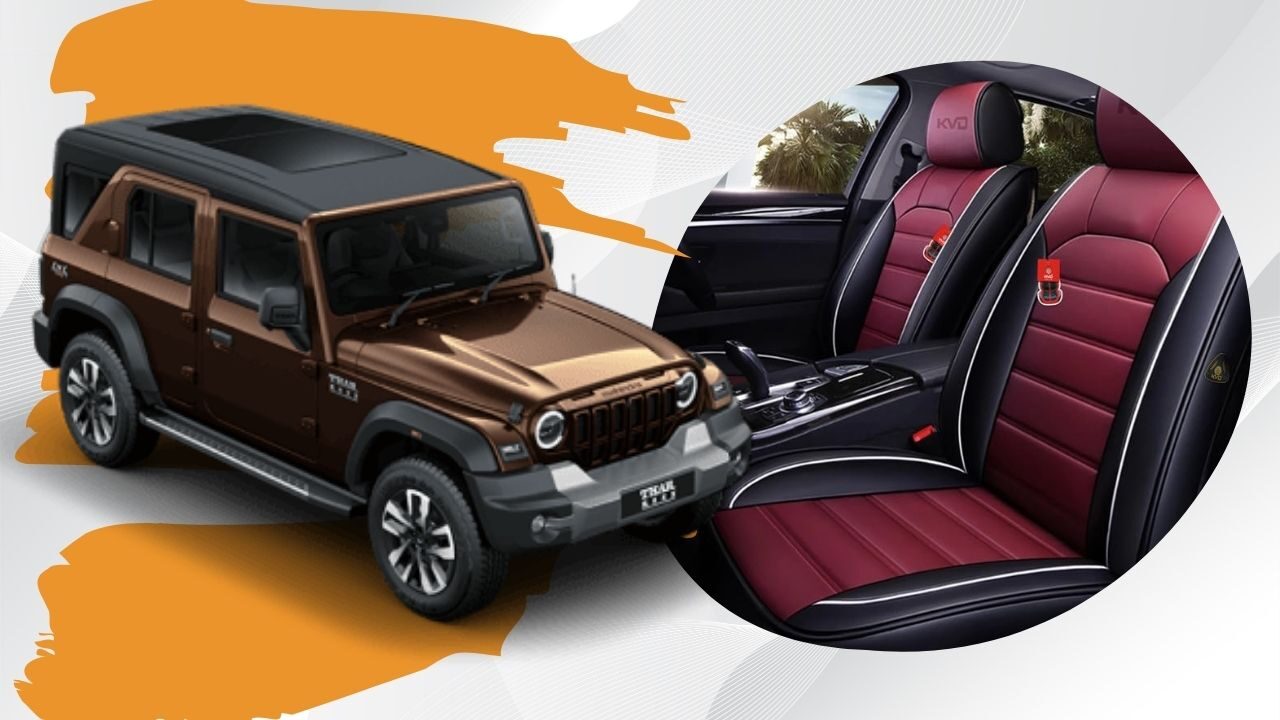
2. Bucket Seat Covers — ₹20,000 

Thar Roxx Accessories

Tailored fit, breathable fabric, factory-accurate stitching. The fit is a level aftermarket covers can’t quite match — but aftermarket seat covers run ₹2,000–₹10,000 for similar comfort if exact fit isn’t a dealbreaker for you.

Best for: buyers who don’t want any compromise on how it looks from the driver’s seat.

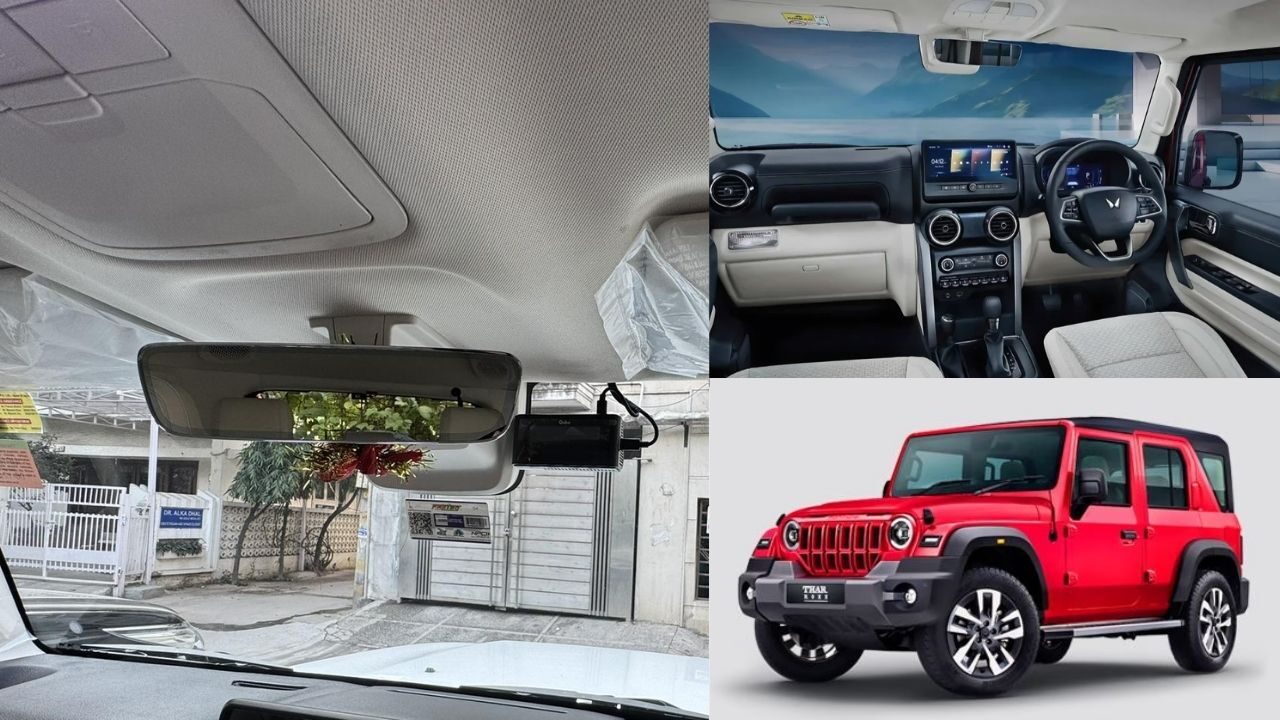
3. Dash Camera — ₹25,000  

Dash Camera

Integrated wiring, factory-fit mounting, no visible cables. Clean installation and solid footage for insurance disputes — though standalone aftermarket dash cams do the same core job for ₹3,000–₹8,000, just with a visible cable run.

Best for: daily commuters who want accident evidence without a wiring mess.

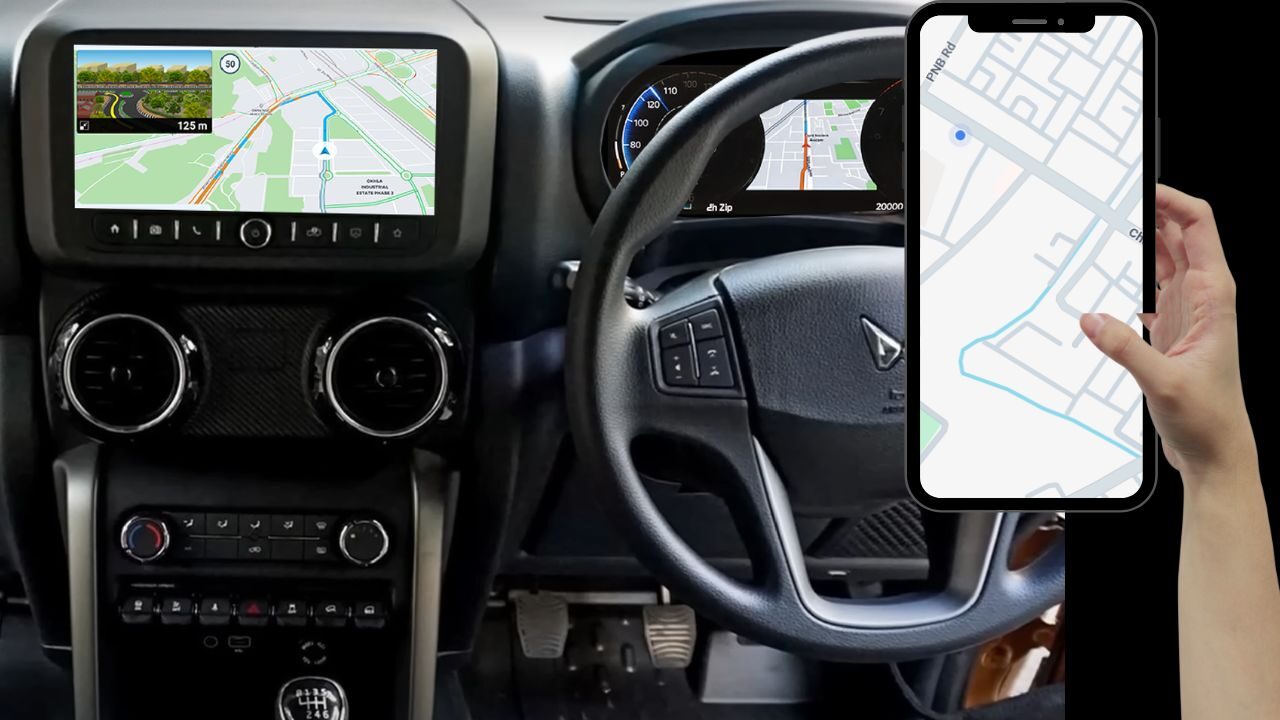
4. GPS Tracking Device — ₹12,499  

GPS Tracking Device

Real-time location tracking, geofencing. Useful if the vehicle gets shared across family members or parked in a theft-prone area — confirm whether there’s a recurring subscription fee before buying, since that’s not always advertised upfront.

Best for: shared vehicles or high-risk parking situations.

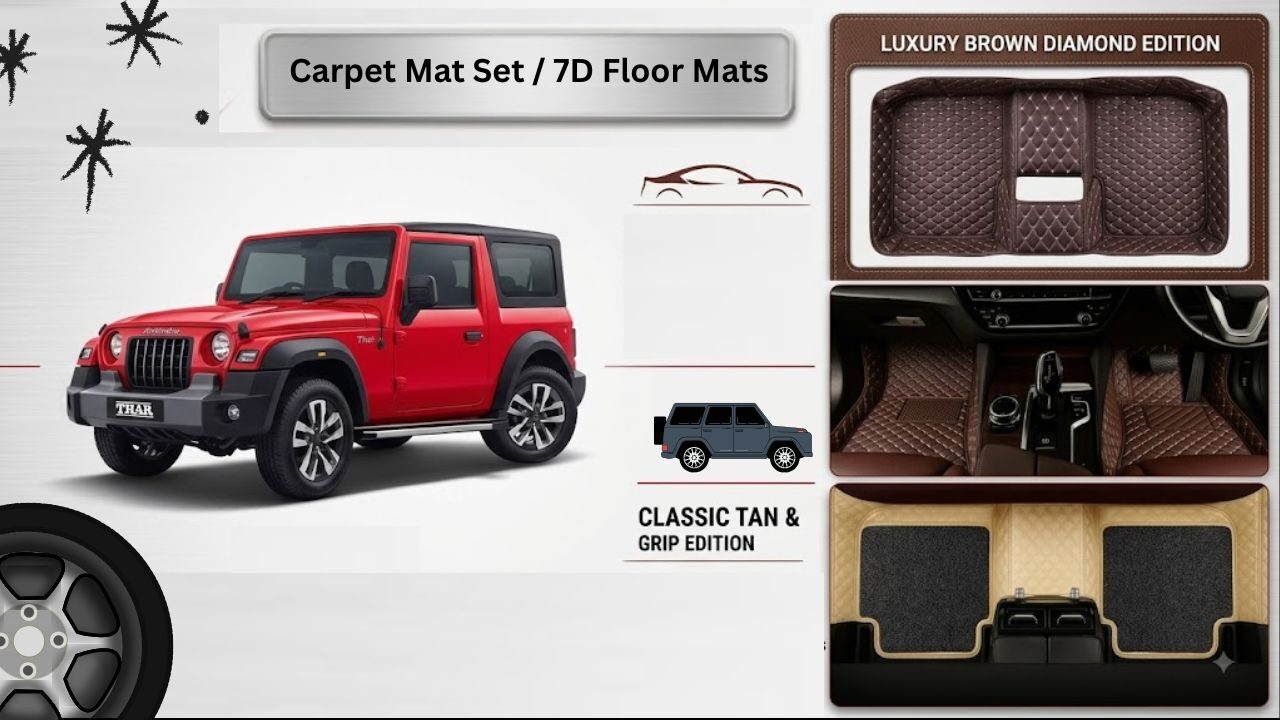
5. Carpet Mat Set / 7D Floor Mats — ₹3,950–₹9,999 

Carpet Mat Set

Raised edges, waterproof backing, model-specific fit. Real protection during monsoon months, which matters more on a vehicle that regularly sees mud and standing water — cheap aftermarket 7D mats can trap moisture underneath if the backing isn’t genuinely waterproof, so check reviews before buying the bargain option. 

Best for: monsoon-heavy regions.

Read More:-  Best Brake Pads for Cars: Top Options for Safe Driving

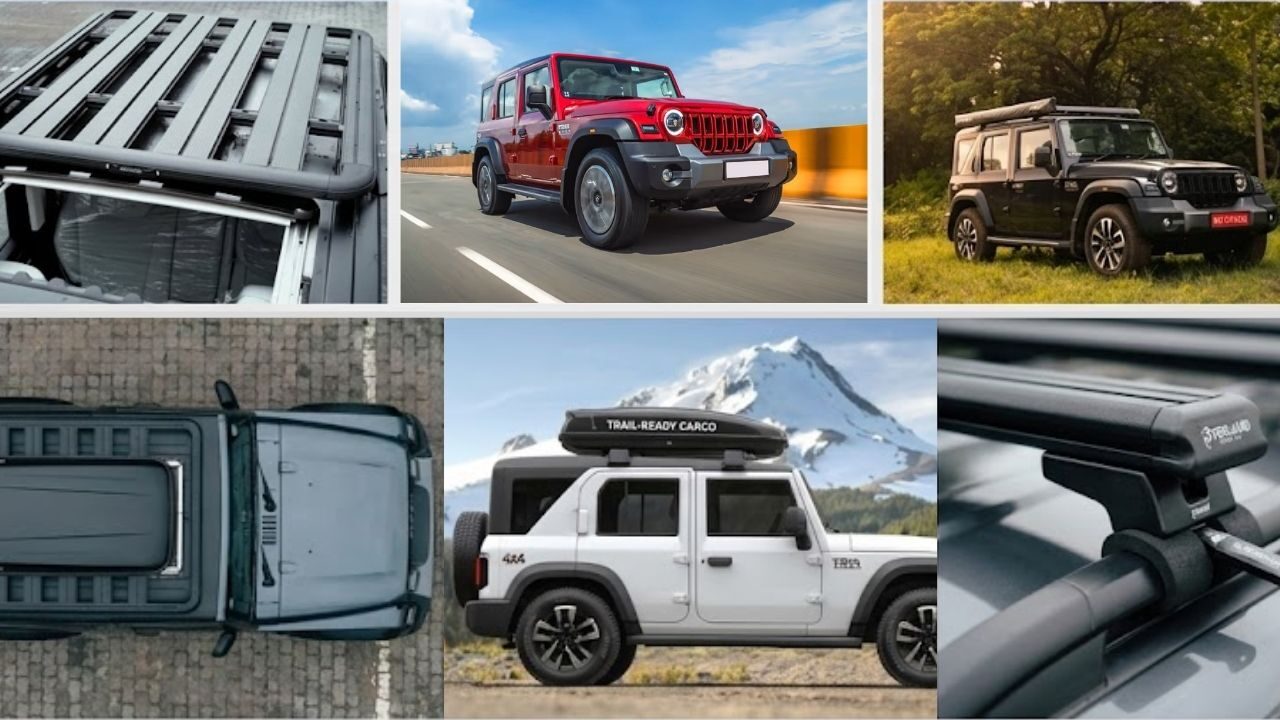
6. Roof Rails and Roof Carrier — indicative ₹10,000–₹30,000 (aftermarket range, confirm before buying) 

Roof Rails and Roof Carrier

Static or dynamic load-rated bars mounting to factory roof points. Turns the Roxx into a real camping and road-trip vehicle but load ratings vary a lot between sellers, so verify the actual rated capacity for your specific variant before strapping down gear. 

Best for: road-trippers and weekend campers.

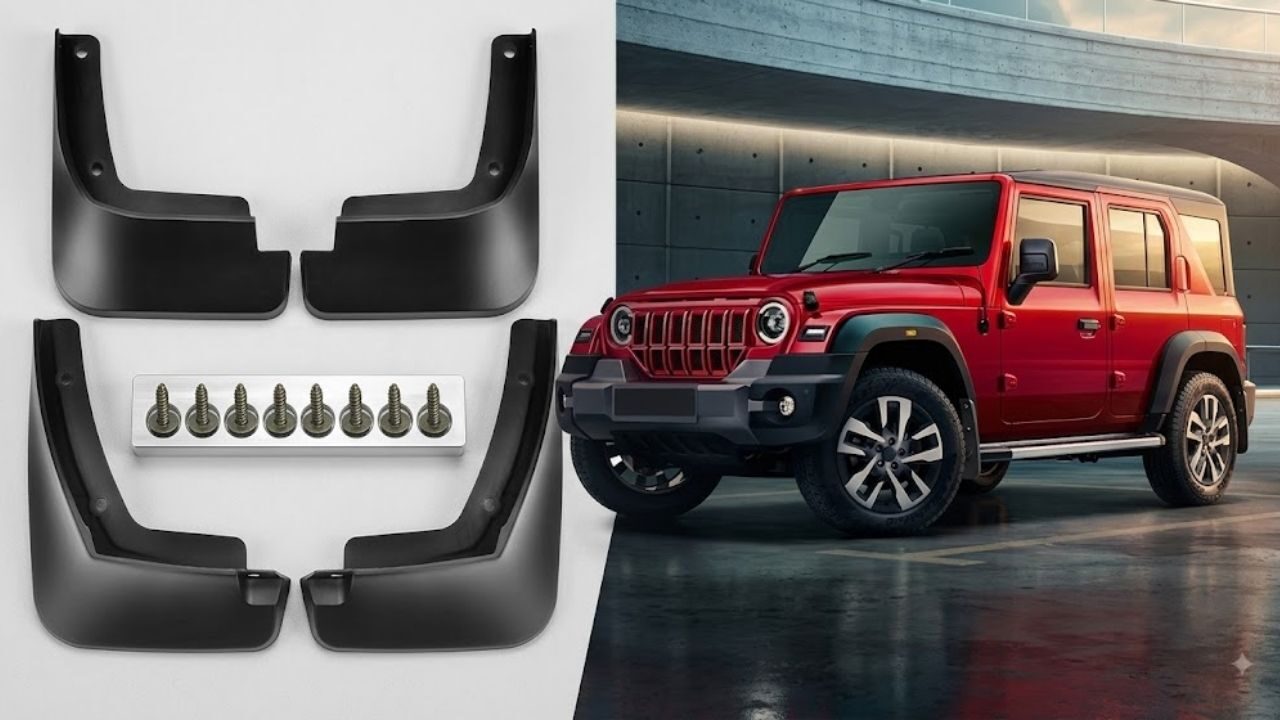
7. Mud Flaps — ₹500–₹3,000 

Mud Flaps

Front and rear sets, OEM or vehicle-specific fitted design. Cheap, effective protection against underbody rust from mud and rain splash — genuine Mahindra units cost noticeably more than near-identical fitted aftermarket versions from sellers like Carhatke or Techo. 

Best for: rural or muddy road driving, and as a low-cost first purchase.

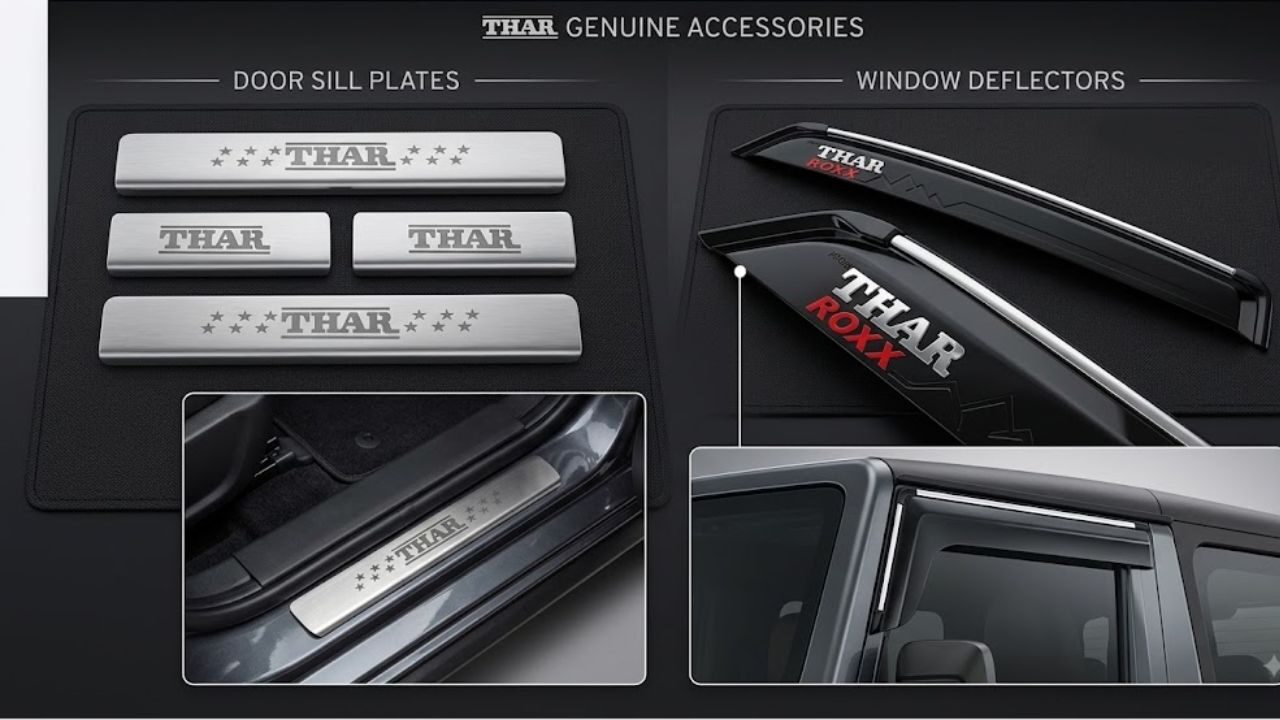
8. Sill Guards — ₹1,175  

Sill Guards

Brushed-finish scuff protection along the door sills. Mostly cosmetic, but it’s an affordable way to stop shoe scuffs from wearing down the paint at the door edge. 

Best for: budget buyers who want one cheap, low-effort upgrade.

PPF vs Ceramic Coating: True Comparison For Best Paint Protection

These two get lumped together as “paint protection,” but they solve different problems.

Paint Protection Film Ceramic Coating
Price ₹1.35 lakh (genuine, 8-yr warranty) Roughly ₹15,000–₹40,000 depending on tier — get an exact quote, pricing varies a lot by shop
What it actually does Physical film barrier — absorbs stone chips and scratches Adds gloss and a hydrophobic layer — doesn’t stop physical impact
Best suited to Regular gravel or off-road driving Mostly city and highway driving

If you’re taking the Roxx onto gravel trails or rough terrain often, PPF’s physical protection is doing real work. If it’s mostly tarmac and you want the shine, ceramic coating gets you most of the visual benefit for a fraction of the cost.

Where to Actually Buy Thar Roxx Accessories Online

For anything that touches warranty — seat covers, dash cams, tracking devices — go through your dealership. For styling and protection extras, Drivestylish, Carhatke, Elegantautoretail, and Automods.in all stock Thar Roxx–specific parts with home delivery across India. 

Prices for the same item can differ meaningfully between these sellers, so for anything above ₹5,000, it’s worth checking at least two listings before you buy.

Which Thar Roxx Accessory Should You Actually Buy First?

If your budget is under ₹3,000, start with mud flaps and sill guards — cheap, functional, and genuinely useful on Indian roads. Between ₹3,000 and ₹15,000, floor mats and an aftermarket Dash Cam cover the two things most owners regret not having within the first year. 

From ₹15,000 to ₹50,000, seat covers, ceramic coating, or roof rails are where personal use cases should decide — road-trippers go roof rails, everyone else probably wants seat covers. Above ₹50,000, PPF only makes sense if you’re planning to keep the vehicle long enough to see the resale benefit.

And regardless of budget: skip the bull bar, no matter how many sellers have it listed as a “must-have.” It’s not protecting anything — it’s a fine waiting to happen.

Read More:-  How Often Should You Change Oil in Your Car? What Actually Matters in India

Conclusion

The best Thar Roxx accessories aren’t necessarily the most expensive ones. And you don’t have to buy everything you see online so here is the list that contains the genuine Thar Roxx accessories to buy online which can make your car more sensible. Practical upgrades like mud flaps, quality floor mats and a dash cam, are standard materials to buy when you buy Thar Roxx. 

All other accessories depend on your driving needs, PPF is worth it for owners who consistently take their vehicles off-road, whereas ceramic coating is the better value for average city and highway drivers. Roof rails and seat covers have everything to do with how you use the Roxx and nothing to do with what the dealership tells you you need. 

Compare original and aftermarket prices, check fitment and warranties, and avoid illegal bull bars altogether. 

0

Best Sunroof Cars Under 12 Lakh: Affordable Models With Premium Features

Best Sunroof Cars Under 12 Lakh

If you want to buy the best car under ₹12 lakh with a sunroof without burning a hole in your pocket, you’re in for a treat. While there used to be a scarcity of steam-powered appliances, there is now a plethora of feature packed hatchbacks, micro SUVs and compact SUVs in the Indian automobile market that offer style, comfort and technology at place which can be described as affordable. From voice-enabled electric sunroofs and huge touchscreens, to high-tech safety ratings and fuel-efficient engine choices, sub-12 lakh cars today offer far more than just a “premium look.”

This list covers the best sunroof cars in India you can get under ₹12 lakh — comparing prices, features and what makes each sunroof car worth considering for you. From city friendly easy to wheel car, fuel efficient or even loaded with rich features—a right pick would be found for every need. 

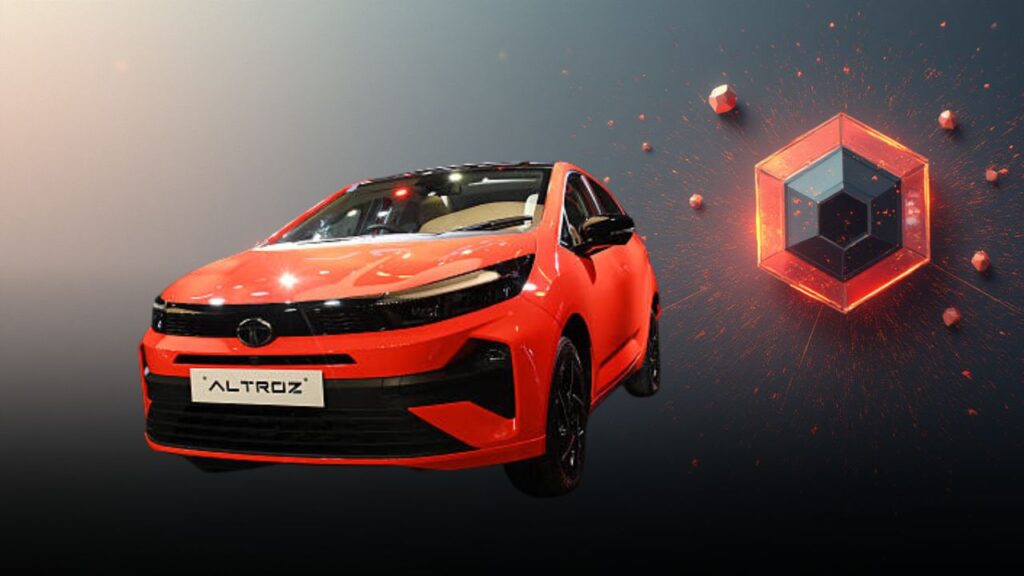
1. Tata Altroz – Premium Hatchback with Value

Tata Altroz

Image Credit : Badicar

For the price, the Tata Altroz is indeed one of the best affordable mass-­market hatchbacks with a sunroof in India. It also has a voice-enabled electric sunroof across various variants with CNG, diesel and petrol engines.

Ex-showroom price range ₹6.30 lakh to ₹10.51 lakh
With Sunroof  ₹7.36 lakh in India For the Pure S trim
Highlights  360-degree cameras are among the key features in a cabin that also includes rear air-con vents and automatic climate control. 

The spacious interiors of the hatchback, combined with its 10.25-inch touchscreen with wireless Android Auto and Apple CarPlay and its 5-star Global NCAP safety rating, add more value. There are 3 engine options– a 1.5-litre diesel (1497 cc), a turbo-petrol variant and a 1.2-litre petrol (1199 cc) developing 72.49 bhp. 

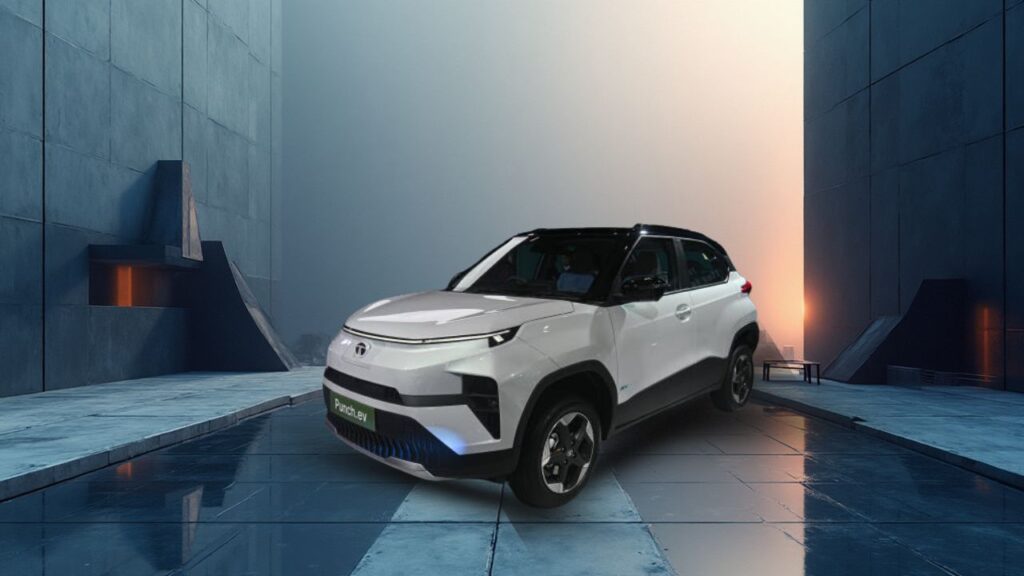
2. Tata Punch – Micro SUV Practicality

Tata Punch

Image Credit : Badicar

With eye­‐catching aesthetics and solid safety packages the Tata Punch has brought sunroof Parentage to the micro SUV segment.

With Sunroof  Adventure S and Accomplished variants come with a sunroof for ₹8.35 lakh
Highlights  six airbags, rear parking sensors, Android Auto/Apple CarPlay and compact size ideal for City driving.

It gives 20.09 kilometres per gallon with its 1.2 litre petrol engine. Buyers on a budget looking for upscale things will be drawn to the Punch because it’s five-star NCAP ratings and features such as traction control and rear parking sensors.

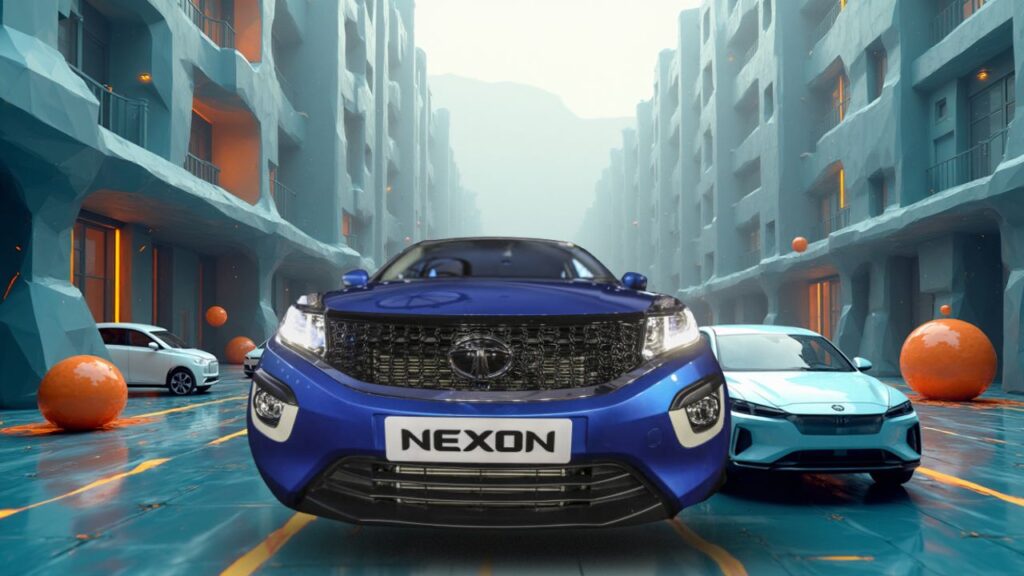
3. Tata Nexon – Powerful Compact SUV

Tata Nexon

Image Credit : Badicar

Tata Nexon is one of the best-selling models in the segment which offers good performance with a sunroof option on the lower variants.

Ex-showroom price range ₹7.32 to ₹14.05 lakh
With Sunroof  ₹8.30 lakh for the Smart Plus S variant
Highlights  A 1.2-litre turbo petrol or a 1.5-litre diesel mill, six airbags, a 360-degree camera and ventilated front seats.

There are 44 variants of the voice-enabled electric sunroof, from the Smart Plus S (1.2-litre petrol manual at ₹8.30 lakh) to diesel and CNG variants. The 10.25-inch touchscreen, 10.25-inch driver display and JBL sound system make the driving experience richer.

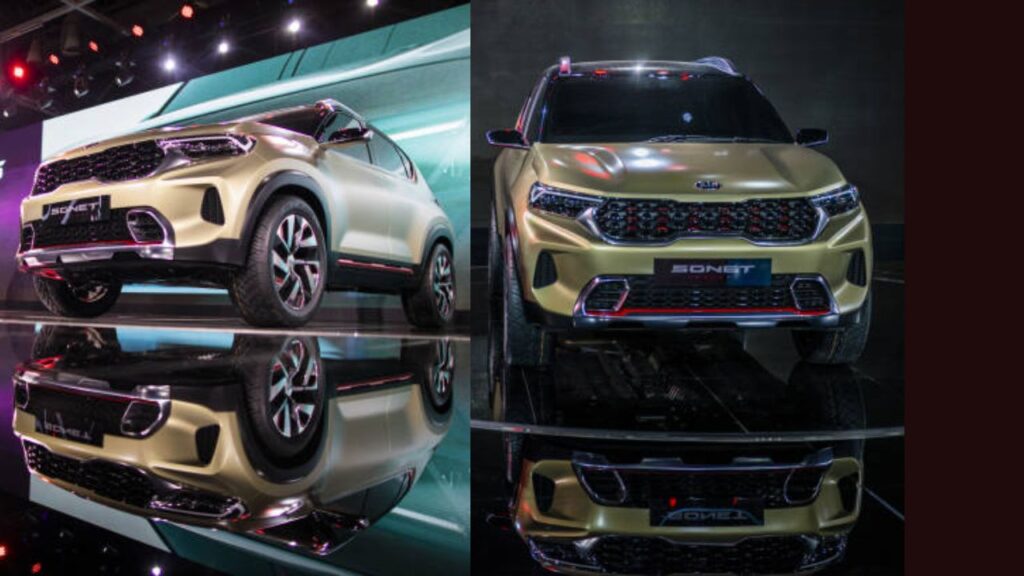
4. Kia Sonet – Feature-Rich Compact SUV

Kia Sonet

Image Credit : Badicar

Starting with the HTE Optional variant, the Kia Sonet delivers good value with a sunroof as an option.

Ex-showroom price range ₹7.30 lakh to ₹14.09 lakh
With Sunroof  HTE (O) variant at ₹8.29 lakh
Highlights  10.25-inch touchscreen, wireless Android Auto/Apple CarPlay, six airbags, rear parking sensors, and cruise control.

It comes with a savory 1.2 litre petrol engine that returns 18.4 kmpl and has a premium interior which in no way look dull or mismatched. Tech-savvy consumers will also appreciate that it comes with four different engines and, in some markets, ADAS Level 1 technology.

5. Hyundai Exter – Budget-Friendly Micro SUV

Hyundai Exter

Image Credit : Badicar

Being an inexpensive sunroof car in India at present, the Hyundai Exter offers promising value for money.

Ex-showroom price range ₹5.68 lakh to ₹9.61 lakh
With Sunroof  S Voice activated intelligent variant
Highlights  voice activated sunroof, 6 airbags, rear parking sensors, Android Auto/Apple Car Play as well as petrol and CNG options.

For such a low price, the voice-enabled intelligent electric sunroof transforms the atmosphere of the compact cabin and the digital cluster and state-of-the-art safety features bring premium features. 

Read More :-  Mahindra XUV700 Facelift 2026 – New Features, Design Updates & Latest Details

6. Hyundai i20 – Premium Hatchback

Hyundai i20 With Sunroof  The Hyundai i20 does offer a sunroof option in specific variants below the 12 lakh mark, and the vehicle sports a design that is the pièce de résistance of contemporary aesthetics and cutting-edge technologies.

Ex-showroom price range ₹6.87 to 10.43 lakh
With Sunroof  Voice-packed lower trims available for under ₹10 lakh. Sunroof 
Highlights  a large infotainment screen, motor-driven electric power steering, advanced safety features, and a 10.25-inch touchscreen

The smart electric sunroof, which can be voice-activated, adds to the experience of everyday driving, and a diverse range of engines and transmissions let you choose the one that best meets your needs. 

7. Mahindra XUV 3XO – Stylish Sub-4m SUV

Ex-showroom price range ₹7.79 – ₹15.49 lakh
With Sunroof  AX7 with panoramic sunroof at ₹11.84 lakh,

MX2 Pro with single-pane sunroof at ₹9.24 lakh

Highlights  10.25-inch touchscreen, dual-zone climate control, seven airbags and a five-star BNCAP rating

At 12+ lakh, Mahindra’s XUV 3XO offers the sunroof options as well as style at multiple price points Higher AX7 models gain a panoramic sunroof (still fairly pricey for a few configurations), MX2 Pro comes with an electric sunroof. It delivers 18.06 km/l with 1.5-litre diesel or 1.2-litre turbocharged petrol engine.

8. Skoda Kylaq – Modern Entry SUV

Ex-showroom price range ₹7.55 lakh – 12.80 lakh (expected)
With Sunroof  Prestige model is priced at ₹11.84 lakh
Highlights  six airbags, ESC, ISOFIX mounts, a 10-inch touchscreen and rain-sensing wipers (Prestige)

Although the top Prestige variant is the only one with a sunroof, Baleno is definitely a trendy pick for those who want to splurge a little. The sunroof version features 17-inch alloy wheels, ventilated front seats, ambient lighting and wireless charging. For 19.76 kmpl, it delivers a 1.0-liter turbo petrol engine to make this vehicle competent.

9. In Compact SUV — Maruti Suzuki Brezza 

In the enhanced ZXi variant, Maruti Suzuki Brezza adds functionality to a well-balanced ride quality by serving sunroof option.

Ex-showroom price range ₹8.26 lakh to ₹13.01 lakh
With Sunroof  ZXi variant priced at ₹11.04 lakh
Highlights  six airbags, a 9-inch touchscreen with HUD, rear air-conditioning vents, wireless Android Auto/Apple CarPlay and a proven Maruti service network.

With Trusted Mileage 17.38–25.51 kmpl, the 1.5-litre petrol engine (or CNG option) delivers reliable power. Practical customers are attracted by its long list of features including wireless connectivity and a 360-degree camera and it has a 4-star Global NCAP safety rating.

Consider These Points Before Buying A Car Under 12 Lakh With Sunroof

  • On the value for money front, only the Tata Altroz and Tata Punch are riders included options with a sunroof. 
  • Tech and comfort lovers would do well to look at the Hyundai Venue and Tata Nexon as they are the most feature dense cars in this segment by a huge margin. 
  • City slickers who want excellent mileage can also look at the CNG variants of Punch and Nexon as these can offer a good amount of savings in the long run. 
  • Safety minded buyers will like the Tata Nexon and Altroz both star rated by Bharat/Global NCAP for Best in class crash protection. 
  • Also, Maruti and Tata provide hassle free maintenance with their pan-India service network. 

Conclusion

The best car under ₹12 lakh with a sunroof has really evolved and now offers real quality upgrades instead of just cosmetic upgrades. Each variant offers a sweet spot between price and equipment level, enabling customers to choose according to their choice of body style, fuel efficiency requirements and specific feature needs, and still enjoy the luxury of outdoor driving.