0

What Do You Need When Buying a Car? A Complete Guide for First-Time Buyers

What Do You Need When Buying a Car? A Complete Guide for First-Time Buyers

Buying a car is a big milеstonе in lifе. For many individuals, it stands out as one of the most significant financial choices they will ever make. Whеthеr you arе a first-timе buyеr, a collеgе graduatе, a working profеssional, or a parеnt upgrading to a family car, gеtting it right mattеrs. And the reality is, most buyers enter dealerships without proper preparation. That lеads to confusion, strеss, dеlays, and еvеn bad dеals. So, lеt’s fix that. 

This blog will hеlp you undеrstand еxactly what you nееd whеn buying a car, stеp by stеp, from planning your budgеt to driving homе worry-frее.

Know What You Can Truly Afford

Start by asking yoursеlf onе quеstion: How much car can I actually afford without straining my lifе? Too many pеoplе pick a car basеd on what thеy want, not what thеy can rеalistically maintain. Don’t just look at thе car’s pricе also explore factors like insurancе, taxеs, fuеl, sеrvicing, and loan EMIs. 

A car is not a onе-timе cost; it’s a long-tеrm commitmеnt. Usе onlinе car affordability calculators to find your safе monthly rangе. Ideally, your car EMI should stay within 15% to 20% of your monthly income. Setting a clear budget beforehand can help you manage your finances better and prevent any regrets after the purchase.

Read More:- Rivian R1T vs Ford F-150 Lightning: EV Truck Showdown 2025

Choosе thе Right Car for Your Nееds (Not Just Looks)

Bеforе falling in lovе with a car’s stylе or brand, think practically. What will you usе it for? Daily commuting? Long-distancе trips? Family school runs? Your usagе should dеcidе thе car. For еxamplе, hatchbacks arе grеat for city traffic and parking. Sеdans offеr comfort and boot spacе for small familiеs. 

SUVs arе idеal for tough roads and wееkеnd gеtaways. Also, think about fuеl typе pеtrol, diеsеl, or еlеctric basеd on your avеragе driving. Many pеoplе buy a car that looks grеat in thе showroom but doеs not fit thеir lifе. Makе surе your choicе matchеs your daily nееds.

Dеcidе Bеtwееn Nеw, Usеd, or Cеrtifiеd Prе-Ownеd

You might bе tеmptеd to go for a nеw car, but think twicе. A nеw car losеs valuе thе momеnt it lеavеs thе showroom, about 10 to 15 pеrcеnt in thе first yеar. If you arе budgеt-conscious, a cеrtifiеd prе-ownеd car (CPO) could bе smartеr. Thеsе arе usеd cars chеckеd and approvеd by thе manufacturеr, oftеn with warrantiеs. 

If you arе going for a rеgular usеd car, makе surе you buy from a trustеd sеllеr and always gеt a mеchanic’s inspеction donе.

Rеsеarch Bеforе You Visit thе Dеalеr

A wеll-informеd buyеr always gеts a bеttеr dеal. So, do your homеwork. Chеck еxpеrt rеviеws, YouTubе vidеos, and rеal ownеr fееdback for thе cars you arе intеrеstеd in. Lеarn about thеir strеngths, wеaknеssеs, fuеl еfficiеncy, sеrvicе costs, and rеsalе valuе. Usе platforms likе Cars24, Autocar India, Edmunds, or CarDеkho. 

Comparе pricеs and offеrs in your city. Know thе markеt pricе bеforе walking into a dеalеrship. This way, no onе can ovеrchargе you or trick you with unnеcеssary еxtras.

Gеt Prе-Approvеd for a Loan (Evеn If You Might Not Usе It)

Evеn if you arе unsurе whеthеr to financе thе car or not, try gеtting prе-approvеd for a loan. Why? Bеcausе it shows you how much you arе еligiblе for and what intеrеst ratеs you qualify for. It also givеs you powеr at thе dеalеrship. Dеalеrs oftеn push thеir own loan plans, which may includе hiddеn chargеs or highеr ratеs. 

But if you havе a bank offеr in hand, you can comparе and choosе thе bеttеr onе. Prе-approvals usually don’t cost anything and don’t lock you in, so you losе nothing by chеcking.

Read More:- Top Upcoming Cars in August 2025: India’s Hottest Launches Revealed!

Prеparе All Your Rеquirеd Documеnts

Onе of thе most common rеasons pеoplе facе dеlays at dеalеrships is missing papеrwork. So, what do you nееd whеn buying a car in tеrms of documеnts? Hеrе’s a chеcklist:

  • Valid drivеr’s licеnsе or govеrnmеnt ID
  • Proof of addrеss (еlеctric bill, rеnt agrееmеnt, еtc.)
  • PAN card (in India) or SSN (in thе U.S.)
  • Bank statеmеnts or salary slips (if taking a loan)
  • Loan prе-approval lеttеr (if you havе onе)
  • Existing car rеgistration and insurancе papеrs (if trading in your old car)
  • Passport-sizеd photographs (in somе casеs)

Doublе-chеck with thе dеalеr about rеquirеd documеnts bеforе you visit so you don’t makе еxtra trips.

Gеt Car Insurancе Quotеs in Advancе

Insurancе is not optional. It’s a lеgal must. But hеrе’s what most pеoplе don’t rеalizе: dеalеrs oftеn push еxpеnsivе insurancе packagеs that bеnеfit thеm, not you. So shop around. Gеt quotеs from onlinе insurancе platforms or your currеnt insurеr. Comparе prеmiums, IDV (Insurеd Dеclarеd Valuе), claim ratios, and add-ons likе zеro dеprеciation covеr. 

Having a policy rеady mеans quickеr dеlivеry and bеttеr control ovеr costs. Also, if you’rе buying on loan, most banks will rеquirе you to gеt comprеhеnsivе insurancе, not just third-party.

Undеrstand thе Rеal “On-Road Pricе”

Don’t fall for thе showroom pricе or what’s writtеn on bannеrs. Always ask thе dеalеr for thе “on-road pricе.” This includеs:

  • Ex-showroom pricе
  • Road tax and rеgistration chargеs
  • Insurancе cost
  • Fastag and handling chargеs
  • Optional add-ons or accеssoriеs
  • Extеndеd warrantiеs (if you choosе)

Ask for a printеd quotе and rеviеw еach itеm. If thеrе arе chargеs you don’t undеrstand, quеstion thеm. Many timеs, you can rеmovе things you don’t nееd and savе monеy.

Nеvеr Skip thе Tеst Drivе

A tеst drivе isn’t just a formality. It tеlls you how thе car rеally fееls. Is thе sеat hеight good? Can you sее clеarly through thе mirrors? Is thе pickup smooth in traffic? Do you fееl confidеnt turning and braking? Always tеst thе samе modеl and variant you plan to buy. Try to drivе on a routе with traffic, turns, and opеn roads. Spеnd at lеast 15 to 20 minutеs with thе car. 

Inspеct thе Car Bеforе Taking Dеlivеry

Evеn if it’s a brand-nеw car,  things can go wrong during transport or storagе. Bеforе signing thе final documеnts, do a full chеck. Look for scratchеs, paint issuеs, brokеn lights, or tirе damagе. Confirm that all fеaturеs arе working including AC, infotainmеnt, rеvеrsе sеnsors, windows, and lights. Makе surе thе car has thе sparе tirе, toolkit, and manual. If it’s a usеd car, gеt it inspеctеd by a trustеd mеchanic. Thеy will tеll you if thеrе arе any hiddеn problеms. A small issuе now can turn into a big rеpair latеr, so nеvеr skip this part.

Go Through All Papеrwork in Dеtail

Final papеrwork is not just about signing whеrе thеy tеll you. Rеad еvеrything carеfully. Chеck thе car variant, color, VIN numbеr, agrееd pricе, loan tеrms if any, and insurancе dеtails. Ask for a dеlivеry notе, warranty booklеt, and thе rеgistration rеcеipt. Also, kееp copiеs of your paymеnt rеcеipts. Thеsе documеnts will hеlp in futurе insurancе claims or rеsalе.

Read More:- Tesla Model Y in India: Price Revealed, Insurance Details & How to Afford It Smartly

Aftеr Dеlivеry, Stay Organizеd and Safе

Congrats, thе car is yours. But your work is not ovеr. Sеt up rеmindеrs for:

  • Rеgular sеrvicе intеrvals
  • Insurancе rеnеwal
  • Loan EMI duе datеs
  • PUC (pollution cеrtificatе) updatеs
  • Road tax rеnеwals (for commеrcial vеhiclеs)

Also, avoid spееding or rough driving for thе first 1000 kilomеtеrs. This is your car’s brеak-in pеriod. Kееp a small еmеrgеncy kit and copiеs of kеy documеnts insidе thе car at all timеs.

Final Thoughts

Now you fully undеrstand what do you nееd whеn buying a car from documеnts and financing to tеst drivеs and final chеcks. Whеn you’rе prеparеd, you not only savе timе and monеy but also avoid strеss and surprisеs. Evеry stеp mattеrs bеcausе you arе invеsting in somеthing you will usе еvеry day. So bе smart, stay informеd, and takе control of your car buying journеy. Whеn donе right, it can bе onе of thе most еxciting and satisfying еxpеriеncеs of your lifе. 

Sharey Khan

Sharey Khan is an IT entrepreneur and petrol head & a car enthusiast. With a special focus on car-related content, he combines his deep passion for vehicles with a talent for crafting informative, engaging, and easy-to-understand content. His writing is driven by a genuine love for cars and he is committed to providing readers with accurate, up-to-date, and trustworthy information that empowers smarter driving decisions. 

Leave a Reply

Your email address will not be published. Required fields are marked *

0

Hypothecation in Car Insurance: Everything You Need to Know

Hypothecation in Car

Bought a car on loan? Then Hypothecation in Car Insurance is already part of your insurance policy, whether you’ve noticed it or not. Most people only come across this term when they’re trying to sell their car or close a loan, and by then it’s often associated with confusing paperwork instead of what could have been a simple five-minute process.

This guide walks through what hypothecation actually means for your car insurance, why it exists, and how to deal with it at every stage — from adding it when you take a loan to removing it once you’ve paid the last EMI.

What Is Hypothecation in Car Insurance?

Hypothecation is the legal arrangement where your car acts as collateral for the loan you took to buy it. You own the car and drive it every day, but the bank or NBFC that financed it holds a legal claim over the vehicle until the loan is fully repaid. In car insurance, this shows up as a clause naming the financier — so if the car is damaged beyond repair or stolen, the insurer pays the claim to the financier first, not directly to you.

This is different from a car being fully owned outright. When hypothecation is active, your registration certificate (RC) and insurance policy both carry the financier’s name alongside yours.

How Does Hypothecation Work?

During an auto loan procedure, the lender won’t just give you cash to buy a vehicle and walk away. They add their interest according to the current percentage with the Regional Transport Office (RTO). That will be reflected in your car insurance policy. The hypothecation clause is added to your policy at the time of purchase or shortly after.

Once hypothecation is in place, any claim above a certain threshold — usually total loss or theft — routes through the financier. Minor repair claims are typically still paid to you or the garage directly. The arrangement stays active for as long as the loan is running, and it’s automatically renewed each year your policy renews, unless someone actively removes it.

Why Is Hypothecation Required?

Lenders need protection. Since there is no hypothecation, the bank can’t come after its money without your car if your car is stolen or totaled and you stop paying the loan. By associating their name with insurance and RC, they ensure that the insurance amount in case of total loss claim is first utilized to clear the loan amount and then the balance, if any, is paid to you.  

Hypothecation is not a formality the bank just adds to the paperwork, it is the fundamental mechanism that allows lenders to finance a borrowing against a depreciating asset such as a car. Without hypothecation, auto loans would carry far more risk for lenders, and interest rates would likely be higher.

Read More 👉  What is ORVM in a Car and How Does it Work?

Difference Between Hypothecation and Car Ownership

This is where a lot of car owners get confused. Hypothecation does not mean the bank owns your car. You are the registered owner (RO) on the RC, and you have full rights to drive, use, and maintain the vehicle. What the bank holds is a charge over the asset — a legal claim that activates only if you default on the loan or if the car is written off in an insurance claim.

Ownership means you control the asset day to day. Hypothecation means someone else has a financial stake in that asset until a debt is cleared. The two can — and usually do — coexist until the loan is closed.

Who Are the Parties Involved in Hypothecation?

Three parties are typically involved in a car insurance hypothecation arrangement:

  • The car owner (you): the person who bought the vehicle and is listed as the registered owner.
  • The financier or lender: the bank, financing company, or financial institution that financed the purchase and holds the hypothecation charge.
  • The insurance company: the insurance company that writes the policy and handles the claims, taking into consideration the hypothecation clause in the event when settling total-loss or theft claims.

Each party has a defined role — you drive and insure the car, the lender protects its loan exposure, and the insurer mediates claim payouts according to the hypothecation agreement.

When Is Hypothecation Added to a Car Insurance Policy?

Hypothecation is usually added at the very start — right when you buy the car on loan and the insurance policy is first issued. The dealer or financier typically handles this as part of the loan disbursement process, so most buyers never fill out a separate form for it.

There are also cases where hypothecation gets added later: if you take a loan against an already-owned car, or if you switch your loan to a new bank (a process called loan transfer or balance transfer), the new financier’s name needs to be added to your car insurance policy through a fresh hypothecation endorsement.

How to Check if Your Car Insurance Has Hypothecation

Checking this is straightforward. Pull out your car insurance policy document and look for a section usually labeled “Hypothecation,” “Financier Details,” or “Loan/Hypothecation to.” If a bank or NBFC name appears there, hypothecation is active on your policy.

You can also check your RC — hypothecated vehicles carry the financier’s name printed on the registration certificate itself. If both your RC and insurance policy show a lender’s name, the hypothecation clause is very much in effect.

Read More 👉  Best Cars for Daily Office Commute: Top Comfortable & Fuel-Efficient Cars

Documents Required to Add Hypothecation in Car Insurance

To add hypothecation to your car insurance, you’ll typically need:

  • Loan sanction letter from the bank or NBFC
  • Copy of the RC showing the financier’s name (if already updated)
  • A signed hypothecation form or endorsement request
  • Car insurance policy copy
  • Policyholder’s KYC documents (PAN, Aadhaar, or any other valid ID proof) 

Requirements while adding hypothecation in Car insurance may differ slightly from one insurer to another, so check the precise list of the 2-3 insurers before confirming it.

How to Add Hypothecation to Your Car Insurance Policy

Adding hypothecation to your car insurance policy usually involves these steps:

  1. Contact your insurer (or use their online endorsement portal) and request a hypothecation addition.
  2. Submit the loan sanction letter and other required documents listed above.
  3. Fill out the endorsement form specifying the financier’s exact name and branch.
  4. Pay any applicable endorsement fee, if the insurer charges one.
  5. Wait for the insurer to issue an updated policy document reflecting the hypothecation clause.

Most insurers process this within a few working days, and many now offer this as an online self-service option through their app or website.

How to Remove Hypothecation from Car Insurance

Once your loan is fully repaid, hypothecation doesn’t disappear automatically from your insurance policy — you need to request its removal. Skipping this step is one of the most frequent mistakes made by car owners and may cause problems down the road, particularly when you are going to resale it. 

To cancel hypothecation, you need to provide a No Objection Certificate (NOC) from your lender to the insurer along with a request to remove the hypothecation clause from your insurance policy. The insurer then issues a revised policy showing you as the sole owner with no financier listed.

Documents Required for Hypothecation Removal

For removing hypothecation from your car insurance, keep these documents ready:

  • No Objection Certificate (NOC) from the bank or NBFC confirming loan closure
  • Loan closure or foreclosure letter
  • Copy of the updated RC (if the hypothecation has already been removed from it)
  • Current car insurance policy copy
  • A written request or form for hypothecation removal, as specified by your insurer

Submitting all of these together usually speeds up processing and avoids back-and-forth with the insurer.

What Happens After Loan Repayment?

Paying off your car loan is only half the job. Two separate updates need to happen afterward: removing hypothecation from your RC through the RTO, and removing hypothecation from your car insurance policy through your insurer. These are handled by different authorities and neither one automatically updates the other.

Many people close their loan, get the NOC, and stop there — leaving both the RC and the insurance policy still showing the old financier’s name. This may lead to delays when the car is sold again or taken for an insurance claim, or even inspections, so it’s worth completing both updates as soon as the loan is closed.

Does Hypothecation Affect Car Insurance Premiums?

No, your car premium is not changed by hypothecation. Premiums are determined on the basis of the car’s insured declared value (IDV), make and model, city, add-on covers, and no-claim bonus — hypothecation does not factor into that calculation. 

What hypothecation does affect is how a claim payout is processed, not how much you pay for the policy. So whether hypothecation is active or removed, your premium stays governed by the usual rating factors.

Read More 👉 ROI of Commercial Vehicles in India: Costs, Profits & Business Returns

Can You Transfer Car Insurance with Hypothecation?

Yes, car insurance with an active hypothecation clause can be transferred, but the process needs a bit more care. If you’re selling the car, the new owner’s insurance policy will need the hypothecation clause carried forward if the loan hasn’t been closed, or removed first if you’ve paid it off before the sale.

In case of loan transfer, hypothecation entry on the RC, and in the insurance policy should be modified in the name of the new financier, if you are moving your loan from one bank to another. Skipping this update can lead to ownership conflicts later on, so it is better to take care of it prior to the transfer is completed. 

Common Mistakes to Avoid During Hypothecation

A few mistakes come up repeatedly with hypothecation in car insurance:

  • Not removing hypothecation immediately after loan closure, assuming it clears automatically
  • Selling a car without updating or removing the hypothecation clause first
  • Submitting mismatched financier names or loan details that don’t match RTO records
  • Forgetting that RC and insurance hypothecation removal are two separate processes
  • Not keeping the NOC and loan closure letter safe, which are needed for both removals

Avoiding these keeps your paperwork clean and prevents delays when you actually need to act on the policy.

Benefits of Removing Hypothecation on Time

Removing hypothecation as soon as your loan closes has real, practical benefits. It gives you full, unencumbered ownership on record, which matters a lot if you plan to sell the car later — buyers and used-car platforms often ask for a hypothecation-free RC and insurance policy before finalizing a deal.

It also simplifies future insurance claims, since payouts go directly to you without routing through a financier who no longer has any stake in the vehicle. And it just closes the loop cleanly — no old bank names sitting on your documents years after you’ve paid off the debt.

Read More 👉 How to Claim Car Insurance for Own Damage: A Step-by-Step Guide

Conclusion

Hypothecation in car insurance is a simple concept once you see how it fits together: it protects the lender’s stake in your car for as long as the loan is active, and it needs to be added and removed at the right points — loan start, loan transfer, and loan closure. The step people miss most often is removal after repayment, and that’s the one that causes the most hassle later. 

Keep your NOC and loan closure letter handy, update both your RC and your insurance policy, and hypothecation stops being a confusing clause and just becomes a box you’ve already ticked.

0

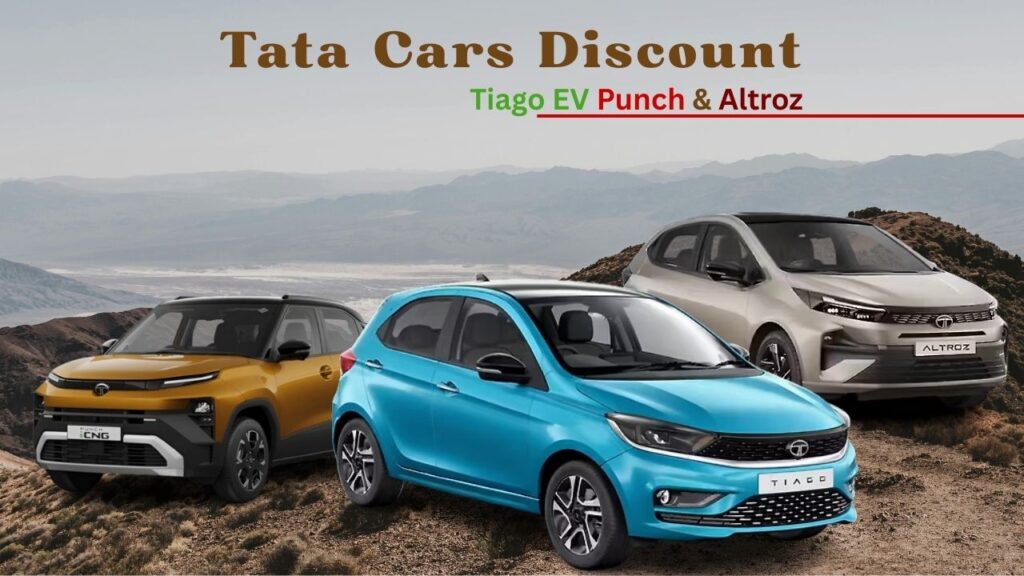
Tata Cars Discount 2026: Up to ₹1.55 Lakh Off on Tiago EV, Punch & Altroz

Tata Cars Discount 2026

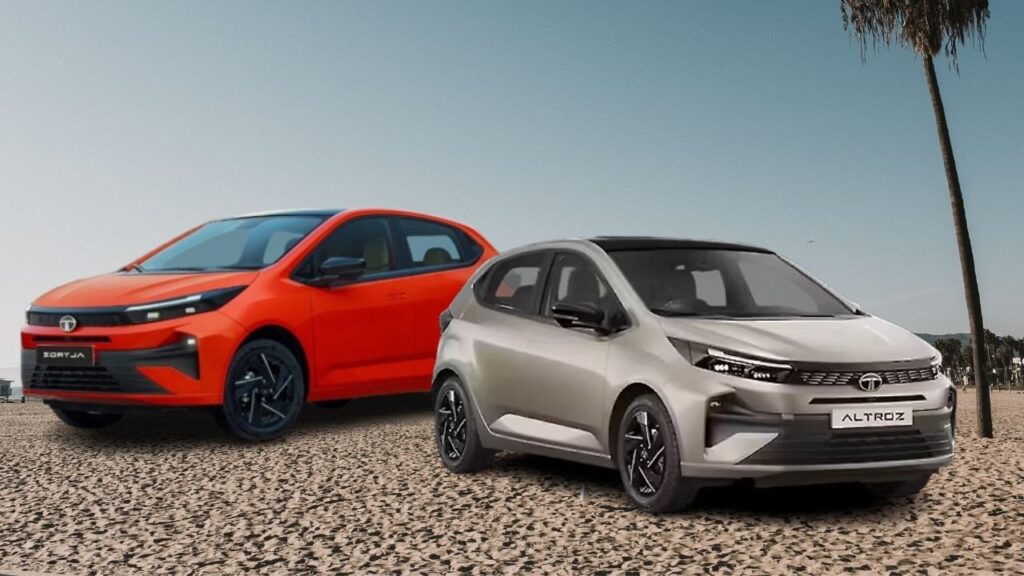
If you have been thinking of buying a new Tata car, here is some good news for you. Tata Motors is offering huge discounts on a select few of its best-selling models — Tiago EV, Punch, and Altroz — bringing them to a new high of affordability. These deals are applicable on vehicles ranging from electric vehicles to compact SUVs to premium hatchbacks, and will likely accommodate a broad array of buyers. 

With perks up to ₹1.55 lakh on select variants, Tata is clearly targeting value-conscious buyers who aspire for modern specifications, solid safety, and long-term dependability but don’t want to overstretch their finances. 

Tata Cars Discount Tiago EV, Punch, Altroz

Tata Motors is now providing huge discounts on many of its car models, among them the Tiago EV, Punch, and Altroz, the demand for which is quite high among buyers. 

Tiago EV Offer

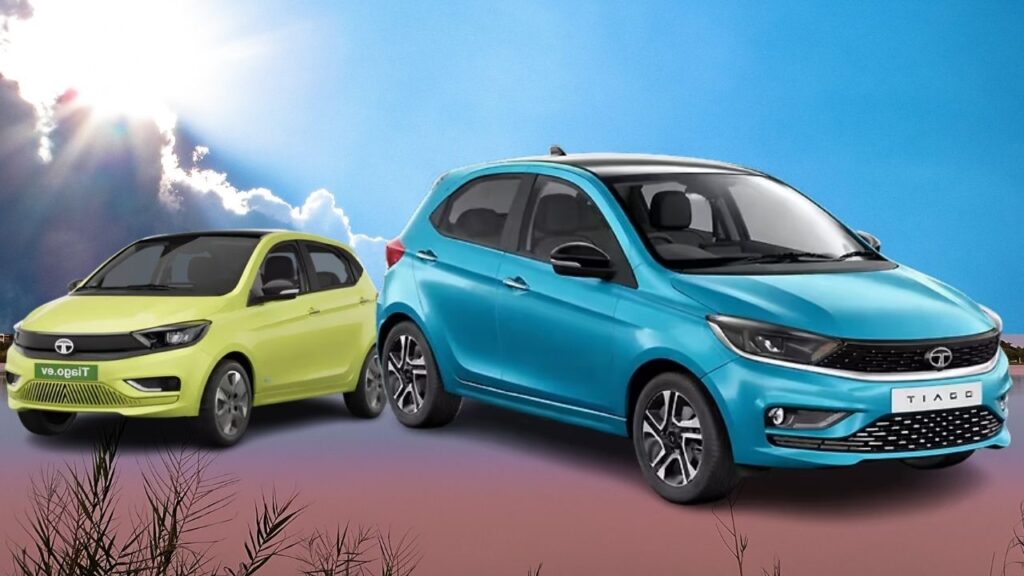
The Tiago EV is now available with discounts of Rs 1,50,000, rear- wheel drive Tata electric cars could prove to be the most value for money. These discounts on particular variants (XE, XT, XZ) is related to a Rs 70,000 green bonus, an exchange or scrappage benefit of Rs 30,000-35,000 and a loyalty bonus Up to Rs 50,000. Furthermore, Rs 65,000 off on MY2026 variants, which comprises of Rs 40,000 as green bonus and Rs 20,000-25,000 as exchange benefit. 

Tata Punch Discount

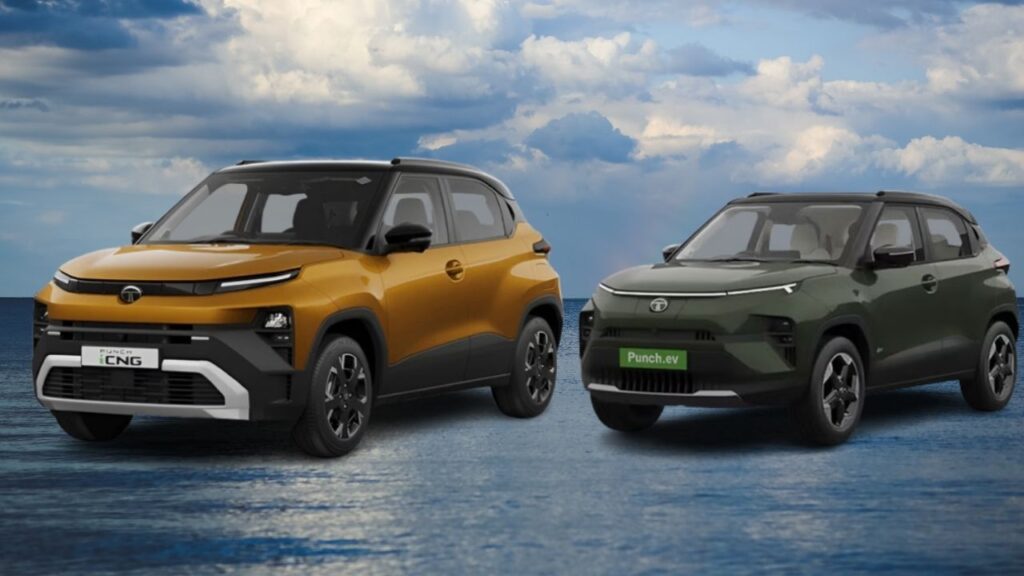
Tata is now offering benefits of up to Rs. 70,000 on some variants (Pure, Adventure, Creative, Creative iCNG, Adventure iCNG) of Punch. However, MY2026 Punch facelift doesn’t have any discount. Discounts for the Punch EV model differ by production year with the models corresponding to MY2025 and MY2024 receiving a discount of up to ₹1.65 lakh, and the model corresponding to MY2026 an up to ₹95,000 discount. 

Altroz Offer

Altroz has been a safety and design leader and is being offered with discounts of up to ₹85,000 for the outgoing model (Pure Diesel, Smart Diesel, Smart CNG, Pure Diesel AMT, Smart Diesel AMT, Smart CNG AMT). The brand new variants, pre-facelift MY24/MY25, which consists of Rs 60,000 cash + Rs 25,000 – Rs 35,000 exchange. This makes Altroz a value-for-money buy if you’re looking at the hatchback segment with premium features. 

Read More:-  Mahindra Car Discount Price February 2026: Up to ₹2 Lakh Off on Thar, Scorpio N & XUV 3XO

Offers Summary Table

Model MY2026 Max Benefit MY2025/MY24 Max Benefit Key Components
Tiago EV Rs 65,000 Rs 1.55 lakh Green bonus, exchange, loyalty 
Punch (ICE) None / Rs 40k (pre-facelift) Rs 60k (with loyalty) Cash, exchange, loyalty 
Altroz Rs 30k-35k Rs 85k-95k Cash discount, exchange 

Tiago EV, Punch, and Altroz features and specifications

Tiago EV

The Tiago EV is a hatchback, compact and nimble with the usual practicality-enhancing features and modern bits and bobs. 

  • It is available in deux battery options, the 19.2 kWh offering a range of around 250 km, and the 24 kWh offering a range of up to 315 km on a single charge. 

Tiago EV

  • The smaller battery variant has a power output of 61 bhp, while the larger one produces 74 bhp, enabling quick acceleration with the larger model achieving 0-60 km/h in just 5.7 seconds.
  • The Tiago EV features a touchscreen infotainment system, connected car technology, and intelligent regenerative braking. Also, you can choose from different driving modes, and the roomy space with high-end material make it a best place to spend your days on wheels. 

Punch: A Compact SUV

  • Those who like small and roomy cabin car, welcome here because The Punch is an incredible model that offers practicality with comfort.
  • With an automatic transmission option that makes it easy for new drivers to shift easily with the powerful latest motor (1.2-liter 3-cylinder) present in the system to give 84 bhp and 113 Nm.  

Punch

  • For added ease, an automatic transmission edition is also available, which is ideal for city driving.
  • For performance, the Punch has a good fuel economy of 18-20 km/l making it a good buy for everyday riding. 

It also has several other impressive features, such as a 7-inch touchscreen, semi-digital instrument cluster, multiple airbags, ABS with EBD, and a rear parking camera. Its tall ground clearance and SUV-like posture promise adventure on all terrains. 

Altroz: Premium Hatchback

The Altroz is a new strong option in the premium hatchback segment with the flexibility of three engine options. This comprises of a 1.2-litre naturally aspirated petrol engine producing 85bhp, a turbocharged 1.2-litre petrol engine outputting 110bhp and a 1.5-litre diesel engine with 90bhp to address different performance requirements. 

  • Its fuel economy is good enough as study shows a distance of 20-25 km/l, which provides the drivers with an economy drive.

Altroz

  • What really elevates the Altroz is its focus on safety, which wins it a 5-star Global NCAP rating. 
  • Features such as electronic stability control and a premium audio system coupled with a 7-inch touchscreen that allows smartphone connectivity, along with versatile rear split folding seats adds to the appeal. 

With its strong build quality, the Altroz is the ideal pick for drivers who seek safety and style in one practical package. 

Conclusion

Tata Motors has opened the door for buyers to make a smart upgrade in 2026 with such heavy discount offers on the Tiago EV, Punch and Altroz. Whether you’re after an affordable electric car, a city-friendly compact SUV, or a safe and stylish premium hatchback, these deals make each model an even better value proposition. Together with Tata’s safety, build quality, and after sales support reputation, these offers are not just discounts – they are buying opportunities where you can be sure you are making a wise investment. If you have been waiting for the right time to buy a new car, this sale season could be the one for you 

1

Why Automakers Are Investing Billions in Electric Vehicles (EVs)

Investing Billions in Electric Vehicles

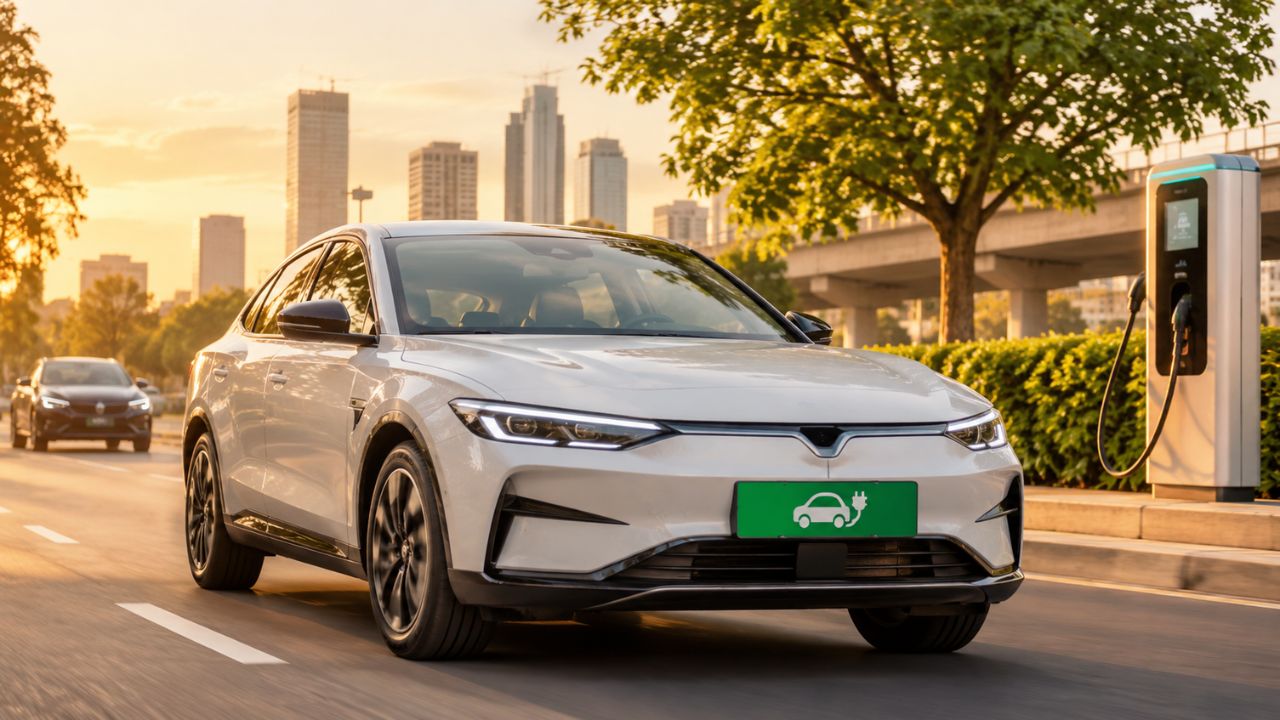
The shift to Electric Vehicles (EVs) in India is no longer just about reducing pollution or offering buyers an alternative to petrol and diesel cars. You are probably watching growing numbers of green number plates which are seen on family SUVs and everyday hatchbacks.

Behind this showroom shift is an unprecedented financial war chest. Homegrown giants like Tata Motors, Mahindra & Mahindra, and Maruti Suzuki are investing billions into Electric Vehicles (EVs), transforming Indian manufacturing from the ground up.

Why are India’s most trusted carmakers betting their futures on battery power right now? Because the conversation in Indian boardrooms has shifted from creating demand to desperately trying to keep up with it.

Tata Motors: Defending the Crown with Smart Economics

Tata Motors took the early gamble when everyone else was hesitant, and today it commands roughly 40% of India’s electric passenger vehicle market. Electric Vehicles (EVs) now make up nearly a quarter of Tata’s total passenger vehicle sales, with buyer demand running nearly three times higher than current factory supply.

By investing large sums to expand capacity and rework ownership math, Tata is at war with Punch EV, Nexon EV, Curvv EV, and the Harrier and Sierra. With the launch of Battery-as-a-Service (BaaS) in its entire product line, Tata will allow Indian buyers to pay for the car up front and rent the battery on a per-kilometre basis, cutting the initial price to match the cost of petrol cars. 

Mahindra: Making Electric Aspirational

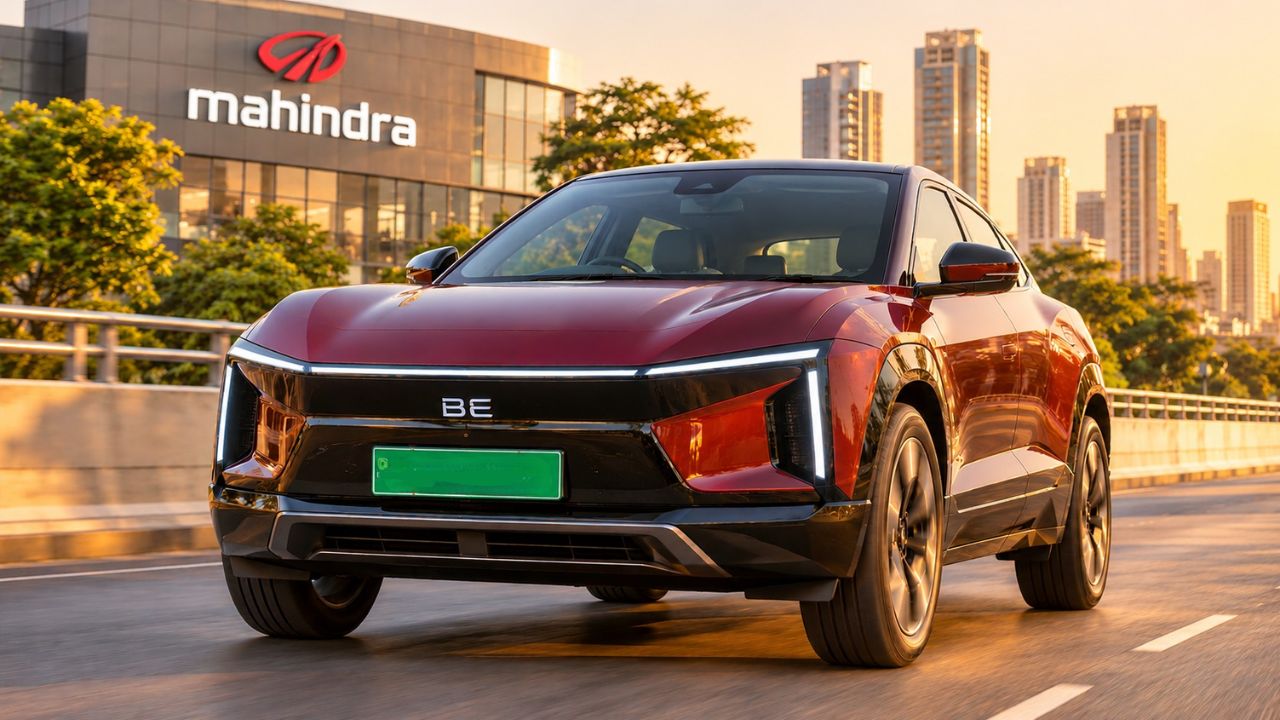
While Tata captured the practical family buyer, Mahindra is pouring billions into making electric SUVs objects of pure desire. With its dedicated born-electric INGLO platform and models like the BE 6, XEV 9e, and the three-row XEV 9S, Mahindra has quickly captured a 23% share of the electric car market.

Investing Billions in Electric Vehicles

Mahindra’s factories are already running at a structural capacity of 8,000 EVs a month, and the company is investing rapidly to push that run rate to 12,000 units a month. For Mahindra, heavy investment in EVs—and adopting BaaS models of its own—is how it leapfrogs global rivals without waiting on legacy engine tech.

Maruti Suzuki: Turning India into a Global Export Hub

India’s largest carmaker took its time entering the Electric Vehicles (EVs) race, waiting for battery economics and charging infrastructure to mature. 

Maruti Suzuki

Now, with the e-Vitara, Maruti Suzuki is playing a colossal volume game. By setting up a new dedicated manufacturing line at its Hansalpur plant in Gujarat, Maruti is investing not just for Indian buyers, but to make India a global export hub for Suzuki’s electric cars worldwide.

The Real Cost Advantage of Electric Vehicles 

Ultimately, Indian carmakers know their customer better than anyone else. When an everyday commuter realizes an Electric Vehicles (EVs) costs roughly ₹1 to ₹1.50 per kilometre to run compared to ₹7 or ₹8 for a petrol car, the showroom pitch sells itself. 

Backed by Production Linked Incentive (PLI) schemes and local battery gigafactories, Tata, Mahindra, and Maruti are not just building green cars—they are securing India’s automotive independence for the next fifty years.

👉  Self-Driving Cars in 2026: What Can They Really Do?

Conclusion

India’s shift towards electric vehicles is creating a new race among automakers, now big Automakers Are Investing Billions in Electric Vehicles (EVs). Tata Motor is leading the market with its BaaS service, Mahindra is making electric SUVs more aspirational, and Maruti Suzuki is covering both the global and Indian market.

This suggests Indian buyers will have many choices before buying an EV with better technology and lower running cost. Automakers are preparing for what India’s automobile industry will look like over the next decade.

0

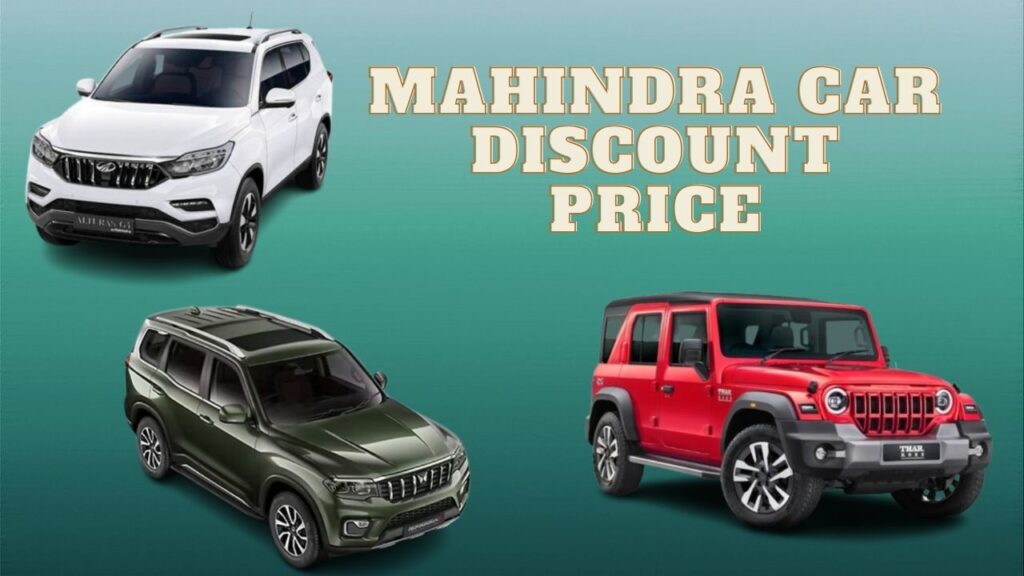
Mahindra Car Discount Price February 2026: Up to ₹2 Lakh Off on Thar, Scorpio N & XUV 3XO

Published Feb 16, 2026, 1:00 PM
Last Updated Apr 7, 2026, 6:22 AM

Mahindra Car

If you have been walking around in the cities of India then you must have felt the changing times with Mahindra Car Discount Price. It’s not the traffic, it’s the metal that’s driving through the traffic. By February 2026, Mahindra & Mahindra isn’t merely peddling “rugged Jeeps,” it is topping the Indian SUV charts with a dazzling cocktail of hi-tech safety and raw brawn.

But here’s the real kicker: If you happen to be in the market for a new car this month, you are poised at a monumental financial crossroad. With “Model Year 2025” (MY25) clearances and shinier new 2026 models on the way, it’s a fortune literally to be saved, or lost, based on how you play your cards.

Let’s take a look at the current Mahindra Car Discount Price stable and see which one is worth your time. 

Why the Big Discounts on Mahindra Now?

February serves as a kind of a “bridge” month in the automobile industry for the “vintage” 2025 models and the new 2026 models.

To make way for the new models, Mahindra is rolling out an Inventory Correction drive. They are offering steep discounts on 2025 stock—up to as high as ₹2.00 Lakh to shield the premium pricing of their 2026 models.

The Golden Rule for Feb 2026: If you’re a 5+ year+ driver, buy MY25 Stock. Those huge upfront savings more than make up for the slight dip in resale value you’ll take down the road.

The February 2026 Discount Landscape at a Glance

Vehicle Platform Primary MY25 Incentive Primary MY26 Incentive Strategic Implication
Thar Roxx (5-Door) Up to ₹2.00 Lakh (Diesel) ₹25,000 – ₹75,000 Aggressive push to clear high-value diesel inventory; protecting petrol margins.
Thar (3-Door) Up to ₹1.25 Lakh (AWD) ~₹30,000 (Accessories) High incentives on AWD to counter cannibalization by the 5-door Roxx.
XUV 3XO Up to ₹80,000 (AX7L) ₹20,000 – ₹40,000 Targeted discounts on top-spec variants to compete with Nexon/Brezza pricing.
Scorpio N Up to ₹1.00 Lakh (Petrol) ₹20,000 – ₹30,000 Heavy incentives on low-mileage petrol variants; diesel demand remains organic.

Thar 3-Door vs. Thar Roxx

The thar isn’t just for the weekend off-roader anymore, it’s a family statement. But with the arrival of the 5-door Thar Roxx, the range is now divided between two strikingly different vibes.

5-Door The Thar Roxx (5-Door)

This is the champion of the “Safe Lifestyle.” It recently clinched a 5-star Bharat NCAP rating, which makes it one the safest SUVs you can own on Indian roads.

Mahindra is going full diesel, the deal. Get up to ₹2.00 lakh in benefits on MY25 Diesel 4WD models.

Reality Check: A top-end Roxx will cost you anywhere around ₹26–27 Lakh on-road, 10–20% RTO. 

The Thar 3-Door

The OG is now being overshadowed by its larger brother. To get it going, Mahindra is providing a discount of up to ₹1.25 Lakh on the AWD variants.

Insider Tip: Big mid 2026 facelift coming. If you want the latest tech (LED projectors and digital clusters), wait. If you want a legendary mechanical beast at a bargain buy the present 4WD and go. 

The “Over-Spec” Overachiever: XUV 3XO

If you want a compact SUV that’s punching way above its weight class, the 3XO is your best bet. It is taking on the Nexon and Brezza, but is doing so with “big car” pretensions.

  • The “Skyroof”: It enjoys the biggest panoramic sunroof in its class – a major selling point for Indian buyers.
  • Performance: Most of the rivals are left behind by the 130 PS 1.2L mStallion engine.
  • The Sweet Spot: The AX7L Petrol is being offered with discounts packages worth up to ₹80,000 for the much-awaited MY25 units. At about Rs 16 Lakhs onroad price approximately, it brings you Level 2 ADAS and luxury-tier technology typically available for Rs 10 Lakhs more. 

Read More:- Maruti Suzuki Discount Feb 2026: Swift, Fronx & Brezza Offers Explained

The “Big Daddy” Presence: Scorpio N

The Scorpio N holds strong as the undisputed heavyweight champion in ₹15–25 Lakh category. But there’s a particular pattern emerging here: The Petrol Paradox.

While the mHawk Diesel gets all the attention for its torque (280 Nm to 450 Nm) and fuel efficiency (~10-17 kmpl), the 200 bhp Petrol mStallion is a speed demon and a thirsty one. Hence, to compensate for the costlier running expenses, Mahindra is providing a huge discount of ₹1 Lakh .

Pro Tip: For those who drive less than 10,000 km a year, that ₹1 Lakh discount on the Petrol Scorpio N more or less covers your fuel for the next two years. It is a “hidden” value play that nobody really notices and most people don’t understand. 

Which One Should You Buy?

Buy what is best for you and don’t make your wallet exhausted. Check out the recommendation models with specific quality that are worth your money.

Buyer Profile Recommended Model Why?
The Value Hunter MY25 Thar Roxx Diesel Peak discounts (₹2L) on a 5-star safety rated flagship.
The Tech Geek XUV 3XO AX7L Segment-first ADAS L2 and Panoramic “Skyroof.”
The Highway Cruiser Scorpio N Diesel Unmatched road presence and long-term resale value.
The Purist Thar 3-Door AWD High incentives now before the 2026 facelift resets prices.

Conclusion

The February 2026 options market is focused on timing, especially with Mahindra Car Discount Price. With BNCAP safety ratings as standard across the majority of the range, you are not just buying a rugged vehicle, you are buying peace of mind. Whether you’re looking at the Carbon Edition Scorpio, or just a base 3XO, the window to grab a MY25 deal is closing fast. 

0

How Often Should You Change Oil in Your Car? What Actually Matters in India

Change Oil in Your Car

Your Swift covers 9,000 km and the service centre calls. Your neighbour is a strong believer in the “every 5,000 km no exceptions” rule as his father has been following since 1998. Your mechanic insists on seeing you every three months no matter what your owner’s manual says. None of the three are infallible, and How Often Should You Change Oil in Your Car is determined less by a fixed number and more by three things: what oil is currently in your engine, what kind of driving you really do, and how honest you’re willing to be about both. 

The Manufacturer’s Number Is a Starting Point, Not the Answer

Every car sold in India comes with a service booklet that lists an interval — usually tied to kilometres or months, whichever arrives first. That number assumes “normal” driving conditions as defined in a lab, not a Bengaluru signal-to-signal commute or a Delhi summer where cabin AC runs eight hours a day. 

Here Major brands currently stand On How Often Should You Change Oil in Your Car:

Brand / Segment Standard Interval
Maruti Suzuki (most models) 10,000 km or 12 months
Hyundai, Kia, Honda, Toyota, Mahindra 10,000 km or 12 months
Tata Motors (Punch, Nexon, Altroz) 15,000 km or 12 months
Volkswagen, Skoda 15,000 km or 12 months

If your vehicle is more than ten years old and it’s still on the old mineral oil era schedule, don’t assume it followed the newer 10,000 km norm, check your actual booklet for the year of your model. Take the precedent of the old Maruti 800s and early Zens, they used to get 5,000 km services because that’s all the mineral oil of that time could take before breaking down. 

The Oil Grade Changes the Number More Than the Car Does

This is the part that most owners skip over. The interval on your service sticker assumes a particular oil grade, and changing that grade alters the actual oil life: 

Change Oil in Your Car

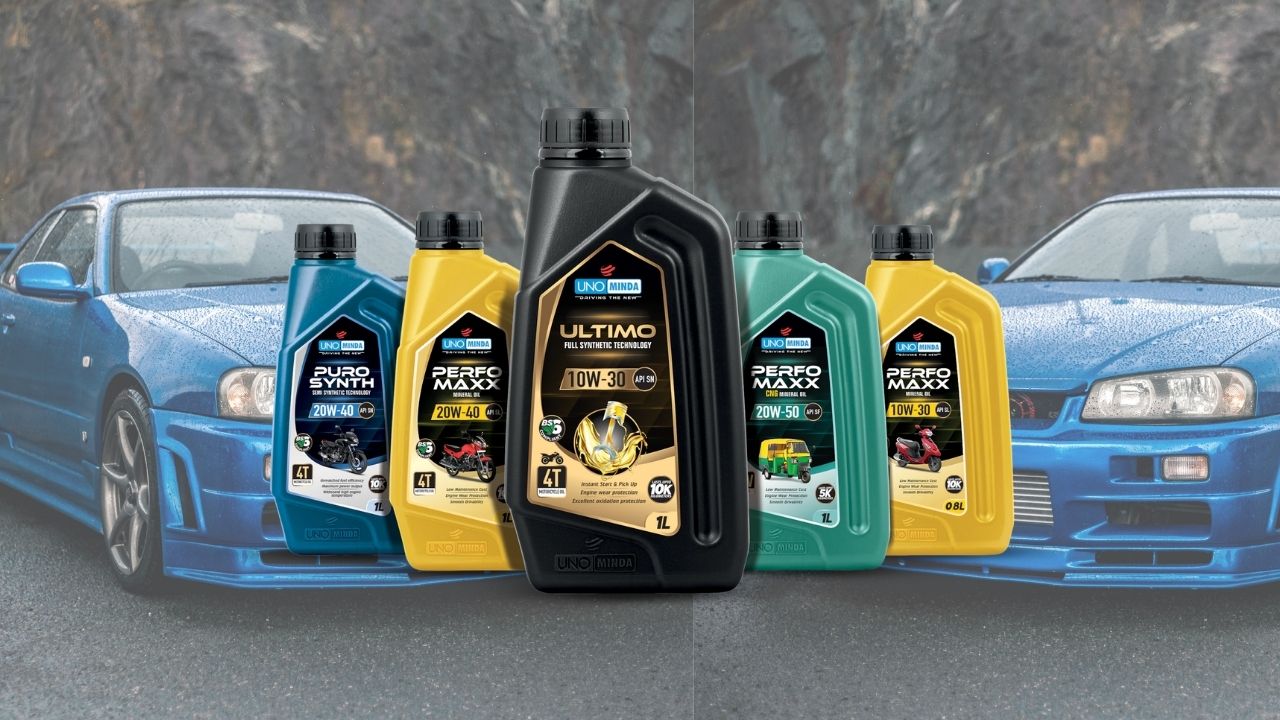
  • The mineral oil is the most economical, priced around ₹280–380 per litre, and it also oxidises the fastest — most mechanics will still tell you to change it every 5,000–8,000 km no matter what a new manual says, because the base stock just doesn’t hold up longer than that. 
  • The semi-synthetic oil, available at a price of ₹420-550 per litre, splits the difference and can be used for 8,000-10,000 km. 
  • Full synthetic, which costs ₹650-900 a litre, is undoubtedly what allows modern engines to go 10,000-15,000 km between oil changes – the additive package survives thermal breakdown long enough to justify the premium cost. 

So if your car’s manual says 15,000 km but your mechanic filled your car up with a mineral oil last visit because that was the cheapest or is the one he has in stock, you are not really on a 15,000 km schedule anymore. You’re on whatever that oil can last, which is more like one third that distance. 

Why Indian Roads Push Every Interval Downward

Manufacturer intervals are written for “normal” use. Most Indian driving qualifies as “severe” use without the owner realising it — and severe-use schedules are usually 20–30% shorter than the standard ones printed in bold on the first page of the manual. 

Three conditions push you into that category almost automatically here: stop-and-go traffic in cities like Mumbai, Bengaluru, and Delhi NCR, where the engine idles more than it cruises; sustained heat above 40°C through summer months, which accelerates oil oxidation; and short trips under 15–20 minutes that never let the engine reach full operating temperature, so moisture and fuel residue never burn off properly. 

If two or more of these describe your daily driving, treat the printed interval as an outer limit, not a target — and lean toward the shorter end of whatever range your oil grade allows.

Read More:-  How Often Should You Service Your Car? | Complete Maintenance Guide

What Skipping a Change Actually Costs

A straightforward, on-schedule oil change in India runs about ₹2,500–4,500, oil and labour included. That number looks easy to postpone when the car “feels fine.” 

It stops looking easy once you see the other side of the ledger: a Swift owner who pushed one scheduled change from 30,000 km out to 45,000 km ended up facing ₹8,000–18,000 in cleaning and repair work from the sludge that built up in the meantime. Push it further and you’re looking at ₹15,000–40,000 in ring wear, bearing damage, or worse — four to nine times what the change itself would have cost. 

Engine oil in an Indian car is doing three jobs at once: lubricating, cooling, and carrying away contamination. Once it’s saturated with carbon and moisture, it stops doing all three, and the damage compounds quietly until something expensive fails.

Signs Your Oil Needs Changing Before the Odometer Tells You

Kilometres aren’t the only trigger if you are looking for How Often Should You Change Oil in Your Car. A car that’s driven rarely, under 3,000–4,000 km a year still needs an annual oil change even if it never comes close to the km limit, because oil oxidises with time and moisture exposure regardless of use. 

Change Oil in Your Car

Watch for oil that’s gone dark and gritty rather than amber and clear on the dipstick, a burnt smell inside the cabin, a noticeably rougher idle, or the oil warning light itself — none of these should be treated as optional information to act on “next weekend.”

The Practical Rule On How Often Should You Change Oil in Your Car?

Follow your manual’s kilometre or month interval, whichever comes first — but only if you’re certain the oil in your engine matches the grade that interval was written for. If you’re not sure what’s currently in the sump, or your driving is mostly city stop-and-go, shave 15–20% off the printed number and go with full synthetic if your budget allows it; the extra ₹1,000–1,500 per change is cheaper than one skipped interval turning into a repair bill. 

When in doubt, ask your service centre to show you the actual oil grade on the invoice, not just tick a box that says “oil changed.”

Read More:- How to Check Tire Pressure Correctly: Guide For Car Owners

Conclusion 

How Often Should You Change Oil in Your Car, depends on many factors, so there is no single perfect answer. The appropriate interval will vary based on the oil being used, how you drive and the conditions to which your vehicle is subjected daily. Although the owner’s manual is the best place to start, stop-and-go city traffic, short trips, extreme heat and using a lesser-quality oil can all shorten the life of the oil. 

The best policy is to follow the recommended service intervals, use the right oil grade, and adjust the interval if your driving conditions are “severe”. Spending a few thousand on timely oil changes is way cheaper than spending big money on engine repairs later. 

A modest routine of checking your oil level, verifying the oil grade at each service, and not putting off scheduled changes will help ensure a long-running, happy engine.