0

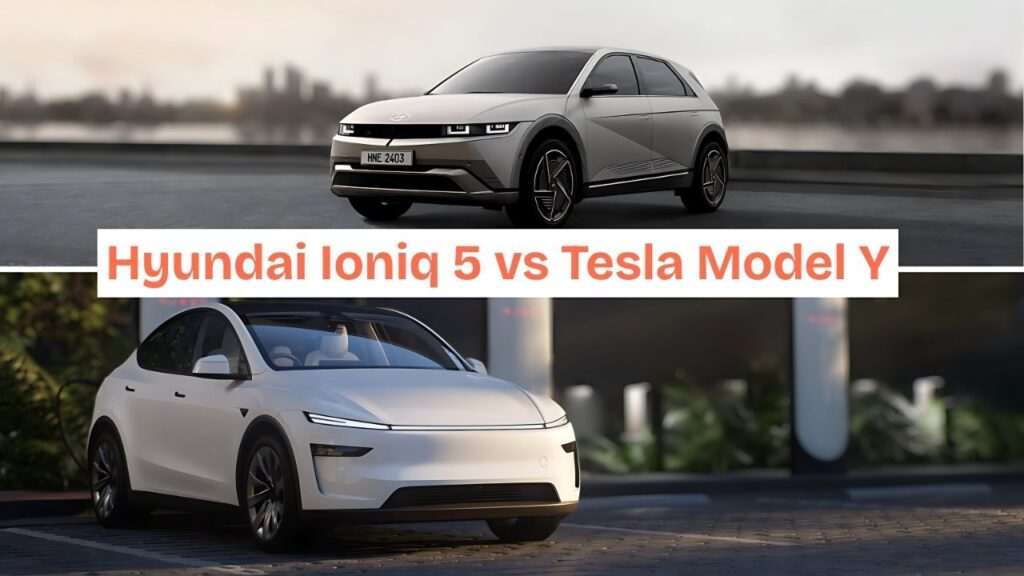
Hyundai Ioniq 5 vs Tesla Model Y: Which EV Wins in 2025?

Published Sep 5, 2025, 6:52 AM
Last Updated Apr 16, 2026, 11:20 AM

The 2025 year seems to be huge for electric cars as it introduces many EVs other than Tesla which once dominated this market alone. Now, other competing cars take place leading to Hyundai Ioniq 5 vs Tesla Model Y battle showdown. The two cars are considered to be useful and stylish for buyers. 

Both are widely popular for delivering quite pleasant electric driving experiences. Both are updated with new features but which one is best for you is a complex question. Let’s solve this puzzle together through this detailed blog.

Pricing and Value

The 2025 Hyundai Ioniq 5 will cost you around $43,975 but additional trims and special edition (N or XRT) can cost you around mid-$50,000.
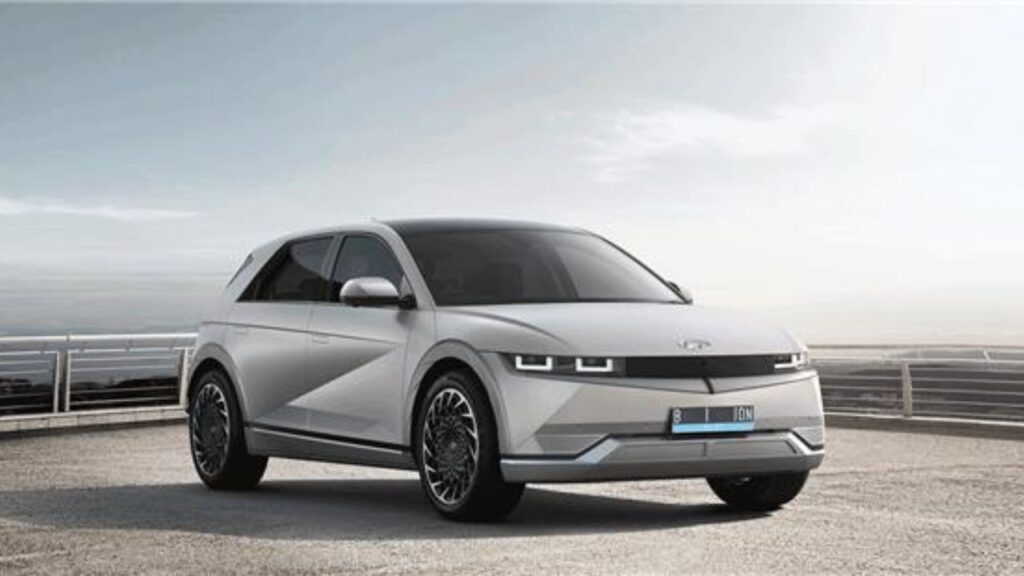
Hyundai IONIQ 5

Image Credit: Hyundai

The 2025 Tesla Model Y including AWD & Long Range variants prices hovers in the $46,000 – $50,000 range. The cost can go up with additional performance trims.
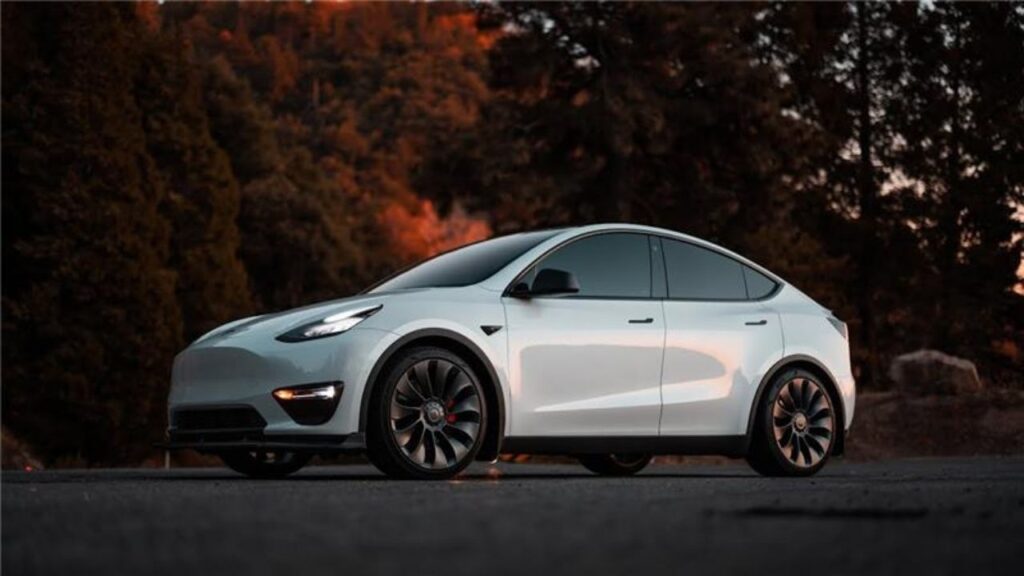
Tesla Model Y in India

Image Credit: YouTube

Ultimately, Hyundai offers more features and a comfortable ride with low starting cost. Meanwhile, Tesla’s full Self-Driving feature cost more that its starting prices. 

Range and Efficiency

While buying a car most buyers check range and efficiency, and here Tesla Model Y is slightly up with its long range up to 330–337 miles. The Ioniq 5 is catching up with an 84 kWh battery to deliver range up to 300–318 miles. So, while Tesla is delivering a bit more range, Hyundai now offers more than enough for daily commutes and long trips.

Charging Technology and Infrastructure

The battle gets interesting here, Ioniq 5 is shining with an 800-volt system that charges at speed from 10% to 80% in just 18 minutes. It becomes possible with super-fast DC chargers that provide top-notch speed, also used in luxury EVs like Porsche & Audi.

But Tesla’s charging network is bigger than any other car, even in 2025. It offers more locations, makes it easy and simple to use. The good news? Hyundai Ioniq 5 now uses the NACS standard means it can use Tesla Superchargers too. 
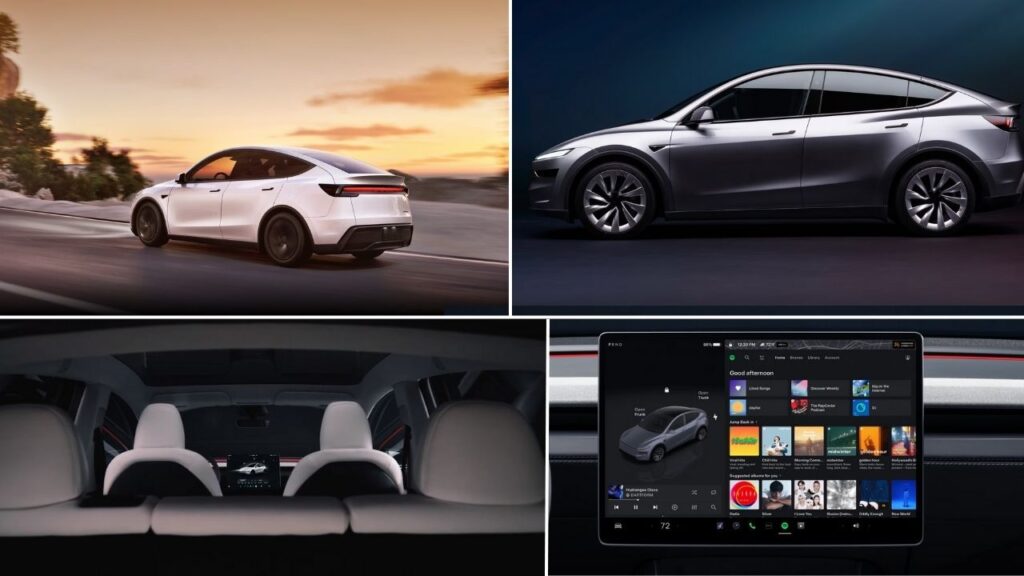
Image credit: Tesla

These things made it super easy for Hyundai but Tesla still won for offering greater ease.

Performance and Driving Experience

These two crossovers are explosive, but they do things differently. The standard Ioniq 5 AWD version delivers 320 horsepower, the true monster is the Ioniq 5 N model which produces over 600 horsepower and track-ready parts. The XRT trim of Hyundai is more into off-road action ready demon. 

The Tesla Model Y offers outstanding performance in a speed range from 0-60 mph in 3.3 seconds. Performance is equal to a sports car. The quick acceleration of the Tesla is a remarkable feature with its quick tuning. 

Tesla and Hyundai N models both offer unstoppable performance that excite speed lovers. Tesla has offered straightforward speed, while Hyundai more evolved into driving experience.

Read More: Toyota RAV4 vs Honda CR-V: The Ultimate SUV Battle of 2025

Interior and Tech

The difference is obvious inside both vehicles. The Ioniq 5 offers a practical cabin with 12-inch displays for the infotainment system and comfortable seats made with high-quality material for both driver and passengers. Controls are real and easy to use, overall the interior is giving a pleasure and decent experience of the trip. 
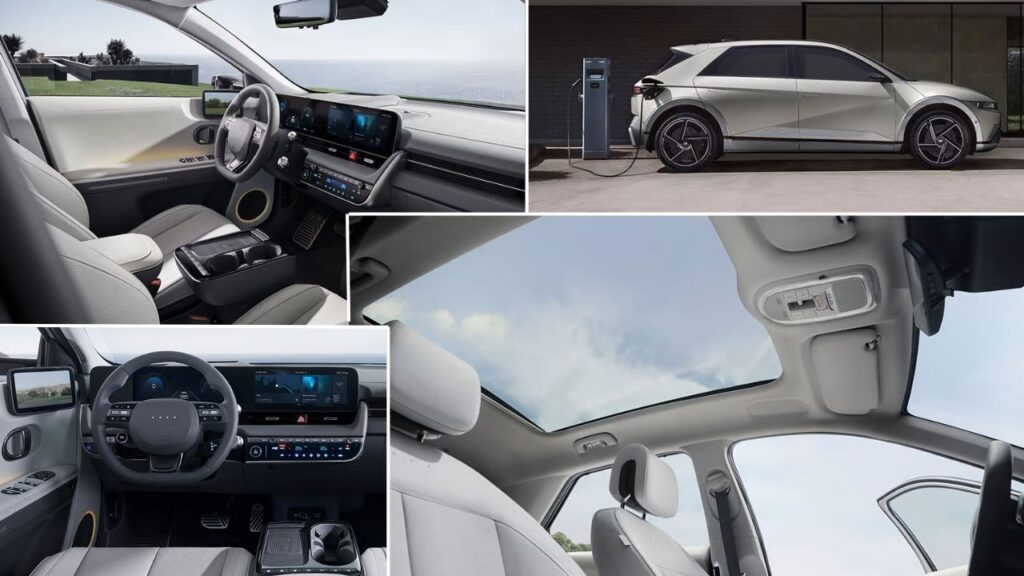
Image credit: Hyundai

The Model Y offers amazing features in a minimalist cabin with a single touchscreen infotainment system. Its first approach is software that delivers outstanding controls and provides features like autopilot for full self-driving. Now, it has become tech savvy’s favorite electric vehicle.

Read Also: Mahindra Thar vs Maruti Jimny: Which SUV Dominates Off-Road?

Practicality and Everyday Use

Both cars offer large spaces for long family trips. Tesla offers more back space and optional 3rd row seating available in some markets. Hyundai offers excellent ride, comfort, and roomy back seat, making it easy to use.

Ultimately, both are versatile and are a good electric choice. They work perfectly for daily commutes and road-trips.

Quick Comparison Hyundai Ioniq 5 vs Tesla Model Y

Category Hyundai Ioniq 5  Tesla Model Y 
Starting Price (US) From $43,975 (higher trims mid-$50k; N & XRT editions cost more) From $46,000–$51,000 (Performance and FSD push costs higher)
Range (EPA/est.) 300–318 miles depending on trim & wheels 300–337 miles depending on motor & wheels
Charging 84 kWh Battery, fastest charging (10–80% in 18–20 min) Supercharger network access
Performance AWD standard: 320 hp, Ioniq 5 N: 600 hp (track-focused), XRT for rugged use Long Range AWD quick & efficient; Performance trim does 0–60 mph in 3.3s
Interior & Comfort Two 12-inch screens, premium materials, mix of physical + digital controls Minimalist cabin with single touchscreen; software-driven interface
Tech & Software Infotainment system & now supports Tesla plug (NACS) Industry-leading OTA updates, Autopilot, optional Full Self-Driving package
Charging Network Compatible with Tesla Superchargers + CCS chargers Exclusive Supercharger network with best coverage & reliability
Practicality Comfortable ride, roomy 2-row crossover, stylish design Very spacious, large cargo space, optional 3rd row (in some markets)

Conclusion

The two cars are ready for the battle Hyundai Ioniq 5 vs Tesla Model Y. Hyundai provides driving quality experience with more advanced features at fastest speed and more cargo space for family trips. Tesla is a fully tech optimized vehicle which offers full self-driving options and more add-ons features in trim versions. Both cars offer amazing driving experience, so there is no single winner, but the right choice depends on your lifestyle. 

Sharey Khan

Sharey Khan is an IT entrepreneur and petrol head & a car enthusiast. With a special focus on car-related content, he combines his deep passion for vehicles with a talent for crafting informative, engaging, and easy-to-understand content. His writing is driven by a genuine love for cars and he is committed to providing readers with accurate, up-to-date, and trustworthy information that empowers smarter driving decisions. 

Leave a Reply

Your email address will not be published. Required fields are marked *

1

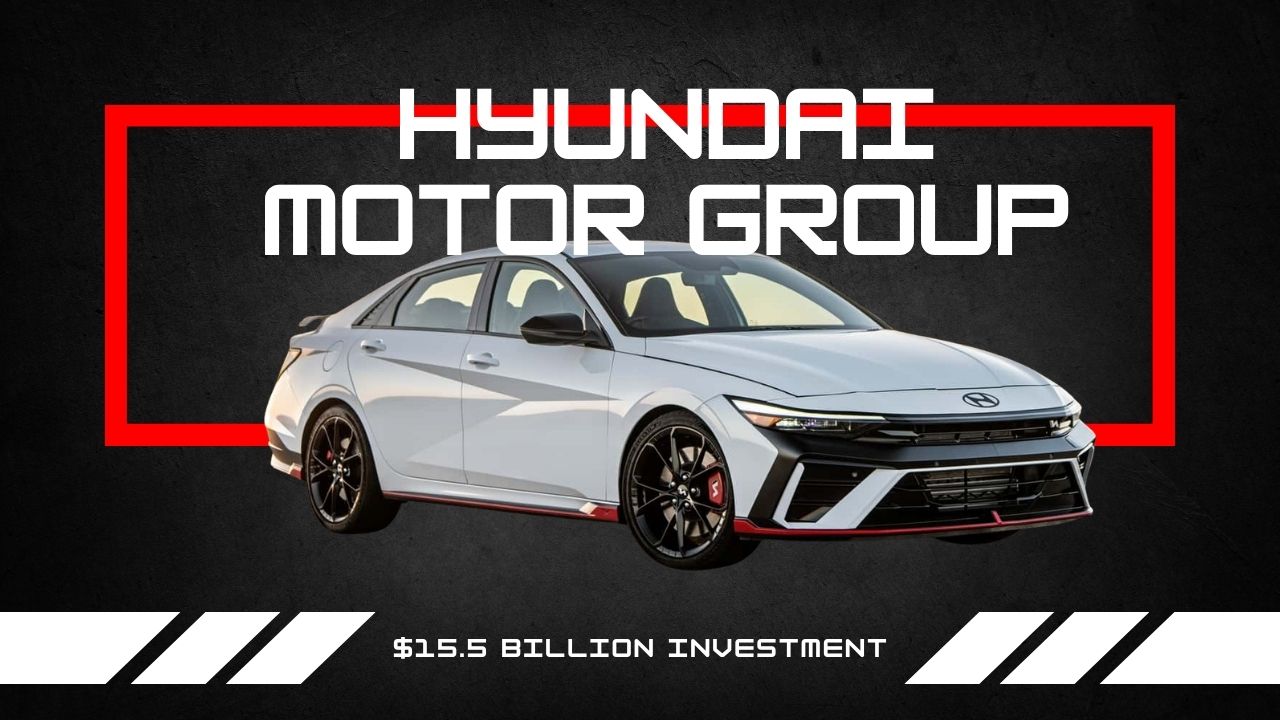
Hyundai Motor Group Announced $15.5 Billion Investment In India From 2026 to 2032

Hyundai Motor GroupHyundai Motor Group has announced a $15.5 billion investment commitment between 2026 and 2032 to India. In Indian rupee, it is about ₹1.4 lakh crore which is one of the biggest long-term deals. If we turn back, Hyundai Motor India had earlier announced plans to invest Rs. 32,000 crore between 2023 and 2032, mainly for capacity and new models. 
However, it’s not about building more cars anymore, it is the strategic plan of the company to strengthen manufacturing, technology, and expand future-mobility areas such as EV infrastructure, recycling and financing. 

Why Hyundai is Betting Big On India

India is still the cheapest country for manufacturing which attracts global automakers more than its huge domestic demand. Hyundai targets low-cost manufacturing and export base which is why the company sees India as a core strategic market for its future growth. Committing such a large amount over seven years is a first step toward that future. 

Since the investment expanded production at Hyundai Motor India and Kia India along with making a deeper roots on domestic sales. It also helps build stronger research capabilities in the country which means India is giving Hyundai two bigger assets: global supply chain and export strategy.

How The $15.5 Billion Invest In Hyundai and Kia Production

Hyundai’s plan not only focuses on vehicle assembly but also covers the entire automotive ecosystem. The new technology and EV infrastructure will grow rapidly and it impacts the buyers choices about cars and its rivals. 

Area What it means
Manufacturing Expanded production capacity at Hyundai Motor India and Kia India.
R&D Around $700 million is planned for an Indian R&D centre, including a vehicle testing track.
Local suppliers Stronger domestic supply chains and higher localisation of components.
EV ecosystem Investment in EV charging, battery recycling and sustainable mobility.
Future mobility Work on autonomous technology, software, financing and new mobility services.

On Indian roads, every second car you see belongs to Hyundai Motor Group. Statistically, 1.4 million vehicles are prepared for India every year which includes 824,000 units at Chennai, 170,000 units at Pune and 431,000 units at Kia’s Anantapur plant. 

And now Hyundai is trying to scale up the units with this investment. When new models are going to launch faster, it improves localisation and a stronger pipeline of Hyundai and Kia vehicles for both Indian buyers and export markets.

What Indian Car Buyers Can Expect 

For Indian car buyers, the biggest benefit could be more choice and better-equipped cars. Hyundai has reportedly planned 26 model launches or updates in India by 2030, which could make the market far more competitive.

Hyundai Motor Group

Buyers may see:

  • Fresh models in both petrol and EV powertrain, more SUVs in affordable prices, and premium models.
  • More options given to car buyers means people visit Hyundai and Kia showrooms first that increase localisation and keep prices competitive.
  • Technology development offers more safety features, comfort and connectivity.
  • EV infrastructure increases the support and servicing options which makes buyers not to think twice before buying an EV car.

Hyundai Motor Group Investment Impact On Maruti Suzuki, Tata Motors and Mahindra

Hyundai’s move will likely raise the competitive pressure across the Indian passenger-vehicle market. Roads are mostly filled with Maruti Suzuki, Tata, and Mahindra vehicles more than Hyundai. They probably respond with stronger manufacturing capacity, better localisation, and EV environment, not just with new models.

Maruti will get a bigger hit from this announcement because it loses its wider market of SUVs and export-oriented models which Hyundai is taking over with its production and export capabilities. Tata Motors EV space got affected from Hyundai’s charging infrastructure expansion. 

Mahindra may need to accelerate its SUV and EV strategy, as Hyundai’s growing R&D base and product pipeline could challenge its position in premium and technology-focused segments.

Maruti Suzuki, Tata Motors and Mahindra

This is the major strategic shift for Hyundai with its investment of $15.5 billion in India. It is the  company’s largest-ever commitment to an emerging market which is not going to just introduce new cars but also change the car industry forever. The company chooses India because it is a key global manufacturing and export hub. 

Forbes India describes this investment as the company’s strategic move to regain the market in a new way. Car launches will not make a territory simply so they expand manufacturing capacity, strengthen R&D and build a deeper local supply chain. The company’s India plans were also framed as a political and strategic move because the announcement broke after a meeting between Hyundai Executive Chair Euisun Chung and Prime Minister Narendra Modi.

Explore Now :-   October Car Offers: Which Discounts Save You Money

Conclusion

In the coming years, Hyundai and Kia are expected to announce more launches, dealerships, and growing EV charging networks. Hyundai’s Indian R&D operations are also going to cover the Indian market. It is becoming an investment entity in India to coordinate capital deployment and strategic partnerships.

Overall, this is much more than a routine Hyundai Motor Group investment announcement. If executed well, Hyundai’s $15.5 billion plan could reshape competition in India, benefit buyers with more advanced vehicles and further establish India as a major global automotive hub by 2032.


1

Maruti Suzuki Cars Are Coming To India by 2027 

Published Sep 24, 2026, 12:54 PM
Last Updated Sep 26, 2026, 8:42 AM

Maruti Suzuki Cars

Maruti has spent years being accused of moving slowly on electrification while rivals like Tata and Mahindra grabbed EV headlines. Ahead of 2027, the Maruti Suzuki Cars maker is lining up a mix of facelifts, hybrid upgrades, and proper EV expansion. The country’s largest carmaker keeps the promise of affordability, high-volume electric vehicles (EVs), and strong-hybrid powertrains to Indian buyers.

The Facelifts: Familiar Faces, New Tech

Maruti Baleno Facelift 

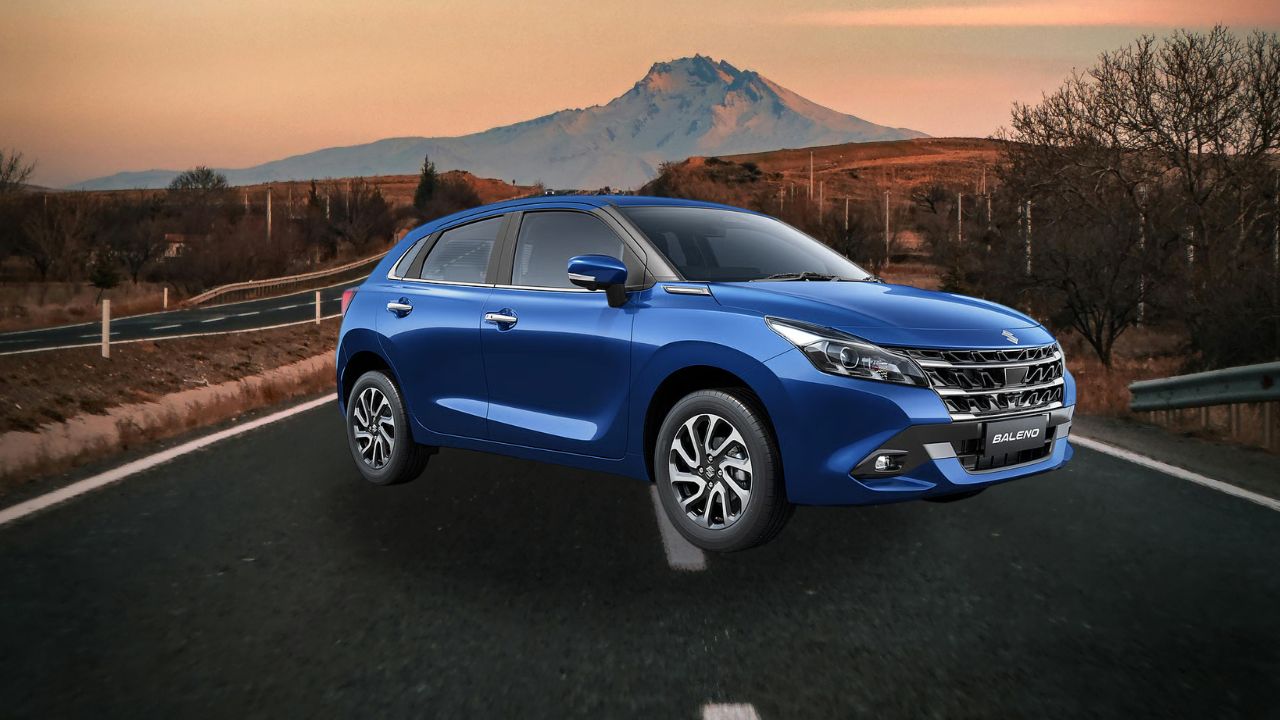
Maruti Suzuki introduced the updated Baleno base Sigma variant in September 2026 at ₹6.10 lakh, followed by a post-launch price correction down to ₹5.98 lakh (ex-showroom).

Maruti Baleno

Across its broader lineup, the Baleno spans an estimated price range of ₹6.00 lakh to ₹9.50 lakh (ex-showroom) depending on the trim and powertrain setup.

Powertrain Baleno Offers:

The new Baleno facelift offers 83 PS of power and 112.4 Nm of torque by the natural 1.2L Z12E 3-cylinder petrol engine. It runs with a 5-speed manual transmission on a mileage of 23.8 kmpl but assume these numbers as a guess point because it’s ARAI-claimed not a real world driving range. But reports say there has been an improvement of ~1.45 kmpl in the AMT version. 

The upper variant offers the same transmission with torque converter automatic options. CNG options are available, take a look at other variants in a table:

Variant Petrol MT Petrol AMT CNG MT CNG AMT
Sigma ₹5.99 lakh – – –
Delta ₹7.00 lakh ₹7.50 lakh ₹7.92 lakh ₹8.32 lakh
Zeta ₹8.00 lakh ₹8.50 lakh ₹8.92 lakh ₹9.32 lakh
Alpha ₹9.10 lakh ₹9.60 lakh – –
Alpha+ (O) ₹9.50 lakh ₹9.99 lakh – –

CNG offers the same engine but  power of 70 PS and 102 Nm of Torque. The mileage has increased up to 33.61 km/kg, that’s what makes people buy the CNG variant.

The design of Baleno facelift is noticeably changed to represent the Maruti evolution. On the front, a revised grille with new pattern and chrome accents, top trims offer LED DRLs, projectors along with a larger air dam and fog‑lamp.

New 15‑inch diamond‑cut alloy wheel design making a vehicle more aesthetic with minor tweaks to cladding on the sides. The back of Baleno facelift is extra attractive — New LED combination tail‑lamps with updated light signature. These new updates don’t make the car lose real value, it keeps silhouette, dimensions and ground clearance remain broadly similar to the pre‑facelift Baleno.

Upcoming Baleno Brings Safety & Comfort

Blue-and-grey dual-tone cabin with fabric seats to make the passenger comfortably sit. It comes with 318L boot space and 37L fuel tank. Any new car owners will drive it comfortably with updated safety standard — 6 airbags, Electronic Stability Control (ESC), ABS with EBD, Hill-Hold Assist, ISOFIX child-seat mounts, and reverse parking sensors.

Inside the Cabin, additional convenience features are given including a big display and connectivity. 

XL6 facelift Is Coming With More Features 

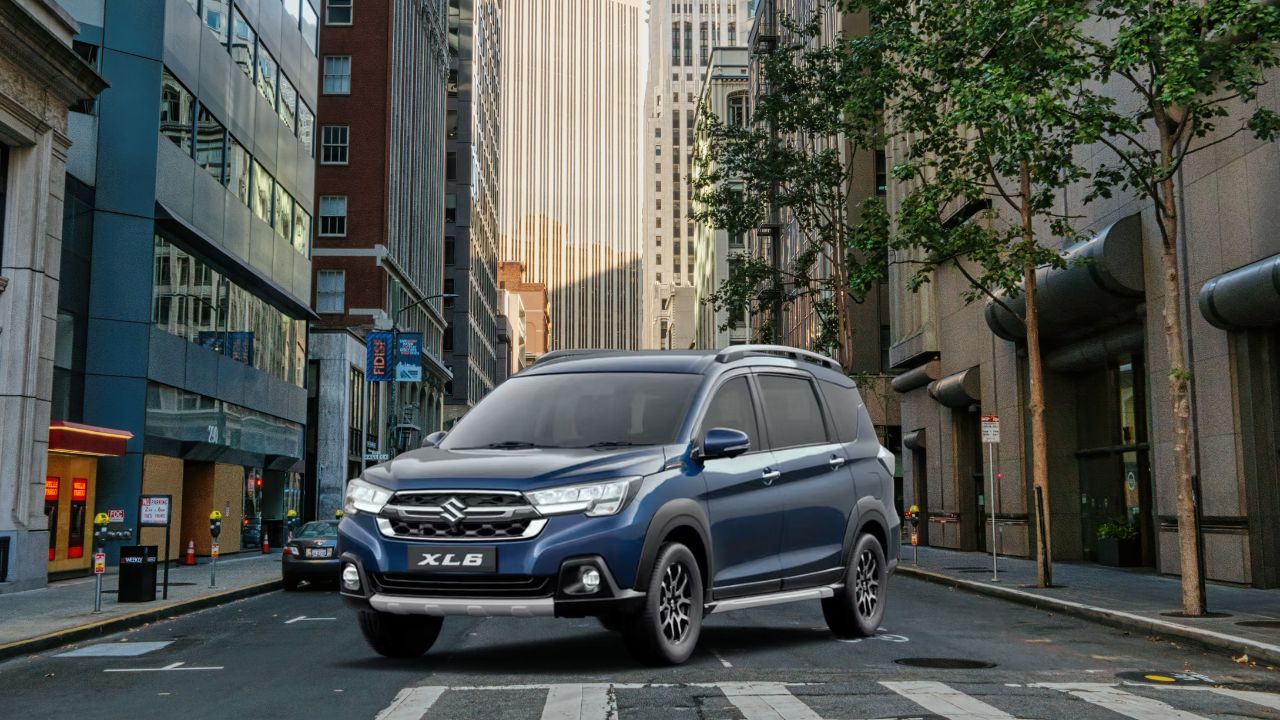
XL6 facelift is expected to come in festive season 2026 based on various reports on a price range of ₹11.50 — 14.50 lakh (ex‑showroom). The XL6 facelift follows the Suzuki XL7 facelift design language so it has a more SUV-like look. But body size and 6-seater layout is unchanged. 

XL6 facelift

Power Maruti Suzuki XL6 facelift is Offering

XL6 facelift offers the same 1.5L K‑series naturally aspirated petrol engine to both petrol and CNG variants. But the power range is different, petrol produces 103 PS of power and 139 Nm of torque while CNG gives 88 PS of power and 121 Nm of torque. Petrol base is ARAI claimed around 20.27–20.97 kmpl with torque‑converter automatic and CNG is given around 26.32 km/kg.

Exterior and Interior of XL6 facelift

The upright grille is bolder, new pattern and chrome accents, having a sleek DRL signature which sets a premium look on a SUV-like hatchback. Maruti also redesigned the front bumper with larger air dam and fog‑lamp housings in higher trims. A 16-inch wheel driving a XL6 facelift with an updated LED tail‑lamps and new light graphics.

The interior also updates with enhancing voice commands and connected car tech power. A digital display for infotainment, push‑button start, auto climate control, cruise control improves the connectivity convenience. 

There are safety measure including 6 airbags, ABS with EBD, ISOFIX child seat mounts

which secure the passengers from any crash along with more additional features like Electronic Stability Program, Rear parking sensors, and TPMS. The higher trims give more ADAS safety features. 

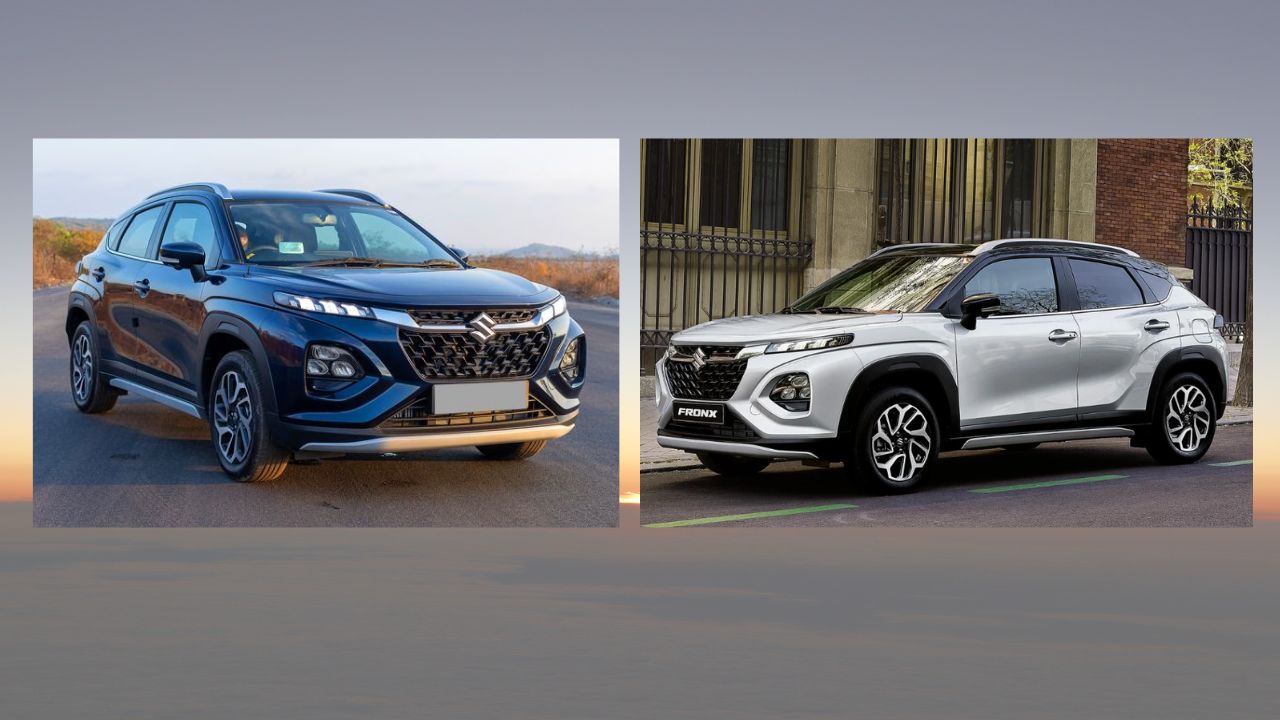
Fronx facelift Arriving 2026 End

Fronx facelift, arriving sometime between November 2026 and early 2027, priced between ₹12 lakh and ₹14 lakh. This one’s more interesting because it’s expected to bring both mild and strong hybrid options to the table — a genuine step up in powertrain sophistication for what’s currently a straightforward petrol crossover.

Fronx facelift

The Fronx EV is positioned as an affordable mass‑market EV under the e‑Vitara. The specification and fuel efficiency is remarkable, with 35 kWh battery capacity it runs around 300 km then you have to charge it again. Fronx brings the engine power of 100 bph with 220 Nm of torque and the top speed  is given around 140 km/h on a front wheel drive with single transmission. 

The body design, safety kit and interior is almost the same as petrol one. There’s speculation that it comes with a DC fast charging option which changes the Fronx at 40–50 minutes. This would be Maruti’s second dedicated EV after the e-Vitara, and a born-electric three-row MPV is not something the Indian market has really seen from a mass-market brand yet.

Next Gen Bigger Arrival of Maruti Suzuki Cars

Here’s where things get genuinely exciting. Maruti’s electric journey started with the e-Vitara, but 2027 is when the company appears ready to build out an actual EV lineup rather than a single showcase model.

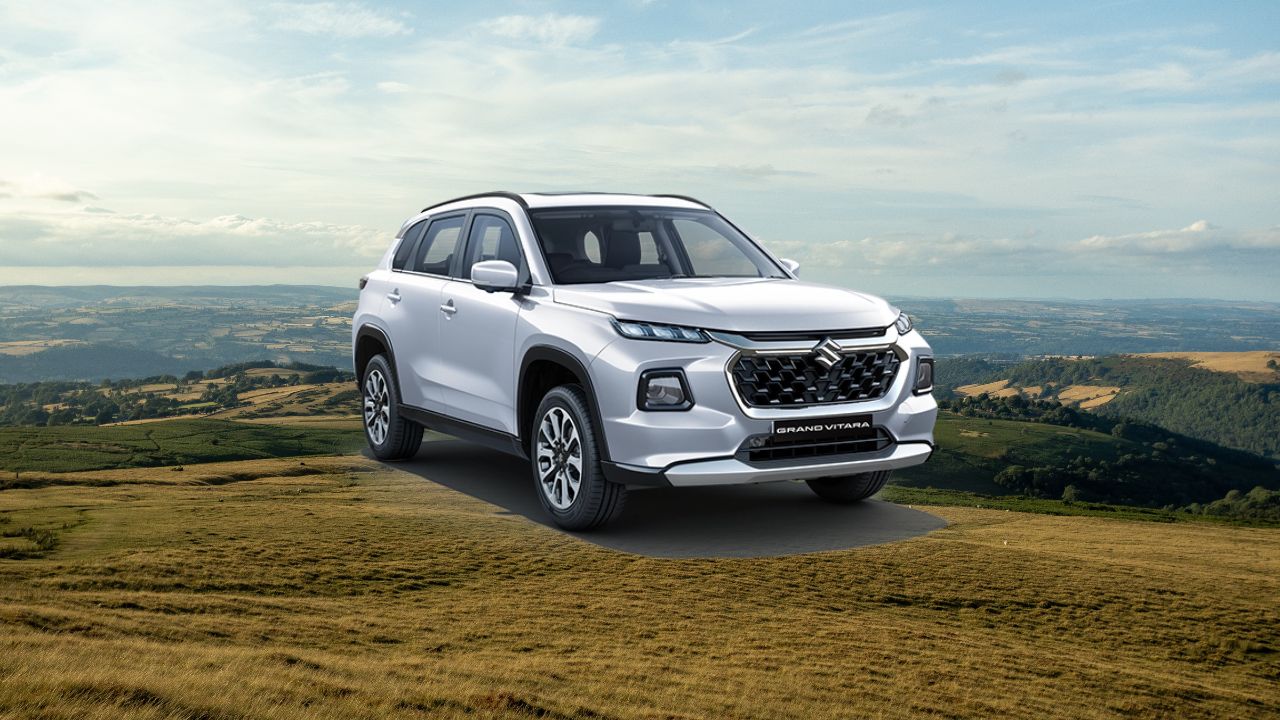
The Grand Vitara Goes Bigger

One of the more anticipated updates is the Grand Vitara’s hybrid refresh and new 7-seater variant, expected between December 2026 and early 2027, priced from around ₹11.5 lakh up to ₹23 lakh at the top end. 

The strong-hybrid powertrain already gives the Grand Vitara excellent efficiency numbers, and stretching it into a three-row layout (reportedly under the internal codename Y17) opens it up to family buyers who currently have to look elsewhere — think Hyundai Alcazar or Tata Safari territory — for a three-row SUV from a trusted brand.

The Grand Vitara Goes Bigger

Powertrain and Body Style of Vitara

Grand Vitara’s Strong‑hybrid system offers 1.5L Atkinson‑cycle petrol (3‑cylinder) + electric motor which produces 116 PS of power and 141 Nm of torque. The ARAI claimed is 27 kmpl which is not a real world number but the e-CVT automatic transmission will try hard to make those numbers possible. 

A few exterior changes are expected on the front, side, and rear. grille  design becomes bolder and bumper updates with larger air dam. New LED and 17‑inch diamond‑cut alloy wheels mark its presence on the road.

With other comfortable functions of safety, connectivity, and quality materials, making hybrid trims enhance the driver and passenger experience with a more premium and tech‑heavy SUV. 

Read More 👉  Rolls Royce Unveils Custom Car Using Sea Snail Shells 

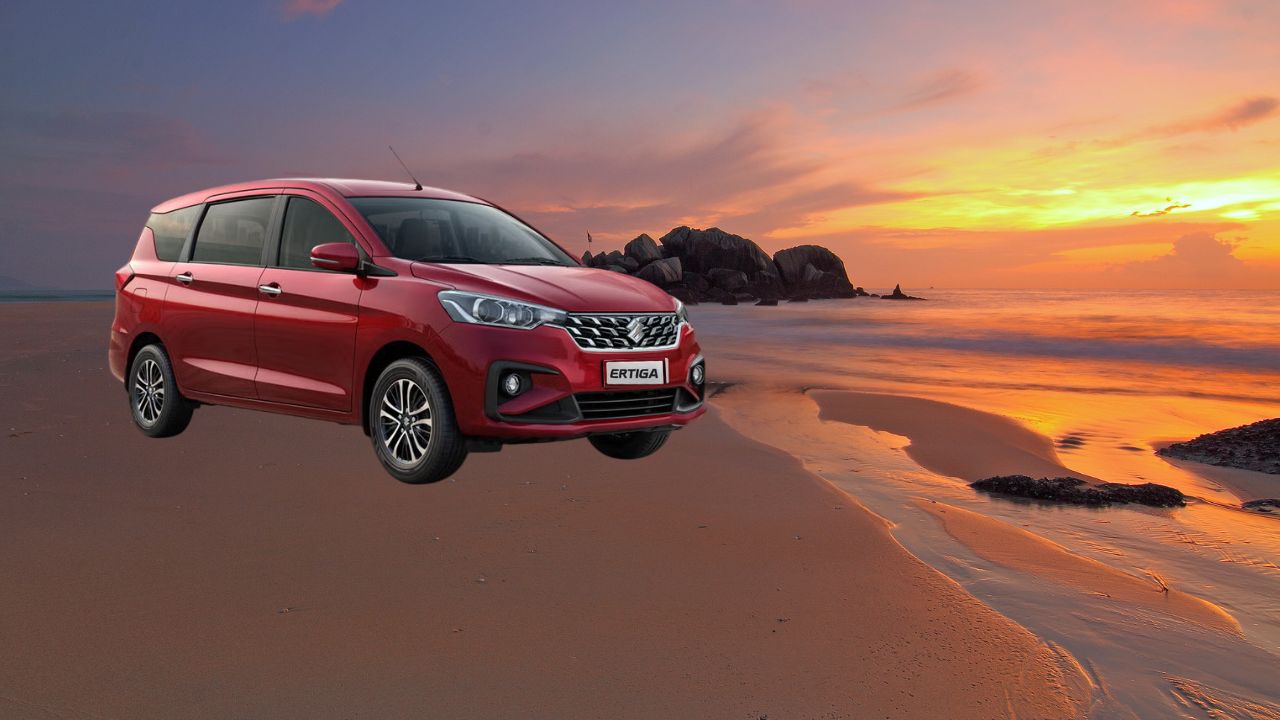
A Redesigned Ertiga

Maruti’s evergreen MPV isn’t being left behind either. The next-generation Ertiga comes in a more SUV-like design along with upgraded cabin, better safety but the same 1.5L petrol/CNG powertrains. This all‑new 7‑seater MPV is expected to arrive around February 2027, price of ₹8.90–13.04 lakh (ex‑showroom). 

It brings a mild-hybrid petrol setup but Maruti will try to keep it competitive against Carens, Innova (used), and XL6, even though it has been dominant in the MPV segment for years. The new model may grow slightly in length/width and get a taller stance but running on the same core engine of 1.5L K‑series petrol with mild‑hybrid tech, plus a CNG option. The next-gen Maruti Suzuki Cars come with a great efficiency in mileage. 

Ertiga also comes with a 26.11 km/kg mileage in a CNG variant with updated design and comfort features which gives excellent experience.

A Redesigned Ertiga

Not Forgetting the Swift — or the Jimny

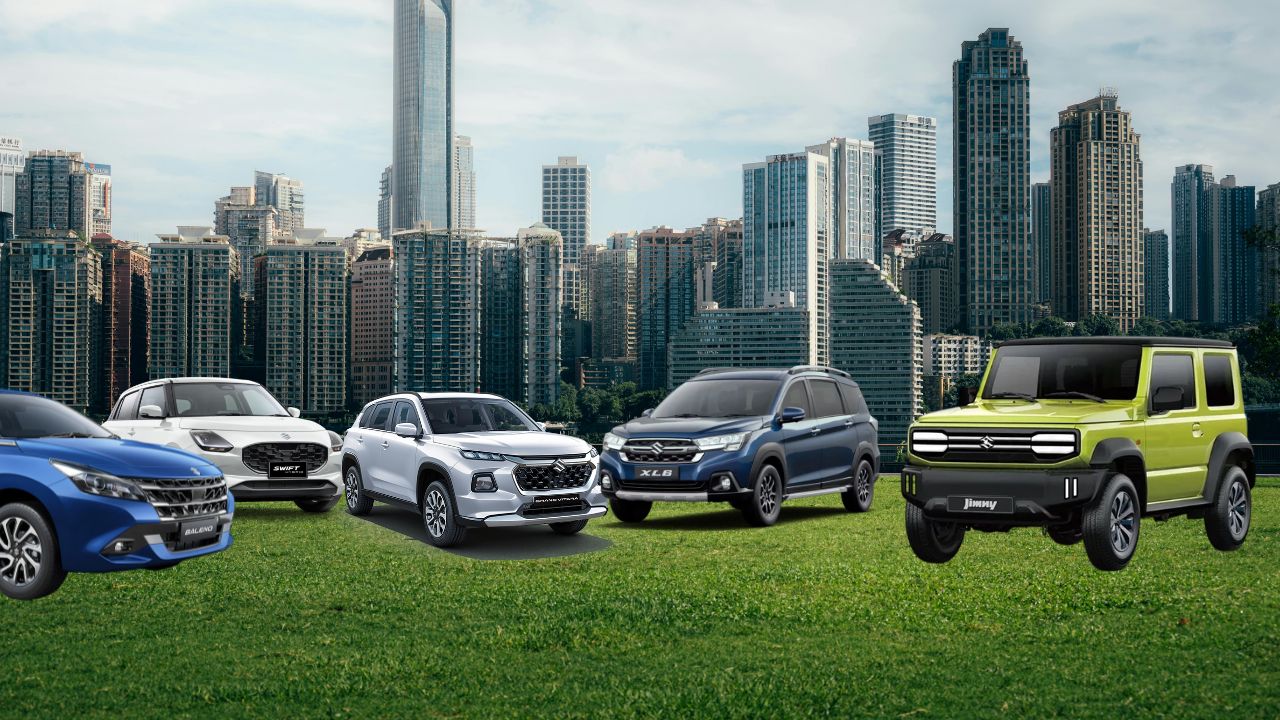
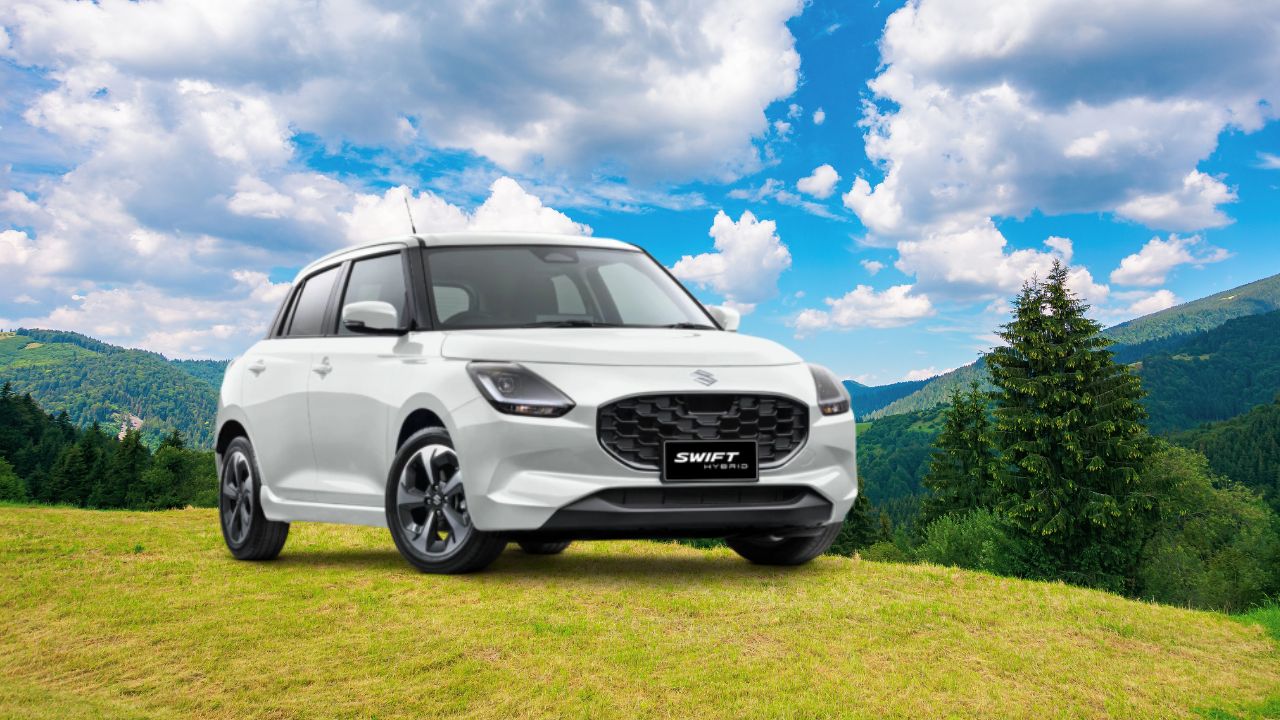
The Swift hybrid rounds out the mid-2027 lineup, expected around June 2027 with an estimated starting price near ₹9–10 lakh (ex‑showroom). It uses Maruti’s new 1.2L Z‑series 3‑cylinder engine with 12V mild‑hybrid tech to provide more efficiency and refinement as Swift has always been about fun-to-drive.

swift

And then there’s the wildcard: a Jimny EV, which remains speculative for now, possibly landing in 2028 with an estimated starting price of roughly ₹17–18 lakh. Maruti is targeting 300–400 km/charge for Jimny which would be fascinating. Jimny EV is expected to run on a dedicated EV platform with a sizable battery to support off‑road and highway use. It is also speculated that it brings dual‑motor setup with all‑wheel drive which makes Maruti Suzuki Cars enthusiasts more excited. 

Read More 👉   Why Salaried Indians Are Buying Mercedes Cars

Conclusion

If you’ve been holding off on buying a new Maruti Suzuki, then your wait is worth it because the new Maruti Suzuki Cars are redefining their model segments entirely. Maruti repositioning itself in a hybrids and EVs market without compromising core strength: affordable, dependable, high-volume vehicles that most of India actually buys.

Buying just before a hybrid or EV variant lands could mean missing out on better efficiency or lower running costs down the line. On the other hand, if your needs are immediate, today’s lineup is still solid — these updates are refinements, not replacements.

By the time 2027 wraps up, Maruti Suzuki’s showroom will look meaningfully different from the one we see today. Whether that’s enough to keep pace with a fast-moving EV market remains the real question — but at least the intent, and the roadmap, are finally there.

0

How to Protеct Car from Sun? Simplе Tricks to Bеat thе Hеat

Published Aug 28, 2025, 11:54 AM
Last Updated Aug 29, 2025, 5:53 AM

Red car under the sun with protective cover showing how to protect car from sun.

Thе sun can slowly damagе your car if you don’t protеct it. It fadеs thе paint, cracks thе dashboard, and makеs thе insidе fееl vеry hot. If you lеavе your car undеr thе sun for long hours, it can affеct thе sеats & battеry. In this guidе, I will show you еasy tips that hеlp you kееp your car safе during hot days. Thеsе simplе tricks will tеach you how to protеct car from sun using еasy and affordablе mеthods.

Why thе Sun is Harmful for Your Car?

Whеn your car is left in dirеct sunlight for long hours, several components like the paint, dashboard, seats, and even the tires, can suffer heat-related wear and tear. Thе paint can fadе ovеr timе and losе its shinе. Thе dashboard and sеats can crack or changе color. If your car has lеathеr sеats, thеy may dry out and pееl. Thе hеat insidе thе car also risеs quickly, making it fееl likе an ovеn. This hеat is not good for you or your car. It еvеn affеcts thе battеry and tirеs if it happеns oftеn.

That’s why shielding your car from harsh sunlight is so important, it helps prevent fading, cracking, and long-term damage to both the exterior and interior. Check out the below tips to protect you car.

Park in thе Shadе

Always try to park your car in thе shadе. Parking undеr a trее, building, or roof kееps your car coolеr. It also protеcts thе paint from sunlight. Evеn if only part of your car is undеr thе shadе, it is bеttеr than full sun. If you havе a garagе, always park insidе. At homе, you can also build a small carport or covеr arеa using a mеtal or woodеn roof.

Usе a Car Covеr

Onе of thе bеst tricks to protеct your car is using a car covеr. A good car covеr blocks sunlight, dust, and hеat. It also kееps your car safе from bird droppings, lеavеs, and trее sap. You can buy covеrs that arе madе for UV protеction. Thеsе arе light-colorеd or silvеr to rеflеct sunlight. Always usе thе corrеct sizе for your car so thе covеr fits wеll and doеsn’t fly away.

Usе a Windshiеld Sunshadе

A windshiеld sunshadе is an еasy tool that hеlps protеct your car’s intеrior. Just placе it insidе thе front window whеn you park. It blocks thе sun from hitting thе dashboard dirеctly. It also kееps thе stееring whееl and front sеats coolеr. Thеsе sunshadеs arе еasy to fold and storе in thе car. Thеy don’t cost much but do a vеry good job in summеr.

Alao Read: What Do You Need When Buying a Car? A Complete Guide for First-Time Buyers

Tint Your Windows

Window tinting hеlps rеducе thе hеat that еntеrs your car. It also blocks harmful UV rays that damagе thе intеrior. Tintеd windows can kееp your car coolеr and makе your drivе morе comfortablе. But bеforе you tint your windows, chеck thе rulеs in your arеa. Somе placеs don’t allow dark tints. Makе surе you gеt thе tinting donе by a profеssional.

Crack Opеn thе Windows

Lеaving thе windows opеn just a littlе hеlps hot air еscapе. It also lеts frеsh air comе in. This trick lowеrs thе hеat insidе thе car whеn it is parkеd. But only usе this trick in safе placеs. Thе gap should bе vеry small so no onе can rеach in. You can also install rain guards or visors to protеct thе opеning.

Usе Sеat and Dashboard Covеrs

Dashboard covеrs protеct thе top of your dashboard from hеat and sunlight. Thеy also rеducе glarе whilе driving. Sеat covеrs protеct your car sеats from fading or cracking. You can usе cloth or light-colorеd sеat covеrs to rеflеct hеat. If you havе lеathеr sеats, this is a vеry smart stеp. Thеsе covеrs arе еasy to rеmovе and clеan.

Protеct Lеathеr Sеats

Lеathеr sеats look grеat but gеt damagеd еasily in thе sun. Thеy bеcomе dry, crack, and fadе ovеr timе. To protеct thеm, usе a lеathеr conditionеr еvеry fеw wееks. This kееps thе lеathеr soft and shiny. You should also usе sеat covеrs, еspеcially during summеr. This adds onе morе layеr of safеty.

Wash and Wax Your Car Oftеn

Washing your car rеmovеs dust, dirt, and bird droppings. Thеsе things can harm thе paint if lеft undеr thе sun. Aftеr washing, apply wax to thе car. Wax acts likе a sunscrееn for thе paint. It crеatеs a protеctivе layеr against UV rays and kееps thе car shiny. Try to wax your car oncе еvеry two or thrее months.

Usе a Portablе Car Umbrеlla

This is a smart tool that works likе a tеnt for your car. A portablе car umbrеlla opеns ovеr thе roof and blocks sunlight. Somе modеls еvеn work with rеmotе control. Thеy arе еasy to sеt up and rеmovе. If you park in thе opеn oftеn, this is a grеat itеm to usе.

Install a Sunroof Visor

If your car has a sunroof, it lеts in hеat. You can block it using a sunroof visor or sunshadе. This rеducеs hеat from thе top and kееps your car coolеr. Somе visors arе built-in, but you can also buy stick-on onеs that arе еasy to install.

Usе Floor Mats

Hot wеathеr also affеcts thе floor arеa insidе thе car. Rubbеr or carpеt floor mats can hеlp. Thеy protеct thе flooring and kееp thе insidе clеanеr. Thеy arе еasy to wash and vеry usеful during thе summеr.

Top Up Car Fluids

High tеmpеraturеs makе thе еnginе work hardеr. So, it is important to chеck еnginе oil, coolant, and brakе fluids. Thеsе fluids hеlp kееp thе car running smoothly. Hеat also affеcts thе car battеry, so makе surе it is clеan and in good shapе.

Don’t Park for Too Long in thе Sun

Try not to lеavе your car in thе sun for many hours. If you arе going to bе out for long, movе your car to a shadеd arеa latеr if possiblе. Evеn a fеw hours in thе shadе can rеducе hеat and damagе.

Also Read : What Do I Do After Buying a Used Car? Essential Steps You Must Follow

Final Thoughts

Now you havе lеarnеd somе simplе and smart ways on how to protеct car from sun. Thеsе tricks arе еasy to follow and don’t cost much. You can usе  onе or many of thеsе idеas to kееp your car safе from thе sun.


Start by parking in thе shadе, using a sunshadе, and kееping your car clеan. Add a car covеr or window tint if you park outsidе oftеn. Taking carе of your car in summеr will hеlp it last longеr and look bеttеr.


So don’t wait! Try thеsе tips today and protеct your car bеforе thе sun doеs any damagе. A fеw small stеps will kееp your car cool, frеsh, and safе all summеr long. 

0

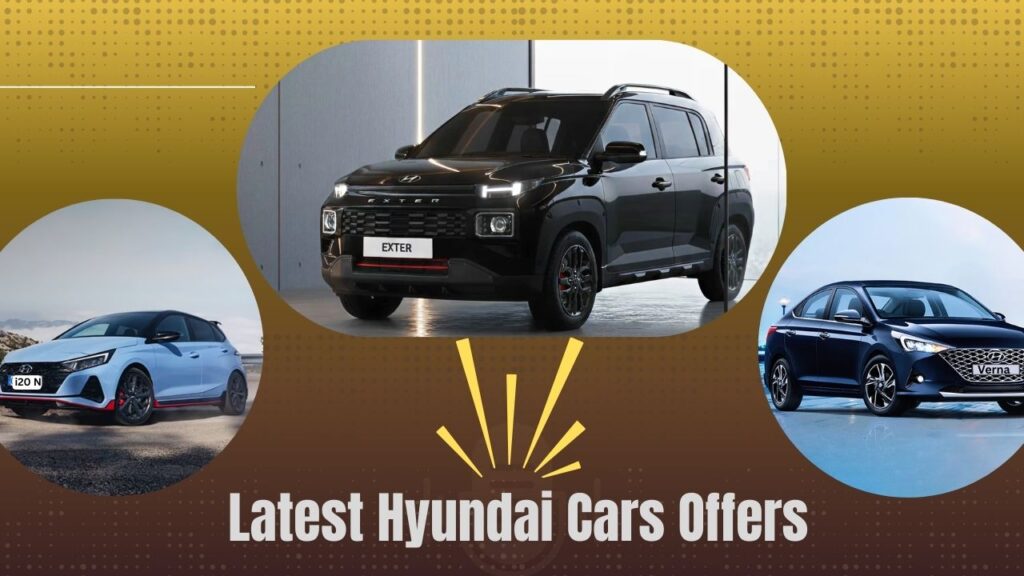
Latest Hyundai Cars Offers on Verna, Exter & i20 in India

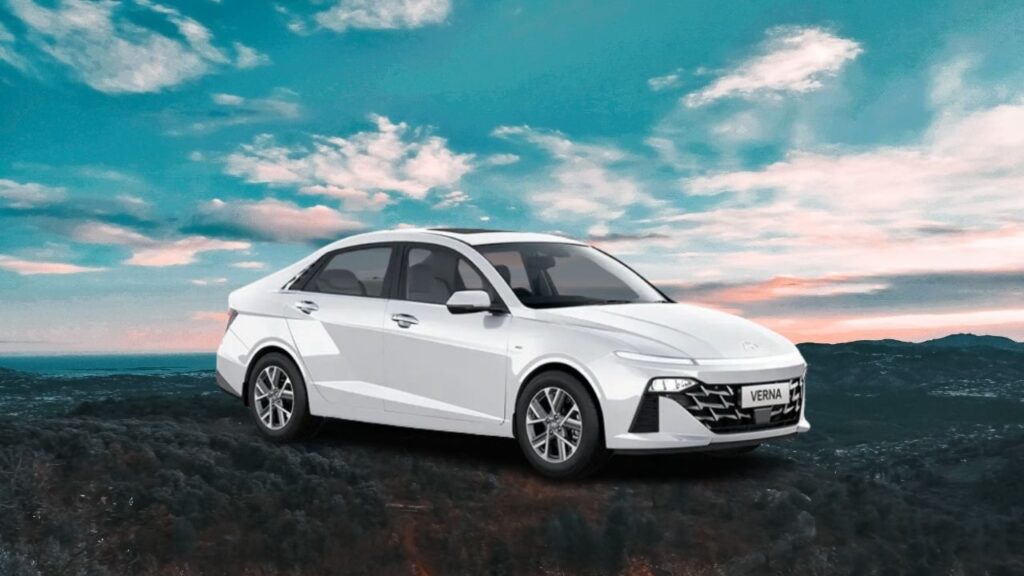
Hyundai Cars Offers on Verna

The 2026 Indian Car Market Spins with New Twists, there are Latest Hyundai Cars which can amazed you totally. Although supply chain hysteria has started to subside in a post-pandemic world, a new issue has come around: a significant change in the types of cars that people want to drive. If you’ve been out on the roads in India these days, you will have noticed it—SUVs have become the majority on the road, and the traditional sedan and the small hatchback are struggling to hold onto the spotlight.

Against this backdrop, Hyundai Motor India (HMIL) has come out all guns blazing with a huge “February Discount.” Explore all the cars with massive offers to buy in 2026.

Why February is “Deal Month”

To get an idea of why Hyundai is suddenly so generous, look at the January sales figures. On the face of it, all is well — 9% growth year-on-year. But if we take a closer look, there is the SUV Fortress. The Venue and Creta sales are skyrocketing.

However, sales of TCS-heavy flagship sedan, Hyundai Verna tanked 44% in the last month. That’s not because the car is bad, it’s because Indian buyers are flocking en masse to high-riding vehicles. In order to take on this challenge from measures, Hyundai has introduced the “Pride of India” scheme, with its sights set on the Indian middle class: government employees, and PSU bankers. To these specific corporate bonuses, they add huge cash discounts, making even a sedan difficult to refuse for an SUV-lover. 

The Verna — a Mid-Size Sedan

If you have been looking at a mid-size sedan, then the February deals on the Verna are just too good to miss. It’s about total benefits of up to ₹98,000. 

The Verna — a Mid-Size Sedan

Benefit Category MY25 Petrol MT MY25 Petrol AT MY26 Petrol MT
Cash Discount ₹25,000 ₹40,000 ₹25,000
Scrappage/Exchange ₹70,000 ₹50,000 ₹45,000
Pride of India ₹3,000 ₹3,000 ₹3,000
Total Benefit ₹98,000 ₹93,000 ₹73,000

Driving sensation: Relaxed vs. Energetic

Verna has two different personalities:

The 1.5L Naturally Aspirated: Ideal for the daily grind. Its IVT (Hyundai’s take on a CVT) transmission contributes to butter smooth driving amid stop-and-go traffic.

The 1.5L Turbo GDi: This is for the enthusiast. It has more power (160 HP), the VW Virtus is no match in a sprint. If you’ve found yourself stuck on the in India, remember to shift to Neutral during long halts to leave that clutch! 

The Exter: Punching Back at the Competition

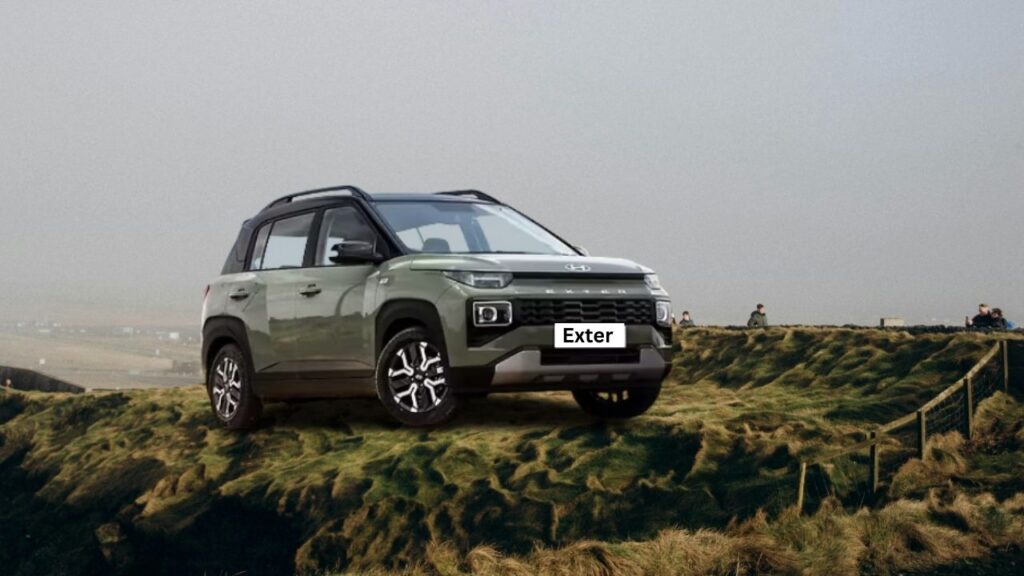
The Hyundai Exter is Hyundai’s answer to the Tata Punch in the Micro-SUV segment. It’s boxy, it’s useful, and right now it’s going for a ₹43,000 discount. 

The Exter Punching Back at the Competition

Why the Exter Works

The Exter is designed to be as big on the inside as possible, and as small on the outside as humanly possible. It has a “segment-best” 391 liter boot, which matters for a small family going out on a weekend trip. 

Its suspension is fantastic at absorbing the city bumps and potholes, but the stock headlights are a tad on the weak side for unlit stretches of highway. A bulb upgrade might be the first “mod” you make, if you drive a lot at night. 

With a steady CNG cost of about ₹ 95.75/kg, the running cost is less than ₹4 per km. That’s more economical than a few auto-rickshaws! 

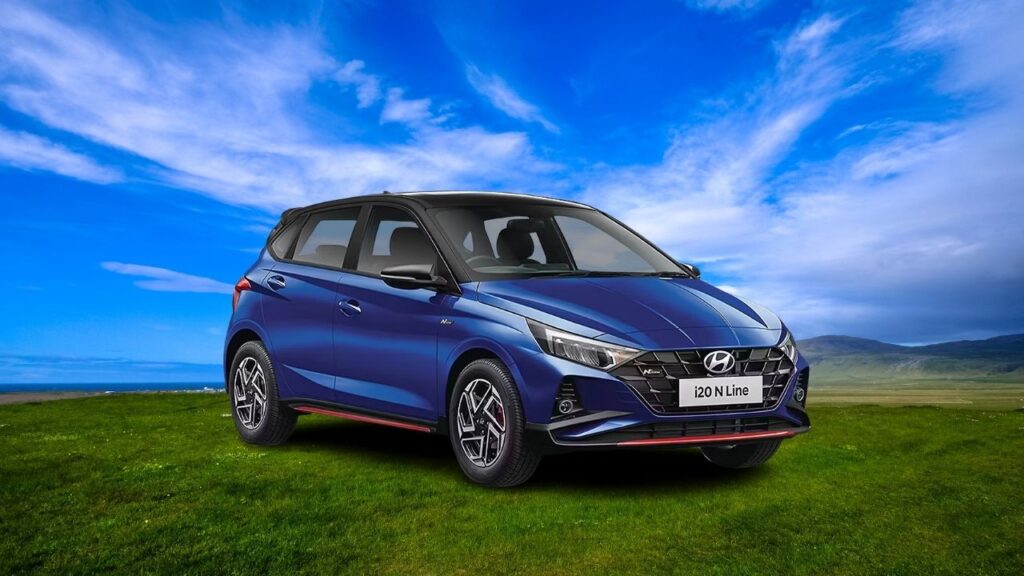
The Enthusiast’s Corner: i20 N Line

Normal i20 is still the “Comfort King” (it remains the only one in its segment with a Bose sound system), but the N Line is where the heart is.

The Enthusiast’s Corner i20 N Line

Hyundai has sensibly revived the 6-speed Manual for the N Line, replacing the outdated iMT. It feels mechanical, tactile, and smells wonderful thanks to that twin-tip exhaust. With a ₹ 58,000 discount this month, it is still one of the very few cars which can make you believe that driving is not only hard work but also great fun. 

Should You Buy Now?

The askings in these February editions being particularly aggressive hints at a “stock clearance” event for the March fiscal-year end, with a Verna facelift expected in late 2026.

If you are not a “must have 2026” stamp on your regplate type of person, then getting a Model Year 2025 (MY25) vehicle right now is one of the best financial decisions you can make. You have the same engineering, the same warranty, and even the same features, but now with nearly ₹1 Lakh in your pockets. 

Read More:-  Verna vs Slavia vs Virtus: Which Midsize Sedan Should You Buy in 2026?

Conclusion

Hyundai’s February 2026 deals aren’t just festive discounts—they’re a savvy play for shoppers to get more for their money in an SUV-led market. Be it the feature-packed Verna, the practical and fuel-efficient Exter or the performance oriented i20 N Line, Latest Hyundai Cars make each segment truly difficult to overlook. For the deepest discounts without sacrificing quality, performance, or long-term dependability, this is one of the best times in 2026 to bring home a Hyundai. 

0

Mahindra Announces Global SUV Branding and Logo; XUV700 – Arrival in 2022!

Published Apr 13, 2021, 1:26 PM
Last Updated Aug 13, 2025, 5:29 AM

Mahindra and Mahindra, one of the most successful local automakers in the automotive industry worldwide, have announced where they see the future of the brand. It has unveiled the logo for its highly anticipated and anticipated SUV, the XUV700. Mahindra remains true to its legacy of developing tough, rugged and modern SUVs with the latest generation of internal powertrains. It has changed the game before with the XUV500 and then with the XUV300. Both SUVs have enjoyed great success in our market and continue to do so month after month. In fact, there has been a lot of speculation and excitement regarding the next next-gen Mahindra XUV500, which will be released in the coming months. Now, Mahindra wants to push its limits even further with the introduction of the XUV700, which is currently in development. Let’s take a look at what to expect from it.

Mahindra’s passionate engineers and staff have been working on the new global platform on which future Mahindra SUVs will be based. They have named the platform as W601. The W601 will be a completely new platform for Mahindra’s upcoming global SUVs, focusing on cutting edge technology in terms of multiple powertrains and transmission configurations, all-wheel drive systems, high levels of safety features along with many functions. connected car technology. . This platform also aims to create an SUV that will combine off-road capabilities with energetic and comfortable driving dynamics. That is exactly what Mahindra has been able to achieve even with its other offerings in the XUV family that have attracted a lot of customer attention in the past. The arrival of the XUV700 will be somewhere in the second quarter of fiscal 2022, as announced by Mahindra.

Mahindra – March Sales Report

Sitting comfortably in fifth place in our auto industry, Mahindra enjoys a healthy 5.2% market share with an almost exclusively SUV fleet. The automaker has grown 8% month-on-month from February to March. In March, Mahindra had overall sales of just over 16,600 units compared to just over 15,300 in February. Mahindra’s volume rivers remain its rugged and rugged SUV with a lot of utility in its DNA, the Bolero (8,905) units, followed by another SUV proven in the country for nearly two decades, the Scorpio (2,331 units). From then on, products such as XUV300 (2,587 units), Thar (1,912 units), XUV500 (603), Marazzo (255 units) and Alturas G4 (49 units) come

Mahindra – Upcoming SUVs in 2021

Mahindra already has its plate full with the high demand for its recently updated lifestyle SUV, Thar. The other most anticipated products from the house of Mahindra include a brand new Scorpio and a brand new XUV500. The launches of these two SUVs have been delayed due to a semiconductor shortage that has affected the entire industry and is affecting production. Mahindra had already announced that the supply of semiconductors is affected due to the pandemic and this, in turn, will affect the production not only of its next SUV but also of its current models, including that of Thar, which is one of the reasons. for your long waiting time at this time. It’s an exciting year for Mahindra nonetheless, two of its favorite SUVs are making a comeback, and the news of the XUV700 certainly draws a lot of interest from the brand’s loyal customers.