0

Erica Kirk Luxury Car Collection Featuring Rare Supercars and Premium Models

Published Dec 13, 2025, 7:43 AM
Last Updated Apr 7, 2026, 5:31 AM

Erica Kirk Luxury Car Collection

The subject of Erica Kirk Luxury Car Collection rarely strays from the garages of Hollywood A-listers or tech moguls in the automotive world, but once in a while a political or business figure makes for a collection that is surprising and worth a second look. Erika Kirk, CEO of Turning Point USA and widow of founder Charlie Kirk, has fashioned a life that is equal parts high-stakes leadership and undeniable luxury. 

After the well-publicized and tragic death of her husband in 2025, Erika not only gained control of a media empire but also a carefully selected fleet of vehicles that is an eclectic array of American muscle, sophisticated luxury, and rugged utilitarianism.

Gear-heads and lifestyle watchers can learn a lot by studying Erika Kirk’s garage, which is essentially a collection of two: track-focused engineering with blistering speed, cradled by quiet opulence and family-hauling fortresses. So, let’s take a closer look at the cars that make up her collection, and see what exotic and rare supercars are available for this power player. 

2025 Chevrolet Corvette Z06

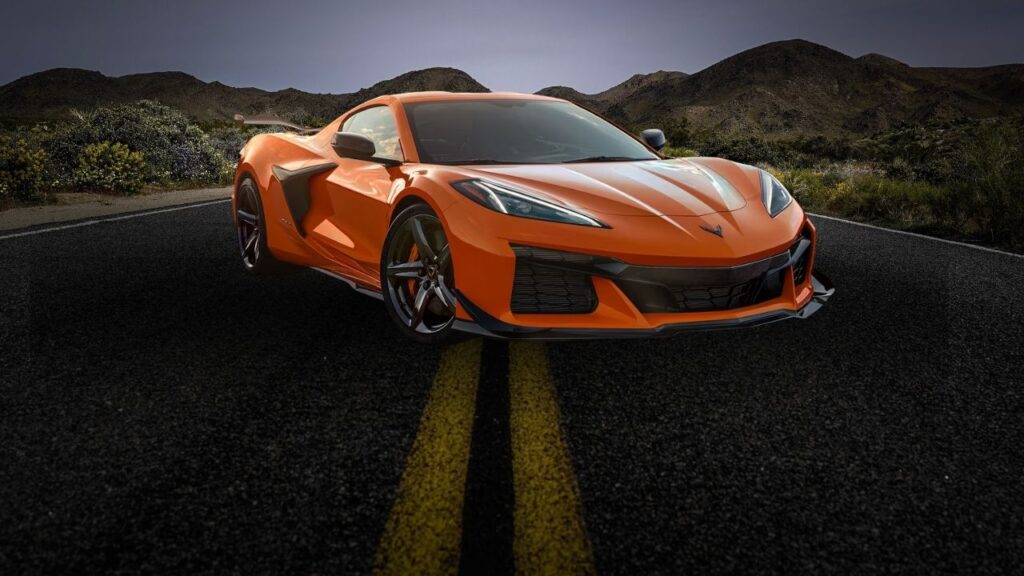
If there’s one car that sums up the “SUPERCAR” status of this group, it’s the 2025 Chevrolet Corvette Z06. Some collectors chase Italian badges for the prestige, but the Kirks’ choice of the Z06 indicates a taste for world-beating performance with an American passport.
2025 Chevrolet Corvette Z06

The Z06 isn’t just a “fast car”, it’s a naturally aspirated marvel. At its core lies the LT6 5.5-liter V8 engine, a flat-plane crank wonder that revs to an 8,600 RPM redline. This isn’t the lazy rumbling like a traditional muscle car: it’s a high pitched race-bred shriek that can go head-to-head with a Ferrari 458. 

For Erika, a person who is frequently in front of the camera, the Z06 has a bold presence. The wide-body stance, aggressive aero kit, and massive carbon ceramic brakes, let me tell you this car is made for some serious getting around. It is said to be one of the “flagship” cars in the estate and is thought to be worth between £110k and £150k, depending on which trim and carbon fibre options you go for. It does 0-60 mph in a blistering 2.6 seconds, making it quicker than a bunch of European exotics that cost three times as much. 

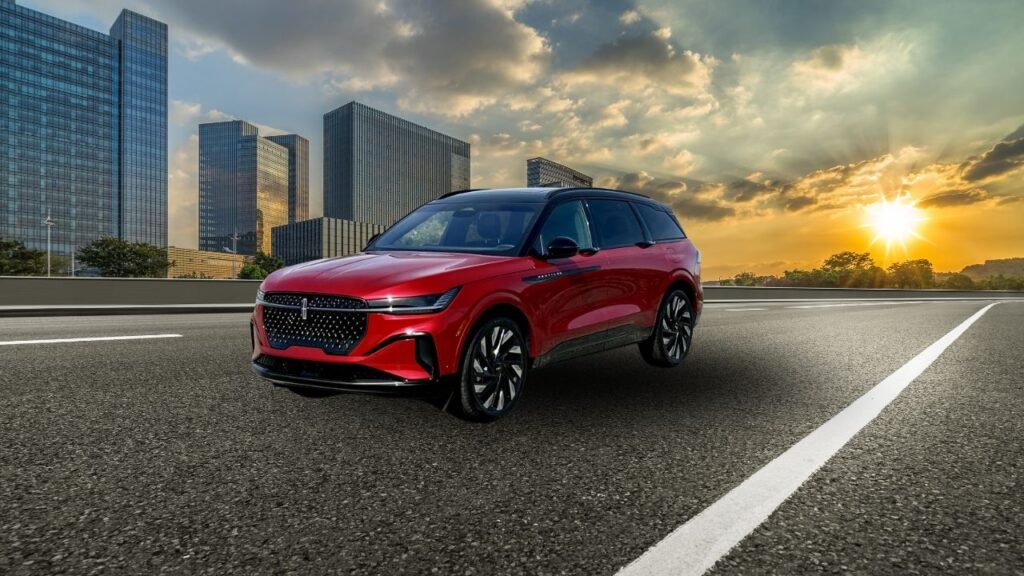
2024 Lincoln Nautilus Reserve

When the cameras are off and the school run begins, the Corvette stays home. Out goes the 2023 Lincoln Nautilus, and in comes the 2024 Lincoln Nautilus Reserve. That choice underscores a move toward “Quiet Flight” – Lincoln’s design ethos that places sanctuary over sportiness.
2024 Lincoln Nautilus Reserve

For a mother of two who is also the CEO of a national organization, the Nautilus is a mobile command post. The Six is especially known for its 48-inch panoramic display that stretches across the whole dashboard, creating a futuristic yet calm digital experience. It is powered by either a 2.0-liter turbocharged inline-four engine or a hybrid powertrain option, focusing more on smooth power delivery than outright power. 

The cabin is draped in high-quality leather, and its 24-way Perfect Position seats include a massage function – necessary for high-pressure days. It’s a more understated flex: a car that doesn’t scream “look at me,” but rather whispers “I’m here.” 

Range Rover Autobiography

No high-end automobile collection would be complete without the lord of the SUVs. Reports and videos from the Kirk compound occasionally show sleek, blacked-out SUVs, presumed to be zRange Rovers. Among the elite political class, business magnates, the Range Rover is the dress code.

 

Range Rover Autobiography

Range Rover Autobiography or a high-spec SE, this car takes the best bits of the off-road accessible Range Rover and the limousine-like comfort of the standard model. Based on the BMW 7 Series, the 4.4-liter twin-turbo V8 powertrain (manufactured by BMW) produces about 523 horsepower. 

Why This Essential For Erika Kirk, The one thing Erika always points out is the command driving position and how secure she feels in the car. With hot-stone massage seats, a meridian sound system and an intimidating road stature, it feels more like a bunker on wheels. It’s the car to arrive at galas, board meetings or private airports. 

Read More:- Maruti Dzire ZXI+ Specs Overview with Features, Performance, Safety and Design

The Rugged Outlier — 2018 Jeep Wrangler JK

A perfect vehicle for the Kirk, which became the compatible partner in the Arizona desert is a 2018 Jeep Wrangler JK. 

In that way, the addition lends a touch of realism to the line up. It’s as if through all those private jets and Manhattan apartments, you can still get outside and go on an adventure. The Wrangler JK is renowned for its off-road capabilities, with solid axles and a removable top. It‘s not about luxury, it’s about freedom. It’s the car you bring when you want to get lost in the canyons, hide away from politics and media. 

Jeep Wrangler JK

It’s the complete opposite of the digital shine on the Lincoln and the precision of the Corvette: a physical representative for a more grounded, “tomboy” aspect of Erika’s style that she’s talked about in interviews before. 

The Power Within the Garage

In order to get a real sense of the range within this set, we need only examine the figures. Here is a specification sheet comparison for the best models of Erica Kirk Luxury Car Collection. 

Spec / Feature 2025 Chevy Corvette Z06 2024 Lincoln Nautilus Range Rover (Est. V8)
Engine 5.5L LT6 V8 (Flat-Plane) 2.0L Turbo I-4 / Hybrid 4.4L Twin-Turbo V8
Horsepower 670 hp @ 8,400 rpm ~250 – 310 hp 523 hp
0-60 MPH 2.6 seconds ~7.0 seconds 4.4 seconds
Drivetrain RWD (Mid-Engine) AWD AWD
Primary Use High-Performance Driving Daily Luxury / Family Executive Transport
Est. Price $115,000+ $55,000 – $75,000 $160,000+
Vibe American Supercar Digital Sanctuary British Opulence

Conclusion

For Erica Kirk Luxury Car Collection is not just assets, it is a story of the chapter of her life that she is currently living. The Corvette is the embodiment of brazen, unapologetic American daring — and her late husband shared that trait. The Range Rover and Lincoln represent the maternal, executive and protective roles she inhabits today, roles that require safe, cutting-edge and status-driven wheels. Yet the Jeep remains a link to the Arizona beginnings and her exhilaration at finding a dusty trail.

In an era of influencers just leasing the latest Lamborghini for the ’Gram, this collection feels curated and intentional. It straddles the “Rare Supercar” jolt of the Z06 with the “Premium Model” practicality you need to run an empire. For Erika Kirk, these aren’t just cars to look at — they are instruments of a business where you need power, on every level. 

Bipin Sharma

Bipin Sharma is a seasoned automotive content writer with over 10 years of hands-on experience in the world of cars. From the latest car news and reviews to in-depth maintenance tips and expert buying guides, Bipin covers everything that drives the automotive world. Writing about cars isn’t just his profession — it’s his passion. His deep industry knowledge and love for automobiles fuel every blog he creates, helping readers make informed decisions and stay updated on the fast-evolving auto landscape.

Leave a Reply

Your email address will not be published. Required fields are marked *

0

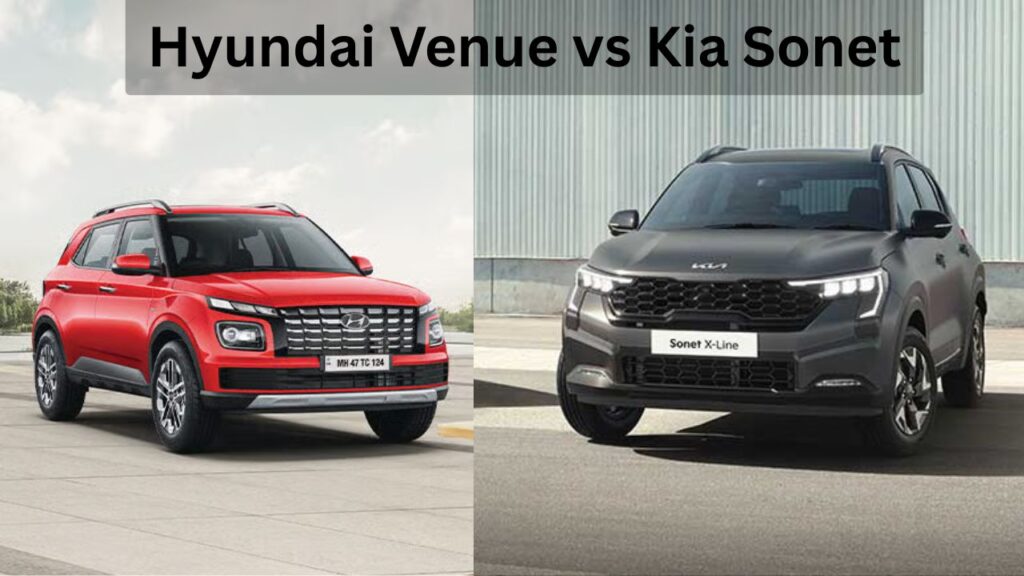
Hyundai Venue vs Kia Sonet: Which Compact SUV Wins the Battle?

Published Aug 18, 2025, 10:19 AM
Last Updated Apr 11, 2026, 11:11 AM

The compact SUV has emerged as a first choice between petrol and electric models. As the market looks to 2025, Hyundai Venue vs Kia Sonet offer a blend of fuel efficiency, performance, and advanced features that make them increasingly attractive for any SUV buyer. In the early Q1 of 2024 & 2025 hybrid electric vehicles have increased their sales more than other electric or plug-in hybrid vehicles. The increasing growth of these SUVs makes them a strong contender. People’s preferences have shown for these new hybrid electric models of Hyundai and Kia.

Let’s look into the details of these compact SUVs such as price, performance, fuel economy, safety features, and what makes them a strong contender in 2025 SUVs. 

Hyundai Venue vs Kia Sonet: The 2025 Best Compact SUVs 

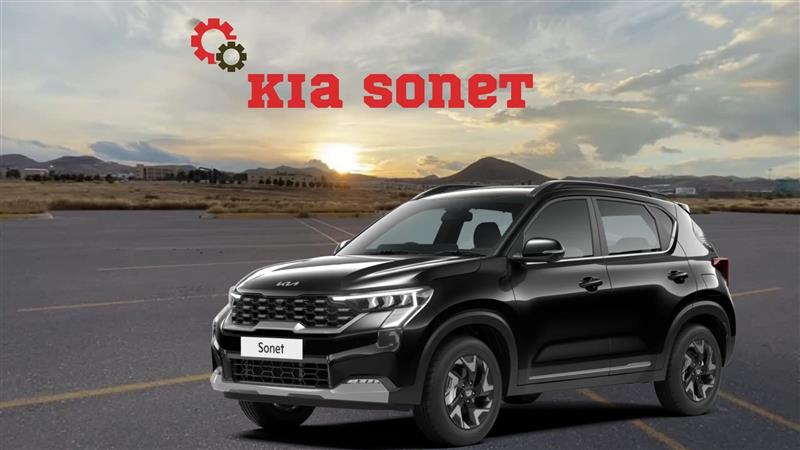
Kia Sonet

The Kia Sonet is on the top consistently due to its powerful performance and other key points which attract the most is industry-leading reliability and future-rich interior making it a strong contender in its segment. It offers a perfect balance of fuel efficiency and practicality. 

The 2025 model comes with a mileage of up to 18.4 kmpl for petrol and 24.1 kmpl for diesel variant. A 1.2L petrol engine with 5-speed manual transmission, 1.0L turbo-petrol with 7-speed DCT, and 1.5L diesel engine with 6-speed manual transmission.

The Kia Sonet starting price is around $9,600 to $10,000. It offers the best safety features to keep the passenger safe during the crash with multiple airbags, ABS safety function, dynamic cruise control, lane assist, and pedestrian detection.

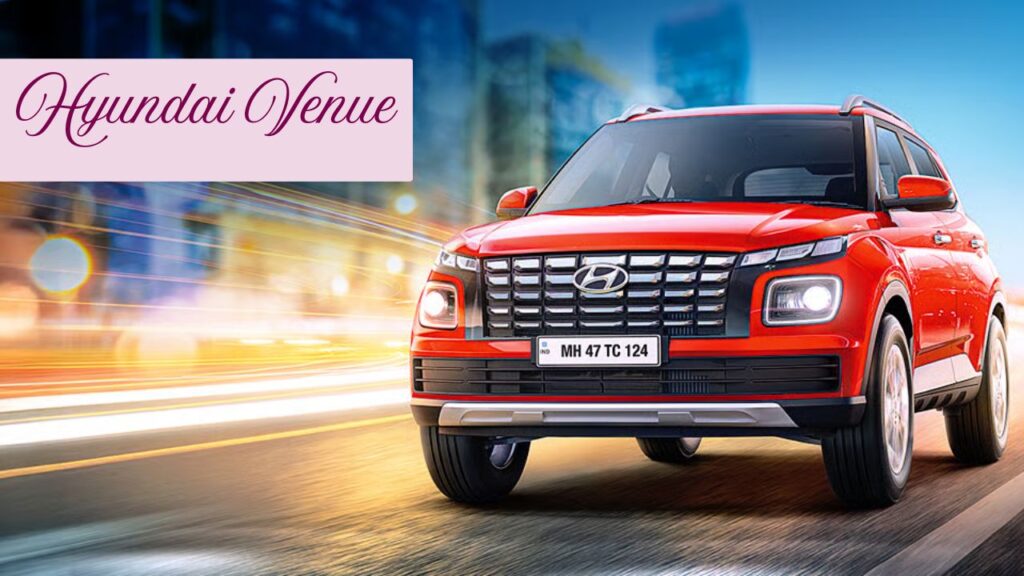
Hyundai Venue

The Hyundai Venue brings new design in both exterior and interior. The Hyundai Venue 2025 is a significantly popular model in many international markets and offers high-premium features for comfortable trips that includes leatherate seats and fuel efficiency. 

The starting price of Hyundai Venue is around $20,200. This highly powerful model is delivering 1.2-litre naturally aspirated petrol engine without automatic transmission, but DCT is available in the 1.0-litre turbo petrol engine. 

Its impressive features include safety functions – drive assist, collision warning, and lane departure detection. Its angular design looks inspired by other Hyundai SUVs like the Alcazar, the sleek impression with its new front is remarkable. 

Hyundai Venue vs Kia Sonet: Same DNA, Different Flavors

While there is comparison between powerful compact SUVs which offer impressive looks, it is hard to decide which one is more strong and reliable. Both Hyundai Venue and Kia Sonet are built on K2 small car architecture offering the same structural parts that lead to similar driving dynamics and safety fundamentals.

Engines Both SUVs Share

The 1.2-litre naturally aspirated petrol engines are not very quick but almost reliable and fuel efficient to deliver 5-speed manual ride and 83 PS power. The 1.0-litre twin turbo engine produces 120 horsepower and 172 lb-ft of torque which delivers fast speed with 6-speed iMT clutchless manual or 7-speed dual clutch automatic for smoother gear switching.

Kia Sonet’s Extra Power Options

For those buyers who want more power, a 1.5L petrol engine offers incredible power. Sonet’s 1.5L diesel engine delivers 6-speed manual and automatic power that delivers better fuel efficiency and high torque for rush and highways. 

Venue no longer offers these features including automatic mode in diesel, it makes Sonet a best choice.

Read More 👉  Tata Nexon vs Hyundai Creta: Which 2025 SUV Will Rule the Roads?

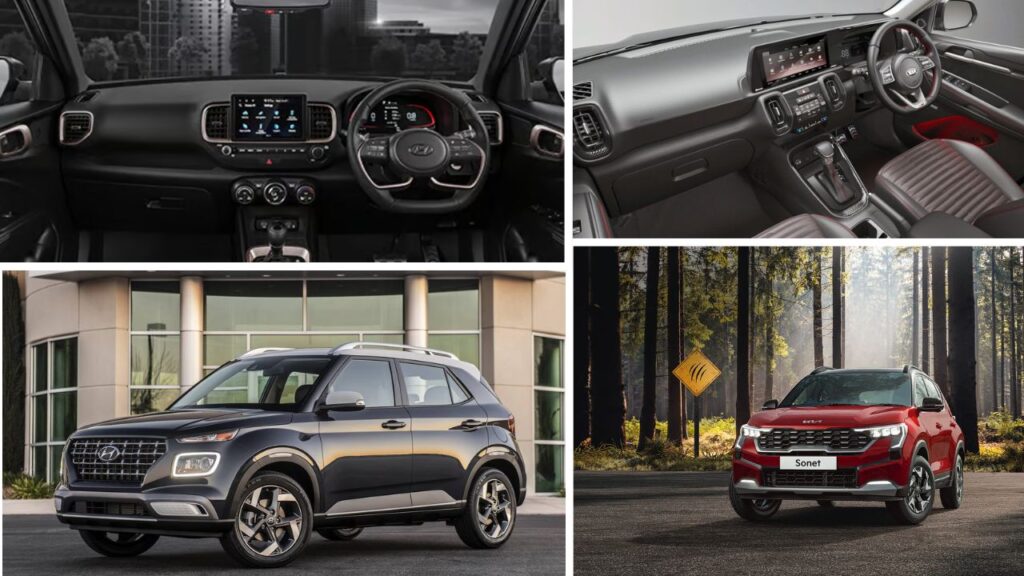
Comfort & Interiors: Which SUV Feels More Premium?

The 2025 Hyundai Venue offers softer seats with original material, 4-way adjustable feature and 2-step reclining gives comfortable rides to its passengers. It offers 5 passenger seating, its modern and user-friendly cabin is the major selling point of Venue. The high quality material giving a premium look with various colour options might set an amazing impression.

The 2025 Kia Sonet is offering a premium look with more cabin space and cargo space for passengers. Long trips can no longer be hard with its comfortable ventilated seats that deliver power-adjustable to hot weather. Electric sunroof and automatic climate control is more attractive to the buyer who wants an SUV for longer trips without compromising their comfort.

Category Venue 2025 Sonet 2025
Starting Price  $34,050 $36,100
Engine Options 1.2L & 1.5L  1.2L & 1.5L 
Max Power 113bhp  114bhp 
Max Torque 250Nm  250Nm 
Transmission Options 6-speed MT 6-speed MT
Mileage (ARAI) Up to 24.2 km/l  Up to 24.1 km/l 
Boot Space 350 litres 385 litres
Fuel Tank Capacity 45 litres 45 litres
Ground Clearance 190 mm 205 mm
Safety Features 6 Airbags, ABS, EBD, Rear Parking Camera 6 Airbags, ABS, Rear Parking Camera, ADAS, 360° Camera
Modern Tech  360° Camera, Wireless Charging, Sunroof  ADAS, Digital Driver Display, Powered Driver Seat, Ventilated Seats, Sunroof

Final Verdict

With the modern design and advanced features Hyundai Venue vs Kia Sonet compact SUVs are hitting at the top rank consistently. The high demand for these is rising due to their safety functions, impressive look and most importantly they are hybrid models. As the world evolves in the automotive landscape, the SUV has more demand in the market. 

Which one should you buy? It is totally up to your priorities and budget, choose the right vehicle for your convenience because both offer somewhat same engines, design with little difference in their interior and budget. Overall, both are best and get positive reviews from consumers.

0

BMW 5 Series Price in India: Latest Cost, Features & Buying Guide

BMW 5

The BMW 5 Series has been the defining executive sedan for years, striking that elusive balance of sports-car thrill and luxury cruiser. In the constantly growing Indian automobile industry, the 5 Series gets a big facelift. BMW 5 Series Price In India is worth the features to experience the real luxury ride. Understanding the Indian luxury car buyers unique requirements, — essentially they drive on weekends and get driven on weekdays, BMW has introduced the Long Wheelbase (LWB) model. 

This change in strategy changes the sedan’s value proposition entirely. If you have your eyes set on this Bavarian marvel, then it’s important that you know the BMW 5 Series Price In India, running costs and what makes it so special. 

This all-inclusive guide goes in depth on all the things you need to know before you spend your money. 

The BMW 5 Series Price in India

When shopping in the high-end car category, the price tag is just the beginning. From 2026, BMW 5 Series will be offered only in the very popular 530Li variant. The price (ex-showroom) for the BMW 5 Series in India is now ₹72.90 Lakh – ₹75.80 Lakh. 

Yet, the on-road price is a more accurate indication of what you have to spend, as it includes the RTO registration, road tax, insurance, and any handling charges. The taxes are ridiculous in some Indian states and the final amount you pay will depend largely on the state where you register the vehicle. 

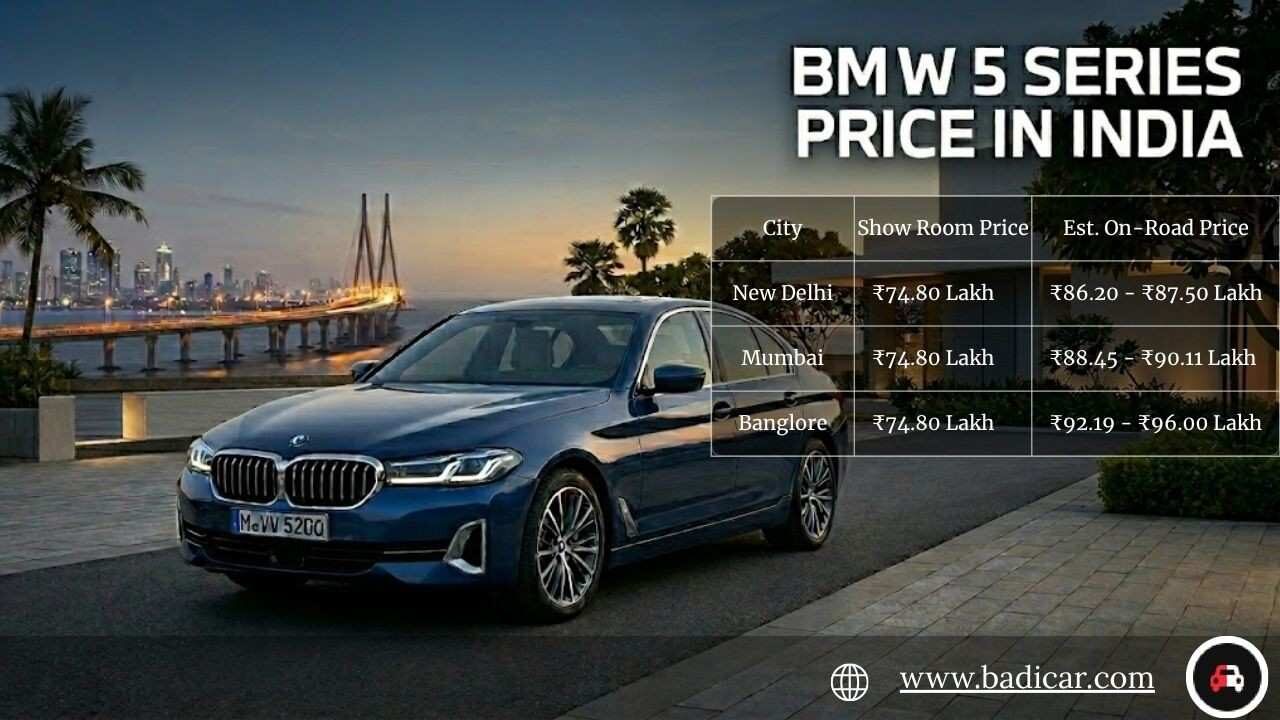
Estimated On-Road Prices in Major Indian Cities

City Ex-Showroom Price Estimated On-Road Price
New Delhi ₹74.80 Lakh ₹86.20 Lakh – ₹87.50 Lakh
Mumbai ₹74.80 Lakh ₹88.45 Lakh – ₹90.11 Lakh
Bangalore ₹74.80 Lakh ₹92.19 Lakh – ₹96.00 Lakh
Chennai ₹74.80 Lakh ₹93.68 Lakh – ₹95.23 Lakh
Chandigarh ₹74.80 Lakh ₹86.03 Lakh – ₹87.00 Lakh

Under the Hood: Performance Meets Refinement

A BMW is ultimately defined by what lies under its bonnet, and the new BMW 5 Series LWB is no exception. The Indian market have seen a major focus move towards refined, high performance petrol engines. 

The BMW 5 series offers a 2.0-litre four-cylinder petrol engine that drives you with a super speed with quite punchy 255 bhp @ 4500 rpm power. It also offers 8-speed Steptronic automatic transmission to add ultra-smooth experience with rear wheels and a healthy 400 Nm peak torque from as little as 1600 rpm. 

It provides a smooth ride while accelerating high with LWB 530Li and takes you from 0 to 100 km/h in 6.5 seconds. For a big executive limousine that’s quite an achievement. Also, the fuel efficiency claimed by ARAI is a staggering 15.7 kmpl, however in the city you will get anywhere between 10-12 kmpl depending on the traffic and the way you drive.

See Also: New BMW M4  2028 Coupe Digitally Enters The BMW Neue Klasse M4 Era

Design and Features: The Luxury of Space

The move to a Long Wheelbase format is what sets the current 5 Series apart. The longer wheelbase results in rear-seat legroom that is simply enormous, encroaching on the space that is traditionally reserved for the 7 Series flagship. 

Exterior Styling

BMW has gone for a brave, modern look. The front of the car is dominated by the signature kidney grille which is also lighted with a soft illumination to give more presence at night. On top of the grille are sharp adaptive LED matrix headlights. The shape is clean with flush door handles and 19-inch alloy wheels as standard for a sleek, aggressive and refined look. 

Interior & Technology

The interior is first-class lounge which makes you experience the premium cabin comfort and style with: 

  • BMW Curved Display: It offers a large 12.3 inch driver display and 14.9-inch touchscreen makes it more convenient for every driver to take a care-free ride.
  • Panoramic Glass Roof: Making this car more like a home, BMW is not gonna leave a chance for a dislike. A glass roof lets you enjoy the sunshine and rain while you sit in the back.  
  • Rear seat comfort: Special contours have been developed for the rear seats to provide comfort and luxury with individual climate control zones and high-quality leather material and larger legroom. 
  • Technology: advanced design that supports wireless charging, all-round camera and a premium Harman Kardon audio system that make your ride more fun and ventilated front seats to make you comfortable.

Strong Focus on Safety and Sustainability

Mostly in the luxury vehicles, the focus is more on the performance but BMW keeps its brand more safe and sustainable with their well constructed model of new BMW 5 Series which holds an excellent safety rating. 

Key Safety Features include:

  • Maximum Airbags: Everyone inside the car will be protected with both front and rear seat airbags from various impact directions.
  • Active Safety Systems: More advanced control over safety is implemented with Traction control, EBD, and ESC which helps to keep the car balanced and avoid destruction particularly on abrupt turns or when braking suddenly. 
  • Advanced Driver Assistance Systems (ADAS): It’s one of the most advanced safety systems which detects sudden obstacles with cruise control, blind-spot alerts, and automatic emergency braking.

Besides, BMW is striving for sustainable production in an all-round way. The cabin is adorned in “Veganza,” a vegan material which is highly durable and akin to the texture and breathability of traditional leather but only results in a fraction of the typical leather carbon waste. 

Is the BMW 5 Series the Right Choice?

Spending more than ₹85 lakh for a car is a call that needs to be made after a lot of thought. The segment for luxury executive sedans does have a handful of very strong contenders, so deciding between them is a question of your priorities. 

BMW 5 Series Competition Check

  1. Mercedes-Benz E-Class LWB: A long-wheelbase model gives you a more comfortable ride. Most people who want to sit back and enjoy the ride while the driver is handling the streets then it’s best for them.
  2. The Audi A6: One of the luxurious cars everyone craves for as it offers modern hightech features to make you experience the true luxury. But it can’t match the 5 Series for commanding road presence or long-wheelbase composure.  
  3. Lexus ES: If you are more interested in mileage and hybrid engine to become eco-friendly then it is best but you can’t get the experience of sporty drive as the rear-wheel-drive BMW 5 Series.    

BMW 5 Series LWB strikes the elusive sweet spot. It’s the ideal car for the corporate executive with a chauffeur for the weekday grind and who loves to speed down the Sunday highway behind the wheel.

While considering BMW 5 Series Price in India, it is advisable to go for the BSI (BMW Service Inclusive) packages. These prepaid maintenance plans cover your service expenses for a certain number of years or kilometers and protect you against inflation and give you complete peace of mind. 

Conclusion

The BMW 5 Series is new again, and it raised the bar for what an executive sedan could be in India. With the 5 Series now available in a specifically designed Long Wheelbase version, BMW has perfectly met its customers’ needs for a chauffeur-driven car without betraying the “Ultimate Driving Machine” credo on which the brand rests.

If it’s the high-tech curved display, the expansive rear-seat space, or the relaxed punch of the 2.0-liter turbo-petrol engine that charms you, the 5 Series is a very well-rounded offering. Yes, the BMW 5 Series Price in India is beyond the reach of the segment, straddling the ₹90 Lakh mark on-road in many states. Still, for that kind of premium, you’re getting a car that refuses to make compromises—delivering a decked-out luxury experience and a thrilling ride on the weekends. 

0

Ceramic Coating vs PPF For Kia Carnival Hybrid 2026 

Ceramic Coating vs PPF

Book a Kia Carnival Hybrid 2026 and within days someone at the dealership will hand you a laminated sheet pushing a “protection package.” Debating between Ceramic Coating vs PPF for Kia Carnival Hybrid is normal if you don’t know it properly. Ceramic here, PPF there, sometimes both bundled for a number that quietly adds four to five percent onto an already steep on-road price. 

Before opting for the one which someone you know suggests best, try understanding what ceramic coating and PPF is for, why it is used, and how it can protect your car. As it depends on how you’ll drive a 5.2-metre MPV, not which one people use the most.

When Does the Kia Carnival Hybrid 2026 Launch And Can You Book One Yet?

Kia Carnival Hybrid will sit in the Indian showrooms on September 4, 2026, it will join the existing diesel-powered Carnival as a more fuel-efficient option, it increases the fuel efficiency to run on road fluently. It becomes possible with the hybrid powertrain bringing electrification to Kia’s premium MPV lineup. 

Powertrain and Performance

It offers a powertrain of 1.6-litre turbo-petrol engine paired with a 54kW electric motor. While the current Carnival uses a 2.2-litre diesel engine paired with an eight-speed automatic gearbox. The best thing is having three levels of regenerative braking which help in recovering energy under braking, and also a six-speed automatic gearbox for a powerful performance.

Internationally, this setup is rated around 242hp and 367Nm, and reports suggest the India-spec car should land close to those figures — though Kia hadn’t published official India output numbers as this was written, so treat that as a strong expectation rather than a confirmed spec.

Interior Features

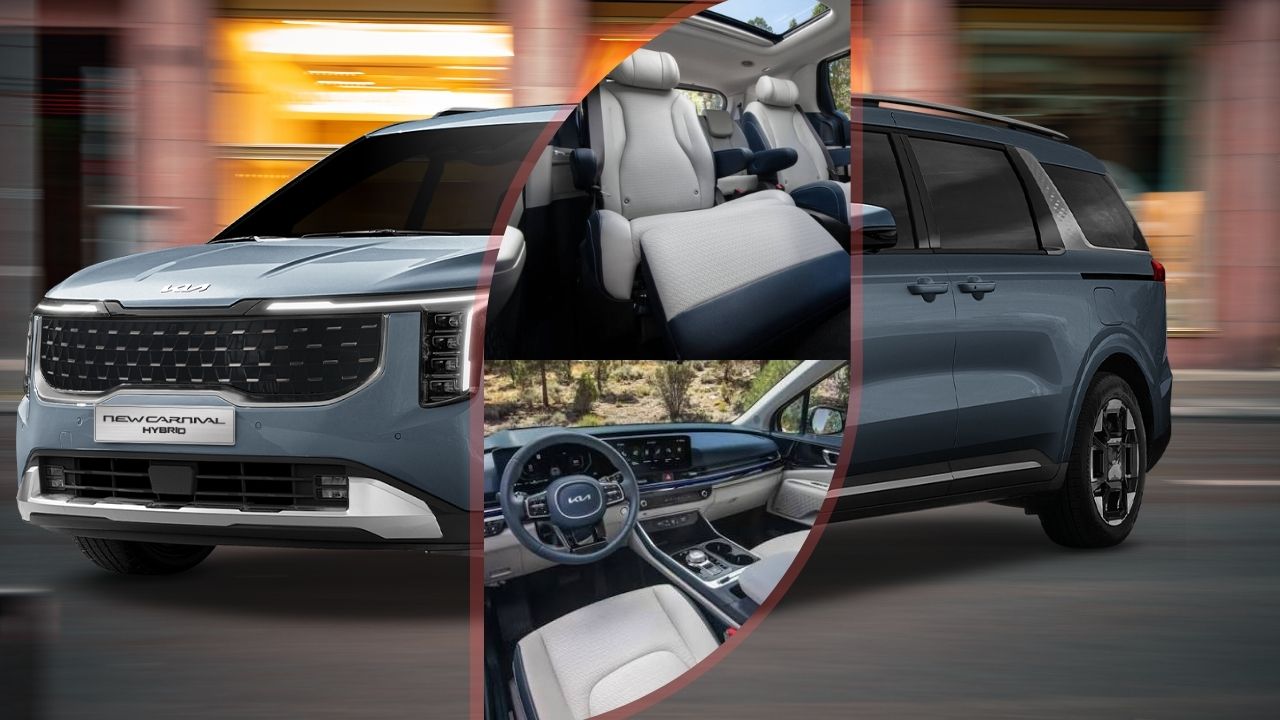
Inside the door, dual 12.3-inch screens, an 11-inch head-up display, a Bose sound system, let the driver experience the futuristic behaviour with a digital rear-view mirror, Kia Connect, wireless smartphone pairing, a shift-by-wire selector, and a dual sunroof.  

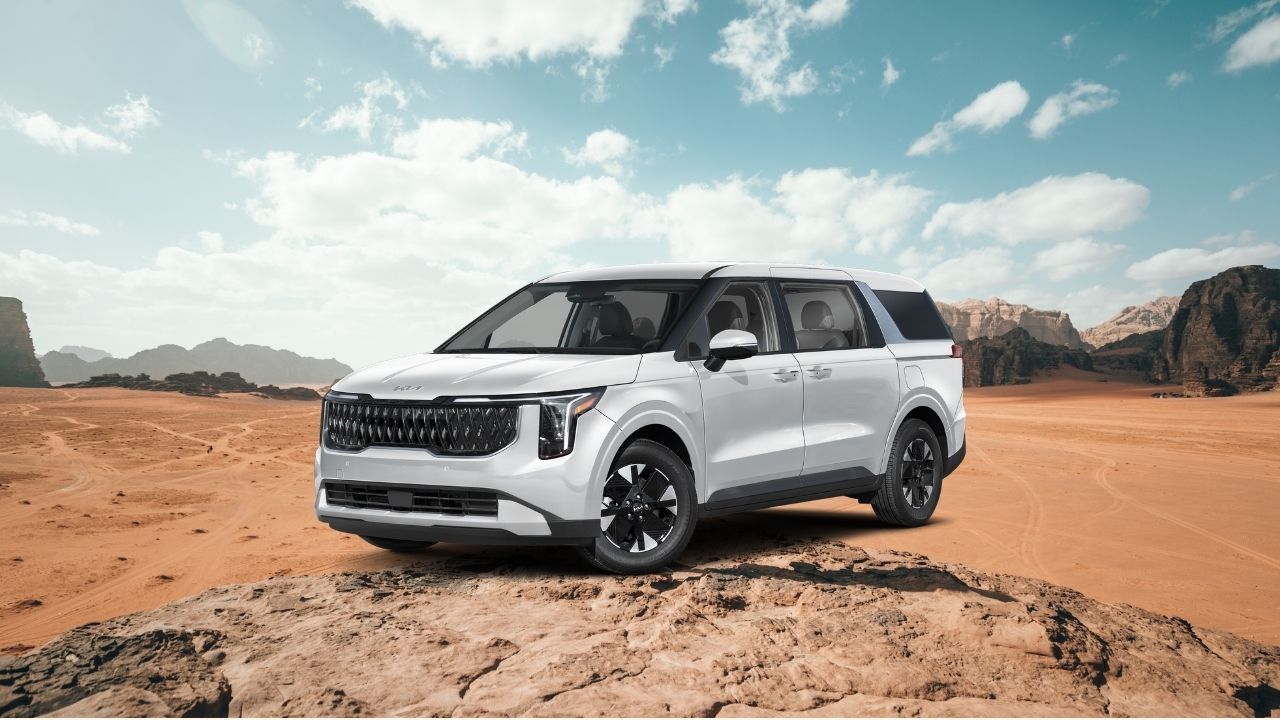
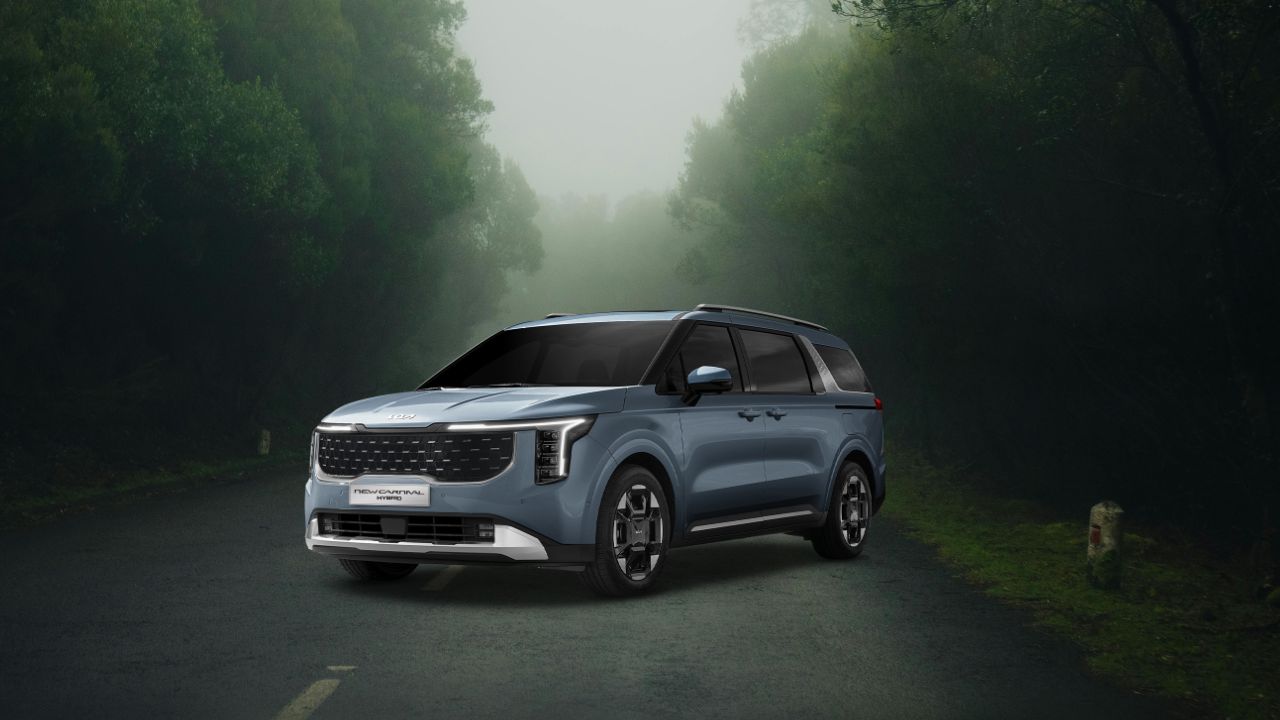
Kia Carnival Hybrid 2026

Higher trims are expected to carry more comfy seats for a wonderful ride as it is powered, ventilated, heated second-row “relaxation” seats with a reclining function and ottomans — the same lounge-style seating that’s made the diesel Carnival popular with chauffeur-driven buyers.

Price for Kia Carnival Hybrid

Pricing is the one piece still genuinely up in the air. The current diesel Carnival sells as a single fully-loaded trim at roughly ₹59.65 lakh ex-showroom, imported via the CKD route. 

The hybrid is widely expected to undercut that meaningfully, some reports point to a sub-₹50 lakh starting price tied to local assembly, which would also make it Kia’s first locally built Carnival — but nothing is official yet. 

The Carnival Hybrid will still cost meaningfully more than a Toyota Innova Hycross (which tops out around ₹30 lakh) and undercut the Toyota Vellfire (which starts above ₹1.2 crore). That price bracket matters for the coating decision below — you’re not protecting a family hatchback here.

What Are Ceramic Coating and PPF, and Why Would a Carnival Need Either?

Ceramic coating is a very thin protective layer that chemically bonds with your car’s clear coat. A 0.5 to 2 microns thick coating makes the paint hydrophobic which means it rolls off the water easily, prevents UV rays oxidation, birds drop and water spots, and protects the color and gloss from fading. 

However, it couldn’t protect the car from any physical damage like stone or road debris from chipping the paint. Even a “9H” ceramic coating can’t prevent it so don’t mistake ceramic coating for a protective shield, for that, you’ll need something like PPF (Paint Protection Film) instead. 

PPF is a thermoplastic urethane film, which is applied over the paint. A 150 to 200 microns thick invisible skin protects the Kia Carnival Hybrid from physical damages as it absorbs the impacts of stone chips, minor scratches, door-edge dings before it reaches the underneath paint. 

Good-quality PPF also comes with a self-healing top layer. Minor scratches and light swirl marks will fade automatically when the car comes in contact with a bit of heat through sunlight or warm water. It’s a mechanical barrier, not a chemical one.

Both have different jobs, ceramic coating protects your paint chemically, while PPF protects it physically. There’s no Ceramic Coating vs PPF because where you’re taking your car matters: 

First, size: at 5.2 metres with a long, flat bonnet and large sliding-door panels, there’s simply more surface exposed to highway grit and sun. 

Second, use case: MPVs in this segment usually run on highways most of the time and take longer trips that’s why it catches more physical damage, especially front bumper and bonnet are constantly exposed to road debris and receiving stone chips so PPF is a good option. 

Combine that with a car priced near or above ₹50 lakh, and resale-value protection stops being a nice-to-have.

How Should You Decide Based On Driving

Neither one “wins” outright — they solve different problems, and picking based on price alone is how most owners end up under-protected in the one area that actually costs money to fix.

A single stone chip that turns into a bumper respray typically runs ₹18,000 to ₹35,000 in India for a proper job and that’s before you factor in the resale hit from a car showing a repainted panel. Ceramic coating does nothing to prevent that chip in the first place; it just makes the rest of the car easier to keep clean and glossy in between. PPF does prevent it, at a meaningfully higher upfront cost.

On Driving

For a Carnival Hybrid specifically, the decision comes down to how the car will actually be used:

If it’s doing regular highway runs, airport pickups, or interstate trips — which is a realistic profile for a car this size then PPF on the high-impact zones (bonnet, front bumper, fenders, mirrors, door edges) paired with ceramic coating over the rest of the body is the setup that actually matches the risk. The film takes the physical hits but the ceramic keeps everything else looking new and easy to wash.

If the car will mostly stay in city traffic with covered parking and short trips, ceramic coating alone is a reasonable, cheaper call when you’re optimizing for gloss, easier maintenance, and UV protection rather than impact resistance you’re unlikely to need as often.

Skipping both because “it’s just paint” is the one option that doesn’t hold up on a car in this price bracket — the incremental cost of even the front-PPF-plus-ceramic combo is a small fraction of what you’d pay to sell the car with visible stone-chip scarring on the nose.

Ceramic Coating vs PPF Prices for the Kia Carnival Hybrid In India

Kia Carnival Hybrid is a three-row SUV, larger size cars get either coating surely expensive so expect higher quotes. 

A full-body ceramic coating will cost nearly ₹25,000 to ₹45,000, depending on the body size of the vehicle. Premium 9H or graphene-based coatings can cost more, but they last closer to five years rather than two. 

Full-body PPF can cost around ₹1.5 lakh to ₹2.8 lakh for a large MPV like the Carnival. The price depends on the size of the car, if you want to settle down at ₹40,000 to ₹70,000 then opt for front-end PPF which covers the bonnet, bumper, fenders, and mirrors. 

A front-PPF-plus-full-ceramic combo, which is what most owners in the highway-use category actually end up choosing, lands somewhere around ₹70,000 to ₹1.15 lakh all-in.

Read More 👉  EMI vs Lease: Which Is Better If You Plan to Upgrade Your Car Every 3 Years 

Conclusion

If you’re buying this MPV for genuine highway and long-distance duty — which, given the segment, most buyers are — front-end PPF plus full-body ceramic is the combination that matches how the car will actually get used, not just what protects the paint on paper. If it’s a city car with a garage to sleep in, ceramic alone is a defensible way to save money without leaving anything meaningful on the table. 

Either way, get the pricing in writing before the coating add-on gets bundled into your finance paperwork at the dealership — that’s where most buyers end up overpaying, not in the choice between the two products themselves.

0

Top 10 Best Used Cars for Tall Drivers That Actually Fit Your Frame

Published May 20, 2025, 1:09 PM
Last Updated Apr 6, 2026, 12:32 PM

Top 10 Best Used Cars for Tall Drivers That Actually Fit Your Frame

Finding a car that fits your body is very important, especially if you are tall. Some cars feel too tight. Your knees hit the dashboard. Your head touches the roof. That makes driving painful. The good news is many used cars offer big space and comfort. 

We made a list of the best used cars for tall drivers. These cars provide more legroom and headroom for your efficiency. They also come with other good features and fair prices.

Honda Odyssey

Honda Odyssey

The Honda Odyssey is one of the great choices for all the tall drivers. It has a high roof and wide seats. You can stretch your legs and sit up straight. It also has smooth steering and good safety features.

  • Front Headroom: 40.7 inches
  • Front Legroom: 40.9 inches
  • Used Price Range (2017-2020): $18,000 – $30,000
  • Seats: Up to 8 people
  • Good Features: Power sliding doors, rear-seat entertainment system, rearview camera, Apple CarPlay/Android Auto

Toyota Sienna

Toyota Sienna

The Toyota Sienna is another roomy minivan. It has soft seats and so much space so even very tall drivers fit comfortably. The Toyota Sienna is also the only minivan with available all-wheel drive.

  • Front Headroom: 41.0 inches
  • Front Legroom: 40.5 inches
  • Used Price Range (2017-2020): $19,000 – $32,000
  • Seats: Up to 8 people
  • Good Features: AWD option, tri-zone climate control, advanced safety tech, strong resale value

Ford F-150

The Ford F-150 is a full-size pickup truck. It gives you a lot of legroom and a tall driving position. You feel high up and safe. It is also very good for towing and hauling.

  • Front Headroom: 40.8 inches
  • Front Legroom: 43.9 inches
  • Used Price Range (2015-2020): $20,000 – $40,000
  • Seats: Up to 6 in crew cab
  • Good Features: Strong towing, spacious cabin, V6 or V8 engine, advanced safety features in newer models

GMC Canyon

GMC Canyon

The GMC Canyon is a midsize pickup, but it feels very roomy. It is easy to drive and park. In the crew cab model, it offers one of the best legroom numbers for a truck.

  • Front Headroom: 40.3 inches
  • Front Legroom: 45.2 inches
  • Used Price Range (2016-2020): $18,000 – $33,000
  • Seats: Up to 5
  • Good Features: Good fuel economy, touchscreen system, smooth ride for a truck

Ford Taurus

Ford Taurus

The Ford Taurus is a large sedan with lots of interior space. It is no longer made new, but you can find second-hand used cars at the best prices. It is quiet, comfortable, and easy to drive.

  • Front Headroom: 39.0 inches
  • Front Legroom: 44.2 inches
  • Used Price Range (2015-2019): $10,000 – $20,000
  • Seats: 5
  • Good Features: Big trunk, V6 engine, comfortable highway ride, optional AWD

Ford Expedition

Ford Expedition

The Ford Expedition is a big SUV. It has huge space inside and can tow heavy things. The seats are tall and wide, so tall drivers feel relaxed. You sit high and get a great view.

  • Front Headroom: 41.5 inches
  • Front Legroom: 43.9 inches
  • Used Price Range (2017-2020): $28,000 – $45,000
  • Seats: Up to 8
  • Good Features: Powerful V6, big cargo space, smooth ride, great for road trips

Toyota Highlander

Toyota Highlander

The Toyota Highlander is a midsize SUV. It has a roomy cabin and soft seats. The controls are easy to reach. Tall drivers enjoy the legroom and relaxed driving style.

  • Front Headroom: 39.5 inches
  • Front Legroom: 44.2 inches
  • Used Price Range (2017-2020): $22,000 – $35,000
  • Seats: Up to 8
  • Good Features: Great safety ratings, strong resale value, V6 engine, AWD available

Subaru Forester

Subaru Forester

The Subaru Forester is a small SUV, but it feels very open inside. The tall roof gives extra headroom. It also has great visibility and comes with all-wheel drive.

  • Front Headroom: 41.2 inches
  • Front Legroom: 43.3 inches
  • Used Price Range (2017-2020): $17,000 – $28,000
  • Seats: 5
  • Good Features: Standard AWD, high safety scores, good gas mileage, roomy feel

Honda CR-V

Honda CR-V

The Honda CR-V car is one of the best-selling SUVs cars of 2024. It is not too big, but the inside is roomy. Tall drivers like the high seat and easy controls. It also has great reliability.

  • Front Headroom: 40.0 inches
  • Front Legroom: 41.3 inches
  • Used Price Range (2017-2020): $18,000 – $30,000
  • Seats: 5
  • Good Features: Excellent fuel economy, smart interior layout, very reliable

Subaru Outback

Subaru Outback

The Subaru Outback is like a mix between a car and an SUV. It has a tall ride height and a flat roof. This gives tall people plenty of space. It also comes with standard AWD.

  • Front Headroom: 40.1 inches
  • Front Legroom: 42.8 inches
  • Used Price Range (2017-2020): $19,000 – $32,000
  • Seats: 5
  • Good Features: Smooth ride, strong safety ratings, lots of cargo room, great in snow

Final Thoughts

If you are tall, you need a car that gives you enough room. Cramped cars can cause back pain, sore knees, and a bad driving experience. The best used cars for tall drivers offer comfort, safety, and good value. Whether you want a van, SUV, truck, or sedan, there is a perfect match out there. Before buying, always check the headroom and legroom and you should also sit in the car and take a test drive.

With the right car, driving becomes fun again. All the cars in this list are good options. They give tall people the comfort and space they need.

0

Tata Launches BaaS Across Its Whole EV Range: Is the Lower Price Real?

Tata Launches BaaS Across Its Whole EV Range

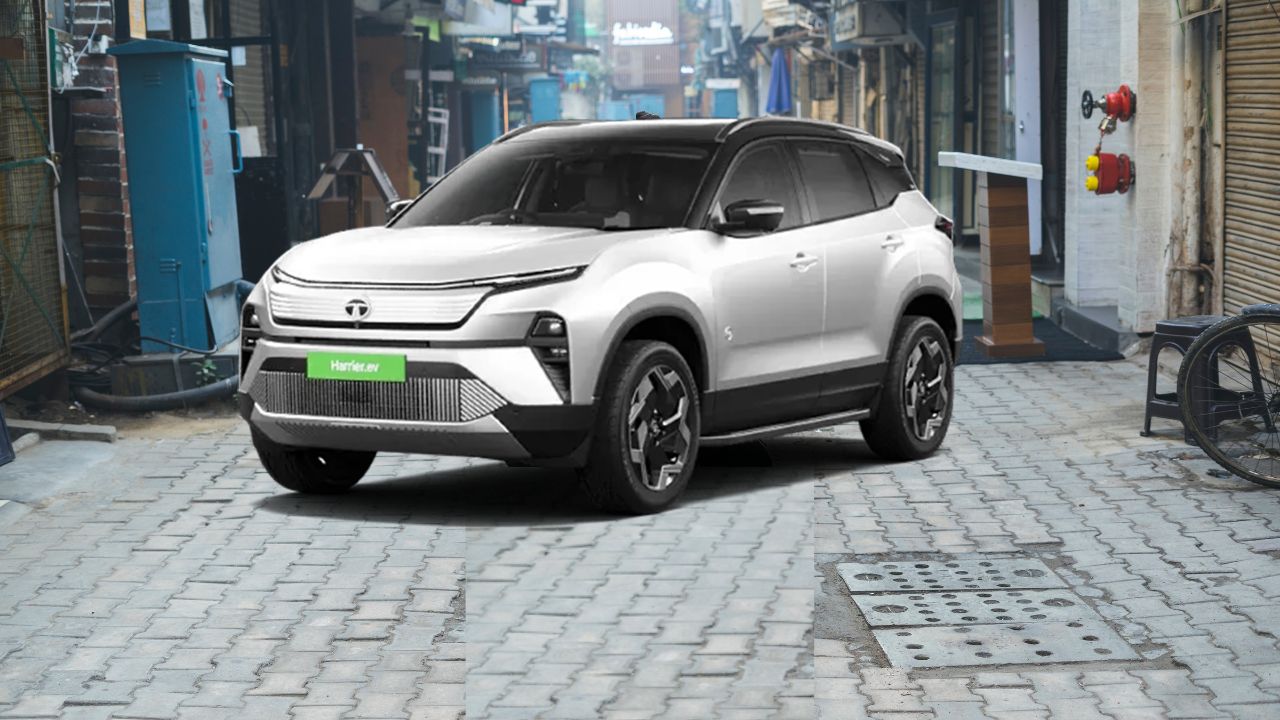
A Harrier.ev advertised at Rs 14.49 lakh looks like a different car from the Rs 21.79 lakh Harrier.ev on the regular price list. It isn’t because Tata launches BaaS. Tata Motors’ EV arm has moved the battery into a separate loan, so the sticker price falls while the battery cost still has to be paid. 

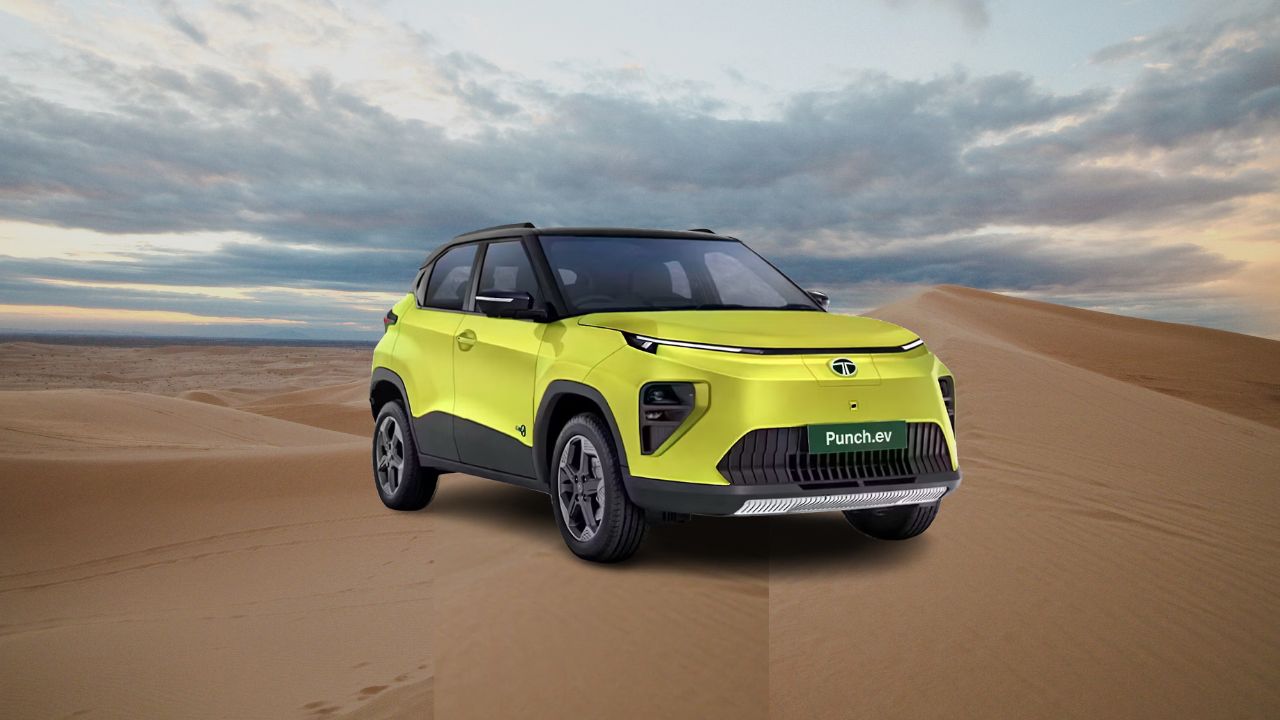
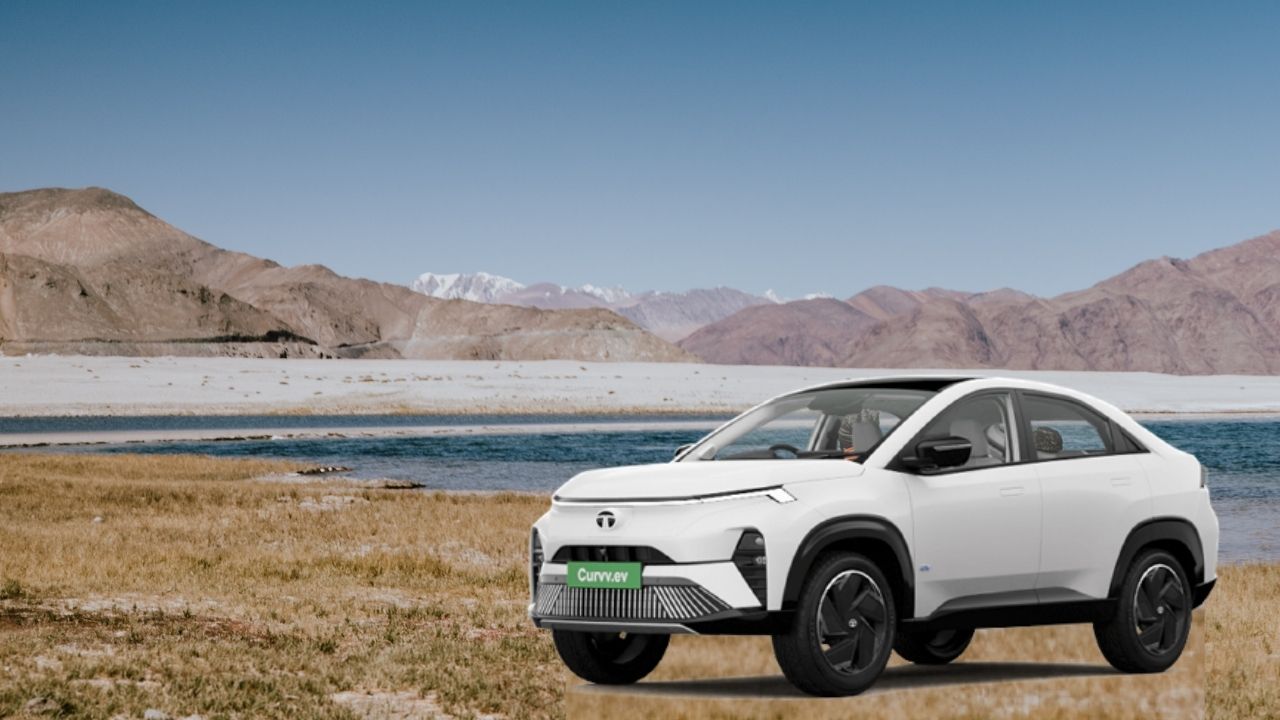
Tata.ev has extended Battery-as-a-Service to Nexon, Curvv, Sierra and Harrier, after launching it on the Tiago and Punch. Tata’s battery financing option now covers all six models, so it’s worth working out what you actually save.

Tata Launches BaaS For All EVs 

Buyers can still purchase any Tata EV with the battery included. Tata launches BaaS as an extra route, not a replacement. Tata calls it a dual-loan finance product: the vehicle and battery sit in separate loan accounts with flexible tenures, and multiple financiers are on board. The vehicle loan works like a normal car loan. The battery payment depends on battery size, down payment and tenure.

Tata’s Chief Commercial Officer, Vivek Srivatsa, said customers now want a choice in how they finance an EV as well as which one they buy. The company says the same vehicle technology, product experience and ownership support apply either way.

Tata Launches BaaS

Model-wise Tata EV BaaS Prices

Model BaaS vehicle price (ex-showroom) Regular starting price (with battery) Upfront saving vs regular price Battery usage cost
Tiago.ev ₹4.69 lakh ₹6.99 lakh ₹2.30 lakh ₹2.6/km
Punch.ev ₹6.59 lakh ₹9.79 lakh ₹3.20 lakh ₹2.6/km
Nexon.ev ₹8.99 lakh ₹14.34 lakh ₹5.35 lakh ₹4.4/km
Curvv.ev ₹10.99 lakh ₹17.19 lakh ₹6.20 lakh ₹5.0/km
Sierra.ev ₹11.99 lakh ₹18.79 lakh ₹6.80 lakh ₹5.5/km
Harrier.ev ₹14.49 lakh ₹21.79 lakh ₹7.30 lakh ₹5.9/km

The Harrier.ev’s ex-showroom price drops from Rs 21.79 lakh to Rs 14.49 lakh under BaaS. The prices apply to entry-level variants for personal users, and they exclude government levies, road tax, insurance and TCS. Tiago’s saving is the smallest and Harrier’s the largest, because a bigger battery means a bigger chunk moved out of the sticker price.

Battery capacity and claimed range for each model weren’t in the launch coverage that could verify, so check Tata’s own configurator before quoting specs in your budget.

See Full Detail :-   New Hyundai Flagship Models Arriving Soon to Dominate Indian SUV Market

How Battery Loan Charges Are Calculated

Tata quotes the battery cost per kilometre. The battery financing or usage cost starts at Rs 2.6 per km. Take a guess with these starting figures, as it’s not the rate for each model, so ask the dealer for the exact number on your variant.

Tata’s illustration assumes 60 km per day for most models and 44 km per day for the Tiago.ev. At Rs 2.6/km and 44 km a day, that works out to roughly Rs 114 a day, or about Rs 3,400 a month. Your real figure will differ with your driving and your financing terms.

Battery Loan Charges

The battery payment isn’t your running cost. Charging, maintenance and repairs are extra. Electricity still comes on top.

One warning applies to the whole scheme. The lower price is a separation of costs for financing purposes, not an equivalent discount on the complete vehicle. You are paying for the battery, just in a different account.

Tata BaaS For All EVs VS Rivals

Tata is catching up to a crowded field. Mahindra recently introduced BaaS for the XEV 9S and XEV 9e, and MG’s Hector Tomahawk EV starts at Rs 13.99 lakh plus a battery rental of Rs 4.90 per km. The same report says Hyundai’s Creta Electric, Kia’s Syros EV, Citroen’s e-C3X and Toyota’s Ebella also have BaaS options.

MG’s Rs 4.90/km is the clearest benchmark. At Tata’s 60 km/day assumption, that rate comes to about Rs 8,800 a month for battery rental alone. Tata hasn’t shared per-km rates for its larger SUVs yet, so it’s too early to say whether the Sierra or Harrier will be cheaper. 

Tata BaaS For All EVs VS Rivals

Tata’s edge is that all six models are covered, so you can stay in one brand whether you want a Rs 4.69 lakh hatchback or a Rs 14.49 lakh SUV.

The main test is how long you’ll keep the car and how far you’ll drive it. Take the Tiago.ev. The Rs 2.30 lakh upfront saving divided by Rs 2.6/km gives about 88,000 km. At 44 km a day, that’s around five and a half years. If the per-km figure is the entire battery payment and the tenure runs that long, the saving is really a deferral. That ignores interest and any structure that couldn’t be confirmed yet.

Which Kind of EV Buyers Opt For BaaS?

  • Tight upfront budgets: you can afford the monthly payments but not a large down payment.
  • Low-mileage drivers: you drive well under Tata’s daily assumptions, so a per-km battery charge costs you less.
  • Short-tenure owners: you plan to sell within a few years and won’t stay on the battery loan long.

If you drive heavily or keep cars for a decade, buying outright with the battery included will likely cost less over time.

Read  Also :-  Renault Duster Hybrid Launches in India on 17 October 

Conclusion 

Tata launches BaaS for EV across models — Tiago, Punch, Nexon, Curvv, Sierra and Harrier. EV buyers can now finance a car on two different routes, this lowers the sticker but not the car price. This is not a discount, it’s a way to make a broader financing option for EVs.

Before signing, ask the dealer for the total down payment across both loans, the total payable over both tenures, and the battery EMI in writing. Compare that with a standard single loan. If the BaaS total isn’t clearly lower for your usage, skip it.

And if your budget is tight, consider this as a chance to buy an EV under Battery-as-a-Service scheme.