0

Tata Cars Discount 2026: Up to ₹1.55 Lakh Off on Tiago EV, Punch & Altroz

Tata Cars Discount 2026

If you have been thinking of buying a new Tata car, here is some good news for you. Tata Motors is offering huge discounts on a select few of its best-selling models — Tiago EV, Punch, and Altroz — bringing them to a new high of affordability. These deals are applicable on vehicles ranging from electric vehicles to compact SUVs to premium hatchbacks, and will likely accommodate a broad array of buyers. 

With perks up to ₹1.55 lakh on select variants, Tata is clearly targeting value-conscious buyers who aspire for modern specifications, solid safety, and long-term dependability but don’t want to overstretch their finances. 

Tata Cars Discount Tiago EV, Punch, Altroz

Tata Motors is now providing huge discounts on many of its car models, among them the Tiago EV, Punch, and Altroz, the demand for which is quite high among buyers. 

Tiago EV Offer

The Tiago EV is now available with discounts of Rs 1,50,000, rear- wheel drive Tata electric cars could prove to be the most value for money. These discounts on particular variants (XE, XT, XZ) is related to a Rs 70,000 green bonus, an exchange or scrappage benefit of Rs 30,000-35,000 and a loyalty bonus Up to Rs 50,000. Furthermore, Rs 65,000 off on MY2026 variants, which comprises of Rs 40,000 as green bonus and Rs 20,000-25,000 as exchange benefit. 

Tata Punch Discount

Tata is now offering benefits of up to Rs. 70,000 on some variants (Pure, Adventure, Creative, Creative iCNG, Adventure iCNG) of Punch. However, MY2026 Punch facelift doesn’t have any discount. Discounts for the Punch EV model differ by production year with the models corresponding to MY2025 and MY2024 receiving a discount of up to ₹1.65 lakh, and the model corresponding to MY2026 an up to ₹95,000 discount. 

Altroz Offer

Altroz has been a safety and design leader and is being offered with discounts of up to ₹85,000 for the outgoing model (Pure Diesel, Smart Diesel, Smart CNG, Pure Diesel AMT, Smart Diesel AMT, Smart CNG AMT). The brand new variants, pre-facelift MY24/MY25, which consists of Rs 60,000 cash + Rs 25,000 – Rs 35,000 exchange. This makes Altroz a value-for-money buy if you’re looking at the hatchback segment with premium features. 

Read More:-  Mahindra Car Discount Price February 2026: Up to ₹2 Lakh Off on Thar, Scorpio N & XUV 3XO

Offers Summary Table

Model MY2026 Max Benefit MY2025/MY24 Max Benefit Key Components
Tiago EV Rs 65,000 Rs 1.55 lakh Green bonus, exchange, loyalty 
Punch (ICE) None / Rs 40k (pre-facelift) Rs 60k (with loyalty) Cash, exchange, loyalty 
Altroz Rs 30k-35k Rs 85k-95k Cash discount, exchange 

Tiago EV, Punch, and Altroz features and specifications

Tiago EV

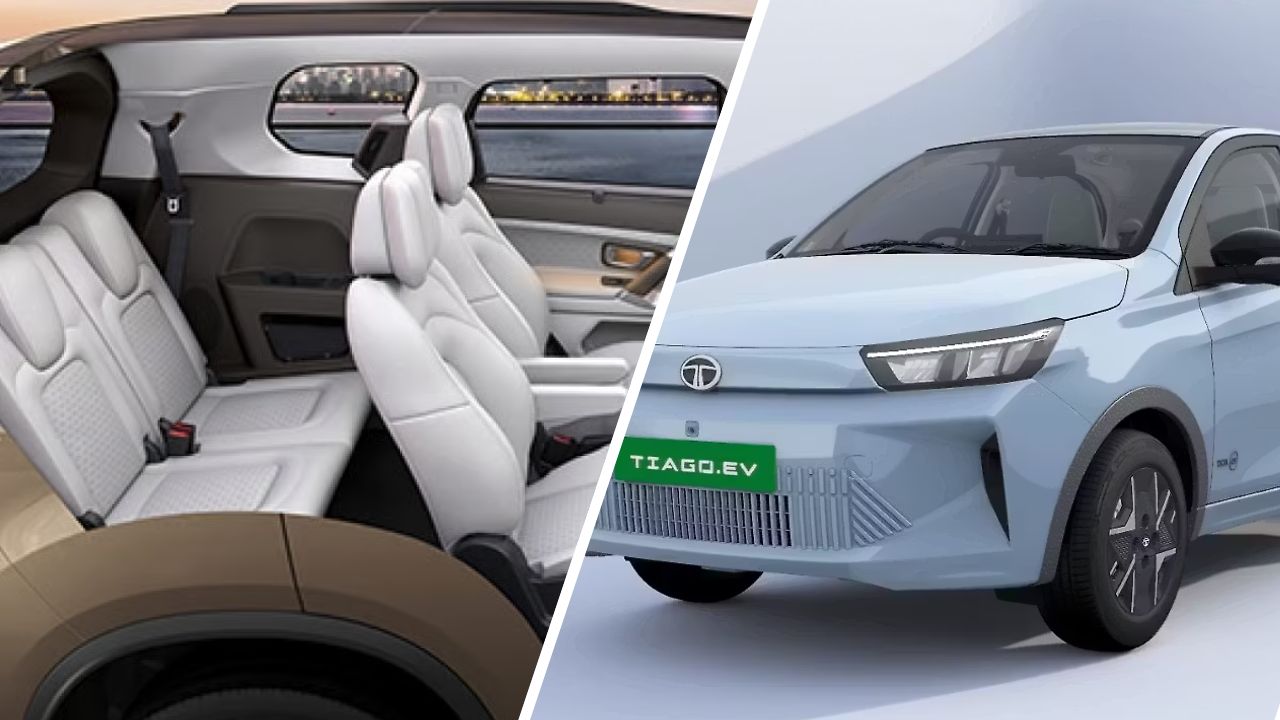
The Tiago EV is a hatchback, compact and nimble with the usual practicality-enhancing features and modern bits and bobs. 

  • It is available in deux battery options, the 19.2 kWh offering a range of around 250 km, and the 24 kWh offering a range of up to 315 km on a single charge. 

Tiago EV

  • The smaller battery variant has a power output of 61 bhp, while the larger one produces 74 bhp, enabling quick acceleration with the larger model achieving 0-60 km/h in just 5.7 seconds.
  • The Tiago EV features a touchscreen infotainment system, connected car technology, and intelligent regenerative braking. Also, you can choose from different driving modes, and the roomy space with high-end material make it a best place to spend your days on wheels. 

Punch: A Compact SUV

  • Those who like small and roomy cabin car, welcome here because The Punch is an incredible model that offers practicality with comfort.
  • With an automatic transmission option that makes it easy for new drivers to shift easily with the powerful latest motor (1.2-liter 3-cylinder) present in the system to give 84 bhp and 113 Nm.  

Punch

  • For added ease, an automatic transmission edition is also available, which is ideal for city driving.
  • For performance, the Punch has a good fuel economy of 18-20 km/l making it a good buy for everyday riding. 

It also has several other impressive features, such as a 7-inch touchscreen, semi-digital instrument cluster, multiple airbags, ABS with EBD, and a rear parking camera. Its tall ground clearance and SUV-like posture promise adventure on all terrains. 

Altroz: Premium Hatchback

The Altroz is a new strong option in the premium hatchback segment with the flexibility of three engine options. This comprises of a 1.2-litre naturally aspirated petrol engine producing 85bhp, a turbocharged 1.2-litre petrol engine outputting 110bhp and a 1.5-litre diesel engine with 90bhp to address different performance requirements. 

  • Its fuel economy is good enough as study shows a distance of 20-25 km/l, which provides the drivers with an economy drive.

Altroz

  • What really elevates the Altroz is its focus on safety, which wins it a 5-star Global NCAP rating. 
  • Features such as electronic stability control and a premium audio system coupled with a 7-inch touchscreen that allows smartphone connectivity, along with versatile rear split folding seats adds to the appeal. 

With its strong build quality, the Altroz is the ideal pick for drivers who seek safety and style in one practical package. 

Conclusion

Tata Motors has opened the door for buyers to make a smart upgrade in 2026 with such heavy discount offers on the Tiago EV, Punch and Altroz. Whether you’re after an affordable electric car, a city-friendly compact SUV, or a safe and stylish premium hatchback, these deals make each model an even better value proposition. Together with Tata’s safety, build quality, and after sales support reputation, these offers are not just discounts – they are buying opportunities where you can be sure you are making a wise investment. If you have been waiting for the right time to buy a new car, this sale season could be the one for you 

Sharey Khan

Sharey Khan is an IT entrepreneur and petrol head & a car enthusiast. With a special focus on car-related content, he combines his deep passion for vehicles with a talent for crafting informative, engaging, and easy-to-understand content. His writing is driven by a genuine love for cars and he is committed to providing readers with accurate, up-to-date, and trustworthy information that empowers smarter driving decisions. 

Leave a Reply

Your email address will not be published. Required fields are marked *

0

Most Anticipated Cars of 2027: What Buyers Should Know

Anticipated Cars of 2027

If you’re about to sign a car loan, the question that matters is whether the car you want is about to be replaced. The Most Anticipated Cars of 2027 are arriving in a crowd, and a few of them will make this year’s showroom models look dated.

Waiting costs money, though, and not every launch is worth it. Early 2027 is packed in India. The Bharat Mobility Expo runs from 4 to 9 February in New Delhi, and several of the launches below are expected to appear around it. 

Expo reveals are not showroom availability. A car shown in February can easily reach dealers months later, so a debut date shouldn’t be mistaken for a buying date.

The Tata Safari EV: The One Everyone’s Watching

Tata’s electric 7-seater is the clearest case of hype running ahead of facts. It is expected to launch in Diwali 2026 with 65-75 kWh packs of battery. This battery excites most buyers which offers up to 600 km claimed range and optional AWD but this is not officially confirmed yet.

Tata Safari expected specs include a triple-screen dashboard similar to the Sierra’s. The SUV could give over 500 km of mileage with Harrier EV’s battery pack on a price range of Rs. 25 lakh and Rs. 32 lakh (ex-showroom).

The Tata Safari EV

Its natural rival is the Mahindra XEV 9S. If you want a three-row electric SUV, the Tata Safari EV is the one to hold out for. Claimed range is a lab number, though. Real-world mileage will be noticeably lower when you run this car so don’t take the brochure number as your real mileage.

The Affordable End: Nexon, Ioniq P And The Small-EV Scramble

Anyway, an above Rs 20 lakh spend-will be lesser than majority of Indian audience and here’s where 2027 gets fired up. 

The next-generation Tata Nexon will arrive in 2027, possibly at the Expo. The petrol and diesel are expected to cost from Rs 8 lakh to Rs 15.5 lakh and rouble 14.5 lakh to Rs 19.5 lakh for the EV. It’s expected to move to a revised architecture with Level-2 ADAS. Those are estimates, not announcements.

Hyundai’s answer is the Ioniq P, a compact electric SUV scheduled for the first quarter of 2027 to take on the Nexon EV and Kia Syros EV. Reports suggest 40-50 kWh battery options and a claimed range of 450 km. If that holds, it puts Hyundai in direct conflict with Tata’s strongest EV seller.

Nexon, Ioniq P And The Small-EV Scramble

Tata has the incumbent’s advantage: service reach, a known product and a refreshed Nexon on the way. Hyundai has the newer platform, but a new nameplate carries first-year risk on software and service. For most people, the Nexon EV is the safer buy. The Ioniq P is the better bet if you can wait for reviews.

Hyundai’s Bigger Moves: Creta And The 7-Seater

Hyundai plans to bring the third-generation Creta and a new 7-seater MPV to India before the end of 2027. The MPV, reported as the Neira, is slated to launch in the first half of 2027 after an Expo showing. If you’re about to buy a current Creta, a generation change is a good reason to ask dealers about discounts, or to wait.

Creta And The 7-Seater

Toyota, Volkswagen and Renault: The Quieter Launches

Toyota’s list is long. The Innova Hycross facelift, a next-generation Fortuner and an electric MPV with an expected range of 525 km are all on it. The Fortuner is the one to watch if you’re considering an SUV purchase, since the new model is expected to bring updated styling, a modern cabin and improved safety features.

Volkswagen is preparing a sub-4 metre SUV positioned below the Taigun, with a 1.0L TSI and an 8-speed automatic, and Renault has the Bridger lifestyle SUV on the 2027 calendar. Neither has a confirmed price.

A Warning About Launch Dates

Compare any two “upcoming cars” and you’ll see your answer. The Mahindra Vision S is listed as expected by January 2027 on one site, with an expected price of Rs 10-13 lakh. Just the same car but listed seven months apart. These posts are estimates until the manufacturer posts a date. 

For buyers, the inevitable trend is different regional availability and specs in each country. Contact your local dealer before you plan around a launch. 

 How AI in Cars Changing the Future Driving Experience

Conclusion

Hold on, if your current car is still operational, you want a three-row EV (Safari EV) or compact EV (Ioniq P or the new Nexon), and you can postpone your purchase because you don’t need it right away.  Buy now if you need a car this quarter, and negotiate hard on any model facing a generation change, because run-out stock is where the discounts are.

Before you commit, check the manufacturer’s own announcement for the date, and get the on-road price in writing from at least two dealers.

0

Inside Mark Zuckerberg’s Car Collection: Luxury, Style & Surprises

Published Aug 23, 2025, 11:21 AM
Last Updated Aug 25, 2025, 6:24 AM

Mark Zuckerberg car collection featuring Honda Fit, Tesla Model S, Pagani Huayra and more

Flashy supercars may be the style of many billionaires but Mark Zuckerberg’s Car Collection is not just about luxury, it reflects his personality. His garage is telling a simple but intriguing story of the man who also prefers eco-friendly cars. But also sharing his modest interest in sedans and some other luxury cars. So, let’s explore these car’s features that offer strong performance on the road.

1. Honda Fit (Jazz) 

Honda Fit (Jazz) compact hatchback owned by Mark Zuckerberg

Image Courtesy: automobiles.honda

Honda Fit is also known as Jazz in some countries, this car is sharing a classic vibe of Zuckerberg no-show lifestyle rather than seeking attention on the road. The incredibly powerful 1.5L engine offers a powerful performance but his choice is unexpected. Priced around $20,000, this compact hatchback shows that he prefers practicality over glamour. He values comfort and efficiency with spacious interior, reliable maintenance and comfortable daily city commute. 

Features Specification
Engine 1.2L or 1.5L petrol/hybrid
Fuel Efficiency 16–18.2 km/l petrol, 22–27 km/l hybrid
Transmission Manual (5-speed), CVT Automatic
Seating Capacity 5 seats
Boot Space Fit: 470L, Jazz: 354L
Price $17,945

2. Volkswagen Golf GTI

Volkswagen Golf GTI hatchback from Mark Zuckerberg’s car collection

Image courtesy: vw.com

This one has special value around the globe because of Volkswagen Golf GTI hidden sporty performance under the simple look. While it represents Zuckerberg’s calm but powerful personality. This unique model will deliver its high performance with 2.0L turbocharger engine when needed. Classic hatchback design with modernized features is ready for both city and highway rides. Speed up to 240 horsepower can give a smoother ride without an overly flashy look.

Features Specification
Engine 2.0L Turbocharged Petrol, 4-cylinder
Horsepower 261 bhp
Torque 370 Nm
Transmission 7-speed DSG (Automatic)
0-100 km/h speed  5.9 seconds
Boot Space 380L
Price $30,000

3. Acura TSX 

Acura TSX premium sedan owned by Mark Zuckerberg

Image courtesy: acura.com

The Acura TSX is a unique model that combines reliability, comfort and a premium look without going overboard that fits for a perfect match of Zuckerberg’s balanced approach to life. It offers 2.4L i-VTEC powerful engine and smoother rides that’s a good one for handling everyday traffic. With advanced safety features and elegant look, it still focuses on comfort and practicality that represent premium style without screaming wealth.

Features Specification
Engine 2.4L inline-4 engine
Horsepower 201
Transmission 5-speed automatic
Seating Capacity 5 seats
Drivetrain Front-Wheel Drive (FWD)
Price $30,000 

Read more :- Inside the Exclusive Yuvraj Singh Car Collection

4. Infiniti G Sedan

Mark Zuckerberg’s Infiniti G Sedan

Image courtesy: infiniti.com

Zuckerberg parked an Infiniti G Sedan in his garage, this car is a mix of Japanese precision with a luxury touch. It offers powerful horsepower with a 3.7L V6 engine and gives a sporty driving feel. With its long-term reliability and luxurious cabin offer a premium experience. It represents Zuckerberg’s balance between innovation and tradition that mirrors tech with consistency of car. 

Features Specification
Engine 3.7-liter V6 engine
Fuel Efficiency Approx. 8 km/l 
Transmission 7-speed automatic (AMT)
Seating Capacity 4 seats
Boot Space 210 liters
Price $33,000

5. Pagani Huayra

Pagani Huayra Italian hypercar from Mark Zuckerberg’s car collection

Image courtesy: pagani.com/huayra

It’s not a surprise to see this luxury in any billionaire’s garage but Zuckerberg’s list also has a supercar, the Pagani Huayra. The Italian hypercar costs over $1.4 million that is worth its brilliance of engineering. Pagani offers luxurious interior and stylish exterior, but what makes it more attractive is a 6.0L V12 twin-turbo strong engine that gives jaw-dropping acceleration up to 720+ horsepower speed. Zuckerberg’s Pagani represents another personality that appreciates innovation, exclusivity and top-tier craftsmanship.

Features Specification
Engine 6.0L Twin-Turbocharged V12 AMG engine
Fuel Efficiency Approximately 8-10 mpg 
Transmission 7-speed automated manual (AMT)
Horsepower 730 HP
Torque 738 lb-ft
Seating Capacity 2 seats
Price $1.4 Million

6. Tesla Model S

Tesla Model S electric car owned by Mark Zuckerberg

Image courtesy: tesla.com

Zuckerberg’s interest in Tesla Model S shows that he generally supports futuristic technology. This model represents his eco-friendly mindset, with zero emissions. It offers electric powertrain with up to 396 miles of range and it can go from 0 to 60 mph within 3.1 seconds. Its interior is well-equipped with advanced tech, autopilot mode is a remarkable innovation.

Features Specification
Engine Electric motors (3 motor versions in Plaid)
Horsepower 1020 hp 
Torque 1050 lb-ft 
Fuel Efficiency EPA combined 101 MPGe 
Transmission Single-speed automatic (direct drive)
Seating Capacity 5 seats
Boot Space 28 cubic feet
Range 348–410 miles
Price $90,000

Zuckerberg’s Car Collection: More than just cars

His simplicity, practicality and eco-friendliness is matched with every car. Zukhurberg’s interest in selective luxury is also seen but his personality has shown that he prefers engines which serve a purpose beyond showing-off wealth. 

  • His Honda Fit and Volkswagen Golf GTI shows how much he prefers classic automotive rather than luxury.
  •  Acura TSX and Infinity G Sedan shows his selection of practicality blended with comfort over modern premium cars.
  • Tesla Model S highlights his interest in sustainable technology and Pagani Huayra reveals his interest in pure luxury and iconic design.

Final Thoughts 

Mark Zuckerberg’s car collection is not just about speed or price tag but it’s all about ‘values’. His garage is highlighting the different parts of his personality. These cars are just simple in looks but their performance is amazing. They are the winner in smoother rides, he chooses these cars according to his moods – comfort, practicality, and occasionally premium feel.

0

How to Check Tire Pressure Correctly: Guide For Car Owners

  How to Check Tire Pressure

Most drivers check tire pressure only when a tire already looks flat — which is exactly the wrong time to check it. By then you’ve likely been driving on underinflated rubber for weeks, burning extra fuel and wearing the edges of your tread down faster than the center. Understanding how to check tire pressure correctly can save your fuel.

What makes it tricky is that you can’t tell if a tire is under-inflated by simply looking at it. It changes with temperature and must be measured with a gauge. It’s a quick check that only takes a few minutes, and it can increase your gas mileage and tire life. 

Why Correct Tire Pressure Is Essential for Better Mileage 

A tire that is only 15% underinflated can reduce its life by thousands of kilometers and increase fuel consumption by 3 to 4%, the U.S. The Department of Transportation’s NHTSA quotes this data. Overinflated tires aren’t better as they shrink the contact patch with the road, which reduces grip and makes the ride harsher when you run over potholes. 

There’s a tight range that’s actually correct for your car and that size isn’t the number that’s printed on the sidewall of the tire. That figure is the tire’s maximum pressure rating, not the recommended one for your vehicle. 

The correct number resides in two places: a label inside the driver’s door jamb and the owner’s manual. Splitting the number is often given as two numbers – one for the front axle and one for the rear, as the rear often carries a different load. A normal Sedan tyre is inflated to around 30-35 PSI (approx. 2.1-2.4 bar) and for SUV/4X4 or heavier vehicles are usually recommended to be inflated 2-4 PSI more. 

When to Check Tire Pressure for the Best Results 

Tire pressure needs to be measured when they are “cold” — when the car has been stationary for at least three hours or if you haven’t driven more than two miles. Driving causes the air in the tire to heat up, and heat causes air to expand, which reads higher by 4-5 PSI or more depending on how long you’ve been driving. Check pressure immediately after a long drive and you’ll get a number that looks fine but isn’t — the tire will read low again once it cools overnight. 

The best time is early morning, before the car has moved, and before the sun has had a chance to warm the tires either.

Read More :-  How to Improve Gas Mileage: 15 Proven Tips That Actually Save Fuel

Accuracy Starts With the Right Gauge

Gas station pressure gauges on the air pump are well known for being inaccurate — they can be off by 3-5 PSI or more in either direction. A simple digital tire pressure gauge is very inexpensive and well worth having on hand; it eliminates guesswork and provides a consistent reading every time. Pencil-style gauges work too and are cheap and pocket-sized, but they’re harder to read precisely and tend to drift out of calibration faster than digital ones.

If your vehicle comes equipped with a Tire Pressure Monitoring System (TPMS), don’t use it as your sole check. In fact, the warning levels for TPMS are set to announce a single drop of approximately 25% from the recommended tire pressure – meaning that a tire can already be very under-inflated when the dashboard says something. 

Checking Tire Pressure Step by Step

  1. Take off the tire valve cap and place it in a safe place where you won’t lose it. 
  2. Press the gauge down on the valve stem until the hissing stops and you get a steady reading — a brief, uneven press results in an inaccurate reading. 
  3. Compare the reading with the number on the door jamb label for that particular axle (front and rear boots can be different). 
  4. If it’s low, pump in air in short bursts, checking between each — it’s easy to go too far. 
  5. If the pressure is too high, briefly press the small pin inside the valve stem to let some air out, then check again.
  6. Replace the valve cap. It’s not just cosmetic — it keeps out dirt and moisture that can lead to slow leaks, over time. 

Do this for all of the regular tires, and the spare if you have one. The spare is perpetually neglected and often the flattest tire in the vehicle when you actually require it. 

Temperature Changes Pressure More Than People Expect

Tire pressure drops roughly 1 PSI for every 10°F (about 5.5°C) drop in outside temperature. This matters a lot for drivers in North India or anywhere with a real winter — a tire set correctly in October can be noticeably underinflated by December without a single leak involved. 

The reverse happens in peak summer heat, especially in places like Dubai, where tires can run several PSI higher on hot asphalt purely from ambient heat, not overinflation. Checking pressure with the seasons, not just when something feels off, catches both problems before they become a blowout risk or an uneven wear pattern.

Signs You’ve Been Ignoring the Problem

Uneven wear on the outer edges of the tread usually points to underinflation; wear concentrated in the center strip points to overinflation. A car that pulls slightly to one side, feels softer than usual in corners, or seems to be drinking more fuel than it used to are all pressure symptoms before they’re anything else. None of these show up overnight — the build slowly enough that most drivers adjust to the change without noticing it.

The Habit That Actually Works

Checking tire pressure once a month, and always before a long highway trip, catches almost every problem before it becomes expensive. It takes less time than filling a fuel tank and costs nothing beyond the gauge sitting in your glovebox. 

The number on the door jamb is correct for a reason — trust that over the sidewall, over the gas station gauge, and over how the tire happens to look.

Read More :- How to Transfer Car Ownership in India: A Step-by-Step RTO Guide (2026)

Conclusion 

Properly checking tire pressure is one of the simplest and most beneficial maintenance routines. Among other things, it improves gas mileage, prolongs tire life, increases braking and handling, and minimizes the chance of an unplanned tire failure on the road. 

The trick is to measure the pressure when the tires are cold; use a good-quality gauge; and go by the PSI value on your car’s door jamb , not the number on the sidewall of the tire. 

Three minutes once a month can save your money on gas, extend the life of your tires and make every trip safer. For the typical car owner, it’s a small habit that can prevent a lot of bigger expenses down the road, not just something to think about when a warning light comes on. 

Keep a tire-pressure gauge in your glovebox, check all four tires and the spare on the reg, and make correcting tire pressure a normal step in your car-care routine. 

0

Hyundai Elantra 2025 Review: Price, Trims, Hybrid & N Line Features Revealed!

Published Sep 30, 2025, 7:45 AM
Last Updated Sep 30, 2025, 12:14 PM

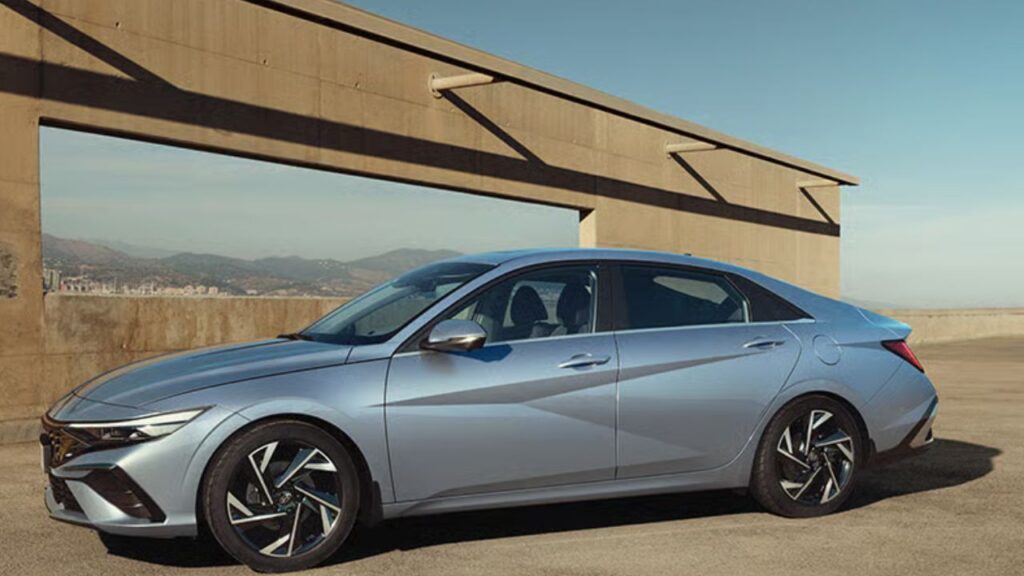
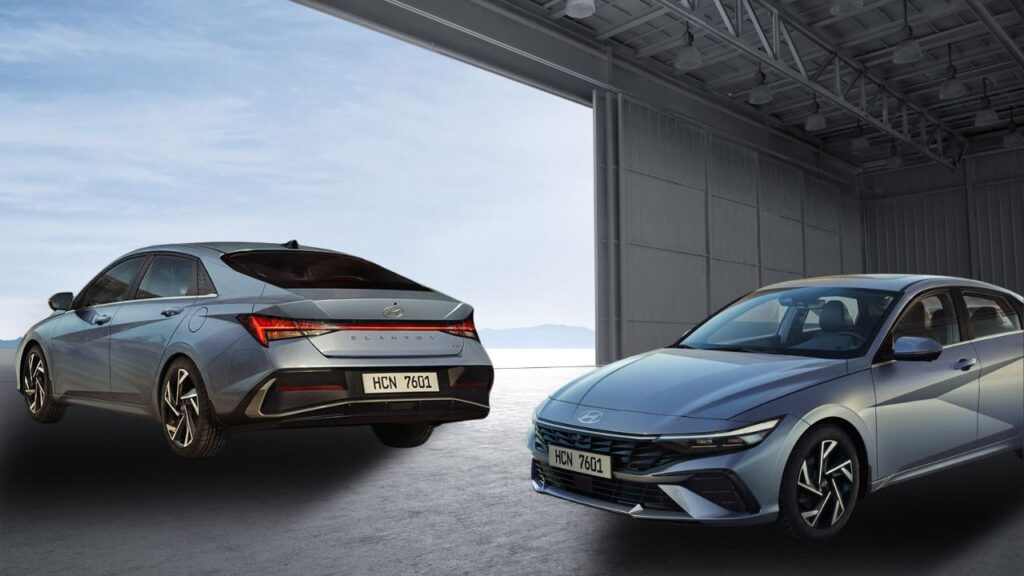
The Hyundai Elantra 2025 is strategically positioned among the most competitive compact sedan market, as it depends on the aggressive pricing, the unique aesthetic styling, as well as the best-in-class safety features. Having the lowest entry barrier, the base price being launched at $22,125 MSRP, the Elantra gets attention fast compared to the most important competitors. Its sporty, aggressive exterior styling so that the car doesn’t fade into obscurity, appeals first of all to the younger generation, as well as those who pay much attention to the styling factor.

Other than looks, Hyundai bases the value appeal of the Elantra on safety and durability. The car has scored the ultimate commendations from independent evaluation agencies, including the IIHS Top Safety Pick+ awfully and the NHTSA-provided 5-Star Overall Safety Rating. This body integrity as well as this extensive complement of standard driver assist technologies gives the ultimate trust factor that is the key market advantage.

This price increase is dialed in to motivate the purchase of the skipped entry-grade so that buyers do get access to essential features that rev up the car experience, including the digital instrument cluster, 10.25-inch infotainment display, power sunroof, and heated seats.

Delineation among Powertrain Families: Standard, Turbo, and Hybrid

To achieve ultimate breadth across the compact segment, the 2025 Elantra provides three separate powertrain families designed to support varying buyer priorities— the frugal 2.0L normally aspirated inline four-cylinder engine for standard friskiness, the big-output 1.6L Turbo GDI engine for high-performance enthusiasts (N Line), and the highest-efficiency 1.6L GDI Hybrid system for high-mileage users. This triad engineering strategy holds the Elantra competitive across ranges as diverse as price to ultimate dynamic capability as well as ultimate fuel economy.

Exterior and Interior Volume Measures

It is 185.4 inches long and has a long 107.1-inch wheelbase. It has a decent 14.2 cubic feet of cargo space with all seats occupied. Crucially, the car has an EPA interior volume of 113.6 cubic feet.

The Standard Drivetrain: 2.0L I4 and Smartstream

Elantra comes in different trims including SE, SEL Sport, SEL Convenience, and Limited. Its standard variant offers a 2.0L inline four-cylinder engine. This solid engine gives powerful 147 horsepower at 6,200 rpm and 132 lb-ft of torque at 4,500 rpm, making it perfect for smooth performance. Its exclusive Hyundai’s Smartstream Intelligent Variable Transmission comes in standard trim to deliver an opulent experience to buyers.

Fuel economy is slightly different depending on the trim’s equipment level. Based SE trim provides the best fuel efficiency, which is 36 combined MPG (32 city / 41 highway). However, the SEL Sport, the SEL Convenience, as well as the Limited, trim log the combined 34 MPG (30 city / 39 highway). This 2 MPG combined deficit directly results from the feature upgrade. Higher trim levels come as part of higher equipment loading, including the digital screens as well as the dual-zone climate control, and they ride on larger, heavier 17-inch alloy wheels.

The Performance Peak: N Line

For enthusiasts who prioritize dynamic response, the N Line trim is loaded with exclusive mechanical upgrades. Highlights include a front performance damper, electronically controlled suspension, and an N-Performance exhaust system with PTU cooling. The N Line delivers an impressive 201 horsepower with 1.6L Turbo solid engine. Its amazing 195 lb-ft of torque is available over a wide range, from 1,500 to 4,500 rpm.

Now, the most extreme mode of the N Line is sporty 7-speed Dual Clutch Transmission with a good EPA estimated of 31 MPG combined, challenging a better fuel economy rivals. Its SHIFTRONIC paddle makes a ride more thrilling that drives you crazy.

Efficient Commuter: Hybrid System

The hybrid model is perfect for city commutes as it offers top-tier fuel efficiency. It combines a 1.6L GDI engine with an electric motor, delivering 139 horsepower with 195 lb-ft of torque. The Elantra Hybrid gives smooth ride, conventional shifts, and amazing experience with a 6-speed EcoShift Dual Clutch Transmission (DCT). Efficiency is outstanding, it is powered with 54 MPG combined and its limited versions get upgraded features including luxury and 50 MPG combined.

Full Trim Lineup and Pricing Strategy

The 2025 Hyundai Elantra is available in five gasoline trims—SE, SEL Sport, SEL Convenience, Limited, and N Line. In 2 Hybrid Variants Hybrid Blue and Hybrid Limited are available in 2025. The price for each variant varies along their features, from starting price of base models to luxury hybrid models with expensive price offering.

SE Trim

Base price starts at $22,125.

The Hyundai Elantra offers 2.0L four-cylinder engine in its base model which has 36 MPG combined. Key safety features cover four-wheel ABS brakes, emergency brake system for secondary collision, and alarm for remote-theft. It also provides a good infotainment system with an 8-inch screen and seamless connectivity.

SEL Sport Trim

Starting MSRP: $23,250.

The SEL Sport builds on the SE trim that delivers a solid 2.0L engine with 34 MPG combined. Buyers can achieve good comfort and smoother rides with 17-inch alloy wheels and automatic climatic control functions. It comes with leather-wrapped, push-button start, and wireless charging support.

Convenience Trim

Starting MSRP: $25,825.

This model introduces premium technology like dual 10.25-inch setup, blends with digital instrument cluster and comfort upgrades including power tilt-and-slide sunroof and heated front seats. It is powered with a 2.0L engine (34 MPG combined), giving the vibes of an upgraded luxurious ride.

Limited Trim

Starting MSRP: $26,775.

The Limited trim sits at the top of the standard 2.0L lineup, delivering the most advanced functions. It helps you hands-free cruising on highways consistently with a powerful Highway Driving Assist feature. It comes with advanced driver-assistance systems (ADAS), H-Tex leatherette seating, and premium Bose audio system.

N Line Trim

Starting MSRP: $28,975.

The N Line is crafted with performance in mind. It comes with a 1.6L turbo engine that delivers outstanding performance. It offers a 7-speed DCT to challenge the road, and a multi-link independent rear suspension. This combination makes it perfect for beast riding race lovers. Its unique styling includes 18-inch alloy wheels, exclusive N Line bumpers, and sport seats that support your desires. Most importantly, its chrome dual exhaust tips that scream fun.

Hybrid Trims

Two hybrid versions are offered. The Hybrid Blue focuses on efficiency, delivering up to 54 MPG combined, while the Hybrid Limited sacrifices a little efficiency (50 MPG combined) to add premium features like a Bose audio system and larger wheels. Pricing for the Hybrid Blue is expected to start around $25,450.

Digital Interface Designs and Cabin Aesthetics

The cabin environment is equipped with a widescreen infotainment console, especially in the higher trims, and it uplifts the environment for the buyer. The console integrates a 10.25-inch gauge cluster and a 10.25-inch navigation display into a seamless and, visually, a cohesive entity. This sleek design is a factor to the “nearly luxury experience.” This is the compact class. Multiple USB ports and wireless charging are available to enhance the connected experience for the occupants.

Interior Comfort and Material Assessment

Even with the impressive design and focus on technology, elements in the interior cabin of the Elantra, specifically, the negative comments are aimed at the “hard plastic materials” found on surfaces.

Safety Profile and Driver Assistance Systems (ADAS)

Safety is one of the Elantra’s strongest selling points, shown by its IIHS Top Safety Pick+ and NHTSA 5-Star Overall Safety Rating. That performance comes from a high-strength body structure combined with a broad, effective set of driver-assist systems.

Hyundai SmartSense:  Hyundai basic tools include Forward Collision-Avoidance Assist with Pedestrian Detection, Blind-Spot Collision-Avoidance Assist, Lane Keeping Assist, and Lane Following Assist, and Driver Attention Warning are available in every Hyundai trims.

Read More :- Maruti Suzuki Top Variant Cars 2025: Luxury, Hybrids & EV Revolution Revealed

Advanced Systems and Highway Driving Assist

Higher trim comes with more advanced technology for assistance, including Adaptive Cruise Control with stop-and-go. The top-tier Limited trim gives more features like Highway Driving Assist, this can help you with highway driving by enabling Level 2 hands-on, semi-autonomous driving.

The 2025 Hyundai Elantra firmly establishes itself as a tech- and design-forward leader in the compact sedan class. It pairs top safety scores from IIHS, NHTSA also gives 5-Star. It offers class-leading efficiency options up to 54 combined MPG.

Conclusion

The Hyundai Elantra 2025 available in various trims which is elegantly improved with its design and higher level trims offer fantastic features that can drive you crazy. For the next-level riding experience with the powerful speed of hybrid trim that ensures your safety along with smooth rides.

These trims come in different ranges of prices from entry-level model $23,250 to N Line trims $28,975, and all trims come with Hyundai SmartSense feature. It ensures the safety of the passengers and offers practicality. Whether you buy an entry-level model or higher trims that are available, buyers can get the best advanced features inside these trims.

0

Best 7-Seater SUVs Launching in India: Tata Safari EV, Mahindra XEV 7e, Maruti Y17 & More 

Published Jan 23, 2026, 6:21 AM
Last Updated Nov 2, 2026, 11:41 AM

Best 7-Seater SUVs Launching in India

There is a tectonic shift underway in the Indian automotive terrain. As we head into 2026, the old budget hatchbacks are now replaced with a much more premium seven-seater SUV demand. This is not just a matter of inserting another seat row, it’s an industry-wide structural reshuffle in which electrification, high-end digital cockpits and global safety standards are the new normal.

For today’s Indian family, the car is no longer a mere means of transit, but a “mobile living space.” Here’s a tactical rundown on the headline-grabbing chassis and powertrains that are at the heart of the 2026 SUV segment. 

The “Born Electric” Pioneers: Tata and Mahindra

2026’s biggest moves are from leading Indian companies Tata and Mahindra, both of which are turning to dedicated electric architectures. 

Tata Safari EV (Gen 2 Architecture)

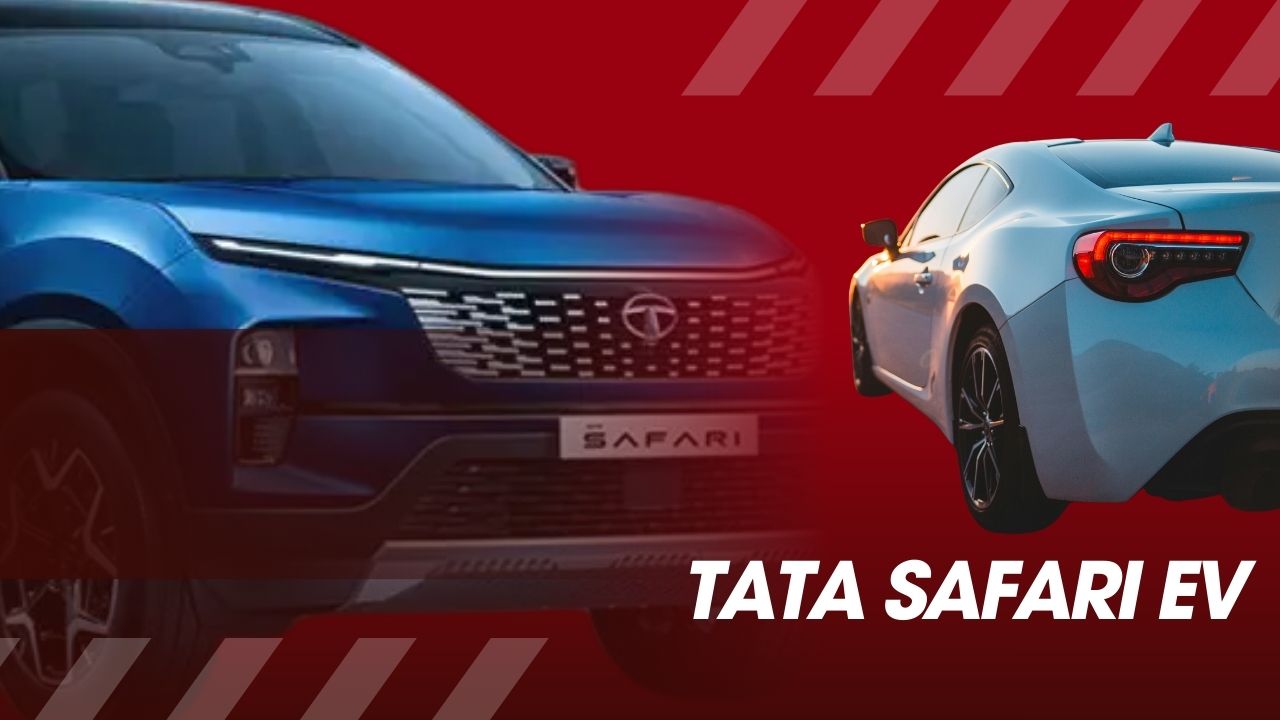
Tata Motors has graduated from “converted” EVs. The 2026 Safari EV is based on the Gen 2 platform, which was designed to accommodate massive battery packs without eating into the space of the Safari silhouette or its off-road capabilities.

Tata Safari EV

Expected battery capacities are between 60 kWh and 80 kWh with a targeted real-world range of 500 km. This is an important psychological barrier for Indian consumers who are wary of highway charging infrastructure.

Higher trims are also expected to offer a dual-motor AWD system, giving it a strategic Edge in the “go-anywhere” family SUV bracket. 

Mahindra XEV 7e (INGLO Platform)

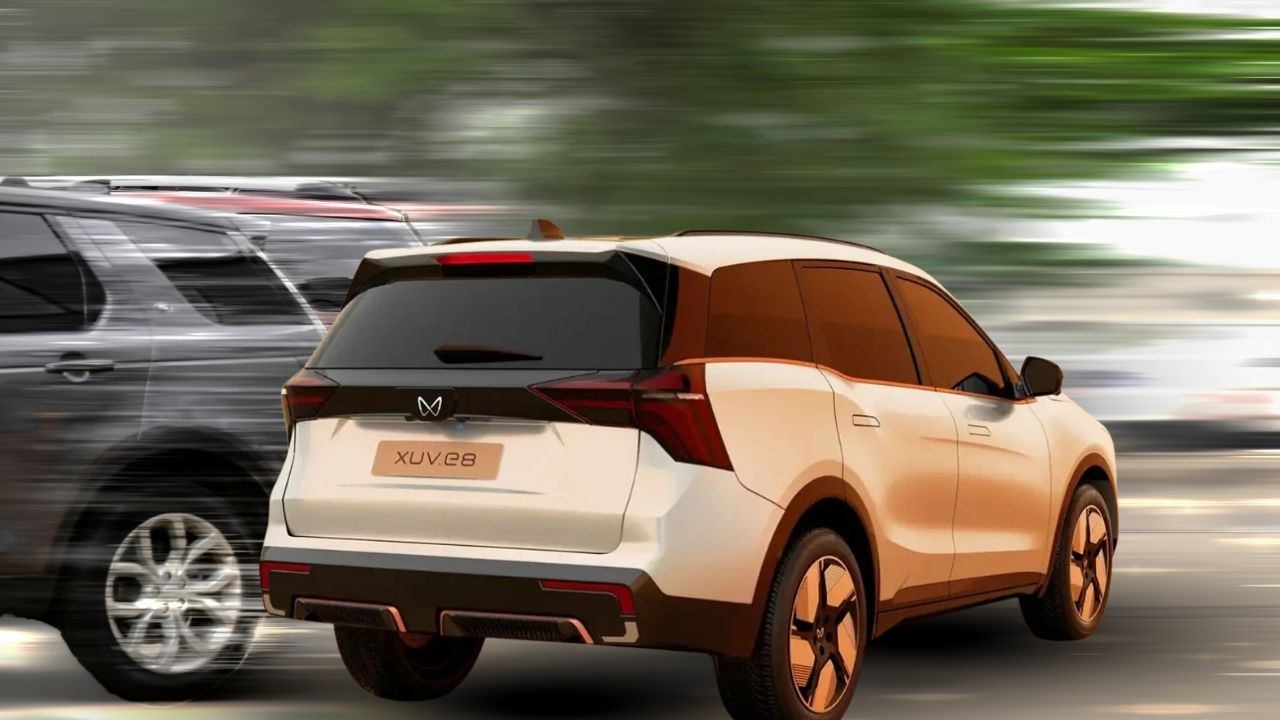
Mahindra’s answer to this is the XEV 7e (the production version of the XUV.e8), which is developed on the modular INGLO platform. “Traditional architecture have the INGLO Provide for a flat floor and must be a ‘cab-forward’ form that permits for maximum use of the interior. 

Mahindra XEV 7e

Software-Defined Environment: The interior is dominated by a three-screen configuration, comprising a 12.3-inch cluster, a 12.3-inch infotainment screen, and a separate third display for the front passenger.

Power: With a power of nearly 345 bhp, it wants to be the most powerful Indian SUV on the tarmac. 

The Efficiency Champions: Maruti Suzuki and Toyota

While a handful of brands are going “all in” on electric, the Indo-Japanese alliance is instead doubling down on Strong Hybrids. This strategy is aimed at mass-premium segment which wants high mileage without range anxiety.

Maruti Suzuki Y17 (Grand Vitara 7-Seater) 

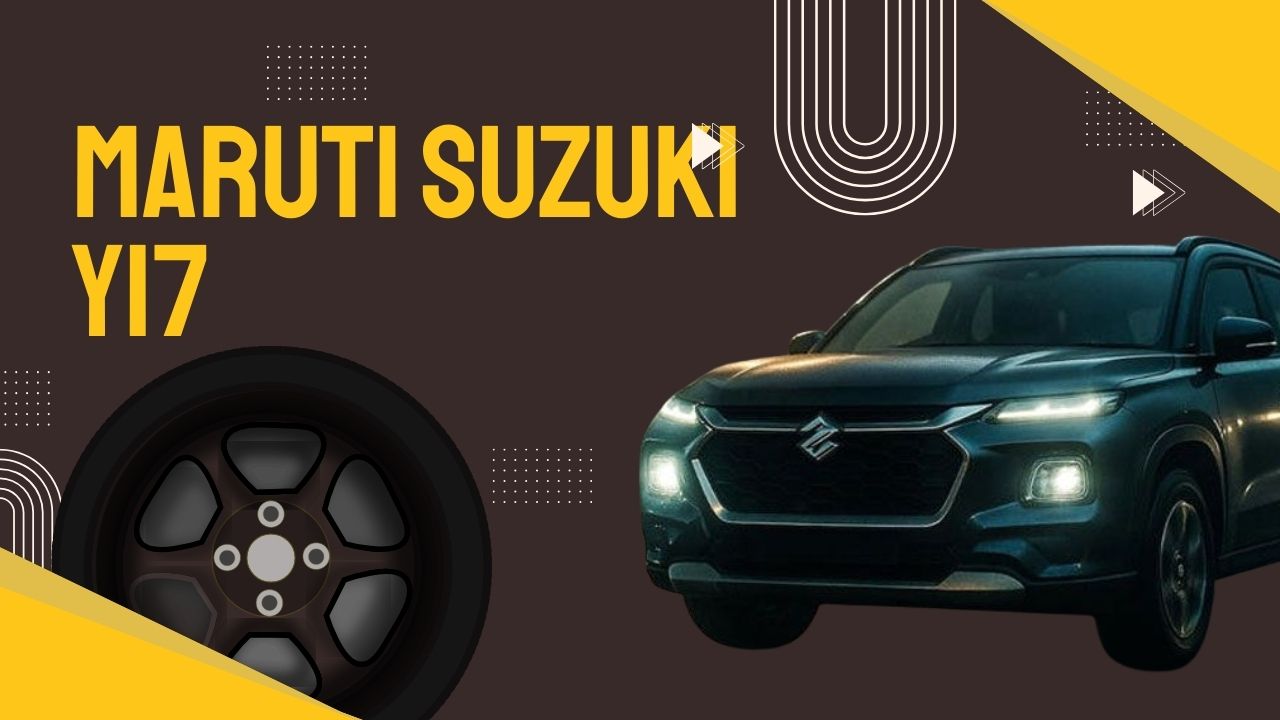
Codenamed Y17, this SUV (launching early 2026) is the elder sibling to the Grand Vitara.

Maruti Suzuki Y17

The “Diesel Killer”: By running a 1.5-litre strong-hybrid powertrain, the Y17 is targeting fuel efficiency numbers over 27 kmpl. In fact, with fuel expenses still a major worry in that market, it will make a strong contender against the traditional diesel SUV.

Platform: Developed on the Global C platform from Maruti’s new Kharkhoda plant, it focuses on city driving and crash safety. 

European Engineering: Volkswagen Tayron

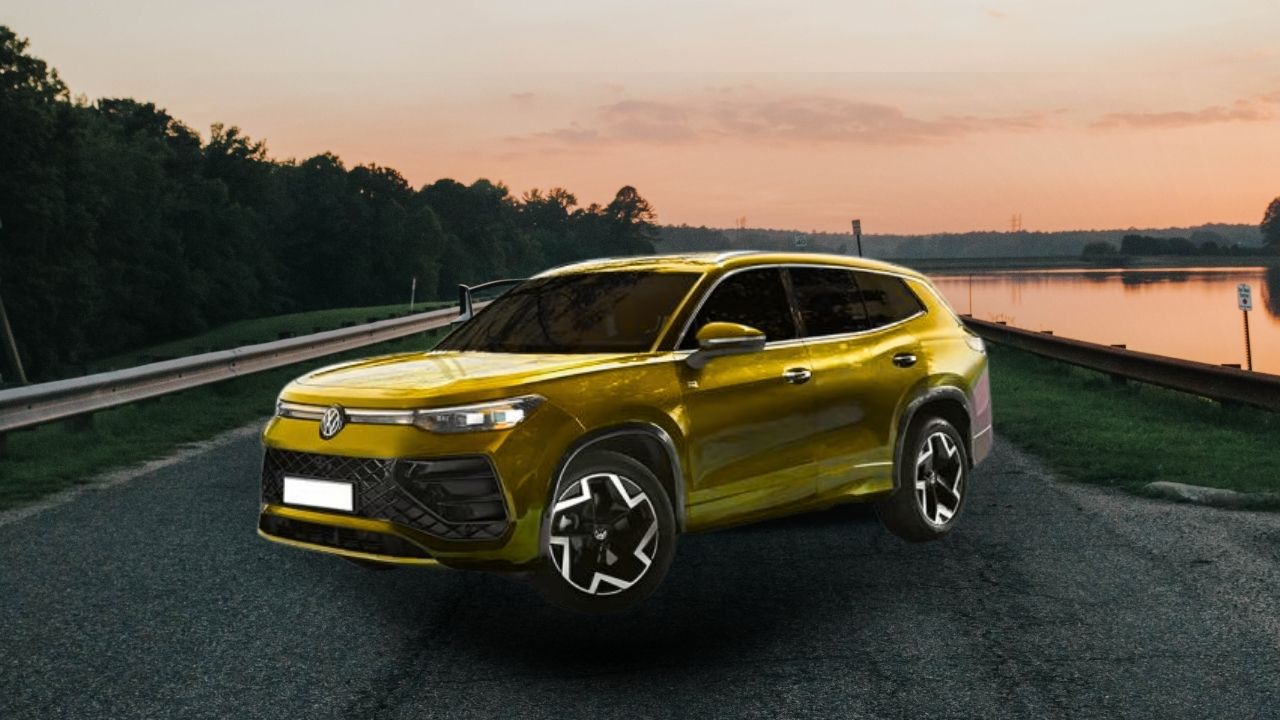
Volkswagen makes a return to premium three-row with the Tayron, the spiritual successor to the Tiguan Allspace.

MQB EVO Platform: Based on the latest iteration of the MQB platform, the Tayron measures in at 2,789 mm, in terms of wheelbase. This means the third row isn’t just for kids but a row that adult can sit on comfortably.

Volkswagen Tayron

Drivetrain: VW stays true to its performance heritage and offers a 2.0-litre TSI turbo petrol engine with 204 PS mated to the lightning-fast 7-speed DSG with 4MOTION all-wheel drive. It’s aimed at a buyer who appreciates ” German Build” and high-speed stability. 

The Boom in Value: Renault Bigster 

Renault and Nissan are making a return in 2026 with the CMF-B platform. The Renault Bigster (Boreal) is the company’s biggest bet in the “rugged value” segment.

Strategy: Bigster is a Safari and XUV700 direct competitor and built on a localised platform to help keep the entry-level price estimated to start from ₹13 lakh.

Hybrid Focus: It is also expected to debut a 1.6-liter strong-hybrid system for the Renault lineup, serving a mix of “tough” looks and “green” merits. 

Read More :- Nithin Kamath’s Car Collection: Inside Zerodha CEO’s Luxury Garage

Luxury Scaling: Hyundai Palisade

Hyundai is pushing the boundaries in “soft-roader” SUVs with the Palisade.

Lounge on Wheels: The Palisade, which is designed to challenge the Toyota Fortuner, is all about “atmospheric luxury” rather than rugged off-roading. The car also features dual-panel sunroofs, 12.3-inch displays, and a capacity for 8-seaters.

Upgrading for the Future: The addition of a 2.2-liter diesel is also in the offing; but then again, Hyundai is also considering a 2.5-liter turbo-petrol hybrid version as a safeguard against tightening emission regulations in major metro cities such as Delhi-NCR. 

Brand Model Platform Key Drivetrain Est. Price
Tata Safari EV Gen 2 EV 80 kWh / AWD ₹25–32 L
Mahindra XEV 7e INGLO 79 kWh / 345 bhp ₹21–35 L
Maruti Y17 Global C 1.5L Strong Hybrid ₹15–25 L
VW Tayron MQB EVO 2.0L TSI / 4MOTION ₹45–53 L
Renault Bigster CMF-B 1.6L Hybrid / 1.2L MH ₹13–18 L
Hyundai Palisade Monocoque 2.2L Diesel / 2.5L Hybrid ₹40–50 L

Conclusion

That the 2026 SUV boom is real in India is that a buyer here is no longer simply seeking “more seats.” They want advanced safety (Level 2 ADAS), software-integrated cabins and sustainable powertrains. Be it the instant torque of the Safari EV or the astounding efficiency of the Maruti Y17, the 2026 line-up will provide a stellar blueprint for the future of Indian mobility.