0

Kim Kardashian Cars Collection: Net Worth in Vehicles Explained

Published Apr 7, 2026, 7:56 AM
Last Updated Apr 17, 2026, 4:56 AM
Kim Kardashian

Kim Kardashian

When discussing the Kim Kardashian Cars Collection, it’s not simply a random assortment of expensive and flashy cars. We are dealing with a carefully curated, heavily modified and perfectly color matched fleet of vehicles that can also be considered high art. Now, we’re taking a look under the hood of her amazing garage. From her custom ghost-grey Maybachs to her jaw-dropping wide-body Lamborghini Urus, we’re going to calculate the total value of the vehicles parked outside her Hidden Hills mansion. 

How Much is the Kim Kardashian Cars Collection Worth?

Kim Kardashian’s car collection is worth around $3.8 million to $5 million. This probably sounds like a tiny amount compared to her total multi-billion net worth. But keep in mind these aren’t stock cars you get off a lot. 

She’s reportedly spent hundreds of thousands of dollars just to have her top cars painted in a color called “Ghost Gray.” Why? Because she wanted her cars to coordinate exactly with the shades she uses in her minimalist $60 million home. 

So let’s look at the price and specs of the flashiest cars in her stable now.  

Kim Kardashian Cars At a Glance

Car Model Estimated Price Key Engine/Specs Standout Features
Lamborghini Urus Mansory Widebody $600,000 4.0L twin-turbo V8, 641 hp Widebody kit, one-arm wheels, custom bumper, family space with speed
Rolls-Royce Ghost $400,000–$500,000 6.7L V12 Ghost gray paint, frosted crystal hood ornament, leather seats, starry roof
Mercedes-Maybach S580 $200,000–$250,000 4.0L V8 mild-hybrid Reclining rear seats with massage, premium cabin, gray paint
Mercedes-Maybach GLS 600 $200,000–$300,000 550 hp Cup holders, folding tables, small fridge, family luxury SUV
Range Rover SV Autobiography $240,000 5.0L supercharged V8 Pantone Satin Silver paint, top-grade leather, spa-like interior
Custom Mercedes-Maybach Minivan $400,000 Custom luxury build Captain’s chairs, TV screens, privacy curtains, mobile living room vibe
Ferrari 458 Italia $270,000 4.5L V8, 562 hp, 0-60 in 3.4s Race-derived handling, classic sports car thrill
Tesla Cybertruck $100,000 All-electric Stainless steel body, gray wrap, edgy modern design
Cadillac Escalade $150,000 Smooth luxury ride KK Silver hue, giant screens, spacious comfort


Top Cars in the Kim Kardashian Cars Collection: Prices and Features

Kim has a very particular car taste. She adores large, safe and super luxury vehicles that provide her with privacy. Here are the standout stars of her collection. 

1. Lamborghini Urus Mansory Widebody

Estimated Price: $600,000

A regular Lamborghini Urus already costs around $260,000, and Kim definitely had to have something more unique. She took it up a notch by wrapping her Urus with a Mansory widebody kit striking in appearance that turns heads everywhere.

Under the bonnet there is a 4.0 litre twin-turbo V8, with 641hp, making it the fastest SUV on the planet. What really differentiates her version however, is the unique one-arm wheels and a custom front bumper giving it a more aggressive look. 

No wonder it’s one of her top three vehicles to drive: it strikes the right balance between practical, daily use and extreme performance, has space for her four kids, and offers all the speed and style she wants. 

2. Rolls-Royce Ghost

Estimated Price: $400,000 to $500,000

Kim Kardashian’s Rolls-Royce Ghost is no exception. There is no way to deny that it is the best car she brought. 

It is equipped with a massive 6.7 liter V12 that produces that signature smooth and effortless Rolls-Royce ride. But what really sets her Ghost apart is the degree of customization. It is coated in her signature “ghost gray” color, making for a crisp and minimalistic exterior. Even replaced silver “Spirit of Ecstasy” hood ornament with custom frosted crystal figure, adding a unique personal touch. Its interior is very comfortable because the seats are made of leather and the starry roof gives a peaceful view.

3. Mercedes-Maybach S580

Estimated Price: $200,000 to $250,000

Specification: It offers a 4.0-liter V8 engine for better ride on sedan and also supports powerful ride experience. This Maybach is built on a mild-hybrid system. The interior maintains the prior interest of most of the celebrities which is premium material and astonishing cabin. The rear seats recline and built-in massage function with custom lighting make rides more fun and relaxing. She also painted this car with gray paint to make hers. 

4. Mercedes-Maybach GLS 600

Estimated Price: $200,000 to $300,000

A big family needs a big SUV to travel. Whether Kim is traveling with her family or alone she wants a big one to opt more space for more stuff. The Maybach GLS 600 is her comfortable luxury vehicle for her trips. 

Features: This SUV is not like a normal one because it has many add-ons luxury features such as cup holders, folding tables and a small fridge for drinks. That’s not it, it gives a 550-horsepower engine to run like a horse. This car gives Kim Kardashian a good time with its features and makes it easy to travel with her family on long road trips. This is the most relaxing car you can buy. 

5. Range Rover SV Autobiography

Estimated Price: $240,000

Range Rovers are a given in Hollywood luxury car culture, but Kim’s is very special.

Specifications: Hers is rendered in a custom “Pantone Satin Silver” to coordinate with the tones of her house. Rover provides a 5.0-liter supercharged V8 powerful engine for excellent ride. SV Autobiography is top-end grade level which means best leather, thickest carpet and cutting edge off-road tech. It’s hard as nails on the outside but you feel like you’re in a relaxing spa on the inside. 

6. Custom Mercedes-Maybach Minivan

Estimated Price: $400,000

Sports cars are the love but what about group trips or family weekends? When Kim wants to go with her loved ones she uses a heavily modified Maybach V-Class minivan. It is the best minivan for children rides too as it gives comfy and protection.

Features: You can’t just order this from a regular distributor. It must be built specifically to order by luxury tuning firms. The Inside features massive captains chairs, big tv screens, custom lighting and privacy curtains. She makes it like she owns a mobile living room for her comfort and mood.

7. Ferrari 458 Italia

Estimated Price: $270,000

For any car lover, Ferrari is a dream car as Kim’s too. Kim’s Ferrari 458 Italia is a head turner amidst her large SUVs, giving her the thrill of driving a classic sports car. 

Features: This car will give you the fastest ride in the world, its speed becomes so obsessive that everyone falls in love. It has a 4.5-litre V8 engine to generate the highest power up to 562 hp for providing an extraordinary ride. It goes from 0 to 60 miles per hour in just 3.4 seconds. The Italia is known for its race-derived interiors and extraordinarily fine handling. 

8. Tesla Cybertruck & Cadillac Escalade

Estimated Price: $100,000 / $150,000

Among her enviable collection of wheels, Kim Kardashian has now added the Tesla Cybertruck — and it’s a car that perfectly suits her modern and edgy vibes. Cybertruck gives an amazing look with its stainless steel body wrapped in a grey paint because of her minimalist vibe. As an all-electric vehicle, it also is a fusion of high-end technology and green principles, making the icon of the design both fashionable and forward-looking.

Also Kim has a customized Cadillac Escalade which is more about comfort and luxury. The SUV, finished in the signature ‘KK Silver’ hue, boasts a spacious, high-end interior with giant screens, luxurious seats, and a smooth ride. While the Cybertruck screams for attention and is daring, the Escalade is grace, roominess and daily comfort and as such represents the more practical slice of her life. 

See: Elon Musk Car Collection and His Networth

The Famous “Skims-Wrapped” Lamborghini

We can’t discuss the Kim Kardashian Cars Collection without taking a look at her most infamous automobile incident. In 2021, Kim grabbed a $200,000 Lamborghini Urus and wrapped the whole outdoors and indoors in white, furry fabric.

She did so to advertise the new “Cozy Collection” at her clothing line Skims. The seats, the steering wheel, the roof, and even the outside doors were lined with fur. It may not have been a suitable car to drive in the rain, but it was a genius bit of advertising. It taught us that she knows exactly how to turn her luxury cars into cash and headlines. 

Why Her Collection Stands Out

When you view the Kim Kardashian Cars Collection, one thing realizes very quickly: There is a very obvious theme. Bright red sports cars and flashy gold trucks are not things that she goes out and buys. She considers her vehicles an extension of her personal brand and her home.

Most celebs want their cars to be noticed when they’re driving. Kim wants her cars to blend in with her lifestyle. By giving them all the same flat gray paint job, she has matched up a fleet that is instantly recognizable. It’s a very contemporary, clean and different way of collecting cars. 

Conclusion

The value of the Kim Kardashian car collection is confidently believed to be at least $4 million to $5 million, but the true worth of the vehicles is in the customization alone. From the $600,000 Mansory Lamborghini Urus to her beloved Maybach S580,each and every car is a work of art.

She shows you that having everything doesn’t mean you need to get it all in every excruciating color. Every now and then, living with a plain gray palette is the most extravagant thing you can do. Business or law school or just taking the kids to school: Kim does it all in some of the most beautiful, most comfortable cars you can find. 

See Best Skoda Car under 10 lakhs

Bipin Sharma

Bipin Sharma is a seasoned automotive content writer with over 10 years of hands-on experience in the world of cars. From the latest car news and reviews to in-depth maintenance tips and expert buying guides, Bipin covers everything that drives the automotive world. Writing about cars isn’t just his profession — it’s his passion. His deep industry knowledge and love for automobiles fuel every blog he creates, helping readers make informed decisions and stay updated on the fast-evolving auto landscape.

Leave a Reply

Your email address will not be published. Required fields are marked *

1

What Salary Do You Need to Buy a Maruti Suzuki Swift in India?

Published Oct 26, 2026, 1:00 PM
Last Updated Oct 27, 2026, 11:31 AM

Maruti Suzuki Swift

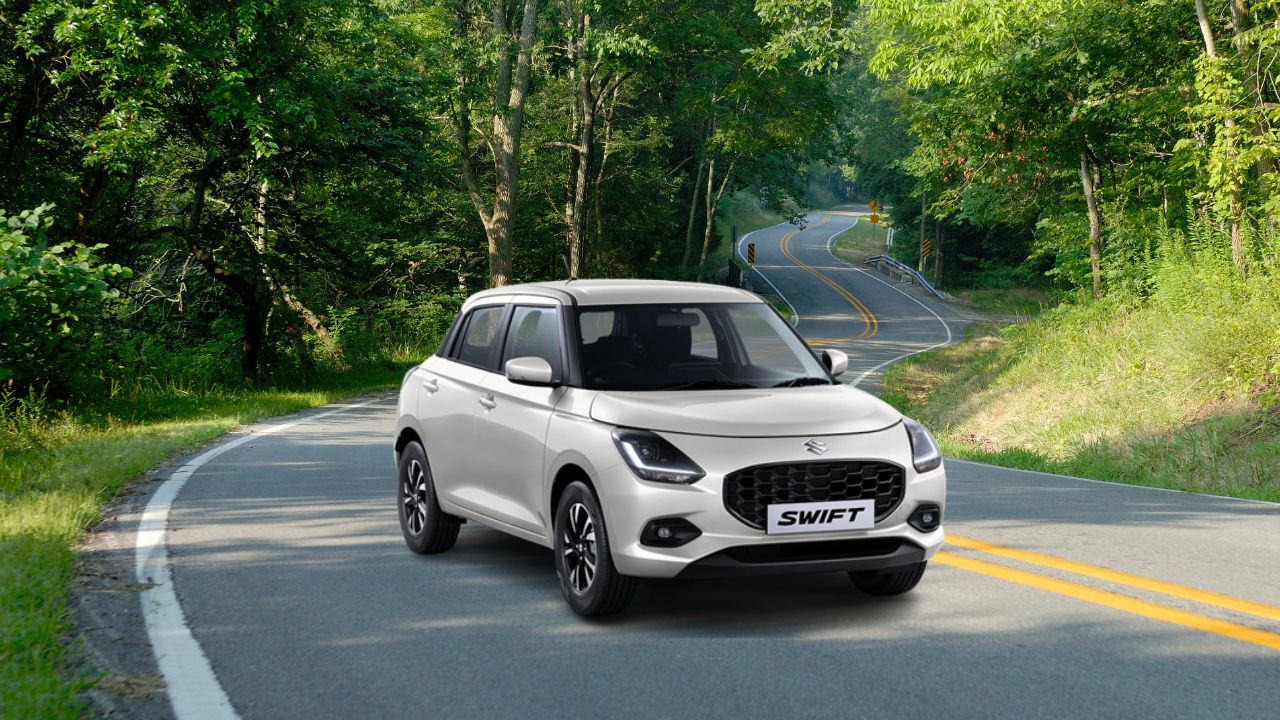
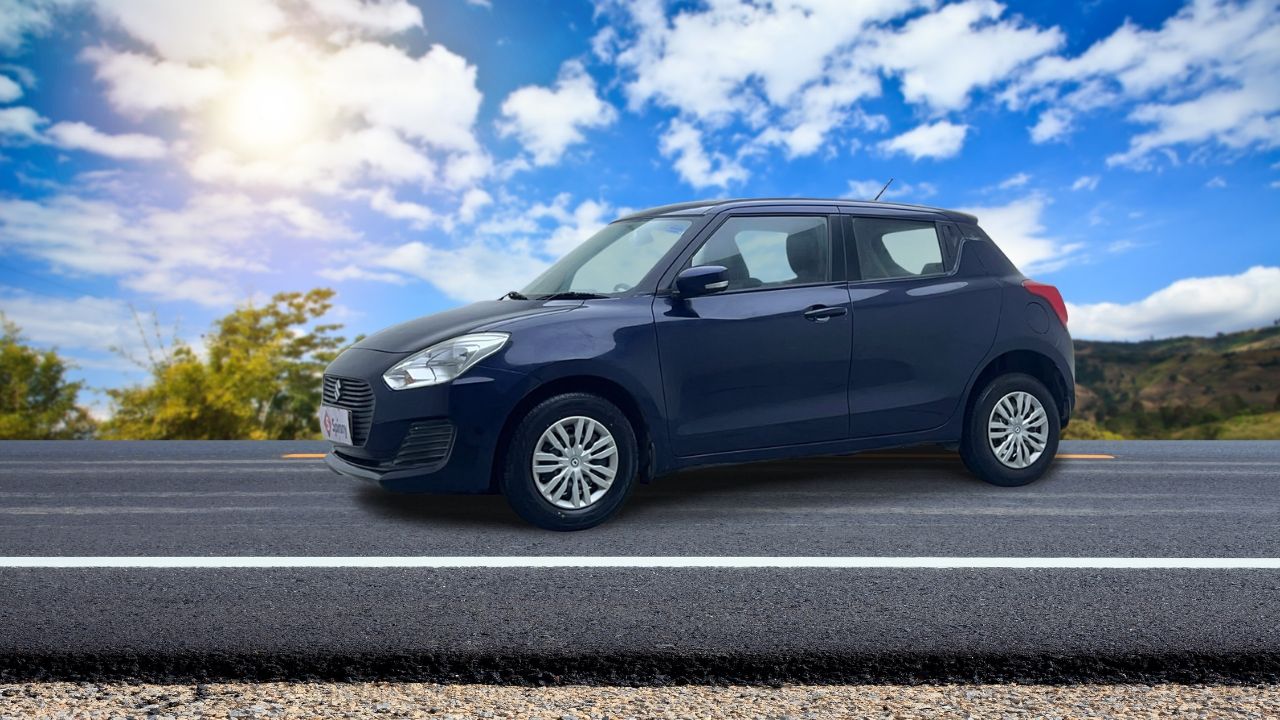
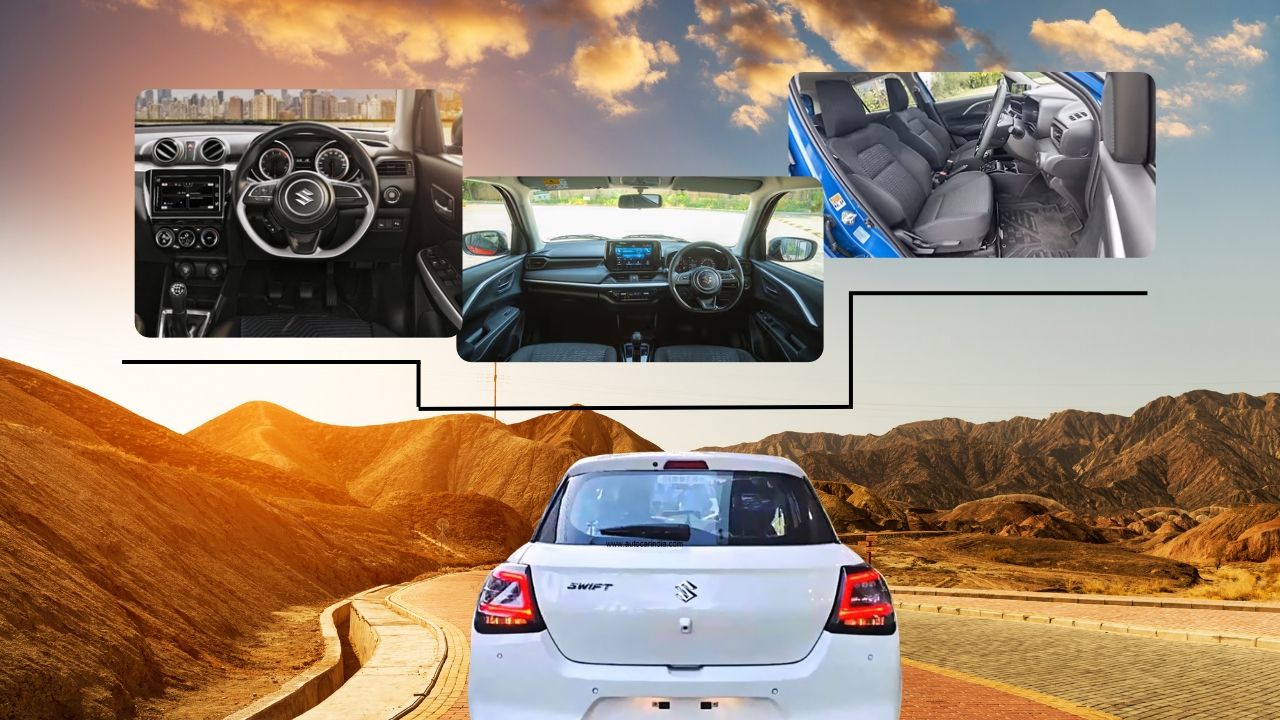
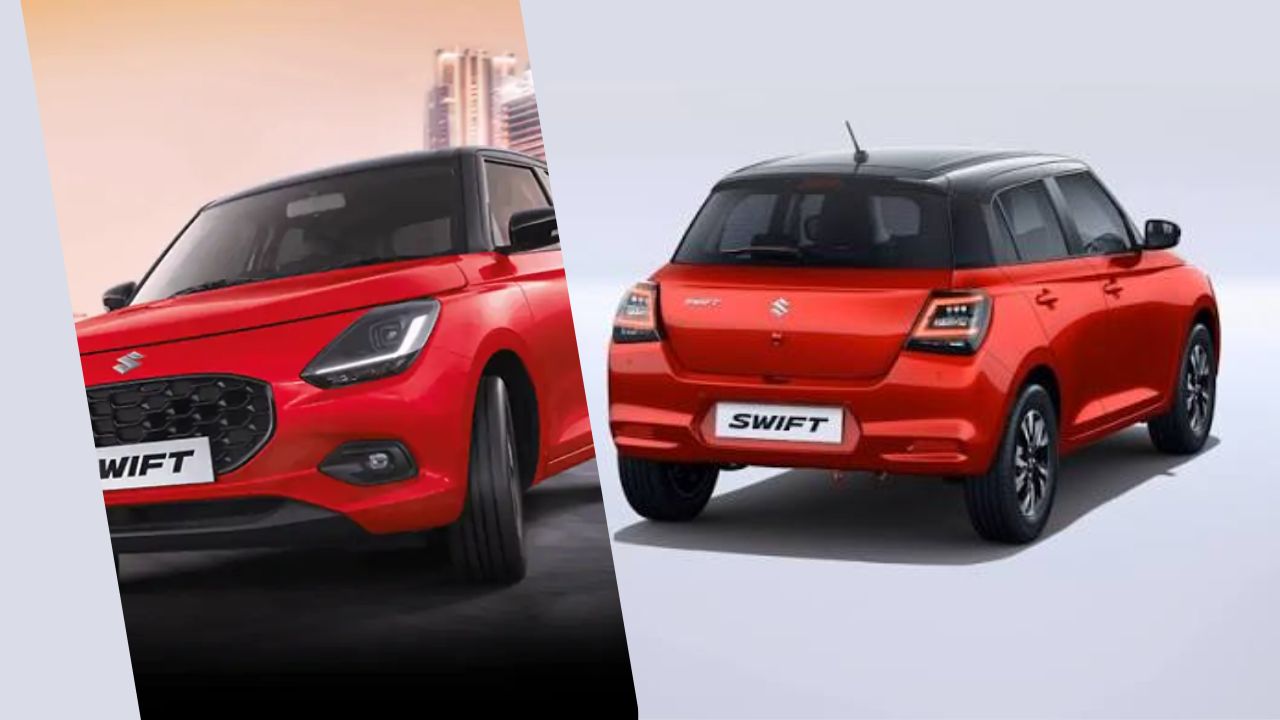
Employees often get confused about what salary they need to buy a Maruti Suzuki Swift. Its on-road price provided by the dealer will be more than a sticker price, depending on the city charges and insurance. To buy it, take-home is ₹50,000 when an EMI of ₹11,200 is set to your account. That EMI already eats about 22% of your salary before fuel, insurance renewals or a single service bill.

So plan your swift according to your salary, understand how you can take up a loan that won’t squeeze your account.

What Salary Do You Need to Buy a Maruti Suzuki Swift

If your salary is around ₹50,000 to ₹60,000 a month excluding EPF and you make a reasonable down payment then you can easily purchase a Swift. If you have any major EMI to pay along with your car EMI, it could go rough on your daily expenses. If your salary is roughly ₹40,000 a month then it’s possible to buy a Maruti Suzuki Swift but you’ll need a bigger down payment and tight budget for the first couple of years.

Lenders are more generous than that. Many will approve a car loan of roughly three to four times your annual income, which means someone earning about ₹2.89 lakh a year could theoretically qualify for a Swift loan. Approval tells you what the bank will risk. It says nothing about what your month looks like after the EMI leaves your account.

Maruti Suzuki Swift On-Road Price

The ex-showroom price range of Swift is ₹5.79 lakh to ₹8.69 lakh for the top variant. There are a total 12 variants which also come in this price range. A 1.2 Petrol LXI is the base variant which can be easily bought. Check the price because it updates with time and ask your dealer the cost of a car because each city applies different charges.

Maruti Suzuki Swift On-Road Price

The base LXI is nearly cost around ₹6.69 to ₹10.04 lakh in Mumbai and ₹6.44 lakh in Delhi. For the math below I’ve used ₹6.7 lakh, the figure for an entry-level Swift in a metro. The CNG version price starts at ₹7.45 lakh ex-showroom in Delhi and the automatic variant costs around ₹7.04 lakh.

What EMI Is Comfortably Fit With Your Salary

Assuming a five-year loan with a 9.5% interest which works out to roughly ₹2,100 of EMI for every ₹1 lakh borrowed. The loan interest and tenure depends on your credit score and lender.

Monthly take-home Down payment Loan amount EMI EMI as share of salary Verdict
₹40,000 ₹2.0–2.5 lakh ₹4.2–4.7 lakh ₹8,800–9,800 22–24% Possible, but tight
₹50,000 ₹1.35 lakh ₹5.35 lakh ₹11,200 22% Manageable with few other expenses
₹60,000 ₹1.5–2.0 lakh ₹4.7–5.2 lakh ₹9,800–10,900 16–18% Comfortable
₹70,000+ ₹1.5–2.0 lakh ₹4.7–5.2 lakh ₹9,800–10,900 14–16% Comfortable, with room for running costs

The usual rule is to keep a car EMI within 15 to 20% of take-home pay, and closer to ₹8,000–₹10,000 if you pay rent or carry other loans. By that rule, the ₹50,000 row only works if you change the down payment. To bring the EMI under ₹10,000 on a ₹6.7 lakh on-road price, you’d borrow about ₹4.75 lakh, which means putting down nearly ₹1.95 lakh instead of ₹1.35 lakh. A larger down payment is the cheapest way to make the Swift fit a smaller salary.

The on-road price should sit within one year’s take-home income. At ₹6.7 lakh, that points to ₹56,000 a month, which agrees with the ₹50,000–₹60,000 range above.

The Running Cost of Swift That Skips From EMI Calculator

Say you drive about 1,000 km a month. At roughly 18 to 20 km per litre in real city conditions and petrol near ₹100 a litre, that’s around ₹5,000 for fuel. These are my estimates, not tested figures, and both the mileage and the petrol price vary by city and driving style. Add a monthly reserve for servicing and insurance renewal, perhaps ₹1,500–₹2,000, and you’re near ₹7,000 a month on top of the EMI.

Running Cost of Swift

If your salary is ₹50,000 a month and total car cost (running plus EMI) near ₹18,000 that leaves 36% of take-home. If you earn ₹60,000 and EMI is ₹10,000 then the total is about ₹17,000 that leaves 28% of take home. That gap is why the salary needed to buy a Swift comfortably sits closer to ₹60,000 than ₹50,000. Parking, tolls and tyre replacement are extra, and they matter a lot in India.

Maruti Swift Specs at a Glance

Spec Details
Engine (petrol) 1.2-litre Z-series, 3-cylinder, 82 hp, 112 Nm
Engine (CNG) Same 1.2-litre, 70 hp, 102 Nm
Gearbox Manual or AMT (CNG is manual only, going by the listed trims)
Claimed mileage 24.8 kmpl (manual) to 25.75 kmpl (AMT); CNG 32.85 km/kg
Safety Six airbags, ESC, ABS with EBD (confirm variant-wise with the dealer)
Ex-showroom price ₹5.79–₹8.69 lakh 


You have to pay ₹1.5 lakh extra to purchase a CNG but you can save on fuel if you drive more. So it will recover your purchase cost in a few years. If the CNG station is fewer in your region then you can face a difficulty. Its always depends on your driving pattern and area.

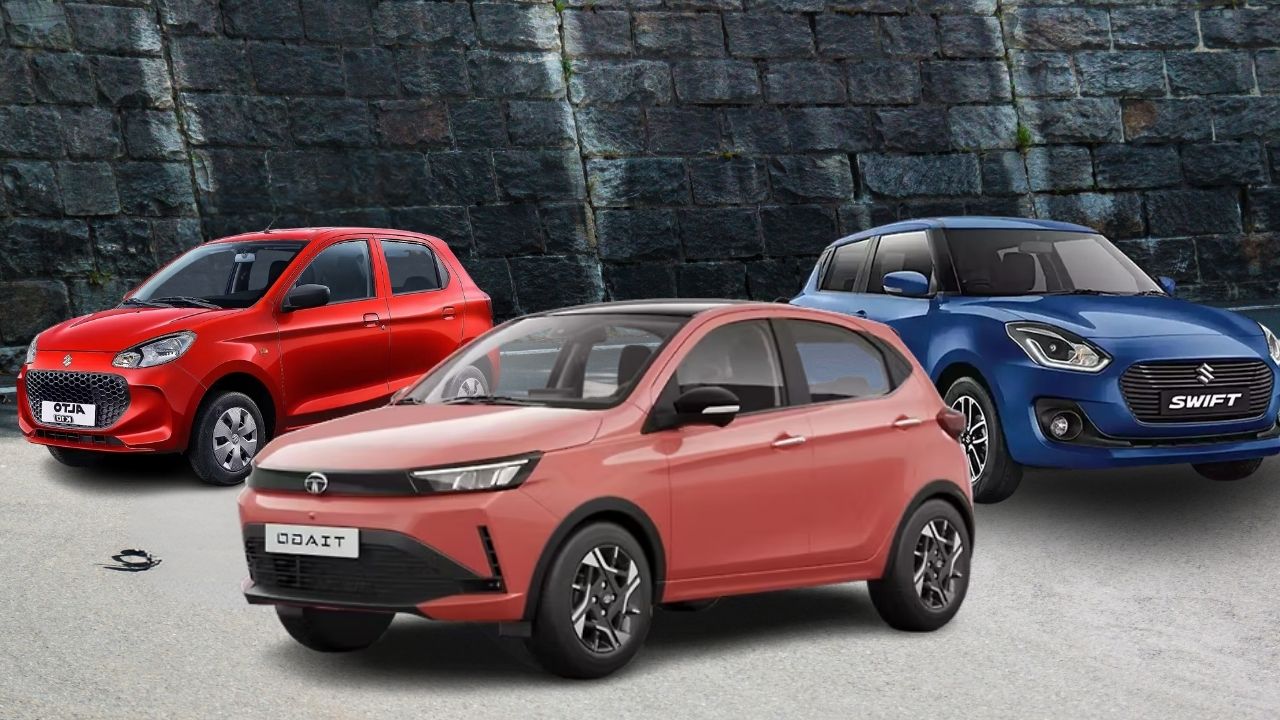
Swift vs Tata Tiago vs Hyundai Grand i10 Nios

The Swift’s two nearest rivals are the Hyundai Grand i10 Nios and the Tata Tiago. Both start cheaper, though listings disagree on by how much. Tiago ranges between ₹4.70 and ₹5.60 lakh ex-showroom and the Nios between ₹5.47 and ₹5.98 lakh, so check current dealer prices.

The Nios uses a 1.2-litre Kappa petrol with around 82–83 hp, almost identical to the Swift’s output. Hyundai’s cabin is a little more polished, but the Nios has only a 2-star Global NCAP rating under the older protocol. The Tiago’s 1.2-litre Revotron is the least efficient at about 19 kmpl, and its pitch is safety and value rather than fuel economy. The Swift’s claimed 24.8 kmpl beats both comfortably.

For a stretched budget, the arithmetic helps. Choosing a Tiago over a Swift cuts the loan by about ₹1 lakh or more, which saves roughly ₹2,100 a month in EMI. Over five years that is about ₹1.26 lakh. If your take-home sits near ₹45,000, that difference matters more than the Swift’s better mileage. If you’re at ₹60,000 and want the stronger resale value and mileage, the Swift is the easier choice.

What Are The Monthly Running And Fuel Costs

The fuel is about ₹4,000–₹7,000 in India and other charges like insurance, servicing, repair needed then the total amount to run for new petrol Maruti Suzuki Swift would be around ₹6,500–₹11,000. EMI is not included in this amount.

Maruti Swift

The current Swift petrol returns an ARAI mileage of about 25.35 kmpl (manual) to 26.25 kmpl (AMT). This is the claimed mileage of a car and the real-world city mileage is usually lower. 

Conclusion

If you don’t have any other major EMI to pay on a ₹60,000 salary then purchasing a Swift is a great option. If you are below that salary then you have to be careful about your expenses and running cost of a Swift to make a purchase. 


Before you sign, run one test. Multiply your take-home by 12 and compare it with the on-road price from your dealer. If the price is higher, raise the down payment until the EMI drops below 20% of your monthly salary. If you can’t get there without draining your savings, you’ve found your answer.

0

Best Automatic Cars Under 10 Lakhs in India – Easy Driving Options

Published Jun 24, 2026, 12:55 PM
Last Updated Nov 2, 2026, 4:35 PM

Automatic Cars Under 10 Lakhs in India

Young generations are more leaning towards automatic cars since they are easy to shift gears and star-stop traffic in metro cities. They are genuinely expensive for a middle class person but automakers understand this issue so they are trying to make more affordable cars. There are some Automatic Cars Under 10 Lakhs which offer excellent features and outstanding performance.

Top brands like Maruti Suzuki, Hyundai, and Tata launched budget-friendly automatic hatchbacks and compact SUVs and left the luxury tag of AMT or CVT gearbox which was beyond 10 lakhs a few months back.

Let’s look into the details and prices of these excellent models which can drive you crazy when you sit behind the steering.

Why Go for an Automatic in the First Place?

Automatic cars are worth buying now more than ever due to fast-paced life and traffic jams. In frequent stop-start traffic, a manual car requires repeated clutch operation and gear changes, which can make driving more tiring for the driver.

If you are living in a city, automatic cars are about saving your mental energy in traffic. You can rely on it as there is no clutch, no gear shifting stress, that gives you the best driving experience for beginners, especially new drivers and elderly family members who find manual gear shifting tiring.

The fuel efficiency gap between manual and automatic has also shrunk a lot, thanks to AMT (Automated Manual Transmission) technology. So you’re not really losing much on mileage anymore while gaining a ton of convenience.

However, AMT is not perfect. It can feel a bit irregular at very low speeds, may pause while downshifting when overtaking, and is not as fun as a manual gearbox. For regular city commuting, though, these trade-offs are usually acceptable.

Top Automatic Cars Under 10 Lakhs You Should Actually Consider

1. Maruti Suzuki Alto K10 AGS

This one is the entry point for most Indian families looking at Automatic Cars Under 10 Lakhs. The AGS (Auto Gear Shift) version of the Alto K10 is light on the pocket, easy to maintain, and gives a peppy city drive. 

Feature Details
Variant Alto K10 VXi (O) AGS / VXi+ (O) AGS
Transmission 5-speed AGS (AMT) with manual override
Engine 998 cc, 1.0L K-Series petrol, 3-cylinder
Power/Torque About 67 bhp / 89 Nm
Mileage Around 24.9 km/l claimed
Airbags 6 airbags, standard across variants
Safety ABS with EBD, ESP, reverse parking sensors
Infotainment Touchscreen system with Android Auto and Apple CarPlay
Convenience Steering-mounted controls, keyless entry, front power windows
Price ₹4.95 lakh (VXi O AGS) to ₹5.45 lakh (VXi+ O AGS), ex-showroom

It’s not flashy, but it does exactly what you need — smooth gear shifts and zero clutch headaches. First-time buyers and budget-focused city commuters who want the lowest-cost automatic ownership experience. 

2. Tata Tiago AMT

Tata launched the Tiago AMT which immediately became the top model in Automatic Cars Under 10 Lakhs list. Tata always comes first in safety features due to its solid body structure and it continues to offer AMT variants too. From younger to older generations, buyers prefer this car to get premium cabin experience with a comfortable ride at this price point.

Feature Details
Transmission 5-speed AMT
Engine 1.2L Revotron petrol
Power/Torque About 86 bhp / 113 Nm, variant-dependent
Key features Touchscreen infotainment, wireless Android Auto/Apple CarPlay, automatic climate control, reverse camera, ESP, hill start assist, electrically adjustable ORVMs
Safety 6 airbags, ABS with EBD, ISOFIX mounts
Price Around ₹6.31 lakh to ₹6.91 lakh ex-showroom for AMT variants, depending on variant


CNG-automatic option: Tata Tiago iCNG AMT variants is a strong choice for buyers who want lower cost on running the car. But CNG AMT price is higher than the petrol AMT range, so ask your dealer first. 

3. Maruti Suzuki Swift AMT

This is the most common hatchback of India for years now. Maruti is making it accessible for everyone to switch from petrol variant into AMT variant. There is no struggle for service as Maruti’s service network is wider. 

Feature Details
Transmission 5-speed AMT
Engine 1.2L Z-Series petrol, 3-cylinder
Power/Torque About 80.46 bhp / 111.7 Nm
Mileage Around 25.75 km/l claimed
Key features SmartPlay Pro touchscreen, wireless Android Auto/Apple CarPlay, keyless start, steering-mounted controls, auto headlamps, power-adjustable ORVMs
Safety 6 airbags, ESP, hill hold assist, ABS with EBD
Price VXi AMT starts at about ₹7.13 lakh ex-showroom; higher AMT variants cost more

Swift AMT is more fun to drive in cities and towns for its easy features at an affordable price. Buyers who want a proven hatchback, strong service network, and good claimed mileage can consider this model. 

4. Hyundai Grand i10 Nios AMT

Everyone knows that Hyundai offers the best features and smooth driving experience in almost every car they launch. That’s the statement of a brand to make their name stand in a market. Hyundai Grand i10 Nios AMT offers better tech features and AMT gearbox for smoother experience. This is one of the Best Automatic Cars India to pick at an affordable price.

Feature Details
Engine 1.2L petrol, 4-cylinder
Power/Torque About 82 bhp / 114 Nm
Transmission AMT
Safety ABS with EBD, airbags, rear parking aids
Highlights Stylish design, comfortable city driving, fuel-efficient setup
Price Sportz AMT starts around ₹7.45 lakh ex-showroom; confirm the latest variant-wise price with Hyundai

5. Renault Kwid AMT

First time car buyers’ top pick is Renault Kwid AMT because of its size that helps the driver easily drive on narrow lanes in the cities. It is perfect for small families and solo commuters. The automatic version adds that extra layer of ease for daily commutes.

Feature Details
Transmission 5-speed AMT
Engine 1.0L petrol
Power/Torque About 67 bhp / 91 Nm
Mileage Around 22.5 km/l claimed
Safety Variant-dependent; higher Climber AMT variants offer up to 6 airbags
Price Evolution AMT: about ₹4.90 lakh; Climber AMT: about ₹5.61 lakh, ex-showroom

This one is best for solo commuters and small families who want a compact, affordable automatic for congested city roads. 

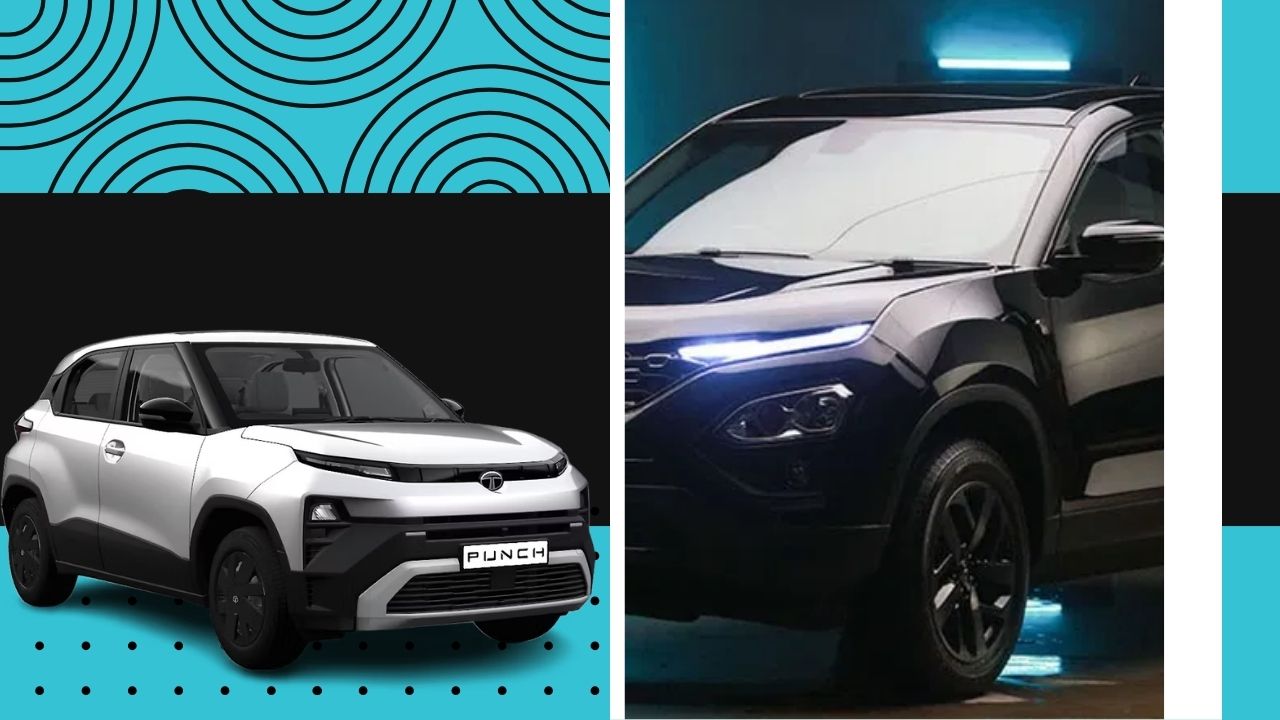
6. Tata Punch AMT

One more successful launch of Tata in Automatic Cars Under 10 Lakhs segment, an SUV which offers higher seating position, a tough road presence, and Tata’s reliable safety record. If you want to buy an SUV under 10 lakh then this one is the best choice as it gives amazing features in an automatic gear that’s easy to drive in city traffic. This is also one of the Best Automatic Cars India is offering.


Feature Details
Transmission 5-speed AMT
Engine 1.2L Revotron petrol
Power/Torque About 87 bhp / 115 Nm
Mileage Around 18.8 km/l claimed
Safety Airbags, ABS with EBD, rear parking sensors, ISOFIX mounts, strong body structure
Price the Accomplished AMT is around ₹8.89–9.05 lakh ex-showroom 

CNG-automatic option: Tata also offers Punch CNG AMT variants. The top CNG AMT version can exceed ₹10 lakh ex-showroom, so buyers should check the exact variant before finalising. Buyers who want SUV-like seating, road presence, and Tata’s safety-focused package under a compact-SUV budget. 

Automatic Cars Under ₹10 Lakh Quick Comparison


Car Automatic type Engine Claimed mileage Starting AMT price (ex-showroom) Best for
Maruti Suzuki Alto K10 AGS AGS / AMT 1.0L petrol About 24.9 km/l ₹4.95 lakh Lowest-cost automatic ownership
Renault Kwid AMT AMT 1.0L petrol About 22.5 km/l ₹4.90 lakh Narrow lanes and city commuting
Tata Tiago AMT AMT 1.2L petrol Variant-dependent About ₹6.31 lakh Safety, features, premium cabin
Maruti Suzuki Swift AMT AMT 1.2L petrol About 25.75 km/l About ₹7.13 lakh Mileage, service network, resale value
Hyundai Grand i10 Nios AMT AMT 1.2L petrol Variant-dependent About ₹7.45 lakh Refinement and features
Tata Punch AMT AMT 1.2L petrol About 18.8 km/l About ₹8.89 — 9.05 lakh SUV stance and safety-focused package

What’s the Difference Among AMT vs CVT vs AGS?

A lot of buyers get confused between these terms, so let’s simplify it. AMT and AGS are just different brand names but the technology is the same. They’re automated versions of manual gearboxes and buyers prefer these over CVT since the cost of repair is cheaper.

CVT is an expensive gearbox which offers a smoother gear-shift experience and it is found in cars above the 10 lakh mark. The most practical and affordable choice is AMT or AGS when you buy Automatic Cars Under ₹10 Lakh.

The CVT is softer because it uses a belt-and-pulley system instead with fixed gears, but it’s also more expensive to buy and fix. 

What Should You Check Before Buying an Automatic Car?

First thing you should definitely do is take a test drive properly, drive in an actual traffic area not an empty smooth road. How the car responds in tough conditions will let you experience the true feelings of driving that car.

Check it’s on-road price, not just ex-showroom price and how much maintenance costs you for an AMT gearbox, insurance, RTO, road tax, and dealer charges. And the most important point is resale value. CNG AMT availability, if your daily running is high. 

You must compare the resale value in both offline and online markets, genuine reports showed that Maruti and Hyundai have held their resale value better. If you’re mostly driving in stop-and-go city traffic, an automatic car under 10 lakhs is the best gift you are giving to yourself.

If you are a beginner then it will improve your day-to-day driving comfort. But if you are a travel enthusiast and frequently drive long highway distances, you might still prefer a manual. Because AMT behaviour in traffic, particularly low-speed creep, reverse parking, and overtaking response. Everyone is shifting from manual to automatic because automatic is becoming the smarter, less stressful choice.

Conclusion

The car market is upgrading itself day-by-day with more modern cars. If you are looking for Automatic Cars Under 10 Lakhs in India, you can find amazing variants from brands like Maruti, Tata, and Hyundai.

Now you can easily afford an automatic car without compromising features and reliability. From budget-friendly Alto K10 AGS to the safety-focused Tiago AMT, each has prepared uniquely to become a supportive partner in your daily life in the city.

Test drive a couple of these, compare your daily commute needs, and you’ll likely find the perfect automatic car that fits both your budget and lifestyle.

0

How to Check Tire Pressure Correctly: Guide For Car Owners

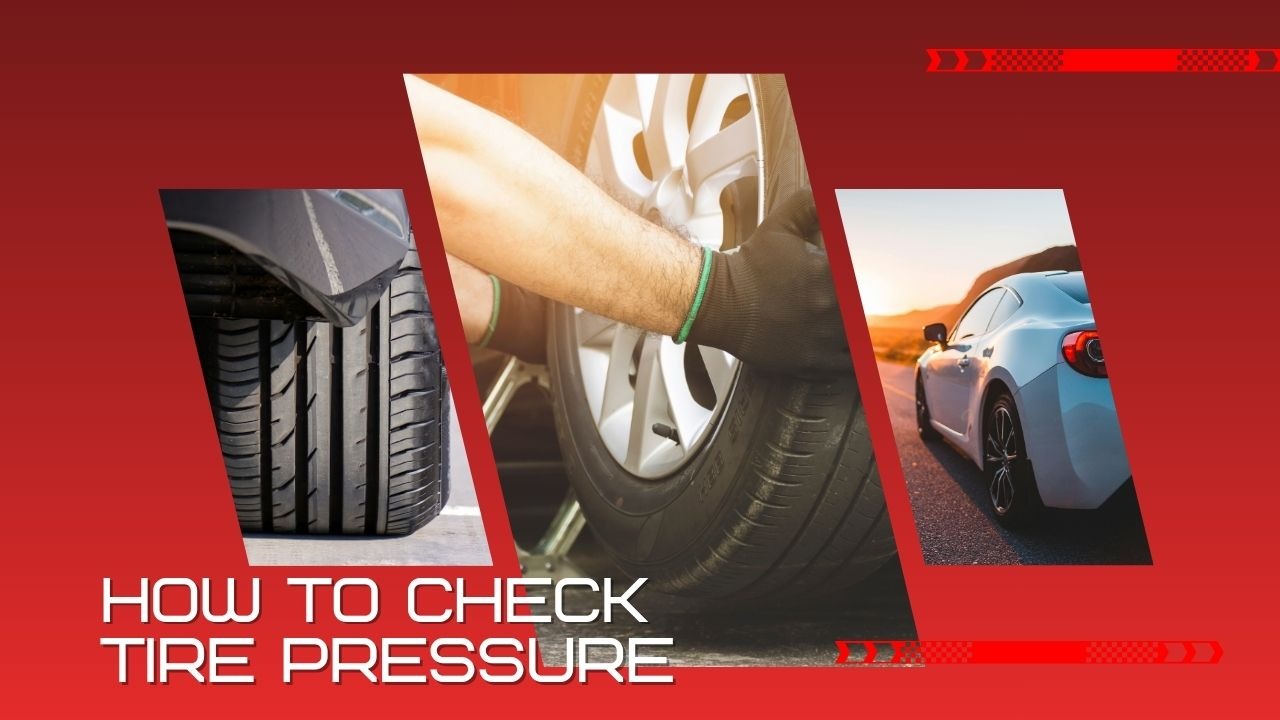
  How to Check Tire Pressure

Most drivers check tire pressure only when a tire already looks flat — which is exactly the wrong time to check it. By then you’ve likely been driving on underinflated rubber for weeks, burning extra fuel and wearing the edges of your tread down faster than the center. Understanding how to check tire pressure correctly can save your fuel.

What makes it tricky is that you can’t tell if a tire is under-inflated by simply looking at it. It changes with temperature and must be measured with a gauge. It’s a quick check that only takes a few minutes, and it can increase your gas mileage and tire life. 

Why Correct Tire Pressure Is Essential for Better Mileage 

A tire that is only 15% underinflated can reduce its life by thousands of kilometers and increase fuel consumption by 3 to 4%, the U.S. The Department of Transportation’s NHTSA quotes this data. Overinflated tires aren’t better as they shrink the contact patch with the road, which reduces grip and makes the ride harsher when you run over potholes. 

There’s a tight range that’s actually correct for your car and that size isn’t the number that’s printed on the sidewall of the tire. That figure is the tire’s maximum pressure rating, not the recommended one for your vehicle. 

The correct number resides in two places: a label inside the driver’s door jamb and the owner’s manual. Splitting the number is often given as two numbers – one for the front axle and one for the rear, as the rear often carries a different load. A normal Sedan tyre is inflated to around 30-35 PSI (approx. 2.1-2.4 bar) and for SUV/4X4 or heavier vehicles are usually recommended to be inflated 2-4 PSI more. 

When to Check Tire Pressure for the Best Results 

Tire pressure needs to be measured when they are “cold” — when the car has been stationary for at least three hours or if you haven’t driven more than two miles. Driving causes the air in the tire to heat up, and heat causes air to expand, which reads higher by 4-5 PSI or more depending on how long you’ve been driving. Check pressure immediately after a long drive and you’ll get a number that looks fine but isn’t — the tire will read low again once it cools overnight. 

The best time is early morning, before the car has moved, and before the sun has had a chance to warm the tires either.

Read More :-  How to Improve Gas Mileage: 15 Proven Tips That Actually Save Fuel

Accuracy Starts With the Right Gauge

Gas station pressure gauges on the air pump are well known for being inaccurate — they can be off by 3-5 PSI or more in either direction. A simple digital tire pressure gauge is very inexpensive and well worth having on hand; it eliminates guesswork and provides a consistent reading every time. Pencil-style gauges work too and are cheap and pocket-sized, but they’re harder to read precisely and tend to drift out of calibration faster than digital ones.

If your vehicle comes equipped with a Tire Pressure Monitoring System (TPMS), don’t use it as your sole check. In fact, the warning levels for TPMS are set to announce a single drop of approximately 25% from the recommended tire pressure – meaning that a tire can already be very under-inflated when the dashboard says something. 

Checking Tire Pressure Step by Step

  1. Take off the tire valve cap and place it in a safe place where you won’t lose it. 
  2. Press the gauge down on the valve stem until the hissing stops and you get a steady reading — a brief, uneven press results in an inaccurate reading. 
  3. Compare the reading with the number on the door jamb label for that particular axle (front and rear boots can be different). 
  4. If it’s low, pump in air in short bursts, checking between each — it’s easy to go too far. 
  5. If the pressure is too high, briefly press the small pin inside the valve stem to let some air out, then check again.
  6. Replace the valve cap. It’s not just cosmetic — it keeps out dirt and moisture that can lead to slow leaks, over time. 

Do this for all of the regular tires, and the spare if you have one. The spare is perpetually neglected and often the flattest tire in the vehicle when you actually require it. 

Temperature Changes Pressure More Than People Expect

Tire pressure drops roughly 1 PSI for every 10°F (about 5.5°C) drop in outside temperature. This matters a lot for drivers in North India or anywhere with a real winter — a tire set correctly in October can be noticeably underinflated by December without a single leak involved. 

The reverse happens in peak summer heat, especially in places like Dubai, where tires can run several PSI higher on hot asphalt purely from ambient heat, not overinflation. Checking pressure with the seasons, not just when something feels off, catches both problems before they become a blowout risk or an uneven wear pattern.

Signs You’ve Been Ignoring the Problem

Uneven wear on the outer edges of the tread usually points to underinflation; wear concentrated in the center strip points to overinflation. A car that pulls slightly to one side, feels softer than usual in corners, or seems to be drinking more fuel than it used to are all pressure symptoms before they’re anything else. None of these show up overnight — the build slowly enough that most drivers adjust to the change without noticing it.

The Habit That Actually Works

Checking tire pressure once a month, and always before a long highway trip, catches almost every problem before it becomes expensive. It takes less time than filling a fuel tank and costs nothing beyond the gauge sitting in your glovebox. 

The number on the door jamb is correct for a reason — trust that over the sidewall, over the gas station gauge, and over how the tire happens to look.

Read More :- How to Transfer Car Ownership in India: A Step-by-Step RTO Guide (2026)

Conclusion 

Properly checking tire pressure is one of the simplest and most beneficial maintenance routines. Among other things, it improves gas mileage, prolongs tire life, increases braking and handling, and minimizes the chance of an unplanned tire failure on the road. 

The trick is to measure the pressure when the tires are cold; use a good-quality gauge; and go by the PSI value on your car’s door jamb , not the number on the sidewall of the tire. 

Three minutes once a month can save your money on gas, extend the life of your tires and make every trip safer. For the typical car owner, it’s a small habit that can prevent a lot of bigger expenses down the road, not just something to think about when a warning light comes on. 

Keep a tire-pressure gauge in your glovebox, check all four tires and the spare on the reg, and make correcting tire pressure a normal step in your car-care routine. 

0

Festive Car Discounts 2026: What You’ll Really Save After Price Hikes 

Published Oct 1, 2026, 12:56 PM
Last Updated Oct 1, 2026, 1:03 PM

Festive Car Discounts

Festive Car Discounts in India 2026 look attractive, with brands advertising benefits worth lakhs of rupees. However, the actual savings can be much lower once you check the offers on your preferred variant. Honda’s festive banner says “up to ₹2.44 lakh”. Then you walk into the showroom, ask for the quote on the car you actually want, and the cash off the price is a fraction of that. 

If you’ve been comparing Festive Car Discounts India 2026 style, you’ve probably felt this gap already. The headline is a ceiling, and the quote is the real number. With price hikes already affecting car prices this year, it’s important to look beyond the advertised discounts. 

Here’s how to tell the two apart before you pay a booking amount.

What Festive Car Discounts India 2026 Are Actually Made Of

That “up to” figure is rarely one discount. It’s a stack of different benefits added together, and only one of them lowers the price you pay.

Cash discount. This is the only part that comes straight off the ex-showroom price. Everything else depends on your situation.

Exchange bonus. You can get this benefit when you already have a car to trade in but the dealer’s valuation of your car eats your bonus. For instance, your car gets ₹30,000 exchange bonus and the dealer undervalues it by ₹30,000 which is considered as no bonus at all.

Corporate benefit. This is meant for employees of listed companies and institutions. Many dealers will extend it to anyone with a plausible employer, but the brand’s “up to” number assumes you qualify.

Scrappage benefit. You need a valid scrapping certificate for an old vehicle. If you don’t have one, this line is zero for you.

Extended warranty or free accessories. The value is real but notional. An extended warranty you wouldn’t have bought isn’t money in your pocket.

When you read “₹2.44 lakh”, mentally cross out everything except the cash discount, then add back only the benefits you can actually claim.

Why “up to” never means your car

Maximum discounts almost always sit on specific variants and specific stock, usually older-build units the dealer wants off the lot. The practical test is simple. Ask the dealer for the discount on the exact variant, colour and manufacturing year you want. If the number changes when you name the variant, you’ve found the real discount.

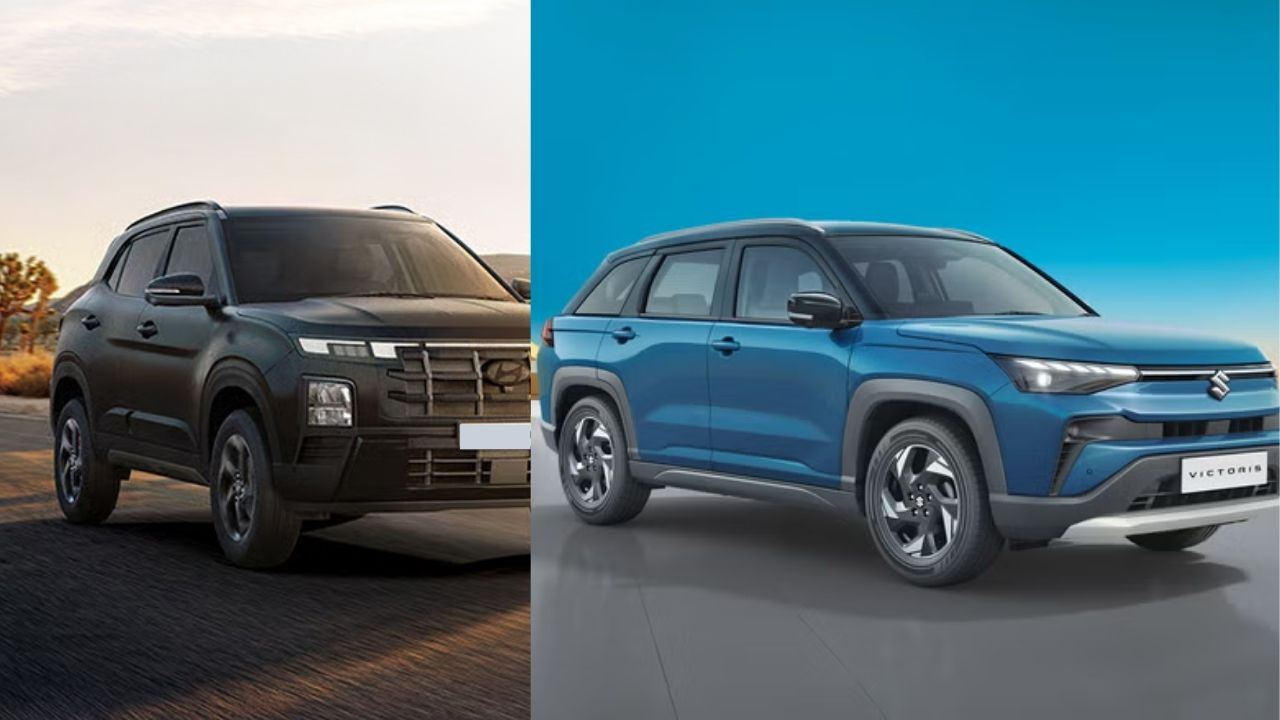
mid-size SUVs

Even the two mid-size SUVs offers different benefit, there’s a price variation in every variant of a car:

Maruti Suzuki Victoris Hyundai Creta
Reported figure Up to ₹1.35 lakh Up to ₹1 lakh
What it represents Reported festive/dealer benefit, varying by city, variant and stock September-reported figure carried into the October window
Confidence Medium Medium-low until you get a dealer quote

Neither brand publishes a single national number, so treat both as a starting point for negotiation. 

Tata Motors is a useful reminder of how these headlines work. Its figures, such as up to ₹1,54,700 on the Nexon diesel, reflect an official GST-related price reduction on listed variants rather than a separate cash discount. That’s a genuine saving, but it’s a different thing from a dealer cash offer, and you can’t negotiate it further.

The Price-Hike Side Nobody Puts On The Poster

Discounts and price hikes often arrive in the same year. Carmakers raised prices in April 2026, with increases of around 2% reported across the market. Those hikes are baked into the ex-showroom price before any festive discount is subtracted.

For instance, you saw the sticker price ₹15 lakh of a car which gets a 2% hike, 30,000 add up. If there is a ₹30,000 to ₹40,000 discount on that car under festive cash discount, you are not saving anything from the discount. The poster says “save ₹40,000”, but compared with the pre-hike price, your net saving is closer to ₹10,000.

Car Price-Hike

So don’t compare the discount with zero. Compare the post-discount price with what the same variant cost before April. The gap between those two prices is your real savings.

October Offer OR December Clearance?

Decide which car and model you want to buy because the actual price depends on many things so the discount too. If you can’t wait for December and the car is in high demand then the October festive window is a good choice. Fresh stock arrives this month and dealers are chasing monthly targets around Dhanteras and Diwali.

Your selected car is older-build stock then you can wait for December when the dealers clearing out year’s inventory, they put a cash discount on that. But you might not get the best colour and variant choices, and the car will be registered as a 2025 model if it is built in 2025. So the resale value is not good.

If the car you want is a high-demand model, buy now. If it’s a slower-moving model with plenty of stock, December is where your patience gets paid.

How To Read a Dealer Quote

Whatever the discount, the figure that matters is the on-road price, because that’s what leaves your account. Ask for it in writing, itemised. Here’s an illustrative breakdown, with numbers made up to show the structure:

Line item Illustrative amount
Ex-showroom price ₹15,00,000
Cash discount −₹40,000
Road tax and registration Varies by state
Insurance Varies by insurer and IDV
TCS (1% on cars above ₹10 lakh ex-showroom) Applies at this price
Handling/logistics charges Ask what’s included
Accessories, extended warranty Only what you’ve agreed to

Check three things on the sheet. First, the cash discount should be its own line, not buried inside “total benefits”. Second, look for add-ons you never asked for, like fabric coating, extended warranty or accessory packages bundled into the price. Third, confirm the insurance quote against one you get yourself, since dealer-arranged insurance is often costlier.

Get quotes from at least two dealers for the same variant, then let them know you have the other quote. That conversation tends to move the cash discount faster than any festive banner.

The rule to carry into the showroom: Take the cash discount, ignore the “up to” number, and ask for the on-road price in writing.

Check Details–  Mercedes-Benz GLC Electric Comes With 715 km Range 

Conclusion

Festive Car Discounts in 2026 can help you save, but the advertised offers don’t always reflect what you’ll actually pay. They can advertise total discount offers including exchange bonuses, corporate benefits and dealer add-ons but people get to choose only one of them. 

Don’t get confused, choose a car’s variant and colour and check the cash discount on your preferred variant then get a quote from a dealer. Before booking, compare the current price with the pre-hike price, because a festive offer matters if you pay less than usual price.

0

Hyundai Verna Facelift: New Features, Design, Interior, Safety, Engine, Mileage Updates Details

Published Dec 18, 2025, 10:33 AM
Last Updated Apr 24, 2026, 11:22 AM

Hyundai Verna Facelift

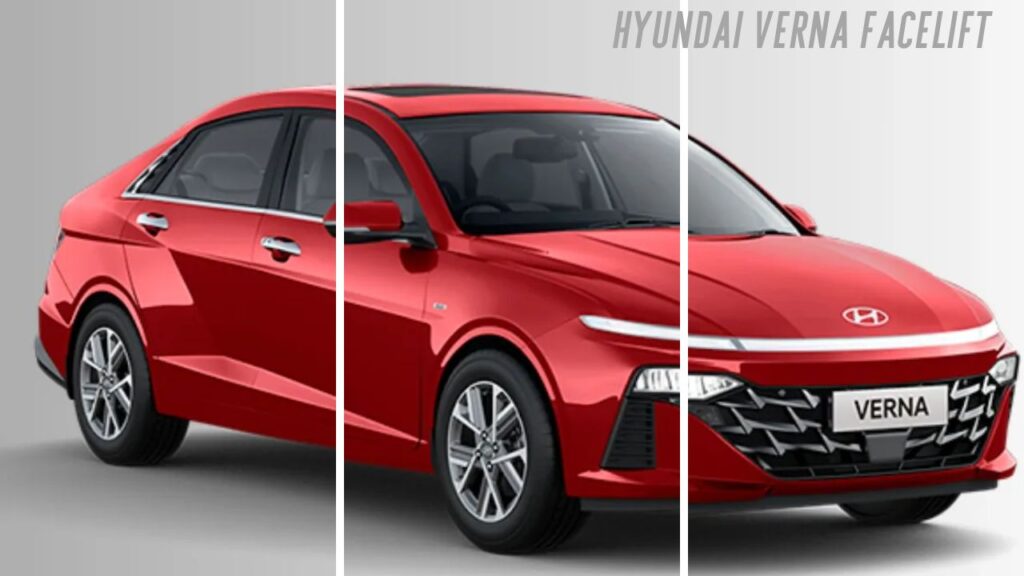
Hyundai Verna Facelift is debuting during midsize sedan segment decline as the SUVs take majority of sales. Reinventing the wheel didn’t really seem to be on Hyundai’s agenda this time around, and that’s a good thing — the Korean marque is simply evolving what already works, adding some fresh design cues, some new technology and new safety features. The end result is a sedan that is not only more modern, progressive and premium than ever, but also delivers an excellent balance of comfort, performance and reliability that made the Verna one of the best-selling cars in India.  

With crisper styling, upgraded interiors, new ADAS technology, powerful yet fuel-efficient engine choices, the Verna Facelift is all set to rekindle the faith of buyers that sedans still are a very solid proposition. 

A Fresh Face for the Modern Era

Hyundai Verna Facelift isn’t meant to be a reimagining of the entire car, rather it’s about smart updates and enhancements. A basketball hoop design replaces the previous horizontal slat grille now seen in Hyundai’s luxury designs such as the Sonata that inspires the new look. The LED light bar which has been a distinctive element for Verna is retained and revamped with upgraded lighting signatures resulting in a crisper and bolder look.​

A Fresh Face for the Modern Era

Coming to the sedan, the bonnet line has been reworked, and it adds to the overall cleaner-looking unified front-end. The bumper lines have been sharpened as well, making it look even sportier without losing none of its recognizable body. 

Inside, the Verna is treated to a new multi-layer dashboard and a revised center console that run the entire length of the cabin for a refreshed look from front to rear. New diamond-cut 16-inch alloys complete off the exterior transformation, a few variants with sleek blacked-out finishes options to add a little more sport. 

Impressive Interior That Meets Your Standards

Step into the revamped Verna and you will see that the cabin offers a good blend of upmarket features with day to day practicality. The overall design is still faithful to the winning formula of the present model, but Hyundai has added some meaningful enhancements. The infotainment system has been updated with a new touchscreen display, and there’s talk of dual 12.3-inch screens from the Venue. This would be a big boost for those who want to be connected and live the modern tech life.​

Impressive Interior That Meets Your Standards

The cabin now receives upgraded trim finishes and new colour schemes that further enhance the overall sense of luxury. Hyundai has updated the well-known beige and black dual-tone interior design with a more modern look without compromising the open and airy feel making the Verna suitable for daily drives as well as long highway drives. Comfort is still the name of the game, with ventilated and heated front seats providing convenience all year long, and the power-adjustable driver’s seat making it easy for drivers of all sizes to find a perfectly ergonomic driving position.  

Connectivity features have Verna strength from the beginning, and the facelift echoes this tradition. Over 65 intelligent services, such as remote start of the engine, climate control and car diagnostics are part of the package BlueLink connected features that you can access through your smartphone or voice assistants as Alexa and Google. That is the kind of technology that turns your car into a truly smart car instead of merely a way to get around. 

Safety That Keeps a Protection Promise 

Safety is not a bargainable parameter in automotive space these days, and the Verna Facelift reaffirms Hyundai’s adherence to this ideology. The sedan still has comprehensive airbag coverage with as many as six airbags for all-round protection – driver, passenger, sides, and curtains. Higher variants also receive optional seventh airbag arrangements.­

But what really makes the Verna stand out is its Level 2 ADAS technology – Hyundai SmartSense. The system features forward collision avoidance assist which brakes for you to avoid a crash, blind-spot collision warning, which notifies you of vehicles in your blind spots, and lane keeping assistance, which assists in staying centered in your lane on the highway. These are not gimmicks — these are real security blankets that could have a genuine impact on accident prevention. 

Other safety features available are all-wheel disc brakes on turbo models, electronic stability control, hill-start assist control, ABS with brake-force distribution, and a rear parking camera with dynamic guidelines. The rigid safety structure shows that Hyundai is serious about safeguarding its passengers. 

Read More:- Lionel Messi Car Collection 2025: Price, Models & Exclusive Photos

Engine Performance That Shouts

As for the mechanics, Verna Facelift is no different from what we know and it still sticks to the tried and tested formula. The Verna runs on a tried 1.5-litre naturally aspirated MPI petrol engine, offered in 6-speed manual and 6-speed Intelligent Variable Transmission (IVT) options and it produces 115 PS power and 144 Nm torque. Those looking for a livelier drive can opt for the sportier 1.5-liter turbo-GDI petrol, which makes a strong 160 PS and 253 Nm, available with either the 6-speed manual or an 8-speed dual-clutch automatic gearbox.  ​

Engine Performance That Shouts

The interesting speculation is that Hyundai will offer a 1.5-litre petrol-hybrid powertrain as part of their plan to roll out eight hybrid models in various segments by 2030 or oil price dependent world market demand)~ like Toyota? This could make the Verna a rival for the Honda City e:HEV and give the drivers a greener choice without compromising on power. 

Mileage Efficiency For Unstoppable Rides

Towing capacity is important for practical purposes. Interestingly, the 1.5L MPI petrol engine bodies 18.6 kmpl in MT and 19.6 kmpl in IVT auto. The turbocharged one bumps that up to 20.0 kmpl (stick) and 20.6 kmpl (DCT automatic), so it is also a fuel efficient option for those who can pay a bit more for performance. These numbers are a good compromise of power and fuel economy, which is essential for the common Joes on the road. 

Conclusion

The Hyundai Verna Facelift is more of an evolution rather than revolution. With understated styling updates, new technology, additional safety and tried and trusted mechanical dependability, Hyundai has created a saloon that feels up to date without giving up on its practical merits. Be you daily commuter, weekend warrior or intrepid family hauler, the Verna refreshed continues to defy its obsolescence and remains among the most sensible sedan options in India.